Functional Chitosan-Interpenetrating Networks: Next Generation Super-Adsorbents for Biomedical Applications



Abstract
1. Introduction
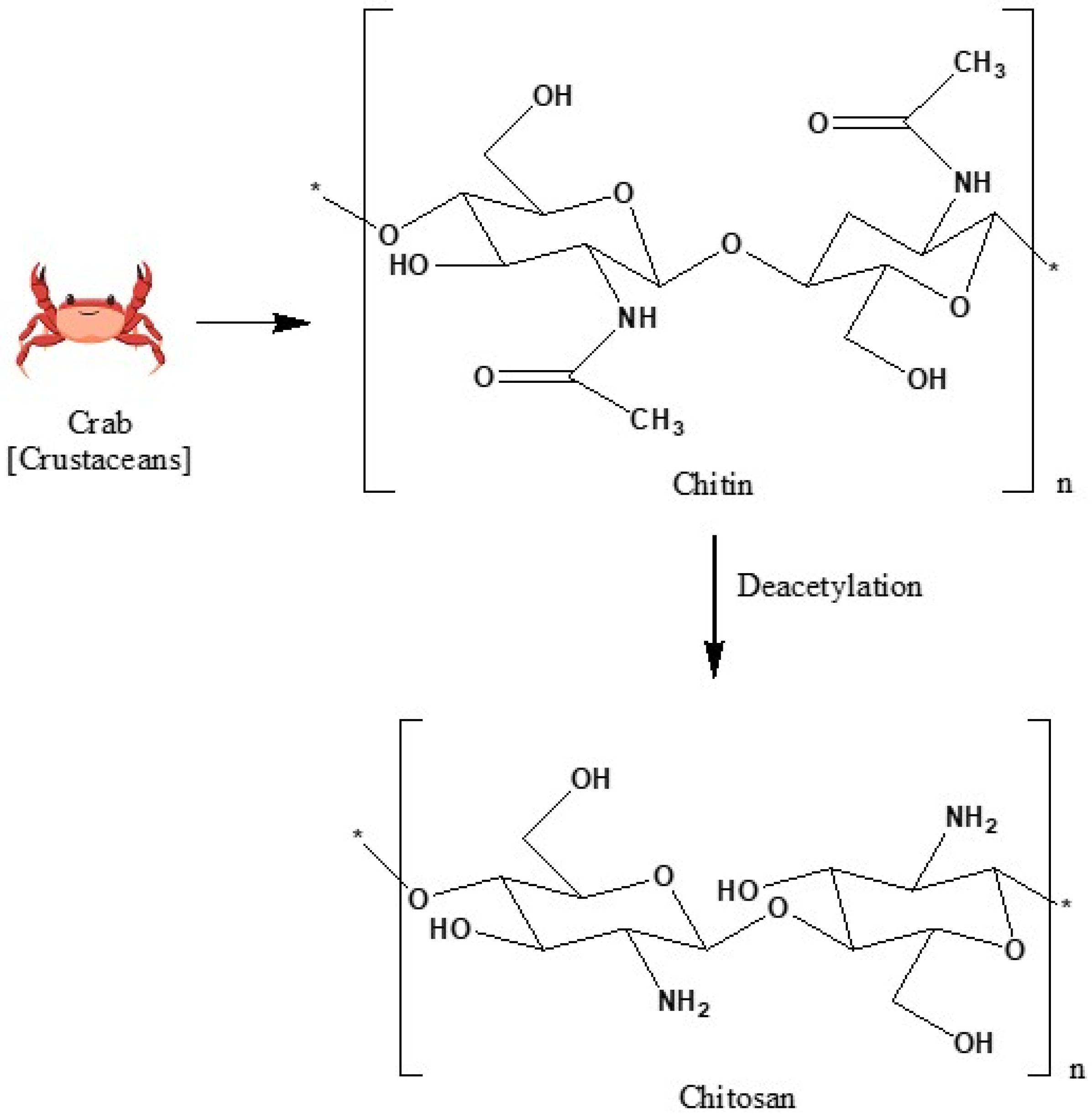
2. Chitosan
2.1. Physicochemical Properties Relevant to Adsorption
2.2. Biodegradability, Biocompatibility and Bioactivity
2.3. Limitations of As-Received Chitosan as an Adsorbent
3. Interpenetrating Polymer Networks (IPNs)
3.1. Concepts and Classification
3.1.1. Full IPNs, Semi-IPNs and Pseudo-IPNs
3.1.2. Advantages over Single-Polymer Network Systems
3.2. IPNs in Biomedical Materials
3.2.1. Design Principles for Biomedical IPNs
3.2.2. Role of Network Interpenetration in Property Enhancement
4. Functional Chitosan-Based IPNs
4.1. Types of Polymer Combination
4.1.1. Chitosan–Synthetic Polymers IPNs
4.1.2. Chitosan–Biopolymers IPNs
4.1.3. Hybrid IPNs with Inorganic Components
4.1.4. Comparative Analysis of Polymer Combinations
4.2. Functionalization Strategies
4.2.1. Graft Copolymerization
4.2.2. Crosslinking
4.2.3. Incorporation of Responsive Moieties
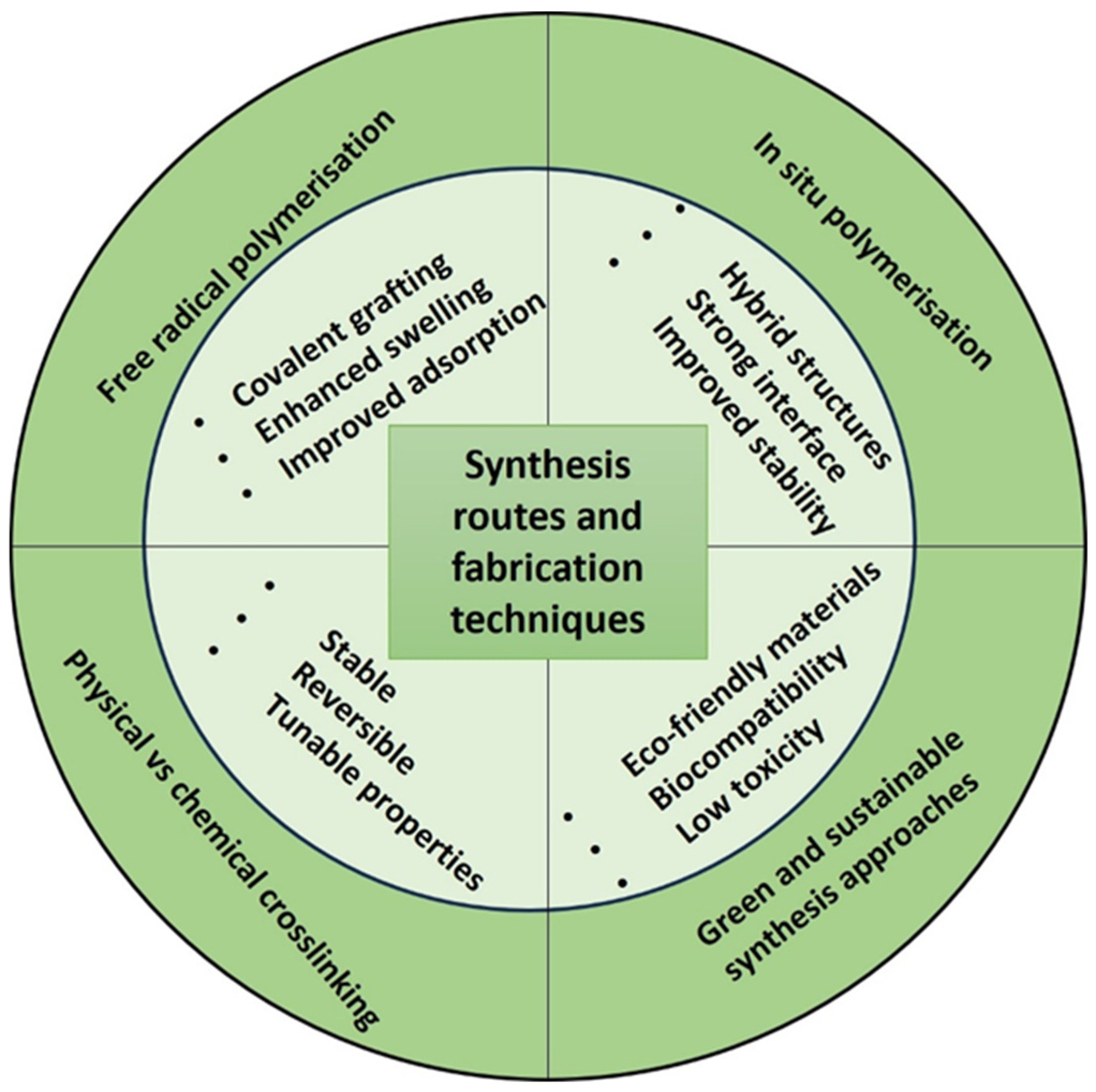
5. Synthesis Routes and Fabrication Techniques
5.1. Free Radical Polymerisation
5.2. In Situ Polymerisation
5.3. Physical vs. Chemical Crosslinking
5.4. Green and Sustainable Synthesis Approaches
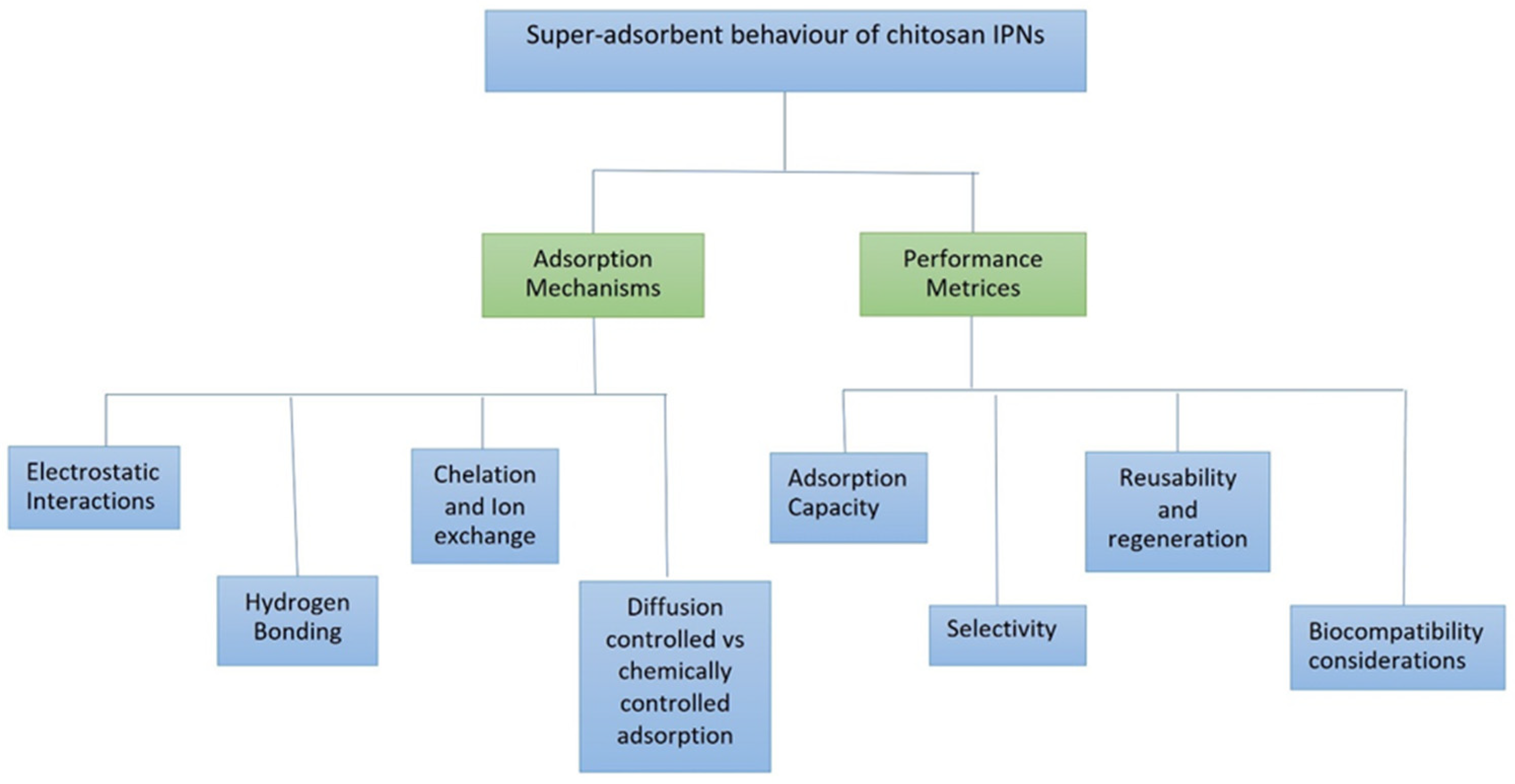
6. Super-Adsorbent Behaviour of Chitosan IPNs
6.1. Adsorption Mechanisms
6.1.1. Electrostatic Interactions
6.1.2. Hydrogen Bonding
6.1.3. Chelation and Ion Exchange
6.1.4. Diffusion Controlled vs. Chemically Controlled Adsorption
6.2. Performance Metrics
6.2.1. Adsorption Capacity
6.2.2. Selectivity
6.2.3. Reusability and Regeneration
6.2.4. Biocompatibility Considerations
7. Biomedical Applications
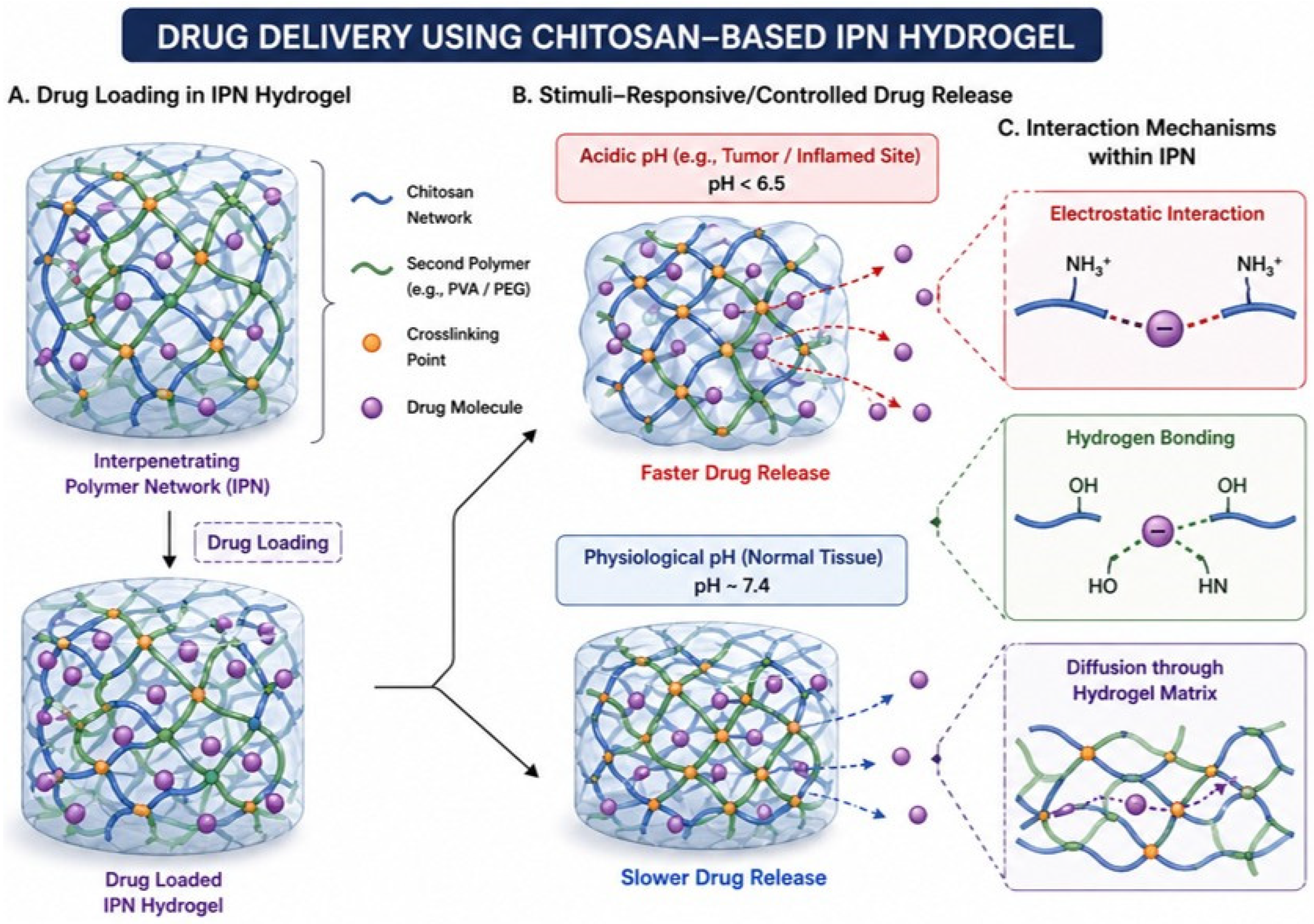
7.1. Drug Delivery and Controlled Release
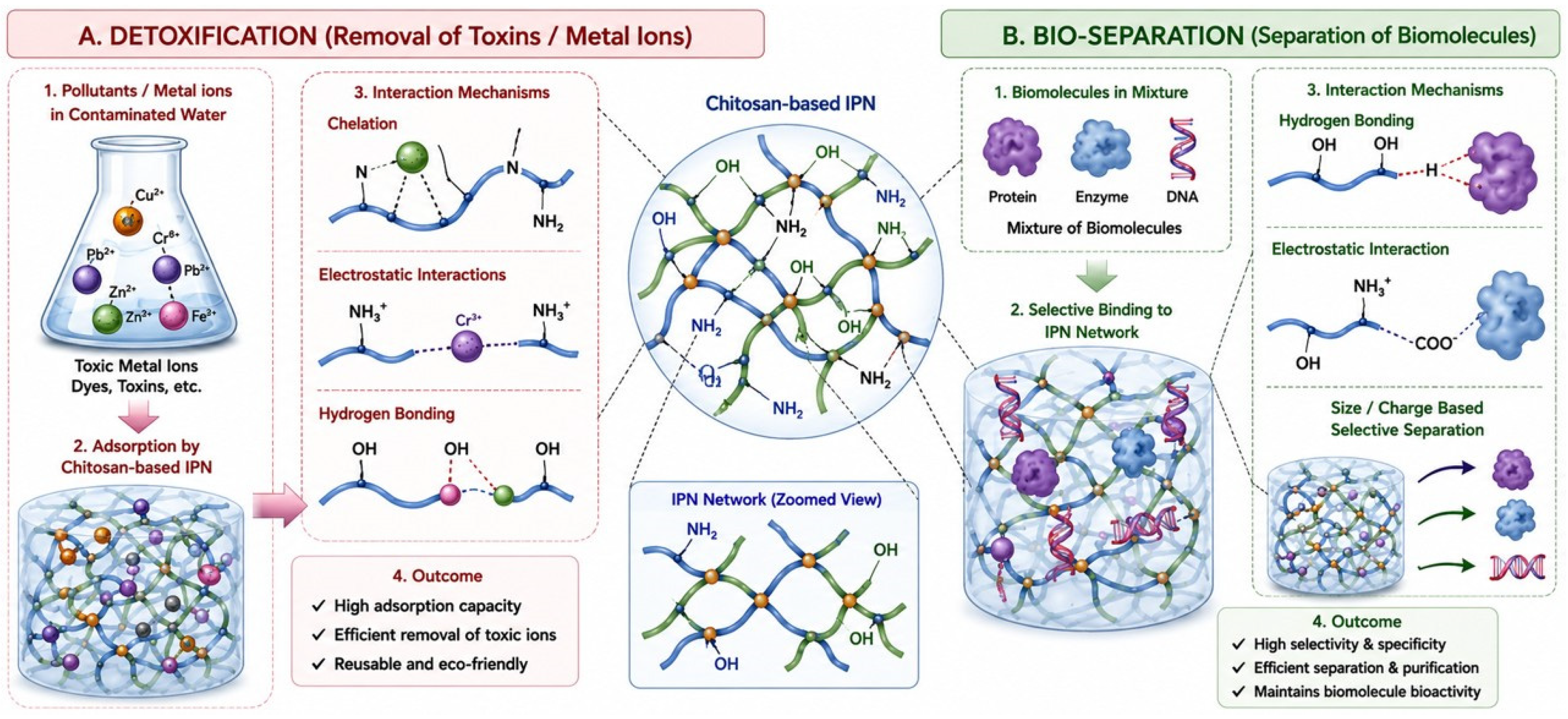
7.2. Detoxification and Bio-Separation
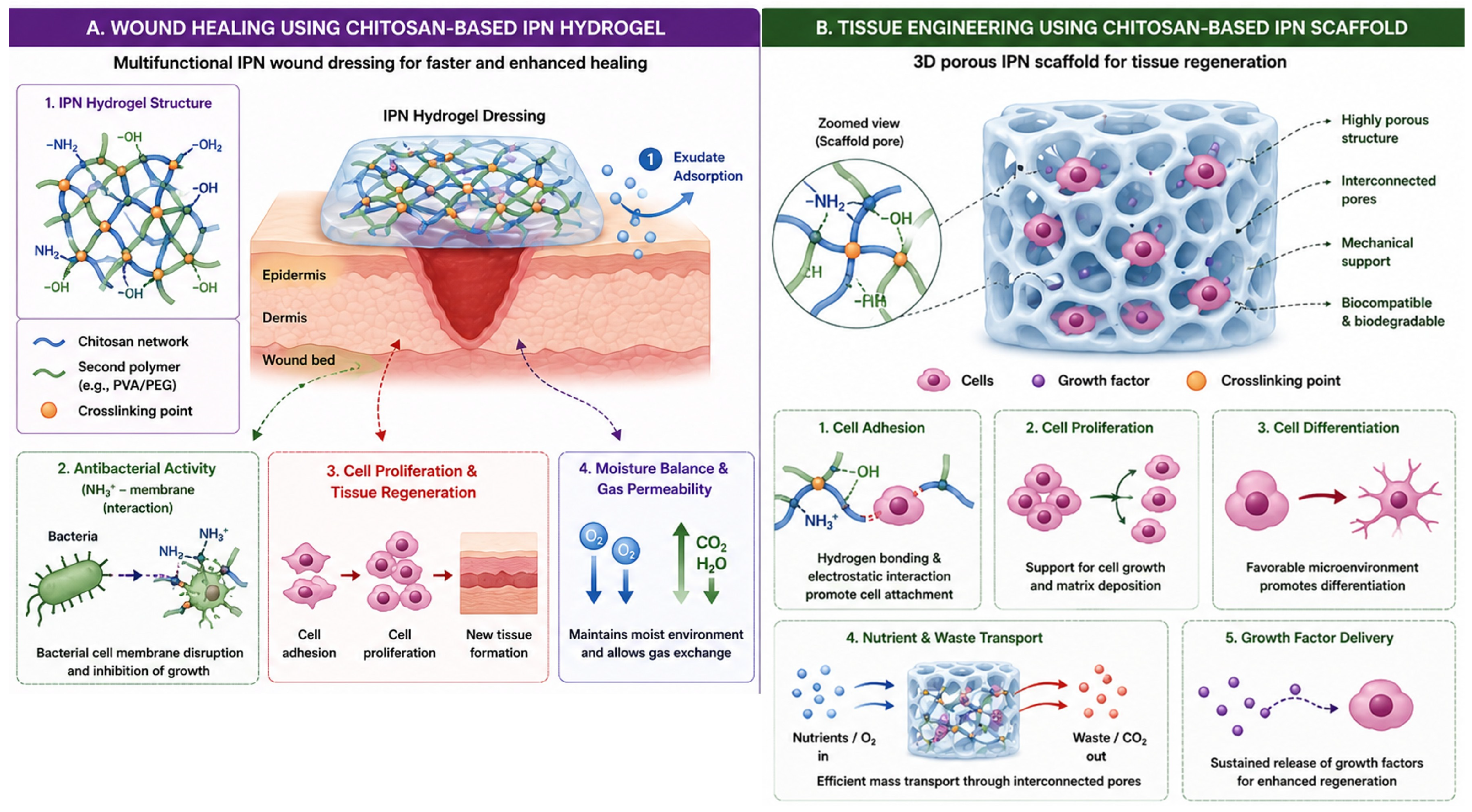
7.3. Wound Healing and Tissue Engineering
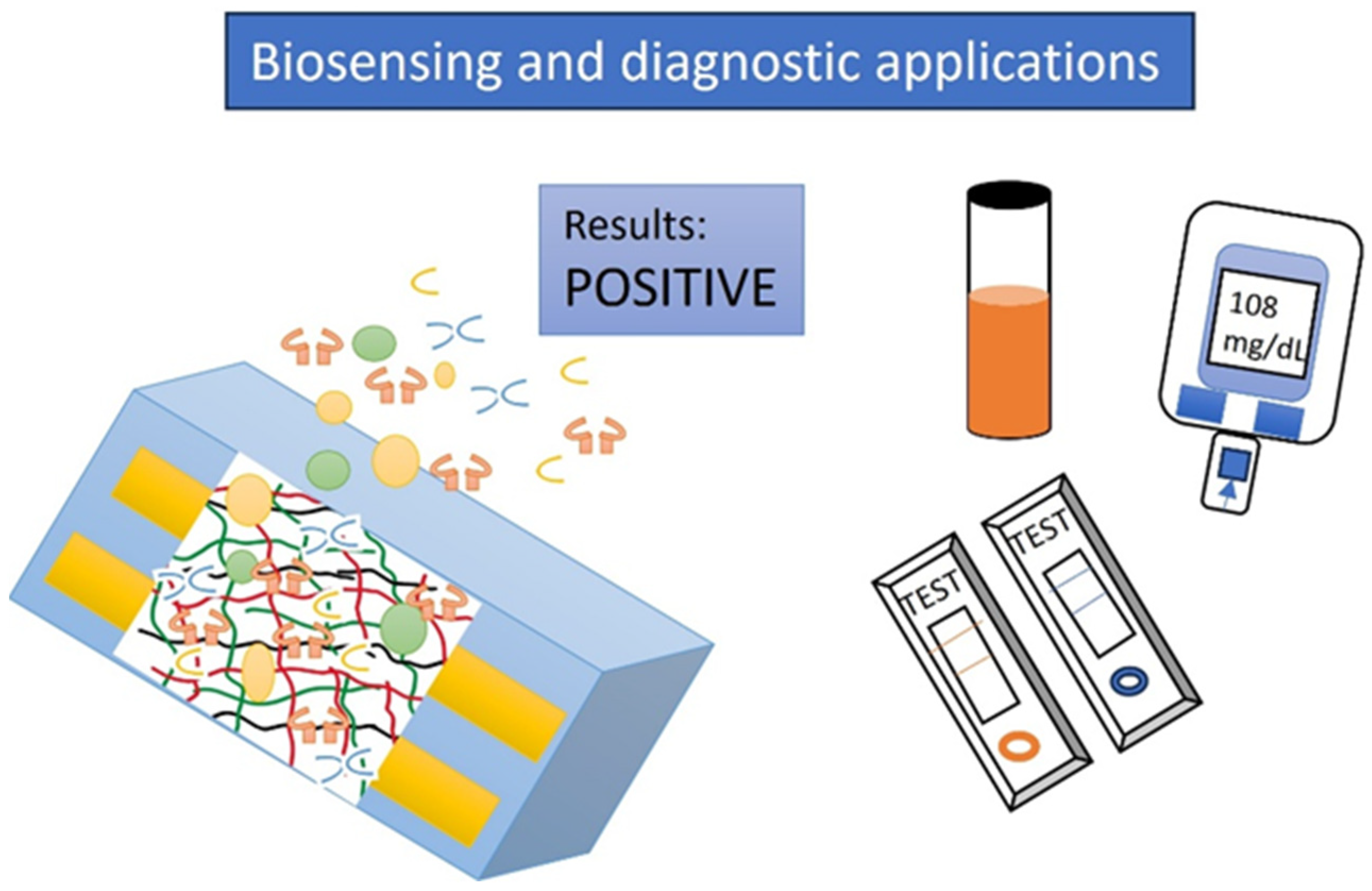
7.4. Biosensing and Diagnostic Applications
8. Comparison with Other Biomedical Adsorbents
9. Challenges and Limitations
10. Conclusions
11. Future Perspectives and Research Directions
Author Contributions
Funding
Institutional Review Board Statement
Data Availability Statement
Acknowledgments
Conflicts of Interest
Abbreviations
| AA | Acrylic acid |
| AAm | Acrylamide |
| APS | Ammonium Persulfate |
| CAN | Ceric ammonium nitrate |
| CS | Chitosan |
| DD | Degree of deacetylation |
| -g- | Grafted |
| IPNs | Interpenetrating networks |
| s-IPNs | Semi interpenetrating networks |
| KPS | Potassium persulfate |
| MAA | Methacrylic acid |
| MAGG | Methacryloylglycylglycine |
| PEG | Polyethylene glycol |
| PVA | Polyvinyl alcohol |
| PAA | Polyacrylic acid |
| PNIPAM | Poly (N-isopropylacrylamide) |
| TPP | Thiamine Pyrophosphate |
| XPS | X- ray photoelectron spectroscopy |
References
- Agarwal, R.; García, A.J. Surface Modification of Biomaterials. In Principles of Regenerative Medicine; Elsevier: Amsterdam, The Netherlands, 2019; pp. 651–660. [Google Scholar] [CrossRef]
- Foo, K.J.; Hameed, B.H. Insights into the modeling of adsorption isotherm systems. Chem. Eng. J. 2010, 156, 2–10. [Google Scholar] [CrossRef]
- Malard, B.; Lambert, C.; Kellum, J.A. In vitro comparison of the adsorption of inflammatory mediators by blood purification devices. Intensive Care Med. Exp. 2018, 6, 12. [Google Scholar] [CrossRef]
- Boateng, S.; Matthews, K.H.; Stevens, H.N.E.; Eccleston, G.M. Wound Healing Dressings and Drug Delivery Systems: A Review. J. Pharm. Sci. 2008, 97, 2892–2923. [Google Scholar] [CrossRef]
- Iqbal, Y.; Ahmed, J.; Irfan, M.F.; Chatha, S.A.S.; Zubair, M.; Ullah, A. Recent advances in chitosan-based materials; The synthesis, modifications and biomedical applications. Carbohydr. Polym. 2023, 321, 121318. [Google Scholar] [CrossRef]
- Elizalde-Cárdenas, A.; Ribas-Aparicio, R.M.; Rodríguez-Martínez, A.; Leyva-Gómez, G.; Ríos-Castañeda, C.; González-Torres, M. Advances in chitosan and chitosan derivatives for biomedical applications in tissue engineering: An updated review. Int. J. Biol. Macromol. 2024, 262, 129999. [Google Scholar] [CrossRef]
- Bhatnagar, A.; Sillanpää, M. Utilization of agro-industrial and municipal waste materials as potential adsorbents for water treatment—A review. Chem. Eng. J. 2010, 157, 277–296. [Google Scholar] [CrossRef]
- Yu, Y.; Su, Z.; Peng, Y.; Zhong, Y.; Wang, L.; Xin, M.; Li, M. Recent advances in modifications, biotechnology, and biomedical applications of chitosan-based materials: A review. Int. J. Biol. Macromol. 2025, 289, 138772. [Google Scholar] [CrossRef] [PubMed]
- Li, J.; Lu, Y.; Wang, H. Eco Polymeric Materials and Natural Polymer. Polymers 2023, 15, 4021. [Google Scholar] [CrossRef]
- Sánchez-Machado, D.I.; López-Cervantes, J.; Correa-Murrieta, M.A.; Sánchez-Duarte, R.G.; Cruz-Flores, P.; de la Mora-López, G.S. Chitosan. In Nonvitamin and Nonmineral Nutritional Supplements; Elsevier: Amsterdam, The Netherlands, 2019; pp. 485–493. [Google Scholar] [CrossRef]
- Edo, G.I.; Ndudi, W.; Ali, A.B.M.; Yousif, E.; Zainulabdeen, K.; Akpoghelie, P.O.; Isoje, E.F.; Igbuku, U.A.; Opiti, R.A.; Essaghah, A.E.A.; et al. Chitosan: An overview of its properties, solubility, functional technologies, food and health applications. Carbohydr. Res. 2025, 550, 109409. [Google Scholar] [CrossRef]
- Rafiq, M.; Ahmed, J.; Alturaifi, H.A.; Awwad, N.S.; Ibtahium, H.A.; Mir, S. Recent developments in the biomedical and anti-cancer applications of chitosan derivatives. Int. J. Biol. Macromol. 2024, 283, 137601. [Google Scholar] [CrossRef]
- Wu, K.; Yan, Z.; Wu, Z.; Li, J.; Zhong, W.; Ding, L.; Zhong, T.; Jiang, T. Recent Advances in the Preparation, Antibacterial Mechanisms, and Applications of Chitosan. J. Funct. Biomater. 2024, 15, 318. [Google Scholar] [CrossRef]
- Yadav, M.; Kaushik, B.; Rao, G.K.; Srivastava, C.M.; Vaya, D. Advances and challenges in the use of chitosan and its derivatives in biomedical fields: A review. Carbohydr. Polym. Technol. Appl. 2023, 5, 100323. [Google Scholar] [CrossRef]
- Harish Prashanth, K.V.; Tharanathan, R.N. Chitin/chitosan: Modifications and their unlimited application potential—An overview. Trends Food Sci. Technol. 2007, 18, 117–131. [Google Scholar] [CrossRef]
- Silverstein, M.S. Interpenetrating polymer networks: So happy together? Polymer 2020, 207, 122929. [Google Scholar] [CrossRef]
- Sperling, L.H. Interpenetrating Polymer Networks: An Overview. Adv. Chem. 1994, 239, 3–38. [Google Scholar] [CrossRef]
- Komankova, L.; Broz, A.; Hlidkova, H.; Hodan, J.; Chylikova Krumbholcova, E.; Bacakova, L.; Pratx, G.; Hruby, M.; Vetrik, M. Polyacrylonitrile—Chitosan IPN composite scaffolds that closely mimic the human trabecular bone structure for tissue engineering. Mater. Today Chem. 2024, 40, 102253. [Google Scholar] [CrossRef]
- El-Araby, A.; Janati, W.; Ullah, R.; Ercisli, S.; Errachidi, F. Chitosan, chitosan derivatives, and chitosan-based nanocomposites: Eco-friendly materials for advanced applications (a review). Front. Chem. 2024, 11, 1327426. [Google Scholar] [CrossRef]
- Aranaz, I.; Alcántara, A.R.; Civera, M.C.; Arias, C.; Elorza, B.; Heras Caballero, A.; Acosta, N. Chitosan: An Overview of Its Properties and Applications. Polymers 2021, 13, 3256. [Google Scholar] [CrossRef]
- Huq, T.; Khan, A.; Brown, D.; Dhayagude, N.; He, Z.; Ni, Y. Sources, production and commercial applications of fungal chitosan: A review. J. Bioresour. Bioprod. 2022, 7, 85–98. [Google Scholar] [CrossRef]
- Mourya, V.K.; Inamdar, N.N. Chitosan-modifications and applications: Opportunities galore. React. Funct. Polym. 2008, 68, 1013–1051. [Google Scholar] [CrossRef]
- Dash, M.; Chiellini, F.; Ottenbrite, R.M.; Chiellini, E. Chitosan—A versatile semi-synthetic polymer in biomedical applications. Prog. Polym. Sci. 2011, 36, 981–1014. [Google Scholar] [CrossRef]
- Joseph, D.P.; Rajchakit, U.; Pilkington, L.I.; Sarojini, V.; Barker, D. Synthesis and antibacterial analysis of C-6 amino-functionalised chitosan derivatives. Int. J. Biol. Macromol. 2023, 240, 124278. [Google Scholar] [CrossRef]
- Guibal, E. Interactions of metal ions with chitosan-based sorbents: A review. Sep. Purif. Technol. 2004, 38, 43–74. [Google Scholar] [CrossRef]
- Sorlier, P.; Denuzière, A.; Viton, C.; Domard, A. Relation between the degree of acetylation and the electrostatic properties of chitin and chitosan. Biomacromolecules 2001, 2, 765–772. [Google Scholar] [CrossRef]
- Salehi, E.; Daraei, P.; Arabi Shamsabadi, A. A review on chitosan-based adsorptive membranes. Carbohydr. Polym. 2016, 152, 419–432. [Google Scholar] [CrossRef] [PubMed]
- Vakili, M.; Rafatullah, M.; Salamatinia, B.; Zuhairi Abdullah, A.; Ibrahim, M.H.; Bing Tan, K. Application of chitosan and its derivatives as adsorbents for dye removal from water and wastewater: A review. Carbohydr. Polym. 2014, 113, 115–130. [Google Scholar] [CrossRef]
- Rinaudo, M. Chitin and chitosan: Properties and applications. Prog. Polym. Sci. 2006, 31, 603–632. [Google Scholar] [CrossRef]
- Wang, F.; Gao, J.; Jia, L.; Wang, S.; Ning, P. Green synthesis of a novel functionalized chitosan adsorbent for Cu(II) adsorption from aqueous solution. Environ. Sci. Pollut. Res. 2022, 29, 989–998. [Google Scholar] [CrossRef] [PubMed]
- Islam, M.M.; Shahruzzaman, M.; Biswas, S.; Nurus Sakib, M.; Rashid, T.U. Chitosan based bioactive materials in tissue engineering applications-A review. Bioact. Mater. 2020, 5, 164–183. [Google Scholar] [CrossRef] [PubMed]
- Kean, T.; Thanou, M. Biodegradation, biodistribution and toxicity of chitosan. Adv. Drug Deliv. Rev. 2010, 62, 3–11. [Google Scholar] [CrossRef]
- Younes, I.; Rinaudo, M. Chitin and Chitosan Preparation from Marine Sources. Structure, Properties and Applications. Mar. Drugs 2015, 13, 1133–1174. [Google Scholar] [CrossRef]
- Kong, M.; Chen, X.G.; Xing, K.; Park, H.J. Antimicrobial properties of chitosan and mode of action: A state of the art review. Int. J. Food Microbiol. 2010, 144, 51–63. [Google Scholar] [CrossRef]
- Zhao, D.; Yu, S.; Sun, B.; Gao, S.; Guo, S.; Zhao, K. Biomedical Applications of Chitosan and Its Derivative Nanoparticles. Polymers 2018, 10, 462. [Google Scholar] [CrossRef] [PubMed]
- Kyzas, G.Z.; Bikiaris, D.N. Recent Modifications of Chitosan for Adsorption Applications: A Critical and Systematic Review. Mar. Drugs 2015, 13, 312–337. [Google Scholar] [CrossRef] [PubMed]
- Patiño-Ruiz, D.A.; De Ávila, G.; Alarcón-Suesca, C.; González-Delgado, A.D.; Herrera, A. Ionic cross-linking fabrication of chitosan-based beads modified with FeO and TiO2 nanoparticles: Adsorption mechanism toward naphthalene removal in seawater from cartagena bay area. ACS Omega 2020, 5, 26463–26475. [Google Scholar] [CrossRef]
- Maslamani, N.; Bakhsh, E.M.; Khan, S.B.; Danish, E.Y.; Akhtar, K.; Fagieh, T.M.; Su, X.; Asiri, A.M. Chitosan@Carboxymethylcellulose/CuO-Co2O3 Nanoadsorbent as a Super Catalyst for the Removal of Water Pollutants. Gels 2022, 8, 91. [Google Scholar] [CrossRef]
- Wang, J.; Zhuang, S. Removal of various pollutants from water and wastewater by modified chitosan adsorbents. Crit. Rev. Environ. Sci. Technol. 2017, 47, 2331–2386. [Google Scholar] [CrossRef]
- Crini, G.; Lichtfouse, E. Advantages and disadvantages of techniques used for wastewater treatment. Environ. Chem. Lett. 2019, 17, 145–155. [Google Scholar] [CrossRef]
- Santos, V.P.; Marques, N.S.S.; Maia, P.C.S.V.; de Lima, M.A.B.; Franco, L.O.; de Campos-Takaki, G.M. Seafood Waste as Attractive Source of Chitin and Chitosan Production and Their Applications. Int. J. Mol. Sci. 2020, 21, 4290. [Google Scholar] [CrossRef]
- Lohani, A.; Singh, G.; Bhattacharya, S.S.; Verma, A. Interpenetrating Polymer Networks as Innovative Drug Delivery Systems. J. Drug Deliv. 2014, 2014, 583612. [Google Scholar] [CrossRef] [PubMed]
- Qadri, M.F.; Malviya, R.; Sharma, P.K. Biomedical Applications of Interpenetrating Polymer Network System. Open Pharm. Sci. J. 2015, 2, 21–30. [Google Scholar] [CrossRef]
- Myung, D.; Waters, D.; Wiseman, M.; Duhamel, P.E.; Noolandi, J.; Ta, C.N.D.; Frank, C.W. Progress in the development of interpenetrating polymer network hydrogels. Polym. Adv. Technol. 2008, 19, 647–657. [Google Scholar] [CrossRef]
- Zoratto, N.; Matricardi, P. Semi-IPNs and IPN-based hydrogels. In Polymeric Gels; Pal, K., Banerjee, I., Eds.; Elsevier: Amsterdam, The Netherlands, 2018; pp. 91–124. [Google Scholar] [CrossRef]
- Cassidy, E.F.; Xiao, H.X.; Frisch, K.C.; Frisch, H.L. Two-component interpenetrating polymer networks (IPNs) from polyurethanes and epoxies. I. Studies on full IPN, pseudo-IPN, and graft polymer alloys of polyurethanes and epoxies. J. Polym. Sci. Polym. Chem. Ed. 1984, 22, 1839–1850. [Google Scholar] [CrossRef]
- Matricardi, P.; Di Meo, C.; Coviello, T.; Hennink, W.E.; Alhaique, F. Interpenetrating Polymer Networks polysaccharide hydrogels for drug delivery and tissue engineering. Adv. Drug Deliv. Rev. 2013, 65, 1172–1187. [Google Scholar] [CrossRef]
- Klempner, D.; Frisch, K.C. Polymer Alloys; Springer: Boston, MA, USA, 1978. [Google Scholar] [CrossRef]
- Zhang, X.; Wang, X.; Feng, P. Efficient Control of Swelling and Strength of Polyacrylamide/Polyacrylic Acid/Chitosan Hydrogels for NaF Release. ACS Appl. Polym. Mater. 2025, 7, 6225–6239. [Google Scholar] [CrossRef]
- Hoffman, A.S. Hydrogels for biomedical applications. Adv. Drug Deliv. Rev. 2012, 64, 18–23. [Google Scholar] [CrossRef]
- Kocak, G.; Tuncer, C.; Bütün, V. pH-Responsive polymers. Polym. Chem. 2017, 8, 144–176. [Google Scholar] [CrossRef]
- Gaharwar, A.K.; Peppas, N.A.; Khademhosseini, A. Nanocomposite hydrogels for biomedical applications. Biotechnol. Bioeng. 2014, 111, 441–453. [Google Scholar] [CrossRef] [PubMed]
- Loh, X.J.; Peh, P.; Liao, S.; Sng, C.; Li, J. Controlled drug release from biodegradable thermoresponsive physical hydrogel nanofibers. J. Control. Release 2010, 143, 175–182. [Google Scholar] [CrossRef]
- Thambiliyagodage, C.; Jayanetti, M.; Mendis, A.; Ekanayake, G.; Liyanaarachchi, H.; Vigneswaran, S. Recent Advances in Chitosan-Based Applications—A Review. Materials 2023, 16, 2073. [Google Scholar] [CrossRef]
- Chicea, D.; Nicolae-Maranciuc, A. A Review of Chitosan-Based Materials for Biomedical, Food, and Water Treatment Applications. Materials 2024, 17, 5770. [Google Scholar] [CrossRef]
- Bhattarai, N.; Gunn, J.; Zhang, M. Chitosan-based hydrogels for controlled, localized drug delivery. Adv. Drug Deliv. Rev. 2010, 62, 83–99. [Google Scholar] [CrossRef]
- Berger, J.; Reist, M.; Mayer, J.M.; Felt, O.; Gurny, R. Structure and interactions in chitosan hydrogels formed by complexation or aggregation for biomedical applications. Eur. J. Pharm. Biopharm. 2004, 57, 35–52. [Google Scholar] [CrossRef]
- Mi, F.-L.; Sung, H.-W.; Shyu, S.-S. Drug release from chitosan–alginate complex beads reinforced by a naturally occurring cross-linking agent. Carbohydr. Polym. 2002, 48, 61–72. [Google Scholar] [CrossRef]
- Mao, J.S.; Zhao, L.G.; Yin, Y.J.; Yao, K.D. Structure and properties of bilayer chitosan–gelatin scaffolds. Biomaterials 2003, 24, 1067–1074. [Google Scholar] [CrossRef] [PubMed]
- Chang, C.H.; Lin, Y.H.; Yeh, C.L.; Chen, Y.C.; Chiou, S.F.; Hsu, Y.M.; Chen, Y.-S.; Wang, C.-C. Nanoparticles Incorporated in pH-Sensitive Hydrogels as Amoxicillin Delivery for Eradication of Helicobacter pylori. Biomacromolecules 2010, 11, 133–142. [Google Scholar] [CrossRef] [PubMed]
- Ma, I.W.; Ammar, S.; Bashir, S.; Selvaraj, M.; Assiri, M.A.; Ramesh, K.; Ramesh, S. Preparation of Hybrid Chitosan/Silica Composites Via Ionotropic Gelation and Its Electrochemical Impedance Studies. Prog. Org. Coat. 2020, 145, 105679. [Google Scholar] [CrossRef]
- Wang, M. Developing bioactive composite materials for tissue replacement. Biomaterials 2003, 24, 2133–2151. [Google Scholar] [CrossRef] [PubMed]
- Depan, D.; Shah, J.; Misra, R.D.K. Controlled release of drug from folate-decorated and graphene mediated drug delivery system: Synthesis, loading efficiency, and drug release response. Mater. Sci. Eng. C 2011, 31, 1305–1312. [Google Scholar] [CrossRef]
- Qi, L.; Xu, Z.; Jiang, X.; Hu, C.; Zou, X. Preparation and antibacterial activity of chitosan nanoparticles. Carbohydr. Res. 2004, 339, 2693–2700. [Google Scholar] [CrossRef]
- Dong, L.; Shan, C.; Liu, Y.; Sun, H.; Yao, B.; Gong, G.; Jin, X.; Wang, S. Characterization and mechanistic study of heavy metal adsorption by facile synthesized magnetic xanthate-modified chitosan/polyacrylic acid hydrogels. Int. J. Environ. Res. Public Health 2022, 19, 11123. [Google Scholar] [CrossRef] [PubMed]
- Ali, D.A.; Ismail, G.G.; Osman, A.I.; Alreshaidan, S.B.; Al-Fatesh, A.S. Novel nanocomposite of carbonized chitosan-zinc oxide-magnetite for adsorption of toxic elements from aqueous solutions. ACS Omega 2024, 9, 47567–47584. [Google Scholar] [CrossRef] [PubMed]
- Gupta, K.C.; Ravi Kumar, M.N.V. Drug release behavior of beads and microgranules of chitosan. Biomaterials 2000, 21, 1115–1119. [Google Scholar] [CrossRef] [PubMed]
- Jozaghkar, M.R.; Sepehrianazar, A.; Ziaee, F.; Mirtaleb, F. Preparation, assessment, and swelling study of amphiphilic acrylic acid/chitosan-based semi-interpenetrating hydrogels. Turk. J. Chem. 2022, 46, 499–505. [Google Scholar] [CrossRef] [PubMed Central]
- Sashiwa, H.; Aiba, S. Chemically modified chitin and chitosan as biomaterials. Prog. Polym. Sci. 2004, 29, 887–908. [Google Scholar] [CrossRef]
- Zhang, Y.; Wang, Q.S.; Yan, K.; Qi, Y.; Wang, G.F.; Cui, L.Y. Preparation, characterization, and evaluation of genipin crosslinked chitosan/gelatin three-dimensional scaffolds for liver tissue engineering applications. J. Biomed. Mater. Res. A 2016, 104, 1863–1870. [Google Scholar] [CrossRef]
- Uddin, M.S.; Khand, S.; Dong, C. Effect of Crosslinking Agents on Chitosan Hydrogel Carriers for Drug Loading and Release for Targeted Drug Delivery. Gels 2024, 10, 421. [Google Scholar] [CrossRef]
- Xu, D.; Hui, Y.Y.; Zhang, W.; Zhao, M.N.; Gao, K.; Tao, X.R.; Wang, J.W. Genipin-crosslinked hydrogels for food and biomedical applications: A scientometric review. Int. J. Biol. Macromol. 2024, 282, 137478. [Google Scholar] [CrossRef]
- Szymańska, E.; Winnicka, K. Stability of Chitosan—A Challenge for Pharmaceutical and Biomedical Applications. Mar. Drugs 2015, 13, 1819–1846. [Google Scholar] [CrossRef]
- Ways, T.M.M.; Lau, W.M.; Khutoryanskiy, V.V. Chitosan and Its Derivatives for Application in Mucoadhesive Drug Delivery Systems. Polymers 2018, 10, 267. [Google Scholar] [CrossRef]
- Peppas, N.A.; Bures, P.; Leobandung, W.; Ichikawa, H. Hydrogels in pharmaceutical formulations. Eur. J. Pharm. Biopharm. 2000, 50, 27–46. [Google Scholar] [CrossRef]
- Lee, K.Y.; Mooney, D.J. Alginate: Properties and biomedical applications. Prog. Polym. Sci. 2012, 37, 106–126. [Google Scholar] [CrossRef]
- Priyadarshi, G.; Kachhadiya, J.; Shah, D.; Patel, B.; Tashbaev, S.; Ugli, G.G.S.; Trivedi, M.; Sahoo, D.K.; Patel, A. Microwave-Assisted Synthesis of Chitosan–Iron Oxide (CS@Fe3O4) Nanocomposite for Removal of Cationic and Anionic Dyes. Macromol. Mater. Eng. 2026, 311, 2500277. [Google Scholar] [CrossRef]
- Singh, V.; Srivastava, P.; Singh, A.; Singh, D.; Malviya, T. Polysaccharide-silica hybrids: Design and applications. Polym. Rev. 2016, 56, 113–136. [Google Scholar] [CrossRef]
- Bhavsar, C.; Momin, M.; Gharat, S.; Omri, A. Functionalized and graft copolymers of chitosan and its pharmaceutical applications. Expert Opin. Drug Deliv. 2017, 14, 1189–1204. [Google Scholar] [CrossRef]
- Liu, X.; Yang, W.; Xiao, C. Self-healable and pH-sensitive high-strength water-soluble chitosan/chemically cross-linked polyvinyl alcohol semi-IPN hydrogel. Int. J. Biol. Macromol. 2019, 138, 667–672. [Google Scholar] [CrossRef] [PubMed]
- Frisch, H.L. Factors affecting the miscibility of simultaneous IPNs and pseudo-IPNs. Prog. Org. Coat. 1996, 27, 67–72. [Google Scholar] [CrossRef]
- Fernández-Gutiérrez, M.; Fusco, S.; Mayol, L.; San Román, J.; Borzacchiello, A.; Ambrosio, L. Stimuli-responsive chitosan/poly (N-isopropylacrylamide) semi-interpenetrating polymer networks: Effect of pH and temperature on their rheological and swelling properties. J. Mater. Sci. Mater. Med. 2016, 27, 109. [Google Scholar] [CrossRef]
- Naseem, M.; Islam, M.U.; Kareem, A.; Sultan, M.; Khan, I.; Ahmad, S.; Ahmad, A. Chitosan as a nanocomposite matrix: Advances in nanostructure fabrication, functional properties, and multidisciplinary applications. J. Mater. Sci. 2025, 60, 10225–10254. [Google Scholar] [CrossRef]
- Zhang, J.; Wang, Q.; Wang, A. Synthesis and characterization of chitosan-g-poly(acrylic acid)/attapulgite superabsorbent composites. Carbohydr. Polym. 2006, 68, 367–374. [Google Scholar] [CrossRef]
- Jayakumar, R.; Prabaharan, M.; Nair, S.V.; Tamura, H. Novel chitin and chitosan nanofibers in biomedical applications. Biotechnol. Adv. 2010, 28, 142–150. [Google Scholar] [CrossRef] [PubMed]
- Ferri, M.; Dash, M.; Cometa, S.; De Giglio, E.; Sabbatini, L.; Chiellini, F. Preparation and characterization of hybrid nanoparticles based on chitosan and poly(methacryloylglycylglycine). J. Nanopart. Res. 2014, 16, 2422. [Google Scholar] [CrossRef]
- Moreno-Serna, V.; Ramírez, O.; Saldías, C.; Urzúa, M.; Leiva, A. Versatile formats of in situ prepared chitosan-based on hybrid nanocomposites. A review of their catalytic and photocatalytic applications. Carbohydr. Polym. Technol. Appl. 2025, 10, 100823. [Google Scholar] [CrossRef]
- Pita-López, M.L.; Fletes-Vargas, G.; Espinosa-Andrews, H.; Rodríguez-Rodríguez, R. Physically cross-linked chitosan-based hydrogels for tissue engineering applications: A state-of-the-art review. Eur. Polym. J. 2021, 145, 110176. [Google Scholar] [CrossRef]
- Muzzarelli, R.A.A.; El Mehtedi, M.; Bottegoni, C.; Aquili, A.; Gigante, A. Genipin-Crosslinked Chitosan Gels and Scaffolds for Tissue Engineering and Regeneration of Cartilage and Bone. Mar. Drugs 2015, 13, 7314–7338. [Google Scholar] [CrossRef]
- Rodríguez-Félix, D.E.; Pérez-Caballero, D.; del Castillo-Castro, T.; Castillo-Ortega, M.M.; Garmendía-Diago, Y.; Alvarado-Ibarra, J.; Plascencia-Jatomea, M.; Ledezma-Pérez, A.S.; Burruel-Ibarra, S.E. Chitosan hydrogels chemically crosslinked with L-glutamic acid and their potential use in drug delivery. Polym. Bull. 2023, 80, 2617–2636. [Google Scholar] [CrossRef]
- Mi, F.-L.; Sung, H.-W.; Shyu, S.-S. Synthesis and characterization of a novel chitosan-based network prepared using naturally occurring crosslinker. J. Polym. Sci. A Polym. Chem. 2000, 38, 2804–2814. [Google Scholar] [CrossRef]
- Crini, G. Recent developments in polysaccharide-based materials used as adsorbents in wastewater treatment. Prog. Polym. Sci. 2005, 30, 38–70. [Google Scholar] [CrossRef]
- Hashem, A.; Farag, S. Chitosan-based adsorbents for water purification: Mechanisms, performance, and sustainability. Appl. Surf. Sci. Adv. 2025, 30, 100804. [Google Scholar] [CrossRef]
- Wan Ngah, W.S.; Hanafiah, M.A.K.M. Removal of heavy metal ions from wastewater by chemically modified plant wastes as adsorbents: A review. Bioresour. Technol. 2008, 99, 3935–3948. [Google Scholar] [CrossRef] [PubMed]
- Kowanga, D.K.; Nyairo, D.W. A review on decontamination of aqueous systems using chitosan-derived adsorbents. Discov. Environ. 2025, 3, 237. [Google Scholar] [CrossRef]
- Fayad, E.; Alsunbul, M.; Alazragi, R.S.; Ebada, A.; Ali, H.S.; Mubarak, M.F. Magnetic chitosan kaolinite cellulose nanofibril cryogel beads for efficient removal of methylene blue from water. Sci. Rep. 2025, 15, 41178. [Google Scholar] [CrossRef] [PubMed]
- Sutirman, Z.A.; Sanagi, M.M.; Abd Karim, K.J.; Ibrahim, W.A.W.; Jume, B.H. Equilibrium, kinetic and mechanism studies of Cu(II) and Cd(II) ions adsorption by modified chitosan beads. Int. J. Biol. Macromol. 2018, 116, 255–263. [Google Scholar] [CrossRef] [PubMed]
- Alorabi, A.Q. Multifunctional Chitosan@TiO2/PPy nanocomposite for high-performance adsorption of malachite green: Kinetics, isotherms, and thermodynamics. J. King Saud Univ. Sci. 2025, 37, 9602025. [Google Scholar] [CrossRef]
- Wang, K.; Zhang, F.; Xu, K.; Che, Y.; Qi, M.; Song, C. Modified magnetic chitosan materials for heavy metal adsorption: A review. RSC Adv. 2023, 13, 6713–6736. [Google Scholar] [CrossRef]
- Eltaweil, A.S.; El-Monaem, E.M.A.; Mohy-Eldin, M.S.; Omer, A.M. Fabrication of attapulgite/magnetic aminated chitosan composite as efficient and reusable adsorbent for Cr(VI) ions. Sci. Rep. 2021, 11, 16578. [Google Scholar] [CrossRef]
- Nicomel, N.R.; Otero-Gonzalez, L.; Folens, K.; Mees, B.; Hennebel, T.; Du Laing, G. Selective and enhanced nickel adsorption from sulfate- and calcium-rich solutions using chitosan. Sep. Purif. Technol. 2021, 276, 119283. [Google Scholar] [CrossRef]
- Wan Ngah, W.S.; Teong, L.C.; Hanafiah, M.A.K.M. Adsorption of dyes and heavy metal ions by chitosan composites: A review. Carbohydr. Polym. 2011, 83, 1446–1456. [Google Scholar] [CrossRef]
- Ravi Kumar, M.N.V. A review of chitin and chitosan applications. React. Funct. Polym. 2000, 46, 1–27. [Google Scholar] [CrossRef]
- Muzzarelli, R.A.A. Chitins and chitosans for the repair of wounded skin, nerve, cartilage and bone. Carbohydr. Polym. 2009, 76, 167–182. [Google Scholar] [CrossRef]
- Calvo, P.; Remuñán-López, C.; Vila-Jato, J.L.; Alonso, M.J. Novel hydrophilic chitosan-polyethylene oxide nanoparticles as protein carriers. J. Appl. Polym. Sci. 1997, 63, 125–132. [Google Scholar] [CrossRef]
- Shakouripour, F.; Olad, A.; Bayramoglu, G. Preparation of interpenetrating networks from chitosan and poly(hydroxypropyl methacrylate) or p(hydroxyethyl methacrylate) for controlled release of doxorubicin and curcumin: Investigation of potential use in wound dressing. Int. J. Biol. Macromol. 2025, 301, 140929. [Google Scholar] [CrossRef]
- Illum, L. Chitosan and Its Use as a Pharmaceutical Excipient. Pharm. Res. 1998, 15, 1326–1331. [Google Scholar] [CrossRef] [PubMed]
- Singh, R.; Shitiz, K.; Singh, A. Chitin and chitosan: Biopolymers for wound management. Int. Wound J. 2017, 14, 1276–1289. [Google Scholar] [CrossRef]
- Lin, C.C.; Muchlis, A.M.G.; Chung, R.J.; Huang, S.Y.; Martinka, M.; Rwei, S.P.; Kareiva, A.; Yang, J.-C.; Lin, C.C. Formulating Smart All-in-One Chitosan Hydrogel for High Performance Wound Dressing. Adv. Healthc. Mater. 2026, 15, 2502971. [Google Scholar] [CrossRef] [PubMed]
- Mashaqbeh, H.; Hamed, R.; Alzoubi, H.; Obaidat, R.; Alnaeif, M.; Rezigue, M.; Abukassab, H.T.; Al-Farhan, W.; Obeid, M. Hyaluronic Acid/Chitosan/Glycerophosphate-Based In Situ-Forming Hydrogel for Accelerated Wound Healing. Gels 2025, 11, 835. [Google Scholar] [CrossRef]
- Pramanik, S.; Aggarwal, A.; Kadi, A.; Alhomrani, M.; Alamri, A.S.; Alsanie, W.F.; Koul, K.; Deepak, A.; Bellucci, S. Chitosan alchemy: Transforming tissue engineering and wound healing. RSC Adv. 2024, 14, 19219–19256. [Google Scholar] [CrossRef] [PubMed]
- Bocchetta, P.; Othman, A.; Gupta, M.; Andriani, G.; Martin, P.; Kumar, Y.P.; Joly, N.; Sacco, P.; Javed, M.S. Chitosan in electrochemical (bio)sensors: Nanostructuring and methods of synthesis. Eur. Polym. J. 2024, 213, 113092. [Google Scholar] [CrossRef]
- Krajewska, B. Application of chitin- and chitosan-based materials for enzyme immobilizations: A review. Enzym. Microb. Technol. 2004, 35, 126–139. [Google Scholar] [CrossRef]
- Quesada, H.B.; de Araújo, T.P.; Vareschini, D.T.; de Barros, M.A.S.D.; Gomes, R.G.; Bergamasco, R. Chitosan, alginate and other macromolecules as activated carbon immobilizing agents: A review on composite adsorbents for the removal of water contaminants. Int. J. Biol. Macromol. 2020, 164, 2535–2549. [Google Scholar] [CrossRef]
- Benettayeb, A.; Ghosh, S.; Usman, M.; Seihoub, F.Z.; Sohoo, I.; Chia, C.H.; Sillanpää, M. Some Well-Known Alginate and Chitosan Modifications Used in Adsorption: A Review. Water 2022, 14, 1353. [Google Scholar] [CrossRef]

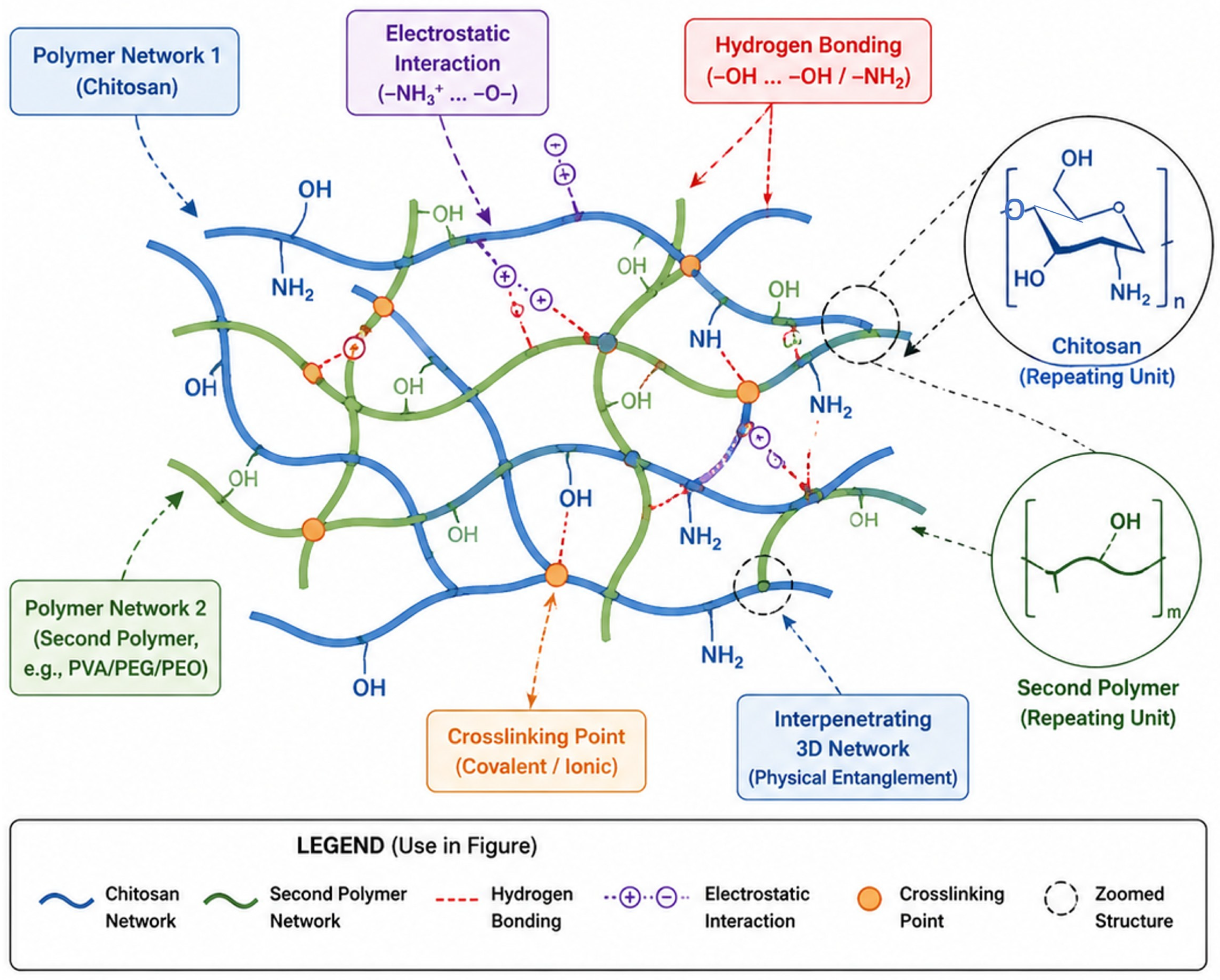




| Type of System | Functionalization Strategy | Structural Features | Key Advantages | Limitations | Applications | Ref. |
|---|---|---|---|---|---|---|
| Chitosan–Synthetic Polymer IPNs (e.g., CS-PAA, CS-PVA) | Free radical polymerisation, chemical crosslinking | Interpenetrated networks with covalent crosslinks | Improved mechanical strength, enhanced swelling, tuneable properties | Possible toxicity of synthetic components, reduced biodegradability | Drug delivery, adsorption, tissue engineering | [23,75] |
| Chitosan–Biopolymer IPNs (e.g., CS-alginate, CS-starch) | Ionic + chemical crosslinking | Biocompatible interpenetrating networks | High biodegradability, non-toxicity, eco-friendly nature | Lower mechanical strength, limited stability in harsh conditions | Wound healing, packaging, biomedical scaffolds | [76] |
| Hybrid IPNs (CS-Fe3O4, CS-silica) | In situ incorporation, sol–gel, co-precipitation | Organic-inorganic hybrid network | High adsorption capacity, improved thermal/mechanical stability, easy separation | Aggregation of nanoparticles, synthesis complexity | Water treatment, catalysis, biosensing | [77,78] |
| Graft-Copolymerised Chitosan IPNs | Free radical grafting (KPS, CAN, APS) | Side chains covalently attached to chitosan backbone | Enhanced functionality, improved adsorption sites, better stability | Possible heterogeneity in grafting, process control issues | Adsorption, smart materials, drug delivery | [79] |
| Chemically Crosslinked Chitosan IPNs | Crosslinking (glutaraldehyde, genipin, citric acid) | Covalent network formation | High structured stability, enhanced swelling, durability | Potential toxicity, reduced flexibility | Tissue engineering, drug delivery, hydrogels | [80] |
| Physically Crosslinked/Pseudo-IPNs | Hydrogen bonding, ionic interactions | Non-covalent interpenetration | Reversible behaviour, stimuli responsiveness, easy processing | Lower mechanical strength, poor long-term stability | Injectable hydrogels, cell encapsulation, smart delivery | [81] |
| Stimuli-Responsive Chitosan IPNs | Incorporation of pH/temperature/redox-moieties | Environment-responsive network | Controlled drug release, targeted delivery | Complex synthesis, sensitivity to environmental fluctuations | Drug delivery, biosensors, smart hydrogels | [82] |
| Nanostructured/Composite Chitosan IPNs | Nanomaterial incorporation (CNTs, metals) | High surface area, multifunctional network | Enhanced adsorption, conductivity, mechanical strength | Cost, aggregation issues, reproducibility challenges | Biosensing, environmental remediation, energy devices | [83] |
| System Type | Adsorption Capacity | Kinetics | Reusability | Key Advantage |
|---|---|---|---|---|
| Pristine Chitosan | Moderate | Slow | Limited | Natural Functionality |
| Chitosan IPNs | High | Faster | Improved | 3D porosity + diffusion pathways |
| Crosslinked Chitosan | Moderate-High | Moderate | Good | Resistance to dissolution |
| Hybrid IPNs | Very High | Fast | Excellent | Surface area + active sites |
Disclaimer/Publisher’s Note: The statements, opinions and data contained in all publications are solely those of the individual author(s) and contributor(s) and not of MDPI and/or the editor(s). MDPI and/or the editor(s) disclaim responsibility for any injury to people or property resulting from any ideas, methods, instructions or products referred to in the content. |
© 2026 by the authors. Licensee MDPI, Basel, Switzerland. This article is an open access article distributed under the terms and conditions of the Creative Commons Attribution (CC BY) license.
Share and Cite
Verma, K.; Chopra, L.; Santulli, C. Functional Chitosan-Interpenetrating Networks: Next Generation Super-Adsorbents for Biomedical Applications. Polymers 2026, 18, 1282. https://doi.org/10.3390/polym18111282
Verma K, Chopra L, Santulli C. Functional Chitosan-Interpenetrating Networks: Next Generation Super-Adsorbents for Biomedical Applications. Polymers. 2026; 18(11):1282. https://doi.org/10.3390/polym18111282
Chicago/Turabian StyleVerma, Khushi, Lalita Chopra, and Carlo Santulli. 2026. "Functional Chitosan-Interpenetrating Networks: Next Generation Super-Adsorbents for Biomedical Applications" Polymers 18, no. 11: 1282. https://doi.org/10.3390/polym18111282
APA StyleVerma, K., Chopra, L., & Santulli, C. (2026). Functional Chitosan-Interpenetrating Networks: Next Generation Super-Adsorbents for Biomedical Applications. Polymers, 18(11), 1282. https://doi.org/10.3390/polym18111282