1. Introduction
The automotive industry, as one of the most innovation-driven sectors, is increasingly focused on reducing environmental impact, improving fuel efficiency, and ensuring recyclability in vehicle design. These targets have accelerated the shift away from metals and conventional plastics toward lighter and more sustainable alternatives. Polymer composites have emerged as promising candidates due to their favorable strength-to-weight ratio, chemical resistance, and design flexibility, which enable weight reductions of up to 65% and associated CO
2 savings [
1,
2,
3,
4,
5,
6]. In parallel, natural fiber–reinforced composites provide additional advantages such as biodegradability, renewability, and low embodied energy, making them particularly attractive within global sustainability frameworks [
7,
8,
9]. Furthermore, studies on crashworthiness have demonstrated that jute- and glass-fiber composites can achieve competitive specific energy absorption and crush force efficiency, confirming their potential for structural applications [
10]. Beyond mechanical performance, lifecycle assessments highlight that polymer composites significantly reduce emissions and manufacturing energy requirements, reinforcing their role in environmentally responsible automotive production [
11,
12,
13,
14]. Collectively, these findings indicate that polymer composites not only satisfy performance standards but also provide viable pathways toward sustainable mobility [
15,
16].
Given these advancements, Polypropylene (PP) has emerged as one of the most widely used thermoplastic matrix materials in the development of sustainable and high-performance automotive components. Its widespread adoption is attributed to key advantages such as low density, cost-effectiveness, ease of processing, and chemical resistance, which make it especially attractive for applications in the automotive, packaging, and construction sectors [
17,
18]. However, neat PP has inherent limitations in terms of mechanical strength, stiffness, and thermal stability, which restrict its standalone use in demanding structural applications [
19]. In addition, PP possesses inherently low surface free energy, which complicates painting, coating, and adhesive bonding; therefore, surface treatments such as corona, plasma, or primers are typically required in automotive applications. While this surface-energy limitation is usually addressed through such post-processing steps, the mechanical and thermal deficiencies can be effectively mitigated by reinforcing PP with natural or synthetic fibers, resulting in composites with enhanced modulus, strength, and thermal resistance. For instance, studies have shown that incorporating natural fibers such as jute, hemp, or bamboo into PP matrices not only improves mechanical and thermal performance but also contributes to better environmental sustainability [
20,
21]. Therefore, PP remains a highly promising matrix material in the development of lightweight, cost-effective, and semi-structural composite components, especially when optimized through appropriate fiber reinforcement and compatibilization strategies.
To overcome the limitations of neat PP and natural fiber–reinforced composites, recent studies have explored hybrid systems that combine natural and synthetic fibers within PP matrices to balance mechanical performance with sustainability. Natural fibers such as jute, flax, hemp, and sisal offer advantages including low density, renewability, and biodegradability, but are hindered by hydrophilicity, poor interfacial adhesion with PP, and variability in mechanical properties [
22,
23,
24]. Synthetic fibers, particularly glass fibers, provide superior strength and thermal stability, making them suitable for higher-performance demands. Hybridization leverages the complementary benefits of both fiber types, with synthetic fibers contributing stiffness and thermal resistance while natural fibers reduce cost and environmental footprint [
25,
26,
27].
Among these systems, jute–glass fiber–reinforced PP composites have received increasing attention. Reported studies indicate marked improvements in tensile strength, flexural modulus, and impact resistance compared to natural fiber–only systems, with flexural modulus enhancements of up to 130% over neat PP and water absorption below 0.3% [
28]. Optimized jute–glass hybrids can even achieve properties comparable to jute–carbon systems, offering a more sustainable and cost-effective solution [
29]. Additionally, fiber orientation and layering play a key role: placing glass fibers in outer layers enhances flexural and tensile performance, while jute fibers improve impact resistance and maintain sustainability benefits [
30]. Injection-molded hybrids using long jute and short glass fibers have also shown significant toughness and stiffness gains, though fiber distribution remains critical [
31]. Overall, jute–glass PP hybrids enable tailored property profiles that align with the structural and sustainability requirements of modern automotive engineering [
32].
The ratio of natural to synthetic fibers in hybrid composites is a decisive factor governing both mechanical and thermal behavior. Increasing the fraction of high-modulus synthetic fibers, such as glass or carbon, typically enhances tensile and flexural properties as well as thermal stability, owing to their higher load-bearing capacity and resistance to heat [
33,
34]. In contrast, higher natural fiber contents reduce density, cost, and environmental footprint but may compromise stiffness and thermal resistance while increasing moisture uptake due to their hydrophilicity [
22,
35]. Several studies highlight that balanced hybrid configurations achieve the most favorable trade-off, where synthetic fibers contribute stiffness and thermal stability, while natural fibers enhance impact resistance, weight reduction, and sustainability [
36,
37]. This balance is particularly evident in hybrid systems where moderate glass fiber contents enhance tensile and flexural moduli by over 20%, while maintaining adequate toughness and limiting water absorption to acceptable levels for semi-structural applications.
Several studies have explored jute–glass fiber hybrid composites with different matrices, fiber ratios, fabrication techniques, and testing protocols, providing diverse insights into their mechanical and thermal behavior. A considerable body of work has focused on PP–based hybrids. Sommer et al. [
38] studied compression-molded PP composites with 30 wt% total fiber and reported that replacing glass with jute reduced density and enhanced sustainability, though tensile and flexural strengths decreased moderately. Khan et al. [
39] compared woven hessian jute/PP and woven E-glass/PP composites (50 wt% fiber each), showing that glass/PP exhibited nearly twice the tensile strength and higher interfacial shear strength (IFSS) due to superior fiber–matrix adhesion. Wang et al. [
40] investigated hydrothermal aging of injection-molded long-fiber PP composites with varying jute–glass ratios; increasing jute content raised tensile modulus but reduced tensile strength and markedly increased water uptake, while glass-rich systems retained strength under humid conditions. Uawongsuwan et al. [
31] analyzed the effect of jute fiber size and shape in injection-molded long-fiber thermoplastic PP hybrids, all containing 10 wt% glass. Glass addition increased tensile modulus by 4–18% and flexural modulus by 16–30%, with re-pelletized jute fiber/polypropylene (JF/PP) showing the highest improvements (tensile +64%, flexural +74%, impact +948%), attributed to stronger glass fibers and better fiber orientation, though jute aggregation and poor alignment remained limiting factors. Khan et al. [
41] developed short jute (2–3 mm) and short E-glass fiber PP composites (20 wt% fiber) via compression molding, reporting 32 MPa tensile and 38 MPa flexural strength for JF/PP, which degraded substantially after soil burial, unlike glass/PP, which retained most properties. Ravishankar et al. [
42] fabricated PP composites with 40 wt% fiber, including pure jute (40:0), jute–glass (20:20), jute–carbon (20:20), and ternary jute–glass–carbon (20:10:10). Glass addition produced substantial mechanical gains, further enhanced by carbon, with the ternary hybrid approaching carbon-only performance. Complementing these, Kshatriya et al. [
43] reviewed jute- vs. glass-reinforced PP, showing that glass/PP offers superior mechanical strength and stiffness, while JF/PP provides biodegradability and lower environmental impact. Despite these contributions, studies on jute–glass PP hybrids with comprehensive thermal analyses, particularly using both Thermogravimetric analysis (TGA) and Differential scanning calorimetry (DSC), remain scarce, whereas many investigations have instead focused on bamboo [
44], banana [
45], or kenaf [
25] with glass fibers.
Beyond PP matrices, similar investigations on epoxy and polyester systems provide broader insights into jute–glass hybridization. In epoxy-based composites, increasing the glass fiber fraction enhances stiffness, tensile strength, and thermal stability, while higher jute content improves impact resistance and reduces density [
46,
47,
48]. In polyester-based systems, hybrid laminates containing both jute and glass fibers exhibit similar trends: stacking sequence and fiber treatment significantly influence performance, with glass-rich layers improving strength and jute-rich configurations enhancing toughness and energy absorption [
49,
50,
51]. Overall, these studies show consistent strength and toughness contributions of glass and jute fibers across polymer matrices, supporting the present hybrid design.
Many studies have examined hybrid composites combining glass with natural fibers such as bamboo, banana, and kenaf in matrices like epoxy or polyester, clarifying how hybridization influences mechanical strength, stiffness, and thermal stability. However, for PP composites reinforced with both jute and glass fibers, systematic thermal characterization remains limited. In particular, comprehensive analyses incorporating TGA, DSC, and heat deflection temperature (HDT) are scarce, and to the best of the authors’ knowledge, quantitative HDT data for jute–glass PP hybrids have not been reported in the literature. Addressing this gap, the present study provides an integrated evaluation of mechanical, thermal (TGA, DSC, HDT), and morphological (scanning electron microscopy (SEM)) properties across systematically varied jute/glass ratios.
Beyond filling this scientific gap, the study also considers industrial relevance. Acrylonitrile–butadiene–styrene (ABS) and Acrylonitrile–styrene–acrylate (ASA) are among the most widely used thermoplastics in the automotive industry due to their favorable balance of strength, impact resistance, and weatherability [
52]. Yet, increasing environmental pressures and regulatory demands have intensified the need for more sustainable alternatives [
53]. By benchmarking the performance of jute–glass PP hybrids against ABS and ASA, this work offers a distinct contribution to understanding their feasibility for semi-structural automotive applications. Collectively, the results underscore both the scientific significance and practical value of jute–glass PP hybrids as sustainable, high-performance materials.
4. Conclusions
In this work, PP-based biocomposites reinforced with systematically varied ratios of jute and glass fibers were prepared and subjected to an extensive suite of mechanical, thermal, and morphological characterizations. The findings consistently demonstrate that the partitioning of reinforcement between natural and synthetic fibers is the principal determinant of composite performance, influencing not only tensile, flexural, and impact responses but also heat deflection behavior, thermal stability, crystallization behavior, and fracture morphology.
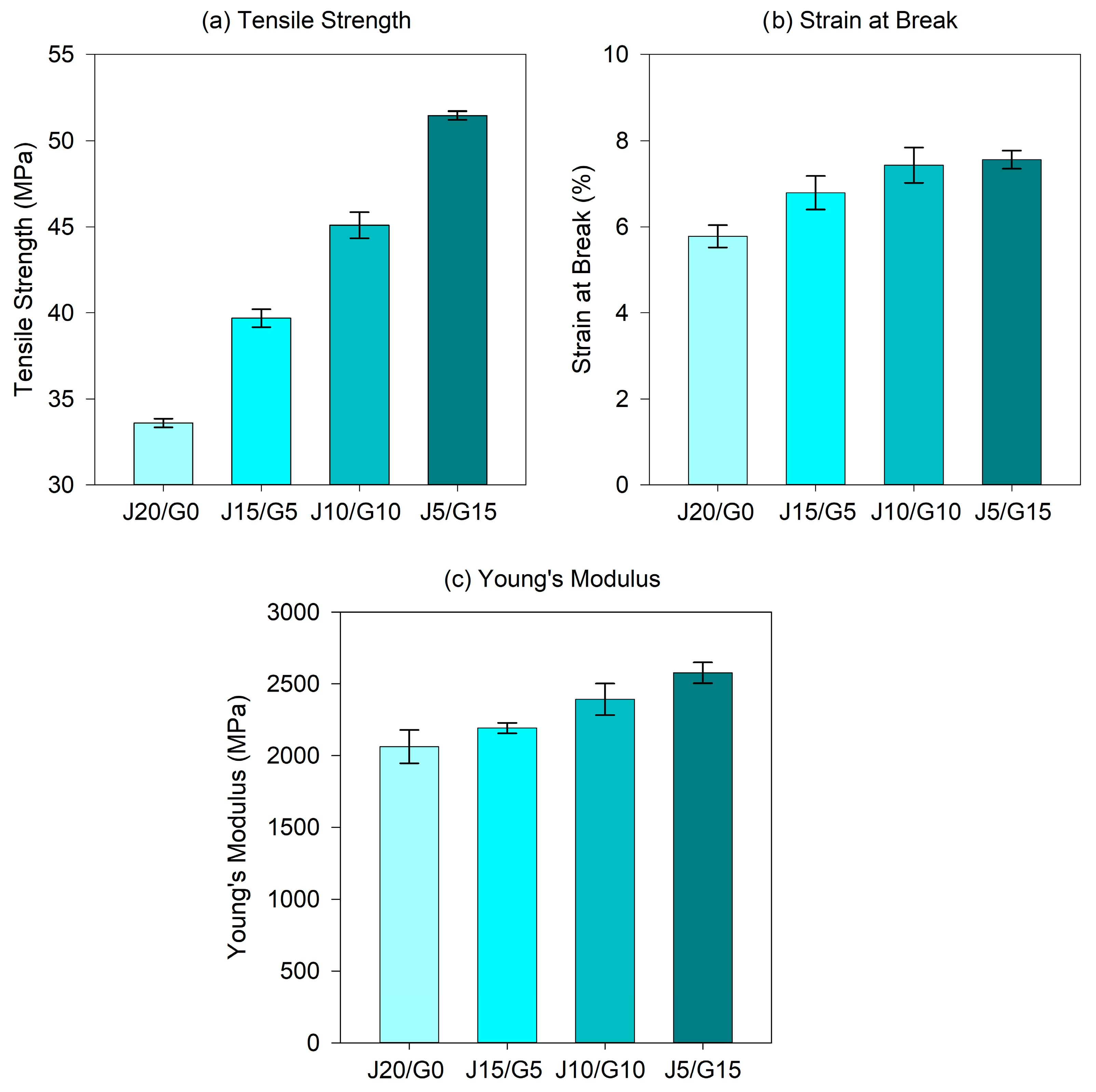
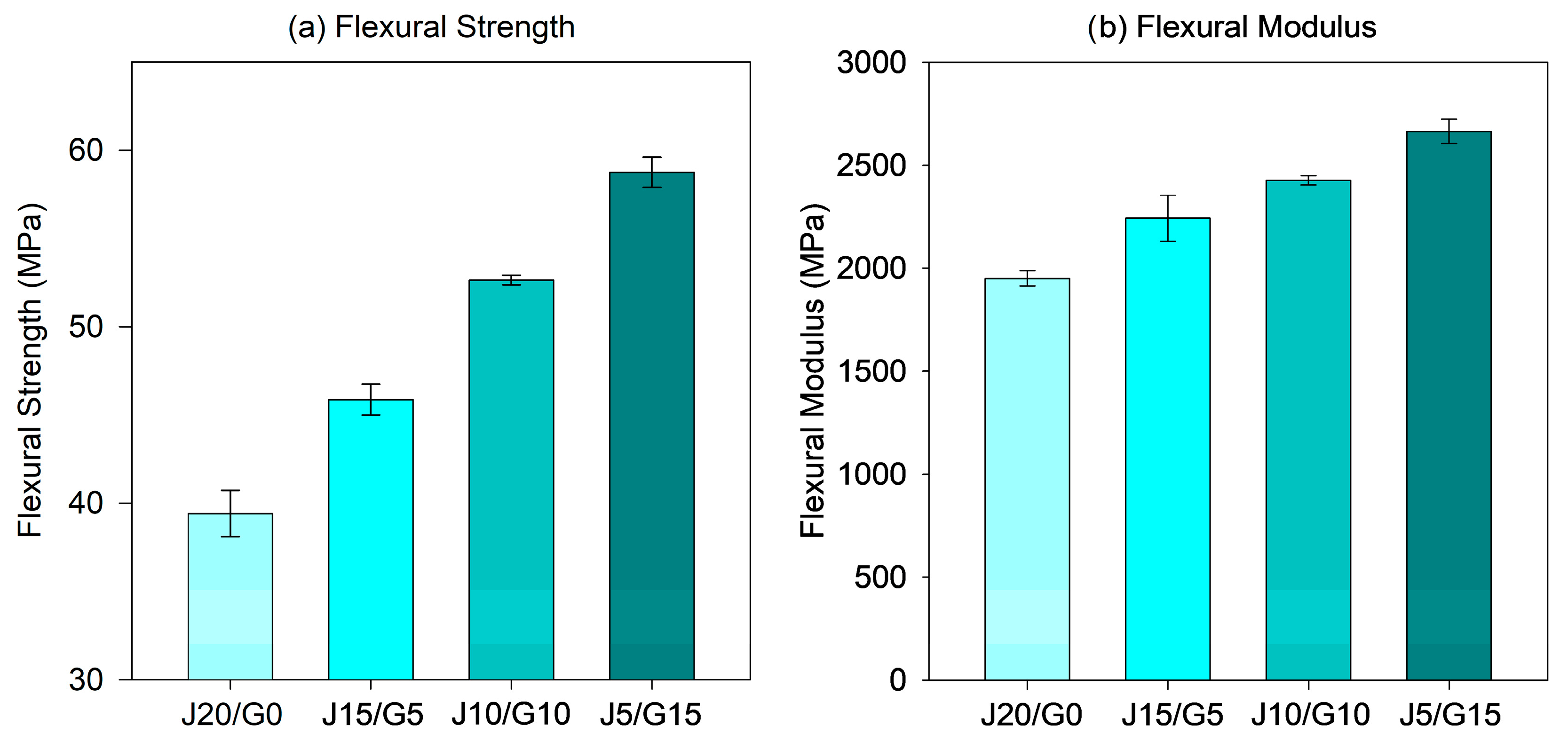
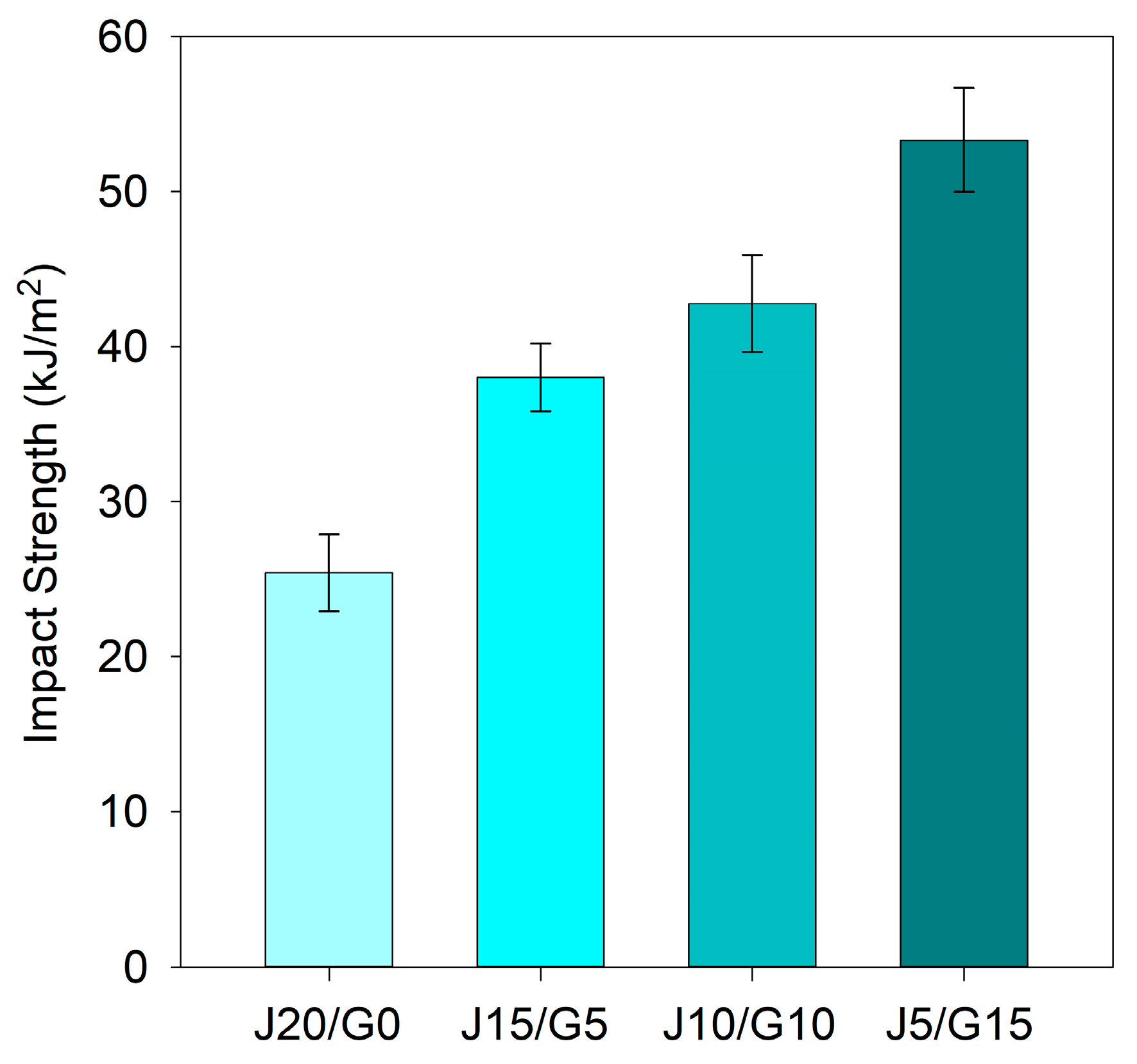
Mechanical testing revealed that the substitution of jute by glass fibers led to progressive and statistically significant enhancements in tensile strength (up to 53%), flexural strength (49%), and impact resistance (110%), without compromising ductility. This superior performance stems from the higher intrinsic stiffness and interfacial bonding of glass fibers, while jute contributes to weight reduction and energy absorption. The balanced hybrid formulations (e.g., J10/G10) achieved a favorable synergy by maintaining competitive strength and stiffness while preserving partial bio-based content.
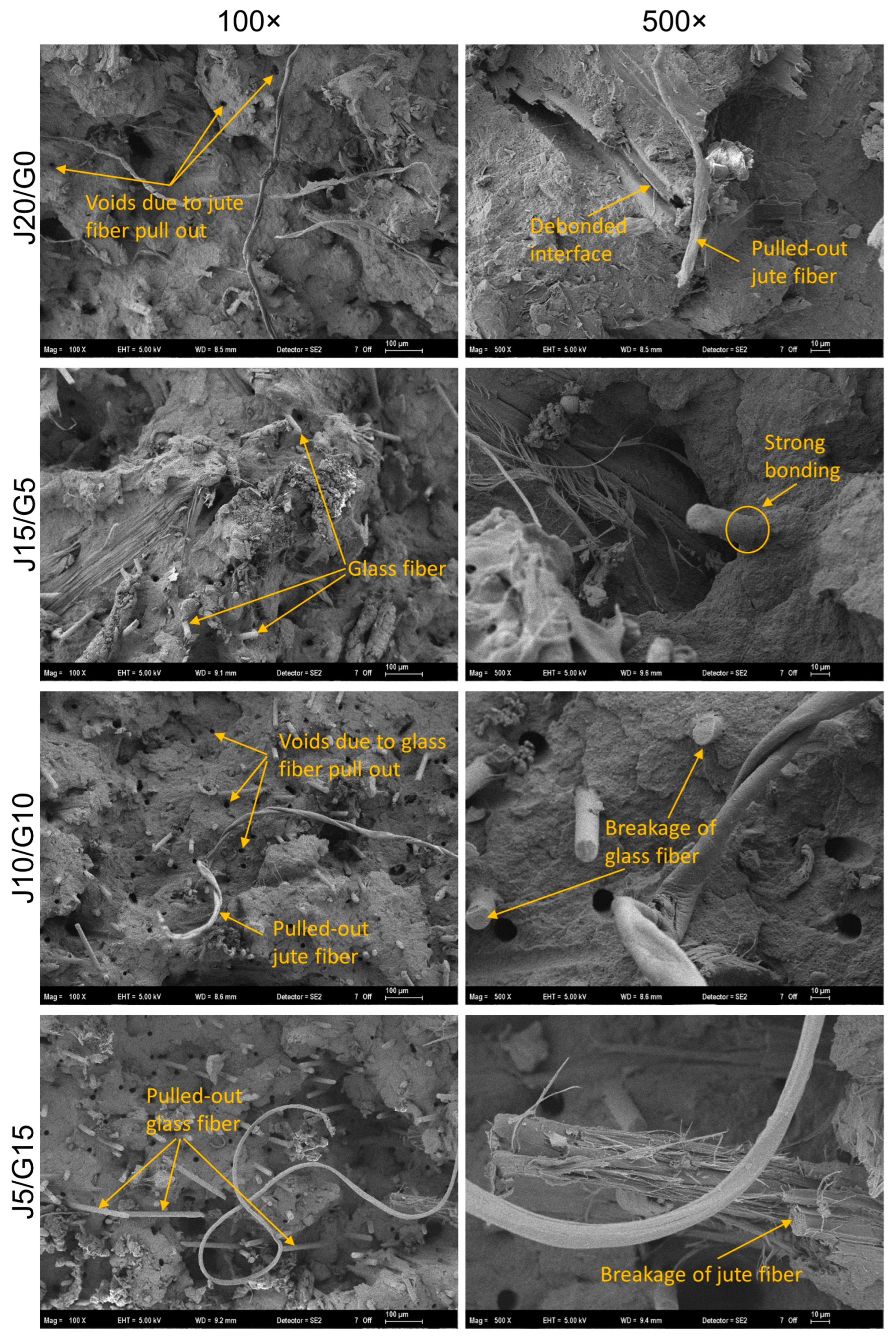
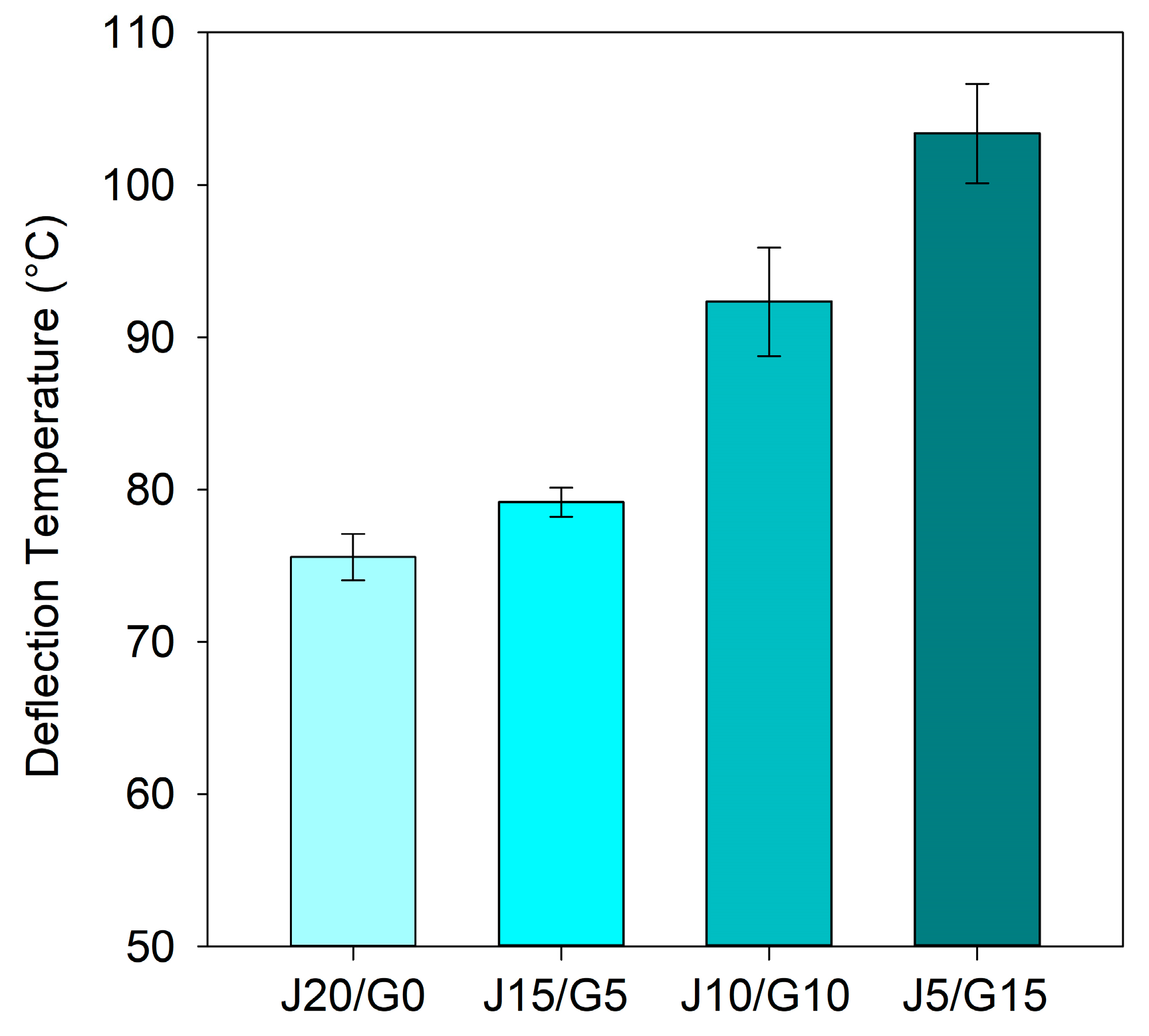
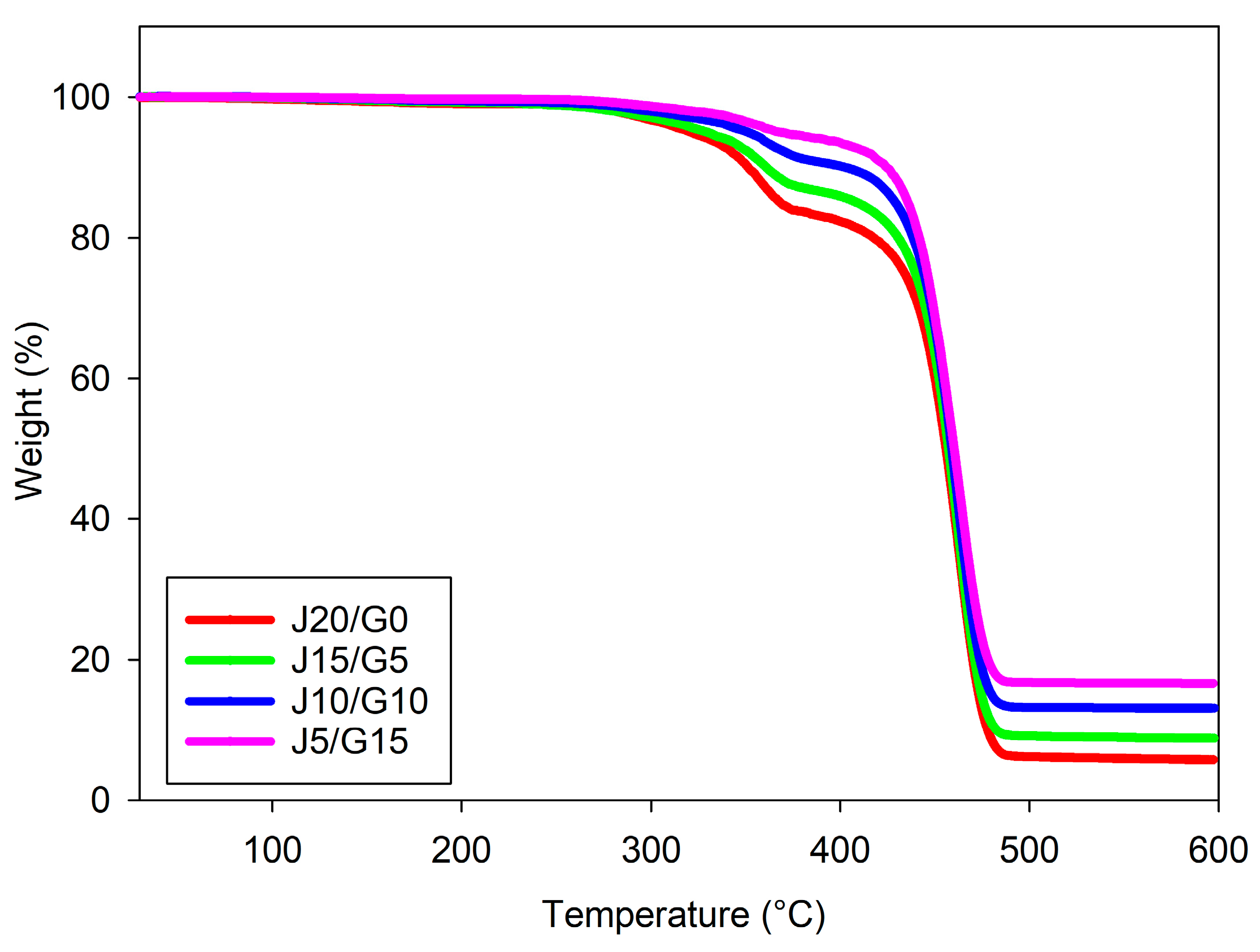
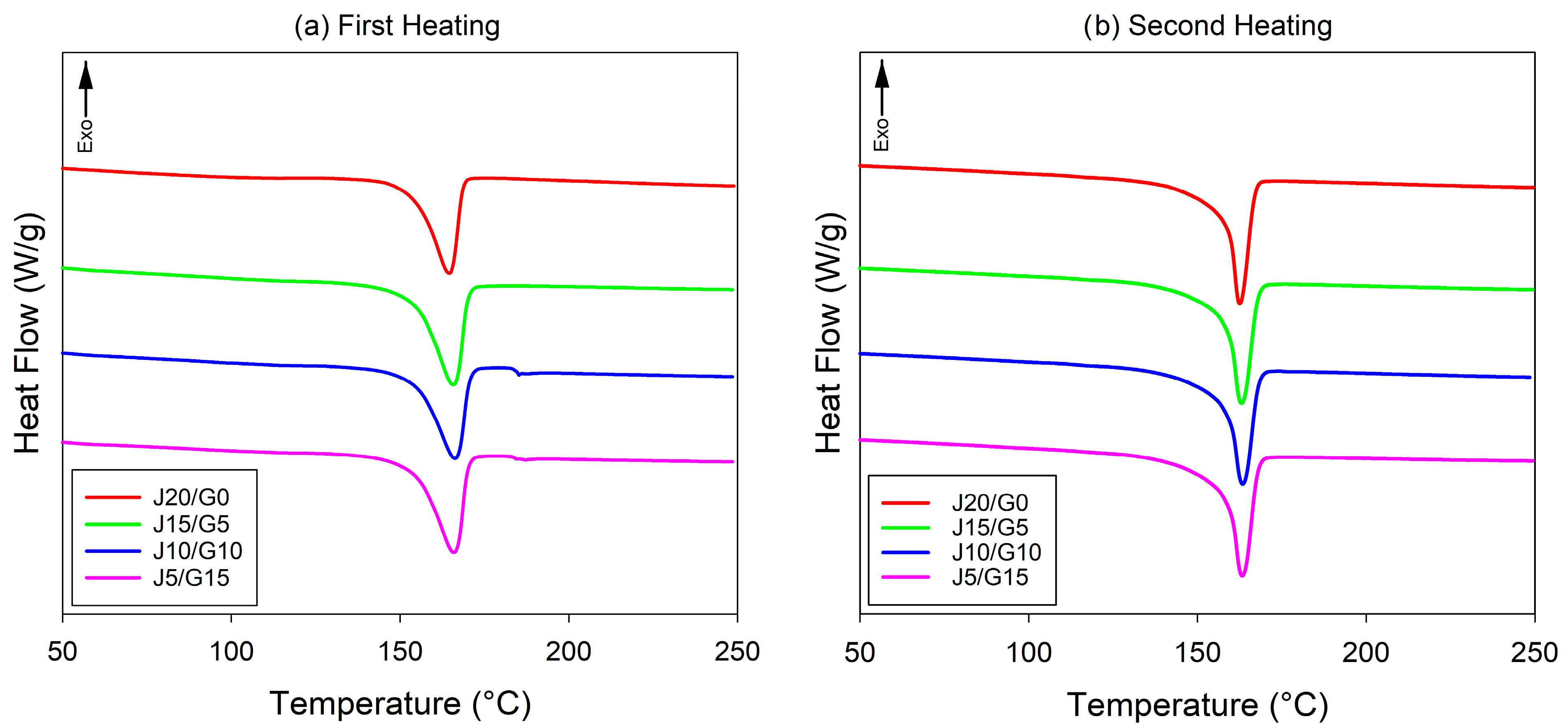
Morphological investigations corroborated these macroscopic results: jute-rich composites exhibited interfacial debonding and fiber pull-out, whereas glass-rich hybrids displayed increased fiber rupture and matrix adhesion, underscoring the complementary reinforcement roles. Thermal analyses further substantiated the positive effect of hybridization. The heat deflection temperature increased from 75 °C (jute-only) to above 103 °C (glass-rich), indicating that the hybrids approach the service-temperature range of engineering plastics such as ABS and ASA, even though they do not fully match their overall performance. Thermogravimetric results confirmed enhanced thermal stability with higher glass content, while DSC analyses indicated negligible shifts in crystallization and melting temperatures, suggesting that the jute–glass ratio at constant loading exerts minimal influence on PP crystallinity.
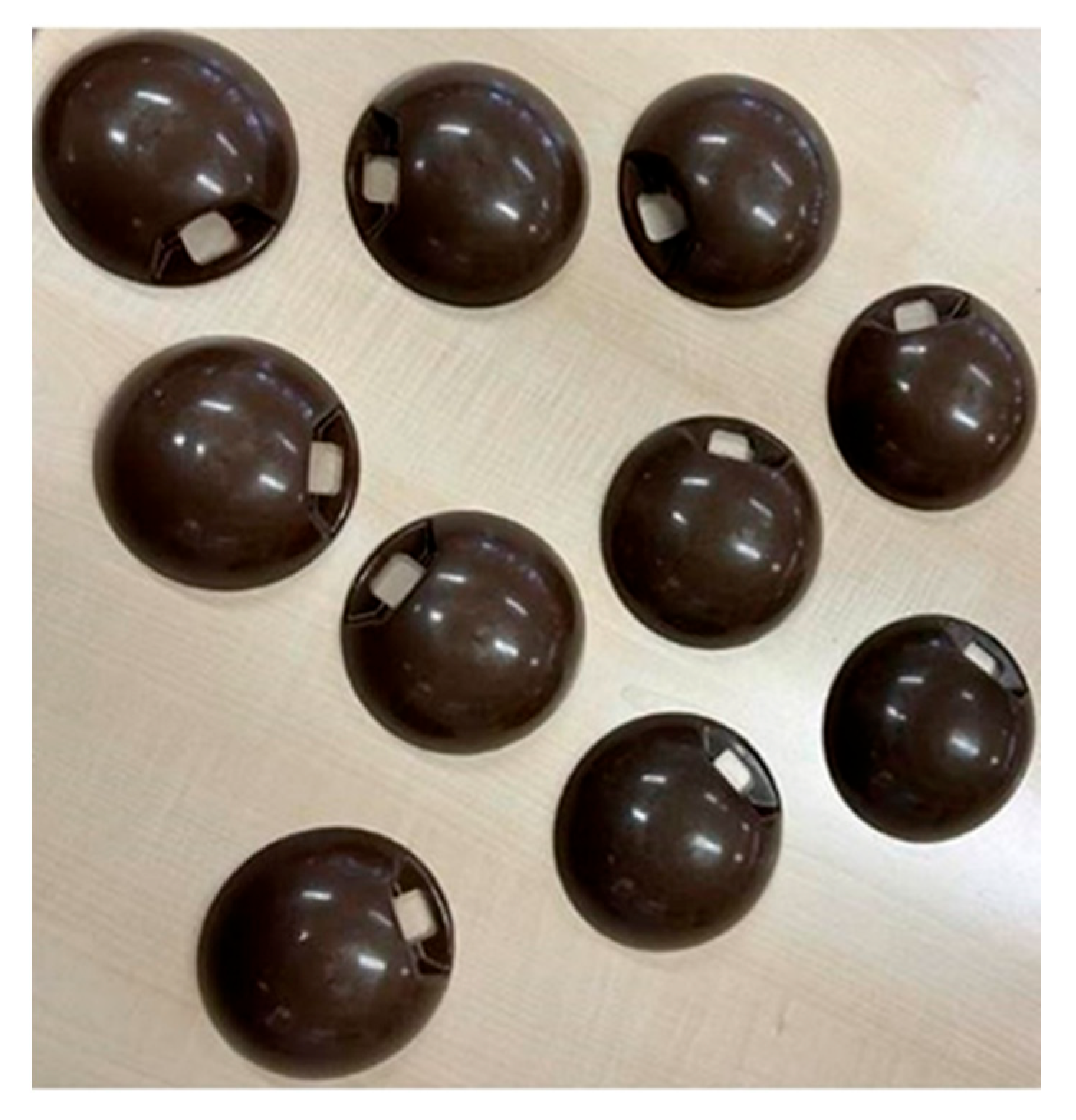
Importantly, benchmarking against commodity engineering plastics indicated that the tensile, flexural, and impact properties of the investigated hybrids fall within the range of, and in some cases approach, those of ABS and ASA, which is encouraging for automotive applications where these polymers are widely employed in interior and exterior components. The successful processing of the J20/G0 composition into an automotive mirror cap further validated the industrial scalability and manufacturability of these materials at the component level considered in this study.
Collectively, these results suggest that jute–glass hybrid PP composites are promising candidates and potential complementary materials to conventional engineering plastics for selected semi-structural automotive applications. By uniting the ecological advantages of natural fibers with the mechanical and thermal contributions of glass reinforcement, such hybrids can contribute to weight reduction and partial bio-based content while maintaining mechanically acceptable performance at the material scale. However, we acknowledge that achieving property levels comparable to ABS or ASA in real components may require changes in part geometry, wall thickness, and processing conditions, which could introduce additional manufacturing, cost, and energy demands, and that the multi-constituent nature of the hybrids may complicate end-of-life recycling compared with single-polymer systems. In the present work, sustainability is therefore discussed in a limited sense, focusing on mass-based natural-fiber substitution, reduced composite density, and the use of a recyclable thermoplastic matrix; a full life-cycle assessment, including specific coloring, coating, and recycling scenarios, would require a dedicated study and is beyond the scope of the present contribution. Within these boundaries, the automotive-oriented benchmarking conducted here provides an initial indication that jute–glass PP hybrids can be considered for lightweight designs where mechanical reliability and incremental sustainability gains must be balanced. Future research may focus on optimizing fiber surface treatments, compatibilizer systems, processing parameters, and end-of-life strategies to further enhance interfacial adhesion, moisture resistance, long-term durability, and recyclability, thereby refining the overall environmental and functional profile of these composites.