Xanthan Gum-Driven Innovations for Reinventing Food Preservation

 , , , ,
  and
and
Abstract
1. Introduction
2. Xanthan Gum: A Green Polymer
3. Sustainable Origins for Xanthan Gum: Exploring Environment Friendly Sources
4. Advancement in Enhancing Overall Characteristics of Xanthan Gum-Based Packaging and Coating
5. Edible Food Coating/Packaging Utilizing Xanthan Gum
6. Advanced Application of Xanthan Gum
7. Mechanical Property Enhancement
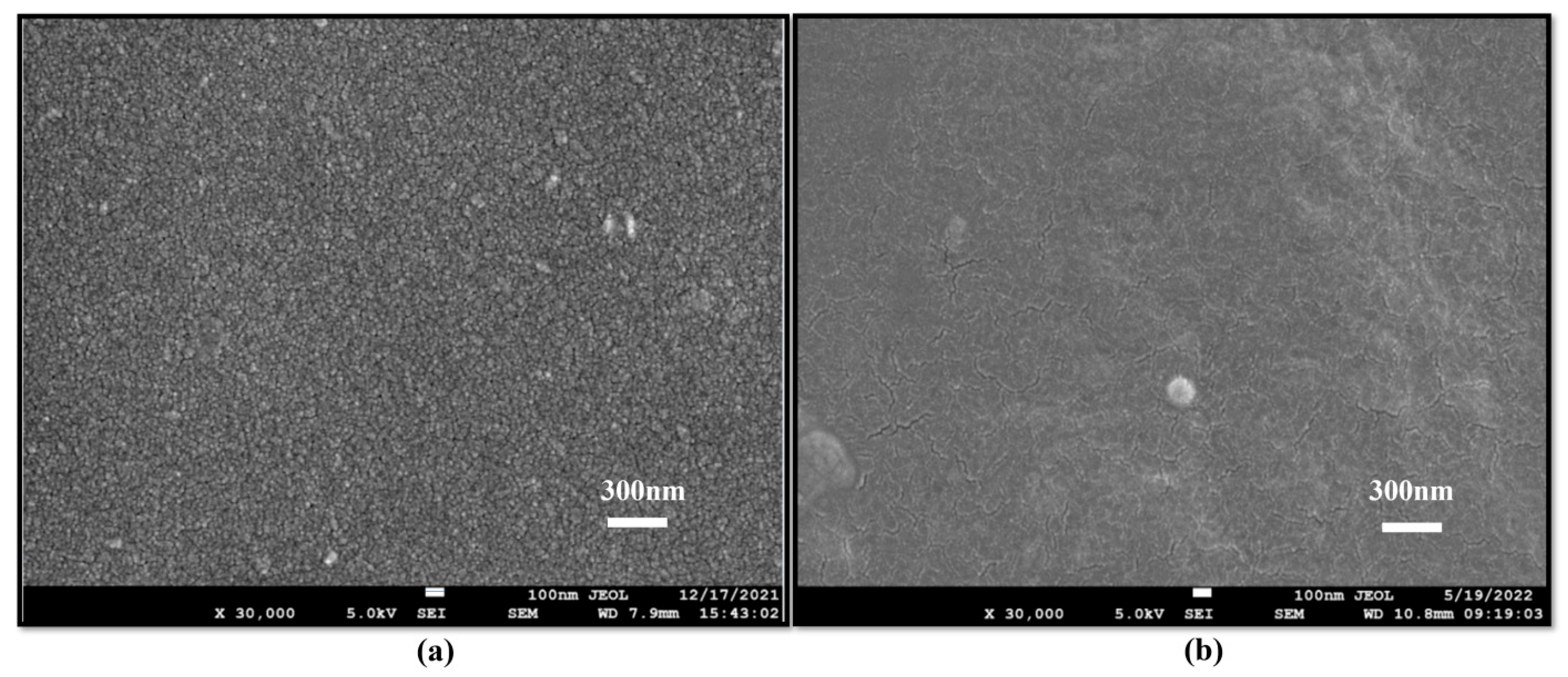
8. Surface Morphology
9. Thermal Property
10. Antioxidant Property
11. Barrier Property
12. Impact of Structural Configuration on Xanthan Gum Composite Performance
13. Resource Efficiency Angle
14. Carbon-Neutral Packaging Potential
15. Conclusions
Author Contributions
Funding
Institutional Review Board Statement
Informed Consent Statement
Data Availability Statement
Acknowledgments
Conflicts of Interest
References
- Kabir, E.; Kaur, R.; Lee, J.; Kim, K.-H.; Kwon, E.E. Prospects of Biopolymer Technology as an Alternative Option for Non-Degradable Plastics and Sustainable Management of Plastic Wastes. J. Clean. Prod. 2020, 258, 120536. [Google Scholar] [CrossRef]
- Shaikh, S.; Yaqoob, M.; Aggarwal, P. An Overview of Biodegradable Packaging in Food Industry. Curr. Res. Food Sci. 2021, 4, 503–520. [Google Scholar] [CrossRef]
- Tabassum, Z.; Girdhar, M.; Kumar, A.; Malik, T.; Mohan, A. ZnO Nanoparticles-Reinforced Chitosan–Xanthan Gum Blend Novel Film with Enhanced Properties and Degradability for Application in Food Packaging. ACS Omega 2023, 8, 31318–31332. [Google Scholar] [CrossRef] [PubMed]
- Tabassum, Z.; Mohan, A.; Girdhar, M. Eco-Friendly Sustainable Nanocomposite Food Packaging Materials: Recent Advancements, Challenges, and Way Forward. In Modern Nanotechnology; Springer Nature: Cham, Switzerland, 2023; pp. 405–428. [Google Scholar]
- Tabassum, Z.; Mohan, A.; Mamidi, N.; Khosla, A.; Kumar, A.; Solanki, P.R.; Malik, T.; Girdhar, M. Recent Trends in Nanocomposite Packaging Films Utilising Waste Generated Biopolymers: Industrial Symbiosis and Its Implication in Sustainability. IET Nanobiotechnol. 2023, 17, 127–153. [Google Scholar] [CrossRef]
- Thushari, G.G.N.; Senevirathna, J.D.M. Plastic Pollution in the Marine Environment. Heliyon 2020, 6, e04709. [Google Scholar] [CrossRef]
- Ahmed, M.; Verma, A.K.; Patel, R. Physiochemical, Antioxidant, and Food Simulant Release Properties of Collagen-carboxymethyl Cellulose Films Enriched with Berberis lyceum Root Extract for Biodegradable Active Food Packaging. J. Food Process. Preserv. 2022, 46, e16485. [Google Scholar] [CrossRef]
- Nwafor, N.; Walker, T.R. Plastic Bags Prohibition Bill: A Developing Story of Crass Legalism Aiming to Reduce Plastic Marine Pollution in Nigeria. Mar. Policy 2020, 120, 104160. [Google Scholar] [CrossRef]
- Alabi, O.A.; Ologbonjaye, K.I.; Awosolu, O.; Alalade, O.E. Public and Environmental Health Effects of Plastic Wastes Disposal: A Review. J. Toxicol. Risk Assess. 2019, 5, 021. [Google Scholar] [CrossRef]
- Tabassum, Z.; Mohan, A.; Girdhar, M. A Comprehensive Review on Chitosan Based Bionanocomposites: Enormous Potential for Biodegradable Food Packaging Applications of Future. AIP Conf. Proc. 2024, 2986, 030044. [Google Scholar] [CrossRef]
- Mohan, A.; Girdhar, M.; Kumar, R.; Chaturvedi, H.S.; Vadhel, A.; Solanki, P.R.; Kumar, A.; Kumar, D.; Mamidi, N. Polyhydroxybutyrate-Based Nanocomposites for Bone Tissue Engineering. Pharmaceuticals 2021, 14, 1163. [Google Scholar] [CrossRef]
- Saurav, S.; Sharma, P.; Kumar, A.; Tabassum, Z.; Girdhar, M.; Mamidi, N.; Mohan, A. Harnessing Natural Polymers for Nano-Scaffolds in Bone Tissue Engineering: A Comprehensive Overview of Bone Disease Treatment. Curr. Issues Mol. Biol. 2024, 46, 585–611. [Google Scholar] [CrossRef]
- Tabassum, Z.; Girdhar, M.; Malik, T.; Kumar, A.; Mohan, A. Advancing Sustainability: A Novel Biopolymer-Based Degradable Nanoclay Composite Film for next-Generation Packaging. Mater. Adv. 2024, 5, 8060–8073. [Google Scholar] [CrossRef]
- Kaur, K.; Mohan, A.; Girdhar, M. Nanotechnology Based Approaches for Carcinogenesis Treatment: A Review. Trends Biomater. Artif. Organs 2018, 32, 121–127. [Google Scholar]
- Rahman, M.; Tabassum, Z. Biotechnological Approach to Treat Textile Dyeing Effluents: A Critical Review Analysing the Practical Applications. Text. Leather Rev. 2024, 7, 125–152. [Google Scholar] [CrossRef]
- Kumar, S.; Mukherjee, A.; Dutta, J. Chitosan Based Nanocomposite Films and Coatings: Emerging Antimicrobial Food Packaging Alternatives. Trends Food Sci. Technol. 2020, 97, 196–209. [Google Scholar] [CrossRef]
- Ramos, Ó.L.; Pereira, R.N.; Cerqueira, M.A.; Martins, J.R.; Teixeira, J.A.; Malcata, F.X.; Vicente, A.A. Bio-Based Nanocomposites for Food Packaging and Their Effect in Food Quality and Safety. In Food Packaging and Preservation; Elsevier: Amsterdam, The Netherlands, 2018; pp. 271–306. [Google Scholar]
- Kumar, P.; Kumar, B.; Gihar, S.; Kumar, D. Review on Emerging Trends and Challenges in the Modification of Xanthan Gum for Various Applications. Carbohydr. Res. 2024, 538, 109070. [Google Scholar] [CrossRef] [PubMed]
- Asase, R.V.; Glukhareva, T.V. Production and Application of Xanthan Gum—Prospects in the Dairy and Plant-Based Milk Food Industry: A Review. Food Sci. Biotechnol. 2024, 33, 749–767. [Google Scholar] [CrossRef] [PubMed]
- Kar, R.; Mohapatra, S.; Bhanja, S.; Das, D.; Barik, B. Formulation and in Vitro Characterization of Xanthan Gum-Based Sustained Release Matrix Tables of Isosorbide-5- Mononitrate. Iran. J. Pharm. Res. 2010, 9, 13–19. [Google Scholar] [PubMed]
- Savary, G.; Grisel, M.; Picard, C. Cosmetics and Personal Care Products. In Natural Polymers; Springer International Publishing: Cham, Switzerland, 2016; pp. 219–261. [Google Scholar]
- Kashaudhan, K.; Pande, P.P.; Sharma, J.; Shankar, R.; Nath, A. Modified Xanthan Gum (Natural Polymeric Material) and Its Derivative for Wastewater Treatment: A Review. Environ. Prog. Sustain. Energy 2024, 43, e14419. [Google Scholar] [CrossRef]
- Rashidi, A.R.; Azelee, N.I.W.; Zaidel, D.N.A.; Chuah, L.F.; Bokhari, A.; El Enshasy, H.A.; Dailin, D.J. Unleashing the Potential of Xanthan: A Comprehensive Exploration of Biosynthesis, Production, and Diverse Applications. Bioprocess. Biosyst. Eng. 2023, 46, 771–787. [Google Scholar] [CrossRef]
- Theagarajan, R.; Dutta, S.; Moses, J.A.; Anandharamakrishnan, C. Alginates for Food Packaging Applications. In Alginates; John Wiley & Sons, Inc.: Hoboken, NJ, USA, 2019; pp. 205–232. [Google Scholar]
- Chacon, W.D.C.; Paz-Arteaga, S.L.; Torres-León, C.; Valencia, G.A. Gums-Based Coatings Applied to Extend the Shelf Life of Foods: A Review. J. Polym. Environ. 2023, 31, 433–446. [Google Scholar] [CrossRef]
- Bhat, I.M.; Wani, S.M.; Mir, S.A.; Masoodi, F.A. Advances in Xanthan Gum Production, Modifications and Its Applications. Biocatal. Agric. Biotechnol. 2022, 42, 102328. [Google Scholar] [CrossRef]
- Gupta, S. Xanthan Gum Market. Available online: https://www.marketresearchfuture.com/reports/xanthan-gum-market-748 (accessed on 17 November 2025).
- Abu Elella, M.H.; Goda, E.S.; Gab-Allah, M.A.; Hong, S.E.; Pandit, B.; Lee, S.; Gamal, H.; ur Rehman, A.; Yoon, K.R. Xanthan Gum-Derived Materials for Applications in Environment and Eco-Friendly Materials: A Review. J. Environ. Chem. Eng. 2021, 9, 104702. [Google Scholar] [CrossRef]
- de Morais Lima, M.; Bianchini, D.; Guerra Dias, A.; da Rosa Zavareze, E.; Prentice, C.; da Silveira Moreira, A. Biodegradable Films Based on Chitosan, Xanthan Gum, and Fish Protein Hydrolysate. J. Appl. Polym. Sci. 2017, 134, 44899. [Google Scholar] [CrossRef]
- Li, P.; Li, T.; Zeng, Y.; Li, X.; Jiang, X.; Wang, Y.; Xie, T.; Zhang, Y. Biosynthesis of Xanthan Gum by Xanthomonas campestris LRELP-1 Using Kitchen Waste as the Sole Substrate. Carbohydr. Polym. 2016, 151, 684–691. [Google Scholar] [CrossRef]
- Demirci, A.S.; Palabiyik, I.; Apaydın, D.; Mirik, M.; Gumus, T. Xanthan Gum Biosynthesis Using Xanthomonas Isolates from Waste Bread: Process Optimization and Fermentation Kinetics. LWT 2019, 101, 40–47. [Google Scholar] [CrossRef]
- da Silva, J.A.; Cardoso, L.G.; de Jesus Assis, D.; Gomes, G.V.P.; Oliveira, M.B.P.P.; de Souza, C.O.; Druzian, J.I. Xanthan Gum Production by Xanthomonas campestris Pv. Campestris IBSBF 1866 and 1867 from Lignocellulosic Agroindustrial Wastes. Appl. Biochem. Biotechnol. 2018, 186, 750–763. [Google Scholar] [CrossRef]
- Wu, M.; Shi, Z.; Ming, Y.; Zhao, Y.; Gao, G.; Li, G.; Ma, T. The Production of Ultrahigh Molecular Weight Xanthan Gum from a Sphingomonas Chassis Capable of Co-utilising Glucose and Xylose from Corn Straw. Microb. Biotechnol. 2024, 17, e14394. [Google Scholar] [CrossRef]
- Jesus, M.; Mata, F.; Batista, R.A.; Ruzene, D.S.; Albuquerque-Júnior, R.; Cardoso, J.C.; Vaz-Velho, M.; Pires, P.; Padilha, F.F.; Silva, D.P. Corncob as Carbon Source in the Production of Xanthan Gum in Different Strains Xanthomonas sp. Sustainability 2023, 15, 2287. [Google Scholar] [CrossRef]
- Wang, L.; Schiraldi, D.A.; Sánchez-Soto, M. Foamlike Xanthan Gum/Clay Aerogel Composites and Tailoring Properties by Blending with Agar. Ind. Eng. Chem. Res. 2014, 53, 7680–7687. [Google Scholar] [CrossRef]
- Meydanju, N.; Pirsa, S.; Farzi, J. Biodegradable Film Based on Lemon Peel Powder Containing Xanthan Gum and TiO2–Ag Nanoparticles: Investigation of Physicochemical and Antibacterial Properties. Polym. Test. 2022, 106, 107445. [Google Scholar] [CrossRef]
- Zheng, M.; Chen, J.; Tan, K.B.; Chen, M.; Zhu, Y. Development of Hydroxypropyl Methylcellulose Film with Xanthan Gum and Its Application as an Excellent Food Packaging Bio-Material in Enhancing the Shelf Life of Banana. Food Chem. 2022, 374, 131794. [Google Scholar] [CrossRef]
- Chen, J.; Zheng, M.; Tan, K.B.; Lin, J.; Chen, M.; Zhu, Y. Polyvinyl Alcohol/Xanthan Gum Composite Film with Excellent Food Packaging, Storage and Biodegradation Capability as Potential Environmentally-Friendly Alternative to Commercial Plastic Bag. Int. J. Biol. Macromol. 2022, 212, 402–411. [Google Scholar] [CrossRef]
- Zheng, M.; Zhu, Y.; Zhuang, Y.; Tan, K.B.; Chen, J. Effects of Grape Seed Extract on the Properties of Pullulan Polysaccharide/Xanthan Gum Active Films for Apple Preservation. Int. J. Biol. Macromol. 2023, 241, 124617. [Google Scholar] [CrossRef]
- Zheng, M.; Su, H.; Xiao, R.; Chen, J.; Chen, H.; Tan, K.B.; Zhu, Y. Effects of Polygonatum cyrtonema Extracts on the Antioxidant Ability, Physical and Structure Properties of Carboxymethyl Cellulose-Xanthan Gum-Flaxseed Gum Active Packaging Films. Food Chem. 2023, 403, 134320. [Google Scholar] [CrossRef]
- Yavari Maroufi, L.; Norouzi, R.; Ramezani, S.; Ghorbani, M. Novel Electrospun Nanofibers Based on Gelatin/Oxidized Xanthan Gum Containing Propolis Reinforced by Schiff Base Cross-Linking for Food Packaging. Food Chem. 2023, 416, 135806. [Google Scholar] [CrossRef] [PubMed]
- Rukmanikrishnan, B.; Rajasekharan, S.K.; Lee, J.; Lee, J. Biocompatible Agar/Xanthan Gum Composite Films: Thermal, Mechanical, UV, and Water Barrier Properties. Polym. Adv. Technol. 2019, 30, 2750–2758. [Google Scholar] [CrossRef]
- Niknam, R.; Soudi, M.R.; Mousavi, M. Biodegradable Composite Films Based on Trigonella foenum-graceum Galactomannan—Xanthan Gum: Effect of Grape Seed Oil on Various Aspects of Emulsified Films. J. Am. Oil Chem. Soc. 2023, 100, 163–174. [Google Scholar] [CrossRef]
- Panneerselvam, N.; Sundaramurthy, D.; Maruthapillai, A. Antibacterial/Antioxidant Activity of CuO Impacted Xanthan Gum/Chitosan @Ascorbic Acid Nanocomposite Films. J. Polym. Environ. 2022, 30, 3239–3249. [Google Scholar] [CrossRef]
- Ashooriyan, P.; Mohammadi, M.; Najafpour Darzi, G.; Nikzad, M. Development of Plantago Ovata Seed Mucilage and Xanthan Gum-Based Edible Coating with Prominent Optical and Barrier Properties. Int. J. Biol. Macromol. 2023, 248, 125938. [Google Scholar] [CrossRef]
- Wani, S.M.; Gull, A.; Ahad, T.; Malik, A.R.; Ganaie, T.A.; Masoodi, F.A.; Gani, A. Effect of Gum Arabic, Xanthan and Carrageenan Coatings Containing Antimicrobial Agent on Postharvest Quality of Strawberry: Assessing the Physicochemical, Enzyme Activity and Bioactive Properties. Int. J. Biol. Macromol. 2021, 183, 2100–2108. [Google Scholar] [CrossRef] [PubMed]
- Cui, H.; Yang, M.; Shi, C.; Li, C.; Lin, L. Application of Xanthan-Gum-Based Edible Coating Incorporated with Litsea cubeba Essential Oil Nanoliposomes in Salmon Preservation. Foods 2022, 11, 1535. [Google Scholar] [CrossRef]
- Chen, J.; Zheng, M.; Tan, K.B.; Lin, J.; Chen, M.; Zhu, Y. Development of Xanthan Gum/Hydroxypropyl Methyl Cellulose Composite Films Incorporating Tea Polyphenol and Its Application on Fresh-Cut Green Bell Peppers Preservation. Int. J. Biol. Macromol. 2022, 211, 198–206. [Google Scholar] [CrossRef]
- Joshy, K.; Jose, J.; Li, T.; Thomas, M.; Shankregowda, A.M.; Sreekumaran, S.; Kalarikkal, N.; Thomas, S. Application of Novel Zinc Oxide Reinforced Xanthan Gum Hybrid System for Edible Coatings. Int. J. Biol. Macromol. 2020, 151, 806–813. [Google Scholar] [CrossRef]
- Kumar, A.; Saini, C.S. Edible Composite Bi-Layer Coating Based on Whey Protein Isolate, Xanthan Gum and Clove Oil for Prolonging Shelf Life of Tomatoes. Meas. Food 2021, 2, 100005. [Google Scholar] [CrossRef]
- Sharma, S.; Rao, T.V.R. Xanthan Gum Based Edible Coating Enriched with Cinnamic Acid Prevents Browning and Extends the Shelf-Life of Fresh-Cut Pears. LWT Food Sci. Technol. 2015, 62, 791–800. [Google Scholar] [CrossRef]
- Fan, Y.; Yang, J.; Duan, A.; Li, X. Pectin/Sodium Alginate/Xanthan Gum Edible Composite Films as the Fresh-Cut Package. Int. J. Biol. Macromol. 2021, 181, 1003–1009. [Google Scholar] [CrossRef]
- Soleimani-Rambod, A.; Zomorodi, S.; Naghizadeh Raeisi, S.; Khosrowshahi Asl, A.; Shahidi, S.-A. The Effect of Xanthan Gum and Flaxseed Mucilage as Edible Coatings in Cheddar Cheese during Ripening. Coatings 2018, 8, 80. [Google Scholar] [CrossRef]
- Lara, G.; Yakoubi, S.; Villacorta, C.M.; Uemura, K.; Kobayashi, I.; Takahashi, C.; Nakajima, M.; Neves, M.A. Spray Technology Applications of Xanthan Gum-Based Edible Coatings for Fresh-Cut Lotus Root (Nelumbo nucifera). Food Res. Int. 2020, 137, 109723. [Google Scholar] [CrossRef]
- Zambrano-Zaragoza, M.L.; Quintanar-Guerrero, D.; Del Real, A.; Piñon-Segundo, E.; Zambrano-Zaragoza, J.F. The Release Kinetics of β-Carotene Nanocapsules/Xanthan Gum Coating and Quality Changes in Fresh-Cut Melon (Cantaloupe). Carbohydr. Polym. 2017, 157, 1874–1882. [Google Scholar] [CrossRef]
- García-Betanzos, C.I.; Hernández-Sánchez, H.; Bernal-Couoh, T.F.; Quintanar-Guerrero, D.; de la Luz Zambrano-Zaragoza, M. Physicochemical, Total Phenols and Pectin Methylesterase Changes on Quality Maintenance on Guava Fruit (Psidium guajava L.) Coated with Candeuba Wax Solid Lipid Nanoparticles-Xanthan Gum. Food Res. Int. 2017, 101, 218–227. [Google Scholar] [CrossRef] [PubMed]
- Mohsin, A.; Zaman, W.Q.; Guo, M.; Ahmed, W.; Khan, I.M.; Niazi, S.; Rehman, A.; Hang, H.; Zhuang, Y. Xanthan-Curdlan Nexus for Synthesizing Edible Food Packaging Films. Int. J. Biol. Macromol. 2020, 162, 43–49. [Google Scholar] [CrossRef]
- Lastra Ripoll, S.E.; Quintana Martínez, S.E.; García Zapateiro, L.A. Rheological and Microstructural Properties of Xanthan Gum-Based Coating Solutions Enriched with Phenolic Mango (Mangifera indica) Peel Extracts. ACS Omega 2021, 6, 16119–16128. [Google Scholar] [CrossRef]
- Qiu, L.; Zhang, M.; Bhandari, B.; Chitrakar, B.; Chang, L. Investigation of 3D Printing of Apple and Edible Rose Blends as a Dysphagia Food. Food Hydrocoll. 2023, 135, 108184. [Google Scholar] [CrossRef]
- Zamani-Ghalehshahi, A.; Farzaneh, P. Effect of Hydrocolloid Coatings (Basil Seed Gum, Xanthan, and Methyl Cellulose) on the Mass Transfer Kinetics and Quality of Fried Potato Strips. J. Food Sci. 2021, 86, 1215–1227. [Google Scholar] [CrossRef] [PubMed]
- Graça, C.; Marques, D.; Sousa, I.; Monteiro, A.R.G. Xanthan Gum as an Alternative to Replace the Fat for Coating and Flavoring the Extruded Snacks. J. Food Sci. Technol. 2020, 57, 3151–3156. [Google Scholar] [CrossRef]
- Sapper, M.; Talens, P.; Chiralt, A. Improving Functional Properties of Cassava Starch-Based Films by Incorporating Xanthan, Gellan, or Pullulan Gums. Int. J. Polym. Sci. 2019, 2019, 5367164. [Google Scholar] [CrossRef]
- Zhu, Y. Fabrication and Characterization of the Enhanced Tensile Strength Xanthan/Curdlan/Gelatin Blend Films for Food-Packaging Applications. IOP Conf. Ser. Earth Environ. Sci. 2021, 657, 012078. [Google Scholar] [CrossRef]
- Nur Hazirah, M.A.S.P.; Isa, M.I.N.; Sarbon, N.M. Effect of Xanthan Gum on the Physical and Mechanical Properties of Gelatin-Carboxymethyl Cellulose Film Blends. Food Packag. Shelf Life 2016, 9, 55–63. [Google Scholar] [CrossRef]
- Rukmanikrishnan, B.; Ismail, F.R.M.; Manoharan, R.K.; Kim, S.S.; Lee, J. Blends of Gellan Gum/Xanthan Gum/Zinc Oxide Based Nanocomposites for Packaging Application: Rheological and Antimicrobial Properties. Int. J. Biol. Macromol. 2020, 148, 1182–1189. [Google Scholar] [CrossRef]
- Patel, J.; Maji, B.; Moorthy, N.S.H.N.; Maiti, S. Xanthan Gum Derivatives: Review of Synthesis, Properties and Diverse Applications. RSC Adv. 2020, 10, 27103–27136. [Google Scholar] [CrossRef] [PubMed]
- Hu, X.; Wang, K.; Yu, M.; He, P.; Qiao, H.; Zhang, H.; Wang, Z. Characterization and Antioxidant Activity of a Low-Molecular-Weight Xanthan Gum. Biomolecules 2019, 9, 730. [Google Scholar] [CrossRef]
- Munir, M.; Shahid, M.; Munir, H.; Javaid, S.; El-Ghorab, A. Xanthan Gum Biochemical Profiling, Antioxidant, Antibacterial, Biofilm Inhibition and Mutagenic Potential. Curr. Sci. 2017, 114, 1903–1913. [Google Scholar]
- Xiong, X.; Li, M.; Xie, J.; Jin, Q.; Xue, B.; Sun, T. Antioxidant Activity of Xanthan Oligosaccharides Prepared by Different Degradation Methods. Carbohydr. Polym. 2013, 92, 1166–1171. [Google Scholar] [CrossRef]
- Mousavi, S.F.; Arsalani, N.; Ghorbani, M. Preparation of Sodium Alginate and Xanthan Gum Bionanocomposite Films Reinforced with Hybrid Halloysite Nanotubes Containing ZnO and Licorice Root Extract for Wound Dressing Applications. Int. J. Biol. Macromol. 2025, 307, 141974. [Google Scholar] [CrossRef]
- Husain, F.M.; Hasan, I.; Qais, F.A.; Khan, R.A.; Alam, P.; Alsalme, A. Fabrication of Zinc Oxide-Xanthan Gum Nanocomposite via Green Route: Attenuation of Quorum Sensing Regulated Virulence Functions and Mitigation of Biofilm in Gram-Negative Bacterial Pathogens. Coatings 2020, 10, 1190. [Google Scholar] [CrossRef]
- Crugeira, P.J.L.; Almeida, H.H.S.; Marcet, I.; Rendueles, M.; Pires, M.G.; Rafael, H.M.; Rodrigues, A.I.G.; Santamaria-Echart, A.; Barreiro, M.F. Biosynthesis of Antioxidant Xanthan Gum by Xanthomonas campestris Using Substrates Added with Moist Olive Pomace. Food Bioprod. Process. 2023, 141, 210–218. [Google Scholar] [CrossRef]
- Santos, J.C.; de Freitas Coêlho, D.; Tambourgi, E.B.; Da Silva, G.F.; Souza, R.R. Production of Xanthan Gum by Xanthomonas campestris CCT 13951 Submerged Fermentation on Hydrolysed Agroindustrial By-Products. Res. Sq. 2021. [Google Scholar] [CrossRef]
- Wang, Y.; Li, F.; Liu, L. Production of Xanthan Gum by Xanthomonas campestris from Wheat Bran Using Solid State Fermentation. Heliyon 2023. [Google Scholar] [CrossRef]
- Soleymanpour, Z.; Nikzad, M.; Talebnia, F.; Niknezhad, V. Xanthan Gum Production from Acid Hydrolyzed Broomcorn Stem as a Sole Carbon Source by Xanthomonas campestris. 3Biotech 2018, 8, 296. [Google Scholar] [CrossRef] [PubMed]
- Asase, R.V.; Glukhareva, T.V. Integrating Waste Management with Biopolymer Innovation: A New Frontier in Xanthan Gum Production. Process Biochem. 2025, 154, 84–98. [Google Scholar] [CrossRef]
- Tabassum, Z.; Girdhar, M.; Anand, A.; Kumari, N.; Sood, B.; Malik, T.; Kumar, A.; Mohan, A. Trash to Treasure: Advancing Resource Efficiency Using Waste-Derived Fillers as Sustainable Reinforcing Agents in Bioplastics. Mater. Adv. 2025, 6, 527–546. [Google Scholar] [CrossRef]
- Elboughdiri, N.; KRIAA, K.; Maatki, C.; Assadi, A.A.; Tabassum, Z.; Chopra, C.; Sakran, K.A.; Wani, A.K. Eco-Smart Packaging: A Green Approach to Prolonging Freshness of Chicken and Chicken Products. Food Bioproc. Tech. 2025, 18, 9250–9270. [Google Scholar] [CrossRef]
- Gacem, A.; Yadav, K.K.; Tabassum, Z.; Thajudeen, K.Y.; Ahmed, M.M.; Laeliocattleya, R.A.; Khamidah, A.; Antarlina, S.S.; Alreshidi, M.A.; Aldosari, F.M.; et al. Valorization of Eggshell Waste as Sustainable Mechanical Reinforcement in Biodegradable Bio-Packaging Materials. J. Agric. Food Res. 2025, 23, 102273. [Google Scholar] [CrossRef]
- Şen, E.; Demirci, A.S.; Palabiyik, I. Xanthan Gum Characterization and Production Kinetics from Pomace of Vitis vinifera. J. Food Process Preserv. 2022, 46, e17098. [Google Scholar] [CrossRef]
- Jonuškienė, I.; Davicijonaitė, E.; Vaškevičiūtė, M.; Kala, I.; Stankevičienė, R.; Kantminienė, K.; Tumosienė, I. Sustainable Production and Antioxidant Activity of Bacterial Xanthan Gum. Molecules 2025, 30, 2734. [Google Scholar] [CrossRef] [PubMed]
- Rashidi, A.R.; Dailin, D.J.; El-Enshasy, H. Employment of Liquid Pineapple Waste for the Production of Xanthan Gum Using Xanthomonas campestris ATCC 13951. AIP Conf. Proc. 2024, 2934, 020001. [Google Scholar] [CrossRef]
- Oudir, M.; Ait Mesbah, Z.; Lerari, D.; Issad, N.; Djenane, D. Development of Eco-Friendly Biocomposite Films Based on Opuntia Ficus-Indica Cladodes Powder Blended with Gum Arabic and Xanthan Envisaging Food Packaging Applications. Foods 2023, 13, 78. [Google Scholar] [CrossRef] [PubMed]
- Chikhala, T.; Seke, F.; Slabbert, R.M.; Sultanbawa, Y.; Sivakumar, D. Utilizing Xanthan Gum Coatings as Probiotic Bacteria Carriers to Enhance Postharvest Quality and Antioxidants in Fresh-Cut Cantaloupe and Honeydew (Cucumis melo L.) Melons. Foods 2024, 13, 940. [Google Scholar] [CrossRef]
- Gull, S.; Ejaz, S.; Ali, S.; Ali, M.M.; Sardar, H.; Azam, M.; Deng, H.; Yousef, A.F.; Alrefaei, A.F.; Almutairi, M.H. Xanthan Gum-Based Edible Coating Effectively Preserve Postharvest Quality of ‘Gola’ Guava Fruits by Regulating Physiological and Biochemical Processes. BMC Plant Biol. 2024, 24, 450. [Google Scholar] [CrossRef] [PubMed]
- El-Rhouttais, C.; Elfazazi, K.; El Kettabi, Z.; Laaraj, S.; Elgoulli, M.; Al-Zharani, M.; Nasr, F.A.; Qurtam, A.A.; Bouslihim, Y.; Salmaoui, S. Effect of Xanthan Gum-Based Edible Coating Enriched with Cloves and Cinnamon for Extending the Shelf-Life of Pomegranate Fruit during Cold Storage. Sci. Rep. 2025, 15, 31518. [Google Scholar] [CrossRef] [PubMed]
- Mohamed, S.A.A.; Ali, E.A.; Othman, A.M.; Elsayed, A.E. Enhanced Gelatin Based Films Integrated with Xanthan and Cellulose Derivatives as Potential Packaging Materials. Egypt. Pharm. J. 2023, 22, 640–649. [Google Scholar] [CrossRef]
- Parmar, I.; Tanwar, M.; Gupta, R.K. Curcumin and ZnO-NPs Loaded Xanthan Gum and Hydroxypropyl Guar Gum-Based Hydrogel Film for Food Packaging. Indian J. Chem. Technol. 2024, 31, 631–641. [Google Scholar]
- Salama, H.E.; Khattab, M.A.; Sabaa, M.W.; Aziz, M.S.A. Xanthan/ Carboxymethyl Cellulose-Based Edible Coatings Enriched with Greenly Synthesized ZnO-NPs for Active Packaging Applications. Cellulose 2024, 31, 8189–8202. [Google Scholar] [CrossRef]
- Joshi, M.; Singh, G.P.; Bose, I.; Yang, T.; Babaei, A.; Sharma, S.; Aayush, K. Development of Antimicrobial Nanoemulsion Edible Coating of Xanthan Gum Incorporated with Pomelo Peel Extract for Cheese Preservation. Food Chem. X 2025, 29, 102692. [Google Scholar] [CrossRef]
- Kharissova, A.B.; Kharissova, O.V.; Kharisov, B.I.; Méndez, Y.P. Carbon Negative Footprint Materials: A Review. Nano-Struct. Nano-Objects 2024, 37, 101100. [Google Scholar] [CrossRef]



| S. No. | Composite | Microorganisms Inhibited | Shelf-Life Extension | Reference |
|---|---|---|---|---|
| 1. | Edible coating made of Plantago ovata seed mucilage, glycerol, and xanthan gum | E. coli, S. aureus, P. aeruginosa | Prolonged shelf life of strawberries till 8 days | [45] |
| 2. | Apple, rose, xanthan gum, basil seed gum in edible combinations | - | Maintained quality of strawberries over 12 days of refrigerated storage | [46] |
| 3. | Edible coating made of xanthan gum that contains encapsulated Litsea cubeba essential oil | V. parahaemolyticus | Preserved salmon at 4 °C. | [47] |
| 4. | Xanthan gum and TiO2 Ag nanoparticles, lemon peel powder film | E. coli and S. aureus | - | [36] |
| 5. | Xanthan gum and hydroxypropyl methylcellulose blend | - | Prolonged shelf life of banana | [37] |
| 6. | Tea polyphenols, xanthan hydroxypropyl methylcellulose tea polyphenols composite | S. aureus | Prolonged green bell pepper shelf life till 8 days | [48] |
| 7. | Pullulan, xanthan gum with grape seed extract | Bacillus subtilis, Escherichia coli, and Staphylococcus aureus | Prolonged shelf life of fresh cut apples | [39] |
| 8. | Zinc oxide encapsulated xanthan-based edible coating | - | Maintained good quality of apples and tomatoes under ambient condition | [49] |
| 9. | Edible coating made of whey protein isolate, xanthan gum, clove oil, and glycerol monostearate | - | Prolonged shelf life of tomatoes | [50] |
| 10. | Extracts from Polygonatum cyrtonema, xanthan gum, flaxseed gum, and carboxymethyl cellulose | - | Prolonged shelf life of mango | [40] |
| 11. | Xanthan gum based edible coating with cinnamic acid | - | Prolonged shelf life of freshly cut “Nashpati” and “Babughosha” for 4 days and 8 days, respectively, at 4 °C | [51] |
| 12. | Edible composite made of pectin, sodium alginate, and xanthan gum | - | Maintained quality of fresh cut potato | [52] |
| 13. | Xanthan gum and flaxseed mucilage as edible coatings | - | The shelf life of cheddar cheese blocks for 3 months while stored at 8 ± 2 °C | [53] |
| 14. | Xanthan gum, citric acid, and glycerol | Bacillus subtilis | Extended shelf life of lotus root slices for 16 days storage at 5 °C | [54] |
| 15. | Nanocapsules in xanthan gum coatings | - | Enhanced preservation of fresh-cut cantaloupe melon, extending storage time of up to 21 days at 4 °C | [55] |
| 16. | Candeuba wax solid lipid nanoparticles and xanthan gum coatings | Xanthan alone is not able to extend the shelf life, whereas, incorporation of the nanoparticles improves this ability | [56] |
| S. No. | Composites | Mechanical Capabilities | Reference |
|---|---|---|---|
| 1. | Xanthan gum-chitosan blend | Tensile strength enhancement from 3.67 to 5.68 MPa, but elongation at break reduced. | [3] |
| 2. | Xanthan gum-chitosan blend | Tensile strength 14.07 MPa and elongation at break of 9.03% | [29] |
| 3. | Xanthan gum-chitosan-hydrolysate | 12.19 MPa of tensile strength and elongation of 9.56% | [29] |
| 4. | Xanthan and curdlan blend (5:5) | Maximum tensile strengths of 28.13 MPa | [58] |
| 5. | Xanthan and curdlan blend (4:6) | Maximum tensile strengths of 26.45 MPa | [58] |
| 6. | Xanthan, curdlan, gelatin (2:2:6) | Tensile strength of 38.22 ± 0.7 MPa, along with the highest elongation at break of 18.92 ± 0.5% | [63] |
| 7. | Pullulan polysaccharide, xanthan gum with grape seed extract | Tensile strength of 16.62 ± 1.27 MPa and elongation at break of 22.60 ± 0.48% | [39] |
| 8. | Gelatin-based nanofibers and oxidized xanthan gum as a crosslinking agent | Tensile stress of 13.24 ± 0.76 MPa, 10 times more than the control | [41] |
| 9. | Agar and xanthan gum composite | The tensile strength ranged from 25 to 40 MPa and elongation at break ranged from 28.9 to 39.4% | [42] |
| 10. | Edible composite film utilizing pectin, sodium alginate, and xanthan gum | The maximum value of tensile strength was achieved 29.65 MPa | [52] |
| S. No. | Biobased/Waste-Derived Ingredient(s) | Material (Film/Coating/Composite) | Preparation/Key Components | Food Tested/Key Outcome | Reference |
|---|---|---|---|---|---|
| 1. | Opuntia ficus-indica cladodes powder (plant biomass) blended with gum arabic + xanthan | Biocomposite film | Casting of cladodes powder + gum arabic + xanthan; dried films | Edible biocomposite films with promising mechanical and barrier properties for food packaging applications | [83] |
| 2. | (Biobased carrier) xanthan gum as matrix for probiotic cells (L. plantarum 75) | Edible coating (xanthan carrying probiotics) | Aqueous xanthan coatings loaded with probiotic culture; applied to fresh-cut melons | Coating retained viable probiotics, reduced postharvest losses and preserved antioxidant properties of fresh-cut cantaloupe and honeydew | [84] |
| 3. | Xanthan gum (as a natural polysaccharide coating) possibly combined with other bioactives | Edible coating | Aqueous xanthan coatings applied to fruit surfaces | Xanthan coatings helped preserve postharvest quality of guava (slowed physiological degradation), extending shelf life | [85] |
| 4. | Xanthan gum + essential oils (clove, cinnamon) natural antimicrobials | Edible coating | Xanthan-based coating enriched with essential oils; cold-storage study | Xanthan + essential oil coatings extended pomegranate shelf life under cold storage and improved microbial/quality metrics | [86] |
| 5. | Gelatin (protein) blended with xanthan (biopolymer) both biobased | Composite edible film | Solution casting of gelatin blended with xanthan (and other cellulose derivatives) | Composite films showed improved mechanical and biological properties versus neat gelatin suitable as ecofriendly packaging films | [87] |
| 6. | Hydroxypropyl guar gum + xanthan + curcumin + ZnO NPs | Hydrogel film | Crosslinked with citric acid, loaded with curcumin and ZnO nanoparticles | Biodegradable (30 days) film used for strawberry coating antimicrobial and antioxidant activity | [88] |
| 7. | Xanthan + carboxymethyl cellulose + green-synthesized ZnO (from coriander extract) | Composite coating | Green ZnO synthesis + polymer blending | Active packaging film with enhanced antimicrobial and UV-barrier performance | [89] |
| 8. | Pomelo peel extract (citrus waste) + xanthan nano emulsion | Edible coating | Nano emulsion of peel extract incorporated into xanthan matrix | Applied on paneer; reduced microbial growth and improved shelf life | [90] |
Disclaimer/Publisher’s Note: The statements, opinions and data contained in all publications are solely those of the individual author(s) and contributor(s) and not of MDPI and/or the editor(s). MDPI and/or the editor(s) disclaim responsibility for any injury to people or property resulting from any ideas, methods, instructions or products referred to in the content. |
© 2025 by the authors. Licensee MDPI, Basel, Switzerland. This article is an open access article distributed under the terms and conditions of the Creative Commons Attribution (CC BY) license (https://creativecommons.org/licenses/by/4.0/).
Share and Cite
Tabassum, Z.; Anand, A.; Bhanot, R.; Girdhar, M.; Kumar, A.; Mamidi, N.; Mohan, A. Xanthan Gum-Driven Innovations for Reinventing Food Preservation. Polymers 2025, 17, 3160. https://doi.org/10.3390/polym17233160
Tabassum Z, Anand A, Bhanot R, Girdhar M, Kumar A, Mamidi N, Mohan A. Xanthan Gum-Driven Innovations for Reinventing Food Preservation. Polymers. 2025; 17(23):3160. https://doi.org/10.3390/polym17233160
Chicago/Turabian StyleTabassum, Zeba, Abhinav Anand, Rishab Bhanot, Madhuri Girdhar, Anil Kumar, Narsimha Mamidi, and Anand Mohan. 2025. "Xanthan Gum-Driven Innovations for Reinventing Food Preservation" Polymers 17, no. 23: 3160. https://doi.org/10.3390/polym17233160
APA StyleTabassum, Z., Anand, A., Bhanot, R., Girdhar, M., Kumar, A., Mamidi, N., & Mohan, A. (2025). Xanthan Gum-Driven Innovations for Reinventing Food Preservation. Polymers, 17(23), 3160. https://doi.org/10.3390/polym17233160