Review

Biomass-Based Composites for Agricultural Applications

1
State Key Laboratory of Biobased Material and Green Papermaking, Qilu University of Technology, Shandong Academy of Sciences, Jinan 250353, China
2
School of Light Industry and Engineering, South China University of Technology, 381 Wushan Road, Guangzhou 510640, China
3
School of Materials Science and Engineering, South China University of Technology, 381 Wushan Road, Guangzhou 510640, China
*
Authors to whom correspondence should be addressed.
Polymers 2025, 17(21), 2851; https://doi.org/10.3390/polym17212851
Submission received: 30 April 2025 / Revised: 21 May 2025 / Accepted: 13 October 2025 / Published: 26 October 2025

Abstract

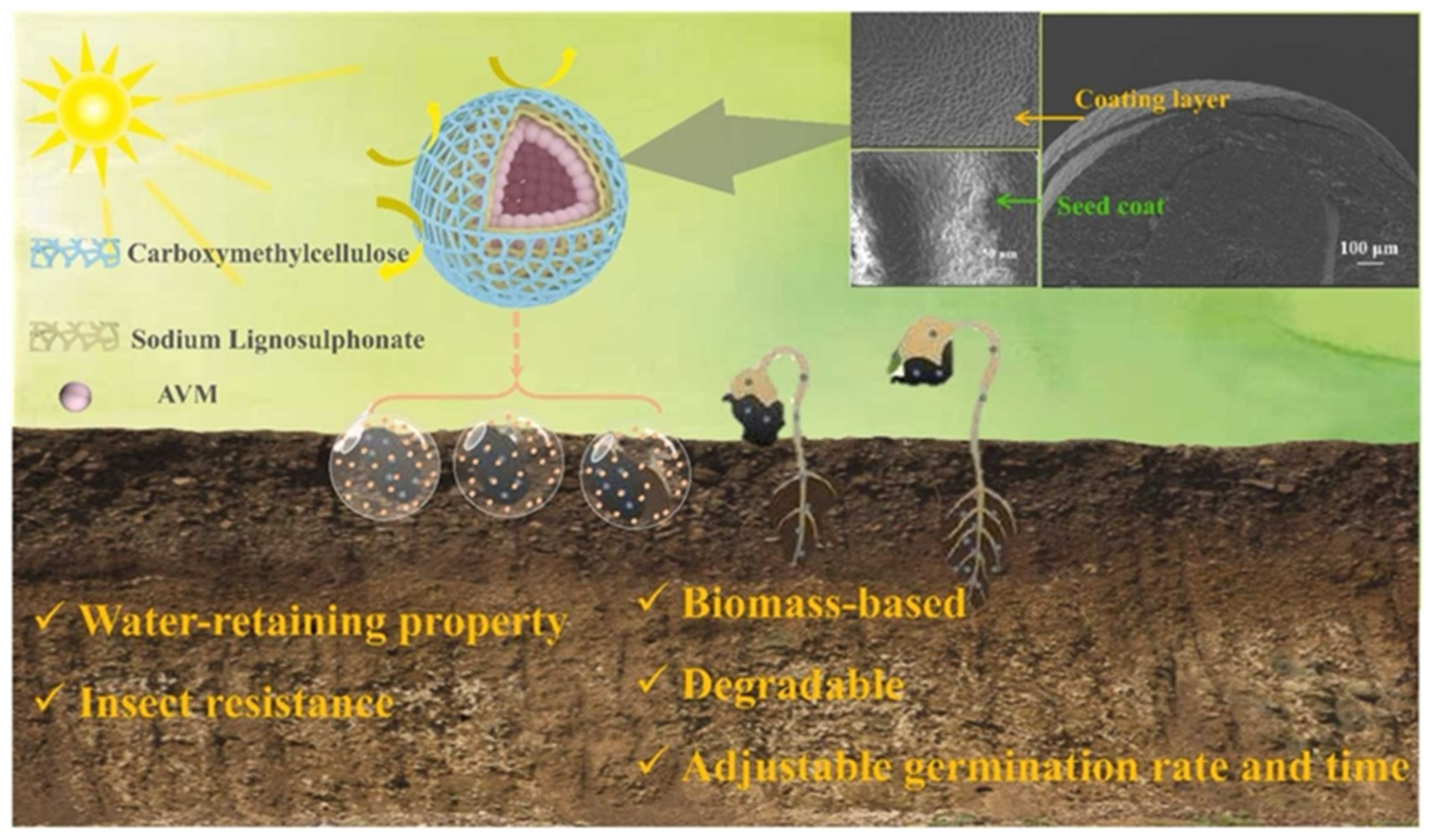
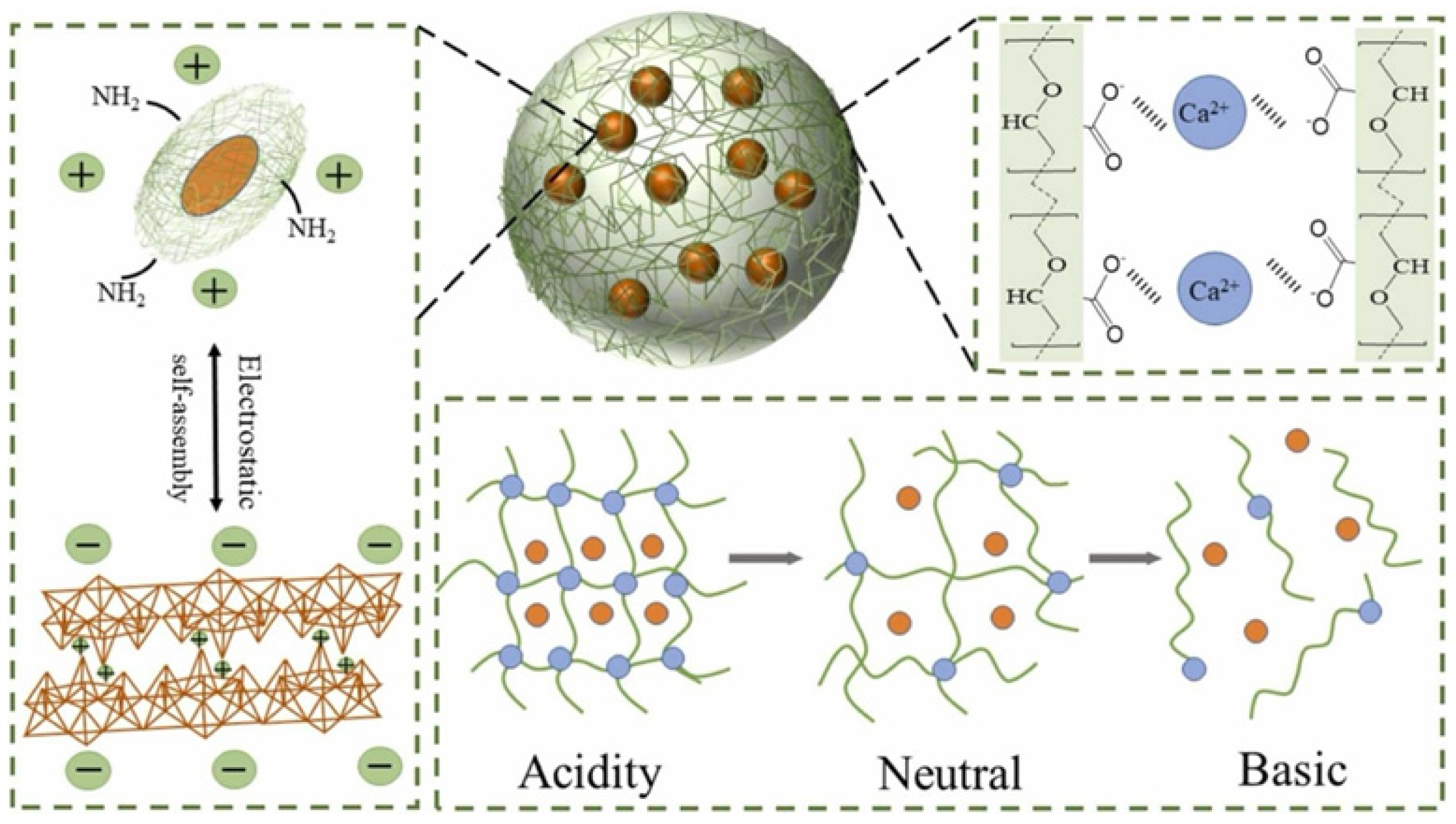
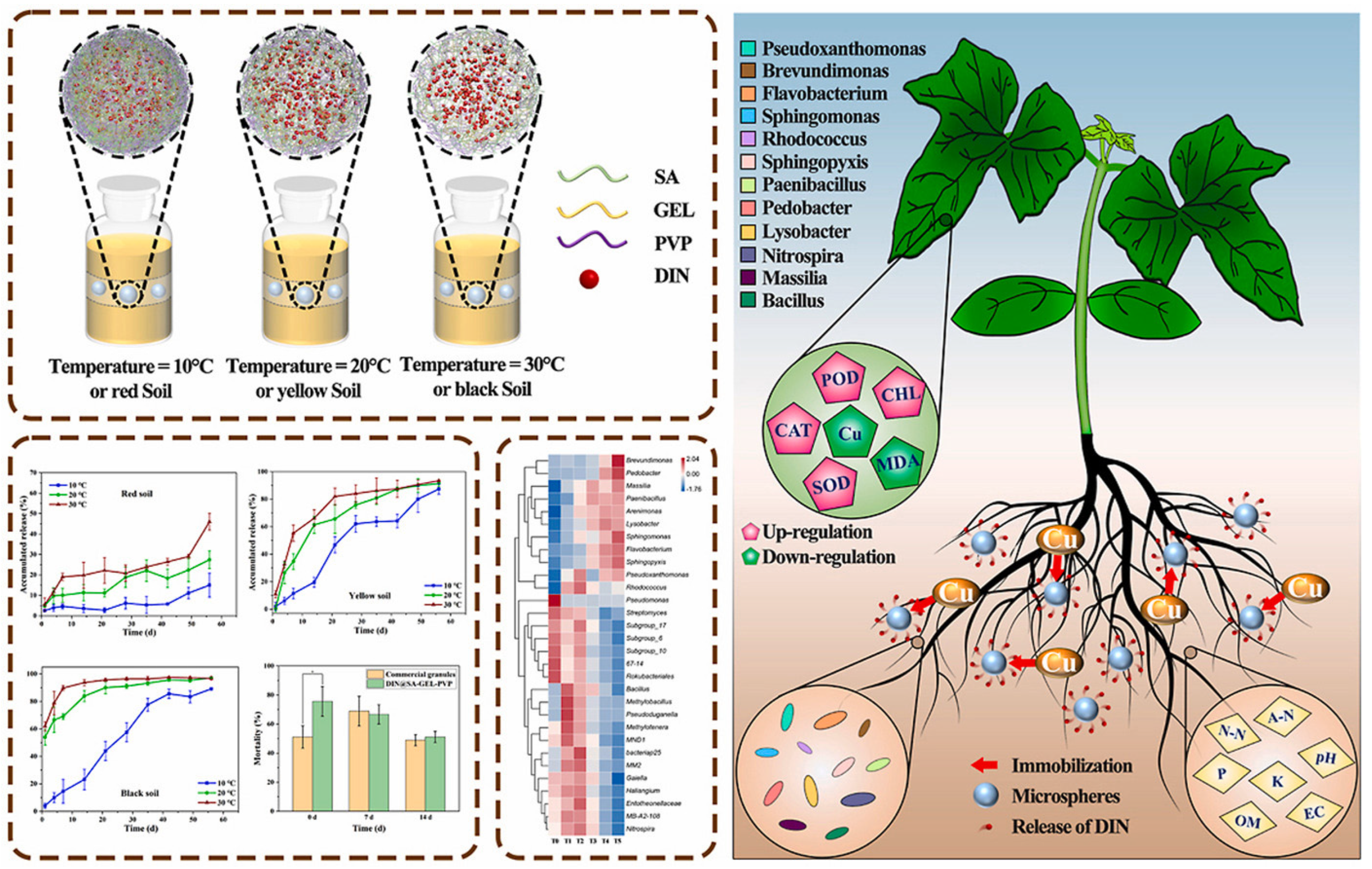
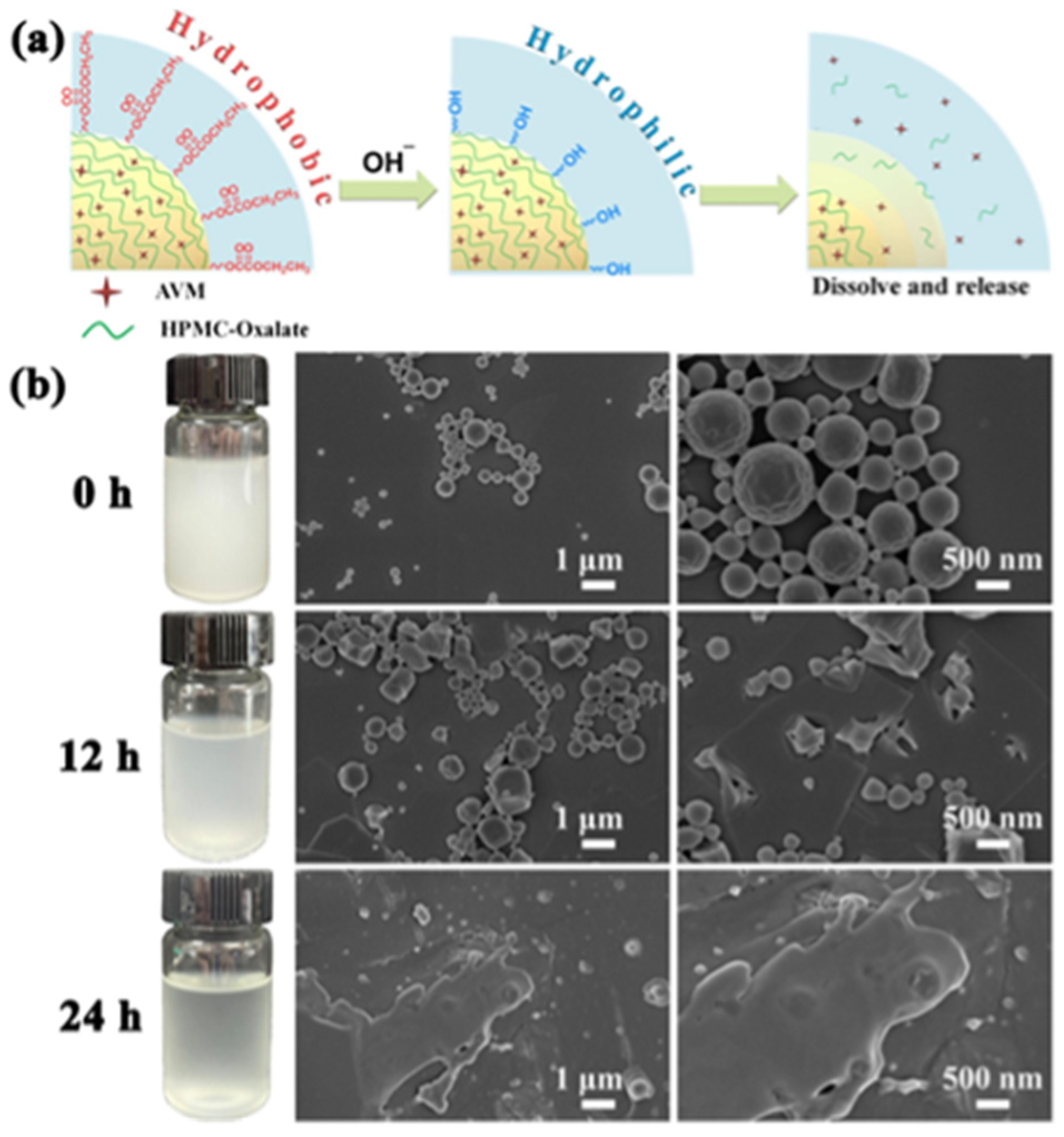
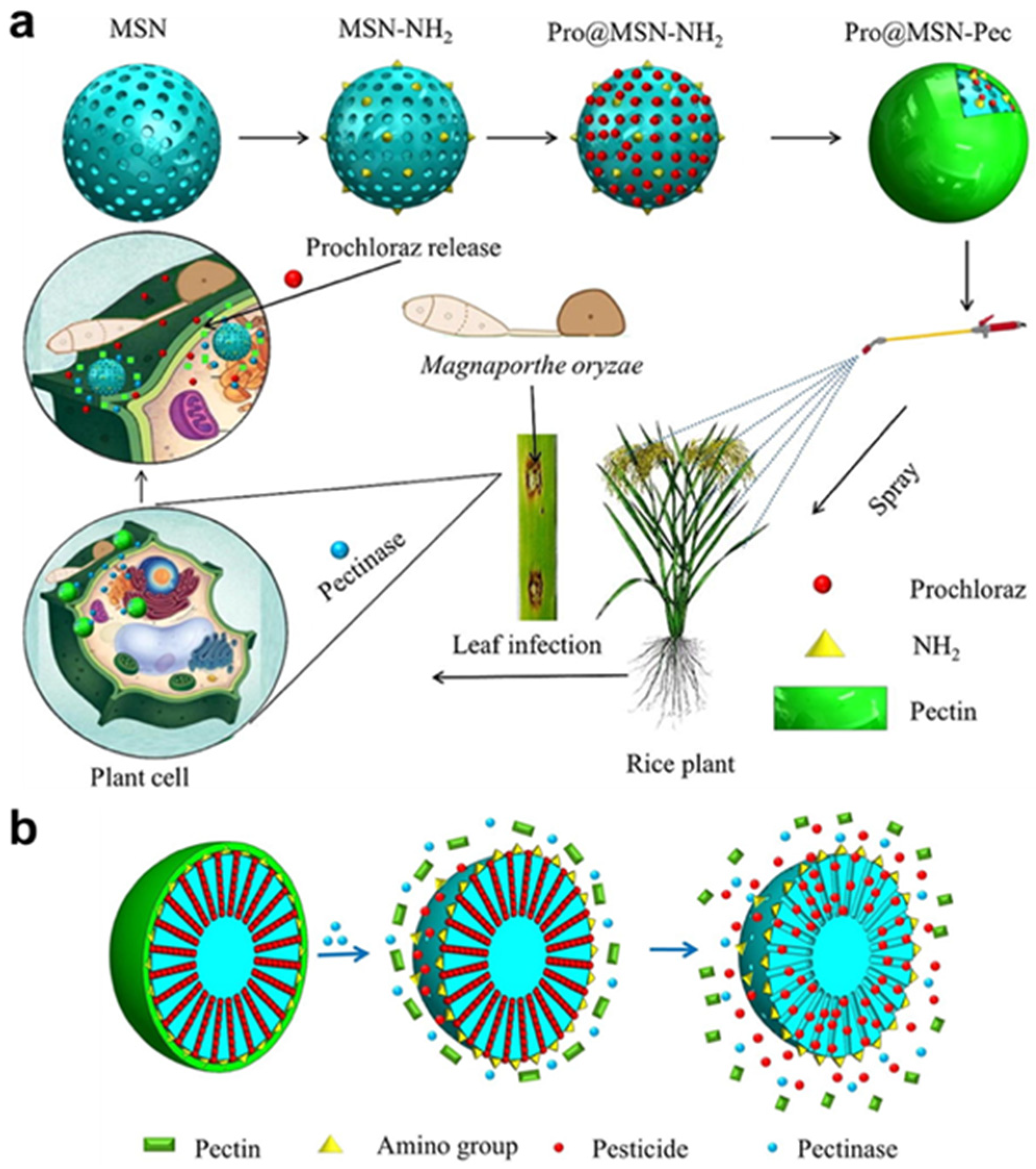
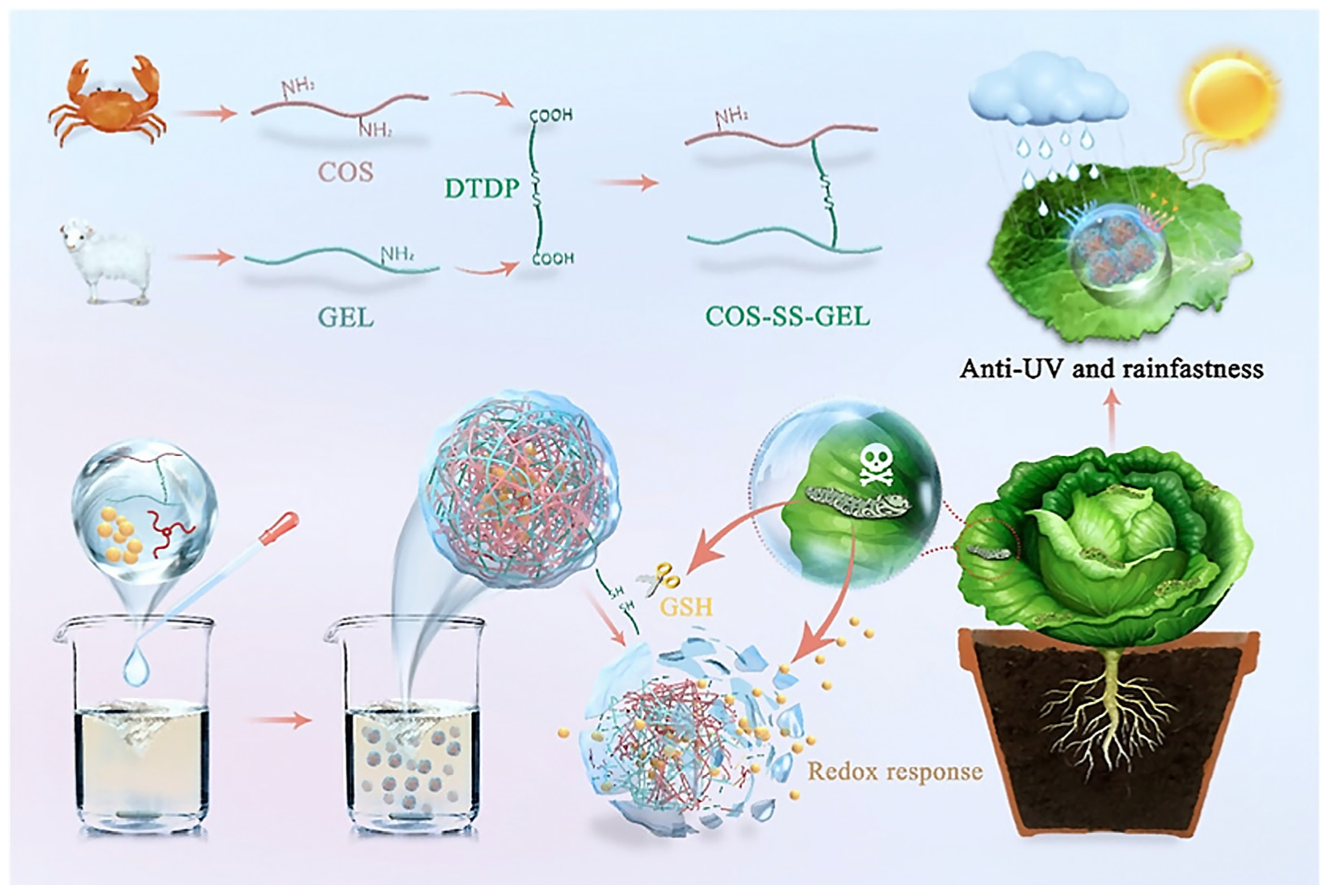
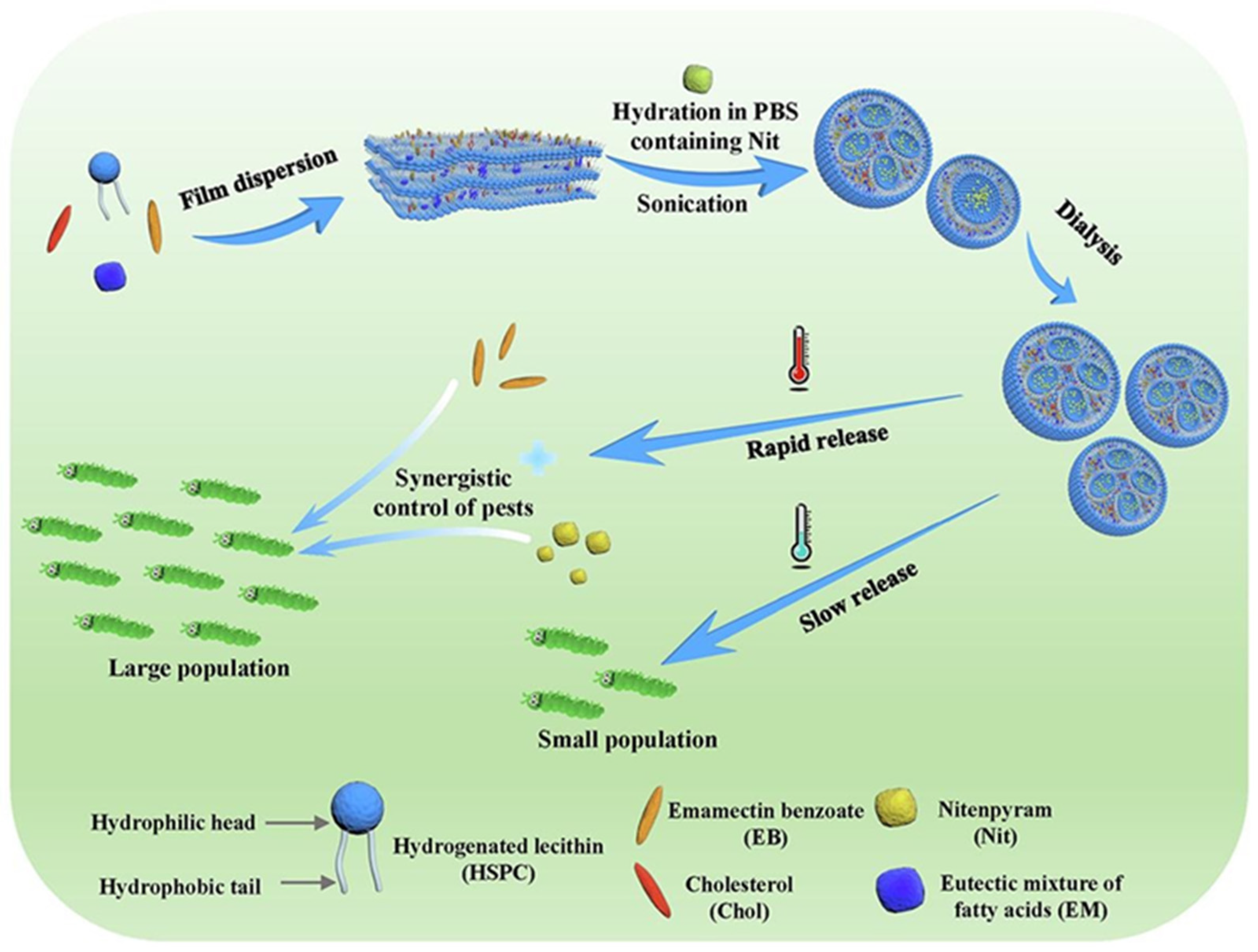
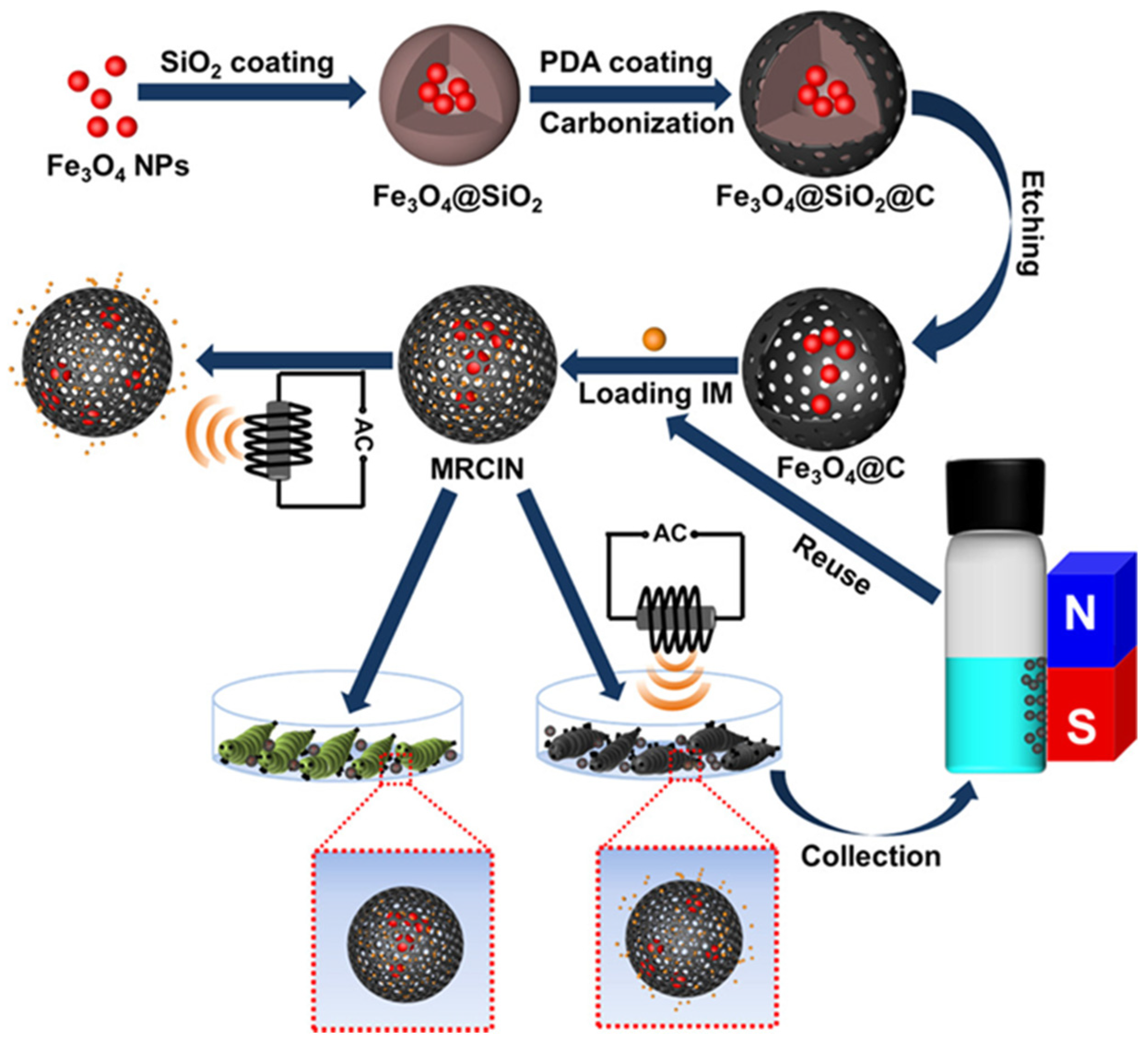
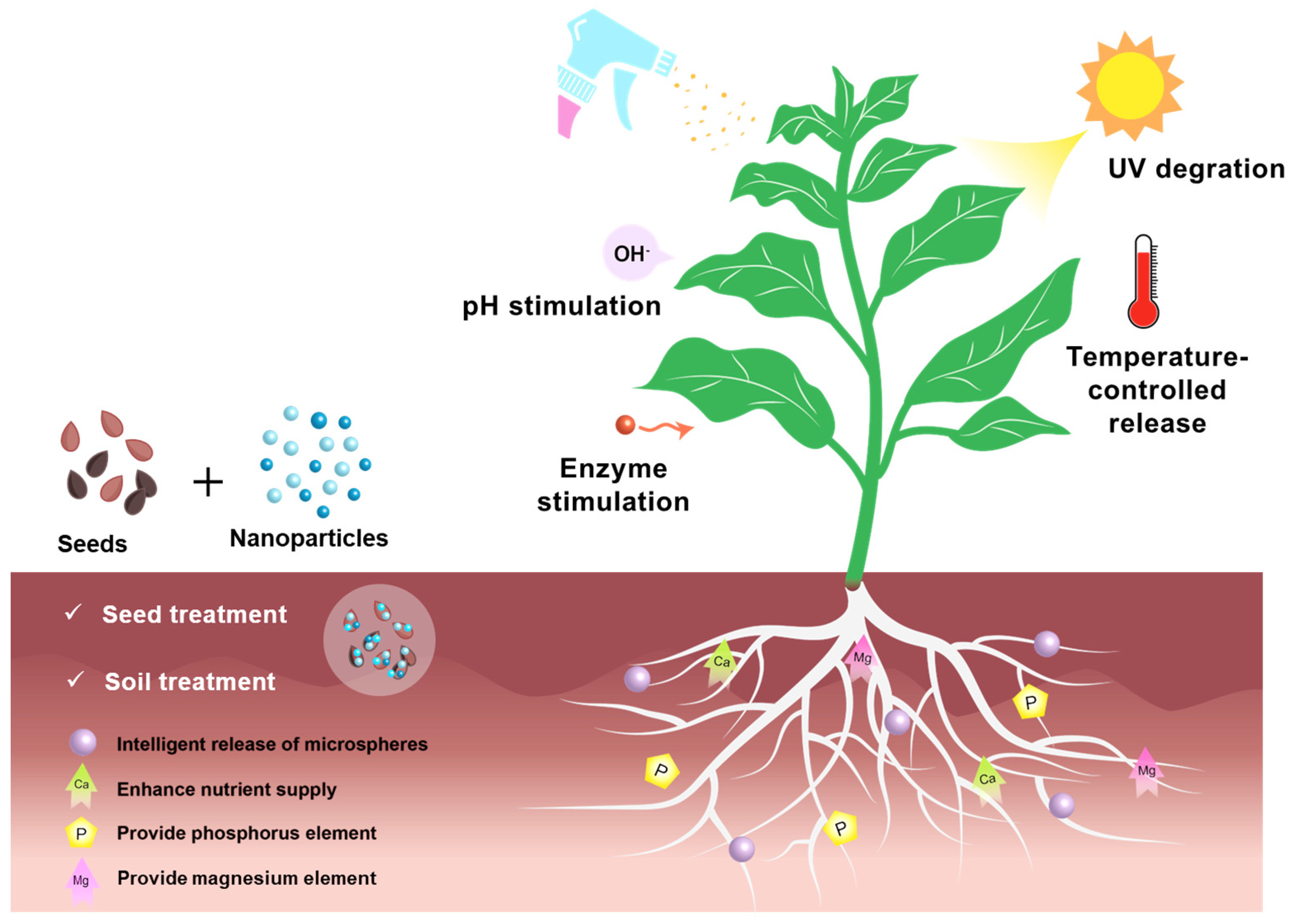
As chemical pollution and food safety risks in agriculture have increased due to global population growth and a food demand surge, the development of new environmentally friendly pesticide carriers is urgently needed to build a sustainable agricultural system. Owing to the excellent biocompatibility and controlled degradation of biomass materials and their specific interactions with active ingredients, biomass-based composites have unique advantages in the field of pesticide delivery. By regulating the carrier structure, the targeted controlled release of the pesticides can be achieved, leading to improvements in the chemical stability of the active substance and target absorption efficiency, and a significant reduction in environmental impact. This paper summarizes the innovative applications of biomass-based composites in agricultural scenarios, focusing on the breakthroughs in the three core areas of intelligent protection of seed coating, soil microcosm regulation, and foliar environment-responsive delivery. Through an in-depth analysis of the efficiency mechanism of composites on insecticides, antimicrobials, and herbicides, this review elucidates the scientific pathway of pesticide delivery through interfacial modification, slow-release kinetic modulation, and multilevel structural design, which will provide theoretical support and a practical paradigm for the development green agricultural technology.
Keywords: biomass; seed treatment; soil treatment; foliar treatment; controlled release biomass; seed treatment; soil treatment; foliar treatment; controlled release