Self-Healing Imidazole-Cured Epoxy Using Microencapsulated Epoxy-Amine Chemistry

Abstract
1. Introduction
2. Experiments Session
2.1. Materials
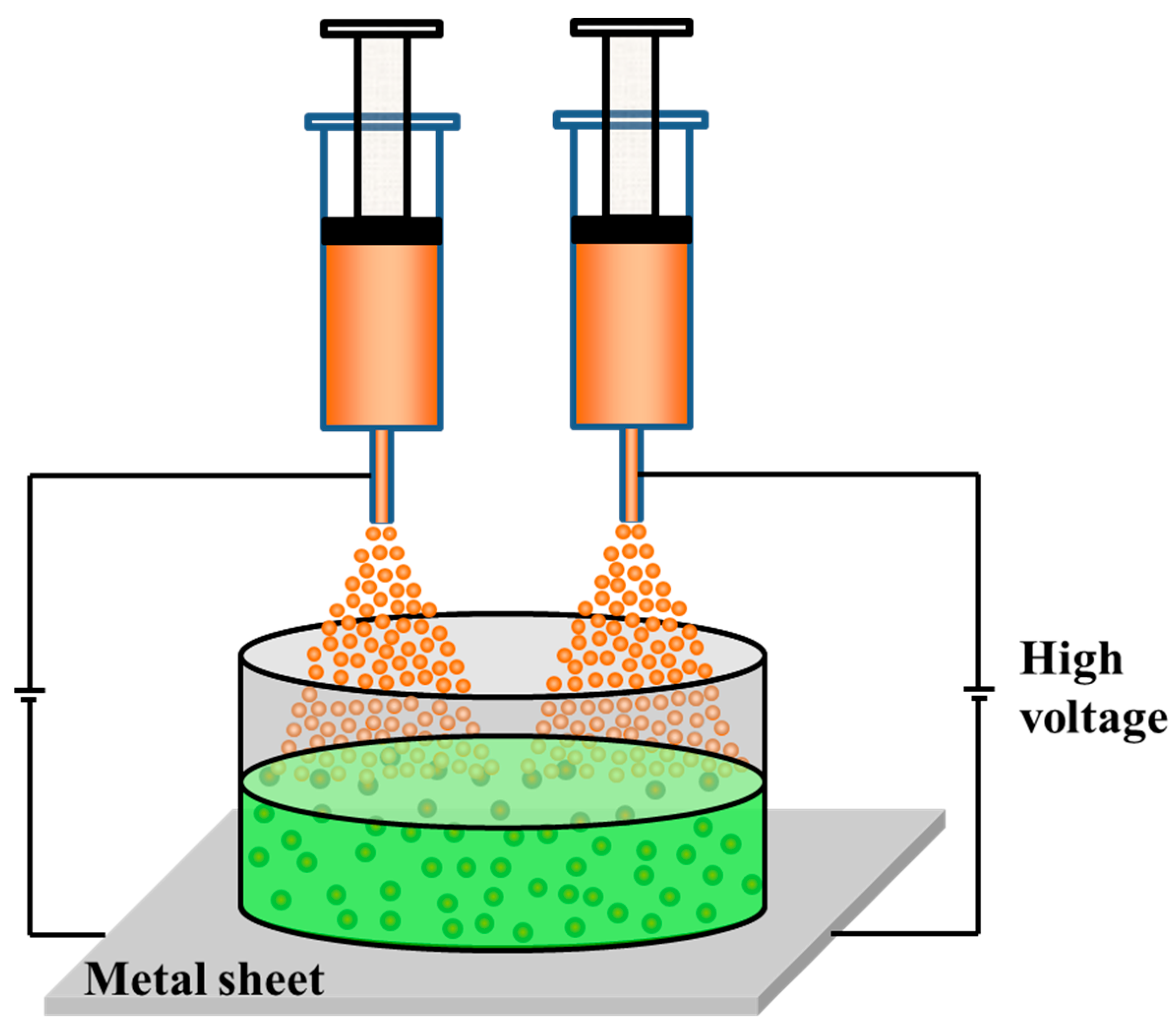
2.2. Fabrication of Epoxy Microcapsules and Amine Microcapsules
2.3. Formulation and Characterization of Self-Healing Epoxy
2.4. Mechanical Test
2.5. Other Characterizations
3. Results and Discussion
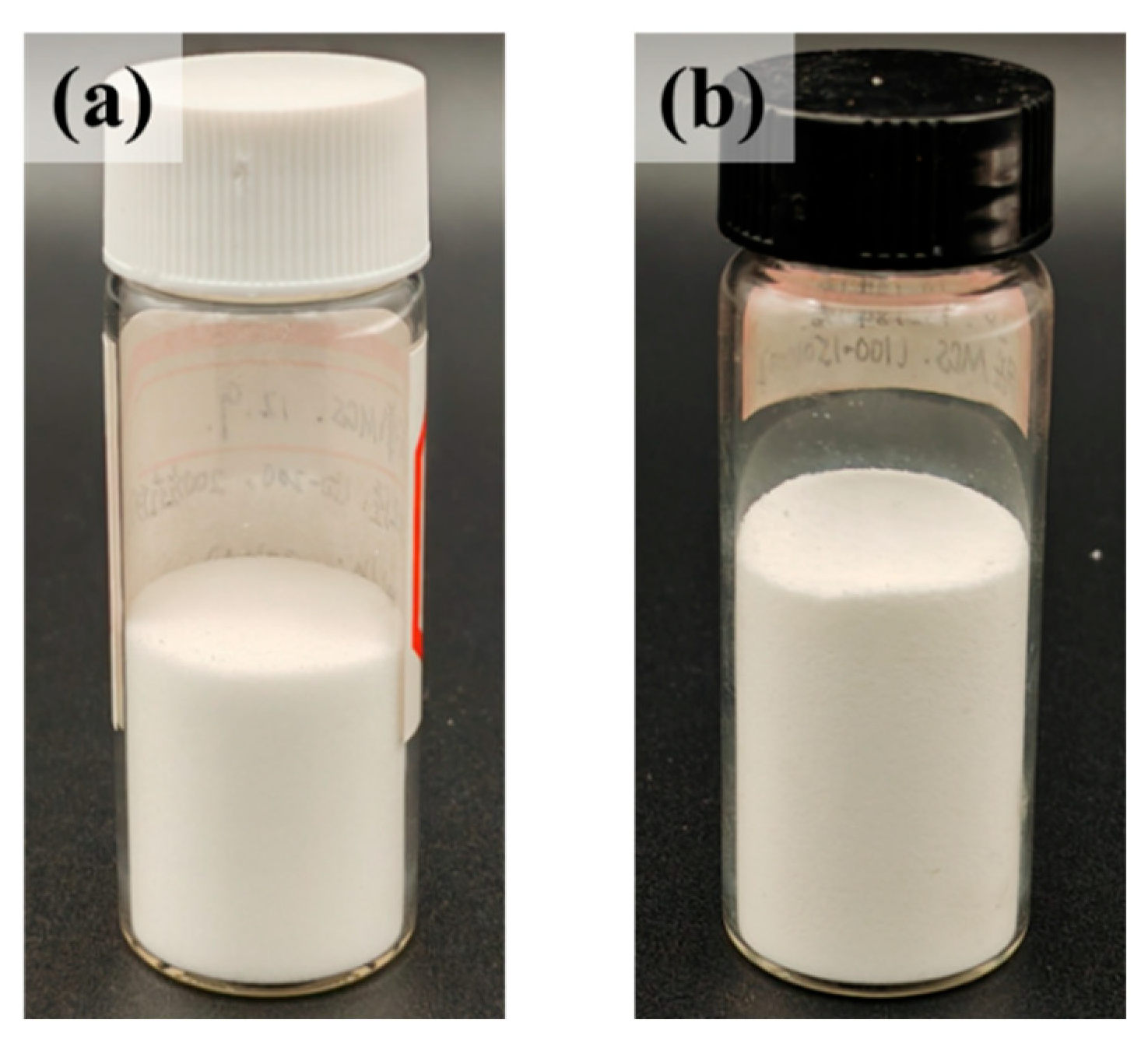
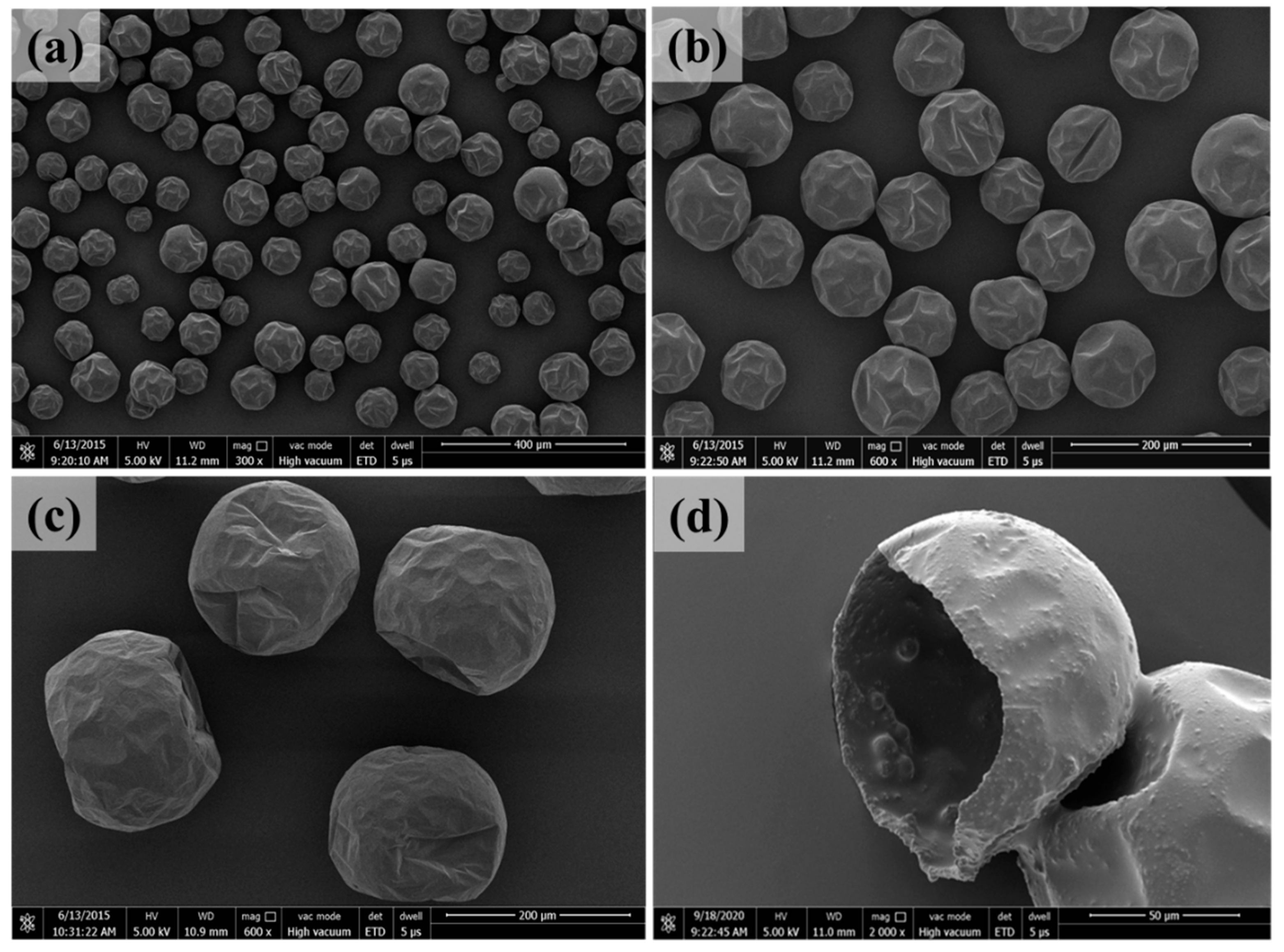
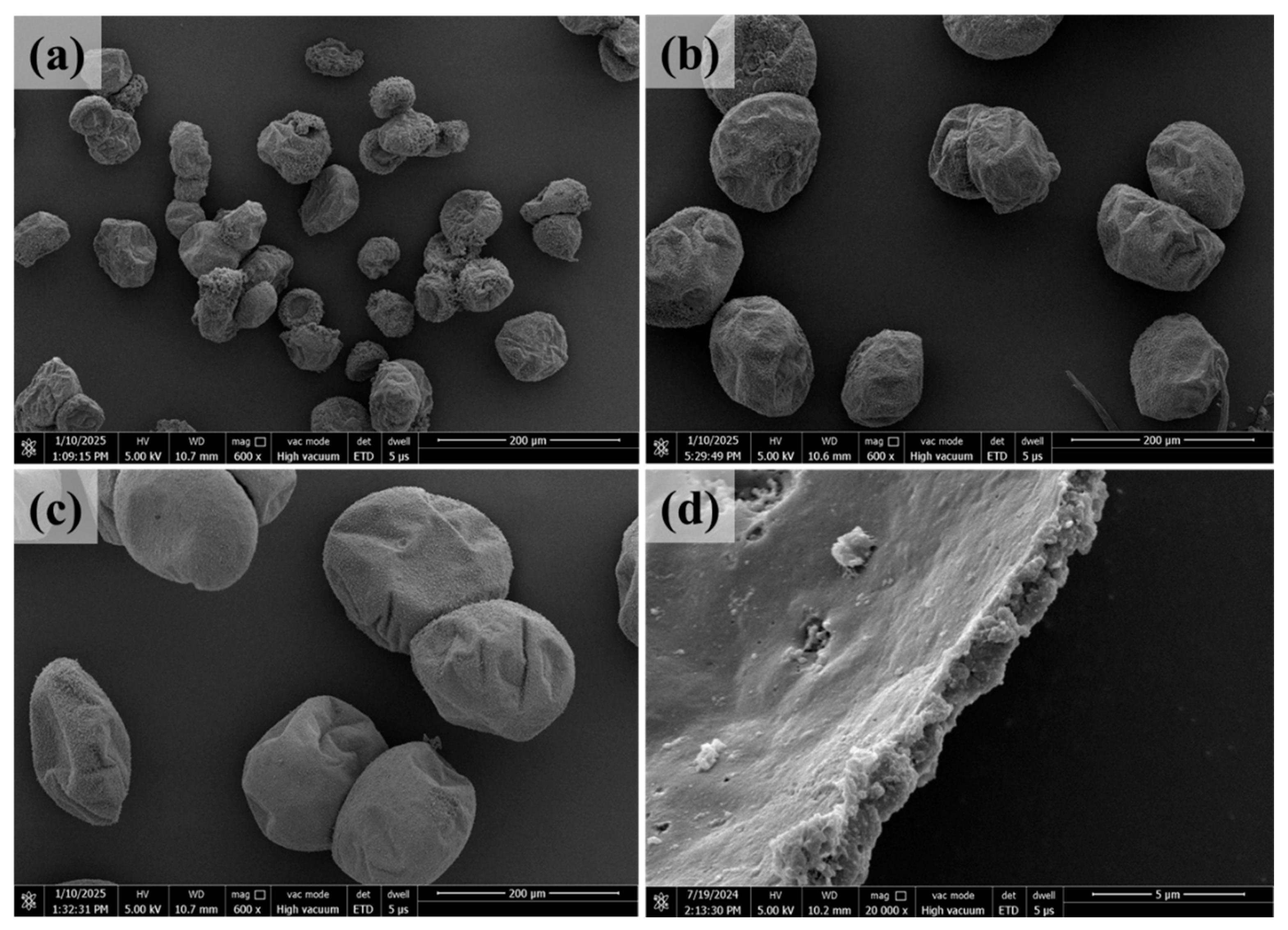
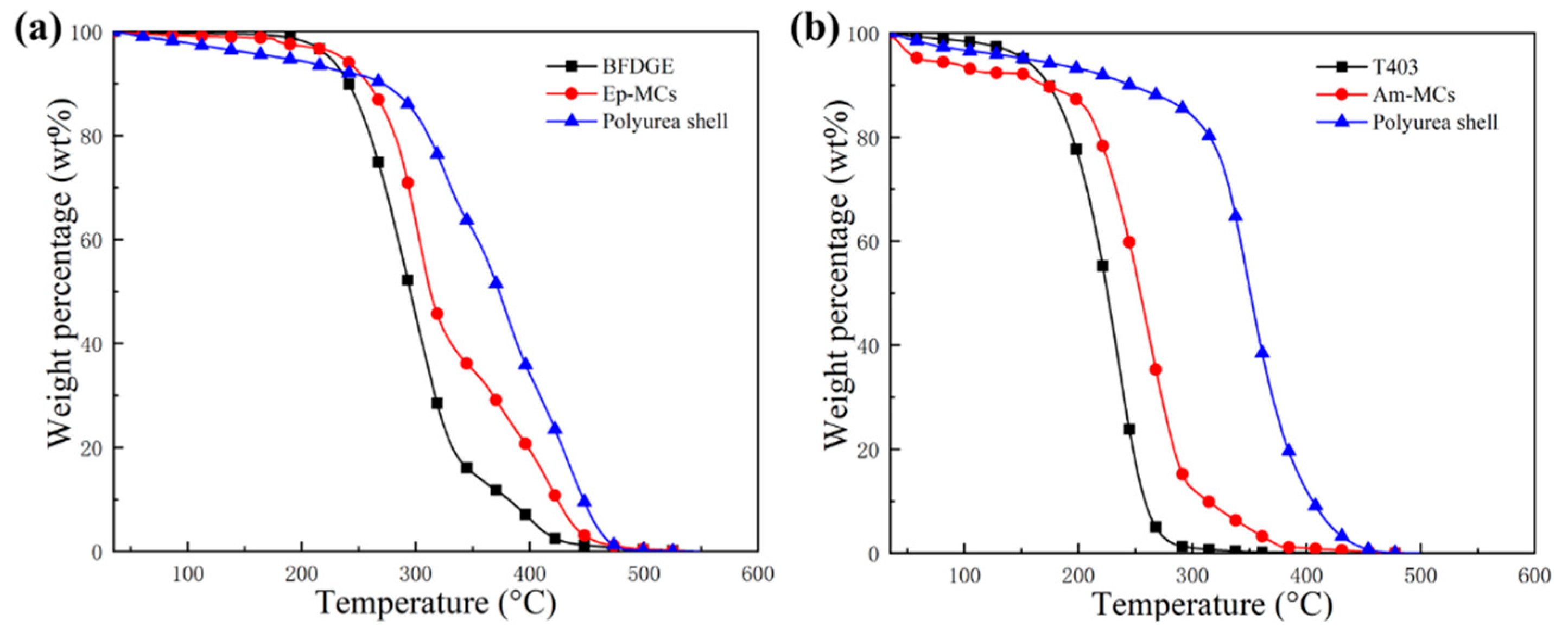
3.1. Synthesis of the Dual Microcapsules
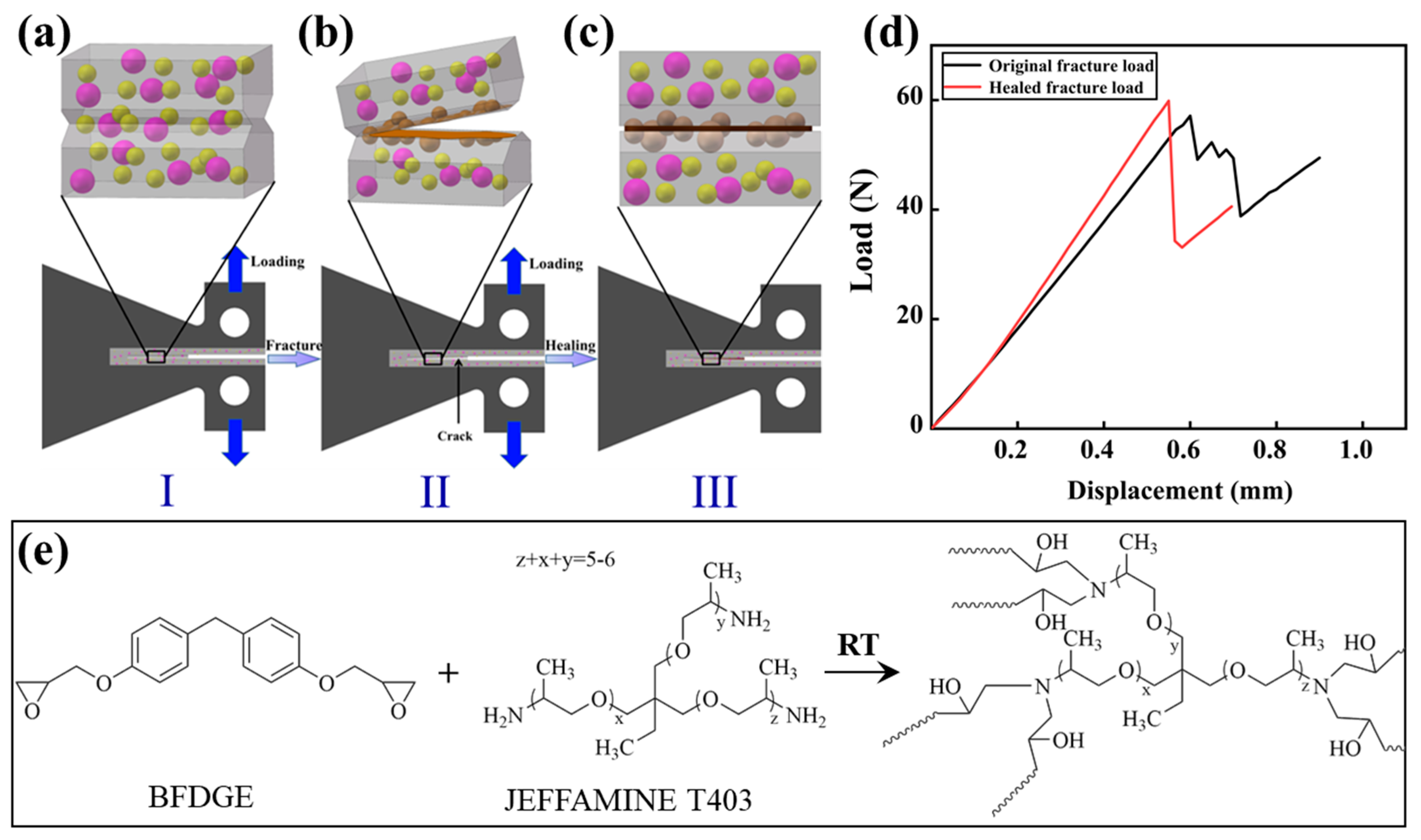
3.2. Self-Healing Performance
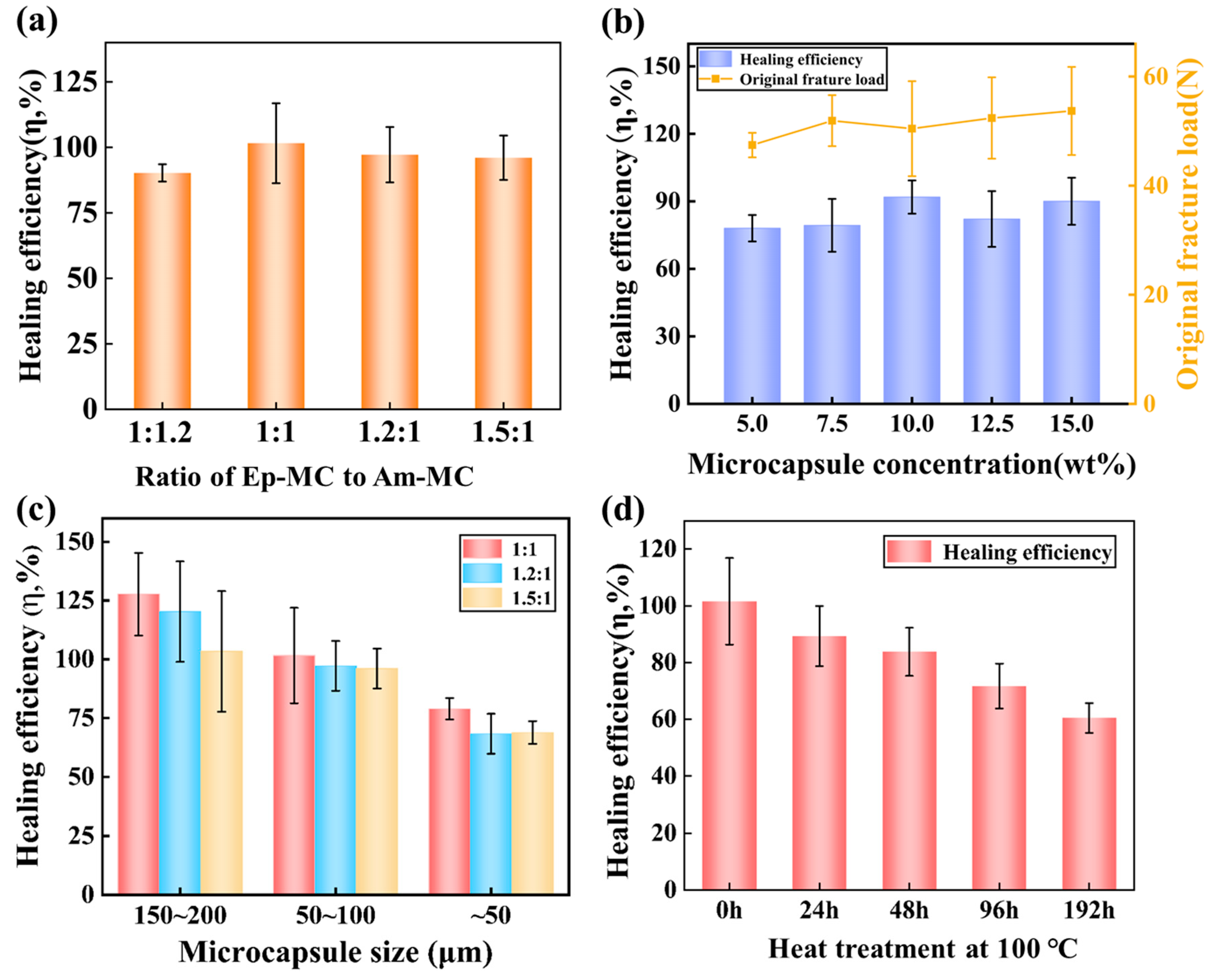
3.2.1. Optimization of Microcapsule Ratio
3.2.2. Effect of Microcapsule Concentration
3.2.3. Effect of Microcapsule Size
3.2.4. Effect of Heat Treatment Conditions
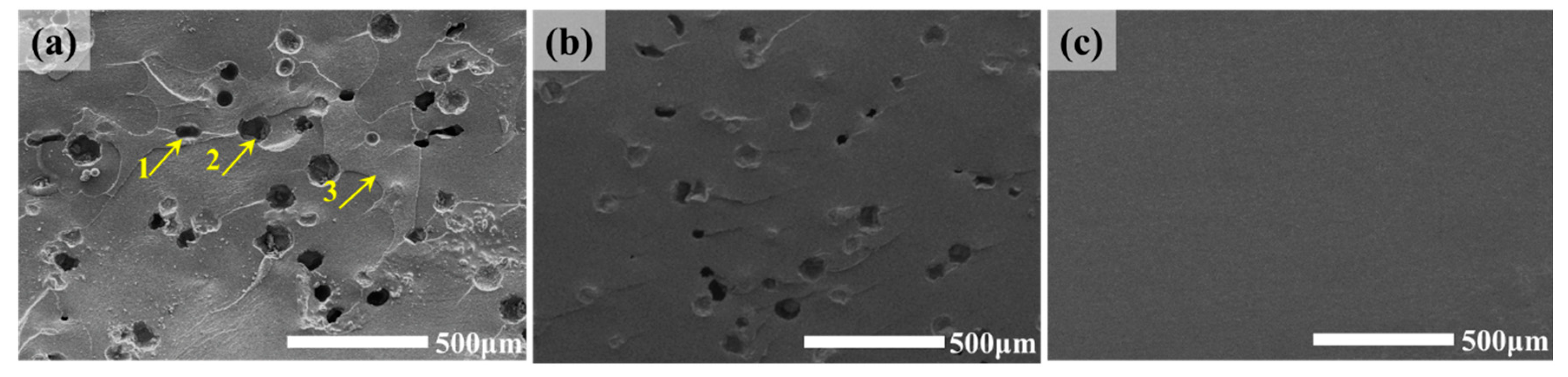
3.2.5. Fractography
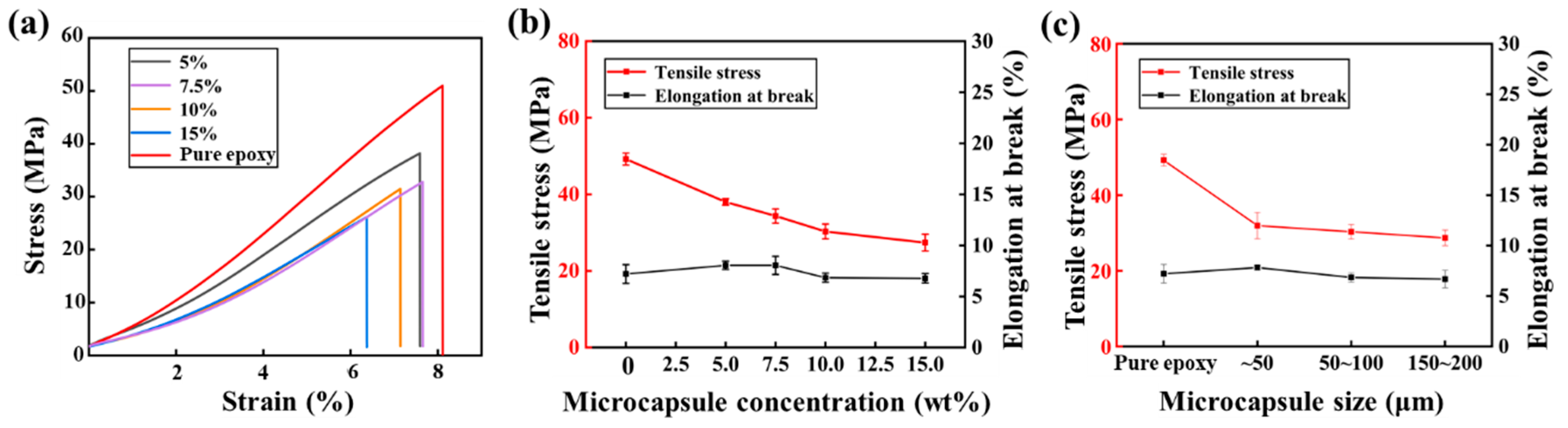
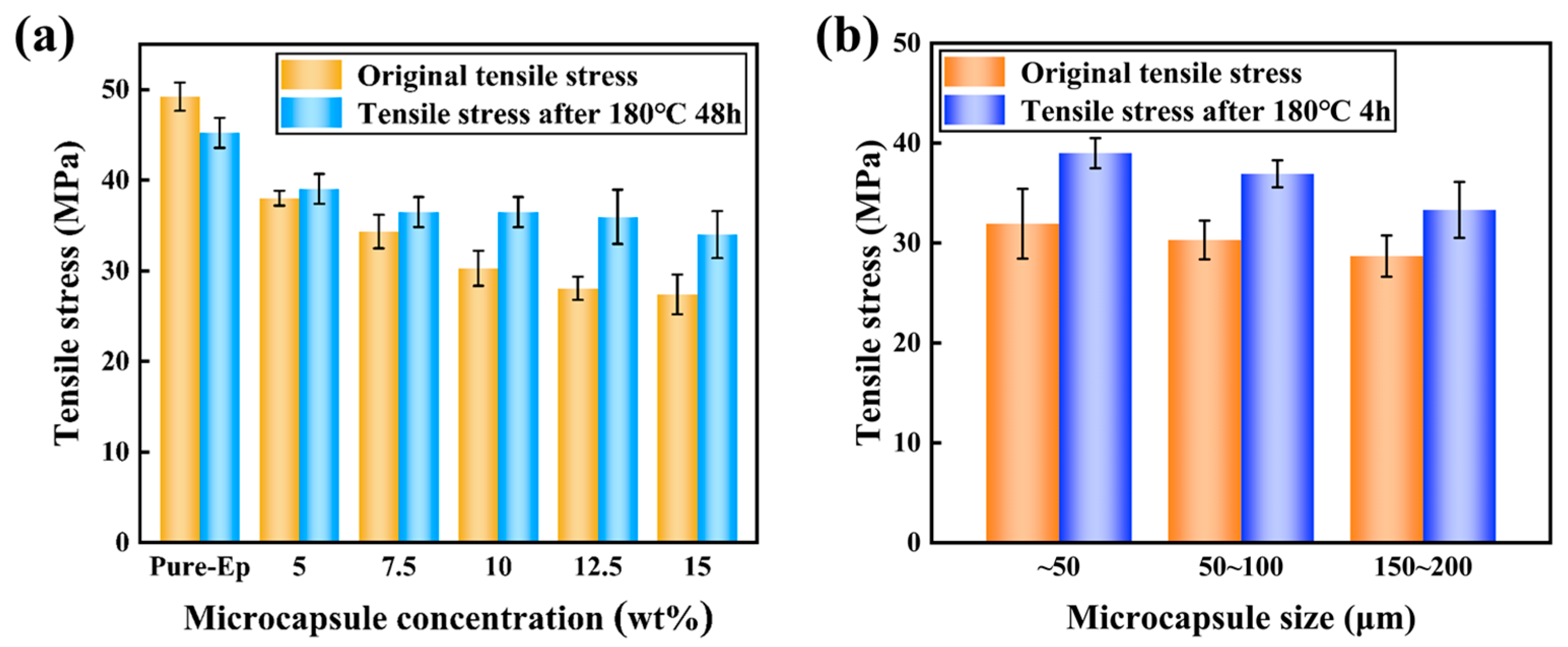
3.3. Mechanical Properties of the Self-Healing Epoxy
4. Conclusions
Supplementary Materials
Author Contributions
Funding
Institutional Review Board Statement
Data Availability Statement
Conflicts of Interest
References
- Li, Z.; Xian, R.; Zhang, H.; Xian, F.; Zhao, F.; Li, J.; Wang, W. Analysis of inerturn insulation fault characteristic for dry-type air-core shunt reactor winding. Insul. Mater. 2024, 57, 121–128. [Google Scholar]
- Zhang, J.; Liu, H.; Zhu, Y.; Li, Z.; Yang, H.; Zhao, C. Study on Synergistic Toughening Modification and Properties of Epoxy Glass Fiber Composites for Dry-Type Air-Core Reactors. Insul. Mater. 2024, 57, 43–50. [Google Scholar]
- Wen, G.; Li, C.; Cheng, L.; Xun, C.; Wang, T.; Zhang, G.; E, Y. Fault diagnosis method of inter-turn short circuit for dry-type air-core reactor based on traveling wave reflection. Insul. Mater. 2023, 56, 77–84. [Google Scholar]
- Liao, W.; Yang, Y.; Wei, H.; Yan, Z.; Zhang, Y.; Ren, J. Research on Performance Enhancement of Epoxy Resin for Satu-rated Reactors. Insul. Mater. 2024, 57, 42–48. [Google Scholar]
- Yang, Y.; Dang, Z.-M.; Li, Q.; He, J. Self-Healing of Electrical Damage in Polymers. Adv. Sci. 2020, 7, 2002131. [Google Scholar] [CrossRef]
- Gao, L.; Yang, Y.; Xie, J.; Zhang, S.; Hu, J.; Zeng, R.; He, J.; Li, Q.; Wang, Q. Autonomous Self-Healing of Electrical Degradation in Dielectric Polymers Using In Situ Electroluminescence. Matter 2020, 2, 451–463. [Google Scholar] [CrossRef]
- Yang, Y.; He, J.; Li, Q.; Gao, L.; Hu, J.; Zeng, R.; Qin, J.; Wang, S.X.; Wang, Q. Self-healing of electrical damage in polymers using superparamagnetic nanoparticles. Nat. Nanotechnol. 2019, 14, 151–155. [Google Scholar] [CrossRef]
- Tang, W.; Sun, P.; Sima, W.; Niu, C.; Liu, Q.; Fang, Z.; Chen, Q.; Zhang, Y. Self-Healing Properties of Photosensitive Microcapsule/Epoxy Resin Composite Insulation Materials; Springer: Berlin/Heidelberg, Germany, 2025; pp. 728–736. [Google Scholar]
- Yin, T.; Zhou, L.; Rong, M.Z.; Zhang, M.Q. Self-healing woven glass fabric/epoxy composites with the healant consisting of micro-encapsulated epoxy and latent curing agent. Smart Mater. Struct. 2008, 17, 015019. [Google Scholar] [CrossRef]
- Moll, J.L.; White, S.R.; Sottos, N.R. A Self-sealing Fiber-reinforced Composite. J. Compos. Mater. 2010, 44, 2573–2585. [Google Scholar] [CrossRef]
- Lee, J.; Bhattacharyya, D.; Zhang, M.Q.; Yuan, Y.C. Mechanical properties of a self-healing fibre reinforced epoxy composites. Compos. Part B Eng. 2015, 78, 515–519. [Google Scholar] [CrossRef]
- Zhang, H.; Xiao, K.; Lin, Z.; Shi, S. Epoxy microcapsules for high-performance self-healing materials using a novel method via integrating electrospraying and interfacial polymerization. J. Mater. Sci. Technol. 2022, 112, 59–67. [Google Scholar] [CrossRef]
- Zhang, H.; Zhang, X.; Bao, C.; Li, X.; Sun, D.; Duan, F.; Friedrich, K.; Yang, J. Direct microencapsulation of pure polyamine by integrating microfluidic emulsion and interfacial polymerization for practical self-healing materials. J. Mater. Chem. A 2018, 6, 24092–24099. [Google Scholar] [CrossRef]
- Wang, D.; Zhou, H.; Li, X.; Wang, H.; Zhu, Y. A novel design for self-healing of cracked concrete composites incorporating tung oil-based microcapsules. Colloids Surf. A Physicochem. Eng. Asp. 2025, 724, 137413. [Google Scholar] [CrossRef]
- Wang, T.; Shen, Z.; Luo, J.; Sun, G.; Liu, R. Interfacial Polycondensation to Fabricate Polyurethane Microcapsules: Unraveling the Mechanism of Shell Formation and Achieving Desired Shell Thickness Based on Hansen Solubility Parameter Theory. Macromolecules 2024, 57, 7280–7292. [Google Scholar] [CrossRef]
- Zhu, M.; Xiao, K.; Zhang, H. High-performance self-healing epoxy by microencapsulated epoxy-amine chemistry II: Performance of the system. J. Polym. Sci. 2024, 62, 5562–5574. [Google Scholar] [CrossRef]
- Zhu, M.; Xiao, K.; Zhang, H. High-performance self-healing epoxy by microencapsulated epoxy-amine chemistry I: Properties of the adopted healant system. J. Polym. Sci. 2024, 62, 5541–5552. [Google Scholar] [CrossRef]
- Zhang, H.; Cheng, C.; Guo, M. Fabrication of diisocyanate microcapsules for self-healing anti-corrosion coatings via integrating electrospraying and interfacial polymerization. Colloids Surf. A-Physicochem. Eng. Asp. 2024, 695, 134247. [Google Scholar] [CrossRef]
- Zhang, H.; Zou, L.; Feng, Y. Fabrication of high-quality microcapsules containing ionic liquid for application in self-healing conductive materials. Colloids Surf. A-Physicochem. Eng. Asp. 2023, 667, 131361. [Google Scholar] [CrossRef]
- Brown, E.N.; Sottos, N.R.; White, S.R. Fracture testing of a self-healing polymer composite. Exp. Mech. 2002, 42, 372–379. [Google Scholar] [CrossRef]
- White, S.R.; Sottos, N.R.; Geubelle, P.H.; Moore, J.S.; Kessler, M.R.; Sriram, S.R.; Brown, E.N.; Viswanathan, S. Autonomic healing of polymer composites. Nature 2001, 409, 794–797. [Google Scholar] [CrossRef]
- Xiao, D.S.; Yuan, Y.C.; Rong, M.Z.; Zhang, M.Q. A Facile Strategy for Preparing Self-Healing Polymer Composites by Incorporation of Cationic Catalyst-Loaded Vegetable Fibers. Adv. Funct. Mater. 2009, 19, 2289–2296. [Google Scholar] [CrossRef]
- Yuan, Y.C.; Rong, M.Z.; Zhang, M.Q.; Chen, B.; Yang, G.C.; Li, X.M. Self-healing polymeric materials using epoxy/mercaptan as the healant. Macromolecules 2008, 41, 5197–5202. [Google Scholar] [CrossRef]
- Yang, Z.; Fang, X.; Lai, S.; Xiong, D.; Wang, Y.; Zhang, C.; He, H.; Zhang, H. A Self-healing Epoxy Cured with Anhydride at Middle and High Temperatures. China Plast. 2021, 35, 15–23. [Google Scholar]
- Brown, E.N.; White, S.R.; Sottos, N.R. Fatigue crack propagation in microcapsule-toughened epoxy. J. Mater. Sci. 2006, 41, 6266–6273. [Google Scholar] [CrossRef]
- Zhang, H.; Wang, P.; Yang, J. Self-healing epoxy via epoxy–amine chemistry in dual hollow glass bubbles. Compos. Sci. Technol. 2014, 94, 23–29. [Google Scholar] [CrossRef]
- Zhang, H.; Yang, J. Development of self-healing polymers via amine–epoxy chemistry: II. Systematic evaluation of self-healing performance. Smart Mater. Struct. 2014, 23, 065004. [Google Scholar] [CrossRef]
- Rule, J.D.; Sottos, N.R.; White, S.R. Effect of microcapsule size on the performance of self-healing polymers. Polymer 2007, 48, 3520–3529. [Google Scholar] [CrossRef]





| Microcapsule Types | Diameter (μm) | Feeding Rate a (mL/h) | Spraying Voltage (kV) | Microencapsulation Efficiency (g/h) | Core Frarction (wt%) | |
|---|---|---|---|---|---|---|
| Epoxy microcapsule | ~50 | 52 ± 5 | 2 | 18 | 3.28 | 80.3 |
| 50~100 | 80 ± 10 | 5 | 20 | 8.70 | 83.5 | |
| 150~200 | 180 ± 8 | 20 | 22 | 37.20 | 88.6 | |
| Amine microcapsule | ~50 | 50 ± 8 | 3 | 28 | 3.01 | 75.7 |
| 50~100 | 75 ± 15 | 8 | 20 | 12.96 | 78.4 | |
| 150~200 | 178 ± 10 | 20 | 15 | 35.20 | 84.1 | |
| # | Mass Ratio (Ep-MC: Am-MC) | Microcapsule Diameter (μm) | Microcapsule Content (wt%) | Post-Heat Treatment (h) |
|---|---|---|---|---|
| 1 | 1:1.2 | 50~100 | 10.0 | - |
| 2 | 1:1 | 50~100 | 10.0 | - |
| 3 | 1.2:1 | 50~100 | 10.0 | - |
| 4 | 1.5:1 | 50~100 | 10.0 | - |
| 5 | 1:1 | ~50, 50~100, 150~200 | 5.0 | - |
| 6 | 1:1 | ~50, 50~100, 150~200 | 7.5 | - |
| 7 | 1:1 | ~50, 50~100, 150~200 | 10.0 | - |
| 8 | 1:1 | ~50, 50~100, 150~200 | 12.5 | - |
| 9 | 1:1 | ~50, 50~100, 150~200 | 15.0 | - |
| 10 | 1:1 | 50~100 | 10.0 | 0 |
| 11 | 1:1 | 50~100 | 10.0 | 24 |
| 12 | 1:1 | 50~100 | 10.0 | 48 |
| 13 | 1:1 | 50~100 | 10.0 | 96 |
| 14 | 1:1 | 50~100 | 10.0 | 192 |
| # | Mass Ratio (Ep-MC: Am-MC) | Microcapsule Diameter (μm) | Microcapsule Content (wt%) | Post-Heat Treatment |
|---|---|---|---|---|
| 1 | 1:1 | 50~100 | 5.0 | - |
| 2 | 1:1 | 50~100 | 7.5 | - |
| 3 | 1:1 | 50~100 | 10.0 | - |
| 4 | 1:1 | 50~100 | 12.5 | - |
| 5 | 1:1 | 50~100 | 15.0 | - |
| 6 | 1:1 | ~50 | 10.0 | - |
| 7 | 1:1 | 50~100 | 10.0 | - |
| 8 | 1:1 | 150~200 | 10.0 | - |
| 9 | 1:1 | 50~100 | 10.0 | 180 °C—48 h |
Disclaimer/Publisher’s Note: The statements, opinions and data contained in all publications are solely those of the individual author(s) and contributor(s) and not of MDPI and/or the editor(s). MDPI and/or the editor(s) disclaim responsibility for any injury to people or property resulting from any ideas, methods, instructions or products referred to in the content. |
© 2025 by the authors. Licensee MDPI, Basel, Switzerland. This article is an open access article distributed under the terms and conditions of the Creative Commons Attribution (CC BY) license (https://creativecommons.org/licenses/by/4.0/).
Share and Cite
Li, Z.; Du, G.; Yang, S.; Lu, X.; Zheng, F.; Hao, B.; Zhan, P.; Li, G.; Zhang, H. Self-Healing Imidazole-Cured Epoxy Using Microencapsulated Epoxy-Amine Chemistry. Polymers 2025, 17, 2391. https://doi.org/10.3390/polym17172391
Li Z, Du G, Yang S, Lu X, Zheng F, Hao B, Zhan P, Li G, Zhang H. Self-Healing Imidazole-Cured Epoxy Using Microencapsulated Epoxy-Amine Chemistry. Polymers. 2025; 17(17):2391. https://doi.org/10.3390/polym17172391
Chicago/Turabian StyleLi, Zhihui, Gang Du, Sen Yang, Xuerong Lu, Fuli Zheng, Bin Hao, Peng Zhan, Guangmao Li, and He Zhang. 2025. "Self-Healing Imidazole-Cured Epoxy Using Microencapsulated Epoxy-Amine Chemistry" Polymers 17, no. 17: 2391. https://doi.org/10.3390/polym17172391
APA StyleLi, Z., Du, G., Yang, S., Lu, X., Zheng, F., Hao, B., Zhan, P., Li, G., & Zhang, H. (2025). Self-Healing Imidazole-Cured Epoxy Using Microencapsulated Epoxy-Amine Chemistry. Polymers, 17(17), 2391. https://doi.org/10.3390/polym17172391