Article

A Comparison of Cooking Conditions of Rhizoclonium Pulp as a Substitute for Wood Pulp

1
Department of Bioscience and Biotechnology, National Taiwan Ocean University, Keelung 202031, Taiwan
2
Center of Excellence for the Oceans, National Taiwan Ocean University, Keelung 202301, Taiwan
3
Department of Raw Materials and Fibers, Taiwan Textile Research Institute, New Taipei City 23674, Taiwan
*
Author to whom correspondence should be addressed.
Polymers 2022, 14(19), 4162; https://doi.org/10.3390/polym14194162
Submission received: 13 September 2022 / Revised: 30 September 2022 / Accepted: 30 September 2022 / Published: 4 October 2022
(This article belongs to the Special Issue Advanced Polymer Composites in Waste Recycling)

Abstract

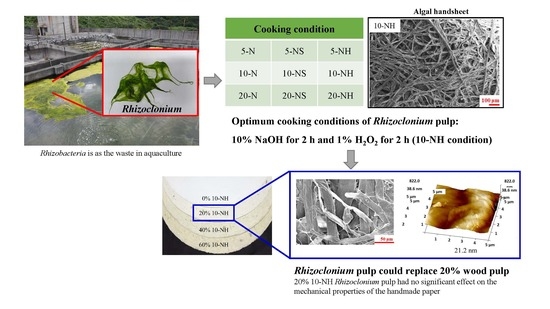
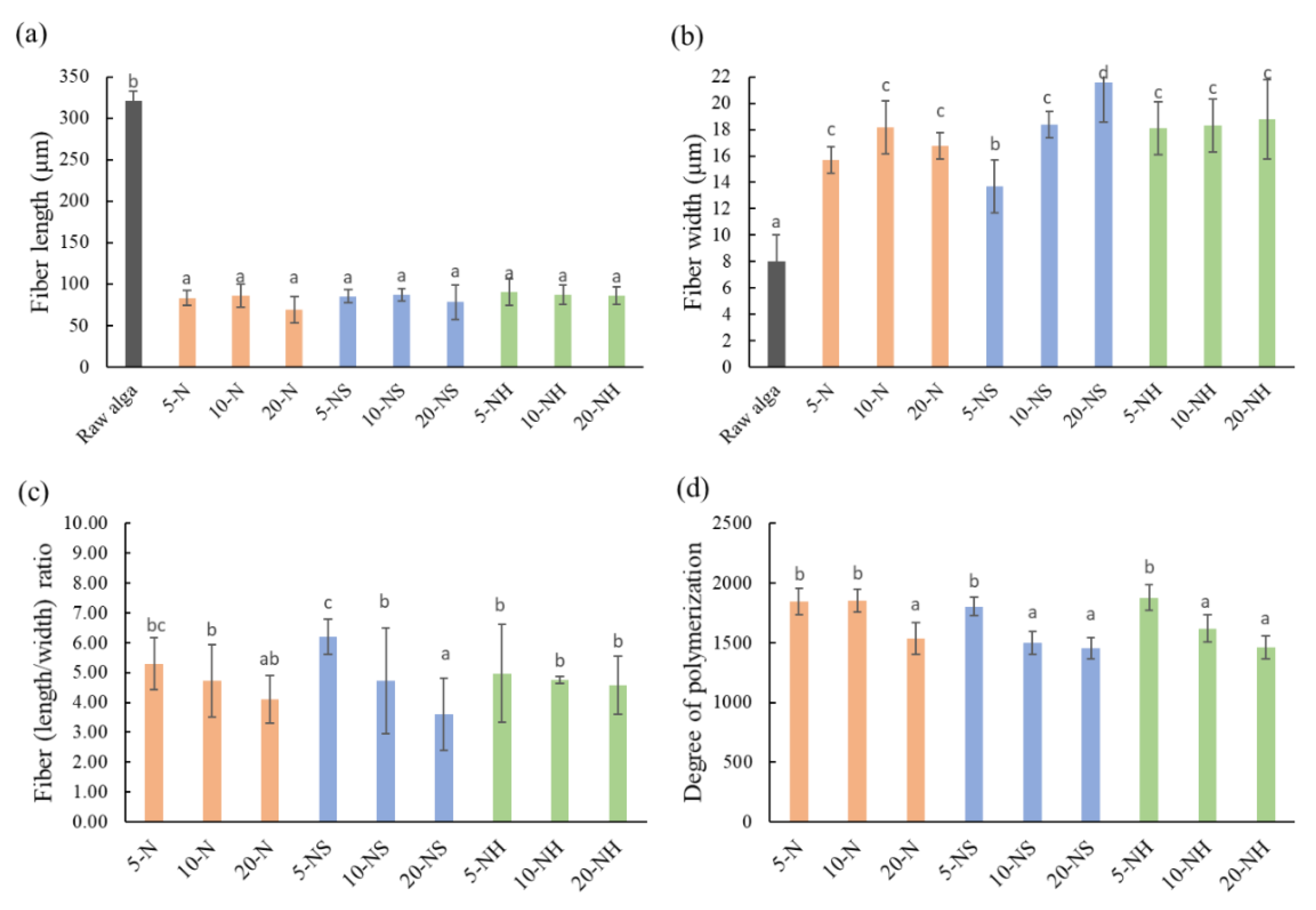
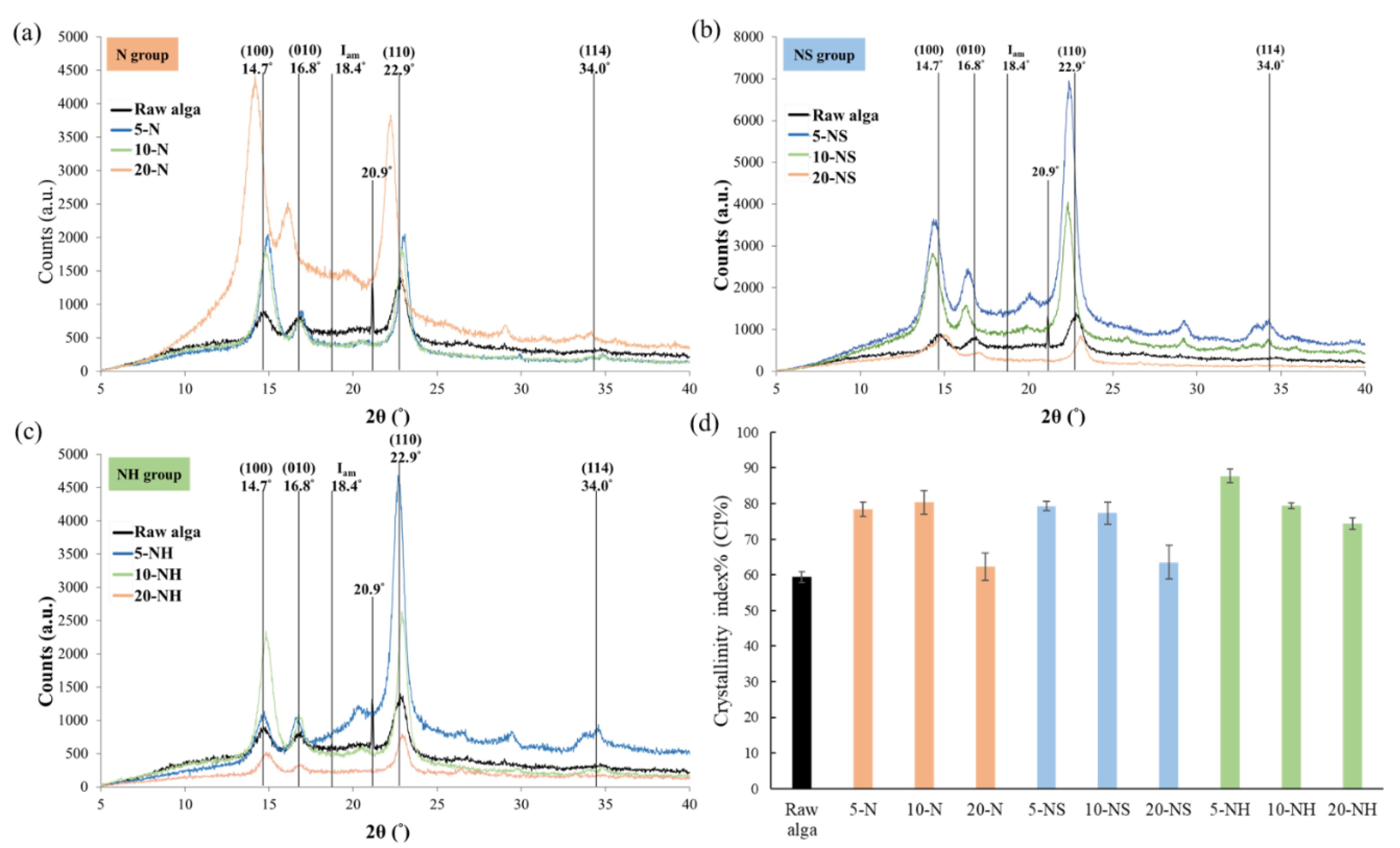
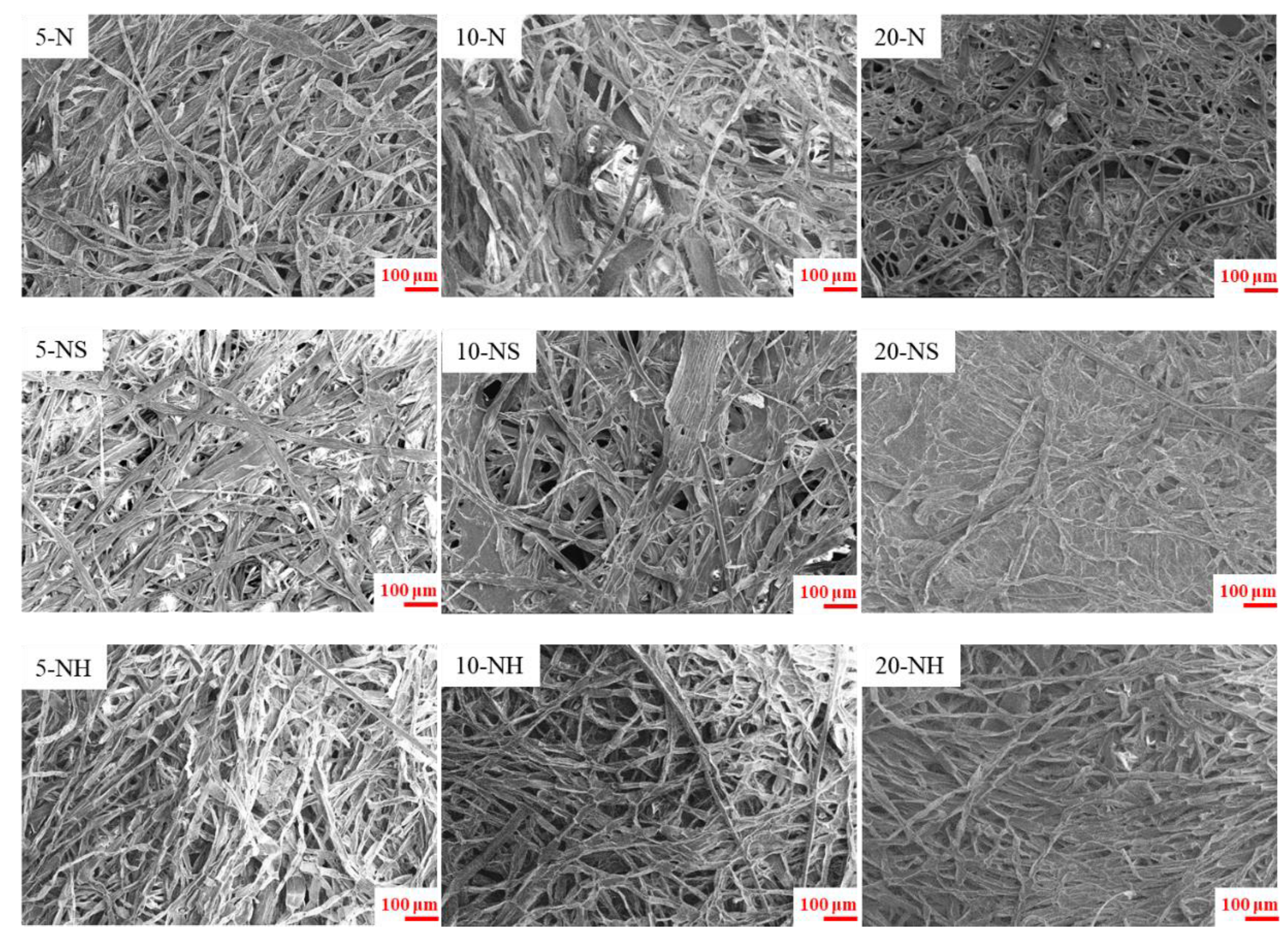
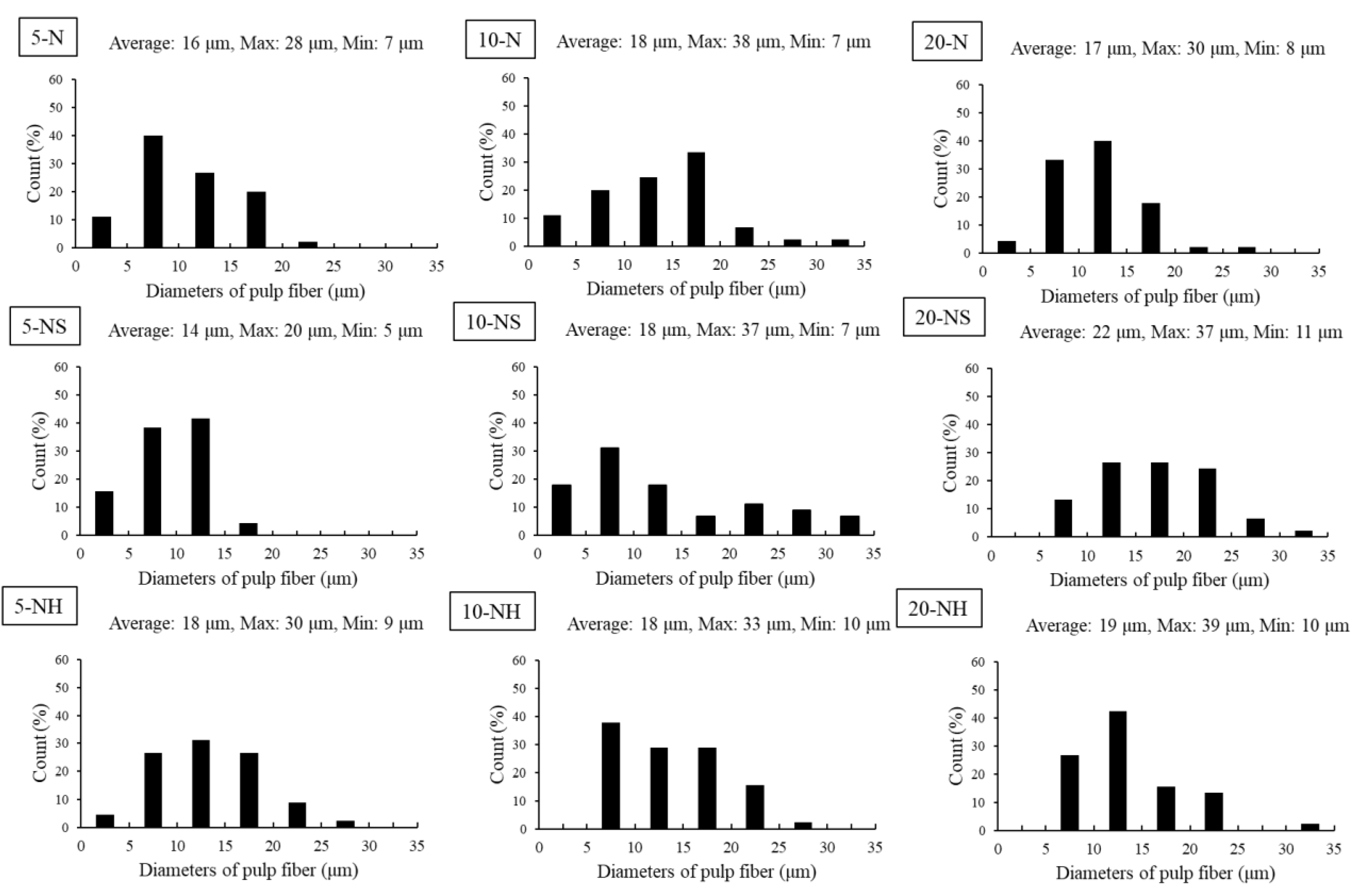
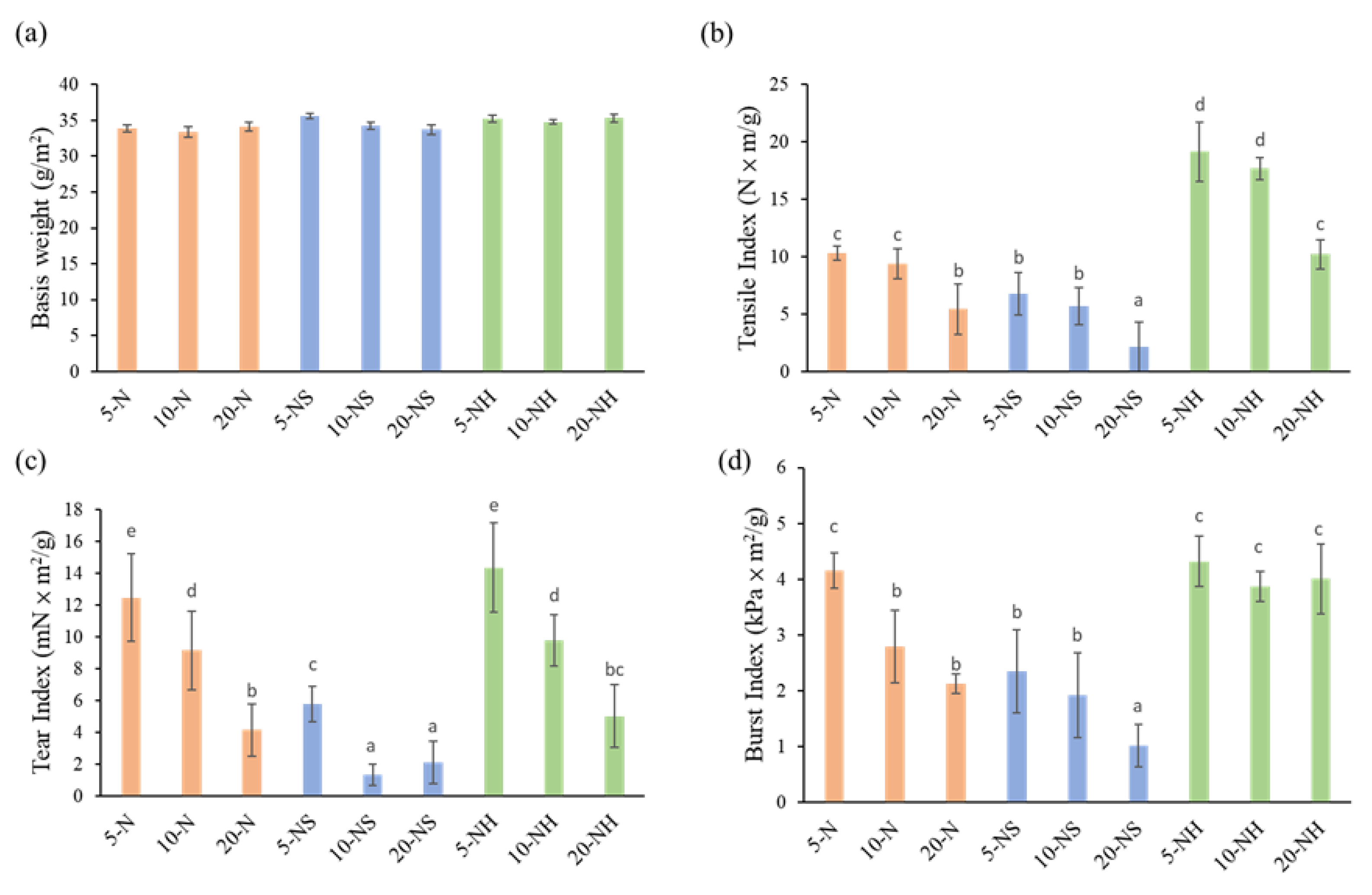
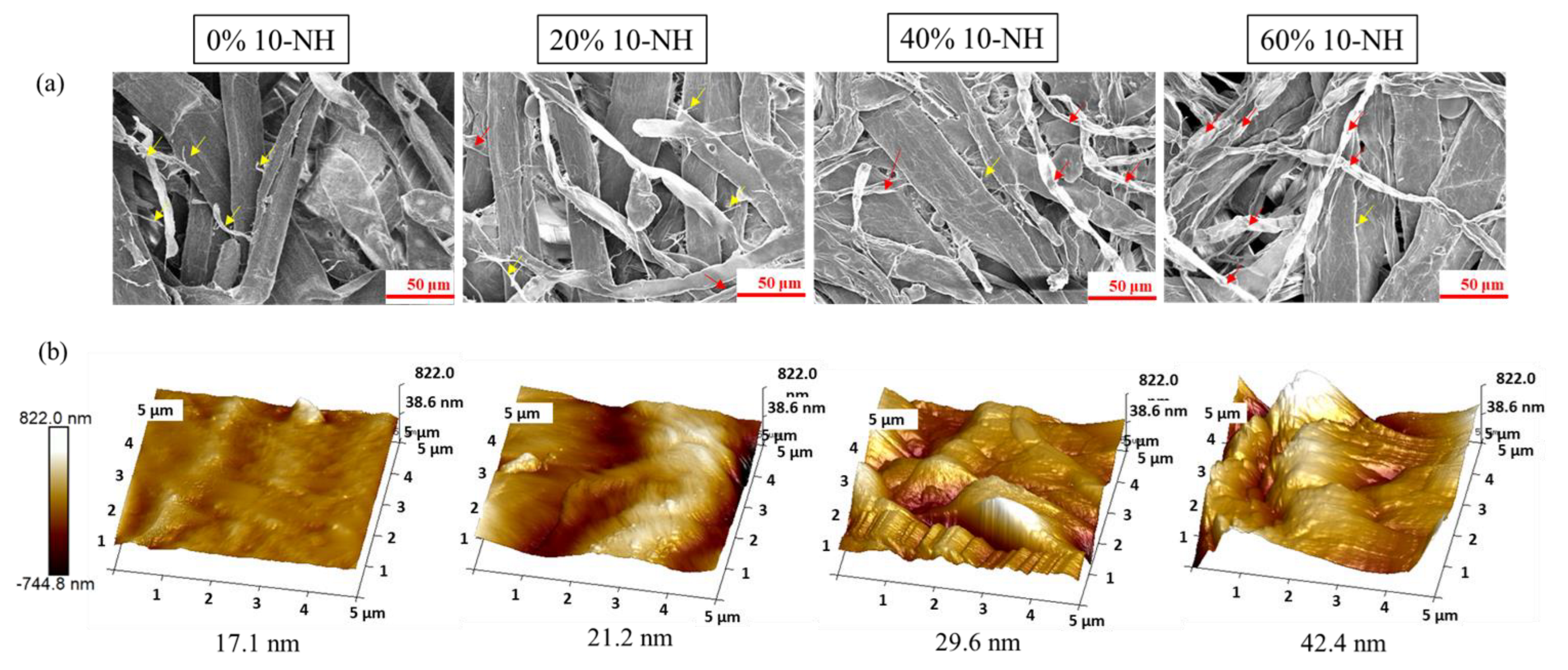
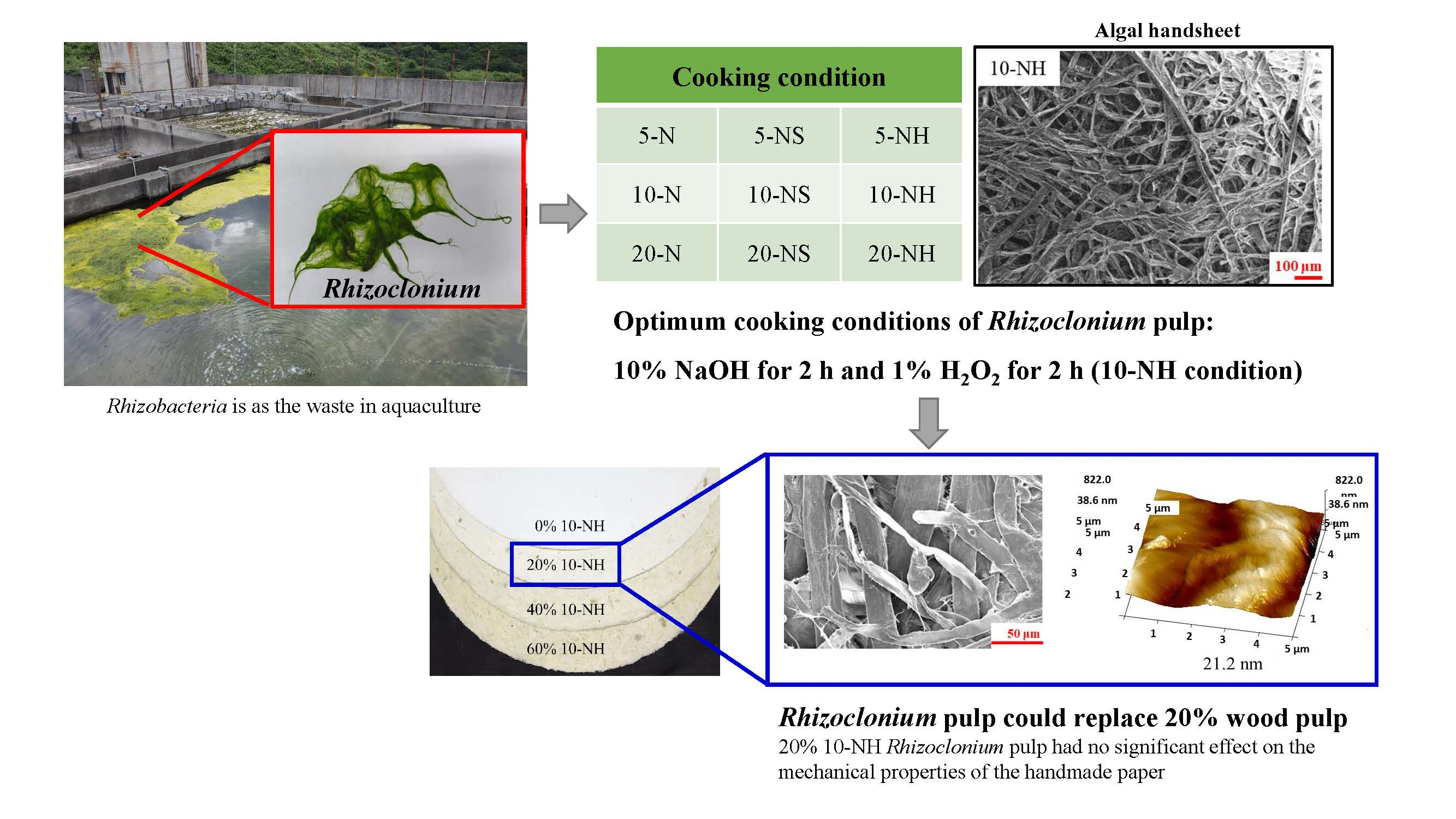
The green macroalga Rhizoclonium was cooked with 5%, 10%, and 20% sodium hydroxide (NaOH) for 4 h (5-N, 10-N, and 20-N groups, respectively); with 5%, 10%, and 20% sodium sulfite (Na2SO3) for 4 h (5-NS, 10-NS, and 20-NS groups, respectively); and with 5%, 10%, and 20% NaOH for 2 h and 1% hydrogen peroxide (H2O2) for 2 h (5-NH, 10-NH, and 20-NH groups, respectively). The 5-NH handsheet showed the best mechanical properties; however, the 10-NH pulp was easier to separate than 5-NH during handsheet making, and 10-NH was more suitable for the industrial process. Thus, the 10-NH group showed the optimal production conditions with an optimal length/width ratio, crystallinity index (CI%), three-dimensional (3D) configuration, and mechanical strength. Substituting 20% 10-NH Rhizoclonium pulp with wood pulp had no significant effect on the mechanical properties of the 100% wood pulp handsheet. However, the fibers of the NS group were flatter and lost their 3D configuration, resulting in low mechanical strength. Overall, Rhizoclonium had its own optimal cooking condition, which was not the same as for wood pulp, and it has potential as a substitute for wood pulp in papermaking.
Keywords: Rhizoclonium; sodium hydroxide; sodium sulfite; hydrogen peroxide; pulp; substitutes; mechanical property Rhizoclonium; sodium hydroxide; sodium sulfite; hydrogen peroxide; pulp; substitutes; mechanical property
Graphical Abstract