Article

Antibacterial Performance of Protonated Polyaniline-Integrated Polyester Fabrics
by
Muhammad Faiz Aizamddin
1,
Mohd Muzamir Mahat
1,*,
Zaidah Zainal Ariffin
2,
Mohd Azizi Nawawi
3,
Nur Aimi Jani
1,
Nur Asyura Nor Amdan
4 and
Kishor Kumar Sadasivuni
5
1
School of Physics and Material Studies, Faculty of Applied Sciences, Universiti Teknologi MARA, Shah Alam 40450, Malaysia
2
School of Biology, Faculty of Applied Sciences, Universiti Teknologi MARA, Shah Alam 40450, Malaysia
3
School of Chemistry and Environmental Studies, Faculty of Applied Sciences, Universiti Teknologi MARA, Shah Alam 40450, Malaysia
4
Bacteriology Unit, Infectious Disease Research Centre, Institute for Medical Research, National Institutes of Health, Setia Alam, Shah Alam 40170, Malaysia
5
Center for Advanced Materials, Qatar University, Doha P.O. Box 2713, Qatar
*
Author to whom correspondence should be addressed.
Polymers 2022, 14(13), 2617; https://doi.org/10.3390/polym14132617
Submission received: 10 May 2022 / Revised: 12 June 2022 / Accepted: 19 June 2022 / Published: 28 June 2022

Abstract

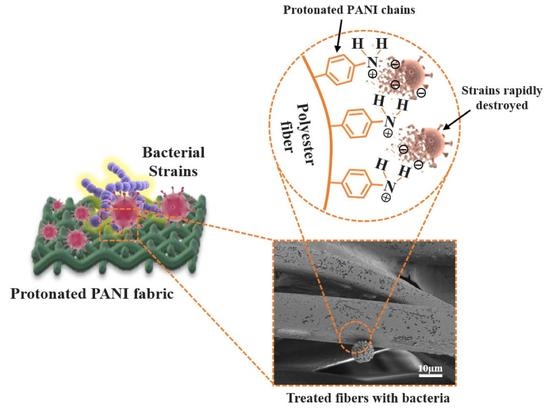
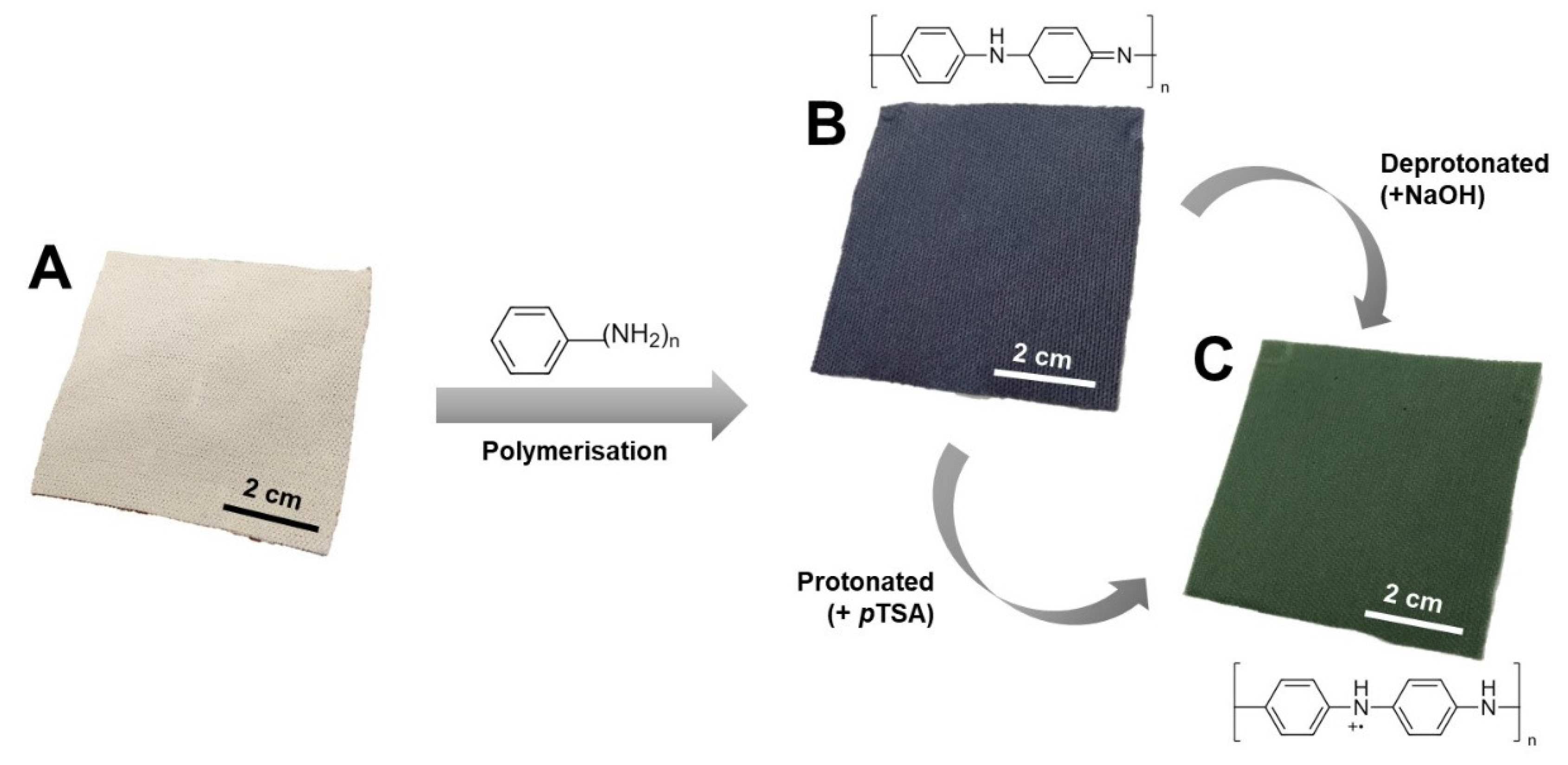
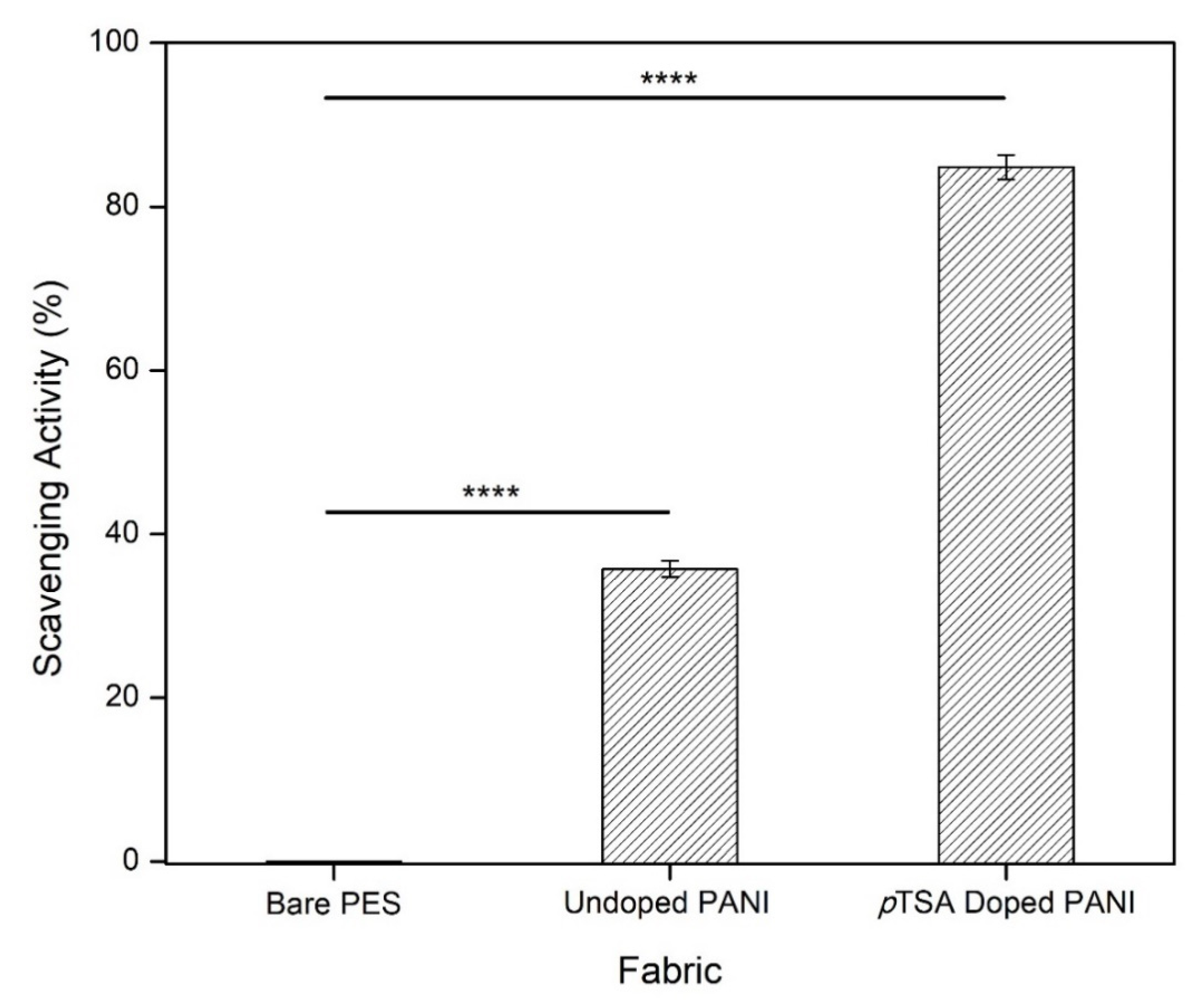
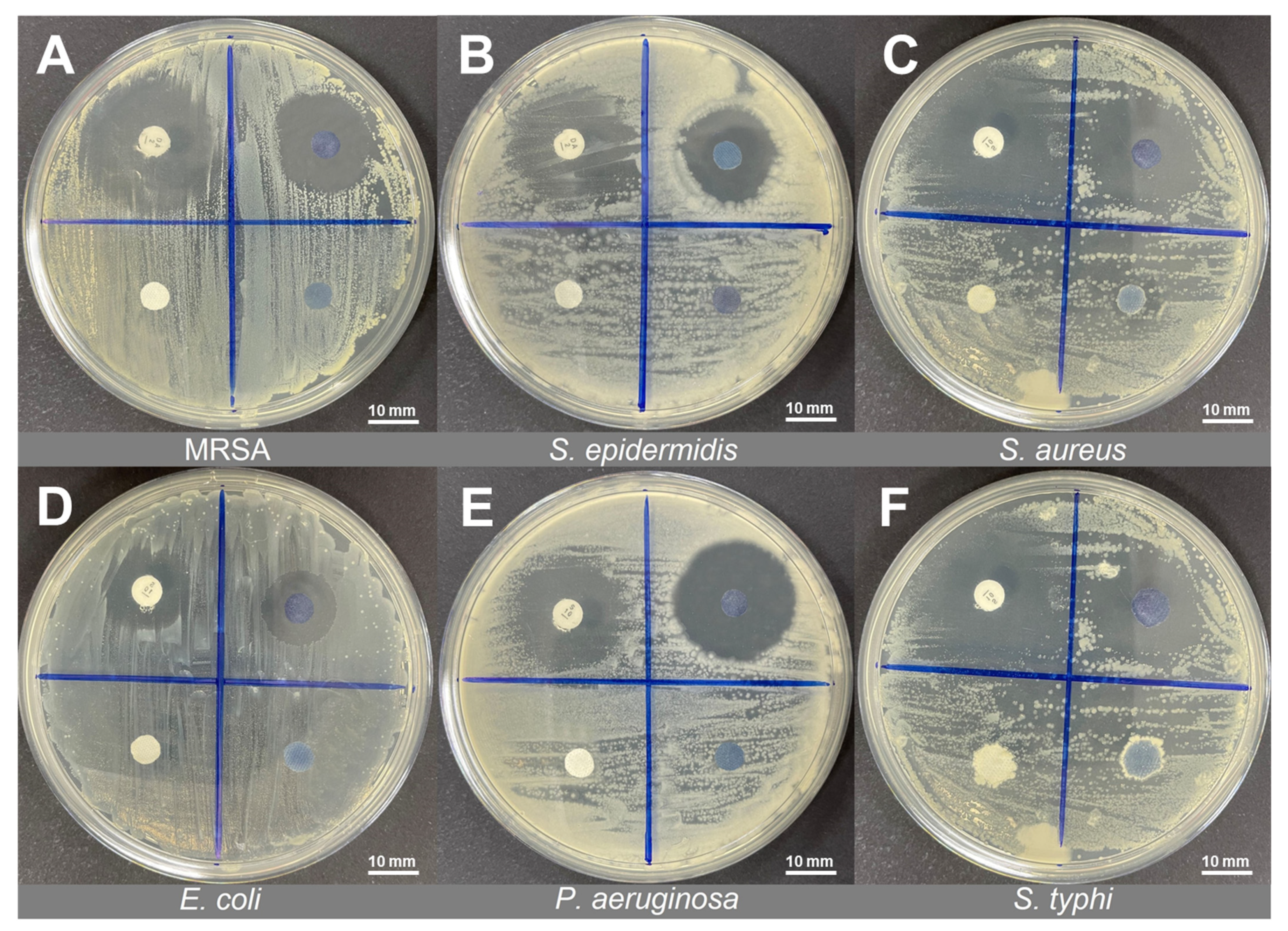
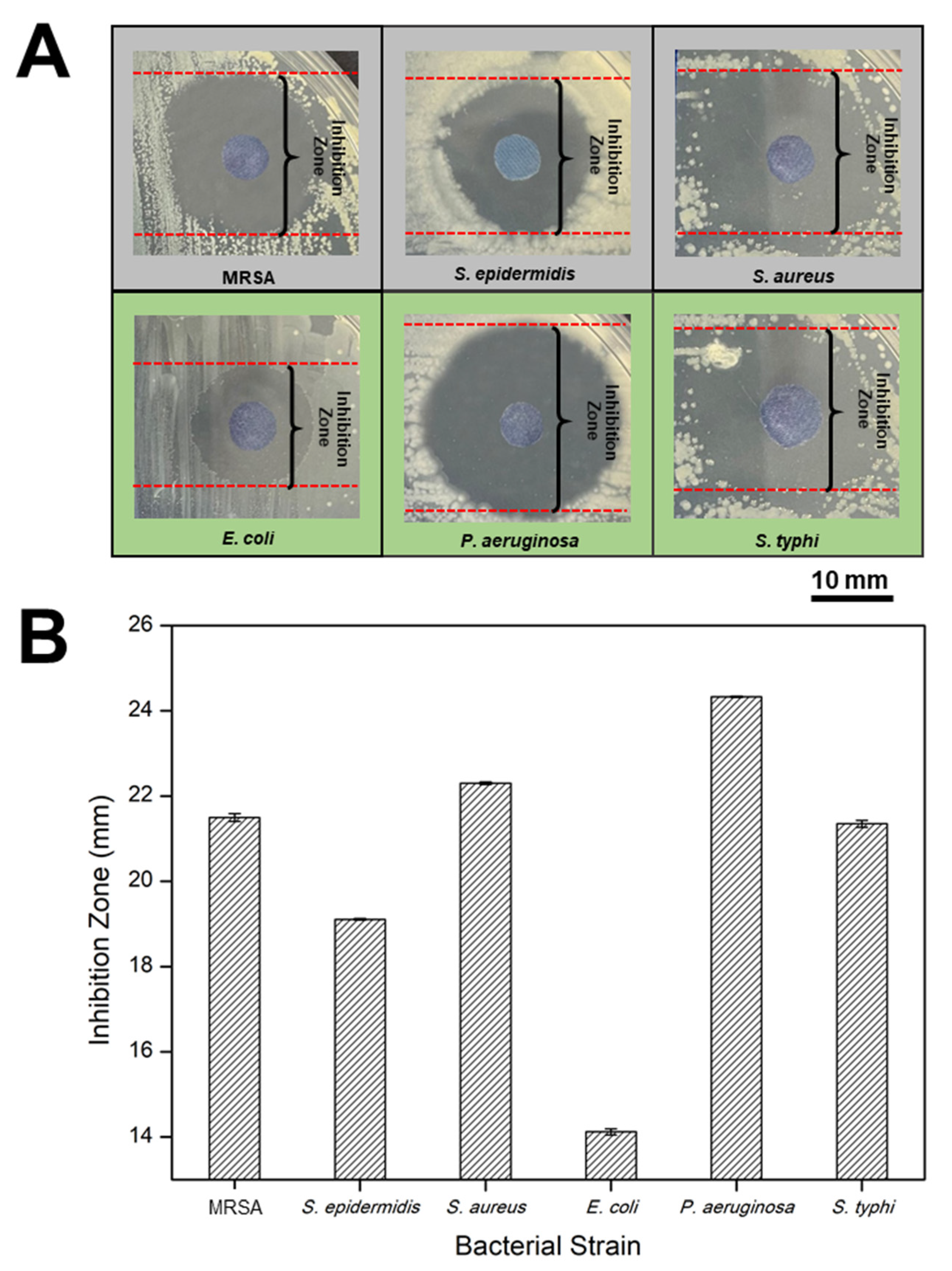
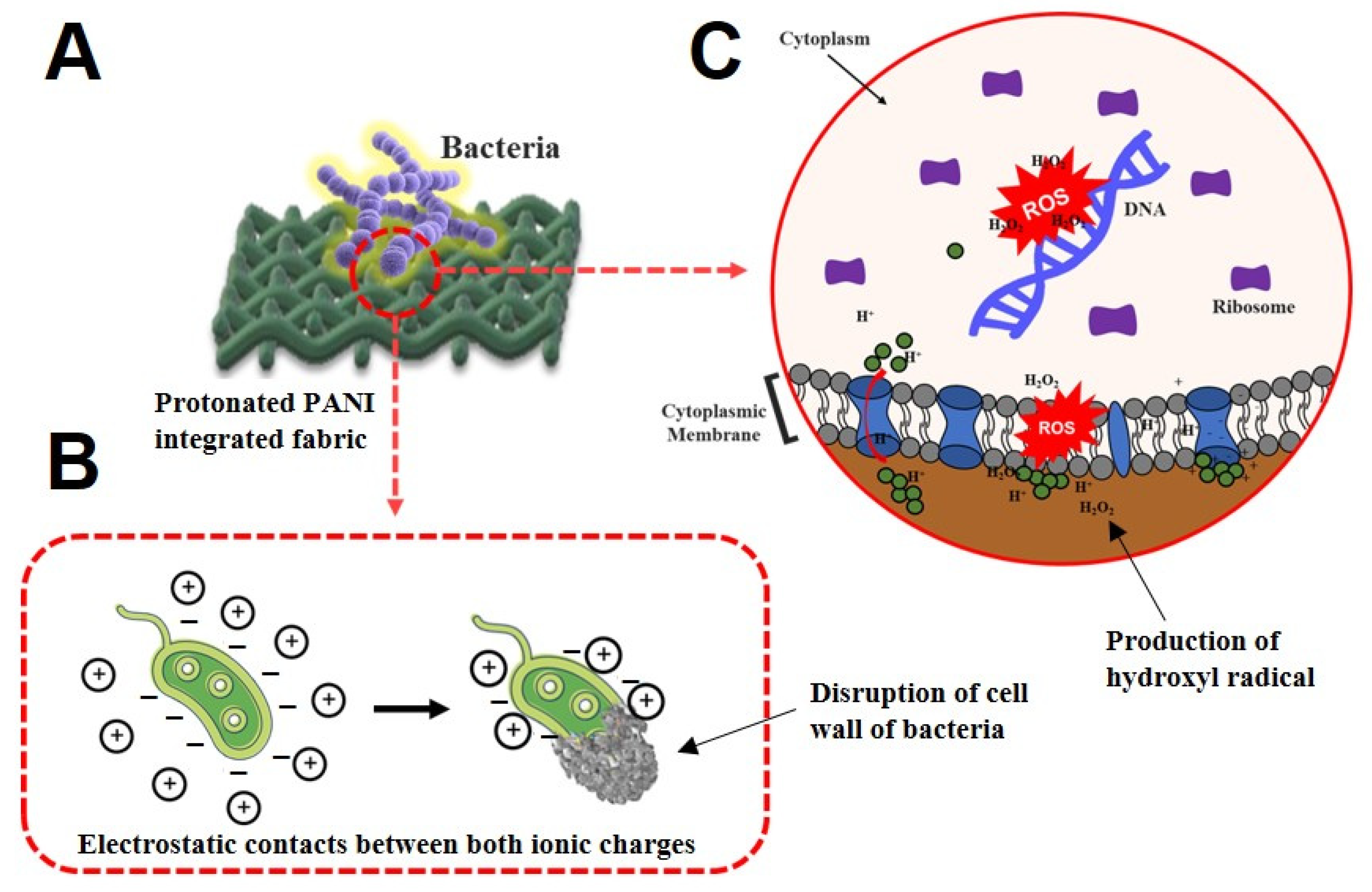
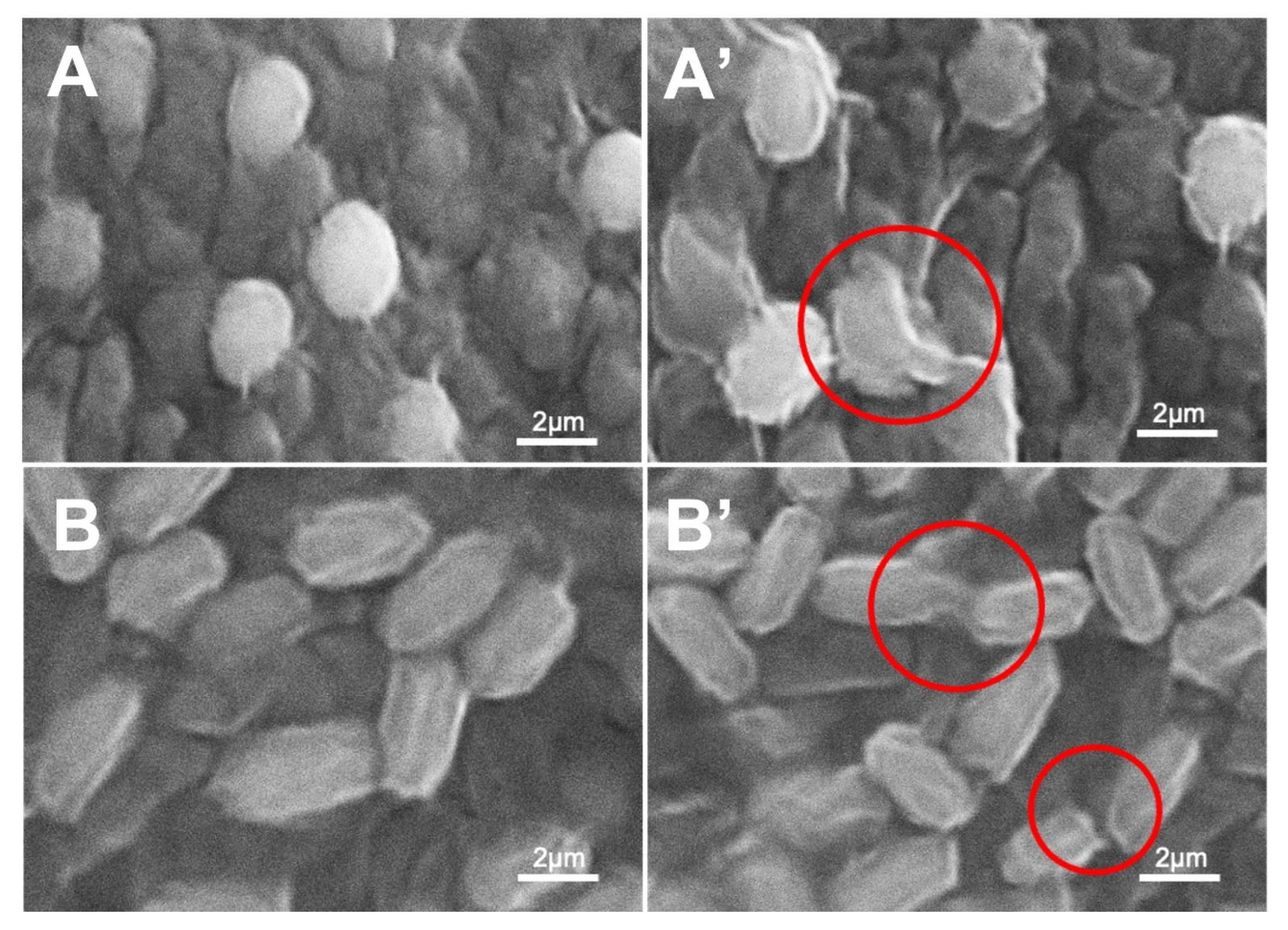
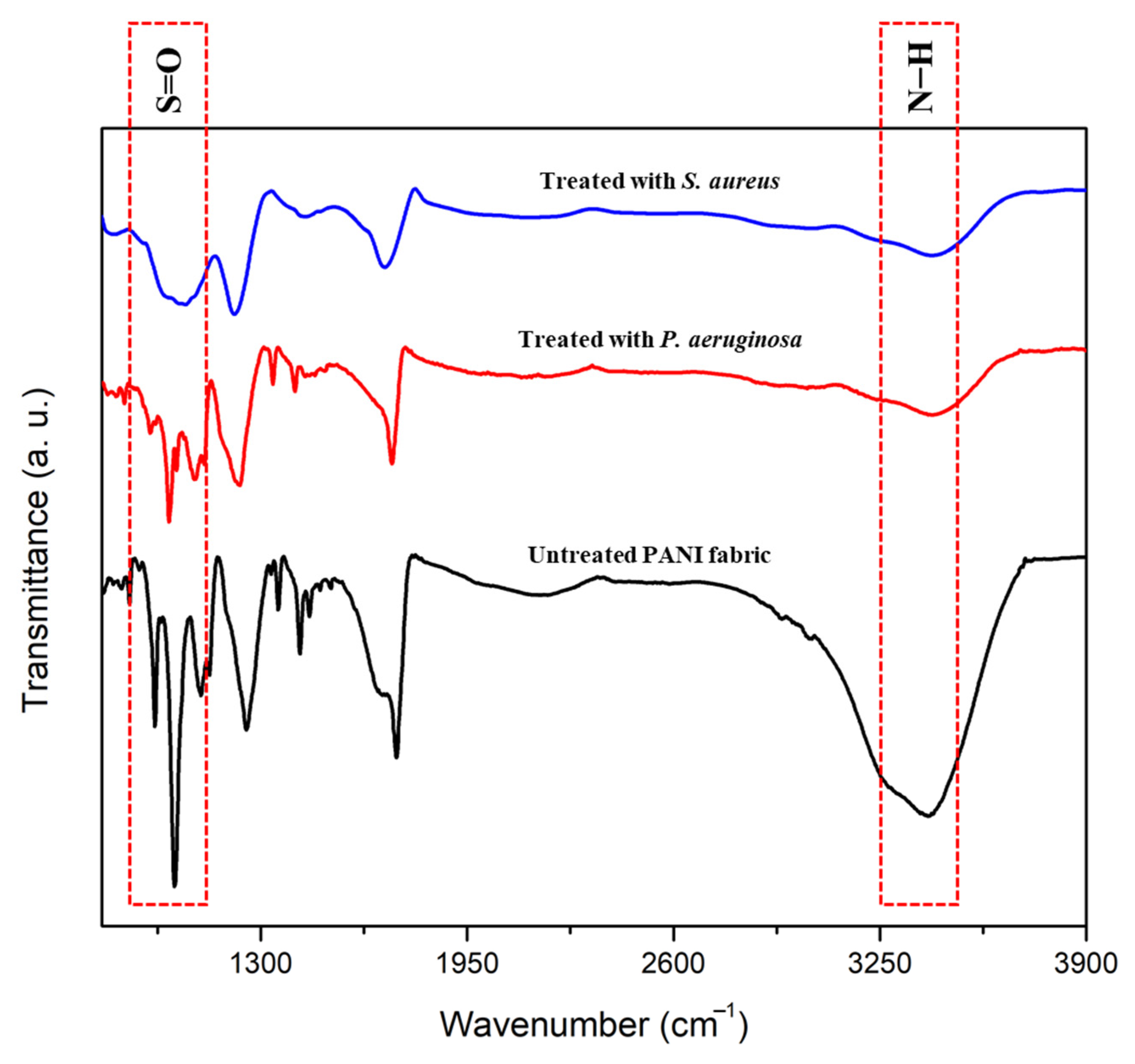
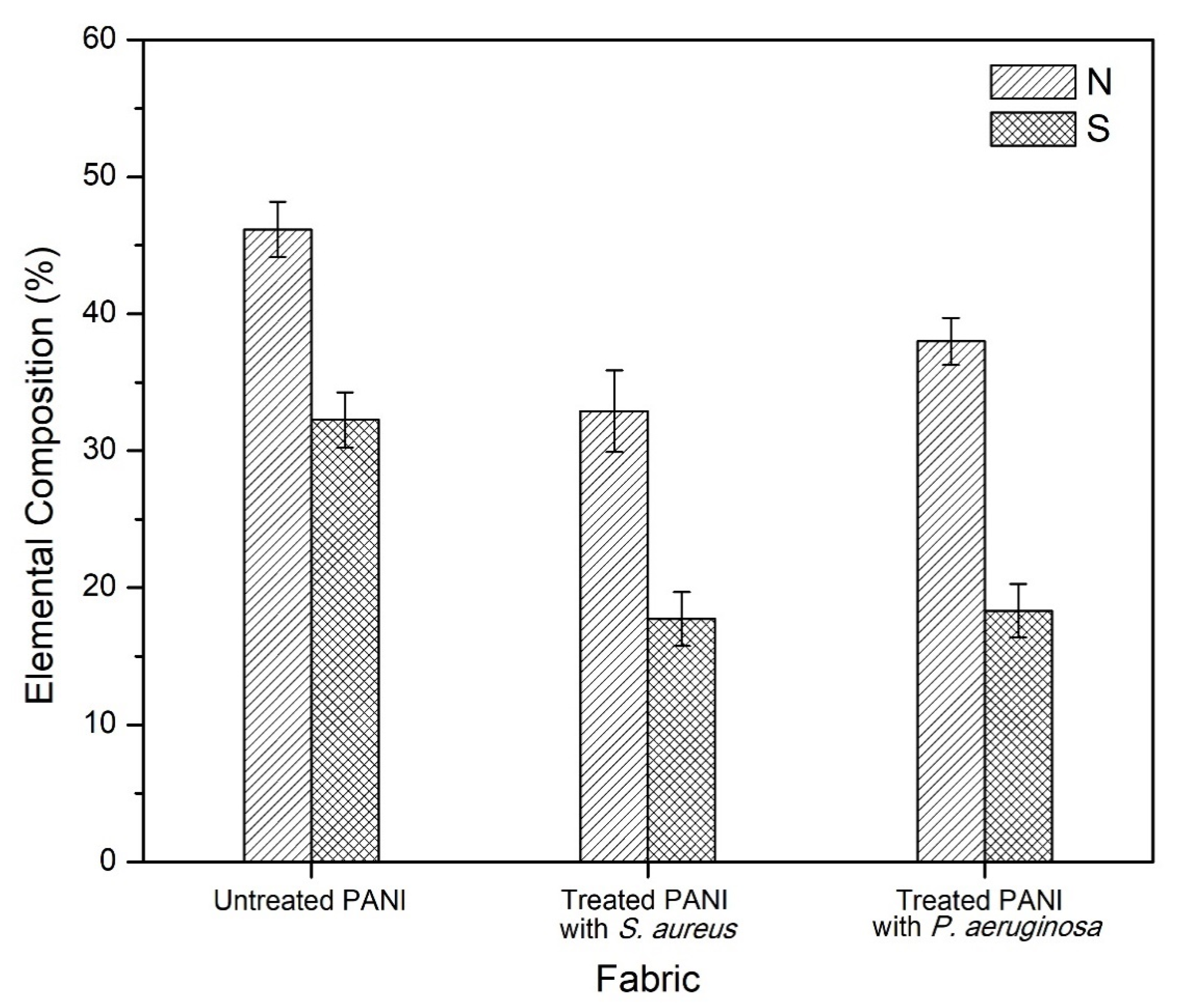
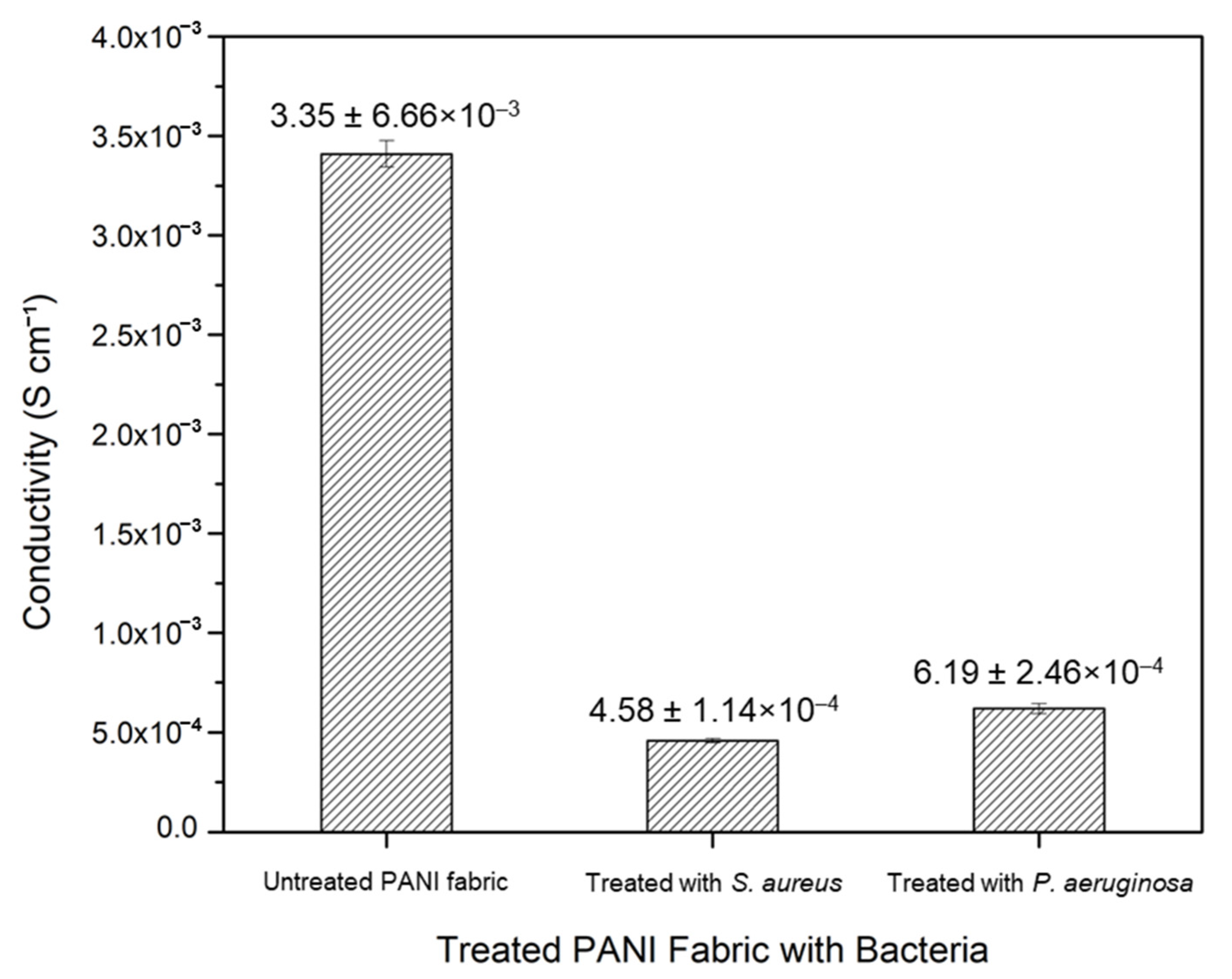
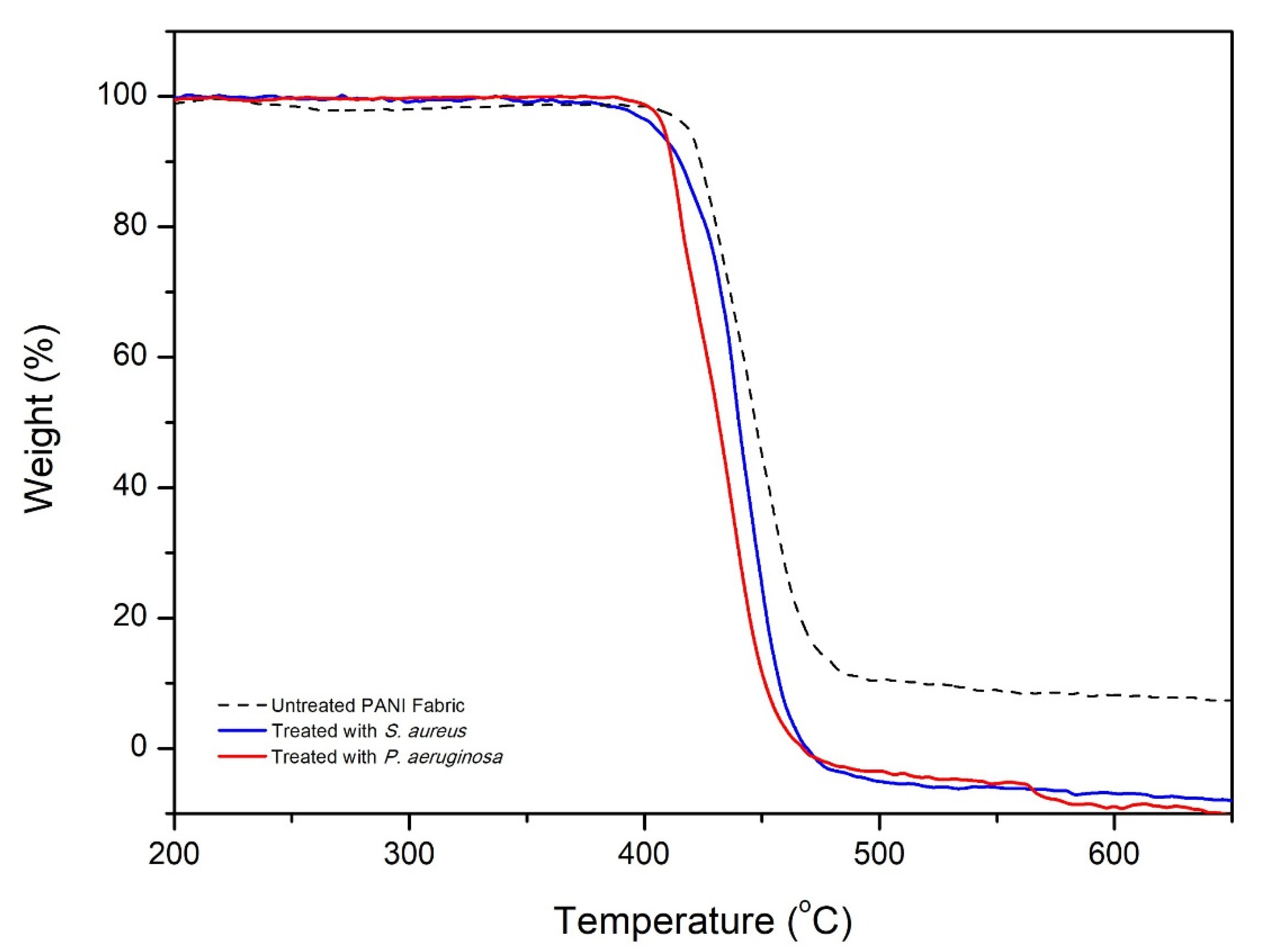
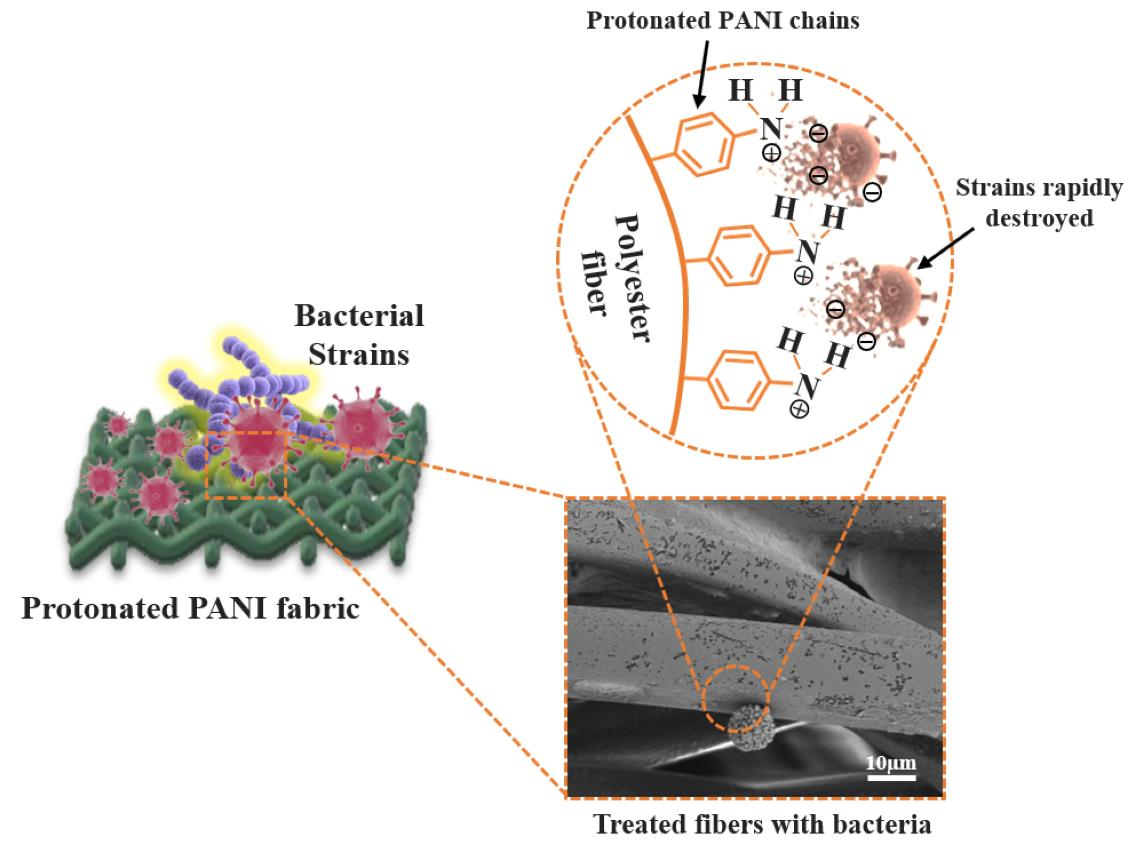
During the last few years, there has been an increase in public awareness of antimicrobial fabrics, as well as an increase in commercial opportunities for their use in pharmaceutical and medical settings. The present study reports on the optimized fabrication of protonated polyaniline (PANI)-integrated polyester (PES) fabric. Para-toluene sulfonic acid (pTSA) was used to protonate the PANI fabric and thus grant it antibacterial performance. The results of a 1,1-diphenyl-2-picrylhydrazyl (DPPH) scavenging assay showed high antioxidant activity of protonated PANI fabric at a scavenging efficiency of 84.83%. Moreover, the findings revealed remarkably sensitive antibacterial performance of PANI-integrated fabric against the following Gram-positive bacteria: methicillin-resistant Staphylococcus aureus (MRSA), S. epidermidis, and S. aureus; and also against the following Gram-negative bacteria: P. aeruginosa, E. coli, and S. typhi. Attenuated total reflectance–Fourier transform infrared (ATR–FTIR) spectroscopy and energy dispersive X–ray fluorescence (EDXRF) were used to determine the changes in the structural and elemental compositions of PANI fabric upon treatment with bacterial strains. Electrochemical impedance spectroscopy (EIS) revealed that the electrical conductivity value of protonated PANI fabric decreased by one (1) order of magnitude against P. aeruginosa and S. aureus, from 3.35 ± 7.81 × 10⁻³ S cm−1 to 6.11 ± 7.81 × 10⁻⁴ S cm−1 and 4.63 ± 7.81 × 10⁻⁴ S cm−1, respectively. Scanning electron microscopy (SEM) analysis showed the disruption of bacterial membranes and their structures when exposed to protonated PANI fabric; meanwhile, thermogravimetric analysis (TGA) demonstrated that the fabric retained its thermal stability characteristics. These findings open up potential for the use of antimicrobial fabrics in the pharmaceutical and medical sectors.
Keywords: antibacterial fabric; conductive fabric; antioxidant activity; polyaniline; polyester fabric antibacterial fabric; conductive fabric; antioxidant activity; polyaniline; polyester fabric
Graphical Abstract