Article

Characteristics of Small-Molecule Migration of Silicone Rubber Insulator in Electrical Power Systems

1
School of Mechanical and Electrical Engineering, Guangzhou University, Guangzhou 510006, China
2
Tsinghua Shenzhen International Graduate School, Tsinghua University, Shenzhen 518055, China
*
Authors to whom correspondence should be addressed.
Polymers 2022, 14(13), 2519; https://doi.org/10.3390/polym14132519
Submission received: 23 April 2022 / Revised: 29 May 2022 / Accepted: 17 June 2022 / Published: 21 June 2022

Abstract

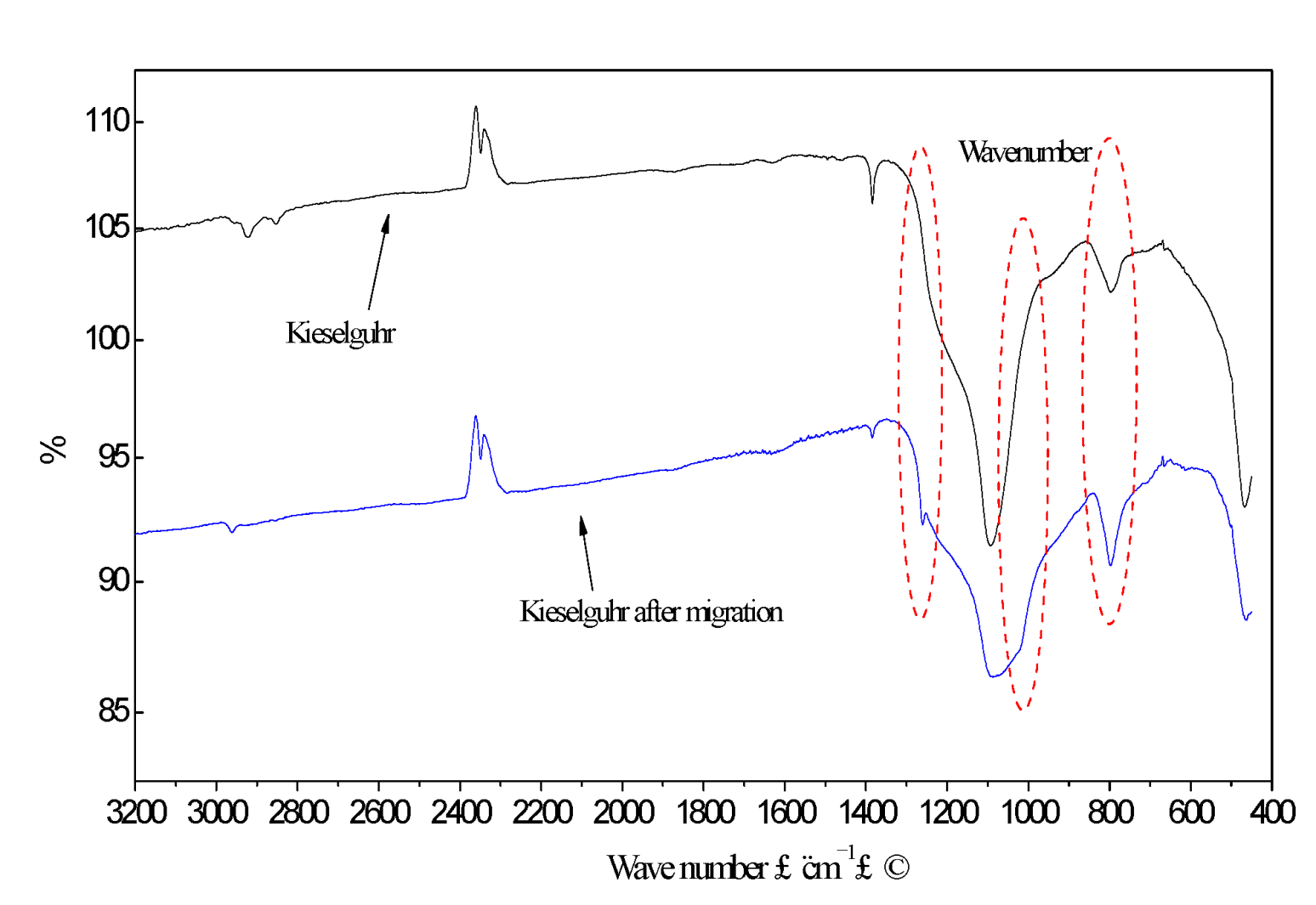
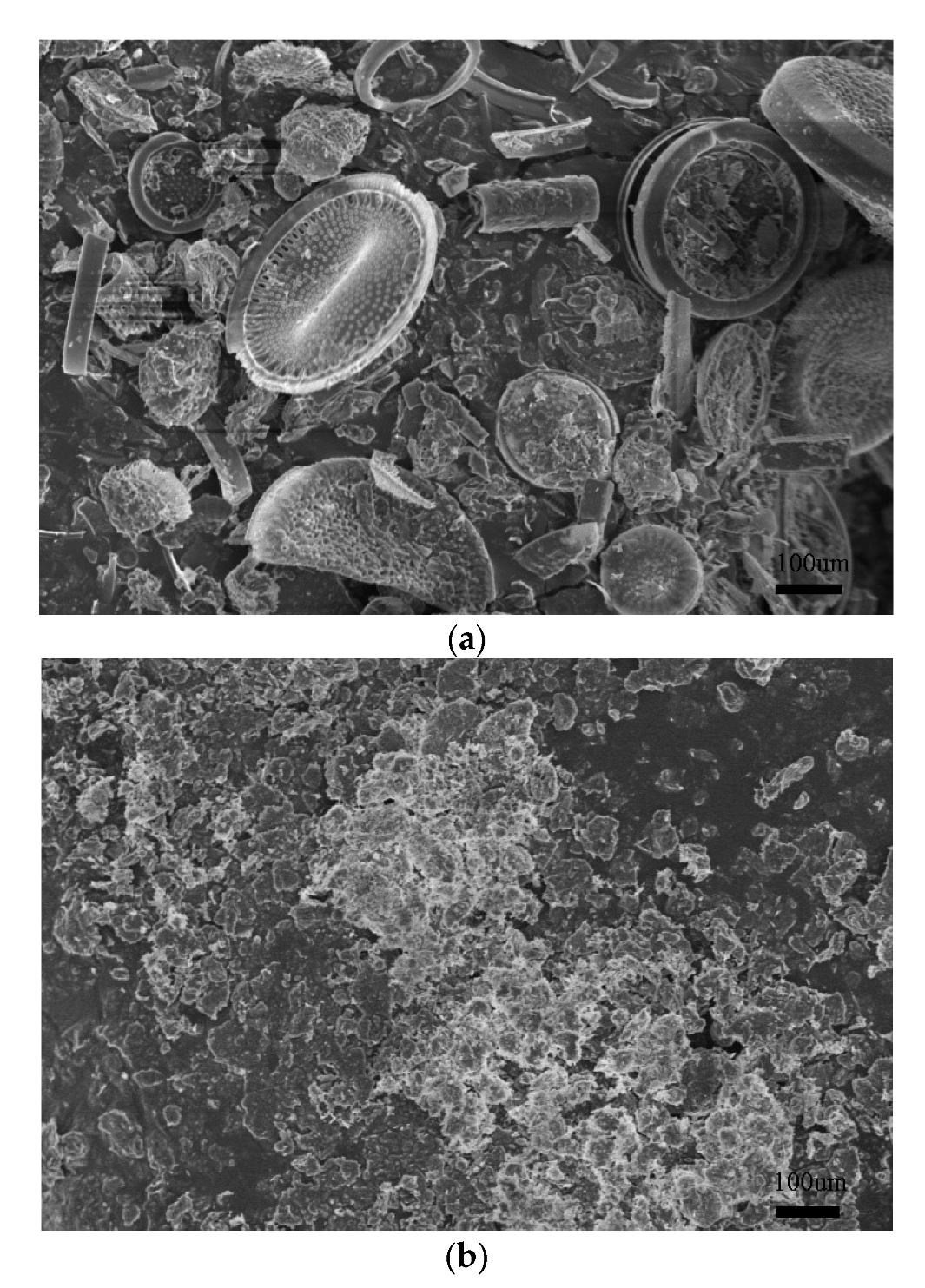
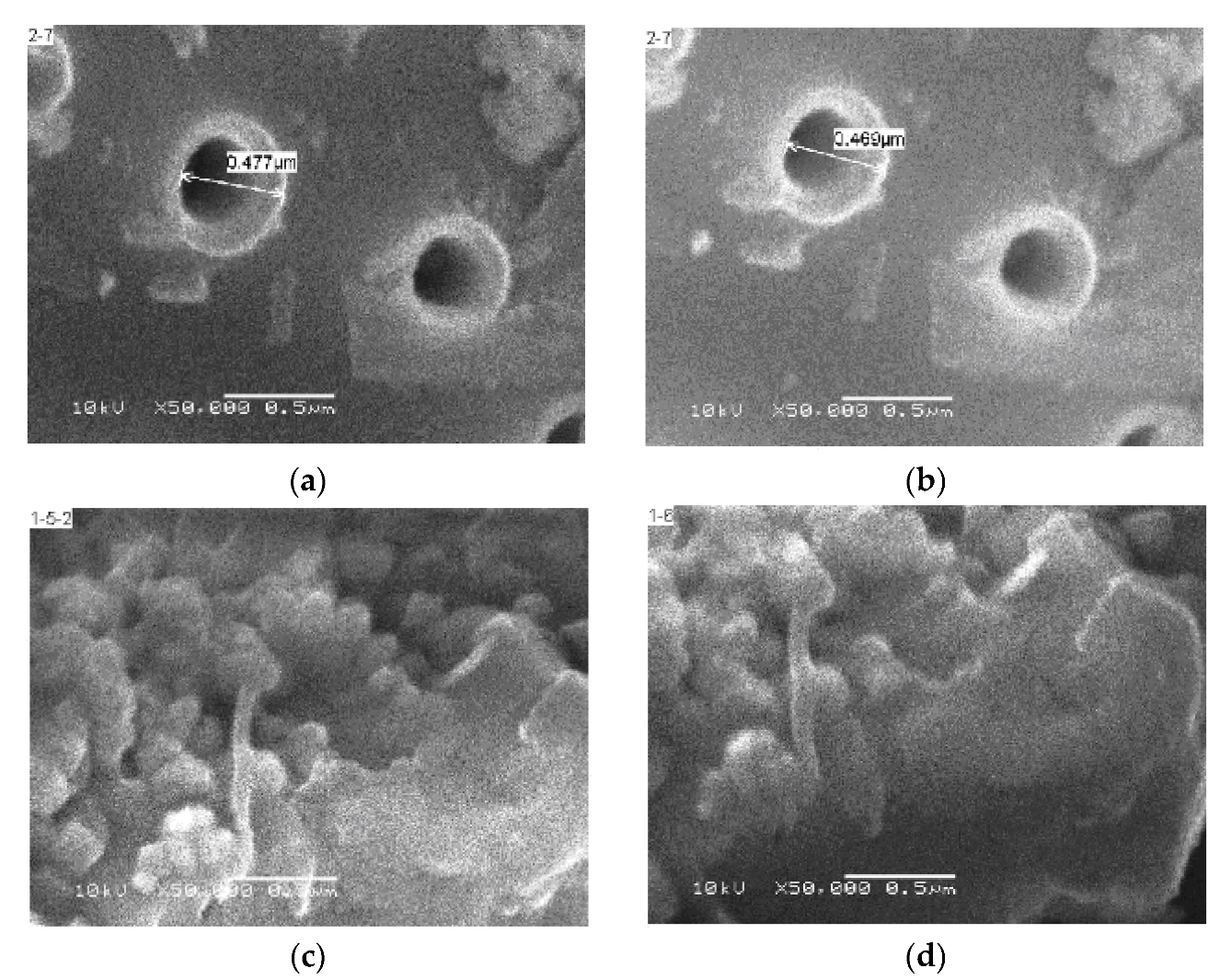
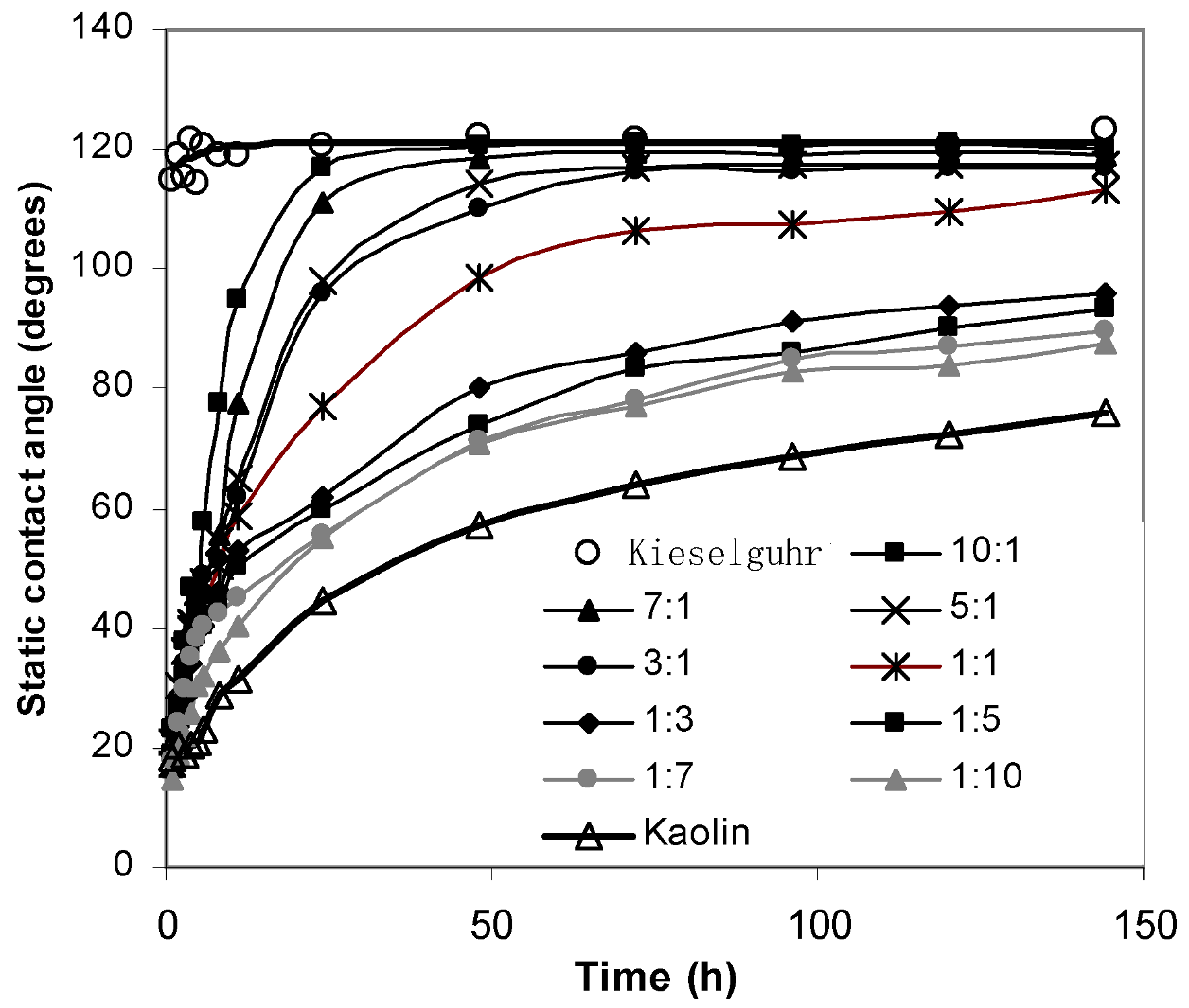
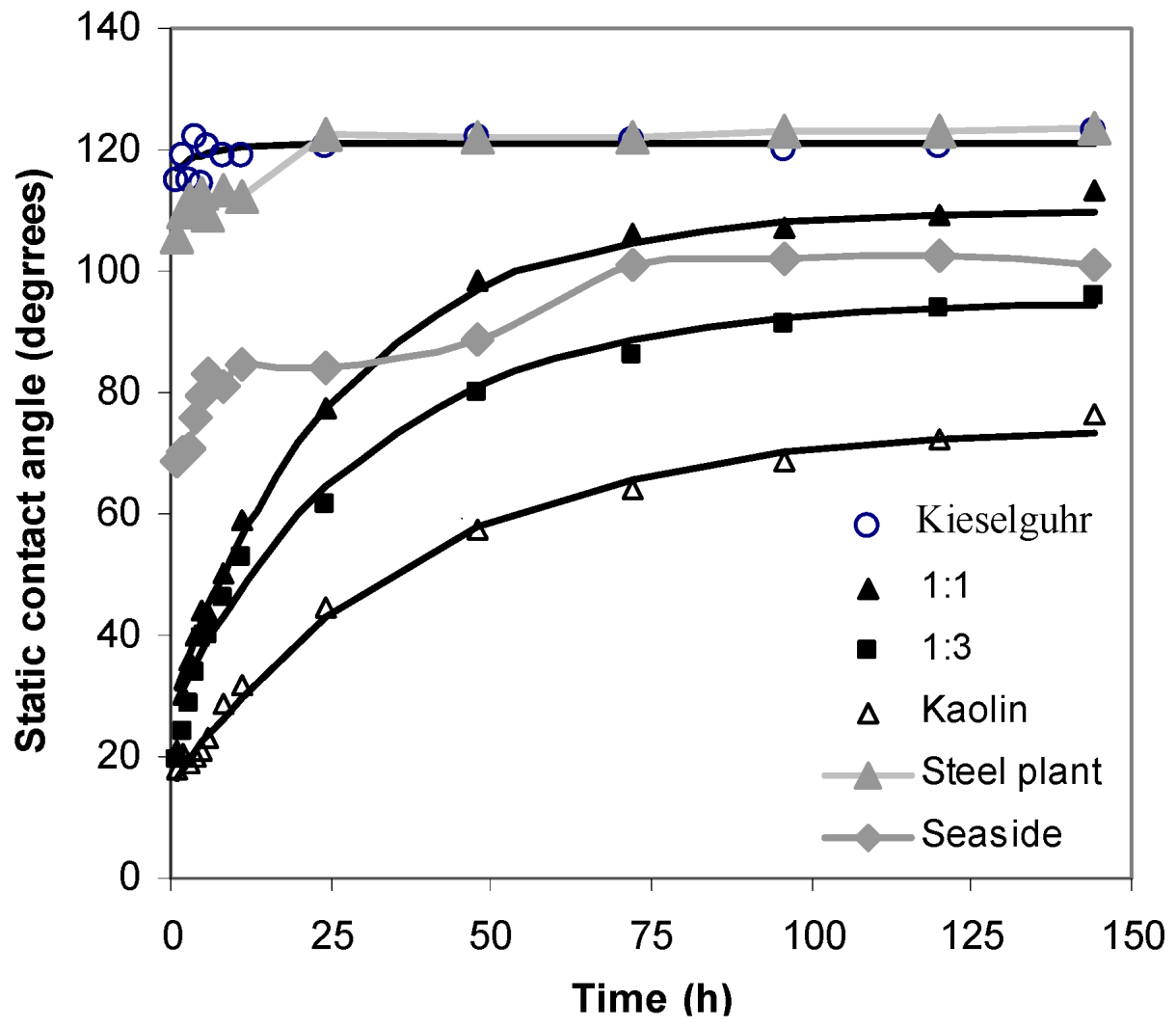
The migration of low-molecular-weight components of polysiloxane (small molecules) to the surface of high-temperature-vulcanizing silicone rubber (HTV-SR) ensures its hydrophobicity and tends to coat the surface of pollutants, which would otherwise lower hydrophobicity. The transferability of hydrophobicity will ensure the insulator maintains its higher hydrophobicity after being coated with surface pollutants, thus providing the insulator with higher pollution flashover voltage. This migration process takes a certain time, and in this paper, the time characteristics of hydrophobicity transfer from HTV-SR coated with ten different inert materials were investigated. Ten different inert materials have different migration times and static contact angles, possibly due to the influence of pollution material characteristics on the characteristics of small-molecule migration. Thermogravimetric analysis (TG), Fourier transform infrared spectroscopy (FTIR), and gas chromatography–mass spectrometry (GC–MS) were used to analyze the migration of small molecules to the polluted surface. The evidence of small molecules migrating to the surface of the polluted material over time was found. Furthermore, the influence of pollution material characteristics on small-molecule migration was analyzed via SEM, specific surface area, and porosity. On that basis, the hydrophobicity migration characteristics of mixtures of kaolin and kieselguhr were also studied and compared to determine how best to simulate the behavior of natural pollution using artificial pollutants and their mixtures.
Keywords: pollutants; kaolin; kieselguhr; small-molecule migration; high-temperature vulcanizing; hydroxyl angle pollutants; kaolin; kieselguhr; small-molecule migration; high-temperature vulcanizing; hydroxyl angle