Article

Bacteriostatic and Cytotoxic Properties of Composite Material Based on ZnO Nanoparticles in PLGA Obtained by Low Temperature Method

by
Dmitriy E. Burmistrov
1,
Alexander V. Simakin
1,
Veronika V. Smirnova
1,
Oleg V. Uvarov
1,
Petr I. Ivashkin
1,
Roman N. Kucherov
1,2,
Vladimir E. Ivanov
1,3,
Vadim I. Bruskov
3,
Mihail A. Sevostyanov
4,
Alexander S. Baikin
4,
Valery A. Kozlov
5,
Maksim B. Rebezov
1,6,
Anastasia A. Semenova
6,
Andrey B. Lisitsyn
6,
Maria V. Vedunova
7 and
Sergey V. Gudkov
1,7,*
1
Prokhorov General Physics Institute of the Russian Academy of Sciences, 38 Vavilova St., 119991 Moscow, Russia
2
Moscow Engineering Physics Institute, National Research Nuclear University MEPhI, Kashirskoe Highway 31, 115409 Moscow, Russia
3
Institute of Theoretical and Experimental Biophysics of the Russian Academy of Sciences, 3 Institutskaya St., 142290 Pushchino, Russia
4
A. A. Baikov Institute of Metallurgy and Materials Science of the Russian Academy of Sciences, Leninsky Prospect 49, 119991 Moscow, Russia
5
Faculty of Fundamental Sciences, Bauman Moscow State Technical University, Vtoraya Baumanskaya Ul. 5, 105005 Moscow, Russia
6
V. M. Gorbatov Federal Research Center for Food Systems of the Russian Academy of Sciences, 109316 Moscow, Russia
7
Institute of Biology and Biomedicine, Lobachevsky State University of Nizhni Novgorod, 23 Prospekt Gagarina, 603950 Nizhny Novgorod, Russia
*
Author to whom correspondence should be addressed.
Polymers 2022, 14(1), 49; https://doi.org/10.3390/polym14010049
Submission received: 28 October 2021 / Revised: 13 December 2021 / Accepted: 20 December 2021 / Published: 23 December 2021
(This article belongs to the Special Issue Advance in Functional Biological Polymer Membranes)

Abstract

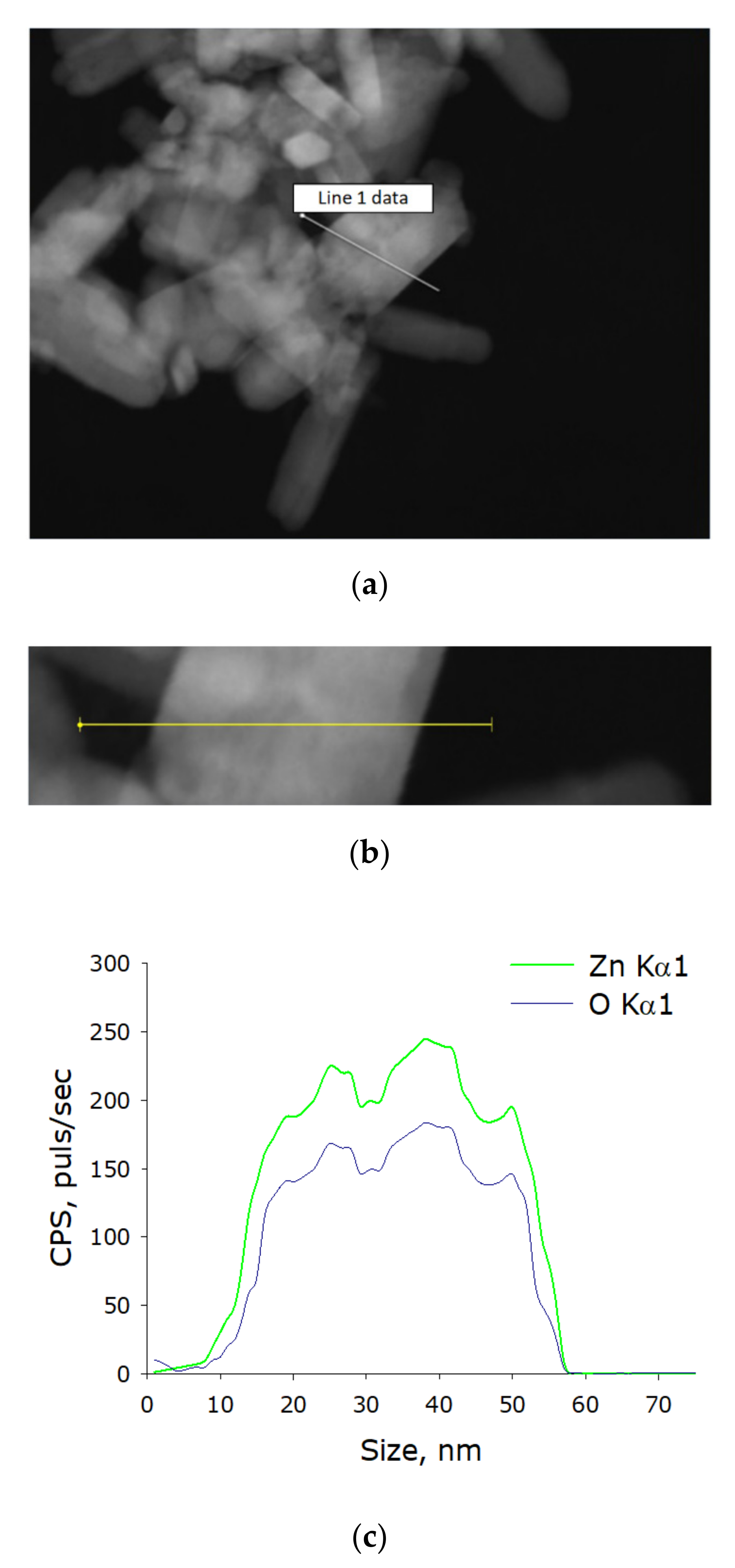
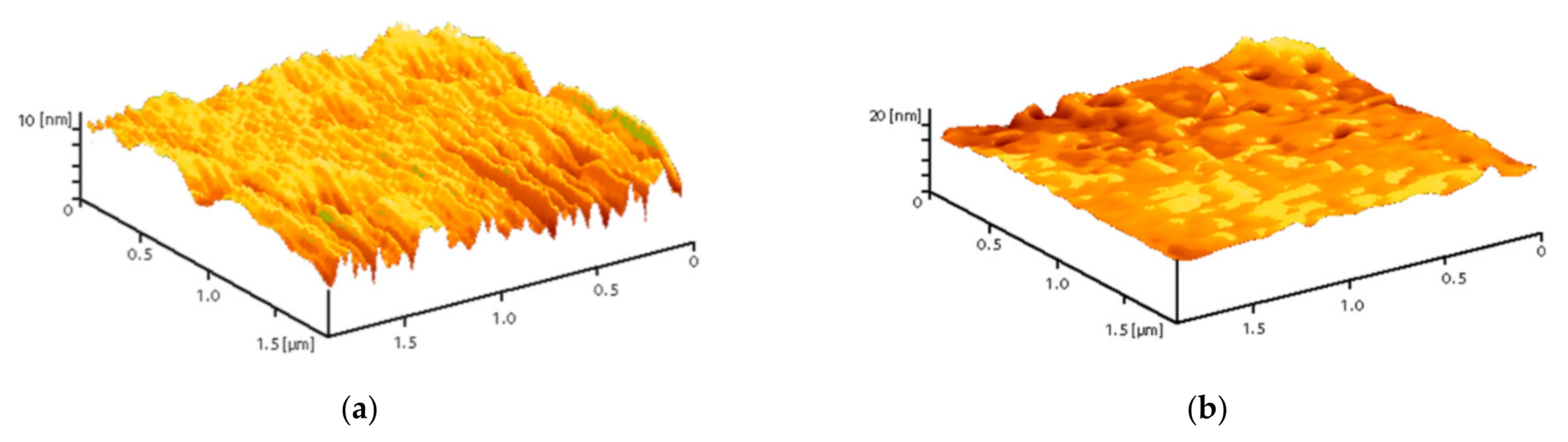
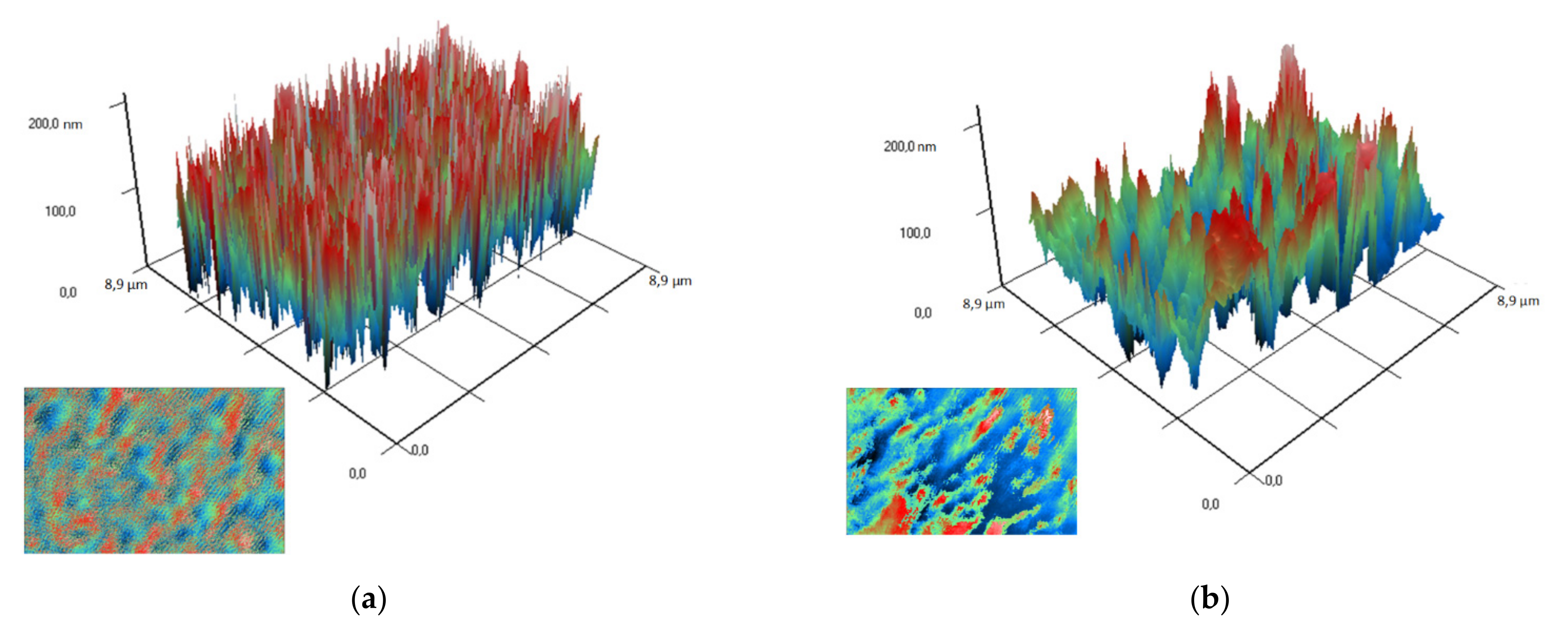
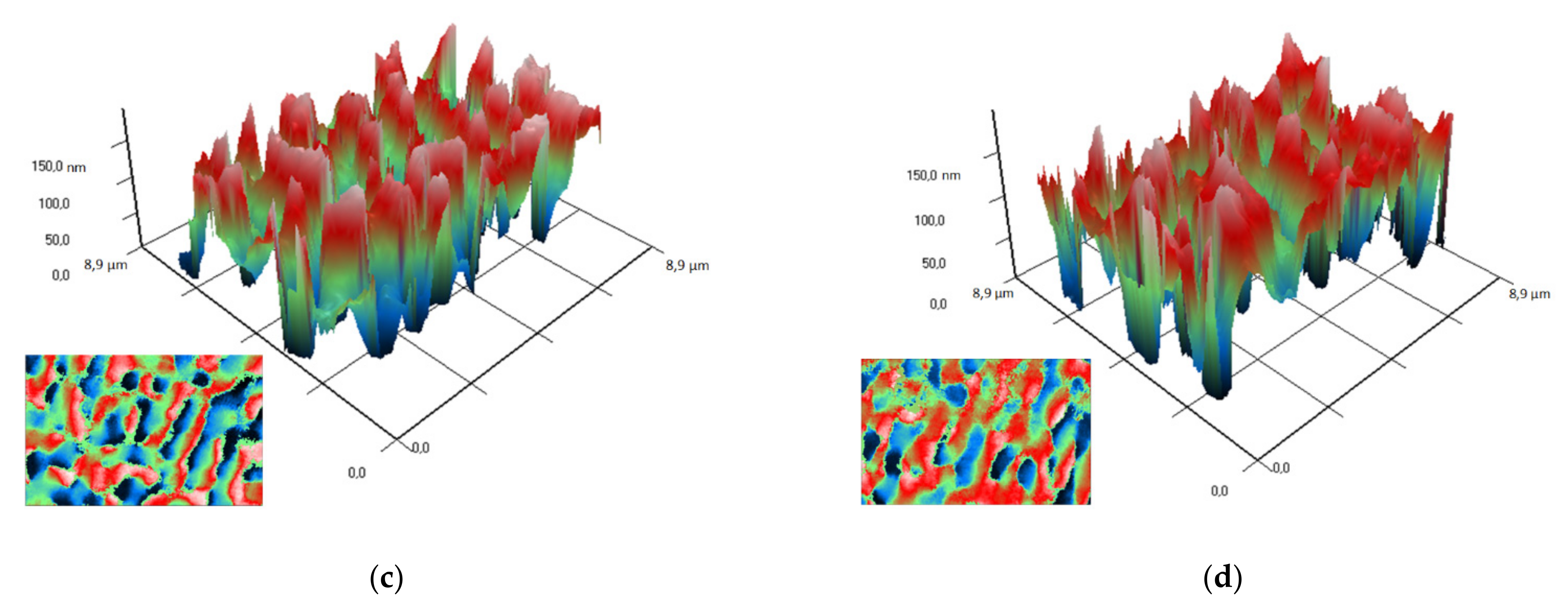
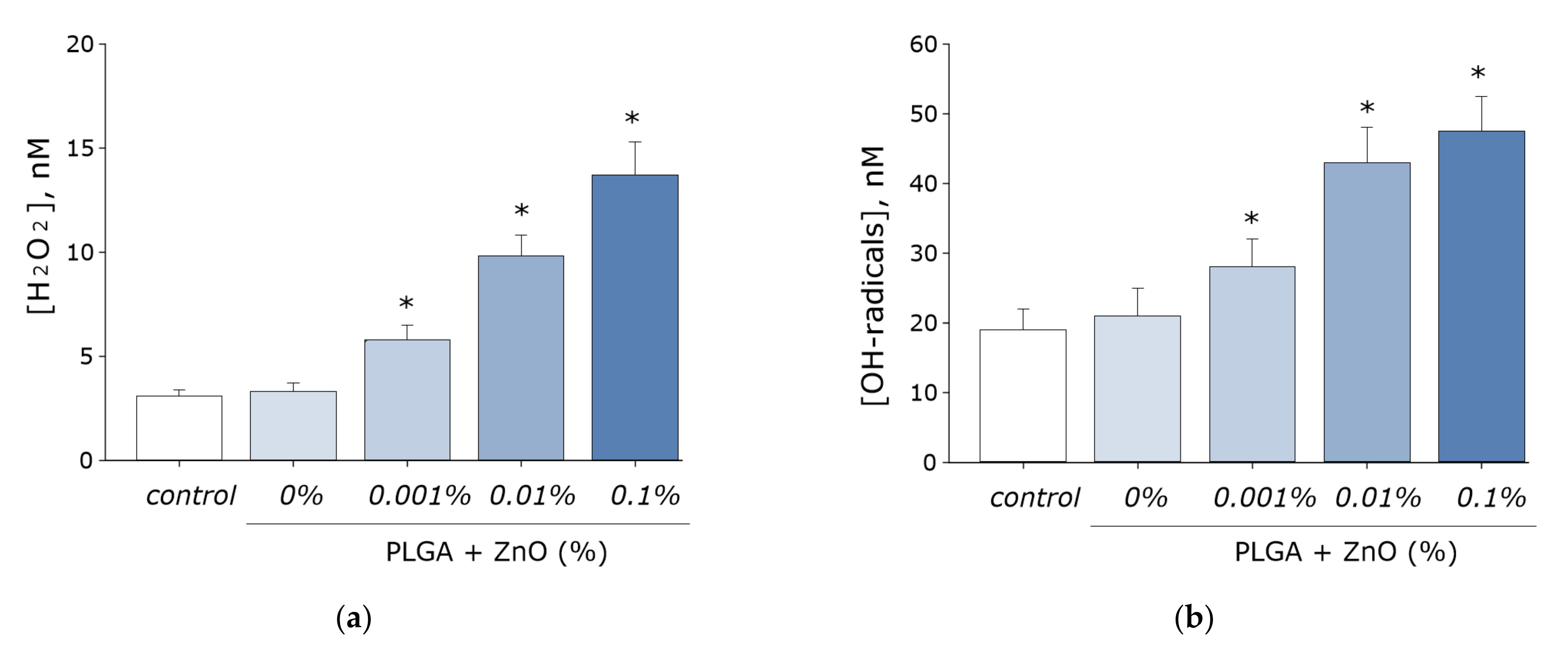
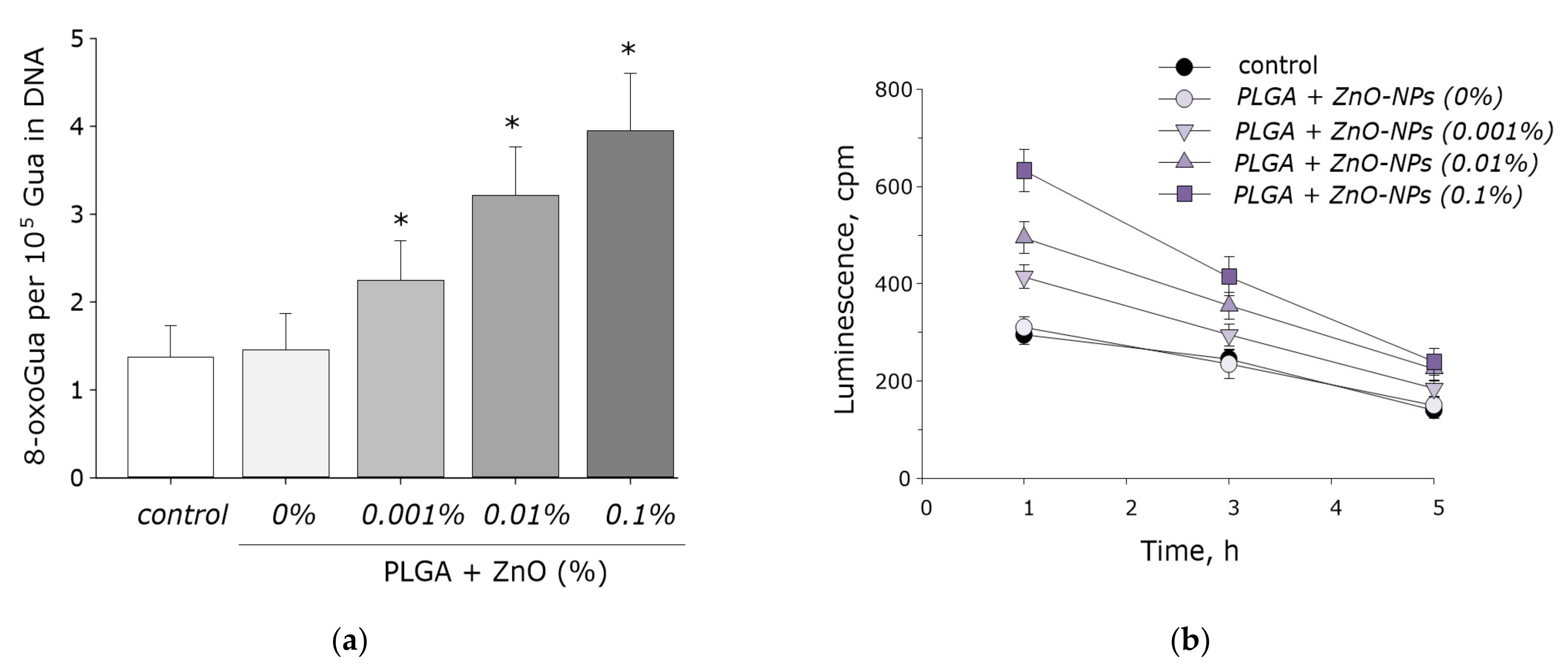
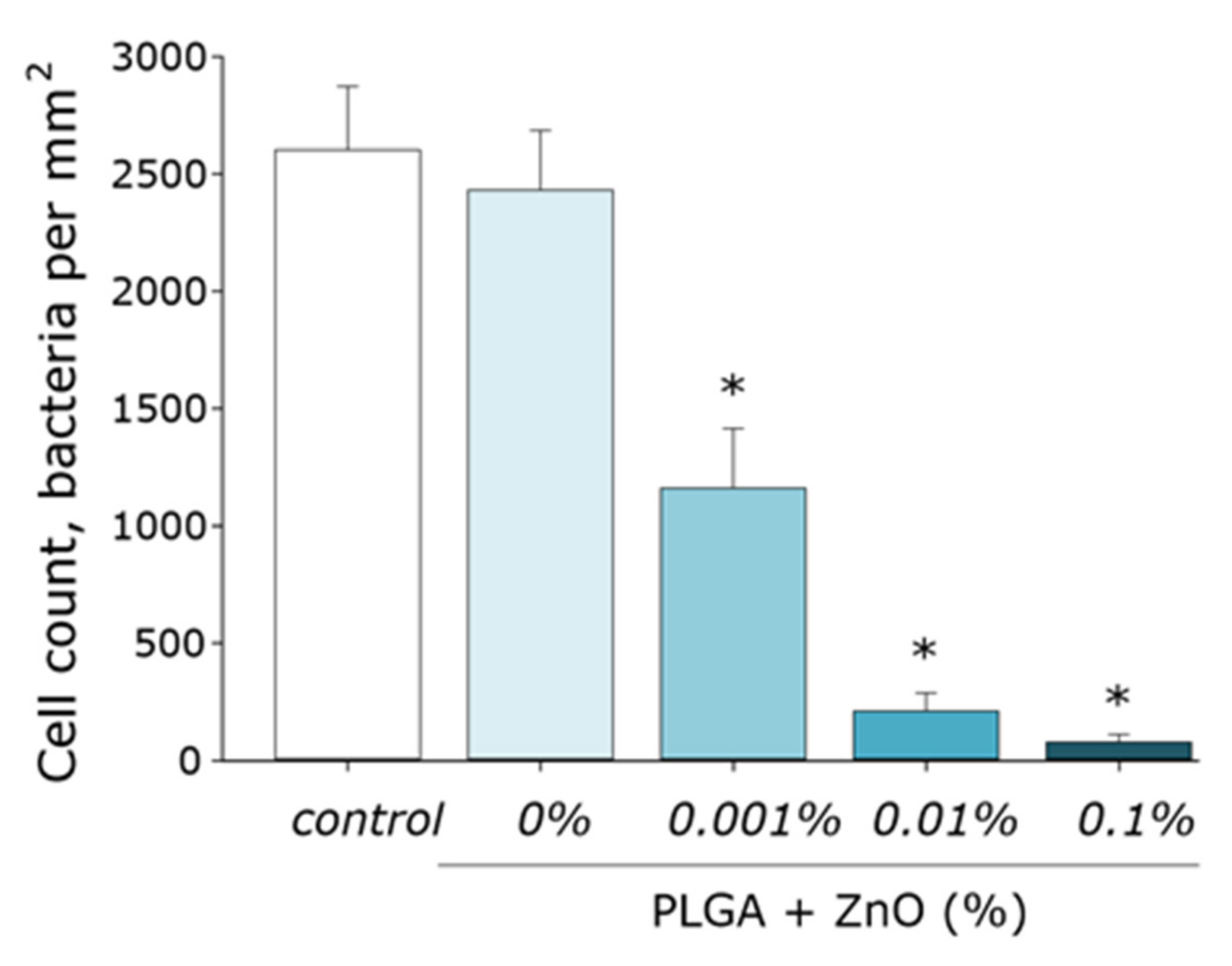
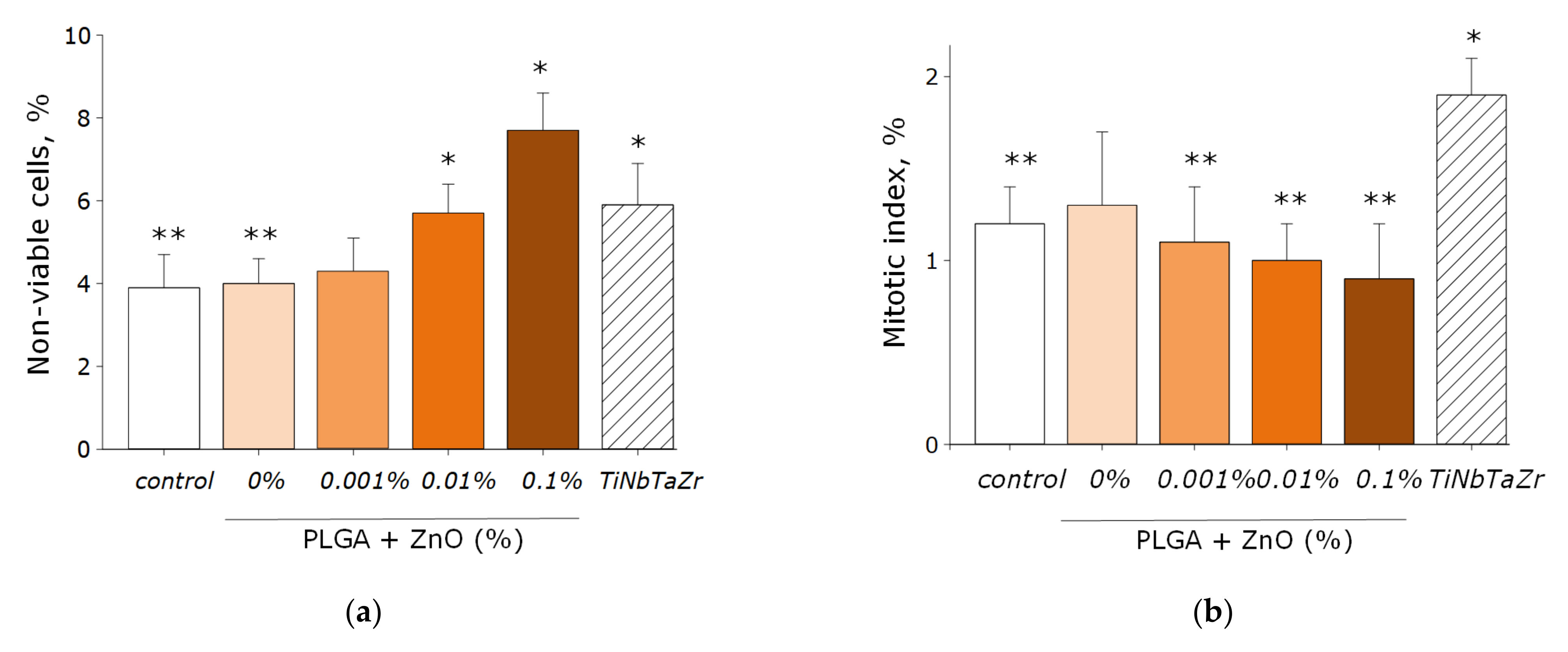
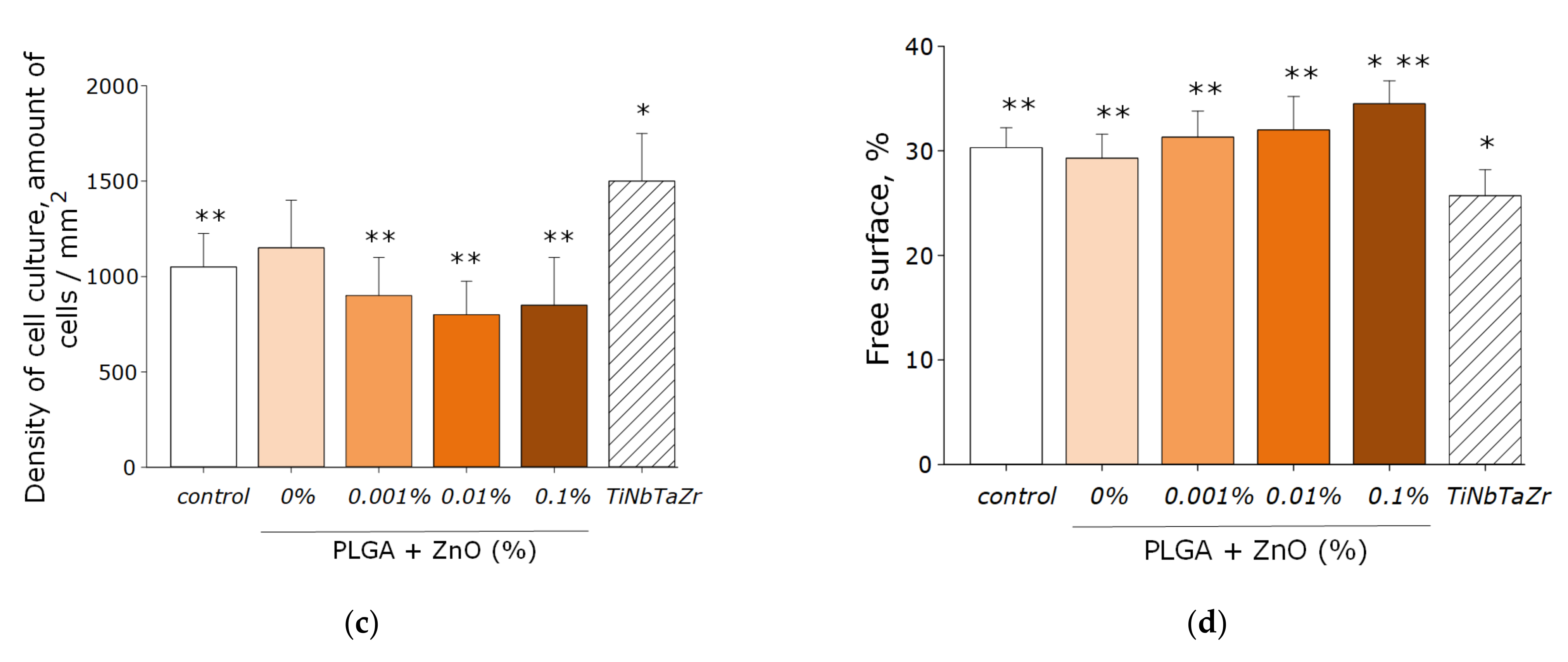
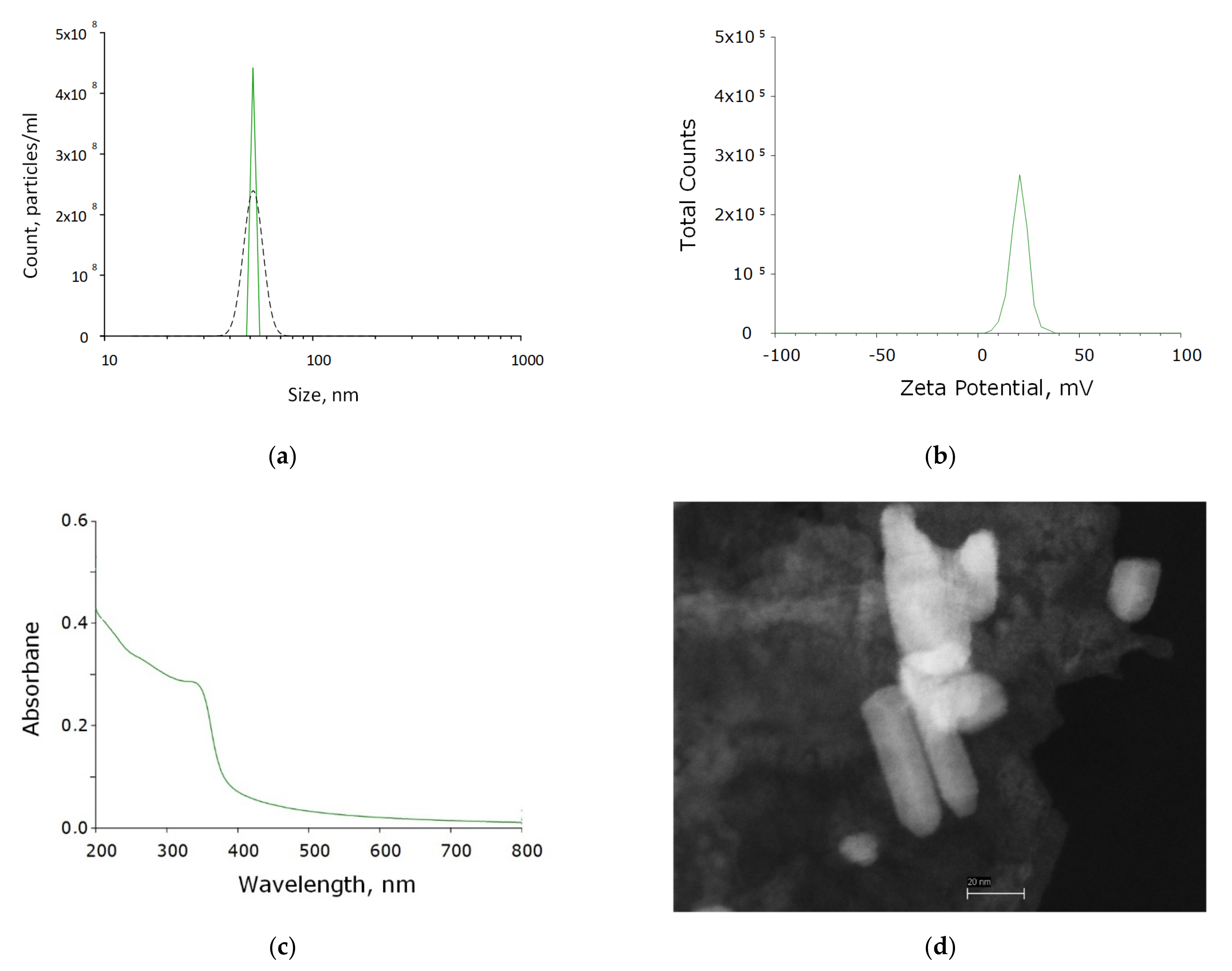
A low-temperature technology was developed for producing a nanocomposite based on poly (lactic-co-glycolic acid) and zinc oxide nanoparticles (ZnO-NPs), synthesized by laser ablation. Nanocomposites were created containing 0.001, 0.01, and 0.1% of zinc oxide nanoparticles with rod-like morphology and a size of 40–70 nm. The surface of the films from the obtained nanomaterial was uniform, without significant defects. Clustering of ZnO-NPs in the PLGA matrix was noted, which increased with an increase in the concentration of the dopant in the polymer. The resulting nanomaterial was capable of generating reactive oxygen species (ROS), such as hydrogen peroxide and hydroxyl radicals. The rate of ROS generation increased with an increase in the concentration of the dopant. It was shown that the synthesized nanocomposite promotes the formation of long-lived reactive protein species, and is also the reason for the appearance of a key biomarker of oxidative stress, 8-oxoguanine, in DNA. The intensity of the process increased with an increase in the concentration of nanoparticles in the matrix. It was found that the nanocomposite exhibits significant bacteriostatic properties, the severity of which depends on the concentration of nanoparticles. In particular, on the surface of the PLGA–ZnO-NPs composite film containing 0.001% nanoparticles, the number of bacterial cells was 50% lower than that of pure PLGA. The surface of the composite is non-toxic to eukaryotic cells and does not interfere with their adhesion, growth, and division. Due to its low cytotoxicity and bacteriostatic properties, this nanocomposite can be used as coatings for packaging in the food industry, additives for textiles, and also as a material for biomedicine.
Keywords: zinc oxide; nanoparticles; poly(lactic-co-glycolic acid); PLGA; composite; biocompatibility; antibacterial; cytotoxicity zinc oxide; nanoparticles; poly(lactic-co-glycolic acid); PLGA; composite; biocompatibility; antibacterial; cytotoxicity