Article

Thermal Behaviour of Microgels Composed of Interpenetrating Polymer Networks of Poly(N-isopropylacrylamide) and Poly(acrylic acid): A Calorimetric Study

1
Department of Basic and Applied Sciences for Engineering, Sapienza University of Rome, Via Antonio Scarpa 14, 00161 Roma, Italy
2
Institute of Complex Systems (ISC-CNR), Sede Sapienza, Piazzale Aldo Moro 2, 00185 Roma, Italy
3
Photonics Micro and Nanostructures Laboratory, Fusion and Technologies for Nuclear Safety and Security Department, ENEA C.R. Frascati, V. E. Fermi, 45, 00044 Frascati, Italy
4
Department of Chemical and Pharmaceutical Sciences, University of Ferrara, 44121 Ferrara, Italy
5
Institute of Organic Synthesis and Photoreactivity (ISOF-CNR), Via Piero Gobetti, 101, 49128 Bologna, Italy
6
Department of Physics, Sapienza University of Rome, Piazzale Aldo Moro 2, 00185 Roma, Italy
*
Authors to whom correspondence should be addressed.
Polymers 2022, 14(1), 115; https://doi.org/10.3390/polym14010115
Submission received: 16 December 2021 / Revised: 23 December 2021 / Accepted: 26 December 2021 / Published: 29 December 2021
(This article belongs to the Special Issue Polymer Microgels: Synthesis and Application)

Abstract

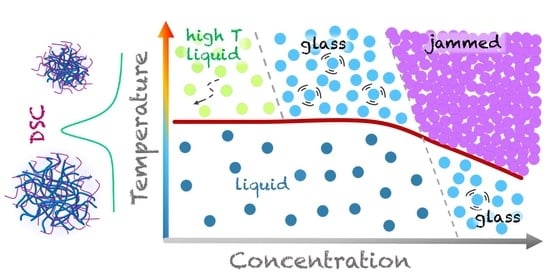
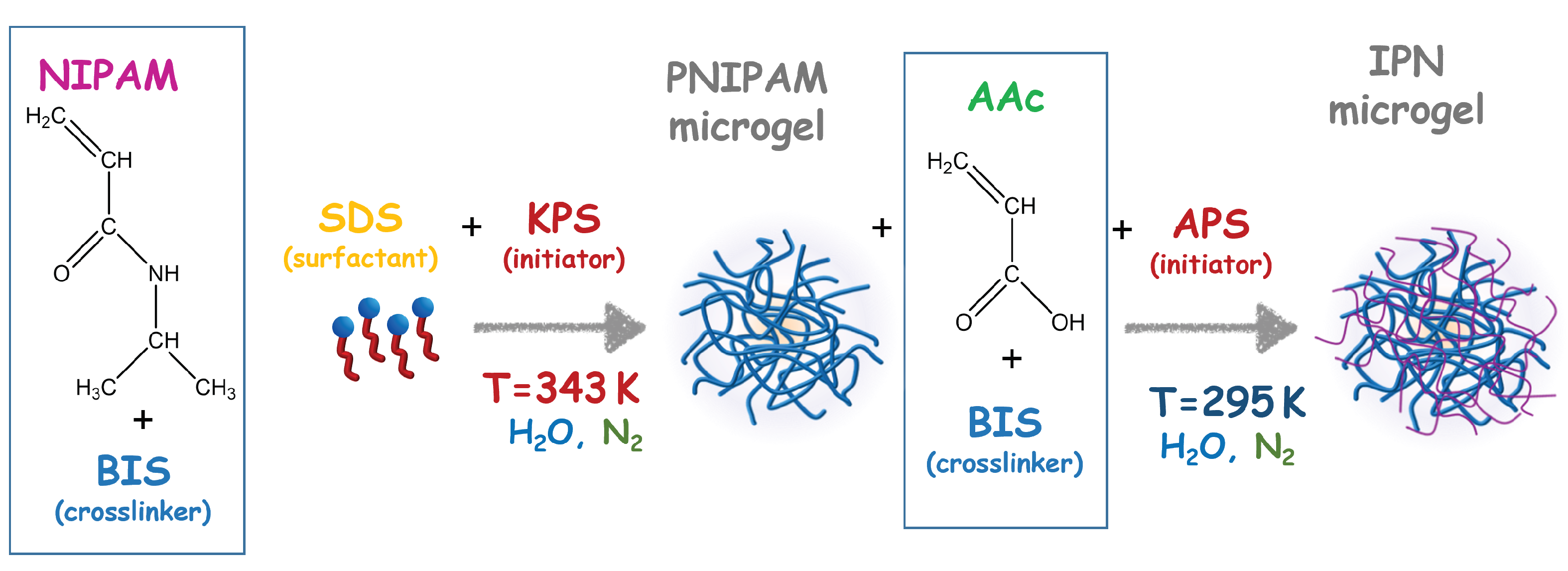
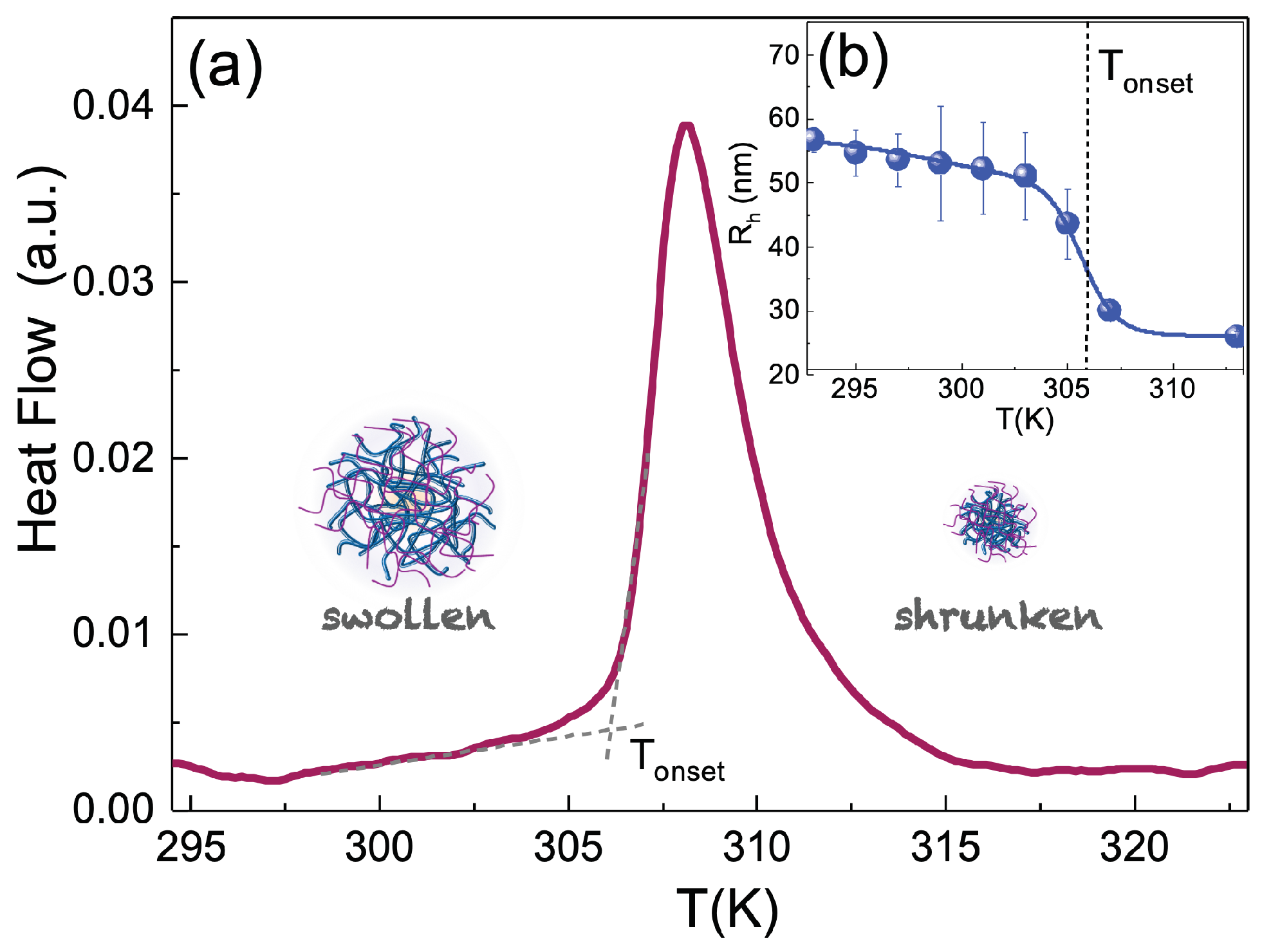
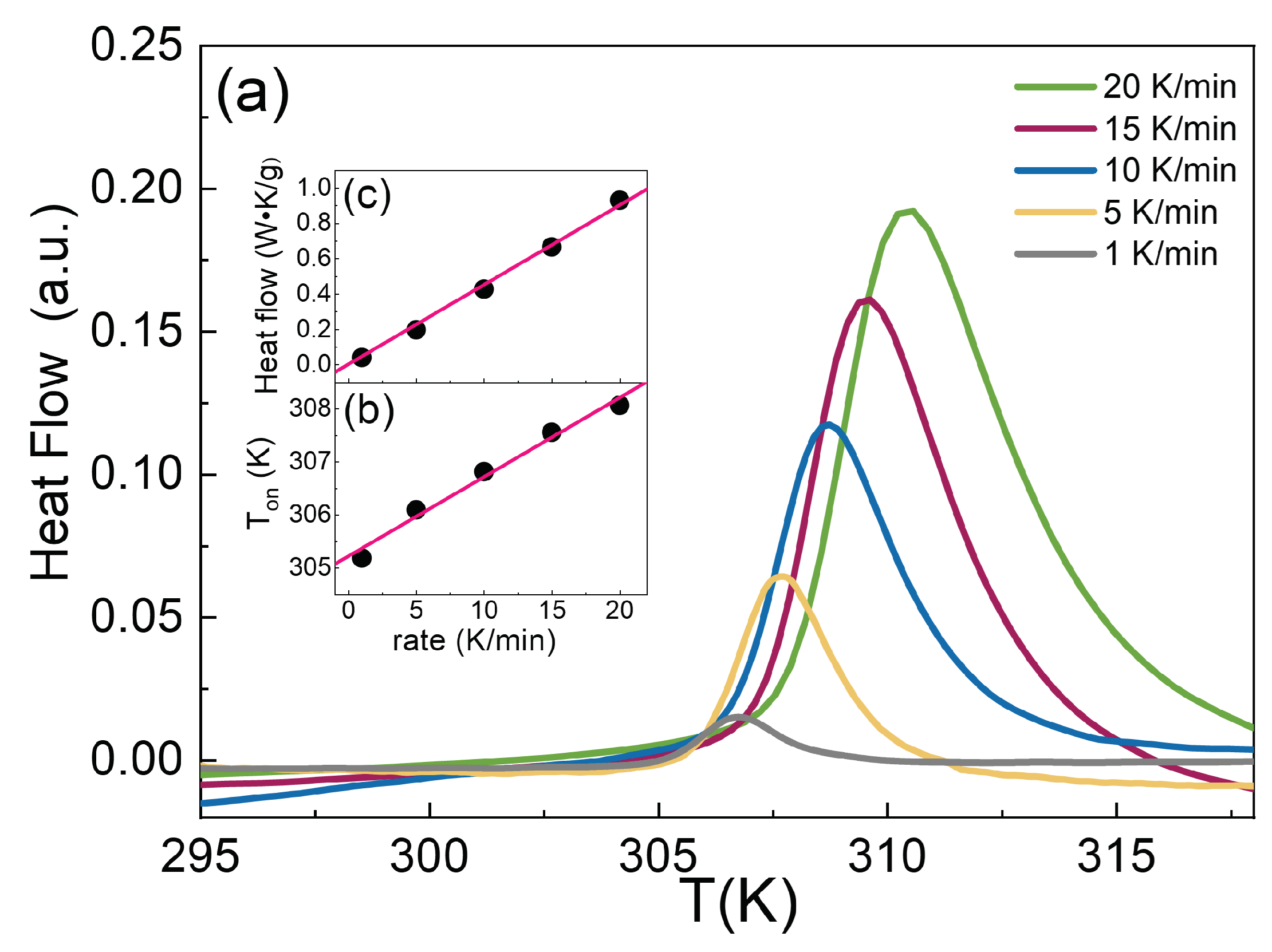
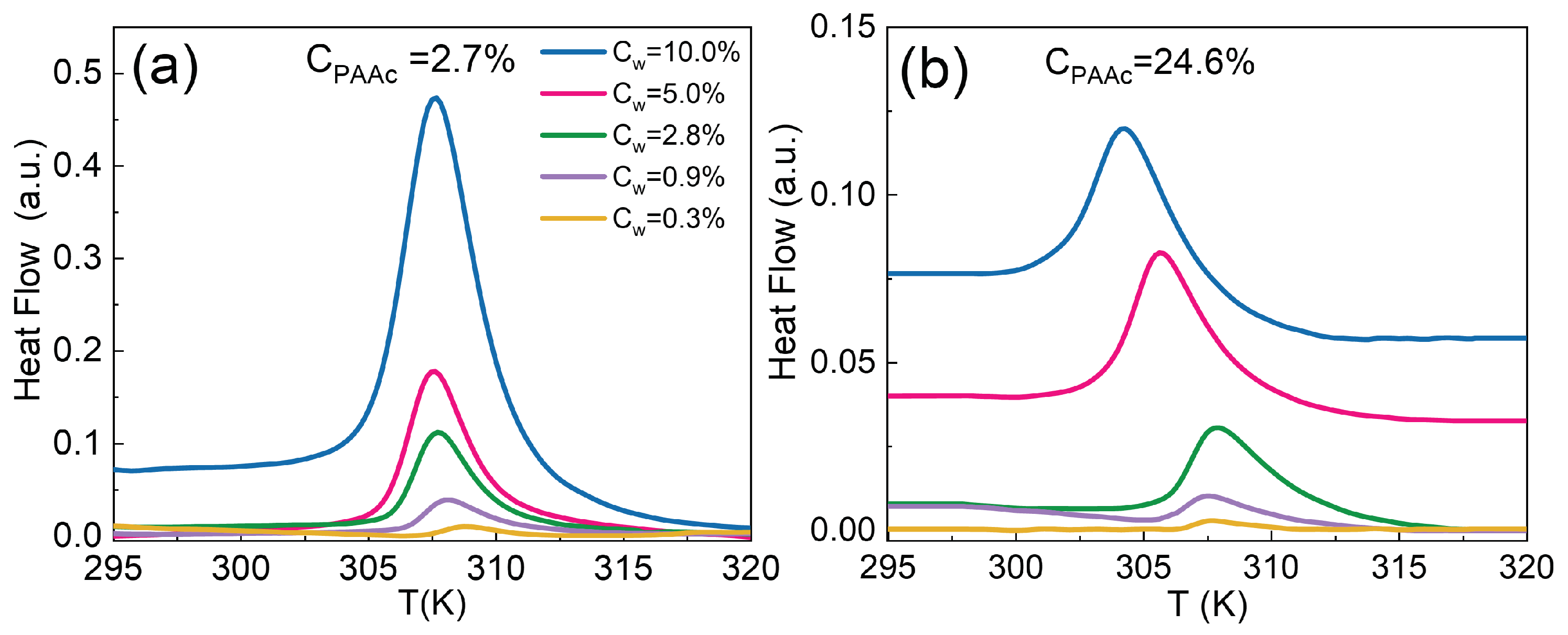
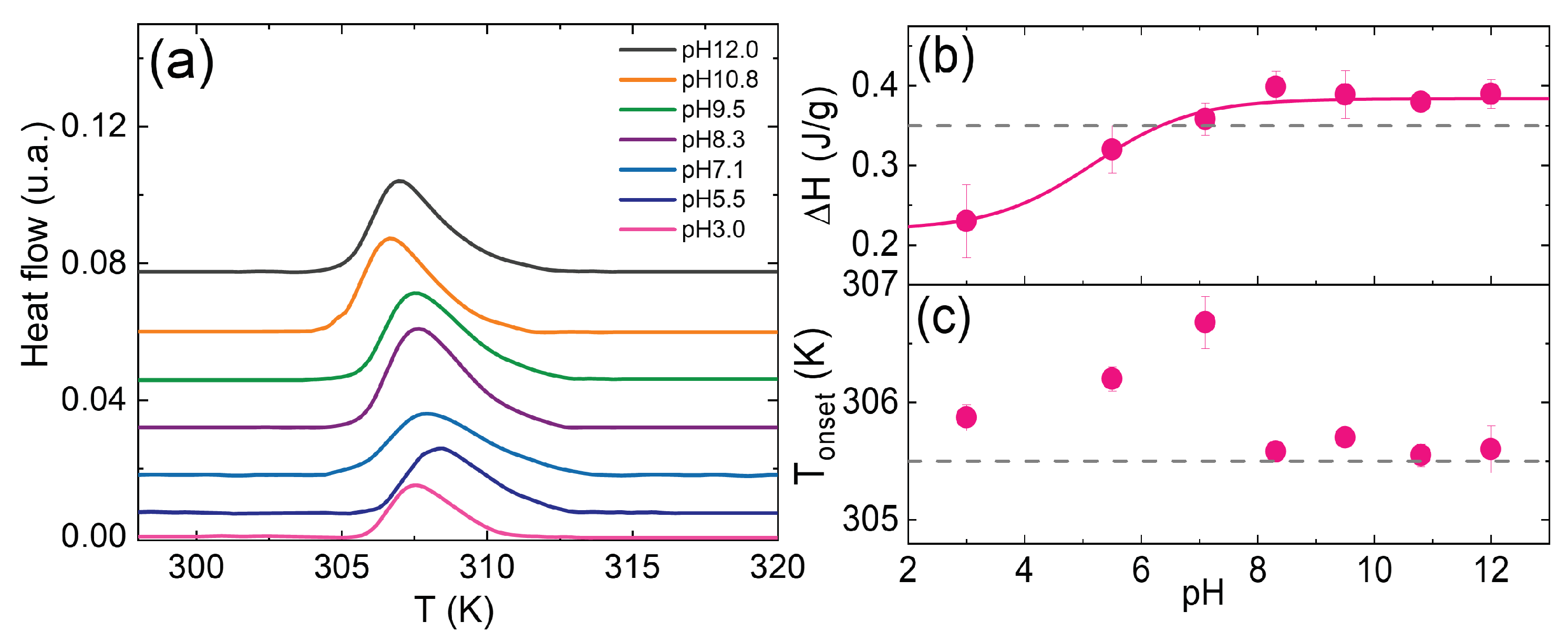
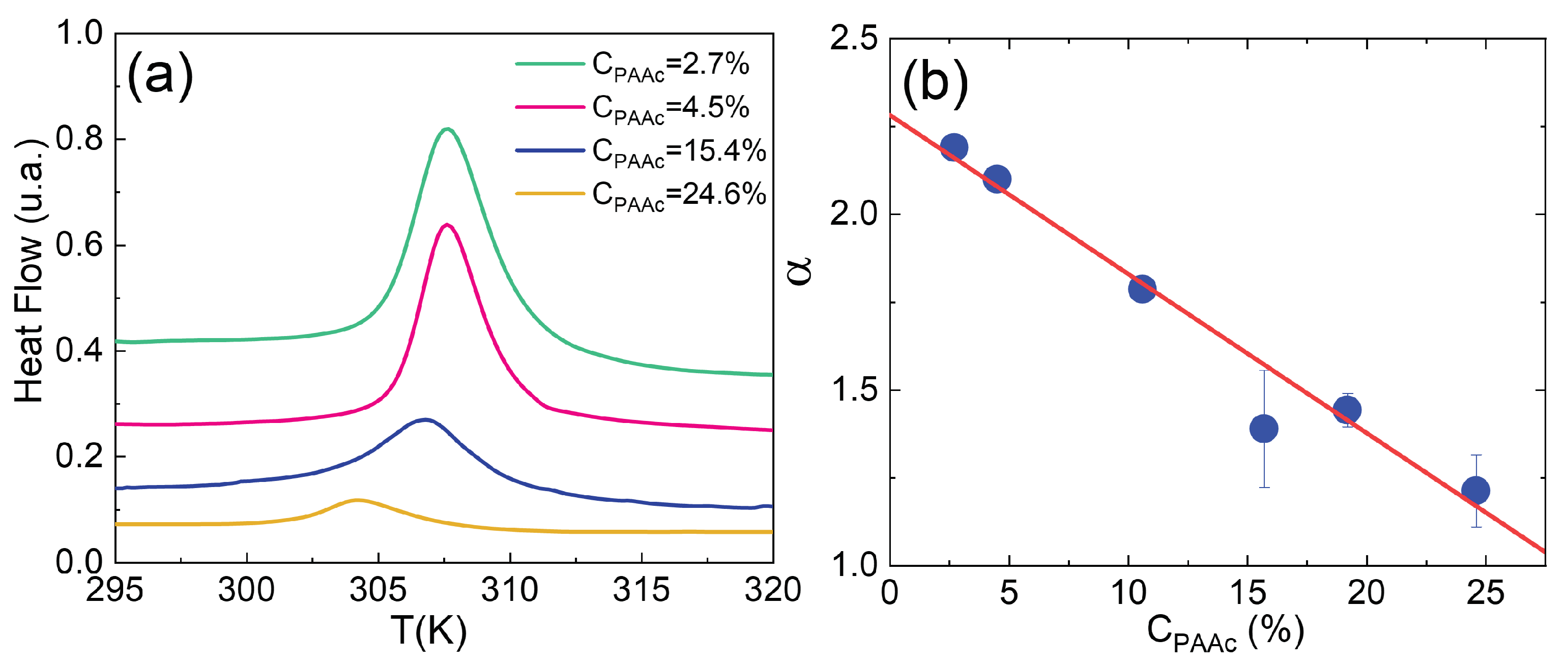
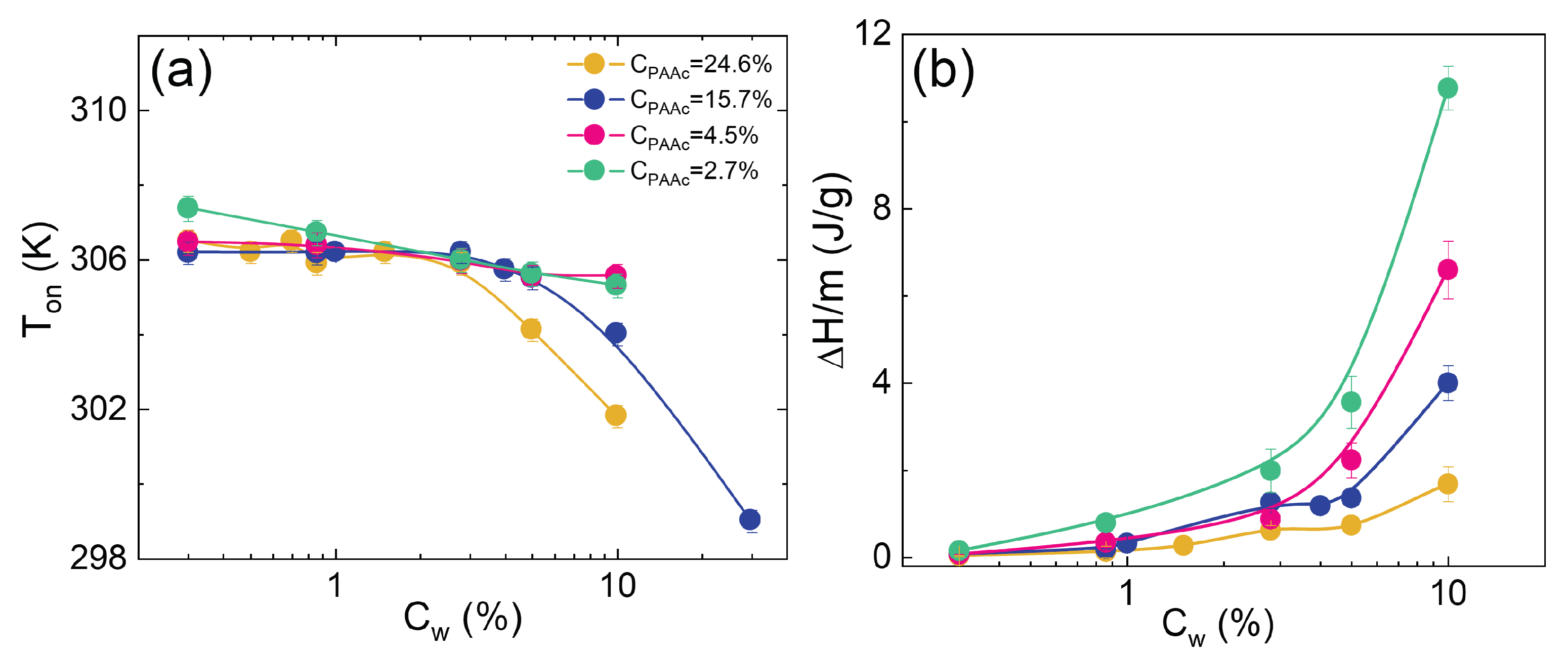
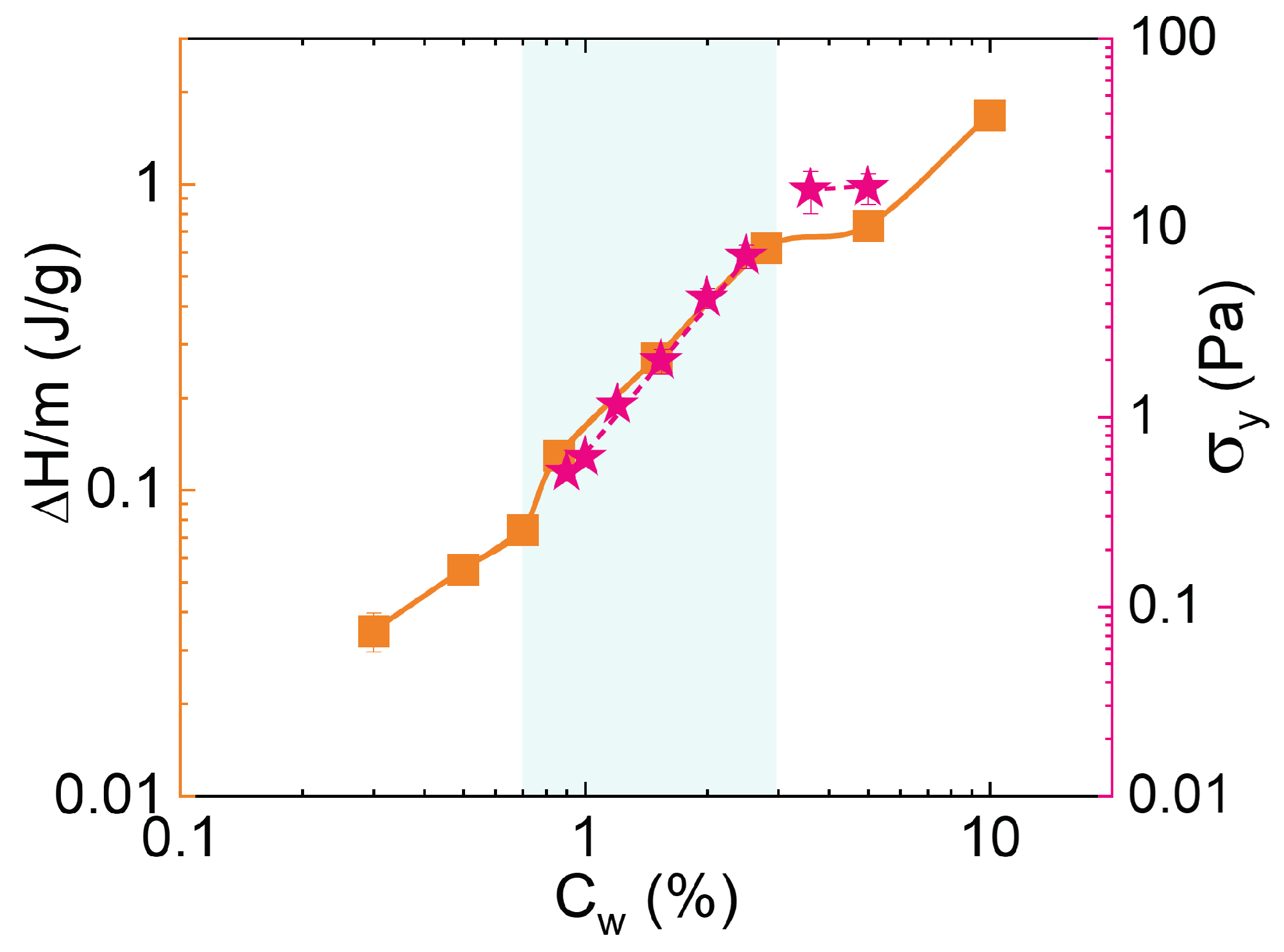
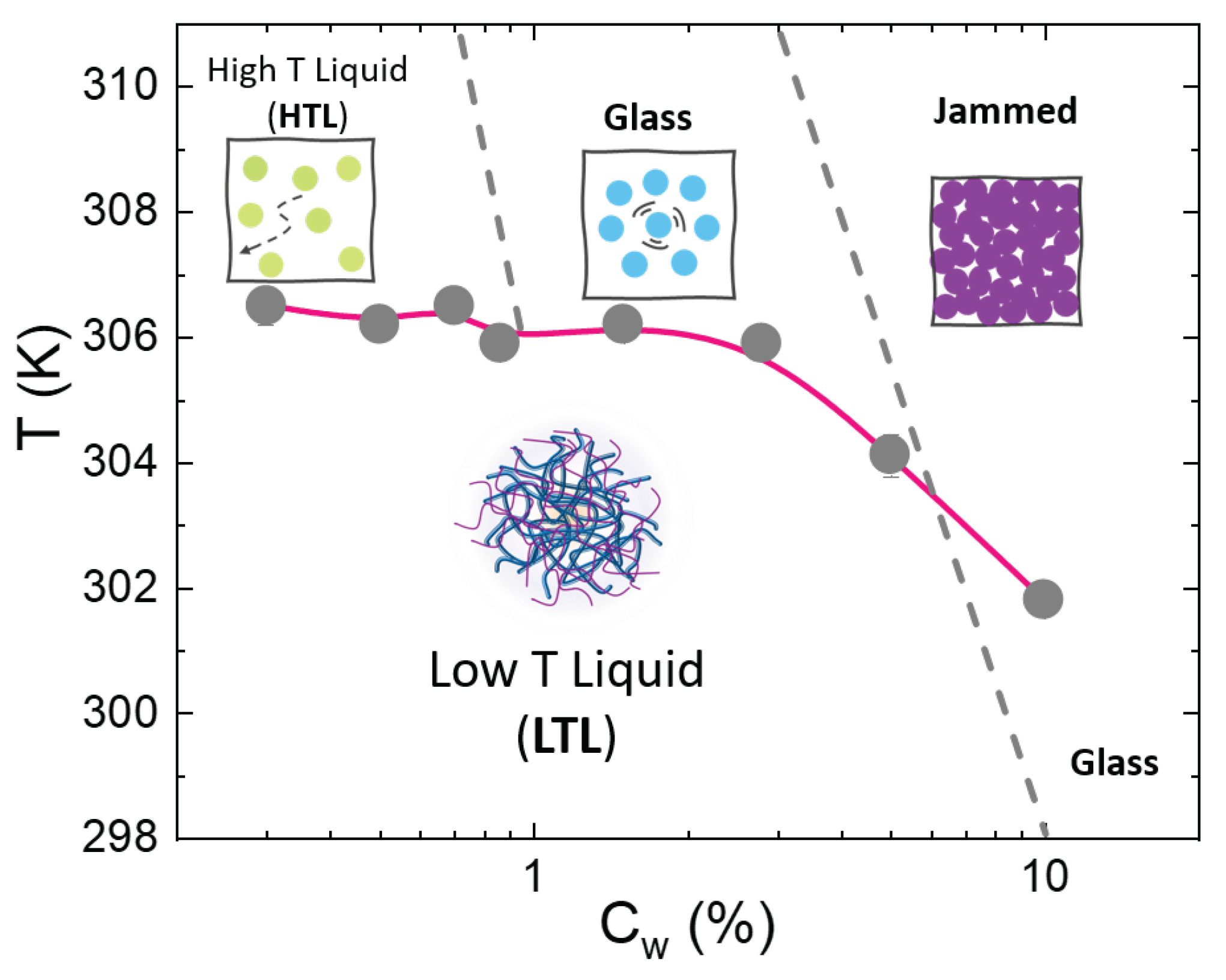
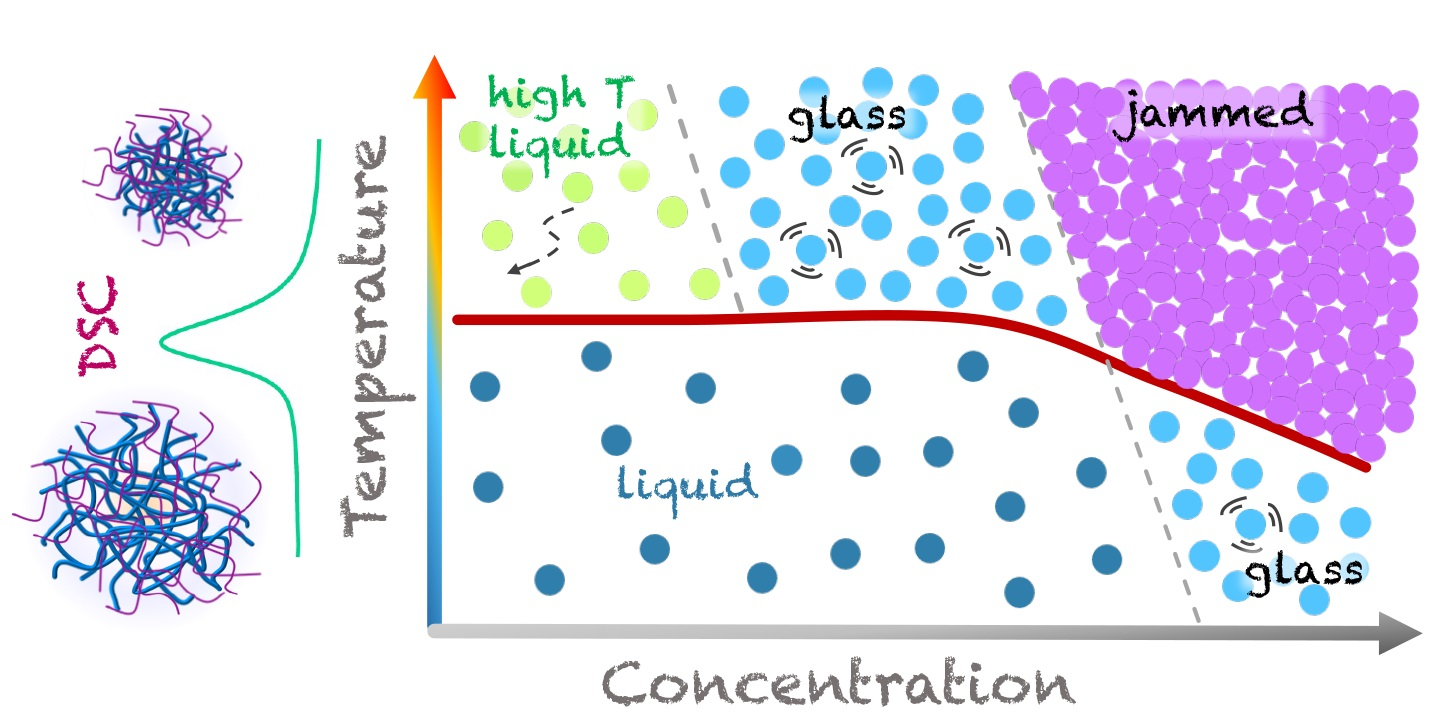
Stimuli-responsive microgels have recently attracted great attention in fundamental research as their soft particles can be deformed and compressed at high packing fractions resulting in singular phase behaviours. Moreover, they are also well suited for a wide variety of applications such as drug delivery, tissue engineering, organ-on-chip devices, microlenses fabrication and cultural heritage. Here, thermoresponsive and pH-sensitive cross-linked microgels, composed of interpenetrating polymer networks of poly(N-isopropylacrylamide) (PNIPAM) and poly(acrylic acid) (PAAc), are synthesized by a precipitation polymerization method in water and investigated through differential scanning calorimetry in a temperature range across the volume phase transition temperature of PNIPAM microgels. The phase behaviour is studied as a function of heating/cooling rate, concentration, pH and PAAc content. At low concentrations and PAAc contents, the network interpenetration does not affect the transition temperature typical of PNIPAM microgel in agreement with previous studies; on the contrary, we show that it induces a marked decrease at higher concentrations. DSC analysis also reveals an increase of the overall calorimetric enthalpy with increasing concentration and a decrease with increasing PAAc content. These findings are discussed and explained as related to emerging aggregation processes that can be finely controlled by properly changing concentration, PAAc content an pH. A deep analysis of the thermodynamic parameters allows to draw a temperature–concentration state diagram in the investigated concentration range.
Keywords: calorimetry; thermoresponsiveness; microgels; soft colloids; rheology; glass; jamming; poly(N-isopropylacrylamide) calorimetry; thermoresponsiveness; microgels; soft colloids; rheology; glass; jamming; poly(N-isopropylacrylamide)
Graphical Abstract