Next Article in Journal
Yield and Selectivity Improvement in the Synthesis of Carbonated Linseed Oil by Catalytic Conversion of Carbon Dioxide
Next Article in Special Issue
Esterification of Lignin Isolated by Deep Eutectic Solvent Using Fatty Acid Chloride, and Its Composite Film with Poly(lactic acid)
Previous Article in Journal
Effects of Molecular Weight of Functionalized Liquid Butadiene Rubber as a Processing Aid on the Properties of SSBR/Silica Compounds
 
 
Correction published on 18 August 2021, see Polymers 2021, 13(16), 2777.
Article

Impact of Alkali and Silane Treatment on Hemp/PLA Composites’ Performance: From Micro to Macro Scale

1
Department of Material and Environmental Technology, Tallinn University of Technology, Ehitajate tee 5, 19086 Tallinn, Estonia
2
InnoRenew CoE, Livade 6, 6310 Izola, Slovenia
3
Andrej Marušič Institute, University of Primorska, Muzejski trg 2, 6000 Koper, Slovenia
4
Pulp and Paper Institute, Bogišićeva 8, 1000 Ljubljana, Slovenia
5
Department of Mechanical and Industrial Engineering, Tallinn University of Technology, Ehitajate tee 5, 19086 Tallinn, Estonia
*
Author to whom correspondence should be addressed.
Polymers 2021, 13(6), 851; https://doi.org/10.3390/polym13060851
Submission received: 18 February 2021 / Revised: 3 March 2021 / Accepted: 5 March 2021 / Published: 10 March 2021
(This article belongs to the Special Issue Bio-Based Polymer Composites)

Abstract

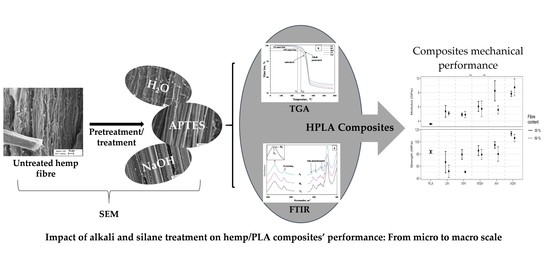
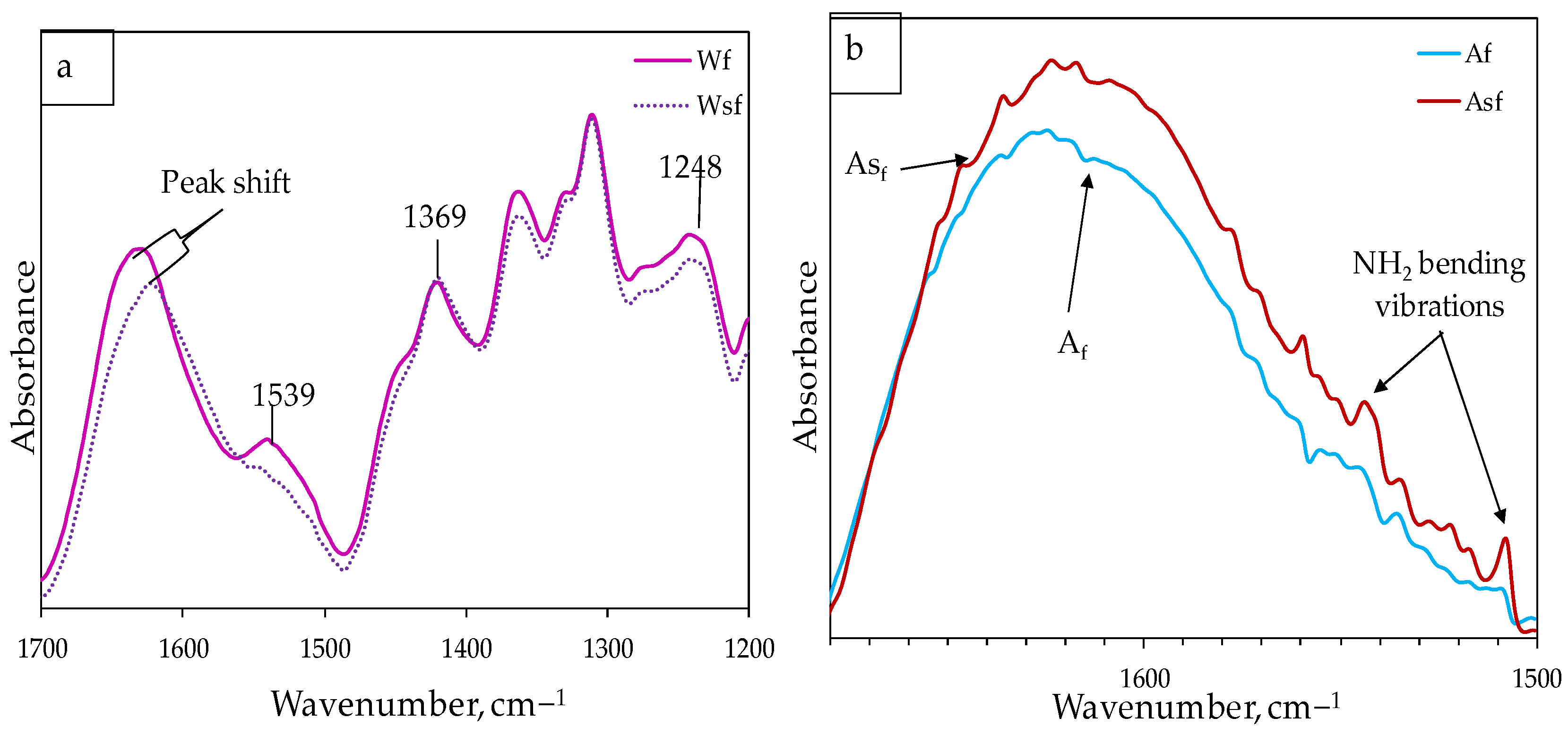
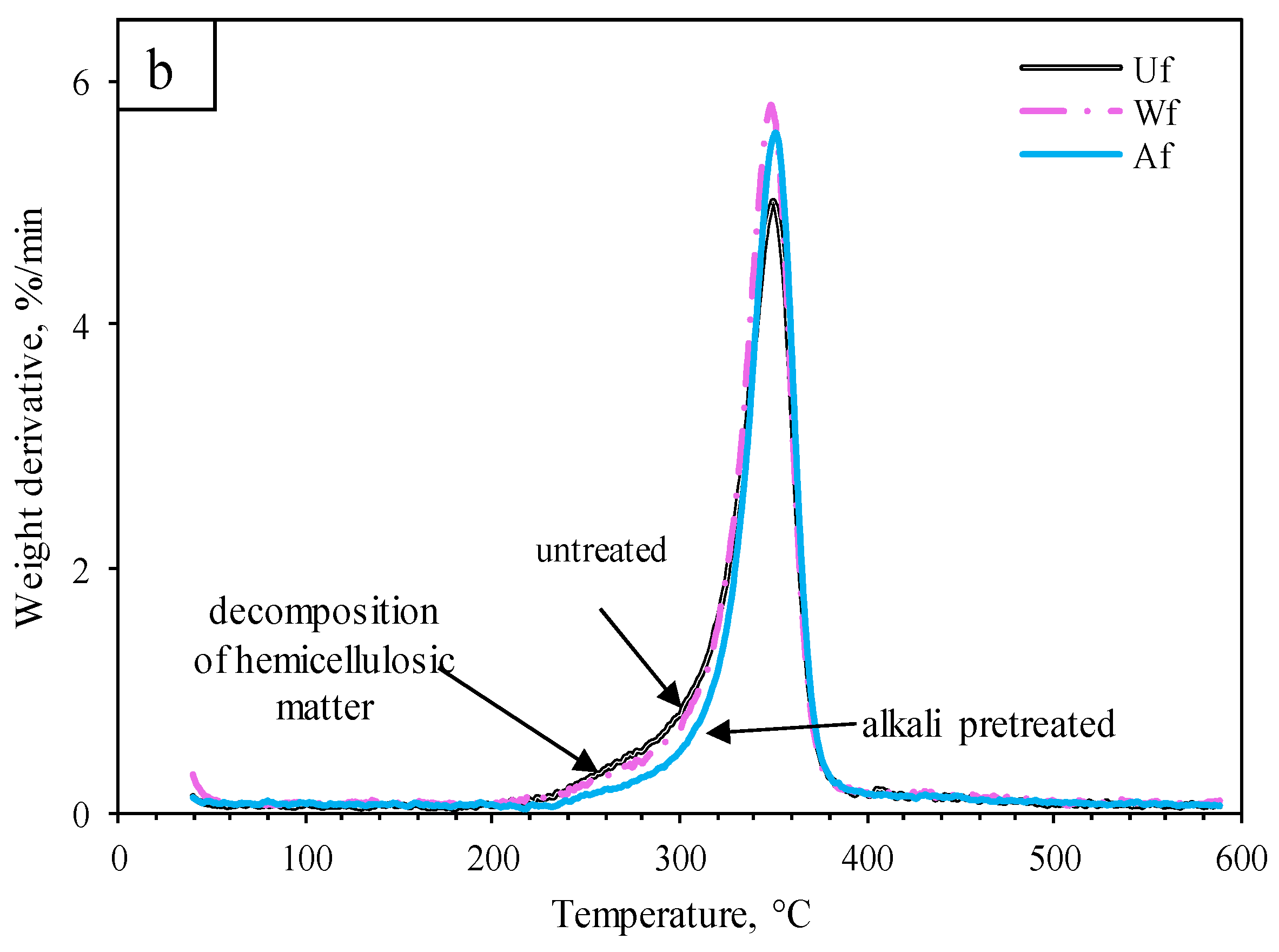
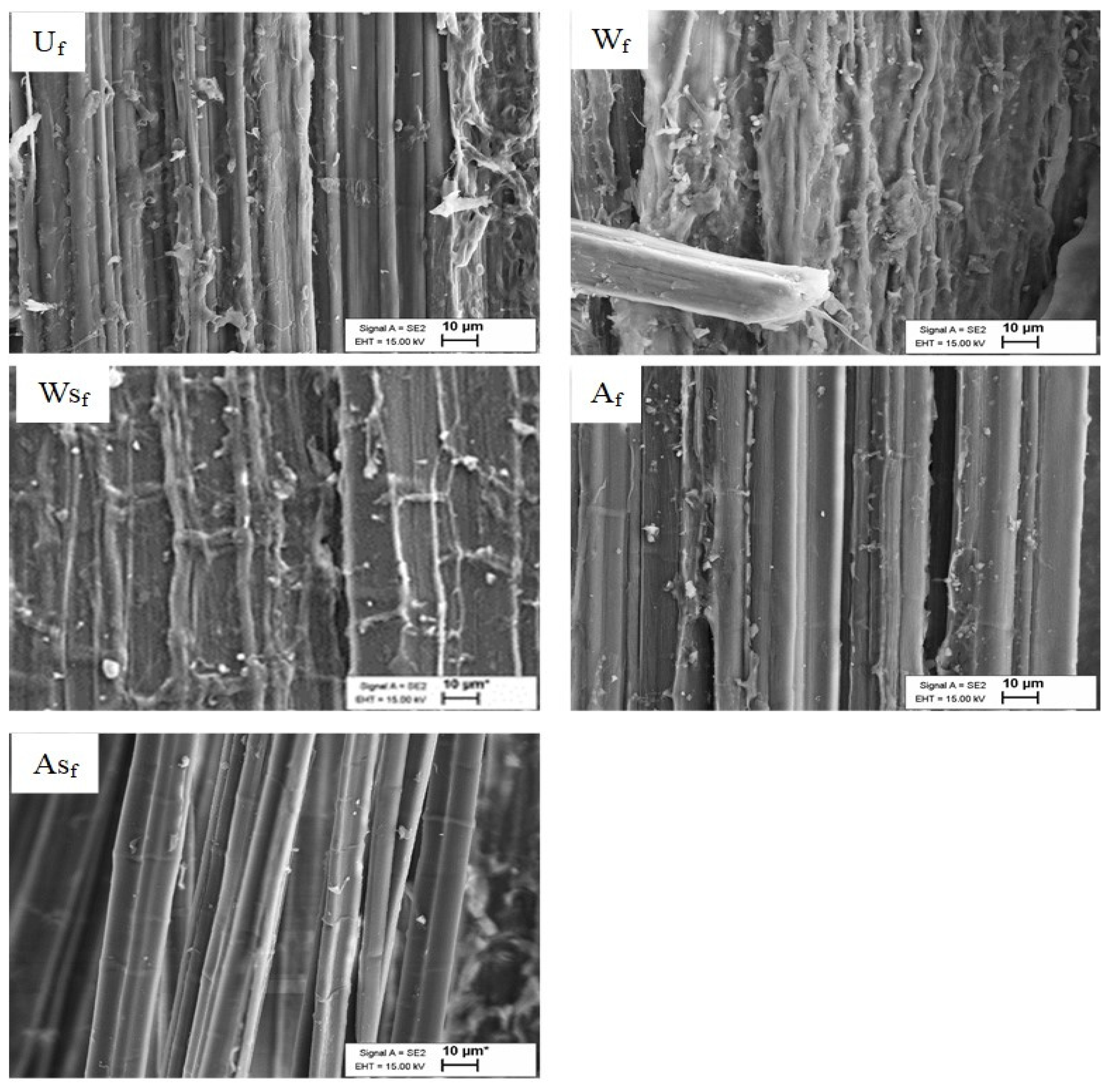
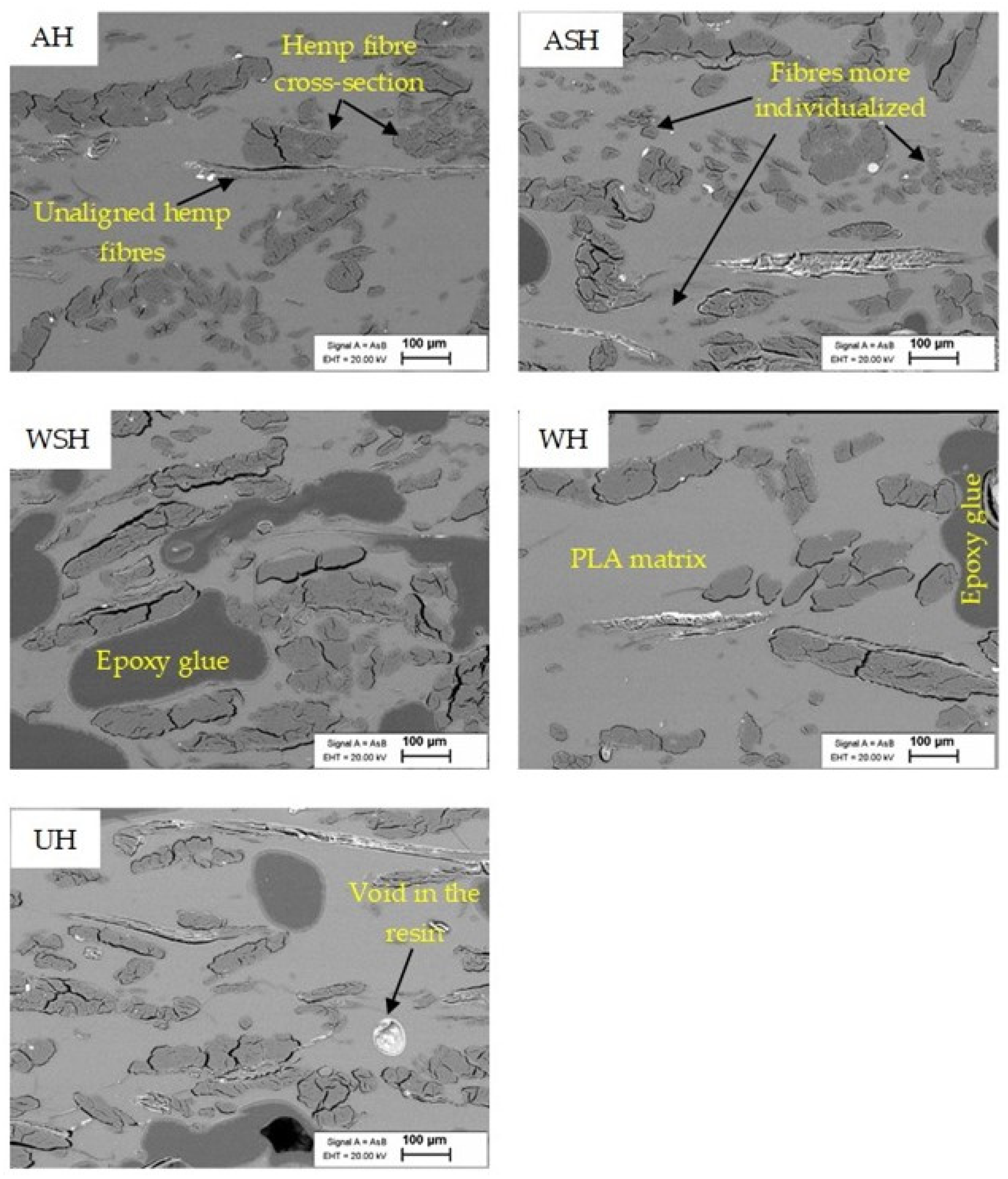
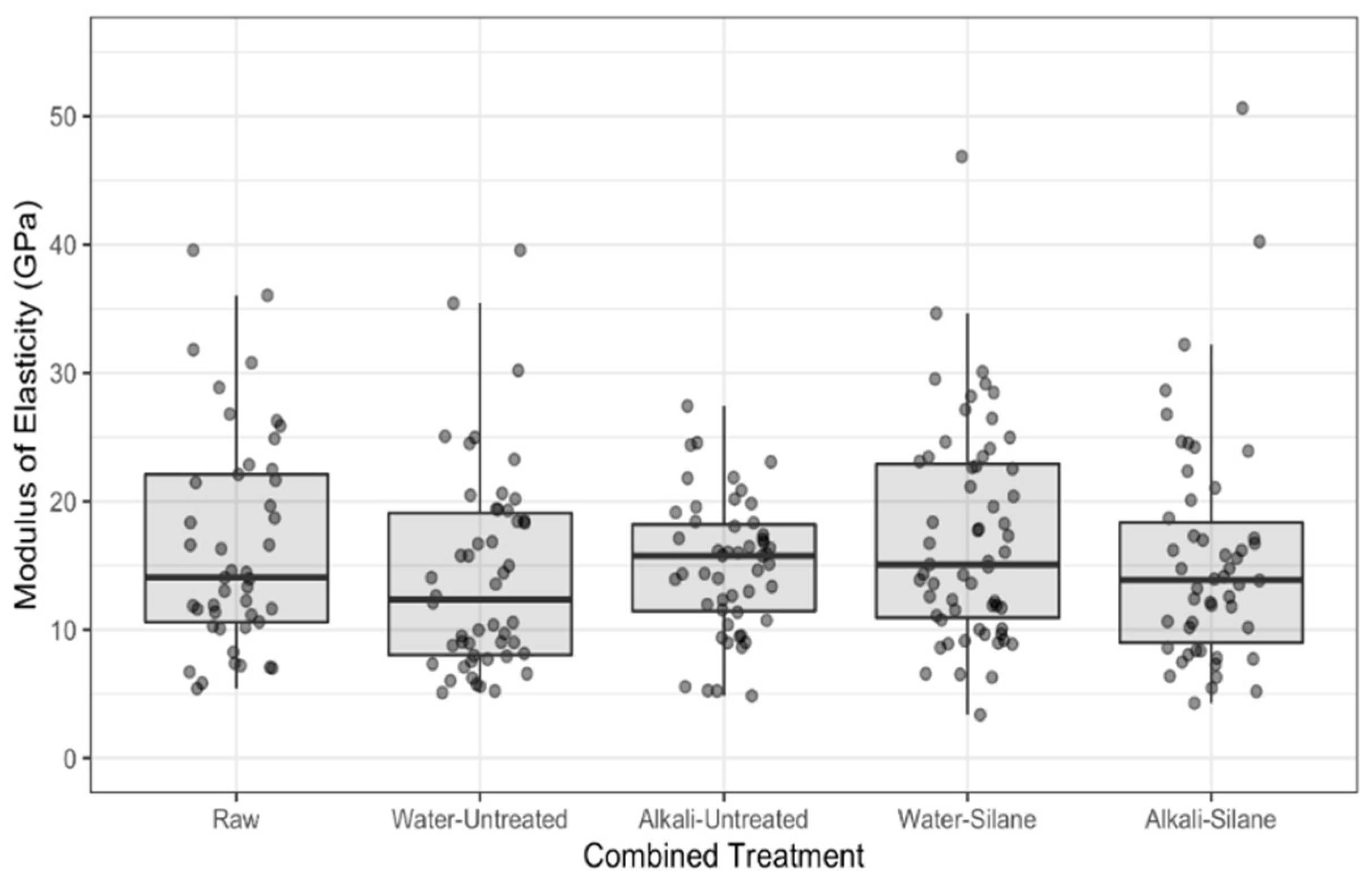
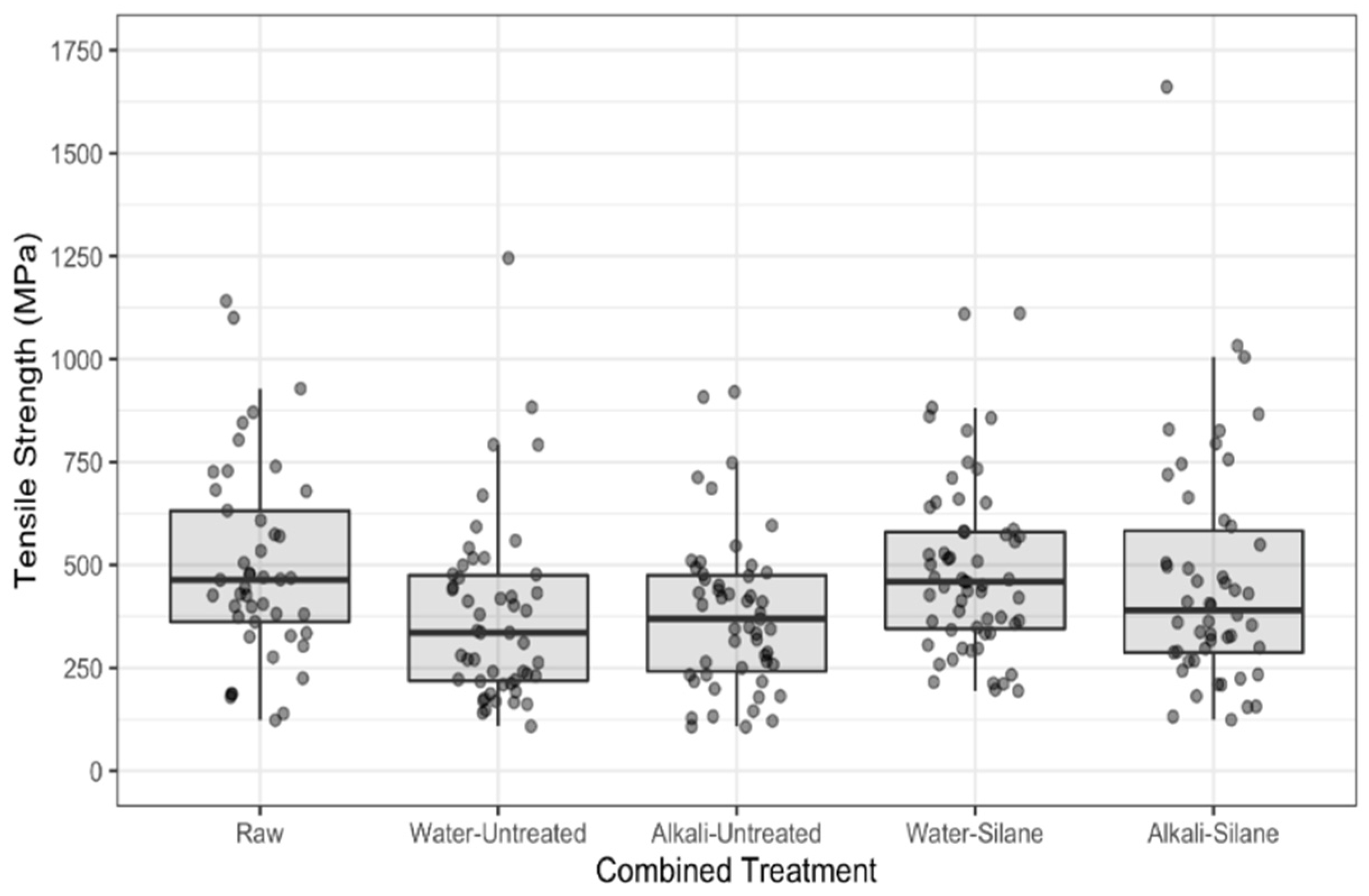
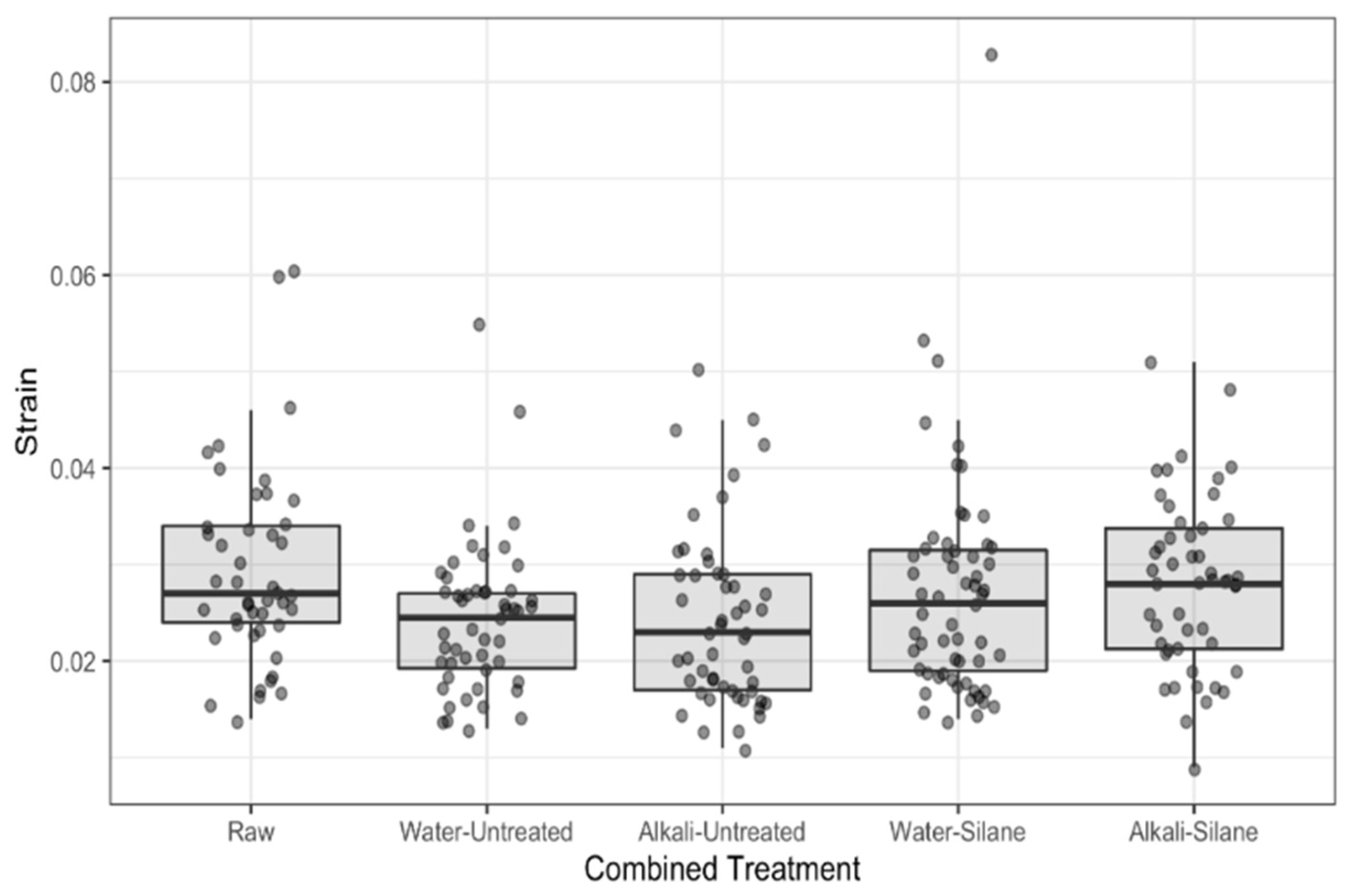
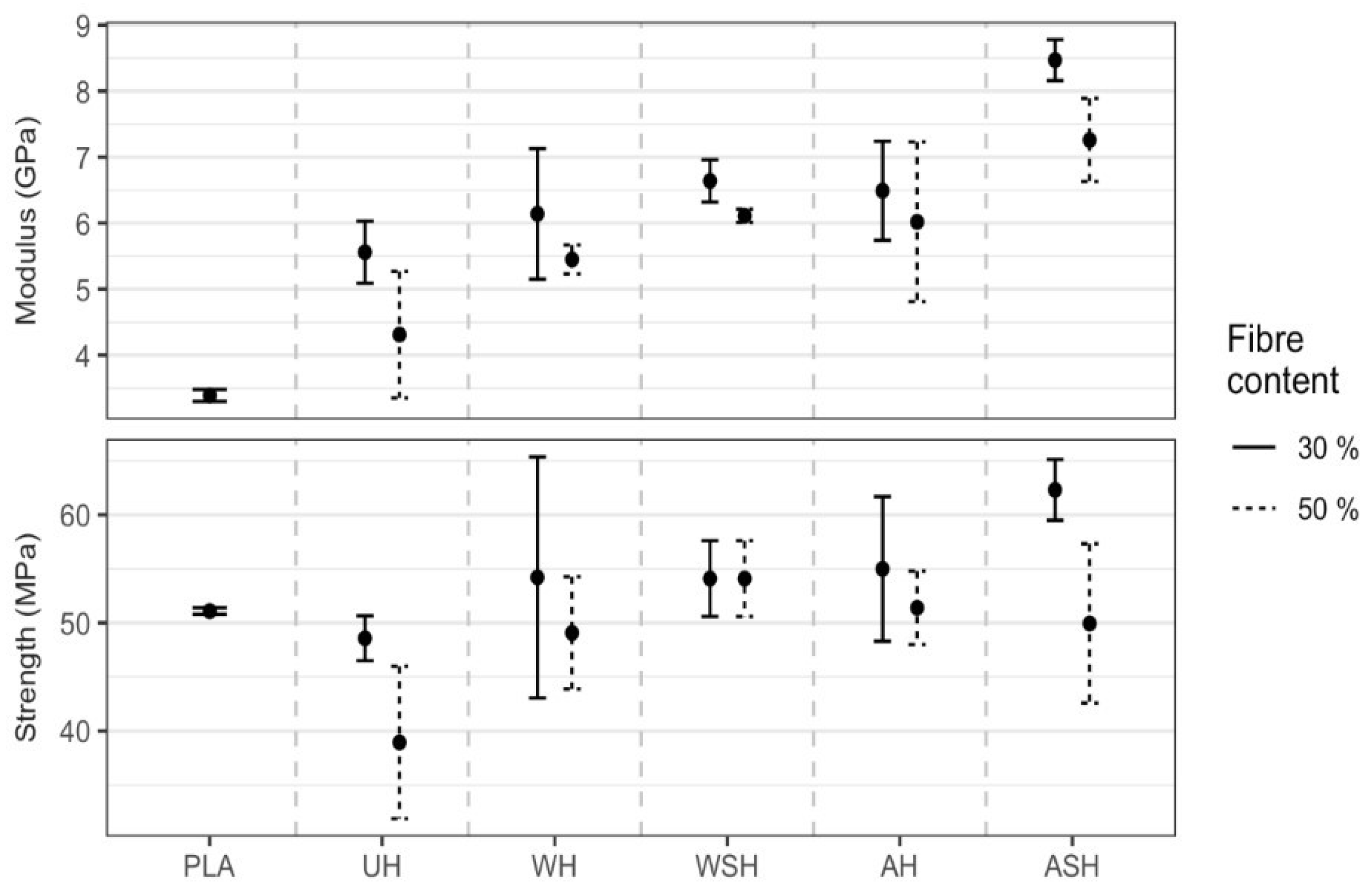
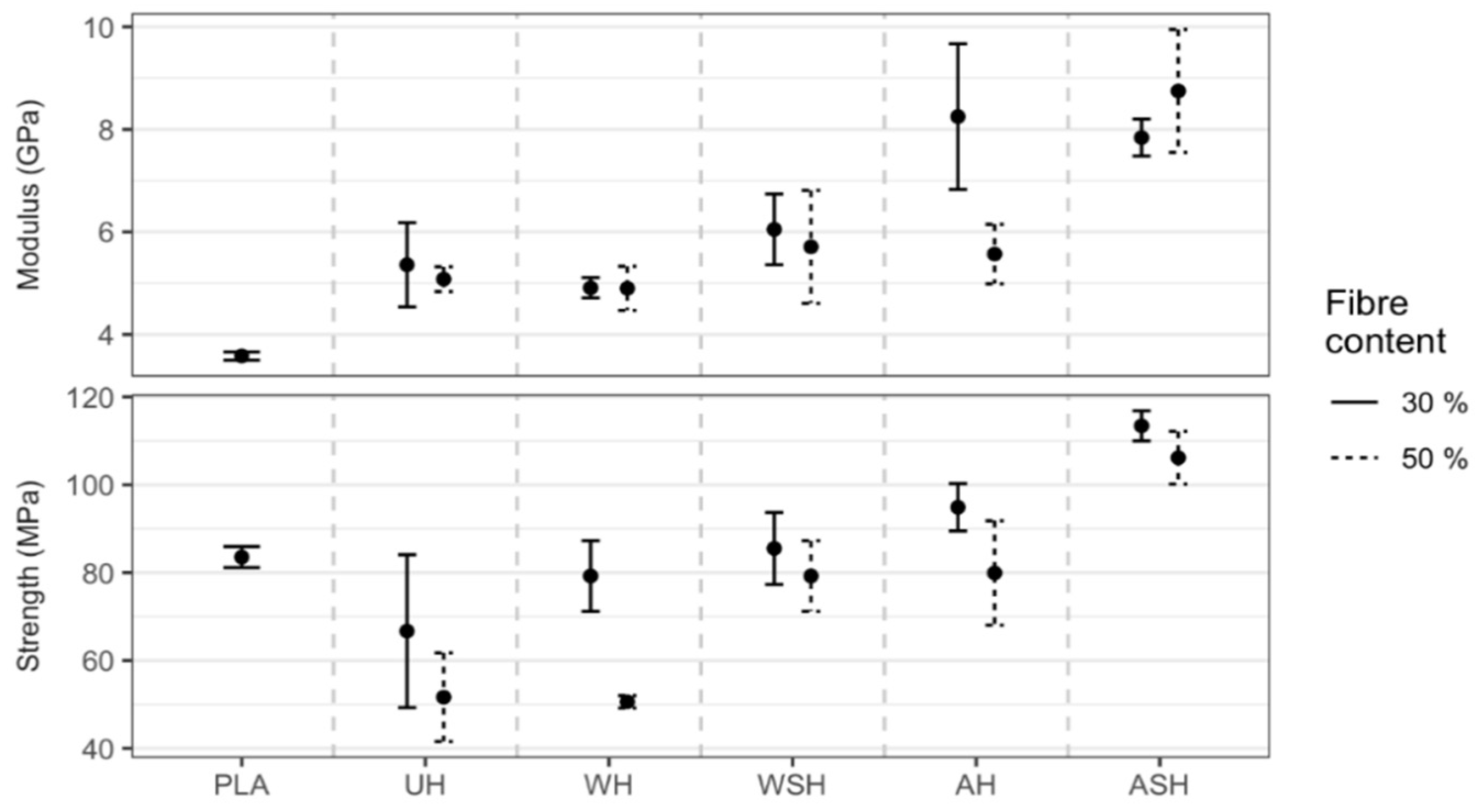
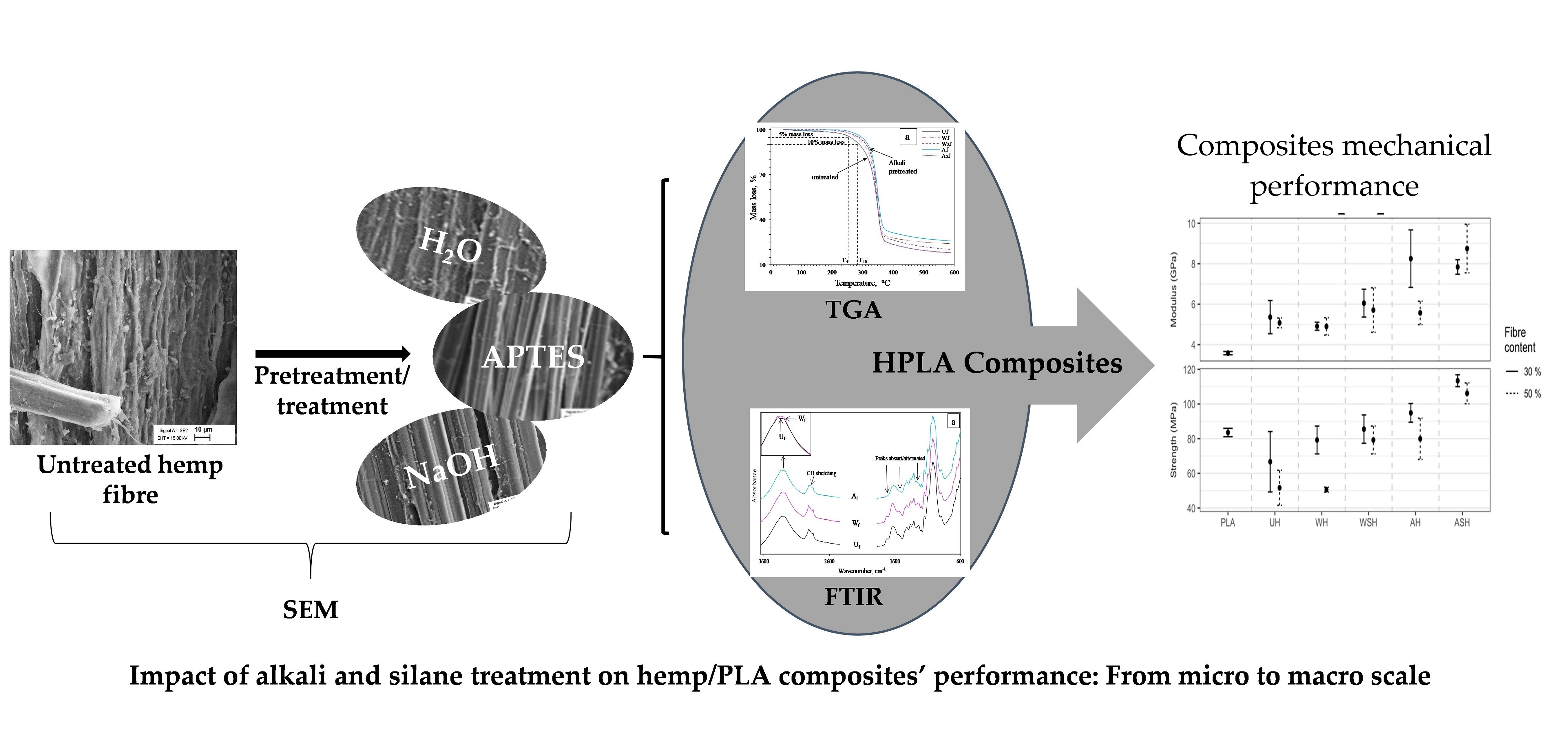
This study investigated the effect of hemp fiber pretreatments (water and sodium hydroxide) combined with silane treatment, first on the fiber properties (microscale) and then on polylactide (PLA) composite properties (macroscale). At the microscale, Fourier transform infrared, thermogravimetric analysis, and scanning electron microscopy investigations highlighted structural alterations in the fibers, with the removal of targeted components and rearrangement in the cell wall. These structural changes influenced unitary fiber properties. At the macroscale, both pretreatments increased the composites’ tensile properties, despite their negative impact on fiber performance. Additionally, silane treatment improved composite performance thanks to higher performance of the fibers themselves and improved fiber compatibility with the PLA matrix brought on by the silane couplings. PLA composites reinforced by 30 wt.% alkali and silane treated hemp fibers exhibited the highest tensile strength (62 MPa), flexural strength (113 MPa), and Young’s modulus (7.6 GPa). Overall, the paper demonstrates the applicability of locally grown, frost-retted hemp fibers for the development of bio-based composites with low density (1.13 to 1.23 g cm−3).
Keywords: hemp fibers; polylactic acid; biocomposite materials; mechanical properties; surface treatments hemp fibers; polylactic acid; biocomposite materials; mechanical properties; surface treatments
Graphical Abstract