Article

Fabricating Antibacterial and Antioxidant Electrospun Hydrophilic Polyacrylonitrile Nanofibers Loaded with AgNPs by Lignin-Induced In-Situ Method

1
Nano Fusion Technology Research Group, Institute for Fiber Engineering (IFES), Interdisciplinary Cluster for Cutting Edge Research (ICCER), Shinshu University, Tokida 3-15-1, Ueda, Nagano 386-8567, Japan
2
Department of Chemistry, Graduate School of Science, Kyoto University, Kitashirakawa-oiwakecho, Sakyo-ku, Kyoto 606-8502, Japan
*
Author to whom correspondence should be addressed.
Polymers 2021, 13(5), 748; https://doi.org/10.3390/polym13050748
Submission received: 15 February 2021 / Revised: 23 February 2021 / Accepted: 25 February 2021 / Published: 28 February 2021
(This article belongs to the Special Issue Metal Nanoparticles–Polymers Hybrid Materials II)

Abstract

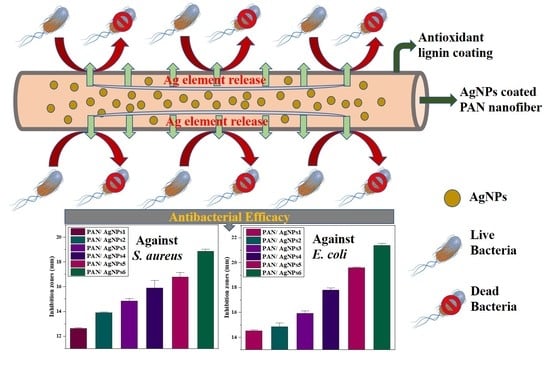
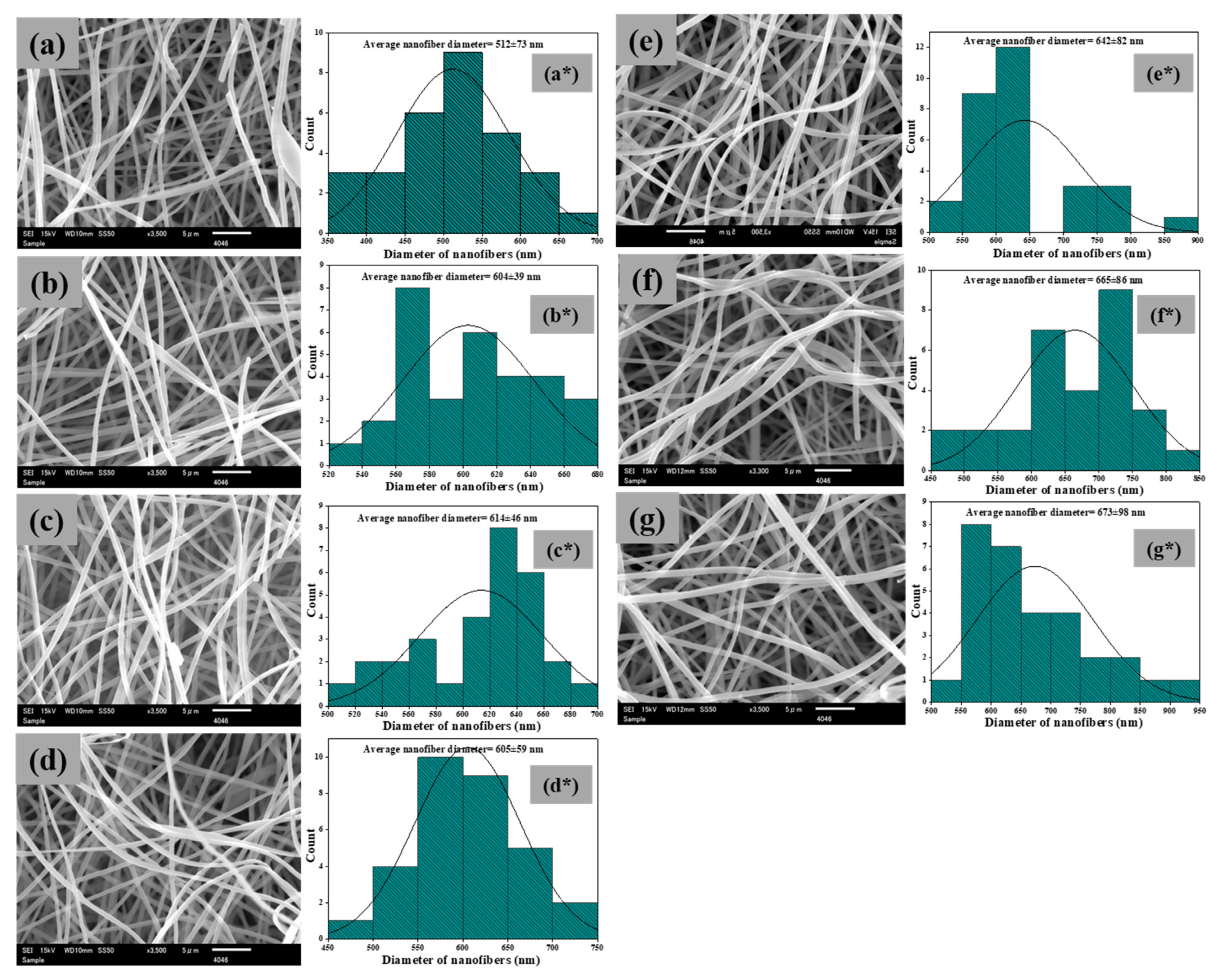
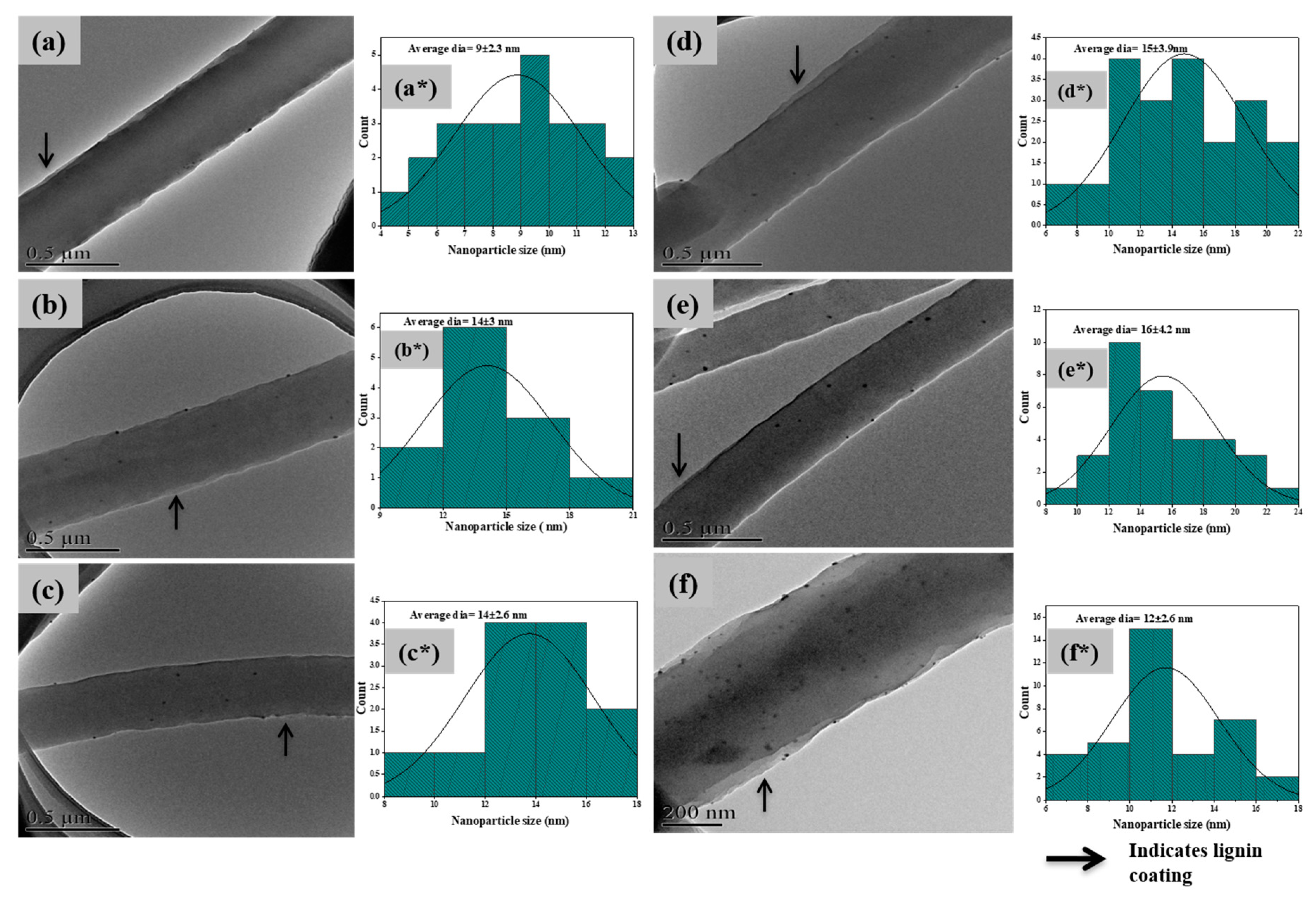
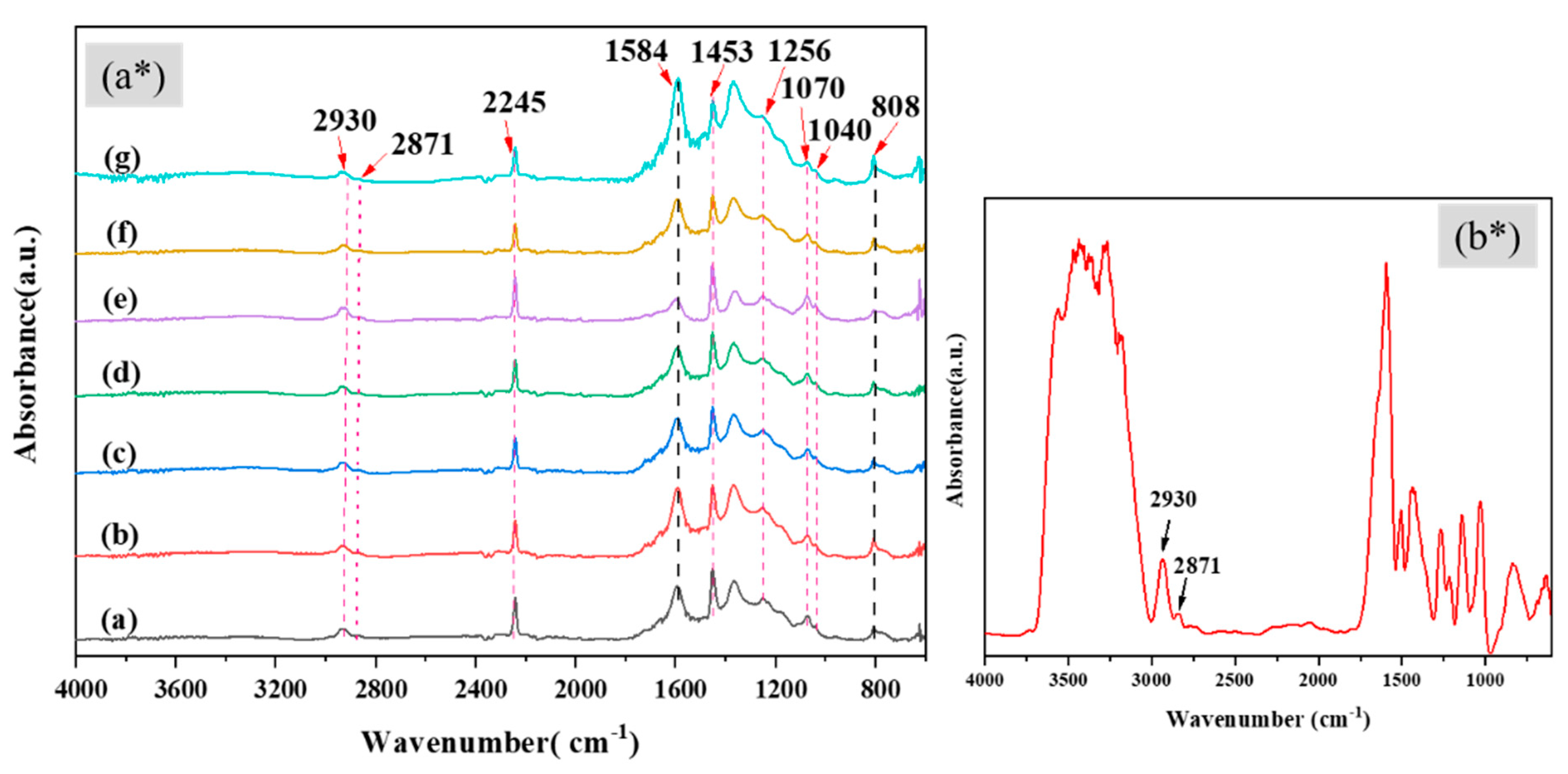
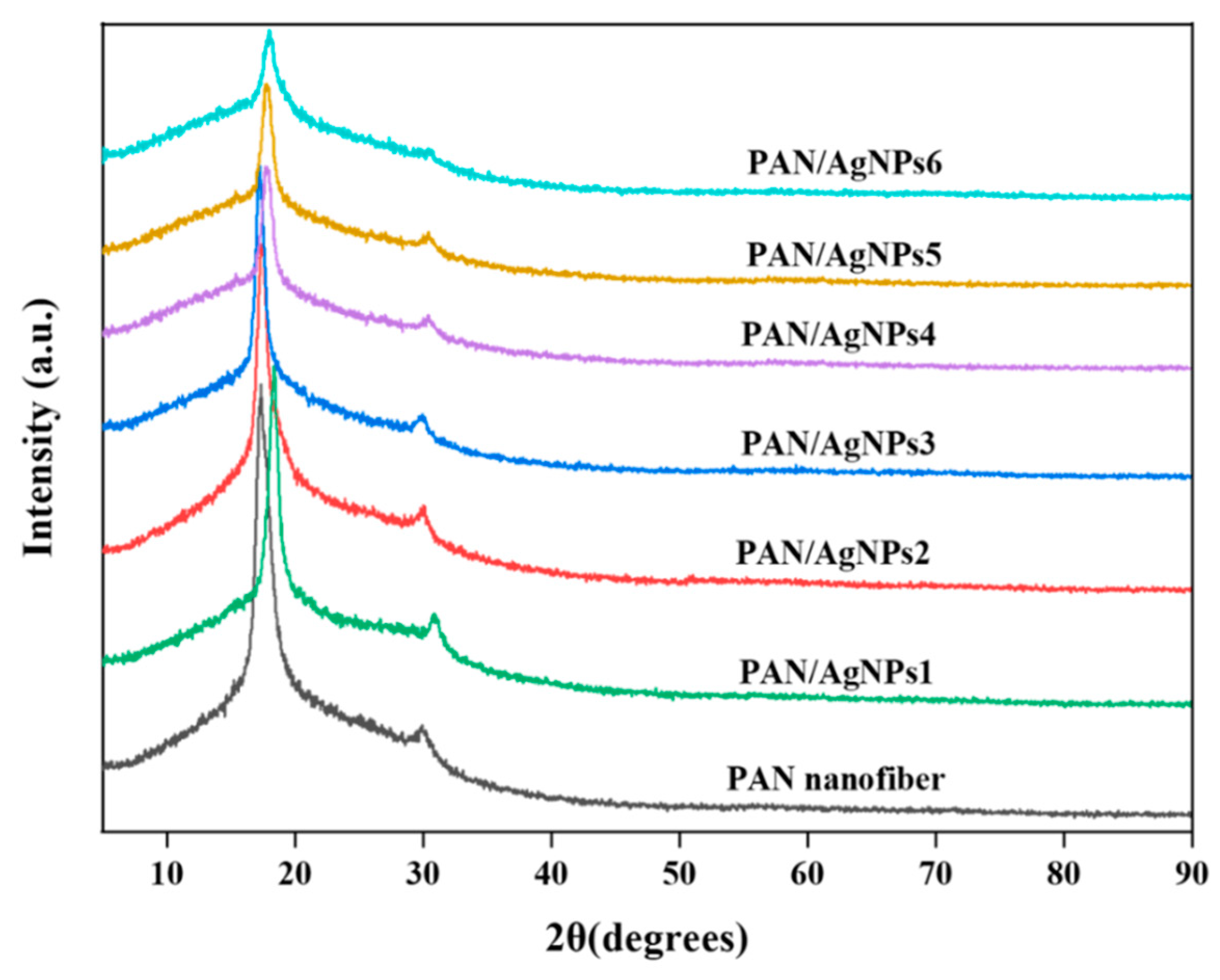
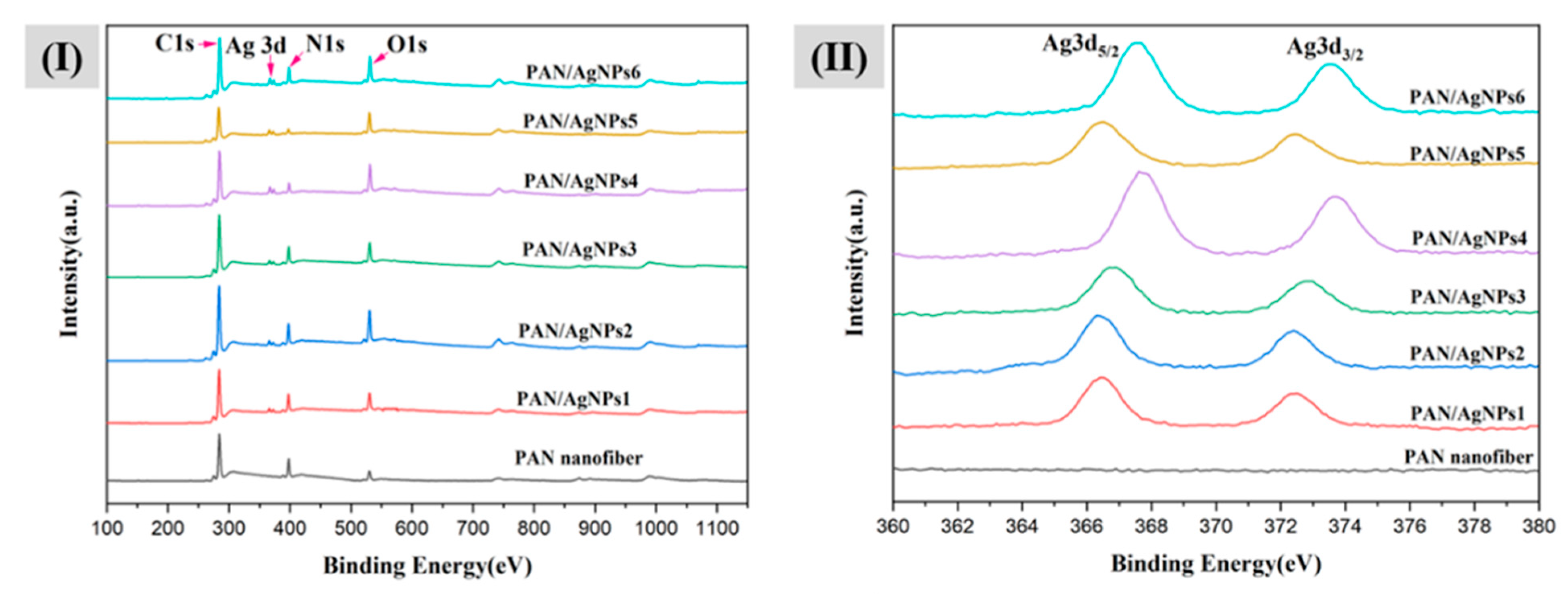
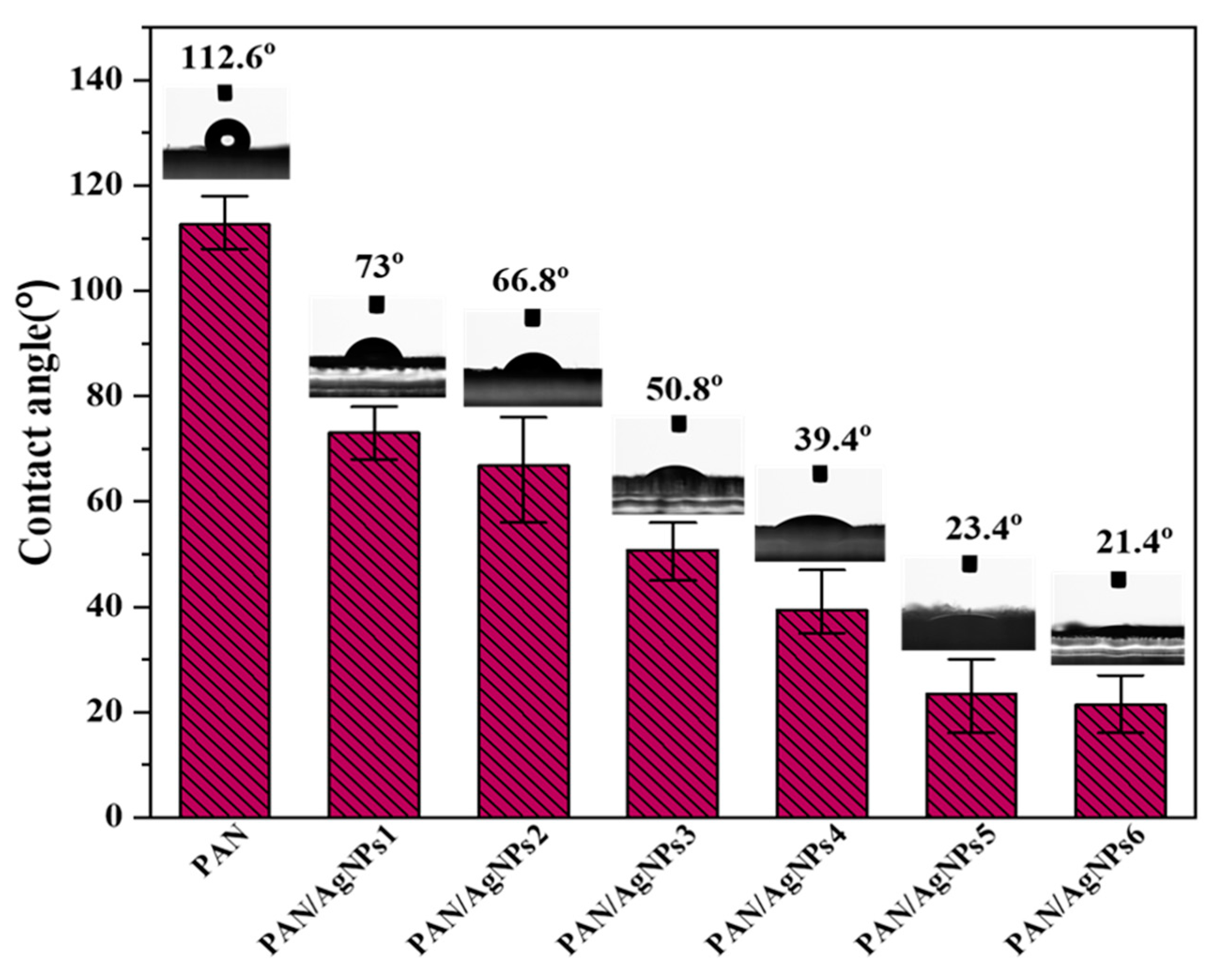
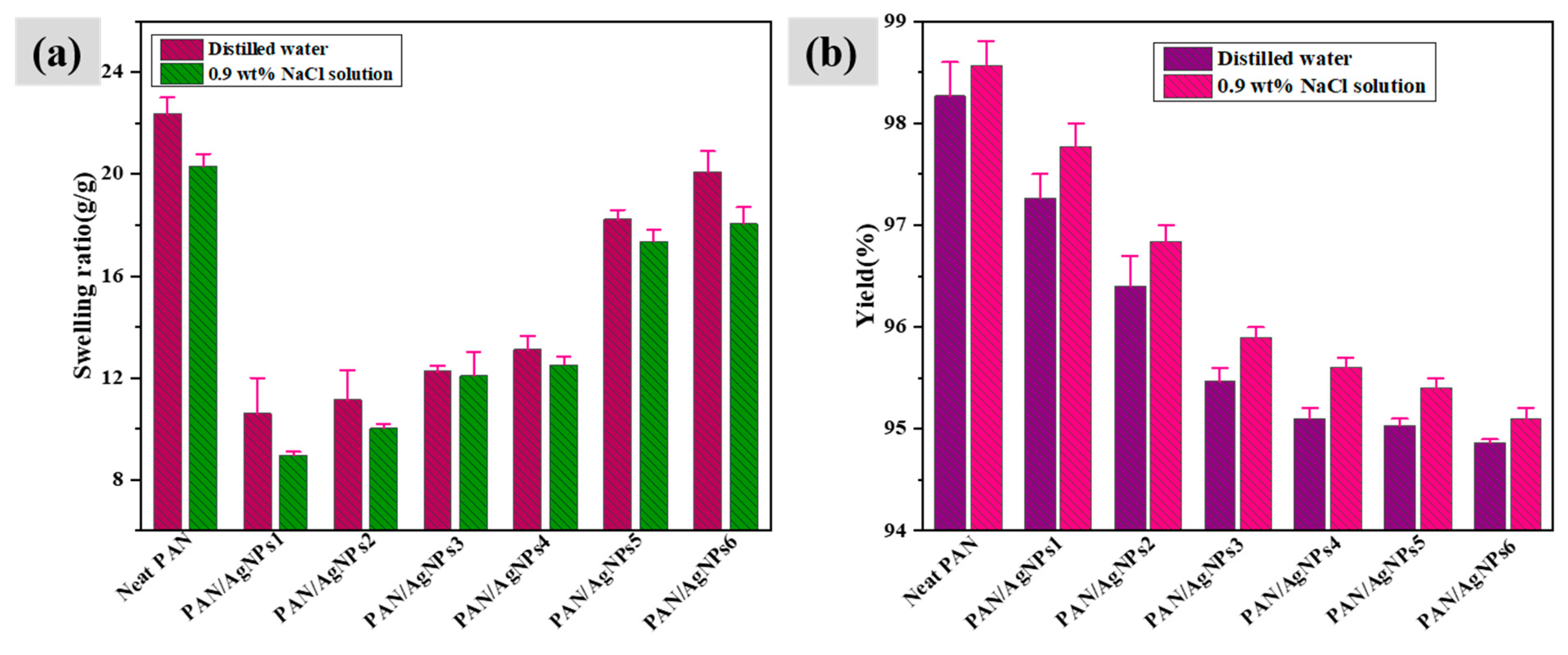
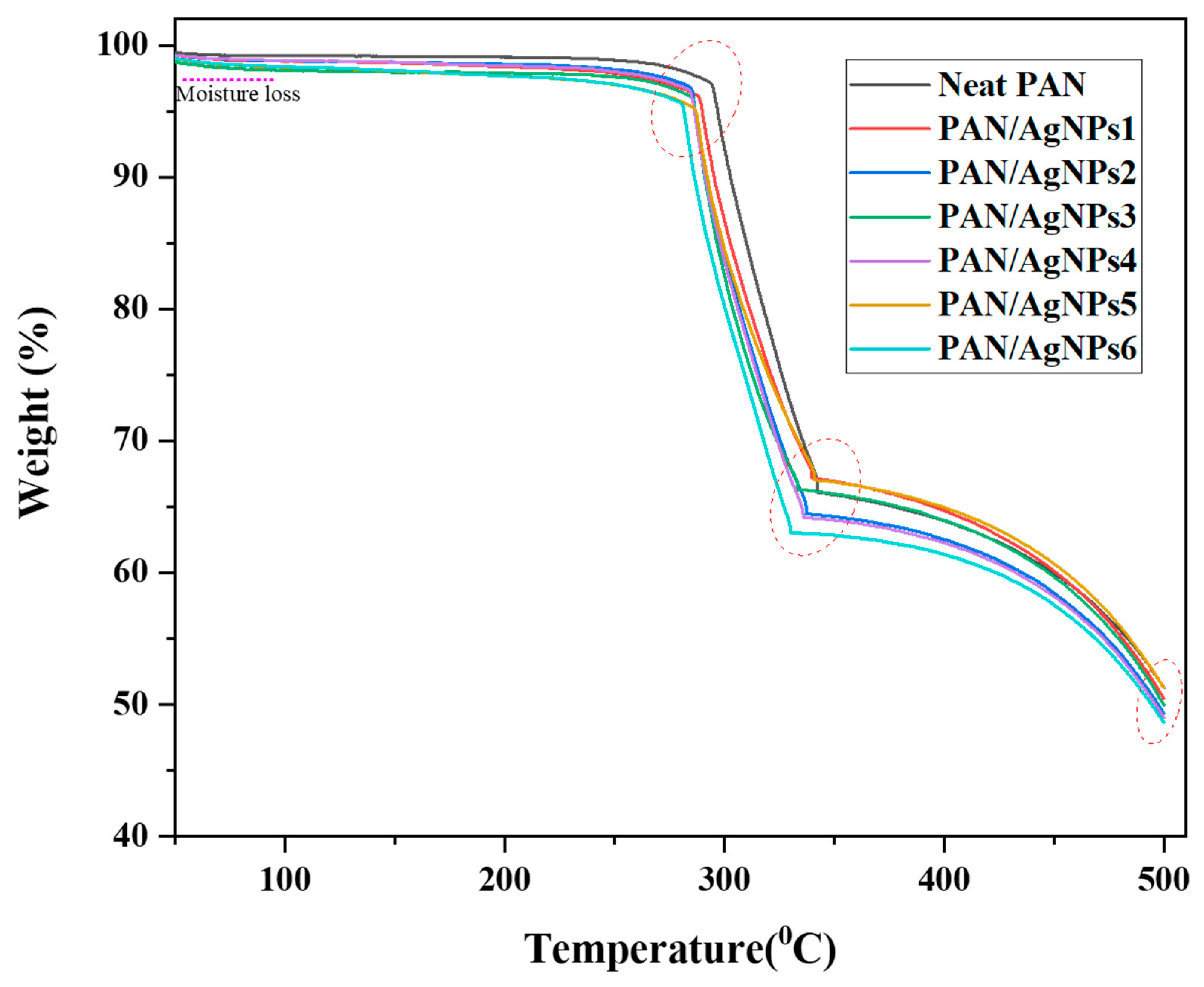
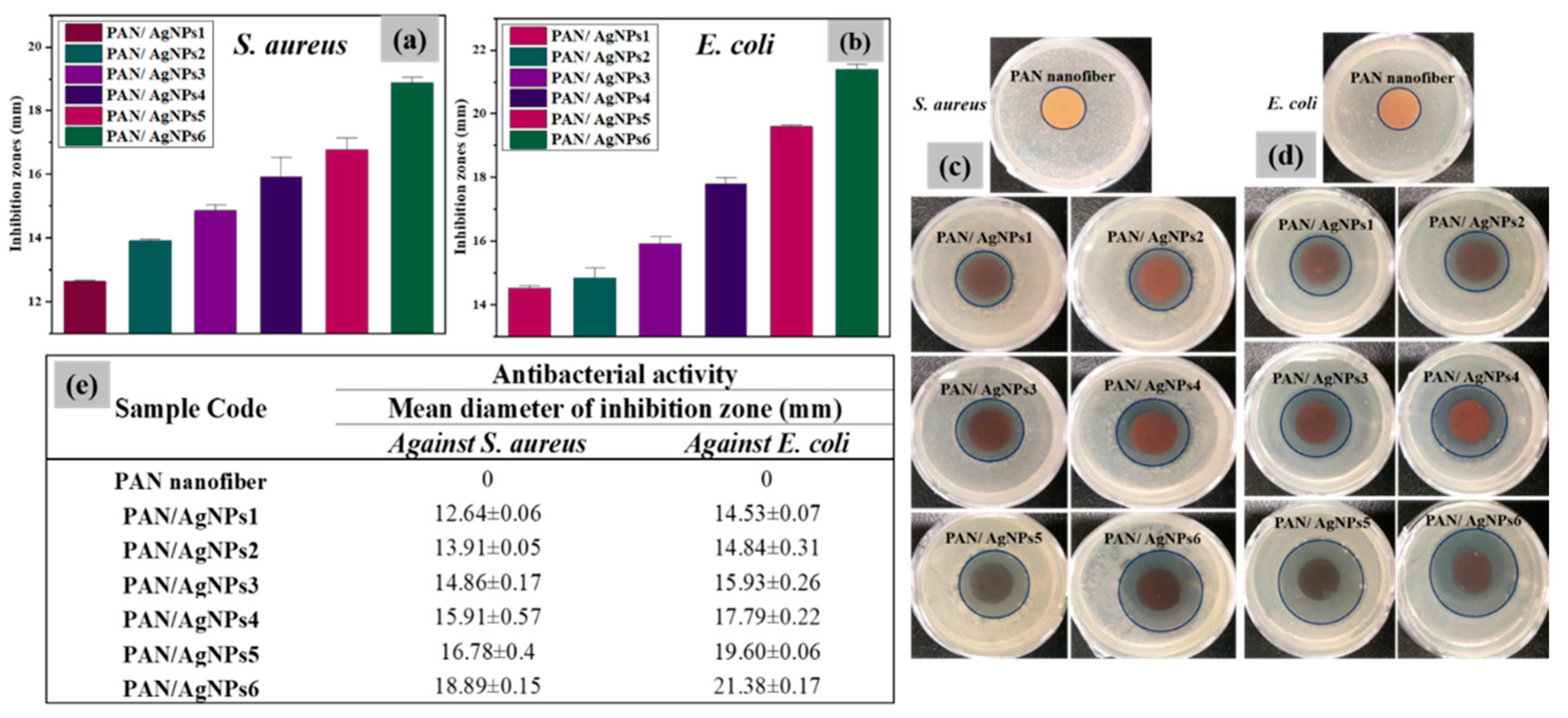
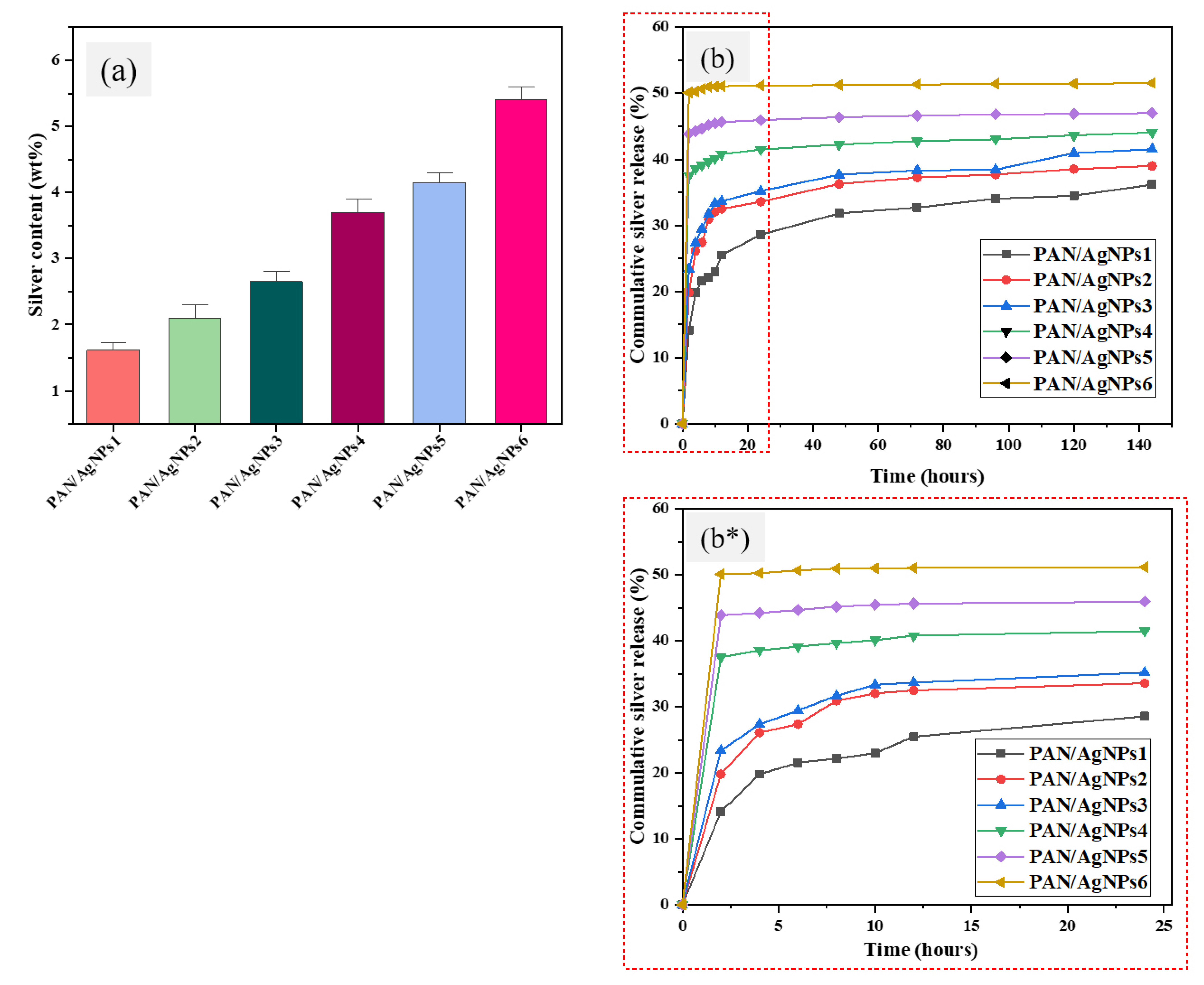
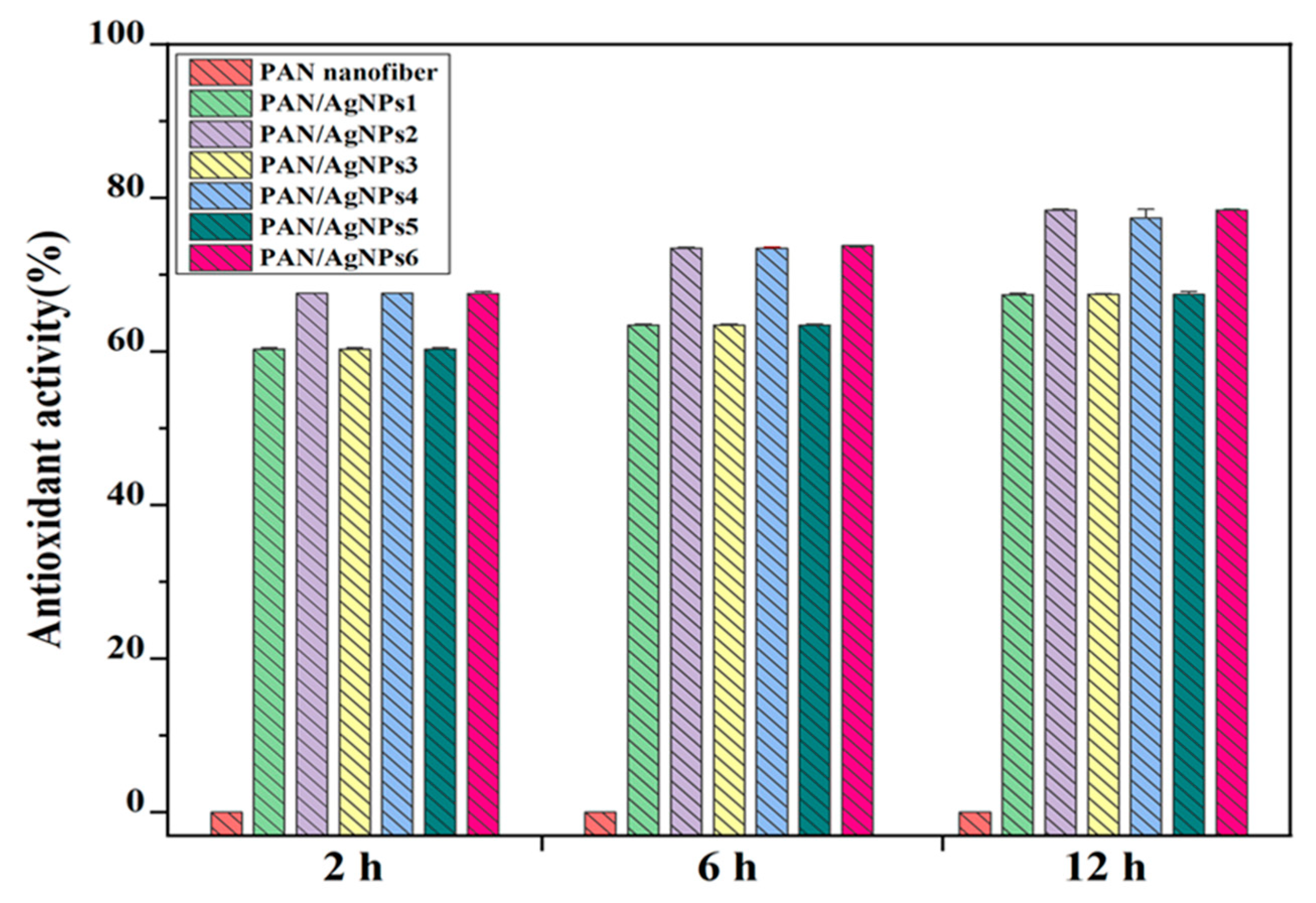
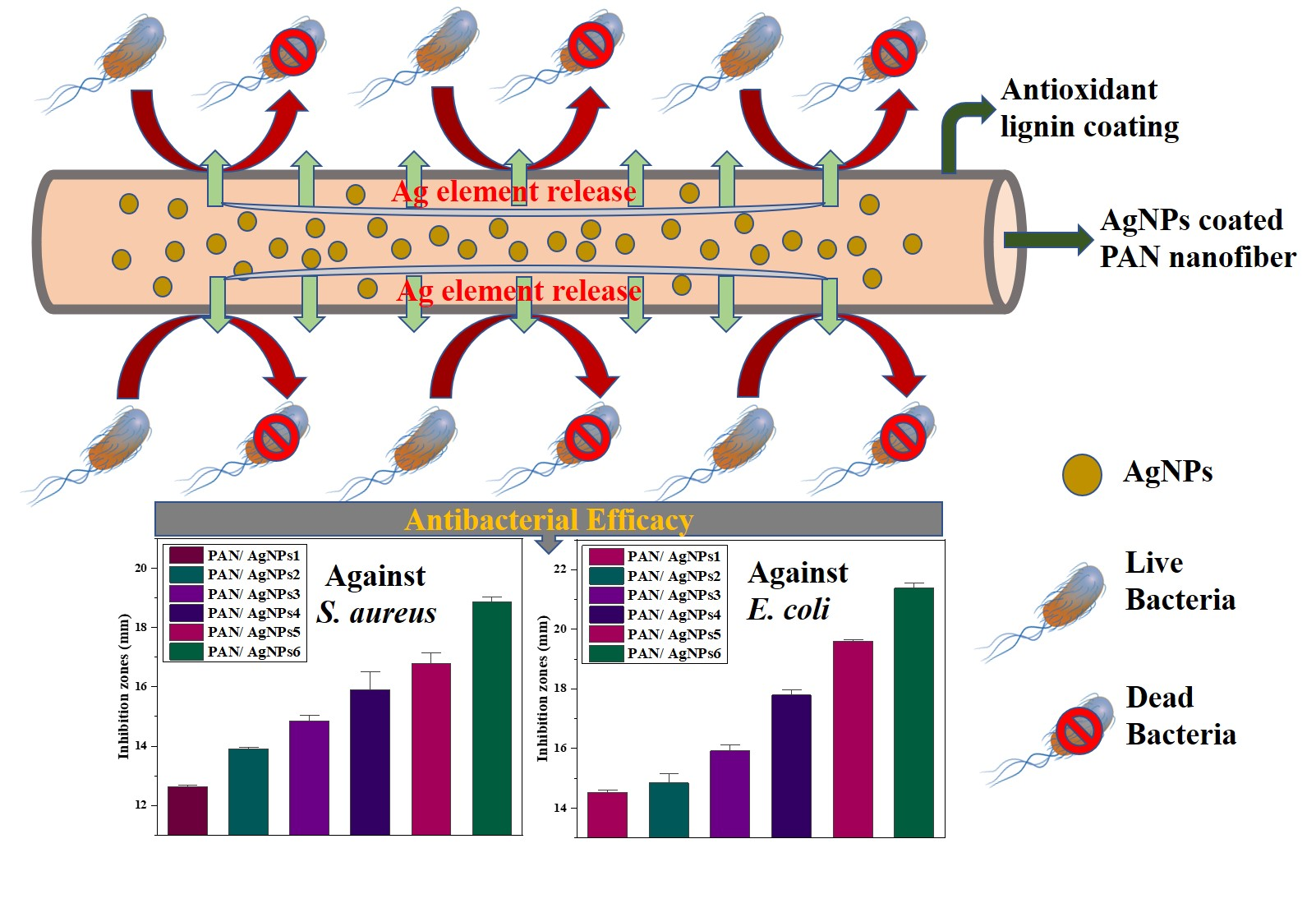
Concerning the environmental hazards owing to the chemical-based synthesis of silver nanoparticles (AgNPs), this study aimed to investigate the possibility of synthesizing AgNPs on the surface of polyacrylonitrile (PAN) nanofibers utilizing biomacromolecule lignin. SEM observations revealed that the average diameters of the produced nanofibers were slightly increased from ~512 nm to ~673 nm due to several factors like-swellings that happened during the salt treatment process, surface-bound lignin, and the presence of AgNPs. The presence of AgNPs was validated by transmission electron microscope (TEM) and X-ray photoelectron spectroscopy (XPS) analysis. The amount of synthesized AgNPs on PAN nanofibers was found to be dependent on both precursor silver salt and reductant lignin concentration. Fourier transform infrared-attenuated total reflectance (FTIR-ATR) spectra confirm the presence of lignin on PAN nanofibers. Although the X-ray diffraction pattern did not show any AgNPs band, the reduced intensity of the stabilized PAN characteristics bands at 2θ = 17.28° and 29.38° demonstrated some misalignment of PAN polymeric chains. The water contact angle (WCA) of hydrophobic PAN nanofibers was reduced from 112.6 ± 4.16° to 21.4 ± 5.03° for the maximum AgNPs coated specimen. The prepared membranes exhibited low thermal stability and good swelling capacity up to 20.1 ± 0.92 g/g and 18.05 ± 0.68 g/g in distilled water and 0.9 wt% NaCl solution, respectively. Coated lignin imparts antioxidant activity up to 78.37 ± 0.12% at 12 h of incubation. The resultant nanofibrous membranes showed a proportional increase in antibacterial efficacy with the rise in AgNPs loading against both Gram-positive S. aureus and Gram-negative E. coli bacterial strains by disc diffusion test (AATCC 147-1998). Halos for maximum AgNPs loading was calculated to 18.89 ± 0.15 mm for S. aureus and 21.38 ± 0.17 mm for E. coli. An initial burst release of silver elements within 24 h was observed in the inductively coupled plasma-atomic emission spectrometry (ICP-AES) test, and the release amounts were proportionally expansive with the increase in Ag contents. Our results demonstrated that such types of composite nanofibers have a strong potential to be used in biomedicine.
Keywords: lignin; silver nanoparticles; antibacterial activity; silver composite membranes lignin; silver nanoparticles; antibacterial activity; silver composite membranes
Graphical Abstract