Article

The Effect of Pore Directionality of Collagen Scaffolds on Cell Differentiation and In Vivo Osteogenesis

by
Miguelangel Moncayo-Donoso
1,2,3,
Gustavo A. Rico-Llanos
3,4,
Diego A. Garzón-Alvarado
2,
José Becerra
3,4,5,
Rick Visser
3,4,5,*,† and
Marta R. Fontanilla
1,*,†
1
Tissue Engineering Group, Department of Pharmacy, Universidad Nacional de Colombia, Bogotá 571, Colombia
2
Biomimetics Laboratory, Biotechnology Institute, Universidad Nacional de Colombia, Bogotá 571, Colombia
3
BIONAND, Andalusian Center for Nanomedicine and Biotechnology, University of Malaga, 29001-29018 Malaga, Spain
4
Networking Research Center on Bioengineering, Biomaterials and Nanomedicine, CIBER-BBN, 29001-29018 Malaga, Spain
5
Department of Cell Biology, Genetics and Physiology, University of Malaga, IBIMA, 29001-29018 Malaga, Spain
*
Authors to whom correspondence should be addressed.
Both authors should be considered as last authors.
Polymers 2021, 13(18), 3187; https://doi.org/10.3390/polym13183187
Submission received: 19 August 2021 / Revised: 13 September 2021 / Accepted: 14 September 2021 / Published: 20 September 2021
(This article belongs to the Special Issue Polymeric Scaffolds for Tissue Engineering)

Abstract

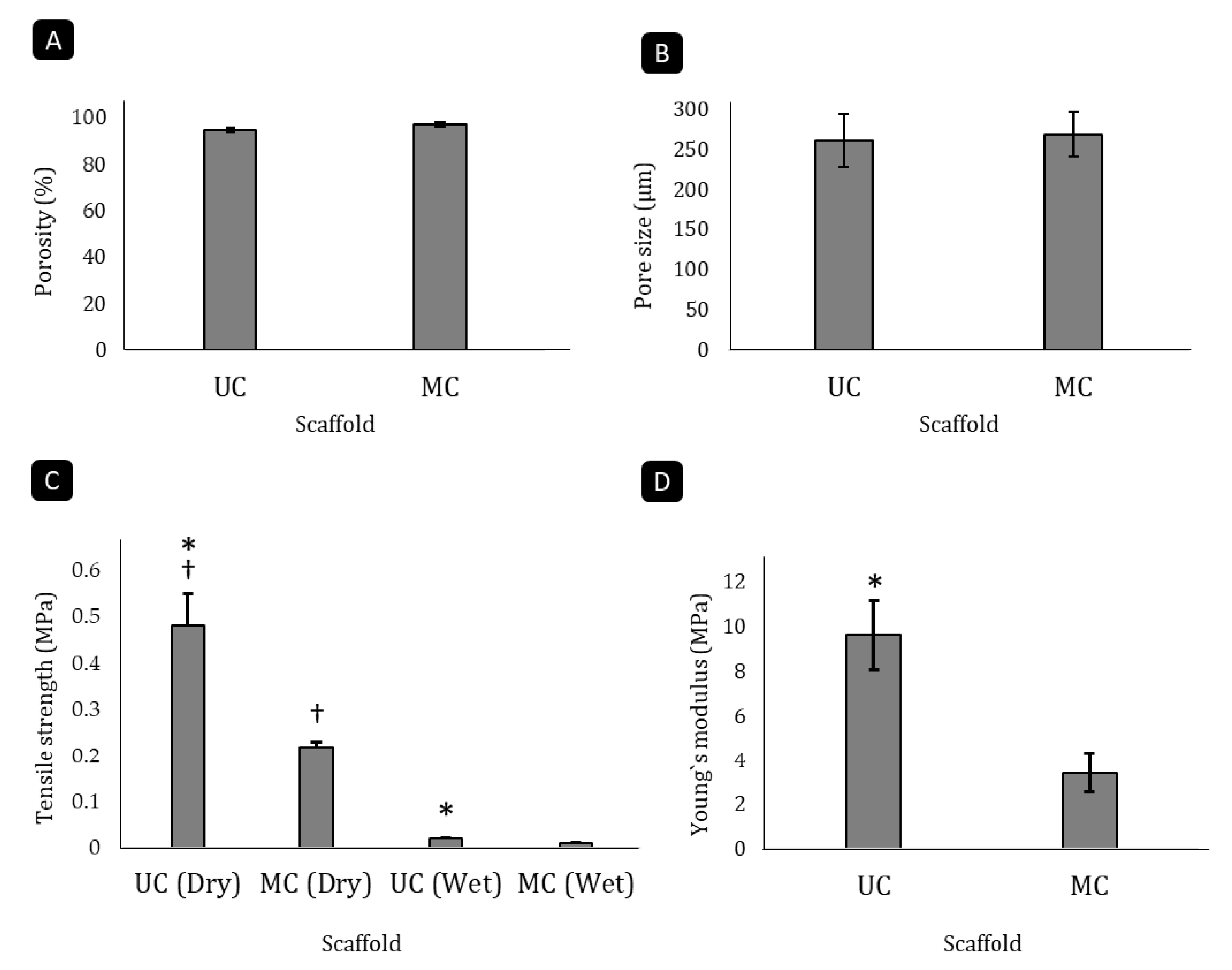
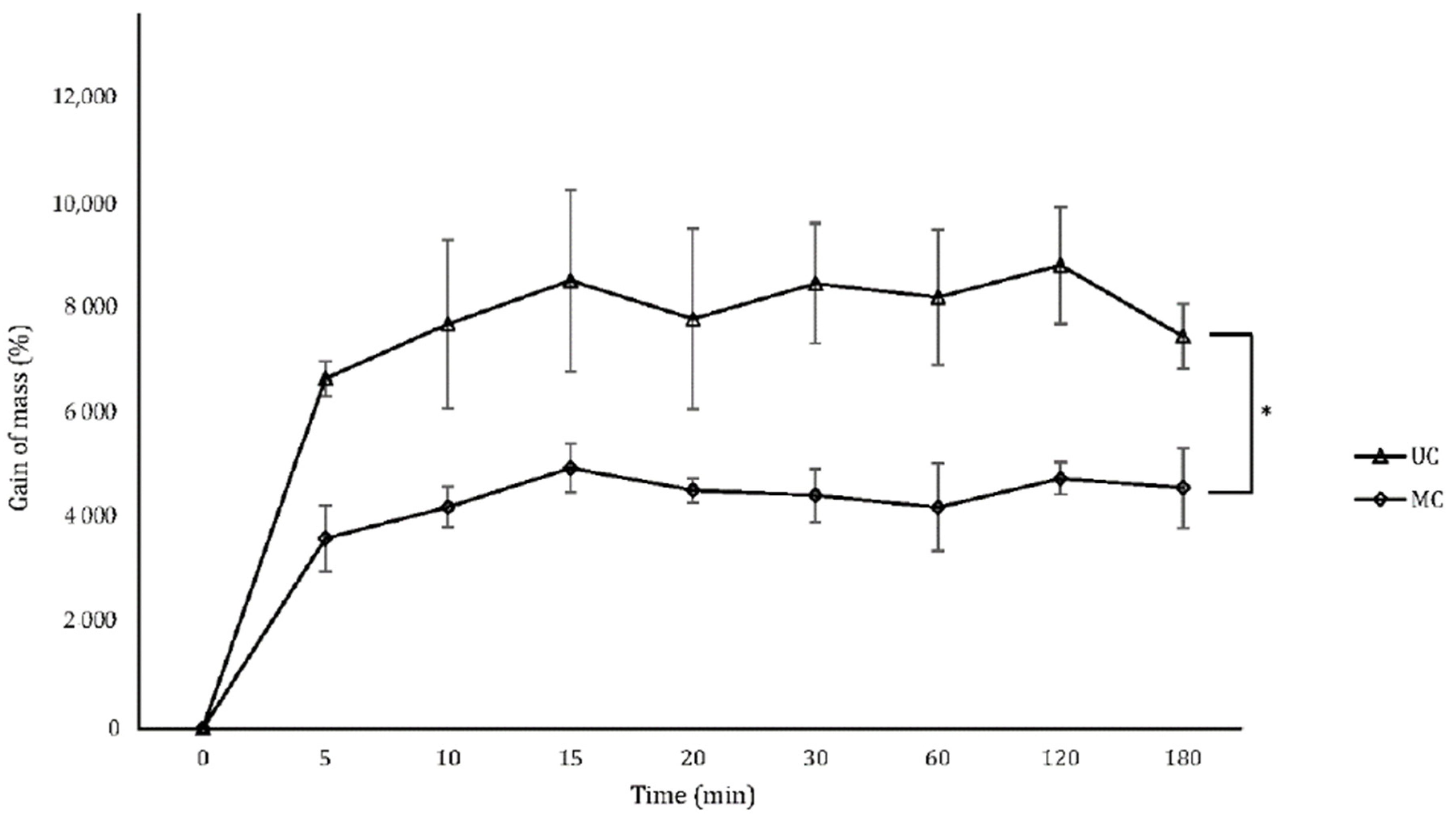
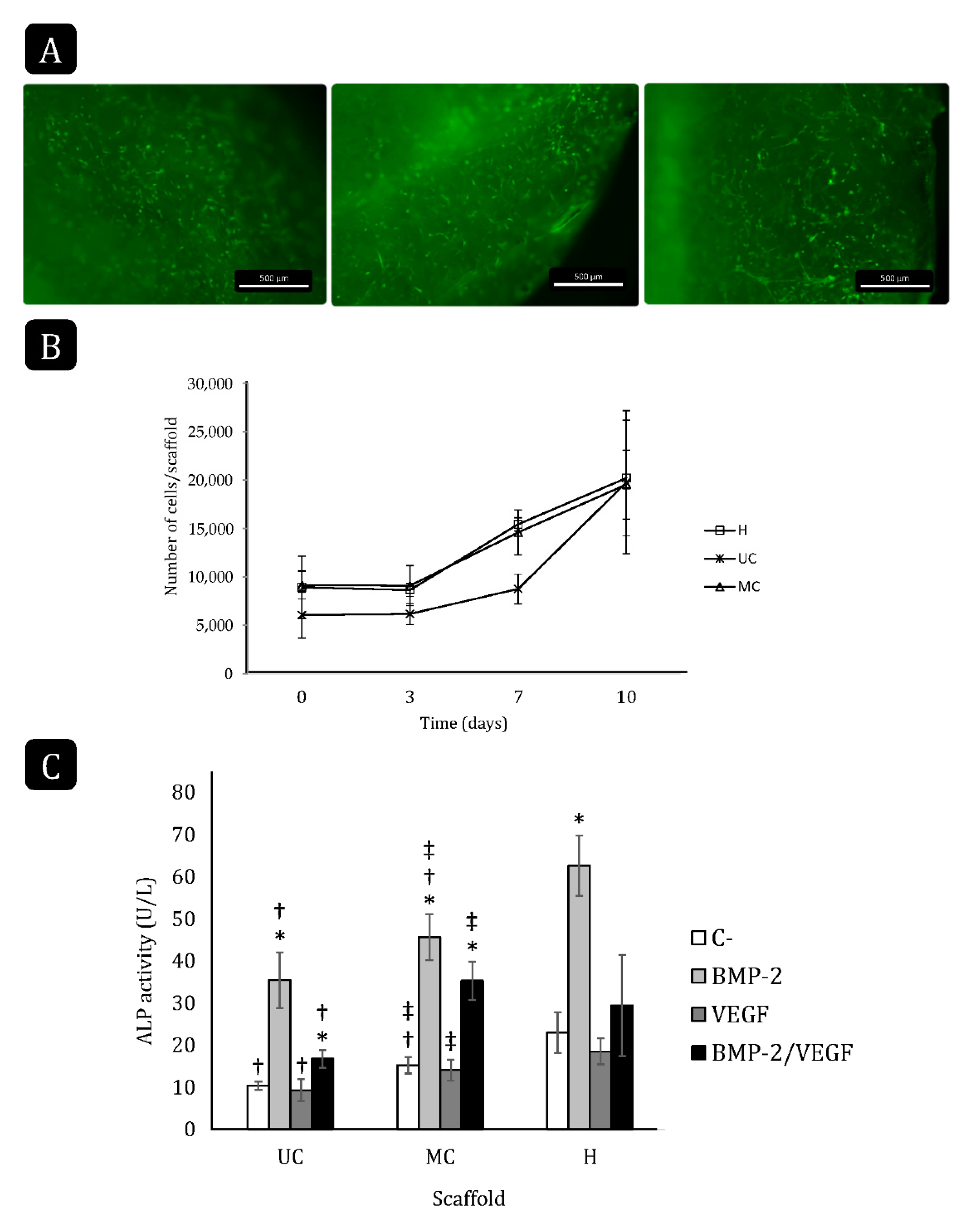
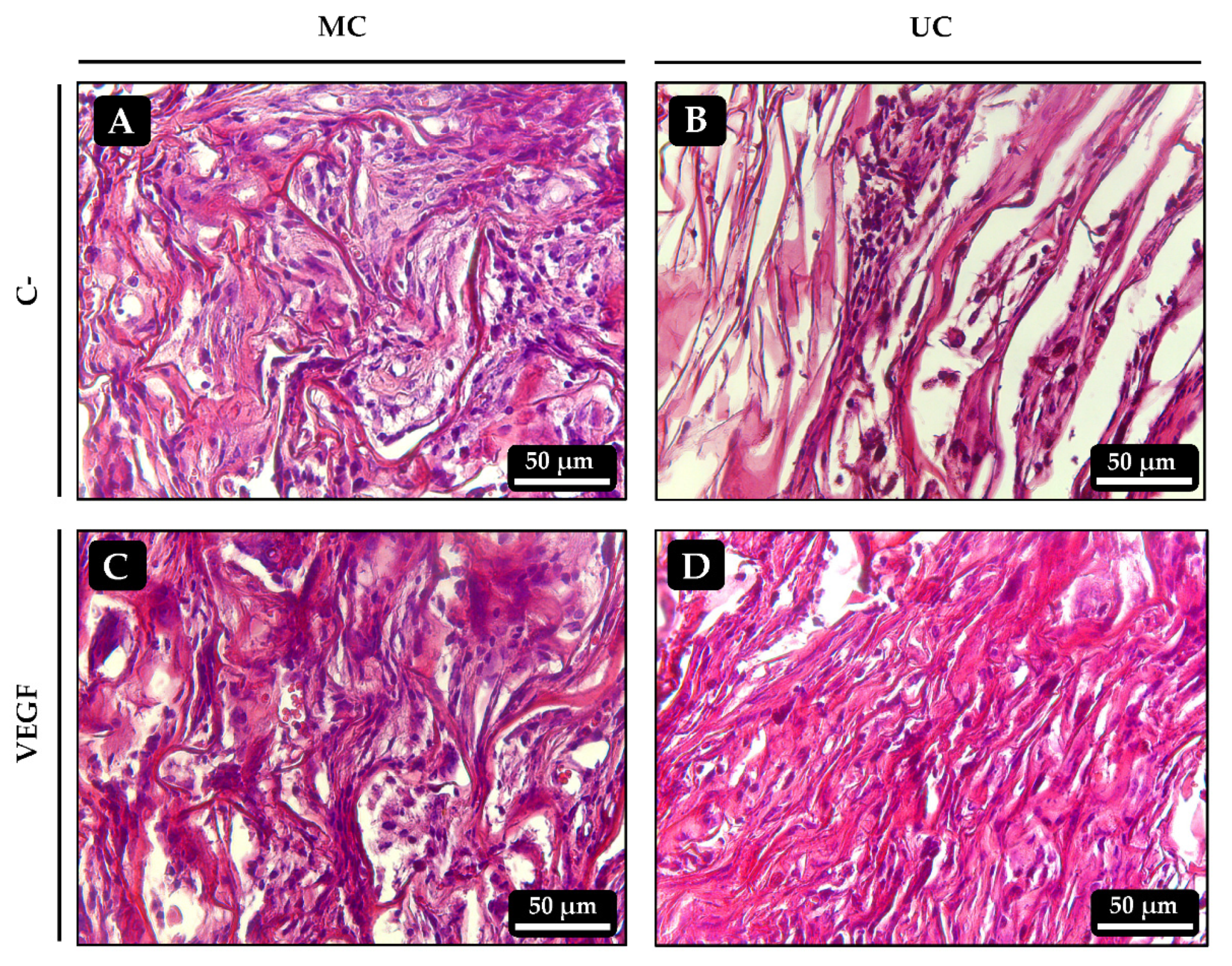
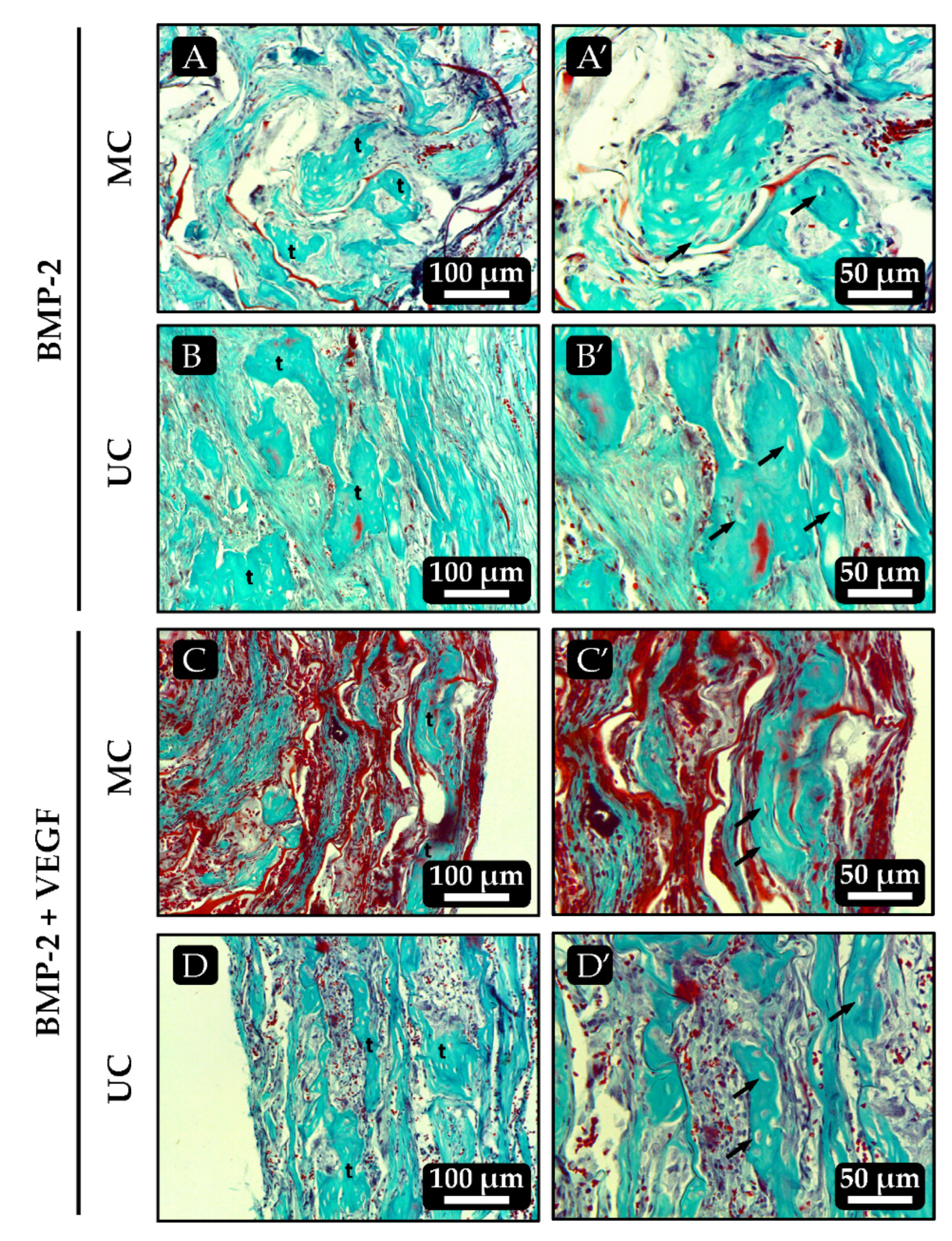
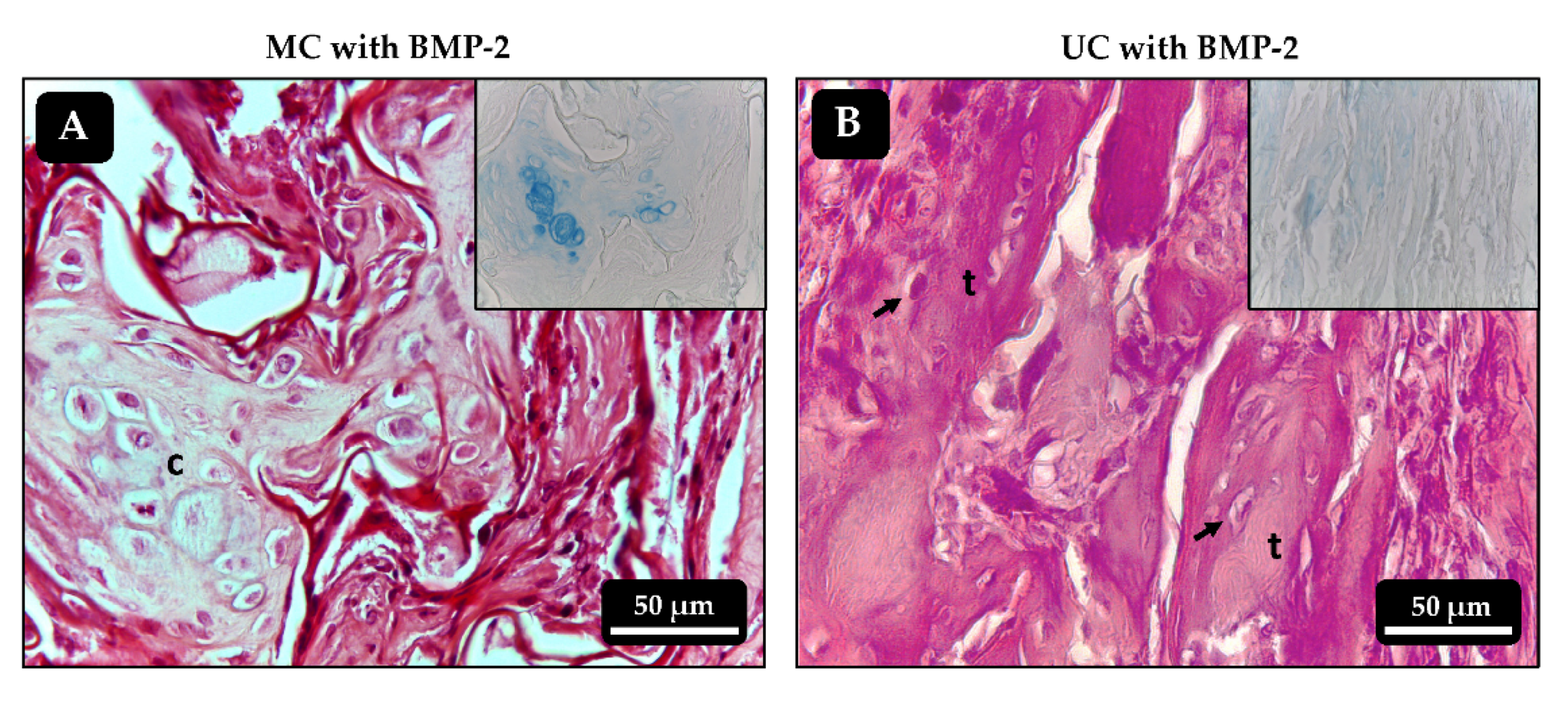
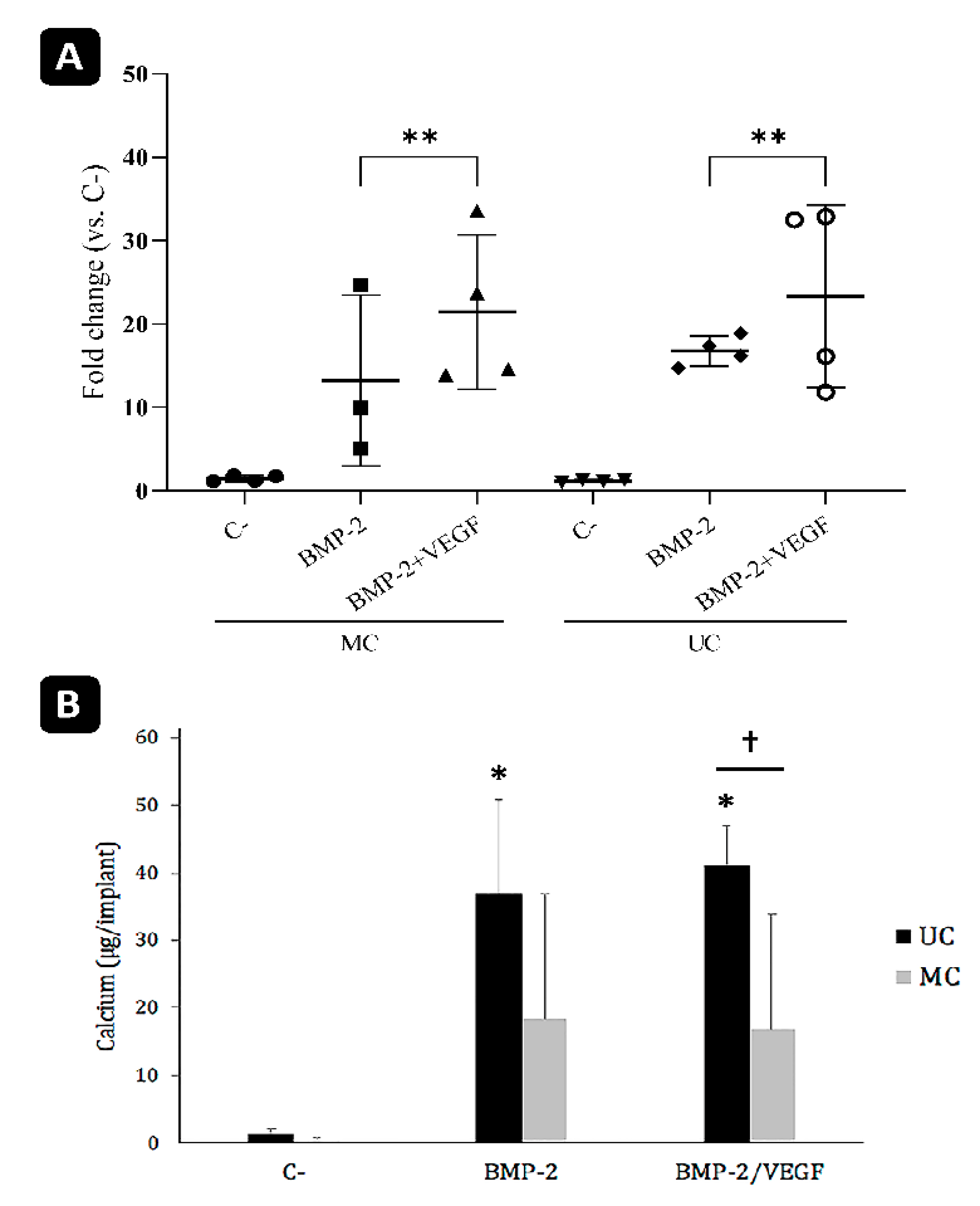
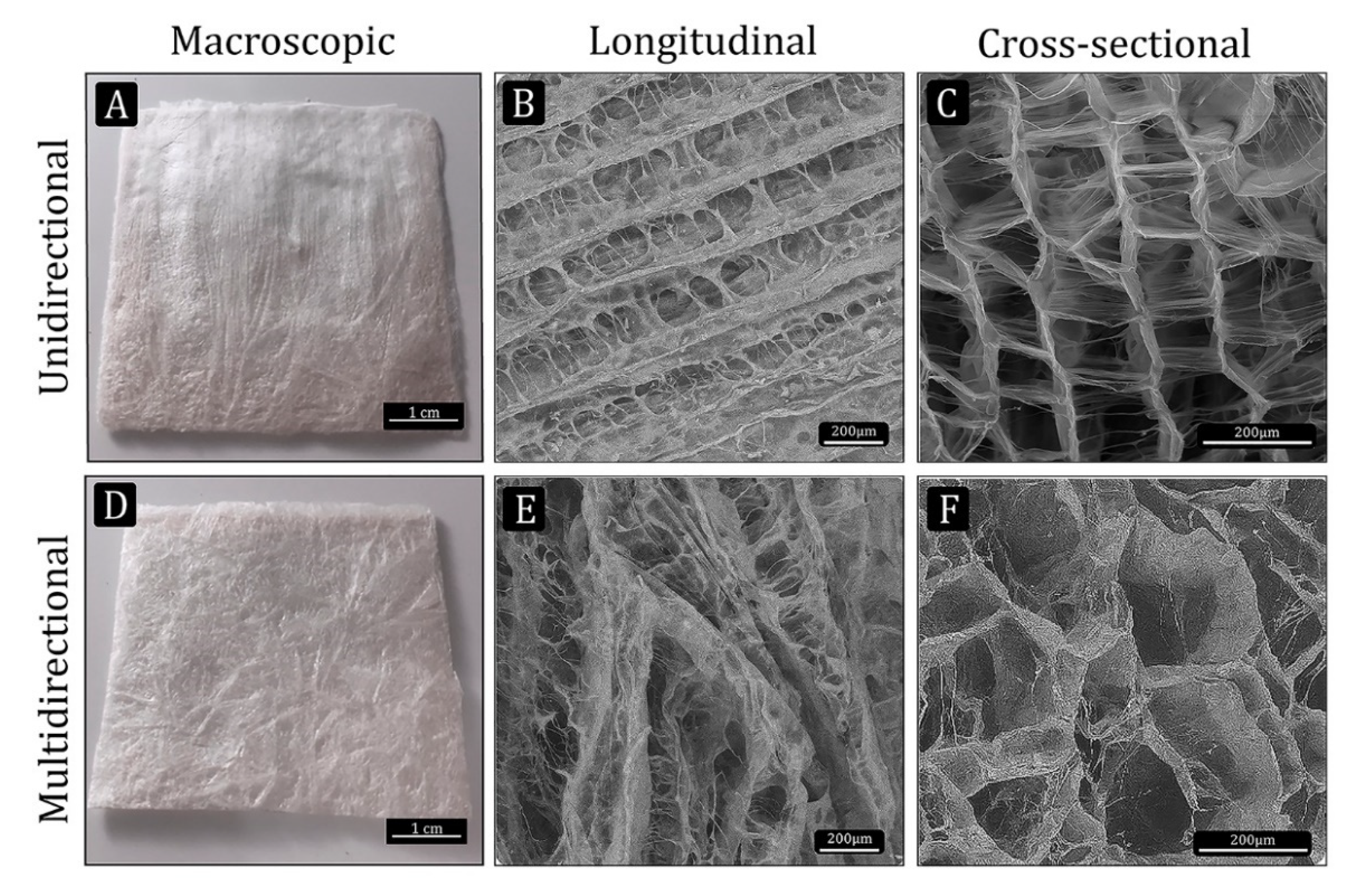
Although many bone substitutes have been designed and produced, the development of bone tissue engineering products that mimic the microstructural characteristics of native bone remains challenging. It has been shown that pore orientation within collagen scaffolds influences bone matrix formation by the endochondral route. In addition, that the unidirectional orientation of the scaffolds can limit the growth of blood vessels. However, a comparison between the amount of bone that can be formed in scaffolds with different pore orientations in addition to analyzing the effect of loading osteogenic and proangiogenic factors is still required. In this work we fabricated uni- and multidirectional collagen sponges and evaluated their microstructural, physicochemical, mechanical and biological characteristics. Although the porosity and average pore size of the uni- and multidirectional scaffolds was similar (94.5% vs. 97.1% and 260 µm vs. 269 µm, respectively) the unidirectional sponges had a higher tensile strength, Young’s modulus and capacity to uptake liquids than the multidirectional ones (0.271 MPa vs. 0.478 MPa, 9.623 MPa vs. 3.426 MPa and 8000% mass gain vs. 4000%, respectively). Culturing of rat bone marrow mesenchymal stem cells demonstrated that these scaffolds support cell growth and osteoblastic differentiation in the presence of BMP-2 in vitro, although the pore orientation somehow affected cell attachment and differentiation. The evaluation of the ability of the scaffolds to support bone growth when loaded with BMP-2 or BMP-2 + VEGF in an ectopic rat model showed that they both supported bone formation. Histological analysis and quantification of mineralized matrix revealed that the pore orientation of the collagen scaffolds influenced the osteogenic process.
Keywords: bone tissue engineering; osteogenesis; type I collagen; pore directionality; BMP-2; VEGF bone tissue engineering; osteogenesis; type I collagen; pore directionality; BMP-2; VEGF