Article

Facile Synthesis of Hydrophilic Homo-Polyacrylamides via Cu(0)-Mediated Reversible Deactivation Radical Polymerization
by
Fehaid M. Alsubaie
1,*,
Othman Y. Alothman
2,*,
Basheer A. Alshammari
1 and
Hassan Fouad
3,4
1
National Center for Chemical Catalysis Technology, King Abdulaziz City for Science and Technology (KACST), P.O. Box 6068, Riyadh 11442, Saudi Arabia
2
Department of Chemical Engineering, King Saud University, P.O. Box 800, Riyadh 11421, Saudi Arabia
3
Applied Medical Science Department CC, King Saud University, P.O. Box 10219, Riyadh 11433, Saudi Arabia
4
Biomedical Engineering Department, Faculty of Engineering, Helwan University, P.O. Box 11792, Helwan 11731, Egypt
*
Authors to whom correspondence should be addressed.
Polymers 2021, 13(12), 1947; https://doi.org/10.3390/polym13121947
Submission received: 24 May 2021 / Revised: 6 June 2021 / Accepted: 9 June 2021 / Published: 11 June 2021
(This article belongs to the Special Issue Durability and Degradation of Polymeric Materials)

Abstract

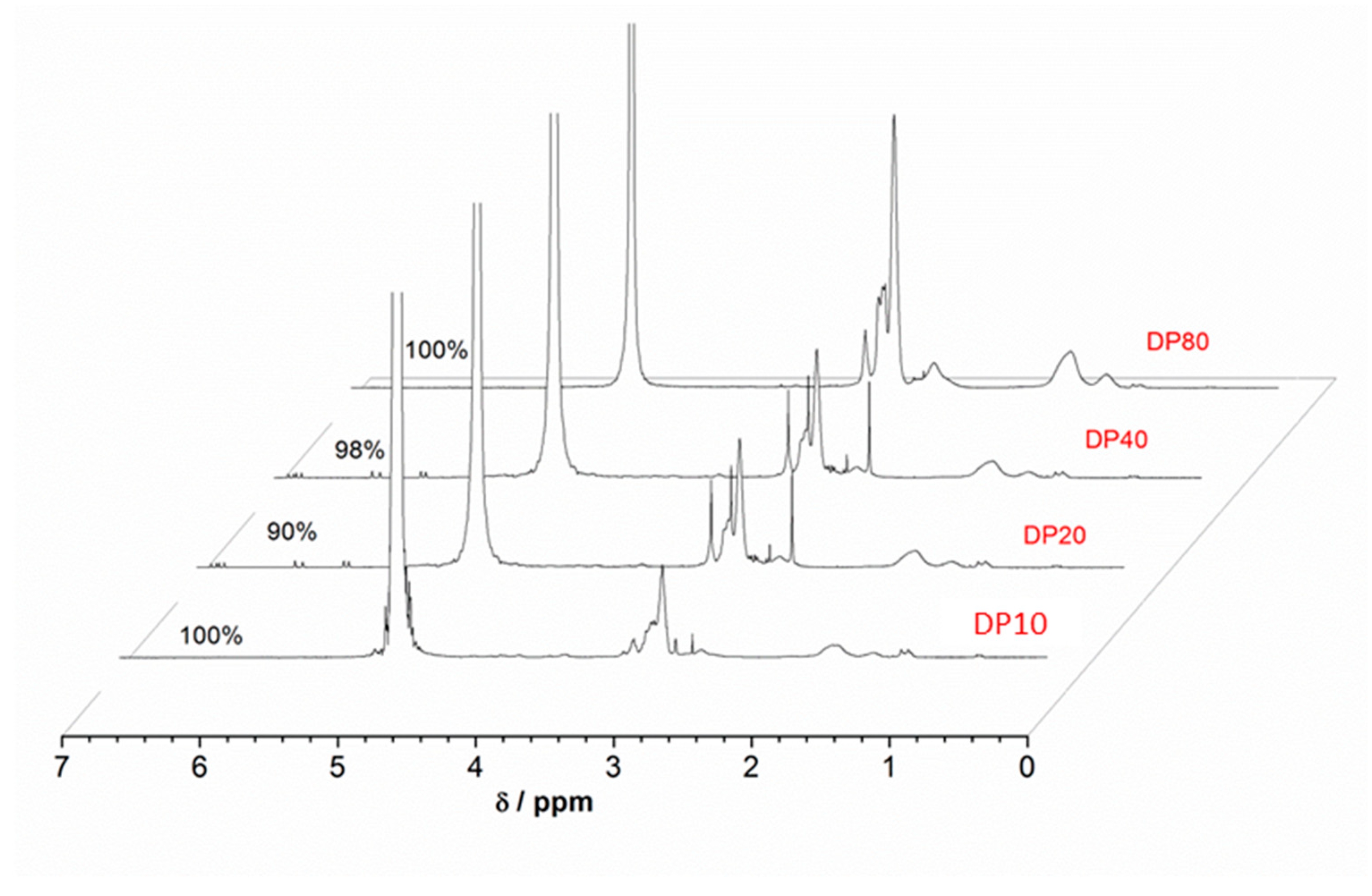
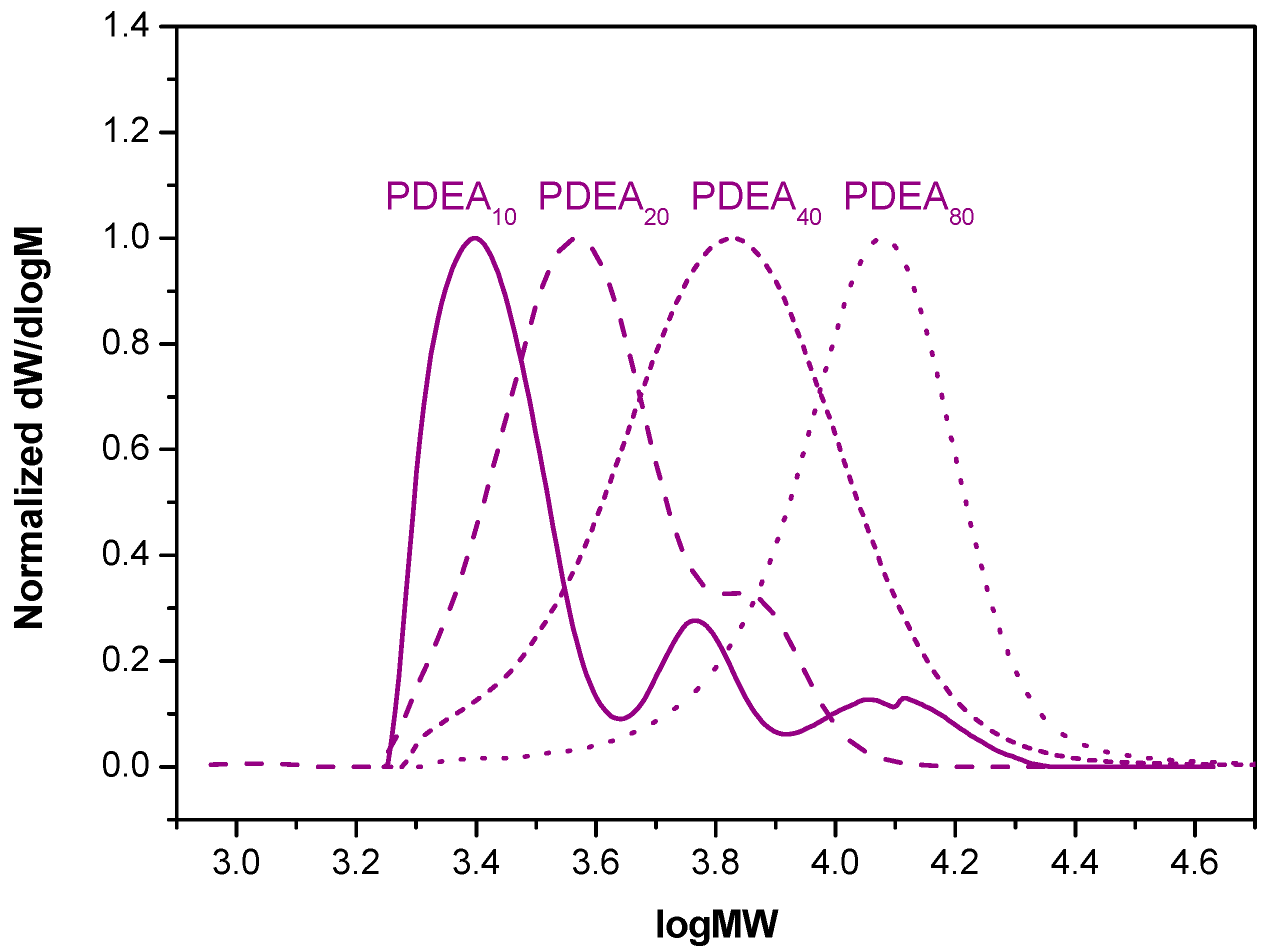
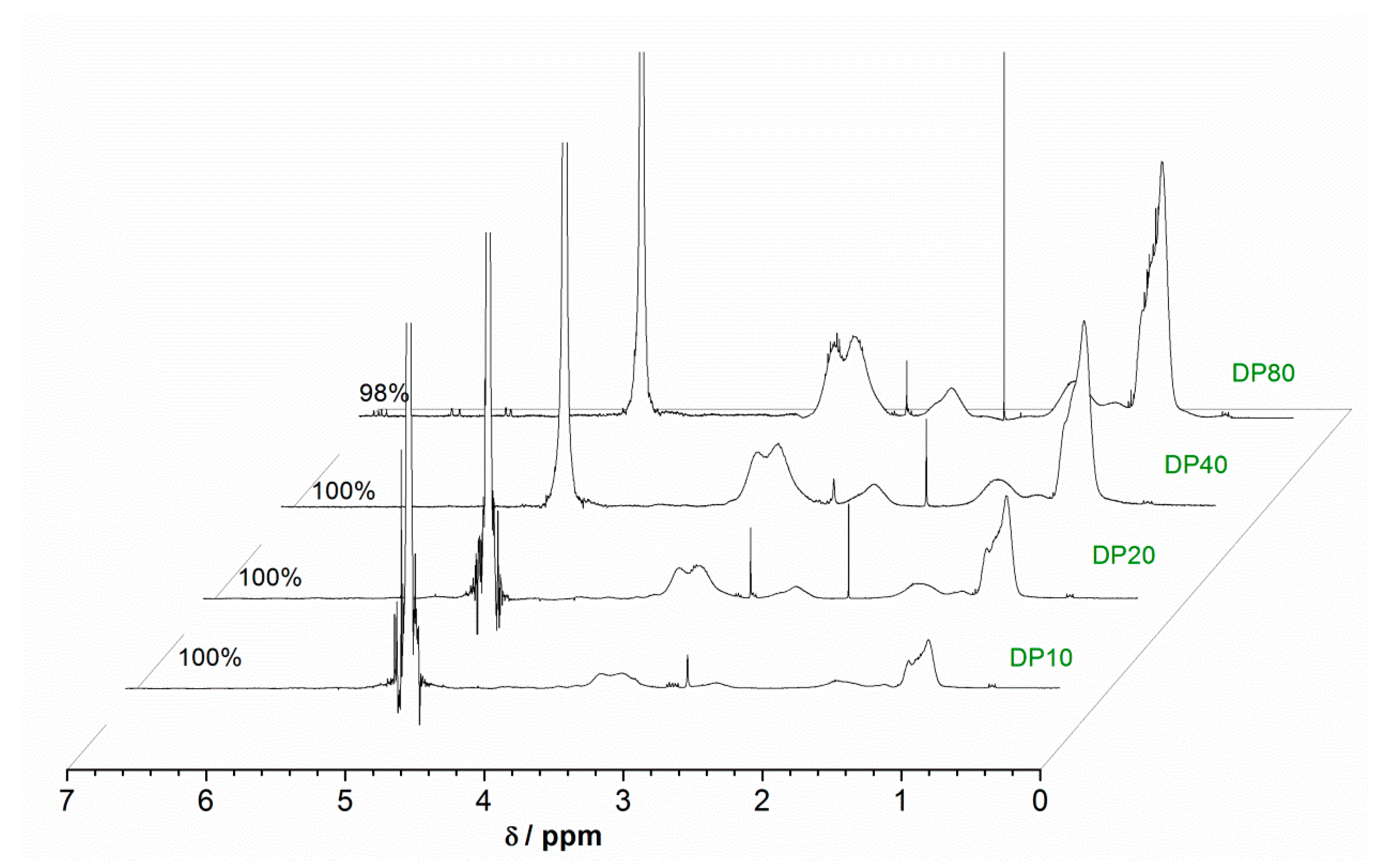
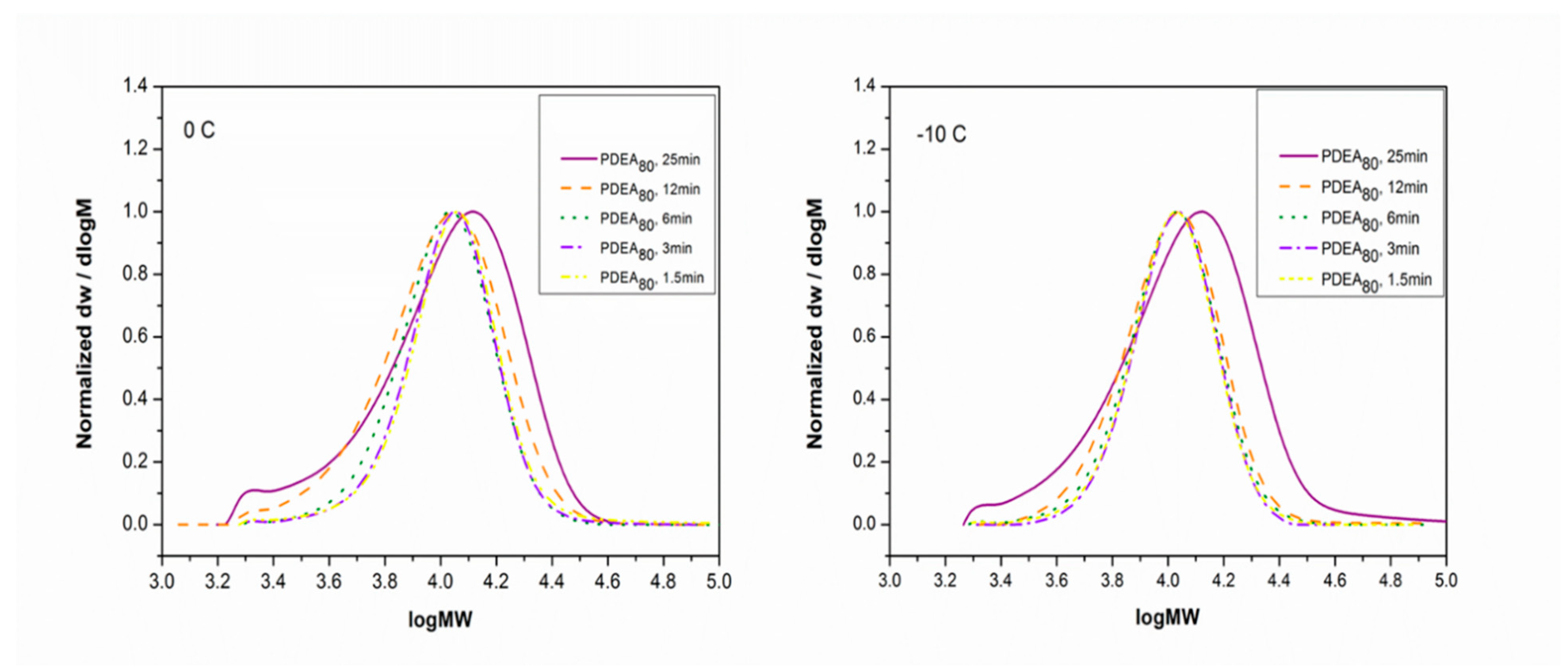
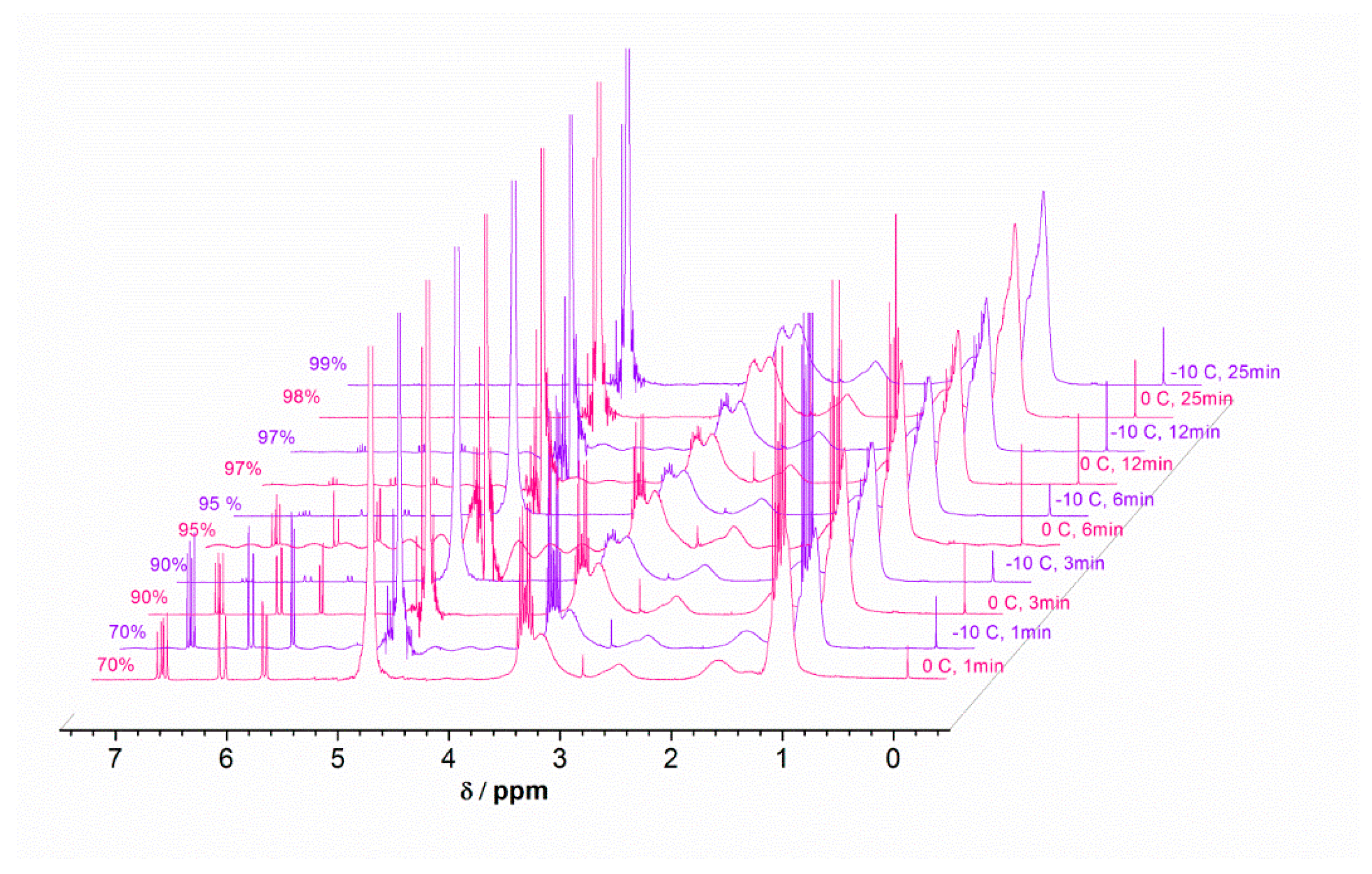
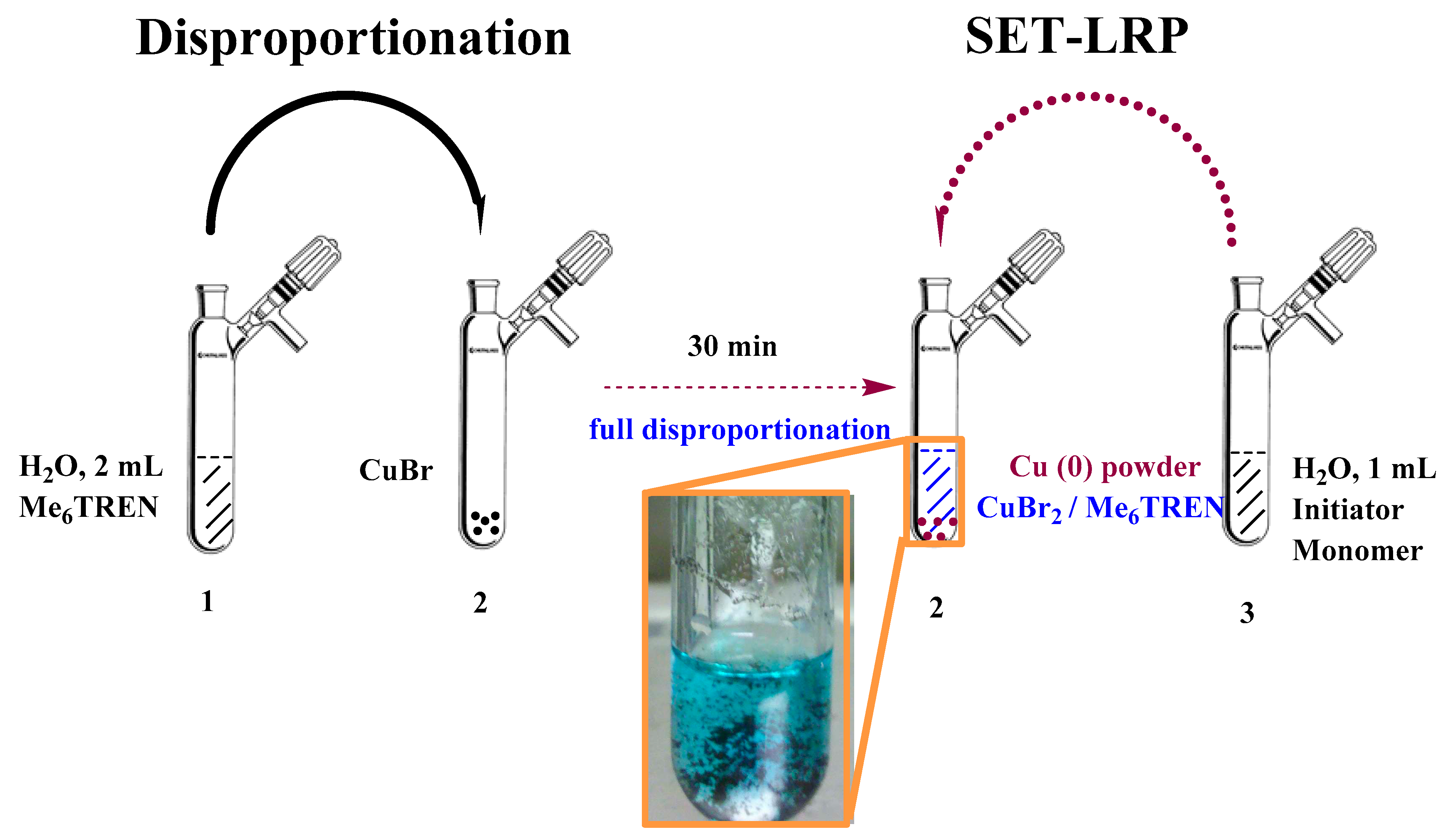
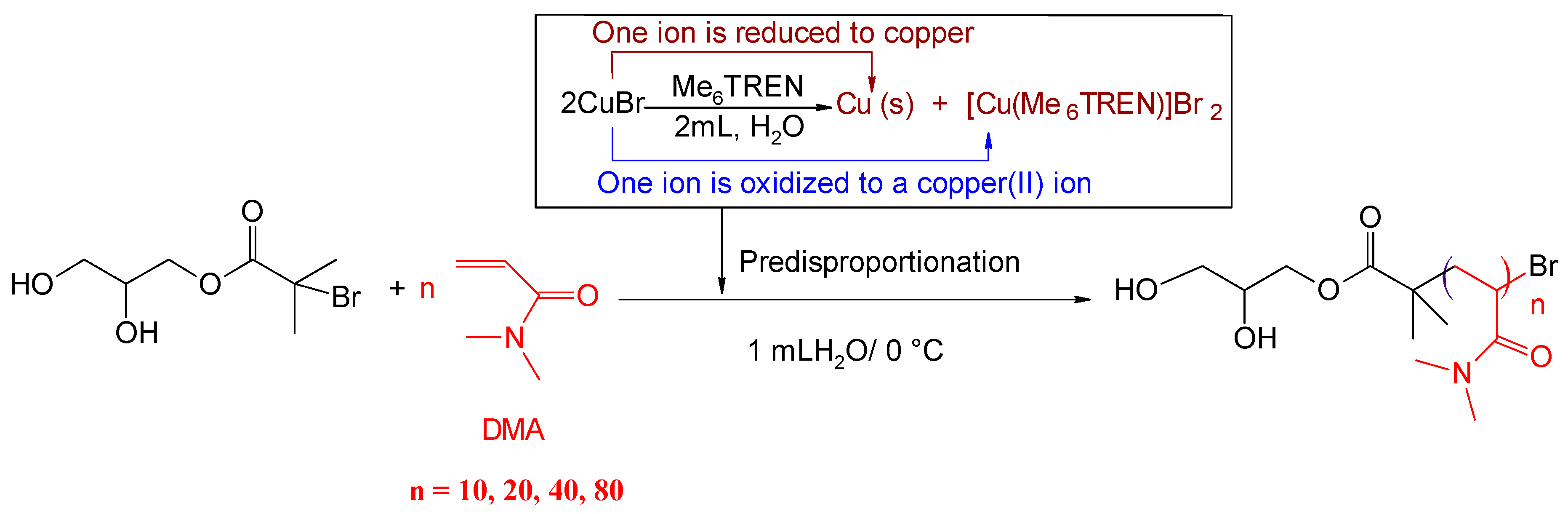
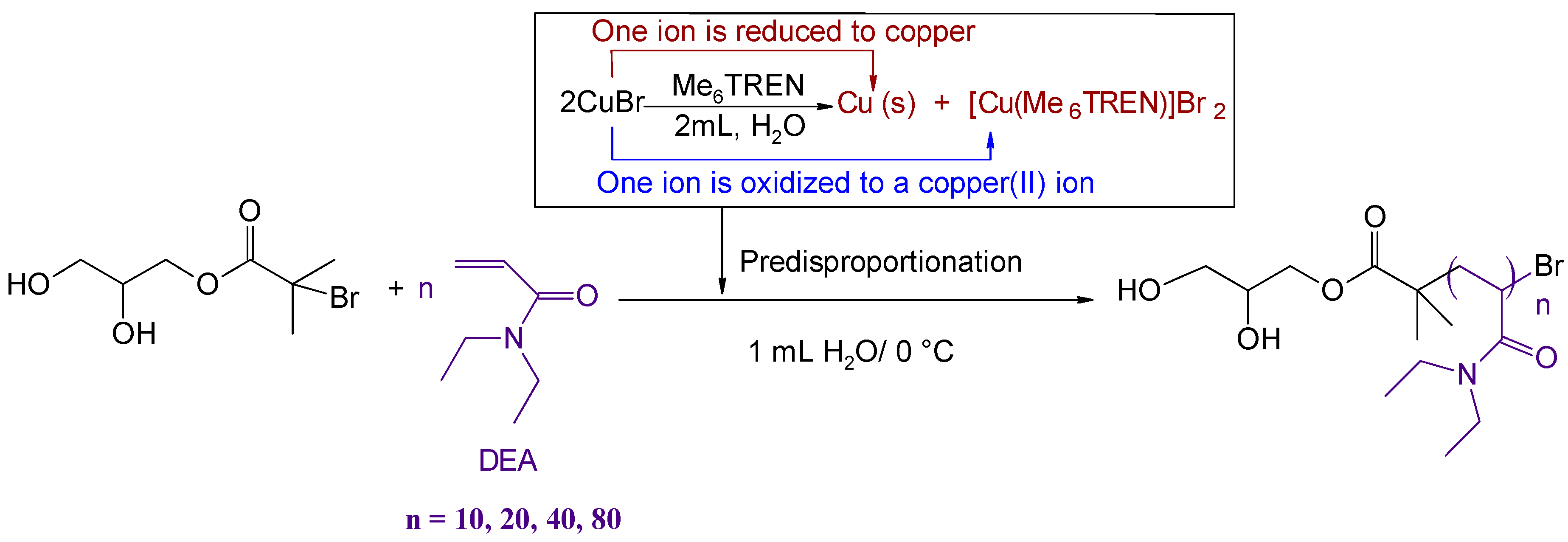
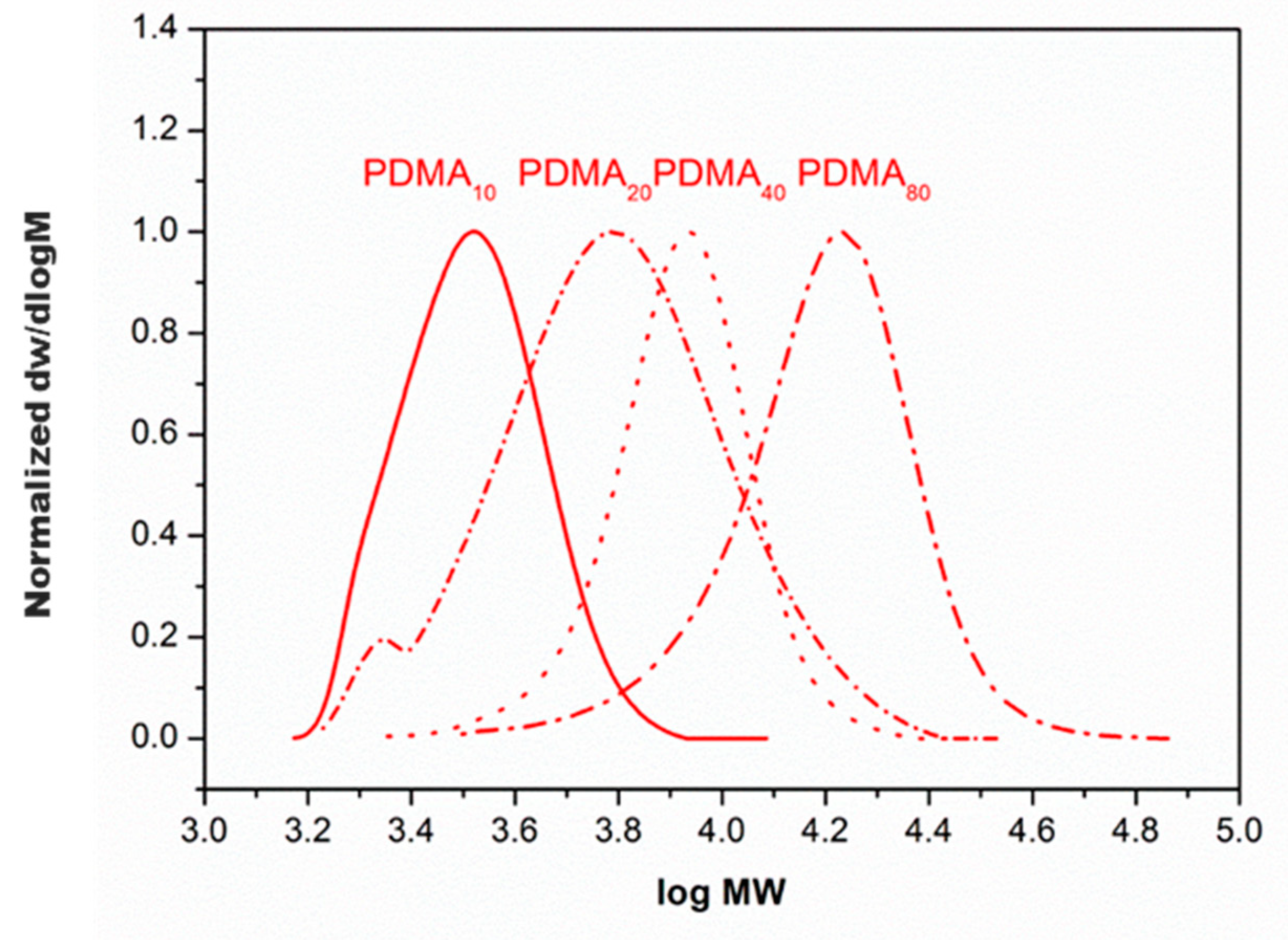
In this work, copper-mediated reversible deactivation radical polymerization (RDRP) of homo-polyacrylamides was conducted in aqueous solutions at 0.0 °C. Various degrees of polymerization (DP = 20, 40, 60, and 80) of well-defined water-soluble homopolymers were targeted. In the absence of any significant undesirable side reactions, the dispersity of polydiethylacrylamide (PDEA) and polydimethylacrylamide (PDMA) was narrow under controlled polymerization conditions. To accelerate the polymerization rate, disproportionation of copper bromide in the presence of a suitable ligand was performed prior to polymerization. Full conversion of the monomer was confirmed by nuclear magnetic resonance (NMR) analysis. Additionally, the linear evolution of the polymeric chains was established by narrow molecular weight distributions (MWDs). The values of theoretical and experimental number average molecular weights (Mn) were calculated, revealing a good matching and robustness of the system. The effect of decreasing the reaction temperature on the rate of polymerization was also investigated. At temperatures lower than 0.0 °C, the controlled polymerization and the rate of the process were not affected.
Keywords: polydiethylacrylamide; polydimethylacrylamide; controlled polymerization; radical polymerization; water-soluble homopolymers; dispersity polydiethylacrylamide; polydimethylacrylamide; controlled polymerization; radical polymerization; water-soluble homopolymers; dispersity