Article

Thermo-Mechanical and Morphological Properties of Polymer Composites Reinforced by Natural Fibers Derived from Wet Blue Leather Wastes: A Comparative Study

by
Alessandro Nanni
1,*,
Mariafederica Parisi
1,
Martino Colonna
1,2 and
Massimo Messori
2,3
1
Department of Civil, Chemical, Environmental and Material Engineering, University of Bologna, Via Umberto Terracini 28, 40131 Bologna, Italy
2
INSTM, National Consortium of Material Science and Technology, Via Giuseppe Giusti 9, 50121 Firenze, Italy
3
Dipartimento di Scienza Applicata e Tecnologia, Politecnico di Torino, Corso Duca degli Abruzzi 24, 10129 Torino, Italy
*
Author to whom correspondence should be addressed.
Polymers 2021, 13(11), 1837; https://doi.org/10.3390/polym13111837
Submission received: 29 April 2021 / Revised: 26 May 2021 / Accepted: 27 May 2021 / Published: 1 June 2021

Abstract

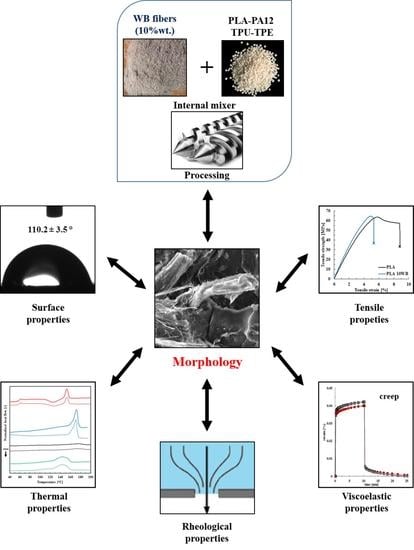
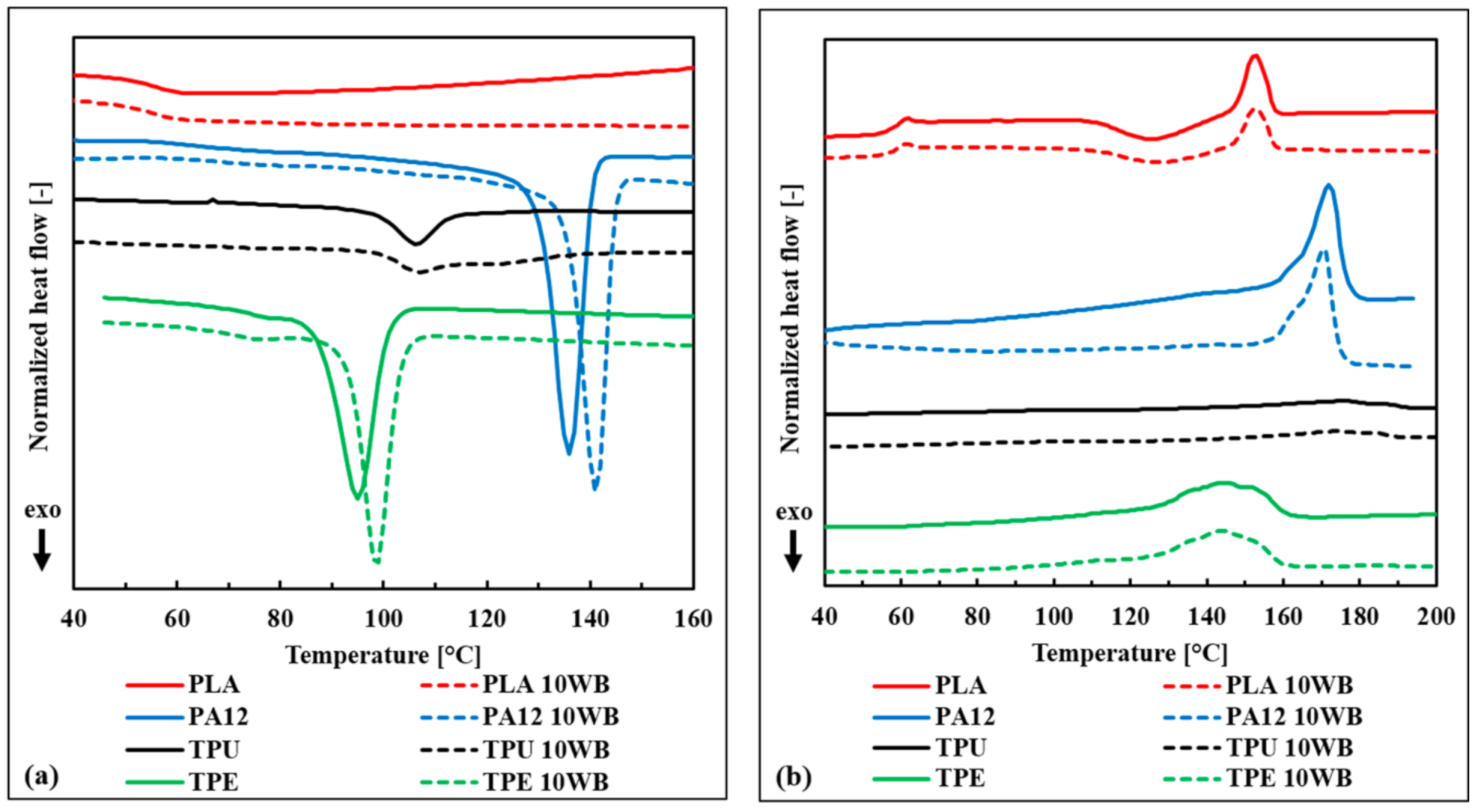
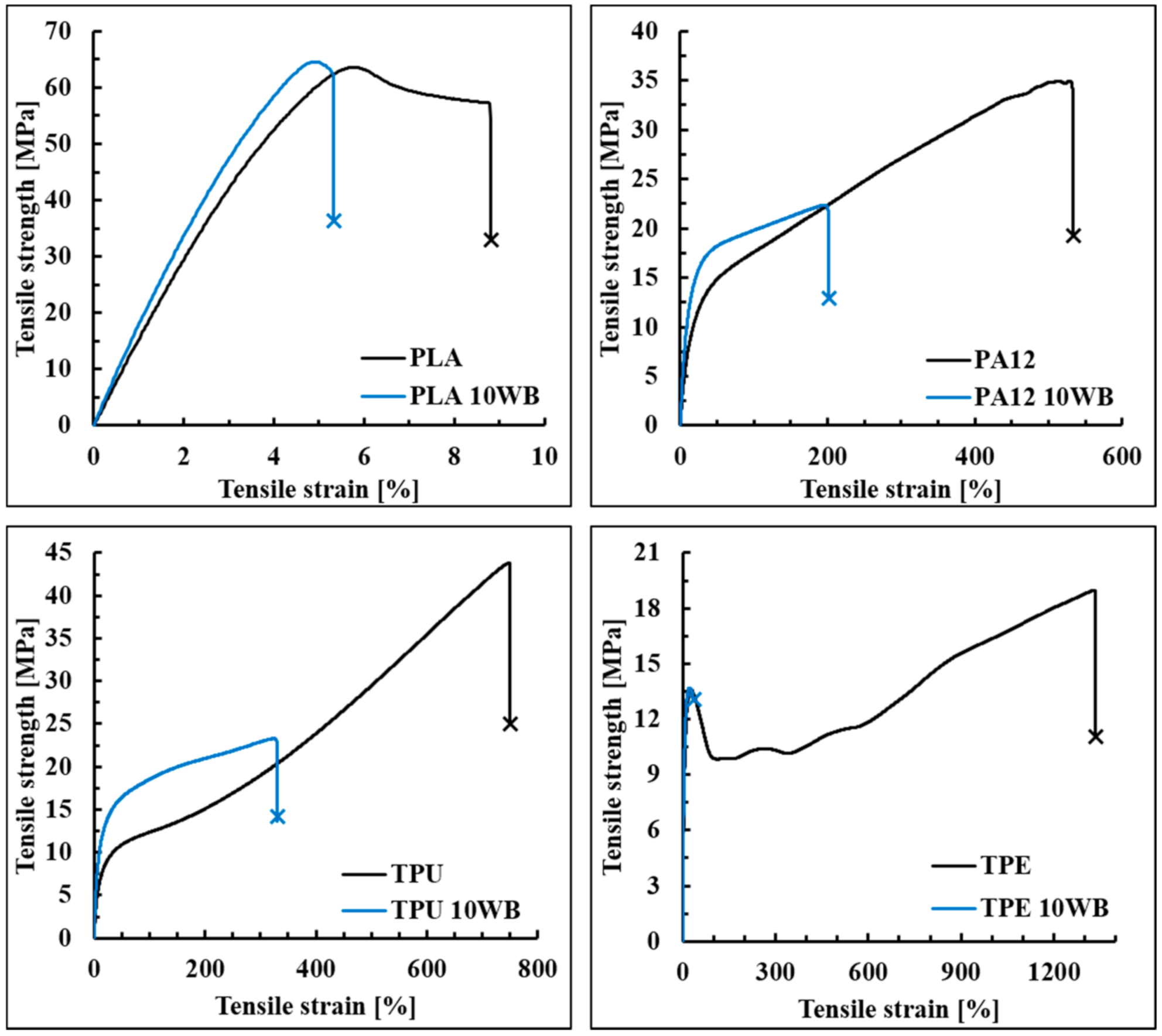
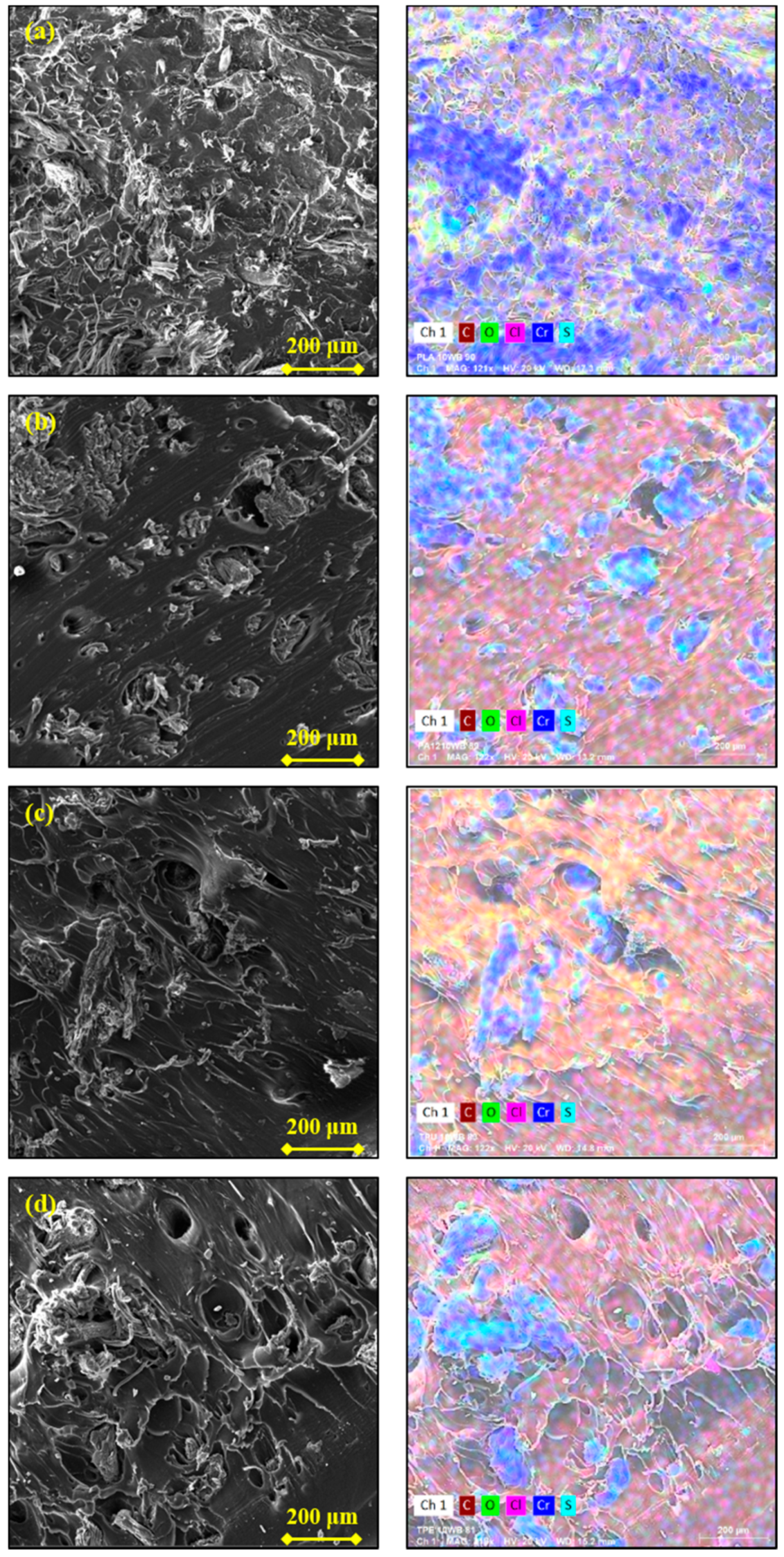
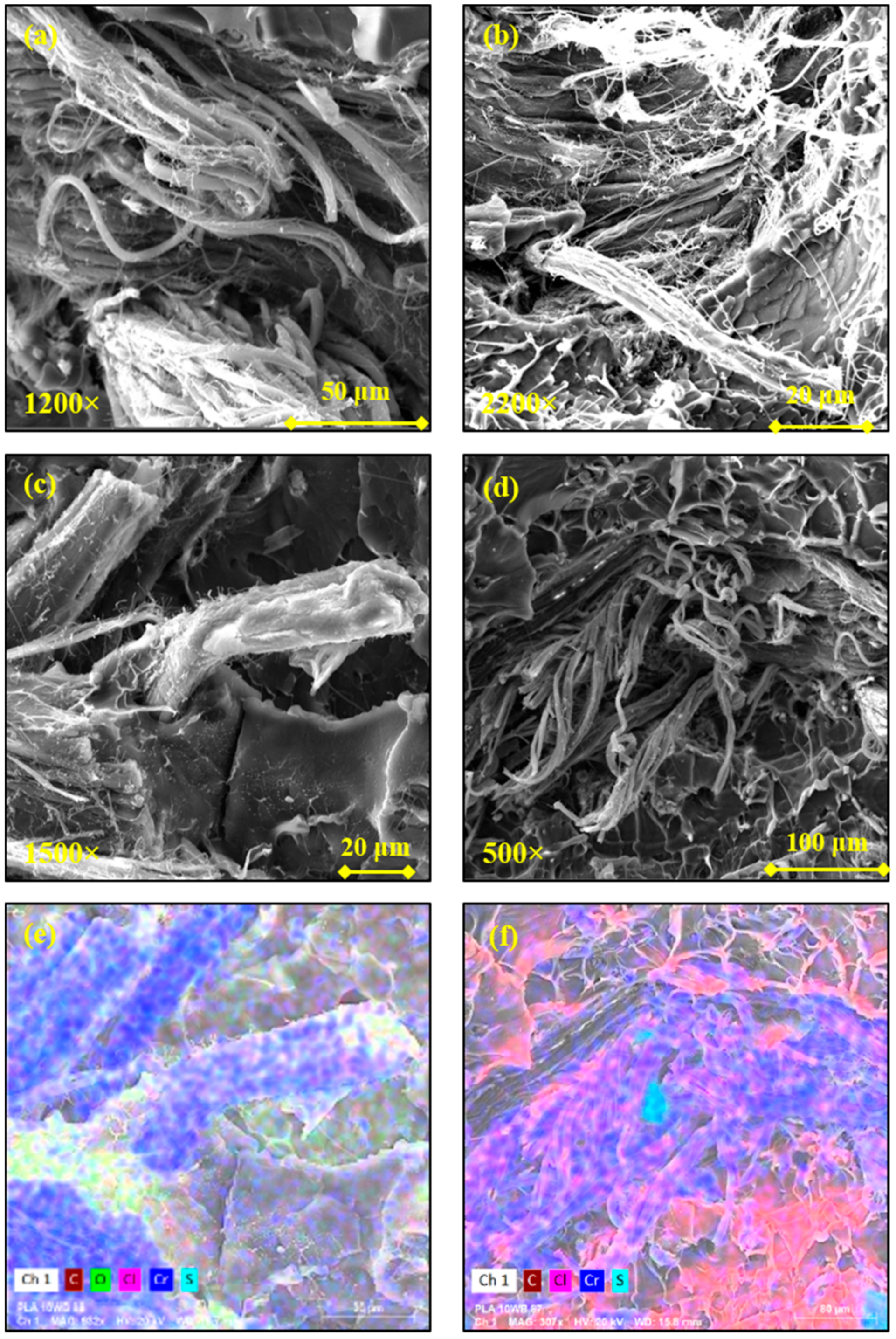
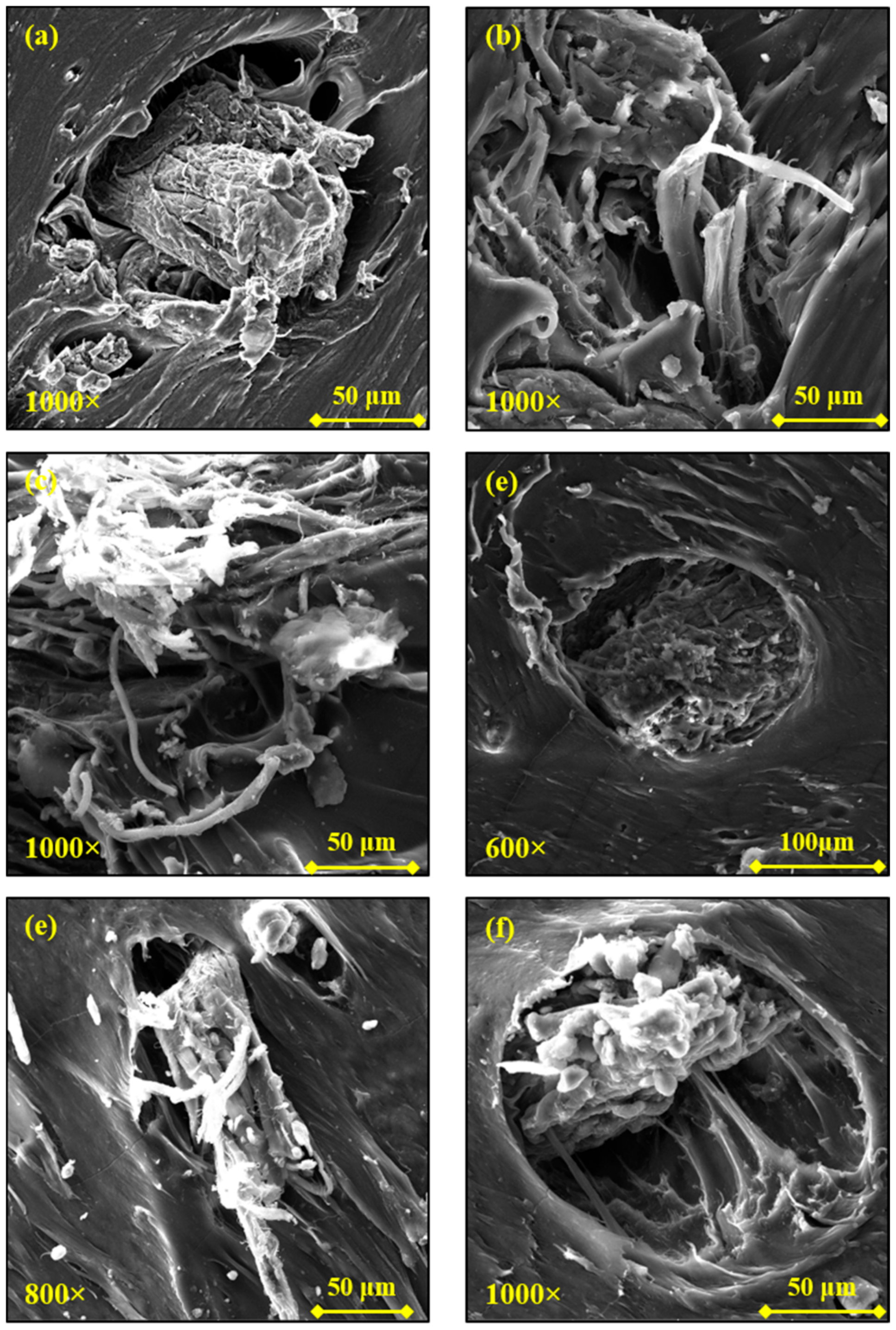
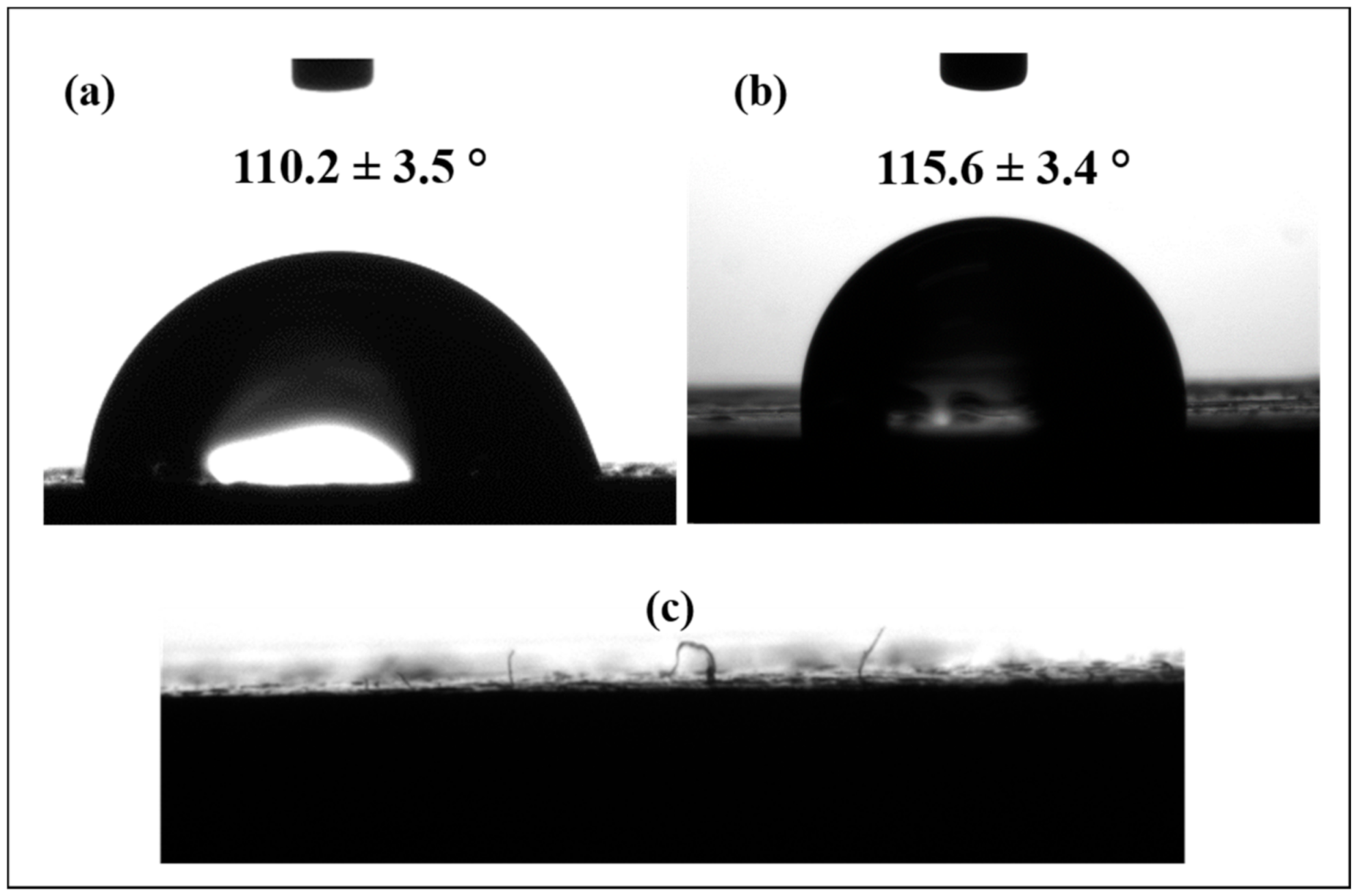
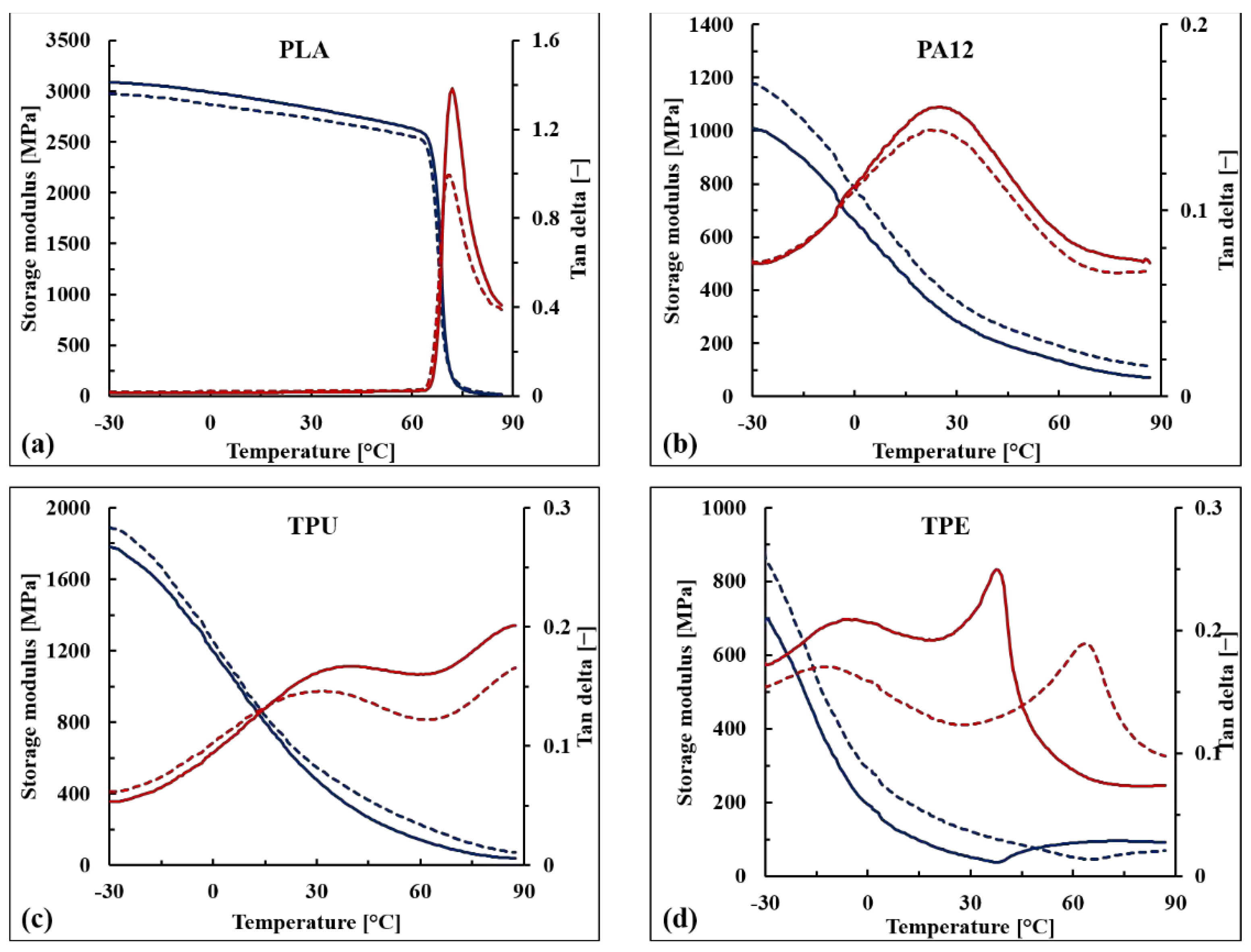
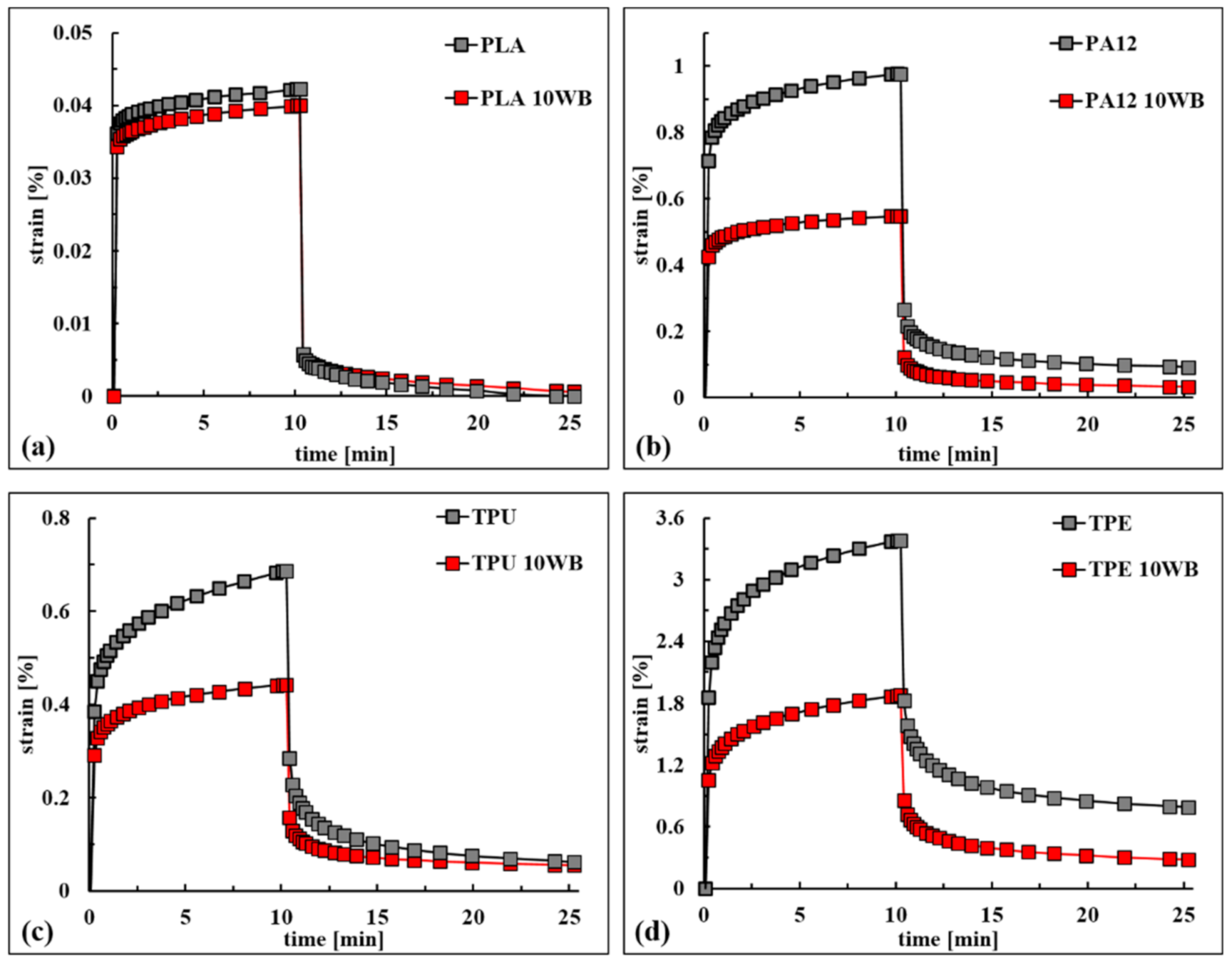
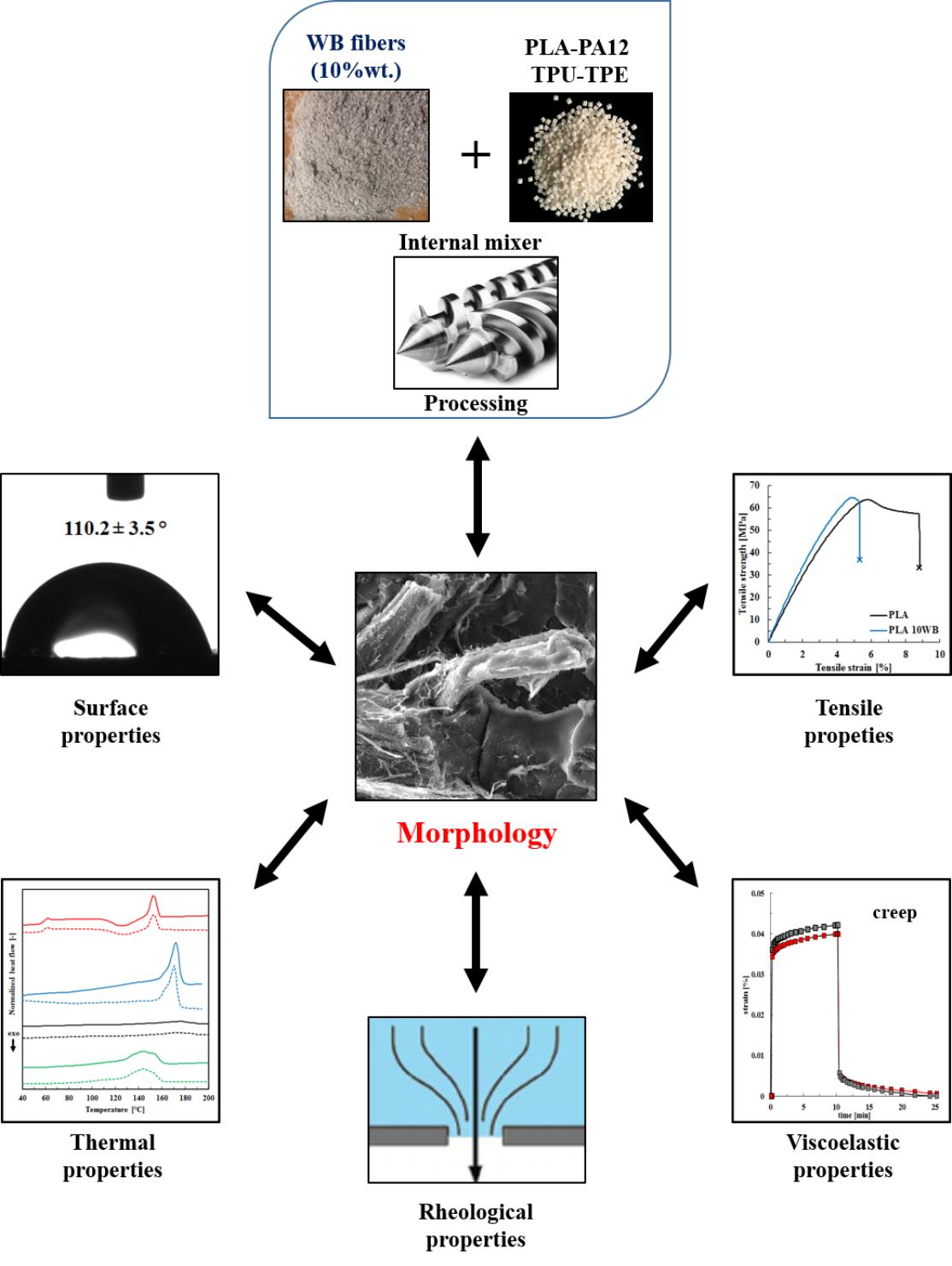
The present work investigated the possibility to use wet blue (WB) leather wastes as natural reinforcing fibers within different polymer matrices. After their preparation and characterization, WB fibers were melt-mixed at 10 wt.% with poly(lactic acid) (PLA), polyamide 12 (PA12), thermoplastic elastomer (TPE), and thermoplastic polyurethane (TPU), and the obtained samples were subjected to rheological, thermal, thermo-mechanical, and viscoelastic analyses. In parallel, morphological properties such as fiber distribution and dispersion, fiber–matrix adhesion, and fiber exfoliation phenomena were analyzed through a scanning electron microscope (SEM) and energy-dispersive spectroscopy (EDS) to evaluate the relationship between the compounding process, mechanical responses, and morphological parameters. The PLA-based composite exhibited the best results since the Young modulus (+18%), tensile strength (+1.5%), impact (+10%), and creep (+5%) resistance were simultaneously enhanced by the addition of WB fibers, which were well dispersed and distributed in and significantly branched and interlocked with the polymer matrix. PA12- and TPU-based formulations showed a positive behavior (around +47% of the Young modulus and +40% of creep resistance) even if the not-optimal fiber–matrix adhesion and/or the poor de-fibration of WB slightly lowered the tensile strength and elongation at break. Finally, the TPE-based sample exhibited the worst performance because of the poor affinity between hydrophilic WB fibers and the hydrophobic polymer matrix.
Keywords: natural fibers; reinforcing fibers; polymer composites; electron microscopy; creep modelling; poly(lactic acid); polyammide12; thermoplastic elastomer; thermoplastic polyurethane natural fibers; reinforcing fibers; polymer composites; electron microscopy; creep modelling; poly(lactic acid); polyammide12; thermoplastic elastomer; thermoplastic polyurethane
Graphical Abstract