Article

Development of Biodegradable Cosmetic Patch Using a Polylactic Acid/Phycocyanin–Alginate Composite

by
Sarah Amalina Adli
1,
Fathilah Ali
1,*,
Azlin Suhaida Azmi
1,
Hazleen Anuar
2,
Nur Aimi Mohd Nasir
2,
Rosnani Hasham
3 and
Mohamad Khairul Hafiz Idris
3
1
Department of Biotechnology Engineering, Kulliyyah of Engineering, International Islamic University Malaysia, Jalan Gombak, Kuala Lumpur 53100, Malaysia
2
Department of Manufacturing and Materials Engineering, Kulliyyah of Engineering, International Islamic University Malaysia, Kuala Lumpur 53100, Malaysia
3
Institute of Bioproduct Development, University Teknologi Malaysia, Johor Bahru 81310, Johor, Malaysia
*
Author to whom correspondence should be addressed.
Polymers 2020, 12(8), 1669; https://doi.org/10.3390/polym12081669
Submission received: 17 May 2020 / Revised: 20 July 2020 / Accepted: 21 July 2020 / Published: 27 July 2020
(This article belongs to the Special Issue Multifunctional Polymeric Biomaterials)

Abstract

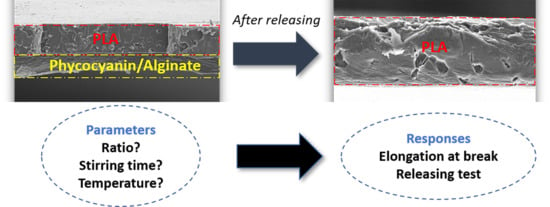
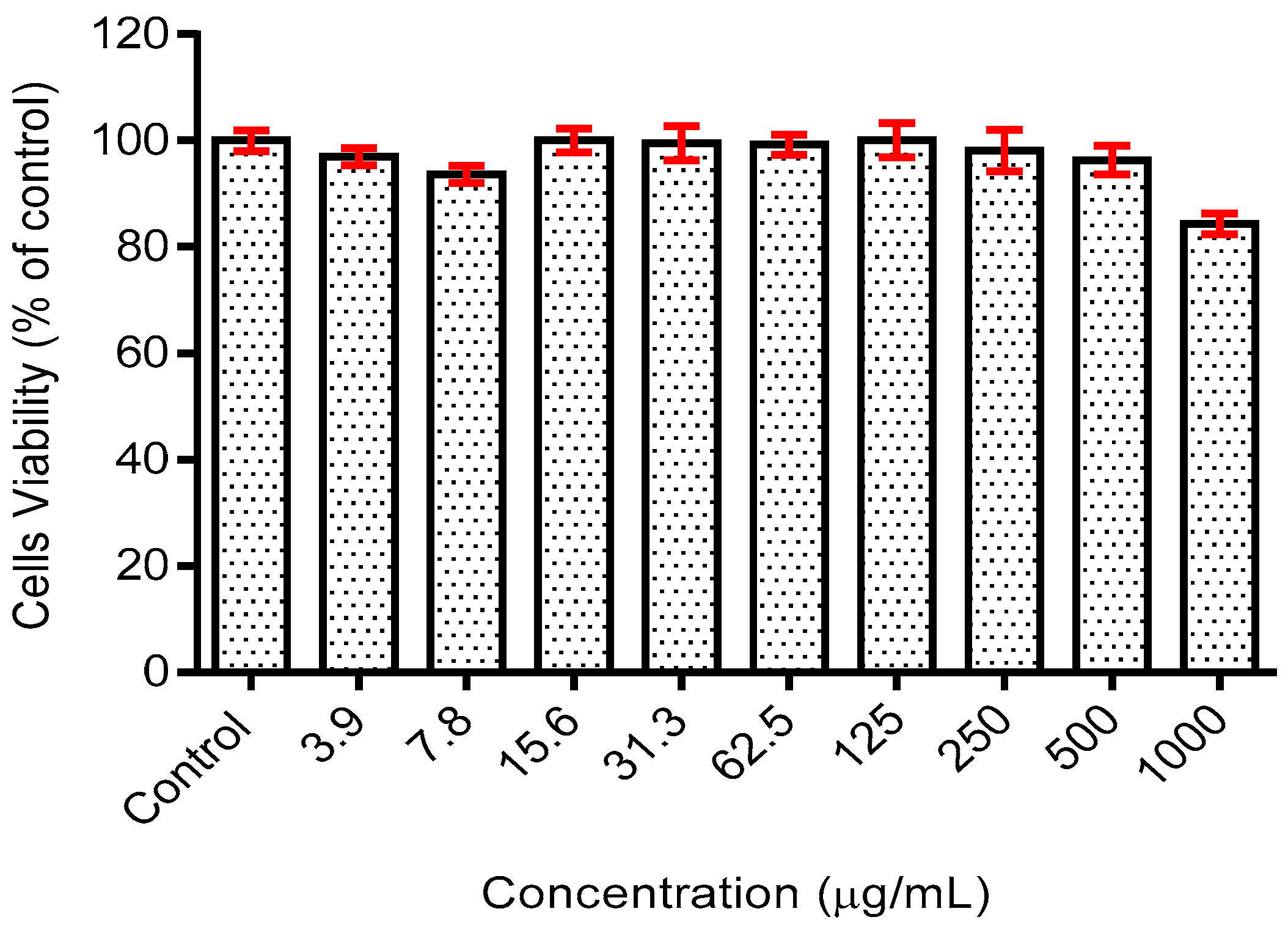
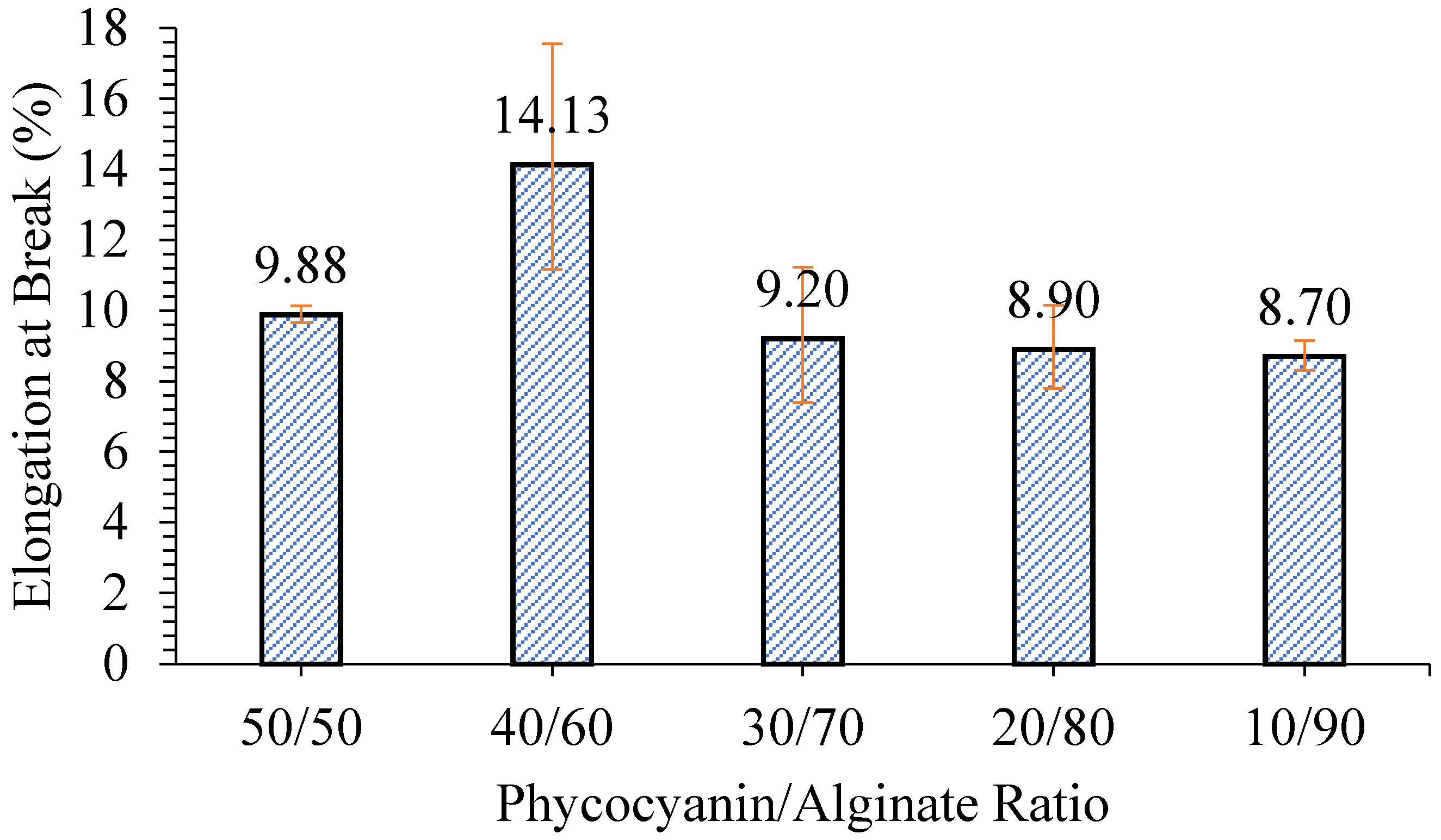
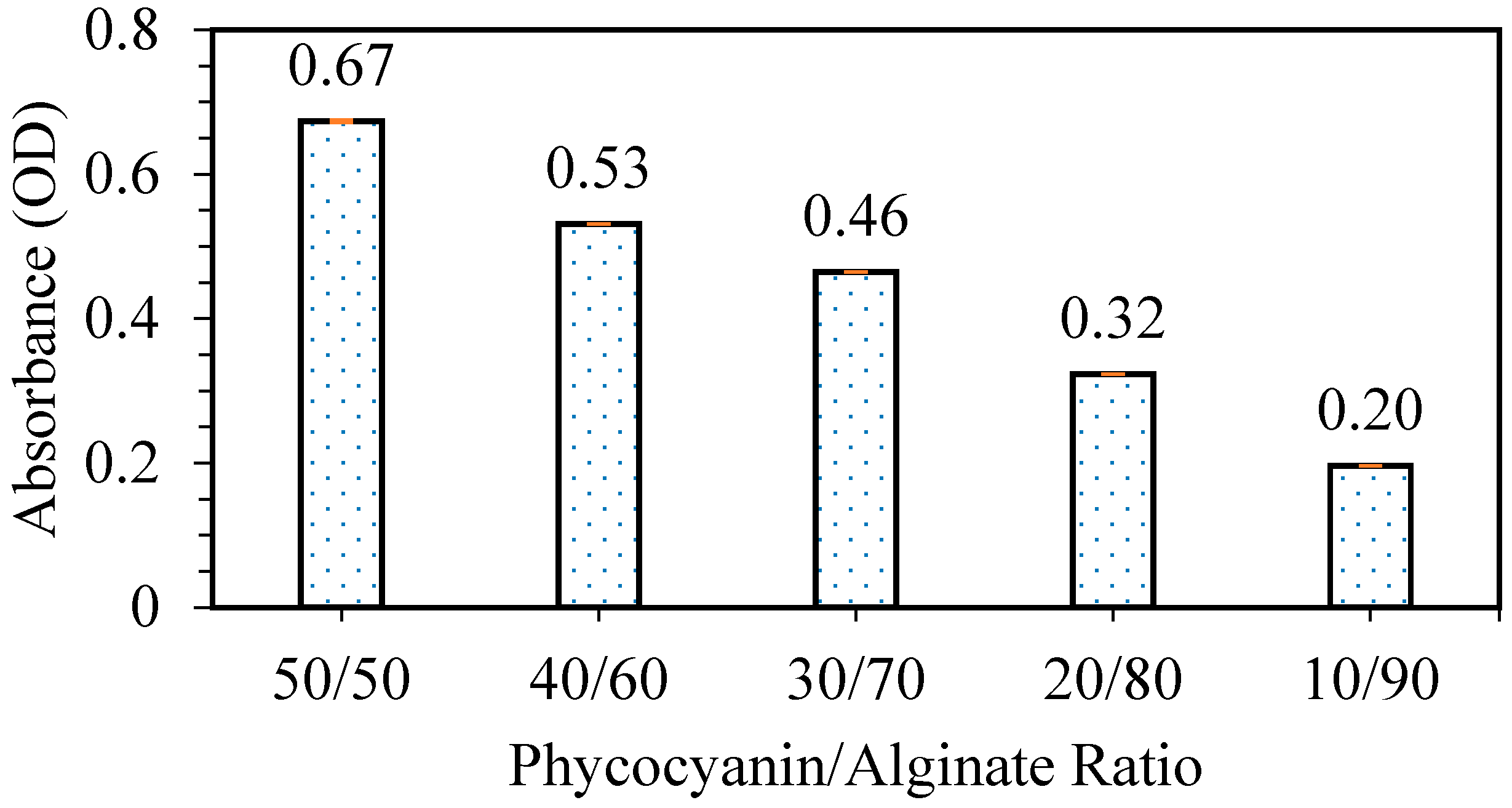
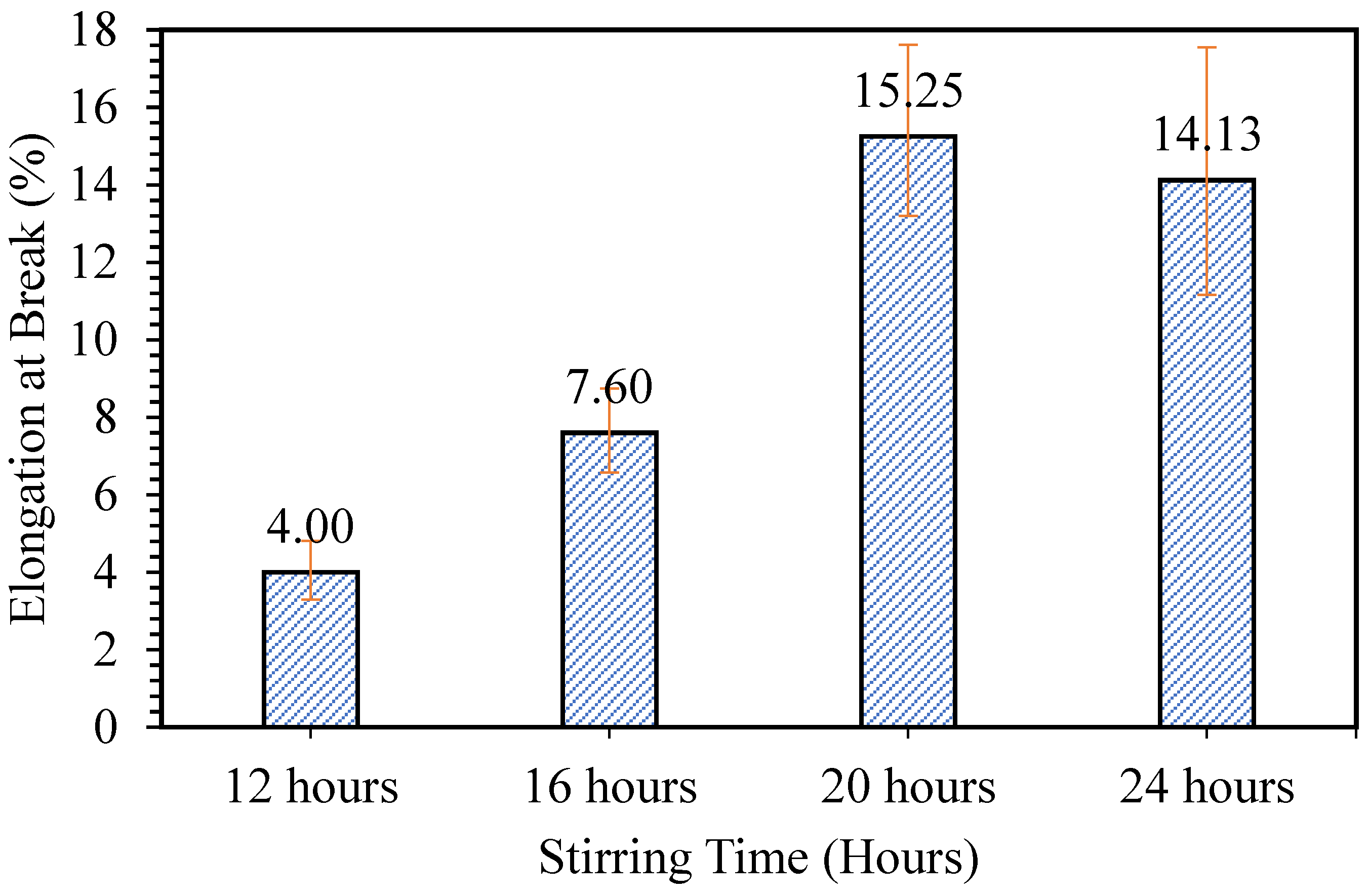
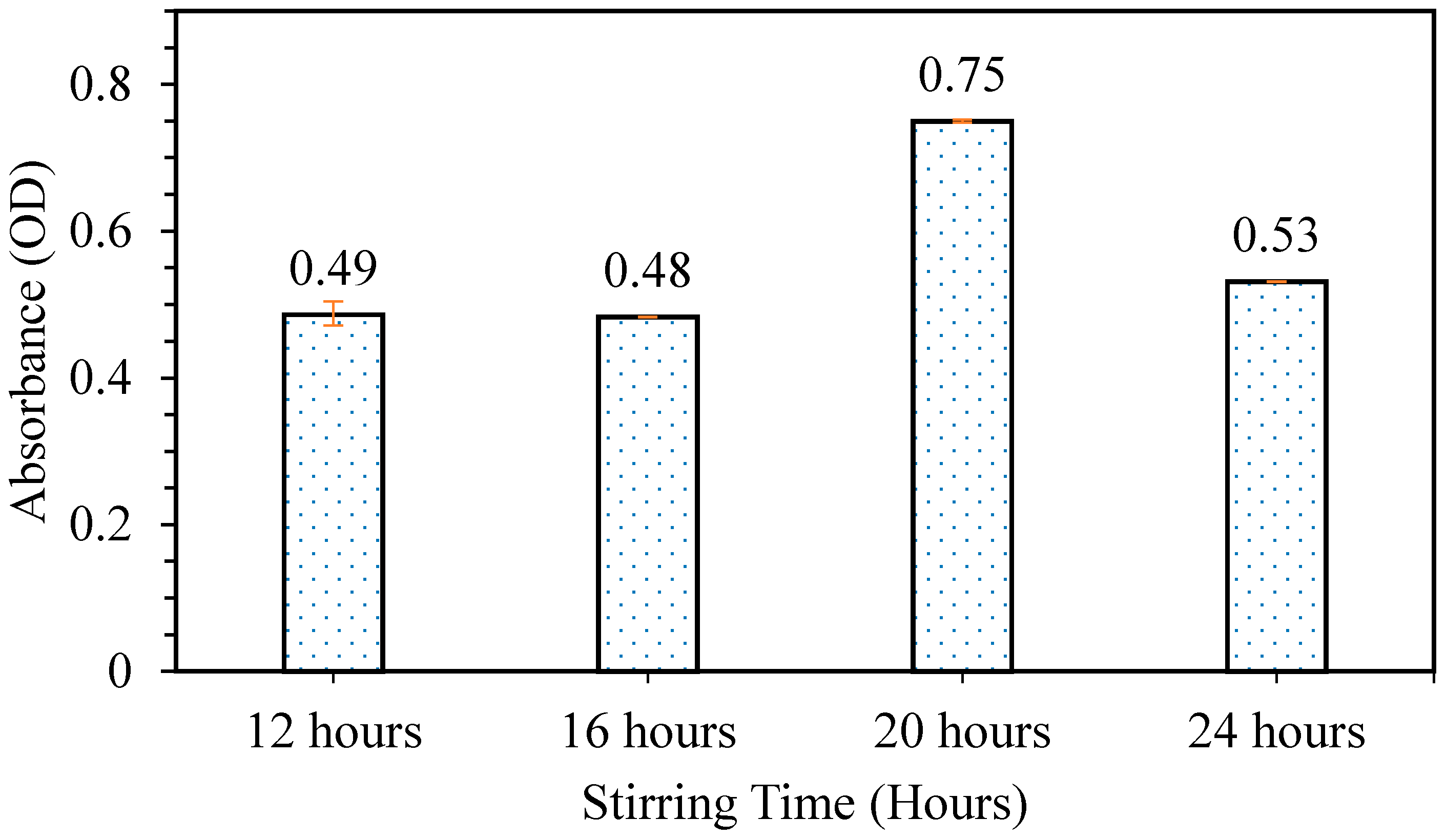
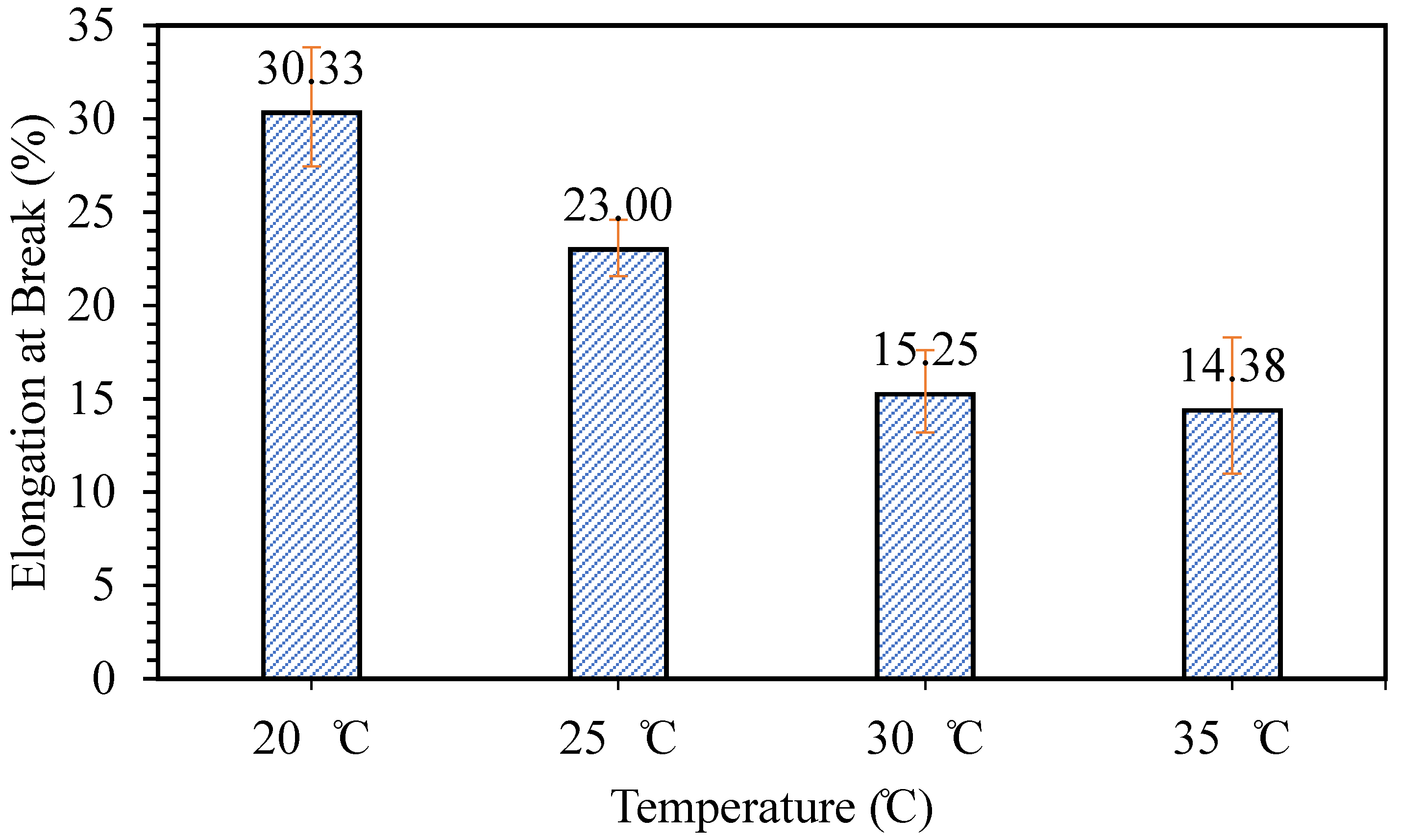
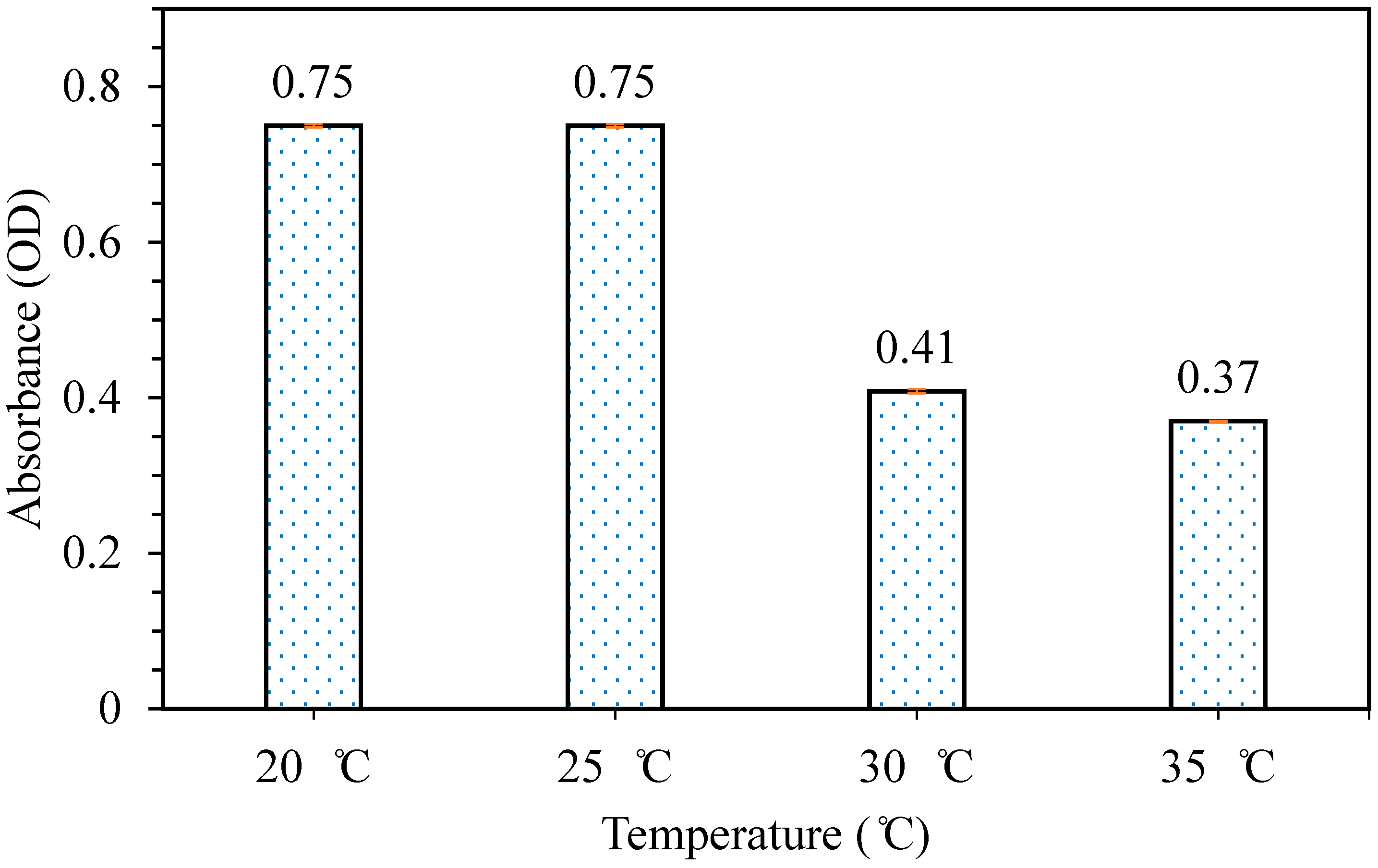
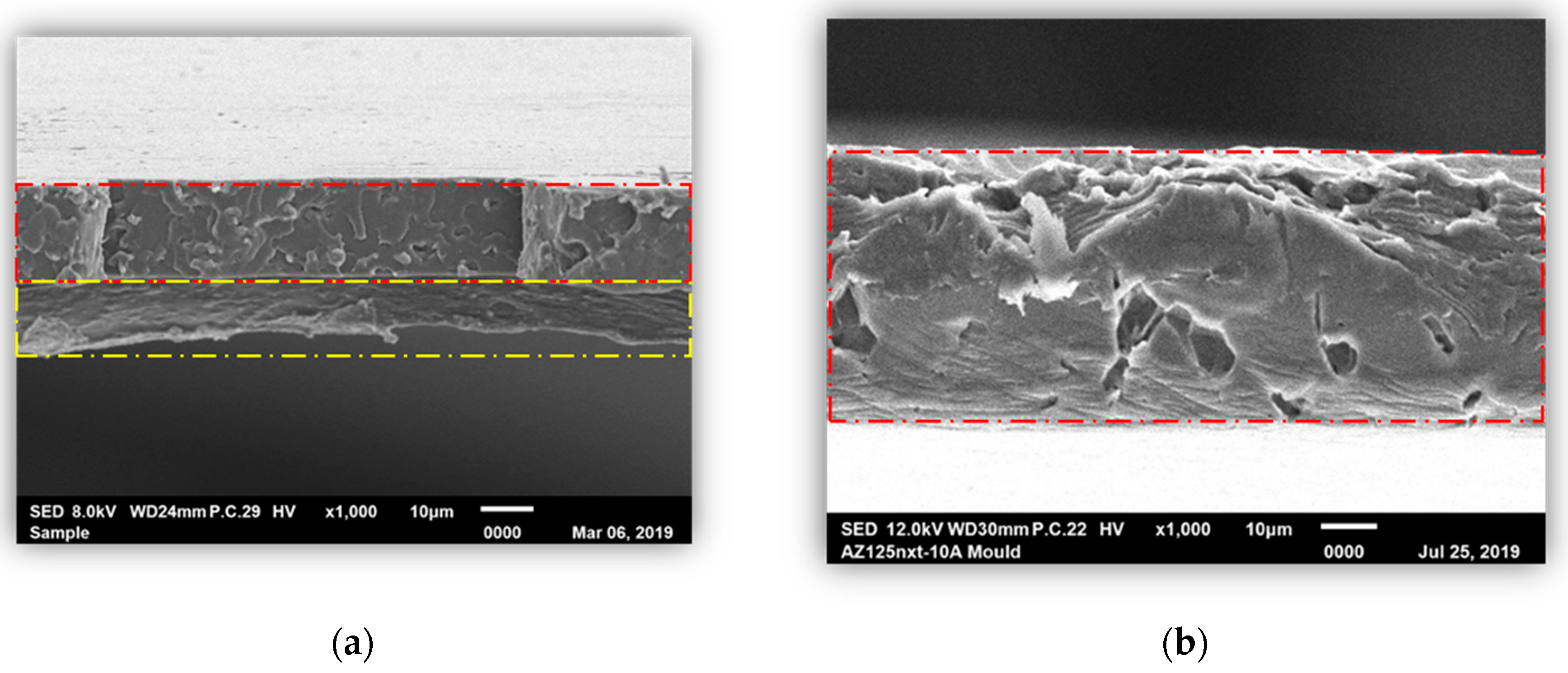
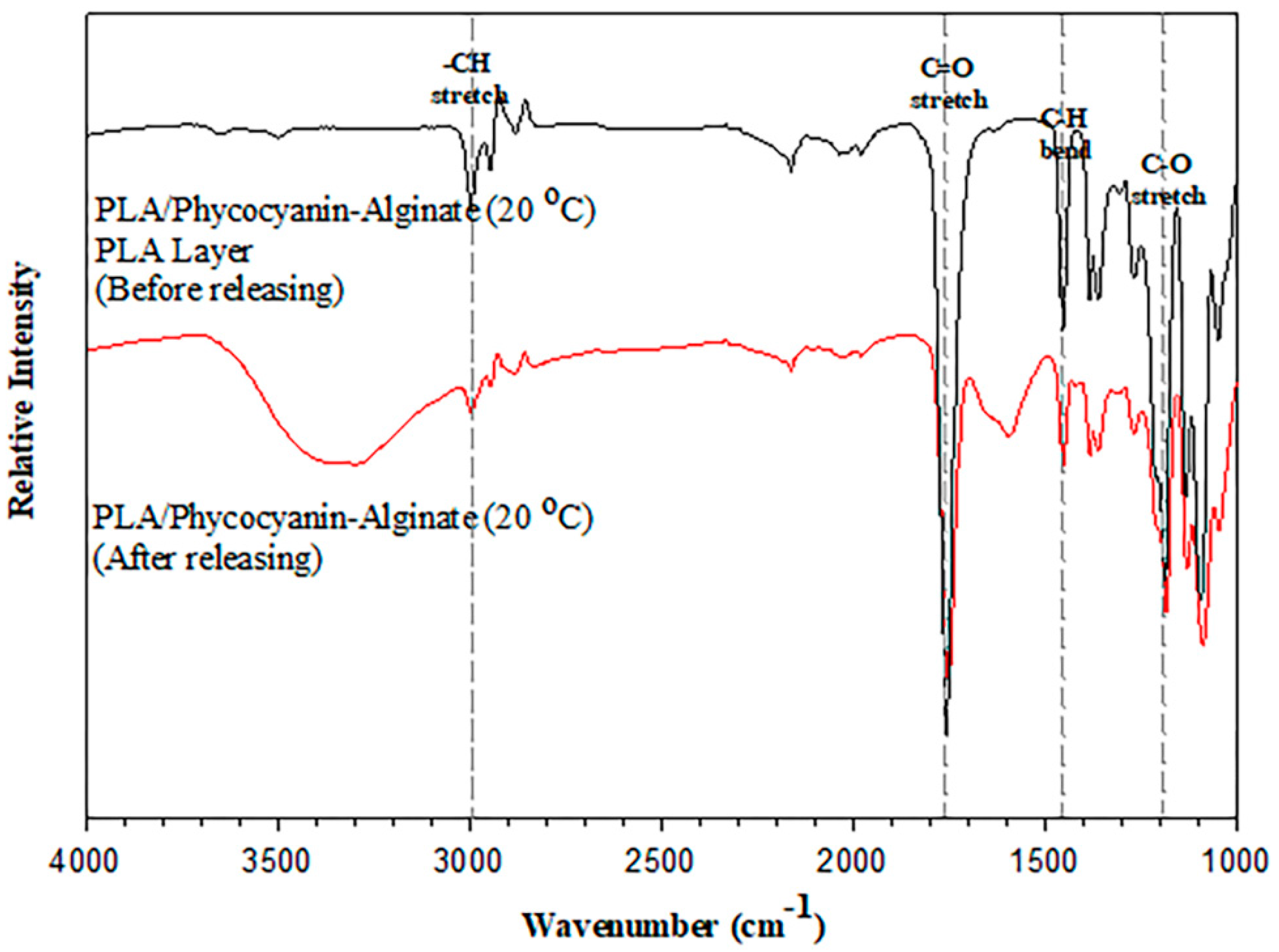
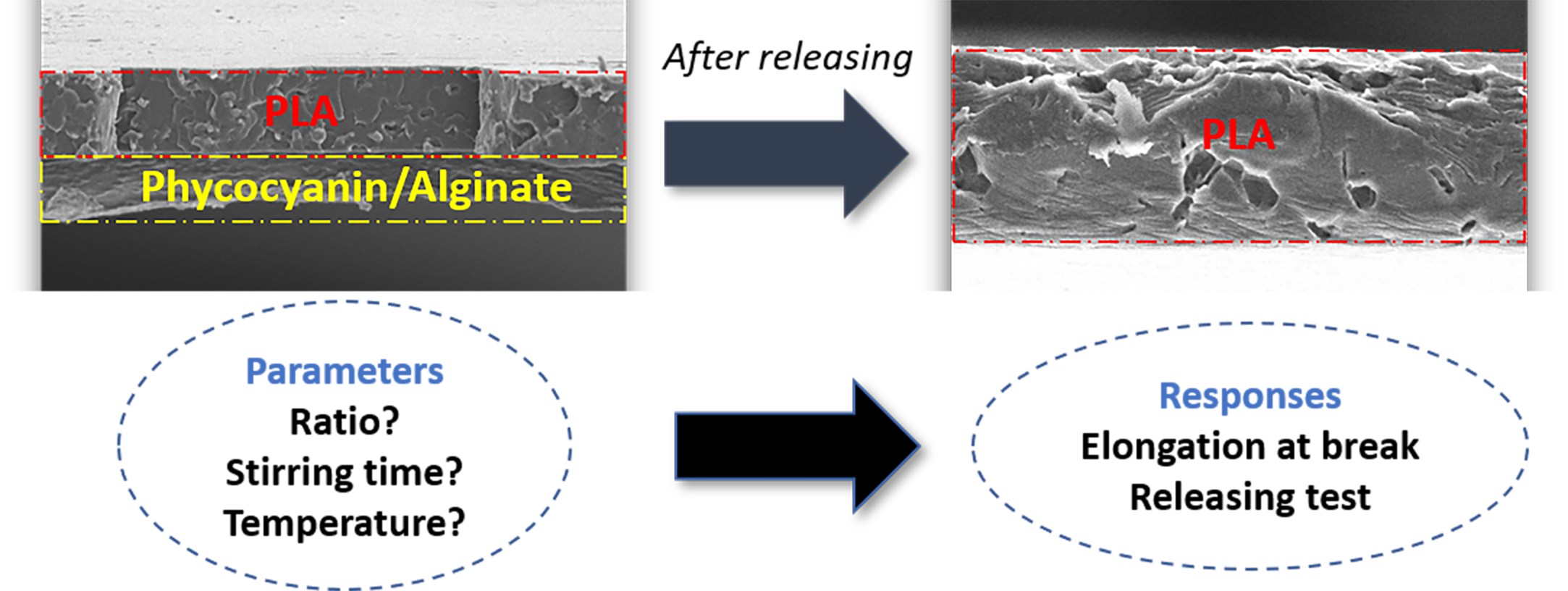
The usage of non-degradable polymer as the main matrix for a cosmetic patch raises concern, as it can cause environmental pollution when discarded in landfill. Thus, biodegradable polylactic acid (PLA) was chosen in this study, as PLA has non-toxic properties and similar mechanical properties to conventional plastic materials. An active ingredient in a cosmetic patch serves the purpose of providing beneficial ingredients to the skin; therefore, phycocyanin, an extract from spirulina, was chosen, as it possesses antioxidant and anti-inflammatory properties. Alginate was also incorporated with the phycocyanin for fabrication onto the PLA matrix. A preliminary study was first carried out to identify the antioxidant properties and cytotoxic effect of the phycocyanin on skin cells. It was observed that phycocyanin had no cytotoxic effect on the skin and showed good antioxidant activity. PLA/phycocyanin–alginate composite was fabricated using a solvent casting method, and optimization of preparation conditions (phycocyanin/alginate ratio, stirring time, and temperature) were carried out using the one-factor-at-a-time (OFAT) method with responses of elongation at break and releasing properties. Attenuated total reflectance (ATR)–FTIR analysis was also conducted to further analyze the functional group of the composites. Surface morphologies were observed for samples before and after the releasing test. From the analyses conducted, PLA/phycocyanin–alginate composite prepared at a phycocyanin/alginate ratio of 40/60 for 20 h at 20 °C gave the best properties in terms of flexibility of film and releasing properties of phycocyanin.
Keywords: patches; cosmetic; phycocyanin; PLA; spirulina extract; alginate patches; cosmetic; phycocyanin; PLA; spirulina extract; alginate
Graphical Abstract