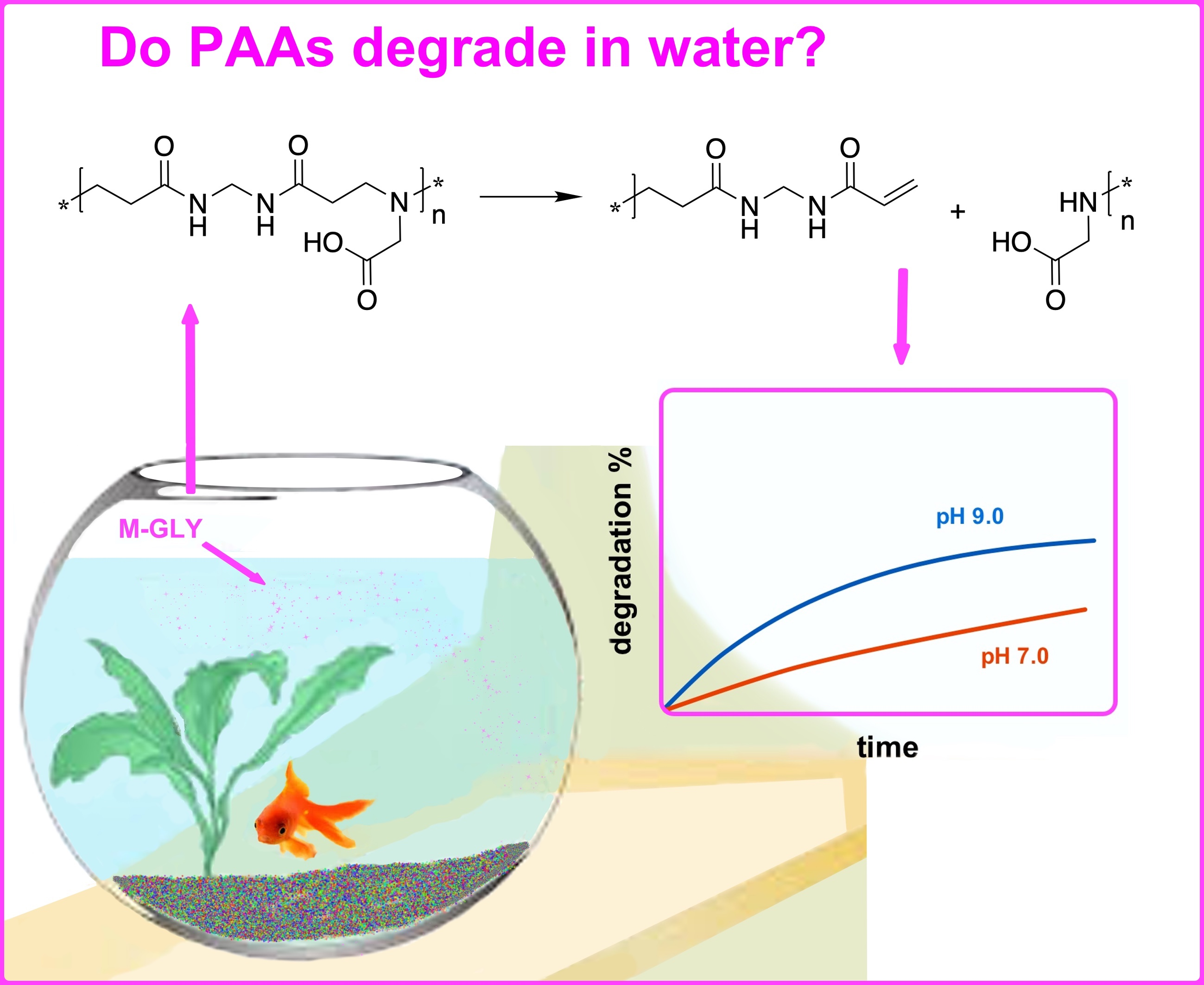
Highlight on the Mechanism of Linear Polyamidoamine Degradation in Water




Abstract
Share and Cite
Arioli, M.; Manfredi, A.; Alongi, J.; Ferruti, P.; Ranucci, E. Highlight on the Mechanism of Linear Polyamidoamine Degradation in Water. Polymers 2020, 12, 1376. https://doi.org/10.3390/polym12061376
Arioli M, Manfredi A, Alongi J, Ferruti P, Ranucci E. Highlight on the Mechanism of Linear Polyamidoamine Degradation in Water. Polymers. 2020; 12(6):1376. https://doi.org/10.3390/polym12061376
Chicago/Turabian StyleArioli, Matteo, Amedea Manfredi, Jenny Alongi, Paolo Ferruti, and Elisabetta Ranucci. 2020. "Highlight on the Mechanism of Linear Polyamidoamine Degradation in Water" Polymers 12, no. 6: 1376. https://doi.org/10.3390/polym12061376
APA StyleArioli, M., Manfredi, A., Alongi, J., Ferruti, P., & Ranucci, E. (2020). Highlight on the Mechanism of Linear Polyamidoamine Degradation in Water. Polymers, 12(6), 1376. https://doi.org/10.3390/polym12061376