The Incorporation of Carvacrol into Poly (vinyl alcohol) Films Encapsulated in Lecithin Liposomes


Abstract
1. Introduction
2. Materials and Methods
2.1. Materials
2.2. Preparation of Liposome Dispersions
2.3. Preparation of Films
2.4. Characterization of the Active Poly (vinyl alcohol) Films
2.4.1. CA Retention and Structural Arrangement
2.4.2. Thermal Behaviour
2.4.3. Functional and Optical Properties
2.4.4. Statistical Analysis
3. Results and Discussion
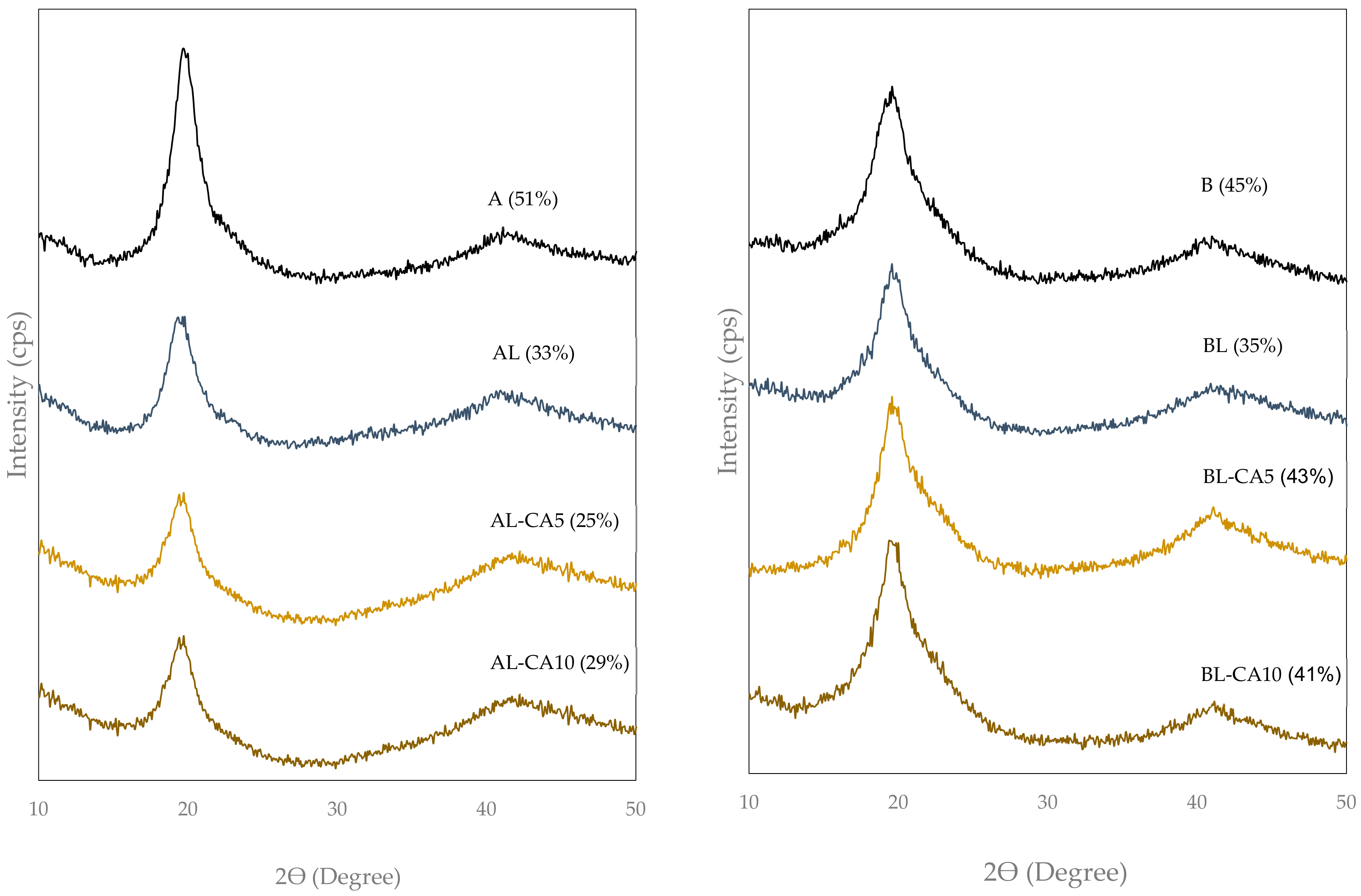
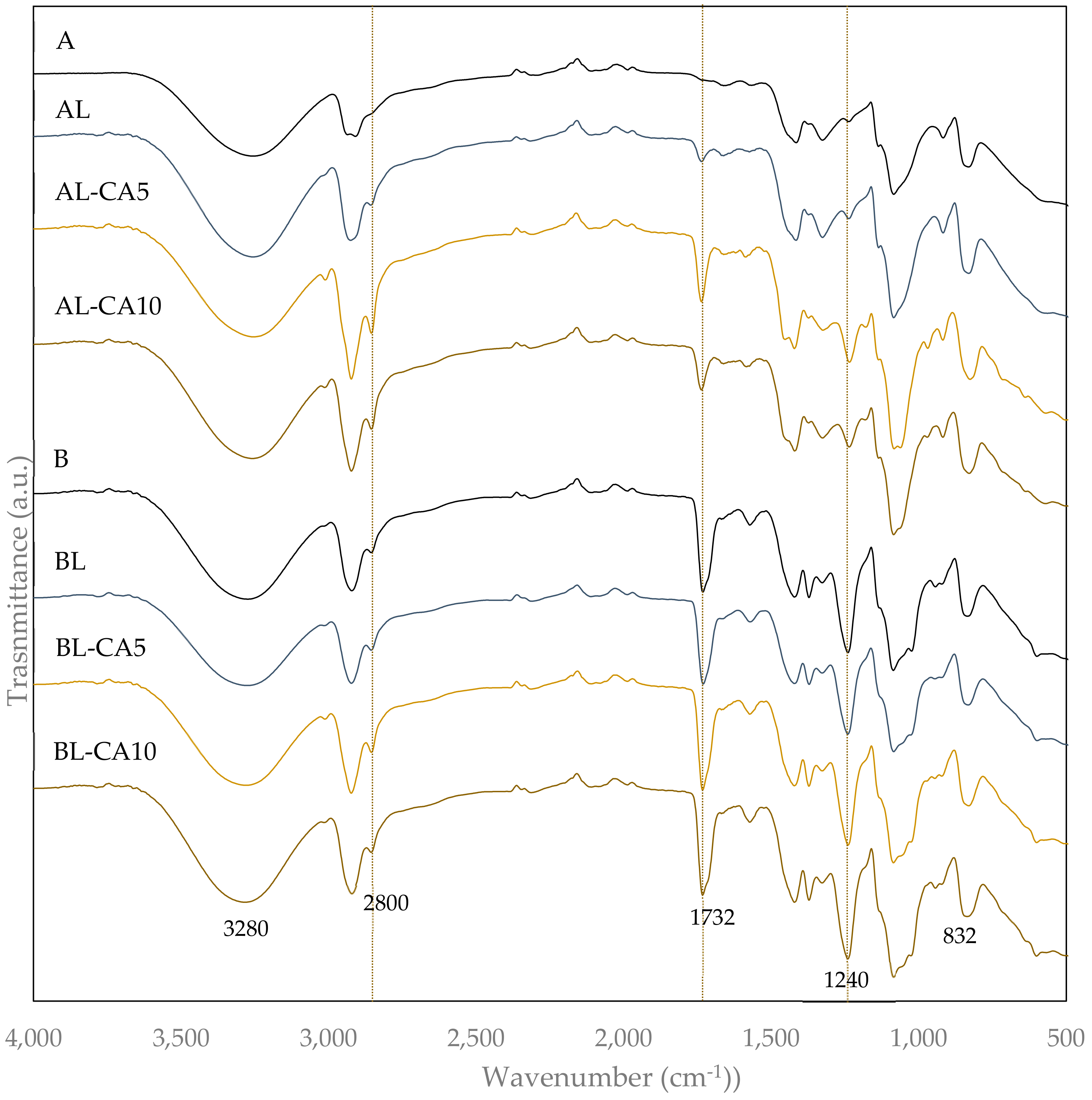
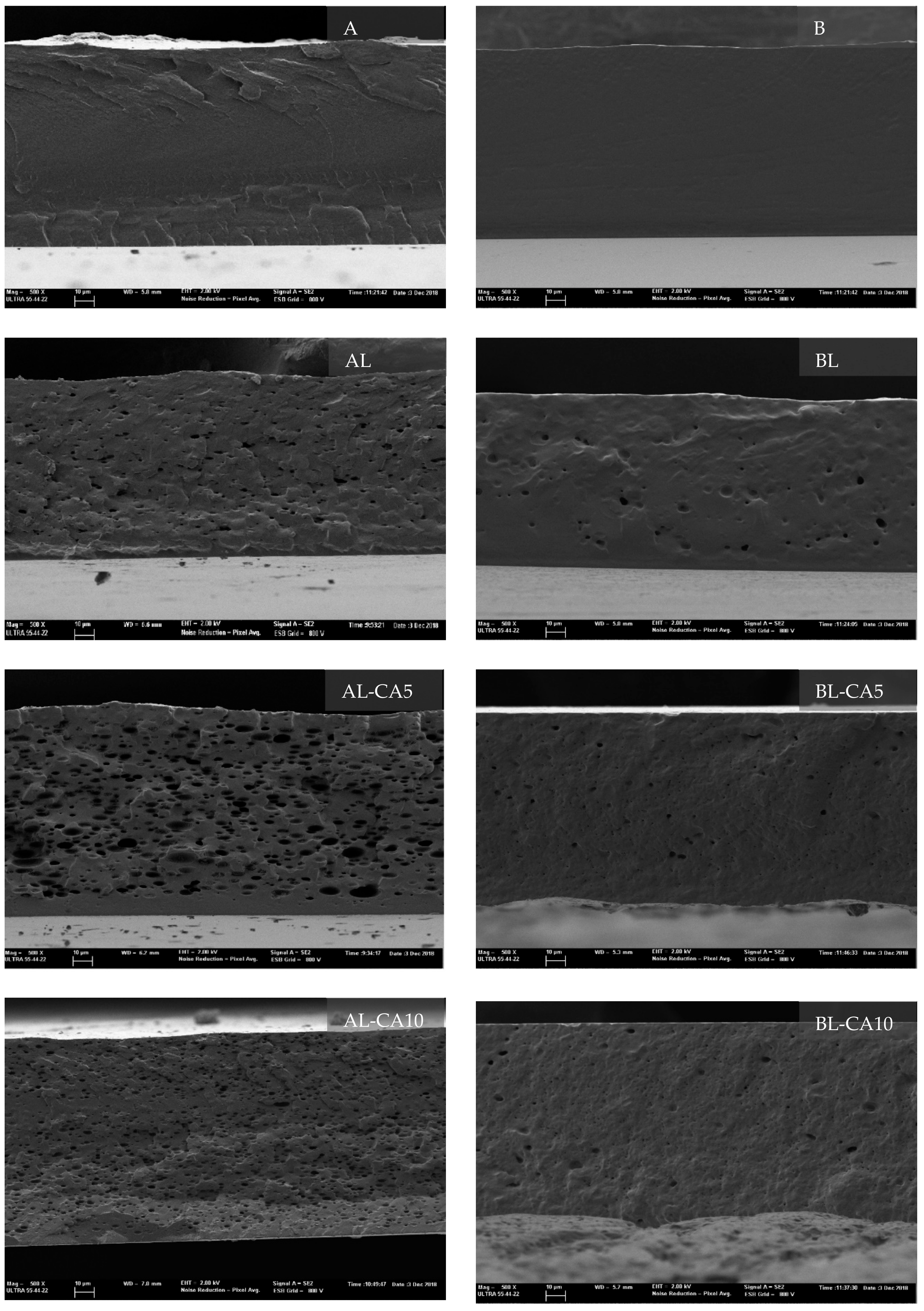
3.1. Microstructure
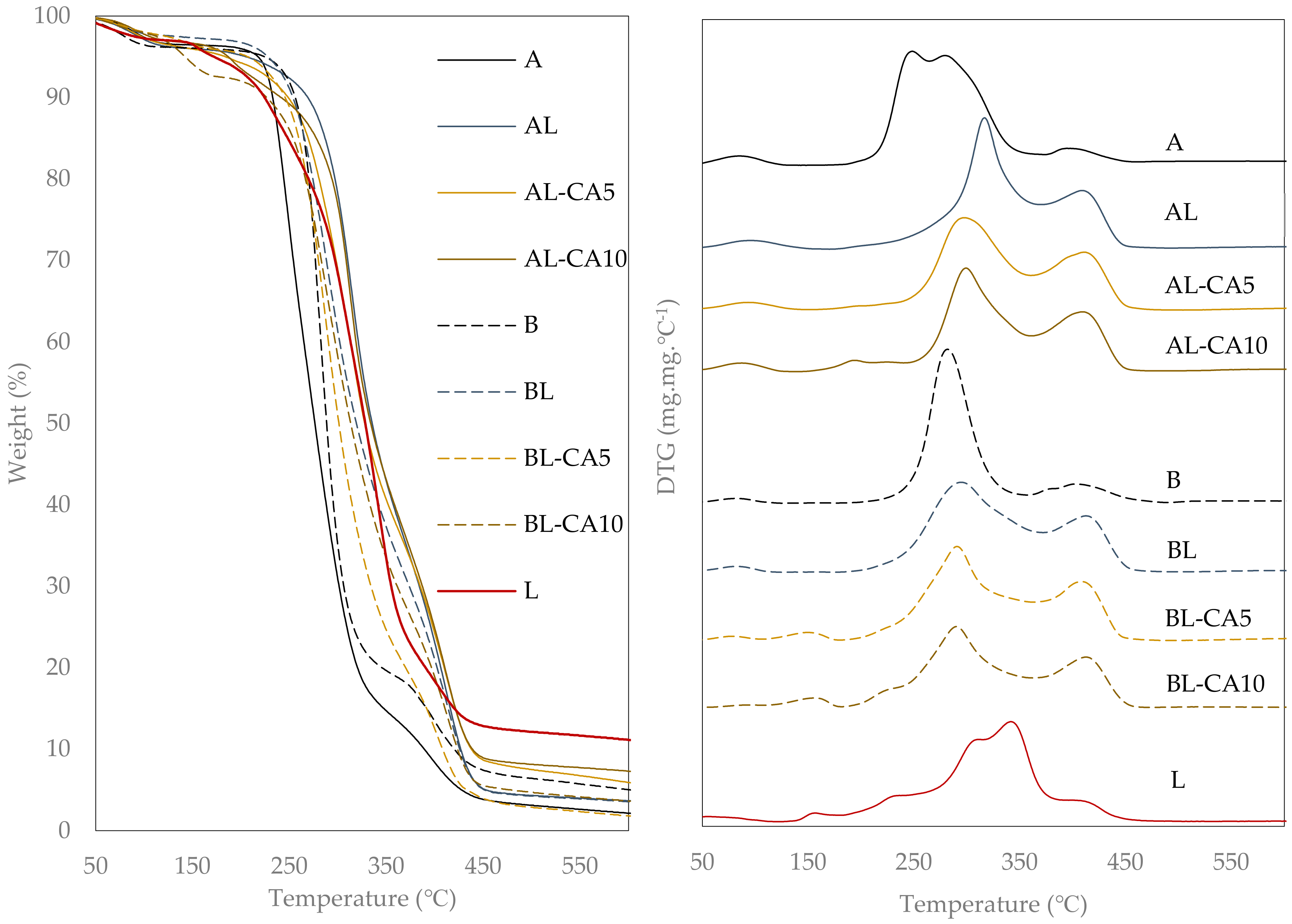
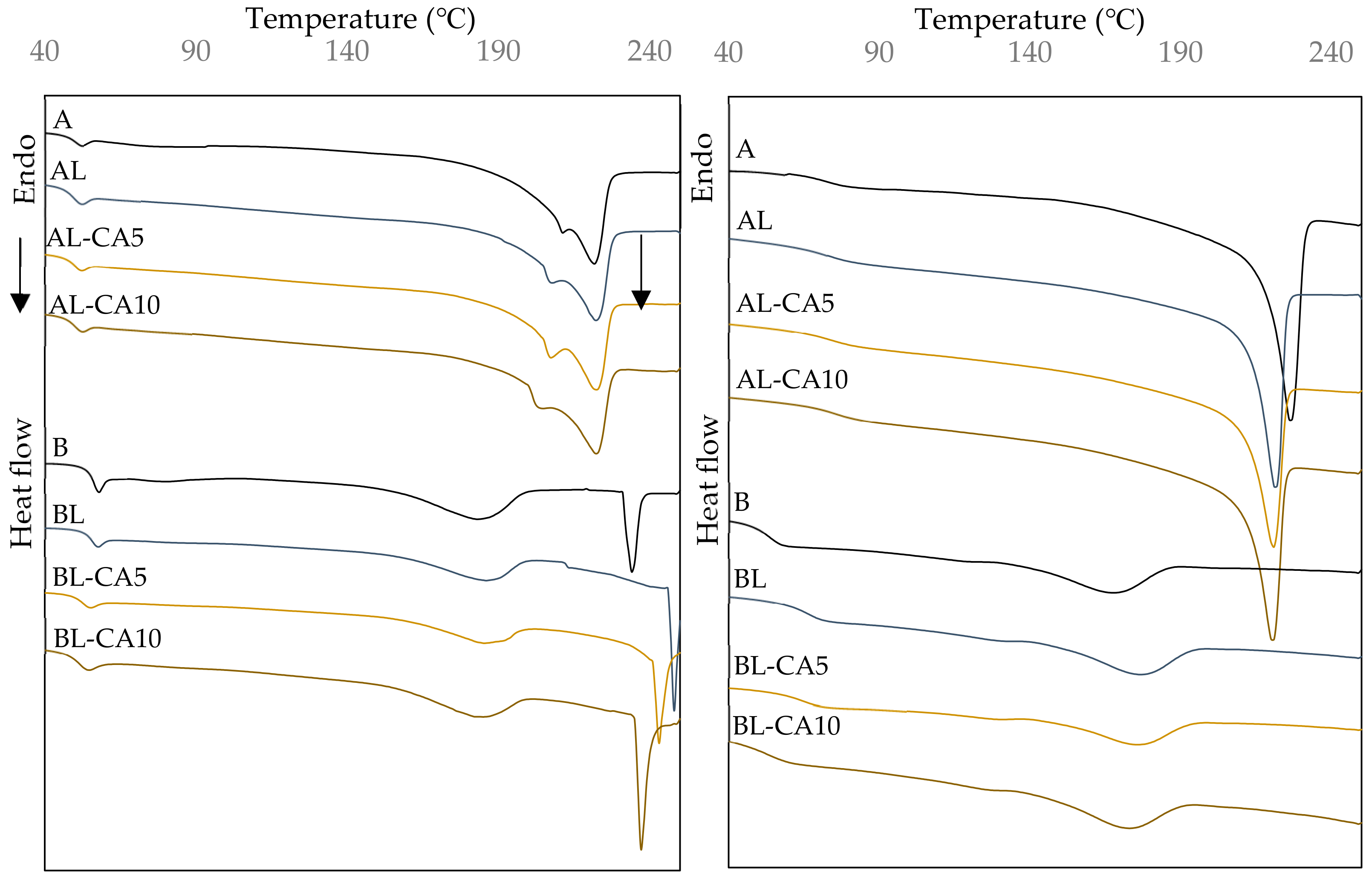
3.2. Thermal Behaviour
3.3. Functional Properties
4. Conclusions
Author Contributions
Funding
Acknowledgments
Conflicts of Interest
References
- Cruz, R.M.S.; Alves, V.; Khmelinskii, I.; Vieira, M.C. Chapter 2 - New Food Packaging Systems; Elsevier Inc.: Amsterdam, The Netherlands, 2018; ISBN 9780128115169. [Google Scholar]
- Fang, Z.; Zhao, Y.; Warner, R.D.; Johnson, S.K. Active and intelligent packaging in meat industry. Trends Food Sci. Technol. 2017, 61, 60–71. [Google Scholar] [CrossRef]
- Thong, C.C.; Teo, D.C.L.; Ng, C.K. Application of polyvinyl alcohol (PVA) in cement-based composite materials: A review of its engineering properties and microstructure behavior. Constr. Build. Mater. 2016, 107, 172–180. [Google Scholar] [CrossRef]
- Li, R.; Wang, Y.; Xu, J.; Ahmed, S.; Liu, Y. Preparation and characterization of ultrasound treatment Polyvinyl Alcohol/Chitosan/DMC antimicrobial films. Coating 2019, 9, 582. [Google Scholar] [CrossRef]
- Muppalaneni, S. Polyvinyl Alcohol in Medicine and Pharmacy: A Perspective. J. Dev. Drugs 2013, 2. [Google Scholar] [CrossRef]
- Cano, A.; Fortunati, E.; Cháfer, M.; Kenny, J.M.; Chiralt, A.; González-Martínez, C. Properties and ageing behaviour of pea starch films as affected by blend with poly(vinyl alcohol). Food Hydrocoll. 2015, 48, 84–93. [Google Scholar] [CrossRef]
- Bakkali, F.; Averbeck, S.; Averbeck, D.; Idaomar, M. Biological effects of essential oils—A review. Food Chem. Toxicol. 2008, 46, 446–475. [Google Scholar] [CrossRef] [PubMed]
- De Vincenzi, M.; Stammati, A.; De Vincenzi, A.; Silano, M. Constituents of aromatic plants: Carvacrol. Fitoterapia 2004, 75, 801–804. [Google Scholar] [CrossRef] [PubMed]
- Veldhuizen, E.J.A.; Tjeerdsma-Van Bokhoven, J.L.M.; Zweijtzer, C.; Burt, S.A.; Haagsman, H.P. Structural requirements for the antimicrobial activity of carvacrol. J. Agric. Food Chem. 2006, 54, 1874–1879. [Google Scholar] [CrossRef]
- Gursul, S.; Karabulut, I.; Durmaz, G. Antioxidant efficacy of thymol and carvacrol in microencapsulated walnut oil triacylglycerols. Food Chem. 2019, 278, 805–810. [Google Scholar] [CrossRef]
- Atarés, L.; Chiralt, A. Essential oils as additives in biodegradable films and coatings for active food packaging. Trends Food Sci. Technol. 2016, 48, 51–62. [Google Scholar] [CrossRef]
- Cofelice, M.; Cuomo, F.; Chiralt, A. Alginate Films Encapsulating Lemongrass Essential Oil as Affected by Spray Calcium Application. Colloids Interfaces 2019, 3, 58. [Google Scholar] [CrossRef]
- Requena, R.; Vargas, M.; Chiralt, A. Release kinetics of carvacrol and eugenol from poly(hydroxybutyrate-co-hydroxyvalerate) (PHBV) films for food packaging applications. Eur. Polym. J. 2017, 92, 185–193. [Google Scholar] [CrossRef]
- Sánchez-González, L.; Chiralt, A.; González-Martínez, C.; Cháfer, M. Effect of essential oils on properties of film forming emulsions and films based on hydroxypropylmethylcellulose and chitosan. J. Food Eng. 2011, 105, 246–253. [Google Scholar] [CrossRef]
- Sapper, M.; Wilcaso, P.; Santamarina, M.P.; Roselló, J.; Chiralt, A. Antifungal and functional properties of starch-gellan films containing thyme (Thymus zygis) essential oil. Food Control 2018, 92, 505–515. [Google Scholar] [CrossRef]
- El Asbahani, A.; Miladi, K.; Badri, W.; Sala, M.; Addi, E.H.A.; Casabianca, H.; El Mousadik, A.; Hartmann, D.; Jilale, A.; Renaud, F.N.R.; et al. Essential oils: From extraction to encapsulation. Int. J. Pharm. 2015, 483, 220–243. [Google Scholar] [CrossRef]
- Callegarin, F.; Gallo, J.A.Q.; Debeaufort, F.; Voilley, A. Lipids and biopackaging. JAOCS J. Am. Oil Chem. Soc. 1997, 74, 1183–1192. [Google Scholar] [CrossRef]
- Coimbra, M.; Isacchi, B.; Van Bloois, L.; Torano, J.S.; Ket, A.; Wu, X.; Broere, F.; Metselaar, J.M.; Rijcken, C.J.F.; Storm, G.; et al. Improving solubility and chemical stability of natural compounds for medicinal use by incorporation into liposomes. Int. J. Pharm. 2011, 416, 433–442. [Google Scholar] [CrossRef]
- Sebaaly, C.; Greige-Gerges, H.; Stainmesse, S.; Fessi, H.; Charcosset, C. Effect of composition, hydrogenation of phospholipids and lyophilization on the characteristics of eugenol-loaded liposomes prepared by ethanol injection method. Food Biosci. 2016, 15, 1–10. [Google Scholar] [CrossRef]
- Sebaaly, C.; Charcosset, C.; Stainmesse, S.; Fessi, H.; Greige-Gerges, H. Clove essential oil-in-cyclodextrin-in-liposomes in the aqueous and lyophilized states: From laboratory to large scale using a membrane contactor. Carbohydr. Polym. 2016, 138, 75–85. [Google Scholar] [CrossRef]
- Carvalho, I.T.; Estevinho, B.N.; Santos, L. Application of microencapsulated essential oils in cosmetic and personal healthcare products—A review. Int. J. Cosmet. Sci. 2016, 38, 109–119. [Google Scholar] [CrossRef]
- Hammoud, Z.; Gharib, R.; Fourmentin, S.; Elaissari, A.; Greige-Gerges, H. New findings on the incorporation of essential oil components into liposomes composed of lipoid S100 and cholesterol. Int. J. Pharm. 2019, 561, 161–170. [Google Scholar] [CrossRef] [PubMed]
- Valencia-Sullca, C.; Jiménez, M.; Jiménez, A.; Atarés, L.; Vargas, M.; Chiralt, A. Influence of liposome encapsulated essential oils on properties of chitosan films. Polym. Int. 2016, 65, 979–987. [Google Scholar] [CrossRef]
- Standard Test Method for Tensile Properties of Thin Plastic Sheeting, ASTM D882-02; ASTM international: West Conshohocken, PA, USA, 2002; Volume 14, pp. 1–10.
- Standard Test Methods for Water Vapor Transmission of Materials, ASTM E 96/E96M-05; ASTM international: West Conshohocken, PA, USA, 2009; Volume 05, pp. 1–11.
- Cano, A.; Jiménez, A.; Cháfer, M.; Gónzalez, C.; Chiralt, A. Effect of amylose: Amylopectin ratio and rice bran addition on starch films properties. Carbohydr. Polym. 2014, 111, 543–555. [Google Scholar] [CrossRef] [PubMed]
- Standard Test Method for Determination of Oxygen Gas Transmission Rate, Permeability and Permeance at Controlled Relative Humidity Through Barrier Materials Using a Coulometric Detector, ASTM F1927; ASTM international: West Conshohocken, PA, USA, 2010; Volume 07, pp. 1–6.
- Hutchings, J.B. Food Color and Appearance; Springer: Gaithersburg, MD, USA, 1999. [Google Scholar]
- Andreuccetti, C.; Carvalho, R.A.; Galicia-García, T.; Martínez-Bustos, F.; Grosso, C.R.F. Effect of surfactants on the functional properties of gelatin-based edible films. J. Food Eng. 2011, 103, 129–136. [Google Scholar] [CrossRef]
- Perdones, Á.; Chiralt, A.; Vargas, M. Properties of film-forming dispersions and films based on chitosan containing basil or thyme essential oil. Food Hydrocoll. 2016, 57, 271–279. [Google Scholar] [CrossRef]
- Limpan, N.; Prodpran, T.; Benjakul, S.; Prasarpran, S. Influences of degree of hydrolysis and molecular weight of poly(vinyl alcohol) (PVA) on properties of fish myofibrillar protein/PVA blend films. Food Hydrocoll. 2012, 29, 226–233. [Google Scholar] [CrossRef]
- Reiner, G.N.; Fraceto, L.F.; de Paula, E.; Perillo, M.A.; García, D.A. Effects of Gabaergic Phenols on Phospholipid Bilayers as Evaluated by 1H-NMR. J. Biomater. Nanobiotechnol. 2013, 4, 28–34. [Google Scholar]
- Reiner, G.N.; Perillo, M.A.; García, D.A. Effects of propofol and other GABAergic phenols on membrane molecular organization. Colloids Surf. B Biointerfaces 2013, 101, 61–67. [Google Scholar] [CrossRef]
- Andrade, J.; González-Martínez, C.; Chiralt, A. Incorporation of carvacrol into poly (vinyl alcohol) films, as affected by the polymer molecular characteristics. Polym. Degrad. Stab. 2020. under review. [Google Scholar]
- Talón, E.; Vargas, M.; Chiralt, A.; González-Martínez, C. Antioxidant starch-based films with encapsulated eugenol. Application to sunflower oil preservation. Lwt 2019, 113, 108290. [Google Scholar] [CrossRef]
- Abral, H.; Hartono, A.; Hafizulhaq, F.; Handayani, D.; Sugiarti, E.; Pradipta, O. Characterization of PVA/cassava starch biocomposites fabricated with and without sonication using bacterial cellulose fiber loadings. Carbohydr. Polym. 2019, 206, 593–601. [Google Scholar] [CrossRef] [PubMed]
- Altan, A.; Aytac, Z.; Uyar, T. Carvacrol loaded electrospun fibrous films from zein and poly(lactic acid) for active food packaging. Food Hydrocoll. 2018, 81, 48–59. [Google Scholar] [CrossRef]
- Buendía−Moreno, L.; Sánchez−Martínez, M.J.; Antolinos, V.; Ros−Chumillas, M.; Navarro−Segura, L.; Soto−Jover, S.; Martínez−Hernández, G.B.; López−Gómez, A. Active cardboard box with a coating including essential oils entrapped within cyclodextrins and/or hallosyte nanotubes. A case study for fresh tomato storage. Food Control 2020, 107, 106763. [Google Scholar] [CrossRef]
- Neira, L.M.; Martucci, J.F.; Stejskal, N.; Ruseckaite, R.A. Time-dependent evolution of properties of fish gelatin edible films enriched with carvacrol during storage. Food Hydrocoll. 2019, 94, 304–310. [Google Scholar] [CrossRef]
- Trindade, G.G.G.; Thrivikraman, G.; Menezes, P.P.; França, C.M.; Lima, B.S.; Carvalho, Y.M.B.G.; Souza, E.P.B.S.S.; Duarte, M.C.; Shanmugam, S.; Quintans-Júnior, L.J.; et al. Carvacrol/β-cyclodextrin inclusion complex inhibits cell proliferation and migration of prostate cancer cells. Food Chem. Toxicol. 2019, 125, 198–209. [Google Scholar] [CrossRef] [PubMed]
- Taladrid, D.; Marín, D.; Alemán, A.; Álvarez-Acero, I.; Montero, P.; Gómez-Guillén, M.C. Effect of chemical composition and sonication procedure on properties of food-grade soy lecithin liposomes with added glycerol. Food Res. Int. 2017, 100, 541–550. [Google Scholar] [CrossRef] [PubMed]
- Pinilla, C.M.B.; Thys, R.C.S.; Brandelli, A. Antifungal properties of phosphatidylcholine-oleic acid liposomes encapsulating garlic against environmental fungal in wheat bread. Int. J. Food Microbiol. 2019, 293, 72–78. [Google Scholar] [CrossRef]
- Perilla, J.E. Estudio de la degradación térmica de poli (alcohol vinílico) mediante termogravimetría y termogravimetría diferencial thermogravimetry and differential thermogravimetry. Ingeniería e investigación 2007, 27, 100–105. [Google Scholar]
- Cristancho, D.; Zhou, Y.; Cooper, R.; Huitink, D.; Aksoy, F.; Liu, Z.; Liang, H.; Seminario, J.M. Degradation of polyvinyl alcohol under mechanothermal stretching. J. Mol. Model. 2013, 19, 3245–3253. [Google Scholar] [CrossRef]
- Cai, H.; Dave, V.; Gross, R.A.; McCarthy, S.P. Effects of physical aging, crystallinity, and orientation on the enzymatic degradation of poly(lactic acid). J. Polym. Sci. Part B Polym. Phys. 1996, 34, 2701–2708. [Google Scholar] [CrossRef]
- Canevarolo, S.V. Técnicas de Caracterização de Polímeros. Artliber, São Paulo 2004, 430, 229–261. [Google Scholar]
- David, J.; Salazar, R. Study of Structural, Thermic, µ-Raman and Optic Transformation of PVA/TiO2 Polymeric Membranes. Sci. Tech. 2019, 23, 543–552. [Google Scholar]
- McHugh, T.H.; Krochta, J.M. Sorbitol-vs Glycerol-Plasticized Whey Protein Edible Films: Integrated Oxygen Permeability and Tensile Property Evaluation. J. Agric. Food Chem. 1994, 42, 841–845. [Google Scholar] [CrossRef]
- Restrepo, I.; Medina, C.; Meruane, V.; Akbari-Fakhrabadi, A.; Flores, P.; Rodríguez-Llamazares, S. The effect of molecular weight and hydrolysis degree of poly(vinyl alcohol)(PVA) on the thermal and mechanical properties of poly(lactic acid)/PVA blends. Polimeros 2018, 28, 169–177. [Google Scholar] [CrossRef]
- Tongnuanchan, P.; Benjakul, S.; Prodpran, T. Properties and antioxidant activity of fish skin gelatin film incorporated with citrus essential oils. Food Chem. 2012, 134, 1571–1579. [Google Scholar] [CrossRef]
- Atarés, L.; De Jesús, C.; Talens, P.; Chiralt, A. Characterization of SPI-based edible films incorporated with cinnamon or.pdf. J. Food Eng. 2010, 99, 384–391. [Google Scholar] [CrossRef]
- Ojagh, S.M.; Rezaei, M.; Razavi, S.H.; Hosseini, S.M.H. Effect of chitosan coatings enriched with cinnamon oil on the quality of refrigerated rainbow trout. Food Chem. 2010, 120, 193–198. [Google Scholar] [CrossRef]
- Jiménez, A.; Sánchez-González, L.; Desobry, S.; Chiralt, A.; Tehrany, E.A. Influence of nanoliposomes incorporation on properties of film forming dispersions and films based on corn starch and sodium caseinate. Food Hydrocoll. 2014, 35, 159–169. [Google Scholar] [CrossRef]



| Sample | XPVA | XCA | XL | Extracted CA | CA-Retention (%) | |
|---|---|---|---|---|---|---|
| (mg CA/g PVA) | (mg CA/g Dry Film) | |||||
| A | 1 | - | - | - | - | - |
| AL | 0,91 | - | 0,09 | - | - | - |
| AL-CA5 | 0,87 | 0,04 | 0,09 | 28± 1 | 24± 1 | 55 ± 3a |
| AL-CA10 | 0,84 | 0,08 | 0,08 | 57± 2 | 48± 2 | 57 ± 30a |
| B | 1 | - | - | - | - | - |
| BL | 0,91 | - | 0,09 | - | - | - |
| BL-CA5 | 0,87 | 0,04 | 0,09 | 37± 2 | 32± 2 | 74 ± 2c |
| BL-CA10 | 0,84 | 0,08 | 0,08 | 67± 2 | 61± 2 | 67 ± 3b |
| Sample | First Heating Scan | Second Heating Scan | ||||
|---|---|---|---|---|---|---|
| Tg | Tm1 | ∆Hm (J/g PVA) | Tg | Tm | ∆Hm (J/gPVA) | |
| A | 46,1 ± 0,2a | 225 ± 5a | 79 ± 1b | 72 ± 2cd | 225 ± 1d | 73 ± 2c |
| AL | 47,4 ± 0,5b | 222 ± 1a | 97 ± 6c | 82 ± 1e | 221 ± 1c | 71 ± 8bc |
| AL-CA5 | 48,9 ± 0,1c | 223 ± 2a | 116 ± 7d | 78 ± 2de | 221 ± 1c | 77 ± 2c |
| AL-CA10 | 49,0 ± 0,6cd | 223 ± 2a | 115 ± 13d | 79 ± 2de | 220 ± 1c | 65± 10b |
| B | 53,8 ± 0,4e | 183 ± 1a | 55 ± 2a | 56 ± 3a | 168 ± 1a | 25 ± 2a |
| BL | 54,3 ± 0,7e | 186 ± 1a | 54 ± 13a | 64 ± 4bc | 176 ± 1b | 34 ± 4a |
| BL-CA5 | 50,0 ± 0,8d | 185 ± 1a | 53 ± 7a | 58 ± 9ab | 174 ± 2b | 25 ± 1a |
| BL-CA10 | 48,9 ± 0,4c | 186 ± 1a | 54 ± 5a | 58 ± 4ab | 174 ± 2b | 28 ± 2a |
| Sample | Thickeness (µm) | TS (MPa) | E (%) | EM (MPa) | WVP x 103 (g/m. h. kPa) | OP x 108 (cm3/m. h. kPa) |
|---|---|---|---|---|---|---|
| A | 101 ± 2b | 153 ± 8f | 135 ± 6d | 80 ± 4d | 2,47 ± 0,06a | 0,38 ± 0,01a |
| AL | 134 ± 2d | 131 ± 7e | 138 ± 5d | 65 ± 8C | 2,90 ± 0,30b | 2,52 ± 0,24b |
| AL-CA5 | 131 ± 2d | 111 ± 10d | 137 ± 6d | 67 ± 4c | 3,60 ± 0,40c | 5,47 ± 0,04c |
| AL-CA10 | 132 ± 2d | 132 ± 12e | 142 ± 8d | 63 ± 5c | 3,30 ± 0,02bc | 1,72 ± 0,03b |
| B | 95 ± 2a | 44 ± 6ab | 97 ± 6b | 54 ± 5b | 2,90 ± 0,02b | 0,53 ± 0,05a |
| BL | 122 ± 2c | 40 ± 4a | 86 ± 5a | 43 ± 2a | 3,50 ± 0,20c | 16,10 ± 0,90f |
| BL-CA5 | 121 ± 2c | 53 ± 5b | 119 ± 4c | 42 ± 2a | 3,00 ± 0,30b | 7,45 ± 0,08d |
| BL-CA10 | 124 ± 2c | 71 ± 3c | 140 ± 2d | 40 ± 2a | 3,10 ± 0,10b | 10,3 ± 0,75e |
| Sample | L* | Cab* | hab* | Ti |
|---|---|---|---|---|
| (460 nm) | ||||
| A | 88 ± 2C | 3 ± 1a | 114 ± 11e | 0,86 ± 0,01e |
| AL | 78 ± 1a | 10,8 ± 0,6cd | 99 ± 2ab | 0,82 ± 0,01ab |
| AL-CA5 | 78 ± 2a | 8,7 ± 0,9b | 105 ± 2d | 0,82 ± 0,01bc |
| AL-CA10 | 78 ± 2a | 10,6 ± 0,9c | 100 ± 1bc | 0,81 ± 0,01a |
| B | 92 ± 1d | 3,4 ± 0,5a | 104 ± 2cd | 0,86 ± 0,01e |
| BL | 81 ± 1b | 11,1 ± 0,6cd | 96 ±1a | 0,84 ± 0,01d |
| BL-CA5 | 81,8 ± 0,3b | 11 ± 1d | 98 ± 1ab | 0,84 ± 0,01d |
| BL-CA10 | 81,0 ± 0,9b | 13 ± 1e | 96 ± 1ab | 0,83 ± 0,01c |
© 2020 by the authors. Licensee MDPI, Basel, Switzerland. This article is an open access article distributed under the terms and conditions of the Creative Commons Attribution (CC BY) license (http://creativecommons.org/licenses/by/4.0/).
Share and Cite
Andrade, J.; González-Martínez, C.; Chiralt, A. The Incorporation of Carvacrol into Poly (vinyl alcohol) Films Encapsulated in Lecithin Liposomes. Polymers 2020, 12, 497. https://doi.org/10.3390/polym12020497
Andrade J, González-Martínez C, Chiralt A. The Incorporation of Carvacrol into Poly (vinyl alcohol) Films Encapsulated in Lecithin Liposomes. Polymers. 2020; 12(2):497. https://doi.org/10.3390/polym12020497
Chicago/Turabian StyleAndrade, Johana, Chelo González-Martínez, and Amparo Chiralt. 2020. "The Incorporation of Carvacrol into Poly (vinyl alcohol) Films Encapsulated in Lecithin Liposomes" Polymers 12, no. 2: 497. https://doi.org/10.3390/polym12020497
APA StyleAndrade, J., González-Martínez, C., & Chiralt, A. (2020). The Incorporation of Carvacrol into Poly (vinyl alcohol) Films Encapsulated in Lecithin Liposomes. Polymers, 12(2), 497. https://doi.org/10.3390/polym12020497