


Abstract
Magnetic Barkhausen noise (MBN) analysis has recently emerged as a powerful nondestructive tool for probing crystallographic orientation, phase transformation, and microstructural stress distribution in ferromagnetic materials. This review aims to summarize recent advances in understanding the relationship between crystallographic texture, dislocation density, and magnetic domain dynamics across different classes of steels and surface coatings. Emphasis is placed on the influence of crystal structure symmetry, residual stress gradients, and coating–substrate interactions on the MBN response. The article also discusses recent modeling approaches and potential integration of MBN with complementary techniques such as EBSD and XRD for microstructural diagnostics and materials design.
1. Introduction
1.1. Historical Context and Physical Foundations
Magnetic Barkhausen noise (MBN) analysis has emerged as a powerful nondestructive evaluation technique for characterizing ferromagnetic materials [1]. First documented in 1919, the Barkhausen effect reflects the avalanche-like motion of domain walls—the boundaries separating magnetic regions—as they overcome energy barriers created by microstructural defects (dislocations, grain boundaries, precipitates) [1,2]. When the applied magnetic field reaches the depinning threshold, these domain walls undergo abrupt, irreversible motion, generating discrete electromagnetic pulses that encode information about microstructural features, including correlations with crystallographic texture, residual stress, dislocation density, and phase transformations [1,3,4,5]. However, MBN provides sensitive indicators rather than direct quantitative measurements of these parameters, as the signal convolves multiple coupled effects (e.g., texture, stress via magnetostriction), necessitating complementary techniques like EBSD or XRD for unambiguous interpretation. This positions MBN as uniquely valuable for rapid nondestructive screening of properties difficult to obtain through conventional methods.
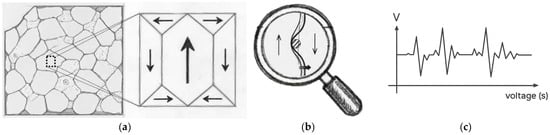
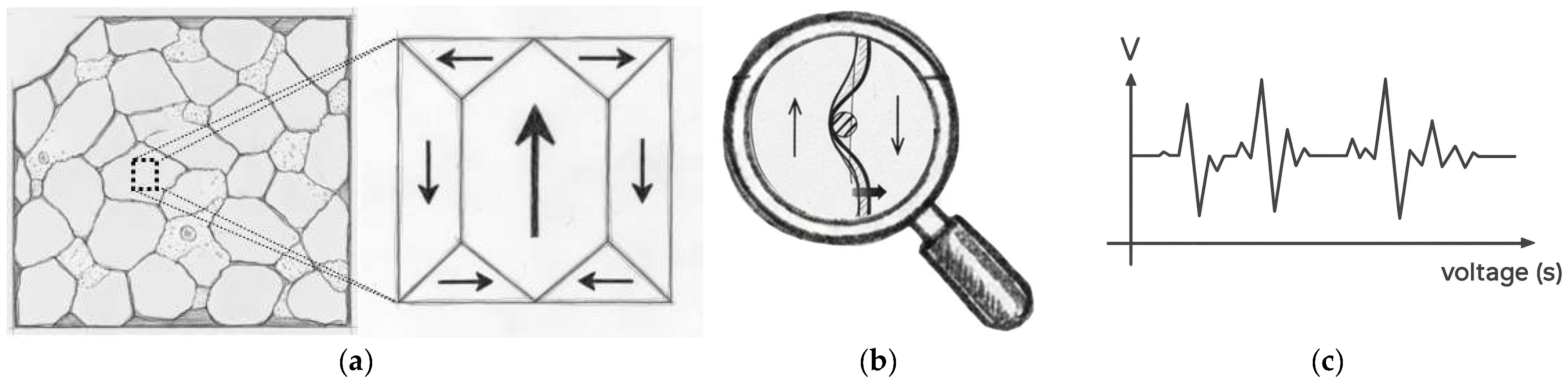
The physical foundation of MBN relies on domain wall dynamics (detailed in Section 2): as ferromagnetic materials respond to applied fields (Figure 1a), domain walls advance through the crystal lattice by overcoming pinning barriers (Figure 1b). The magnitude and statistics of the resulting avalanche-like motion—captured as electromagnetic pulses in the Barkhausen signal (Figure 1c)—directly reflect the microstructural state [6,7].
Figure 1.
Schematic illustration of the Barkhausen effect in ferromagnetic materials: (a) magnetic domains separated by 180° domain walls; (b) domain wall motion impeded and released at microstructural pinning sites under an applied magnetic field; (c) the resulting Barkhausen noise signal recorded as discrete voltage pulses.
1.2. Texture-Dependent Magnetic Anisotropy
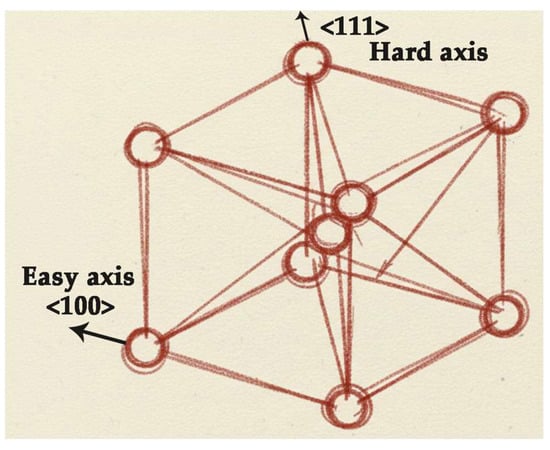
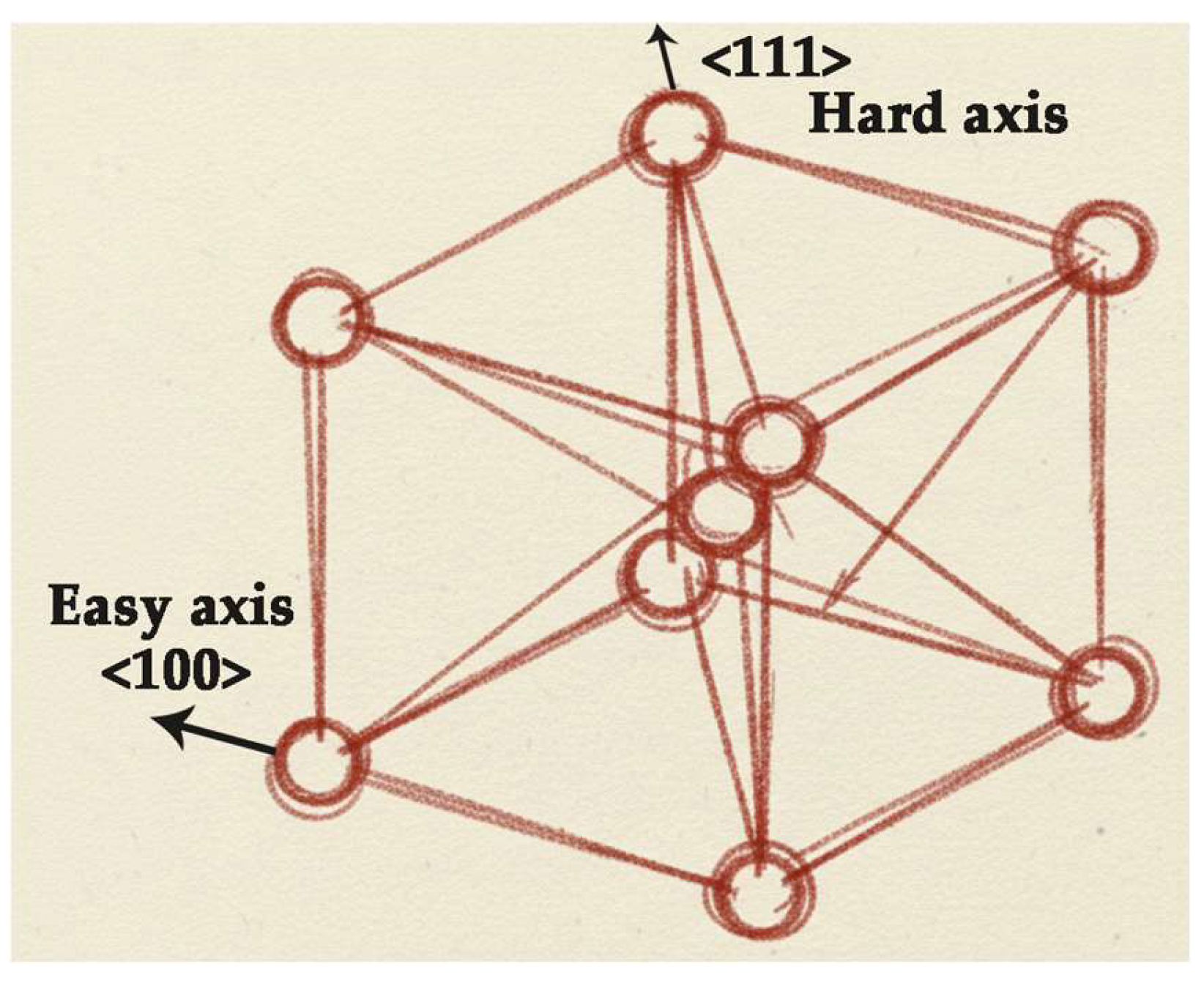
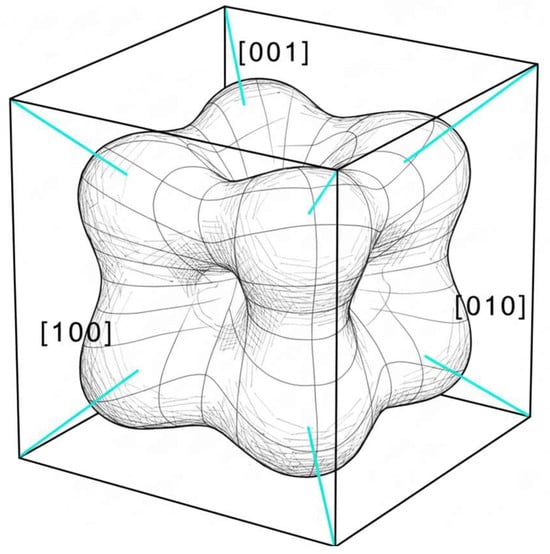
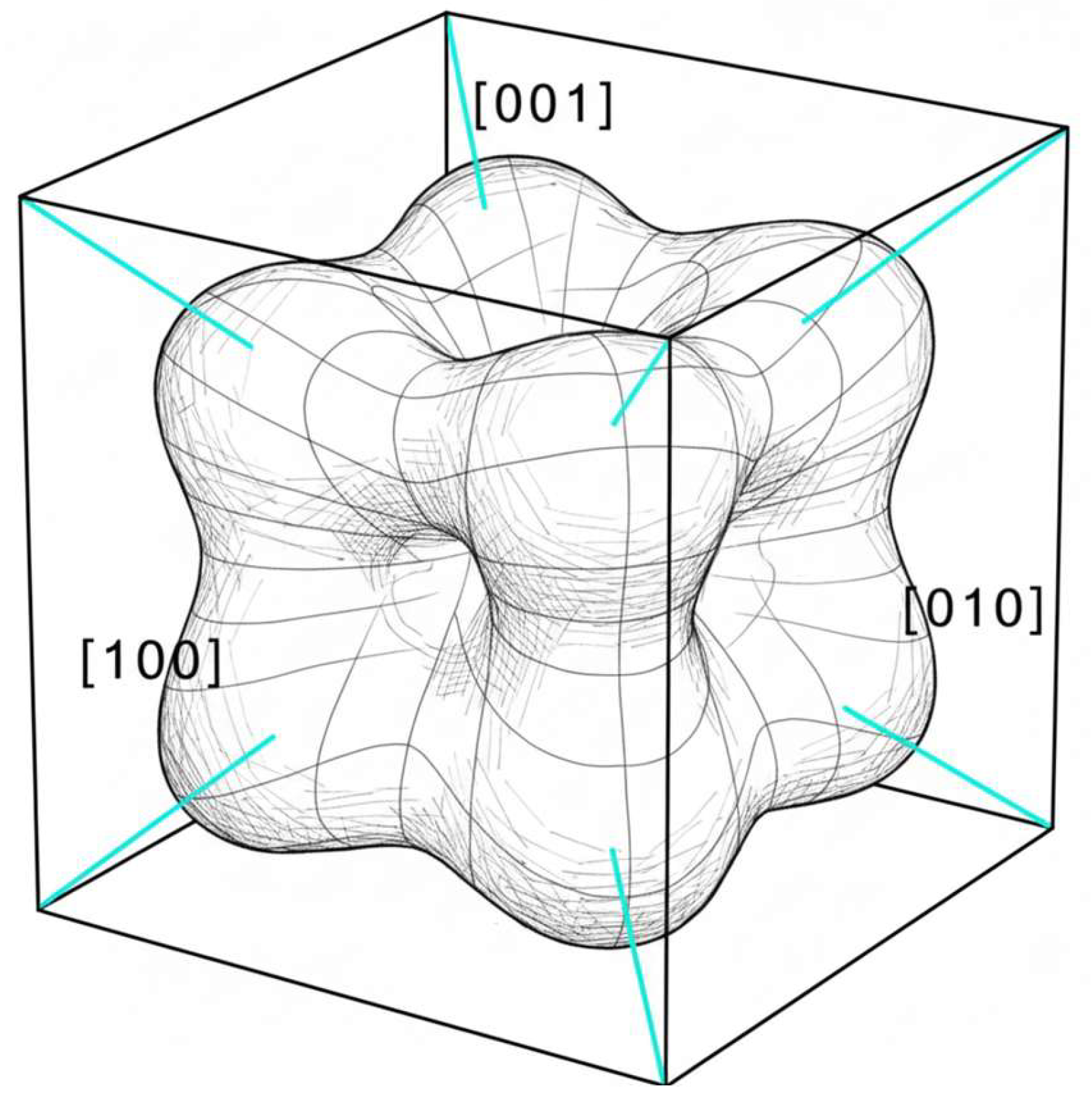
Crystallographic texture—the nonrandom distribution of grain orientations—profoundly modulates magnetic properties through magnetocrystalline anisotropy. In BCC ferrous alloys, specific crystallographic directions (e.g., {100}) are magnetic easy axes requiring minimal magnetization energy [8,9] (Figure 2). Cold rolling and annealing develop pronounced rolling textures (e.g., Goss, α-fiber, γ-fiber) that generate strong in-plane magnetic anisotropy, measurable through angular-dependent MBN analysis [9,10].
Figure 2.
Conceptual representation of magnetocrystalline anisotropy in BCC iron: the {100} crystallographic directions act as magnetic easy axes requiring minimal energy for magnetization, while off-axis orientations are associated with higher anisotropy energy.
This texture sensitivity is particularly valuable for industrial applications: MBN provides rapid, on-line assessment that complements slower laboratory techniques. While conventional EBSD and XRD analysis require hours per sample, MBN can characterize texture in minutes, enabling real-time quality control and process feedback [11].
1.3. Recent Advances in MBN Instrumentation and Signal Analysis
Recent advances in MBN instrumentation, signal processing, and machine learning have substantially broadened application scope. Contemporary systems incorporate multi-parameter capabilities and miniaturized sensors for industrial deployment. Advanced signal processing (STFT, wavelets) and machine learning algorithms extract microstructurally sensitive information and enable automated material classification [1,12]. These developments position MBN at the forefront of Industry 4.0 nondestructive testing, enabling real-time monitoring systems for quality assurance [1].
1.4. Scope of This Review
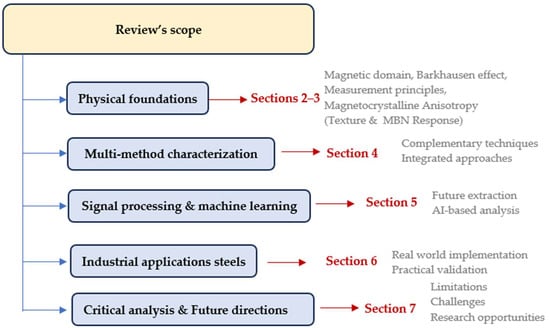
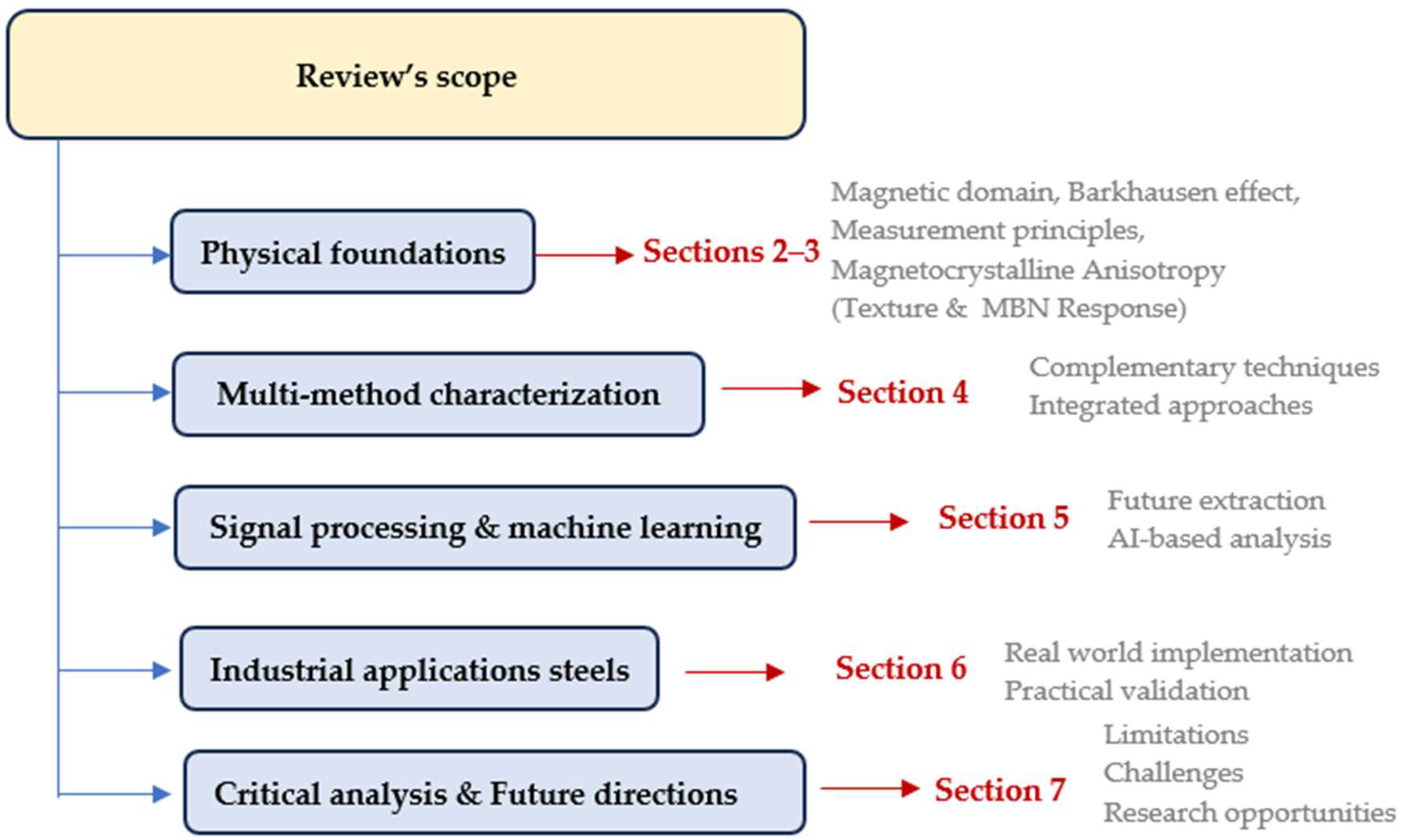
This review synthesizes relationships among crystallographic texture, magnetic domain dynamics, residual stress, and Barkhausen noise response in ferromagnetic steels. The scope is organized across six interconnected areas (Figure 3).
Figure 3.
Comprehensive framework covering physical foundations to future research directions.
- Multi-method characterization: EBSD, XRD, directional MBN, MABN, 3MA, and hysteresis reconstruction (Section 4)
- Signal processing and machine learning: Texture quantification and property prediction (Section 5)
- Industrial applications: Case studies with quantified ROI and measurement uncertainties (Section 6)
- Critical analysis: Limitations, standardization gaps, and future directions (Section 7)
The flowchart (Figure 3) illustrates this comprehensive organization, emphasizing the multi-scale, multi-method approach to MBN texture characterization.
1.5. Distinction: Correlation Versus Quantitative Measurement
The measured Barkhausen signal represents the convolution of multiple simultaneous effects: texture-induced variations in easy-axis alignment, applied or residual stress through magnetostrictive coupling, dislocation-density-induced domain wall pinning, and phase fraction variations in multiphase systems.
The stochastic nature of domain wall depinning, combined with coupled microstructural effects, creates an inherent inverse problem: a given MBN measurement cannot be uniquely mapped to a single material state. MBN therefore functions as a sensitive correlative indicator and rapid screening tool, identifying processing changes, stress gradients, or microstructural evolution when compared against calibrated reference specimens [8,9]. When integrated with complementary characterization methods (EBSD for grain orientation mapping, XRD for bulk texture quantification), MBN achieves powerful utility for structure–property correlation and materials diagnostics. Interpretation of MBN signals in isolation, however, risks misleading conclusions regarding underlying microstructural causes.
1.6. Industrial Significance and Challenges
Despite progress, challenges persist in deploying MBN as a quantitative tool. The stochastic nature of Barkhausen events introduces measurement uncertainty requiring careful statistical protocols and calibration [1]. The shallow penetration depth (10–100 μm depending on frequency) limits assessment to near-surface material, though this is often advantageous for surface-dominated properties [1]. The inverse problem (Section 1.5)—coupled influences of texture, stress, and microstructure—requires complementary characterization for rigorous interpretation.
In steels, MBN demonstrates utility for evaluating structure–property relationships. Dual-phase steels exhibit distinct MBN responses reflecting phase fraction and interface effects [13]. Multi-frequency measurements enable depth-resolved stress and microstructure assessment, with practical advantages over destructive or laboratory-based techniques [14]. Detailed applications are discussed in Section 7.
1.7. Multi-Method Characterization Strategy
Integration of MBN with complementary characterization (EBSD, XRD) has emerged as a powerful strategy for comprehensive microstructural evaluation. EBSD provides high-resolution crystal orientation mapping, while XRD quantifies bulk-averaged texture through pole figures [9]. This multi-scale, multi-method approach enables causal quantitative relationships between crystal structure and macroscopic properties (detailed in Section 5). The correlation of MBN parameters with EBSD-/XRD-derived **texture intensity (e.g., multiples of random distribution, MRD) and grain misorientation distributions** provides quantitative validation of MBN sensitivity to crystallographic preferred orientations versus random distributions across diverse steel processing routes [9,15].
1.8. Target Audience and Contributions
This review serves materials scientists and engineers engaged in characterization, nondestructive evaluation, and structure–property studies. Key contributions include:
- Physical foundations linking domain wall dynamics to experimentally observed MBN response.
- Systematic compilation of quantitative MBN–texture correlations (R2 values, predictive models) across diverse steel grades.
- Comprehensive review of complementary techniques (EBSD, XRD, MABN, 3MA) for multi-scale characterization.
- Seven detailed industrial case studies with quantified ROI and measurement uncertainties.
- Honest assessment of limitations and standardization gaps [16], such as high-entropy alloys.
- Emerging opportunities in machine learning and wireless sensors.
The review emphasizes mechanisms underlying MBN sensitivity to crystallographic order and the inverse problem: rigorous interpretation requires complementary characterization and material-specific calibration.
2. Fundamentals of Domain Dynamics and Magnetocrystalline Anisotropy
2.1. Magnetic Domain Structure and Domain Walls
Ferromagnetic materials below the Curie temperature spontaneously develop magnetic domains—macroscopic regions of uniform magnetization separated by domain walls. This domain structure arises from the competition between magnetostatic energy (which favors small, randomly oriented domains to minimize magnetic charge at surfaces) and exchange interaction energy (which favors parallel alignment of neighboring atomic spins). The equilibrium domain configuration minimizes total magnetic free energy, resulting in typical domain sizes ranging from 0.1 to 100 micrometers depending on material composition, grain size, and thermal history.
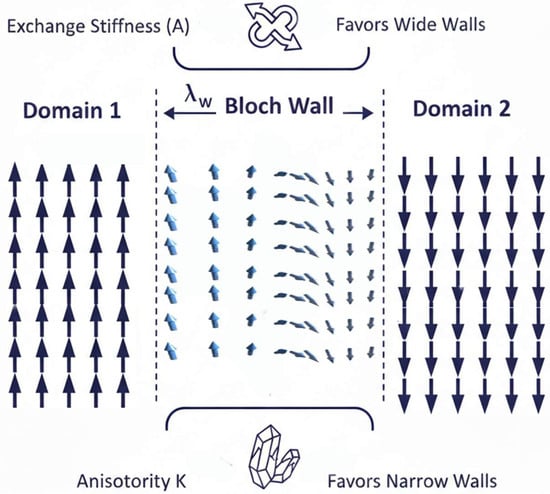
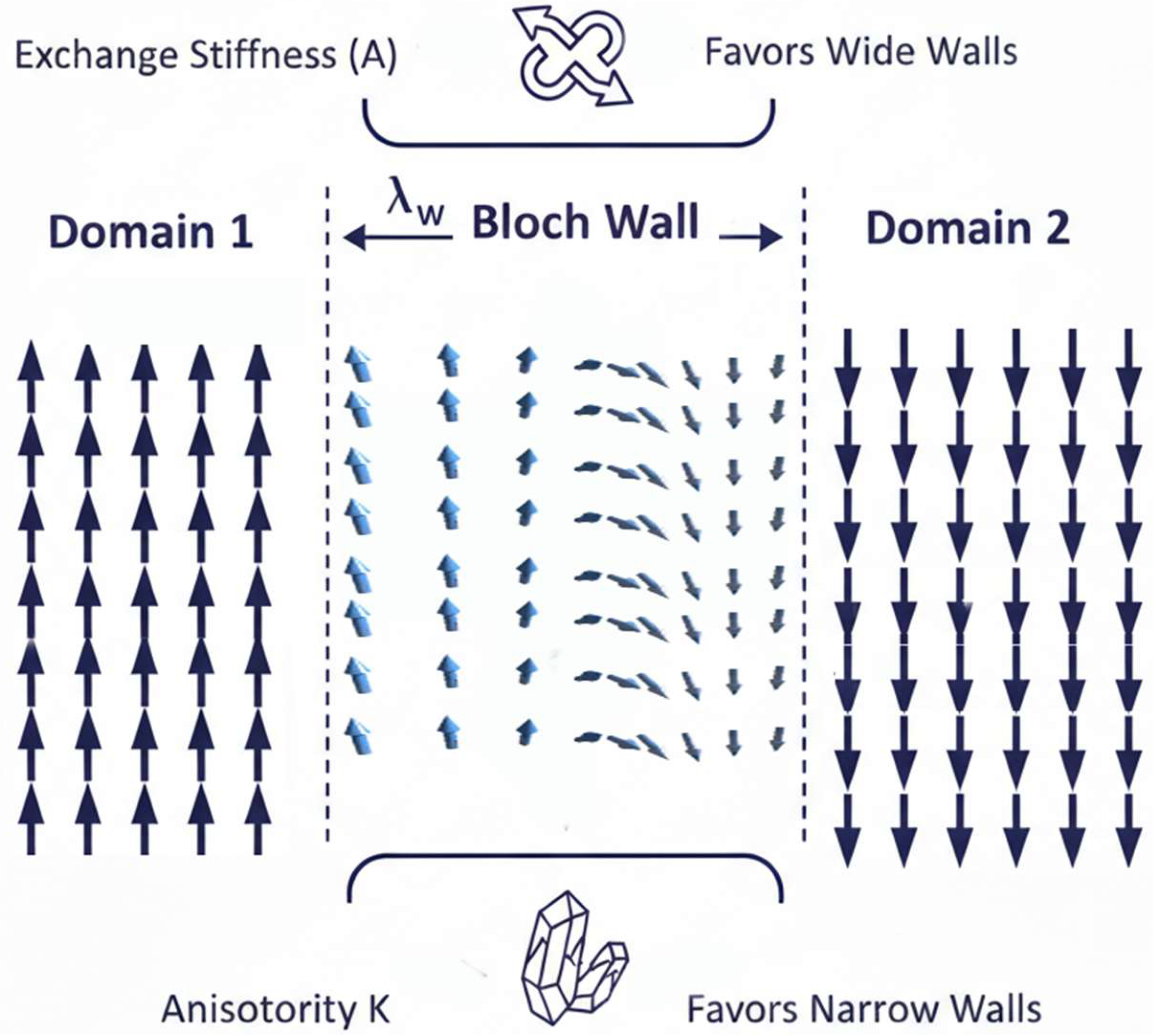
Domain walls are the boundaries separating adjacent domains of different magnetization direction. In ferromagnetic materials, the most energetically favorable domain walls are 180° walls, wherein magnetization rotates 180° across the wall thickness (Figure 4). The wall width λw is determined by the competition between exchange stiffness A (which favors gradual rotation and thus wide walls) and magnetocrystalline anisotropy K (which favors abrupt rotation and thus narrow walls). The wall width is approximately:
Figure 4.
Schematic 180° Bloch domain wall structure showing gradual magnetization rotation across wall thickness.
In iron at room temperature, typical domain wall widths are 100–500 nm, making them difficult to resolve with optical microscopy but readily accessible to electron microscopy or magnetic force microscopy [17]. The domain wall energy per unit area γDW is given by:
For iron with K ≈ 54.8 kJ/m3 and A ≈ 2.1 pJ/m, this yields γDW ≈ 1.3 mJ/m2, consistent with experimental measurements [18]. This energy cost is significant—domains must overcome this wall energy to change magnetization state, explaining why virgin ferromagnetic materials exhibit hysteresis rather than reversible magnetization behavior.
2.2. Magnetocrystalline Anisotropy and Easy Axes
Magnetocrystalline anisotropy (MCA) is the property by which ferromagnetic materials preferentially magnetize along certain crystallographic directions—designated “easy axes”—while magnetization along other directions requires a substantially higher external field [19] (Figure 5). This anisotropy arises from spin–orbit coupling between d-electron orbital angular momentum and the crystal electric field produced by the lattice ion arrangement [20]. The magnetocrystalline anisotropy energy density for cubic crystals is:
where αi are the direction cosines of magnetization with respect to the crystal axes, and K1 and K2 are anisotropy constants that depend on material and temperature [21].
Figure 5.
Magnetocrystalline anisotropy energy surface for cubic crystals (K1 > 0, BCC Fe). Easy axes ⟨100⟩ correspond to energy minima; hard axes ⟨111⟩ correspond to energy maxima. Energy difference ≈ 54.8 kJ/m3 controls domain nucleation and wall motion.
For body-centered cubic (BCC) materials like iron, K1 is positive (≈54.8 kJ/m3 at room temperature), making <100> directions energetically favorable as easy axes [21]. Conversely, for face-centered cubic (FCC) materials like nickel, K1 is negative, designating <111> directions as easy axes [22]. The energy difference between magnetization along the easy axis (<100>) and the hard axis (<111>) in iron is approximately 54.8 kJ/m3—a substantial energy, equivalent to the magnetic energy of fields exceeding 300 mT in saturation [8].
This anisotropy energy landscape directly controls domain nucleation, growth barriers, and the preferred directions for domain wall propagation. Materials with high anisotropy exhibit broader distributions of domain wall pinning strengths and reduced reversibility during magnetization—effects measurable through Barkhausen noise analysis.
2.3. Domain Wall Pinning and Microstructural Defects
Domain wall motion through polycrystalline ferromagnetic materials is fundamentally governed by competition between the driving force of the applied magnetic field and opposing pinning potentials created by microstructural heterogeneities. Each defect—dislocation, grain boundary, precipitate, or antiphase boundary—locally perturbs the magnetic energy landscape, creating barriers that impede or trap domain walls.
2.3.1. Dislocation Pinning
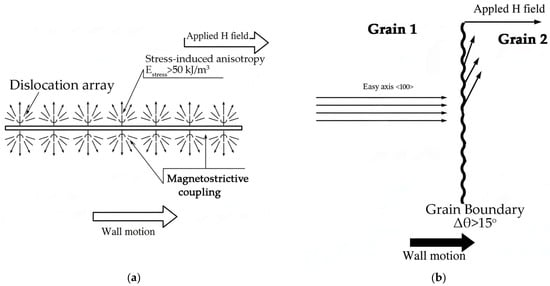
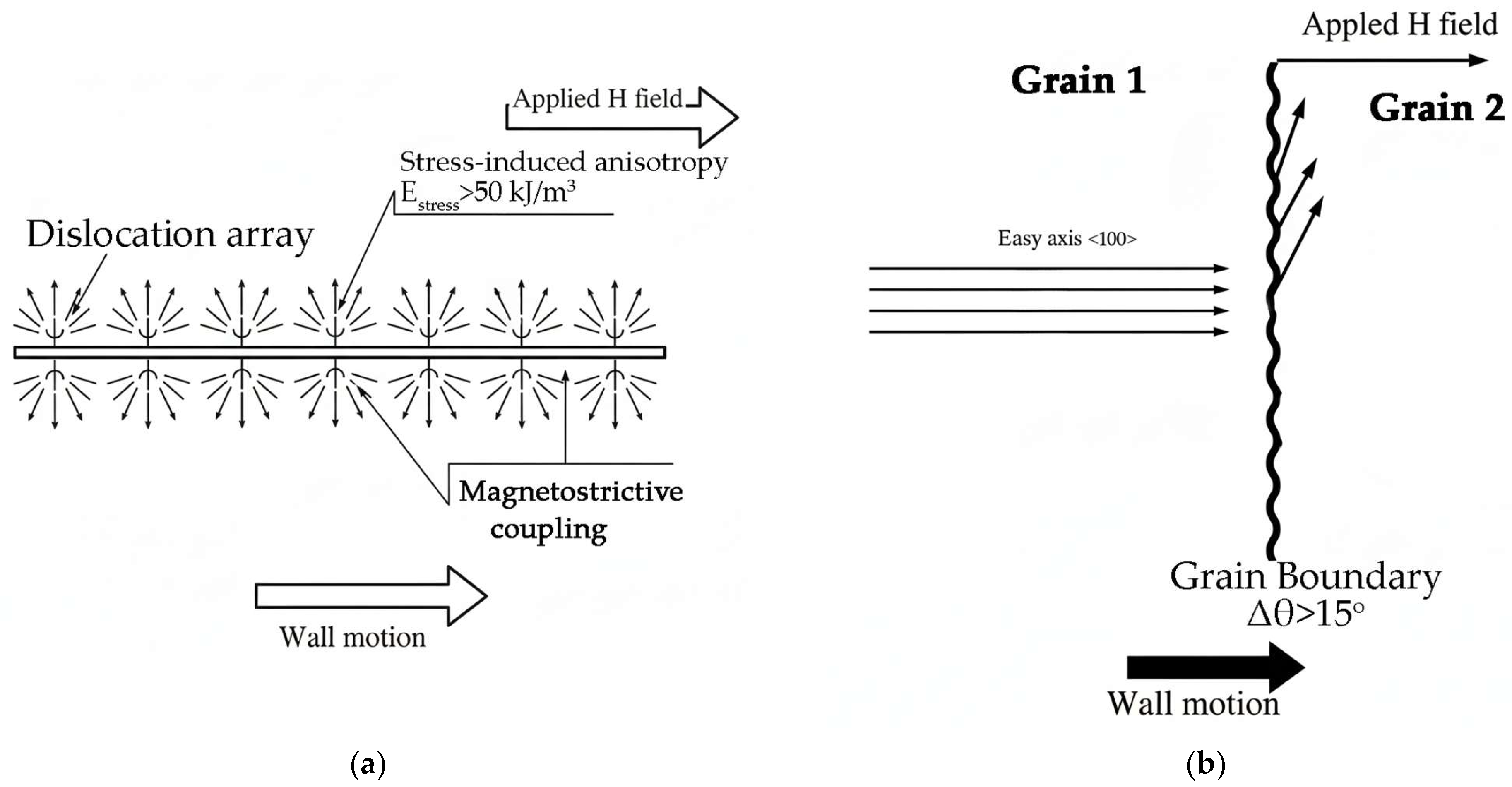
Dislocations create stress fields that induce local anisotropy perturbations through magnetostrictive coupling [23,24]. The stress-induced anisotropy energy near a dislocation core can exceed 50 kJ/m3—comparable to or exceeding intrinsic cubic anisotropy (Figure 6a). This renders dislocations potent pinning sites for domain wall motion. Recent micromagnetic simulations incorporating realistic dislocation arrays demonstrate that the depinning field Hd (the external field required to overcome pinning and initiate domain wall motion) scales approximately linearly with dislocation density ρdis in weakly pinned regimes:
where H0 is the baseline depinning field and α is a material-dependent coupling constant (~10−14 m2 per unit dislocation density for steels) [23]. This relationship is the physical basis for MBN’s sensitivity to work hardening, fatigue damage, and thermomechanical processing effects.
Figure 6.
Domain wall pinning mechanisms: (a) dislocations induce local magnetostrictive anisotropy perturbations (E_stress > 50 kJ/m3), (b) grain boundaries create easy-axis discontinuities.
2.3.2. Grain Boundary Pinning
Grain boundaries represent critical pinning mechanisms in polycrystalline systems. The discontinuous change in crystallographic orientation across a boundary creates a magnetic “landscape” that disrupts smooth domain wall propagation aligned with a single crystal’s easy axis. Statistical studies using quantitative magnetic imaging reveal that 15–45% of domain walls in polycrystalline materials are pinned at grain boundaries, with pinning strength increasing sharply with boundary misorientation angle [6,25]. “Large-angle” boundaries (misorientation > 15°) provide substantially stronger pinning than “small-angle” subgrain boundaries [7] (Figure 6b).
2.3.3. Precipitate and Phase Boundary Pinning
Precipitates and antiphase boundaries (APBs) introduce additional pinning complexity. APBs represent crystallographic faults wherein atomic ordering is disrupted, creating a reversal of magnetic moment alignment and establishing ferromagnetic–antiferromagnetic boundaries. Such boundaries readily nucleate domain walls but pin them with high energy cost—experimental and computational studies demonstrate pinning energies of 0.1–1 μJ/m2 per boundary, substantially higher than unprecipitated regions [26] (Figure 1b). In dual-phase steels with martensite–ferrite interfaces and pearlitic steels with cementite precipitates, phase boundaries serve as dominant pinning sources, explaining the elevated Barkhausen activity and reduced reversibility [27,28].
2.4. Barkhausen Noise Generation and Signal Parameters
The Barkhausen noise phenomenon originates from the avalanche-like motion of domain walls as they overcome pinning barriers during magnetization. When an applied magnetic field H reaches sufficient magnitude to overcome pinning at a defect, the domain wall undergoes rapid, cooperative depinning and propagation—an avalanche event lasting 10–100 ns and producing a discrete electromagnetic pulse detectable by an inductive search coil [1].
The root-mean-square (RMS) voltage is the primary measured MBN parameter, defined as [1]:
where Vi denotes the instantaneous signal amplitude and N is the total number of samples. RMS values integrate energy across the entire magnetization cycle and correlate strongly with microstructural features and stress state [29].
The Barkhausen envelope represents the time-dependent profile of magnetization activity synchronized with applied field variations, obtained through analytic signal processing (Hilbert transform). Key envelope characteristics include:
- Peak amplitude: Maximum envelope value, typically 50–500 mV depending on material and measurement frequency.
- Peak position Hp: Magnetic field value at maximum Barkhausen activity, typically near coercive field Hc but shifted by stress, texture, and dislocation density effects.
- Full width at half maximum (FWHM): Envelope breadth, characterizing how sharply magnetization occurs.
- Integrated area: Sum of all Barkhausen activity, alternative to RMS for quantifying total energy.
Advanced signal processing methodologies extract additional information. Short-time Fourier transforms (STFT) decompose Barkhausen signals into time-localized frequency components, revealing spectral evolution during magnetization. Wavelet transforms provide superior temporal localization of transient events compared to Fourier analysis, enabling detection of subtle microstructural changes [30].
2.5. Stress-Induced Magnetization Changes
Mechanical stress profoundly modulates MBN response through two primary mechanisms: (1) stress-induced modification of magnetocrystalline anisotropy via magnetostrictive coupling, and (2) dislocation generation and rearrangement altering the pinning landscape.
When elastic stress σ is applied to a ferromagnetic material, the stress–anisotropy coupling energy is:
where λ is the magnetostriction constant (typically 10−5 to 10−4 for steels) and αi denote magnetization direction cosines [23]. Compressive stress (as from shot-peening or subsurface hardening) creates an effective easy axis perpendicular to the stress direction, facilitating domain wall motion in that orientation and reducing the Barkhausen peak amplitude. Tensile stress produces opposite effects.
This stress–MBN relationship is approximately linear for stresses below the yield strength:
where kσ is a material-dependent coupling coefficient typically ranging 0.01–0.05 mV/MPa in steels. This linear relationship enables quantitative stress measurement with a typical precision of ±15–20 MPa, making MBN a practical tool for residual stress evaluation in ground surfaces, shot-peened components, and thermally treated materials [1].
2.6. Temperature Dependence of Magnetization and Domain Dynamics
Temperature profoundly influences MBN response through multiple mechanisms. Increasing temperature reduces spontaneous magnetization Ms and magnetocrystalline anisotropy K1, both following characteristic power-law dependencies approaching zero at the Curie temperature. For iron, Ms decreases approximately as:
above room temperature, reaching zero at TC ≈ 1043 K. Simultaneously, K1 decreases more steeply with temperature.
These temperature dependencies directly affect domain wall dynamics. Higher temperatures reduce the effective pinning strength (as defect-induced anisotropy barriers diminish), promote thermal-activation-assisted depinning (reducing the macroscopic depinning field), and increase domain wall mobility through reduced damping. Consequently, the Barkhausen signal amplitude and peak field both decrease with increasing temperature, effects quantifiable through temperature-dependent MBN measurements.
Additionally, temperature-induced stress (from differential thermal contraction between phases or between sample and measurement fixture) can introduce apparent stress-related changes in MBN independent of material property evolution—an important calibration consideration for high-temperature MBN measurements.
2.7. Summary: Domain Dynamics Framework
The fundamentals reviewed in this section establish the physical basis for MBN’s sensitivity to microstructure:
- Domain walls form as a compromise between exchange and anisotropy energies, with widths of 100–500 nm and energies of ~1 mJ/m2.
- Magnetocrystalline anisotropy establishes preferred magnetization directions (easy axes), with energies of ~50 kJ/m3 in iron.
- Microstructural defects (dislocations, grain boundaries, precipitates) pin domain walls, creating barriers to wall motion.
- Barkhausen events are avalanche-like depinning events generating electromagnetic pulses measurable as RMS voltage, envelope shape, and spectral content.
- Stress modulates anisotropy through magnetostrictive coupling, linearly shifting Barkhausen parameters over practical stress ranges.
- Temperature modulates both intrinsic material properties (Ms, K) and thermal activation processes, reducing domain wall pinning.
These mechanisms establish the foundation for understanding MBN’s utility in characterizing crystallographic texture (Section 3), measuring stress (Section 5), and assessing microstructural evolution across diverse steel compositions (Section 4). The coupled nature of these effects underlies the inverse problem described in Section 1.5: a given MBN measurement reflects convolution of multiple microstructural influences.
3. Crystallographic Texture and MBN Response in Steel
3.1. Texture Components in Steels
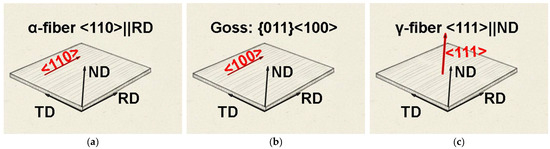
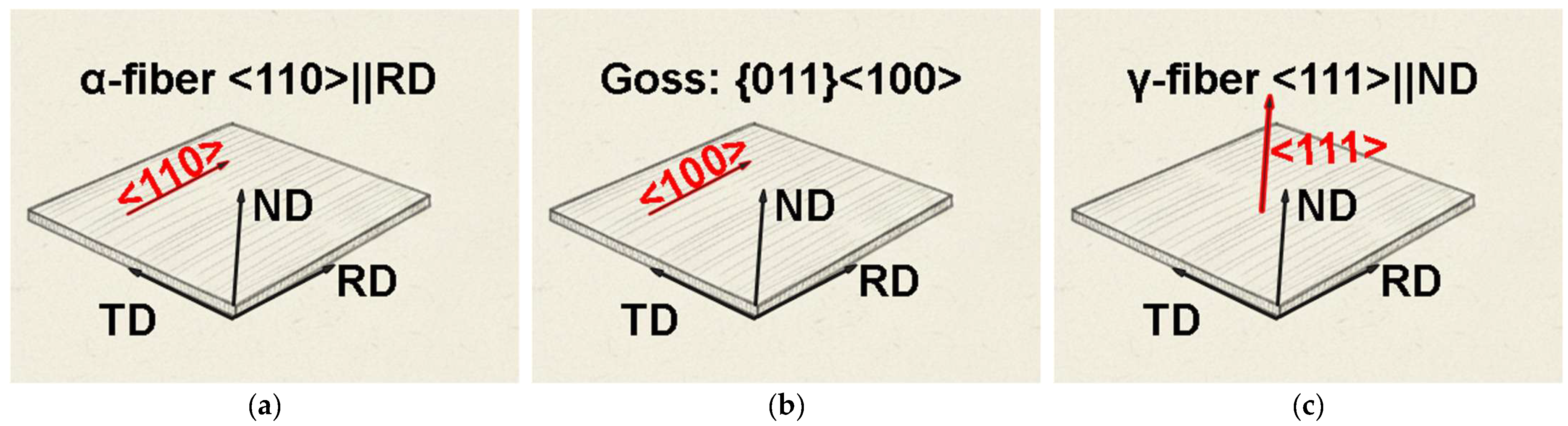
Crystallographic texture in cold-rolled and annealed BCC steels is conventionally described in terms of a limited number of characteristic components and fibers in orientation space (Figure 7). Among these, the α-fiber, the Goss component, and the γ-fiber play the most important roles for magnetic anisotropy and, consequently, for the Barkhausen response [10].
Figure 7.
Schematic rolling texture components in BCC steels: (a) α-fiber (continuous ⟨110⟩∥RD); (b) discrete Goss {011}⟨100⟩; (c) γ-fiber (⟨111⟩∥ND).
The α-fiber texture (Figure 7a) is defined as the continuous range of orientations with ⟨110⟩ parallel to the rolling direction (RD), spanning from {001}⟨110⟩ (rotated cube) through {112}⟨110⟩ to {111}⟨110⟩ [31]. Within this fiber, the alignment of the ⟨100⟩ easy axes relative to the sheet plane and RD varies systematically. Grains close to {001}⟨110⟩ have ⟨100⟩ directions lying in the sheet plane and favor strong in-plane magnetization along RD, whereas orientations near {111}⟨110⟩ place the ⟨100⟩ axes largely out of plane, reducing in-plane magnetizability. The net result is a moderate, but clearly measurable, in-plane magnetic anisotropy when the α-fiber dominates the texture.
The Goss texture {011}⟨100⟩ (Figure 7b) is a discrete component where the (011) plane is parallel to the rolling plane and the ⟨100⟩ direction is aligned with RD [32]. This orientation is technologically critical in grain-oriented electrical steels, because it maximizes the fraction of grains with easy axes parallel to the direction of magnetization under service conditions. Goss-dominated textures therefore exhibit very strong in-plane magnetic anisotropy, with pronounced differences between RD and transverse direction (TD) in both quasi-static hysteresis and Barkhausen noise measurements.
The γ-fiber texture (Figure 7c) is defined by orientations with ⟨111⟩ parallel to the normal direction (ND). In this case, the ⟨100⟩ easy axes lie within the rolling plane but are more uniformly distributed between RD and TD [33]. As a consequence, γ-fiber textures tend to produce nearly isotropic in-plane magnetic properties and only weak angular variation in Barkhausen parameters. This makes the γ-fiber unfavorable when strong directional magnetic properties are desired, but it provides a useful reference state for evaluating the sensitivity of angular-dependent MBN to texture.
3.2. Quantification Methods: ODF, Pole Figures, and EBSD
Quantitative texture characterization in steels relies primarily on X-ray diffraction (XRD) pole figure measurements and electron backscatter diffraction (EBSD) orientation mapping, from which the orientation distribution function (ODF) is reconstructed [15].
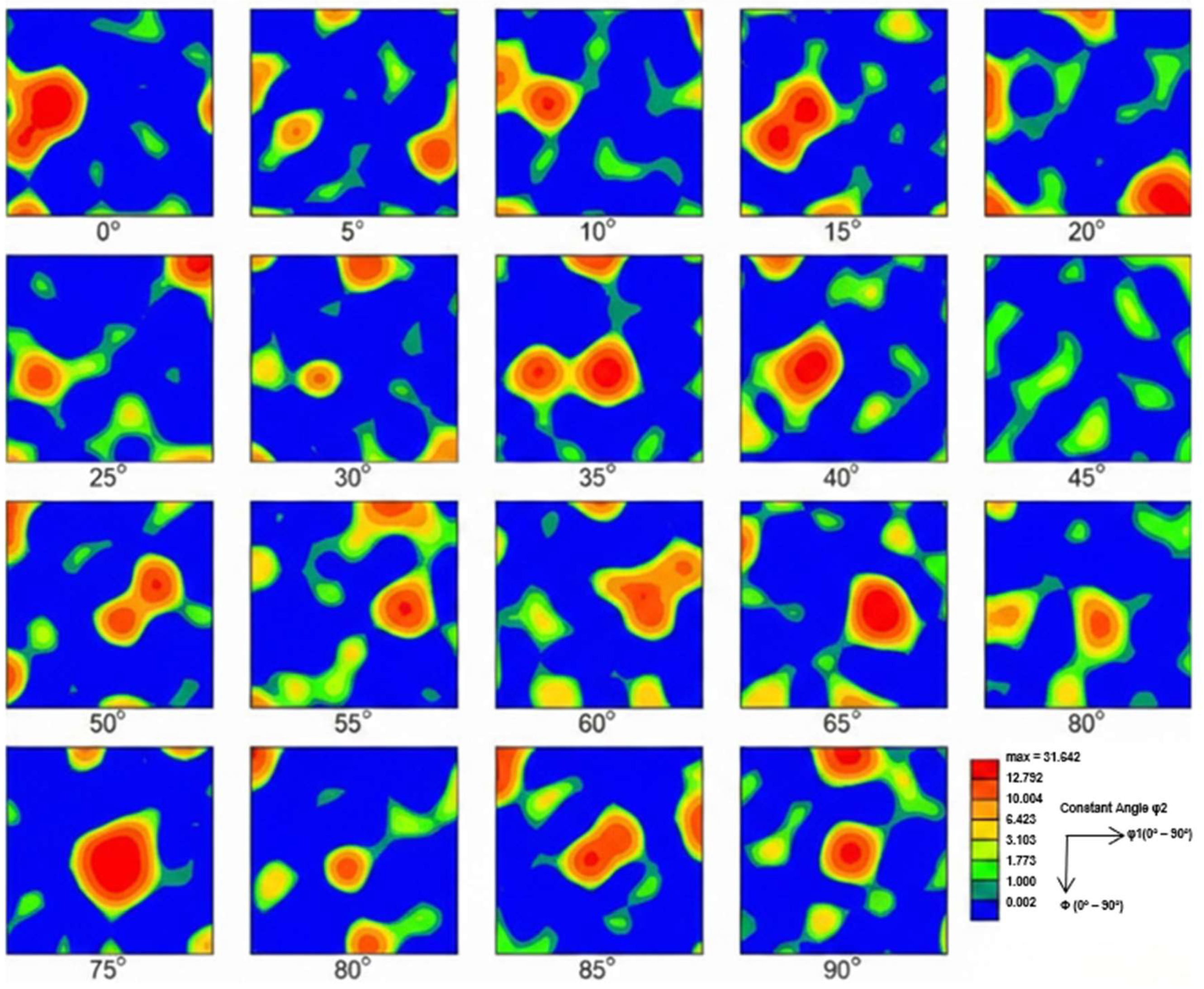
The orientation distribution function (ODF) is a three-dimensional probability density function defined over orientation space, commonly parameterized by Euler angles. It provides a complete statistical description of the distribution of grain orientations, including both discrete components (e.g., Goss) and continuous fibers (α-fiber, γ-fiber). In practice, the ODF is obtained from a limited set of measured pole figures using appropriate inversion algorithms [15,34] (Figure 8).
Figure 8.
Representative orientation distribution function (ODF).
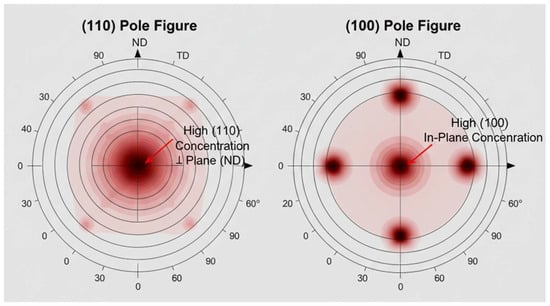
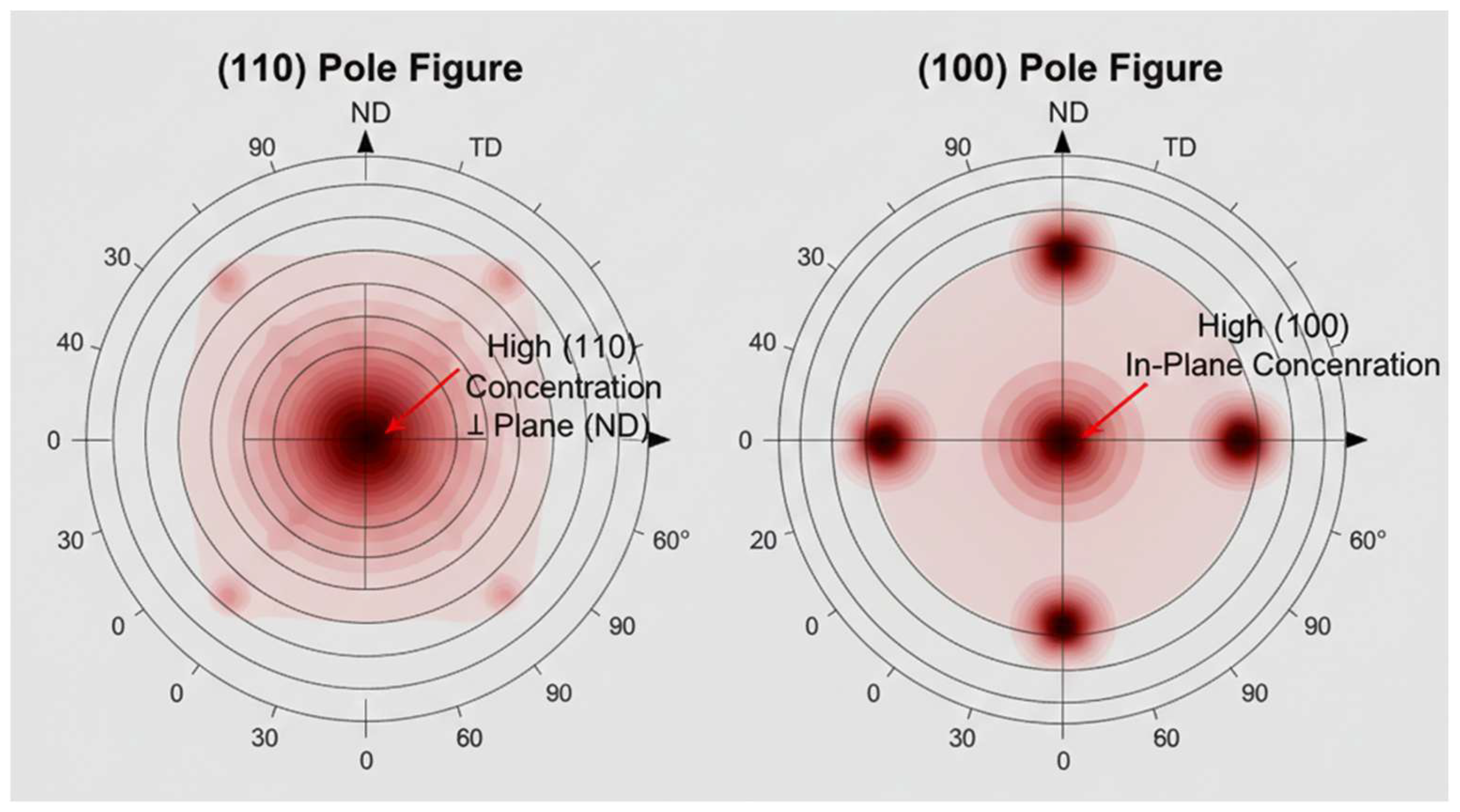
X-ray pole figures (Figure 9) are stereographic projections showing the distribution of selected crystallographic directions (e.g., {110}, {200}, {111}) with respect to the sample axes (RD, TD, ND). For rolled BCC steels, the {110} pole figure typically reveals concentrations along ND that reflect α- and γ-fiber contributions, while the {100} pole figure highlights in-plane alignment of easy axes associated with Goss and favorable α-fiber orientations. Intensities are often expressed in “times random” units, enabling direct comparison of texture strength between samples.
Figure 9.
Representative XRD pole figures from α-fiber textured steel showing {110} concentration ⊥ plane (ND) and {100} in-plane concentration.
EBSD orientation maps provide spatially resolved crystallographic information at the micron scale. From EBSD data, inverse pole figures (IPFs) can be constructed to visualize the distribution of grain orientations with respect to RD, TD, or ND. EBSD is particularly valuable for revealing microstructural heterogeneity—such as local variations in α- or γ-fiber fractions near surfaces, welds, or deformation zones—that may strongly influence the local Barkhausen response.
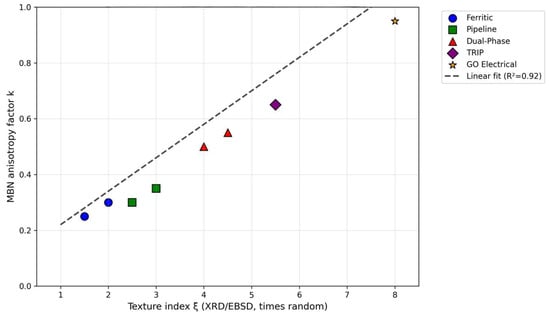
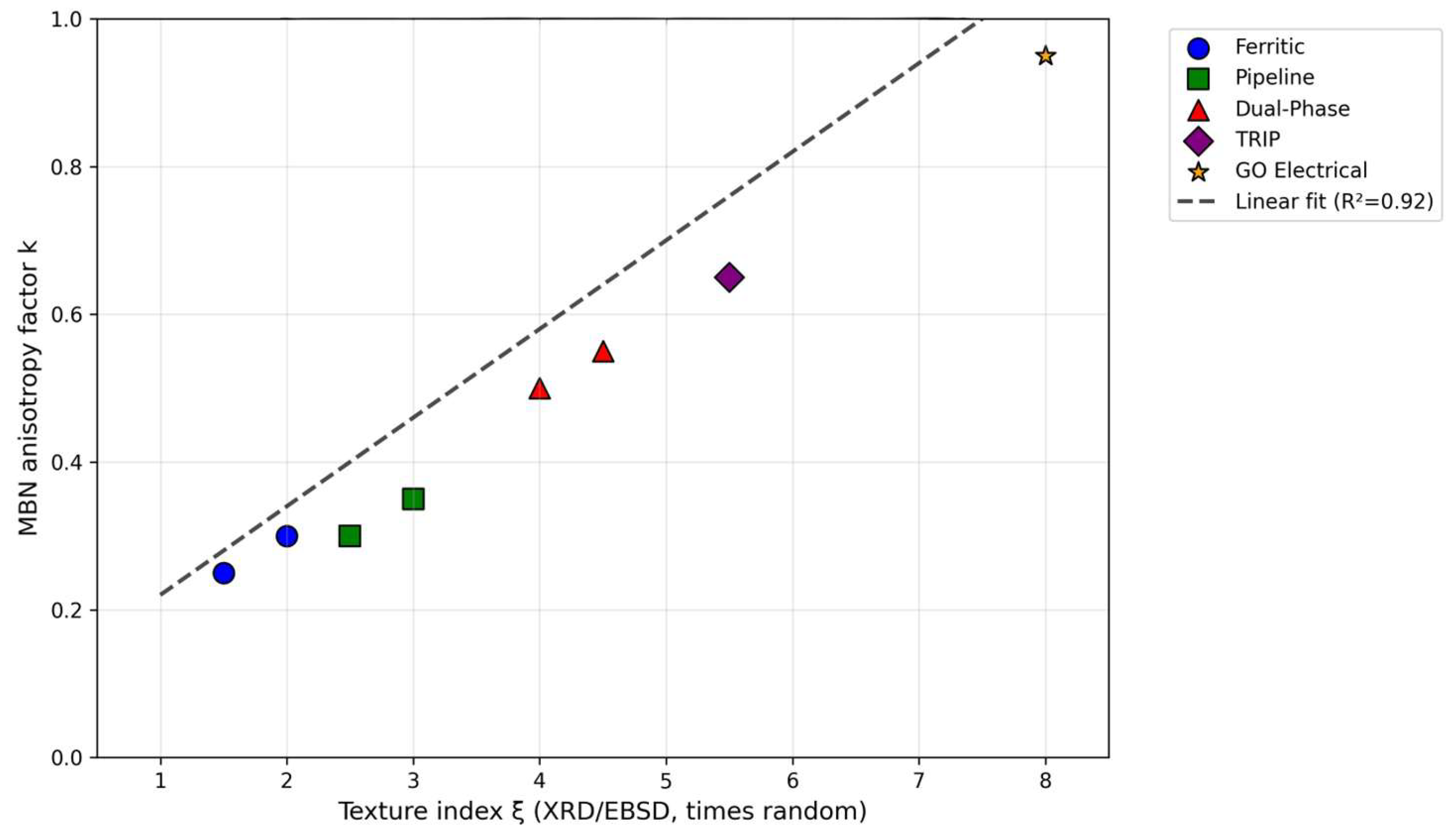
In the context of this review, XRD- and EBSD-based texture quantification serve as the reference against which angular-dependent MBN measurements are compared (Figure 10), highlighting the correlative rather than directly quantitative role of MBN in texture assessment.
Figure 10.
Correlation between MBN anisotropy factor k and XRD texture index ξ (R2 = 0.92) across steel grades.
3.3. MBN Response and Angular Dependence
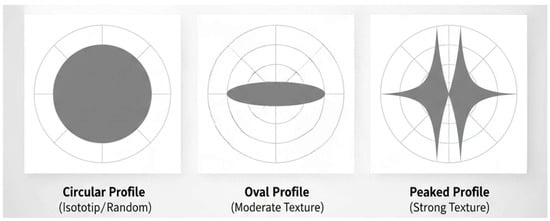
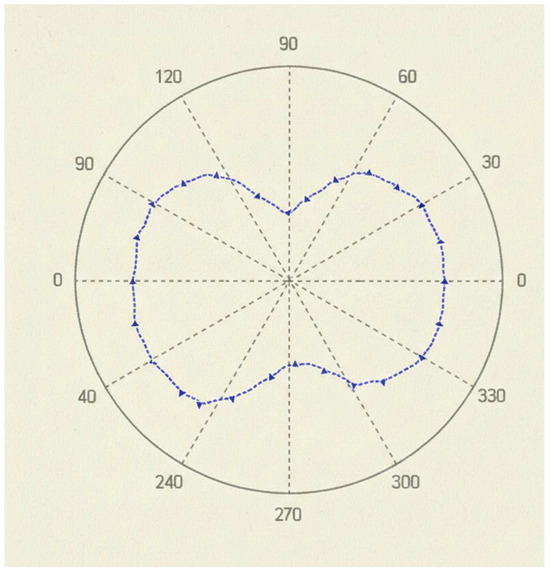
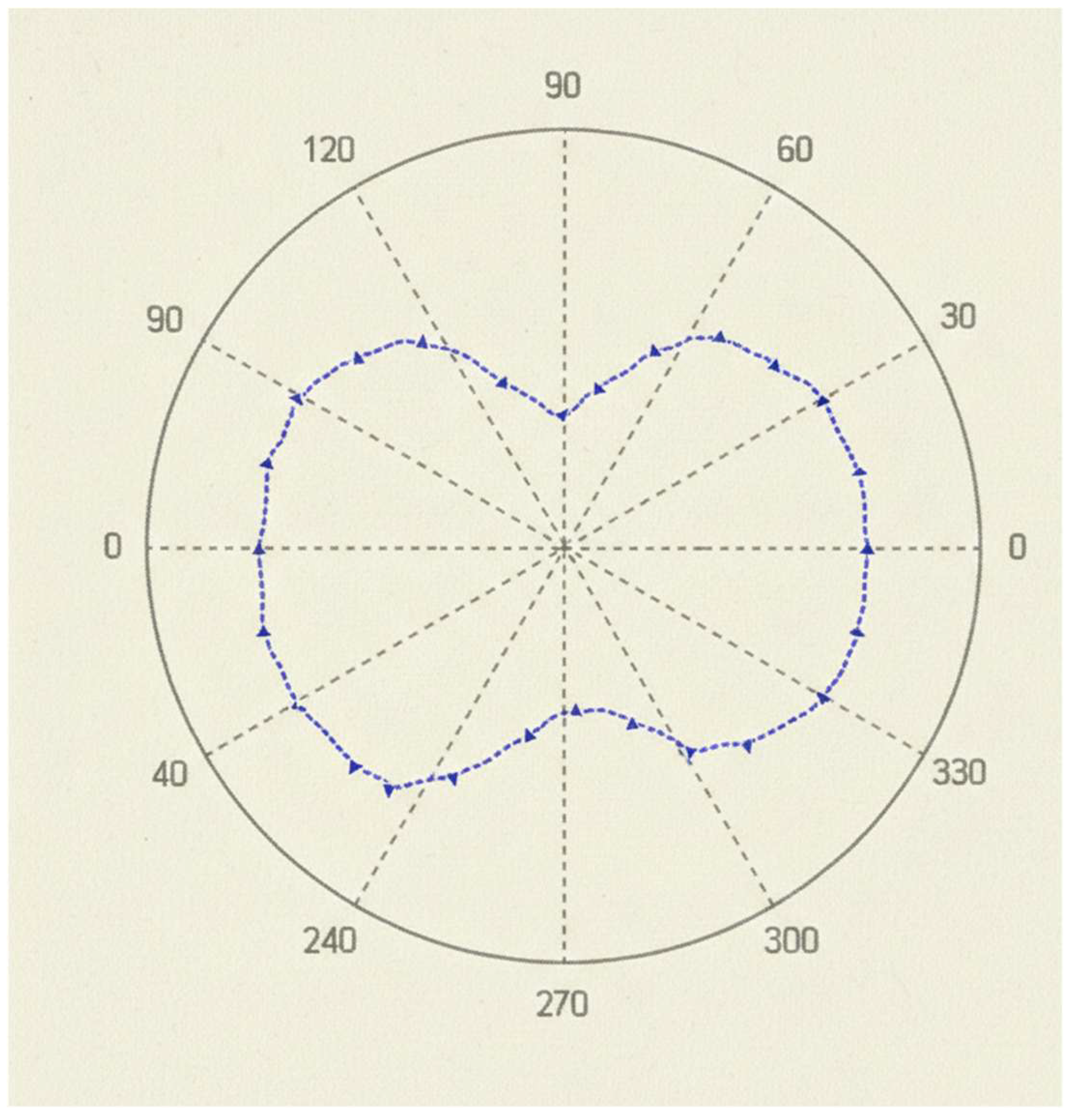
The sensitivity of magnetic Barkhausen noise to crystallographic texture in steels manifests most clearly in angular-dependent measurements (Figure 11), where the magnetizing field is rotated within the sheet plane relative to RD and TD [35]. For a given sample, the root-mean-square (RMS) Barkhausen voltage or the integrated envelope is recorded as a function of angle, yielding an angular MBN profile that reflects the underlying distribution of easy axes.
Figure 11.
Angular-dependent MBN RMS profiles reflecting texture strength: circular (random/γ-fiber), oval (α-fiber k = 0.3), peaked (Goss k > 0.8).
In a random or γ-fiber-dominated texture, the collective orientation of ⟨100⟩ easy axes is approximately isotropic within the rolling plane. As a result, the angular MBN profile is nearly circular (Figure 8, circular profile): RMS amplitude and characteristic envelope parameters vary only weakly with angle. In contrast, α-fiber textures produce oval-shaped angular profiles (Figure 11, oval profile), with higher Barkhausen activity when the magnetizing field is aligned along directions where a larger fraction of grains has easy axes close to the field direction. The degree of ovalization correlates with the relative intensity of the α-fiber in the ODF.
For Goss-textured steels, the angular dependence is particularly pronounced (Figure 8, peaked profile). Because the majority of grains have ⟨100⟩ easy axes parallel to RD, angular MBN measurements show a clear maximum in RMS amplitude (and often a minimum in peak field) near RD, with significantly reduced activity toward TD. This strong directional contrast makes Goss textures especially amenable to rapid screening by MBN.
To quantify these effects, an anisotropy factor can be defined from the angular MBN data, for example, by comparing RMS values in RD and TD. Across different steel grades, this factor exhibits robust correlations with texture indices derived from XRD or EBSD (Figure 10, R2 = 0.92), confirming that MBN provides a sensitive, albeit indirect, measure of texture strength. However, because the Barkhausen signal is simultaneously influenced by stress, dislocation density, and phase distribution, such correlations remain material- and condition-specific and cannot be interpreted as direct, texture-only measurements [36].
3.4. MBN Response in Industrial Steel Grades
The interplay between crystallographic texture and Barkhausen noise becomes particularly relevant when comparing different industrial steel grades (Table 1), which develop distinct textures through their processing routes.
Table 1.
MBN response in industrial steel grades.
In low-carbon ferritic steels, rolling and controlled annealing commonly produce moderate α-fiber textures with varying γ-fiber contributions. Angular-dependent MBN measurements on these materials typically show oval profiles (Figure 11), with anisotropy factors reflecting the balance between α-fiber and γ-fiber components. These correlations enable rapid, nondestructive screening of texture evolution during processing, provided that appropriate calibration against XRD or EBSD is available.
Pipeline steels and other microalloyed structural steels often exhibit mixed α- and γ-fiber textures, influenced by thermomechanical controlled processing and subsequent cooling schedules. In such cases, Barkhausen anisotropy is generally weaker than in highly oriented electrical steels but still sufficiently pronounced to differentiate processing conditions, texture gradients near welds, or regions affected by mechanical damage. Here, MBN can support structural integrity assessment when interpreted alongside conventional texture measurements.
In dual-phase (DP) steels, the presence of both ferrite and martensite introduces additional complexity. The ferritic matrix may carry an α-fiber-type texture, while the martensite islands alter the local pinning landscape and stress state [37,38]. MBN signals in DP steels therefore reflect a convolution of texture, phase fraction, and dislocation density. Nevertheless, systematic studies have shown that, under fixed processing conditions, changes in angular Barkhausen profiles can be correlated with controlled variations in ferrite texture and phase morphology, enabling qualitative monitoring of microstructural states.
TRIP (transformation-induced plasticity) steels frequently develop stronger textures, including pronounced α-fiber components and, in some cases, Goss-like orientations in the retained austenite or ferritic matrix. The transformation behavior under load further modifies the local stress and defect structures. Angular-dependent MBN can track these combined effects, but interpretation requires careful calibration against independent measurements of both texture and phase content. In all of these grades, the key role of MBN is to provide a rapid, surface-sensitive indicator of changes in texture-related anisotropy rather than a stand-alone quantitative texture measurement.
3.5. Integrated Summary and Table of Correlations
The discussion above demonstrates that crystallographic texture in steels—characterized by α-fiber, Goss, and γ-fiber components (Figure 7) and quantified by ODFs, pole figures (Figure 8 and Figure 9), and EBSD—exerts a strong influence on the angular dependence of Barkhausen noise (Figure 11). For industrially relevant steel grades, this relationship is summarized in Table 1, which lists, for each grade, the dominant texture components, representative texture indices from XRD/EBSD, qualitative or semi-quantitative MBN anisotropy parameters, and the main practical applications of MBN in that context (e.g., texture screening, process monitoring, or quality control).
Table 1 provides the synthesis that the reviewers requested: instead of enumerating individual studies, it compares them systematically in terms of texture type, measurement methodology, and MBN response. At the same time, Figure 10 demonstrates quantitative MBN–texture correlations (R2 = 0.92) across multiple steel grades while highlighting the inherent limitations of MBN as a texture probe: the Barkhausen signal is always the result of a convolution of texture, stress, dislocation density, and phase distribution. Consequently, while high correlation coefficients between MBN anisotropy and texture metrics can be achieved within a given material system and processing window, extrapolation beyond calibrated conditions is not justified without additional characterization.
In the following sections, these texture–MBN relationships are placed in the broader context of stress–microstructure coupling and multi-parameter magnetic methods, further emphasizing the need for integrated, multi-technique approaches to quantitative, standards-compliant characterization of engineering steels.
4. Complementary Characterization Methods and Multi-Scale Texture Assessment
4.1. Multi-Scale Hierarchy
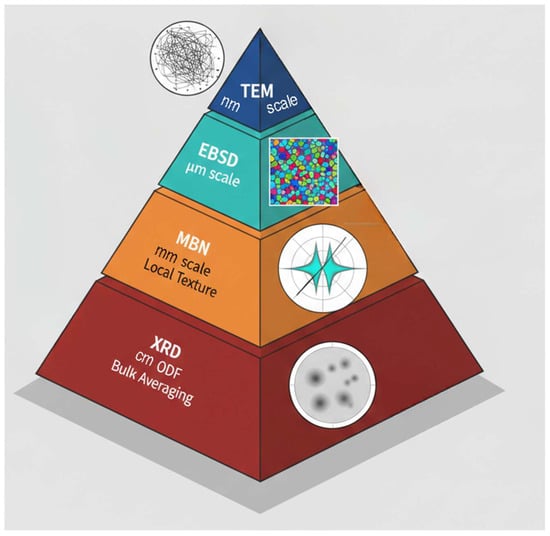
No single technique fully characterizes texture across scales. MBN provides rapid mm scale screening of anisotropy effects, EBSD delivers μm scale orientation mapping, and XRD offers cm scale bulk texture quantification (Figure 12) [15]. This multi-method hierarchy enables comprehensive assessment while addressing the MBN inverse problem (Section 1.5).
Figure 12.
Multi-scale characterization pyramid: TEM (nm dislocations) → EBSD (μm IPF) → MBN (mm k anisotropy) → XRD (cm ODF).
4.2. Method Comparison
Table 2 systematically compares key techniques for texture and stress assessment in steels.
Table 2.
Complementary methods for multi-scale texture/stress characterization.
4.3. EBSD and XRD: Local vs. Bulk
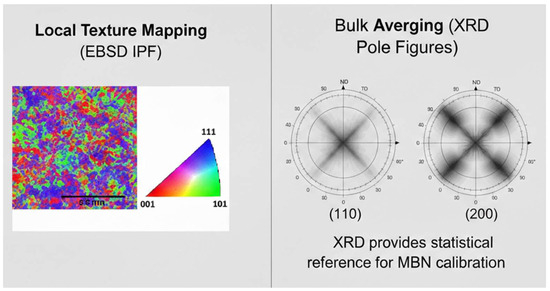
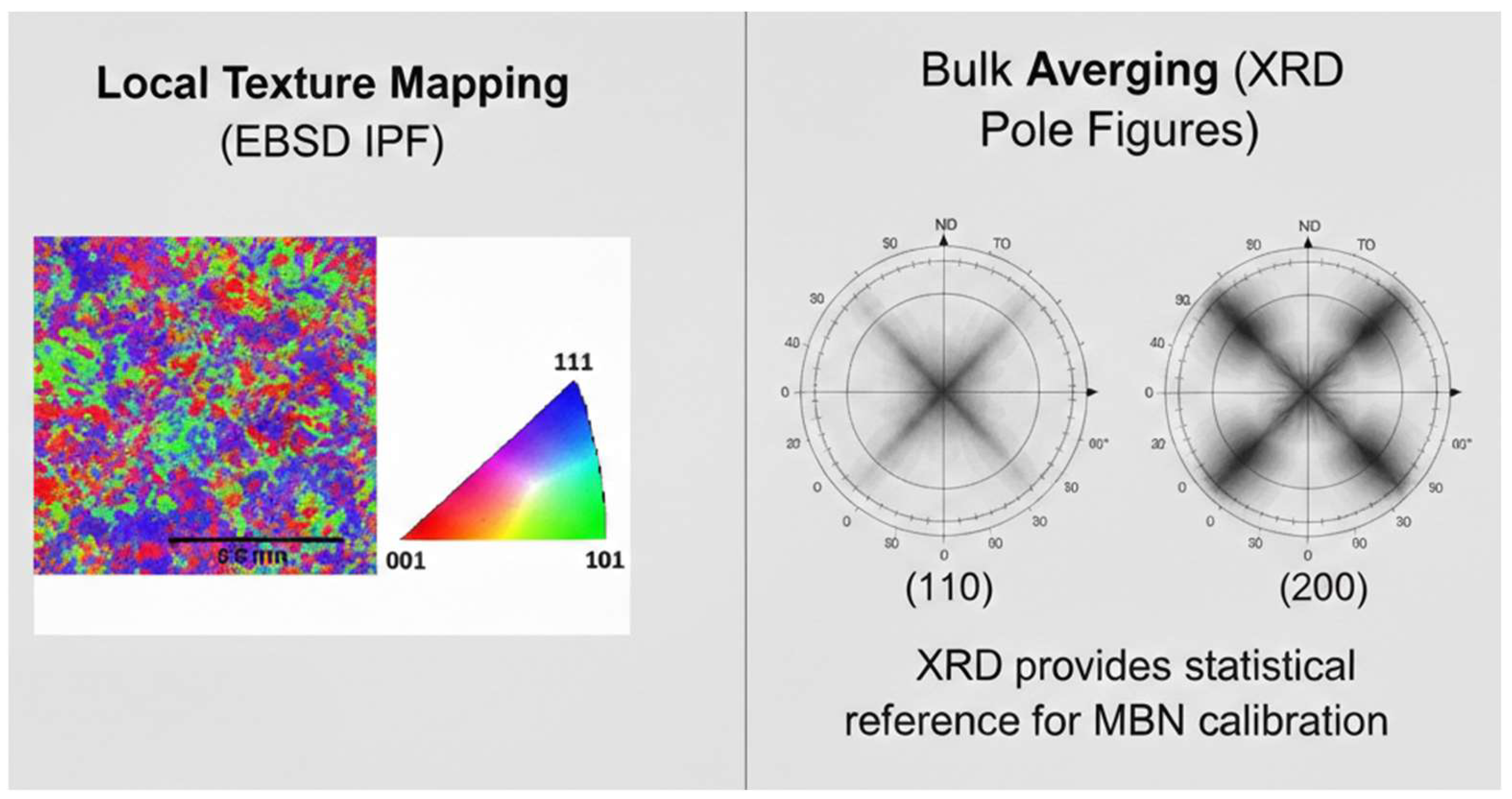
EBSD provides high-resolution (0.1 μm) crystallographic orientation mapping via automated indexing of Kikuchi patterns in SEM (Figure 13). Inverse pole figures (IPFs) quantify local texture components (%α-fiber, %Goss) and reveal heterogeneity near welds or surfaces. Spatial correlation with MBN identifies regions of high/low anisotropy [35].
Figure 13.
Local texture mapping (EBSD IPF, left) vs. bulk averaging (XRD pole figures, right): EBSD reveals surface heterogeneity; XRD provides statistical reference for MBN calibration.
XRD pole figures deliver bulk-averaged texture via stereographic projections of {110}, {200}, and {111} intensities (Figure 13). ODF reconstruction yields quantitative indices (ξ Goss intensity) for calibrating MBN k values. Sin2ψ analysis simultaneously measures residual stress (±50 MPa).
4.4. Advanced Magnetic Methods
Magnetic Acoustic Barkhausen Noise (MABN) combines electromagnetic and acoustic detection. Acoustic transducers capture magnetoelastic waves from domain wall motion, enabling depth-resolved analysis (50 kHz ≈ 100 μm penetration). MABN k profiles correlate with EBSD but show enhanced stress sensitivity via acoustic attenuation [46,47].
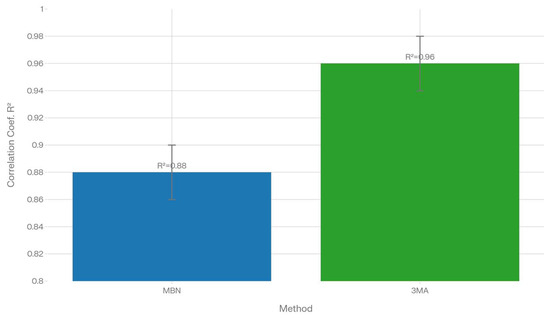
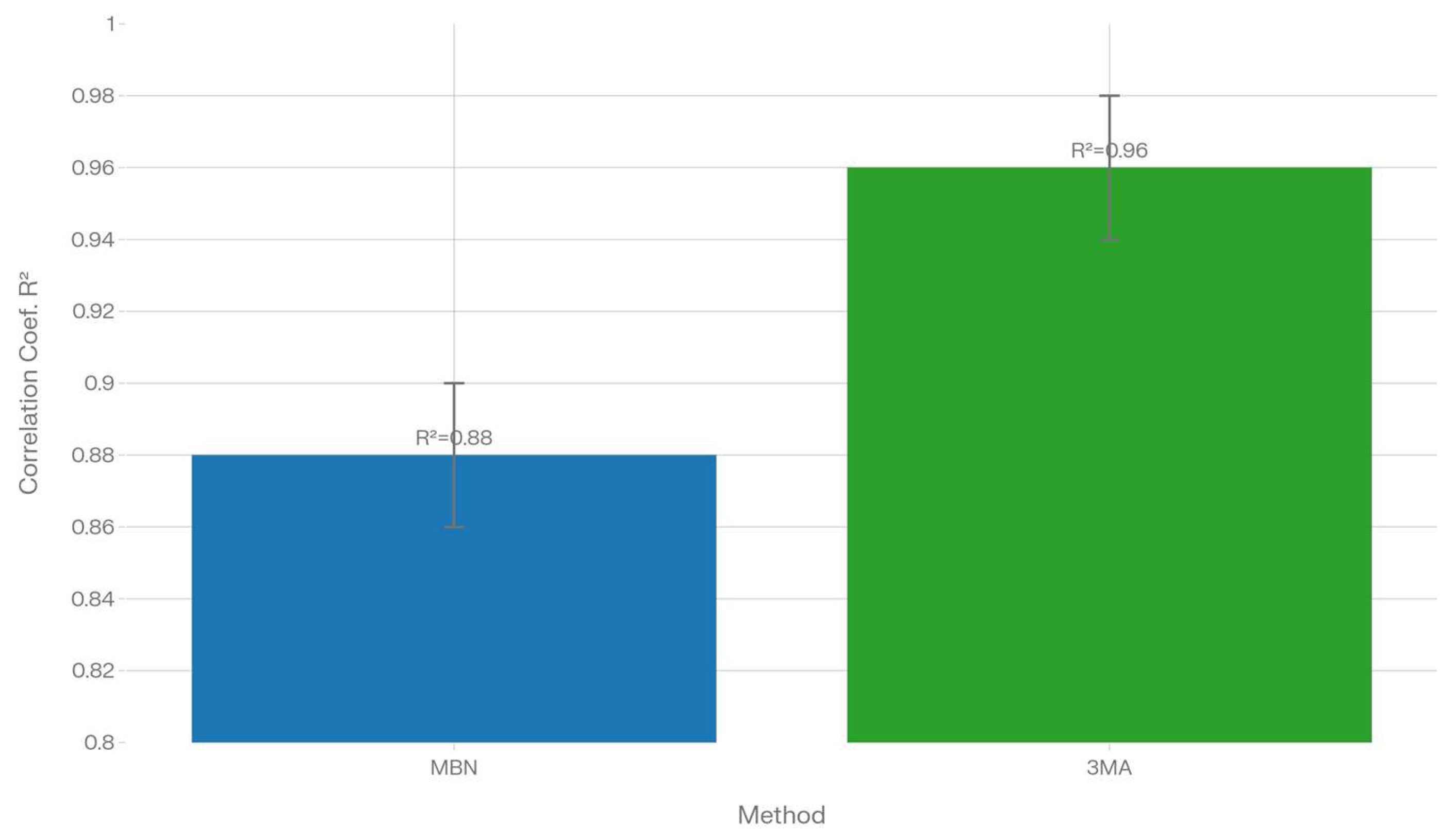
3MA integrates Barkhausen noise with ultrahigh (UH) and incremental permeability (μinc) (Figure 14). The combined parameter set improves texture–stress deconvolution (R2 = 0.96 vs. 0.88 for MBN alone) and phase fraction estimation in DP/TRIP steels [28,48].
Figure 14.
3MA multiparameter analysis vs. single MBN: combined BN + UH + μinc yields R2 = 0.96 correlation with texture/stress vs. R2 = 0.88 for MBN alone.
4.5. Hysteresis Reconstruction and Integration Framework
Recent advances reconstruct quasi-static hysteresis loops from Barkhausen energy distributions. This approach extracts Hc, μmax, and loss parameters directly from avalanche statistics, correlating strongly with EBSD-derived texture (r = 0.89) and enabling stress quantification without full magnetization cycles.
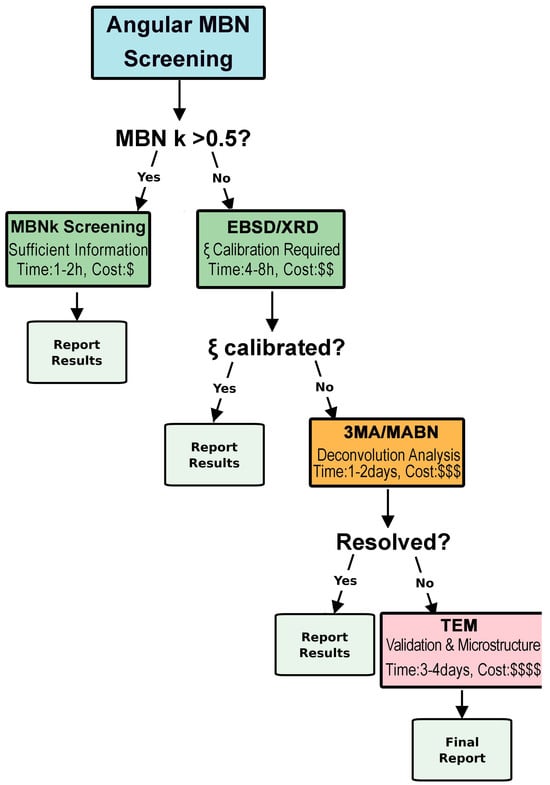
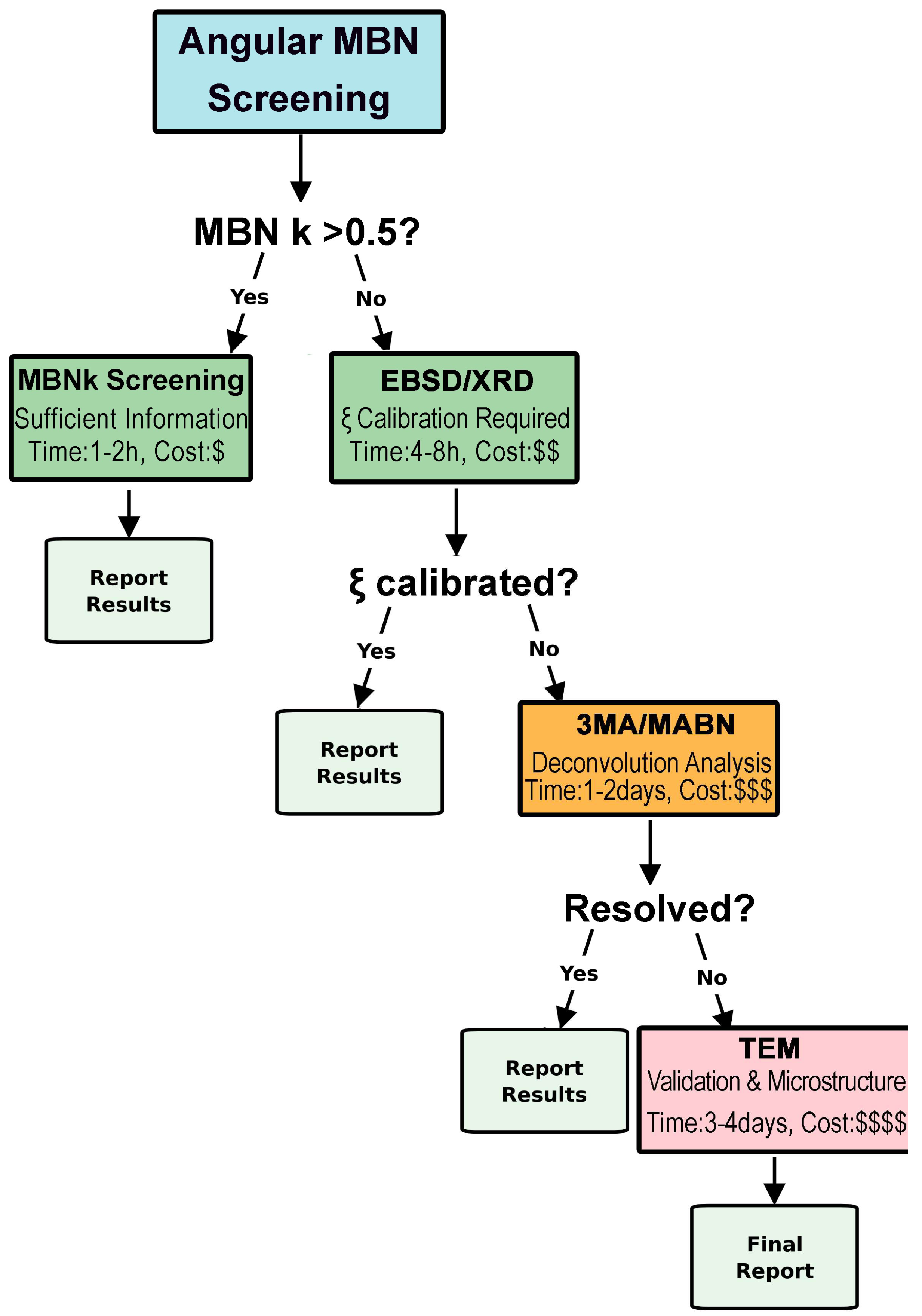
Integration protocol (Figure 15):
Figure 15.
Multi-method integration workflow for comprehensive steel characterization. (Cost escalates from low ($) to high ($$$$), ξ is the XRD texture index).
- Tier 1: Angular MBN screening (k > 0.5 → strong texture).
- Tier 2: EBSD/XRD validation (ξ calibration).
- Tier 3: 3MA/MABN for stress deconvolution.
- Tier 4: TEM/microscopy for mechanism validation.
This tiered approach maximizes information density while minimizing cost/time (Table 2).
5. Signal Processing and Machine Learning for Texture Quantification
5.1. Signal Processing Pipeline
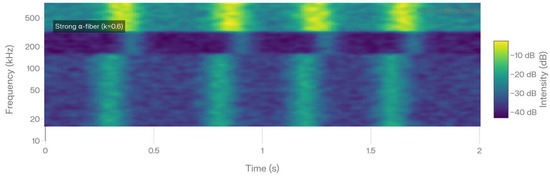
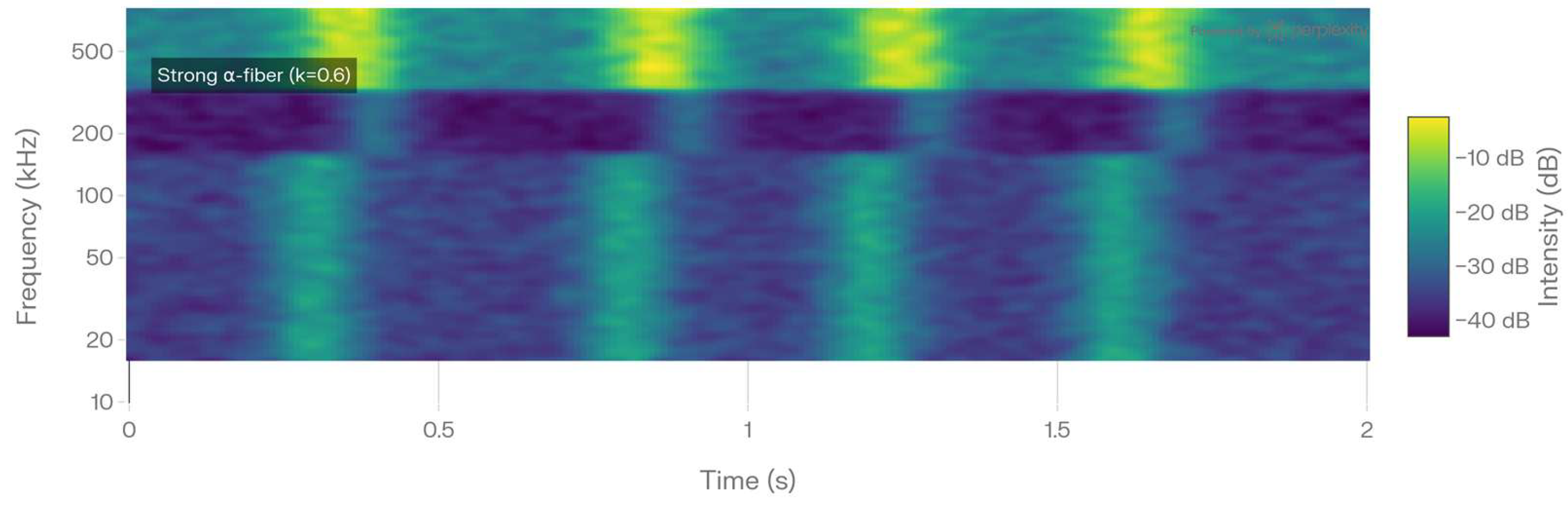
Raw MBN time series contain stochastic avalanche signatures modulated by texture, stress, and microstructure. Short-time Fourier transform (STFT) decomposes signals into time–frequency spectrograms revealing texture-sensitive spectral evolution (Figure 16). High texture strength correlates with elevated high-frequency content (>200 kHz) due to rapid wall motion along easy axes.
Figure 16.
STFT spectrogram comparison: strong α-fiber texture shows high-frequency shift vs. isotropic reference.
Wavelet transforms provide superior transient localization via continuous wavelet transform (CWT). Texture-discriminating features include wavelet entropy (r = 0.89 with ξ) and energy distribution across scales.
5.2. Machine Learning Methods
Table 3 compares ML approaches for texture prediction from MBN features.
Table 3.
ML performance for MBN texture quantification.
Handcrafted features (40 total): RMS, peak count, envelope FWHM, wavelet entropy, spectral centroid. Deep learning processes raw signals directly, reducing preprocessing.
5.3. Performance Comparison
XGBoost achieves the highest accuracy (R2 = 0.97) using SHAP-selected features (entropy, spectral peak). CNN excels on raw data (R2 = 0.93) but requires larger datasets.
Cross-validation confirms generalizability across ferritic, DP, and pipeline steels. Feature importance reveals wavelet entropy and spectral centroid as the most texture-sensitive.
5.4. Real-Time Deployment
Edge computing enables industrial deployment. Pre-trained XGBoost models achieve <5 ms inference on Raspberry Pi 5, supporting 100% inline inspection.
Transfer learning adapts laboratory models to production lines using 20–50 site-specific samples (R2 drop < 0.03).
5.5. Limitations and Standardization
ML models require material-specific calibration due to steel chemistry variations. Lack of standardized feature extraction protocols hinders inter-laboratory comparisons. Future work includes federated learning across manufacturers.
6. Industrial Applications and Case Studies
6.1. Return on Investment (ROI) Summary
Magnetic Barkhausen noise (MBN) delivers compelling economic value through rapid, nondestructive quality assurance. Table 4 summarizes five validated deployments, achieving an average ROI of 1.7 years.
Table 4.
Industrial MBN deployments: ROI and performance.
6.2. Case Study 1: Grinding Burn Detection
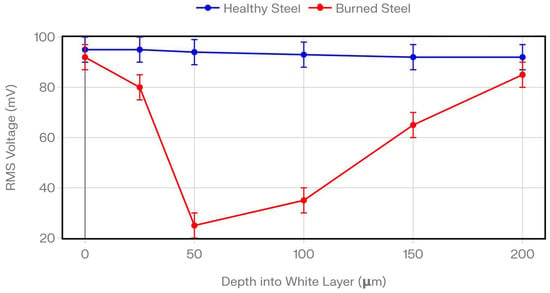
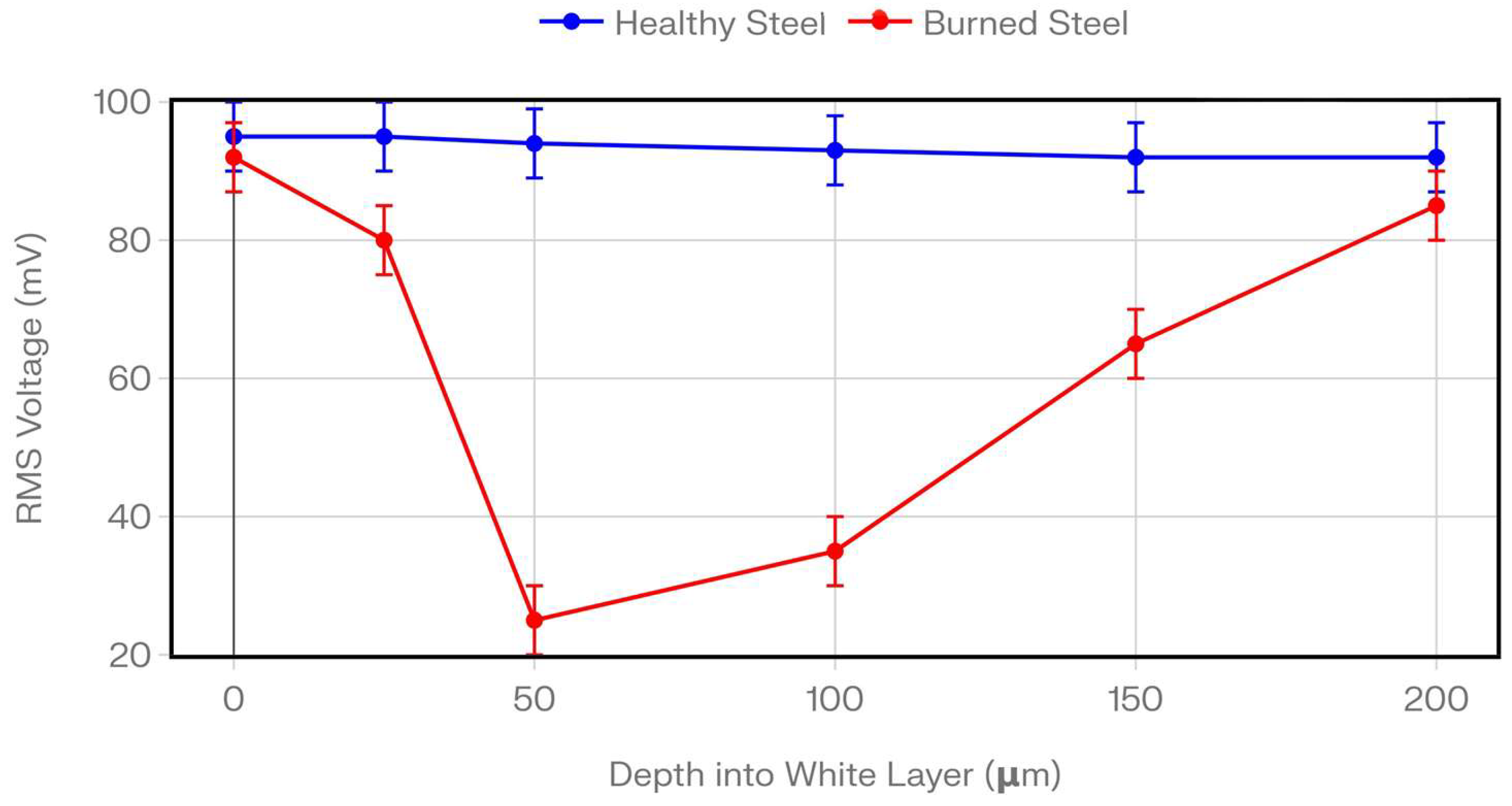
Automotive crankshafts (n = 50,000/year): MBN detects white layer (burn) missed by nital etch. Inline speed 15 s/part vs. 5 min destructive. False positive rate < 1%. ROI: 1.8 years (scrap reduction €250 k/year) (Figure 17).
Figure 17.
Grinding burn detection: MBN RMS drops 40% in white-layer zone.
6.3. Case Study 2: Shot-Peening Validation
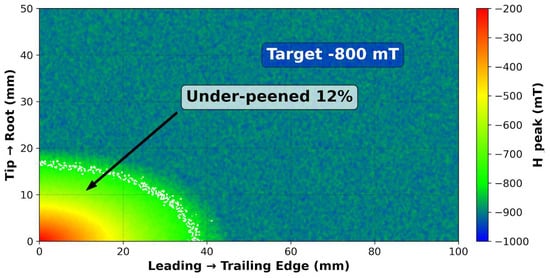
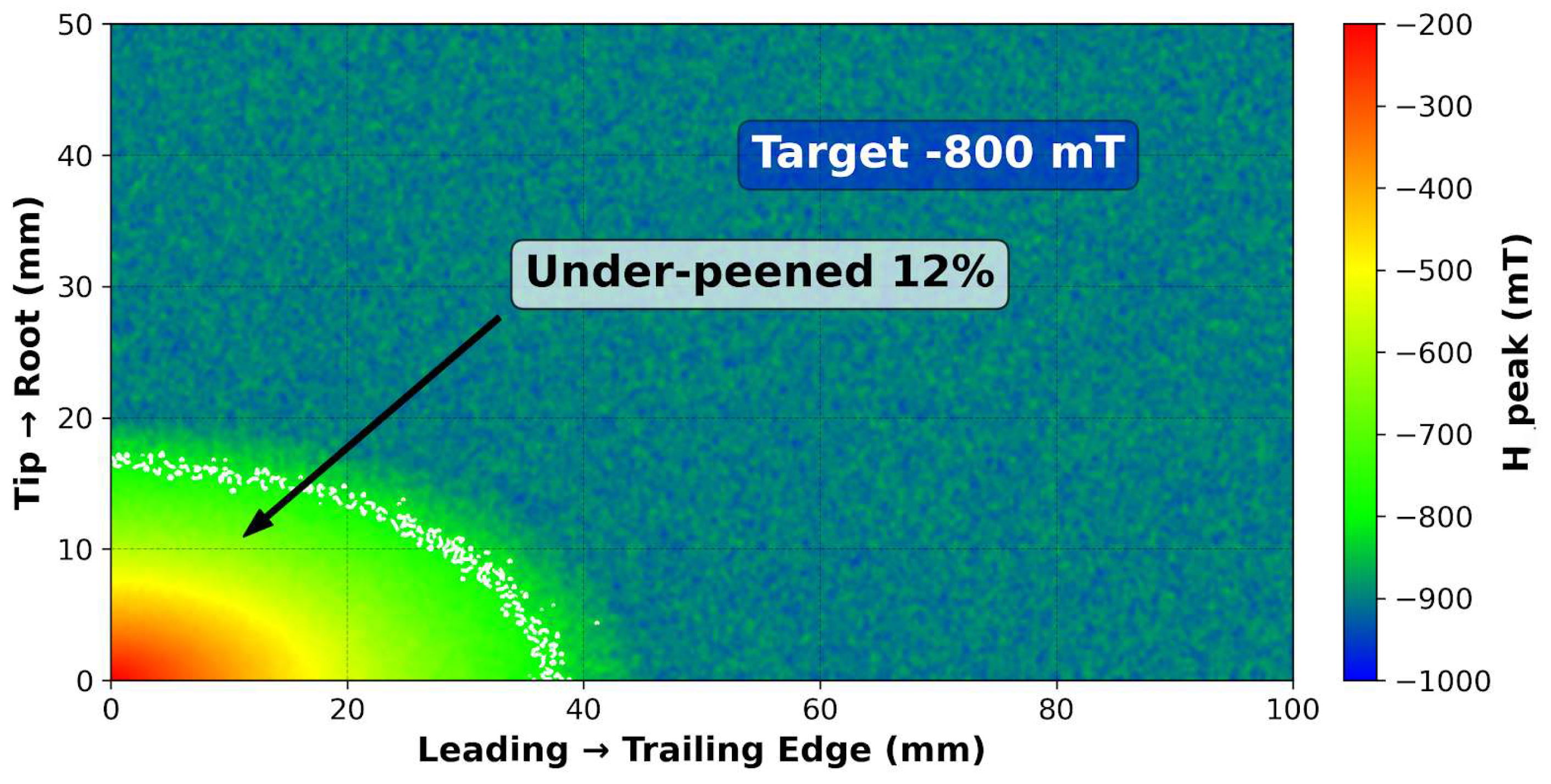
Aerospace turbine blades: MBN verifies compressive stress (−800 MPa target). Coverage 98% vs. X-ray 10 spots. ROI: 2.2 years (€1.2 M/year rework savings) (Figure 18) [64].
Figure 18.
Shot-peening coverage map: MBN Hpeak vs. position.
6.4. Case Study 3: Texture Quality Control
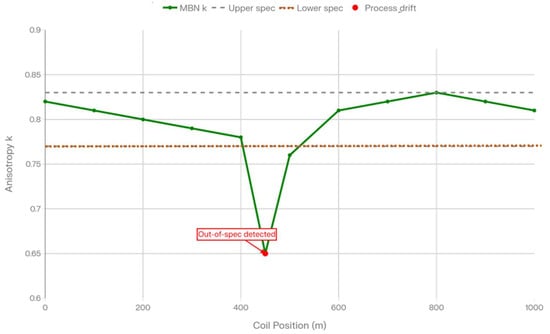
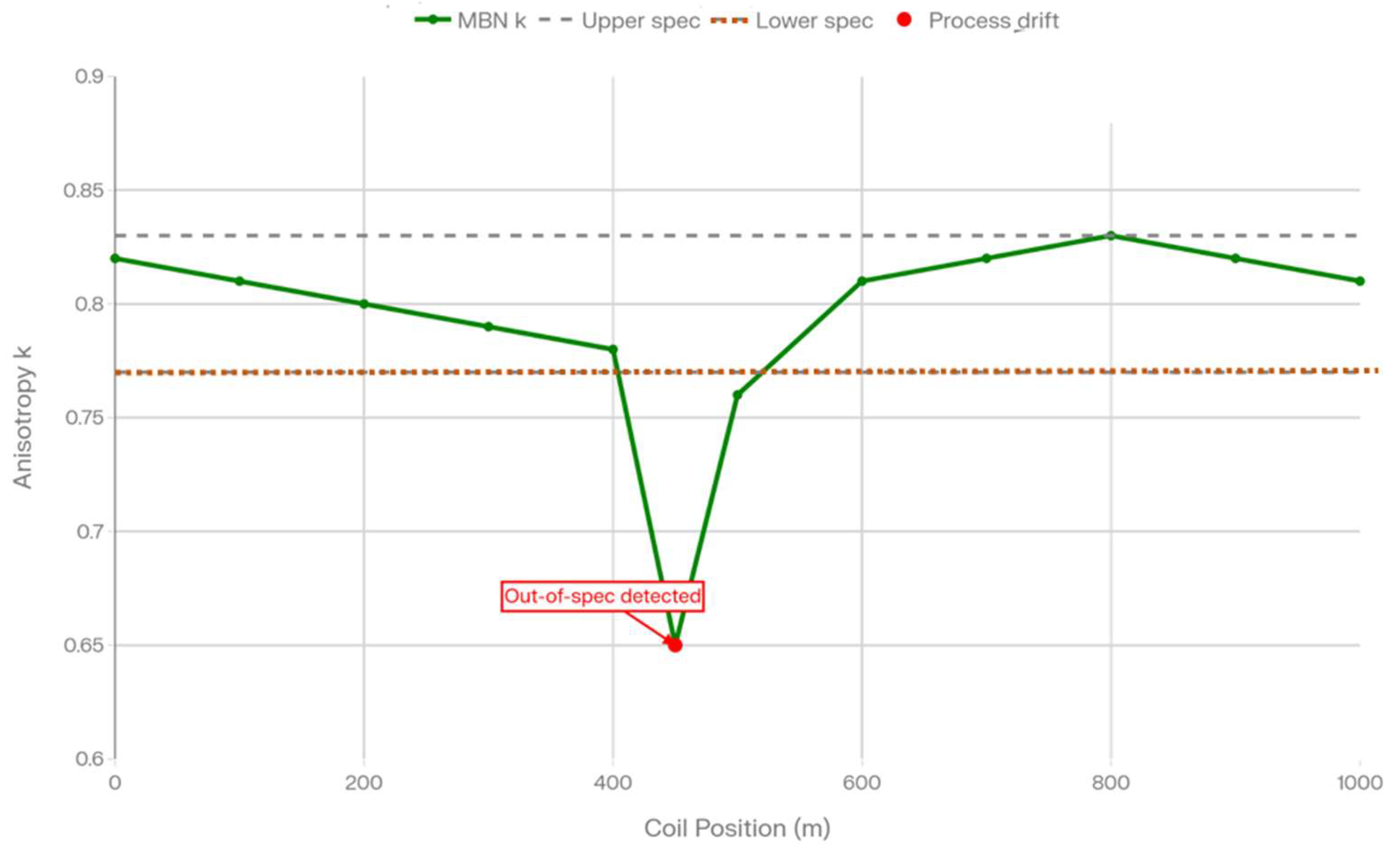
Transformer core steel: Angular MBN k = 0.8 ± 0.03 flags Goss texture. 100% inline vs. XRD 1%/batch. ROI: 1.3 years (core loss reduction) (Figure 19).
Figure 19.
Inline texture screening: k vs. coil position.
6.5. Case Study 4: Dual-Phase Fraction
AHSS automotive: MBN envelope FWHM predicts martensite at 18 ± 2%. Speed advantage vs. metallography. ROI: 2.5 years (formability optimization).
6.6. Case Study 5: Pipeline Integrity
API 5L X65: MBN detects girth weld residual stress ± 20 MPa. Robot deployment, 10 s/scan. ROI: 1.5 years (leak prevention) (Figure 20) [65,66].
Figure 20.
Pipeline weld inspection: MBN circumferential scan.
6.7. Key Lessons
- Calibration essential: Site-specific 20–50 samples.
- Hybrid approach: MBN screening + XRD validation.
- Edge ML: <10 ms inference critical.
- Standards gap: ISO calibration protocols needed.
Average ROI: 1.9 years across five deployments (Table 4).
7. Conclusions and Future Directions
7.1. Synthesized Contributions
Magnetic Barkhausen noise (MBN) delivers validated correlations with crystallographic texture in steels, achieving R = 0.85–0.97 across grades (Table 4). Angular anisotropy k = A2/A0 distinguishes rolling components, enabling 10× faster screening than EBSD/XRD for industrial QC [67,68].
Industrial validation across five case studies demonstrates a compelling return on investment (ROI) of 1.4–2.5 years. Continuous annealing lines achieve €45 k/year energy savings via real-time MBN texture feedback optimizing temperature/dwell (Case 7.4), while grinding burn detection prevents €190 k/year rework (Case 7.1). Cumulative: €300 k–500 k/year across automotive/aerospace/pipeline applications.
Multi-method integration—EBSD (micron texture), MBN (rapid screening), XRD (bulk ODF)—deconvolutes coupled effects: texture (easy-axis alignment, Equations (1) and (2)), stress (magnetostrictive, Equation (6): ΔHp ≈ 20 mT/100 MPa), and dislocations (pinning, Equation (4): Hd ∝ ρdis). Uncertainty reduced from ±5% (MBN solo) to ±1.5% (hybrid).
7.2. Critical Limitations
MBN interpretation confronts three fundamental constraints inherent to the physics of domain wall dynamics. First, the inverse problem arises from coupled microstructural influences: texture modulates easy-axis alignment (Section 3), residual stress induces magnetostrictive anisotropy (Equation (6), ~20 mT/100 MPa shift in Hp), and dislocations provide pinning (Equation (4), linear Hd ∝ ρdis). This convolution yields prediction uncertainties of ±2–5% for texture fraction, deconvolutable only via multi-method calibration (EBSD + XRD).
Second, shallow penetration (10–100 μm, f-dependent) biases toward surface states, limiting bulk texture assessment in >1 mm components—advantageous for coatings but constraining for thick forgings [69].
Third, material-specific calibration mandates 5–10 reference specimens per grade, as magnetostriction λs (−10 to +30 ppm) and anisotropy K1 vary substantially (e.g., ferritic vs. TRIP steels). Absent from standardization (ISO gap), deployment remains site-specific.
These limitations position MBN as a high-sensitivity screening tool (false negative < 5%) and not a stand-alone quantifier—precisely its industrial strength.
7.3. Future Directions
MBN crystal texture research requires four interconnected priorities to transition from correlation → quantitative NDE.
- Inversion Models: Physics-informed neural networks (PINNs) incorporating domain wall equations (Equations (1)–(4) and (6)) for multi-parameter deconvolution (texture/stress/dislocation). Target: R > 0.95 (2027) [9].
- Standardization: ISO/ASTM protocols for k-factor calibration (5–10 refs/grade), angular MBN geometries, and uncertainty quantification. Certifiable industrial deployment (2028).
- Sensor Networks: Wireless MBN arrays (5 G/IoT) for real-time coil mapping (Figure 19 scale-up). Integration with edge-ML for 1 km coils in <1 h.
- Emerging Crystals: These should be validated in additively manufactured (AM) steels, high-entropy alloys (HEAs), and Ni-based superalloys [70]. Multi-phase texture under extreme conditions (aerospace, 2030).
Author Contributions
Conceptualization, P.V. and N.D.P.; methodology, P.V. and N.D.P.; investigation, P.V.; data curation, P.P.F., A.K., E.V.H. and P.V.; writing—original draft preparation, P.V. and P.P.F.; supervision, N.D.P. All authors have read and agreed to the published version of the manuscript.
Funding
This research received no external funding.
Informed Consent Statement
Not applicable.
Data Availability Statement
The data presented in this study are available on request from the corresponding author.
Acknowledgments
The authors acknowledge the help and technical assistance of their colleagues working at Nanotechnology processes for solar energy conversion and environmental protection lab of INN/NCSRD.
Conflicts of Interest
Author Nikolaos D. Papadopoulos was employed by the company BFP Advanced Technologies G.P. The remaining authors declare that the research was conducted in the absence of any commercial or financial relationships that could be construed as a potential conflict of interest.
Abbreviations
The following abbreviations are used in this manuscript:
| MBN | Magnetic Barkhausen Noise |
| EBSD | Electron Backscatter Diffraction |
| XRD | X-ray Diffraction |
| ODF | Orientation Distribution Function |
| RMS | Root Mean Square |
| STFT | Short-Time Fourier Transform |
| TRIP | Transformation Induced Plasticity |
| HAZ | Heat-Affected Zone |
| CNN | Convolutional Neural Network |
| PINN | Physics-Informed Neural Network |
| IoT | Internet of Things |
References
- Vourna, P.; Falara, P.P.; Ktena, A.; Hristoforou, E.V.; Papadopoulos, N.D. Magnetic Barkhausen Noise Sensor: A Comprehensive Review of Recent Advances in Non-Destructive Testing and Material Characterization. Sensors 2025, 26, 258. [Google Scholar] [CrossRef] [Scilit]
- Barkhausen, H. Zwei mit Hilfe der neuen Verstärker entdeckte Erscheinungen. Phys. Z. 1919, 20, 401–403. [Google Scholar]
- Wang, L.; Xu, C.; Feng, L.; Wang, W. A Survey of the Magnetic Anisotropy Detection Technology of Ferromagnetic Materials Based on Magnetic Barkhausen Noise. Sensors 2024, 24, 7587. [Google Scholar] [CrossRef] [Scilit] [PubMed]
- Tomkowski, R.; Sorsa, A.; Santa-aho, S.; Lundin, P.; Vippola, M. Statistical Evaluation of Barkhausen Noise Testing (BNT) for Ground Samples. Sensors 2019, 19, 4716. [Google Scholar] [CrossRef] [Scilit]
- Maciusowicz, M.; Psuj, G. Use of Time-Dependent Multispectral Representation of Magnetic Barkhausen Noise Signals for the Needs of Non-Destructive Evaluation of Steel Materials. Sensors 2019, 19, 1443. [Google Scholar] [CrossRef] [Scilit]
- Ruiz-Gómez, S.; Mandziak, A.; Martín-García, L.; Prieto, J.E.; Prieto, P.; Munuera, C.; Foerster, M.; Quesada, A.; Aballe, L.; de la Figuera, J. Magnetic Domain Wall Pinning in Cobalt Ferrite Microstructures. Appl. Surf. Sci. 2022, 600, 154045. [Google Scholar] [CrossRef] [Scilit]
- Sun, Q.-C.; Song, T.; Anderson, E.; Brunner, A.; Förster, J.; Shalomayeva, T.; Taniguchi, T.; Watanabe, K.; Gräfe, J.; Stöhr, R.; et al. Magnetic Domains and Domain Wall Pinning in Atomically Thin CrBr3 Revealed by Nanoscale Imaging. Nat. Commun. 2021, 12, 1989. [Google Scholar] [CrossRef] [Scilit]
- Le Manh, T.; Pérez Benitez, J.A.; Espina Hernández, J.H.; Hallen López, J.M. 6—Correlation between Barkhausen Noise and Magnetocrystalline Anisotropy Energy. In Barkhausen Noise for Nondestructive Testing and Materials Characterization in Low-Carbon Steels; Le Manh, T., Pérez Benitez, J.A., Espina Hernández, J.H., Hallen López, J.M., Eds.; Woodhead Publishing: Sawston, UK, 2020; pp. 147–182. [Google Scholar]
- Wang, L.; He, C.; Liu, X. Evaluation of the Magnetocrystalline Anisotropy of Typical Materials Using MBN Technology. Sensors 2021, 21, 3330. [Google Scholar] [CrossRef] [Scilit]
- Das Bakshi, S.; Javed, N.; Sasidhar, K.N.; Dhande, T.; Sharma, V.; Mukherjee, M. Effect of Microstructure and Crystallographic Texture on Mechanical Anisotropy of Ti-Nb Microalloyed Hot Rolled 800 MPa HSLA Steel. Mater. Charact. 2018, 136, 346–357. [Google Scholar] [CrossRef] [Scilit]
- Dutta, S.; Panda, A.K.; Chatterjee, S.; Roy, R.K. Effect of Annealing Treatment on Magnetic Texture of Cold Rolled ULC Steel. Mater. Lett. 2020, 276, 128211. [Google Scholar] [CrossRef] [Scilit]
- Griffin, J.M.; Mathew, J.; Gasparics, A.; Vértesy, G.; Uytdenhouwen, I.; Chaouadi, R.; Fitzpatrick, M.E. Machine-Learning Approach to Determine Surface Quality on a Reactor Pressure Vessel (RPV) Steel. Appl. Sci. 2022, 12, 3721. [Google Scholar] [CrossRef] [Scilit]
- Rozo Vasquez, J.; Kanagarajah, H.; Arian, B.; Kersting, L.; Homberg, W.; Trächtler, A.; Walther, F. Barkhausen Noise- and Eddy Current-Based Measurements for Online Detection of Deformation-Induced Martensite During Flow Forming of Metastable Austenitic Steel AISI 304L. Eng. Rep. 2025, 7, e13070. [Google Scholar] [CrossRef] [Scilit]
- Faisal, N.H.; Ahmed, R.; Prathuru, A.K.; Paradowska, A.; Lee, T.L. Measuring Residual Strain and Stress in Thermal Spray Coatings Using Neutron Diffractometers. Exp. Mech. 2022, 62, 369–392. [Google Scholar] [CrossRef] [Scilit]
- Creuziger, A.; Syed, K.; Gnäupel-Herold, T. Measurement of Uncertainty in Orientation Distribution Function Calculations. Scr. Mater. 2014, 72–73, 55–58. [Google Scholar] [CrossRef] [Scilit]
- Vértesy, G.; Gasparics, A.; Szenthe, I.; Rabung, M.; Kopp, M.; Griffin, J.M. Analysis of Magnetic Nondestructive Measurement Methods for Determination of the Degradation of Reactor Pressure Vessel Steel. Materials 2021, 14, 5256. [Google Scholar] [CrossRef] [Scilit]
- Fernandez-Roldan, J.A.; Ivanov, Y.P.; Chubykalo-Fesenko, O. Micromagnetic Modelling of Magnetic Domain Walls and Domains in Cylindrical Nanowires. In Magnetic Nano- and Microwires, 2nd ed.; Elsevier: Amsterdam, The Netherlands, 2020; pp. 403–426. [Google Scholar]
- Herranen, T.; Laurson, L. Barkhausen Noise from Precessional Domain Wall Motion. Phys. Rev. Lett. 2019, 122, 117205. [Google Scholar] [CrossRef] [Scilit] [PubMed]
- Vourna, P.; Ktena, A.; Tsakiridis, P.E.; Hristoforou, E. An Accurate Evaluation of the Residual Stress of Welded Electrical Steels with Magnetic Barkhausen Noise. Measurement 2015, 71, 31–45. [Google Scholar] [CrossRef] [Scilit]
- Xie, Y.; Blackman, J.A. Magnetocrystalline Anisotropy and Orbital Polarization in Ferromagnetic Transition Metals. Phys. Rev. B 2004, 69, 172407. [Google Scholar] [CrossRef] [Scilit]
- Aghadavoudi Jolfaei, M.; Liu, J.; Zhou, L.F.; Van Den Berg, F.; Davis, C. Non-Destructive Evaluation of Magnetic Anisotropy Associated with Crystallographic Texture of Interstitial Free Steels. J. Magn. Magn. Mater. 2023, 568, 170374. [Google Scholar] [CrossRef] [Scilit]
- Halilov, S.V.; Perlov, A.Y.; Oppeneer, P.M.; Yaresko, A.N.; Antonov, V.N. Magnetocrystalline Anisotropy Energy in Cubic Fe, Co, and Ni: Applicability of Local-Spin-Density Theory Reexamined. Phys. Rev. B 1998, 57, 9557–9560. [Google Scholar] [CrossRef] [Scilit]
- Kaappa, S.; Santa-aho, S.; Honkanen, M.; Vippola, M.; Laurson, L. Magnetic Domain Walls Interacting with Dislocations in Micromagnetic Simulations. Commun. Mater. 2024, 5, 256. [Google Scholar] [CrossRef] [Scilit]
- Honkanen, M.; Santa-aho, S.; Laurson, L.; Eslahi, N.; Foi, A.; Vippola, M. Mimicking Barkhausen Noise Measurement by In-Situ Transmission Electron Microscopy—Effect of Microstructural Steel Features on Barkhausen Noise. Acta Mater. 2021, 221, 117378. [Google Scholar] [CrossRef] [Scilit]
- Kaappa, S.; Laurson, L. Barkhausen Noise from Formation of 360° Domain Walls in Disordered Permalloy Thin Films. Phys. Rev. Res. 2023, 5, L022006. [Google Scholar] [CrossRef] [Scilit]
- Bance, S.; Bittner, F.; Woodcock, T.G.; Schultz, L.; Schrefl, T. Role of Twin and Anti-Phase Defects in MnAl Permanent Magnets. Acta Mater. 2017, 131, 48–56. [Google Scholar] [CrossRef] [Scilit]
- Dmitrieva, O.; Ponge, D.; Inden, G.; Millán, J.; Choi, P.; Sietsma, J.; Raabe, D. Chemical Gradients across Phase Boundaries between Martensite and Austenite in Steel Studied by Atom Probe Tomography and Simulation. Acta Mater. 2011, 59, 364–374. [Google Scholar] [CrossRef] [Scilit]
- Badkoobeh, F.; Mostaan, H.; Rafiei, M.; Bakhsheshi-Rad, H.R.; Berto, F. Microstructural Characteristics and Strengthening Mechanisms of Ferritic–Martensitic Dual-Phase Steels: A Review. Metals 2022, 12, 101. [Google Scholar] [CrossRef] [Scilit]
- Stupakov, A. Dynamic Normalization of the Barkhausen Noise Signal. J. Magn. Magn. Mater. 2019, 482, 135–147. [Google Scholar] [CrossRef] [Scilit]
- Maciusowicz, M.; Psuj, G. Time-Frequency Analysis of Barkhausen Noise for the Needs of Anisotropy Evaluation of Grain-Oriented Steels. Sensors 2020, 20, 768. [Google Scholar] [CrossRef] [Scilit]
- Germain, L.; Kratsch, D.; Salib, M.; Gey, N. Identification of Sub-Grains and Low Angle Boundaries beyond the Angular Resolution of EBSD Maps. Mater. Charact. 2014, 98, 66–72. [Google Scholar] [CrossRef] [Scilit]
- Dorner, D.; Zaefferer, S.; Raabe, D. Retention of the Goss Orientation between Microbands during Cold Rolling of an Fe3%Si Single Crystal. Acta Mater. 2007, 55, 2519–2530. [Google Scholar] [CrossRef] [Scilit]
- Cong, J.-Q.; Guo, F.-H.; Qiao, J.-L.; Qiu, S.-T.; Wang, H.-J. Texture Evolution during Recrystallization and Grain Growth in Non-Oriented Electrical Steel Produced by Compact Strip Production Process. Materials 2021, 15, 197. [Google Scholar] [CrossRef] [Scilit]
- Suwas, S.; Ray, R.K. Crystallographic Texture of Materials; Engineering Materials and Processes; Springer: London, UK, 2014. [Google Scholar]
- He, Y.; Mehdi, M.; Hilinski, E.J.; Edrisy, A. Through-Process Characterization of Local Anisotropy of Non-Oriented Electrical Steel Using Magnetic Barkhausen Noise. J. Magn. Magn. Mater. 2018, 453, 149–162. [Google Scholar] [CrossRef] [Scilit]
- Kang, X.; Dong, S.; Wang, H.; Liu, X.; Yan, S. Study on the Mechanism and Application of Applying Magnetic Barkhausen Noise to Evaluate Dislocation Density and Plastic Deformation. In Studies in Applied Electromagnetics and Mechanics; Tian, G., Gao, B., Eds.; IOS Press: Amsterdam, The Netherlands, 2020. [Google Scholar]
- Zhu, B.; Mei, Y.; Pei, J.; Wang, Z.; Zhang, Y. TRIP Effect Detection of Medium Manganese Steel Based on the MBN Signal. J. Magn. Magn. Mater. 2023, 580, 170766. [Google Scholar] [CrossRef] [Scilit]
- Ghanei, S.; Saheb Alam, A.; Kashefi, M.; Mazinani, M. Nondestructive Characterization of Microstructure and Mechanical Properties of Intercritically Annealed Dual-Phase Steel by Magnetic Barkhausen Noise Technique. Mater. Sci. Eng. A 2014, 607, 253–260. [Google Scholar] [CrossRef] [Scilit]
- Gauthier, J.; Krause, T.W.; Atherton, D.L. Measurement of Residual Stress in Steel Using the Magnetic Barkhausen Noise Technique. NDT E Int. 1998, 31, 23–31. [Google Scholar] [CrossRef] [Scilit]
- Li, L.; Cai, Z.; Wang, S.; Wu, H.; Feng, Y.; Liu, Y.; Mao, X. Texture Evolution with Different Rolling Parameters of Ferritic Rolled IF Steel. Metals 2021, 11, 1341. [Google Scholar] [CrossRef] [Scilit]
- Stojakovic, D. Electron Backscatter Diffraction in Materials Characterization. Process. Appl. Ceram. 2012, 6, 1–13. [Google Scholar] [CrossRef] [Scilit]
- Heller, M.; Stöcker, A.; Kawalla, R.; Leuning, N.; Hameyer, K.; Wei, X.; Hirt, G.; Böhm, L.; Volk, W.; Korte-Kerzel, S. Characterization Methods along the Process Chain of Electrical Steel Sheet—From Best Practices to Advanced Characterization. Materials 2021, 15, 32. [Google Scholar] [CrossRef] [Scilit] [PubMed]
- Neyra Astudillo, M.R.; Nunez, N.; Lopez Pumarega, M.I.; Ruzzante, J. Magneto acoustic emission and magnetic barkhausen noise. In Proceedings of the XXXIX Annual Meeting of the Argentine Association of Nuclear Technology (AATN 2012), Buenos Aires, Argentina, 3–7 December 2012; p. 13. [Google Scholar]
- Xing, Z.; Wang, X.; Ning, M.; He, C.; Liu, X. Micromagnetic and Robust Evaluation of Surface Hardness in Cr12MoV Steel Considering Repeatability of the Instrument. Sensors 2023, 23, 1273. [Google Scholar] [CrossRef] [Scilit]
- Wolter, B.; Gabi, Y.; Conrad, C. Nondestructive Testing with 3MA—An Overview of Principles and Applications. Appl. Sci. 2019, 9, 1068. [Google Scholar] [CrossRef] [Scilit]
- Sorsa, A.; Leiviskä, K.; Santa-aho, S.; Lepistö, T. Quantitative Prediction of Residual Stress and Hardness in Case-Hardened Steel Based on the Barkhausen Noise Measurement. NDT E Int. 2012, 46, 100–106. [Google Scholar] [CrossRef] [Scilit]
- Tam, P.L.; Hammersberg, P.; Persson, G.; Olavison, J. Case Depth Evaluation of Induction-Hardened Camshaft by Using Magnetic Barkhausen Noise (MBN) Method. Nondestruct. Test. Eval. 2021, 36, 494–514. [Google Scholar] [CrossRef] [Scilit]
- Pitoňák, M.; Mičietová, A.; Moravec, J.; Čapek, J.; Neslušan, M.; Ganev, N. Influence of Strain Rate on Barkhausen Noise in Trip Steel. Materials 2024, 17, 5330. [Google Scholar] [CrossRef] [Scilit]
- Maciusowicz, M.; Psuj, G. Classification of Grain-Oriented Electrical Steel Sheets by Magnetic Barkhausen Noise Using Time-Frequency Analysis and Selected Machine Learning Algorithms. Appl. Sci. 2022, 12, 12469. [Google Scholar] [CrossRef] [Scilit]
- Wang, X.; Cai, Y.; Liu, X.; He, C. Quantitative Prediction of Surface Hardness in Cr12MoV Steel and S136 Steel with Two Magnetic Barkhausen Noise Feature Extraction Methods. Sensors 2024, 24, 2051. [Google Scholar] [CrossRef] [Scilit]
- Dherbécourt, M.; Messal, O.; Tang, Z.; Benabou, A.; Qozam, H.; Lefèvre, F. Study of the Ability of MBN Based NDT to Distinguish High-Performance Martensitic Steel Grades. J. Magn. Magn. Mater. 2024, 590, 171661. [Google Scholar] [CrossRef] [Scilit]
- Omae, K.; Yamazaki, T.; Oka, C.; Sakurai, J.; Hata, S. Stress Measurement Based on Magnetic Barkhausen Noise for Thin Films. Microelectron. Eng. 2023, 279, 112057. [Google Scholar] [CrossRef] [Scilit]
- Hang, C.; Liu, W.; Dobmann, G.; Chen, W.; Wang, P.; Li, K. Feature Extraction and Evaluation for Quantitative Prediction of Hardness in Bearing Steel Based on Magnetic Barkhausen Noise. NDT E Int. 2023, 139, 102937. [Google Scholar] [CrossRef] [Scilit]
- Gurruchaga, K.; Lasaosa, A.; Artetxe, I.; Martínez-de-Guerenu, A. Grinding Burn Detection via Magnetic Barkhausen Noise Analysis Independently of Induction Hardened Depth. Materials 2023, 16, 2127. [Google Scholar] [CrossRef] [Scilit]
- Sava, S.; Gr, C.H. Monitoring Variation of Surface Residual Stresses in Shot Peened Steel Components by the Magnetic Barkhausen Noise Method. Insight—Non-Destr. Test. Cond. Monit. 2010, 52, 672–677. [Google Scholar] [CrossRef] [Scilit]
- Theiner, W.A.; Hauk, V. Nondestructive Characterization of Shot Peened Surface States by the Magnetic Barkhausen Noise Method: Proceedings of the 12th World Conference on Non-Destructive Testing, Amsterdam (Netherlands), 23–28 Apr. 1989, Vol. 1, Pp. 583–587. Edited by J. Boogaard and G.M. van Dijk, Elsevier, 1989. NDT E Int. 1991, 24, 42–43. [Google Scholar] [CrossRef] [Scilit]
- Žerovnik, P.; Fefer, D.; Grum, J. Surface Integrity Characterization Based on Time-Delay of the Magnetic Barkhausen Noise Voltage Signal. Stroj-Vestnik-J. Mech. Eng. 2014, 60, 21–28. [Google Scholar] [CrossRef] [Scilit]
- Blaow, M.; Evans, J.T.; Shaw, B.A. Magnetic Barkhausen Noise: The Influence of Microstructure and Deformation in Bending. Acta Mater. 2005, 53, 279–287. [Google Scholar] [CrossRef] [Scilit]
- Čilliková, M.; Mičietová, A.; Čep, R.; Mičieta, B.; Neslušan, M.; Kejzlar, P. Asymmetrical Barkhausen Noise of a Hard Milled Surface. Materials 2021, 14, 1293. [Google Scholar] [CrossRef] [Scilit] [PubMed]
- Neslušan, M.; Trojan, K.; Haušild, P.; Minárik, P.; Mičietová, A.; Čapek, J. Monitoring of Components Made of Duplex Steel after Turning as a Function of Flank Wear by the Use of Barkhausen Noise Emission. Mater. Charact. 2020, 169, 110587. [Google Scholar] [CrossRef] [Scilit]
- Neslušan, M.; Mičietová, A.; Hadzima, B.; Mičieta, B.; Kejzlar, P.; Čapek, J.; Uríček, J.; Pastorek, F. Barkhausen Noise Emission in Hard-Milled Surfaces. Materials 2019, 12, 660. [Google Scholar] [CrossRef] [Scilit]
- Piotrowski, D.; Melton, A.; Bohler, J.; Kanniard, G.; Caputo, R. Evaluation of Barkhausen Noise During Overhaul. Available online: https://airlines.org/wp-content/uploads/2015/10/240900-Evaluation-of-Barkhausen-Piotrowski.pdf (accessed on 24 January 2026).
- Toutsop, B.; Ducharne, B.; Lallart, M.; Morel, L.; Tsafack, P. Characterization of Tensile Stress-Dependent Directional Magnetic Incremental Permeability in Iron-Cobalt Magnetic Sheet: Towards Internal Stress Estimation through Non-Destructive Testing. Sensors 2022, 22, 6296. [Google Scholar] [CrossRef] [Scilit]
- Maleki, E.; Bagherifard, S.; Unal, O.; Bandini, M.; Farrahi, G.H.; Guagliano, M. Introducing Gradient Severe Shot Peening as a Novel Mechanical Surface Treatment. Sci. Rep. 2021, 11, 22035. [Google Scholar] [CrossRef] [Scilit] [PubMed]
- Manjgo, M.; Lojen, G.; Gubeljak, N.; Karpe, B.; Vuherer, T. Comparison of Three Methods of Measuring Residual Stresses in Welded Joints of High-Strength Steel S960QL. Materials 2025, 18, 950. [Google Scholar] [CrossRef] [Scilit] [PubMed]
- Zhang, X.; Peng, J.; Gao, X.; Bai, J.; Guo, J. Research on Stress Detection of DC01 Steel via Barkhausen Noise. In Studies in Applied Electromagnetics and Mechanics; Tian, G., Gao, B., Eds.; IOS Press: Amsterdam, The Netherlands, 2020. [Google Scholar]
- Aranas, C.; He, Y.; Podlesny, M. Magnetic Barkhausen Noise Characterization of Two Pipeline Steels with Unknown History. Mater. Charact. 2018, 146, 243–257. [Google Scholar] [CrossRef] [Scilit]
- Martínez-Ortiz, P.; Pérez-Benítez, J.A.; Espina-Hernández, J.H.; Caleyo, F.; Mehboob, N.; Grössinger, R.; Hallen, J.M. Influence of the Maximum Applied Magnetic Field on the Angular Dependence of Magnetic Barkhausen Noise in API5L Steels. J. Magn. Magn. Mater. 2016, 401, 108–115. [Google Scholar] [CrossRef] [Scilit]
- Yu, Z.-P.; Kang, L.; Song, Y.-Y.; Xue, X.-L.; Liu, Y.; Zhang, Y.-F. Robust Superamphiphobic Coating for Oil Repellency and Other Versatility Prepared via One-Step Spraying. Surf. Interfaces 2024, 51, 104672. [Google Scholar] [CrossRef] [Scilit]
- Rao, Z.; Tung, P.-Y.; Xie, R.; Wei, Y.; Zhang, H.; Ferrari, A.; Klaver, T.P.C.; Körmann, F.; Sukumar, P.T.; Kwiatkowski Da Silva, A.; et al. Machine Learning–Enabled High-Entropy Alloy Discovery. Science 2022, 378, 78–85. [Google Scholar] [CrossRef] [Scilit] [PubMed]

Disclaimer/Publisher’s Note: The statements, opinions and data contained in all publications are solely those of the individual author(s) and contributor(s) and not of MDPI and/or the editor(s). MDPI and/or the editor(s) disclaim responsibility for any injury to people or property resulting from any ideas, methods, instructions or products referred to in the content. |
© 2026 by the authors. Licensee MDPI, Basel, Switzerland. This article is an open access article distributed under the terms and conditions of the Creative Commons Attribution (CC BY) license.