Article

Chicken Bile-Mediated Silver Nanoparticles: Performance in Antibacterial Activity and Photodegradation of Disperse Orange 1


by
Muhammad Bilal
1,
Javed Ali
1,
Zahida Bibi
1,
Tallat Munir
1,2,
Esraa M. Bakhsh
3,
Kalsoom Akhtar
3 and
Sher Bahadar Khan
3,*
1
Department of Chemistry, Kohat University of Science and Technology, Kohat 26000, Khyber Pakhtunkhwa, Pakistan
2
Department of Chemical Engineering, Beijing University of Technology, 100 PingLeYuan, Chaoyang District, Beijing 100124, China
3
Chemistry Department, Faculty of Science, King Abdulaziz University, P.O. Box 80203, Jeddah 21589, Saudi Arabia
*
Author to whom correspondence should be addressed.
Catalysts 2026, 16(6), 549; https://doi.org/10.3390/catal16060549 (registering DOI)
Submission received: 27 March 2026 / Revised: 27 April 2026 / Accepted: 29 April 2026 / Published: 13 June 2026
(This article belongs to the Special Issue Catalysis by Metals and Metal Oxides)

Abstract

Chicken bile-mediated silver nanoparticles (Ag-NPs) were synthesized and evaluated via UV–Vis, SEM, FTIR, and XRD. The synthesis of Ag-NPs was validated by observing a color change that was visible to the naked eye and via UV–Vis spectroscopy. A peak at 435 nm in the UV–Vis spectrum suggest the formation of Ag-NPs. The FTIR spectrum indicated that Ag+ reduction into Ag-NPs may occur due to proteins that are present in chicken bile. The XRD results showed that the nanoparticles were crystalline in nature, with a crystallite size of 25 nm. The SEM images showed that spherical-shaped nanoparticles with an average size of 20–60 nm were formed. The effects of different parameters, such as extract concentration, pH, and temperature, on the shape and reaction rate of Ag-NPs were examined. The results showed that the formation of Ag-NPs increased substantially in basic medium and they were found to be more stable at 60 °C. The prepared Ag-NPs were evaluated for their antibacterial activity and photocatalytic efficiency in degrading Disperse Orange 1 (DOI) dye. The antibacterial assessment of the synthesized Ag-NPs showed significant antibacterial activity. Based on the photodegradation study, it was found that the synthesized Ag-NPs showed high activity and almost complete (97%) degradation of DOI within the first 100 min. Thus, the overall results reveal that the prepared Ag-NPs offer a better approach for remediating the aforementioned contaminants.

Graphical Abstract

1. Introduction

Different types of diseases are mostly caused by different types of microorganisms, such as bacteria, viruses, fungus, yeasts, etc. To prevent their hazardous effects, they are treated by various antibiotics [1]. Many pathogenic bacteria have the potential to develop resistance against commercially available antibiotics. For example, Klebsiella pneumonia strains show resistance to different types of antibiotics, including B-lactams, aminoglycosides, cephalosporins, carbapenems, etc. [2]. Similarly, Escherichia coli shows resistance to kanamycin, ampicillin, sulfisoxazole, streptomycin, tetracycline, ticarcillin, etc. [3]. Microbial resistance to antibiotics has been reaching a critical level. This situation has become an important challenge in public healthcare and gained the attention of researchers in the past two decades. This alarming threat has driven the development of a new class of antimicrobials. Recently, growing attention has been paid to using nanoparticles as antimicrobial agents, along with many other applications. Among them, Ag-NPs have great potential in the field of nanomedicine because of their promising activity [4]. Similarly, the use of dyes has significantly increased over the past few decades due to the expansion of industrial development. Most of the textile and leather industries use different types of dyes and dispose their dye-contaminated effluents in fresh water reservoirs, which adversely affects aquatic life [5]. Disperse dyes are among the most effective synthetic colorants, with a wide range of applications in the textile industry. DOI can be used to dye polyester fabrics [6]. However, the mutagenic effects of disperse dyes cause DNA modifications that impair transcription and replication, which can lead to cell death. Based on the mutation, cell behavior may be changed, resulting in uncontrollable growth that potentially causes cancer [7]. Different techniques have been used in the attempt to decompose these dyes. However, most techniques convert the dye into another form of hazardous material, which is still an alarming threat for the environment. Among these techniques, photodegradation of dyes is one of the emerging techniques that completely convert the structures of the complex dyes into simple and harmless compounds, i.e., CO2 N2, H2O, etc. [8]. For photodegradation, different photocatalysts have been tried recently, and among these catalysts, silver nanoparticles have received much attention due to their size and structural behaviors [9,10]. Nanoparticles are available in a wide variety of structural and morphological forms including platelets, spheres, tubes, cylinder types, etc. [11]. Synthesis of nanoparticles is usually designed according to the needs and relevant requirements [12]. For synthesis of nanomaterials, two main approaches have been tried, namely, the “top-down” approach, or larger to smaller, and the “bottom-up” approach, or simple to complex [13]. In the first one, bulk material is machined down to nanometer scale by special techniques [14]. The latter approach is an alternative and it requires advanced technology at the nanoscale level, leading to the formation of unique nanostructures. The stability, size, shape and distribution of particles are important aspects in this perspective [15]. These can be controlled by using the proper concentrations of chemicals and adjusting appropriate external conditions like temperature, time scale, pressure and pH within optimum ranges. Using this perspective, a variety of NPs including micelles, polymers, demtrimers and metallic NPs such as Au, Ag, and Pt can be synthesized. Among the different metal nanoparticles, silver nanoparticles get much attention due to their wide application in industry and the medical field. Silver nanoparticles (Ag-NPs) exhibit strong surface plasmon resonance (SPR) in the visible region, making them highly responsive to solar light and capable of generating electron–hole pairs and reactive oxygen species more efficiently. Moreover, the use of sunlight, compared to artificial light sources such as tungsten light, xenon light, etc., is renewable and cost-effective, eliminates the need for external power input, reduces operational costs, and enhances the environmental sustainability of the process [16,17]. Similarly, due to the wide range of beneficial applications for human use, there is a need to develop rapid, cheap and reliable experimental techniques for the synthesis of silver nanoparticles. Several methods have been adopted in order to synthesize silver nanoparticles; among them, the physical, chemical and biological methods are most important methods [12]. For the physical approach to silver nanoparticle synthesis, different techniques should be used, such as thermal decomposition, evaporation and condensation, etc. [18]. This approach is considered an expensive technique due to the necessary investments in equipment [19,20]. Another extensively used procedure for silver nanoparticle synthesis is the chemical method. These methods usually utilize three main components, namely, metal precursors, reducing and capping agents [21]. The reducing agents reduce silver ions into metallic silver. The reduction is next, followed by agglomeration, which subsequently forms oligomeric clusters, eventually leading to the synthesis of Ag-NPs in colloidal form.
Recently, biosynthesis has been considered an attractive, emerging and pure green method for the preparation of Ag-NPs. In this method the conventional molecules used for reduction and stabilization are replaced by biomolecules obtained from living organisms, like plants, fungi, bacteria, yeast and algae, in addition to animal wastes, etc. [22]. This method provides several advancements over other techniques, as it is cost-effective, forgoes the use of toxic chemicals, can be scaled up for the large-scale synthesis, and is environment friendly, leading to truly green chemistry [23]. The global level of chicken meat production is 124 million, which concurrently produces 68 tons of waste annually. These chicken wastes include chicken bones, feathers, bile, intestines and feet. Among these, chicken bile is a relatively useless byproduct which is rich in bile salts, enzymes, amino acids, and proteins; these can potentially act as both reducing and capping agents for silver ions. Therefore, the utilization of chicken bile not only provides an eco-friendly and cost-effective route for Ag-NPs formation but also offers a sustainable approach for recycling poultry waste into value-added nanomaterials. To the best of our knowledge, the application of chicken bile extract for the synthesis of Ag-NPs and their subsequent evaluation for photodegradation of dyes (DOI) and antibacterial activity represents a novel contribution to the field.

2. Results and Discussion

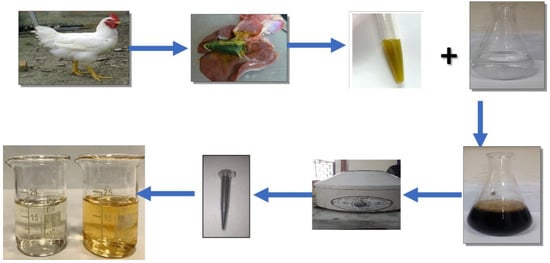
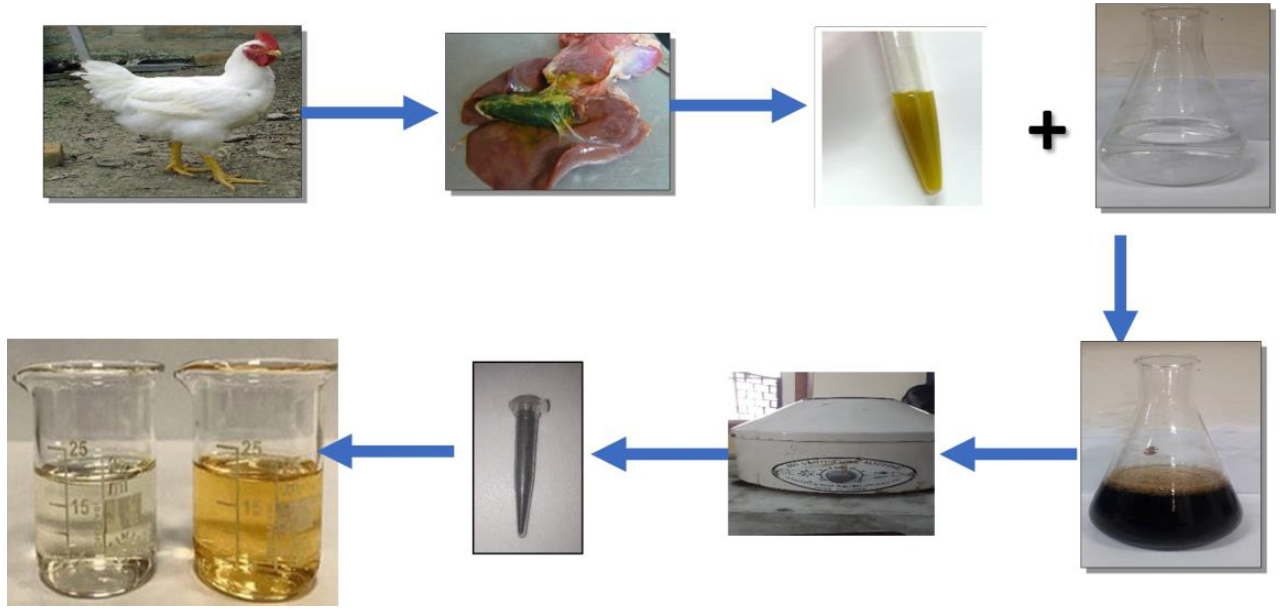
Ag-NPs were successfully synthesized by using waste materials from chicken (bile extract). This bile extract contains several biomolecules which are effectively involved in the reduction of silver ions into Ag-NPs. When bile extract from chicken was mixed with silver nitrate solution, the color of mixture changed from greenish to light brown, and within few minutes it became dark brown. Such color change indicates the synthesis of silver nanoparticles. Different characterization techniques, such as UV–Vis, XRD, FTIR and SEM, were used to evaluate the chicken bile-mediated Ag-NPs.

2.1. UV–Vis Spectroscopy

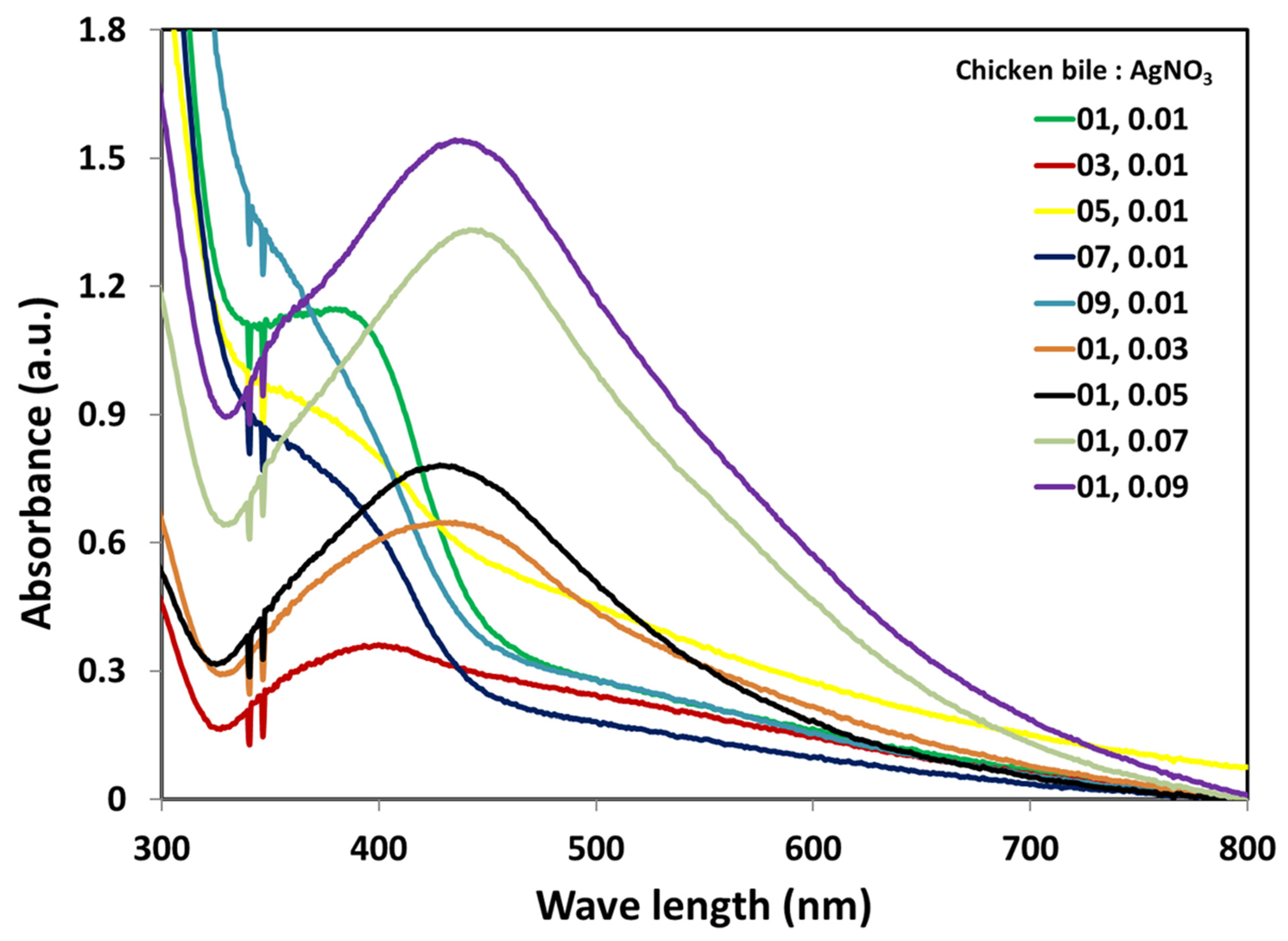
The preparation of Ag-NPs was preliminary characterized by UV–Vis spectroscopy. This is a primary and extensively used technique which serves to indicate the presence of Ag-NPs in aqueous solutions. The plasmon resonance band in the region of 400 to 470 nm indicates the presence of Ag-NPs [24]. In this research work, the peak appeared in the 435 nm region due to the presence of chicken bile-mediated silver nanoparticles [25]. This result indicates that the use of different organic moieties present in chicken bile extract can act as reducing as well as capping agents for the synthesis of silver nanoparticles [26]. The optimization of the concentrations of silver salt and chicken bile was carried out by varying the ratios of bile extract of chicken and silver nitrate solution and performing UV–Vis spectra analysis, which is shown in Figure 1. The figure illustrates that the different ratios of chicken bile and silver salt lead to the formation of silver nanoparticles; however, the intensity of the UV–Vis spectrum was found to be at its maximum for silver nanoparticles prepared with a ratio of 01% of chicken bile extract and 0.09 M silver nitrate solution (01:0.09, chicken bile: silver salt), as shown in Figure 1. Different ratios of chicken bile and silver nitrate slightly shift the position of the band for Ag-NPs in the UV–Vis spectrum, which may be due to the formation of different size of Ag-NPs. Previous studies have shown that the band position can indicate different sizes and shapes of the silver nanoparticles [27]. The optimized ratio of silver nitrate and chicken bile was used for checking the other parameters and for characterization of the synthesized Ag-NPs.

2.2. Effect of Different Parameters on Stability of Ag-NPs

2.2.1. Effect of Temperature

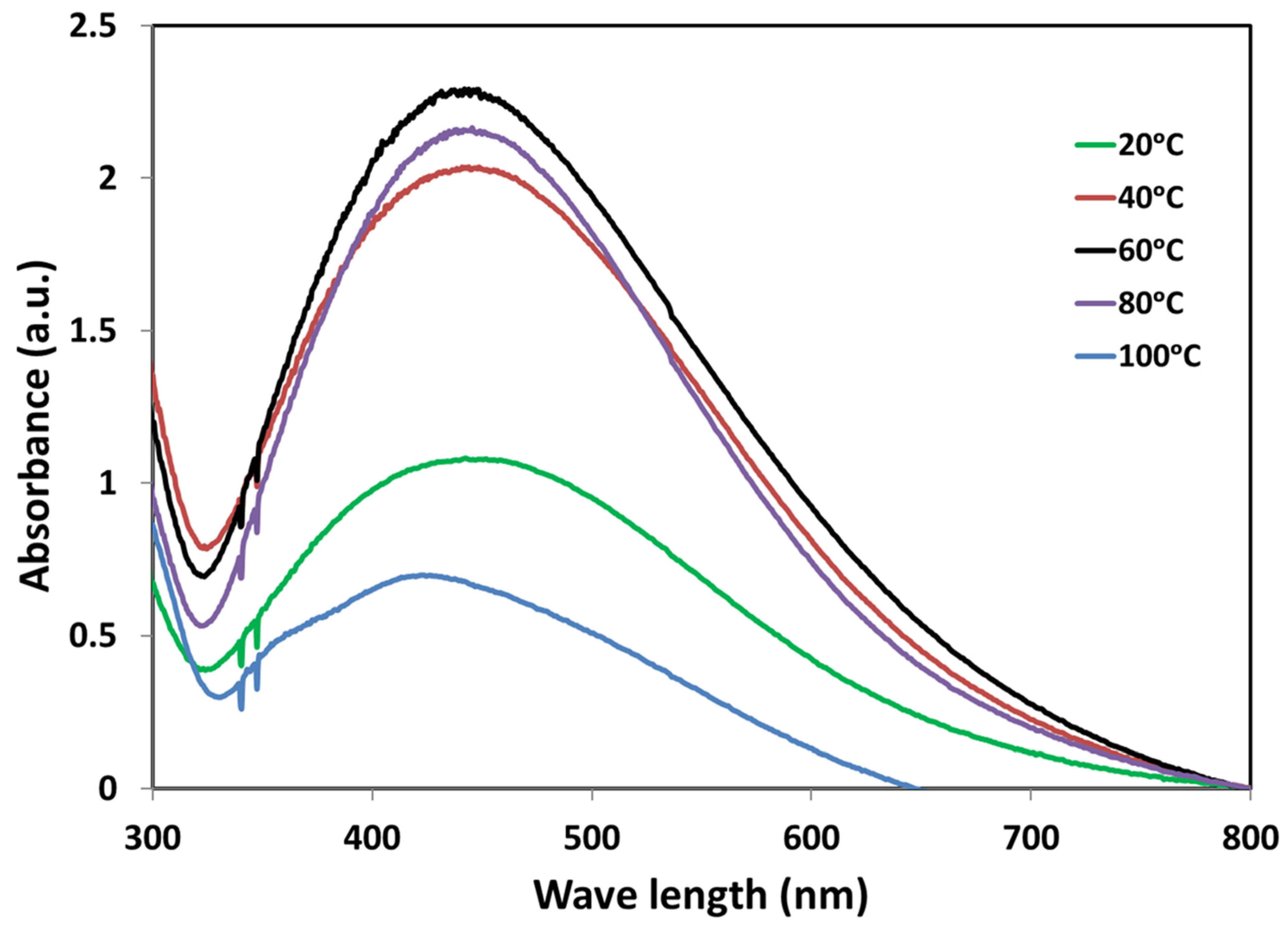
Temperature significantly influences the stability and shape of the metal nanoparticle. The silver nanoparticles were synthesized at different temperatures, ranging from 40 °C to 100 °C, as shown in Figure 2. The results show that the absorbance peak for Ag-NPs increased with the increase in temperature from room temperature to 60 °C, and then decreased till 100 °C. These results suggest that rate of synthesis of Ag-NPs can be enhanced by increasing the temperature of the reaction mixture to 60 °C. More precisely, these results indicate that the optimum temperature required for activation of the reduction of the Ag+ into Ag0 and consequent nucleation of silver nuclei, which leads to the formation of Ag-NPs, is 60 °C. Similar results have also been found by previous investigations [28]. Further increases in temperature above 80 °C decreased the band of Ag-NPs. Based on these results, it is concluded that a higher temperature is not appropriate for the formation of Ag-NPs, as at higher temperatures the organic moieties may be degraded or not able to cap the silver nanoparticles properly.

2.2.2. Effect of pH

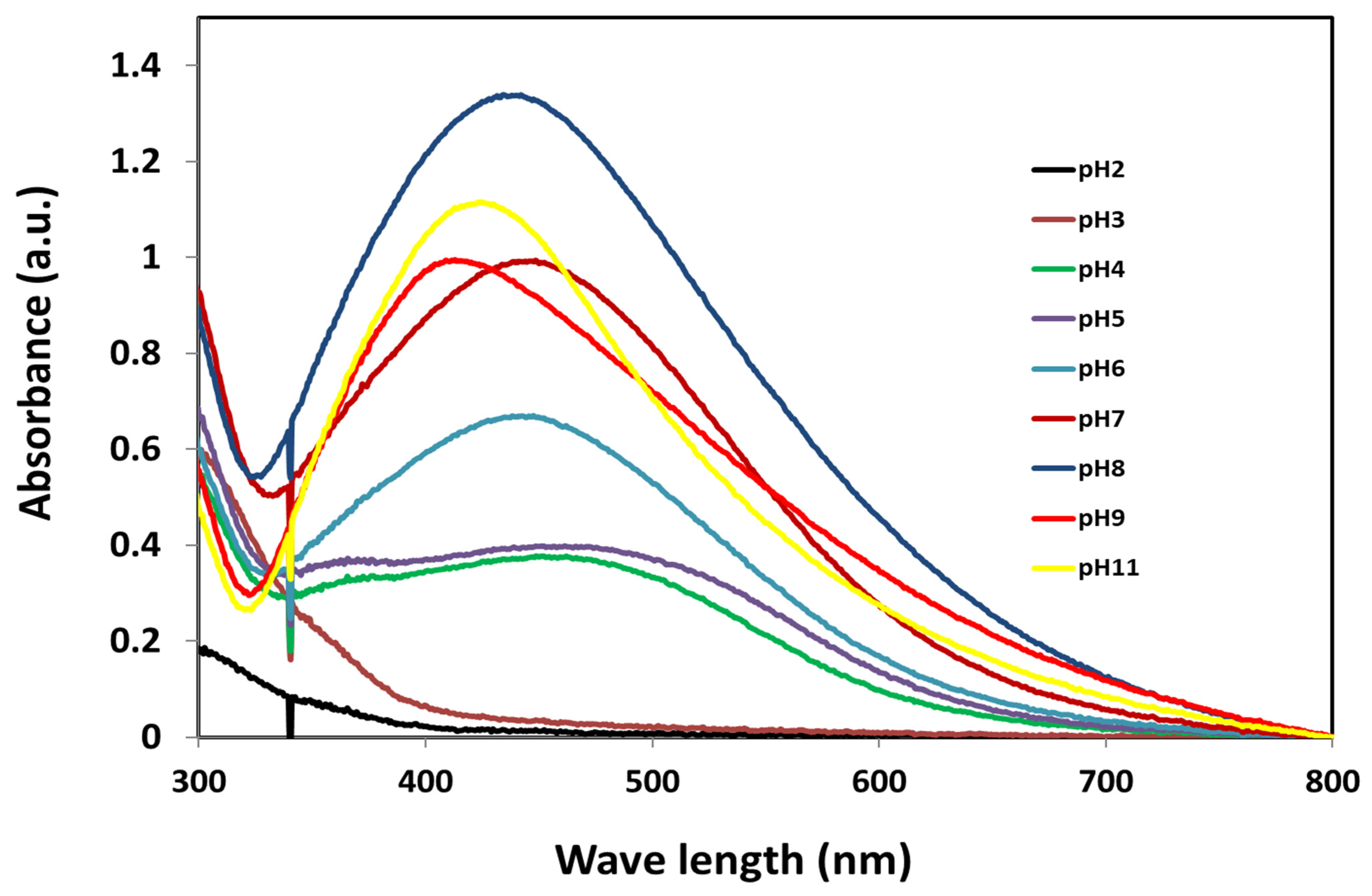
The pH of a solution significantly influences the morphology and stability of the Ag-NPs. The stability of nanoparticles was tested within a pH range from 2 to 11 while keeping the other parameters, such as ratio of chicken bile extract and silver nitrate solution (01%:0.09 M), constant (Figure 3). The figure below indicates that at low values for pH, no Ag-NPs were formed, while with an increase in the pH of the solution the formation of Ag-NPs starts to appear (at pH 5). With further increases in the pH of the solution the band for Ag-NPs was increased, and the maximum band was observed at pH 8. These results indicate that different types of enzymes, such as proteins and salts present in bile solution, expedite the formation of Ag-NPs in basic media [26]. The formation of large Ag-NPs within a slightly basic medium may be due to the combined effects of different organic moieties present in chicken bile and the precipitation of Ag ion [29]. At a pH range of 9–11, the intensity of the band for Ag-NPs was slightly decreased. This decrease in the intensity of the band for Ag-NPs may be due to reductions in the activities of different moieties present in chicken bile extract in very basic media [30].

2.2.3. FTIR Analysis

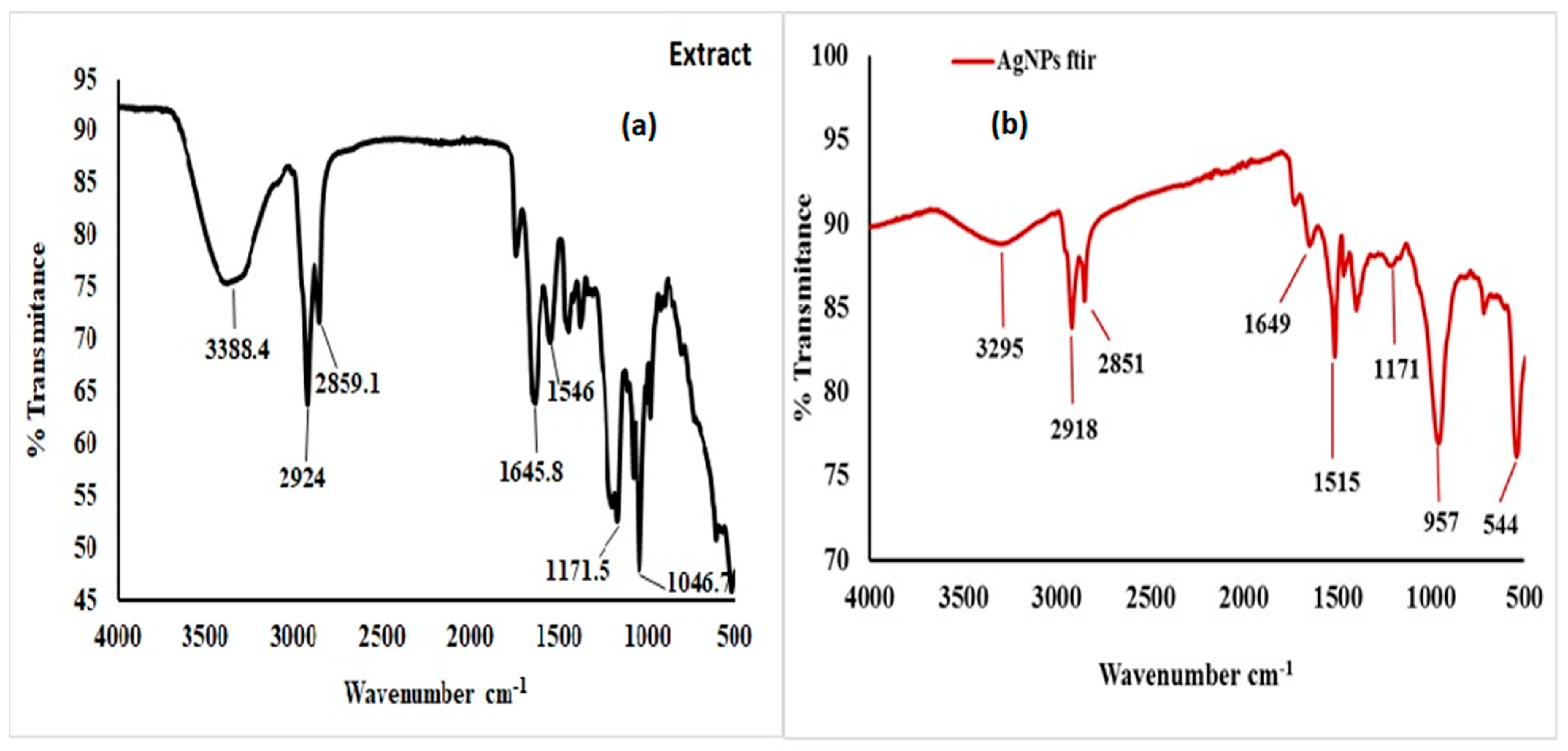
FTIR analysis was used to evaluate different moieties present in chicken bile extract (CBE) that might be involved in the reduction of silver as a capping and stabilizing agent for Ag-NPs. The frequency shifting and changes in intensity explained the involvement of various functional groups from CBE in the synthesizing of Ag-NPs (Figure 4). The figure shows different absorption bands observed in CBC extract, specifically, at 3384 cm−1, 2924 cm−1, 2859 cm−1, 1645.8 cm−1, 1546 cm−1, 1171.1 cm−1 and 1046 cm−1. The broad peak appeared around 3384 cm−1, matching with O-H and N-H stretching vibrations, and peaks at 2924 cm−1 and 2859 cm−1 showed the C-H stretching vibration, which indicates the presence of aromatic hydrocarbons [31,32]. The absorption band at 1645.8 cm−1 could be attributed to the C=O stretching vibration, because of the amide I (protein). The peak at 1546 cm−1 was related to amide II (protein) and arises due to N-H bending vibration. Absorption peaks at 1171.1 cm−1 and 1046 cm−1 were matched with the C-N stretching vibration mode of aliphatic amine [33,34]. Shifted peaks appeared in the FTIR spectra of the Ag-NPs. The peaks shifted from 3384 cm−1, 2924 cm−1, 2859 cm−1, 1645.8 cm−1, 1546 cm−1, 1171.1 cm−1 and 1046 cm−1 to 3295 cm−1, 2918 cm−1, 2851 cm−1, 1649 cm−1, 1515 cm−1, 1171 cm−1 and 957 cm−1, respectively. The extra peak recorded for Ag-NPs stretching at 544 cm−1 confirmed the formation of Ag-NPs. These results indicate that different amino acids and salts present in the chicken bile participate in the formation of Ag-NPs [35,36]. Comparable FTIR data for chicken bile extract and biosynthesized Ag-NPs revealed that the hydroxyl (OH), hydrocarbons (C-H), carbonyl (C=O), (NH) and (CN) functional groups from chicken bile extract are the main participants in the reduction mechanism of Ag+ to Ag0 nanoparticles [37].

2.2.4. Powder X-Ray Diffraction (XRD) Analysis

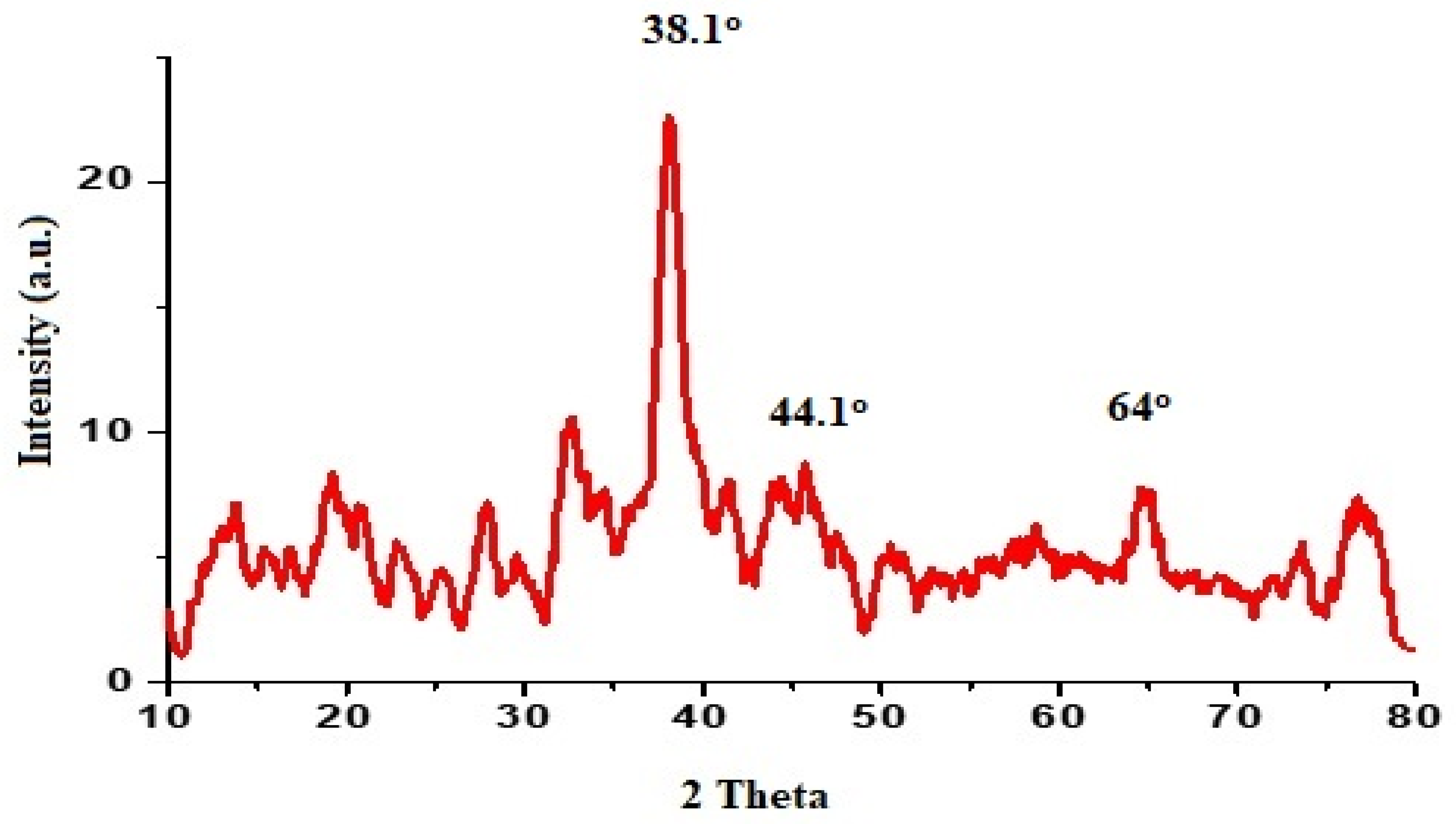
The crystalline nature of the synthesized Ag-NPs was endorsed by powder XRD analysis. The XRD patterns of the prepared nanoparticles are shown in Figure 5. The figure clearly indicates that the XRD analysis indicated three important distinct diffraction peaks at 2 theta position for 38.1°, 44.1° and 64°. These peaks correspond to the face planar structures of silver described in the literature, which are at 111, 200 and 220 in the crystallographic plane [38]. The average crystallite size of the silver nanoparticles was calculated from the XRD results using the Scherrer equation, and it was found that average crystallite size is about 25 nm [39]. This result clearly indicates that the nature of the Ag-NPs was crystalline, as no other phase indicating impurities was observed in the XRD patterns. These results indicate that the use of chicken bile resulted in the pure form of the Ag-NPs.

2.2.5. SEM Analysis

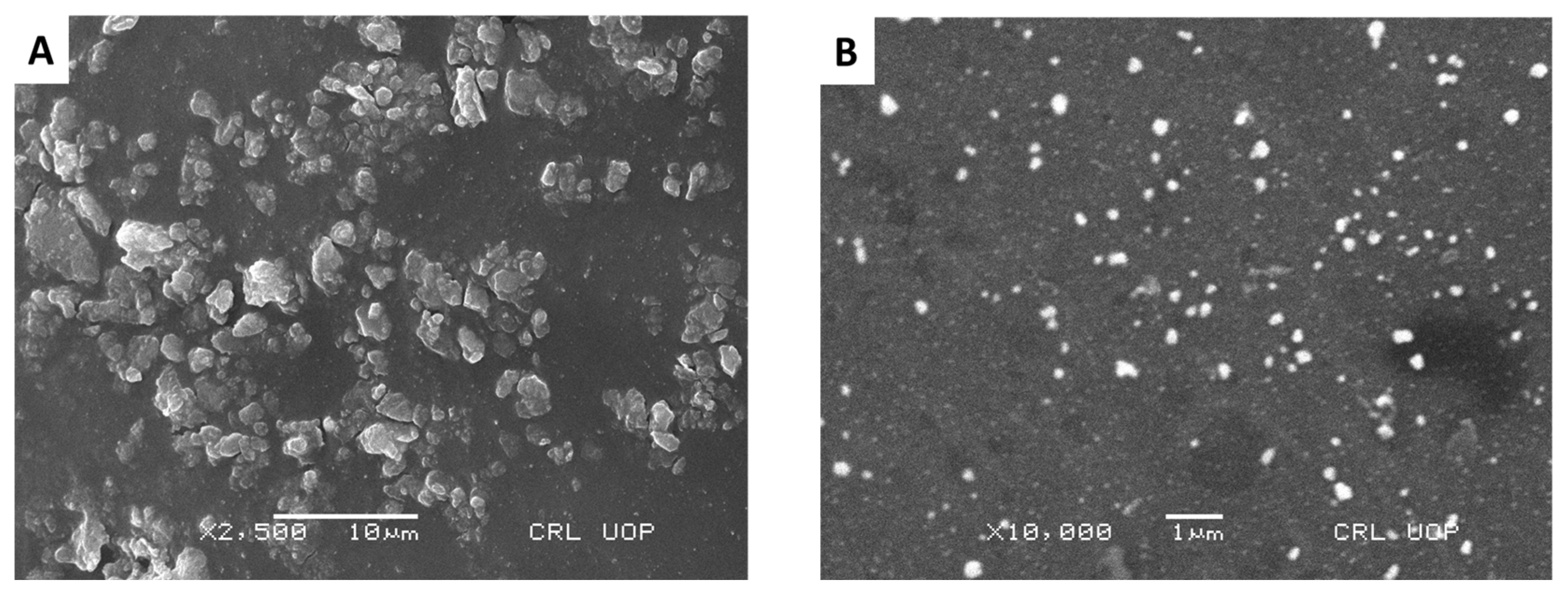
SEM analysis was performed for morphological studies of the prepared silver nanoparticles using chicken bile, and the results obtained are shown in Figure 6. The figure shows that most of the particle’s shapes are spherical. However, oval and irregularly shaped particles were also found, due to aggregation. The average size of the particles is below 100 nm, which indicates good agreement with the powder XRD analysis. These results match with previous studies on Ag-NPs [40,41].

2.2.6. Energy Dispersive X-Ray Analysis

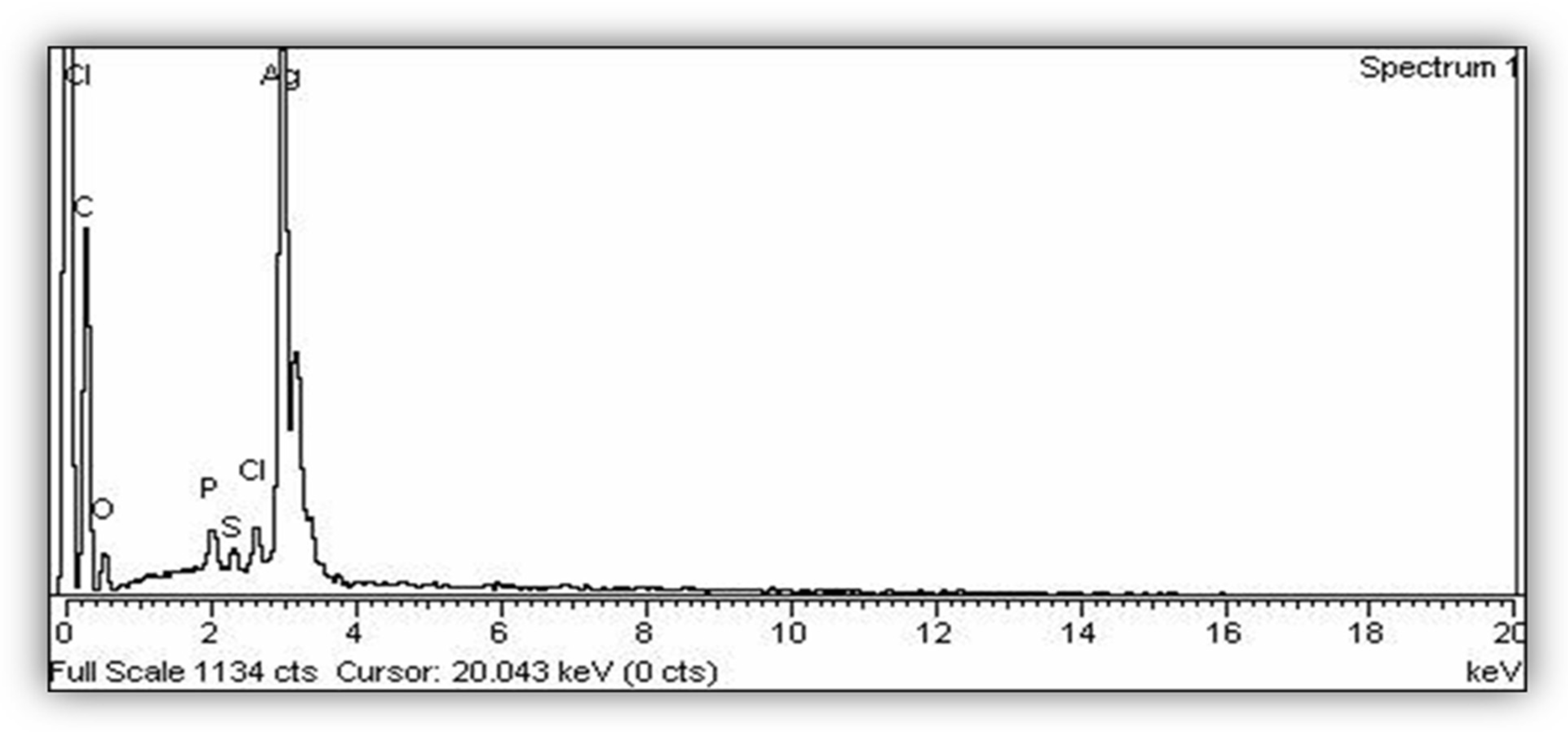
EDX spectroscopy was used to determine the elemental percentage compositions of the synthesized Ag-NPs (Figure 7). In EDX analysis, the strong absorbance peak at 3.0 KeV is due to the surface plasmon resonance of silver. In the literature, this absorbance peak represents nanocrystal Ag-NPs [32,42]. The EDX results show an intense peak for silver (67.72%), indicating that a major constituent of the sample is elemental silver [32]. Also, there appeared peaks for carbon and oxygen, which may have originated from chicken bile extract proteins. These results indicate that bile from chicken acts as capping agent during synthesis of Ag-NPs. Other peaks were also observed, indicating several elements like P, S, and Cl. These peaks may have appeared because of impurities present in the chicken bile extract (Table 1).

2.3. Applications of the Synthesized Ag-NPs

2.3.1. Antibacterial Activity

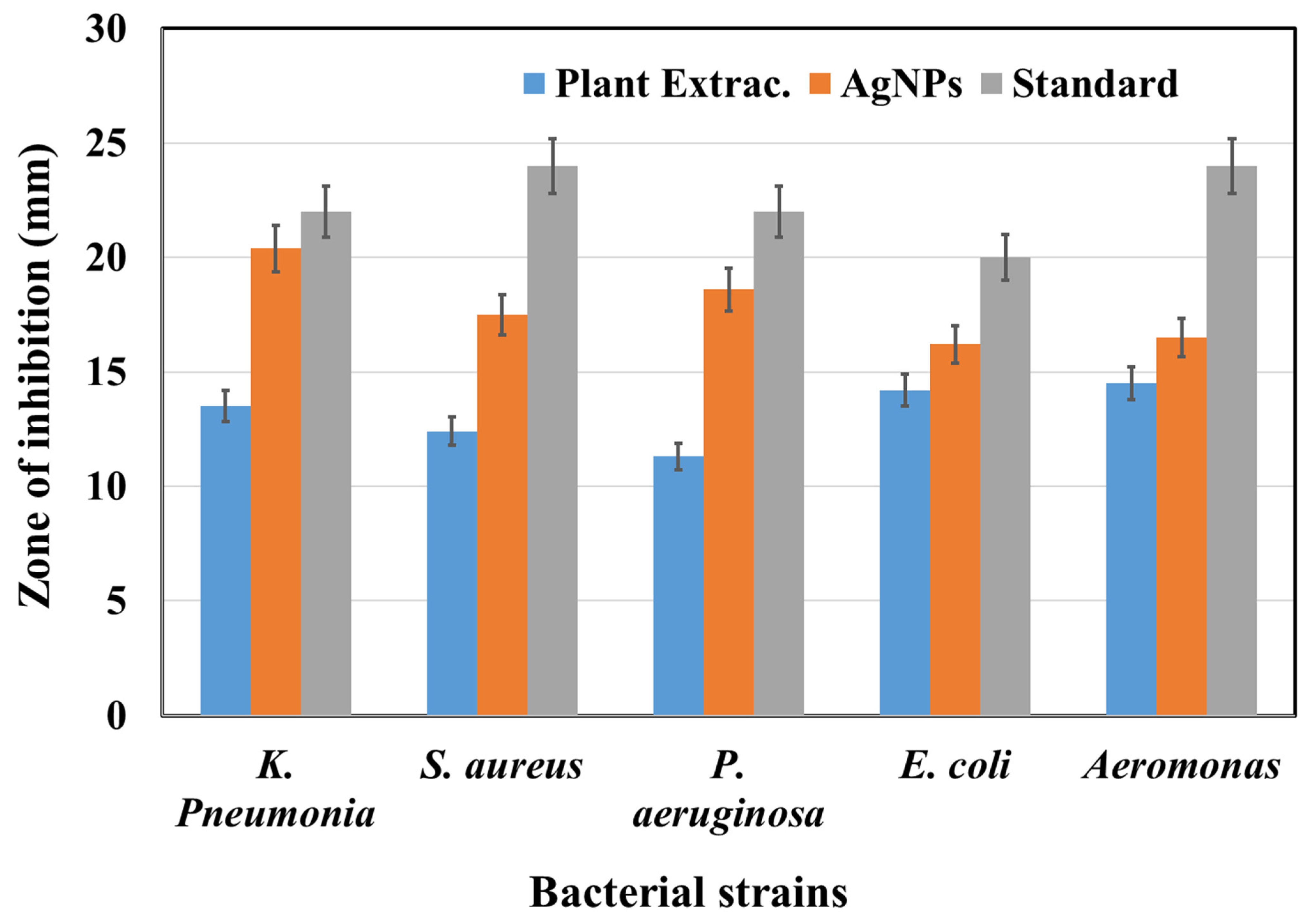
The prepared silver nanoparticles were tested against five bacterial species including Escherichia coli, Pseudomonas aeruginosa, Klebsiella pneumonia, Staphylococcus aureus and Aeromonas (Figure 8). The ager well-diffusion method was adopted for testing the antibacterial activity of the nanoparticles. In these results, the Ag-NPs showed good antimicrobial properties against the selected bacterial stains. However, the best activities were observed against Klebsiella pneumonia, which is a Gram-negative bacteria. These results support the findings of previous studies that found that biogenic Ag-NPs are very active against Gram-negative bacteria [43]. The bactericidal effect of Ag-NPs is mainly due to its smaller size, in that the synthesized silver nanoparticles attached to the outer cell wall of bacteria release silver ions. Ag-NPs interact with the proteins in the cell wall, causing denaturation, and ultimately cause the malfunctioning of the targeted bacterial cell. The cell is no longer able to sustain and protect the cell’s internal parts. Silver nanoparticles also penetrate through the bacterial cell wall and cause effective changes in the main genetic material, the DNA, retarding nearly all of the cell’s normal functions and ultimately causing cell death [44].

2.3.2. Photocatalytic Degradation of Disperse Orange 1 Azo Dye

The prepared Ag-NPs were evaluated for photodegradation of disperse orange 1 azo (DOI) dye solutions, comparing without and with Ag-NPs under sunlight. The effects of different conditions on photocatalytic reaction were studied by varying the contact times and dosages of the Ag-NPs.
Effect of Contact Time
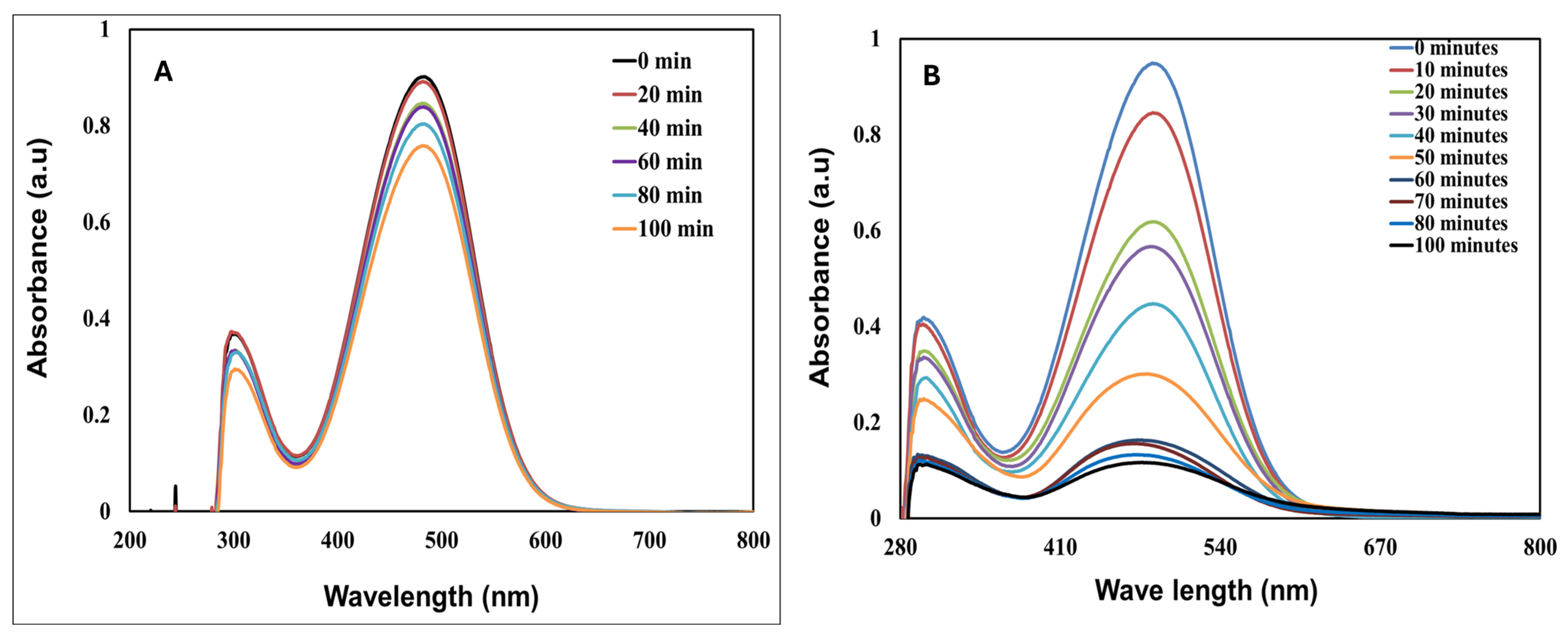
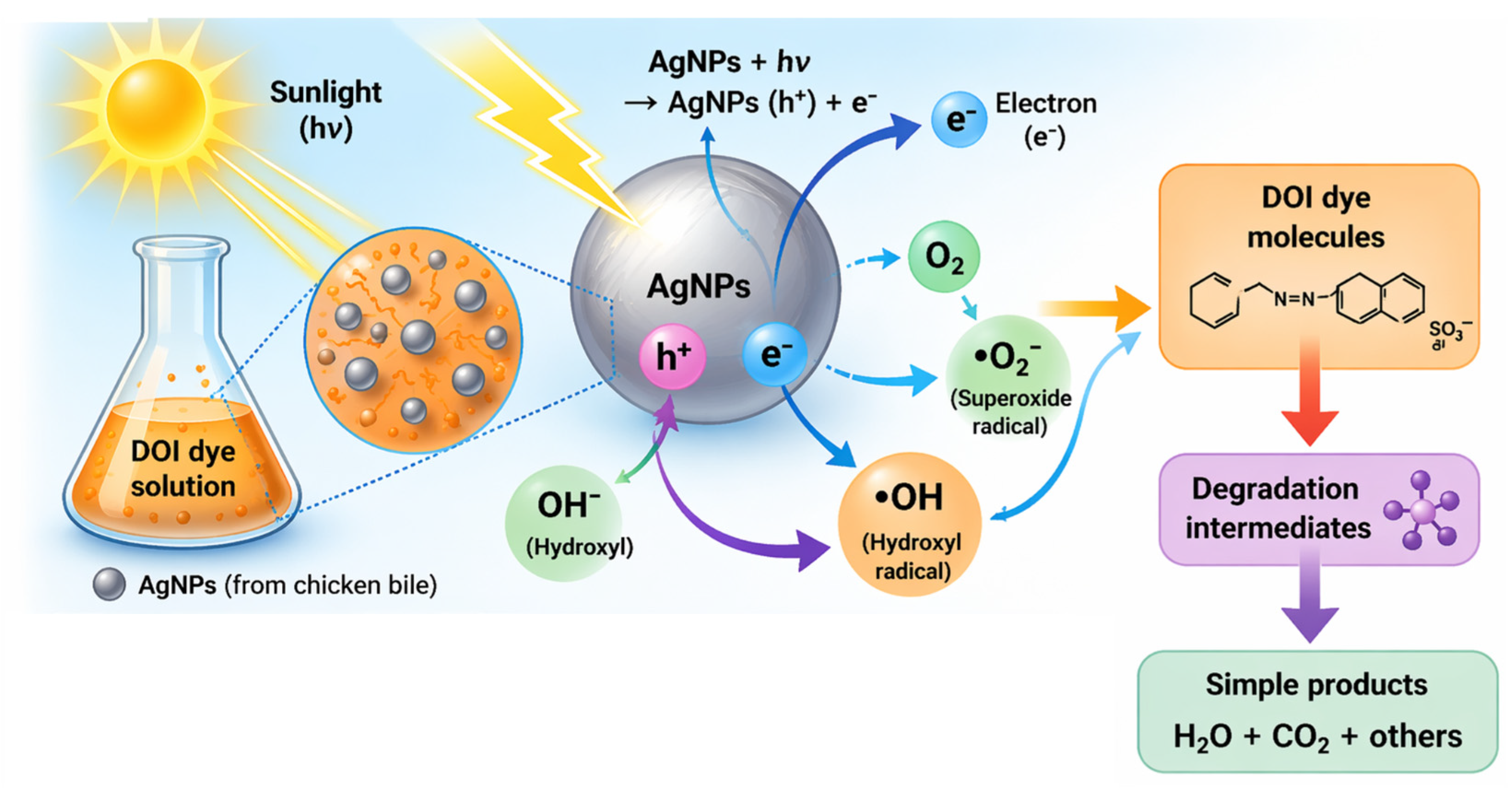
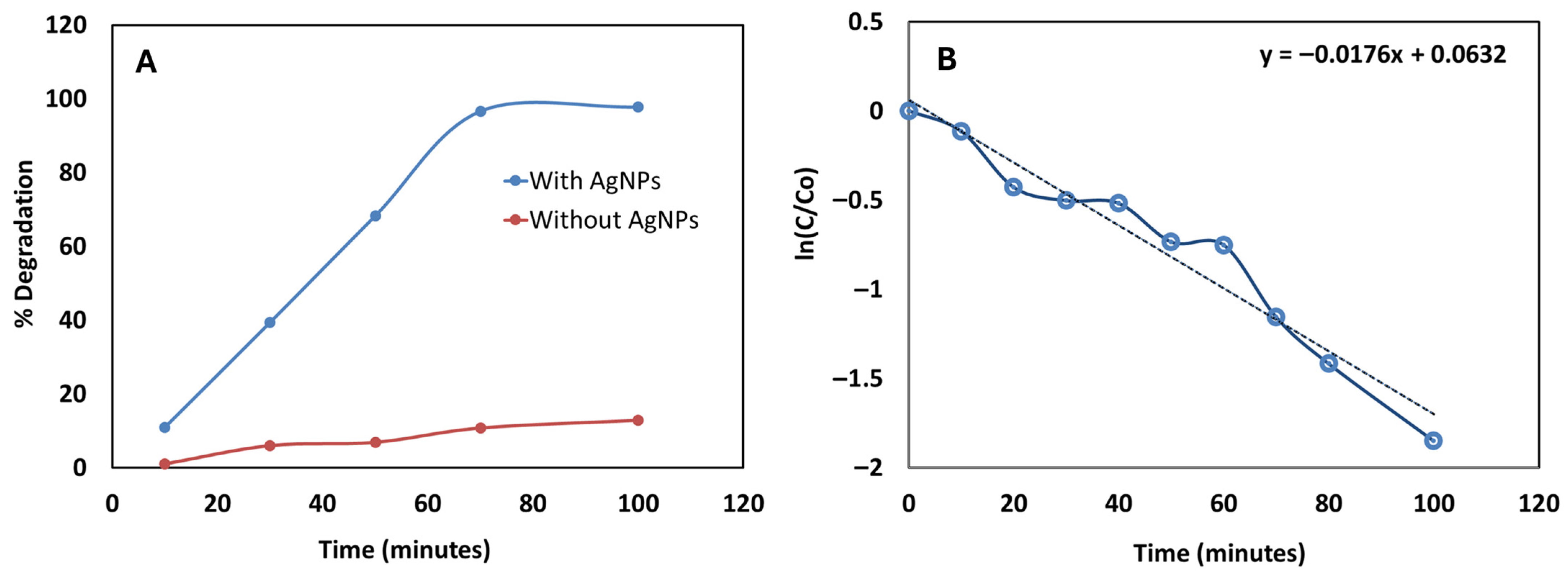
Various types of dyes are used in different types of textiles, cosmetics, paper and food industries. The drainage of dyes as effluents in the textile industry is highly hazardous for biotic life [45]. DOI is a polyaromatic dye that is used in textile and hair coloring, and therefore its safe disposal is essential for the protection of the environment. The extent of degradation of the DOI dye was examined by using a UV–Vis spectrophotometer, as illustrated in Figure 9. The DOI photodegradation was monitored over a period of 100 min. In the UV–Vis spectrophotometer, the DOI dye indicated maximum of 296 nm and 493 nm. Initially, the photodegradation of DOI was checked under direct sunlight, and it was found that in the initial 100 min, only 10% of the dye degradation had taken place without the catalyst. This result indicates that without Ag-NPs, the degradation of DOI is negligible. Then, the prepared Ag-NPs were added to the solution of DOI dye. The decline in intensity of the relevant absorbance peak in the UV–Vis spectrum was observed, and with the passage of time the absorption peak height associated with the dye decreased and approached a flat pattern. These results indicate that almost complete (97%) photodegradation of the dye took place within the initial 100 min. These results clue that the prepared Ag-NPs act as a good photocatalyst for degradation of DOI dye. The photodegradation of dye by Ag-NPs may be due to excitation of electrons from the valance bond (VB) to the conduction bond, which leads to the reaction of holes (h+) in the valance bond. This generates a surface plasmon polariton-induced hot-carrier condition at the surface of the silver. The electrons generated by the strikes of photons on the Ag-NPs are captured by O2, which leads to· O2−, which in turn converts to ·OH. The ·OH in free-radical form oxidized the DOI dyes, forming simple compounds, i.e., carbon dioxide and water (Figure 10) [46,47].
AgNPs + hν ⟶ AgNPs(h+) + e
AgNPs(h+) + OH ⟶ AgNPs + ·OH
DOI dye + ·OH ⟶ Simple compounds (H2O+CO2 + other products)
Based on the results, it was found that in the initial 60 min, almost 97% degradation of the dye into CO2 and H2O had taken place. The disappearance of the bands at 296 nm and 493 nm clearly indicates that complete degradation of DOI took place in the presence of Ag-NPs. The rate of deactivation constant was calculated for the degradation of DOI in the presence of Ag-NPs, and it was found that the given data follow pseudo-first-order kinetics; the rate constant was found to be 0.018 min−1 and the correlation coefficient value (R2) was 0.95 (Figure 11). The current data rate constant (k = 0.018 min−1) is comparable to findings previously reported using Ag-NPs based on photocatalytic systems. In the previous studies, findings typically ranged from 0.002 to 0.095 min−1, depending on catalyst composition, light source, and reaction conditions (Table 2). The present system demonstrates competitive efficiency, illustrating that chicken-bile mediated Ag-NPs are effective photocatalysts for dye degradation from water.
Effect of Catalyst (Ag-NPs) Dosage
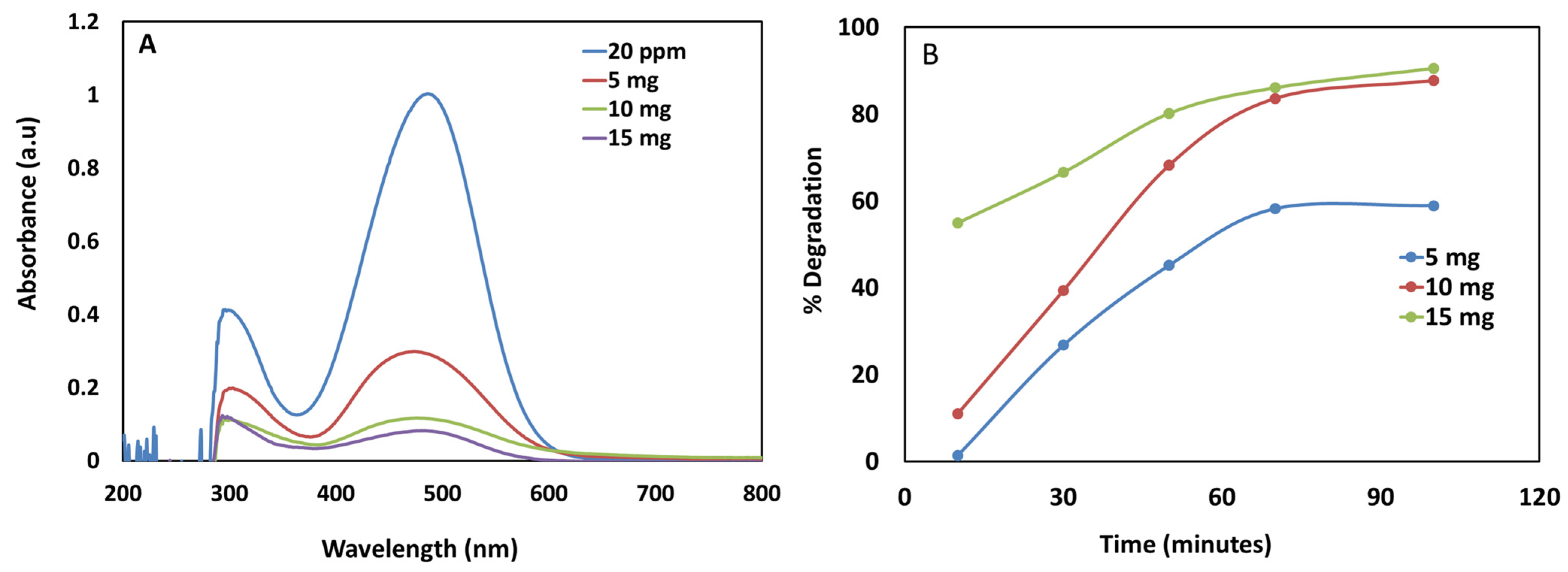
The amount of nanoparticles was optimized to minimize the cost of the Ag-NPs. Different amounts of Ag-NPs, ranging from 5 mg to 15 mg per 50 mL of dye solution of concentration (20 ppm), were tested, which is shown in Figure 12. The figure shows that at a low dosage (5 mg) of Ag-NPs, a limited number of active sites are present on the surface of the catalyst surface and therefore a low degradation (58.95%) of DOI under sunlight absorption resulted. However, the degradation rate of the DO1 dye was significantly increased by using 10 mg of Ag-NPs. A further increase in the amount of Ag-NPs to 15 mg increased the rate of degradation of DOI, and the total degradation of DOI occurred, similar to that found at 10 mg of Ag-NPs. In other words, in the presence of 15 mg of Ag-NPs the equilibrium was achieved quickly (50 min), while in case of 10 mg of Ag-NPs the equilibrium was achieved in 70 min. These results indicate that the total number of sites available for complete degradation utilizing 20 ppm of DOI was identical to the number at 10 mg of Ag-NPs. The different rate may be due to the presence of an enormous number of available catalytic sites on the catalyst surface for the adsorption and degradation of the bulky structure of the DOI dyes [47].

3. Materials and Methods

3.1. Collection of Chicken Bile

Chicken gallbladder was collected from Kohat poultry farm, Khyber Pakhtunkhwa, Pakistan, in the months of November and December 2021.

3.2. Preparation of Chicken Bile Extract

The collected bile extract was thoroughly washed twice using distilled water in order to remove dust, or other undesired materials like blood stains, along with metallic contamination, if any. To prepare 10% (w/v) aqueous extract of chicken bile extract, 20 mL of chicken bile was taken in a beaker and mixed with 200 mL of deionized double distilled water and kept in a water bath at 80 °C and mixed at 140 rpm for 30 min. Then, 10% chicken bile extract was filtered using Whatman No. 41 filter paper and preserved in a refrigerator, at a temperature of 0 °C, for further usage.

3.3. Preparation of Silver Nanoparticles (Ag-NPs)

A quantity of 20 mL of 10% chicken bile extract and 20 mL of 0.1 M AgNO3 solution were taken in the ratio (1:1) and shaken by a shaker at an ambient temperature, with a ramp of 250. Afterwards, a change of color to blackish brown was observed. The alteration in color represents the synthesis of Ag-NPs. Further confirmation of the synthesized Ag-NPs was done by UV–Vis analysis. In UV–Vis analysis, broad absorption bands were observed in the range of 420 nm to 440 nm and a lambda max was observed at 435 nm, which confirms the synthesis of silver nanoparticles.

3.4. Optimization of Conditions for Ag-NPs Synthesis

After confirmation of synthesis of Ag-NPs, different concentrations of AgNO3 and chicken bile extract were mixed to determine the optimal conditions for synthesis of Ag-NPs. Other conditions such as temperature (25 °C), pH (6–7) and agitation ramp (250) were kept constant during the optimization of the chicken bile extract and silver nitrate solution ratio. The concentration of AgNO3 was changed from 0.01 M to 0.09 M, while keeping the concentration of chicken bile constant (01%). In the other experiment, the AgNO3 (0.01 M) concentration was kept constant while the concentration of chicken bile extract was varied from 1–9%. All of these parameters were analyzed at room temperature, and within approximately the initial 5 min the change in color gave evidence for the reduction of Ag+ and, eventually, the synthesis of silver nanoparticles. The color changed from light red to deep-dark brown. The synthesized silver nanoparticles were centrifuged at 4000 rpm and isolated in solid form for further characterization. The nanoparticles were washed using distilled water and ethanol to obtain pure pellets of silver nanoparticles.

3.5. Influence of Different Physiochemical Conditions on Ag-NPs Synthesis

Ag-NPs nanoparticles were synthesized under different physicochemical parameters such as pH and temperature to check the stability of the process.

3.5.1. Effect of pH

To check the effects of pH on the synthesis of silver nanoparticles and the morphology of the particles, the pH of the solution varied between pH 2 and pH 11. While analyzing the effect of pH, other parameters were kept constant, such as the solution of AgNO3 (0.09 M), chicken bile extract (01%), and temperature (25 °C), while a total of 10 mL of solution was used. In sum, 1 M HNO3 and 1 M NaOH solution were used for adjusting the acidic and basic pH solutions, respectively. The prepared Ag-NPs obtained were analyzed by UV–Vis analysis.

3.5.2. Effect of Temperature

To determine the effect of temperature, 10 mL of each sample, containing 0.09 M AgNO3 and 01% chicken bile extract with ratio of 1:1 and having a pH of 6–7, was put in different separate glass bottles. Then, each bottle was agitated with the same ramp, but at different temperatures ranging from 20 °C to 100 °C. The given temperature was maintained in a water bath and after one hour a sample was collected, cooled to room temperature and then examined by UV–Vis spectrophotometer.

3.6. Characterization Techniques

3.6.1. UV–Visible Spectrophotometer

UV–visible spectroscopy is a powerful technique for the identification of the formation of metal nanoparticles. So, the reduction of Ag+ to Ag0 using the chicken bile was monitored by UV–Visible spectrophotometer (UV-1800, Shimadzu, Kyoto, Japan). The range of scanning wavelengths was from 200 to 800 nm and deionized water was used as a reference.

3.6.2. Fourier-Transform Infrared (FTIR)

To detect different functional groups attached with silver nanoparticles, FTIR analyses were performed. The spectra were recorded using an attenuated total reflectance technique; this was done using a Perkin Elmer FTIR spectrophotometer (Waltham, MA, USA), with the scan ranging from 500 cm−1 to 4000 cm−1.

3.6.3. Scanning Electron Microscopy (SEM)

Scanning electron microscopy (JEOL, Tokyo, Japan, MODEL-6360 microscopy) was used to visualize the shape, size and surface morphology of the synthesized Ag-NPs. For such purpose, drops of the Ag-NPs solution were poured on a carbon-coated copper grid and randomly analyzed with SEM. Images were captured at different magnifications to easily differentiate the sizes and shapes of the synthesized Ag-NPs.

3.6.4. Powder X-Ray Diffraction (PXRD)

Powder XRD analyses were performed to check the crystalline nature and average crystallite size of nanoparticles. For PXRD measurements, a dry pellet of Ag-NPs was spread on the XRD grid, and then a scan was recorded between 10–80 two theta positions using a Philips PW1830 X-ray generator (Lelyweg, The Netherlands).

3.7. Antimicrobial Assay

3.7.1. Bacterial Strains Growth

The synthesized Ag-NPs were screened against five bacterial strains, including E. coli, K. pneumonia, S. aureus, P. aeruginosa, and Aeromonas. Growth of bacterial strains was considered the most important step in determining the antibacterial activity. These bacterial strains were obtained from the Department of Microbiology and Genetic Engineering, Laboratory Kohat University of Science and Technology, Kohat, Pakistan. Fresh growth of the bacterial strains was obtained through the streaking method. The bacterial colony was carefully streaked by using a sterilized aluminum loop on a Petri plate, and was then placed in an oven for about 24 h. at 37 °C. The refreshed bacterial strains were used throughout the activities.

3.7.2. Preparation of Nutrient Agar and Petri Plates

Nutrient agar was prepared by dissolving 28 gm of nutrient agar in one liter of distilled water. The media was then autoclaved for 15 to 20 min at 121 °C in order to sterilize the media. The Petri plates were washed, covered with aluminum foil and sterilized in autoclave at 121 °C in order to minimize the risk of contamination. About 20 mL of the medium was poured in each petri plate, while working in a Luminar chamber. The plates were kept at rest for 10 min to cool and solidify.

3.7.3. Bacterial Culturing

When the media in the plates completely solidified, each plate was taken for inoculation and, concurrently, an aluminum loop was sterilized in flame until it turned red hot, and then cooled. The loop was then rubbed lightly in the plate holding the refreshed bacterial strains, and then streaking began in the plates where bacterial colony was inoculated. After preparing all the plates and bacterial culturing, a cork borer was procured and then sterilized. Wells were bored in each plate and marked with the corresponding bacterium’s name.

3.7.4. Development of Plates

With the use of a micropipette, 50 μL portions of the samples (100 μg/mL of Ag-NPs, AgNO3, chicken bile extract and 5 μg/disc cefoxitin as reference drug) were introduced into the wells after inoculation and boring. After the completion of the above steps, the plates were left at room temperature for a few minutes to evaporate any remaining solvent, then sealed well with parafilm and placed in oven at 37 °C for 24 h. After 24 h, the zone of inhibition was identified and measured. Then, each plate was checked, and a zone of inhibition was properly measured using an ordinary metric-scale ruler. Each experiment was repeated in triplicate. These procedures were repeated in triplicate to calculate the standard deviation for the given results. The synthesized silver nanoparticles were tested against Klebsiella pneumonia, Staphylococcus aureus, Escherichia coli, Pseudomonas aeruginosa, and Aeromonas using ager well diffusion assay methods [50].

3.8. DOI Photodegradation Assay

The photocatalytic activity of the synthesized Ag-NPs was determined by photodegradation of Disperse Orange 1 (DO1) under natural sunlight irradiation. The experiments were conducted in March 2023 between 12:00 and 14:00 h under clear weather conditions. For this, 20 ppm DO1 dye solutions with 0.1 g of the prepared Ag-NPs were used to check the effects of contact time and pH. For catalyst dosage studies, different amounts of Ag-NPs were employed while keeping other parameters constant, while for dosage effects different amounts of synthesized Ag-NPs were employed. To achieve adsorption–desorption equilibrium, the photocatalytic solution was kept in the dark for 30 min with continuous stirring before each experiment. After adsorption–desorption equilibrium was reached the Ag-NPs/DO1 solution mixture was then illuminated in sunlight in the glass flask, with continuous stirring performed before each experiment. At regular time intervals (every 10 min), 5 mL aliquots were withdrawn, and the catalyst particles were separated by filter paper; then, the absorbance of the clear solution was determined using a (Shimadzu, 1800; Japan) UV–Vis spectrometer. Calibration curves for different concentrations of Disperse Orange 1 dye were used to determine the absorbance of that particular dye [49].
The DOI percent degradation was determined using the formula below.
Percent degradation = 100 × (Ao − At)/Ao
In the above equation, Ao and At represent the initial and final % absorbance of dye in solution, respectively, which are proportional to the dye concentration.

4. Conclusions

In this project, for the first time, chicken bile-mediated Ag-NPs were prepared. Initially the synthesis of Ag-NPs was detected using the naked eye by the change in its color to reddish brown. Furthermore, the synthesis of Ag-NPs was confirmed by using UV–Visible spectroscopy; the relevant band was located at 435 nm. The amino acids and enzymes present in chicken bile are mainly responsible for the synthesis of silver nanoparticles. The powder XRD and FTIR Spectroscopy results further support the formation of Ag-NPs that have a band at 544 cm−1 and crystallite size of 25 nm. The SEM results also supported the findings of the powder XRD, which gave an average particle size in the range of 20 nm to 60 nm. Ag-NPs showed high germicidal activity against five bacterial strains. Among them, the prepared Ag-NPs showed the highest antibacterial activity against Klebsiella pneumonia. The results for the photodegradation of DOI showed that almost complete (97%) degradation of 20 ppm solution of DO1 azo dye took place in 100 min. The minimum amount of chicken bile-mediated Ag-NPs required for almost-complete degradation was 15 mg. From the overall results, it can be concluded that the bile extract of chicken is a cheap, ecofriendly and efficient alternative for the formation of Ag-NPs and needs further investigation prior to commercial utilization.

Author Contributions

Conceptualization, M.B.; methodology, J.A., Z.B. and T.M.; formal analysis, K.A. and E.M.B.; investigation, K.A. and E.M.B.; resources, M.B.; data curation, J.A., Z.B., T.M. and S.B.K.; writing—original draft preparation, M.B.; writing—review and editing, J.A., Z.B., T.M., E.M.B., K.A. and S.B.K.; supervision, M.B.; funding acquisition, S.B.K. All authors have read and agreed to the published version of the manuscript.

Funding

This project was funded by KAU Endowment (WAQF) at King Abdulaziz University, Jeddah, Saudi Arabia.

Data Availability Statement

The datasets generated and analyzed during the given project are available from the corresponding author on reasonable request.

Acknowledgments

This project was funded by KAU Endowment (WAQF) at King Abdulaziz University, Jeddah, Saudi Arabia. The authors, therefore, acknowledge with thanks WAQF and the Deanship of Scientific Research (DSR) for technical and financial support.

Conflicts of Interest

The authors have no conflicts of interest.

References

  1. Narayanan, K.B.; Sakthivel, N. Biological synthesis of metal nanoparticles by microbes. Adv. Colloid. Interface Sci. 2010, 156, 1–13. [Google Scholar] [CrossRef]
  2. Husseiny, M.I.; El-Aziz, M.A.; Badr, Y.; Mahmoud, M.A. Biosynthesis of gold nanoparticles using Pseudomonas aeruginosa. Spectrochim. Acta A Mol. Biomol. Spectrosc. 2007, 67, 1003–1006. [Google Scholar] [CrossRef] [PubMed]
  3. Gradishar, W.J.; Tjulandin, S.; Davidson, N.; Shaw, H.; Desai, N.; Bhar, P.; Hawkins, M.; O’Shaughnessy, J. Phase III trial of nanoparticle albumin-bound paclitaxel compared with polyethylated castor oil-based paclitaxel in women with breast cancer. J. Clin. Oncol. 2005, 23, 7794–7803. [Google Scholar] [CrossRef]
  4. Patra, J.K.; Das, G.; Fraceto, L.F.; Campos, E.V.R.; Rodriguez-Torres, M.d.P.; Acosta-Torres, L.S.; Diaz-Torres, L.A.; Grillo, R.; Swamy, M.K.; Sharma, S.; et al. Nano based drug delivery systems: Recent developments and future prospects. J. Nanobiotechnol. 2018, 16, 71. [Google Scholar] [CrossRef]
  5. Al-Tohamy, R.; Ali, S.S.; Li, F.; Okasha, K.M.; Mahmoud, Y.A.G.; Elsamahy, T.; Jiao, H.; Fu, Y.; Sun, J. A critical review on the treatment of dye-containing wastewater: Ecotoxicological and health concerns of textile dyes and possible remediation approaches for environmental safety. Ecotoxicol. Environ. Saf. 2022, 231, 113160. [Google Scholar] [CrossRef] [PubMed]
  6. Kurade, M.B.; Waghmode, T.R.; Kabra, A.N.; Govindwar, S.P. Degradation of a xenobiotic textile dye, Disperse Brown 118, by Brevibacillus laterosporus. Biotechnol. Lett. 2013, 35, 1593–1598. [Google Scholar] [CrossRef] [PubMed]
  7. Oliveira, G.A.; Ferraz, E.R.; Chequer, F.M.; Grando, M.D.; Angeli, J.P.; Tsuboy, M.S.; Marcarini, J.C.; Mantovani, M.S.; Osugi, M.E.; Lizier, T.M.; et al. Chlorination treatment of aqueous samples reduces, but does not eliminate, the mutagenic effect of the azo dyes Disperse Red 1, Disperse Red 13 and Disperse Orange 1. Mutat. Res. 2010, 703, 200–208. [Google Scholar] [CrossRef]
  8. Bilal, M.; Umar, M.; Bakhsh, E.M.; Ali, J.; Ahmad, R.; Akhtar, K.; Khan, S.B. Structural, optical and photocatalytic properties of silver-doped magnesia: Computational and experimental study. J. Mol. Liq. 2021, 339, 117176. [Google Scholar] [CrossRef]
  9. Saad Algarni, T.; Abduh, N.A.Y.; Al Kahtani, A.; Aouissi, A. Photocatalytic degradation of some dyes under solar light irradiation using ZnO nanoparticles synthesized from Rosmarinus officinalis extract. Green Chem. Lett. Rev. 2022, 15, 460–473. [Google Scholar] [CrossRef]
  10. Gola, D.; Kriti, A.; Bhatt, N.; Bajpai, M.; Singh, A.; Arya, A.; Chauhan, N.; Srivastava, S.K.; Tyagi, P.K.; Agrawal, Y. Silver nanoparticles for enhanced dye degradation. Curr. Res. Green Sustain. Chem. 2021, 4, 100132. [Google Scholar] [CrossRef]
  11. Zhou, X.; Fang, C.; Lei, W.; Du, J.; Huang, T.; Li, Y.; Cheng, Y. Various nanoparticle morphologies and surface properties of waterborne polyurethane controlled by water. Sci. Rep. 2016, 6, 34574. [Google Scholar] [CrossRef]
  12. Nahar, M.; Dutta, T.; Murugesan, S.; Asthana, A.; Mishra, D.; Rajkumar, V.; Tare, M.; Saraf, S.; Jain, N.K. Functional polymeric nanoparticles: An efficient and promising tool for active delivery of bioactives. Crit. Rev. Ther. Drug Carr. Syst. 2006, 23, 259–318. [Google Scholar] [CrossRef]
  13. Abid, N.; Khan, A.M.; Shujait, S.; Chaudhary, K.; Ikram, M.; Imran, M.; Haider, J.; Khan, M.; Khan, Q.; Maqbool, M. Synthesis of nanomaterials using various top-down and bottom-up approaches, influencing factors, advantages, and disadvantages: A review. Adv. Colloid. Interface Sci. 2022, 300, 102597. [Google Scholar] [CrossRef]
  14. Hofmann, A.; Thierbach, S.; Semisch, A.; Hartwig, A.; Taupitz, M.; Rühl, E.; Graf, C. Highly monodisperse water-dispersable iron oxide nanoparticles for biomedical applications. J. Mater. Chem. 2010, 20, 7842–7853. [Google Scholar] [CrossRef]
  15. Al-Kayiem, H.H.; Lin, C.S.; Lukmon, A. Review on nanomaterials for thermal energy storage technologies. Nanosci. Nanotechnol.-Asia 2013, 3, 60–71. [Google Scholar] [CrossRef]
  16. Hussein, F.H. Comparison between solar and artificial photocatalytic decolorization of textile industrial wastewater. Int. J. Photoenergy 2012, 2012, 793648. [Google Scholar] [CrossRef]
  17. Zhang, Q.; Zuo, Z.; Ma, D. Plasmonic nanomaterials for solar-driven photocatalysis. Chem. Commun. 2023, 59, 7704–7716. [Google Scholar] [CrossRef]
  18. Morones, J.R.; Elechiguerra, J.L.; Camacho, A.; Holt, K.; Kouri, J.B.; Ramírez, J.T.; Yacaman, M.J. The bactericidal effect of silver nanoparticles. Nanotechnology 2005, 16, 2346–2353. [Google Scholar] [CrossRef] [PubMed]
  19. Kim, T.; Hyeon, T. Applications of inorganic nanoparticles as therapeutic agents. Nanotechnology 2014, 25, 012001. [Google Scholar] [CrossRef] [PubMed]
  20. Mishra, D.; Hubenak, J.R.; Mathur, A.B. Nanoparticle systems as tools to improve drug delivery and therapeutic efficacy. J. Biomed. Mater. Res. A 2013, 101, 3646–3660. [Google Scholar] [CrossRef]
  21. Cha, C.; Shin, S.R.; Annabi, N.; Dokmeci, M.R.; Khademhosseini, A. Carbon-based nanomaterials: Multifunctional materials for biomedical engineering. ACS Nano 2013, 7, 2891–2897. [Google Scholar] [CrossRef] [PubMed]
  22. Golnabi, H. Carbon nanotube research developments in terms of published papers and patents, synthesis and production. Sci. Iran. 2012, 19, 2012–2022. [Google Scholar] [CrossRef]
  23. Yakobson, B.I.; Smalley, R.E. Fullerene nanotubes: C1,000,000 and beyond: Some unusual new molecules—Long, hollow fibers with tantalizing electronic and mechanical properties—Have joined diamonds and graphite in the carbon family. Am. Sci. 1997, 85, 324–337. [Google Scholar]
  24. Hadinoto, K.; Sundaresan, A.; Cheow, W.S. Lipid-polymer hybrid nanoparticles as a new generation therapeutic delivery platform: A review. Eur. J. Pharm. Biopharm. 2013, 85, 427–443. [Google Scholar] [CrossRef] [PubMed]
  25. Pungle, R.; Nile, S.H.; Makwana, N.; Singh, R.; Singh, R.P.; Kharat, A.S. Green synthesis of silver nanoparticles using the Tridax procumbens plant extract and screening of its antimicrobial and anticancer activities. Oxidative Med. Cell. Longev. 2022, 2022, 9671594. [Google Scholar] [CrossRef] [PubMed]
  26. Packialakshmi, B.; Liyanage, R.; Rasaputra, K.S.; Lay, J.O.; Rath, N.C. Isolation and characterization of chicken bile matrix metalloproteinase. Poult. Sci. 2014, 93, 1495–1502. [Google Scholar] [CrossRef]
  27. Kakakhel, M.A.; Wu, F.; Feng, H.; Hassan, Z.; Ali, I.; Saif, I.; Zaheer Ud Din, S.; Wang, W. Biological synthesis of silver nanoparticles using animal blood, their preventive efficiency of bacterial species, and ecotoxicity in common carp fish. Microsc. Res. Tech. 2021, 84, 1765–1774. [Google Scholar] [CrossRef] [PubMed]
  28. Jiang, X.C.; Chen, W.M.; Chen, C.Y.; Xiong, S.X.; Yu, A.B. Role of Temperature in the growth of silver nanoparticles through a synergetic reduction approach. Nanoscale Res. Lett. 2011, 6, 32. [Google Scholar] [CrossRef]
  29. Wisam, J.A.; Haneen, A. A novel study of pH influence on Ag nanoparticles size with antibacterial and antifungal activity using green synthesis. World Sci. News 2018, 97, 139–152. [Google Scholar]
  30. Abian, O.; Mateo, C.; Fernández-Lorente, G.; Palomo, J.M.; Fernández-Lafuente, R.; Guisán, J.M. Stabilization of immobilized enzymes against water-soluble organic cosolvents and generation of hyper-hydrophilic micro-environments surrounding enzyme molecules. Biocatal. Biotransform. 2001, 19, 489–503. [Google Scholar] [CrossRef]
  31. Roy, K.; Sarkar, C.K.; Ghosh, C.K. Photocatalytic activity of biogenic silver nanoparticles synthesized using yeast (Saccharomyces cerevisiae) extract. Appl. Nanosci. 2015, 5, 953–959. [Google Scholar] [CrossRef]
  32. Jyoti, K.; Baunthiyal, M.; Singh, A. Characterization of silver nanoparticles synthesized using Urtica dioica Linn. leaves and their synergistic effects with antibiotics. J. Radiat. Res. Appl. Sci. 2016, 9, 217–227. [Google Scholar] [CrossRef]
  33. Awwad, A.M.; Salem, N.M.; Abdeen, A.O. Biosynthesis of silver nanoparticles using Olea europaea leaves extract and its antibacterial activity. Nanosci. Nanotechnol. 2012, 2, 164–170. [Google Scholar] [CrossRef]
  34. Prakasham, R.S.; Buddana, S.K.; Yannam, S.K.; Guntuku, G.S. Characterization of silver nanoparticles synthesized by using marine isolate Streptomyces albidoflavus. J. Microbiol. Biotechnol. 2012, 22, 614–621. [Google Scholar] [CrossRef]
  35. Zafar, S.; Zafar, A. Biosynthesis and characterization of silver nanoparticles using Phoenix dactylifera fruits extract and their in vitro antimicrobial and cytotoxic effects. Open Biotechnol. J. 2019, 13, 37–46. [Google Scholar] [CrossRef]
  36. Othman, A.M.; Elsayed, M.A.; Al-Balakocy, N.G.; Hassan, M.M.; Elshafei, A.M. Biosynthesis and characterization of silver nanoparticles induced by fungal proteins and its application in different biological activities. J. Genet. Eng. Biotechnol. 2019, 17, 8. [Google Scholar] [CrossRef]
  37. Shameli, K.; Ahmad, M.B.; Zamanian, A.; Sangpour, P.; Shabanzadeh, P.; Abdollahi, Y.; Zargar, M. Green biosynthesis of silver nanoparticles using Curcuma longa tuber powder. Int. J. Nanomed. 2012, 7, 5603–5610. [Google Scholar] [CrossRef] [PubMed]
  38. Mollick, M.M.R.; Bhowmick, B.; Maity, D.; Mondal, D.; Bain, M.K.; Bankura, K.; Sarkar, J.; Rana, D.; Acharya, K.; Chattopadhyay, D. Green synthesis of silver nanoparticles using Paederia foetida L. leaf extract and assessment of their antimicrobial activities. Int. J. Green. Nanotechnol. 2012, 4, 230–239. [Google Scholar] [CrossRef]
  39. Wan Mat Khalir, W.K.A.; Shameli, K.; Jazayeri, S.D.; Othman, N.A.; Che Jusoh, N.W.; Hassan, N.M. Biosynthesized silver nanoparticles by aqueous stem extract of Entada spiralis and screening of their biomedical activity. Front. Chem. 2020, 8, 620. [Google Scholar] [CrossRef]
  40. Chand, K.; Cao, D.; Eldin Fouad, D.; Hussain Shah, A.; Qadeer Dayo, A.; Zhu, K.; Nazim Lakhan, M.; Mehdi, G.; Dong, S. Green synthesis, characterization and photocatalytic application of silver nanoparticles synthesized by various plant extracts. Arab. J. Chem. 2020, 13, 8248–8261. [Google Scholar] [CrossRef]
  41. Ankegowda, V.M.; Kollur, S.P.; Prasad, S.K.; Pradeep, S.; Dhramashekara, C.; Jain, A.S.; Prasad, A.; Srinivasa, C.; Sridhara Setty, P.B.; Gopinath, S.M.; et al. Phyto-mediated synthesis of silver nanoparticles using Terminalia chebula fruit extract and evaluation of its cytotoxic and antimicrobial potential. Molecules 2020, 25, 5042. [Google Scholar] [CrossRef]
  42. Alzahrani, E. Colorimetric detection based on localized surface plasmon resonance optical characteristics for sensing of mercury using green-synthesized silver nanoparticles. J. Anal. Methods Chem. 2020, 2020, 6026312. [Google Scholar] [CrossRef] [PubMed]
  43. Riaz, M.; Sharafat, U.; Zahid, N.; Ismail, M.; Park, J.; Ahmad, B.; Rashid, N.; Fahim, M.; Imran, M.; Tabassum, A. Synthesis of biogenic silver nanocatalyst and their antibacterial and organic pollutants reduction ability. ACS Omega 2022, 7, 14723–14734. [Google Scholar] [CrossRef] [PubMed]
  44. Mikhailova, E.O. Silver nanoparticles: Mechanism of action and probable bio-application. J. Funct. Biomater. 2020, 11, 84. [Google Scholar] [CrossRef]
  45. Lellis, B.; Fávaro-Polonio, C.Z.; Pamphile, J.A.; Polonio, J.C. Effects of textile dyes on health and the environment and bioremediation potential of living organisms. Biotechnol. Res. Innov. 2019, 3, 275–290. [Google Scholar] [CrossRef]
  46. Jiang, W.; Wang, X.; Wu, Z.; Yue, X.; Yuan, S.; Lu, H.; Liang, B. Silver oxide as superb and stable photocatalyst under visible and near-infrared light irradiation and its photocatalytic mechanism. Ind. Eng. Chem. Res. 2015, 54, 832–841. [Google Scholar] [CrossRef]
  47. Shahina, K.; Al-Mamun, M.R.; Suhan, M.B.K.; Shuchi, S.B.; Islam, M.S. Enhanced photodegradation of methyl orange dye under UV irradiation using MoO3 and Ag doped TiO2 photocatalysts. Environ. Technol. Innov. 2022, 27, 102476. [Google Scholar] [CrossRef]
  48. Al Yabhouni, L.; Subhan, A.; Mourad, A.-H.I.; Francis, D.V.; Ahmed, Z.F.R.; Ramachandran, T. Antibacterial and photocatalytic activity of chitosan encapsulated Ag/ZnO ternary nanocomposites. Next Res. 2025, 2, 100451. [Google Scholar] [CrossRef]
  49. Merdoud, R.; Aoudjit, F.; Mouni, L.; Honavar, V.; Moghadam, R.P.; Palabathuni, M.; Ranade, V.V. Methyl orange degradation using Ag-doped TiO2, H2O2, and hydrodynamic cavitation. ACS Omega 2025, 10, 21377–21390. [Google Scholar] [CrossRef]
  50. Ovais, M.; Khalil, A.T.; Ayaz, M.; Ahmad, I.; Nethi, S.K.; Mukherjee, S. Biosynthesis of metal nanoparticles via microbial enzymes: A mechanistic approach. Int. J. Mol. Sci. 2018, 19, 4100. [Google Scholar] [CrossRef] [PubMed]
Figure 1. UV–Vis spectra of Ag-NPs using different ratios of chicken bile extract and silver nitrate solution.
Catalysts 16 00549 g001
Figure 2. UV–Vis spectra of synthesized Ag-NPs at different temperatures.
Catalysts 16 00549 g002
Figure 3. UV–Vis spectra of synthesized Ag-NPs in different pH media.
Catalysts 16 00549 g003
Figure 4. FTIR spectra of (a) chicken bile extract and (b) synthesized silver nanoparticles.
Catalysts 16 00549 g004
Figure 5. Powder XRD graph of synthesized Ag-NPs.
Catalysts 16 00549 g005
Figure 6. SEM analysis of synthesized Ag-NPs at different magnifications ((A) 10 μm and (B) 1 μm).
Catalysts 16 00549 g006
Figure 7. EDX analysis of synthesized Ag-NPs using chicken bile extract.
Catalysts 16 00549 g007
Figure 8. Antibacterial activities of chicken bile extract and synthesized Ag-NPs.
Catalysts 16 00549 g008
Figure 9. Effect of contact time on photodegradation of (DO1) dye (A) without Ag-NPs, and (B) with Ag-NPs.
Catalysts 16 00549 g009
Figure 10. Proposed mechanism for the photodegradation of DOI by the Ag-NPs prepared using chicken bile.
Catalysts 16 00549 g010
Figure 11. % Degradation of DO1 dye (A) and kinetic of deactivation for photodegradation of DOI (B).
Catalysts 16 00549 g011
Figure 12. Effect of dose of Ag-NPs on % degradation of DO1 dye: (A) UV–Vis absorbance, (B) % degradation of DOI dye.
Catalysts 16 00549 g012
Table 1. Various elemental compositions of the Ag-NPs prepared using chicken bile extract.
ElementsWeight%Atomic%
C K25.2368.90
O K3.256.66
P K1.781.88
S K0.930.95
Cl K1.091.01
Ag L67.7220.59
Total100.00100.00
Table 2. Comparison of the rates in the study’s results with those in the literature.
Dye UsedCatalyst Usedk (min−1)Reference
Methyl OrangeAg/MoO3/TiO20.004[47]
Methylene BlueCS/Ag/ZnO 0.0016 [48]
Methyl Orange0.5% Ag-TiO2 0.0016[49]
Disperse Orange 1Chicken-bile mediated Ag-NPs0.018Current Study
Disclaimer/Publisher’s Note: The statements, opinions and data contained in all publications are solely those of the individual author(s) and contributor(s) and not of MDPI and/or the editor(s). MDPI and/or the editor(s) disclaim responsibility for any injury to people or property resulting from any ideas, methods, instructions or products referred to in the content.