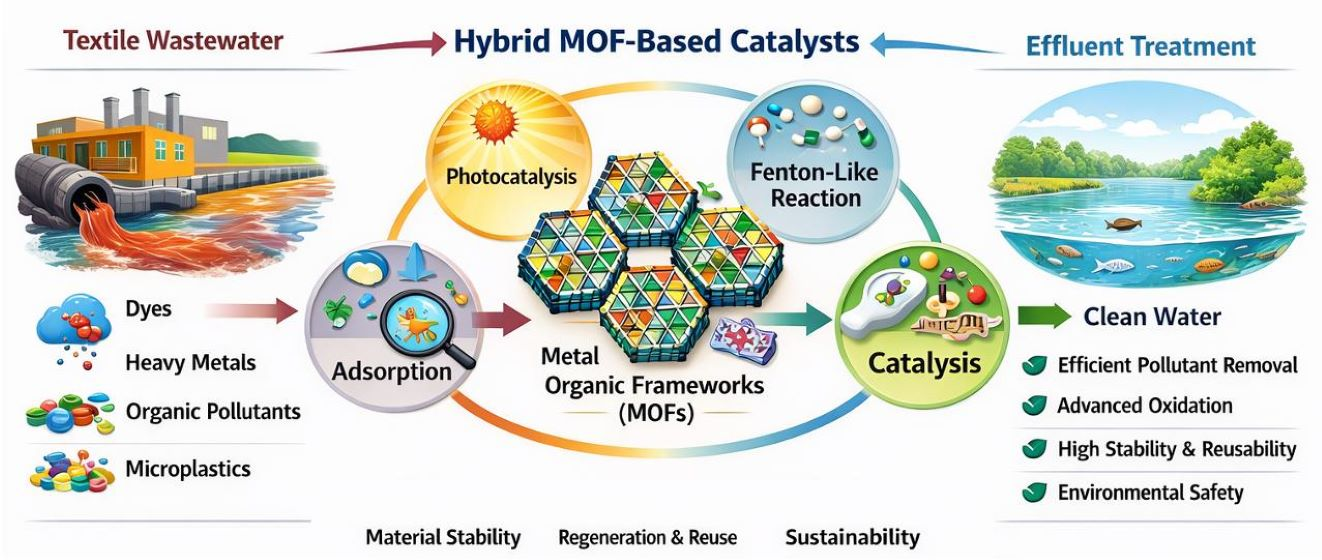
Reimagining Textile Effluent Treatment Using Metal–Organic Framework-Based Hybrid Catalysts: A Critical Review


Abstract
1. Introduction
2. Characteristics and Treatment Challenges of Textile Effluents
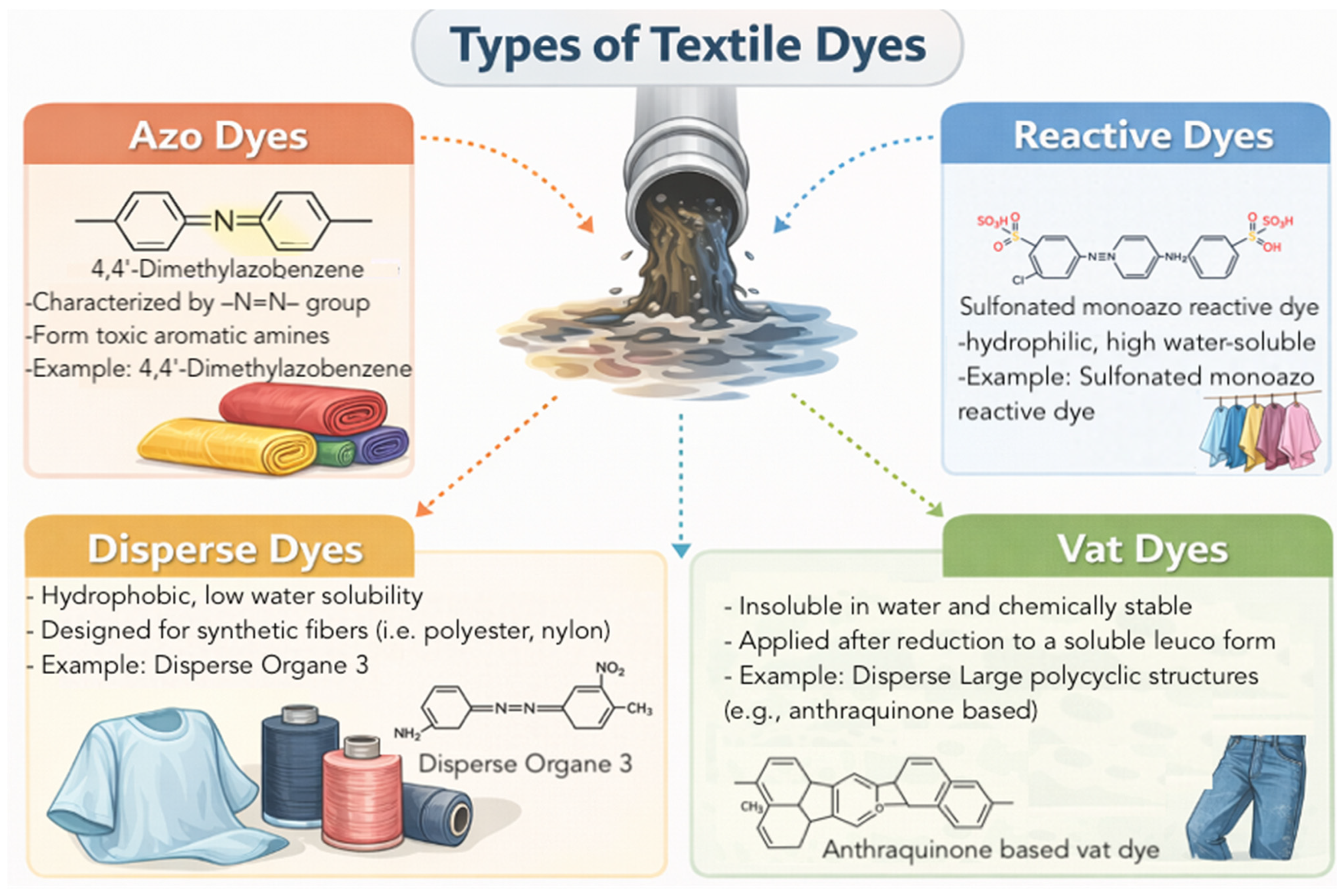
2.1. Types of Textile Dyes
2.1.1. Azo Dyes
2.1.2. Reactive Dyes
2.1.3. Disperse Dyes
2.1.4. Vat Dyes
2.2. Physicochemical Properties of Textile Wastewater
2.3. Environmental Impacts of Textile Wastewater Discharge
3. Research Mapping Through Bibliometric Perspective
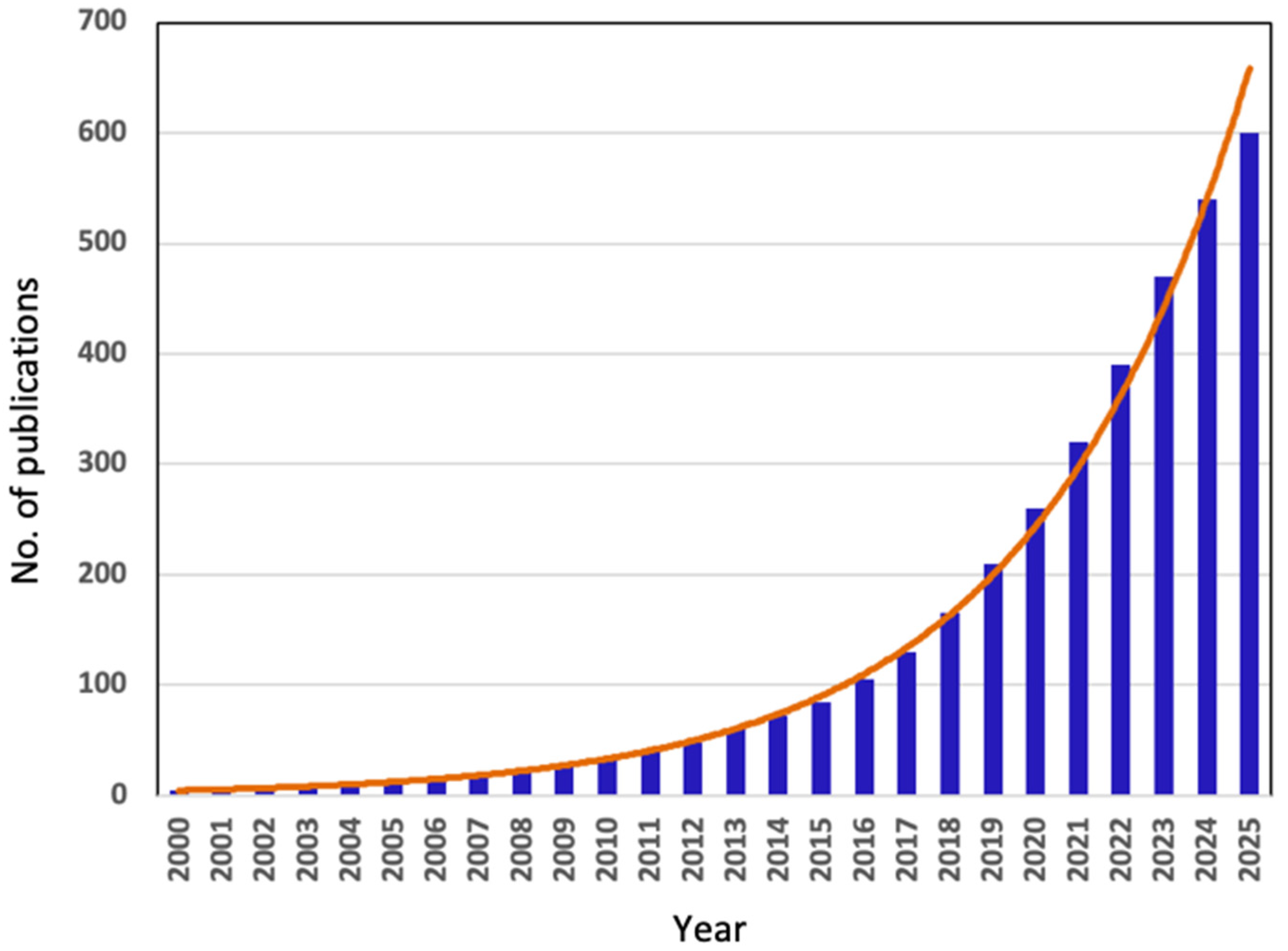
3.1. Publication Growth Trends
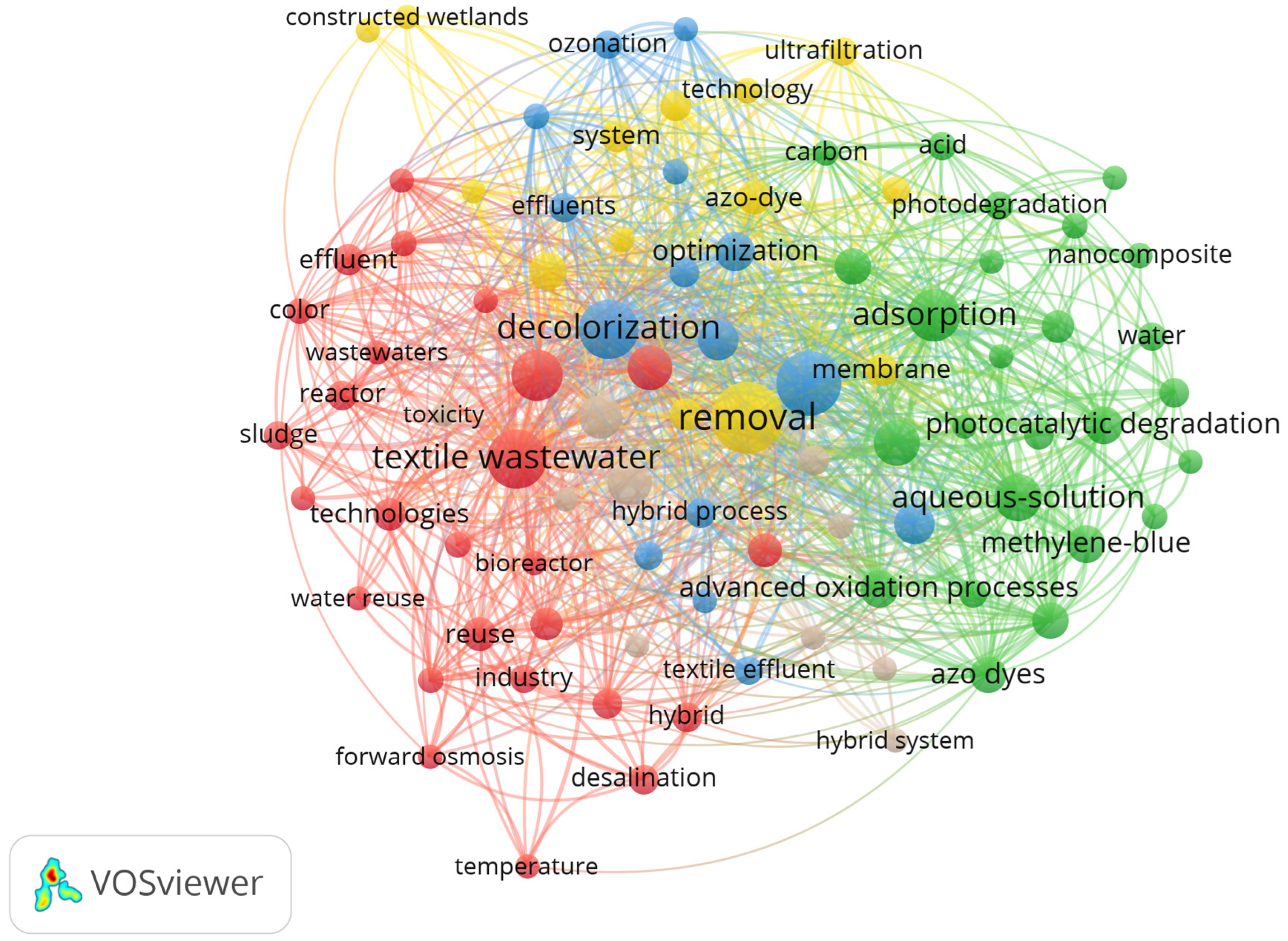
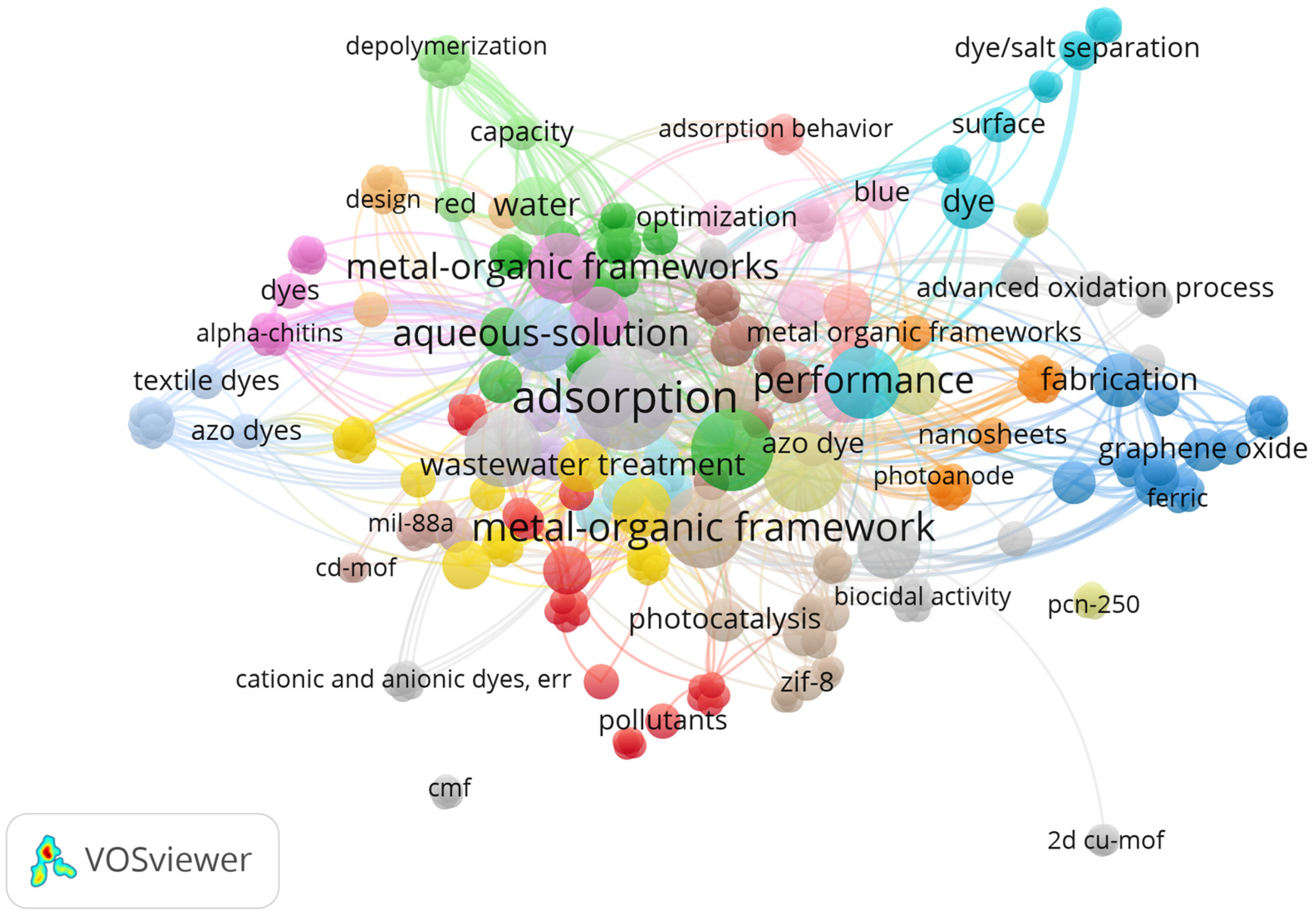
3.2. Keyword Co-Occurrence and Research Clusters
3.3. Emerging Research Frontiers
4. Emerging Catalysts and Functional Materials
5. Fundamentals of Oxidation Processes
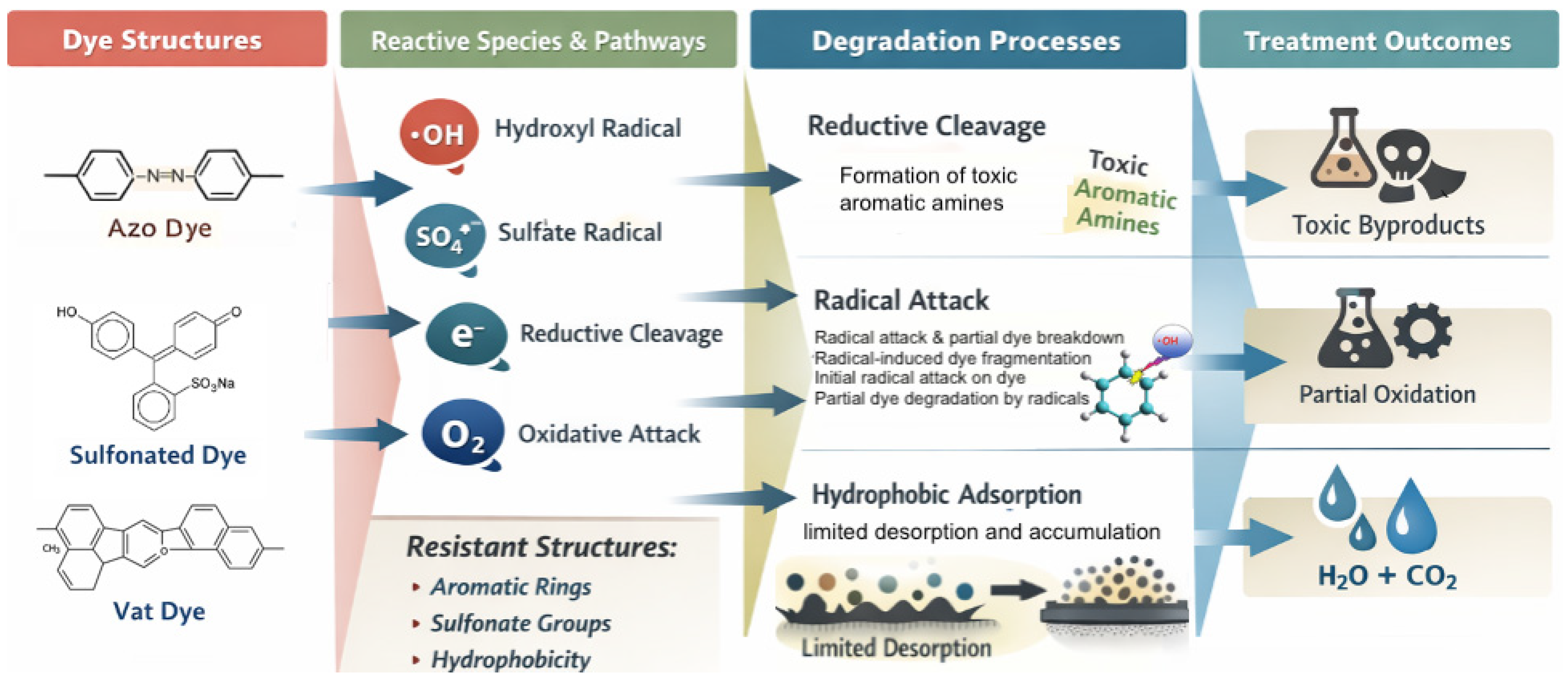
5.1. Reactive Oxygen Species and Oxidation Mechanisms
5.2. Radical Generation Pathways
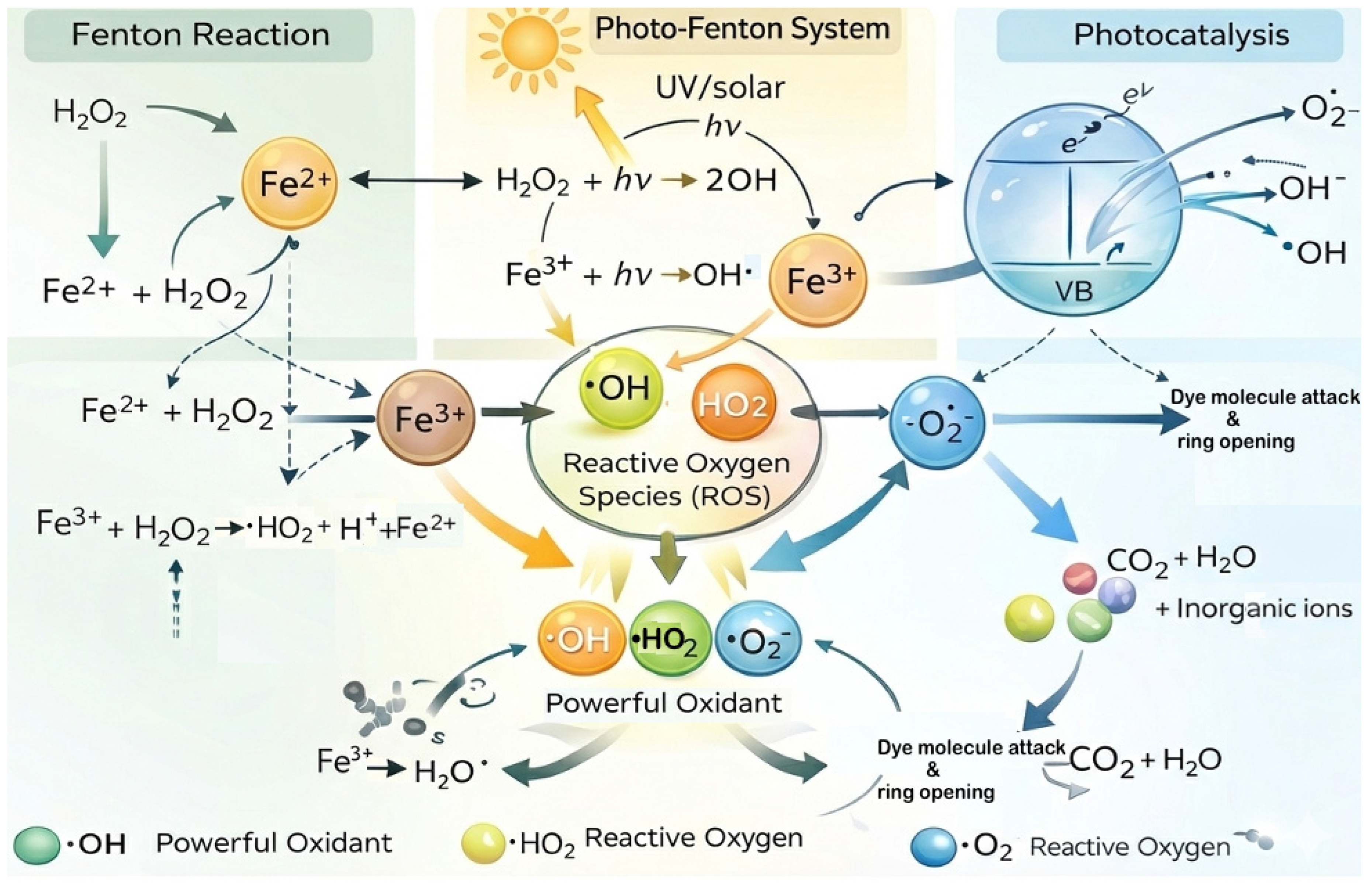
5.2.1. Fenton and Photo-Fenton Oxidation Mechanisms
5.2.2. Classical Fenton Reaction
5.2.3. Photo-Fenton Enhancement
5.2.4. Heterogeneous Fenton and Catalyst Development
5.2.5. Role in Hybrid Treatment Systems
5.3. Mechanistic Probing and Reactive Oxygen Species Identification Methods
5.3.1. Radical Scavenger-Based Mechanistic Probing
5.3.2. Interpretation Considerations and Methodological Limitations
5.3.3. Complementary Techniques for ROS Verification
5.3.4. Relevance to MOF-Based Catalyst Design
6. MOFs as Catalytic Platforms
6.1. Structural Features and Tunable Properties of MOFs
6.2. Catalytically Active Sites and Electronic Properties
6.3. Stability and Water Compatibility of MOFs
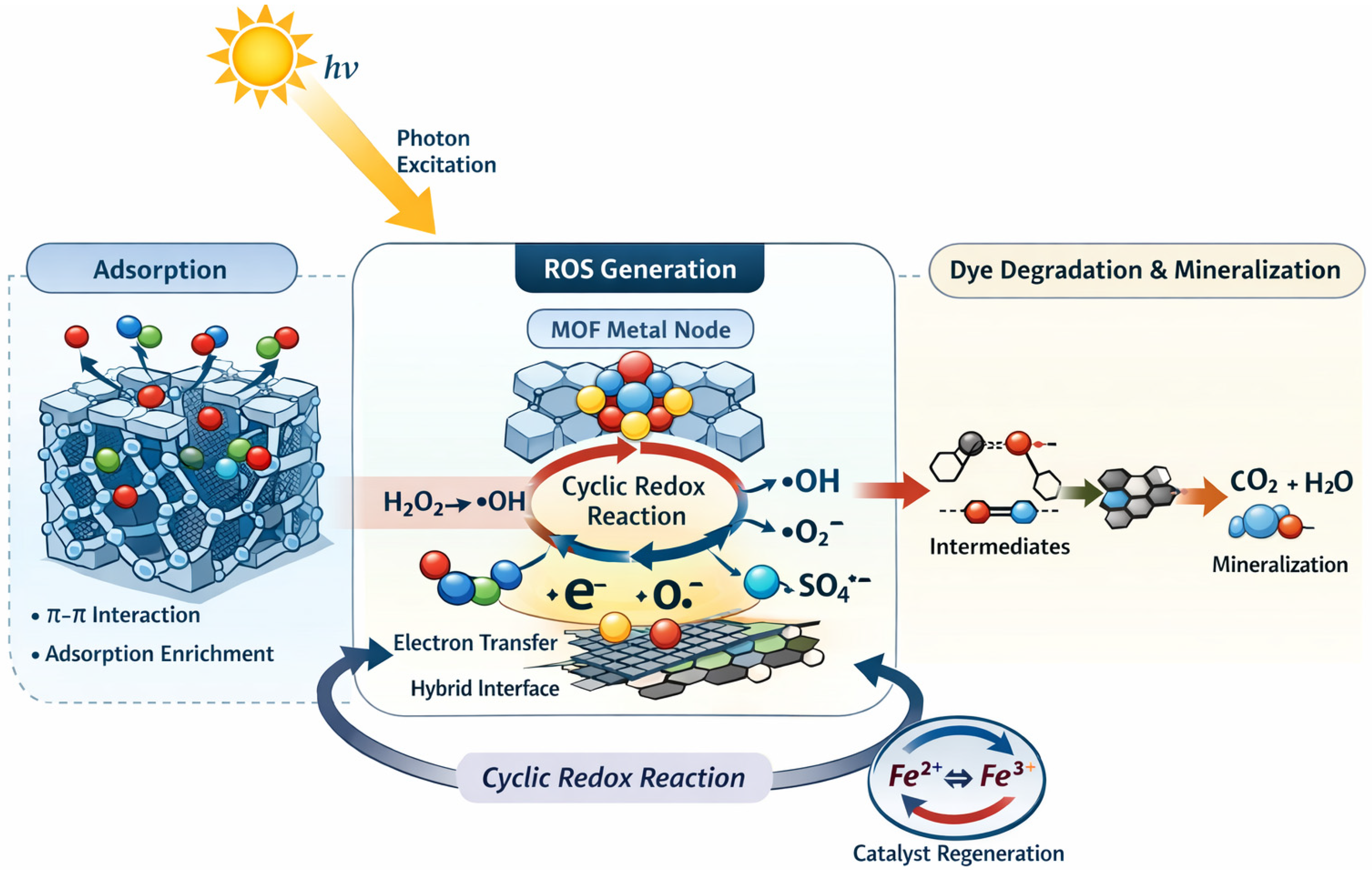
6.4. MOF-Based Catalytic Mechanism in Textile Wastewater Oxidation
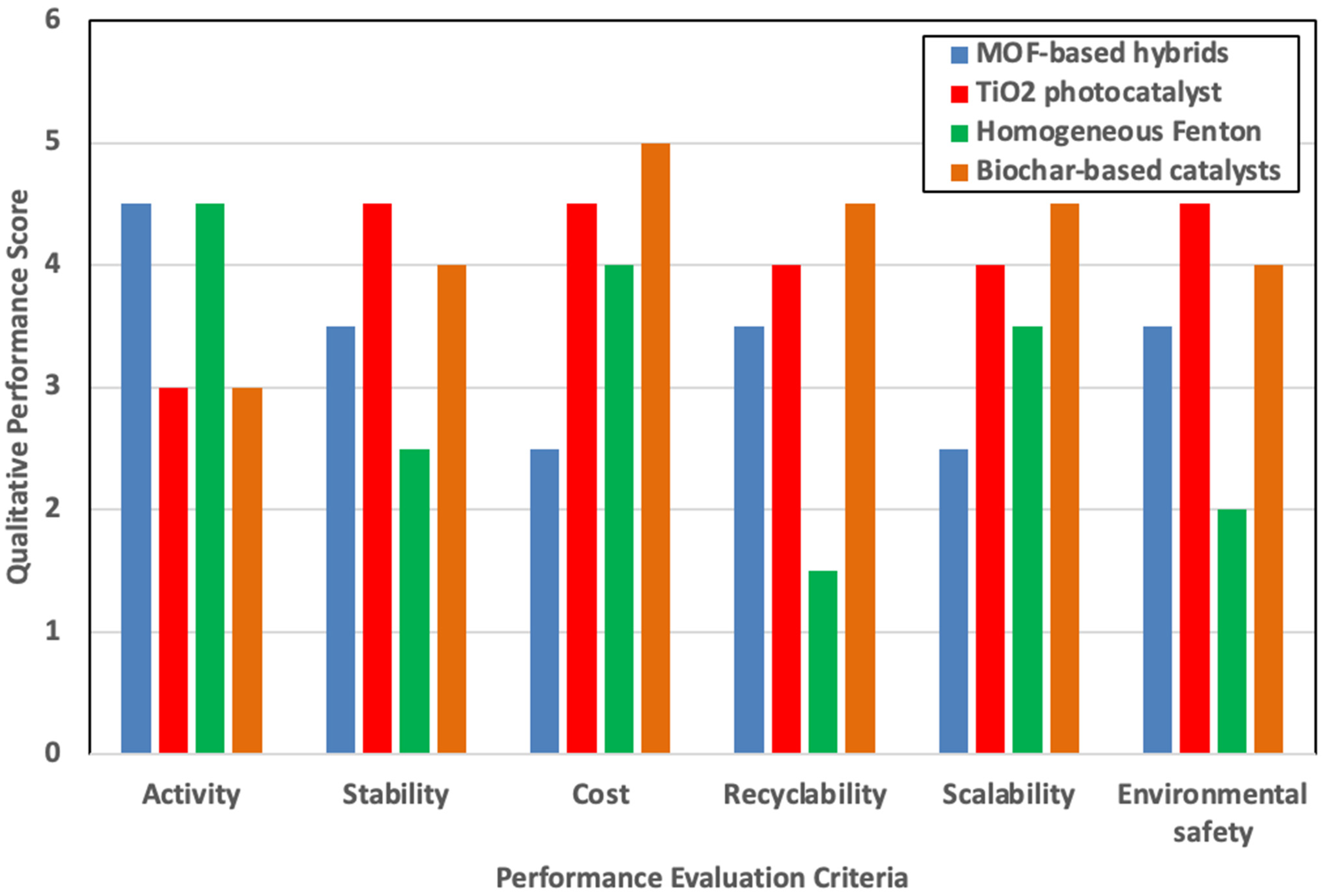
6.5. Comparative Analysis of MOF-Based Catalysts with Emerging Catalytic Systems
7. Progress and Constraints in MOF-Based Dye Oxidation Catalysis
7.1. Comparative Performance Benchmarking of Catalytic Systems
7.2. Standardized Evaluation Metrics for MOF-Based Oxidation Systems
7.2.1. Treatment Performance Indicators: Decolorization Versus Mineralization
7.2.2. Catalyst Stability, Metal Leaching, and Mass Balance
7.2.3. Ecotoxicity and Environmental Safety Assessment
7.2.4. Energy Efficiency and Process Intensity
7.2.5. Oxidant Utilization Efficiency
7.2.6. Minimum Reporting Parameters for Reproducibility
7.2.7. Implications for MOF-Centered Hybrid Catalyst Development
8. Current Challenges and Research Gaps
8.1. Technical and Implementation Challenges of MOF-Based Catalytic Systems
8.2. Environmental Safety, Leaching, and Byproduct Risk
8.2.1. Metal Leaching and Secondary Contamination
8.2.2. Toxicity of Organic Linkers and Degradation Fragments
8.2.3. Formation of Chlorinated Oxidation Byproducts
8.2.4. Need for Integrated Ecotoxicity and Safety Evaluation
8.3. Scalability and Techno-Economic Considerations
9. Future Perspectives and Implementation Roadmap
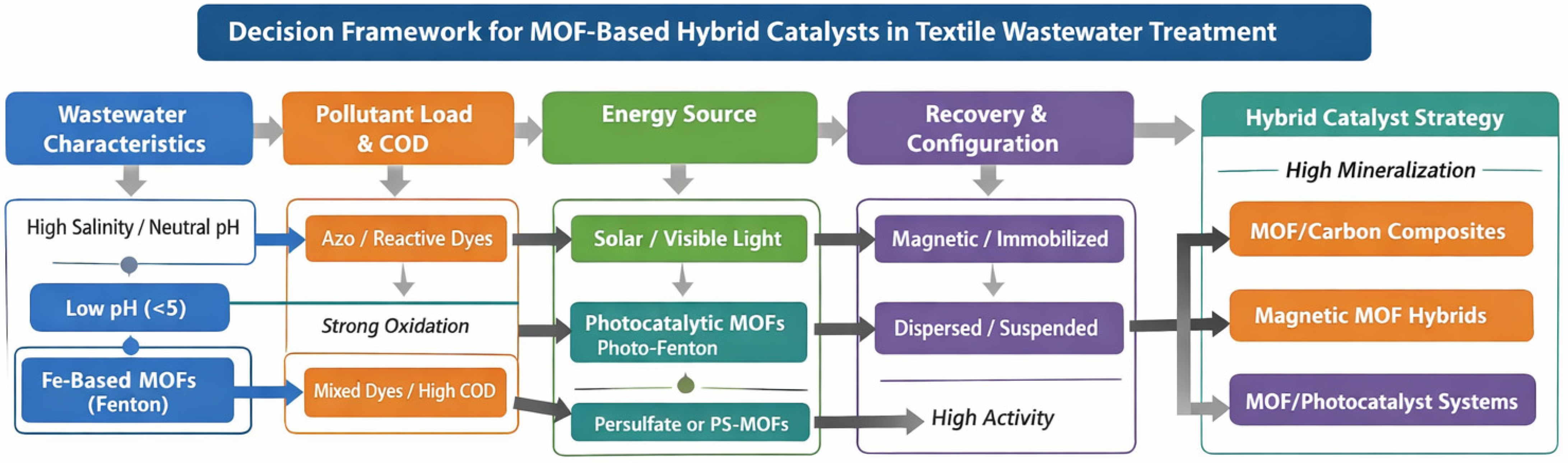
9.1. Roadmap for MOF-Based Hybrid Catalyst Selection in Textile Wastewater Treatment
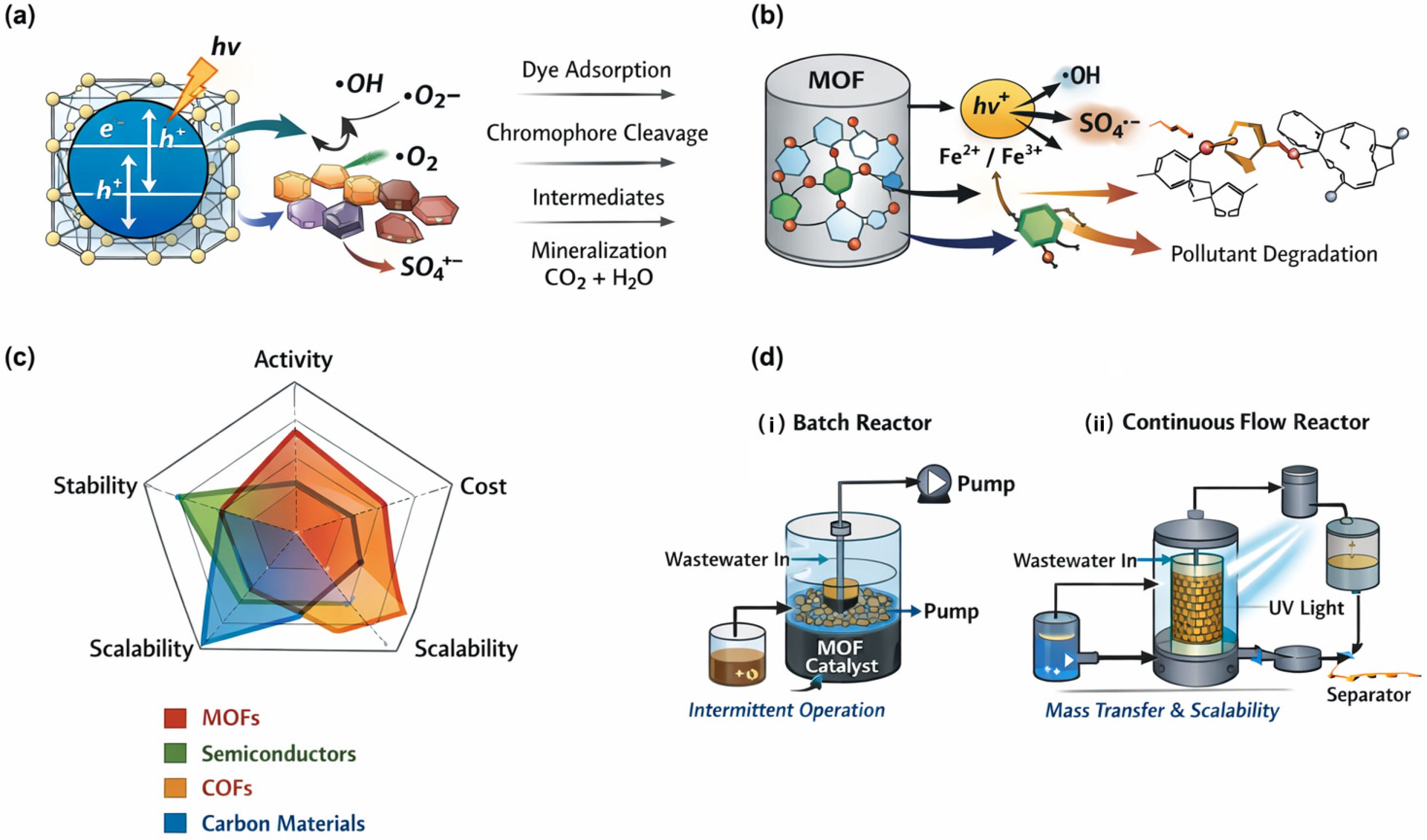
9.2. Reactor Integration and Operational Strategy Considerations
9.3. Techno-Economic and Life-Cycle Considerations
9.3.1. Cost Drivers in MOF Production and Operation
9.3.2. Catalyst Lifetime and Regeneration Assumptions
9.3.3. Chemical Consumption and Process Footprint
9.3.4. Life-Cycle Assessment Levers for Sustainable MOF Design
10. Research Outlook and Emerging Directions
11. Conclusions
Author Contributions
Funding
Data Availability Statement
Acknowledgments
Conflicts of Interest
References
- Verma, A.K.; Dash, R.R.; Bhunia, P. A review on chemical coagulation/flocculation technologies for removal of colour from textile wastewaters. J. Environ. Manag. 2012, 93, 154–168. [Google Scholar] [CrossRef]
- Mishra, R.K. Fresh water availability and its global challenge. Br. J. Multidiscip. Adv. Stud. 2023, 4, 1–78. [Google Scholar] [CrossRef]
- Espinosa, M.; Afonso, C.; Saraiva, B.; Vione, D.; Fernandes, A. Textile wastewater treatment by membrane and electrooxidation processes: A critical review. Clean Technol. 2026, 8, 9. [Google Scholar] [CrossRef]
- Feng, W.; Deng, Y.; Yang, F.; Miao, Q.; Ngien, S.K. Systematic review of contaminants of emerging concern (CECs): Distribution, risks, and implications for water quality and health. Water 2023, 15, 3922. [Google Scholar] [CrossRef]
- Thombre, N.; Patil, P.; Yadav, A.; Patwardhan, A. A short review on water management and reuse in textile industry—A sustainable approach. Discov. Water 2025, 5, 26. [Google Scholar] [CrossRef]
- Jiao, H.; Fu, Y.; Sun, J. A critical review on the treatment of dye-containing wastewater: Ecotoxicological and health concerns of textile dyes and possible remediation approaches for environmental safety. Ecotoxicol. Environ. Saf. 2022, 231, 113160. [Google Scholar] [CrossRef]
- Balachandran, B.; Sabumon, P.C. A comprehensive review on biodegradation of azo dye mixtures, metabolite profiling with health implications and removal strategies. J. Hazard. Mater. Adv. 2025, 19, 100834. [Google Scholar] [CrossRef]
- Eroğlu, H.A.; Akbal, F. Enhancing textile wastewater reuse: Integrating Fenton oxidation with membrane filtration. J. Environ. Manag. 2025, 379, 124873. [Google Scholar] [CrossRef]
- Nour, M.M.; Tony, M.A. The environmental oxidation of acetaminophen in aqueous media as an emerging pharmaceutical pollutant using a chitosan waste-based magnetite nanocomposite. Resources 2024, 13, 47. [Google Scholar] [CrossRef]
- Xiao, J.; Li, Y.; Dong, H.; Pang, Z.; Zhao, M.; Dong, J.; Huang, D.; Li, L. Iodide ion as an electron shuttle to significantly accelerate the elimination of sulfamethazine in the Fenton-like system under neutral condition. Appl. Catal. B Environ. Energy 2024, 344, 123610. [Google Scholar] [CrossRef]
- Hussain, S.; Aneggi, E.; Goi, D. Catalytic activity of metals in heterogeneous Fenton-like oxidation of wastewater contaminants: A review. Environ. Chem. Lett. 2021, 19, 2405–2424. [Google Scholar] [CrossRef]
- Zulfiqar, A.; Miao, B.; Khan, F.; Ali, N.; Ahmed, S.; Rehman, W.; Asad, M.; Nawaz, M.A.; Mir, I.A.; Rasheed, L. Metal–organic framework (MOF)-based catalysts for sustainable energy technologies: A review. Langmuir 2025, 41, 24049–24077. [Google Scholar] [CrossRef]
- Cai, G.; Yan, P.; Zhang, L.; Zhou, H.-C.; Jiang, H.-L. Metal–organic framework-based hierarchically porous materials: Synthesis and applications. Chem. Rev. 2021, 121, 12278–12326. [Google Scholar] [CrossRef] [PubMed]
- Gupta, A.; Ramachandran, S.; Mayilswamy, N.; Nighojkar, A.; Kandasubramanian, B. Dye-laden sludge-derived biochar for wastewater remediation: A review on pyrolytic engineering, adsorptive interactions, and environmental prospects. Sustain. Chem. Environ. 2025, 11, 100271. [Google Scholar] [CrossRef]
- Kusumlata; Ambade, B.; Kumar, A.; Gautam, S. Sustainable solutions: Reviewing the future of textile dye contaminant removal with emerging biological treatments. Limnol. Rev. 2024, 24, 126–149. [Google Scholar] [CrossRef]
- Azmi, L.S.; ‘Ain Jabit, N.; Ismail, S.; Ishak, K.E.H.K.; Abdullah, T.K. Membrane filtration technologies for sustainable industrial wastewater treatment: A review of heavy metal removal. Desalin. Water Treat. 2025, 323, 101321. [Google Scholar] [CrossRef]
- Pham, V.H.T.; Kim, J.; Chang, S.; Bang, D. Investigating bio-inspired degradation of toxic dyes using potential multi-enzyme producing extremophiles. Microorganisms 2023, 11, 1273. [Google Scholar] [CrossRef]
- Carrascal-Hernández, D.C.; Orozco-Beltrán, E.J.; Insuasty, D.; Márquez, E.; Grande-Tovar, C.D. Systematic evaluation of biodegradation of azo dyes by microorganisms: Efficient species, physicochemical factors, and enzymatic systems. Int. J. Mol. Sci. 2025, 26, 7973. [Google Scholar] [CrossRef]
- Merchant, A.I.; Vakili, A.H.; Kocaman, A.; Amr, S.S.A. New advancement of advanced oxidation processes for the treatment of petroleum wastewater. Desalin. Water Treat. 2024, 319, 100565. [Google Scholar] [CrossRef]
- Silva, J.A. Advanced oxidation process in the sustainable treatment of refractory wastewater: A systematic literature review. Sustainability 2025, 17, 3439. [Google Scholar] [CrossRef]
- Oturan, M.A.; Aaron, J.J. Advanced oxidation processes in water/wastewater treatment: Principles and applications. A review. Crit. Rev. Environ. Sci. Technol. 2014, 44, 2577–2641. [Google Scholar] [CrossRef]
- Khan, Z.U.H.; Gul, N.S.; Sabahat, S.; Sun, J.; Tahir, K.; Shah, N.S.; Muhammad, N.; Rahim, A.; Imran, M.; Iqbal, J.; et al. Removal of organic pollutants through hydroxyl radical-based advanced oxidation processes. Ecotoxicol. Environ. Saf. 2023, 267, 115564. [Google Scholar] [CrossRef]
- Nemdili, L.; Dehane, A.; Merouani, S.; Belhannachi, A.; Bendjaballah, K.; Abdelhakk, M. Optimizing nZVI-Activated persulfate oxidation for persistent dye removal: Radicals/Ferryl contribution and system limitations. J. Indian Chem. Soc. 2026, 103, 102547. [Google Scholar] [CrossRef]
- Bellir, K.; Merouani, S.; Bouchelaghem, H.; Riah, A. Screening and Optimization of Metal–Chelate Activated Persulfate for Degradation of Persistent Dyes: Evaluation of UVC, Solar Light, and Ultrasound Assistance. Processes 2026, 14, 1125. [Google Scholar] [CrossRef]
- Gao, Z.; Zhang, D.; Jun, Y.-S. Does tert-butyl alcohol really terminate the oxidative activity of •OH in inorganic redox chemistry? Environ. Sci. Technol. 2021, 55, 10114–10123. [Google Scholar] [CrossRef] [PubMed]
- Martín-Gómez, J.; Pérez-Losada, M.; López-Tenllado, F.J.; Hidalgo-Carrillo, J.; Herrera-Beurnio, M.C.; Estévez, R.; Marinas, A.; Urbano, F.J. Insight into the reaction mechanism of photocatalytic production of solketal. Catal. Today 2024, 429, 114506. [Google Scholar] [CrossRef]
- Nour, M.M.; Tony, M.A.; Nabwey, H.A. Constructed wetlands beyond the Fenton limit: A systematic review on the circular photo-biochemical catalysts design for sustainable wastewater treatment. Catalysts 2026, 16, 92. [Google Scholar] [CrossRef]
- Aziz, K.H.H.; Mustafa, F.S.; Karim, M.A.H.; Hama, S. Pharmaceutical pollution in the aquatic environment: Advanced oxidation processes as efficient treatment approaches: A review. Mater. Adv. 2025, 6, 3433–3454. [Google Scholar] [CrossRef]
- Ramesh, N.; Lai, C.W.; Johan, M.R.B.; Mousavi, S.M.; Badruddin, I.A.; Kumar, A.; Sharma, G.; Gapsari, F. Progress in photocatalytic degradation of industrial organic dye by utilising the silver-doped titanium dioxide nanocomposite. Heliyon 2024, 10, e40998. [Google Scholar] [CrossRef]
- Zheng, T.-H.; Zhang, Z.-Z.; Liu, Y.; Zou, L.-H. Recent progress in catalytically driven advanced oxidation processes for wastewater treatment. Catalysts 2025, 15, 761. [Google Scholar] [CrossRef]
- Wibowo, A.; Marsudi, M.A.; Pramono, E.; Belva, J.; Parmita, A.W.Y.P.; Patah, A.; Eddy, D.R.; Aimon, A.H.; Ramelan, A. Recent improvement strategies on metal–organic frameworks as adsorbent, catalyst, and membrane for wastewater treatment. Molecules 2021, 26, 5261. [Google Scholar] [CrossRef]
- Naghdi, S.; Shahrestani, M.M.; Zendehbad, M.; Djahaniani, H.; Kazemian, H.; Eder, D. Recent advances in application of metal–organic frameworks (MOFs) as adsorbent and catalyst in removal of persistent organic pollutants (POPs). J. Hazard. Mater. 2023, 442, 130127. [Google Scholar] [CrossRef]
- Manikandan, V.; Kumar, J.V.; Elango, D.; Subash, V.; Jayanthi, P.; Dixit, S.; Singh, S. Metal-organic frameworks (MOFs): Multifunctional platforms for environmental sustainability. Chem. Rec. 2025, 25, e202400257. [Google Scholar] [CrossRef] [PubMed]
- Wu, L.; Lei, Z.; Jia, M. Recent advances in selectivity control for the catalytic reduction of functionalized nitroarenes over metal-based catalysts. Dalton Trans. 2026, 55, 2743–2765. [Google Scholar] [CrossRef] [PubMed]
- Huang, X.; Wang, Z.; Zhong, Y.; Jiang, Y.; Chen, S.; Chen, J.; Deng, S.; Wang, J. A versatile strategy for broadening light absorption to ultraviolet–visible region on Zr-based MOF photocatalysts for efficient CO2 reduction. Chem. Eng. J. 2025, 507, 160812. [Google Scholar] [CrossRef]
- Akai, R.; Kasai, H.; Oka, K. Redox-active metal–organic framework as an anode-active material for rechargeable aqueous manganese dioxide batteries with very high-rate capabilities. J. Mater. Chem. A 2026, 14, 6839–6845. [Google Scholar] [CrossRef]
- Sayyad, P.W.; Gomaa, H.; Sabouni, R. Strategies of designing advanced dual-functional metal–organic frameworks for sustainable wastewater treatment applications. Chem. Eng. J. Adv. 2026, 25, 101040. [Google Scholar] [CrossRef]
- Sharma, G.; Verma, A.; Zhi, J.; Wang, T.; Verma, Y.; Dhiman, P.; Bai, X.; Wang, R. Heteroatom-doped metal–organic frameworks as hybrid materials for the removal of organic pollutants. Coord. Chem. Rev. 2026, 549, 217260. [Google Scholar] [CrossRef]
- Genena, E.E.; El-Sayed, I.E.; Abou-Elyazed, A.S.; Abdel-Bary, H.M.; Abdelbaset, M. Metal–organic frameworks (MIL-100(Fe)) for commercial reactive dye effluent oxidation. In The International Conference on Chemical and Environmental Engineering; Military Technical College: Cairo, Egypt, 2024; pp. 1–8. [Google Scholar]
- Bhadane, P.; Chakraborty, S. Cross-material synergies of carbon nanomaterials, MOFs, and COFs: Innovative approaches for sustainable environmental remediation and resource recovery. Coord. Chem. Rev. 2025, 535, 216669. [Google Scholar] [CrossRef]
- Hu, H.; Liu, J.; Li, W.; Wen, H.; Yang, X.; Ke, B.; Wang, X.; Xu, X.; Wang, G. MOF-derived doped porous carbon-based catalysts for CO2 electroreduction: Design, mechanisms, and scale-up. Mater. Chem. Front. 2026, 10, 6. [Google Scholar] [CrossRef]
- Bhuyan, A.; Ahmaruzzaman, M. Recent advances in MOF-5-based photocatalysts for efficient degradation of toxic organic dyes in aqueous medium. Next Sustain. 2024, 3, 100016. [Google Scholar] [CrossRef]
- Wang, Y.-M.; Lin, J.-T.; Ning, G.-H.; Li, D. Recent advances in metal–organic frameworks for catalysing organic transformation. Chem. Commun. 2025, 61, 7563–7572. [Google Scholar] [CrossRef] [PubMed]
- Sun, Q.; Qin, L.; Lai, C.; Liu, S.; Chen, W.; Xu, F.; Ma, D.; Li, Y.; Qian, S.; Chen, Z.; et al. Constructing functional metal–organic frameworks by ligand design for environmental applications. J. Hazard. Mater. 2023, 447, 130848. [Google Scholar] [CrossRef] [PubMed]
- Islam, M.T.; Islam, T.; Islam, T.; Repon, M.R. Synthetic dyes for textile colouration: Process, factors and environmental impact. Text. Leather Rev. 2022, 5, 327–373. [Google Scholar] [CrossRef]
- Kumar, M.; Singh, V.P.; Bhat, S.B.; Kumar, R. Environmental Risks of Textile Dyes and Photocatalytic Materials for Sustainable Treatment: Current Status and Future Directions. Discov. Environ. 2025, 3, 132. [Google Scholar] [CrossRef]
- Rahaman, M.T.; Moshwan, M.M. Advancements in Natural Fibers for Sustainable Textile Manufacturing: Importance, Sources, Applications, and Future Prospects. Next Mater. 2026, 10, 101564. [Google Scholar] [CrossRef]
- Zhang, C.; Chen, H.; Xue, G.; Liu, Y.; Chen, S.; Jia, C. A Critical Review of the Aniline Transformation Fate in Azo Dye Wastewater Treatment. J. Clean. Prod. 2021, 321, 128971. [Google Scholar] [CrossRef]
- Periyasamy, A.P. Recent Advances in the Remediation of Textile-Dye-Containing Wastewater: Prioritizing Human Health and Sustainable Wastewater Treatment. Sustainability 2024, 16, 495. [Google Scholar] [CrossRef]
- Ghosh, J.; Rupanty, N.S. Study on a Cationic Agent-Based Salt-Free Reactive Dyeing Process for Cotton Knit Fabric and Comparison with a Traditional Dyeing Process. Results Eng. 2023, 9, e19457. [Google Scholar] [CrossRef]
- Tehrani-Bagha, A.R.; Holmberg, K. Solubilization of Hydrophobic Dyes in Surfactant Solutions. Materials 2013, 6, 580–608. [Google Scholar] [CrossRef]
- Śmigiel-Kamińska, D.; Pośpiech, J.; Makowska, J.; Stepnowski, P.; Wąs-Gubała, J.; Kumirska, J. The Identification of Polyester Fibers Dyed with Disperse Dyes for Forensic Purposes. Molecules 2019, 24, 613. [Google Scholar] [CrossRef] [PubMed]
- Negi, A. Environmental Impact of Textile Materials: Challenges in Fiber–Dye Chemistry and Implication of Microbial Biodegradation. Polymers 2025, 17, 871. [Google Scholar] [CrossRef] [PubMed]
- Barkaat, S.; Matiha; Adeel, S.; Habib, N.; Jabli, M.; Imran, M.; Mia, R. Microwave-Assisted Vat Dyeing of Wool with Binary Natural Anthraquinone Dyes: A Green Leap toward Sustainable Textile Processing. Results Eng. 2025, 28, 107211. [Google Scholar] [CrossRef]
- Zhang, Y.; Shaad, K.; Vollmer, D.; Ma, C. Treatment of Textile Wastewater Using Advanced Oxidation Processes—A Critical Review. Water 2021, 13, 3515. [Google Scholar] [CrossRef]
- Talbi, A.; Merouani, S.; Dehane, A. Flowing Microreactors for Periodate/H2O2 Advanced Oxidative Process: Synergistic Degradation and Mineralization of Organic Dyes. Processes 2025, 13, 1487. [Google Scholar] [CrossRef]
- Oladoye, P.O.; Kadhom, M.; Khan, I.; Aziz, K.H.H.; Alli, Y.A. Advancements in Adsorption and Photodegradation Technologies for Rhodamine B Dye Wastewater Treatment: Fundamentals, Applications, and Future Directions. Green Chem. Eng. 2024, 5, 440–460. [Google Scholar] [CrossRef]
- Bai, X.; Li, C.; He, S.; Zhou, J.; Hu, J. Combining Advanced Oxidation Processes with Biological Processes in Organic Wastewater Treatment: Recent Developments, Trends, and Advances. Desalin. Water Treat. 2025, 323, 101263. [Google Scholar] [CrossRef]
- Moula, A.T.M.G.; Hosen, M.D.; Siddiquee, M.A.B.; Momin, M.A.; Kaisar, Z.; Mamun, M.A.A.; Islam, M.A. Effect of Dye Bath pH in Dyeing of Cotton Knitted Fabric with Reactive Dye (Remazol Yellow RR) in Exhaust Method: Impact on Color Strength, Chromatic Values and Fastness Properties. Heliyon 2022, 8, e11246. [Google Scholar] [CrossRef]
- Jang, H.-H.; Seo, G.-T.; Jeong, D.-W. Advanced Oxidation Processes and Nanofiltration to Reduce the Color and Chemical Oxygen Demand of Waste Soy Sauce. Sustainability 2018, 10, 2929. [Google Scholar] [CrossRef]
- Cossu, R.; Lai, T.; Sandon, A. Standardization of BOD5/COD Ratio as a Biological Stability Index for MSW. Waste Manag. 2012, 32, 1503–1508. [Google Scholar] [CrossRef]
- Kabdaşlı, I.; Vardar, B.; Arslan-Alaton, I.; Tünay, O. Effect of dye auxiliaries on color and COD removal from simulated reactive dyebath effluent by electrocoagulation. Chem. Eng. J. 2009, 148, 89–96. [Google Scholar] [CrossRef]
- Guo, L.; Xie, Y.; Sun, W.; Xu, Y.; Sun, Y. Research Progress of High-Salinity Wastewater Treatment Technology. Water 2023, 15, 684. [Google Scholar] [CrossRef]
- Raji, R.K.; Miao, X.; Boakye, A. Electrical conductivity in textile fibers and yarns—Review. AATCC J. Res. 2017, 4, 8–21. [Google Scholar] [CrossRef]
- Berradi, M.; Hsissou, R.; Khudhair, M.; Assouag, M.; Cherkaoui, O.; El Bachiri, A.; El Harfi, A. Textile Finishing Dyes and Their Impact on Aquatic Environs. Heliyon 2019, 5, e02711. [Google Scholar] [CrossRef]
- Sajid, M.; Irfan Ahmad, M.; Salman Shafqat, S.; Kamal Pasha, M.; Asim, M. De-Colorization of Azo Dyes C.B-10X Blue and C.B.M-10X Blue by Ozonation for Wastewater Treatment. Univ. Wah J. Sci. Technol. 2020, 4, 1–7. [Google Scholar] [CrossRef]
- Citulski, J.; Farahbakhsh, K.; Kent, F. Effects of Total Suspended Solids Loading on Short-Term Fouling in the Treatment of Secondary Effluent by an Immersed Ultrafiltration Pilot System. Water Environ. Res. 2009, 81, 2427–2436. [Google Scholar] [CrossRef] [PubMed]
- Wojnárovits, L.; Homlok, R.; Kovács, K.; Tegze, A.; Takács, E. Wastewater Characterization: Chemical Oxygen Demand or Total Organic Carbon Content Measurement? Molecules 2024, 29, 405. [Google Scholar] [CrossRef] [PubMed]
- Yeh, C.-P.; Tsai, K.-C.; Huang, J.-Y. Influence of Chloride Concentration on Stress Corrosion Cracking and Crevice Corrosion of Austenitic Stainless Steel in Saline Environments. Materials 2020, 13, 5640. [Google Scholar] [CrossRef]
- Oh, J.H.; Sung, S.J.; Han, Y.S. Effects of Sodium Dodecyl Sulfate as a Co-Adsorbate on the Performance of Dye-Sensitized Solar Cells. J. Nanosci. Nanotechnol. 2015, 15, 7727–7732. [Google Scholar] [CrossRef]
- Aisha; Batool, I.; Iftekhar, S.; Taj, M.B.; Carabineiro, S.A.C.; Ahmad, F.; Khan, M.I.; Shanableh, A.; Alshater, H. Wetting the Surface: A Deep Dive into Chemistry and Applications of Surfactants. Clean. Chem. Eng. 2025, 11, 100197. [Google Scholar] [CrossRef]
- Lellis, B.; Fávaro-Polonio, C.Z.; Pamphile, J.A.; Polonio, J.C. Effects of Textile Dyes on Health and the Environment and Bioremediation Potential of Living Organisms. Biotechnol. Res. Innov. 2019, 3, 275–290. [Google Scholar] [CrossRef]
- Byeon, Y.; Lee, J.; Kim, B.; Hong, S.; Khim, J.S. Evaluation of Morphological and Physiological Effects of Pile Driving Noise on Marine Microalgae Using Flow Cytometry and Pulse-Amplitude Modulated Fluorometry. Mar. Pollut. Bull. 2025, 218, 118226. [Google Scholar] [CrossRef]
- Periyasamy, A.P. A Review of Bioremediation of Textile Dye Containing Wastewater. Clean. Water 2025, 4, 100092. [Google Scholar] [CrossRef]
- Dildar, T.; Cui, W.; Ikhwanuddin, M.; Ma, H. Aquatic Organisms in Response to Salinity Stress: Ecological Impacts, Adaptive Mechanisms, and Resilience Strategies. Biology 2025, 14, 667. [Google Scholar] [CrossRef] [PubMed]
- Appiani, E.; Ossola, R.; Latch, D.E.; Erickson, P.R.; McNeill, K. Aqueous singlet oxygen reaction kinetics of furfuryl alcohol: Effect of temperature, pH, and salt content. Environ. Sci. Process. Impacts 2017, 19, 507–516. [Google Scholar] [CrossRef] [PubMed]
- Liberato, M.S.; Cavalcante, N.G.S.; Sindu, P.A.; Rodrigues-Jesus, M.J.; Zelenovskii, P.; Carreira, A.C.O.; Baptista, M.S.; Sogayar, M.C.; Ferreira, L.C.S.; Catalani, L.H. Histidine-based hydrogels via singlet-oxygen photooxidation. Soft Matter 2021, 17, 10670–10679. [Google Scholar] [CrossRef]
- Raghav, S.; Yadav, S.; Chavda, V.; Jain, P.; Kumar, D. Metal-Organic Frameworks for Catalysis, Gas Separation, and Biomedical Applications: Synthesis Strategies, Recent Advances, and Future Prospects. Next Mater. 2026, 11, 101832. [Google Scholar] [CrossRef]
- Najafidoust, A.; Ghanbari, R.; Farahbakhsh, J.; Permala, R.; Iglauer, S.; Zargar, M. Emerging Trends in Photocatalyst-Based Metal-Organic Frameworks for PFAS Degradation. Coord. Chem. Rev. 2026, 549, 217264. [Google Scholar] [CrossRef]
- Ghaedi, S.; Rajabi, H.; Mosleh, M.H.; Sedighi, M. MOF Biochar Composites for Environmental Protection and Pollution Control. Bioresour. Technol. 2025, 418, 131982. [Google Scholar] [CrossRef]
- Valdebenito, G.; Gonzaléz-Carvajal, M.; Santibañez, L.; Cancino, P. Metal–Organic Frameworks (MOFs) and Materials Derived from MOFs as Catalysts for the Development of Green Processes. Catalysts 2022, 12, 136. [Google Scholar] [CrossRef]
- Chai, L.; Li, R.; Sun, Y.; Zhou, K.; Pan, J. MOF-Derived Carbon-Based Materials for Energy-Related Applications. Adv. Mater. 2025, 37, 202413658. [Google Scholar] [CrossRef] [PubMed]
- Ren, S.; Usman, M.; Tsang, D.C.W.; O-Thong, S.; Angelidaki, I.; Zhu, X.; Zhang, S.; Luo, G. Hydrochar-Facilitated Anaerobic Digestion: Evidence for Direct Interspecies Electron Transfer Mediated through Surface Oxygen-Containing Functional Groups. Environ. Sci. Technol. 2020, 54, 5755–5766. [Google Scholar] [CrossRef] [PubMed]
- Liu, M.; Ye, Y.; Ye, J.; Gao, T. Recent Advances of Magnetite (Fe3O4)-Based Magnetic Materials in Catalytic Applications. Magnetochemistry 2023, 9, 110. [Google Scholar] [CrossRef]
- Holade, Y.; Sahin, N.E.; Servat, K.; Napporn, T.W.; Kokoh, K.B. Recent Advances in Carbon Supported Metal Nanoparticles Preparation for Oxygen Reduction Reaction in Low Temperature Fuel Cells. Catalysts 2015, 5, 310–348. [Google Scholar] [CrossRef]
- Alazaiza, M.Y.D.; Alzghoul, T.M.; Farobie, O.; Al-Yazeedi, A.-A.; Abu Amr, S.S.; Bashir, M.J.K. Advanced Oxidation Processes in Water Treatment: Mapping 15 Years of Scientific Progress and Collaboration. Environments 2026, 13, 103. [Google Scholar] [CrossRef]
- Zhang, J.; Zhang, G.; Lan, H.; Sun, M.; Liu, H.; Qu, J. Synergetic Oxidation of the Hydroxyl Radical and Superoxide Anion Lowers the Benzoquinone Intermediate Conversion Barrier and Potentiates Effective Aromatic Pollutant Mineralization. Environ. Sci. Technol. 2023, 57, 14085–14095. [Google Scholar] [CrossRef]
- Mussa, N.-S.; Toshtay, K.; Dumeignil, F. Recent Developments in the Field of MOF-Based Catalytic Systems: A Review. Appl. Catal. A Gen. 2025, 708, 120555. [Google Scholar] [CrossRef]
- Geng, F.-L.; Chi, H.-Y.; Zhao, H.-C.; Wan, J.-Q.; Sun, J. Stability Performance Analysis of Fe-Based MOFs for Peroxydisulfates Activation to Effectively Degrade Ciprofloxacin. Front. Bioeng. Biotechnol. 2023, 11, 1205911. [Google Scholar] [CrossRef]
- Nazir, M.A.; Ullah, S. Metal-organic framework composites for environmental remediation. In Applications of Metal-Organic Framework Composites; Elsevier: Amsterdam, The Netherlands, 2025; pp. 609–656. [Google Scholar]
- Iroegbu, A.O.C.; Teffo, M.L.; Sadiku, E.R.; Meijboom, R.; Hlangothi, S.P. Advancing Wastewater Treatment with Green and Scalable Metal–Organic Frameworks: From Synthetic Strategies to Real-World Deployment. npj Clean Water 2025, 8, 85. [Google Scholar] [CrossRef]
- Kim, J.Y.; Kang, J.; Cha, S.; Kim, H.; Kim, D.; Kang, H.; Choi, I.; Kim, M. Stability of Zr-Based UiO-66 Metal–Organic Frameworks in Basic Solutions. Nanomaterials 2024, 14, 110. [Google Scholar] [CrossRef]
- Zhang, X.-W.; Lan, M.-Y.; Wang, F.; Yi, X.-H. ZIF-67-Based Catalysts in Persulfate Advanced Oxidation Processes (PS-AOPs) for Water Remediation. J. Environ. Chem. Eng. 2022, 10, 107997. [Google Scholar] [CrossRef]
- Kafentzi, M.-C.; Papageorgiou, G.; Ladomenou, K. From Porphyrinic MOFs and COFs to Hybrid Architectures: Design Principles for Photocatalytic H2 Evolution. Inorganics 2026, 14, 32. [Google Scholar] [CrossRef]
- Liu, X.; Bai, S.; Wang, C.; Gong, J. Bimetallic Metal-Organic Frameworks MIL-53(Fe,Cu) for Enhancing Fenton-Like Performance of Low-Temperature Peroxide Bleaching Cotton. J. Water Process Eng. 2026, 83, 109697. [Google Scholar] [CrossRef]
- Wei, F.; Chen, D.; Liang, Z.; Zhao, S. Comparison study on the adsorption capacity of Rhodamine B, Congo Red, and Orange II on Fe-MOFs. Nanomaterials 2018, 8, 248. [Google Scholar] [CrossRef]
- Wang, Y.; Zhang, N.; Wang, R.; He, Y.; Zhou, H.; Li, X.; Gao, G.; Sun, H.; Liu, X. Bimetallic UiO-66-NH2 (Zr–Hf) Synergistic Photocatalytic and Piezoelectric Effects for the Degradation of Rhodamine B. Dalton Trans. 2023, 52, 10079–10088. [Google Scholar] [CrossRef]
- Xu, F.; Cao, W.; Li, J.; Zhi, S. TiO2@NH2-MIL-125(Ti) Composite Derived from a Partial-Etching Strategy with Enhanced Carriers’ Transfer for the Rapid Photocatalytic Cr(VI) Reduction. Int. J. Miner. Metall. Mater. 2023, 30, 630–641. [Google Scholar] [CrossRef]
- Aziz, D.M.; Hassan, S.A.; Aziz, S.B.; Kader, D.A. Efficient adsorption and photocatalytic degradation of methylene blue using HKUST-1: A novel approach for dye removal and wastewater treatment under sunlight. Next Mater. 2025, 9, 101015. [Google Scholar] [CrossRef]
- Jasrotia, R.; Himanshi; Lal, B.; Suman; Ramya, M.; Katoch, G.; Singh, S.; Kit, C.C. Advancements in metal-organic frameworks based photocatalysts for efficient photocatalytic hydrogen generation. Results Eng. 2025, 27, 106844. [Google Scholar] [CrossRef]
- Banerjee, A.; Gokhale, R.; Bhatnagar, S.; Jog, J.; Bhardwaj, M.; Lefez, B.; Hannoyer, B.; Ogale, S. MOF-Derived Porous Carbon–Fe3O4 Nanocomposite as a High Performance, Recyclable Environmental Superadsorbent. J. Mater. Chem. 2012, 22, 19694–19699. [Google Scholar] [CrossRef]
- Sead, F.F.; Jain, V.; Roopashree, R.; Devi, A.; Kashyap, A.; Sharma, G.C.; Bhakuni, P.N.; Kazemi, M.; Noorizadeh, H. Engineering TiO2-Based Nanostructures for Enhanced Electrocatalytic and Photocatalytic Redox Reactions. Results Chem. 2025, 17, 102544. [Google Scholar] [CrossRef]
- Yang, C.; Xue, Z.; Wen, J. Recent advances in MOF-based materials for remediation of heavy metals and organic pollutants: Insights into performance, mechanisms, and future opportunities. Sustainability 2023, 15, 6686. [Google Scholar] [CrossRef]
- Maria, P.; Favier, L.; Gavrilescu, M. Assessing the Ecotoxicological Effects of Emerging Drug and Dye Pollutants on Plant–Soil Systems Pre- and Post-Photocatalytic Wastewater Treatment. Plants 2025, 14, 3835. [Google Scholar] [CrossRef]
- Ali, L.; Algaithi, R.; Habib, H.M.; Souka, U.; Rauf, M.A.; Ashraf, S.S. Soybean Peroxidase-Mediated Degradation of an Azo Dye—A Detailed Mechanistic Study. BMC Biochem. 2013, 14, 35. [Google Scholar] [CrossRef] [PubMed]
- Cedeño-Muñoz, J.S.; Zumarraga-Valencia, B.J.; Cevallos-Mendoza, J.E.; Rivadeneira-Mendoza, B.F.; Pérez-Almeida, I.B.; Yadav, K.K.; Saquete, M.D.; Boluda-Botella, N.; Rodríguez-Díaz, J.M. Hydrochar Supported Mg–Fe Layered Double Hydroxide Hybrid for Efficient and Reusable Removal of Tetracyclines from Water. Emerg. Contam. 2026, 12, 100623. [Google Scholar] [CrossRef]
- Tamburini, D.; Sabatini, F.; Berbers, S.; van Bommel, M.R.; Degano, I. An Introduction and Recent Advances in the Analytical Study of Early Synthetic Dyes and Organic Pigments in Cultural Heritage. Heritage 2024, 7, 1969–2010. [Google Scholar] [CrossRef]
- Clavero, F.; Cachot, J.; Clérandeau, C.; Sandoval, L.; Meytraud, F.; Albertin, W.; de Revel, G.; Ghidossi, R.; Franc, C. Pulsed Light Treatment of Pesticides Induces High Compound Degradation and Toxicity Decrease. Ecotoxicol. Environ. Saf. 2025, 305, 119232. [Google Scholar] [CrossRef]
- Rafique, M.M. Evaluation of Metal–Organic Frameworks as Potential Adsorbents for Solar Cooling Applications. Appl. Syst. Innov. 2020, 3, 26. [Google Scholar] [CrossRef]
- Hamdan, Y.; Zyoud, A.H.; Al-Shakhshir, S.; Zyoud, S.; Amireh, A.; Zyoud, S.H.; Kim, T.W. The ZnO/Bentonite Composite for Sustainable Tetracycline Removal from Water: Adsorption and Photocatalysis for Effective Wastewater Treatment. Next Mater. 2026, 11, 101655. [Google Scholar] [CrossRef]
- Mian, F.; Bottaro, G.; Rancan, M.; Pezzato, L.; Gombac, V.; Fornasiero, P.; Armelao, L. Bi12O17Cl2/(BiO)2CO3 Nanocomposite Materials for Pollutant Adsorption and Degradation: Modulation of the Functional Properties by Composition Tailoring. ACS Omega 2017, 2, 6298–6308. [Google Scholar] [CrossRef]
- Ma, W.; Yu, L.; Kang, P.; Chu, Z.; Li, Y. Modifications and Applications of Metal-Organic-Framework-Based Materials for Photocatalysis. Molecules 2024, 29, 5800. [Google Scholar] [CrossRef]
- Sen, K.; Mondal, S.; Mondal, N.K. Surface Charge Behavior of Natural and Modified Adsorbents: Insights into pHpzc, Mechanisms, and Methodological Perspectives. Next Mater. 2026, 11, 101938. [Google Scholar] [CrossRef]
- Anekwe, I.M.S.; Isa, Y.M. Unlocking Catalytic Longevity: A Critical Review of Catalyst Deactivation Pathways and Regeneration Technologies. Energy Adv. 2025, 4, 1075–1113. [Google Scholar] [CrossRef]
- Mustapha, L.S.; Emmanuel, S.S.; Obayomi, O.V.; Yusuff, A.S.; Tan, I.S.; Lau, S.Y.; Zhang, J.; Obayomi, K.S. Recent Advances in MOF-Based Composites Engineered for Dyes and Metal Ions Removal from Aqueous Environments: A Review. Microporous Mesoporous Mater. 2026, 407, 114108. [Google Scholar] [CrossRef]
- Abonyi, M.N.; Obi, C.C.; Nwabanne, J.T. Degradation of Organic Pollutants in Wastewater Using MOF-Based Catalysts: A Review. Next Mater. 2025, 8, 100696. [Google Scholar] [CrossRef]
- Tian, H.; Cui, K.; Sun, S.; Li, H.; Chen, X. Construction of Acidic Microenvironments to Overcome the pH Dependence of Iron-Based Catalysts and Application to the Degradation of Micropollutants by AOPs. Chem. Eng. J. 2024, 488, 150934. [Google Scholar] [CrossRef]
- Divya, V.; Anbarasu, K.; Vickram, A.S.; Saravanan, A. Iron-Based Nanohybrids for Sustainable Dye Removal from Wastewater: A Comprehensive Review on Adsorption Mechanisms and Environmental Implications. Hybrid Adv. 2026, 12, 100607. [Google Scholar] [CrossRef]
- Karimi, M.; Shirzad, M.; Siqueira, R.M.; Ferreira, A.; Silva, J.A.C.; Rodrigues, A.E. Techno-Economic and Energy Assessment of the Pressure Swing Adsorption Process for CO2 Capture from Flue Gas Using Shaped MOF MIL-160(Al): Bridging Experimental Results into Industrial Implementation. Ind. Eng. Chem. Res. 2026, 65, 4633–4647. [Google Scholar] [CrossRef]
- Dhotre, I. Energy from Waste: Opportunities and Barriers in Microbial Fuel Cell Technology. Fuel Cells 2026, 26, e70072. [Google Scholar] [CrossRef]
- Samal, A.; Pal, S.; Das, N. A Mini-Review on Magnesium Alloy-Based Materials: Recent Progress in Photocatalysis, Mechanistic Insight & Possibilities in Photoreforming of Plastic Waste. J. Magnes. Alloys 2026, 101992. [Google Scholar] [CrossRef]
- Mousavi, S.M.; Kalashgrani, M.Y.; Tsai, M.-K.; Chiang, W.-H. Carbon-Based Materials Derived from Green and Sustainable Chemistry: Current Perspectives for Electrocatalysis and Energy Applications. Renew. Sustain. Energy Rev. 2025, 222, 116001. [Google Scholar] [CrossRef]
- Rodríguez, C.F.; Guzmán-Sastoque, P.; Rodríguez, J.E.; Sanchez-Hernandez, W.; Cruz, J.C. From Words to Frameworks: Transformer Models for Metal–Organic Framework Design in Nanotheranostics. J. Nanotheranostics 2026, 7, 3. [Google Scholar] [CrossRef]
- Yadav, S.; Dixit, R.; Sharma, S.; Dutta, S.; Solanki, K.; Sharma, R.K. Magnetic Metal–Organic Framework Composites: Structurally Advanced Catalytic Materials for Organic Transformations. Mater. Adv. 2021, 2, 2153–2187. [Google Scholar] [CrossRef]
- Das, A.; Mishra, S. Reimagining Biofiltration for Sustainable Industrial Wastewater Treatment. Discov. Sustain. 2025, 6, 826. [Google Scholar] [CrossRef]
- Mosupi, K.; Masukume, M.; Weng, G.; Musyoka, N.M.; Langmi, H.W. Recent Advances in Fe-Based Metal-Organic Frameworks: Structural Features, Synthetic Strategies and Applications. Coord. Chem. Rev. 2025, 529, 216467. [Google Scholar] [CrossRef]
- Mnyango, J.I.; Nyoni, B.; Phiri, C.; Fouda-Mbanga, B.G.; Amusat, S.O.; Maringa, A.; Yalala-Ndlovu, B.; Hlabano-Moyo, B.; Tywabi-Ngeva, Z.; Hlangothi, S.P. Sustainable Wastewater Treatment: Mechanistic, Environmental, and Economic Insights into Biochar for Synthetic Dye Removal. Next Mater. 2025, 9, 100974. [Google Scholar] [CrossRef]
- Wu, Z.; Xiong, Z.; Lai, B. Metal Sulfide-Based Catalysts in Advanced Oxidation Processes for Water Decontamination. Environ. Funct. Mater. 2022, 1, 298–315. [Google Scholar] [CrossRef]
- Nadeem, T.B.; Imran, M.; Tandis, E. Applications of MOF-Based Nanocomposites in Heat Exchangers: Innovations, Challenges, and Future Directions. Nanomaterials 2025, 15, 205. [Google Scholar] [CrossRef]
- Rastin, H.; Dell’Angelo, D.; Sayede, A.; Badawi, M.; Habibzadeh, S. Green and Sustainable Metal-Organic Frameworks (MOFs) in Wastewater Treatment: A Review. Environ. Res. 2025, 282, 122087. [Google Scholar] [CrossRef]





| Dye Class | Main Chemical Features | Fiber Application | Water Solubility | Environmental Behavior | Treatment Challenges |
|---|---|---|---|---|---|
| Azo dyes | –N=N– azo bond linking aromatic rings; often sulfonated | Cotton, wool, synthetic blends | High | Persistent color; reductive cleavage forms aromatic amines | Low biodegradability; toxic intermediates |
| Reactive dyes | Reactive groups (vinyl sulfone, triazine) forming covalent fiber bonds | Cotton, cellulose fibers | Very high | Large fraction discharged unfixed | Difficult biological removal; stable in water |
| Disperse dyes | Nonionic, hydrophobic aromatic molecules | Polyester, nylon | Low | Forms colloidal suspensions | Poor settling and filtration efficiency |
| Vat dyes | Polycyclic aromatic structures (e.g., indigo) | Cotton, denim | Insoluble after oxidation | Highly stable compounds | Resistant to oxidation and biodegradation |
| Sulfur dyes | Sulfur-containing polymeric structures | Cotton | Moderate | Produces sulfide residues | Toxic reduced species formation |
| Direct dyes | Linear anionic molecules with sulfonate groups | Cellulosic fibers | High | Strong coloration in water | Limited adsorption removal |
| Parameter | Typical Range | Unit | Main Source in Textile Processing | Environmental Implication | Ref. |
|---|---|---|---|---|---|
| pH | 4–11 | – | Dyeing, bleaching, alkaline washing, finishing operations | Extreme pH affects biological activity and requires neutralization | [59] |
| Chemical Oxygen Demand (COD) | 500–5000 | mg L−1 | Unreacted dyes, sizing agents, auxiliaries, organic additives | Indicates high organic pollution load; requires advanced oxidation or combined treatment | [60] |
| Biochemical Oxygen Demand (BOD5) | 100–1500 | mg L−1 | Biodegradable organics, starches, surfactants | Low BOD/COD ratio reflects poor biodegradability | [61] |
| BOD5/COD Ratio | 0.1–0.4 | – | Depends on dye class and auxiliaries | Values < 0.3 indicate recalcitrant wastewater | [62] |
| Total Dissolved Solids (TDS) | 2000–15,000 | mg L−1 | Dye fixation salts (NaCl, Na2SO4) | High salinity inhibits microorganisms and limits reuse | [63] |
| Electrical Conductivity (EC) | 3–20 | mS cm−1 | Dissolved salts and chemicals | Impacts membrane processes and biological treatment | [64] |
| Color (Absorbance at λmax) | 0.5–3.5 | Absorbance units | Residual dyes and chromophores | Causes aesthetic pollution and blocks light penetration | [65] |
| Color (Pt–Co scale) | 500–3000 | Pt-Co units | Reactive and azo dyes | Persistent coloration even at low concentrations | [66] |
| Suspended Solids (TSS) | 50–1000 | mg L−1 | Fibers, particulates, precipitated dyes | Requires coagulation/filtration pretreatment | [67] |
| Total Organic Carbon (TOC) | 100–1500 | mg L−1 | Organic dyes and auxiliaries | Indicator of mineralization requirement | [68] |
| Chloride (Cl−) | 500–6000 | mg L−1 | Sodium chloride used in dye fixation | Causes salinity stress and corrosion | [69] |
| Sulfate (SO42−) | 200–3000 | mg L−1 | Sodium sulfate dye baths | Contributes to ionic strength and scaling | [70] |
| Surfactants | 10–200 | mg L−1 | Wetting agents, detergents, dispersants | Stabilize dyes and hinder adsorption | [71] |
| Temperature | 25–60 | °C | Hot dye baths and washing stages | Influences reaction kinetics and oxygen solubility | [6] |
| Catalyst Category | Role in Hybrid System | Key Structural Features | Primary Function | Advantages | Limitations | Ref. |
|---|---|---|---|---|---|---|
| MOF-based catalysts | Core catalytic platform | Metal nodes coordinated with organic ligands forming tunable porous frameworks | ROS generation, adsorption–oxidation coupling | High surface area; tunable active sites; multifunctionality | Hydrolytic instability (some MOFs); synthesis cost | [81] |
| MOF-derived carbon/metal composites | Stability-enhanced catalysts | Pyrolyzed MOFs forming metal–carbon hybrids | Enhanced electron transfer and heterogeneous Fenton activity | Improved conductivity; strong stability | Requires thermal processing; structural control needed | [82] |
| Biochar-supported MOFs | Support and electron mediator | Porous carbon matrix with oxygen functional groups | Adsorption enhancement and electron shuttling | Low cost; waste-derived; improved catalyst dispersion | Feedstock variability; moderate intrinsic activity | [83] |
| Magnetite–MOF composites | Magnetic recovery and redox enhancement | Fe3O4 nanoparticles integrated with MOF structures | Fenton-like redox cycling and catalyst separation | Magnetic recyclability; improved redox activity | Potential Fe leaching under acidic conditions | [84] |
| Metal-loaded carbon supports | Auxiliary catalytic component | Metal nanoparticles anchored on conductive carbon | Synergistic adsorption–oxidation | High recyclability; improved ROS generation | Metal aggregation over repeated cycles | [85] |
| Scavenger | Target Reactive Species | Mechanistic Role | Ref. |
|---|---|---|---|
| Tert-butanol (TBA) | Hydroxyl radicals (•OH) | Selective quencher for hydroxyl radicals; commonly used to verify Fenton-like pathways. | [25] |
| Methanol (MeOH) | •OH and SO4•− | Broad radical scavenger; helps distinguish sulfate-radical systems when compared with TBA. | [26] |
| p-Benzoquinone (BQ) | Superoxide radicals (•O2−) | Captures electron-derived oxygen radicals in photocatalytic mechanisms. | [26] |
| Furfuryl alcohol (FFA) | Singlet oxygen (1O2) | Selective probe for non-radical oxidation pathways. | [76] |
| L-Histidine | Singlet oxygen (1O2) | Alternative quencher confirming energy-transfer oxidation mechanisms. | [77] |
| MOF Catalyst | Metal Center | Target Dye | Oxidation System | Dominant Reactive Species | Typical Performance | Advantage | Limitation | Ref. |
|---|---|---|---|---|---|---|---|---|
| MIL-53(Fe) | Fe | Reactive Black 5, Methylene Blue | Fenton/Photo-Fenton | •OH | >90% degradation | Strong redox cycling | Stability near neutral pH | [95] |
| MIL-100(Fe) | Fe | Rhodamine B, Congo Red | Photo-Fenton | •OH, •O2− | High mineralization (TOC reduction) | Large pore volume | Iron leaching risk | [96] |
| NH2-UiO-66(Zr) | Zr | Rhodamine B | Photocatalysis | h+, •O2− | Enhanced visible-light activity | Excellent water stability | Moderate ROS generation | [97] |
| ZIF-67 | Co | Azo dyes | Persulfate activation | SO4•− | Rapid oxidation kinetics | Wide pH applicability | Metal ion leaching | [93] |
| ZIF-8 | Zn | Cationic dyes | Adsorption–oxidation hybrid | •OH (indirect) | Fast color removal | High surface area | Limited hydrolytic stability | [93] |
| MIL-125(Ti) | Ti | Reactive dyes | Photocatalysis | h+, •OH | Good photostability | Solar activation potential | Slow charge transfer | [98] |
| HKUST-1 | Cu | Dye intermediates | Catalytic oxidation | •OH | High catalytic activity | Accessible active sites | Water instability | [99] |
| MOF/g-C3N4 Composite | Fe/Zr hybrid | Mixed textile dyes | Photocatalytic hybrid | •OH, •O2− | 2–4× rate enhancement | Improved charge separation | Complex synthesis | [100] |
| MOF-derived Fe3O4/C | Fe | Textile dye mixtures | Heterogeneous Fenton | •OH | High recyclability | Magnetic recovery | Structural transformation | [101] |
| Parameter | MOF-Based Catalysts | COFs | Semiconductor Catalysts | Carbon-Based Catalysts |
|---|---|---|---|---|
| Synthesis Cost | High [12,32] | Moderate–High [94] | Low–Moderate [102] | Low [14,122] |
| Raw Material Availability | Moderate [31] | Moderate [94] | High [29] | Very high [14] |
| Catalytic Activity | Very high [37,42] | Moderate [94] | Moderate–High [29,102] | Moderate [122] |
| Reactive Selectivity | Tunable [38,44] | Selective [94] | Limited [29] | Selective [14] |
| Mineralization Efficiency | High (50–80%) [56,79] | Moderate [94] | Moderate [29] | Low–Moderate [14] |
| Stability in Water | Variable [89,92] | High [94] | Excellent [102] | Excellent [14] |
| Metal Leaching Risk | Moderate–High [26,93] | Low [94] | Very low [102] | None [14] |
| Recyclability | Moderate [116] | Moderate [94] | High [102] | High [14] |
| Catalyst Recovery | Challenging [116] | Moderate [94] | Easy [102] | Easy [14] |
| Scalability Potential | Limited [91,119] | Emerging [94] | High [29] | Very high [122] |
| Sensitivity to Matrix | Moderate [25,30] | Moderate [94] | High [29] | Low [14] |
| Energy Demand | Moderate–High [30,117] | Moderate [94] | High [29] | Low [122] |
| Techno-Economic Maturity | Low [91,119] | Low [94] | High [29] | High [122] |
| Pilot-Scale Studies | Very limited [91] | Rare [94] | Established [29] | Emerging [122] |
| Environmental Safety | Concern [72,103] | Safer [94] | Safe [29] | Very safe [14] |
| Practical Readiness | Medium–Low [91] | Low [94] | High [29] | High [122] |
Disclaimer/Publisher’s Note: The statements, opinions and data contained in all publications are solely those of the individual author(s) and contributor(s) and not of MDPI and/or the editor(s). MDPI and/or the editor(s) disclaim responsibility for any injury to people or property resulting from any ideas, methods, instructions or products referred to in the content. |
© 2026 by the authors. Licensee MDPI, Basel, Switzerland. This article is an open access article distributed under the terms and conditions of the Creative Commons Attribution (CC BY) license.
Share and Cite
Nabwey, H.A.; Tony, M.A. Reimagining Textile Effluent Treatment Using Metal–Organic Framework-Based Hybrid Catalysts: A Critical Review. Catalysts 2026, 16, 355. https://doi.org/10.3390/catal16040355
Nabwey HA, Tony MA. Reimagining Textile Effluent Treatment Using Metal–Organic Framework-Based Hybrid Catalysts: A Critical Review. Catalysts. 2026; 16(4):355. https://doi.org/10.3390/catal16040355
Chicago/Turabian StyleNabwey, Hossam A., and Maha A. Tony. 2026. "Reimagining Textile Effluent Treatment Using Metal–Organic Framework-Based Hybrid Catalysts: A Critical Review" Catalysts 16, no. 4: 355. https://doi.org/10.3390/catal16040355
APA StyleNabwey, H. A., & Tony, M. A. (2026). Reimagining Textile Effluent Treatment Using Metal–Organic Framework-Based Hybrid Catalysts: A Critical Review. Catalysts, 16(4), 355. https://doi.org/10.3390/catal16040355