Article

Green Synthesis of ZnO/Fe2O3 Nanocomposites Using Urtica dioica Extract: Evaluation of Photocatalytic, Antioxidant, and Antibacterial Activities

1
Laboratoire de Gestion et Valorisation des Ressources Naturelles et Assurance Qualité, MicroSOS, Faculté SNVST, Université de Bouira, Bouira 10000, Algeria
2
Département de Biologie, Faculté SNVST, Université de Bouira, Bouira 10000, Algeria
3
Henan Key Laboratory of Polyoxometalate Chemistry, College of Chemistry and Chemical Engineering, Henan University, Kaifeng 475004, China
4
College of Engineering, Imam Mohammad Ibn Saud Islamic University (IMSIU), Riyadh 11432, Saudi Arabia
5
Laboratoire E2Lim, Faculté des Sciences & Techniques, Université de Limoges, 87060 Limoges, France
*
Authors to whom correspondence should be addressed.
Catalysts 2026, 16(3), 276; https://doi.org/10.3390/catal16030276
Submission received: 19 February 2026 / Revised: 6 March 2026 / Accepted: 11 March 2026 / Published: 20 March 2026

Abstract

The escalating threat of antimicrobial resistance (AMR) and the environmental impact of industrial pollutants, particularly synthetic dyes, emphasize the pressing requirement for novel solutions. This study investigates the green synthesis of ZnO/Fe2O3 nanocomposites using Urtica dioica extract with the aim of achieving dual functionality as both antimicrobial agents and photocatalysts for pollutant degradation. The nanocomposites were synthesized with varying loads of Fe2O3 (5–50%) and characterized using X-ray diffraction (XRD) and diffuse reflectance spectroscopy (DRS). XRD analysis confirmed the presence of both the hexagonal wurtzite ZnO phase and the α-Fe2O3 hematite phase in all the composites, while DRS analysis revealed that the bandgap energy decreased progressively (from 1.89 to 1.72 eV) as the Fe2O3 content increased. The photocatalytic efficiency of the composites was evaluated by degrading methylene blue (MB), Congo Red (CR) and safranin O (SO) dyes under visible light. This demonstrated that the degradation performance depends on the composition, with the best activity being observed at 5% Fe2O3. Antioxidant activity was assessed using a DPPH• free radical scavenging assay. This showed that Urtica dioica extract exhibits superior radical scavenging capacity (maximum inhibition of 38%) compared to ZnO/Fe2O3 nanoparticles (maximum inhibition of 18%). The antibacterial efficacy against Pseudomonas aeruginosa was evaluated using direct confrontation and disk diffusion methods. This revealed that the activity was dose- and light-dependent, with enhanced performance under light exposure (10 mm inhibition zone) compared to dark conditions (1 mm). This study demonstrates the successful green synthesis of biphasic ZnO/Fe2O3 nanocomposites with promising photocatalytic and antimicrobial properties. While the results suggest possible synergistic interactions between the oxides, the underlying mechanisms, including potential charge transfer effects, require further investigation using advanced characterization techniques. Using Urtica dioica extract as a biogenic source provides a promising eco-friendly approach to synthesizing nanomaterials, with potential applications in wastewater treatment and the biomedical field.

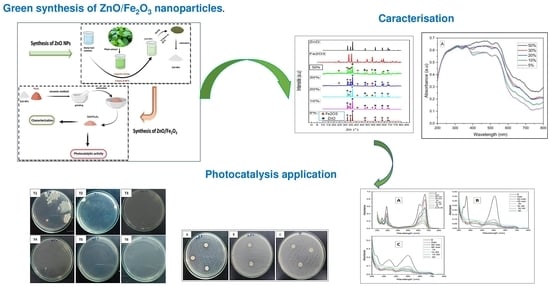
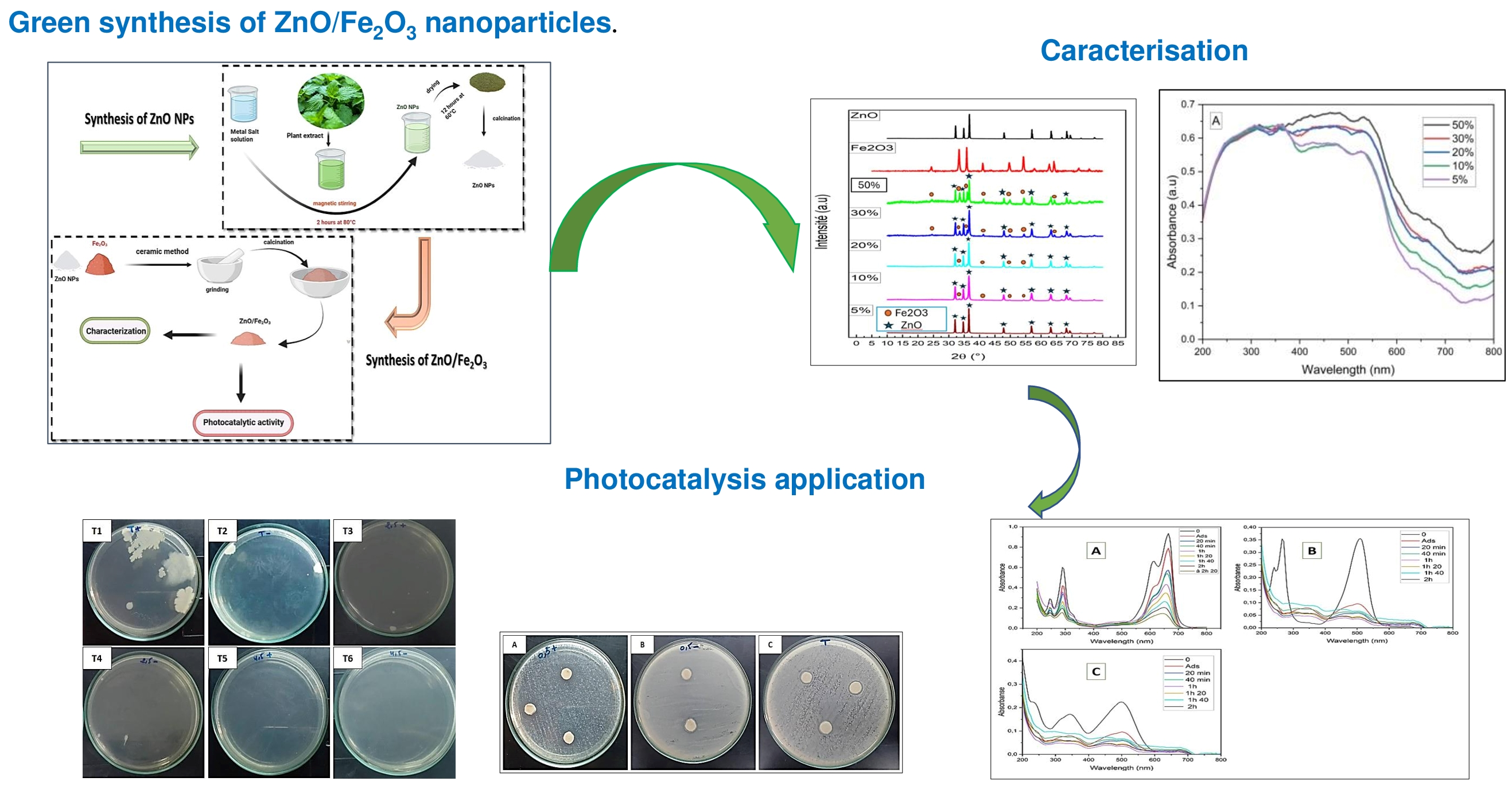
Graphical Abstract

1. Introduction

The growing threat of antimicrobial resistance (AMR) and the environmental burden of industrial pollutants such as synthetic dyes have become pressing global health and ecological concerns [1,2]. According to the World Health Organization, multidrug-resistant bacterial strains are among the top ten public health threats facing humanity today [3,4]. Simultaneously, untreated industrial effluents, especially from textile and dye manufacturing industries, continue to release toxic compounds into natural water systems, posing risks to both aquatic life and human health [5]. These dual challenges have stimulated significant interest in the development of multifunctional materials that can serve both as antimicrobial agents and as photocatalysts for pollutant degradation [6,7,8,9]. Metal oxide nanoparticles (NPs), particularly those based on zinc oxide (ZnO) and iron oxide (Fe2O3), have emerged as promising candidates due to their unique physicochemical properties, including large surface area-to-volume ratio, high redox potential, tunable bandgap, and intrinsic antibacterial activity [10,11,12,13,14,15,16,17,18]. ZnO, an n-type semiconductor with a wide bandgap (~3.37 eV), exhibits strong ultraviolet absorption, high electron mobility, and photocatalytic activity, making it effective in dye degradation and bacterial inhibition [19]. Iron oxide, on the other hand, especially in its hematite form (α-Fe2O3), is a p-type semiconductor with a narrower bandgap (~2.1 eV) and superior photothermal and redox properties. When combined, these oxides can form p–n heterojunctions that enhance charge separation, reduce electron–hole recombination, and increase photocatalytic and antibacterial performance [20].
In recent years, there has been a paradigm shift toward sustainable synthesis approaches in nanotechnology. Traditional chemical and physical methods often involve toxic precursors, high energy consumption, and hazardous byproducts [21]. In contrast, green synthesis methods leverage biological agents, such as plant extracts, microorganisms, or enzymes, as reducing and stabilizing agents to produce nanomaterials in an eco-friendly manner [22]. Among biological systems, plant-mediated synthesis has attracted special attention due to its simplicity, cost-effectiveness, and scalability. Plants are rich in bioactive compounds such as flavonoids, terpenoids, phenolics, and alkaloids, which not only facilitate metal ion reduction but also stabilize the resulting nanoparticles [23,24,25,26]. The plant Urtica dioica (commonly known as stinging nettle) is a perennial herbaceous plant widely distributed across Europe, North Africa, North America, and Asia [27]. Traditionally used for its anti-inflammatory, antioxidant, and antimicrobial properties, U. dioica is rich in polyphenols, chlorophyll, vitamins, and minerals, making it a strong candidate for green nanomaterial synthesis [28,29,30,31]. Previous studies have demonstrated its effectiveness in the biosynthesis of various metal nanoparticles, including silver and zinc oxide, with promising biological activity [32,33,34,35,36,37]. However, the use of U. dioica extract for the synthesis of hybrid ZnO/Fe2O3 nanocomposites remains underexplored.
Photocatalytic materials that can harness visible or ultraviolet light to degrade organic pollutants, such as synthetic dyes, have become increasingly relevant for wastewater treatment. Dyes such as methylene blue, Congo red, and safranin are recalcitrant to conventional biological degradation due to their complex aromatic structures and high chemical stability [38,39,40,41]. Semiconductor-based photocatalysts generate reactive oxygen species (ROS), such as hydroxyl radicals (•OH) and superoxide anions (O2), which oxidize these dye molecules into non-toxic end products. ZnO/Fe2O3 composites, when synthesized via green methods, not only reduce environmental footprint but also exhibit synergistic photocatalytic effects under light irradiation [42,43]. Moreover, the antimicrobial properties of ZnO and Fe2O3 have been well documented. Their ability to disrupt microbial membranes, generate oxidative stress, and interfere with essential cellular functions makes them effective against a broad spectrum of pathogenic bacteria [44,45,46,47,48,49]. Pseudomonas aeruginosa, a Gram-negative opportunistic pathogen known for its biofilm-forming capacity and intrinsic antibiotic resistance, is often employed as a model organism in antibacterial assays. It is a frequent cause of nosocomial infections, including ventilator-associated pneumonia, urinary tract infections, and wound infections [50,51]. The increasing prevalence of P. aeruginosa strains resistant to multiple antibiotics underscores the need for alternative antimicrobial strategies, such as the use of engineered nanomaterials [52].
Overall, this study focuses on the green synthesis of ZnO/Fe2O3 nanocomposites using Urtica dioica extract and the evaluation of their multifunctional properties. The nanomaterials were synthesized at varying Fe2O3 loadings (5–50%) to assess the impact of composition on their behavior. The materials were thoroughly characterized using reflectance spectroscopy (DRS) and X-ray diffraction (XRD). Their photocatalytic efficacy was evaluated through the degradation of three synthetic dyes (methylene blue, Congo red, and safranin) under UV and visible light. Additionally, antioxidant activity was assessed using the 2,2-diphenyl-1-picrylhydrazy (DPPH•) free radical scavenging assay, and antibacterial activity was tested against Pseudomonas aeruginosa using both direct contact and disk diffusion methods under light and dark conditions.
This work contributes to the growing body of research on eco-friendly nanomaterials by demonstrating a low-cost, green synthesis route for dual-functional ZnO/Fe2O3 nanocomposites. The findings have potential applications in environmental remediation, particularly wastewater treatment, as well as in biomedical fields where antimicrobial surfaces or agents are needed. Furthermore, the use of Urtica dioica as a biogenic source adds value to a widely available and underutilized medicinal plant.

2. Results and Discussion

2.1. Characterization

2.1.1. XRD Analysis

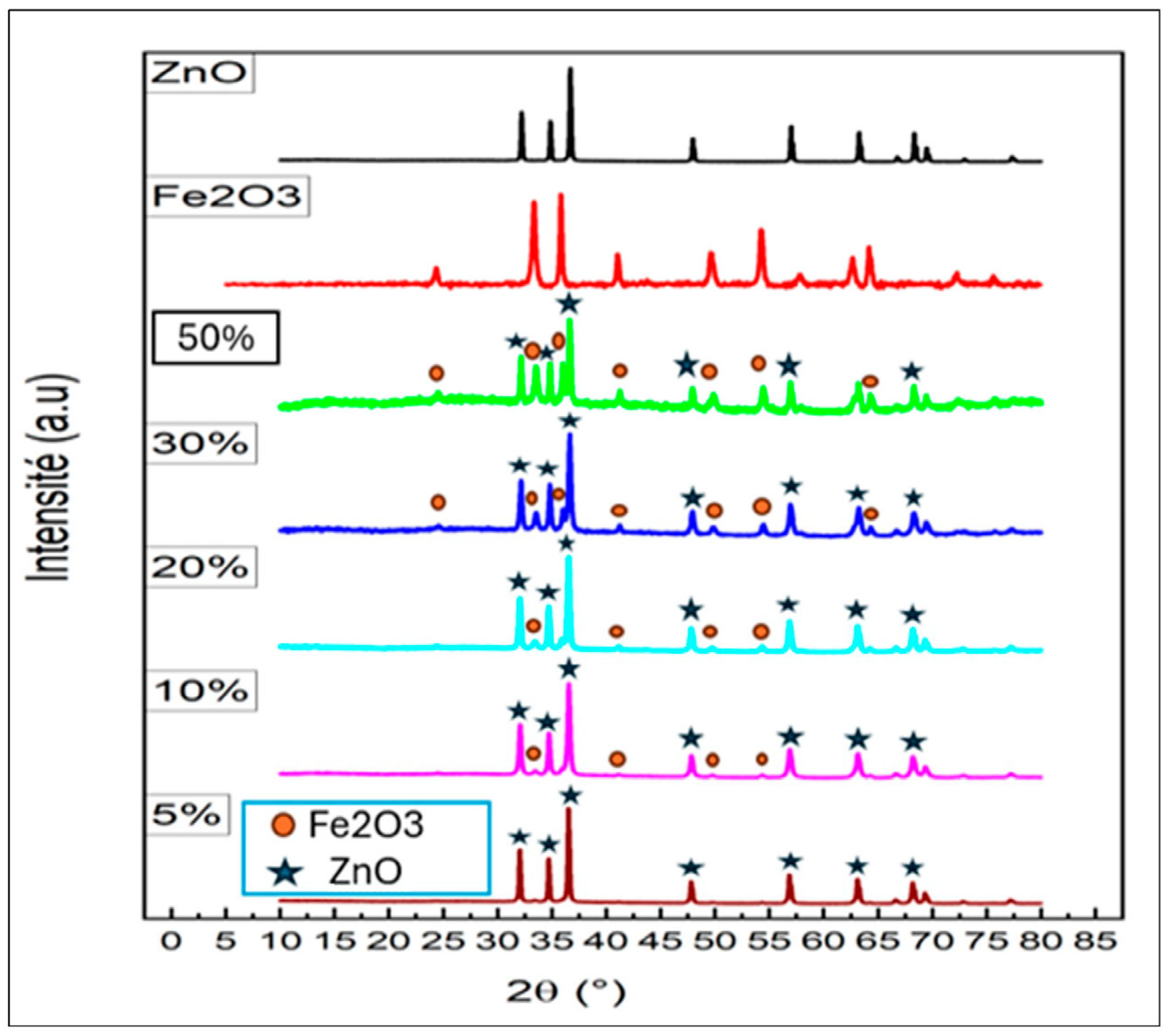
The graph in Figure 1 illustrates X-ray diffractograms (XRD) of ZnO/Fe2O3 composite materials with different proportions of Fe2O3: 5%, 10%, 20%, 30%, and 50%. A series of characteristic peaks are located between 20° and 80° (2θ), indicating the samples’ good crystallinity. The predominant peaks observed in all samples, even at low concentrations of Fe2O3, correspond to the crystal planes typical of ZnO with a hexagonal wurtzite structure, particularly around 31.7°, 34.4°, and 36.2°. From 10% onwards, and more markedly at 20%, 30% and 50%, new peaks appear that are compatible with the α-Fe2O3 (hematite) phase. This confirms the successful incorporation of Fe2O3 into the structure. As expected, the intensity of the Fe2O3 peaks increases progressively with concentration. This trend indicates that the material becomes increasingly Fe2O3-rich while the ZnO peaks remain present, suggesting that the two phases coexist without a significant mixed phase forming. These observations reveal the formation of a well-defined heterogeneous composite [53,54].

2.1.2. UV-DRS Analysis

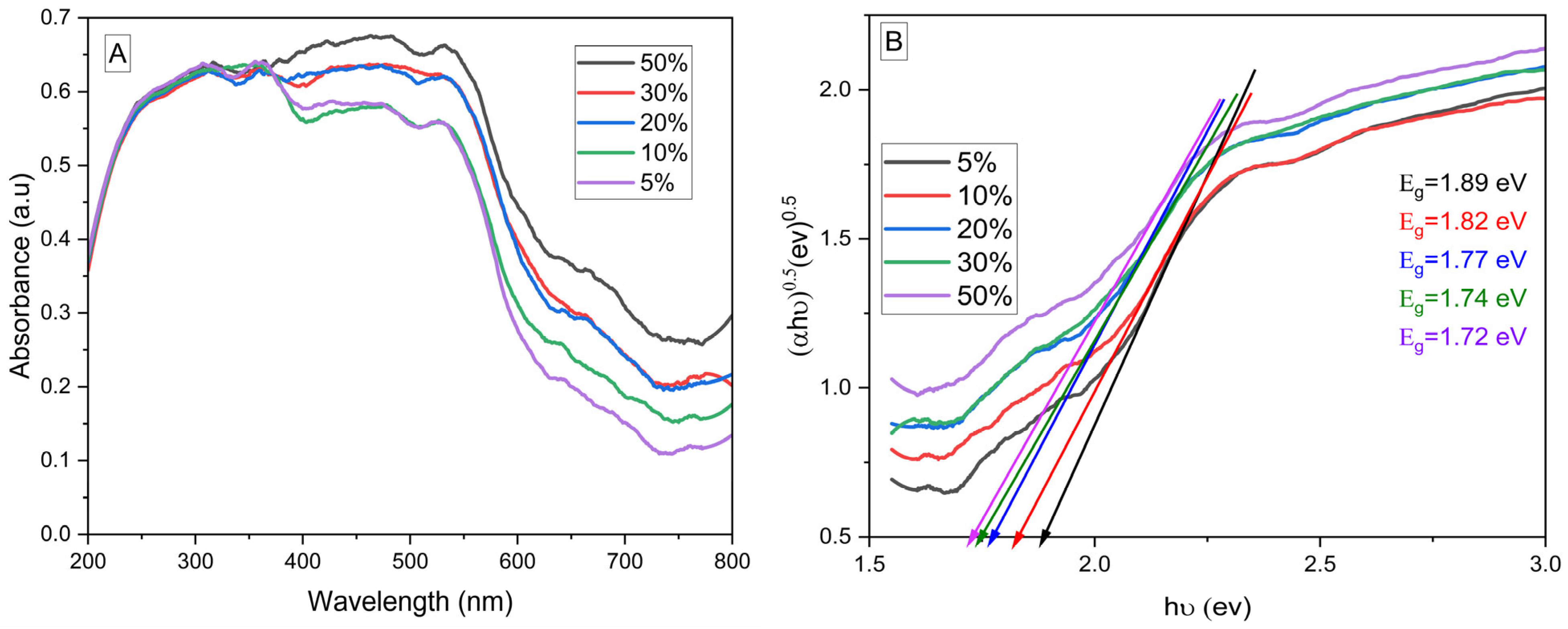
The optical properties of a material are crucial when examining its photocatalytic activity. According to UV spectroscopy theory, valence electrons in atoms are stimulated to a higher energy level by absorbing radiation energy. Optical absorption produces a spectrum that can be analyzed to determine the material’s energy bandgap. This technique has been verified to provide an accurate bandgap value dependent on orbital delocalization. Figure 2A shows the UV–visible diffuse absorption spectra of ZnO/Fe2O3 nanocomposites with varying Fe2O3 content (5–50%). All samples show absorption in both the UV and visible regions, with the absorbance increasing progressively as the Fe2O3 percentage increases. This increased absorption of visible light is attributed to the contribution of Fe2O3, which has a narrower bandgap than ZnO. From 400 nm onwards, the absorbance value remains relatively constant until around 550–600 nm and then decreases sharply in the visible region (600–800 nm), which indicates the end of absorption and the beginning of optical transparency. This decrease is directly related to the optical gap energy (Eg), which can be determined more precisely using the Tauc method. Analysis of the absorbance intensities reveals a progressive increase with increasing Fe2O3 percentage in the ZnO/Fe2O3 composite. The sample containing 5% shows the lowest absorbance, reflecting a reduced density of absorbing centers or limited crystallinity. Samples at 20% and 30% show intermediate absorbance, suggesting a gradual improvement in optical structure. At 50%, the absorbance peaks across the entire spectrum, indicating optimized light absorption. This enhancement can be attributed to multiple factors: (i) an increased density of electronic states, facilitating more efficient excitation; (ii) a synergistic interaction between ZnO and Fe2O3, promoting the formation of an effective heterojunction for improved charge separation; and (iii) enhanced crystallinity and a higher specific surface area, which optimize light-matter interaction. Such behavior is characteristic of doped or hybrid nanocomposites, where the controlled incorporation of a secondary oxide can progressively improve optical properties up to an optimal threshold. Beyond this threshold, however, performance may decline due to light saturation or scattering effects [55,56].
Tauc’s equation was used to calculate the energy band gap of the ZnO/Fe2O3 nanoparticles from the maximum absorption band:
A (h − Eg) = (Ah)n
where A, n, Eg, and h stand for the absorption coefficient, intrinsic constant, catalyst band gap, power factor, and photon energy, respectively. After plotting (ah)0.5 against h, Figure 2B illustrates how this was extrapolated to the x-axis.
Bandgap energies were determined using Tauc plots (Figure 2B) derived from Kubelka–Munk reflectance data transformation. Given the dominance of the narrower-gap Fe2O3 component in the absorption edge of the composites, and in line with the precedent set in the literature for analogous ZnO/Fe2O3 heterostructures [56,57], we assumed an indirect transition model (n = 2 in the Tauc equation) for determining the bandgap. The calculated apparent bandgap values decrease from 1.89 eV for the 5% Fe2O3 composite to 1.72 eV for the 50% Fe2O3 composite. First, the formation of ZnO/Fe2O3 heterojunctions enhances charge carrier transfer efficiency, modifying the electronic density of states and narrowing the energy gap between the valence and conduction bands. Second, higher crystallinity at elevated Fe2O3 concentrations diminishes the quantum confinement effect, further reducing the bandgap. Third, structural defects and oxygen vacancies introduced during synthesis create intermediate energy states within the bandgap, facilitating electronic transitions. Finally, the synergistic interaction between ZnO and Fe2O3 improves the material’s electronic structure, enhancing visible-light absorption. This systematic reduction in Eg with increasing Fe2O3 concentration demonstrates optimized optoelectronic properties, making the composite highly suitable for visible-light-driven photocatalysis [57,58].

2.2. Photocatalytic Activity

2.2.1. Photocatalytic Degradation of Methylene Blue, Congo Red, and Safranin

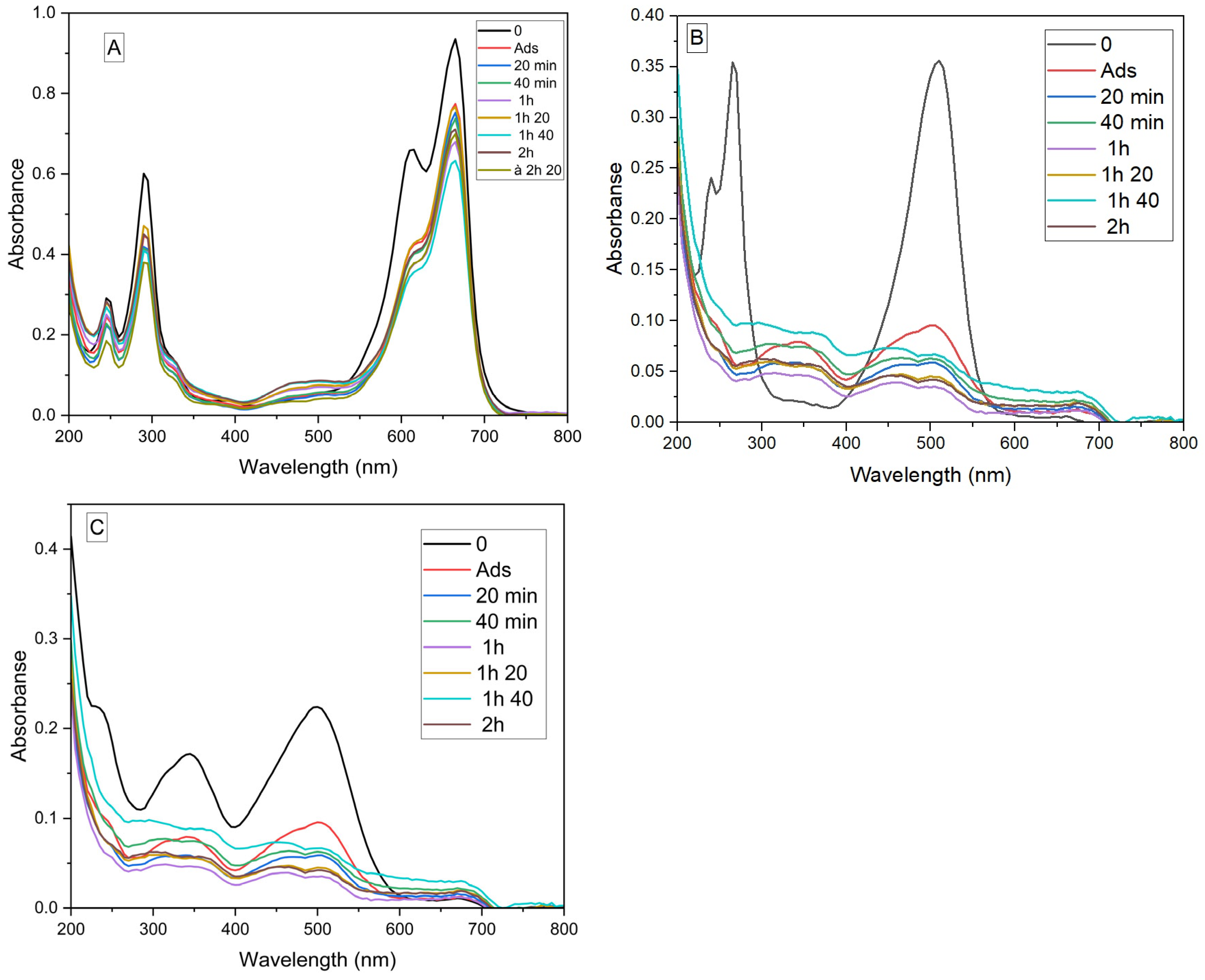
The photocatalytic activity of ZnO/Fe2O3 nanocomposites was evaluated by measuring the degradation of methylene blue (MB), Congo red (CR), and safranin O (SO) in the presence of visible light (see Figure 3 and Figure 4). All composites demonstrated the ability to decolorize the dye solutions within 140 min, with the extent of decolorization depending on the type of dye and the Fe2O3 content. The 5% Fe2O3 composite exhibited the highest decolorization efficiency for all three dyes.
Quantitative analysis shows 85% MB degradation within 2 h, confirming the ZnO/Fe2O3 effectiveness as visible light photocatalysts. This degradation efficiency suggests strong visible light harvesting capability and effective charge separation in the iron oxide NPs system.

2.2.2. Effect of Fe2O3 Proportions on the Photodegradation of MB and SO

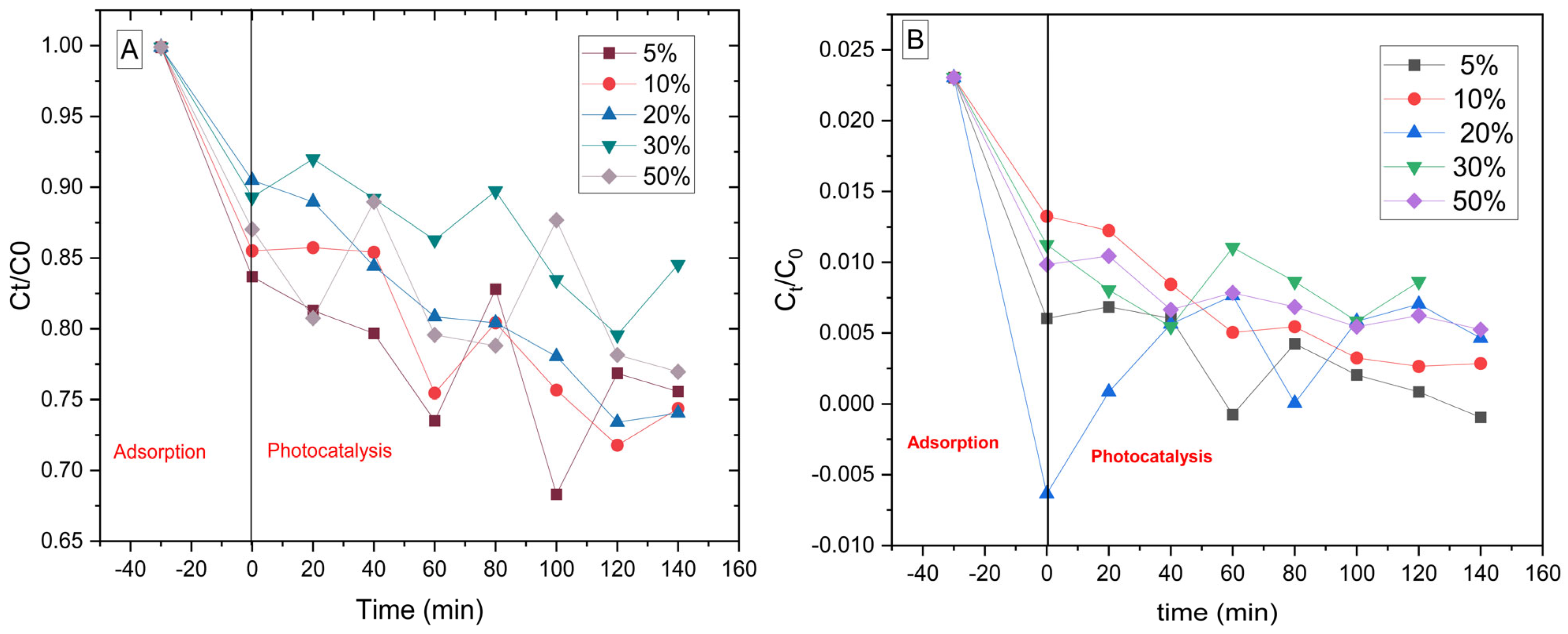
The photocatalytic efficiency of ZnO/Fe2O3 nanocomposites was evaluated through the degradation of methylene blue (MB) under visible light irradiation, testing five mass ratios of Fe2O3 (5%, 10%, 20%, 30%, and 50%). Figure 4A shows that the nanocomposites containing 5% Fe2O3 exhibit the best photocatalytic performance. This ratio appears to ensure a good balance between ZnO and Fe2O3, which suggests the formation of an effective heterojunction that facilitates the separation of photogenerated charges while limiting their recombination [56]. Conversely, a higher Fe2O3 content (30% and 50%) leads to a decrease in photocatalytic activity, likely due to excessive coverage of ZnO’s active sites or reduced light penetration, which hinders material activation. These findings align with literature data, particularly the work of [56], which highlights that well-proportioned ZnO/Fe2O3 composites exhibit enhanced visible light absorption and efficient charge separation, leading to improved photocatalytic activity.
A study of safranine O degradation under visible light in the presence of ZnO/Fe2O3 nanoparticles revealed notable variations in photocatalytic activity depending on the Fe2O3 content. In Figure 4B, we can observe that following a 30 min adsorption phase in the dark, the most efficient formulations were found to contain 5% or 10% Fe2O3, exhibiting a smooth and stable degradation curve. This performance appears to result from an optimal balance between visible light absorption and catalytic site activation, which promotes charge separation while limiting recombination. In contrast, composites with a high Fe2O3 content (30% and 50%) exhibited unstable degradation and sometimes showed an increase in the C/C0 ratio. This behavior could be attributed to undesirable effects such as optical shielding, re-adsorption of reactive intermediates, or excessive coverage of active sites. These findings emphasize the importance of controlled Fe2O3 loading to ensure efficient photocatalysis. An intermediate content of 5% or 10% appears to be an ideal compromise, enabling a good optical response, system stability, and effective safranin degradation under visible light irradiation [59].
For MB degradation, the rate constants progressively increase from 5% to 20% Fe2O3 content, with values of 1.40 × 10⁻³, 1.65 × 10⁻³, and 1.73 × 10⁻³ min−1 respectively (Table 1). This increase suggests that, up to a Fe2O3 loading of 20%, the formation of a heterojunction between ZnO and Fe2O3 improves charge separation without significantly compromising the active sites of ZnO. However, at 30% and 50% Fe2O3 content, the rate constants drop markedly to 9.85 × 10⁻⁴ and 1.10 × 10⁻³ min−1 respectively—values even lower than that of the 5% composite.
For SO degradation, the highest rate constant is observed at 5% Fe2O3 with value of 1.757 × 10⁻² min−1 (Table 1), which is over ten times higher than the corresponding MB rate constant for the same material. This suggests that the 5% composite is highly effective for SO degradation under visible light. The 10% composite also performs well (1.318 × 10⁻² min−1), but increasing the Fe2O3 content to 20% dramatically decreases the rate constant to 5.36 × 10⁻³ min−1. Interestingly, the 30% and 50% composites exhibit slightly higher rate constants (5.53 × 10⁻³ and 7.07 × 10⁻³ min−1, respectively) than the 20% formulation, albeit still significantly lower than the 5–10% range. This nonlinear trend suggests that, while high Fe2O3 loading generally reduces efficiency, other factors, such as dye-specific interactions or changes in surface properties, may influence the degradation kinetics differently for each pollutant.

2.3. Biological Assays

2.3.1. Antioxidant Activity

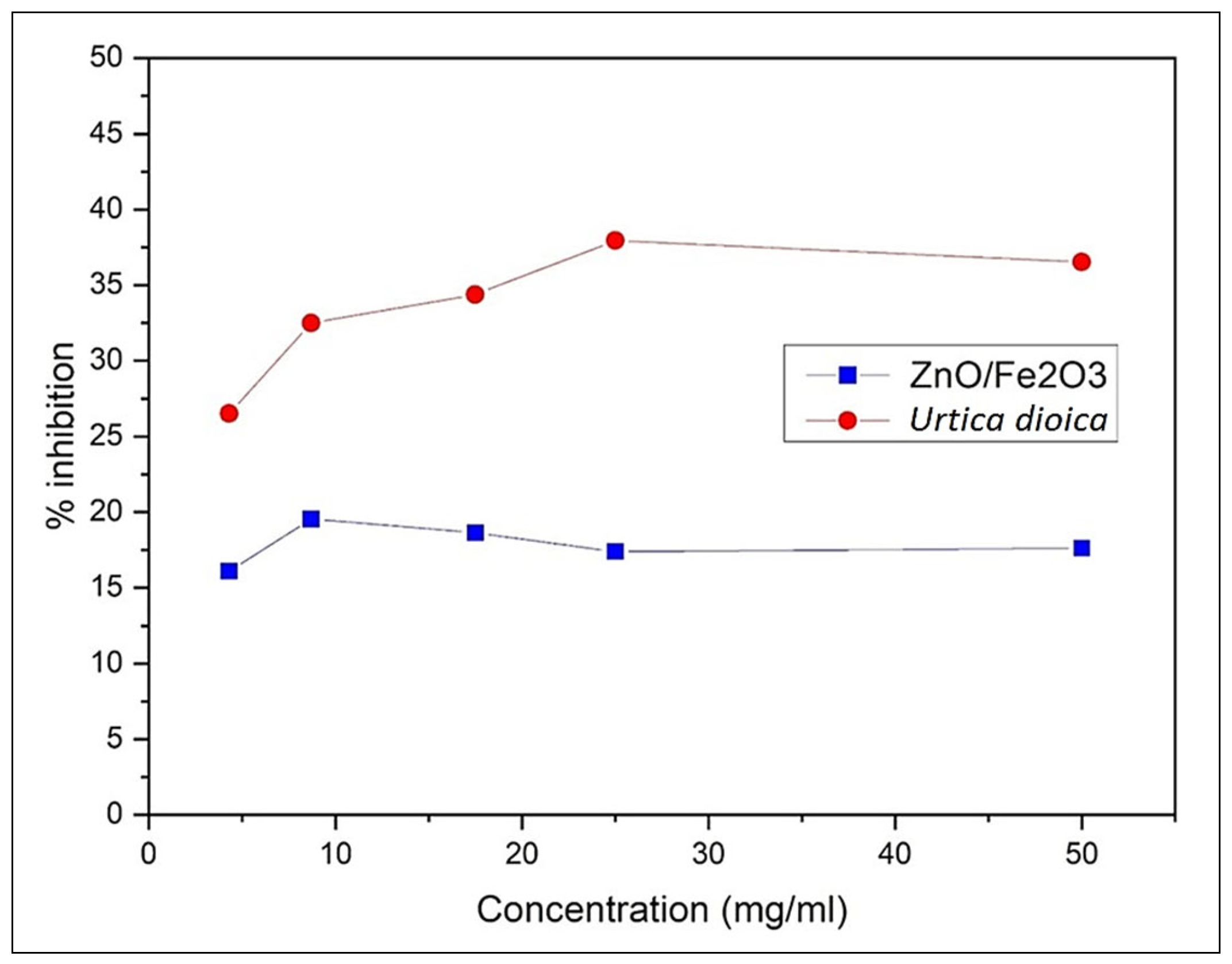
The antioxidant activity of biosynthesized nanoparticles was evaluated using the DPPH• assay (Figure 5). This method measures the ability of antioxidant compounds to scavenge the stable free radical DPPH•, resulting in a decrease in absorbance at 517 nm. The initial absorbance of the DPPH control was 0.788.
The free radical scavenging potential of ZnO/Fe2O3 was evaluated using the DPPH assay. The nanocomposite exhibited a moderate, concentration-dependent capacity to reduce the stable DPPH radical, achieving a maximum absorption rate of 18% at a concentration of 8 mg/mL (Figure 5). It should be mentioned that because the scavenging activity did not surpass 50% inhibition within the measured concentration range, an IC50 value could not be achieved experimentally. Instead of an extrapolated IC50 value, percentage inhibition was seen. The mechanistic background of semiconductor nanoparticles is an important aspect of our results. Although the DPPH assay is a standard tool for screening antioxidant capacity, it works via a simple electron/hydrogen atom transfer mechanism in a dark, chemical environment. For materials such as metal oxides, the generation of reactive oxygen species (ROS) is usually a photochemical process. The scavenging observed here in the dark indicates that photocatalytic ROS activity is unlikely to be connected to the process.

2.3.2. Antibacterial Activity

The antibacterial performance of the biosynthesized ZnO/Fe2O3 nanocomposites was assessed against Pseudomonas aeruginosa ATCC 9027 using both direct confrontation and disk diffusion methods under light and dark conditions.
  • Direct confrontation assay (UFC count)
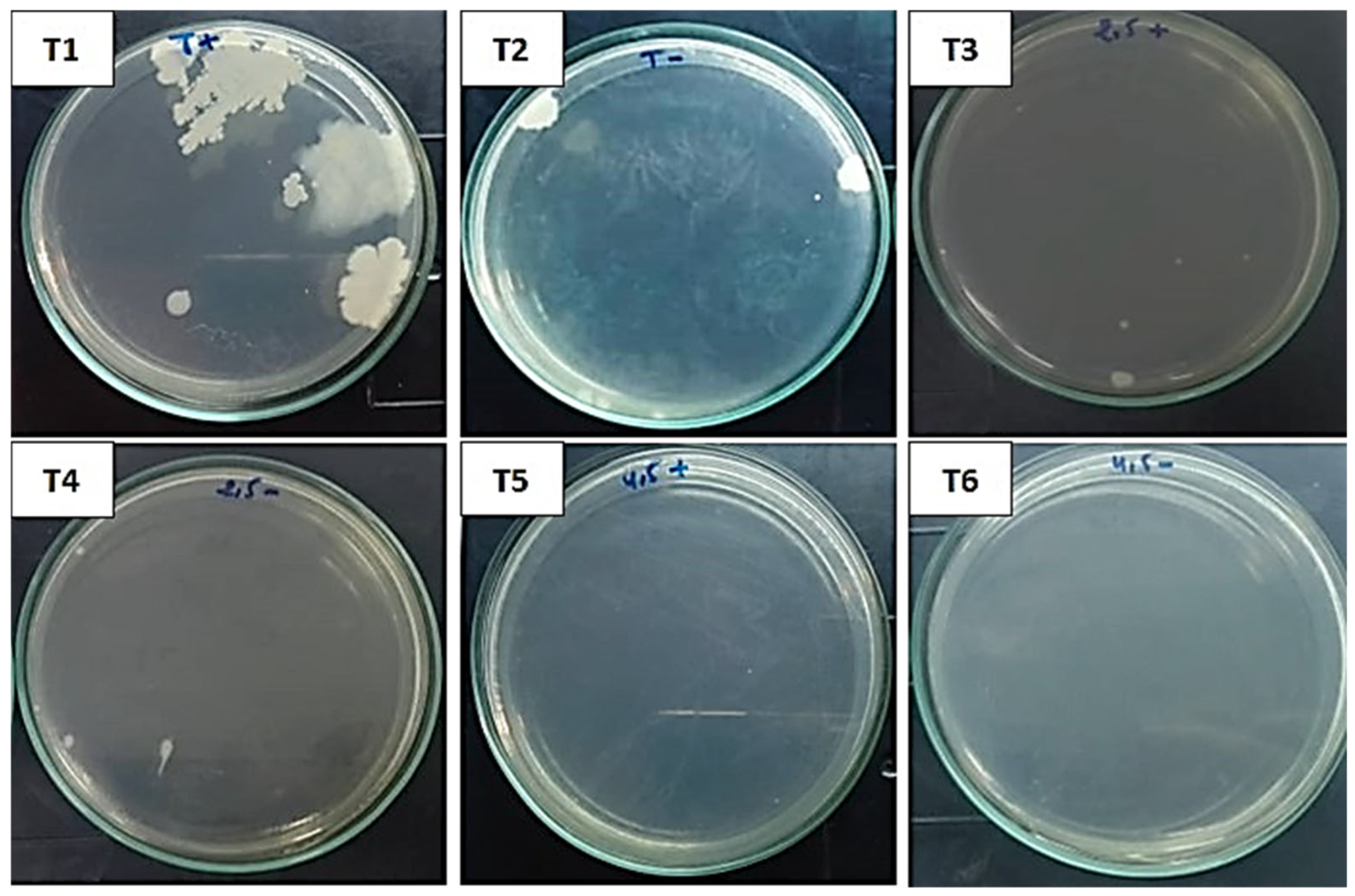
In the direct contact method, ZnO/Fe2O3 nanocomposites exhibited dose- and light-dependent antibacterial effects against Pseudomonas aeruginosa ATCC 9027. The highest tested concentration (4.5 mg/mL) significantly reduced bacterial viability compared to 2.5 mg/mL, as determined by CFU counts on nutrient agar plates. Samples incubated under visible light showed a greater reduction in CFUs than those maintained in the dark. Control treatments with sterile saline exhibited no inhibitory effect, confirming the activity was nanoparticle-dependent (Table 2, Figure 6).
  • Disk diffusion method
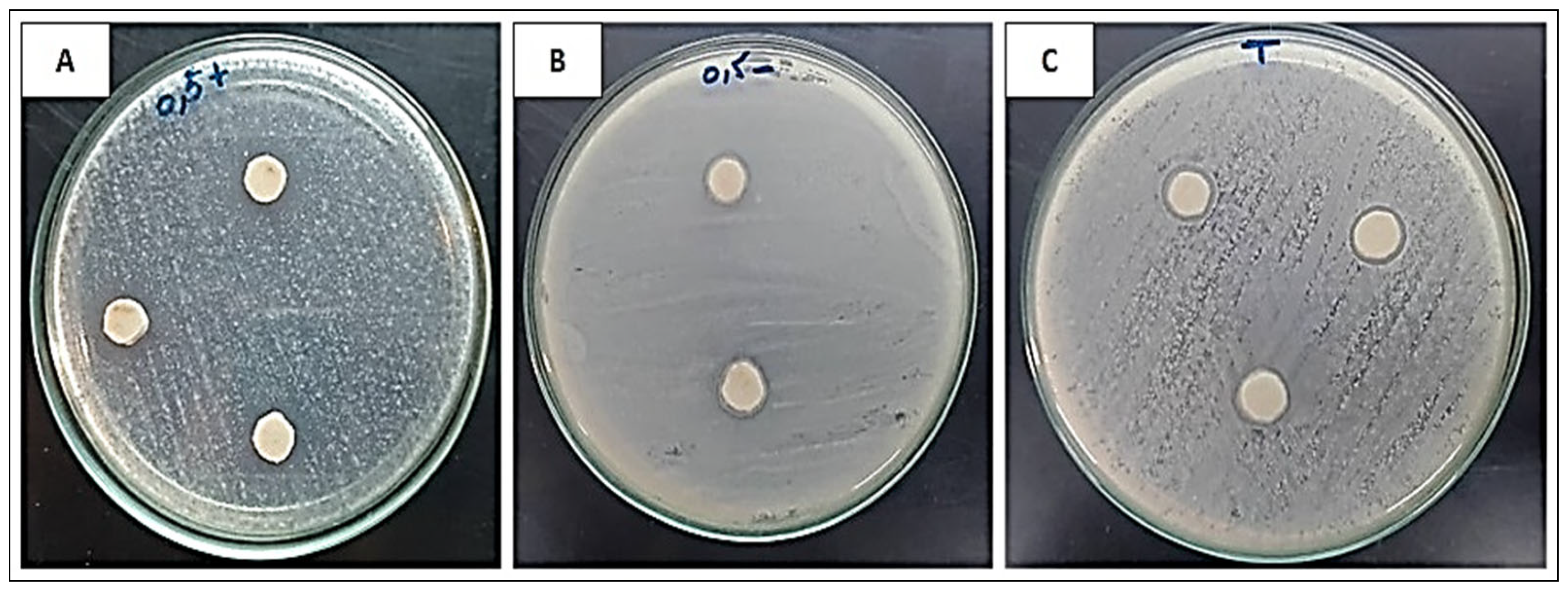
The disk diffusion assay also demonstrated remarkable antibacterial activity of the tested material. Nanoparticle-impregnated disks produced measurable inhibition zones, whereas control disks showed no activity. Zone diameters were consistently larger in plates incubated under visible light (10 mm vs. only 1 mm in the absence of light), highlighting the light-enhanced antimicrobial effect (Table 3, Figure 7).
The results obtained from both direct confrontation and disk diffusion assays clearly indicate a potent antibacterial effect of the green-synthesized ZnO/Fe2O3 nanocomposites against Pseudomonas aeruginosa, especially under light exposure. The light-activated samples exhibited significantly larger inhibition zones and more pronounced reductions in CFU counts compared to dark-incubated treatments, revealing a strong photocatalytic contribution to the antimicrobial activity.
This phenomenon is consistent with previously reported studies. ZnO and Fe2O3, both semiconducting oxides, are known to generate reactive oxygen species (ROS) such as hydroxyl radicals and superoxide ions under visible light irradiation, which disrupt bacterial membranes, DNA, and proteins. For instance, Al-Mushki et al. [60] demonstrated enhanced photocatalytic and antibacterial activity in ternary metal oxide nanocomposites containing Fe2O3, specifically against Gram-negative bacteria including P. aeruginosa.
Our results are also in strong agreement with the findings of Ali et al. [61], who investigated the effect of biosynthesized ZnO nanoparticles on multidrug-resistant Pseudomonas aeruginosa strains. Their work demonstrated that even at sub-MIC levels (below their Minimum Inhibitory Concentration), biosynthesized ZnO NPs significantly inhibited quorum-sensing-mediated virulence factors, including pyocyanin, protease, and hemolysin. Moreover, transmission electron microscopy confirmed nanoparticle internalization into bacterial cells, supporting a mechanism involving intracellular ROS generation and membrane disruption, and reinforcing our observation about concentration- and light-dependent antibacterial effect of the green-synthesized ZnO/Fe2O3 nanocomposite. These results are also along the same lines as those produced by Lee et al. [62] and Alhosani et al. [63].
Our findings are further supported by previous research highlighting the synergistic antimicrobial effect of ZnO-based nanocomposites. In a study by Zhang et al. [64], a one-step sonochemical synthesis of reduced graphene oxide–ZnO (rGO–ZnO) nanocomposites demonstrated pronounced antibacterial and antibiofouling properties against a wide range of bacteria. The mechanism was attributed to enhanced ROS generation, membrane disruption, and interference with microbial adhesion processes. While our composite excludes carbonaceous materials, the incorporation of Fe2O3 may offer comparable or improved charge separation dynamics, reduce recombination rates, and facilitate oxidative damage. This underscores the potential of heterojunction nanomaterials in designing multifunctional agents for antimicrobial and environmental applications [65]. In our disk diffusion antibacterial assay, 4.5 mg/mL ZnO/Fe2O3 under both light and dark conditions resulted in complete inhibition of bacterial colonies, confirming the efficacy of higher nanoparticle concentrations. ZnO/Fe2O3 effectiveness in darkness points to intrinsic cytotoxic mechanisms, likely involving direct interaction with bacterial membranes and ion leaching [66]. In disk diffusion assays, inhibition halos increased from ~1 mm in the dark to ~10 mm under light, demonstrating enhanced surface interaction and diffusion-based antibacterial activity in photostimulated environments. This aligns with [67], who reported superior antimicrobial zones with Zn-doped iron oxide nanostructures under illumination.
Our findings align with recent developments in zinc-doped iron oxide systems that exhibit enhanced photocatalytic and antimicrobial behavior. Notably, a study on Zn-doped α-Fe2O3 nanostructures synthesized via anodization reported significant antimicrobial efficacy against Pseudomonas aeruginosa, Bacillus subtilis, and E. coli, along with effective degradation of methylene blue dye under visible light exposure. The shift from n-type to p-type conductivity, confirmed by XPS and optical analyses, was linked to improved charge carrier mobility and Fermi-level tuning, thereby enhancing the generation of reactive oxygen species (ROS) critical for both dye degradation and microbial inhibition. This mechanistic insight corroborates our observation of light- and dose-dependent antibacterial performance of ZnO/Fe2O3 nanocomposites, reinforcing the role of controlled doping and heterojunction formation in optimizing functional properties of metal oxide nanomaterials for environmental and biomedical applications [68].
These findings underscore the potential of ZnO/Fe2O3 nanocomposites as powerful antimicrobial agents, particularly when synthesized through green routes that preserve biocompatibility and reduce cytotoxicity. As highlighted by [69], metal and metal oxide nanoparticles, including ZnO and Fe-based systems, exert their bactericidal effects via mechanisms such as reactive oxygen species (ROS) generation, membrane disruption, and interference with intracellular metabolic pathways. Crucially, the synergistic effect observed in our ZnO/Fe2O3 composites may stem from heterojunction-induced charge separation, enhancing ROS production under light exposure. Moreover, the use of a plant-mediated synthesis route aligns with emerging trends favoring eco-safe and sustainable nanotechnology, a direction strongly emphasized in Wang et al.’s review. This dual emphasis on efficacy and biosafety positions green-synthesized metal oxide nanomaterials as next-generation solutions in the fight against chemical pollution and multidrug-resistant pathogens, supporting their translational potential in clinical and environmental applications.

3. Materials and Methods

3.1. Biological Material

Aerial parts (leaves and stems) of Urtica dioica were collected from the Bouira province, Algeria: Imerkalan (Taghzout) [36.4174522° N, 3.9497462° E, 595 m] and Tagzirt (Lakhdaria) [36.524927° N, 3.535275° E, 610 m]. The plant specimens were authenticated and used for ethanol-based extraction. The bacterial strain Pseudomonas aeruginosa ATCC 9027 was employed as a model Gram-negative pathogen for antibacterial assays and was cultured under standard microbiological conditions. Pseudomonas aeruginosa (ATCC 9027) is frequently implicated in nosocomial infections. Due to its inherent resistance to a broad range of antibiotics, it is widely employed as a reference strain in antimicrobial efficacy assessments [50].

3.2. Chemicals

Zinc nitrate hexahydrate (Zn(NO3)2·6H2O) and ferric chloride (FeCl3) were purchased from Sigma-Aldrich® (St. Louis, MO, USA). Ethanol (96%) was supplied by Specilab® (Tlemcen, Algeria). All reagents were of analytical grade and used without further purification. Methylene blue (C16H18ClN3S), Congo red (C32H22N6Na2O6S2), and safranin (C20H19ClN4) dyes, all of analytical grade, were obtained from Sigma-Aldrich® and used without further purification to evaluate the photocatalytic activity of the synthesized nonmaterial.

3.3. Plant-Extract Preparation

Fresh leaves and stems of Urtica dioica were washed thoroughly with tap water to remove surface impurities and air-dried. The cleaned plant material was then cut into small fragments and oven-dried at 60 ± 1 °C for 24 h. The dried material was ground into fine powder using a mortar and pestle, then sieved (2 mm) to ensure uniform particle size.
For extraction, 10 g of the powdered plant material was mixed with 100 mL of 96% ethanol in a conical flask. The mixture was subjected to ultrasound-assisted extraction in a bath sonicator (XJ-700HA Ultrasonic, Fangxu Technology (Shanghai) Co., Ltd., Shanghai, China) operating at 40 kHz and 50 °C for 30 min to enhance the release of bioactive compounds. The resulting mixture was centrifuged at 10,509 RCF for 10 min to separate the solid residues. The crude plant extract-containing supernatant was collected and stored in amber-colored glass bottles at 4 °C until further use.

3.4. Green Synthesis of ZnO/Fe2O3 Nanocomposites

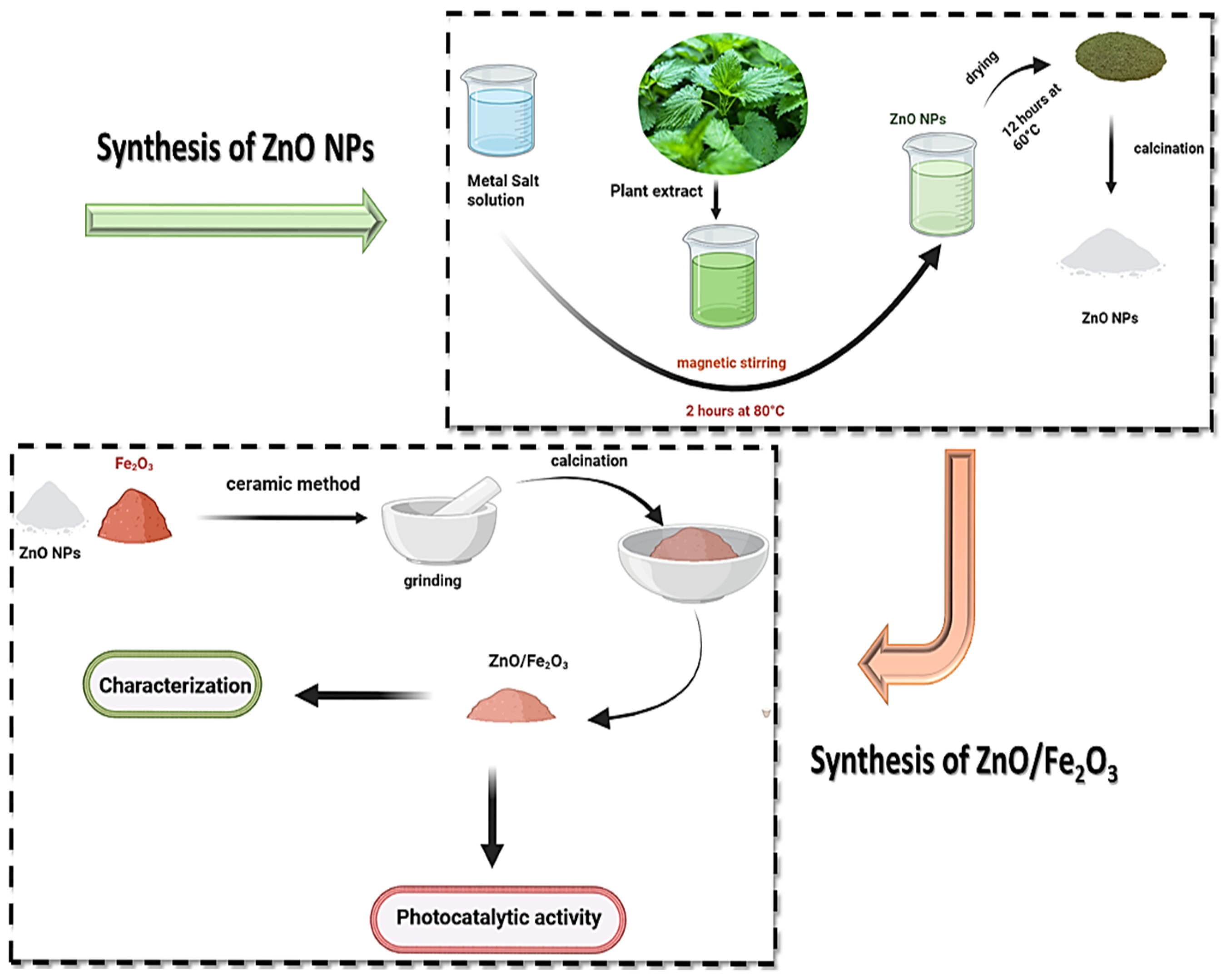
The green synthesis of ZnO/Fe2O3 nanocomposites was performed using the ethanolic extract of Urtica dioica as a natural reducing and stabilizing agent. Zinc nitrate hexahydrate (Zn(NO3)2·6H2O) and ferric chloride (FeCl3) were each dissolved separately in deionized water to achieve a molar concentration of 0.1 M. To initiate nanoparticle formation, 50 mL of each metal precursor solution was mixed with 50 mL of the plant extract under constant magnetic stirring and heated at 80 °C for 2 h.
The resultant reaction mixtures underwent visible color changes, indicating metal ion reduction and nanoparticle formation. The precipitated materials were collected and dried in an oven at 60 °C for 12 h, followed by calcination at 500 °C for 3 h in a muffle furnace to yield metal oxide nanoparticles.
To fabricate ZnO/Fe2O3 composites, pure ZnO and Fe2O3 powders, biosynthesized separately using the same green method, were mixed in defined mass ratios (5%, 10%, 20%, 30%, and 50% Fe2O3 relative to ZnO). The powders were manually ground for 30 min using a mortar and pestle, then calcined at 450 °C for 2 h to promote solid-state integration and crystallinity of the composite material (Scheme 1).

3.5. Characterization of ZnO/Fe2O3 Nanocomposites

3.5.1. X-Ray Diffraction (XRD)

X-ray diffraction (XRD) analysis was carried out to investigate the crystalline structure and phase composition of ZnO nanoparticles doped with various mass ratios of Fe2O3 (5%, 10%, 20%, 30%, and 50%). The analysis was performed using a PANalytical X’Pert PRO diffractometer (PANalytical B.V., Almelo, The Netherlands) equipped with a Cu Kα radiation source (λ = 1.5406 Å). The instrument operated under a voltage of 40 kV and a current of 30 mA, with data collected in continuous scan mode over a 2θ range of 10° to 80°, using a step size of 0.02°. Prior to measurement, the synthesized nanopowders were oven-dried, finely ground, and uniformly deposited onto a flat sample holder. The diffraction patterns were later analyzed to confirm the presence of ZnO and Fe2O3 phases and to evaluate structural variations associated with the Fe2O3 doping level.

3.5.2. Diffuse Reflectance Spectroscopy (DRS)

Diffuse reflectance spectroscopy (DRS) was employed to assess the optical properties of the synthesized ZnO/Fe2O3 nanocomposites. This non-destructive technique is particularly well suited for the analysis of powdered and opaque materials, including semiconductor-based nanomaterials. The DRS measurements were performed using a Shimadzu UV-1800 UV (Kyoto, Japan)–visible spectrophotometer within a wavelength range of 200 to 800 nm. The reflectance spectra were processed using the Kubelka–Munk transformation to evaluate light absorption behavior and estimate the optical bandgap energy of each composite. Tauc plots were generated assuming indirect transitions to determine the energy bandgap (Eg). This analysis provided insights into the relationship between Fe2O3 content and the optical absorption characteristics of the nanomaterials.

3.6. Photocatalytic Activity of ZnO/Fe2O3 Nanocomposites

3.6.1. Preparation of Dye Solutions

Photocatalytic degradation assays were performed using three synthetic dyes: methylene blue (MB), Congo red (CR), and safranin O (SO). For each dye, a stock solution was prepared at a concentration of 5 mg/L. This was achieved by dissolving an accurately weighed mass of dye powder in a defined volume of distilled water (0.5 mg for 100 mL or 1.25 mg for 250 mL, depending on the test), followed by dilution to the required volume in a volumetric flask. The solutions were gently agitated until complete dissolution was achieved.

3.6.2. General Photocatalysis Protocol

Photocatalytic degradation tests were carried out by adding 0.1 g of ZnO/Fe2O3 nanocomposite powder to 200 mL of dye solution. Prior to irradiation, the mixture was stirred on a magnetic stirrer in the dark for 30 min to establish adsorption–desorption equilibrium between the dye molecules and the nanoparticle surface. The suspensions were then irradiated either under UV (three xenon lamps BEETRO® (Rawalpindi, Pakistan): 75 W, 400 nm) and visible light irradiation (Philips® LED spotlights (Amsterdam, The Netherlands): 50 W, 400 nm). Samples were withdrawn at regular intervals (every 20 min) over a total period of 2 h and 20 min, followed by centrifugation to remove nanoparticles. The residual dye concentration in the supernatant was monitored using UV–visible spectrophotometry by measuring absorbance at the corresponding maximum wavelength of each dye.

3.7. Photocatalytic Tests

To evaluate the photocatalytic performance of the synthesized nanocomposites, tests were performed using ZnO/Fe2O3 materials at different doping levels (5–50% Fe2O3) in combination with each dye (MB, CR, and SO) under both UV and visible light irradiation. For these trials, 0.1 g of nanoparticles was dispersed in 200 mL of 5 mg/L dye solution, and degradation was monitored as described above. Supernatant samples were collected at 15 min intervals and subsequently centrifuged at 10,509 RCF for 10 min to separate the semiconductor particles from the MB, CR, and SO dye solutions. The dye concentration was then measured using a UV–vis spectrophotometer (PhotoLab 6100, Xylem, Washington, DC, USA) by analyzing the absorbance at its characteristic wavelength (λmax). To investigate the effect of different proportions of Fe2O3 in the Fe2O3/ZnO nanoparticles on the removal of RC and SO, a solution of 10 mg/L of dyes was treated with 0.1 g of Fe2O3/ZnO nanocomposites containing 5, 10, 20, and 30% Fe2O3, followed by a 30 min dark adsorption phase and subsequent visible light exposure. Absorbance readings were taken every 20 min for a total of 140 min.
The photodecolorization kinetics of MB and SO dyes were analyzed using the Langmuir–Hinshelwood model, which, for heterogeneous photocatalytic reactions, is expressed as follows [70]:
r = d C t d t = k K C t 1 + K C t
where Ct is the dye concentration at time t (mg·L−1), k is the photocatalytic rate constant (mg·L−1·min−1), and K is the adsorption equilibrium constant (L·mg−1). At low initial dye concentrations (1 + KC = 1), Equation (4) simplifies to a pseudo-first-order kinetic model:
d C t d t = k 1 C t
C t = C ads × e k 1 t
where k1 is the apparent pseudo-first-order rate constant (min−1). Integration of Equation (4) yields the following:
ln(Cads/Ct) = k1t
The rate constant k1 is obtained from the slope of the linear regression of ln(Cads/Ct) versus irradiation time t.

3.8. Biological Assays

3.8.1. Antioxidant Activity via DPPH Assay

Free radicals such as hydroxyl radicals (•OH), superoxide anions (O2), and synthetic stable radicals like DPPH• (2,2-diphenyl-1-picrylhydrazyl) are highly reactive species characterized by the presence of unpaired electrons. These radicals can induce oxidative damage to lipids, proteins, and nucleic acids, contributing to cellular aging and various pathological conditions. Antioxidants mitigate oxidative stress by neutralizing free radicals through three primary mechanisms: (i) hydrogen or proton donation, (ii) electron transfer to stabilize radical species, and (iii) chelation of transition metals involved in radical generation through Fenton-like reactions [71].
The antioxidant activity was evaluated using the DPPH• free radical scavenging assay. A stock DPPH• solution was prepared by dissolving 3.94 mg of DPPH in 100 mL of 96% ethanol, yielding a final concentration of 0.1 mM. Test samples included the crude ethanolic extract of Urtica dioica and biosynthesized ZnO/Fe2O3 nanoparticles (5% Fe2O3 + 95% ZnO). In a 96-well microplate or clean cuvettes, 100 µL of DPPH• solution was mixed with 10 µL of each test sample at varying concentrations (50, 25, 17.5, 8.7, and 4.3 mg/mL of either the pure plant extract or ZnO/Fe2O3 nanocomposite). The mixtures were incubated in the dark at room temperature for 30 min to allow the reaction to proceed. Absorbance was then measured at 517 nm using a UV–VIS spectrophotometer [72,73].
The percentage of radical scavenging activity (RSA) was calculated using the following equation: RSA = [(ADPPH• − Asample)/ADPPH•] × 100.
Where ADPPH is the absorbance of the control solution (without sample) and Asample is the absorbance of the test sample. The IC50 value, corresponding to the concentration required to inhibit 50% of the DPPH radicals, was determined from the inhibition curves.

3.8.2. Antibacterial Activity

The antibacterial activity of the biosynthesized ZnO/Fe2O3 (5% Fe2O3) nanocomposites was evaluated against the Gram-negative bacterium Pseudomonas aeruginosa ATCC 9027 using two standard approaches: the direct confrontation assay and the disk diffusion method, performed under both light and dark conditions [52].
  • Direct confrontation assay (UFC count)
Nanoparticle suspensions were prepared at two concentrations: 2.5 mg/mL and 4.5 mg/mL, by dispersing 250 mg and 450 mg of ZnO/Fe2O3 powder, respectively, in 100 mL of distilled water under magnetic stirring until homogenized. The pH was adjusted to 7.0, and 9 mL of each suspension was transferred into sterile tubes, then autoclaved at 120 °C for 20 min.
Pseudomonas aeruginosa cultures were grown freshly and diluted in sterile physiological saline. The turbidity was adjusted to OD ≈ 0.08 at 600 nm (≈108 CFU/mL), followed by a 10−4 dilution to reach approximately 104 CFU/mL. Then, 500 µL of the diluted bacterial suspension was added to each nanoparticle tube. Tubes were incubated for 1 h, either under visible light exposure or in complete darkness.
Six treatment conditions were tested:
-
T1: Bacteria + sterile saline (light exposure);
-
T2: Bacteria + sterile saline (dark);
-
T3: Bacteria + 2.5 mg/mL nanoparticles (light exposure);
-
T4: Bacteria + 2.5 mg/mL nanoparticles (dark);
-
T5: Bacteria + 4.5 mg/mL nanoparticles (light exposure);
-
T6: Bacteria + 4.5 mg/mL nanoparticles (dark).
Following incubation, 100 µL from each tube was spread on nutrient agar medium (nutrient agar containing 5 g of peptone, 3 g of meat extract, 5 g of NaCl, and 15 g of agar per liter, pH 7.0). The plates were incubated at 25 °C for 24 h, and the number of colony-forming units (CFUs) was counted to assess bacterial viability and determine the antibacterial effectiveness of each treatment.
  • Disk diffusion method
Sterile Whatman No. 1 filter paper disks (0.5 cm diameter, five layers thick) were impregnated with 150 µL of 0.5 mg/mL nanoparticle suspension. Control disks were prepared using 150 µL of sterile physiological saline. Disks were autoclaved prior to use.
A fresh suspension of P. aeruginosa (OD ≈ 0.08) was uniformly spread on nutrient agar plates. Using sterile forceps, three nanoparticle-loaded disks and three control disks were placed on each plate. The plates were exposed to visible light for 30 min, then incubated at 25 °C for 24 h. Antibacterial activity was assessed by measuring (ruler) the diameter of inhibition zones around the disks.

4. Conclusions

This study successfully demonstrates the green synthesis of ZnO/Fe2O3 nanocomposites using an extract from the aerial parts of Urtica dioica. The nanoparticles were synthesized using an additive-free approach that employed the plant extract as a sustainable reducing and stabilizing agent. This provides a simpler, more cost-effective, and environmentally friendly alternative to traditional synthesis routes. X-ray diffraction analysis confirmed the presence of both hexagonal wurtzite ZnO and α-Fe2O3 (hematite) crystalline phases in all composites, with increasing Fe2O3 peak intensities at higher loadings. Diffuse reflectance spectroscopy (DRS) revealed a progressive decrease in bandgap energy, from 1.89 eV to 1.72 eV, as the Fe2O3 content increased, indicating that the optical properties depend on the composition.
The synthesized materials exhibited composition-dependent photocatalytic activity, with the 5% Fe2O3 composite demonstrating optimal performance in the degradation of methylene blue, Congo red, and safranin dyes under visible light irradiation. Assessment of antioxidant activity showed that Urtica dioica extract possesses superior free radical scavenging capacity (38% maximum inhibition) compared to ZnO/Fe2O3 nanocomposites (18% maximum inhibition). The nanocomposites also demonstrated significant antibacterial effects against Pseudomonas aeruginosa, with clear dose- and light-dependent activity, achieving 10 mm inhibition zones under light exposure compared to only 1 mm in darkness, highlighting their potential for biomedical applications. Further studies using methods such as stability, recyclability, leaching, and toxicity tests are needed to confirm the long-term applicability of the synthesized materials in tackling these global challenges.
Using Urtica dioica extract as a biogenic source offers a promising cost-effective approach to nanomaterial synthesis, reducing the environmental impact of conventional chemical methods.

Author Contributions

Conceptualization, A.S., A.R. and L.M.; methodology, A.R. and L.M.; software, G.M. and I.G.; validation, A.A.A., F.A.A.A. and L.M.; formal analysis, I.G. and L.M.; investigation, L.M.; resources, L.M.; data curation, M.I.K.; writing—original draft preparation, A.R.; writing—review and editing, A.A.A., F.F., F.A.A.A., A.R., N.T., J.-C.B. and L.M.; visualization, M.I.K. and L.M. supervision, A.A.A., L.M., J.-C.B. and A.R. All authors have read and agreed to the published version of the manuscript.

Funding

This work was supported and funded by the Deanship of Scientific Research at Imam Mohammad Ibn Saud Islamic University (IMSIU) (grant number IMSIU-DDRSP2602).

Data Availability Statement

The original contributions presented in this study are included in the article. Further inquiries can be directed to the corresponding authors.

Conflicts of Interest

The authors declare no conflicts of interest.

Abbreviations

The following abbreviations were used in this manuscript:
ATCCAmerican Type Culture Collection
CFUColony-Forming Unit
CRCongo Red
DPPH2,2-diphenyl-1-picrylhydrazyl
DRSDiffuse Reflectance Spectroscopy
EgBand Gap Energy
Fe2O3Iron (III) Oxide/Hematite
Photon Energy
IC50Half Maximal Inhibitory Concentration
MBMethylene Blue
NPsNanoparticles
ODOptical Density
ROSReactive Oxygen Species
RSARadical Scavenging Activity
SSafranin
UVUltraviolet
XRDX-ray Diffraction
ZnOZinc Oxide

References

  1. Baars, E.W.; Weiermayer, P.; Szőke, H.P.; van der Werf, E.T. The introduction of the global traditional, complementary, and integrative healthcare (TCIH) research agenda on antimicrobial resistance and its added value to the WHO and the WHO/FAO/UNEP/WOAH 2023 research agendas on antimicrobial resistance. Antibiotics 2025, 14, 102. [Google Scholar] [CrossRef] [PubMed]
  2. Ruiz-Santoyo, V.; García-Carvajal, S.; Arenas-Arrocena, M.C. Photocatalytic removal of synthetic dyes using Bi2O3–TiO2 nanocomposites obtained by simple hydrothermal route. J. Nanopart. Res. 2025, 27, 23. [Google Scholar] [CrossRef]
  3. World Health Organization. WHO Bacterial Priority Pathogens List, 2024: Bacterial Pathogens of Public Health Importance, to Guide Research, Development, and Strategies to Prevent and Control Antimicrobial Resistance; World Health Organization: Geneva, Switzerland, 2024. [Google Scholar]
  4. Lucero-Prisno, D.E., III; Shomuyiwa, D.O.; Kouwenhoven, M.B.N.; Dorji, T.; Adebisi, Y.A.; Odey, G.O.; Wong, M.C. Top 10 public health challenges for 2024: Charting a new direction for global health security. Public Health Chall. 2025, 4, e70022. [Google Scholar] [CrossRef] [PubMed]
  5. de Oliveira, C.R.S.; de Oliveira, P.V.; de Aguiar, G.C.O.; Missner, M.E.P.; Tewo, R.K.; da Silva Júnior, A.H.; de Aguiar, C.R.L. Dyes and dyeing of textiles: An overview of sustainability issues. In Sustainable Coloration Techniques in Textiles; Springer Nature: Cham, Switzerland, 2025; pp. 1–54. [Google Scholar]
  6. Zarzzeka, C.; Goldoni, J.; Lenzi, G.G.; Bagatini, M.D.; Colpini, L.M.S. Photocatalytic action of Ag/TiO2 nanoparticles to emerging pollutants degradation: A comprehensive review. Sustain. Chem. Environ. 2024, 8, 100177. [Google Scholar] [CrossRef]
  7. de Maria, V.P.K.; de Paiva, F.F.G.; Tamashiro, J.R.; Silva, L.H.P.; da Silva Pinho, G.; Rubio-Marcos, F.; Kinoshita, A. Advances in ZnO nanoparticles in building material: Antimicrobial and photocatalytic applications–systematic literature review. Constr. Build. Mater. 2024, 417, 135337. [Google Scholar] [CrossRef]
  8. Gendo, K.M.; Feyisa Bogale, R.; Kenasa, G. Green synthesis, characterization, and evaluation of photocatalytic and antibacterial activities of Co3O4–ZnO nanocomposites using Calpurnia aurea leaf extract. ACS Omega 2024, 9, 28354–28371. [Google Scholar] [CrossRef]
  9. Thangabalu, S.; Sayed, M.A.; Shkir, M. Dual-functional Co-doped WO3 nanoparticles for enhanced photocatalytic and antibacterial activities: Influence of morphology. Ceram. Int. 2025, 51, 45555–45569. [Google Scholar] [CrossRef]
  10. Fouhma, A.; Tamma, N.; Rebiai, A.; Bouafia, A. Comprehensive study on antibacterial, antioxidant, and photocatalytic activity of iron oxide nanoparticles synthesized using Helianthemum lippii (L.) pers. J. Sol-Gel Sci. Technol. 2024, 115, 896–916. [Google Scholar] [CrossRef]
  11. Fatih, H.J.; Ashengroph, M.; Sharifi, A.; Zorab, M.M. Green-synthesized α-Fe2O3 nanoparticles as potent antibacterial, anti-biofilm and anti-virulence agent against pathogenic bacteria. BMC Microbiol. 2024, 24, 535. [Google Scholar] [CrossRef]
  12. Mutukwa, D.; Taziwa, R.T.; Khotseng, L. A review of plant-mediated ZnO nanoparticles for photodegradation and antibacterial applications. Nanomaterials 2024, 14, 1182. [Google Scholar] [CrossRef]
  13. El-Khawaga, A.M.; Elsayed, M.A.; Gobara, M.; Suliman, A.A.; Hashem, A.H.; Zaher, A.A.; Salem, S.S. Green synthesized ZnO nanoparticles by Saccharomyces cerevisiae and their antibacterial activity and photocatalytic degradation. Biomass Convers. Biorefin. 2025, 15, 2673–2684. [Google Scholar] [CrossRef]
  14. Sedefoglu, N.; Veryer, K.; Zalaoglu, D.; Bozok, F. Antibacterial and photocatalytic performances of bioactive In-doped ZnO nanoparticles. Mater. Sci. Eng. B. 2025, 313, 117914. [Google Scholar] [CrossRef]
  15. Nguyen, N.T.T.; Phan, A.N.Q.; Van Tran, T.; Nguyen, T.T.T. Antibacterial and photocatalytic activities of fruit-extract-mediated synthesized ZnO nanoparticles. Nanoscale Adv. 2025, 7, 3514–3527. [Google Scholar] [CrossRef] [PubMed]
  16. Sakina, F.; Ali, S.; Farrukh, M.A.; Imtiaz, A.; Mahmood, A. Pristine and green synthesis of Fe2O3 and CuO nanoparticles using Allium cepa for photocatalytic and antibacterial applications. J. Iran. Chem. Soc. 2025, 22, 1535–1553. [Google Scholar] [CrossRef]
  17. Khalaf, M.M.; Gouda, M.; Abou Taleb, M.F.; Al-Rasheed, F.E.; Abd El-Lateef, H.M. Bioinspired synthesis of Fe2O3 nanoparticles using Rosa rugosa flower extract and their application as a potent alternative disinfecting agent against waterborne pathogens within wastewater management. J. Taiwan Inst. Chem. Eng. 2025, 171, 106079. [Google Scholar] [CrossRef]
  18. Bouafia, A.; Laouini, S.E.; Ali, O.B.; Daoudi, H.; Meneceur, S.; Mohammed, H.A.; Trzepieciński, T. Bio-inspired synthesis and photocatalytic applications of α-Fe2O3@ZnO nanobinary using Laurus nobilis leaf extract: Efficient for anionic and cationic dye degradation with reusability studies. Appl. Organomet. Chem. 2025, 39, e70119. [Google Scholar] [CrossRef]
  19. Rasheed, H.M.; Aroosh, K.; Meng, D.; Ruan, X.; Akhter, M.; Cui, X. A review on modified ZnO to address environmental challenges through photocatalysis: Photodegradation of organic pollutants. Mater. Today Energy 2025, 48, 101774. [Google Scholar] [CrossRef]
  20. Saidani, M.A.; Fkiri, A.; Chouk, W.; Altalhi, T.; Mezni, A. Synthesis, characterization and photocatalytic evaluation of multifunctional ternary Au@ZnO/α-Fe2O3 nanocomposite for organic pollutant removal. Water Air Soil Pollut. 2025, 236, 644. [Google Scholar] [CrossRef]
  21. Kulkarni, S.K. Synthesis of nanomaterials—II (chemical methods). In Nanotechnology: Principles and Practices; Springer Nature: Cham, Switzerland, 2025; pp. 81–115. [Google Scholar]
  22. Kirubakaran, D.; Wahid, J.B.A.; Karmegam, N.; Jeevika, R.; Sellapillai, L.; Rajkumar, M.; SenthilKumar, K.J. A comprehensive review on the green synthesis of nanoparticles: Advancements in biomedical and environmental applications. Biomed. Mater. Devices 2025, 4, 388–413. [Google Scholar] [CrossRef]
  23. Ahmad, N.M.; Mohamed, A.H.; Hasan, N.A.; Zainal-Abidin, N.; Nawahwi, M.Z.; Azzeme, A.M. Effect of optimisation variable and the role of plant extract in the synthesis of nanoparticles using plant-mediated synthesis approaches. Inorg. Chem. Commun. 2024, 161, 111839. [Google Scholar] [CrossRef]
  24. Imchen, L.; Manisekaran, R.; Jamir, I.; Rathore, H.S.; Senthilvelan, T. A review on plant-mediated synthesis of AgNPs and their formulations for wound healing application. Mol. Biol. Rep. 2025, 52, 419. [Google Scholar] [CrossRef]
  25. Seete, I.; Bopape, D.A.; Mahlaule-Glory, L.M.; Tetana, Z.; Hintsho-Mbita, N.C. Plant-mediated synthesis of NiO nanoparticles for textile dye degradation in water: A review. Colorants 2025, 4, 7. [Google Scholar] [CrossRef]
  26. Alam, M.W.; Rosaiah, P. Plant-mediated synthesis of metal oxide (CuO & MgO) nanocomposites for the suppression of drug-resistant pathogens. Waste Biomass Valorization 2025, 16, 1627–1641. [Google Scholar]
  27. Đurović, S.; Kojić, I.; Radić, D.; Smyatskaya, Y.A.; Bazarnova, J.G.; Filip, S.; Tosti, T. Chemical constituents of stinging nettle (Urtica dioica L.): A comprehensive review on phenolic and polyphenolic compounds and their bioactivity. Int. J. Mol. Sci. 2024, 25, 3430. [Google Scholar] [CrossRef] [PubMed]
  28. Chira, A.; Rekik, I.; Rahmouni, F.; Ben Amor, I.; Gargouri, B.; Kallel, C.; Saoudi, M. Phytochemical composition of Urtica dioica essential oil with antioxidant and anti-inflammatory properties: In vitro and in vivo studies. Curr. Pharm. Biotechnol. 2025, 26, 728–739. [Google Scholar] [CrossRef] [PubMed]
  29. Dakhli, N.; López-Jiménez, A.; Cárdenas, C.; Hraoui, M.; Dhaouafi, J.; Bernal, M.; Medina, M.Á. Urtica dioica aqueous leaf extract: Chemical composition and in vitro evaluation of biological activities. Int. J. Mol. Sci. 2025, 26, 1220. [Google Scholar] [CrossRef] [PubMed]
  30. Chrysargyris, A.; Xylia, P.; Kyriakou, K.; Papastavropoulou, K.; Gialouris, P.L.P.; Nastou, E.S.; Tzortzakis, N. Chemical profile, antioxidant, antimicrobial and cytotoxic activity of Urtica dioica L. under different cropping and irrigation practices. Int. J. Food Sci. Technol. 2025, 60, vvaf144. [Google Scholar] [CrossRef]
  31. Lemanowicz, J.; Bartkowiak, A. Chemical and biochemical properties of common nettle (Urtica dioica L.) depending on various nitrogen fertilization doses in crop production. Sustainability 2025, 17, 6394. [Google Scholar] [CrossRef]
  32. Flieger, J.; Franus, W.; Panek, R.; Szymańska-Chargot, M.; Flieger, W.; Flieger, M.; Kołodziej, P. Green synthesis of silver nanoparticles using natural extracts with proven antioxidant activity. Molecules 2021, 26, 4986. [Google Scholar] [CrossRef]
  33. Sharma, D.; Kumar, S.; Shandilya, M.; Puri, S. Synthesis and analysis of Ag doped ZnFe2O4 nanoparticles growth using Urtica dioica natural extract. J. Clust. Sci. 2024, 35, 961–973. [Google Scholar] [CrossRef]
  34. Ödemiş, Ö.; Özdemir, S.; Gonca, S.; Ağırtaş, M.S. Characterization of silver nanoparticles fabricated by green synthesis using Urtica dioica and Lavandula angustifolia and investigation of antimicrobial and antioxidant. Inorg. Nano-Met. Chem. 2024, 54, 429–442. [Google Scholar] [CrossRef]
  35. Singh, M.P.; Shabir, S.; Deopa, A.S.; Raina, S.R.; Bantun, F.; Jalal, N.A.; Vamanu, E. Synthesis of green engineered silver nanoparticles through Urtica dioica: An inhibition of microbes and alleviation of cellular and organismal toxicity in Drosophila melanogaster. Antibiotics 2022, 11, 1690. [Google Scholar] [CrossRef] [PubMed]
  36. Tavanaei, F.; Mohammadgholi, A.; Moghaddam, N.A. Urtica dioica mediates zinc-copper doped nanoparticles as potent anticancer agents against human breast cancer MDA-MB-231 cell line. Adv. Biomed. Res. 2025, 14, 30. [Google Scholar] [CrossRef] [PubMed]
  37. Mehvari, S.; Martynková, G.S.; Kratošová, G.; Kupková, J.; González, S.; Sanchez-Vicente, Y.; Lafdi, K. Electrical behavior of green-synthesized nano silver particles embedded in polyurethane: Numerical and experimental studies. Polym. Compos. 2025, 46, 15089–15101. [Google Scholar] [CrossRef]
  38. Lachheb, H.; Puzenat, E.; Houas, A.; Ksibi, M.; Elaloui, E.; Guillard, C.; Herrmann, J.M. Photocatalytic degradation of various types of dyes (Alizarin S, Crocein Orange G, Methyl Red, Congo Red, Methylene Blue) in water by UV-irradiated titania. Appl. Catal. B Environ. 2002, 39, 75–90. [Google Scholar] [CrossRef]
  39. Nagaraja, K.; Arunpandian, M.; Hwan, O.T. Enhanced photocatalytic degradation of organic pollutants by green-synthesized gold nanoparticles using polysaccharide for environmental remediation. Int. J. Biol. Macromol. 2024, 269, 131866. [Google Scholar] [CrossRef]
  40. Mazurenko, J.; Sijo, A.K.; Kaykan, L.; Kotsyubynsky, V.; Gondek, Ł.; Zywczak, A.; Vyshnevskyi, O. Synthesis and characterization of copper ferrite nanoparticles for efficient photocatalytic degradation of organic dyes. J. Nanotechnol. 2025, 2025, 8899491. [Google Scholar] [CrossRef]
  41. Roy, N.; Nivedya, T.; Paira, P.; Chakrabarty, R. Selenium-based nanomaterials: Green and conventional synthesis methods, applications, and advances in dye degradation. RSC Adv. 2025, 15, 3008–3025. [Google Scholar] [CrossRef]
  42. Wu, H.; Li, L.; Wang, S.; Zhu, N.; Li, Z.; Zhao, L.; Wang, Y. Recent advances of semiconductor photocatalysis for water pollutant treatment: Mechanisms, materials and applications. Phys. Chem. Chem. Phys. 2023, 25, 25899–25924. [Google Scholar] [CrossRef]
  43. Safajou, H.; Mizwari, Z.M.; Rostaminia, A.; Khojasteh, H.; Aspoukeh, P.; Mazhari, M.P. Green synthesis and enhanced photocatalytic performance of rGO/ZnO/Fe3O4 nanocomposites: A sustainable approach to environmental remediation. J. Fluoresc. 2024, 35, 6409–6428. [Google Scholar] [CrossRef]
  44. Sevcu, A.; Cernik, M. Oxidative stress in microorganisms exposed to iron nanoparticles. WIT Trans. Ecol. Environ. 2010, 141, 97–107. [Google Scholar] [CrossRef]
  45. Ševců, A.; El-Temsah, Y.S.; Joner, E.J.; Černík, M. Oxidative stress induced in microorganisms by zero-valent iron nanoparticles. Microbes Environ. 2011, 26, 271–281. [Google Scholar] [CrossRef] [PubMed]
  46. Pati, R.; Mehta, R.K.; Mohanty, S.; Padhi, A.; Sengupta, M.; Vaseeharan, B.; Sonawane, A. Topical application of zinc oxide nanoparticles reduces bacterial skin infection in mice and exhibits antibacterial activity by inducing oxidative stress response and cell membrane disintegration in macrophages. Nanomedicine 2014, 10, 1195–1208. [Google Scholar] [CrossRef] [PubMed]
  47. Patra, P.; Roy, S.; Sarkar, S.; Mitra, S.; Pradhan, S.; Debnath, N.; Goswami, A. Damage of lipopolysaccharides in outer cell membrane and production of ROS-mediated stress within bacteria makes nano zinc oxide a bactericidal agent. Appl. Nanosci. 2015, 5, 857–866. [Google Scholar] [CrossRef]
  48. Fazelian, N.; Yousefzadi, M.; Movafeghi, A. Toxicity of iron-based nanoparticles to Nannochloropsis oculata: Effects of Fe2O3-NPs on oxidative stress and fatty acid composition. Mar. Biol. Res. 2023, 19, 207–217. [Google Scholar] [CrossRef]
  49. Zouari Ahmed, R.; Laouini, S.E.; Salmi, C.; Bouafia, A.; Meneceur, S.; Mohammed, H.A.; Abdullah, J.A.A. Green synthesis of α-Fe2O3 and α-Fe2O3@Ag NC for degradation of rose Bengal and antimicrobial activity. Biomass Convers. Biorefin. 2025, 15, 255–269. [Google Scholar] [CrossRef]
  50. Wu, W.; Jin, Y.; Bai, F.; Jin, S.  Pseudomonas aeruginosa. In Molecular Medical Microbiology, 2nd ed.; Tang, Y.-W., Sussman, M., Liu, D., Poxton, I., Schwartzman, J., Eds.; Academic Press: London, UK, 2015; pp. 753–767. [Google Scholar]
  51. Kerimoglu, E.; Catak, T.; Kilinc, A. Evaluation of infections caused by carbapenem-resistant Pseudomonas aeruginosa, Acinetobacter baumannii, and Klebsiella pneumoniae in an intensive care unit: A retrospective study. Antibiotics 2025, 14, 700. [Google Scholar] [CrossRef]
  52. Rai, A.; Tebbi, S.O.; Ben Mahfoud, C.; Bourbala, M.; Boudraa, R.; Amrane, A.; Mouni, L. Innovative antibacterial air filters impregnated with photocatalytic MgFe2O4 nanoparticles for improved microbiological air quality. Catalysts 2025, 15, 365. [Google Scholar] [CrossRef]
  53. Saidani, A.; Boudraa, R.; Fendi, K.; Benouadah, L.; Benabbas, A.; Djermoune, A.; Salverstrini, S.; Bollinger, J.-C.; Mouni, L. Effect of calcination temperature on the photocatalytic activity of precipitated ZnO nanoparticles for the degradation of rhodamine B under different light sources. Water 2024, 17, 32. [Google Scholar] [CrossRef]
  54. Akalın, S.A.; Yavaş, A.; Güler, S.; Erol, M. Photocatalytic activities of Fe2O3 coated ZnO nanowires grown by electrochemical anodization method. Ceram. Int. 2024, 50, 39278–39284. [Google Scholar] [CrossRef]
  55. Kumari, H.; Sharma, S.; Devi, S.; Chahal, S.; Kumar, P.; Kumar, A. Structural and optical properties of α-Fe2O3/ZnO nanocomposite in wastewater treatment. Indian J. Pure Appl. Phys. 2023, 61, 723–726. [Google Scholar]
  56. Dien, N.D.; Pham, T.T.H.; Vu, X.H.; Xuan, V.T.; Nguyen, T.T.T.; Trang, T.T.; Toan, N.D. High photocatalytic efficiency of a ZnO nanoplate/Fe2O3 nanospindle hybrid using visible light for methylene blue degradation. RSC Adv. 2024, 14, 28244–28259. [Google Scholar] [CrossRef] [PubMed]
  57. Abid, M.A.; Kadhim, D.A. Novel comparison of iron oxide nanoparticle preparation by mixing iron chloride with henna leaf extract with and without applied pulsed laser ablation for methylene blue degradation. J. Environ. Chem. Eng. 2020, 8, 104138. [Google Scholar] [CrossRef]
  58. Mokrushin, A.S.; Gorban, Y.M.; Averin, A.A.; Gorobtsov, P.Y.; Simonenko, N.P.; Lebedinskii, Y.Y.; Kuznetsov, N.T. Obtaining of ZnO/Fe2O3 thin nanostructured films by AACVD for detection of ppb-concentrations of NO2 as a biomarker of lung infections. Biosensors 2023, 13, 445. [Google Scholar] [CrossRef] [PubMed]
  59. Khurram, R.; Wang, Z.; Ehsan, M.F.; Peng, S.; Shafiq, M.; Khan, B. Synthesis and characterization of an α-Fe2O3/ZnTe heterostructure for photocatalytic degradation of Congo red, methyl orange and methylene blue. RSC Adv. 2020, 10, 44997–45007. [Google Scholar] [CrossRef]
  60. Al-Mushki, A.A.; Ahmed, A.A.; Abdulwahab, A.M.; Qaid, S.A.; Alzayed, N.S.; Shahabuddin, M.; Saad, F.A. Effect of the molar ratio of (Ni2+ and Fe3+) on the magnetic, optical and antibacterial properties of ternary metal oxide Cdo–Nio–Fe2O3 nanocomposites. Sci. Rep. 2023, 13, 9021. [Google Scholar] [CrossRef]
  61. Ali, S.G.; Ansari, M.A.; Alzohairy, M.A.; Alomary, M.N.; Jalal, M.; AlYahya, S.; Khan, H.M. Effect of biosynthesized ZnO nanoparticles on multi-drug resistant Pseudomonas aeruginosa. Antibiotics 2020, 9, 260. [Google Scholar] [CrossRef]
  62. Lee, J.H.; Kim, Y.G.; Cho, M.H.; Lee, J. ZnO nanoparticles inhibit Pseudomonas aeruginosa biofilm formation and virulence factor production. Microbiol. Res. 2014, 169, 888–896. [Google Scholar] [CrossRef]
  63. Alhosani, F.; Islayem, D.; Almansoori, S.; Zaka, A.; Nayfeh, L.; Rezk, A.; Nayfeh, A. Antibiofilm activity of ZnO–Ag nanoparticles against Pseudomonas aeruginosa. Sci. Rep. 2025, 15, 17321. [Google Scholar] [CrossRef]
  64. Zhang, W.; Yang, Y.; Ziemann, E.; Be’Er, A.; Bashouti, M.Y.; Elimelech, M.; Bernstein, R. One-step sonochemical synthesis of a reduced graphene oxide–ZnO nanocomposite with antibacterial and antibiofouling properties. Environ. Sci. Nano 2019, 6, 3080–3090. [Google Scholar] [CrossRef]
  65. Abideen, Z.U.; Teng, F. Fe2O3-promoted interface charge separation and visible-light activity of Fe2O3@Zn0.3Cd0.7S. Mater. Chem. Phys. 2020, 246, 122811. [Google Scholar] [CrossRef]
  66. Zhan, Y.; Hu, H.; Yu, Y.; Chen, C.; Zhang, J.; Jarnda, K.V.; Ding, P. Therapeutic strategies for drug-resistant Pseudomonas aeruginosa: Metal and metal oxide nanoparticles. J. Biomed. Mater. Res. A 2024, 112, 1343–1363. [Google Scholar] [CrossRef] [PubMed]
  67. Joseph, J.A.; Nair, S.B.; John, S.S.; Remillard, S.K.; Shaji, S.; Philip, R.R. Zinc-doped iron oxide nanostructures for enhanced photocatalytic and antimicrobial applications. J. Appl. Electrochem. 2021, 51, 521–538. [Google Scholar] [CrossRef]
  68. Al-Rajhi, A.M.H.; Abdelghany, T.M.; Almuhayawi, M.S.; Alruhaili, M.H.; Al Jaouni, S.K.; Selim, S. The green approach of chitosan/Fe2O3/ZnO-nanocomposite synthesis with an evaluation of its biological activities. Appl. Biol. Chem. 2024, 67, 75. [Google Scholar] [CrossRef]
  69. Wang, L.; Hu, C.; Shao, L. The antimicrobial activity of nanoparticles: Present situation and prospects for the future. Int. J. Nanomed. 2017, 12, 1227–1249. [Google Scholar] [CrossRef] [PubMed]
  70. Boudraa, R.; Talantikite-Touati, D.; Souici, A.; Djermoune, A.; Saidani, A.; Fendi, K.; Amrane, A.; Bollinger, J.-C.; Tran, H.N.; Mouni, L. Breaking New Grounds: Solid-State Synthesis of TiO2–La2O3–CuO Nanocomposites for Degrading Brilliant Green Dye under Visible Light. J. Clean. Prod. 2024, 481, 144126. [Google Scholar] [CrossRef]
  71. Apak, R. Current issues in antioxidant measurement. J. Agric. Food Chem. 2019, 67, 9187–9202. [Google Scholar] [CrossRef]
  72. Munteanu, I.G.; Apetrei, C. Analytical methods used in determining antioxidant activity: A review. Int. J. Mol. Sci. 2021, 22, 3380. [Google Scholar] [CrossRef]
  73. Dawidowicz, A.L.; Wianowska, D.; Olszowy, M. On practical problems in estimation of antioxidant activity of compounds by DPPH• method (problems in estimation of antioxidant activity). Food Chem. 2012, 131, 1037–1043. [Google Scholar] [CrossRef]
Figure 1. X-ray diffractogram (XRD) analysis of ZnO/Fe2O3 composites revealing coexisting ZnO wurtzite and α-Fe2O3 phases across increasing Fe2O3 loads.
Catalysts 16 00276 g001
Figure 2. UV–visible diffuse absorption spectra (A) and Tauc plot analysis (B) of ZnO/Fe2O3 nanocomposites with varying Fe2O3 proportions.
Catalysts 16 00276 g002
Figure 3. Photodegradation of (A) methylene blue (MB), (B) safranin O (SO), and (C) Congo red (CR) by 5%Fe2O3/95%ZnO activated with Urtica dioica leaves under visible light (pH = 6).
Catalysts 16 00276 g003
Figure 4. Photodegradation of MB (A) and SO (B) under visible light irradiation using ZnO/Fe2O3 nanocomposites with different Fe2O3 proportions.
Catalysts 16 00276 g004
Figure 5. Antioxidant activity of Urtica dioica extract and ZnO/Fe2O3 nanoparticles with 5% of Fe2O3 as assessed by the DPPH• radical scavenging assay.
Catalysts 16 00276 g005
Figure 6. Representative Petri plates illustrating the antibacterial effect of ZnO/Fe2O3 nanocomposites against Pseudomonas aeruginosa ATCC 9027 under different exposure conditions. Treatments include: T1 (control, light), T2 (control, dark), T3 (2.5 mg/mL, light), T4 (2.5 mg/mL, dark), T5 (4.5 mg/mL, light), and T6 (4.5 mg/mL, dark). Visible reduction in colony formation reflects dose- and light-dependent antibacterial activity of the nanocomposites.
Catalysts 16 00276 g006
Figure 7. Antibacterial activity of ZnO/Fe2O3 nanocomposites (0.5 mg/mL) against Pseudomonas aeruginosa ATCC 9027 using the disk diffusion method. (A) Treatment under light exposure, showing a visible inhibition zone (~10 mm). (B) Treatment under dark conditions, displaying a weak inhibition halo (~1 mm). (C) Negative control (sterile water), with no observable inhibition zone.
Catalysts 16 00276 g007
Scheme 1. The green synthesis of ZnO/Fe2O3 nanoparticles.
Catalysts 16 00276 sch001
Table 1. Kinetics result for the pseudo-first-order kinetics model for the degradation of MB and SO dyes.
MaterialsK (min−1)
MBSO
5%1.40 × 10−31.757 × 10−2
10%1.65 × 10−31.318 × 10−2
20%1.73 × 10−35.36 × 10−3
30%9.85 × 10−45.53 × 10−3
50%1.10 × 10−37.07 × 10−3
Table 2. Antibacterial activity of ZnO/Fe2O3 against Pseudomonas aeruginosa using the direct confrontation method.
TreatmentConditionNanoparticle Concentration (mg/mL)Average Number of Colonies (CFU)Antibacterial Effect
T1Light0 (Control)>300Uncountable plates
T2Dark0 (Control)>300Uncountable plates
T3Light2.51 ± 0.5Near-complete inhibition
T4Dark2.54 ± 1Partial inhibition
T5Light4.50Complete inhibition
T6Dark4.50Complete inhibition
Table 3. Antibacterial activity of ZnO/Fe2O3 nanocomposites against Pseudomonas aeruginosa using the disk diffusion method.
Treatment ConditionMean Inhibition Zone Diameter (mm)Antibacterial Effect
Control (sterile water)0No activity (normal growth)
0.5 mg/mL − dark1 ± 0Weak inhibition
0.5 mg/mL + light exposure10 ± 1Good antibacterial activity
Disclaimer/Publisher’s Note: The statements, opinions and data contained in all publications are solely those of the individual author(s) and contributor(s) and not of MDPI and/or the editor(s). MDPI and/or the editor(s) disclaim responsibility for any injury to people or property resulting from any ideas, methods, instructions or products referred to in the content.