Article

Efficient Adsorptive Desulfurization of Dibenzothiophene Using Bimetallic Ni-Cr/ZSM-5 Zeolite Catalysts


by
Safa Al-deen A. Juboori
1,2 and
Gholamreza Moradi
1,*
1
Catalyst Research Center, Faculty of Chemical Engineering and Petroleum, Razi University, Kermanshah 671441497, Iran
2
Scientific Research Commission, Baghdad 10070, Iraq
*
Author to whom correspondence should be addressed.
Catalysts 2025, 15(12), 1164; https://doi.org/10.3390/catal15121164
Submission received: 3 November 2025 / Revised: 29 November 2025 / Accepted: 8 December 2025 / Published: 12 December 2025
(This article belongs to the Section Environmental Catalysis)

Abstract

Sulfur compounds in fossil fuels pose significant environmental and industrial challenges, creating a demand for efficient and sustainable desulfurization strategies. Among the available techniques, adsorptive desulfurization has emerged as a promising approach due to its operational simplicity and low energy requirements. In this study, a Ni–Cr modified ZSM-5 zeolite was synthesized to enhance the removal of dibenzothiophene (DBT) from model fuel. The catalyst was prepared by incorporating varying metal loadings and evaluated to identify optimal performance. Structural and chemical characterizations, including FESEM, XRD, NH3-TPD, FTIR, EDS, and BET analyses, confirmed the successful integration of nickel and chromium within the zeolite framework and demonstrated improved acidity and surface features favorable for adsorption. The catalyst containing 3% chromium and 5% nickel exhibited the highest activity, removing approximately 76% of DBT. Moreover, the optimized material maintained its adsorption efficiency over three consecutive reuse cycles, indicating strong stability and regeneration capability. Overall, the results demonstrate that Ni–Cr/ZSM-5 is a promising and sustainable adsorbent for sulfur removal applications and offers valuable potential for cleaner fuel processing technologies.

1. Introduction

Abundant in the oil industry, sulfur is found terrestrially in sulfide and sulfate minerals, and in oceans as dissolved sulfate. In the atmosphere, the major sulfur-containing compounds include hydrogen sulfide and sulfur oxides [1,2,3]. The intensified use of fossil fuels by human activities has contributed to increased atmospheric sulfur concentrations, thereby disturbing the natural sulfur cycle and its equilibrium state [2]. As most fossil fuels are derived from crude oil, which contains sulfur-bearing compounds such as thiols, sulfides, and thiophenic compounds [4,5], their combustion serves as a significant source of sulfur emissions. In response, industrialized nations have implemented stringent regulatory measures aimed at reducing sulfur content in fuels to enhance fuel quality and mitigate associated environmental impacts [6,7,8]. To produce fuels with low sulfur content, various desulfurization processes have been developed. These include oxidative desulfurization, hydro desulfurization, bio desulfurization, extractive desulfurization, and adsorptive desulfurization [9,10,11]. Among these methods, adsorptive desulfurization is considered one of the most promising technologies due to its low operational cost, mild reaction conditions, and environmental sustainability [10,12]. Zeolites are crystalline aluminosilicates characterized by a high silica-to-alumina ratio, diverse structural frameworks, notable cation-exchange capabilities, and an extensive internal surface area. Their polarity can be modulated by altering the silica-to-alumina ratio [13]. To date, more than 200 distinct zeolite frameworks have been identified, including both synthetic and natural variants, exhibiting a wide range of pore sizes and geometries. The adsorption properties of zeolites can be further tailored through the incorporation of appropriate cations and anions [14].
Zeolites have emerged as a preferred material for adsorptive desulfurization owing to their excellent thermal stability and ease of thermal regeneration [14]. Their selectivity and adsorption capacity can be significantly enhanced through metal modification [15]. Various studies have demonstrated the successful doping of zeolites with metals such as nickel [16,17] and silver [18], yielding promising results in adsorptive desulfurization applications. Sardar et al. [16] achieved approximately 80% sulfur adsorption by adding nickel metal to ZSM5 zeolite Sobhan et al. [17] improved sulfur adsorption from 4.8 to 14.1 mg/g by adding nickel metal to a synthesized zeolites structure the addition of silver metal to the synthesized ZSM5 zeolite Nano crystals increased the sulfur capacity to 0.213 m mol/g [18,19].
In this study, ZSM-5 zeolite was investigated for the adsorptive desulfurization of dibenzothiophene (DBT) from an n-hexane solution. To the best of our knowledge, the combination of ZSM-5 zeolite with chromium for adsorptive desulfurization has not been previously reported. While prior research has explored the modification of ZSM-5 with nickel, no studies have been identified that examine the simultaneous incorporation of both nickel and chromium into ZSM-5 for this application. Therefore, this research investigates the effects of incorporating these metals both individually and concurrently into ZSM-5. Initially, the zeolite was evaluated with four different Si/Al ratios to assess the influence of framework composition on desulfurization performance. Following this, chromium and nickel were introduced to the optimized ZSM-5, and the effect of their simultaneous incorporation was subsequently examined.

2. Results

2.1. XRD Results of the Catalyst

The XRD peaks corresponding to samples SA23, N5, and C3 are presented in Figure 1a. The peaks observed at 2θ angles of 9°, 23.3°, 24°, and 24.3° are attributed to the zeolite structure and correspond to the (200), (051), (033), and (313) planes, respectively, as identified by JCPDS card No. 44-003. Additional peaks at 37.3° and 43.2° correspond to the (111) and (200) planes, respectively, indicating the presence of nickel oxide, as confirmed by JCPDS card No. 00-024-216. Figure 1b illustrates the XRD patterns of the nickel–chromium samples. All of these samples exhibit a peak characteristic of NiO with JCPDS card No. 00-024-216. Furthermore, peaks observed at 2θ angles of 33.6°, 36.3°, 41.6°, and 54.9° are associated with chromium oxide structures. The intensity of these peaks increases with higher chromium content in the samples, reaching a maximum at 8% chromium [20].
The percentage of crystallinity of the samples was calculated from the Scherrer equation:
DP = K λ β C o s θ
DP indicates the size of crystallites in nanometers, while k is a constant value of 0.94. The parameter β corresponds to the full width at half maximum (FWHM) of the crystalline peak, θ represents the diffraction angle, and λ denotes the wavelength of X-ray [21].
The percentage of crystallinity of samples SA23, N5, C3, N5C1, N5C2, N5C3, N5C5, and N5C8 is 68%, 56%, 60%, 61%, 63%, 70%, 57%, and 45%, respectively,

2.2. FTIR

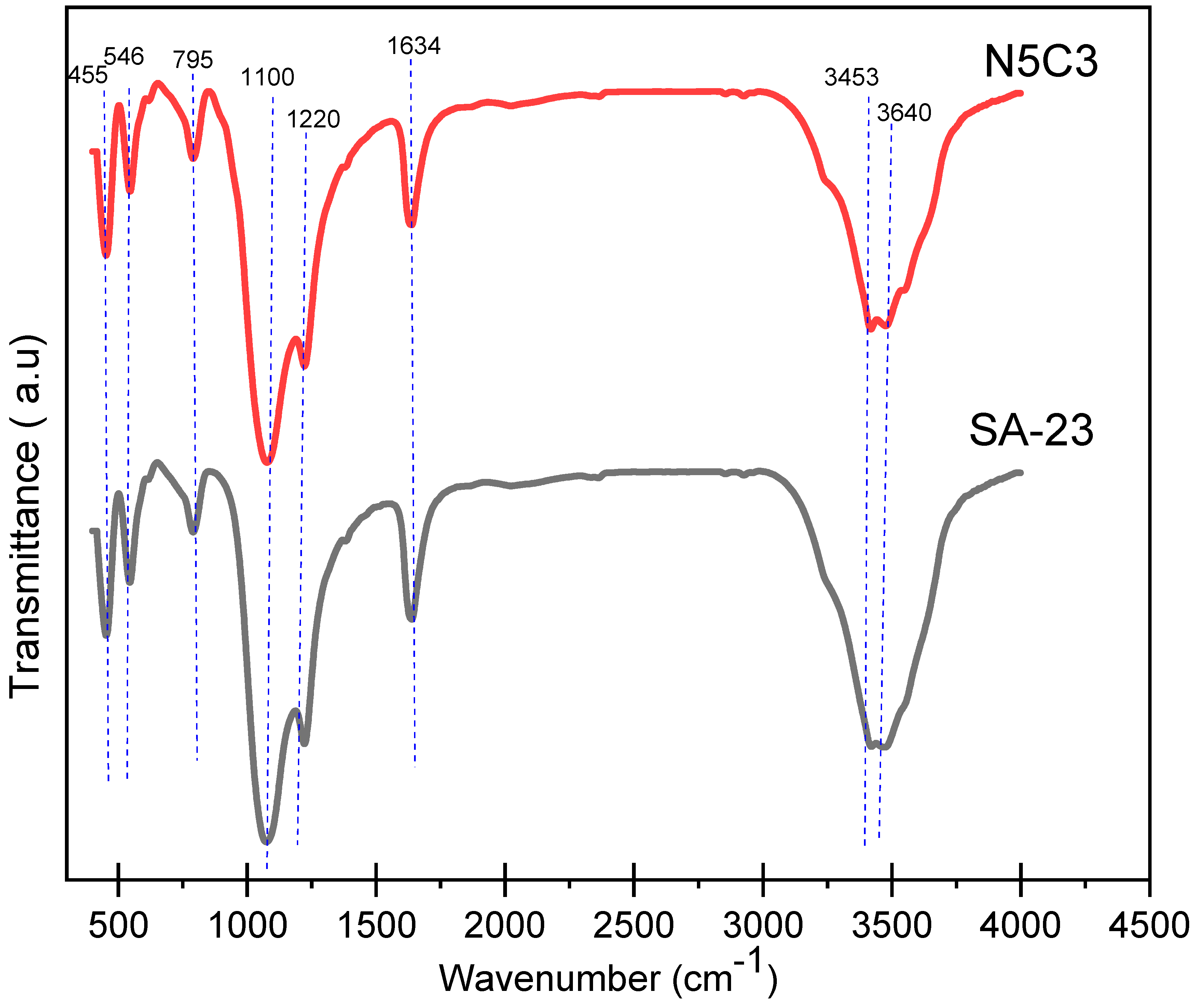
To confirm the structural characteristics of the samples, FTIR analysis was conducted, and the results are presented in Figure 2. Both spectra exhibit absorption bands at 1224 cm−1, corresponding to external asymmetric stretching; 1050–1150 cm−1, associated with internal asymmetric stretching; 795 cm−1, attributed to external symmetric stretching; and 445 cm−1, indicative of T–O bending—features that are characteristic of zeolite structures. The peak at 3640 cm−1 is assigned to sialons groups (Si–OH), while the peak at 3454 cm−1 corresponds to the Al–OH framework, indicative of Brønsted acid sites. Additionally, the band observed at 546 cm−1 is attributed to the presence of double five-membered rings in the zeolite framework, confirming the preservation of a regular and crystalline structure following NaOH washing and the incorporation of nickel and chromium metals [19,22].

2.3. BET

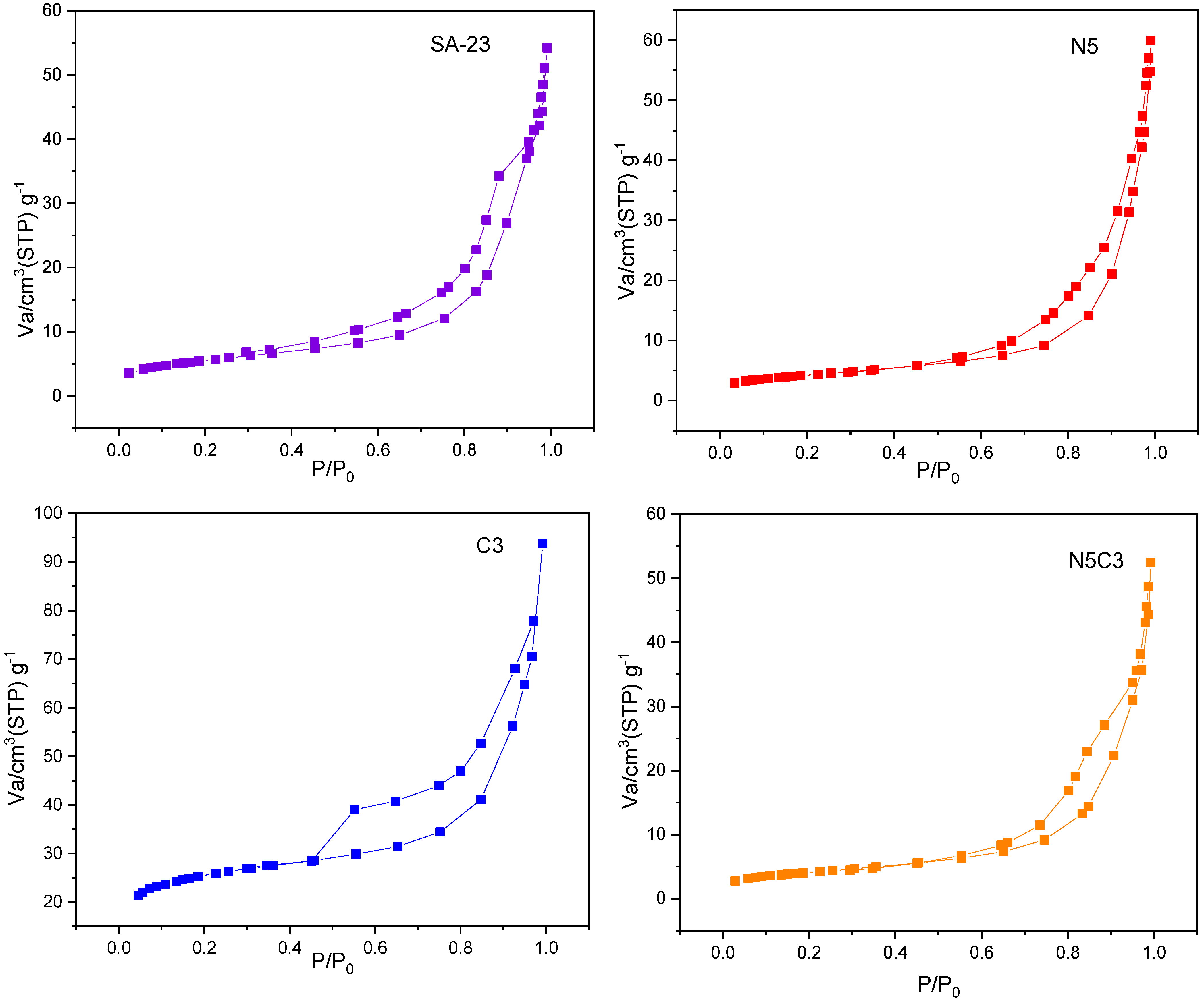
Figure 3 presents the adsorption and desorption isotherms. All samples exhibit type IV isotherms with hysteresis loops, characteristic of mesoporous materials [23,24]. Notably, the hysteresis loops in samples C3 and SA_23 are more pronounced, indicating a well-developed mesoporous structure. While sample C3 demonstrates the highest surface area and nitrogen adsorption capacity, this did not solely translate into the formation of effective active sites. In contrast, sample N5C3, despite lower nitrogen adsorption, benefits from synergistic interactions between nickel and chromium that enhance its structural properties. Specifically, the presence of π–π interactions between nickel and aromatic pollutants such as dibenzothiophene, coupled with increased surface polarity and van der Waals forces from chromium, collectively optimizes the structure for pollutant adsorption [25].

2.4. FESEM

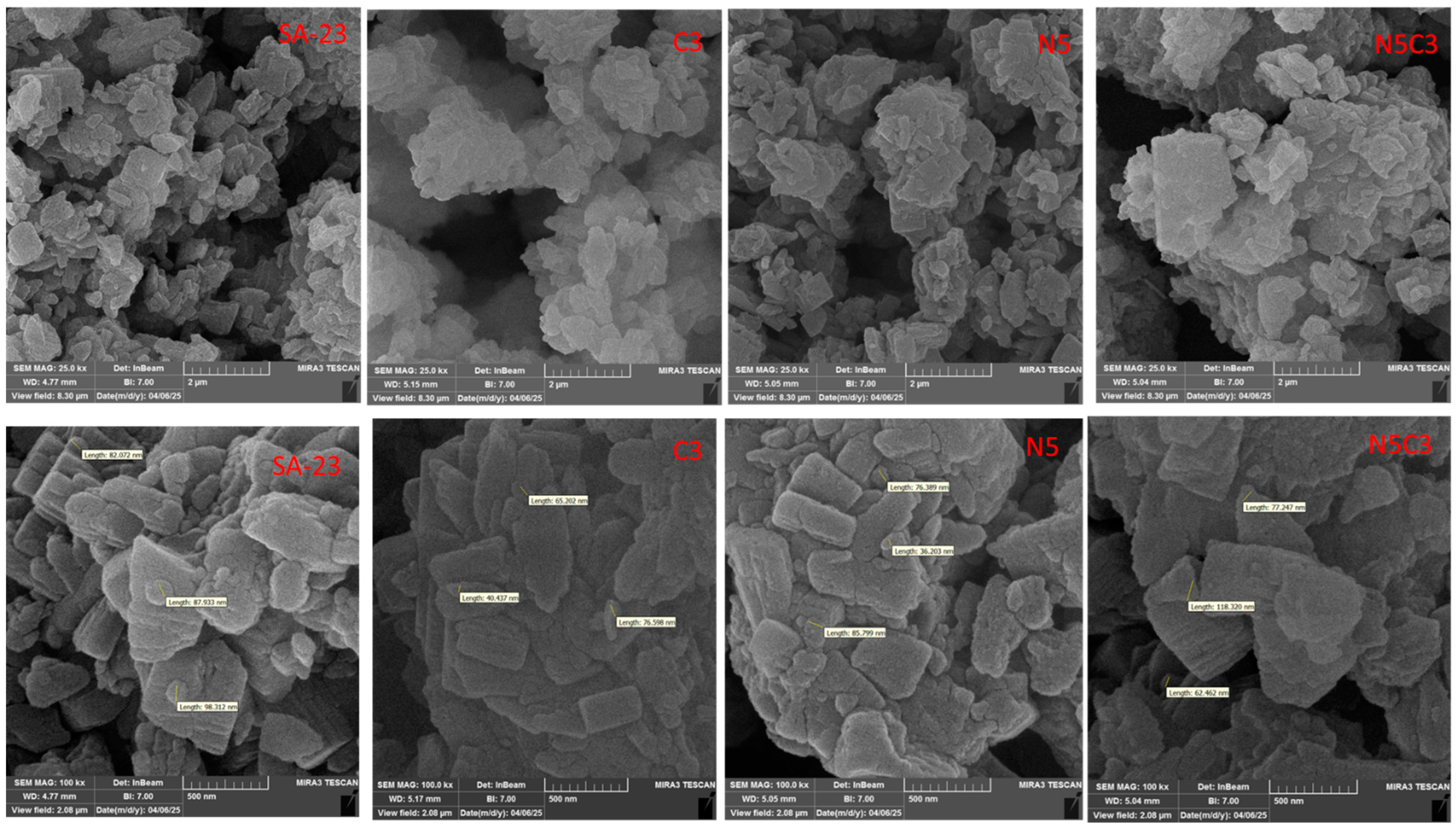
The morphology of the catalysts, which plays a crucial role in determining their catalytic properties and stability, is presented in Figure 4. Treatment of the zeolite with NaOH results in surface roughening and partial degradation of the zeolite framework, which is consistent with the observed results [22]. The nickel-modified zeolite exhibits smaller nanoparticles compared to the chromium-modified counterpart. This observation aligns well with previous studies in the scientific literature, suggesting the successful encapsulation of nickel nanoparticles within the zeolite structure [26]. In contrast, the incorporation of chromium leads to the formation of a more cohesive structure, which reduces the available surface area for pollutant adsorption [27,28]. The presence of bright spots in the microscopic images confirms the accumulation of heavy chromium particles on the external surface of the zeolite. The zeolite containing both nickel and chromium nanoparticles demonstrates a hybrid morphology that reflects the characteristics of both metals. The small, dispersed particles suggest the encapsulation of nickel, while the smooth, reflective surfaces are indicative of chromium deposition on the zeolite exterior.

2.5. EDX Mapping

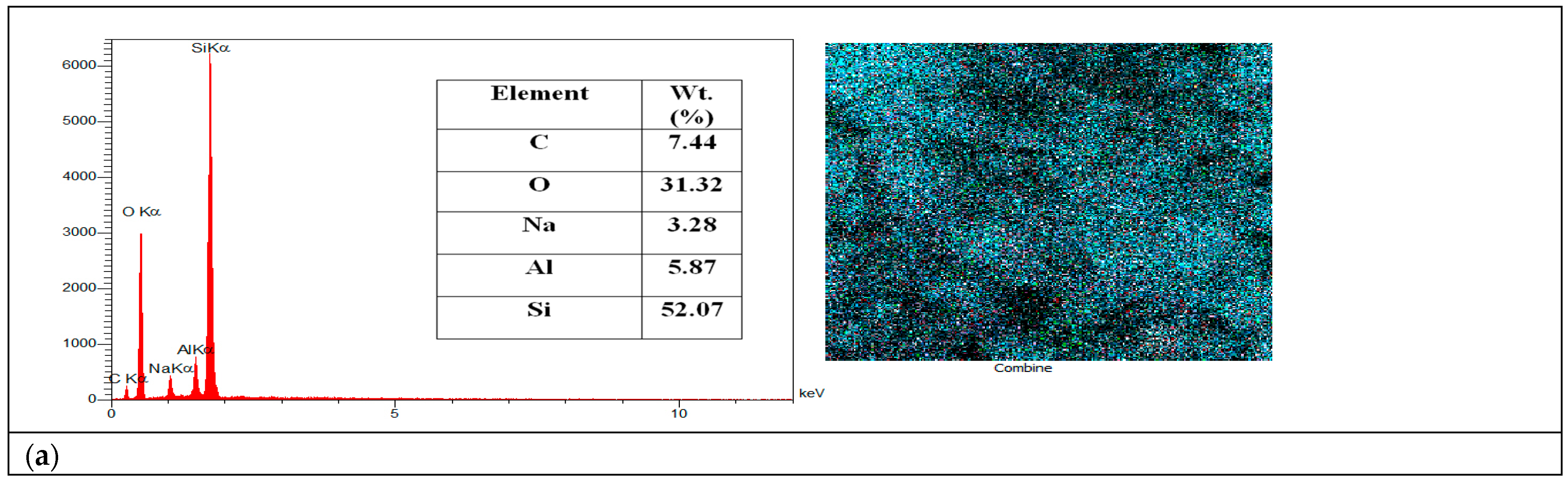
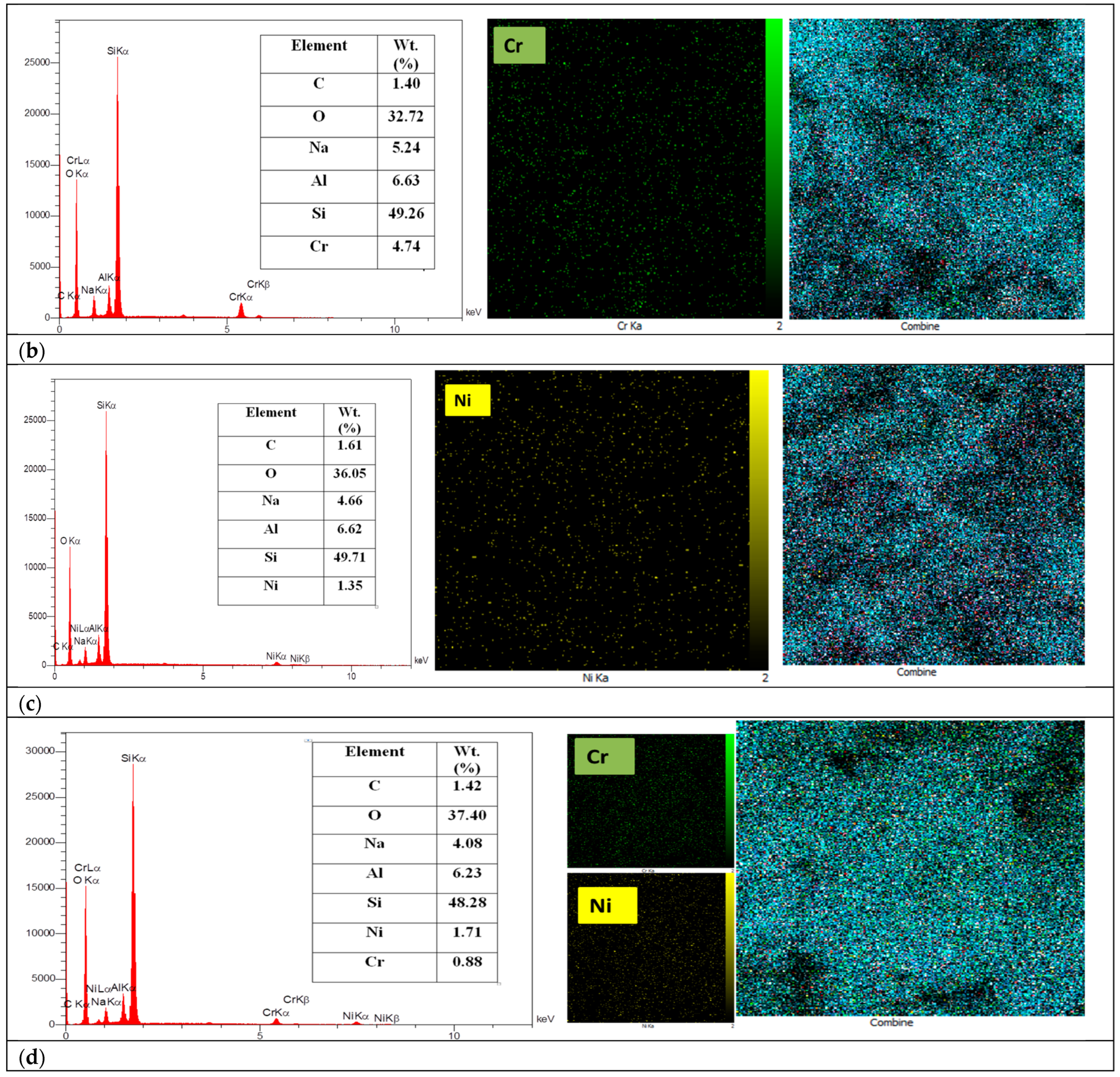
To determine the elemental composition of the samples, X-ray diffraction spectroscopy and elemental mapping analysis were performed. The index spectrum for all samples shows a prominent peak corresponding to silicon, indicating the high concentration of this element in the zeolite framework. The second strong peak corresponds to oxygen, which, along with silicon, confirms the presence of SiO4 structural units characteristic of the zeolite structure. Additionally, a minor signal related to carbon may be due to surface contamination or residues from the preparation process. The low noise level in the high-energy region of the index spectrum for all samples indicates the absence of heavy elements in the sample. Elemental mapping across the matrix of all samples shows a homogeneous distribution of components throughout the zeolite. The percentage of elements was also obtained from the index analysis for all four samples, as shown in tables in Figure 5. As can be seen, the percentages of chromium and nickel are lower than the initially calculated values, which can be attributed to experimental error.

3. Discussion

3.1. Effect of the Si/Al Ration

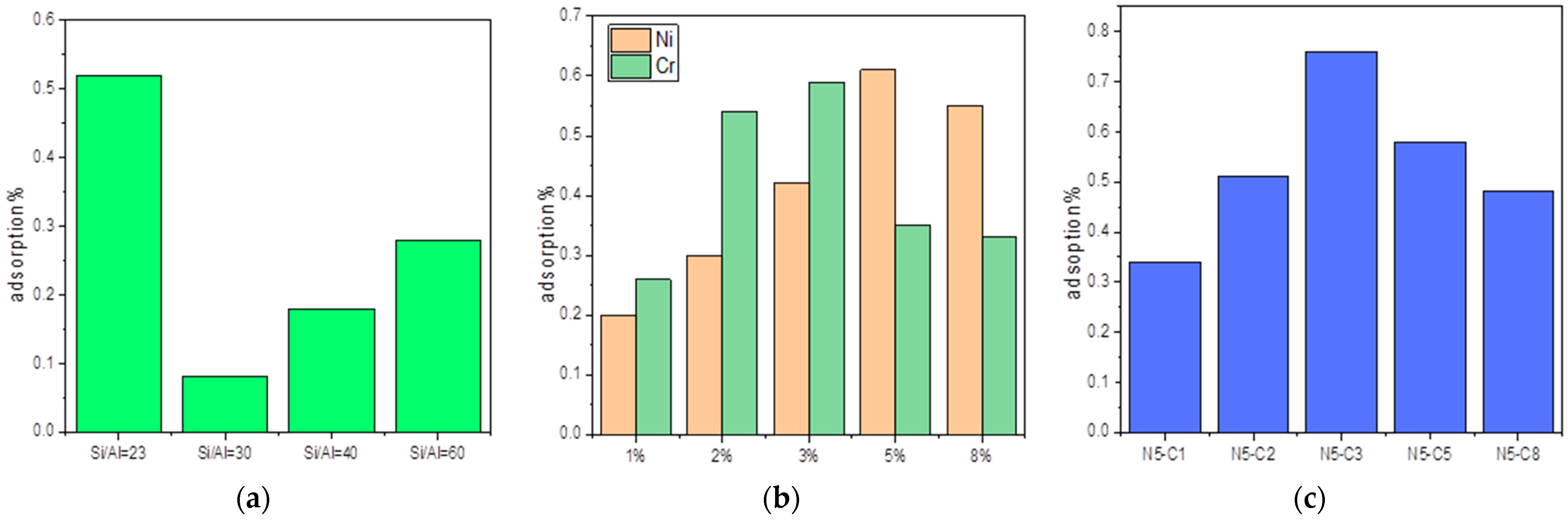
The Si/Al ratio in ZSM-5 zeolite plays a critical role in its performance during adsorptive desulfurization. Generally, decreasing this ratio increases the number of Brønsted acid sites within the zeolite framework, thereby enhancing its acidity and strengthening interactions with sulfur-containing compounds. Zeolites with a higher Si/Al ratio tend to exhibit greater specific surface area, which may facilitate improved sulfur adsorption; however, this increase often comes at the expense of reduced active sites [29,30]. In this study, four zeolite samples with varying Si/Al ratios were investigated, as listed in Table 1, for the adsorption of dibenzothiophene (DBT) and thiophene. The corresponding results are presented in Figure 6a. Among the samples, SA-40 exhibits the highest specific surface area, while SA-30 possesses the largest pore size. The SA-30 and SA-60 samples predominantly feature microporous cavities, whereas SA-23 and SA-40 fall within the mesoporous range. Despite SA-40’s high surface area, SA-23—having a lower Si/Al ratio—offers a greater number of active acid sites. This characteristic is particularly important, as DBT is a polar aromatic molecule that readily interacts with acidic sites. Consequently, although SA-40 has a higher surface area, it demonstrates lower DBT adsorption due to a reduced number of active sites and lower surface polarity. Based on the adsorption results, SA-23 shows the highest DBT uptake and was therefore selected for further modification with chromium and nickel in subsequent experiments.
Table 2 summarizes the NH3-TPD results for the zeolites. Acid strength, indicated by the desorption maximum temperatures (Tdi), and acidity content, calculated from the integrated peak areas, were classified as weak (180–280 °C), medium (290–350 °C), or strong (360–600 °C) based on established criteria [31]. The data reveal a key trend: zeolites with a higher Si/Al weight ratio exhibit a greater proportion of medium/strong acid sites relative to weak sites. Furthermore, while a low Si/Al ratio corresponds to a high concentration of acid sites, a high Si/Al ratio results in fewer but stronger acid sites, as evidenced by a desorption peak shifted to a higher temperature.

3.2. Performance of Either Ni or Cr Addition

In this study, nickel and chromium were incorporated into zeolite SA-23 at concentrations ranging from 1% to 8%. As illustrated in Figure 6, the maximum adsorption of dibenzothiophene was observed at 5% nickel and 3% chromium loading. The decline in adsorption capacity at 8% nickel is likely due to pore blockage, a reduction in available active sites, and the formation of inactive NiO phases [32,33,34]. BET analysis for this sample revealed a pore size of 23.7 nm and a surface area of 15.16 m2/g. For chromium, previous studies have identified the optimal loading range to be between 1% and 3%, depending on the specific operating conditions. Chromium loadings above this range tend to promote the formation of Cr2O3 structures and reduce the number of acidic sites within the zeolite [35]. The sample containing 3% chromium exhibited a pore size of 5.9 nm and a surface area of 95.3 m2/g.

3.3. Combined Ni and Cr Addition

Several studies have investigated the effect of nickel loading on the performance of ZSM-5 zeolite in adsorptive desulfurization [36]. However, to the best of our knowledge, no study has reported the loading of chromium on ZSM-5 for this purpose, in this stage of the study, the nickel content was fixed at 5%, and various chromium loadings were applied. Among these, the sample with 3% chromium exhibited the highest dibenzothiophene (DBT) adsorption capacity. As discussed in the previous section, this enhancement can be attributed to the formation of larger Cr2O3 particles and a reduction in the zeolite’s acidic sites [37,38]. The BET surface area results for these samples are summarized in Table 3. When 1% and 2% chromium was added alongside 5% nickel, DBT adsorption decreased compared to chromium-only samples. However, chromium loadings of 3% to 8% in the presence of nickel resulted in increased sulfur adsorption. It appears that nickel may inhibit the formation of chromium oxide structures, thereby slightly enhancing DBT adsorption—an observation that warrants further investigation.

3.4. Stability and Reusability

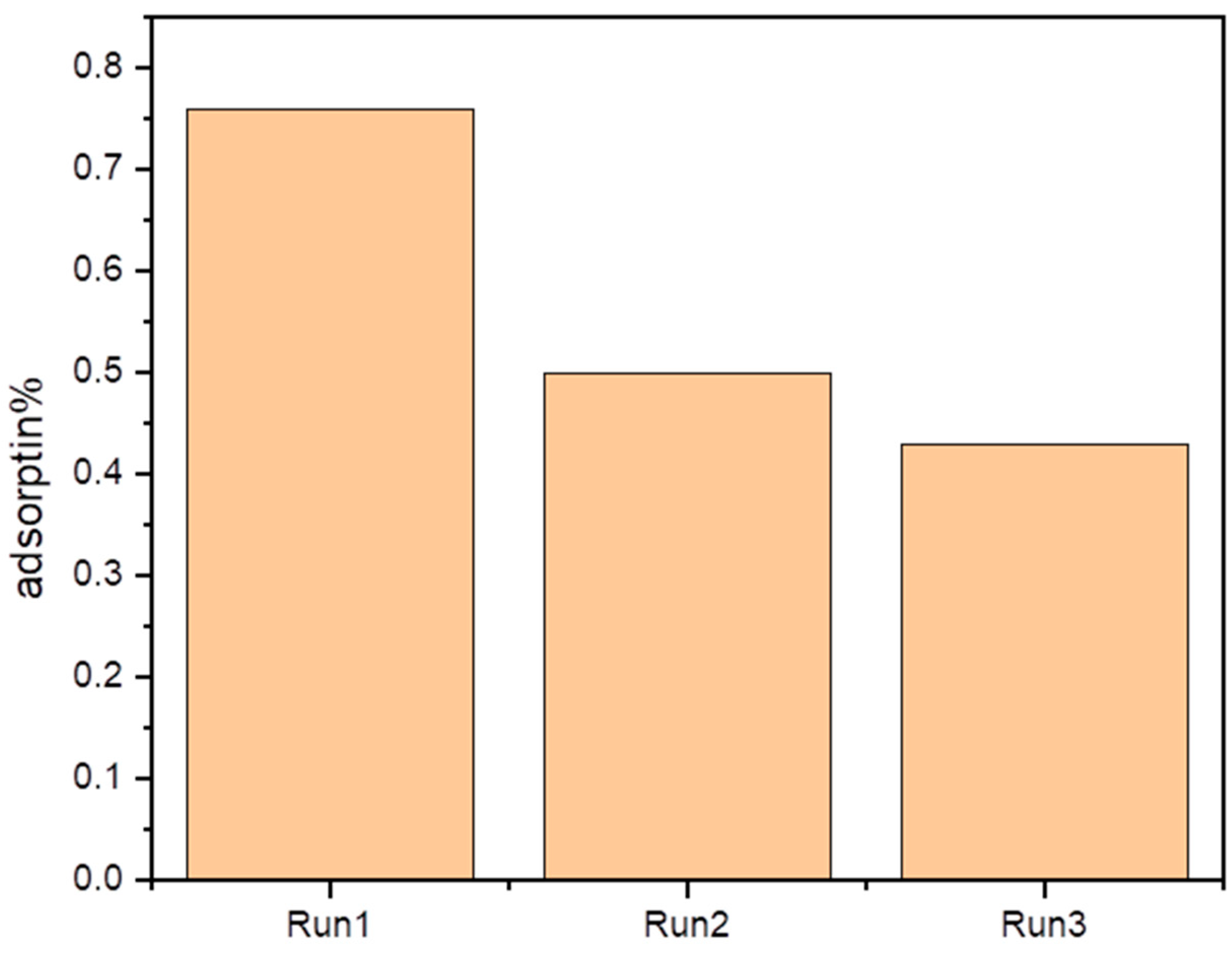
The reuse of catalysts plays a crucial role in the development of stable adsorbents for desulfurization processes. In this study, the optimized catalyst N5C3 was employed over three consecutive adsorption cycles. The results demonstrated that the catalyst maintained an acceptable adsorption capacity after all three cycles. Following each use, the catalyst was thoroughly washed with water and ethanol to remove residual sulfur compounds, then dried overnight at 110 °C and subsequently calcined at 500 °C for two hours. Solvent washing facilitates the desorption of sulfur species from the zeolite surface [39]. The experimental results are presented in Figure 7.

4. Materials and Methods

4.1. Materials

ZSM-5 zeolite with a silica-to-alumina ratio of 23 was obtained from Sigma (St. Louis, MO, USA), while the variant with a ratio of 40 was sourced from Merck (Darmstadt, Germany). Zeolites with silica-to-alumina ratios of 30 and 60 were synthesized following the method reported by Moradi et al. [40]. Sodium hydroxide (NaOH) from Merck was used for the activation of the zeolites. Nickel nitrate, dibenzothiophene (DBT), and n-hexane were also procured from Merck.

4.2. Characterization of Catalyst

Fourier-transform infrared (FTIR) spectroscopy was performed in the range of 400–4000 cm−1 to identify the functional groups present in the synthesized catalysts, using a Thermo AVATAR instrument (Hanna-Kunath-Str. 11, 28199 Bremen, Germany). X-ray diffraction (XRD) analysis was carried out using a PHILIPS PW1730 diffract meter (Koninklijke Philips N.V., Amsterdam, The Netherlands) with CuKα radiation (λ = 1.54056 Å) operated at 40 kV and 30 mA. Field emission scanning electron microscopy (FESEM) was conducted using a TESCAN MIRA III instrument (Brno, Czech Republic). Energy-dispersive X-ray spectroscopy (EDX) mapping was performed with a TESCAN MIRII instrument equipped with a SAMX detector (Saint-Aunès, France). Brunauer–Emmett–Teller (BET) surface area analysis was conducted using a BELSORP MINI II analyzer (BEL Japan Inc., Osaka, Japan), with sample degassing performed using a BEL PREP VAC II unit under vacuum heating up to 450 °C. Ultraviolet-visible (UV-Vis) spectrophotometry was used to determine the absorption of dibenzothiophene, utilizing a UNICO SQ-4802 spectrophotometer (UNICO Instrument Co., Ltd., Shanghai, China). Acidic properties were characterized by ammonia temperature-programmed desorption (NH3-TPD) using a Micromeritics PulseChemiSorb 2705 instrument (Micromeritics Instrument Corporation, Norcross, GA, USA) with a TCD. Prior to analysis, each catalyst sample (0.25 g) was activated in a helium flow (30 mL/min) at 773 K for 2 h. The sample was then cooled to 423 K, saturated with anhydrous ammonia, and purged with helium to remove physisorbed species. Temperature-programmed desorption was performed from 303 K to 1123 K at a heating rate of 10 K/min under a helium flow of 40 mL/min. The amount of desorbed ammonia was quantified based on the TCD signal.

4.3. Washing Zeolite with Sodium Hydroxide (NaOH)

Washing zeolite with sodium hydroxide (NaOH) induces the formation of mesoporous within its structure [41]. In this procedure, 1 g of zeolite was added to 10 mL of a 0.55 M NaOH solution. The mixture was transferred to a 100 mL round-bottom flask connected to a condenser and maintained at 50 °C for 160 min. Following the reaction, the mixture was allowed to cool, and the zeolite was thoroughly washed with distilled water until the washings reached a neutral pH. The sample was then dried overnight at 110 °C and subsequently calcined at 550 °C for 5 h. In this work, we named the zeolites as SA_X, where X represents the Si/Al ratio of the zeolite.

4.4. Adding Metal to Zeolite

To incorporate nickel, chromium, or both metals into the zeolite, the appropriate amount of nickel nitrate, chromium nitrate, or a combination of both was dissolved in 30 mL of distilled water. After stirring the solution for 15 min, the NaOH-treated zeolite was added. The mixture was then stirred on a hot plate at approximately 50 °C until a gel-like consistency was achieved. The resulting material was dried overnight at 110 °C, followed by calcination at 550 °C for 5 h. The metal-modified zeolites with nickel was named as NX or CX, where X represents the percentage of nickel or chromium. We also named zeolites that include 5 percent nickel and various percentages of chromium in this way. For example, a sample containing 5 percent nickel and 1 percent chromium was named N5-C1.

4.5. Adsorption Experiments

For the adsorption experiments, 0.2 g of the zeolite adsorbent were added to 10 mL of a 1000 ppm dibenzothiophene solution prepared in n-hexane, contained within a fully sealed vessel. The mixture was stirred continuously at room temperature for 4 h. Following the adsorption process, the zeolite was separated from the solution, and the sulfur content was quantified using UV-Vis spectrophotometry at a wavelength of 316 nm.

5. Conclusions

The growing industrial release of sulfur-containing pollutants has intensified the need for effective desulfurization methods. This study explored adsorptive desulfurization using nickel- and chromium-modified zeolite, revealing key insights into their synergistic effects. Among the tested variants, 5 wt% nickel demonstrated the highest adsorption capacity, while 3 wt% chromium proved optimal for chromium-based modifications. Further experiments combining both metals showed that nickel concentrations below 3 wt% reduced dibenzothiophene adsorption compared to chromium-only zeolite, whereas higher nickel loadings enhanced performance—likely due to nickel’s suppression of Cr2O3 formation. The optimal catalyst, containing 5 wt% nickel and 3 wt% chromium, achieved a notable 76% adsorption efficiency, underscoring its potential for industrial applications. These findings pave the way for scalable, high-performance desulfurization processes, offering a promising solution to mitigate sulfur emissions in fuel production.

Author Contributions

Conceptualization, S.A.-d.A.J. and G.M.; methodology, S.A.-d.A.J.; validation, G.M. and S.A.-d.A.J.; formal analysis, S.A.-d.A.J.; investigation, G.M.; resources, S.A.-d.A.J.; data curation, S.A.-d.A.J.; writing—original draft preparation, S.A.-d.A.J.; writing—review and editing, G.M.; supervision, G.M.; All authors have read and agreed to the published version of the manuscript.

Funding

This research received no external funding.

Data Availability Statement

The data is available upon request.

Conflicts of Interest

The authors declare no conflict of interest.

References

  1. Robinson, E.; Robbins, R.C. Gaseous sulfur pollutants from urban and natural sources. J. Air Pollut. Control Assoc. 1970, 20, 233–235. [Google Scholar] [CrossRef]
  2. Cullis, C.F.; Hirschler, M.M. Atmospheric sulphur: Natural and man-made sources. Atmos. Environ. 1980, 14, 1263–1278. [Google Scholar] [CrossRef]
  3. Saleh, T.A. Advanced Desulfurization Technologies and Mechanisms. In Nanocomposites for the Desulfurization of Fuels; IGI Global: Hershey, PA, USA, 2020; pp. 1–24. [Google Scholar]
  4. Srivastava, V.C. An evaluation of desulfurization technologies for sulfur removal from liquid fuels. RSC Adv. 2012, 2, 759–783. [Google Scholar] [CrossRef]
  5. Fox, B.R.; Brinich, B.L.; Male, J.L.; Hubbard, R.L.; Siddiqui, M.N.; Saleh, T.A.; Tyler, D.R. Enhanced oxidative desulfurization in a film-shear reactor. Fuel 2015, 156, 142–147. [Google Scholar] [CrossRef]
  6. Jiang, Z.; Wang, X.; Deng, H.; Zhao, J.; Li, Y. Molecular mechanism and experimental study of fuel oil extractive desulfurization technology based on ionic liquid. J. Energy Inst. 2024, 112, 101452. [Google Scholar] [CrossRef]
  7. Choi, A.E.S.; Roces, S.; Dugos, N.; Wan, M.W. Oxidation by H2O2 of benzothiophene and dibenzothiophene over polyoxometalate catalysts assisted by ultrasound and mixing. Fuel 2016, 180, 127–136. [Google Scholar] [CrossRef]
  8. Garba, Z.N.; Zango, Z.U.; Adamu, H.; Haruna, A.; Menkiti, N.D.; Danmallam, U.N.; Ali, A.F.; Zango, M.U.; Ratanatamskul, C. A review on zeolites for adsorptive desulfurization of crude oil and natural gas. Prog. Eng. Sci. 2025, 2, 100063. [Google Scholar] [CrossRef]
  9. Haruna, A.; Merican, Z.M.A.; Musa, S.G.; Abubakar, S. Sulfur removal technologies from fuel oil for sustainable environment. Fuel 2022, 329, 125370. [Google Scholar] [CrossRef]
  10. Sarkarabad, K.M.; Ghaemi, A. Comprehensive review of desulfurization technologies: Performance, innovation, challenges and directions. Case Stud. Chem. Environ. Eng. 2025, 11, 101164. [Google Scholar] [CrossRef]
  11. Bulut, B.; Atakül, H.; Aksoylu, A.E.; Tantekin-Ersolmaz, Ş.B. Deep adsorptive desulfurization of LPG over Cu–Y zeolite. Sep. Purif. Technol. 2024, 338, 126431. [Google Scholar] [CrossRef]
  12. Yin, Y.; Xu, Y.; Guo, K.; Zhang, P.; Zeng, Y. Adsorptive desulfurization using Cu+ modified UiO-66. J. Environ. Chem. Eng. 2022, 10, 108578. [Google Scholar] [CrossRef]
  13. Li, H.; Ran, H.; Zhang, Y.; Yin, J.; Zhang, J.; He, J.; Jiang, W.; Zhu, L.; Li, H. Atomically dispersed aluminum sites in boron nitride nanofibers for desulfurization. Inorg. Chem. 2023, 62, 17883–17893. [Google Scholar] [CrossRef] [PubMed]
  14. Yeole, N.R. Overview of adsorptive desulfurization using zeolites. Environ. Prog. Sustain. Energy 2023, 42, e13960. [Google Scholar] [CrossRef]
  15. Dehghan, R.; Anbia, M. Zeolites for adsorptive desulfurization from fuels. Fuel Process. Technol. 2017, 167, 99–115. [Google Scholar] [CrossRef]
  16. Li, H.; Han, X.; Huang, H.; Wang, Y.; Zhao, L.; Cao, L.; Shen, B.; Gao, J.; Xu, C. Competitive adsorption desulfurization over K–doped NiY zeolite. J. Colloid Interface Sci. 2016, 483, 102–108. [Google Scholar] [CrossRef]
  17. Sarda, K.K.; Bhandari, A.; Pant, K.K.; Jain, S. Deep desulfurization of diesel via adsorption over Ni/Al2O3 and Ni/ZSM-5. Fuel 2012, 93, 86–91. [Google Scholar] [CrossRef]
  18. Subhan, F.; Aslam, S.; Yan, Z.; Liu, Z.; Etim, U.J.; Wadood, A.; Ullah, R. Mesoporous ZSM-5 functionalized with Ni NPs for desulfurization. Chem. Eng. J. 2018, 354, 706–715. [Google Scholar] [CrossRef]
  19. Li, H.; Dong, L.; Zhao, L.; Cao, L.; Gao, J.; Xu, C. Alkali-treated mesoporous ZSM-5 for enhanced desulfurization. Ind. Eng. Chem. Res. 2017, 56, 3813–3821. [Google Scholar] [CrossRef]
  20. Ojeda, M.; Osterman, N.; Dražić, G.; Žilnik, L.F.; Meden, A.; Kwapinski, W.; Balu, A.M.; Likozar, B.; Tušar, N.N. Conversion of palmitic acid over Ni/ZSM-5 catalysts. Top. Catal. 2018, 61, 1757–1768. [Google Scholar] [CrossRef]
  21. Garba, Z.N.; Hamza, S.A.; Ratanatamskul, C. Cu–MCC adsorbent for crude oil–contaminated water. J. Water Process Eng. 2024, 67, 106293. [Google Scholar] [CrossRef]
  22. Shi, Y.; Wang, J.; Wang, Y.; Kong, F.; Zhou, R. Cr-Pt/ZSM-5 catalysts for CVOC removal. J. Environ. Chem. Eng. 2022, 10, 107629. [Google Scholar] [CrossRef]
  23. Thommes, M.; Kaneko, K.; Neimark, A.V.; Olivier, J.P.; Rodriguez-Reinoso, F.; Rouquerol, J.; Sing, K.S. Physisorption of gases for surface area measurement. Pure Appl. Chem. 2015, 87, 1051–1069. [Google Scholar] [CrossRef]
  24. Schmidt, R.; Stöcker, M.; Hansen, E.; Akporiaye, D.; Ellestad, O.H. MCM-41 as a model adsorption system. Microporous Mater. 1995, 3, 443–448. [Google Scholar] [CrossRef]
  25. Sabarish, R.; Unnikrishnan, G. ZSM-5 synthesis using starch. SN Appl. Sci. 2019, 1, 989. [Google Scholar] [CrossRef]
  26. Kampouraki, Z.C.; Giannakoudakis, D.A.; Nair, V.; Hosseini-Bandegharaei, A.; Colmenares, J.C.; Deliyanni, E.A. MOFs for desulfurization. Molecules 2019, 24, 4525. [Google Scholar] [CrossRef] [PubMed]
  27. Kassaye, S.; Gupta, D.; Pant, K.K.; Jain, S. Valorization of MCC via protonated zeolite. Reactions 2022, 3, 283–299. [Google Scholar] [CrossRef]
  28. Baamran, K.; Rownaghi, A.A. CO2 conversion over Cr2O3/ZSM-5@CaO. ACS Sustain. Chem. Eng. 2024, 12, 17783–17792. [Google Scholar] [CrossRef]
  29. Zhang, K.; Liu, Y.; Tian, S.; Zhao, E.; Zhang, J.; Liu, C. NiPb/ZnO–diatomite–ZSM-5 for RDS. Fuel 2013, 104, 201–207. [Google Scholar] [CrossRef]
  30. Shirazi, L.; Jamshidi, E.; Ghasemi, M.R. Effect of Si/Al ratio of ZSM-5. Cryst. Res. Technol. 2008, 43, 1300–1306. [Google Scholar] [CrossRef]
  31. Camplo, J.M.; Garcia, A.; Herencia, J.F.; Luna, D.; Marinas, J.M.; Romero, A.A. Conversion of alcohols on ALPO4 catalysts. J. Catal. 1999, 151, 307–314. [Google Scholar] [CrossRef]
  32. Gao, Y.; Zheng, B.; Wu, G.; Ma, F.; Liu, C. Si/Al ratio effect on hierarchical ZSM-5. RSC Adv. 2016, 6, 83581–83588. [Google Scholar] [CrossRef]
  33. Ding, Y.-L.; Wang, H.Q.; Xiang, M.; Yu, P.; Li, R.Q.; Ke, Q.P. Ni-ZSM-5 for biomass pyrolysis. Front. Chem. 2020, 8, 790. [Google Scholar] [CrossRef]
  34. Mguni, L.L.; Nkomzwayo, T.; Yao, Y. Effect of support and NiO loading on desulfurization. Sep. Sci. Technol. 2024, 59, 122–137. [Google Scholar] [CrossRef]
  35. Shimura, K.; Yoshida, S.; Oikawa, H.; Fujitani, T. Ni-loading effects on NiO/SiO2–Al2O3. Catalysts 2023, 13, 1303. [Google Scholar] [CrossRef]
  36. Gao, J.; Zheng, Y.; Tang, Y.; Jehng, J.-M.; Grybos, R.; Handzlik, J.; Wachs, I.E.; Podkolzin, S.G. Cr oxide structures on ZSM-5. ACS Catal. 2015, 5, 3078–3092. [Google Scholar] [CrossRef]
  37. Mohiuddin, E.; Mdleleni, M.M.; Key, D. Cracking of naphtha over Fe/Cr-ZSM-5. Appl. Petrochem. Res. 2018, 8, 119–129. [Google Scholar] [CrossRef]
  38. Hong, E.; Bang, S.; Cho, J.H.; Jung, K.D.; Shin, C.H. Reductive amination over Ni–Fe/γ-Al2O3. Appl. Catal. A Gen. 2017, 542, 146–153. [Google Scholar] [CrossRef]
  39. Ambursa, M.M.; Ali, T.H.; Lee, H.V.; Sudarsanam, P.; Bhargava, S.K.; Abd Hamid, S.B. Hydrodeoxygenation of dibenzofuran. Fuel 2016, 180, 767–776. [Google Scholar] [CrossRef]
  40. Xiao, Y.; Fu, J.; Zhu, H.; Zhao, Q.; Zhou, L. Ag/ZSM-5 zeolite for adsorptive desulfurization. Sep. Purif. Technol. 2022, 288, 120698. [Google Scholar] [CrossRef]
  41. Moradi, G.; Khezeli, F.; Hemmati, H. Syngas production via dry reforming over Ni/ZSM-5. J. Nat. Gas Sci. Eng. 2016, 33, 657–665. [Google Scholar] [CrossRef]
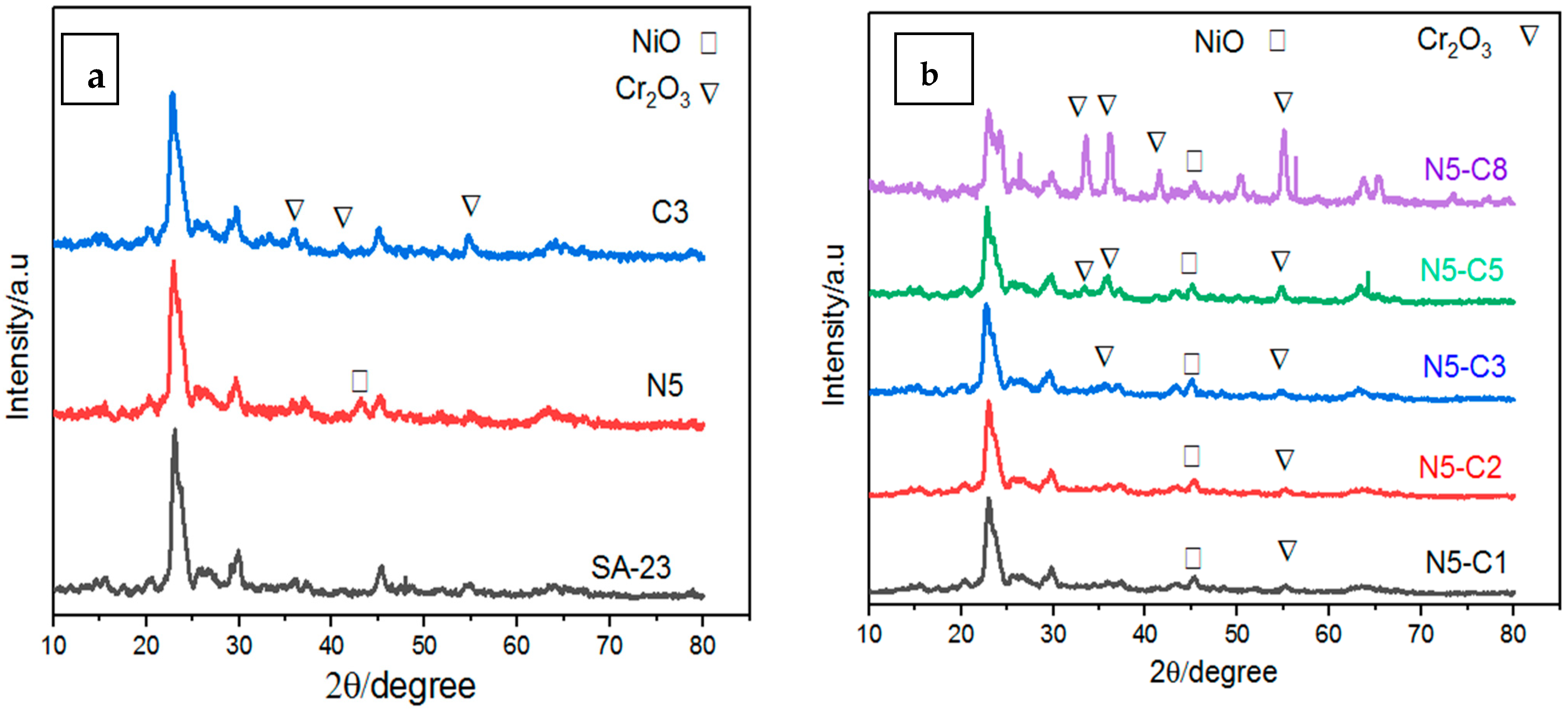
Figure 1. XRD pattern of: (a) SA-23, N5, C3; (b) Ni5% with Cr 1–8%.
Catalysts 15 01164 g001
Figure 2. FTIR pattern SA23 and N5C3.
Catalysts 15 01164 g002
Figure 3. Nitrogen adsorption–desorption isotherms at 77 K for SA-23, N5, C3, N5C3.
Catalysts 15 01164 g003
Figure 4. FESEM of SA-23, C3, N5 and N5C3.
Catalysts 15 01164 g004
Figure 5. EDX-Mapping of: (a) SA-23; (b) C3; (c) N5; (d) N5C3.
Catalysts 15 01164 g005aCatalysts 15 01164 g005b
Figure 6. The percentage of dibenzothiophene adsorption with: (a) different Si/Al ratios; (b) by adding nickel and chromium metal separately; (c) by adding nickel and chromium metal together.
Catalysts 15 01164 g006
Figure 7. Stability and reusability N5C3.
Catalysts 15 01164 g007
Table 1. Surface area and pore size for different zeolite.
Sample NameSi/AlBET (m2/g)Pore SizeTotal Pore Volume (p/p0 = 0.990)
[cm3 g−1]
SA-232319.216.4 nm0.081957
SA-30307.640.7 nm0.075359
SA-40402216.2 nm0.089594
SA-60609.51.2 nm0.070002
Table 2. Si/Al weight ratio and acidity contents of the Zeolites.
Sample NameSi/AlTdi (°C)Amount of NH3 (mmol/g-cat)Total Acidity (mmol/g Dry)
SA-23231951.5052.608
5101.103
SA-30301891.1452.351
5141.205
SA-40401920.9872.358
5201.370
SA-60601920.6782.207
5231.520
Table 3. Surface area and pore size for different percent Cr by 5% Ni.
Sample NameBET (m2/g)Pore SizeTotal Pore Volume (p/p0 = 0.990)
[cm3 g−1]
N5C120.2118.150.091716
N5C216.1519.630.079305
N5C314.420.870.075148
N5C517.1518.940.081373
N5C815.6722.470.099283
Disclaimer/Publisher’s Note: The statements, opinions and data contained in all publications are solely those of the individual author(s) and contributor(s) and not of MDPI and/or the editor(s). MDPI and/or the editor(s) disclaim responsibility for any injury to people or property resulting from any ideas, methods, instructions or products referred to in the content.