
Article

From Patterns to Predictions: Spatiotemporal Mobile Traffic Forecasting Using AutoML, TimeGPT and Traditional Models

1
Department of Software Engineering, Bahria University, Islamabad 44000, Pakistan
2
Centre for Smart Systems and Automation, CoE for Robotics and Sensing Technologies, Faculty of Artificial Intelligence and Engineering, Multimedia University, Persiaran Multimedia, Cyberjaya 63100, Selangor, Malaysia
*
Author to whom correspondence should be addressed.
Computers 2025, 14(7), 268; https://doi.org/10.3390/computers14070268

Submission received: 4 June 2025 / Revised: 3 July 2025 / Accepted: 5 July 2025 / Published: 8 July 2025
(This article belongs to the Special Issue AI in Its Ecosystem)

Abstract

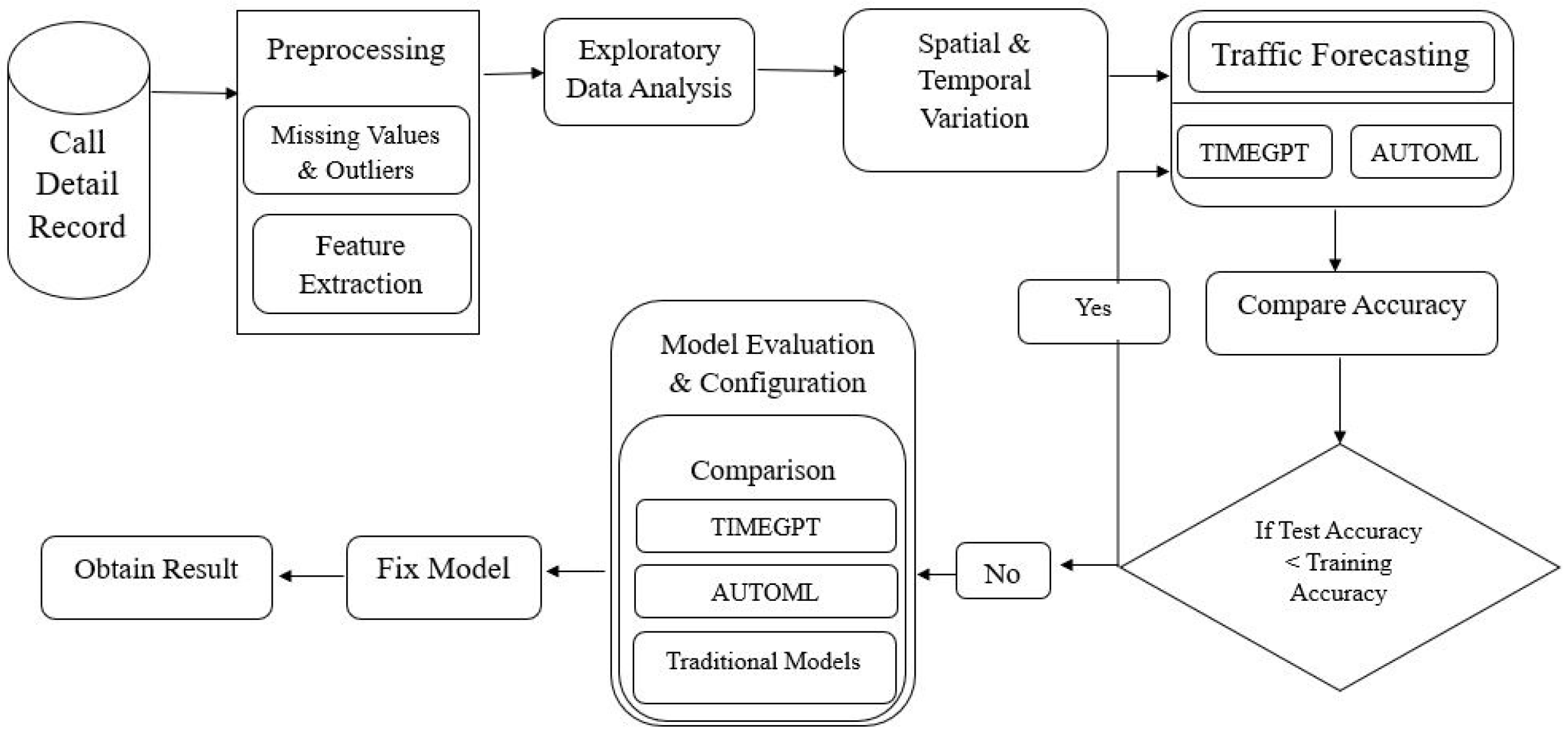
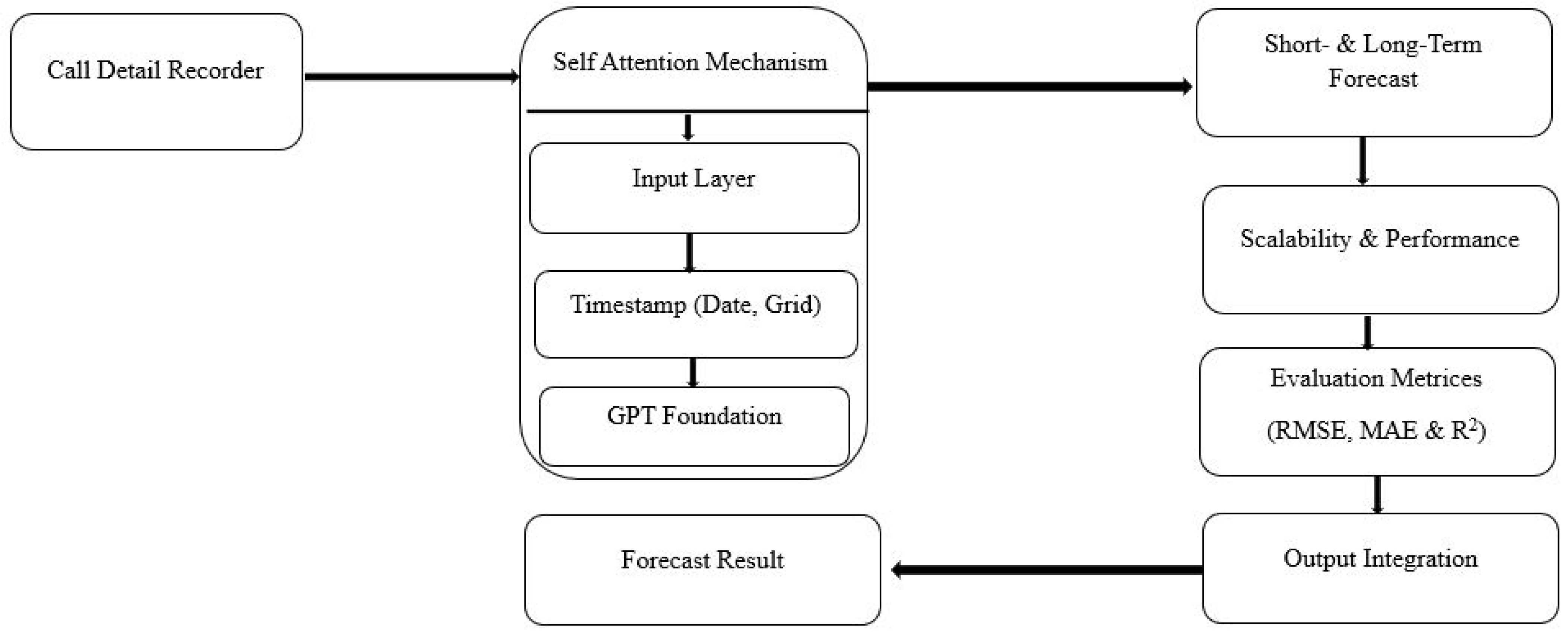
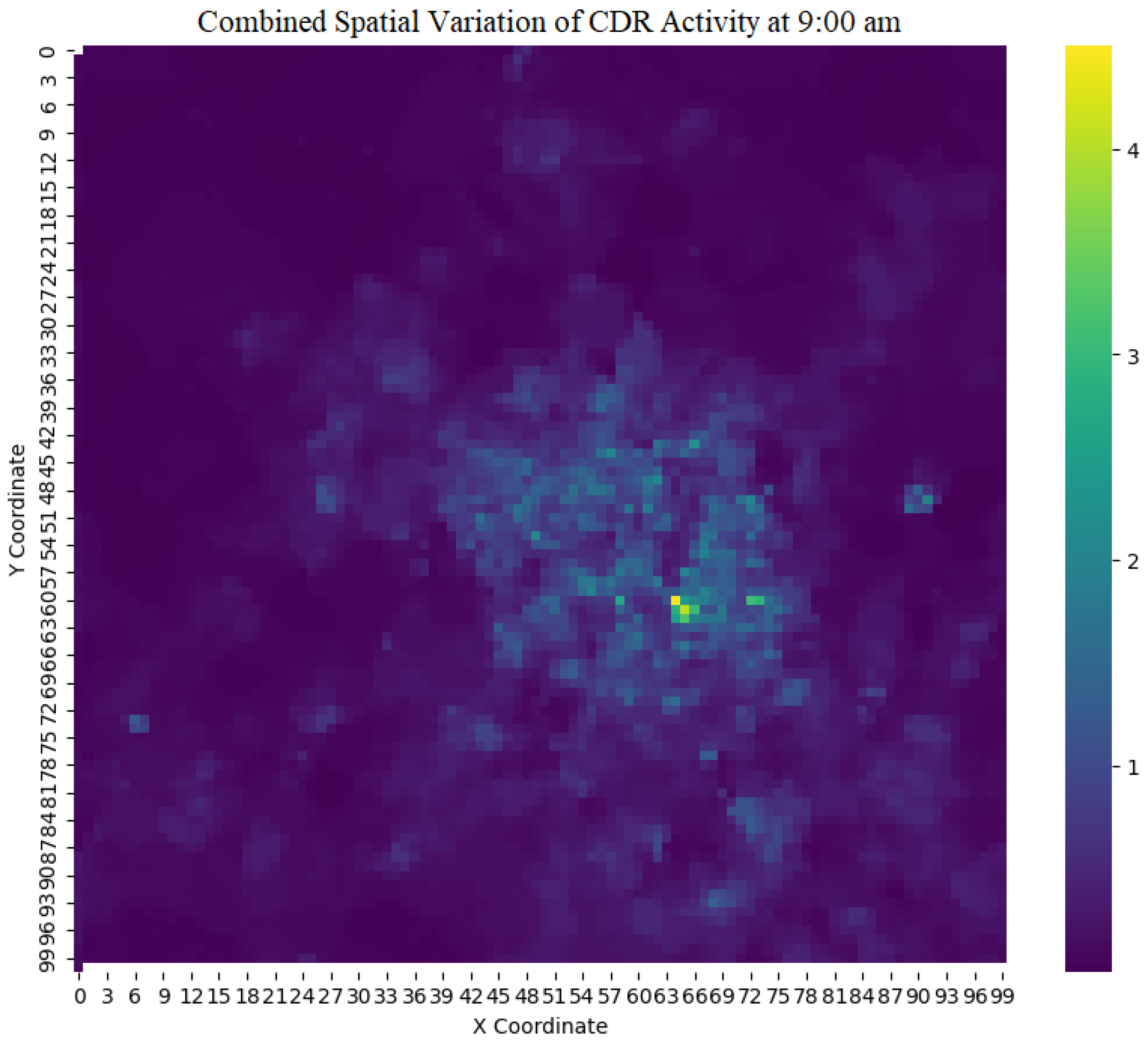
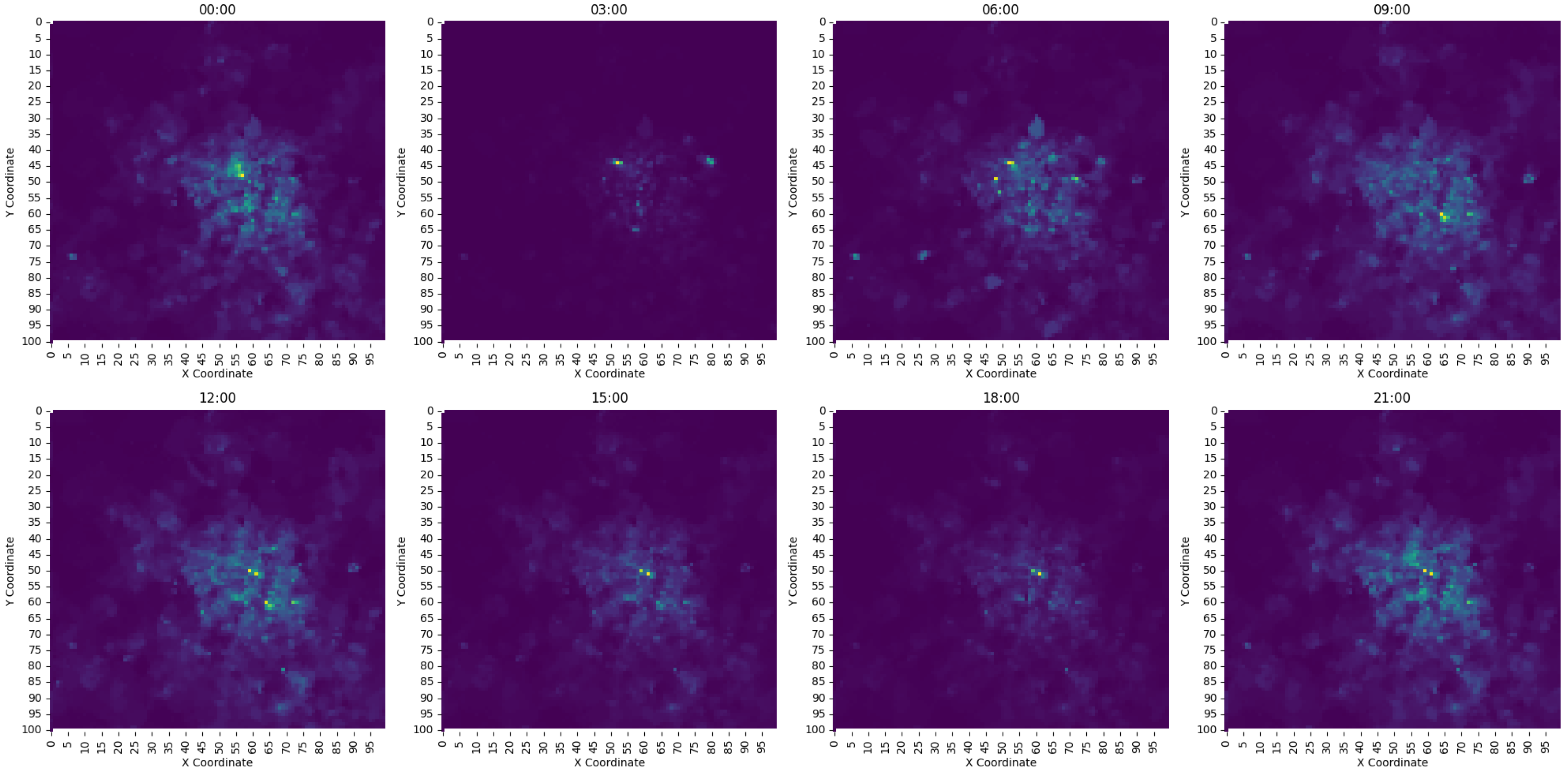
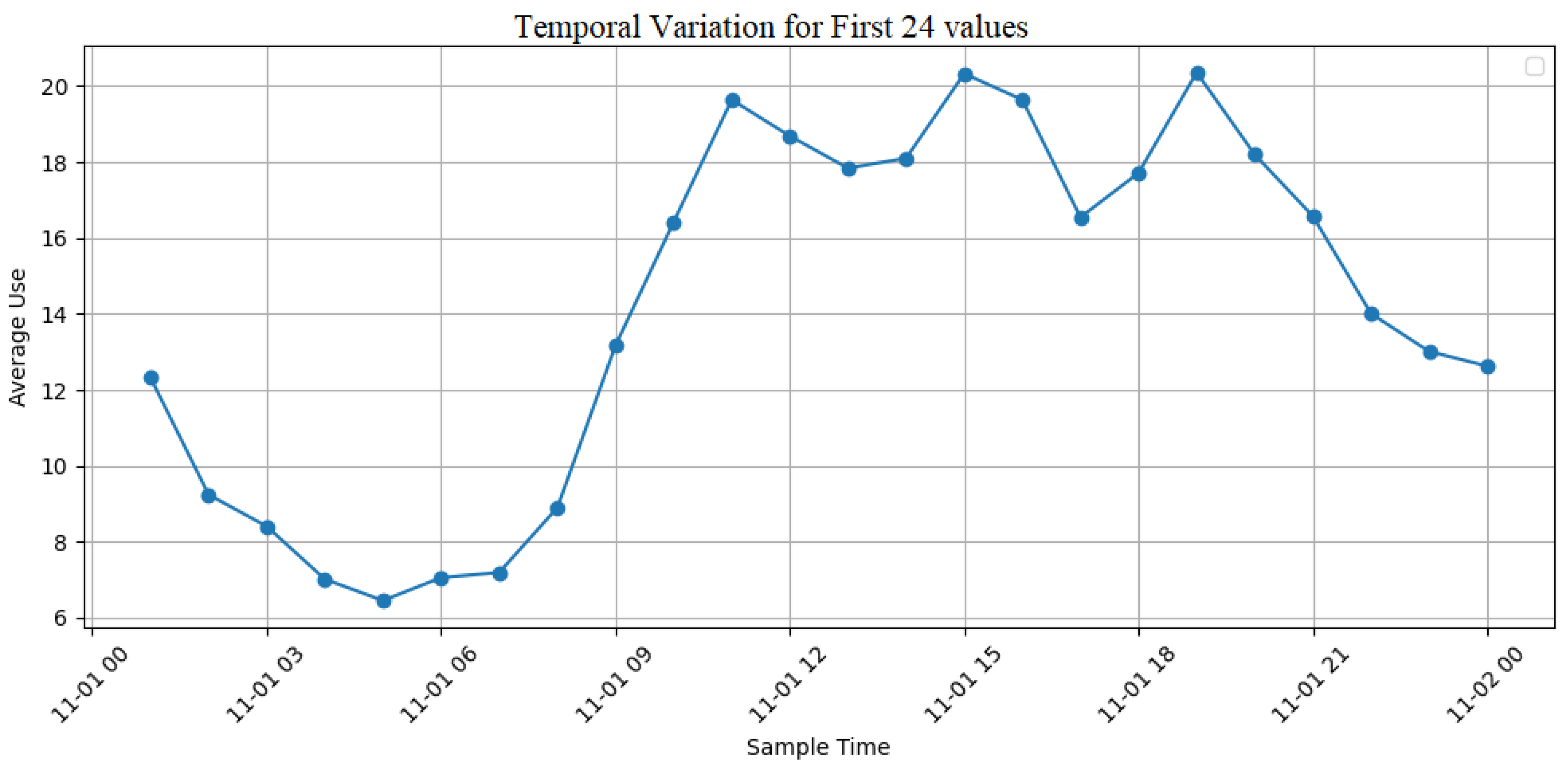
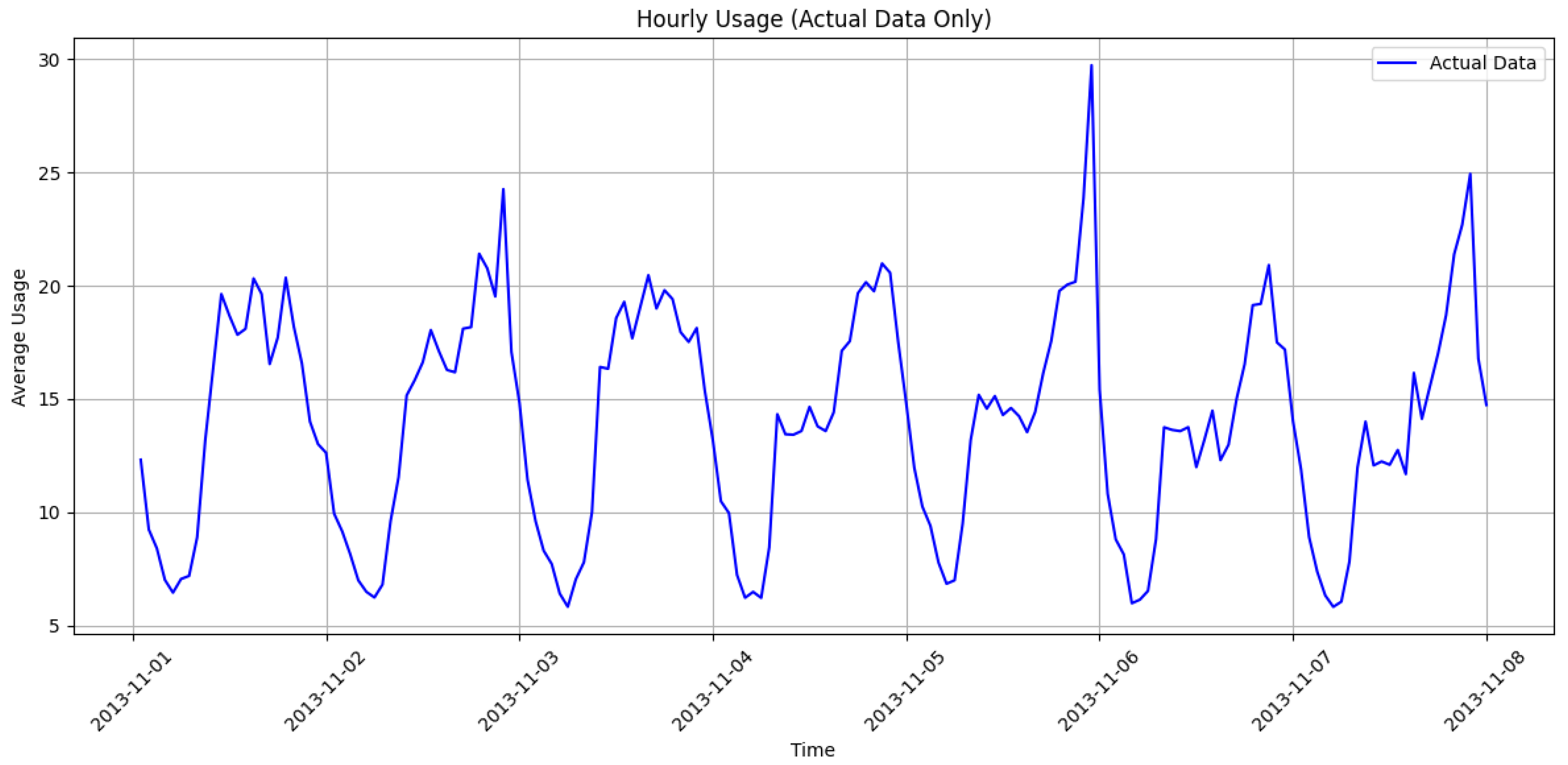
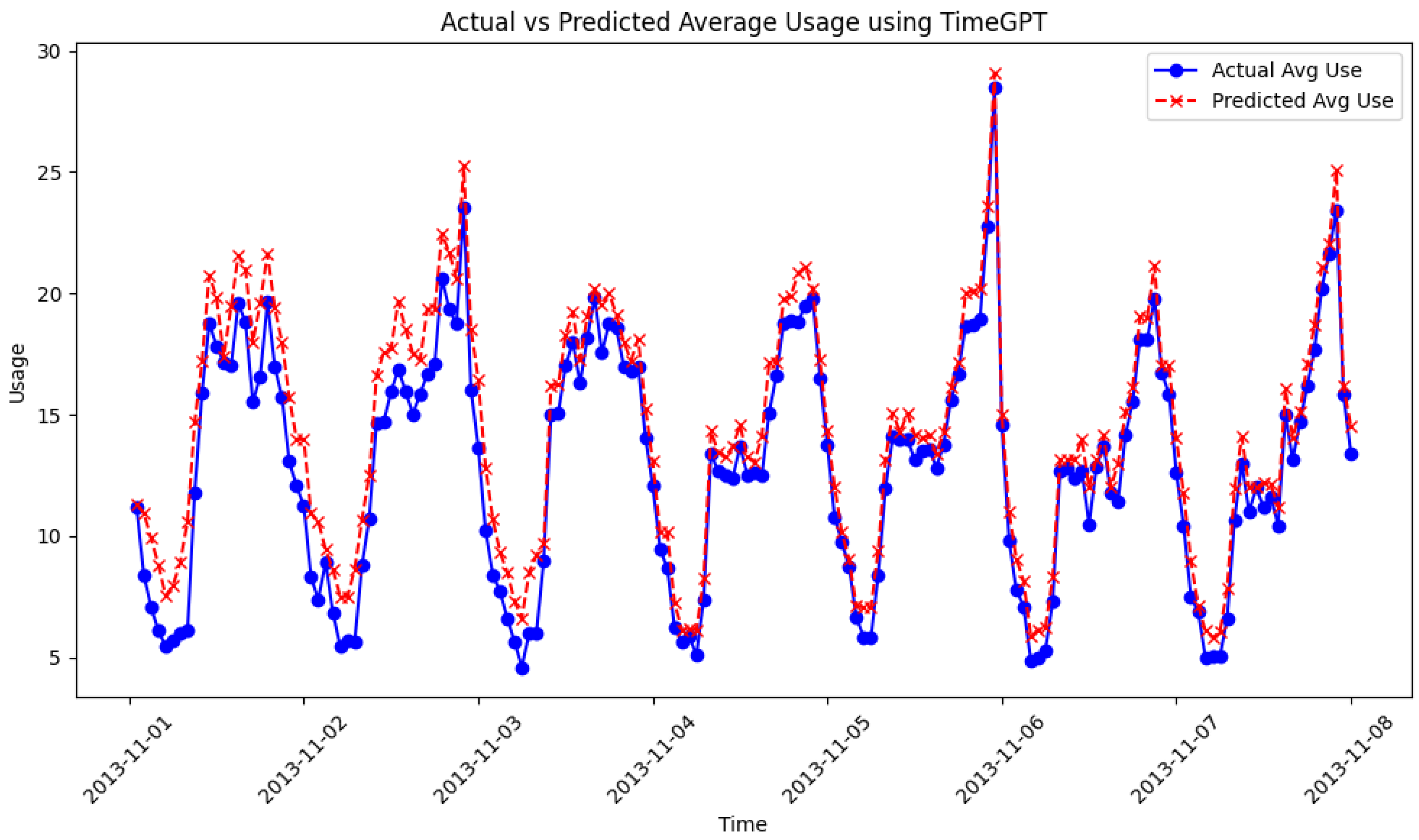
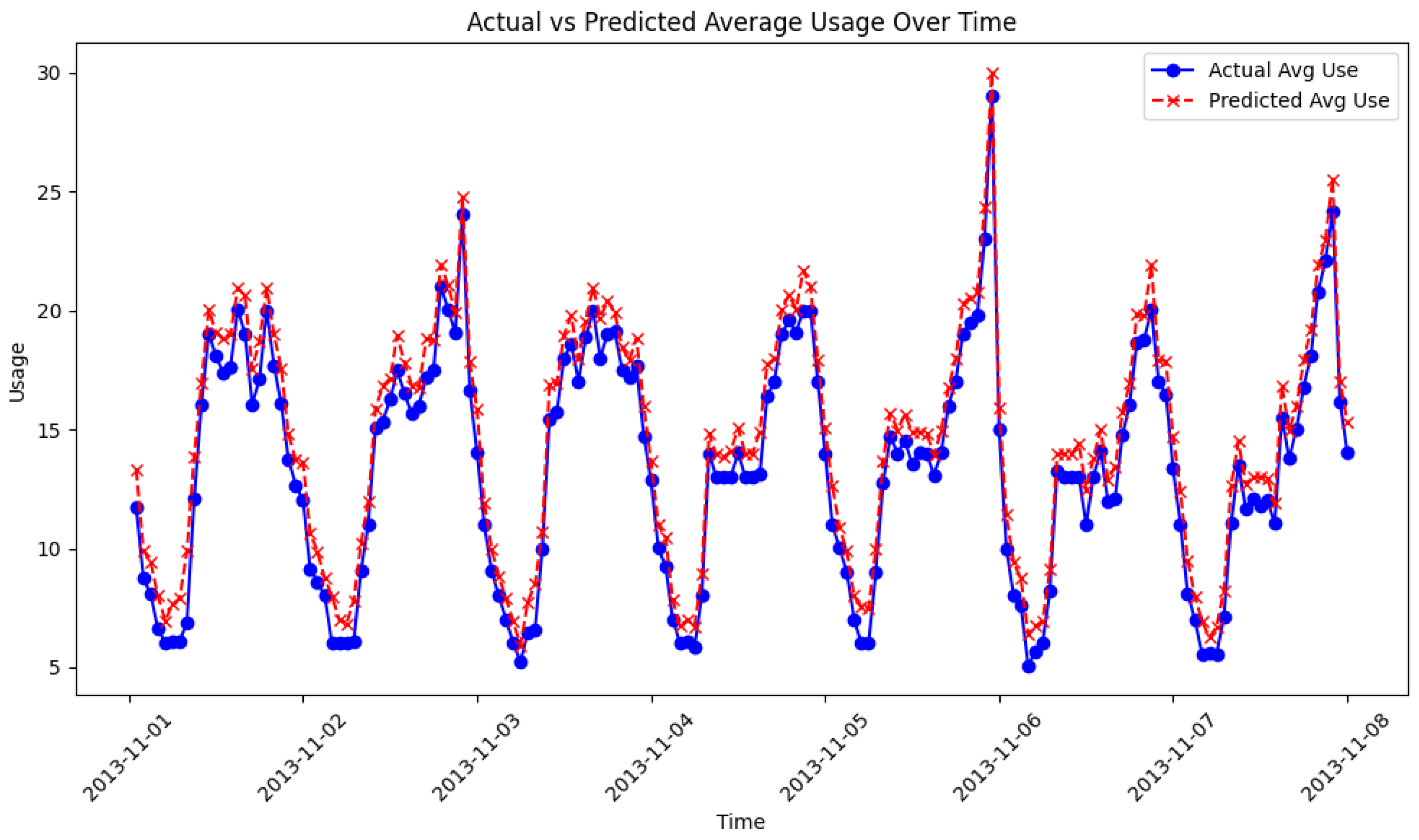
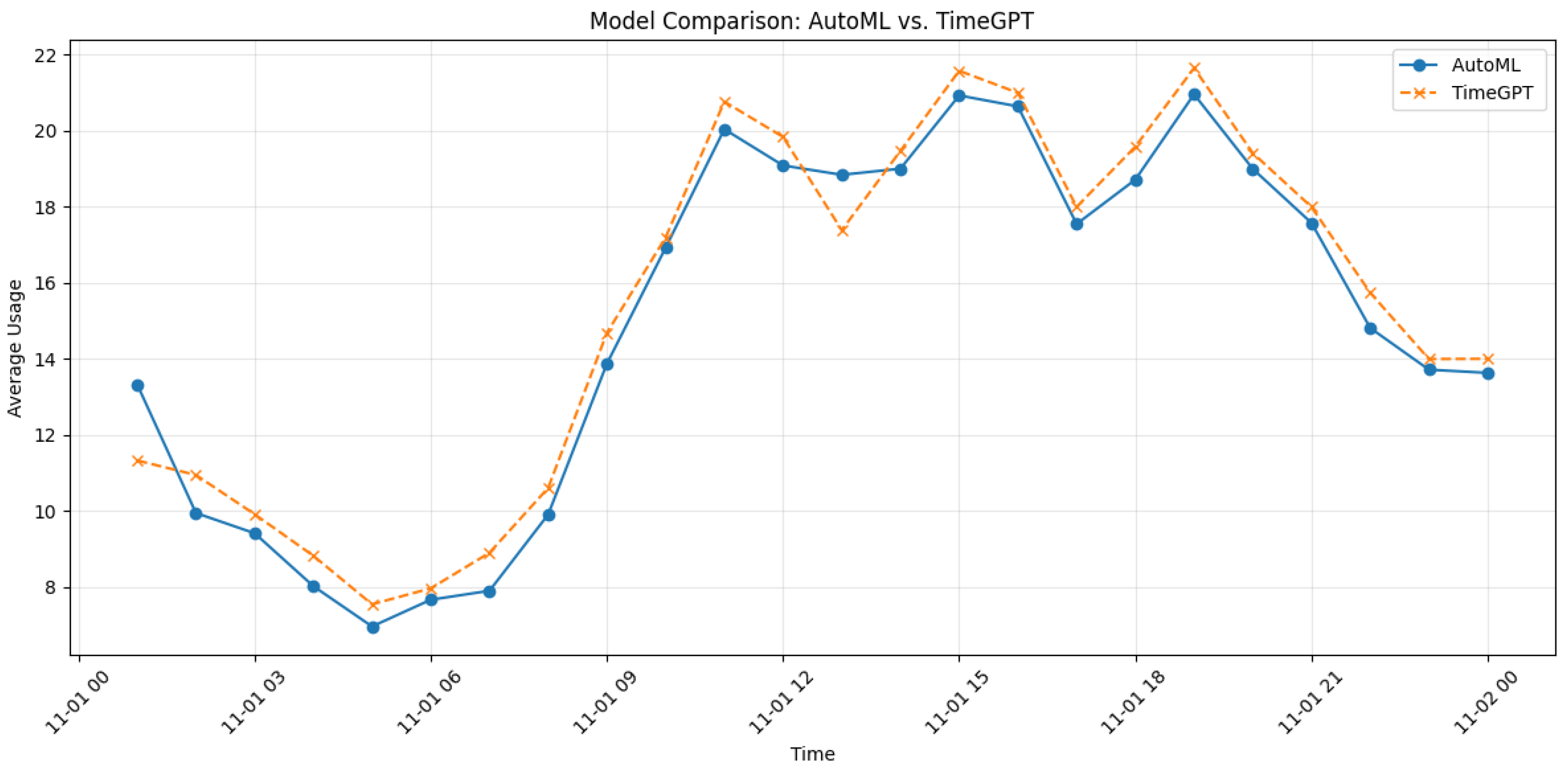
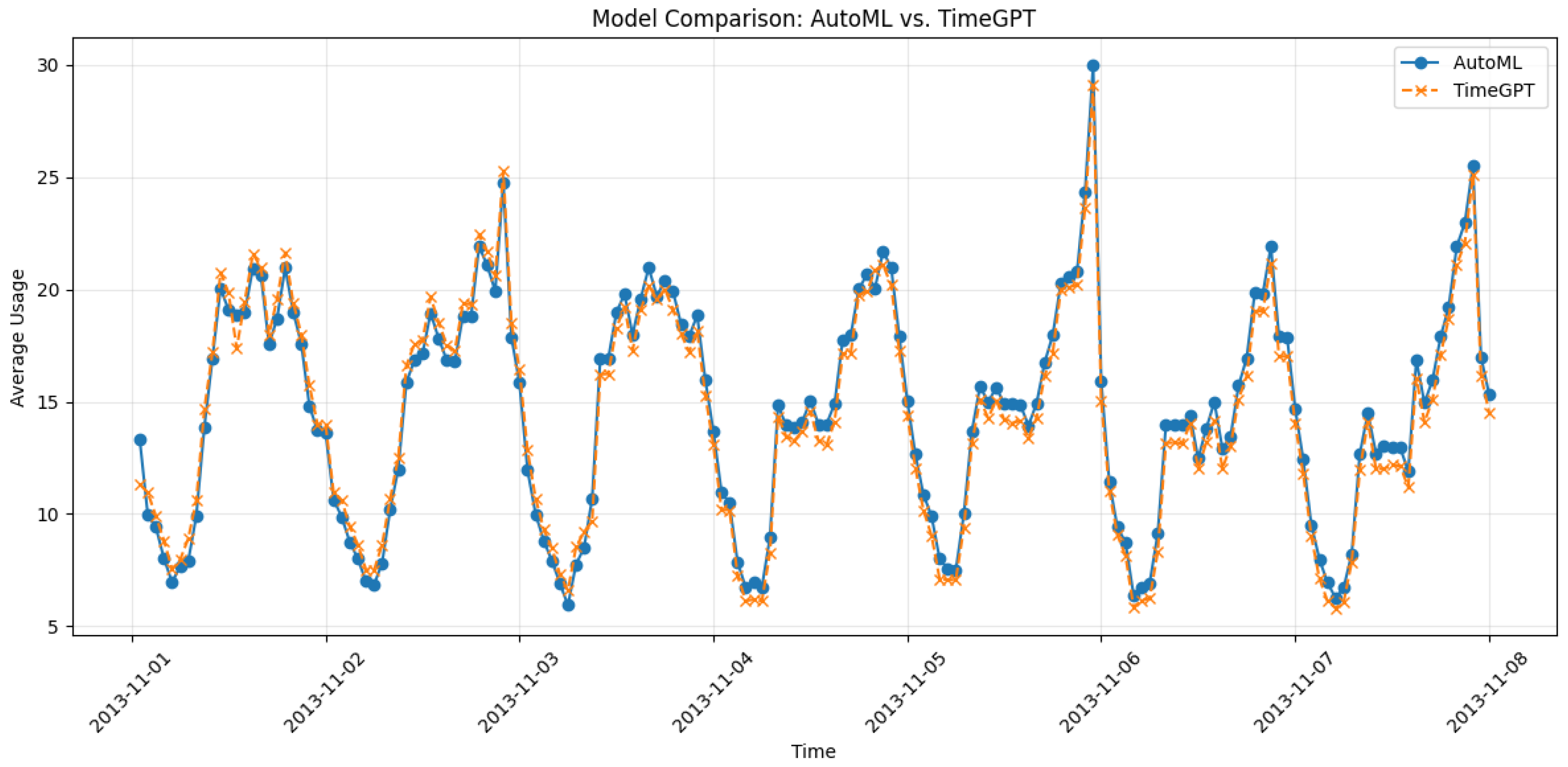
Call Detail Records (CDRs) from mobile networks offer valuable insights into both network performance and user behavior. With the growing importance of data analytics, analyzing CDRs has become critical for optimizing network resources by forecasting demand across spatial and temporal dimensions. In this study, we examine publicly available CDR data from Telecom Italia to explore the spatiotemporal dynamics of mobile network activity in Milan. This analysis reveals key patterns in traffic distribution highlighting both high- and low-demand regions as well as notable variations in usage over time. To anticipate future network usage, we employ both Automated Machine Learning (AutoML) and the transformer-based TimeGPT model, comparing their performance against traditional forecasting methods such as Long Short-Term Memory (LSTM), ARIMA and SARIMA. Model accuracy is assessed using standard evaluation metrics, including root mean square error (RMSE), mean absolute error (MAE) and the coefficient of determination (R2). Results show that AutoML delivers the most accurate forecasts, with significantly lower RMSE (2.4990 vs. 14.8226) and MAE (1.0284 vs. 7.7789) compared to TimeGPT and a higher R2 score (99.96% vs. 98.62%). Our findings underscore the strengths of modern predictive models in capturing complex traffic behaviors and demonstrate their value in resource planning, congestion management and overall network optimization. Importantly, this study is one of the first to Comprehensively assess AutoML and TimeGPT on a high-resolution, real-world CDR dataset from a major European city. By merging machine learning techniques with advanced temporal modeling, this study provides a strong framework for scalable and intelligent mobile traffic prediction. It thus highlights the functionality of AutoML in simplifying model development and the possibility of TimeGPT to extend transformer-based prediction to the telecommunications domain.
Keywords: Mobile Network Traffic; TimeGPT; AutoML; Call Detail Records (CDRs); Time-Series forecasting; traffic classification Mobile Network Traffic; TimeGPT; AutoML; Call Detail Records (CDRs); Time-Series forecasting; traffic classification