Evidence for a Tumor-Suppressive Role of SHP-1 in EMT Regulation in Bladder Cancer Cells
 , , and
Simple Summary
Abstract
1. Introduction
2. Materials and Methods
2.1. Cell Culture
2.2. Lentiviral Transduction of Bladder Cancer Cells
2.2.1. SHP-1 Knockdown
2.2.2. SHP-1 Rescue
2.3. Cell Proliferation Assay
2.4. Cell Migration and Invasion Assays
2.5. Western Blot Analysis
2.6. Patient Material Characterization
2.7. Immunohistochemistry of Frozen Sections
2.8. QuPath Analysis of Frozen Sections
2.9. Statistical Analysis
2.10. RNA Library Preparation and Sequencing
2.11. NGS Data Analysis
3. Results
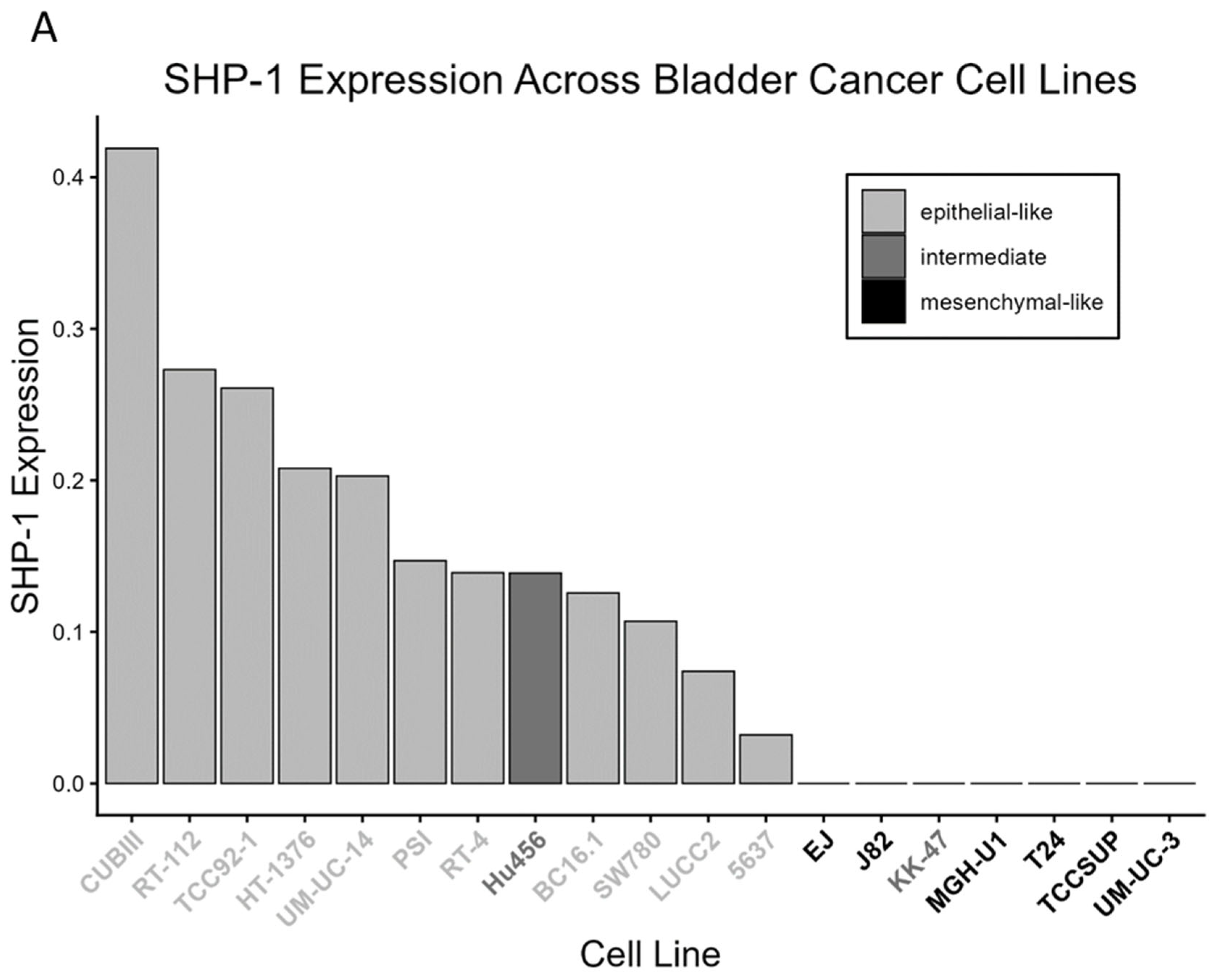
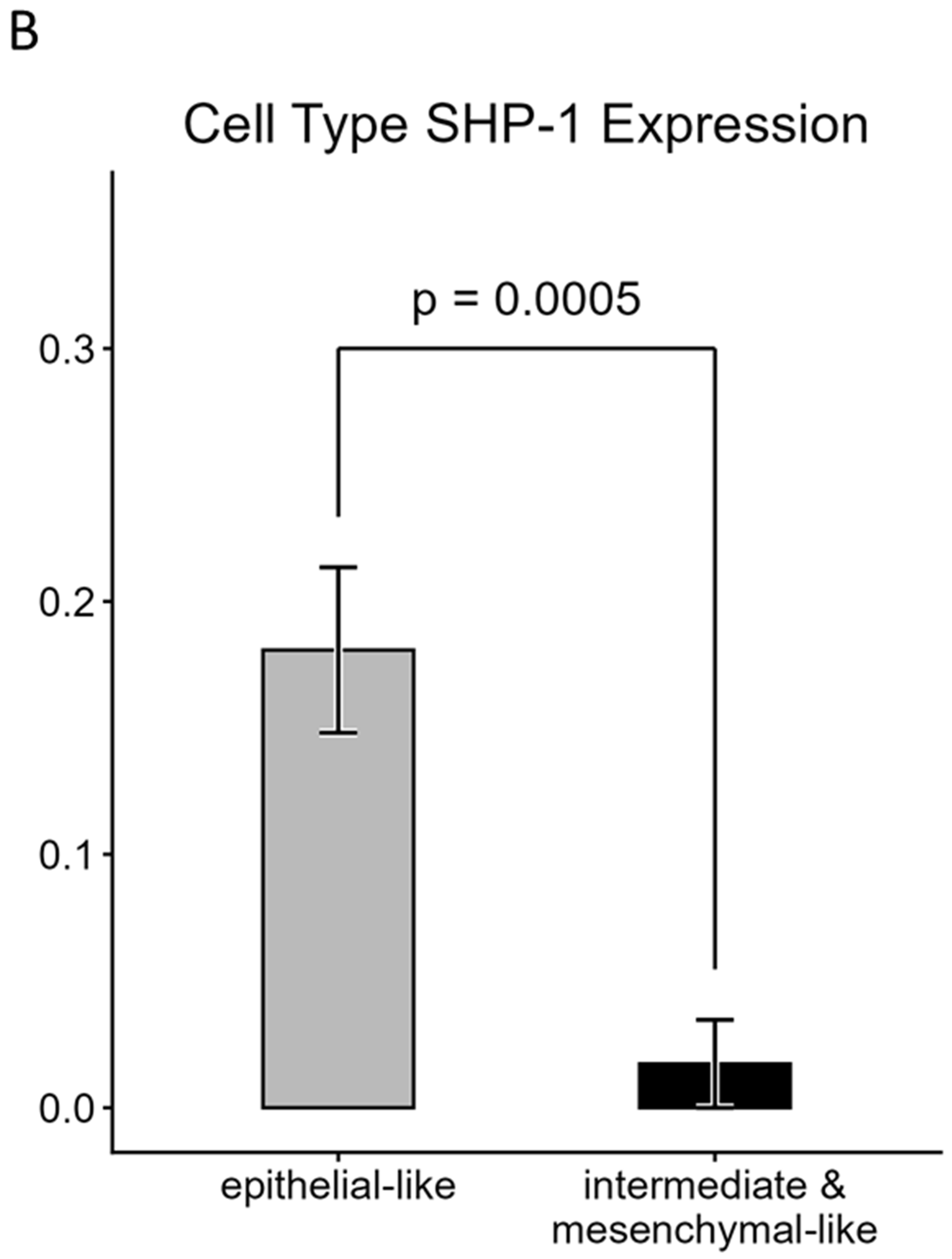
3.1. SHP-1 Expression Is Downregulated in Mesenchymal-like Cell Lines and Muscle-Invasive Bladder Cancer Tissue
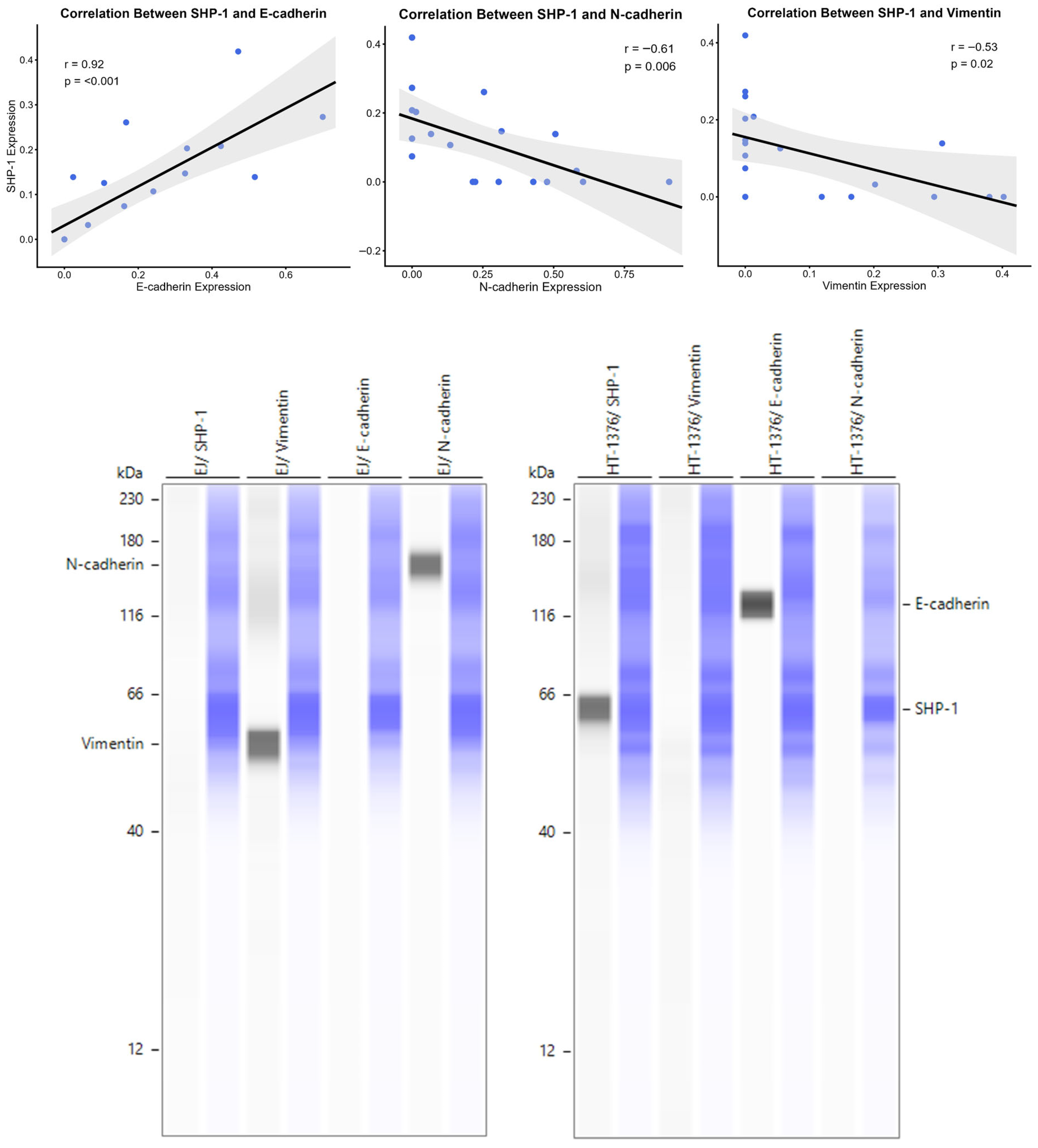
3.2. SHP-1 Expression Correlates with an Epithelial Phenotype
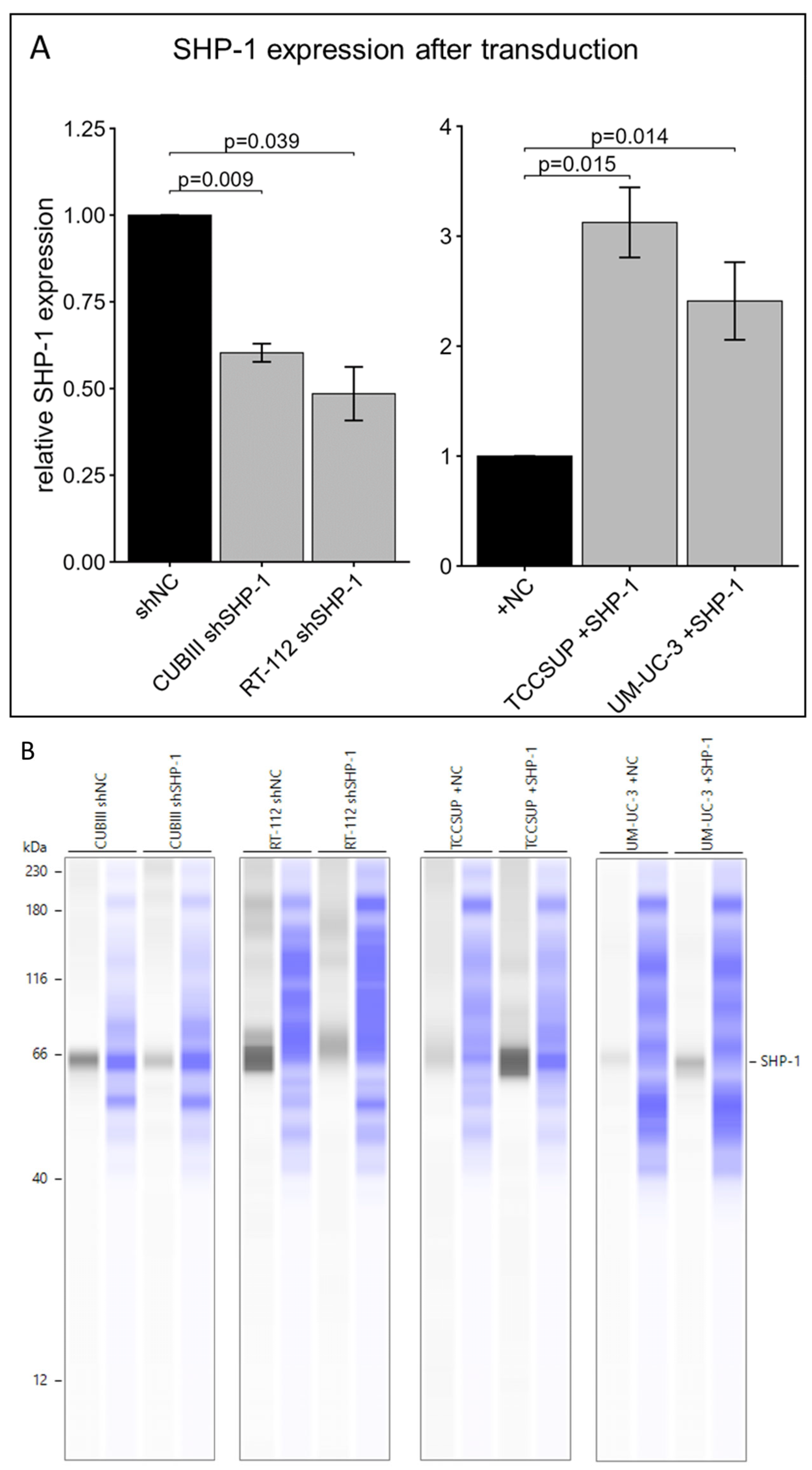
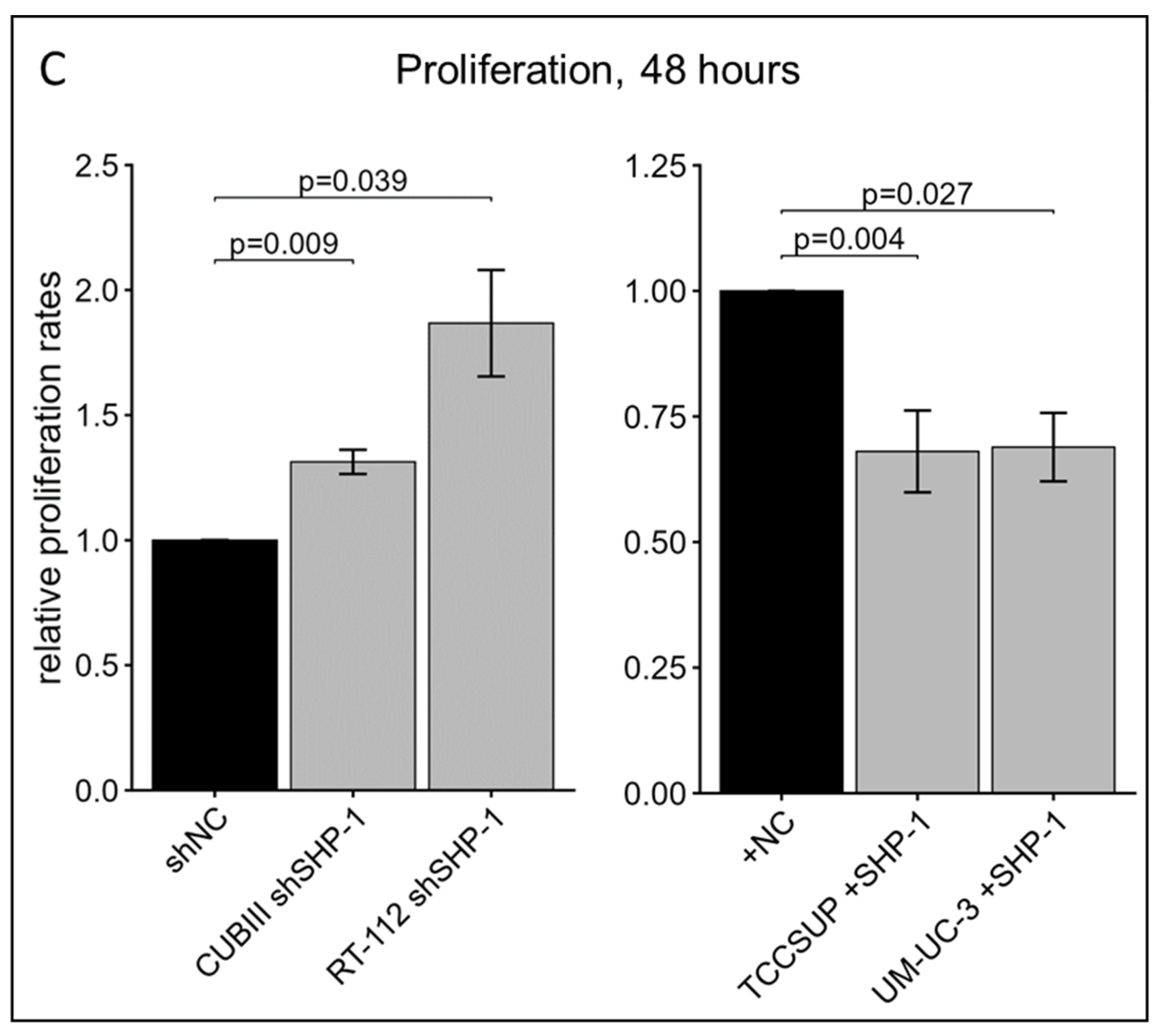
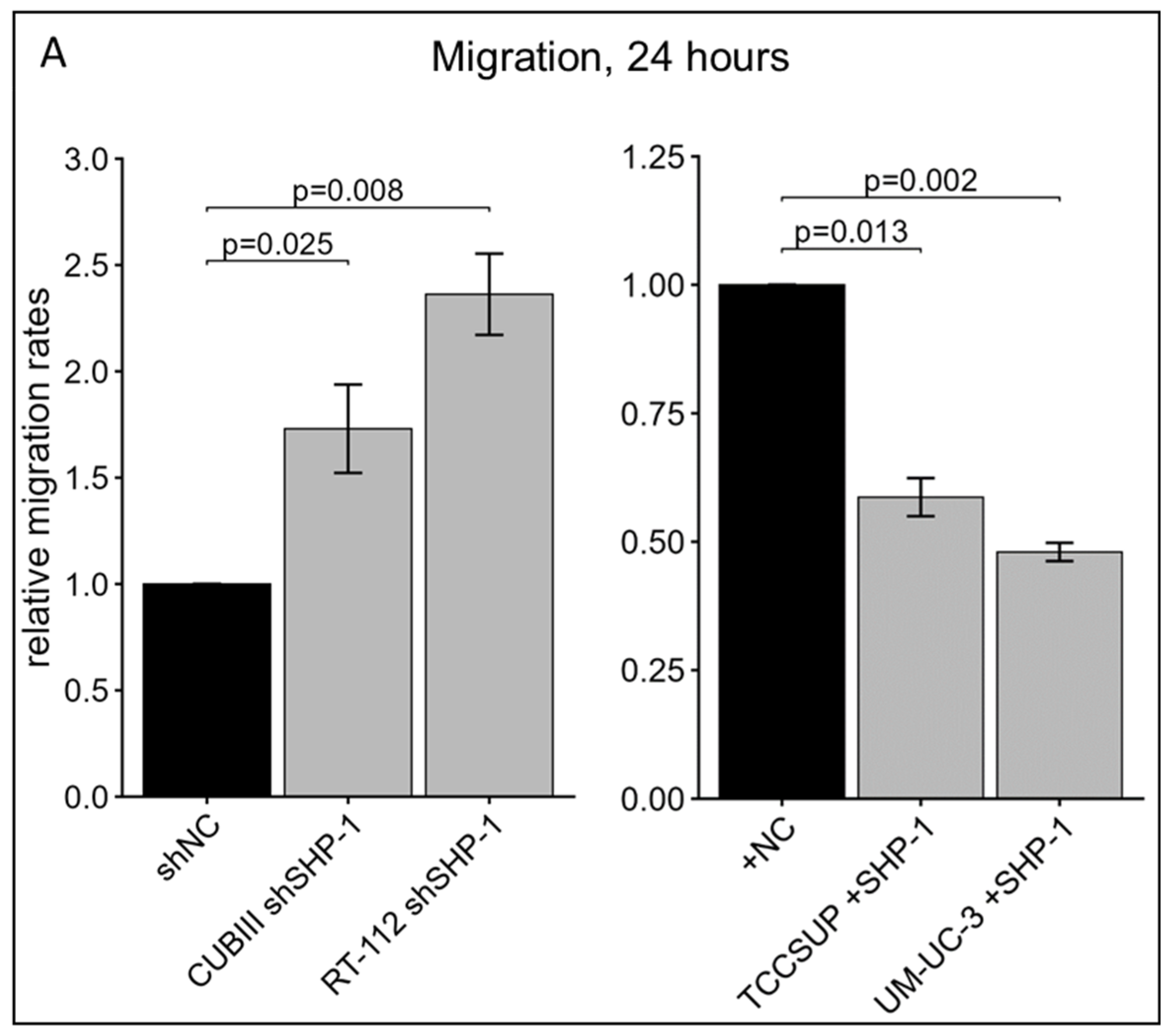
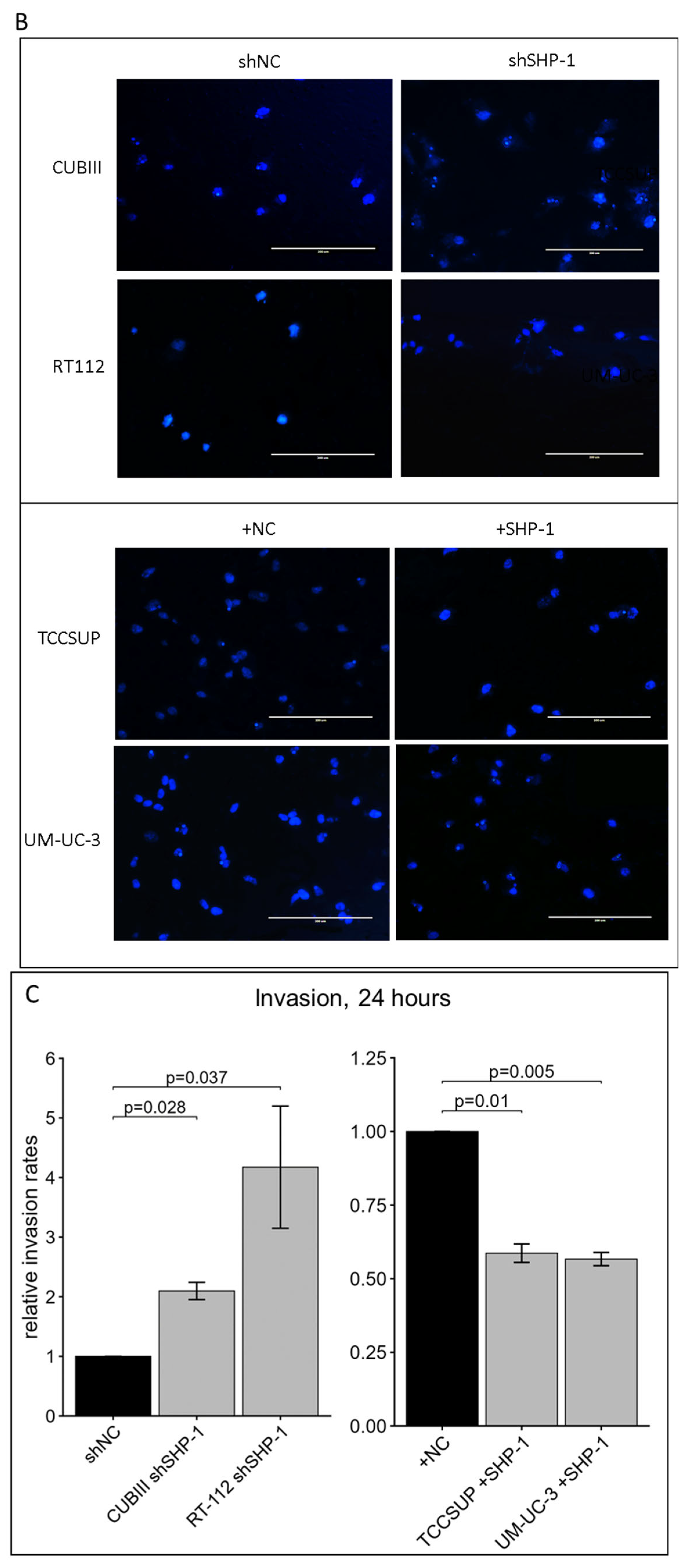
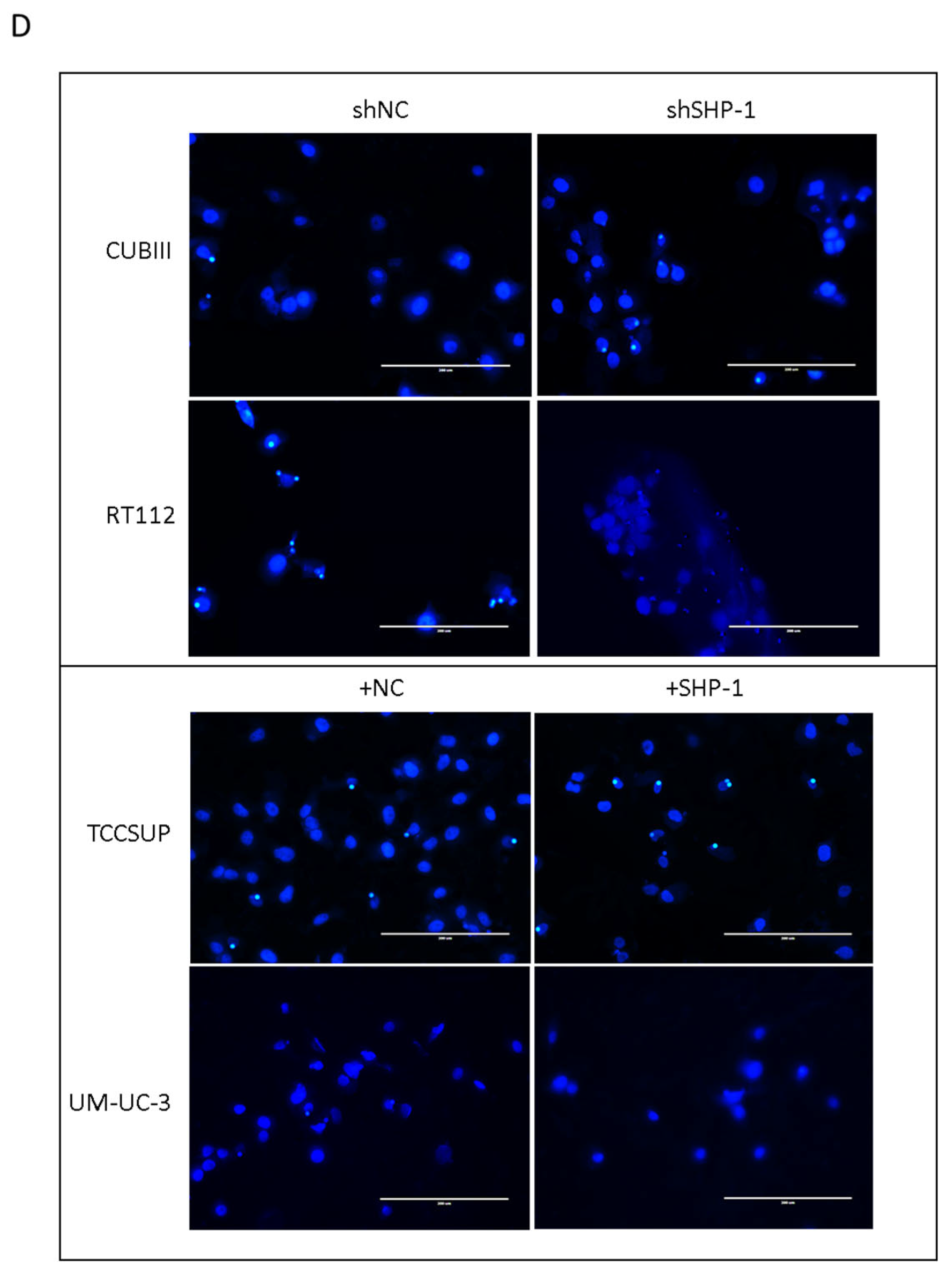
3.3. SHP-1 Regulates Bladder Cancer Cell Proliferation, Migration, and Invasion
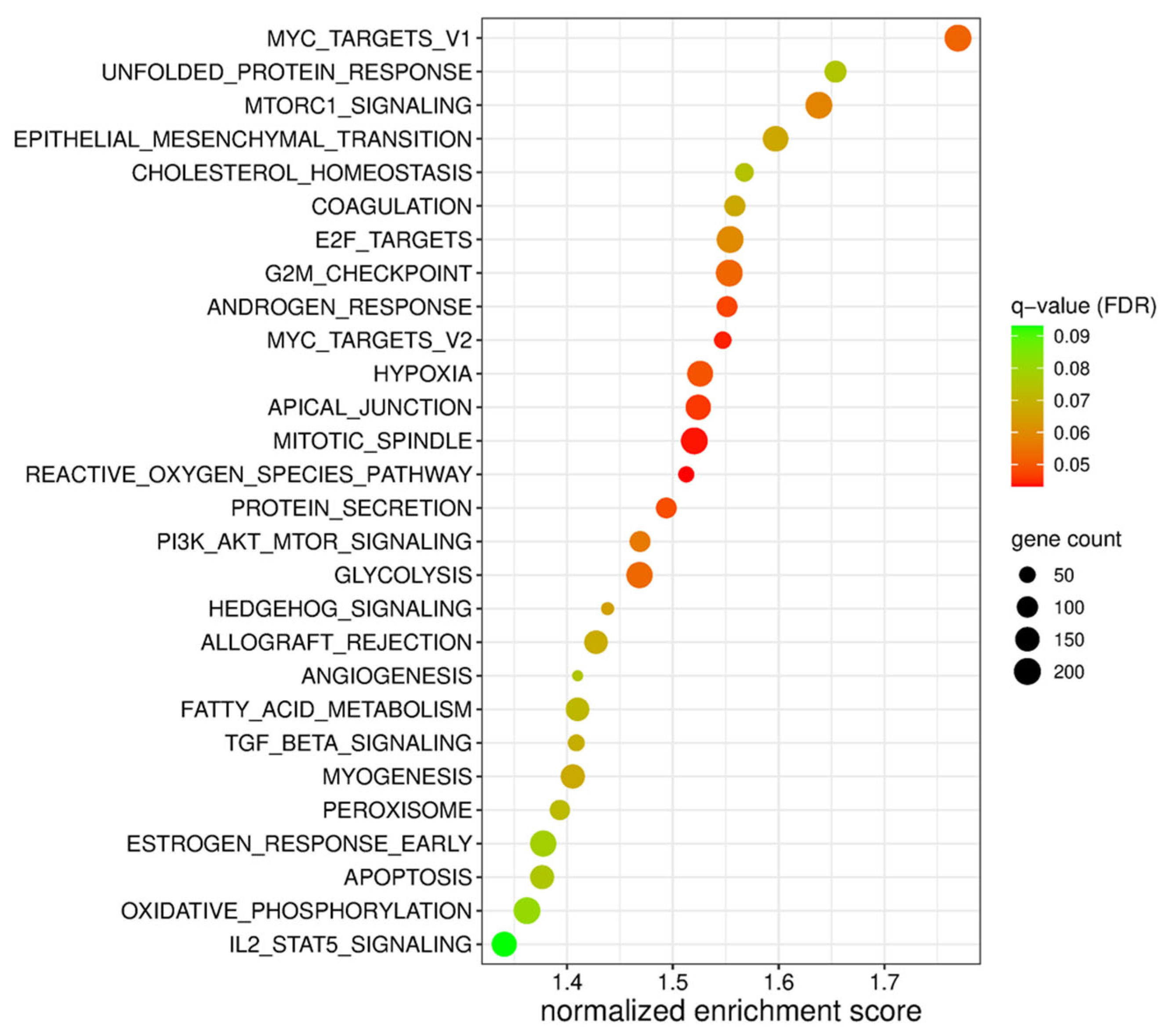
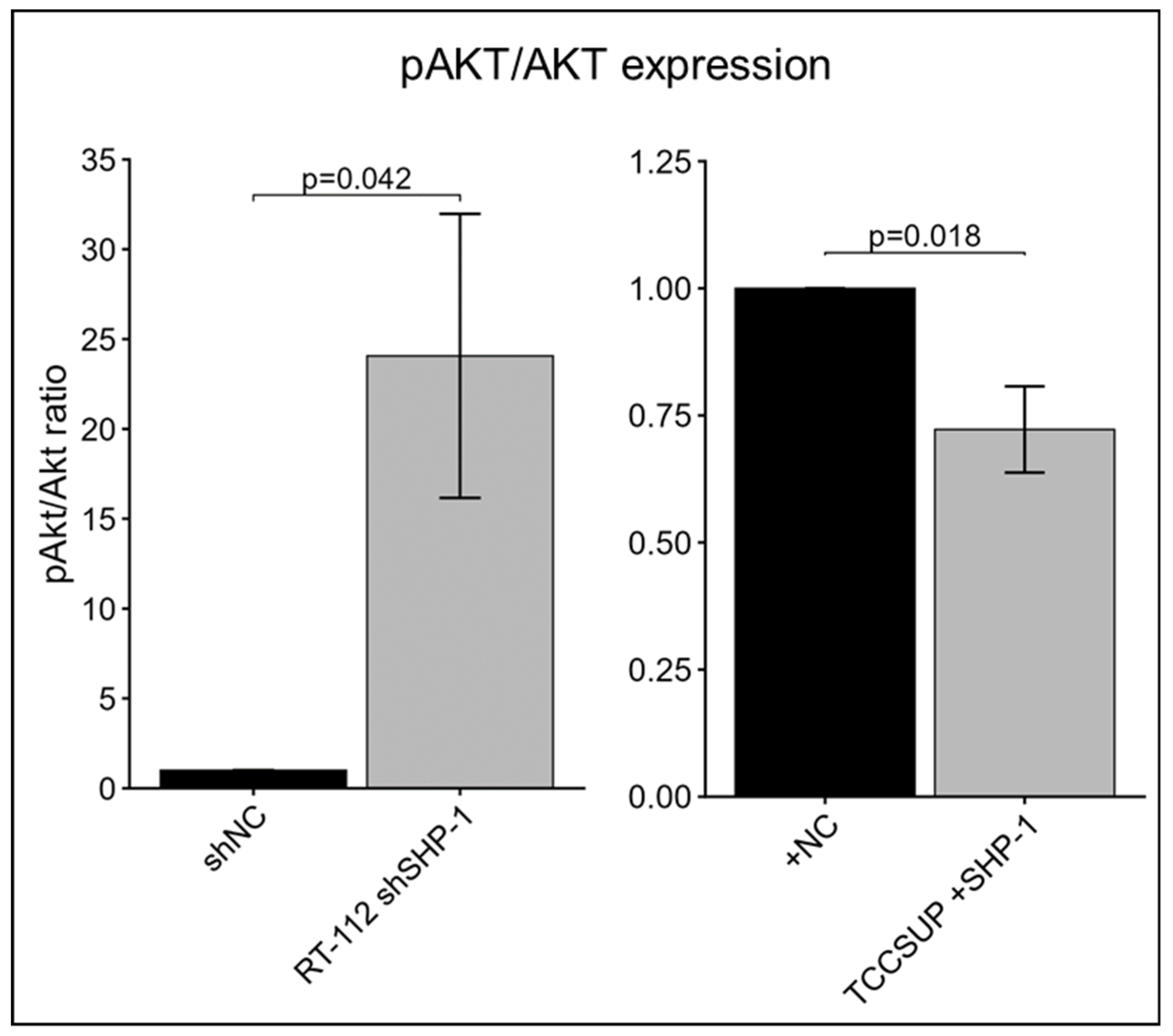
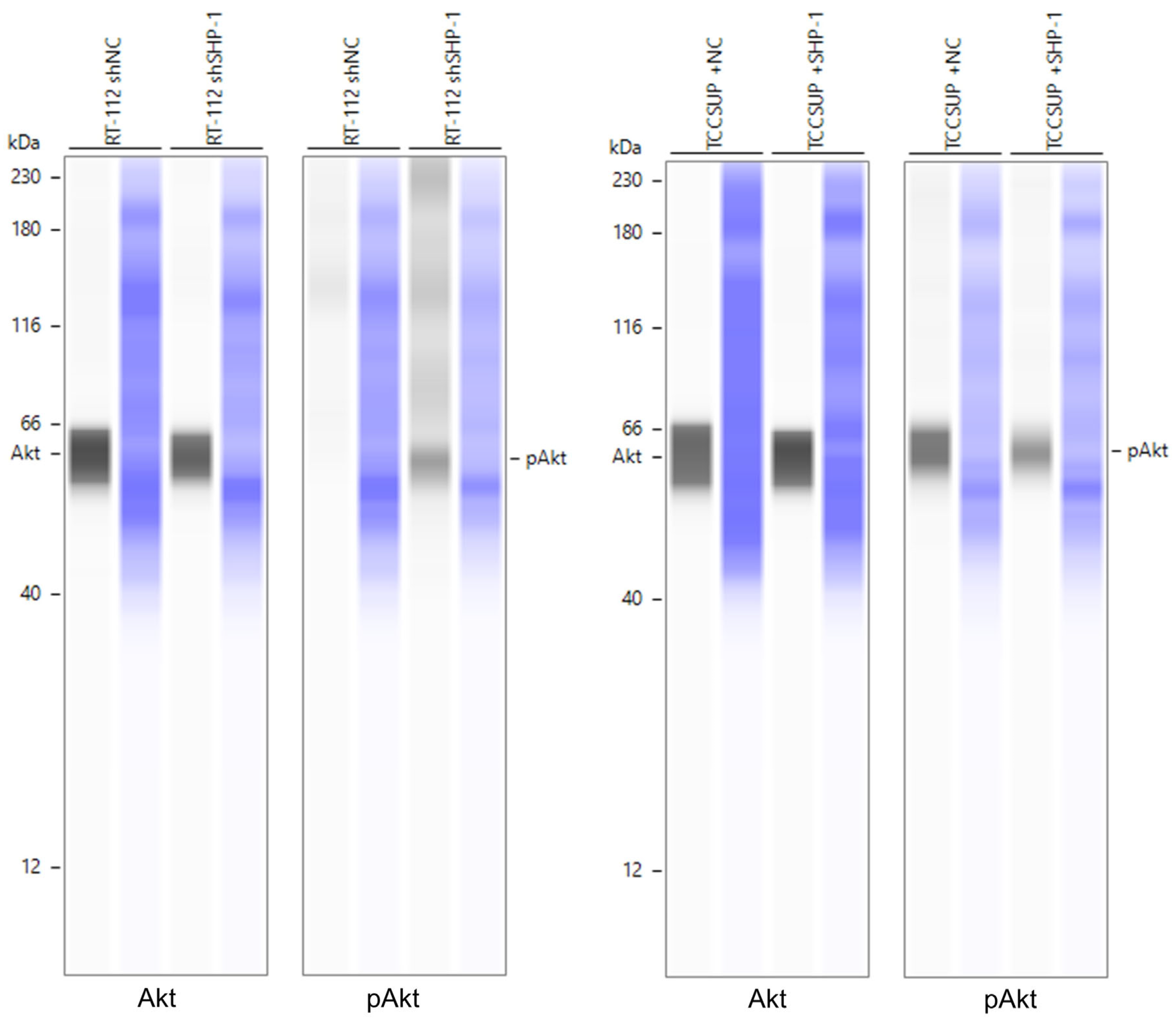
3.4. SHP-1 Modulates Oncogenic Signaling and Suppresses the PI3K/Akt Pathway
4. Discussion
5. Conclusions
Author Contributions
Funding
Institutional Review Board Statement
Informed Consent Statement
Data Availability Statement
Conflicts of Interest
References
- Siegel, R.L.; Kratzer, T.B.; Wagle, N.S.; Sung, H.; Jemal, A. Cancer Statistics, 2026. CA Cancer J. Clin. 2026, 76, e70043. [Google Scholar] [CrossRef] [PubMed]
- Reddy, A.C.; Gu, J.Z.; Koo, B.H.; Fruh, V.; Sax, A.J. Urothelial Carcinoma: Epidemiology and Imaging-Based Review. Rhode Isl. Med. J. 2024, 107, 26–32. [Google Scholar]
- Cancer of the Urinary Bladder—Cancer Stat Facts. Available online: https://seer.cancer.gov/statfacts/html/urinb.html (accessed on 16 January 2026).
- Clark, O.; Sarmento, T.; Eccleston, A.; Brinkmann, J.; Picoli, R.; Daliparthi, V.; Voss, J.; Chandrasekar, S.; Thompson, A.; Chang, J. Economic Impact of Bladder Cancer in the USA. PharmacoEcon. Open 2024, 8, 837–845. [Google Scholar] [CrossRef]
- Mariotto, A.B.; Enewold, L.; Zhao, J.; Zeruto, C.A.; Yabroff, K.R. Medical Care Costs Associated with Cancer Survivorship in the United States. Cancer Epidemiol. Biomark. Prev. 2020, 29, 1304–1312. [Google Scholar] [CrossRef]
- Shalata, A.T.; Shehata, M.; Van Bogaert, E.; Ali, K.M.; Alksas, A.; Mahmoud, A.; El-Gendy, E.M.; Mohamed, M.A.; Giridharan, G.A.; Contractor, S.; et al. Predicting Recurrence of Non-Muscle-Invasive Bladder Cancer: Current Techniques and Future Trends. Cancers 2022, 14, 5019. [Google Scholar] [CrossRef] [PubMed]
- Cancer Genome Atlas Research Network. Comprehensive Molecular Characterization of Urothelial Bladder Carcinoma. Nature 2014, 507, 315–322. [Google Scholar] [CrossRef]
- Knowles, M.A.; Hurst, C.D. Molecular Biology of Bladder Cancer: New Insights into Pathogenesis and Clinical Diversity. Nat. Rev. Cancer 2015, 15, 25–41. [Google Scholar] [CrossRef]
- Ebner, B.; Eismann, L.; Hermans, J.; Kidess, M.; Pyrgidis, N.; Semmler, M.; Volz, Y.; Buchner, A.; Chaloupka, M.; Eich, M.-L.; et al. Prognostic Impact of Combined Loss of RB1, P53 and P21 in Muscle-Invasive Bladder Cancer. Pathol. Res. Pract. 2025, 270, 155960. [Google Scholar] [CrossRef] [PubMed]
- Gui, Y.; Guo, G.; Huang, Y.; Hu, X.; Tang, A.; Gao, S.; Wu, R.; Chen, C.; Li, X.; Zhou, L.; et al. Frequent Mutations of Chromatin Remodeling Genes in Transitional Cell Carcinoma of the Bladder. Nat. Genet. 2011, 43, 875–878. [Google Scholar] [CrossRef]
- Nickerson, M.L.; Dancik, G.M.; Im, K.M.; Edwards, M.G.; Turan, S.; Brown, J.; Ruiz-Rodriguez, C.; Owens, C.; Costello, J.C.; Guo, G.; et al. Concurrent Alterations in TERT, KDM6A, and the BRCA Pathway in Bladder Cancer. Clin. Cancer Res. 2014, 20, 4935–4948. [Google Scholar] [CrossRef]
- Platt, F.M.; Hurst, C.D.; Taylor, C.F.; Gregory, W.M.; Harnden, P.; Knowles, M.A. Spectrum of Phosphatidylinositol 3-Kinase Pathway Gene Alterations in Bladder Cancer. Clin. Cancer Res. 2009, 15, 6008–6017. [Google Scholar] [CrossRef]
- Cariaga-Martinez, A.E.; Lorenzati, M.A.; Riera, M.A.; Cubilla, M.A.; De La Rossa, A.; Giorgio, E.M.; Tiscornia, M.M.; Gimenez, E.M.; Rojas, M.E.; Chaneton, B.J.; et al. Tumoral Prostate Shows Different Expression Pattern of Somatostatin Receptor 2 (SSTR2) and Phosphotyrosine Phosphatase SHP-1 (PTPN6) According to Tumor Progression. Adv. Urol. 2009, 2009, 723831. [Google Scholar] [CrossRef]
- Fan, L.-C.; Shiau, C.-W.; Tai, W.-T.; Hung, M.-H.; Chu, P.-Y.; Hsieh, F.-S.; Lin, H.; Yu, H.-C.; Chen, K.-F. SHP-1 Is a Negative Regulator of Epithelial-Mesenchymal Transition in Hepatocellular Carcinoma. Oncogene 2015, 34, 5252–5263. [Google Scholar] [CrossRef] [PubMed]
- Geng, Q.; Xian, R.; Yu, Y.; Chen, F.; Li, R. SHP-1 Acts as a Tumor Suppressor by Interacting with EGFR and Predicts the Prognosis of Human Breast Cancer. Cancer Biol. Med. 2021, 19, 468–485. [Google Scholar] [CrossRef]
- Chi, D.; Wang, D.; Zhang, M.; Ma, H.; Chen, F.; Sun, Y. CLEC12B Suppresses Lung Cancer Progression by Inducing SHP-1 Expression and Inactivating the PI3K/Akt Signaling Pathway. Exp. Cell Res. 2021, 409, 112914. [Google Scholar] [CrossRef]
- Fan, L.-C.; Teng, H.-W.; Shiau, C.-W.; Lin, H.; Hung, M.-H.; Chen, Y.-L.; Huang, J.-W.; Tai, W.-T.; Yu, H.-C.; Chen, K.-F. SHP-1 Is a Target of Regorafenib in Colorectal Cancer. Oncotarget 2014, 5, 6243–6251. [Google Scholar] [CrossRef] [PubMed]
- Liu, L.; Zhang, S.; Liu, X.; Liu, J. Aberrant Promoter 2 Methylation-mediated Downregulation of Protein Tyrosine Phosphatase, Non-receptor Type 6, Is Associated with Progression of Esophageal Squamous Cell Carcinoma. Mol. Med. Rep. 2019, 19, 3273–3282. [Google Scholar] [CrossRef]
- Tautz, L.; Critton, D.A.; Grotegut, S. Protein Tyrosine Phosphatases: Structure, Function, and Implication in Human Disease. Methods Mol. Biol. 2013, 1053, 179–221. [Google Scholar] [CrossRef] [PubMed]
- Fang, H.; Ma, W.; Guo, X.; Wang, J. PTPN6 Promotes Chemosensitivity of Colorectal Cancer Cells via Inhibiting the SP1/MAPK Signalling Pathway. Cell Biochem. Funct. 2021, 39, 392–400. [Google Scholar] [CrossRef]
- Liu, C.-Y.; Su, J.-C.; Ni, M.-H.; Tseng, L.-M.; Chu, P.-Y.; Wang, D.-S.; Tai, W.-T.; Kao, Y.-P.; Hung, M.-H.; Shiau, C.-W.; et al. Obatoclax Analog SC-2001 Inhibits STAT3 Phosphorylation through Enhancing SHP-1 Expression and Induces Apoptosis in Human Breast Cancer Cells. Breast Cancer Res. Treat. 2014, 146, 71–84. [Google Scholar] [CrossRef]
- Wen, L.-Z.; Ding, K.; Wang, Z.-R.; Ding, C.-H.; Lei, S.-J.; Liu, J.-P.; Yin, C.; Hu, P.-F.; Ding, J.; Chen, W.-S.; et al. SHP-1 Acts as a Tumor Suppressor in Hepatocarcinogenesis and HCC Progression. Cancer Res. 2018, 78, 4680–4691. [Google Scholar] [CrossRef] [PubMed]
- Shen, C.; Liu, J.; Wang, J.; Yang, X.; Niu, H.; Wang, Y. The Analysis of PTPN6 for Bladder Cancer: An Exploratory Study Based on TCGA. Dis. Markers 2020, 2020, 4312629. [Google Scholar] [CrossRef] [PubMed]
- Tahir, M.; Suffian, M.; Dilbar, N.; Hussain, S.; Ejaz, A. Deciphering the Role of PTPN6 in Aberrant Signaling and BLCA Prognosis. Discov. Biotechnol. 2025, 2, 29. [Google Scholar] [CrossRef]
- Ye, C.; Zhao, W.; Li, M.; Zhuang, J.; Yan, X.; Lu, Q.; Chang, C.; Huang, X.; Zhou, J.; Xie, B.; et al. δ-Tocotrienol Induces Human Bladder Cancer Cell Growth Arrest, Apoptosis and Chemosensitization through Inhibition of STAT3 Pathway. PLoS ONE 2015, 10, e0122712. [Google Scholar] [CrossRef]
- Bankhead, P.; Loughrey, M.B.; Fernández, J.A.; Dombrowski, Y.; McArt, D.G.; Dunne, P.D.; McQuaid, S.; Gray, R.T.; Murray, L.J.; Coleman, H.G.; et al. QuPath: Open Source Software for Digital Pathology Image Analysis. Sci. Rep. 2017, 7, 16878. [Google Scholar] [CrossRef]
- Subramanian, A.; Tamayo, P.; Mootha, V.K.; Mukherjee, S.; Ebert, B.L.; Gillette, M.A.; Paulovich, A.; Pomeroy, S.L.; Golub, T.R.; Lander, E.S.; et al. Gene Set Enrichment Analysis: A Knowledge-Based Approach for Interpreting Genome-Wide Expression Profiles. Proc. Natl. Acad. Sci. USA 2005, 102, 15545–15550. [Google Scholar] [CrossRef]
- Baumgart, E.; Cohen, M.S.; Silva Neto, B.; Jacobs, M.A.; Wotkowicz, C.; Rieger-Christ, K.M.; Biolo, A.; Zeheb, R.; Loda, M.; Libertino, J.A.; et al. Identification and Prognostic Significance of an Epithelial-Mesenchymal Transition Expression Profile in Human Bladder Tumors. Clin. Cancer Res. 2007, 13, 1685–1694. [Google Scholar] [CrossRef] [PubMed]
- Yeager, T.R.; DeVries, S.; Jarrard, D.F.; Kao, C.; Nakada, S.Y.; Moon, T.D.; Bruskewitz, R.; Stadler, W.M.; Meisner, L.F.; Gilchrist, K.W.; et al. Overcoming Cellular Senescence in Human Cancer Pathogenesis. Genes Dev. 1998, 12, 163–174. [Google Scholar] [CrossRef][Green Version]
- Roth, B.; Jayaratna, I.; Sundi, D.; Cheng, T.; Melquist, J.; Choi, W.; Porten, S.; Nitti, G.; Navai, N.; Wszolek, M.; et al. Employing an Orthotopic Model to Study the Role of Epithelial-Mesenchymal Transition in Bladder Cancer Metastasis. Oncotarget 2017, 8, 34205–34222. [Google Scholar] [CrossRef]
- Earl, J.; Rico, D.; Carrillo-de-Santa-Pau, E.; Rodríguez-Santiago, B.; Méndez-Pertuz, M.; Auer, H.; Gómez, G.; Grossman, H.B.; Pisano, D.G.; Schulz, W.A.; et al. The UBC-40 Urothelial Bladder Cancer Cell Line Index: A Genomic Resource for Functional Studies. BMC Genom. 2015, 16, 403. [Google Scholar] [CrossRef] [PubMed]
- Davies, G.; Jiang, W.G.; Mason, M.D. Cell-Cell Adhesion Molecules and Their Associated Proteins in Bladder Cancer Cells and Their Role in Mitogen Induced Cell-Cell Dissociation and Invasion. Anticancer Res. 1999, 19, 547–552. [Google Scholar]
- Tan, T.Z.; Miow, Q.H.; Miki, Y.; Noda, T.; Mori, S.; Huang, R.Y.-J.; Thiery, J.P. Epithelial-Mesenchymal Transition Spectrum Quantification and Its Efficacy in Deciphering Survival and Drug Responses of Cancer Patients. EMBO Mol. Med. 2014, 6, 1279–1293. [Google Scholar] [CrossRef]
- Varone, A.; Spano, D.; Corda, D. Shp1 in Solid Cancers and Their Therapy. Front. Oncol. 2020, 10, 935. [Google Scholar] [CrossRef]
- Yun, S.J.; Kim, W.-J. Role of the Epithelial-Mesenchymal Transition in Bladder Cancer: From Prognosis to Therapeutic Target. Korean J. Urol. 2013, 54, 645–650. [Google Scholar] [CrossRef]
- Lamouille, S.; Xu, J.; Derynck, R. Molecular Mechanisms of Epithelial-Mesenchymal Transition. Nat. Rev. Mol. Cell Biol. 2014, 15, 178–196. [Google Scholar] [CrossRef]
- Hua, W.; Ten Dijke, P.; Kostidis, S.; Giera, M.; Hornsveld, M. TGFβ-Induced Metabolic Reprogramming during Epithelial-to-Mesenchymal Transition in Cancer. Cell Mol. Life Sci. 2020, 77, 2103–2123. [Google Scholar] [CrossRef] [PubMed]
- Yu, X.; Li, W.; Sun, S.; Li, J. Investigating the Prognostic Value of mTORC1 Signaling in Bladder Cancer via Bioinformatics Evaluation. Sci. Rep. 2023, 13, 22066. [Google Scholar] [CrossRef]
- Rascio, F.; Spadaccino, F.; Rocchetti, M.T.; Castellano, G.; Stallone, G.; Netti, G.S.; Ranieri, E. The Pathogenic Role of PI3K/Akt Pathway in Cancer Onset and Drug Resistance: An Updated Review. Cancers 2021, 13, 3949. [Google Scholar] [CrossRef]
- Rieger-Christ, K.M.; Lee, P.; Zagha, R.; Kosakowski, M.; Moinzadeh, A.; Stoffel, J.; Ben-Ze’ev, A.; Libertino, J.A.; Summerhayes, I.C. Novel Expression of N-Cadherin Elicits In Vitro Bladder Cell Invasion via the Akt Signaling Pathway. Oncogene 2004, 23, 4745–4753. [Google Scholar] [CrossRef] [PubMed][Green Version]
- Sun, C.-H.; Chang, Y.-H.; Pan, C.-C. Activation of the PI3K/Akt/mTOR Pathway Correlates with Tumour Progression and Reduced Survival in Patients with Urothelial Carcinoma of the Urinary Bladder. Histopathology 2011, 58, 1054–1063. [Google Scholar] [CrossRef] [PubMed]
- Chen, H.; Zhu, B.; Zhao, L.; Liu, Y.; Zhao, F.; Feng, J.; Jin, Y.; Sun, J.; Geng, R.; Wei, Y. Allicin Inhibits Proliferation and Invasion In Vitro and In Vivo via SHP-1-Mediated STAT3 Signaling in Cholangiocarcinoma. Cell. Physiol. Biochem. 2018, 47, 641–653. [Google Scholar] [CrossRef] [PubMed]


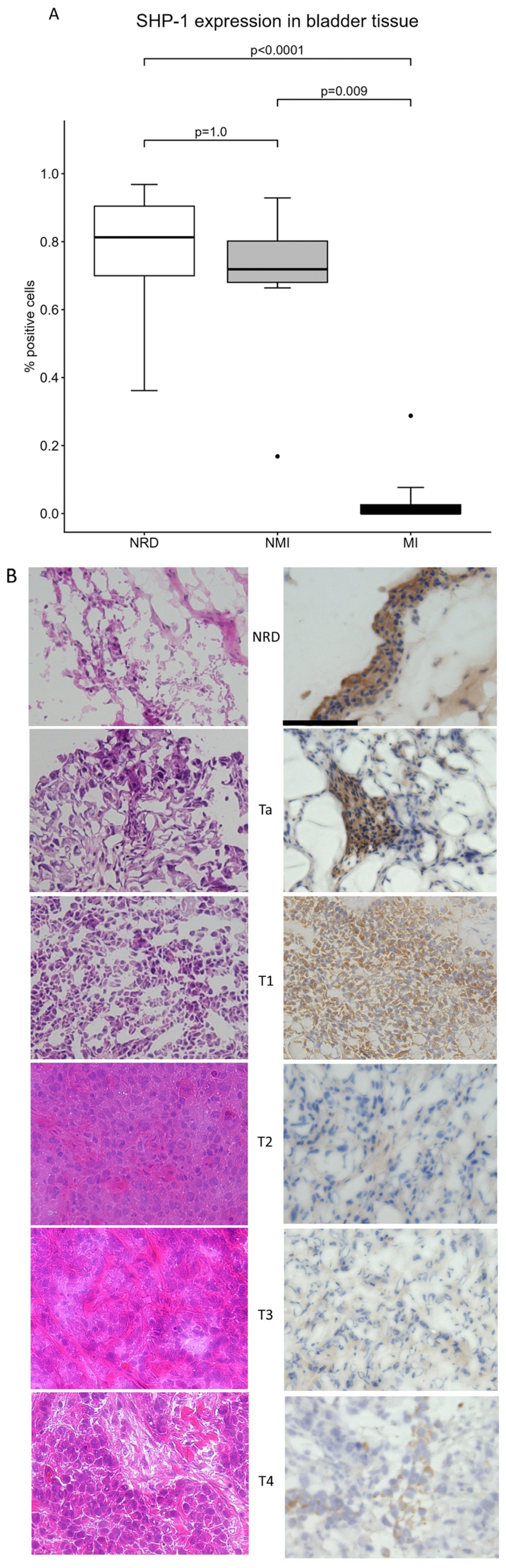



| NRD (n = 10) | NMI ≤ T1 (n = 8) | MI ≥ T2 (n = 8) | p-Value | |
|---|---|---|---|---|
| median age, years (range) | 77 (65–84) | 68 (59–83) | 76 (69–84) | 0.07 |
| smoking history, n (%) | 6 (60) | 5 (62.5) | 7 (87.5) | 0.563 |
| prior BCG treatment, n (%) | 3 (30) | 2 (25) | 3 (37.5) | 1 |
Disclaimer/Publisher’s Note: The statements, opinions and data contained in all publications are solely those of the individual author(s) and contributor(s) and not of MDPI and/or the editor(s). MDPI and/or the editor(s) disclaim responsibility for any injury to people or property resulting from any ideas, methods, instructions or products referred to in the content. |
© 2026 by the authors. Licensee MDPI, Basel, Switzerland. This article is an open access article distributed under the terms and conditions of the Creative Commons Attribution (CC BY) license.
Share and Cite
Hooper, K.; McNall, S.; Pohl, D.; Sullivan, T.; Burks, E.; Rieger-Christ, K. Evidence for a Tumor-Suppressive Role of SHP-1 in EMT Regulation in Bladder Cancer Cells. Cancers 2026, 18, 1401. https://doi.org/10.3390/cancers18091401
Hooper K, McNall S, Pohl D, Sullivan T, Burks E, Rieger-Christ K. Evidence for a Tumor-Suppressive Role of SHP-1 in EMT Regulation in Bladder Cancer Cells. Cancers. 2026; 18(9):1401. https://doi.org/10.3390/cancers18091401
Chicago/Turabian StyleHooper, Kailey, Shannon McNall, Daniel Pohl, Travis Sullivan, Eric Burks, and Kimberly Rieger-Christ. 2026. "Evidence for a Tumor-Suppressive Role of SHP-1 in EMT Regulation in Bladder Cancer Cells" Cancers 18, no. 9: 1401. https://doi.org/10.3390/cancers18091401
APA StyleHooper, K., McNall, S., Pohl, D., Sullivan, T., Burks, E., & Rieger-Christ, K. (2026). Evidence for a Tumor-Suppressive Role of SHP-1 in EMT Regulation in Bladder Cancer Cells. Cancers, 18(9), 1401. https://doi.org/10.3390/cancers18091401