AI-Driven Breast Cancer Diagnosis: A Systematic Review of Imaging Modalities, Deep Learning, and Explainability
by
 , , , , ,
Margo Sabry
1,† ,
,
Hossam Magdy Balaha
2,† ,
,
Khadiga M. Ali
3 ,
,
Ali Mahmoud
2, 
Dibson Gondim
4,
Mohammed Ghazal
5,6 ,
,
Tayseer Hassan A. Soliman
1 and
Ayman El-Baz
2,*
1
Information Systems Department, Assiut University, Assiut 71515, Egypt
2
Bioengineering Department, J.B. Speed School of Engineering, University of Louisville, Louisville, KY 40292, USA
3
Pathology Department, Faculty of Medicine, Mansoura University, Mansoura 35516, Egypt
4
Department of Pathology and Laboratory Medicine, University of Louisville, Louisville, KY 40292, USA
5
Electrical, Computer, and Biomedical Engineering Department, Abu Dhabi University, Abu Dhabi 59911, United Arab Emirates
6
Research Institute for AI and Emerging Technology, Liwa University, Abu Dhabi 41009, United Arab Emirates
*
Author to whom correspondence should be addressed.
†
These authors contributed equally to this work.
Cancers 2026, 18(8), 1305; https://doi.org/10.3390/cancers18081305
Submission received: 11 March 2026
/
Revised: 9 April 2026
/
Accepted: 14 April 2026
/
Published: 20 April 2026
(This article belongs to the Section Methods and Technologies Development)
Simple Summary
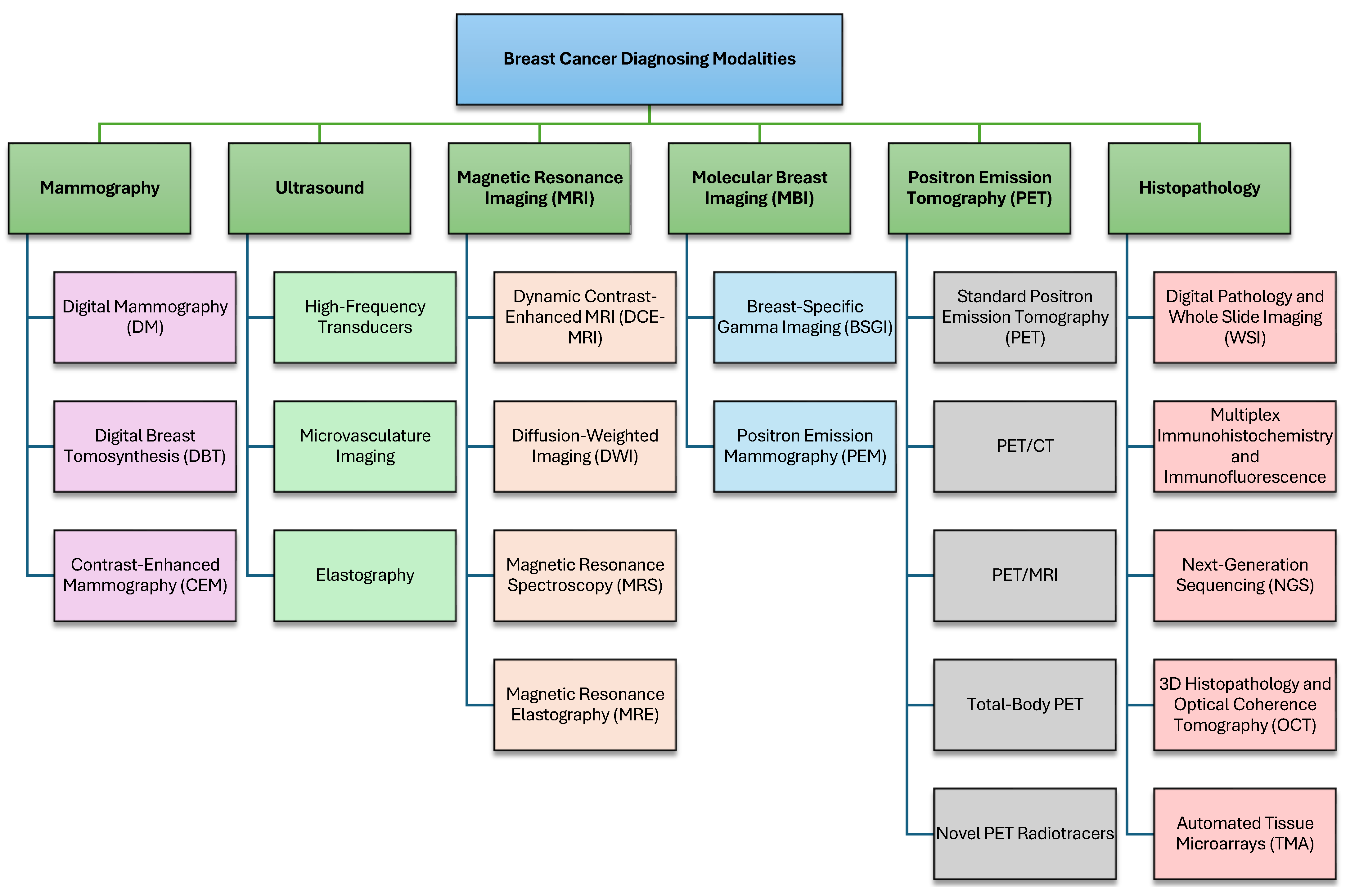
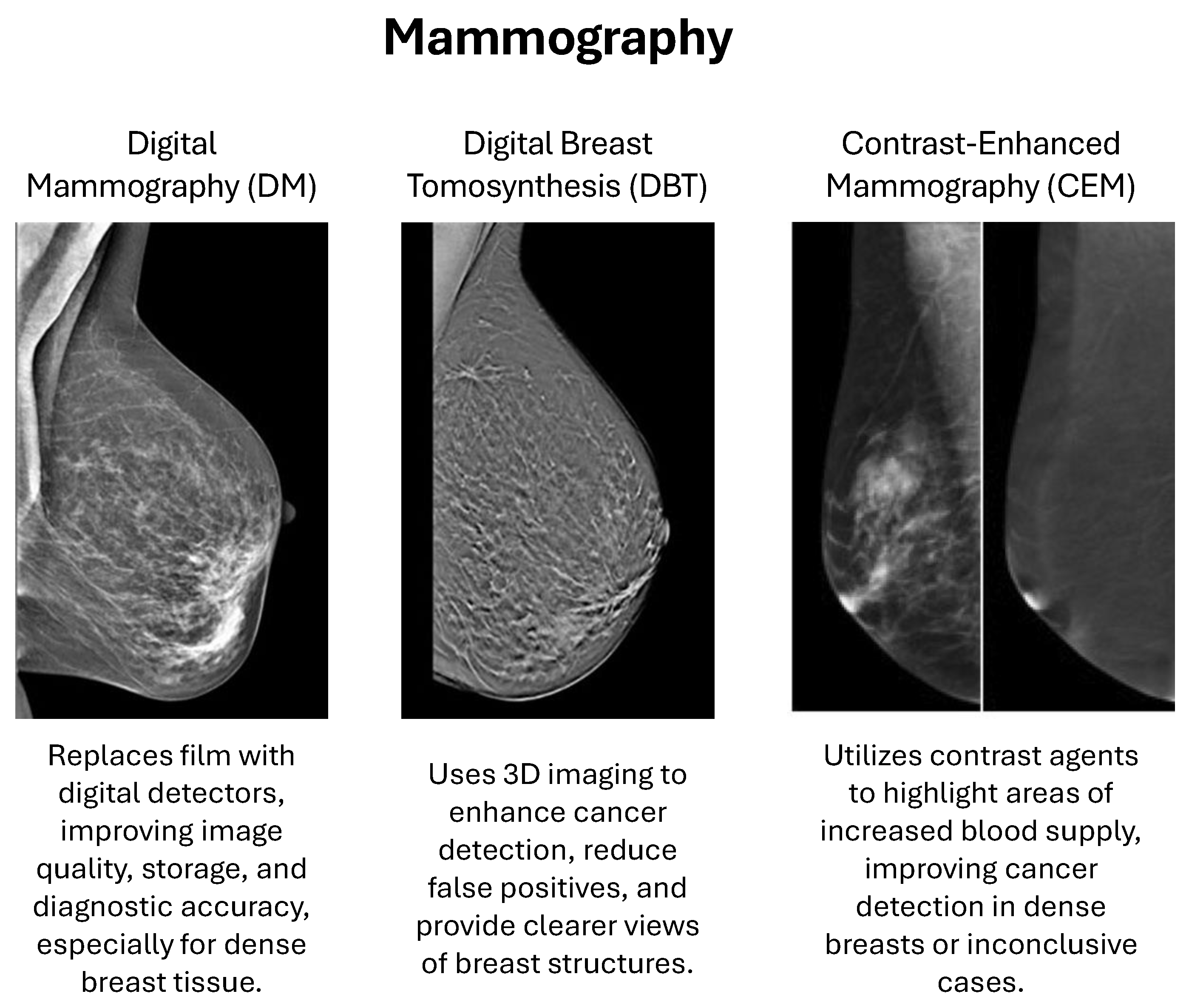
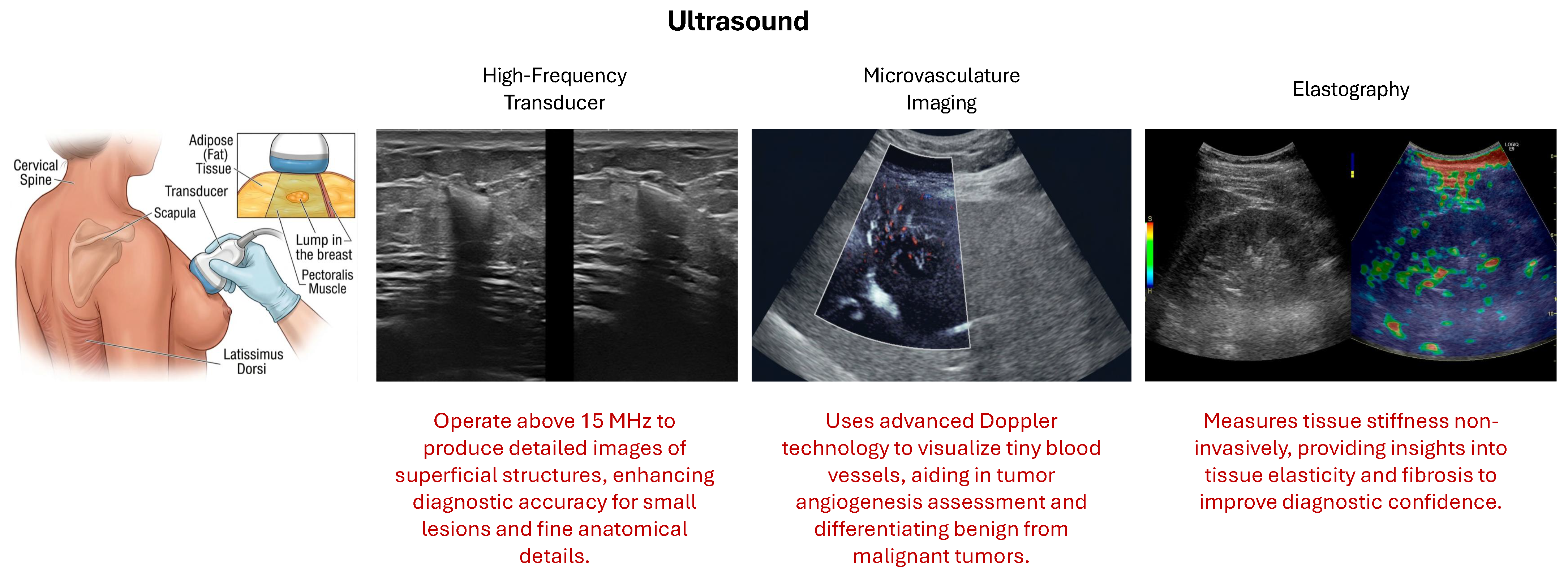
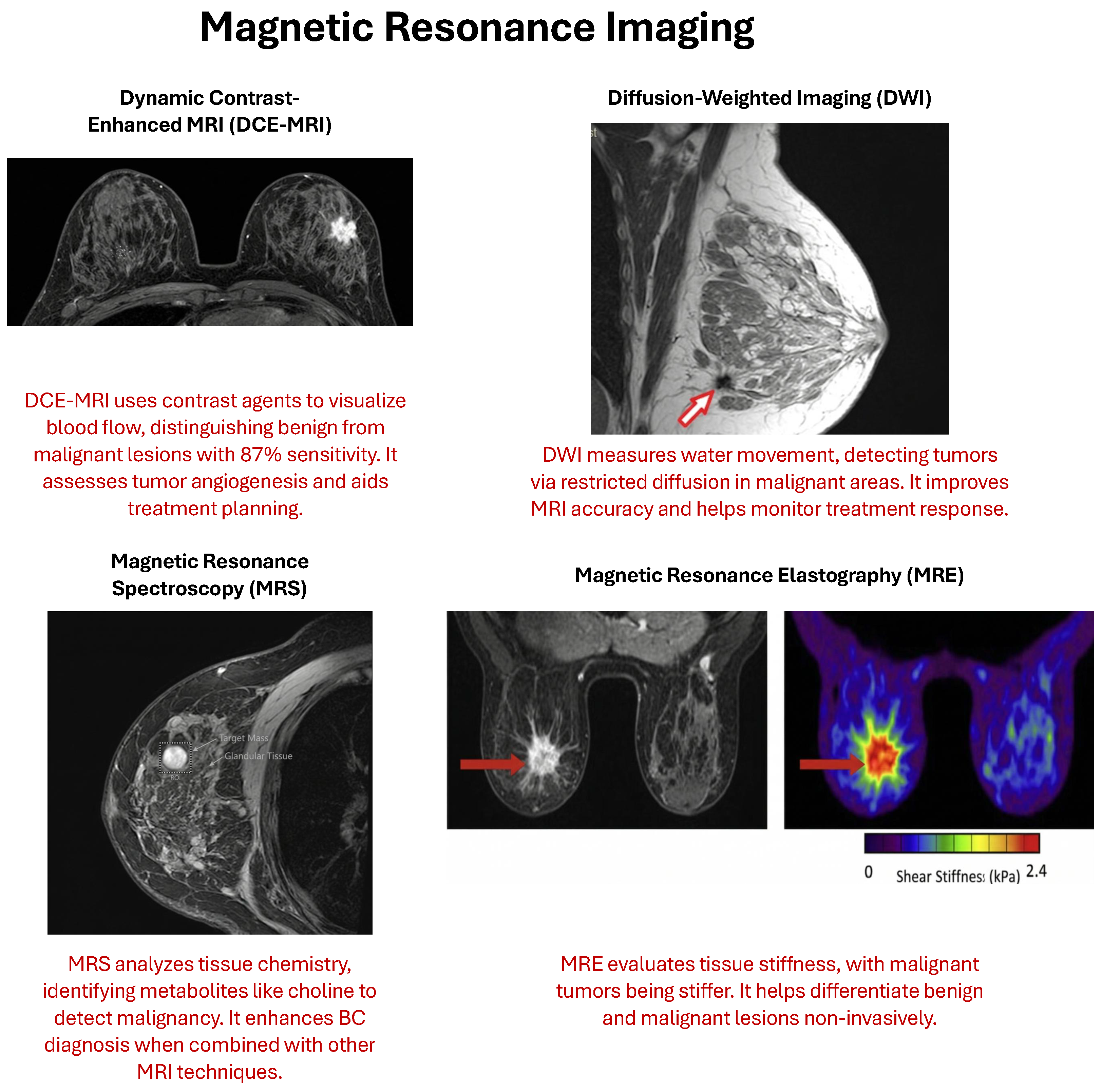
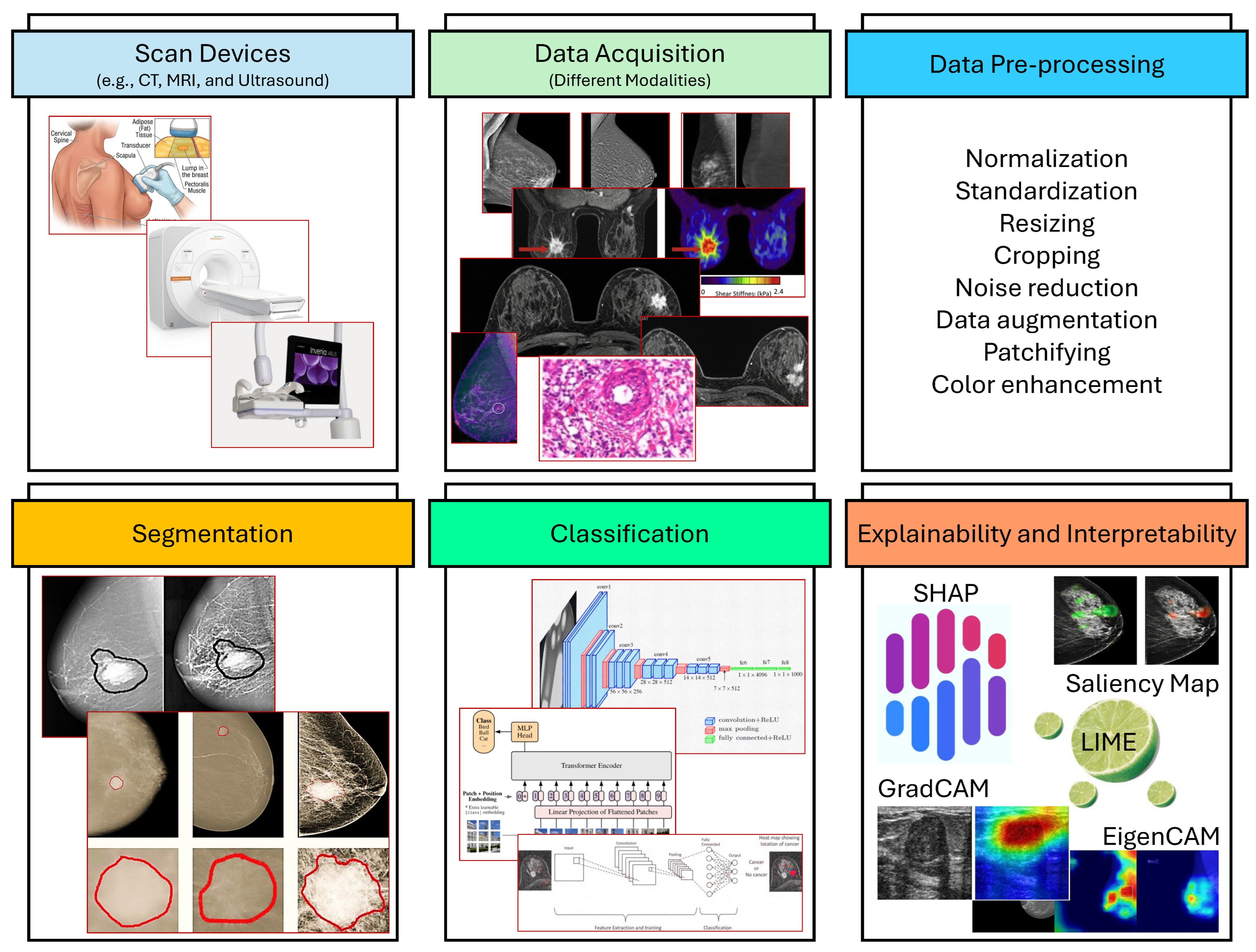
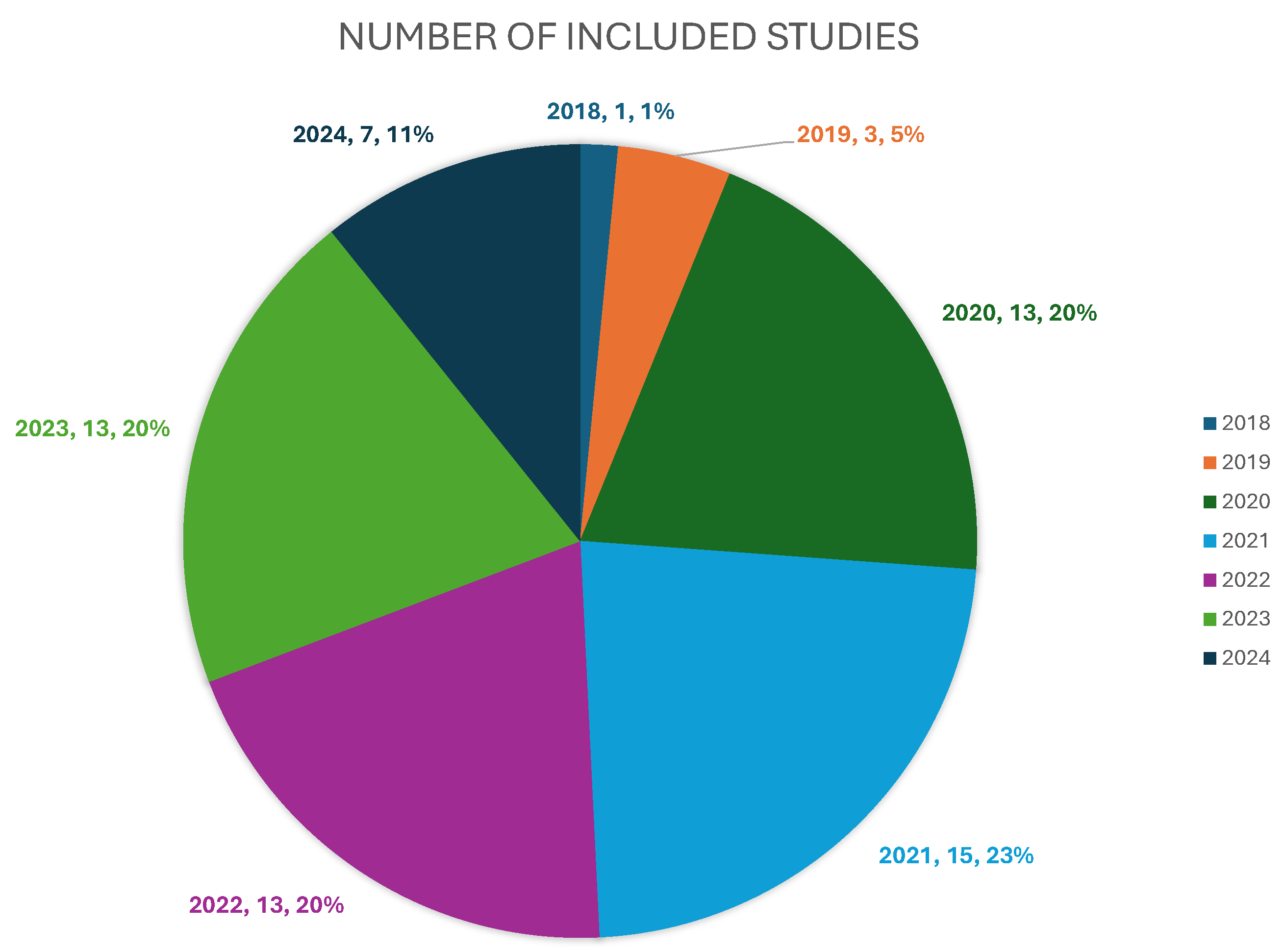
Breast cancer remains a leading cause of cancer-related mortality among women worldwide. Early and accurate diagnosis significantly improves patient outcomes. This systematic review examines how artificial intelligence (AI) and deep-learning technologies are transforming breast cancer diagnosis across multiple imaging modalities, including mammography, ultrasound, MRI, molecular breast imaging, PET, and histopathology. We analyzed 65 peer-reviewed studies published between 2018 and 2024, focusing on convolutional neural networks, vision transformers, graph neural networks, and explainable AI methods. Our findings indicate that AI models can achieve diagnostic accuracies exceeding 96% in certain contexts, supporting radiologists in detecting subtle abnormalities and reducing false positives. However, challenges remain regarding dataset standardization, model generalizability, and clinical integration. We emphasize the importance of explainable AI techniques to foster clinician trust and highlight future directions for translating these innovations into routine clinical practice.
Abstract
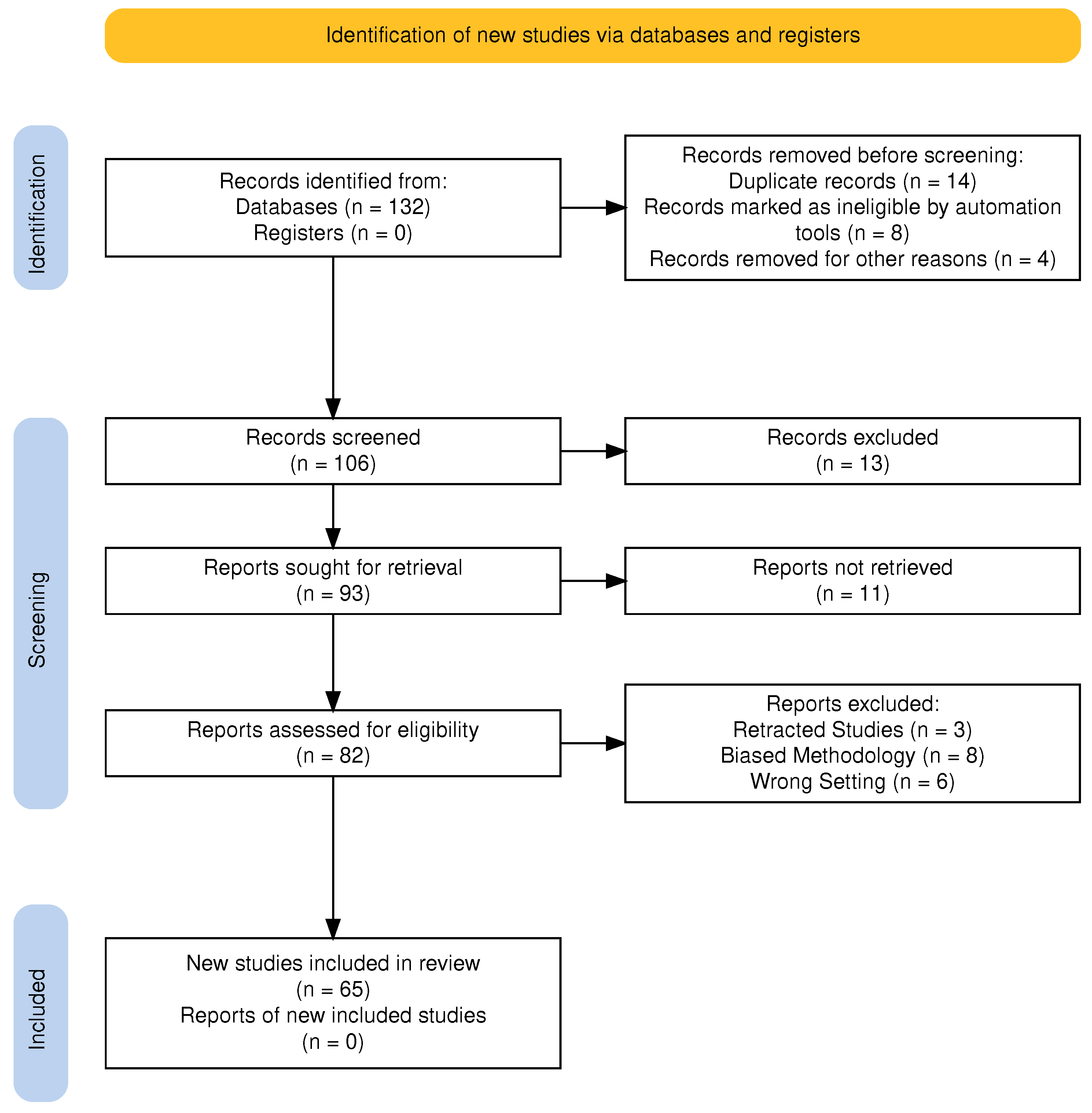
Background: This article provides a comprehensive overview of recent advancements in artificial intelligence (AI) and deep-learning technologies for breast cancer (BC) diagnosis across various imaging modalities. Methods: A systematic review was conducted in strict adherence to the PRISMA guidelines, incorporating a comparative analysis of 65 peer-reviewed studies published between 2018 and 2024. The evaluation focused on diagnostic performance, architectural developments, and clinical integration strategies. Results: The review synthesizes primary findings on convolutional neural networks (CNNs), emerging architectures including graph neural networks, and hybrid models, with diagnostic accuracy, risk prediction, and personalized screening strategies identified as the leading research domains. Notable achievements include CNNs attaining up to 98.5% accuracy in mammography and Vision Transformers reaching 96% in histopathological analysis. Furthermore, the implementation of explainable AI methodologies, such as SHAP, LIME, and Grad-CAM, is emphasized for maintaining transparency, trust, and accountability in clinical decision-making. Conclusions: AI constitutes a pivotal factor in facilitating early BC diagnosis and optimizing treatment outcomes. Nevertheless, significant challenges persist, including dataset heterogeneity, model generalizability, standardization of imaging protocols, computational resource limitations, and the seamless integration of these technologies into established clinical workflows. Future research must prioritize robust multi-dataset validation and standardized implementation frameworks to overcome existing limitations and advance successful BC diagnostic practices.