LPCAT1 and MRPL9 Promote Hepatocellular Carcinoma Progression via AKT Phosphorylation and Define a Mitochondrial Prognostic Model

Simple Summary
Abstract
1. Introduction
2. Materials and Methods
2.1. Data Collection and Processing
2.2. Screening of Mitochondrial-Related Prognostic Biomarkers
2.3. Development and Validation of MRG-Related Prognostic Model for Patients with HCC
2.4. Differential Gene Expression and Functional Enrichment Analysis
2.5. Somatic Mutation Analysis
2.6. Immune Cell Infiltration Analysis
2.7. Immunohistochemistry Analysis
2.8. Cell Culture and Transfection
2.9. EdU Assay
2.10. Cell Migration Assay
2.11. Cell Cycle Assay
2.12. Real-Time Quantitative PCR (qRT-PCR)
2.13. Western Blotting
2.14. Statistical Analysis
3. Results
3.1. Identification of Key Mitochondrial-Related Prognostic Biomarkers for HCC
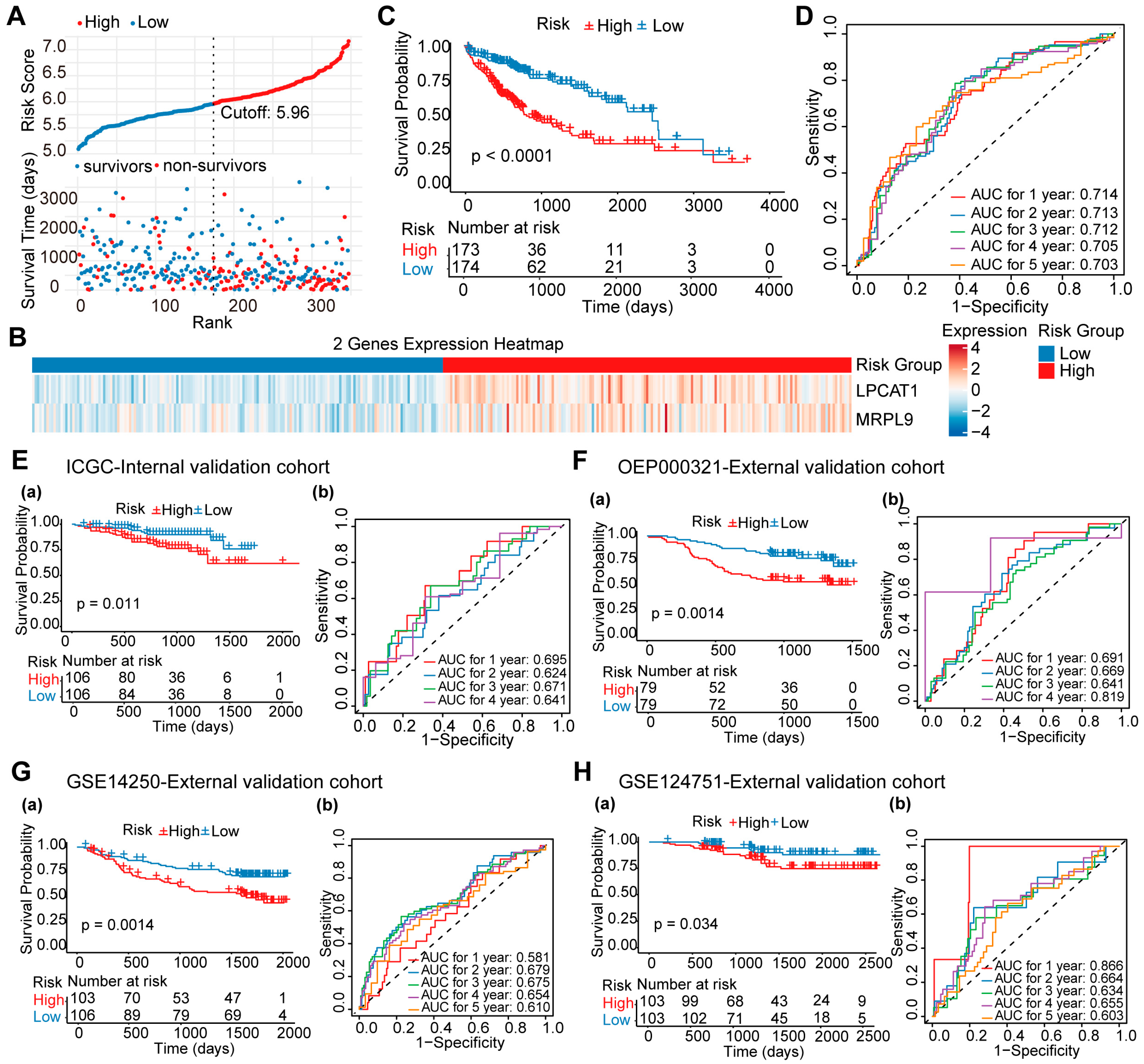
3.2. Development and Validation of a Prognostic Risk Score Model
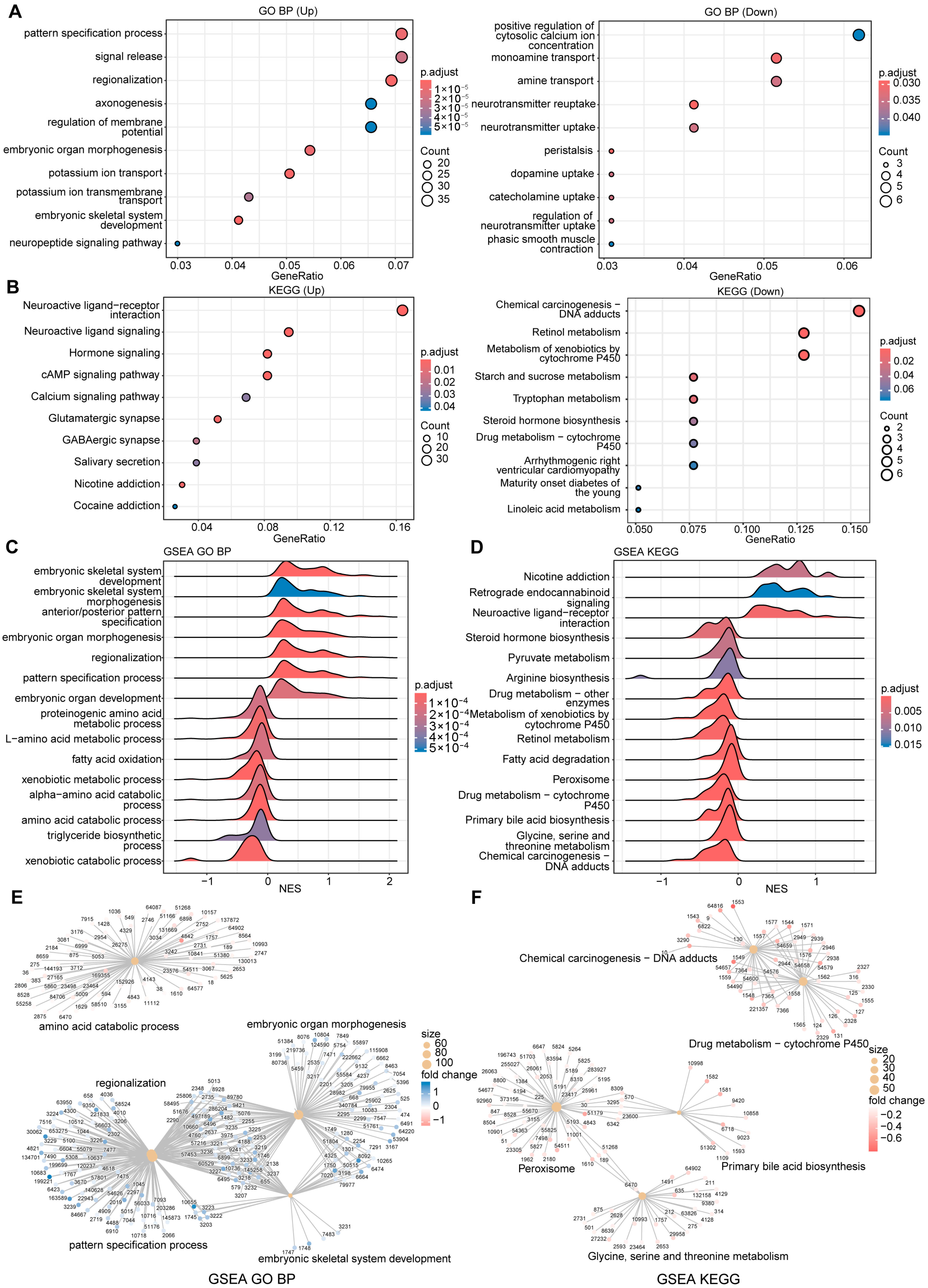
3.3. Functional Characteristics of Risk Groups in the 2-MRG Risk Score Model
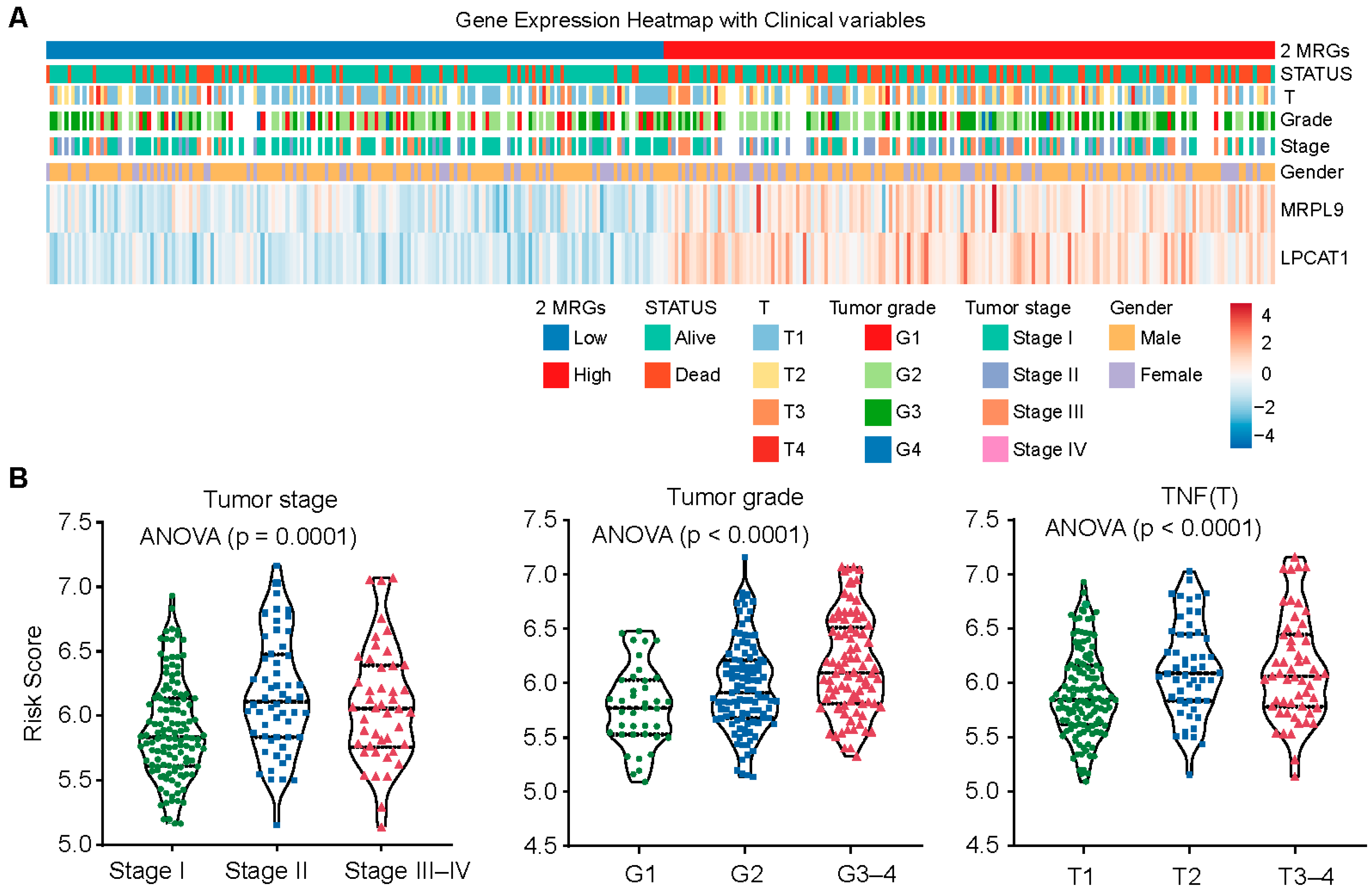
3.4. The 2-MRG Risk Score Model Associated with Disease Severity
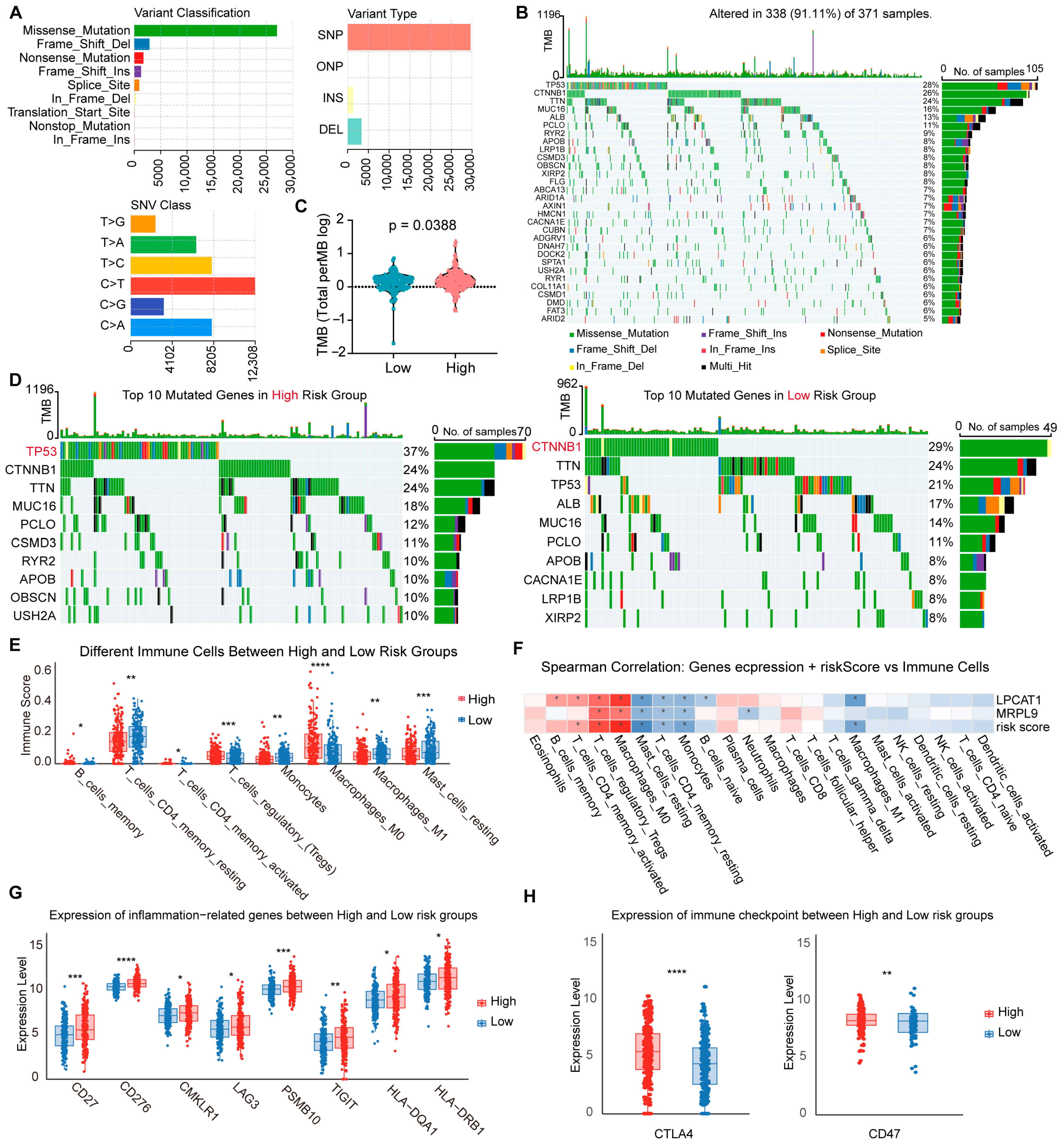
3.5. Immunotherapy Sensitivity in Risk Groups
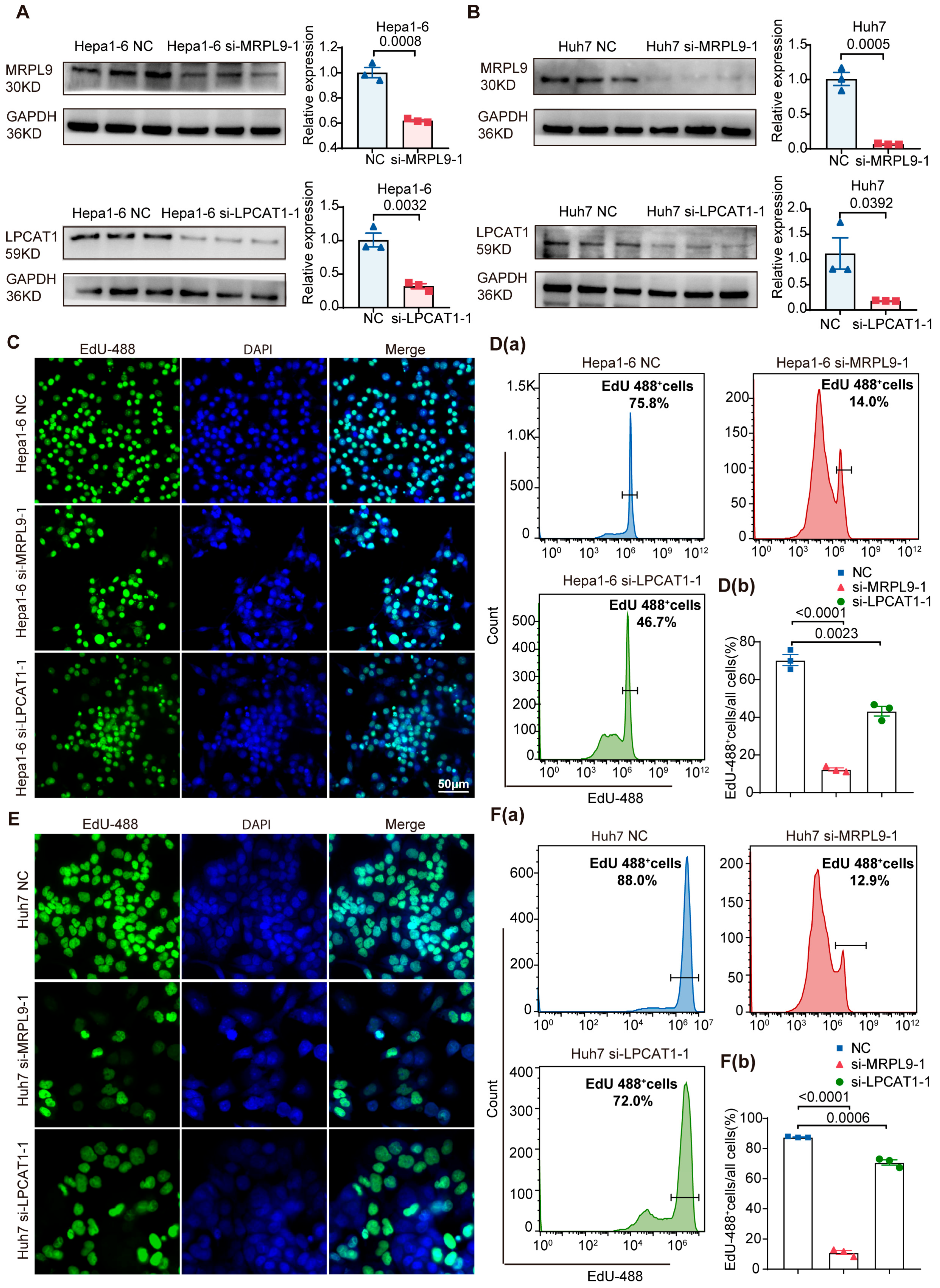
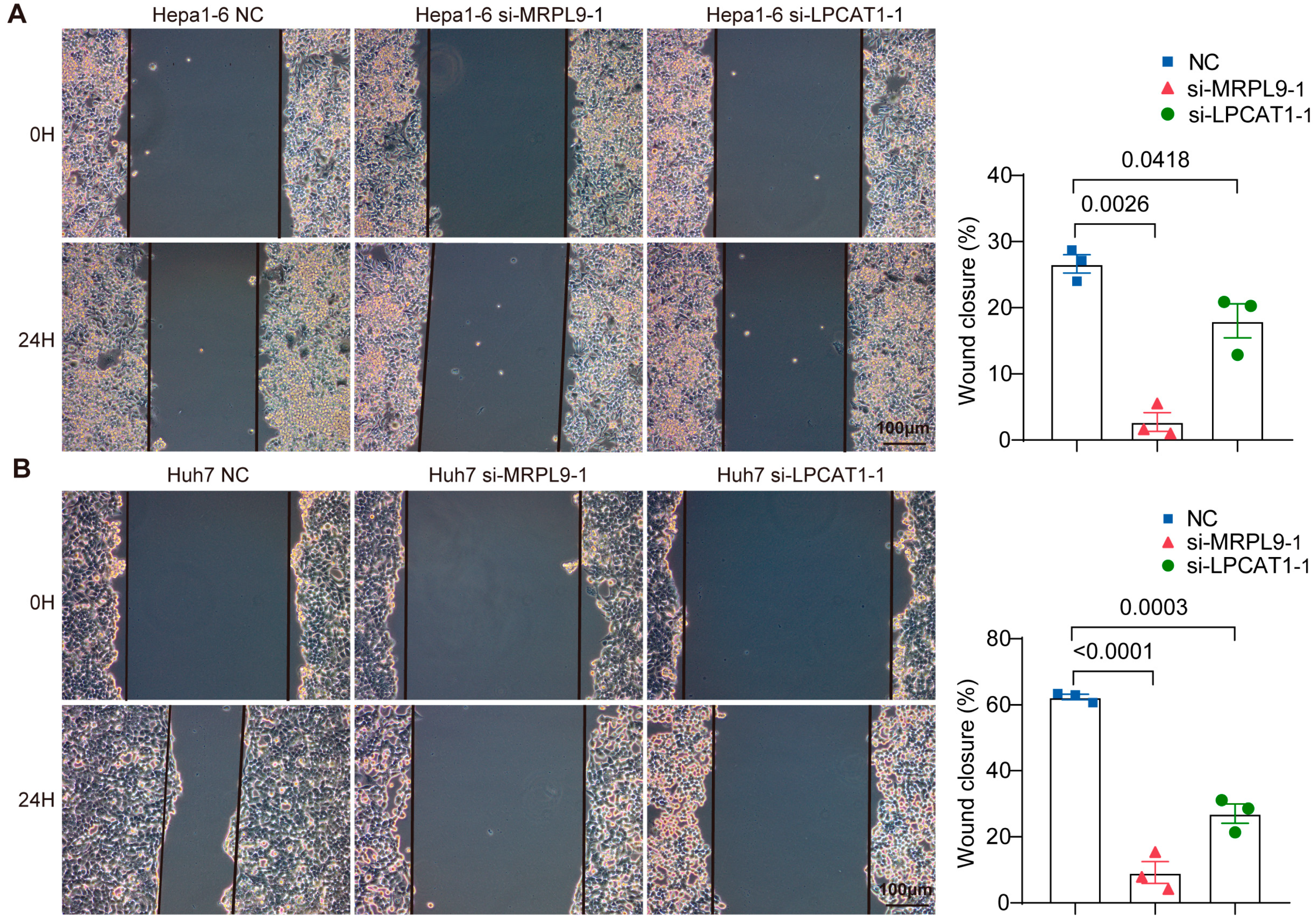
3.6. LPCAT1 and MRPL9 Knockdown Represses the Proliferation and Migration of HCC Cells
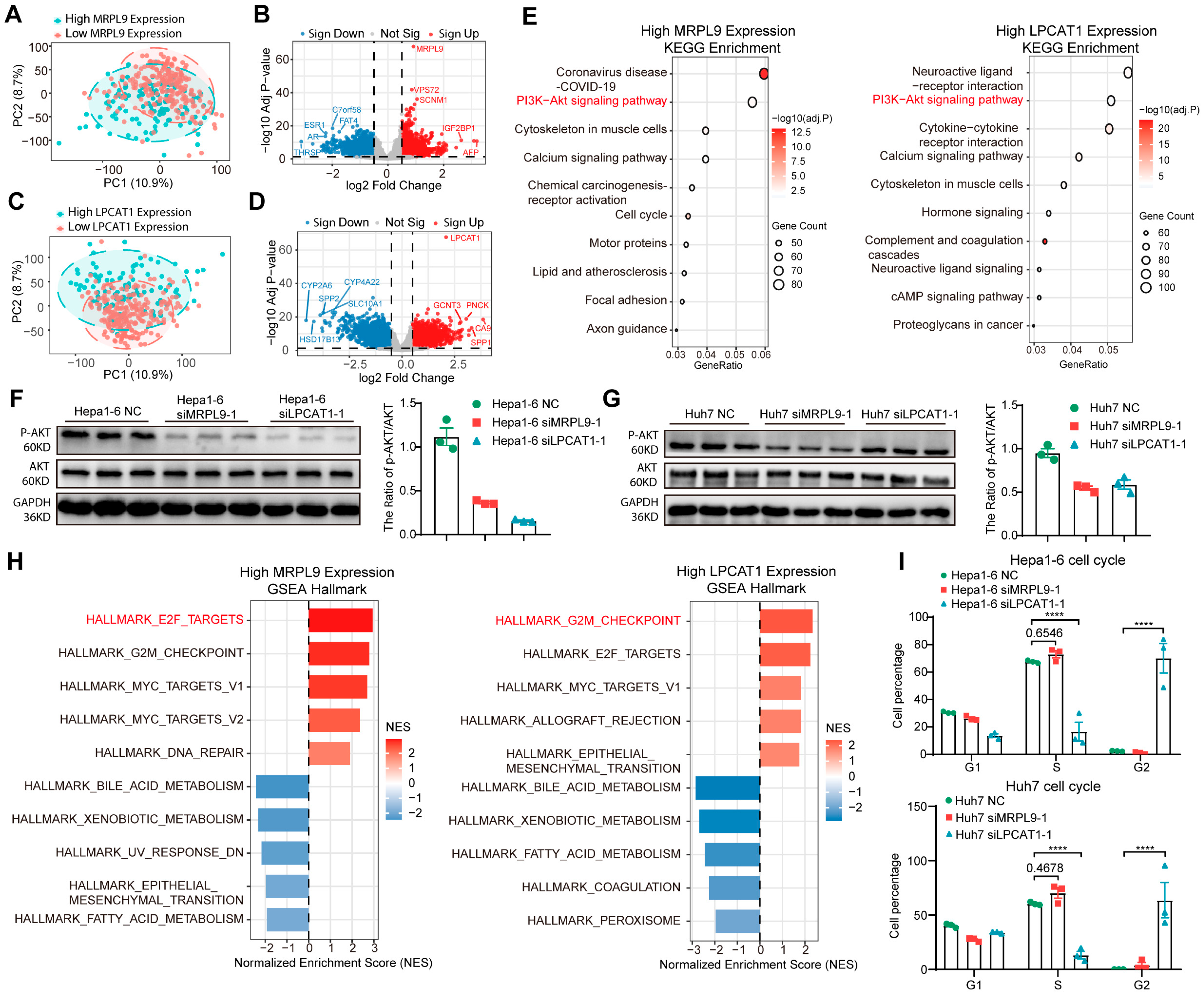
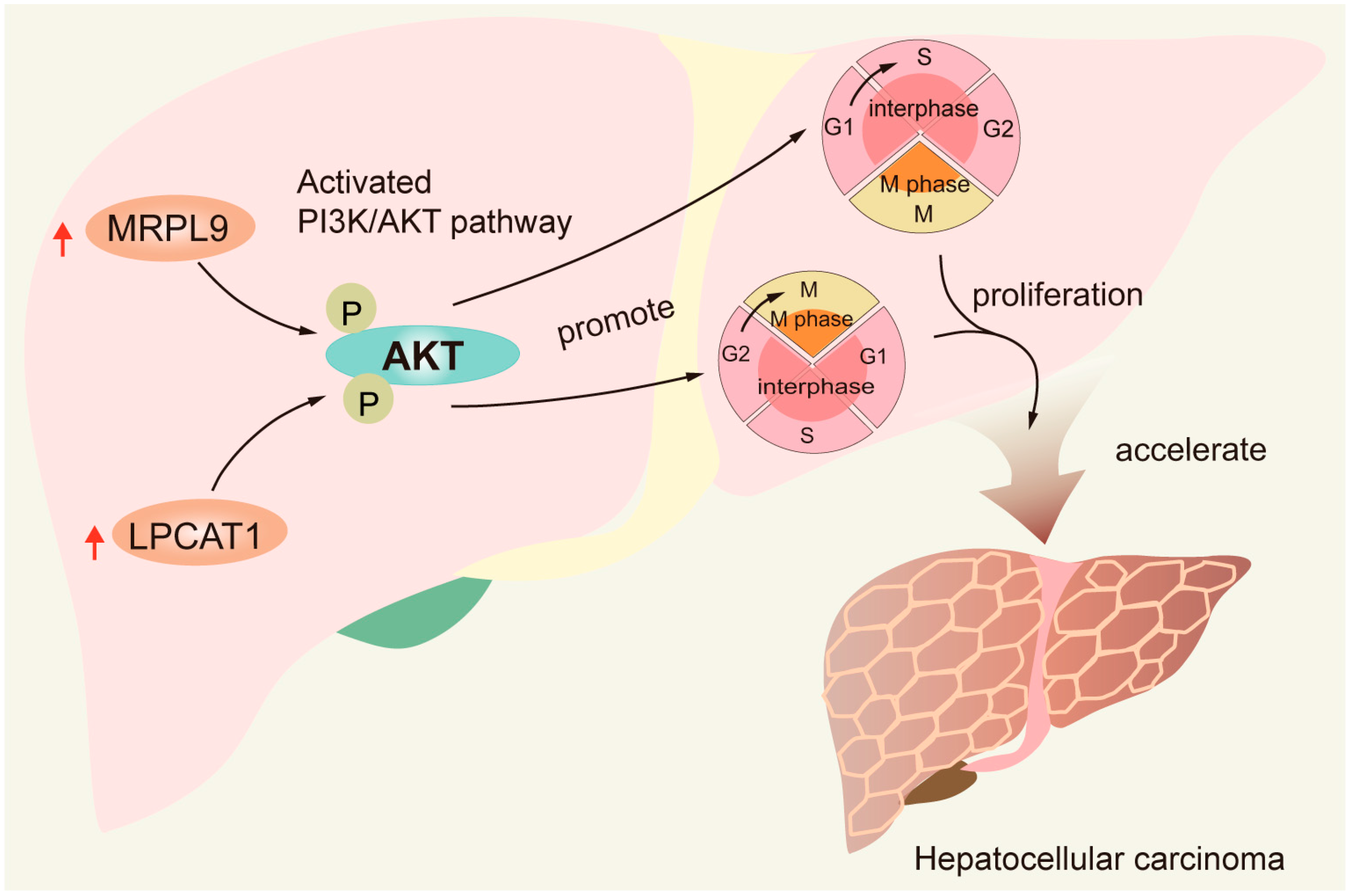
3.7. Knockdown of LPCAT1 and MRPL9 Prevents HCC Progression Through AKT Phosphorylation
4. Discussion
5. Conclusions
Supplementary Materials
Author Contributions
Funding
Institutional Review Board Statement
Informed Consent Statement
Data Availability Statement
Conflicts of Interest
Abbreviations
| HCC | Hepatocellular carcinoma |
| MRGs | Mitochondrial-related genes |
| LPCAT1 | Lysophosphatidylcholine Acyltransferase 1 |
| MRPL9 | Mitochondrial Ribosomal Protein L9 |
| BCLC | Barcelona Clinic Liver Cancer |
| TCGA | The Cancer Genome Atlas |
| LIHC | Liver hepatocellular carcinoma |
| ICGC | International Cancer Genome Consortium |
| GEO | Gene Expression Omnibus |
| OS | overall survival |
| ROC | Receiver operating characteristic |
| DEGs | Differentially expressed genes |
References
- Llovet, J.M.; Kelley, R.K.; Villanueva, A.; Singal, A.G.; Pikarsky, E.; Roayaie, S.; Lencioni, R.; Koike, K.; Zucman-Rossi, J.; Finn, R.S. Hepatocellular carcinoma. Nat. Rev. Dis. Primers 2021, 7, 6. [Google Scholar] [CrossRef] [PubMed]
- Sung, H.; Ferlay, J.; Siegel, R.L.; Laversanne, M.; Soerjomataram, I.; Jemal, A.; Bray, F. Global Cancer Statistics 2020: GLOBOCAN Estimates of Incidence and Mortality Worldwide for 36 Cancers in 185 Countries. CA Cancer J. Clin. 2021, 71, 209–249. [Google Scholar] [CrossRef] [PubMed]
- Kudo, M.; Finn, R.S.; Qin, S.; Han, K.H.; Ikeda, K.; Piscaglia, F.; Baron, A.; Park, J.W.; Han, G.; Jassem, J.; et al. Lenvatinib versus sorafenib in first-line treatment of patients with unresectable hepatocellular carcinoma: A randomised phase 3 non-inferiority trial. Lancet 2018, 391, 1163–1173. [Google Scholar] [CrossRef] [PubMed]
- Cheng, A.L.; Kang, Y.K.; Chen, Z.; Tsao, C.J.; Qin, S.; Kim, J.S.; Luo, R.; Feng, J.; Ye, S.; Yang, T.S.; et al. Efficacy and safety of sorafenib in patients in the Asia-Pacific region with advanced hepatocellular carcinoma: A phase III randomised, double-blind, placebo-controlled trial. Lancet Oncol. 2009, 10, 25–34. [Google Scholar] [CrossRef]
- Aoki, T.; Kudo, M.; Nishida, N.; Ueshima, K.; Tsuchiya, K.; Tada, T.; Morita, M.; Chishina, H.; Takita, M.; Hagiwara, S.; et al. Proposal of discontinuation criteria of atezolizumab plus bevacizumab after curative conversion therapy for unresectable early-to-intermediate-stage hepatocellular carcinoma: A multicenter proof-of-concept study. J. Gastroenterol. 2025, 60, 738–753. [Google Scholar] [CrossRef]
- Finn, R.S.; Qin, S.; Ikeda, M.; Galle, P.R.; Ducreux, M.; Kim, T.Y.; Kudo, M.; Breder, V.; Merle, P.; Kaseb, A.O.; et al. Atezolizumab plus Bevacizumab in Unresectable Hepatocellular Carcinoma. N. Engl. J. Med. 2020, 382, 1894–1905. [Google Scholar] [CrossRef]
- Abou-Alfa, G.K.; Lau, G.; Kudo, M.; Chan, S.L.; Kelley, R.K.; Furuse, J.; Sukeepaisarnjaroen, W.; Kang, Y.K.; Van Dao, T.; De Toni, E.N.; et al. Tremelimumab plus Durvalumab in Unresectable Hepatocellular Carcinoma. NEJM Evid. 2022, 1, EVIDoa2100070. [Google Scholar] [CrossRef]
- Tomonari, T.; Shimose, S.; Saeki, I.; Tani, J.; Honma, Y.; Ito, T.; Takeuchi, M.; Naito, T.; Takeuchi, Y.; Sasaki, R.; et al. A novel approach to evaluate the therapeutic efficacy of durvalumab and tremelimumab combination therapy in hepatocellular carcinoma. Hepatol. Res. Off. J. Jpn. Soc. Hepatol. 2025, 55, 1184–1192. [Google Scholar] [CrossRef]
- Lau, G.; Obi, S.; Zhou, J.; Tateishi, R.; Qin, S.; Zhao, H.; Otsuka, M.; Ogasawara, S.; George, J.; Chow, P.K.H.; et al. APASL clinical practice guidelines on systemic therapy for hepatocellular carcinoma-2024. Hepatol. Int. 2024, 18, 1661–1683. [Google Scholar] [CrossRef]
- European Association for the Study of the Liver. EASL Clinical Practice Guidelines on the management of hepatocellular carcinoma. J. Hepatol. 2025, 82, 315–374. [Google Scholar] [CrossRef]
- Shiina, S.; Tateishi, R.; Choi, J.I.; Kim, S.Y.; Meng, Z.; Shen, L.; Lu, S.N.; Hwang, J.I.; Tobari, M.; Maruyama, H.; et al. Asian Conference on Tumor Ablation Guidelines for Hepatocellular Carcinoma. Liver Cancer 2025, 14, 651–678. [Google Scholar] [CrossRef] [PubMed]
- Seyhan, D.; Allaire, M.; Fu, Y.; Conti, F.; Wang, X.W.; Gao, B.; Lafdil, F. Immune microenvironment in hepatocellular carcinoma: From pathogenesis to immunotherapy. Cell. Mol. Immunol. 2025, 22, 1132–1158. [Google Scholar] [CrossRef] [PubMed]
- Zhu, A.X.; Dayyani, F.; Yen, C.J.; Ren, Z.; Bai, Y.; Meng, Z.; Pan, H.; Dillon, P.; Mhatre, S.K.; Gaillard, V.E.; et al. Alpha-Fetoprotein as a Potential Surrogate Biomarker for Atezolizumab + Bevacizumab Treatment of Hepatocellular Carcinoma. Clin. Cancer Res. Off. J. Am. Assoc. Cancer Res. 2022, 28, 3537–3545. [Google Scholar] [CrossRef]
- Zhu, A.X.; Kang, Y.K.; Yen, C.J.; Finn, R.S.; Galle, P.R.; Llovet, J.M.; Assenat, E.; Brandi, G.; Pracht, M.; Lim, H.Y.; et al. Ramucirumab after sorafenib in patients with advanced hepatocellular carcinoma and increased α-fetoprotein concentrations (REACH-2): A randomised, double-blind, placebo-controlled, phase 3 trial. Lancet Oncol. 2019, 20, 282–296. [Google Scholar] [CrossRef] [PubMed]
- Amin, M.B.; Greene, F.L.; Edge, S.B.; Compton, C.C.; Gershenwald, J.E.; Brookland, R.K.; Meyer, L.; Gress, D.M.; Byrd, D.R.; Winchester, D.P. The Eighth Edition AJCC Cancer Staging Manual: Continuing to build a bridge from a population-based to a more "personalized" approach to cancer staging. CA Cancer J. Clin. 2017, 67, 93–99. [Google Scholar] [CrossRef]
- Wang, Q.; Yuan, Y.; Liu, J.; Li, C.; Jiang, X. The role of mitochondria in aging, cell death, and tumor immunity. Front. Immunol. 2024, 15, 1520072. [Google Scholar] [CrossRef]
- Caino, M.C.; Altieri, D.C. Molecular Pathways: Mitochondrial Reprogramming in Tumor Progression and Therapy. Clin. Cancer Res. Off. J. Am. Assoc. Cancer Res. 2016, 22, 540–545. [Google Scholar] [CrossRef]
- Ghosh, J.C.; Siegelin, M.D.; Vaira, V.; Faversani, A.; Tavecchio, M.; Chae, Y.C.; Lisanti, S.; Rampini, P.; Giroda, M.; Caino, M.C.; et al. Adaptive mitochondrial reprogramming and resistance to PI3K therapy. J. Natl. Cancer Inst. 2015, 107, dju502. [Google Scholar] [CrossRef]
- Li, C.A.; Nan, J.; Ye, Q.; Zheng, B.; Dai, X.; Li, J.; Wang, F.; Ma, H.; Cheng, Y.; Ruan, J.; et al. Amplifying Anti-Tumor Immune Responses via Mitochondria-Targeting Near-Infrared Photodynamic Therapy. Adv. Sci. 2025, 12, e05525. [Google Scholar] [CrossRef]
- Koc, E.C.; Cimen, H.; Kumcuoglu, B.; Abu, N.; Akpinar, G.; Haque, M.E.; Spremulli, L.L.; Koc, H. Identification and characterization of CHCHD1, AURKAIP1, and CRIF1 as new members of the mammalian mitochondrial ribosome. Front. Physiol. 2013, 4, 183. [Google Scholar] [CrossRef]
- Mixão, V.; Hegedűsová, E.; Saus, E.; Pryszcz, L.P.; Cillingová, A.; Nosek, J.; Gabaldón, T. Genome analysis of Candida subhashii reveals its hybrid nature and dual mitochondrial genome conformations. DNA Res. Int. J. Rapid Publ. Rep. Genes Genomes 2021, 28, dsab006. [Google Scholar] [CrossRef]
- Mai, N.; Chrzanowska-Lightowlers, Z.M.; Lightowlers, R.N. The process of mammalian mitochondrial protein synthesis. Cell Tissue Res. 2017, 367, 5–20. [Google Scholar] [CrossRef]
- Wazir, U.; Orakzai, M.M.; Khanzada, Z.S.; Jiang, W.G.; Sharma, A.K.; Kasem, A.; Mokbel, K. The role of death-associated protein 3 in apoptosis, anoikis and human cancer. Cancer Cell Int. 2015, 15, 39. [Google Scholar] [CrossRef]
- Jiang, J.; Lu, Y.; Chu, J.; Zhang, X.; Xu, C.; Liu, S.; Wan, Z.; Wang, J.; Zhang, L.; Liu, K.; et al. Anti-EGFR ScFv functionalized exosomes delivering LPCAT1 specific siRNAs for inhibition of lung cancer brain metastases. J. Nanobiotechnol. 2024, 22, 159. [Google Scholar] [CrossRef] [PubMed]
- Harayama, T.; Eto, M.; Shindou, H.; Kita, Y.; Otsubo, E.; Hishikawa, D.; Ishii, S.; Sakimura, K.; Mishina, M.; Shimizu, T. Lysophospholipid acyltransferases mediate phosphatidylcholine diversification to achieve the physical properties required in vivo. Cell Metab. 2014, 20, 295–305. [Google Scholar] [CrossRef]
- Bi, J.; Ichu, T.A.; Zanca, C.; Yang, H.; Zhang, W.; Gu, Y.; Chowdhry, S.; Reed, A.; Ikegami, S.; Turner, K.M.; et al. Oncogene Amplification in Growth Factor Signaling Pathways Renders Cancers Dependent on Membrane Lipid Remodeling. Cell Metab. 2019, 30, 525–538.e528. [Google Scholar] [CrossRef] [PubMed]
- Huang, Q.; Zhou, R.; Hao, X.; Zhang, W.; Chen, G.; Zhu, T. Circulating biomarkers in perioperative management of cancer patients. Precis. Clin. Med. 2023, 6, pbad018. [Google Scholar] [CrossRef] [PubMed]
- Zhang, H.; Xu, K.; Xiang, Q.; Zhao, L.; Tan, B.; Ju, P.; Lan, X.; Liu, Y.; Zhang, J.; Fu, Z.; et al. LPCAT1 functions as a novel prognostic molecular marker in hepatocellular carcinoma. Genes Dis. 2022, 9, 151–164. [Google Scholar] [CrossRef]
- He, R.Q.; Li, J.D.; Du, X.F.; Dang, Y.W.; Yang, L.J.; Huang, Z.G.; Liu, L.M.; Liao, L.F.; Yang, H.; Chen, G. LPCAT1 overexpression promotes the progression of hepatocellular carcinoma. Cancer Cell Int. 2021, 21, 442. [Google Scholar] [CrossRef]
- Vázquez Salgado, A.M.; Cai, C.; Lee, M., 2nd; Yin, D.; Chrystostome, M.L.; Gefre, A.F.; He, S.; Kieckhaefer, J.E.; Wangensteen, K.J. In Vivo CRISPR Activation Screening Reveals Chromosome 1q Genes VPS72, GBA1, and MRPL9 Drive Hepatocellular Carcinoma. Cell. Mol. Gastroenterol. Hepatol. 2025, 19, 101460. [Google Scholar] [CrossRef]
- Shi, Y.; Huang, G.; Jiang, F.; Zhu, J.; Xu, Q.; Fang, H.; Lan, S.; Pan, Z.; Jian, H.; Li, L.; et al. Deciphering a mitochondria-related signature to supervise prognosis and immunotherapy in hepatocellular carcinoma. Front. Immunol. 2022, 13, 1070593. [Google Scholar] [CrossRef] [PubMed]
- Wang, Y.; Chen, S.; Xiao, X.; Yang, F.; Wang, J.; Zong, H.; Gao, Y.; Huang, C.; Xu, X.; Fang, M.; et al. Impact of apolipoprotein A1 on tumor immune microenvironment, clinical prognosis and genomic landscape in hepatocellular carcinoma. Precis. Clin. Med. 2023, 6, pbad021. [Google Scholar] [CrossRef] [PubMed]
- Zhuang, X.; Chen, Y.; Wu, Z.; Xu, Q.; Chen, M.; Shao, M.; Cao, X.; Zhou, Y.; Xie, M.; Shi, Y.; et al. Mitochondrial miR-181a-5p promotes glucose metabolism reprogramming in liver cancer by regulating the electron transport chain. Carcinogenesis 2020, 41, 972–983. [Google Scholar] [CrossRef] [PubMed]
- Sugimoto, A.; Saito, Y.; Wang, G.; Sun, Q.; Yin, C.; Lee, K.H.; Geng, Y.; Rajbhandari, P.; Hernandez, C.; Steffani, M.; et al. Hepatic stellate cells control liver zonation, size and functions via R-spondin 3. Nature 2025, 640, 752–761. [Google Scholar] [CrossRef]
- Benichou, E.; Seffou, B.; Topçu, S.; Renoult, O.; Lenoir, V.; Planchais, J.; Bonner, C.; Postic, C.; Prip-Buus, C.; Pecqueur, C.; et al. The transcription factor ChREBP Orchestrates liver carcinogenesis by coordinating the PI3K/AKT signaling and cancer metabolism. Nat. Commun. 2024, 15, 1879. [Google Scholar] [CrossRef]
- Icard, P.; Simula, L.; Wu, Z.; Berzan, D.; Sogni, P.; Dohan, A.; Dautry, R.; Coquerel, A.; Lincet, H.; Loi, M.; et al. Why may citrate sodium significantly increase the effectiveness of transarterial chemoembolization in hepatocellular carcinoma? Drug Resist. Updates Rev. Comment. Antimicrob. Anticancer Chemother. 2021, 59, 100790. [Google Scholar] [CrossRef]
- Jardim, D.L.; Goodman, A.; de Melo Gagliato, D.; Kurzrock, R. The Challenges of Tumor Mutational Burden as an Immunotherapy Biomarker. Cancer Cell 2021, 39, 154–173. [Google Scholar] [CrossRef]
- Rebouissou, S.; Franconi, A.; Calderaro, J.; Letouzé, E.; Imbeaud, S.; Pilati, C.; Nault, J.C.; Couchy, G.; Laurent, A.; Balabaud, C.; et al. Genotype-phenotype correlation of CTNNB1 mutations reveals different ß-catenin activity associated with liver tumor progression. Hepatology 2016, 64, 2047–2061. [Google Scholar] [CrossRef]
- Yang, C.; Huang, X.; Li, Y.; Chen, J.; Lv, Y.; Dai, S. Prognosis and personalized treatment prediction in TP53-mutant hepatocellular carcinoma: An in silico strategy towards precision oncology. Brief. Bioinform. 2021, 22, bbaa164. [Google Scholar] [CrossRef]


Disclaimer/Publisher’s Note: The statements, opinions and data contained in all publications are solely those of the individual author(s) and contributor(s) and not of MDPI and/or the editor(s). MDPI and/or the editor(s) disclaim responsibility for any injury to people or property resulting from any ideas, methods, instructions or products referred to in the content. |
© 2026 by the authors. Licensee MDPI, Basel, Switzerland. This article is an open access article distributed under the terms and conditions of the Creative Commons Attribution (CC BY) license.
Share and Cite
Yang, H.; Zhu, Z.; Zhu, H.; Li, N.; Zheng, S.; Hu, L.; Wu, Z.; Shi, Y. LPCAT1 and MRPL9 Promote Hepatocellular Carcinoma Progression via AKT Phosphorylation and Define a Mitochondrial Prognostic Model. Cancers 2026, 18, 1144. https://doi.org/10.3390/cancers18071144
Yang H, Zhu Z, Zhu H, Li N, Zheng S, Hu L, Wu Z, Shi Y. LPCAT1 and MRPL9 Promote Hepatocellular Carcinoma Progression via AKT Phosphorylation and Define a Mitochondrial Prognostic Model. Cancers. 2026; 18(7):1144. https://doi.org/10.3390/cancers18071144
Chicago/Turabian StyleYang, Hui, Ziqi Zhu, Hanwen Zhu, Nanjing Li, Sinian Zheng, Ling Hu, Zhenru Wu, and Yujun Shi. 2026. "LPCAT1 and MRPL9 Promote Hepatocellular Carcinoma Progression via AKT Phosphorylation and Define a Mitochondrial Prognostic Model" Cancers 18, no. 7: 1144. https://doi.org/10.3390/cancers18071144
APA StyleYang, H., Zhu, Z., Zhu, H., Li, N., Zheng, S., Hu, L., Wu, Z., & Shi, Y. (2026). LPCAT1 and MRPL9 Promote Hepatocellular Carcinoma Progression via AKT Phosphorylation and Define a Mitochondrial Prognostic Model. Cancers, 18(7), 1144. https://doi.org/10.3390/cancers18071144