Tuberculosis Preceding Lung Cancer: A Contemporary Meta-Analysis Revealing a Critical Gap in Post-2020 Evidence
 ,
,
Simple Summary
Abstract
1. Introduction
2. Materials and Methods
2.1. Study Design and Protocol
2.2. Eligibility Criteria
- -
- Evaluated the association between TB and subsequent lung cancer.
- -
- Reported adjusted risk estimates (HR, sub-HR, SIR, or OR) with 95% confidence intervals.
- -
- Included cohort or case–control designs.
- -
- Provided sufficient data for effect size conversion.
- -
- Non-human studies.
- -
- Reviews or editorials.
- -
- Studies without extractable effect estimates.
- -
- Overlapping populations without distinct analyses.
2.3. Data Extraction
2.4. Effect Size Harmonization
2.5. Statistical Analysis
2.6. Meta-Regression and Bubble Plot Analysis
2.7. Case Report Synthesis
2.8. Software
3. Results
3.1. Analysis of Study Cohorts
Population Characteristics
3.2. Quantitative Synthesis and Meta-Analytic Findings
3.3. Clinical Case Reports of Tuberculosis-Associated Lung Malignancy
3.4. Pre-2020 Evidence Supporting Tuberculosis as a Risk Factor for Lung Cancer
4. Discussion
5. Conclusions
Supplementary Materials
Author Contributions
Funding
Data Availability Statement
Conflicts of Interest
Abbreviations
| TB | Tuberculosis |
| LC | Lung cancer |
| Mtb | Mycobacterium tuberculosis |
| NSCLC | Non-small cell lung cancer |
| SCLC | Small cell lung cancer |
| SCC | Squamous cell carcinoma |
| COPD | Chronic obstructive pulmonary disease |
| HR | Hazard ratio |
| sub-HR | Subdistribution hazard ratio |
| SIR | Standardized incidence ratio |
| OR | Odds ratio |
| CI | Confidence interval |
| SE | Standard error |
| ICD | International classification of diseases |
| ICD-10 | International classification of diseases, 10th revision |
| ICD-9-CM | International classification of diseases, 9th revision, clinical modification |
| NHIS | National health insurance service |
| NHIS–NSC | National health insurance service–national sample cohort |
| NHIRD | National health insurance research database |
| KNHANES | Korea national health and nutrition examination survey |
| CCI | Charlson comorbidity index |
| BMI | Body mass index |
| ICI | Immune checkpoint inhibitor |
| PD-1 | Programmed death-1 |
| PD-L1 | Programmed death-ligand 1 |
| PRISMA | Preferred reporting items for systematic reviews and meta-analyses |
References
- Pires, D.C.; Arueira Chaves, L.; Dantas Cardoso, C.H.; Faria, L.V.; Rodrigues Campos, S.; Sobreira da Silva, M.J.; Sequeira Valerio, T.; Rodrigues Campos, M.; Emmerick, I.C.M. Effects of low dose computed tomography (LDCT) on lung cancer screening on incidence and mortality in regions with high tuberculosis prevalence: A systematic review. PLoS ONE 2024, 19, e0308106. [Google Scholar] [CrossRef] [PubMed] [PubMed Central]
- Bhowmik, S.; Mohanto, N.C.; Sarker, D.; Sorove, A.A. Incidence and Risk of Lung Cancer in Tuberculosis Patients, and Vice Versa: A Literature Review of the Last Decade. BioMed Res. Int. 2022, 2022, 1702819. [Google Scholar] [CrossRef] [PubMed] [PubMed Central]
- 1.1 TB Incidence. Available online: https://www.who.int/teams/global-programme-on-tuberculosis-and-lung-health/tb-reports/global-tuberculosis-report-2024/tb-disease-burden/1-1-tb-incidence#:~:text=An%20estimated%20global%20total%20of,%25)%20and%20Europe%20(2.1%25) (accessed on 11 January 2026).
- Guglielmetti, L.; Khan, U.; Velásquez, G.E.; Gouillou, M.; Abubakirov, A.; Baudin, E.; Berikova, E.; Berry, C.; Bonnet, M.; Cellamare, M.; et al. Oral Regimens for Rifampin-Resistant, Fluoroquinolone-Susceptible Tuberculosis. N. Engl. J. Med. 2025, 392, 468–482. [Google Scholar] [CrossRef] [PubMed] [PubMed Central]
- Dagnew, A.F.; Han, L.L.; Naidoo, K.; Fairlie, L.; Innes, J.C.; Middelkoop, K.; Tameris, M.; Wilkinson, R.J.; Ananworanich, J.; Bower, D.; et al. Safety and immunogenicity of investigational tuberculosis vaccine M72/AS01E-4 in people living with HIV in South Africa: An observer-blinded, randomised, controlled, phase 2 trial. Lancet HIV 2025, 12, e546–e555. [Google Scholar] [CrossRef] [PubMed] [PubMed Central]
- Yuan, W.; Chai, L.; Wang, J.; Liu, C.; Jiang, Z.; Deng, M.; Wang, H. Integrated Nursin and Psychological Intervention for Tuberculosis Complicated by Lung Cancer: Clinical Efficacy. Altern. Ther. Health Med. 2024, 30, 274–279. [Google Scholar] [PubMed]
- Luczynski, P.; Poulin, P.; Romanowski, K.; Johnston, J.C. Tuberculosis and risk of cancer: A systematic review and meta-analysis. PLoS ONE 2022, 17, e0278661. [Google Scholar] [CrossRef] [PubMed] [PubMed Central]
- Scientific Image and Illustration Software|BioRender. Available online: https://www.biorender.com/ (accessed on 2 February 2026).
- Sahrai, H.; Behnood, J.; Baradaran, M.; Khalaji, A.; Norouzi, A.; Shojaeshafiei, F.; Seyed Ebrahimi, S.M.; Mohammadzadeh, S.; HajiEsmailpoor, Z.; Shahidi, R. Diagnostic accuracy of CT-based radiomics models in differentiating lung cancer from uberculosis in pulmonary lesions: A systematic review and meta-analysis. BMC Cancer 2025, 26, 111. [Google Scholar] [CrossRef] [PubMed] [PubMed Central]
- Wiyarta, E.; Nugraha, D.A.; Ramadani, M.I.; Gustya, G.F.; Ammar, M.F.; Edwar, H.D.; Kheirizzad, N.; Mukhlisah, M.N.; Burhan, E.; Syahruddin, E. Clinical utility an diagnostic value of tumor-educated platelets in lung cancer: A systematic review and meta-analysis. Front. Oncol. 2023, 13, 1201713. [Google Scholar] [CrossRef] [PubMed] [PubMed Central]
- Deacu, M.; Enciu, M.; Nicolau, A.A.; Bălţătescu, G.I.; Neculai-Cândea, L.S.; Deacu, S.; Popa, M.F. Morphopathological features induced by SARS-CoV-2 infection—A series of 57 autopsies. Histol. Histopathol. 2023, 38, 513–524. [Google Scholar] [CrossRef] [PubMed]
- Daei Sorkhabi, A.; Fazlollahi, A.; Sarkesh, A.; Aletaha, R.; Feizi, H.; Mousavi, S.E.; Nejadghaderi, S.A.; Sullman, M.J.M.; Kolahi, A.A.; Safiri, S. Efficacy and safety of veliparib plus chemotherapy for the treatment of lung cancer: A systematic review of clinical trials. PLoS ONE 2023, 18, e0291044. [Google Scholar] [CrossRef] [PubMed] [PubMed Central]
- Daei Sorkhabi, A.; ZareDini, M.; Fazlollahi, A.; Sarkesh, A.; Naseri, A.; Mousavi, S.E.; Nejadghaderi, S.A.; Sullman, M.J.M.; Kolahi, A.A.; Safiri, S. The safety and efficacy of tislelizumab, alone or in combination with chemotherapy, for the treatment of non-small cell lung cancer: A systematic review of clinical trials. BMC Pulm. Med. 2023, 23, 495. [Google Scholar] [CrossRef] [PubMed] [PubMed Central]
- Brat, K.; Sova, M.; Homolka, P.; Plutinsky, M.; Genzor, S.; Pokorna, A.; Dosbaba, F.; Imrichova, B.; Chovanec, Z.; Mitas, L.; et al. Multimodal prehabilitation before lung resection surgery: A multicentre randomised controlled trial. Br. J. Anaesth. 2025, 135, 188–196. [Google Scholar] [CrossRef] [PubMed] [PubMed Central]
- Shi, Y.; Wu, L.; Yu, X.; Xing, P.; Wang, Y.; Zhou, J.; Wang, A.; Shi, J.; Hu, Y.; Wang, Z.; et al. Sintilimab versus docetaxel as second-line treatment in advanced or metastatic squamous non-small-cell lung cancer: An open-label, randomized controlled phase 3 trial (ORIENT-3). Cancer Commun. 2022, 42, 1314–1330. [Google Scholar] [CrossRef] [PubMed] [PubMed Central]
- Ahmadirad, H.; Omrani, M.; Azmi, N.; Saeidian, A.H.; Jahromi, M.K.; Mirtavoos-Mahyari, H.; Akbarzadeh, M.; Teymoori, F.; Farhadnejad, H.; Mirmiran, P. Dietary phytochemical index and the risk of cancer: A systematic review and meta-analysis. PLoS ONE 2025, 20, e0319591. [Google Scholar] [CrossRef] [PubMed] [PubMed Central]
- Teng, G.; Jin, F.; Zhang, H.; Zhang, M. Incidence and predictors of pulmonary aspergillosis in patients with lung cancer: A systematic review and meta-analysis. Front. Med. 2025, 12, 1560288. [Google Scholar] [CrossRef] [PubMed] [PubMed Central]
- Dhammi, I.K.; Kumar, S. Medical subject headings (MeSH) terms. Indian J. Orthop. 2014, 48, 443–444. [Google Scholar] [CrossRef] [PubMed] [PubMed Central]
- Jha, R.; Sondhi, V.; Vasudevan, B. Literature search: Simple rules for confronting the unknown. Med. J. Armed Forces India 2022, 78, S14–S23. [Google Scholar] [CrossRef] [PubMed] [PubMed Central]
- Pieper, D.; Rombey, T. Where to prospectively register a systematic review. Syst. Rev. 2022, 11, 8. [Google Scholar] [CrossRef] [PubMed] [PubMed Central]
- Sarkis-Onofre, R.; Catalá-López, F.; Aromataris, E.; Lockwood, C. How to properly use the PRISMA Statement. Syst. Rev. 2021, 10, 117. [Google Scholar] [CrossRef]
- Hernando, D.F.; Elkins, M.; Freire, A.P.C.F. Reporting of confidence intervals, achievement of intended sample size, and adjustment for multiple primary outcomes in randomised trials of physical therapy interventions: An analysis of 100 representatively sampled trials. Braz. J. Phys. Ther. 2024, 28, 101079. [Google Scholar] [CrossRef] [PubMed] [PubMed Central]
- Freire, A.P.C.F.; Elkins, M.R.; Ramos, E.M.C.; Moseley, A.M. Use of 95% confidence intervals in the reporting of between-group differences in randomized controlled trials: Analysis of a representative sample of 200 physical therapy trials. Braz. J. Phys. Ther. 2019, 23, 302–310. [Google Scholar] [CrossRef] [PubMed] [PubMed Central]
- Nieminen, P. Application of Standardized Regression Coefficient in Meta-Analysis. BioMedInformatics 2022, 2, 434–458. [Google Scholar] [CrossRef]
- Borenstein, M.; Hedges, L.V.; Higgins, J.P.T.; Rothstein, H.R. Introduction to Meta-Analysis, 2nd ed.; John Wiley & Sons, Ltd.: Oxford, UK, 2021. [Google Scholar]
- Cooper, H.; Hedges, L.V. Research synthesis as a scientific process. In The Handbook of Research Synthesis and Meta-Analysis; Cooper, H., Hedges, L.V., Valentine, J.C., Eds.; Russell Sage Foundation: New York, NY, USA, 2009; pp. 3–16. [Google Scholar]
- Feng, C.; Wang, H.; Lu, N.; Chen, T.; He, H.; Lu, Y.; Tu, X.M. Log-transformation and its implications for data analysis. Shanghai Arch. Psychiatry 2014, 26, 105–109, Erratum in Gen. Psychiatr. 2019, 32, e100146corr1. https://doi.org/10.1136/gpsych-2019-100146corr1. [Google Scholar] [CrossRef] [PubMed] [PubMed Central]
- Amiri, M.; Kumbhare, D. Randomized controlled trials in non-pharmacological rehabilitation research: A scoping review of the reporting of sample size calculation, randomization procedure, and statistical analyses. Eur. J. Phys. Rehabil. Med. 2020, 56, 790–798. [Google Scholar] [CrossRef] [PubMed]
- Turner, L.; Shamseer, L.; Altman, D.G.; Weeks, L.; Peters, J.; Kober, T.; Dias, S.; Schulz, K.F.; Plint, A.C.; Moher, D. Consolidated standards of reporting trials (CONSORT) and the completeness of reporting of randomised controlled trials (RCTs) published in medical journals. Cochrane Database Syst. Rev. 2012, 11, MR000030. [Google Scholar] [CrossRef] [PubMed] [PubMed Central]
- Masuadi, E.; Mohamud, M.; Almutairi, M.; Alsunaidi, A.; Alswayed, A.K.; Aldhafeeri, O.F. Trends in the Usage of Statistical Software and Their Associated Study Designs in Health Sciences Research: A Bibliometric Analysis. Cureus 2021, 13, e12639. [Google Scholar] [CrossRef] [PubMed] [PubMed Central]
- An, S.J.; Kim, Y.; Han, S.; Heo, J. Effects of age on the association between pulmonary tuberculosis and lung cancer in a South Korean cohort. J. Thorac. Dis. 2020, 12, 375–382. [Google Scholar] [CrossRef] [PubMed]
- Moon, S.M.; Choi, H.; Kim, S.H.; Kang, H.K.; Park, D.W.; Jung, J.H.; Han, K.; Shin, D.W.; Lee, H. Increased lung cancer risk and associated risk factors in tuberculosis survivors: A Korean Population-Based study. Clin. Infect. Dis. 2023, 77, 1329–1339. [Google Scholar] [CrossRef]
- Oh, C.; Roh, Y.; Lim, D.; Kong, H.; Cho, H.; Hwangbo, B.; Won, Y.; Jung, K.; Oh, K. Pulmonary Tuberculosis is Associated with Elevated Risk of Lung cancer in Korea: The Nationwide Cohort Study. J. Cancer 2020, 11, 1899–1906. [Google Scholar] [CrossRef]
- Park, H.Y.; Kang, D.; Shin, S.H.; Choi, H.; Jang, S.H.; Lee, C.; Kim, H.; Kwon, O.J.; Rhee, C.K.; Cho, J. Pulmonary Tuberculosis and the Incidence of Lung Cancer among Patients with Chronic Obstructive Pulmonary Disease. Ann. Am. Thorac. Soc. 2021, 19, 640–648. [Google Scholar] [CrossRef]
- Hong, S.; Kim, J.; Park, K.; Park, B.; Choi, B.Y. Risk of Lung Cancer and Risk Factors of Lung Cancer in People Infected with Tuberculosis. J. Cancer Prev. 2024, 29, 157–164. [Google Scholar] [CrossRef]
- Chai, Q.; Lu, Z.; Liu, Z.; Zhong, Y.; Zhang, F.; Qiu, C.; Li, B.; Wang, J.; Zhang, L.; Pang, Y.; et al. Lung gene expression signatures suggest pathogenic links and molecular markers for pulmonary tuberculosis, adenocarcinoma and sarcoidosis. Commun. Biol. 2020, 3, 604. [Google Scholar] [CrossRef]
- Ho, L.; Yang, H.; Chung, C.; Chang, W.; Yang, S.; Sun, C.; Chien, W.; Su, R. Increased risk of secondary lung cancer in patients with tuberculosis: A nationwide, population-based cohort study. PLoS ONE 2021, 16, e0250531. [Google Scholar] [CrossRef]
- Chen, G.; Guo, L.; Yang, S.; Ji, D. Cancer risk in tuberculosis patients in a high endemic area. BMC Cancer 2021, 21, 679. [Google Scholar] [CrossRef]
- Dettori, J.R.; Norvell, D.C.; Chapman, J.R. Seeing the Forest by Looking at the Trees: How to Interpret a Meta-Analysis Forest Plot. Glob. Spine J. 2021, 11, 614–616. [Google Scholar] [CrossRef] [PubMed] [PubMed Central]
- Yan, Y.H.; Chien, T.W. The use of forest plot to identify article similarity and differences in characteristics between journals using medical subject headings terms: A protocol for bibliometric study. Medicine 2021, 100, e24610. [Google Scholar] [CrossRef] [PubMed] [PubMed Central]
- Tsai, Y.C.; Chien, T.W.; Wu, J.W.; Lin, C.H. Using the alluvial plot to visualize the network characteristics of 100 top-cited articles on attention-deficit/hyperactivity disorder (ADHD) since 2011: Bibliometric analysis. Medicine 2022, 101, e30545. [Google Scholar] [CrossRef] [PubMed] [PubMed Central]
- Nair, A.S. Publication bias—Importance of studies with negative results! Indian J. Anaesth. 2019, 63, 505–507. [Google Scholar] [CrossRef] [PubMed] [PubMed Central]
- Arulanantham, A.; Jayarajah, U.; Dharmasiri, R.; Jeyanthakumar, R.; Siriwardena, K.N.; Ilangamge, S. Squamous Cell Carcinoma in the Post Tuberculosis Lung after 30 Years of Treatment Completion. Case Rep. Surg. 2020, 2020, 8570212. [Google Scholar] [CrossRef]
- Sun, M.; Ji, H.; Liu, A.; Xu, N. Concurrent active pulmonary tuberculosis and small cell lung cancer: Diagnostic challenges and therapeutic insights from a case report. Front. Oncol. 2025, 15, 1564686. [Google Scholar] [CrossRef] [PubMed]
- Vangala, A.; Modi, S.K.; Acharya, S.; Shreya, D.; Arty, F.; Pinninty, D.K.; Weiner, S.M.; Shah, S.M. A tale of two diagnoses: Pulmonary tuberculosis and metastatic lung adenocarcinoma in a High-Risk host. Cureus 2026, 18, e100775. [Google Scholar] [CrossRef]
- Huang, Z.H.; Zhu, Y.F.; Zeng, Y.Y.; Huang, H.Y.; Liu, J.Q.; Cen, W.C.; Su, S. Pulmonary sarcomatoid carcinoma coexisting with tuberculosis: A case report and literature review. Front. Oncol. 2025, 14, 1492574. [Google Scholar] [CrossRef]
- Li, G.; Gong, S.; Wang, N.; Yao, X. Toxic epidermal necrolysis induced by sintilimab in a patient with advanced non-small cell lung cancer and comorbid pulmonary tuberculosis: A case report. Front. Immunol. 2022, 13, 989966. [Google Scholar] [CrossRef]
- Kang, J.; Wang, M.; Hua, P.; Wang, B. A rare case report: Co-occurrence of two types of lung cancer with hamartoma and pulmonary tuberculosis. Front. Oncol. 2023, 13, 1264871. [Google Scholar] [CrossRef]
- Setiawan, D.; Wiranto, Y.; Girard, J.M.; Watts, A.; Ashourvan, A. Individualized machine-learning-based clinical assessment recommendation system. PLoS Digit. Health 2025, 4, e0001022. [Google Scholar] [CrossRef] [PubMed] [PubMed Central]
- Haslbeck, J.M.B.; Waldorp, L.J. How well do network models predict observations? On the importance of predictability in network models. Behav. Res. Methods 2018, 50, 853–861. [Google Scholar] [CrossRef] [PubMed] [PubMed Central]
- Yu, Y.H.; Liao, C.C.; Hsu, W.H.; Chen, H.J.; Liao, W.C.; Muo, C.H.; Sung, F.C.; Chen, C.Y. Increased lung cancer risk among patients with pulmonary tuberculosis: A population cohort study. J. Thorac. Oncol. 2011, 6, 32–37. [Google Scholar] [CrossRef] [PubMed]
- Wu, C.-Y.; Hu, H.-Y.; Pu, C.-Y.; Huang, N.; Shen, H.-C.; Li, C.-P.; Chou, Y.-J. Pulmonary tuberculosis increases the risk of lung cancer. Cancer 2011, 117, 618–624. [Google Scholar] [CrossRef]
- Leung, C.C.; Hui, L.; Lee, R.S.; Lam, T.H.; Yew, W.W.; Hui, D.S.; Chan, R.C.; Mok, T.Y.; Law, W.S.; Chang, K.C.; et al. Tuberculosis is associated with increased lung cancer mortality. Int. J. Tuberc. Lung Dis. 2013, 17, 687–692. [Google Scholar] [CrossRef] [PubMed]
- Everatt, R.; Kuzmickiene, I.; Davidaviciene, E.; Cicenas, S. Non-pulmonary cancer risk following tuberculosis: A nationwide retrospective cohort study in Lithuania. Infect. Agent. Cancer 2017, 12, 33. [Google Scholar] [CrossRef] [PubMed] [PubMed Central]
- Lo, Y.L.; Hsiao, C.F.; Chang, G.C.; Tsai, Y.H.; Huang, M.S.; Su, W.C.; Chen, Y.M.; Hsin, C.W.; Chang, C.H.; Yang, P.C.; et al. Risk factors for primary lung cancer among never smokers by gender in a matched case-control study. Cancer Causes Control 2013, 24, 567–576. [Google Scholar] [CrossRef] [PubMed]
- Lim, W.Y.; Chen, Y.; Ali, S.M.; Chuah, K.L.; Eng, P.; Leong, S.S.; Lim, E.; Lim, T.K.; Ng, A.W.; Poh, W.T.; et al. Polymorphisms in inflammatory pathway genes, host factors and lung cancer risk in Chinese female never-smokers. Carcinogenesis 2011, 32, 522–529. [Google Scholar] [CrossRef] [PubMed]
- Simonsen, D.F.; Farkas, D.K.; Søgaard, M.; Horsburgh, C.R.; Sørensen, H.T.; Thomsen, R.W. Tuberculosis and risk of cancer: A Danish nationwide cohort study. Int. J. Tuberc. Lung Dis. 2014, 18, 1211–1219. [Google Scholar] [CrossRef] [PubMed]
- Shiels, M.S.; Albanes, D.; Virtamo, J.; Engels, E.A. Increased risk of lung cancer in men with tuberculosis in the alpha-tocopherol, beta-carotene cancer prevention study. Cancer Epidemiol. Biomark. Prev. 2011, 20, 672–678. [Google Scholar] [CrossRef] [PubMed] [PubMed Central]
- Guan, S.; Wang, H.; Chen, Z.; Guo, F.; Yi, G.; Du, X.; Tian, C. Is adjuvant immunotherapy necessary after neoadjuvant chemoimmunotherapy in patients with resectable stage III NSCLC? Cancer Immunol. Immunother. 2025, 74, 273. [Google Scholar] [CrossRef]
- Li, Z.; Wu, L.; Wang, C.; Wang, S.; Chen, Q.; He, W. Outcomes after neoadjuvant therapy with or without immunotherapy followed by pneumonectomy in NSCLC patients. Ann. Thorac. Surg. 2025, 120, 118–128. [Google Scholar] [CrossRef]
- Hu, M.; Li, X.; Lin, H.; Lu, B.; Wang, Q.; Tong, L.; Zhang, T. Easily applicable predictive score for major pathological response based on parameters before neoadjuvant chemoimmunotherapy in operable NSCLC. Int. J. Surg. 2024, 110, 2275–2287. [Google Scholar] [CrossRef]
- Li, X.; Tong, L.; Wang, S.; Yu, J.; Lu, B.; Wang, Q.; Zhang, T. Integration of clinical and blood parameters in risk prognostication for patients receiving immunochemotherapy for extensive-stage small cell lung cancer. BMC Med. 2024, 22, 381. [Google Scholar] [CrossRef]
- Bae, S.; Kim, Y.J.; Kim, M.J.; Kim, J.H.; Yun, S.C.; Jung, J.; Lee, S.O. Risk of tuberculosis in patients with cancer treated with immune checkpoint inhibitors: A nationwide observational study. J. Immunother. Cancer 2021, 9, e002960. [Google Scholar] [CrossRef] [PubMed]
- Chen, H.W.; Kuo, Y.W.; Chen, C.Y.; Chang, C.H.; Wang, S.M.; Chien, Y.C.; Yu, C.J. Increased tuberculosis reactivation risk in patients receiving immune checkpoint inhibitor-based therapy. Oncologist 2024, 29, e498–e506. [Google Scholar] [CrossRef]
- Feng, B.; Chen, X.; Chen, Y.; Lu, S.; Liu, K.; Li, K.; Long, W. Solitary solid pulmonary nodules: A CT-based deep learning nomogram helps differentiate tuberculosis granulomas from lung adenocarcinomas. Eur. Radiol. 2020, 30, 6497–6507. [Google Scholar] [CrossRef]
- Zhao, W.; Xiong, Z.; Jiang, Y.; Wang, K.; Zhao, M.; Lu, X.; Li, Z. Radiomics based on enhanced CT for differentiating between pulmonary tuberculosis and pulmonary adenocarcinoma presenting as solid nodules or masses. J. Cancer Res. Clin. Oncol. 2023, 149, 3395–3408. [Google Scholar] [CrossRef]
- Zhang, G.; Shang, L.; Li, S.; Zhang, J.; Zhang, Z.; Zhang, X.; Kong, W. Non-enhanced CT deep learning model for differentiating lung adenocarcinoma from tuberculoma: A multicenter diagnostic study. Eur. Radiol. 2025, 35, 8116–8125. [Google Scholar] [CrossRef]
- Feng, B.; Chen, X.; Chen, Y.; Liu, K.; Li, K.; Liu, X.; Long, W. Radiomics nomogram for preoperative differentiation of lung tuberculoma from adenocarcinoma in solitary pulmonary solid nodule. Eur. J. Radiol. 2020, 128, 109022. [Google Scholar] [CrossRef]
- Nxumalo, Z.Z.; Irusen, E.M.; Allwood, B.W.; Tadepalli, M.; Bassi, J.; Koegelenberg, C.F.N. The utility of artificial intelligence in identifying radiological evidence of lung cancer and pulmonary tuberculosis in a high-burden tuberculosis setting. S. Afr. Med. J. 2024, 114, e1846. [Google Scholar] [CrossRef] [PubMed]
- Wang, S.; Wang, Y.; Li, X.; Zhang, Q.; Lv, J.; Pang, Y.; Hu, Y. Peripheral immune cell profiles as predictive biomarkers of immune checkpoint inhibitor efficacy in elderly patients with advanced NSCLC. Thorac. Cancer 2025, 16, e70202. [Google Scholar] [CrossRef] [PubMed]
- Zahran, A.M.; Hetta, H.F.; Zahran, Z.A.M.; Rashad, A.; Rayan, A.; Mohamed, D.O.; Nafady-Hego, H. Prognostic role of monocytic myeloid-derived suppressor cells in advanced non-small-cell lung cancer. J. Immunol. Res. 2021, 2021, 3241150. [Google Scholar] [CrossRef] [PubMed]

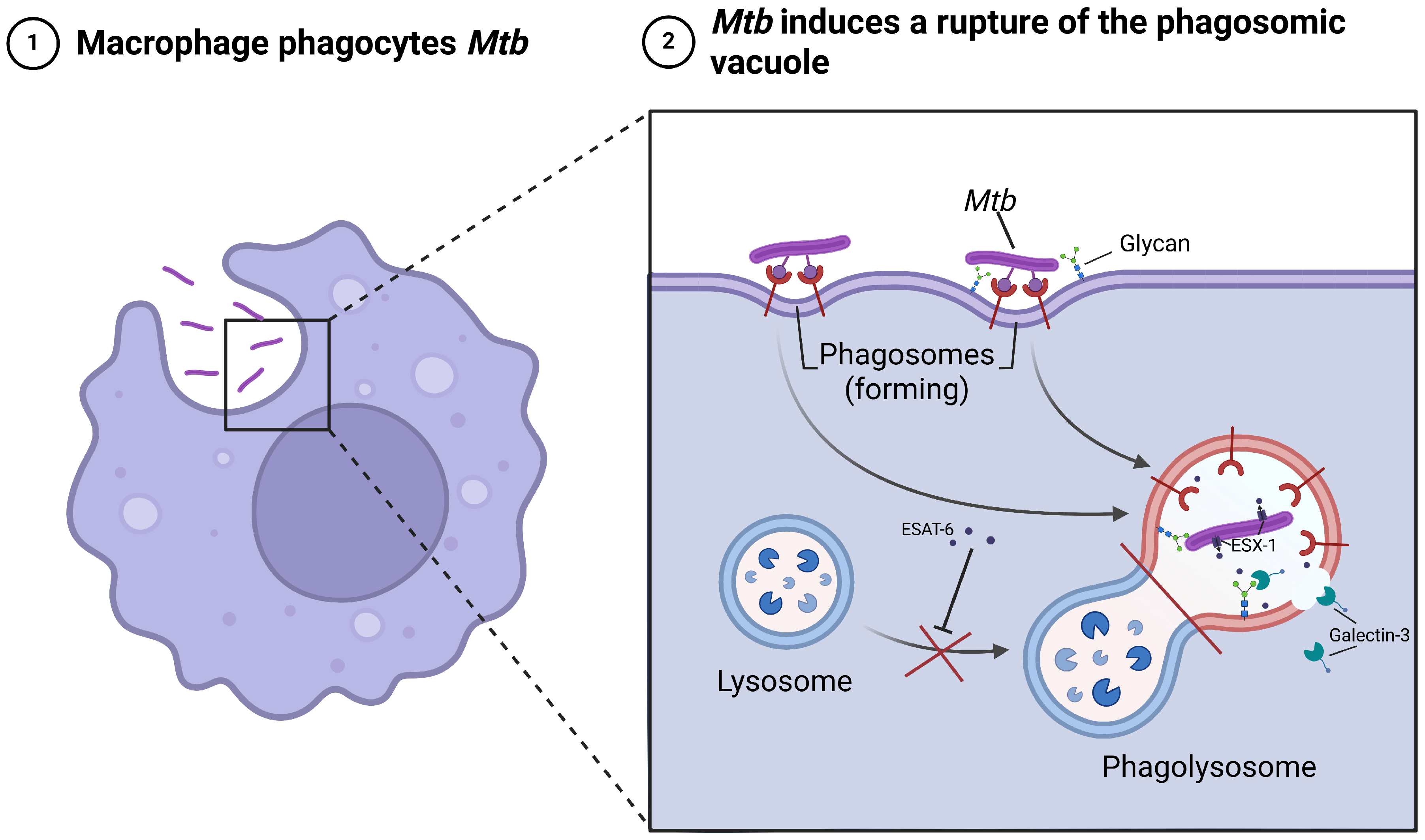


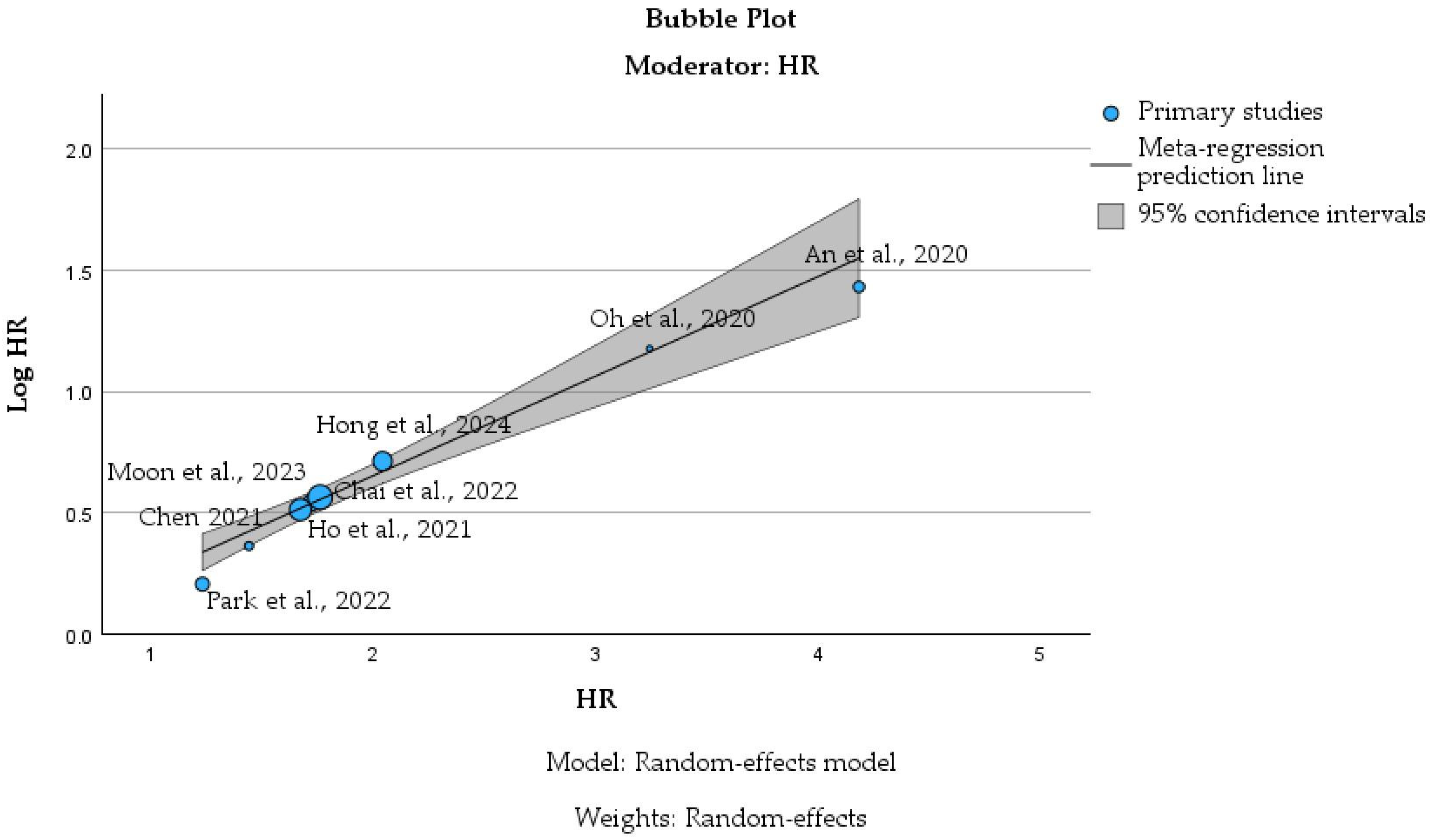
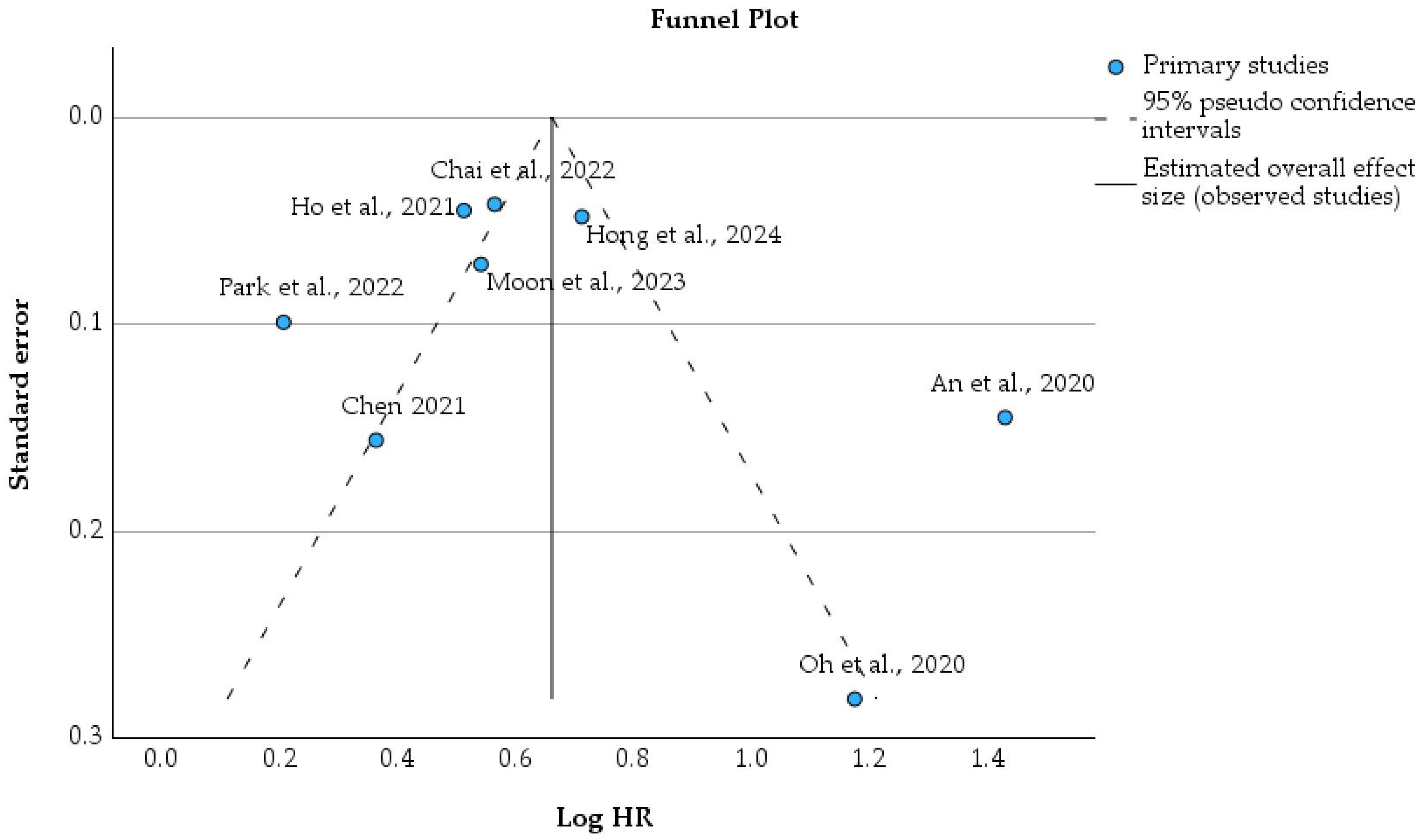
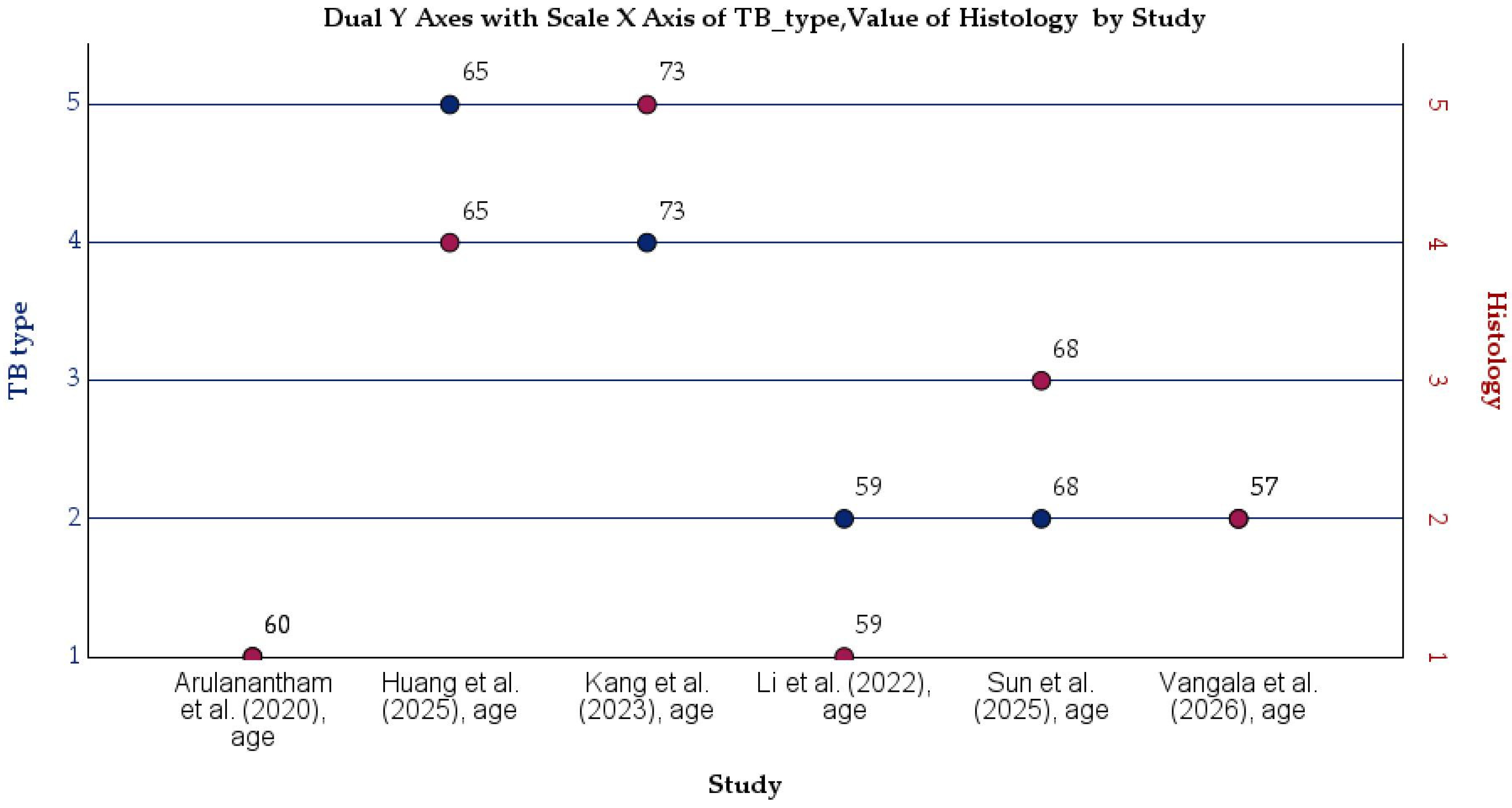

| Study | Country | Study Design | Data Source | Sample Size (Total/TB/Non-TB) | Mean/Median Age (Male %) | Follow-up Duration | Lag Period Applied | TB Definition | LC Definition | Key Findings | Major Limitations |
|---|---|---|---|---|---|---|---|---|---|---|---|
| An et al., 2020 [31] | South Korea | Retrospective population-based cohort | NHIS–National Sample Cohort | 22,656/3776/18,880 | 58.85% male; majority < 50 yrs | Up to 11 years | No formal exclusion lag; stratified by time | ICD-10 A15–A19 + ≥ 2 anti-TB drugs > 28 days | ICD-10 C33–C34 | aHR 4.18 (3.15–5.56); highest risk within 1 year | Possible reverse causality; no histology; administrative coding |
| Moon et al., 2023 [32] | South Korea | Nationwide retrospective cohort | NHIS database | 150,934/75,467/75,467 | 56.8% male | Median 4.8 yrs | Yes—1-year lag; 2-year sensitivity | ICD-10 A15–A19 + treatment criteria | ICD-10 C33–C34 + V193 code | aHR 1.72 (1.49–1.97); independent of smoking/COPD | Surveillance bias; no TB severity; smoking self-report |
| Oh et al., 2020 [33] | South Korea | Nationwide cohort | KNHANES linked to cancer registry | 20,252/2640/17,612 | Mean 62.92 yrs; 42.46% male | Mean 3.9 yrs | Yes—excluded cancer within 6 months | Radiologic inactive TB or self-reported TB | ICD-10 C33–C34 (registry-confirmed) | aHR 3.24 (1.87–5.62); stronger for adenocarcinoma | Short follow-up; small event number; possible misclassification |
| Park et al., 2022 [34] | South Korea | Nationwide cohort (COPD subgroup) | NHIS–NSC 2.0 | 13,165 COPD pts (2339 TB/10,826 non-TB) | Mean 66.3 yrs; 52% male | Median 7.7 yrs | Sensitivity excluding 6–12 months | Radiographic history of PTB | ICD-10 C33–C34 | sub-HR 1.23 (1.01–1.49); stronger in never-smokers | COPD claims-based; TB defined radiographically |
| Hong et al., 2024 [35] | South Korea | Population-based cohort | Gyeonggi TB registry + NHIS linkage | 35,140 TB patients (no internal control) | 57.9% male | Mean 8.0 yrs | Yes—excluded cancer within 1 year | Mandatory TB surveillance registry | ICD-10 C33–C34 + catastrophic illness code | SIR 2.04 (1.85–2.23) vs. general population | No internal control; screening bias; residual confounding |
| Chai et al., 2022 [36] | Taiwan | Nationwide retrospective cohort | NHIRD | 229,225/45,845/183,380 | Mean 57.8 yrs; 64% male | Mean 5.8 yrs | Not explicitly stated | ICD-9-CM 010–018 | ICD-9-CM 162 | aHR 1.76 (1.62–1.91) | No smoking data; administrative coding |
| Ho et al., 2021 [37] | Taiwan | Nationwide retrospective cohort | NHIRD | 20,802/6934/13,868 | Mean 67.05 yrs; 72.44% male | Up to 16 yrs | No formal lag | ICD-9-CM 010–011 | ICD-9-CM 197.0 (secondary lung cancer) | aHR 1.67 (1.53–1.83) for secondary lung cancer | No smoking data; no staging info; administrative coding |
| Chen et al., 2021 [38] | China | Case–control | Hospital-based registry | 1776 TB/30,763 controls | Median 55 yrs; 38,16% male | N/A (retrospective) | Active or inactive TB history | Pathologically confirmed lung cancer | Adjusted OR 1.44 (1.06–1.95) for lung cancer | No temporal follow-up; hospital-based; recall/coding bias |
| Study | Country | Outcome Type | Effect Measure | Adjusted Effect Estimate (95% CI) | Adjusted for | Lag Applied | Eligible for Main HR Pooling |
|---|---|---|---|---|---|---|---|
| An et al., 2020 [31] | Korea | Primary LC | HR | 4.18 (3.15–5.56) | Age, sex, income, smoking | No | Yes (sensitivity) |
| Moon et al., 2023 [32] | Korea | Primary LC | HR | 1.72 (1.49–1.97) | Age, sex, BMI, smoking, alcohol, CCI | Yes (1 year; 2-year sensitivity) | Yes |
| Oh et al., 2020 [33] | Korea | Primary LC | HR | 3.24 (1.87–5.62) | Age, sex, smoking, BMI, education | Yes (6-month exclusion) | Yes |
| Park et al., 2022 [34] | Korea | Primary LC | Sub-HR | 1.23 (1.01–1.49) | Age (time scale), sex, smoking, CCI | Sensitivity exclusion | Yes |
| Hong et al., 2024 [35] | Korea | Primary LC | SIR | 2.04 (1.85–2.23) | Age/sex standardized | Yes (1-year) | No (separate analysis) |
| Chai et al., 2022 [36] | Taiwan | Primary LC | HR | 1.76 (1.62–1.91) | Age, sex, comorbidities, income | Not specified | Yes |
| Ho et al., 2021 [37] | Taiwan | Secondary LC | HR | 1.67 (1.53–1.83) | Age, sex, comorbidities | No | No (different outcome) |
| Chen et al., 2021 [38] | China | Primary LC | OR | 1.44 (1.06–1.95) | Age, sex, ethnicity | Not applicable (case–control design; no lag period applied) | No (case–control; OR estimate) |
| Study | Country | Outcome Type | HR (95% CI) | log(HR) | SE |
|---|---|---|---|---|---|
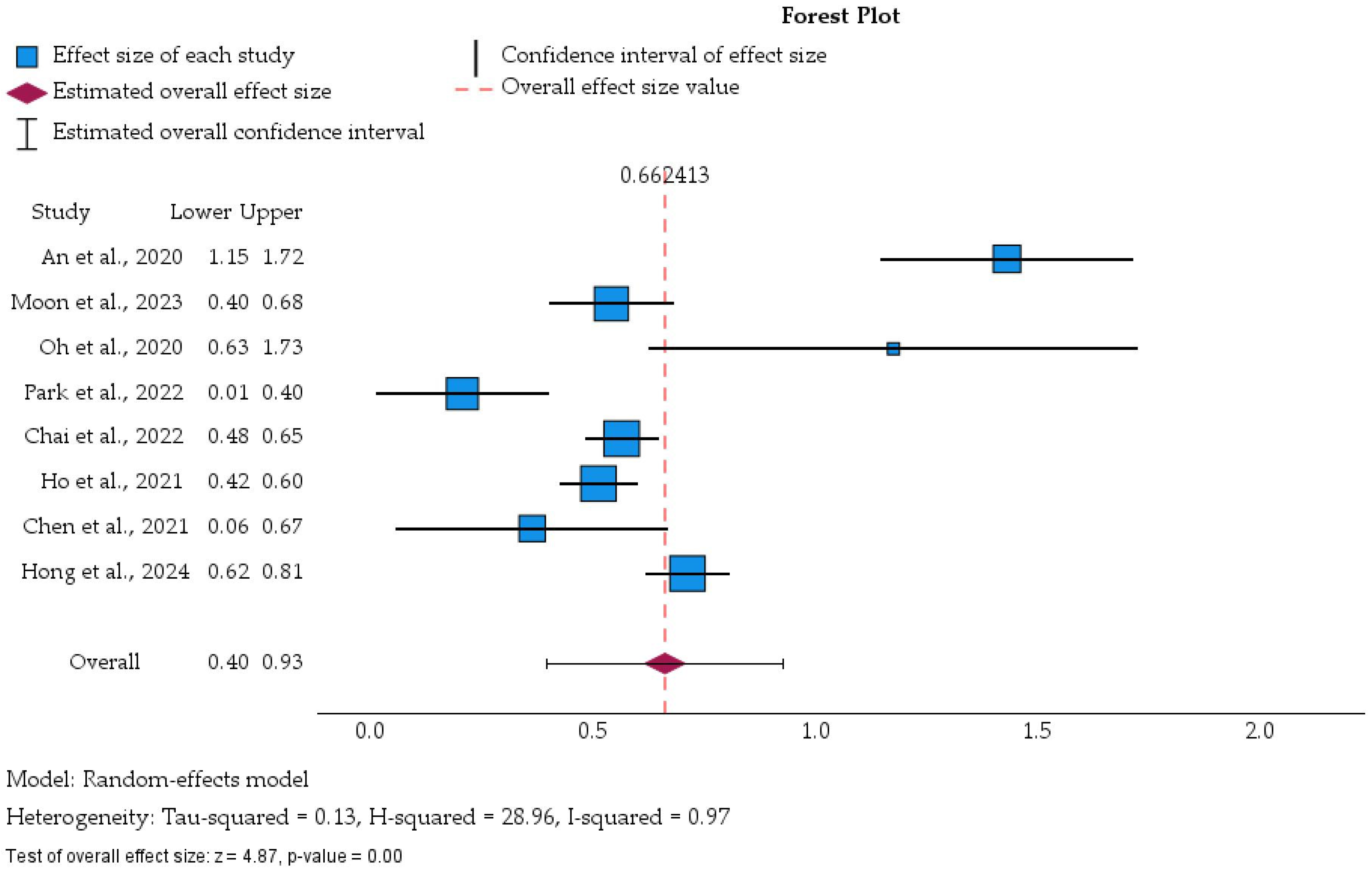
| An et al., 2020 [31] | Korea | Primary LC | 4.18 (3.15–5.56) | 1.431 | 0.145 |
| Moon et al., 2023 [32] | Korea | Primary LC | 1.72 (1.49–1.97) | 0.542 | 0.071 |
| Oh et al., 2020 [33] | Korea | Primary LC | 3.24 (1.87–5.62) | 1.176 | 0.281 |
| Park et al., 2022 [34] | Korea | Primary LC | 1.23 (1.01–1.49) | 0.207 | 0.099 |
| Hong et al., 2024 [35] | Korea | Primary LC | 2.04 (1.85–2.23) | 0.713 | 0.048 |
| Chai et al., 2022 [36] | Taiwan | Primary LC | 1.76 (1.62–1.91) | 0.565 | 0.042 |
| Ho et al., 2021 [37] | Taiwan | Secondary LC | 1.67 (1.53–1.83) | 0.513 | 0.045 |
| Chen et al., 2021 [38] | China | Primary LC | 1.44 (1.06–1.95) | 0.364 | 0.156 |
| Study | Country | Study Design | Data Source | Sample Size (Total/TB/Non-TB) | Mean/Median Age (Male %) | Follow-Up Duration | Lag Period Applied | TB Definition | LC Definition | Key Findings | Major Limitations |
|---|---|---|---|---|---|---|---|---|---|---|---|
| Yu et al., 2011 [51] | Taiwan | Retrospective cohort | National Health Insurance Database | 716,872/4480 TB/matched controls | Not specified (male predominant) | Up to 10 years | Yes (early cases excluded) | ICD-9 codes for TB | ICD-9 lung cancer diagnosis | TB associated with significantly increased LC risk (HR ~3.3), particularly within first years after infection | Residual confounding (smoking not fully controlled), administrative data |
| Wu et al., 2011 [52] | Taiwan | Retrospective cohort | Ambulatory care and inpatient discharge records | 5657/23,984 | 58 (41–72); 68.2% | Long-term (≥8 years) | Yes | ICD-based TB diagnosis | ICD-based LC diagnosis | The incidence rate of LC ((269 of 100,000 person-years) was significantly higher in the TB patients than that in the controls (153 of 100,000 person-years) (IRR—1.76). Compared with the controls, the IRRs of LC in the TB cohort were 1.98 at 2 to 4 years, 1.42 at 5 to 7 years, and 1.59 at 8 to 12 years after TB infections | The early symptoms of occult lung cancer could have been diagnosed incorrectly as TB before lung cancer diagnosis. Smoking history was not available. Thus, the authors were unable to adjust for smoking as a contributing factor |
| Leung et al., 2010 [53] | Hong Kong | Cohort study | TB notification registry from 1993 to 2003 | 516/60,723 | 73.2 ± 6.1, 62.4% | ~5–10 years | Limited | Microbiologically/clinically confirmed TB | Histologically confirmed LC | TB was associated with death due to LC (RR 2.61), it remained an independent predictor of LC death (aHR 2.01) | No non-TB control group, limited confounder adjustment |
| Everatt et al., 2017 [54] | Lithuania | Case–control/cohort analysis | Lithuanian Tuberculosis registry (1998–2012) | 21,986/ | 47.1 (12.9); 70.3% | 6.2 (4.4) years | Yes | Medical records/claims-based TB | Cancer registry-confirmed LC | TB was associated with leukemia, Hodgkin lymphoma, bone, mesothelial and soft tissue, as well as other cancers | Potential bias due to reverse causality if occult cancer caused a weakening of immunity and malnutrition, resulting in Mtb infection or reactivation |
| Lo et al., 2011 [55] | Taiwan | Case–control | Part of GELAC, molecular epidemiological study on susceptibility markers for LC | 288/30 | 59.54 ± 13.02 | Several years | Yes | Demographic characteristics, smoking habit, exposure to environmental tobacco smoke, medical history of lung diseases, family history of LC, and female characteristics were collected from a structured questionnaire | Registry-confirmed | Females exposed to tobacco (OR = 1.39) with a history of TB and with family history of LC in first-degree relatives (OR = 2.44) had higher risk of LC, while subjects with a history of hormone replacement therapy were protective | Confounding (smoking), elderly-only sample |
| Lim et al., 2011 [56] | China | Case–control | Five major public sector hospitals in Singapore | 433/1375 | 63.0 ± 12.5 | Long-term | Yes | Structured questionnaire was administered in person | Registry-confirmed | TB (OR 1.58, 95% CI 0.95– 2.62) appeared to be associated with an increased risk of LC | Only a subset of participants provided blood samples |
| Simonsen et al., 2014 [57] | Denmark | Cohort | Danish nationwide databases (1978– 2011) | 15,024/ | Various group ages, 56.1% | Long-term | Yes | Registry-based TB | Cancer registry | Absolute cancer risk 3 months after TB was 1.83% (SIR 11.09); 2.24-fold increased risk beyond 5 years for LC after TB | Residual confounding, surveillance bias |
| Shiels et al., 2013 [58] | Finland | Cohort | Alpha-Tocopherol, Beta-Carotene cancer prevention study (1985–2005) | 185 | Various group ages, 100% | Several years | Yes | Clinical/claims-based | Registry-confirmed | TB associated with a two-fold rise in LC risk (HR = 1.97), with significant associations observed for incident (HR = 2.05) and prevalent TB (HR = 1.82). LC risk was greatest in the two-year window after TB diagnosis (HR = 5.01). Only association for SCC was statistically significant | Surveillance bias may occur if people with tuberculosis are more apt to receive medical care and testing that may lead to lung cancer diagnosis |
Disclaimer/Publisher’s Note: The statements, opinions and data contained in all publications are solely those of the individual author(s) and contributor(s) and not of MDPI and/or the editor(s). MDPI and/or the editor(s) disclaim responsibility for any injury to people or property resulting from any ideas, methods, instructions or products referred to in the content. |
© 2026 by the authors. Licensee MDPI, Basel, Switzerland. This article is an open access article distributed under the terms and conditions of the Creative Commons Attribution (CC BY) license.
Share and Cite
Cioti, C.; Tica, I.; Gherase-Cristian, M.C.; Fricatel, G.; Arghir, O.C. Tuberculosis Preceding Lung Cancer: A Contemporary Meta-Analysis Revealing a Critical Gap in Post-2020 Evidence. Cancers 2026, 18, 1097. https://doi.org/10.3390/cancers18071097
Cioti C, Tica I, Gherase-Cristian MC, Fricatel G, Arghir OC. Tuberculosis Preceding Lung Cancer: A Contemporary Meta-Analysis Revealing a Critical Gap in Post-2020 Evidence. Cancers. 2026; 18(7):1097. https://doi.org/10.3390/cancers18071097
Chicago/Turabian StyleCioti, Cristina, Irina Tica, Miruna Cristian Gherase-Cristian, Gabriela Fricatel, and Oana Cristina Arghir. 2026. "Tuberculosis Preceding Lung Cancer: A Contemporary Meta-Analysis Revealing a Critical Gap in Post-2020 Evidence" Cancers 18, no. 7: 1097. https://doi.org/10.3390/cancers18071097
APA StyleCioti, C., Tica, I., Gherase-Cristian, M. C., Fricatel, G., & Arghir, O. C. (2026). Tuberculosis Preceding Lung Cancer: A Contemporary Meta-Analysis Revealing a Critical Gap in Post-2020 Evidence. Cancers, 18(7), 1097. https://doi.org/10.3390/cancers18071097