Targeting Pathways Implicated in Cholesterol Metabolism for Novel Cancer Therapy

 ,
,  , , , ,
  , and
, and 
Simple Summary
Abstract
1. Introduction
2. Literature Search Strategy
2.1. Database and Time Frame
2.2. Search Concepts and Keywords
2.3. Eligibility Criteria
2.4. Study Selection and Synthesis
3. Molecular Regulation of Cholesterol Metabolism: Key Pathways and Effectors
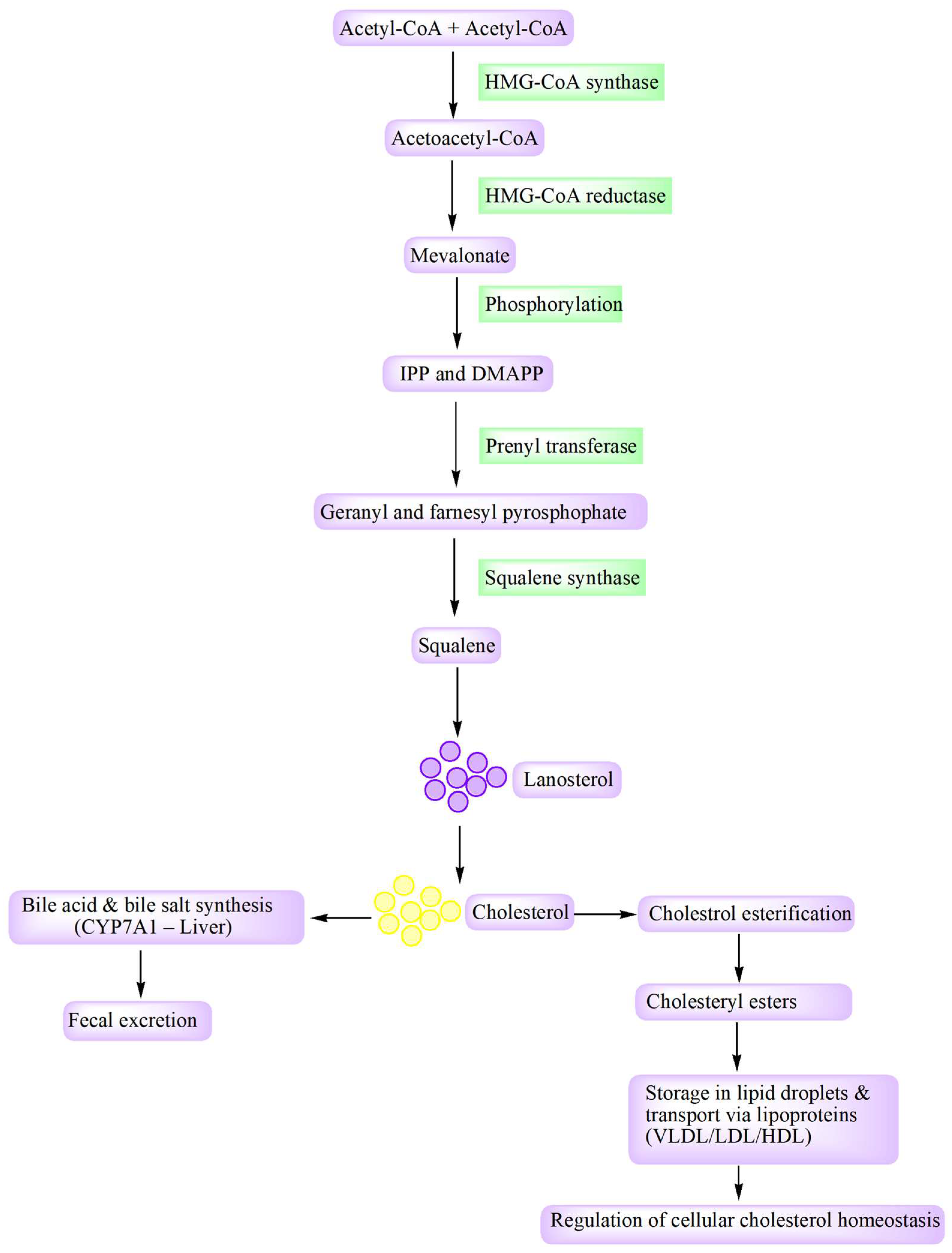
3.1. Cholesterol Biosynthesis Pathway
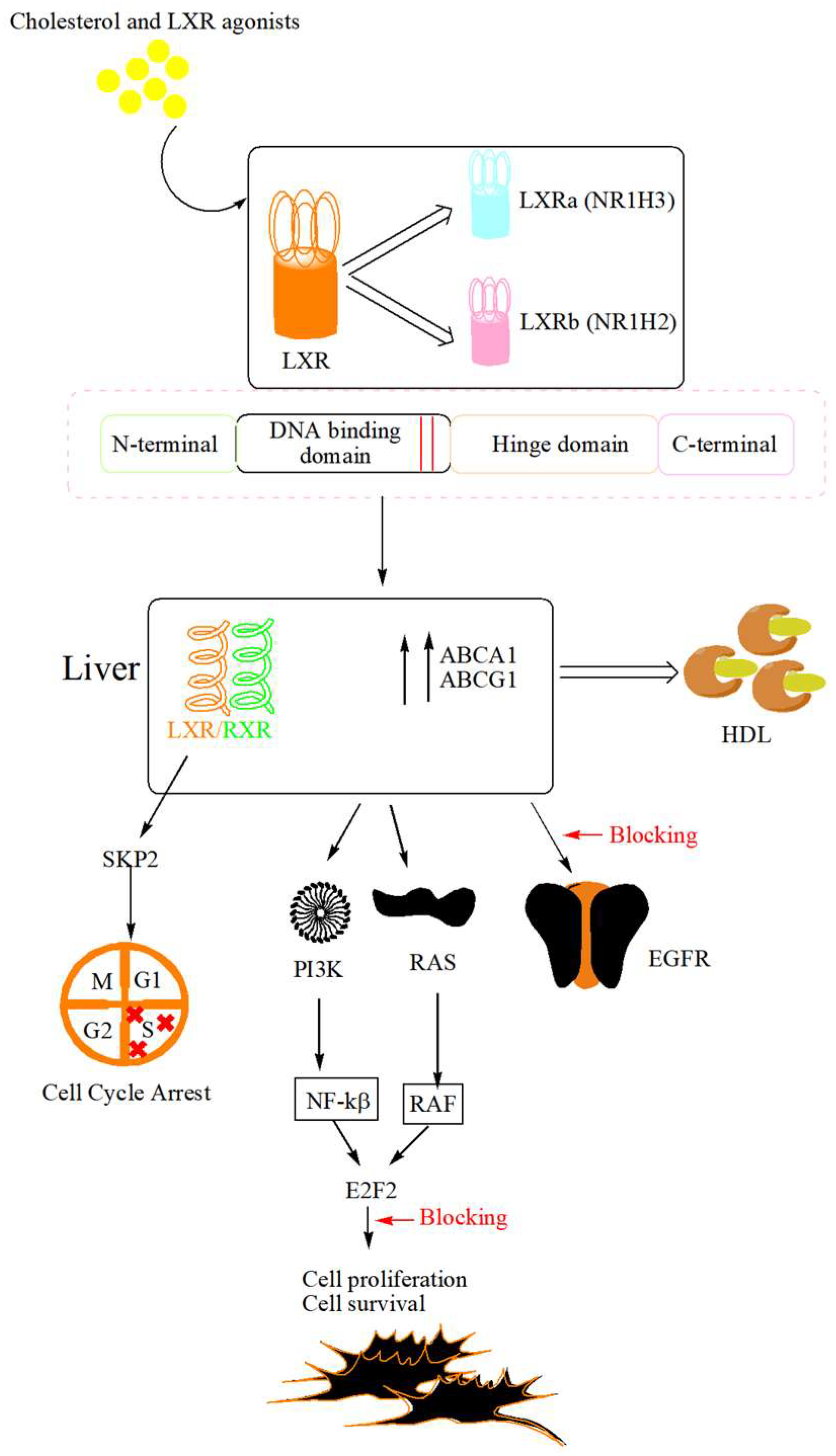
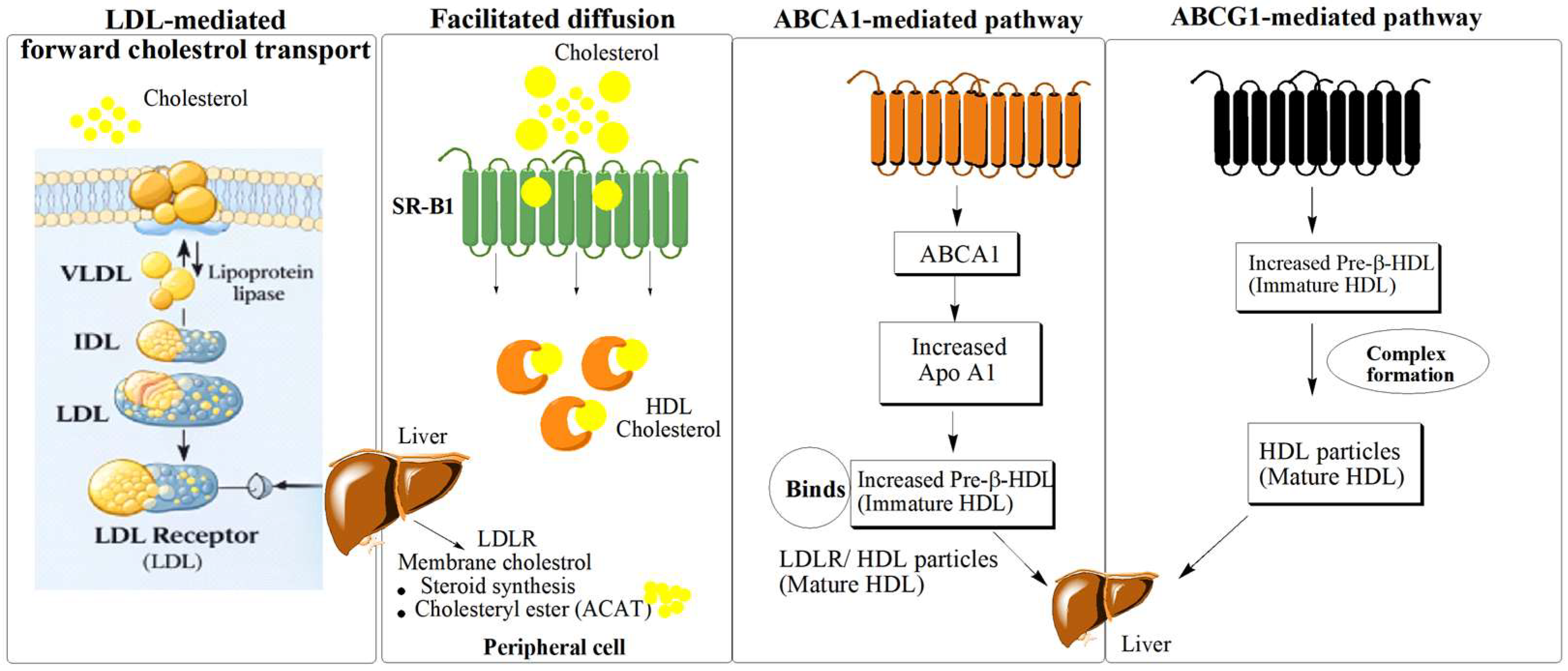
3.2. Liver X Receptors and Cholesterol Efflux: Central Mechanisms Governing Lipid Homeostasis
4. Correlation Between Cholesterol Metabolism and Cancer Progression
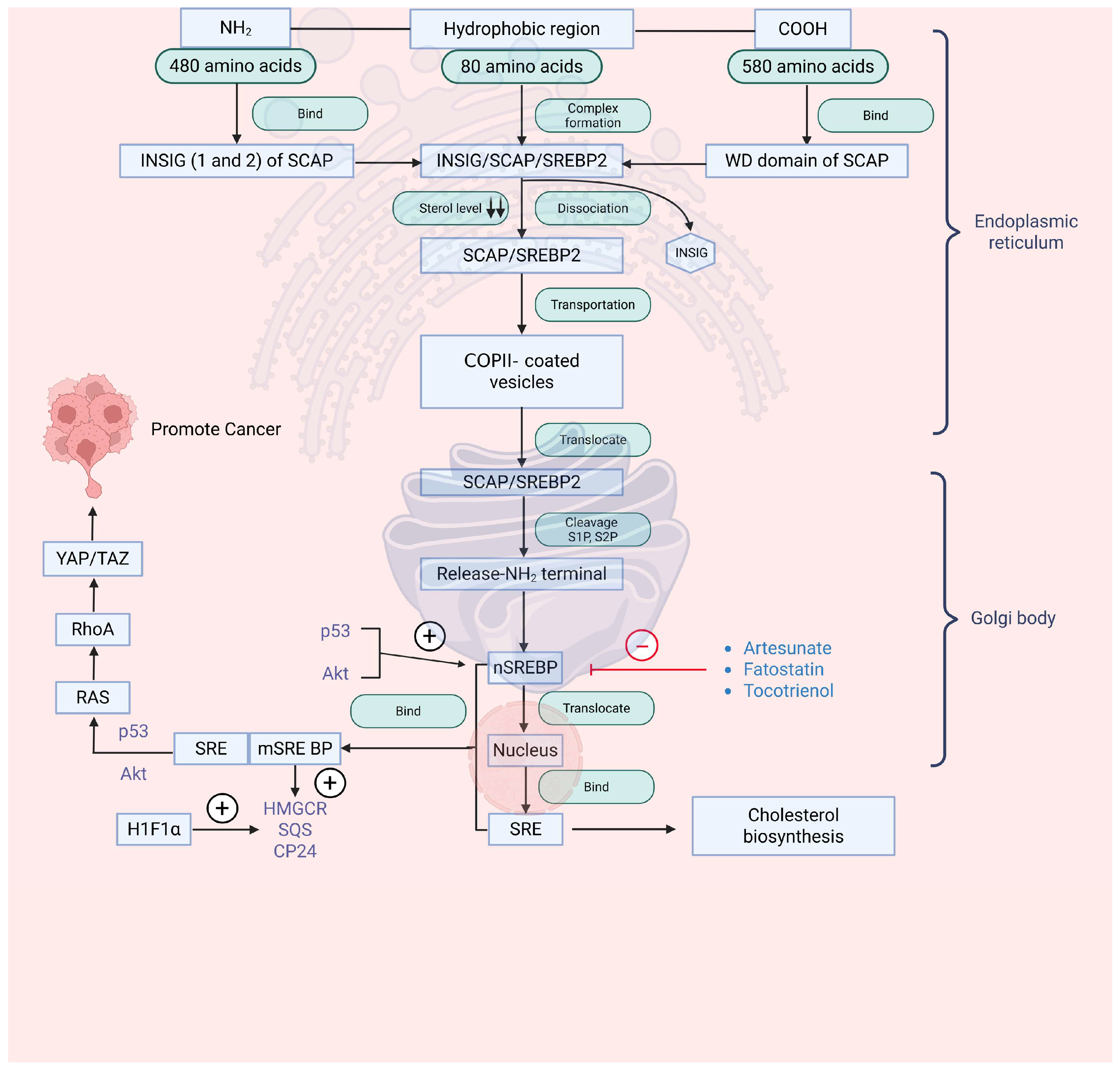
4.1. SREBP as a Potential Target
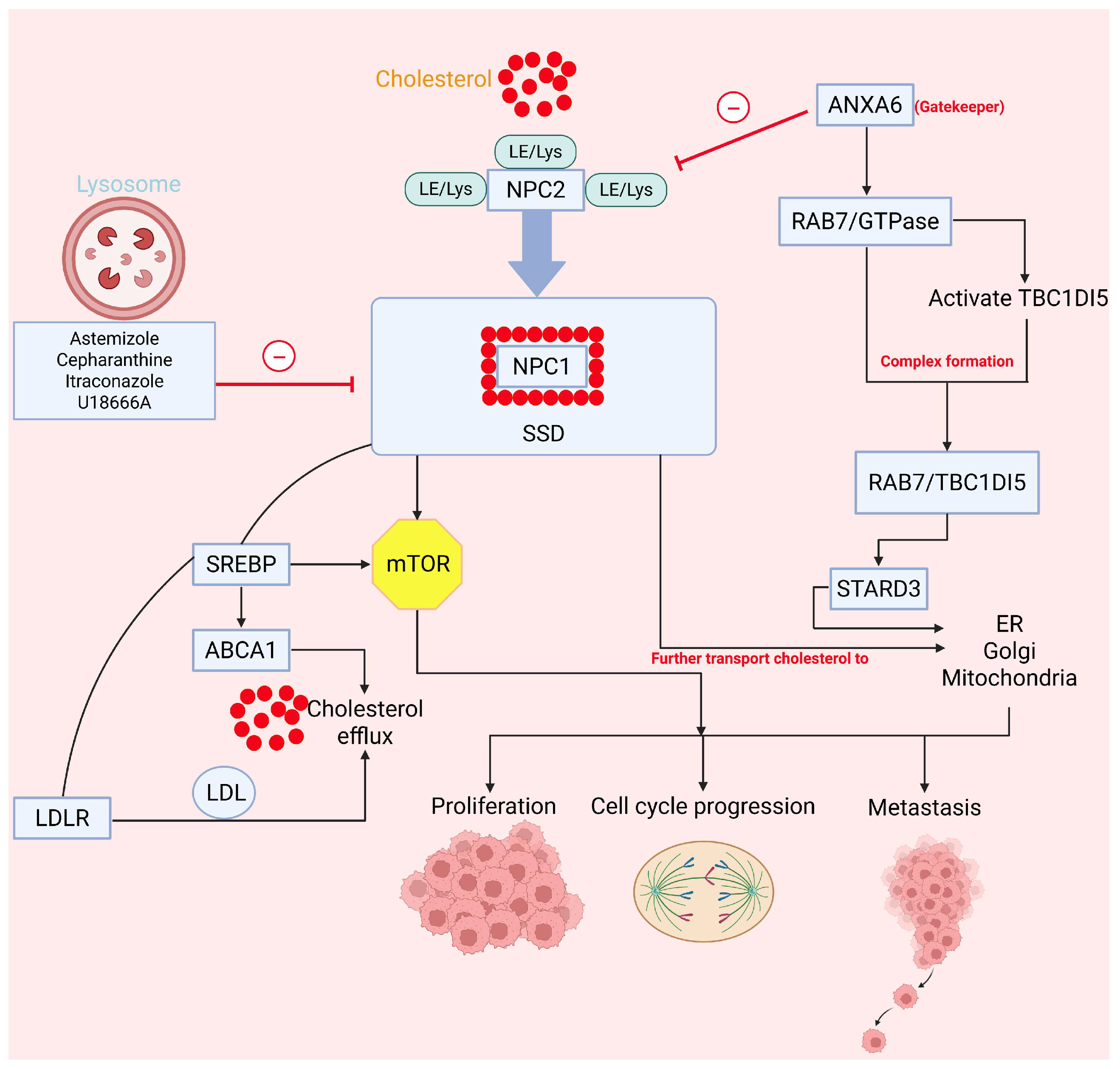
4.2. Niemann–Pick Type C1 as a Potential Target
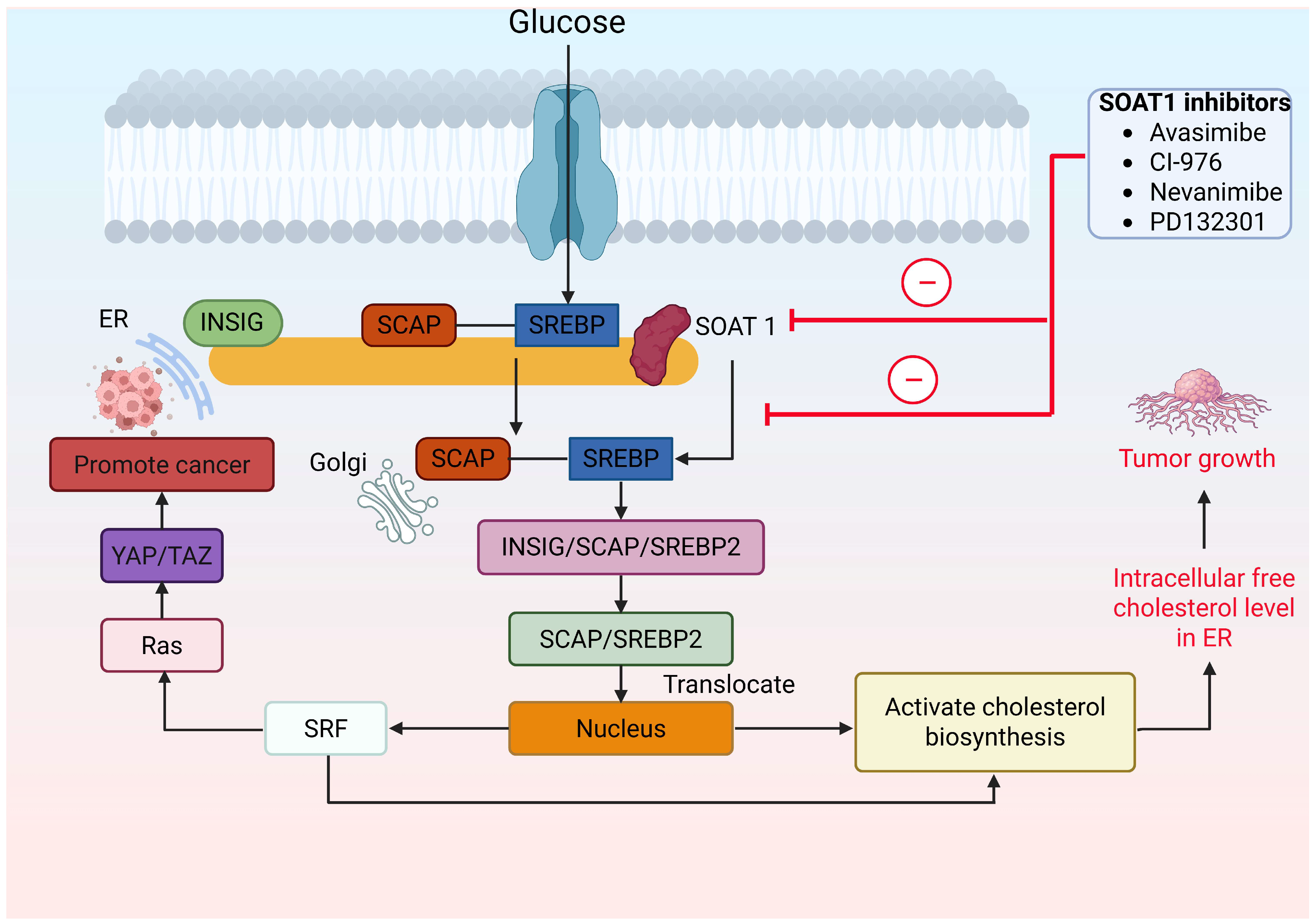
4.3. Sterol-Acyltransferase 1 in Cholesterol Metabolism and Cancer
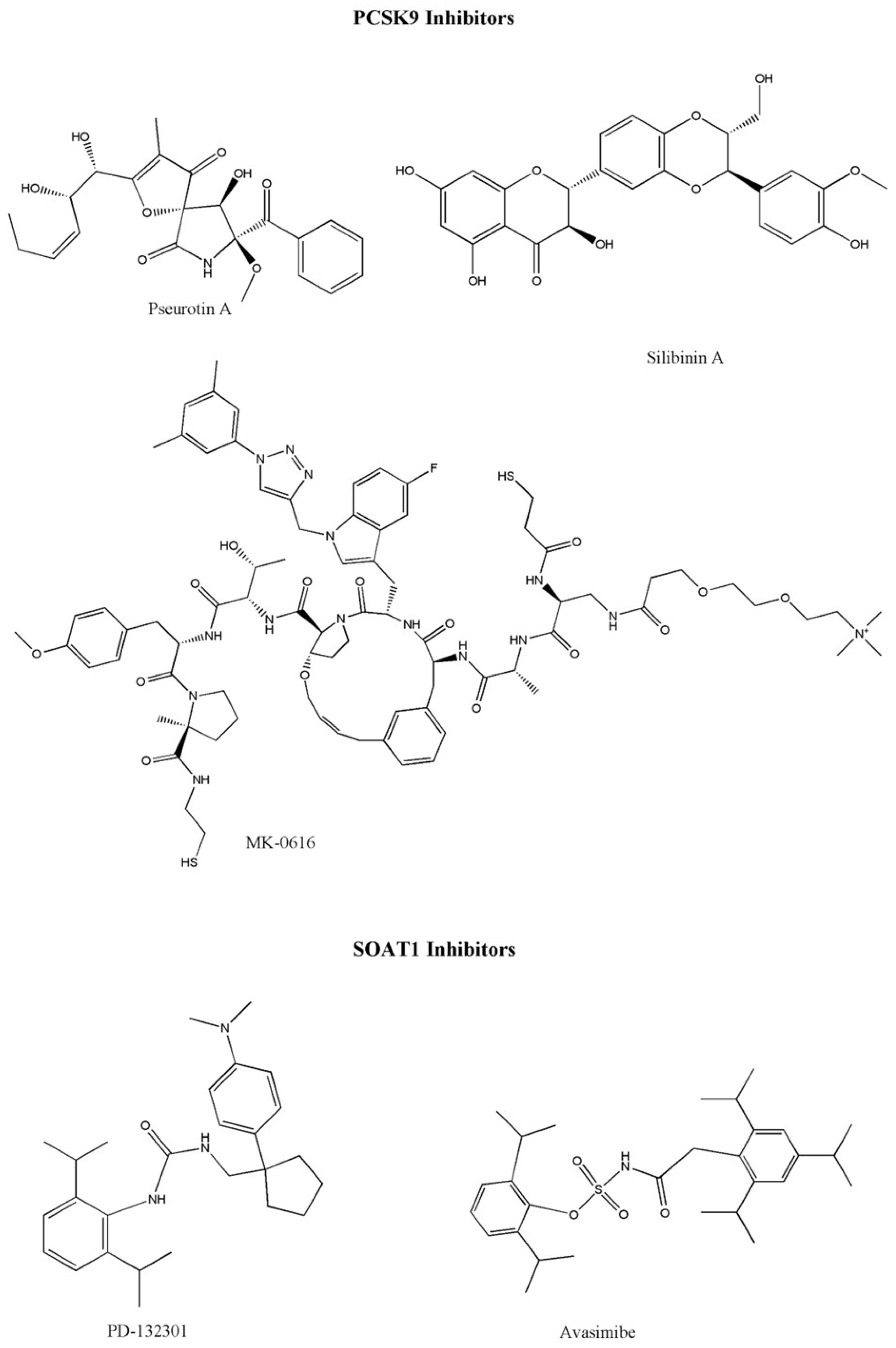
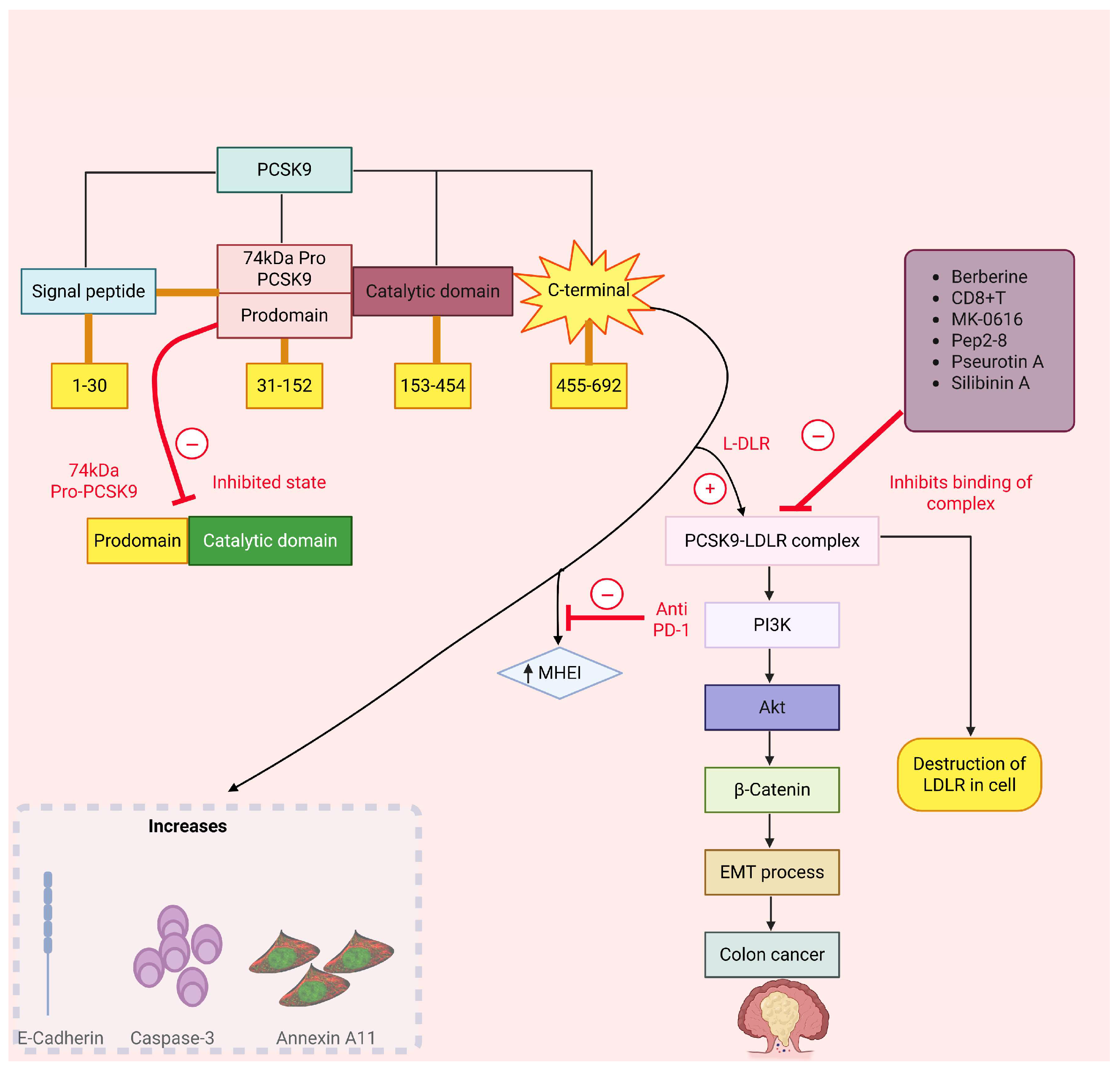
4.4. PCSK9 as a Potential Target
5. Cholesterol Metabolism and Cancer Immunotherapy
6. Conclusions
Future Perspectives
Author Contributions
Funding
Data Availability Statement
Acknowledgments
Conflicts of Interest
Abbreviations
| ABCA1 | ATP-binding cassette subfamily A1 |
| ABCG1 | ATP-binding cassette subfamily G1 |
| Acetyl-CoA | Acetyl coenzyme A |
| Akt | Ak strain transforming |
| ANXA6 | Annexin A6 |
| APC | Adenomatous polyposis coli |
| APOE | Apolipoprotein E |
| CD8 + T | CD8-positive T lymphocyte |
| COPII | Coat protein complex II |
| CP24 | 24-dehydrocholesterol reductase (DHCR24) |
| CRISPR | Clustered regularly interspaced short palindromic repeats |
| cryo-EM | Cryo-electron microscopy |
| DHCR24 | (Standard for CP24) 24-dehydrocholesterol reductase |
| DMAPP | Dimethylallyl pyrophosphate |
| DNA | Deoxyribonucleic acid |
| E-cadherin | Epithelial cadherin |
| E2F2 | E2F transcription factor 2 |
| EEF2K | Eukaryotic elongation factor 2 kinase |
| EGFR | Epidermal growth factor receptor |
| EMT | Epithelial–mesenchymal transition |
| ER | Endoplasmic reticulum |
| ERK | Extracellular signal-regulated kinase |
| FOXO1 | Forkhead Box O1 |
| GGPP | Geranylgeranyl pyrophosphate |
| GOBP | Gene ontology biological process |
| GPX4 | Glutathione peroxidase 4 |
| GTPase | Guanosine triphosphatase |
| HDL | High-density lipoprotein |
| HER2 | Human epidermal growth factor receptor type 2 |
| Hh | Hedgehog signaling protein |
| HIF-1α | Hypoxia-inducible factor-1 α |
| HMG-CoA | 3-hydroxy-3-methylglutaryl coenzyme A |
| HMGCR | 3-hydroxy-3-methylglutaryl-CoA reductase |
| INSIG | Insulin-induced gene protein |
| IPP | Isopentyl pyrophosphate |
| KRAS | Kirsten rat sarcoma viral oncogene homolog |
| LAMP | Lysosome-associated membrane protein |
| LCAT | Lecithin–cholesterol acyltransferase |
| LDL | Low-density lipoprotein |
| LDLR | Low-density lipoprotein receptor |
| LE/Lys | Late endosome/lysosome |
| LOX1 | Lectin-like oxidized low-density lipoprotein receptor-1 |
| LXR | Liver X receptor |
| LXRE | Liver X-responsive elements |
| LXRα | Liver X receptor α (NR1H3) |
| LXRβ | Liver X receptor β (NR1H2) |
| MEK | Mitogen-activated protein kinase kinase |
| mSREBP | Membrane-bound sterol regulatory element-binding protein |
| mTOR | Mechanistic target of rapamycin |
| mTORC1 | Mechanistic target of rapamycin complex 1 |
| MZF1 | Myeloid zinc Finger 1 |
| NBD | Nucleotide-binding domains |
| NF-κB | Nuclear factor kappa-light-chain-enhancer of activated B cells |
| NPC1 | Niemann–Pick type C1 protein |
| NPC2 | Niemann–Pick type C2 protein |
| NPs | Nanoparticles |
| NR1H2 | Nuclear receptor subfamily 1 group H member 2 (LXRβ) |
| NR1H3 | Nuclear receptor subfamily 1 group H member 3 (LXRα) |
| nSREBP | Nuclear sterol regulatory element-binding protein |
| p53 | Tumor protein 53 |
| PCSK9 | Proprotein convertase subtilisin/kexin type 9 |
| PD-1 | Programmed cell death protein 1 |
| PI3K | Phosphoinositide 3-kinase |
| QIBC | Quantitative imaging-based cytometry |
| RAB7 | Ras-related in brain protein 7 |
| RAF | Rapidly accelerated fibrosarcoma |
| RAS | Rat sarcoma virus |
| RCT | Reverse cholesterol transport |
| RhoA | Ras homolog family member A |
| RXR | Retinoid X receptor |
| S1P | Site-1 protease |
| S2P | Site-2 protease |
| SCAP | SREBP cleavage-activating protein |
| siRNA | Small interfering RNA |
| SKP2 | S-phase kinase-associated protein 2 |
| SMO | Smoothened receptor |
| SOAT1 | Sterol O-acyltransferase 1 |
| SQLE | Squalene epoxidase |
| SQS | Squalene synthase |
| SR-B1 | Scavenger receptor class B type 1 |
| SRE | Sterol regulatory element |
| SREBP | Sterol regulatory element-binding protein |
| SREBP2 | Sterol regulatory element-binding protein 2 |
| SRF | Serum response factor |
| SSD | Sterol-sensing domain |
| STARD3 | StAR-related lipid-transfer domain-containing protein 3 |
| TAZ | Transcriptional co-activator with PDZ-binding motif |
| TBC1D5 | TBC1 domain family member 5 |
| TCR | T cell receptor |
| TFCP2 | Transcription factor CP2 |
| TMD | Transmembrane domains |
| VLDL | Very low-density lipoprotein |
| VLDLR | Very low-density lipoprotein receptor |
| WD | WD-repeat domain |
| XBP1 | X-box binding protein 1 |
| YAP | Yes-associated protein |
References
- Luo, J.; Yang, H.; Song, B.L. Mechanisms and regulation of cholesterol homeostasis. Nat. Rev. Mol. Cell Biol. 2020, 21, 225–245. [Google Scholar] [CrossRef] [PubMed]
- Martin-Perez, M.; Urdiroz-Urricelqui, U.; Bigas, C.; Benitah, S.A. The role of lipids in cancer progression and metastasis. Cell Metab. 2022, 34, 1675–1699. [Google Scholar] [CrossRef]
- Riscal, R.; Skuli, N.; Simon, M.C. Even Cancer Cells Watch Their Cholesterol! Mol. Cell 2019, 76, 220–231. [Google Scholar] [CrossRef] [PubMed]
- Ikonen, E. Cellular cholesterol trafficking and compartmentalization. Nat. Rev. Mol. Cell Biol. 2008, 9, 125–138. [Google Scholar] [CrossRef]
- Carson, J.A.S.; Lichtenstein, A.H.; Anderson, C.A.M.; Appel, L.J.; Kris-Etherton, P.M.; Meyer, K.A.; Petersen, K.; Polonsky, T.; Van Horn, L. Dietary Cholesterol and Cardiovascular Risk: A Science Advisory From the American Heart Association. Circulation 2020, 141, e39–e53. [Google Scholar] [CrossRef]
- Duran, E.K.; Aday, A.W.; Cook, N.R.; Buring, J.E.; Ridker, P.M.; Pradhan, A.D. Triglyceride-Rich Lipoprotein Cholesterol, Small Dense LDL Cholesterol, and Incident Cardiovascular Disease. J. Am. Coll. Cardiol. 2020, 75, 2122–2135. [Google Scholar] [CrossRef]
- Das, P.; Ingole, N. Lipoproteins and Their Effects on the Cardiovascular System. Cureus 2023, 15, e48865. [Google Scholar] [CrossRef]
- Groenen, A.G.; Halmos, B.; Tall, A.R.; Westerterp, M. Cholesterol efflux pathways, inflammation, and atherosclerosis. Crit. Rev. Biochem. Mol. Biol. 2021, 56, 426–439. [Google Scholar] [CrossRef]
- Chen, F.; Lu, Y.; Lin, J.; Kang, R.; Liu, J. Cholesterol Metabolism in Cancer and Cell Death. Antioxid. Redox Signal. 2023, 39, 102–140. [Google Scholar] [CrossRef]
- Varsano, N.; Capua-Shenkar, J.; Leiserowitz, L.; Addadi, L. Crystalline cholesterol: The material and its assembly lines. Annu. Rev. Mater. Res. 2022, 52, 57–78. [Google Scholar] [CrossRef]
- Jung, S.M.; Kang, D.; Guallar, E.; Yu, J.; Lee, J.E.; Kim, S.W.; Nam, S.J.; Cho, J.; Lee, S.K. Impact of Serum Lipid on Breast Cancer Recurrence. J. Clin. Med. 2020, 9, 2846. [Google Scholar] [CrossRef] [PubMed]
- Duan, Y.; Gong, K.; Xu, S.; Zhang, F.; Meng, X.; Han, J. Regulation of cholesterol homeostasis in health and diseases: From mechanisms to targeted therapeutics. Signal Transduct. Target. Ther. 2022, 7, 265. [Google Scholar] [CrossRef] [PubMed]
- Fernández, L.P.; Gómez de Cedrón, M.; Ramírez de Molina, A. Alterations of Lipid Metabolism in Cancer: Implications in Prognosis and Treatment. Front. Oncol. 2020, 10, 577420. [Google Scholar] [CrossRef]
- Marino, N.; German, R.; Rao, X.; Simpson, E.; Liu, S.; Wan, J.; Liu, Y.; Sandusky, G.; Jacobsen, M.; Stoval, M.; et al. Upregulation of lipid metabolism genes in the breast prior to cancer diagnosis. NPJ Breast Cancer 2020, 6, 50. [Google Scholar] [CrossRef]
- Göbel, A.; Rauner, M.; Hofbauer, L.C.; Rachner, T.D. Cholesterol and beyond—The role of the mevalonate pathway in cancer biology. Biochim. Biophys. Acta Rev. Cancer 2020, 1873, 188351. [Google Scholar] [CrossRef]
- Liu, W.; Chakraborty, B.; Safi, R.; Kazmin, D.; Chang, C.-Y.; McDonnell, D.P. Dysregulated cholesterol homeostasis results in resistance to ferroptosis increasing tumorigenicity and metastasis in cancer. Nat. Commun. 2021, 12, 5103. [Google Scholar] [CrossRef]
- Vona, R.; Iessi, E.; Matarrese, P. Role of Cholesterol and Lipid Rafts in Cancer Signaling: A Promising Therapeutic Opportunity? Front. Cell Dev. Biol. 2021, 9, 622908. [Google Scholar] [CrossRef]
- Barbalata, C.I.; Tefas, L.R.; Achim, M.; Tomuta, I.; Porfire, A.S. Statins in risk-reduction and treatment of cancer. World J. Clin. Oncol. 2020, 11, 573–588. [Google Scholar] [CrossRef]
- Tian, Y.; Li, J.; Yang, X. Statins as potential adjuvant therapy in lung cancer: A narrative review. J. Thorac. Dis. 2025, 17, 3433–3449. [Google Scholar] [CrossRef] [PubMed]
- Guo, X.J.; Zhu, B.B.; Li, J.; Guo, P.; Niu, Y.B.; Shi, J.L.; Yokoyama, W.; Huang, Q.S.; Shao, D.Y. Cholesterol metabolism in tumor immunity: Mechanisms and therapeutic opportunities for cancer. Biochem. Pharmacol. 2025, 234, 116802. [Google Scholar] [CrossRef]
- Sharma, B.; Agnihotri, N. Role of cholesterol homeostasis and its efflux pathways in cancer progression. J. Steroid Biochem. Mol. Biol. 2019, 191, 105377. [Google Scholar] [CrossRef]
- Schade, D.S.; Shey, L.; Eaton, R.P. Cholesterol Review: A Metabolically Important Molecule. Endocr. Pract. 2020, 26, 1514–1523. [Google Scholar] [CrossRef]
- Cockcroft, S. Mammalian lipids: Structure, synthesis and function. Essays Biochem. 2021, 65, 813–845. [Google Scholar] [CrossRef]
- Skeyni, A.; Pradignac, A.; Matz, R.L.; Terrand, J.; Boucher, P. Cholesterol trafficking, lysosomal function, and atherosclerosis. Am. J. Physiol. Cell Physiol. 2024, 326, C473–C486. [Google Scholar] [CrossRef]
- Meng, Y.; Heybrock, S.; Neculai, D.; Saftig, P. Cholesterol Handling in Lysosomes and Beyond. Trends Cell Biol. 2020, 30, 452–466. [Google Scholar] [CrossRef]
- McDonald, S. Systematic Study of Cellular Cholesterol Homeostasis. Master’s Thesis, University of Saskatchewan, Saskatoon, SK, Canada, 2022. [Google Scholar]
- van der Wulp, M.Y.; Verkade, H.J.; Groen, A.K. Regulation of cholesterol homeostasis. Mol. Cell. Endocrinol. 2013, 368, 1–16. [Google Scholar] [CrossRef] [PubMed]
- Ho, W.Y.; Hartmann, H.; Ling, S.C. Central nervous system cholesterol metabolism in health and disease. IUBMB life 2022, 74, 826–841. [Google Scholar] [CrossRef] [PubMed]
- Ridgway, N.; McLeod, R. Biochemistry of Lipids, Lipoproteins and Membranes; Elsevier: Amsterdam, The Netherlands, 2008. [Google Scholar]
- Cui, D.; Yu, X.; Guan, Q.; Shen, Y.; Liao, J.; Liu, Y.; Su, Z. Cholesterol metabolism: Molecular mechanisms, biological functions, diseases, and therapeutic targets. Mol. Biomed. 2025, 6, 72. [Google Scholar] [CrossRef] [PubMed]
- Cerqueira, N.M.; Oliveira, E.F.; Gesto, D.S.; Santos-Martins, D.; Moreira, C.; Moorthy, H.N.; Ramos, M.J.; Fernandes, P.A. Cholesterol Biosynthesis: A Mechanistic Overview. Biochemistry 2016, 55, 5483–5506. [Google Scholar] [CrossRef]
- Bhale, A.S.; Meilhac, O.; d’Hellencourt, C.L.; Vijayalakshmi, M.A.; Venkataraman, K. Cholesterol transport and beyond: Illuminating the versatile functions of HDL apolipoproteins through structural insights and functional implications. Biofactors 2024, 50, 922–956. [Google Scholar] [CrossRef]
- Litvinov, D.Y.; Savushkin, E.V.; Garaeva, E.A.; Dergunov, A.D. Cholesterol Efflux and Reverse Cholesterol Transport: Experimental Approaches. Curr. Med. Chem. 2016, 23, 3883–3908. [Google Scholar] [CrossRef]
- Ouimet, M.; Barrett, T.J.; Fisher, E.A. HDL and reverse cholesterol transport: Basic mechanisms and their roles in vascular health and disease. Circ. Res. 2019, 124, 1505–1518. [Google Scholar] [CrossRef] [PubMed]
- Pownall, H.J.; Rosales, C.; Gillard, B.K.; Gotto, A.M., Jr. High-density lipoproteins, reverse cholesterol transport and atherogenesis. Nat. Rev. Cardiol. 2021, 18, 712–723. [Google Scholar] [CrossRef] [PubMed]
- Dergunov, A.D.; Baserova, V.B. Different pathways of cellular cholesterol efflux. Cell Biochem. Biophys. 2022, 80, 471–481. [Google Scholar] [CrossRef]
- Litvinov, D.Y.; Savushkin, E.V.; Dergunov, A.D. Intracellular and plasma membrane events in cholesterol transport and homeostasis. J. Lipids 2018, 2018, 3965054. [Google Scholar] [CrossRef] [PubMed]
- Brufau, G.; Groen, A.K.; Kuipers, F. Reverse cholesterol transport revisited: Contribution of biliary versus intestinal cholesterol excretion. Arterioscler. Thromb. Vasc. Biol. 2011, 31, 1726–1733. [Google Scholar] [CrossRef]
- Khattib, A.; Shmet, M.; Ashkar, R.; Hayek, T.; Khatib, S. Novel bioactive lipids enhanced HDL-mediated cholesterol efflux from macrophages through the ABCA1 receptor pathway. Chem. Phys. Lipids 2024, 258, 105367. [Google Scholar] [CrossRef]
- Tall, A.R. Cholesterol efflux pathways and other potential mechanisms involved in the athero-protective effect of high density lipoproteins. J. Intern. Med. 2008, 263, 256–273. [Google Scholar] [CrossRef]
- Holland, I.B. Rise and rise of the ABC transporter families. Res. Microbiol. 2019, 170, 304–320. [Google Scholar] [CrossRef]
- Chen, L.; Zhao, Z.W.; Zeng, P.H.; Zhou, Y.J.; Yin, W.J. Molecular mechanisms for ABCA1-mediated cholesterol efflux. Cell Cycle 2022, 21, 1121–1139. [Google Scholar] [CrossRef]
- Liu, Y.; Tang, C. Regulation of ABCA1 functions by signaling pathways. Biochim. Biophys. Acta (BBA) Mol. Cell Biol. Lipids 2012, 1821, 522–529. [Google Scholar] [CrossRef]
- Maïga, S.F.; Kalopissis, A.-D.; Chabert, M. Apolipoprotein A-II is a key regulatory factor of HDL metabolism as appears from studies with transgenic animals and clinical outcomes. Biochimie 2014, 96, 56–66. [Google Scholar] [CrossRef] [PubMed]
- Sánchez, S.A.; Tricerri, M.A.; Ossato, G.; Gratton, E. Lipid packing determines protein-membrane interactions: Challenges for apolipoprotein A-I and high density lipoproteins. Biochim. Biophys. Acta 2010, 1798, 1399–1408. [Google Scholar] [CrossRef]
- Xu, D.; Li, Y.; Yang, F.; Sun, C.; Pan, J.; Wang, L.; Chen, Z.; Fang, S.; Yao, X.; Hou, W. Structure and transport mechanism of the human cholesterol transporter ABCG1. Cell Rep. 2022, 38, 110298. [Google Scholar] [CrossRef]
- Piccinin, E.; Arconzo, M.; Pasculli, E.; Tricase, A.F.; Cultrera, S.; Bertrand-Michel, J.; Loiseau, N.; Villani, G.; Guillou, H.; Moschetta, A. Pivotal role of intestinal cholesterol and nuclear receptor LXR in metabolic liver steatohepatitis and hepatocarcinoma. Cell Biosci. 2024, 14, 69. [Google Scholar] [CrossRef]
- Zhang, D.; Lu, P.; Zhu, K.; Wu, H.; Dai, Y. TFCP2 Overcomes Senescence by Cooperating With SREBP2 to Activate Cholesterol Synthesis in Pancreatic Cancer. Front. Oncol. 2021, 11, 724437. [Google Scholar] [CrossRef]
- Hwang, H.-J.; Lee, K.-H.; Cho, J.-Y. ABCA9, an ER cholesterol transporter, inhibits breast cancer cell proliferation via SREBP-2 signaling. Cancer Sci. 2023, 114, 1451–1463. [Google Scholar] [CrossRef]
- Zhao, J.; Zhang, X.; Gao, T.; Wang, S.; Hou, Y.; Yuan, P.; Yang, Y.; Yang, T.; Xing, J.; Li, J.; et al. SIK2 enhances synthesis of fatty acid and cholesterol in ovarian cancer cells and tumor growth through PI3K/Akt signaling pathway. Cell Death Dis. 2020, 11, 25. [Google Scholar] [CrossRef]
- Long, T.; Qi, X.; Hassan, A.; Liang, Q.; De Brabander, J.K.; Li, X. Structural basis for itraconazole-mediated NPC1 inhibition. Nat. Commun. 2020, 11, 152. [Google Scholar] [CrossRef] [PubMed]
- Chen, T.; Xu, J.; Fu, W. EGFR/FOXO3A/LXR-α Axis Promotes Prostate Cancer Proliferation and Metastasis and Dual-Targeting LXR-α/EGFR Shows Synthetic Lethality. Front. Oncol. 2020, 10, 1688. [Google Scholar] [CrossRef] [PubMed]
- Tavazoie, M.F.; Pollack, I.; Tanqueco, R.; Ostendorf, B.N.; Reis, B.S.; Gonsalves, F.C.; Kurth, I.; Andreu-Agullo, C.; Derbyshire, M.L.; Posada, J.; et al. LXR/ApoE Activation Restricts Innate Immune Suppression in Cancer. Cell 2018, 172, 825–840.e818. [Google Scholar] [CrossRef] [PubMed]
- Xiao, M.; Xu, J.; Wang, W.; Zhang, B.; Liu, J.; Li, J.; Xu, H.; Zhao, Y.; Yu, X.; Shi, S. Functional significance of cholesterol metabolism in cancer: From threat to treatment. Exp. Mol. Med. 2023, 55, 1982–1995. [Google Scholar] [CrossRef]
- Kennedy, M.A.; Barrera, G.C.; Nakamura, K.; Baldán, Á.; Tarr, P.; Fishbein, M.C.; Frank, J.; Francone, O.L.; Edwards, P.A. ABCG1 has a critical role in mediating cholesterol efflux to HDL and preventing cellular lipid accumulation. Cell Metab. 2005, 1, 121–131. [Google Scholar] [CrossRef] [PubMed]
- Shen, W.-J.; Azhar, S.; Kraemer, F.B. SR-B1: A unique multifunctional receptor for cholesterol influx and efflux. Annu. Rev. Physiol. 2018, 80, 95–116. [Google Scholar] [CrossRef] [PubMed]
- Calkin, A.C.; Tontonoz, P. Transcriptional integration of metabolism by the nuclear sterol-activated receptors LXR and FXR. Nat. Rev. Mol. Cell Biol. 2012, 13, 213–224. [Google Scholar] [CrossRef]
- Wang, B.; Tontonoz, P. Liver X receptors in lipid signalling and membrane homeostasis. Nat. Rev. Endocrinol. 2018, 14, 452–463. [Google Scholar] [CrossRef]
- Ducheix, S.; Montagner, A.; Theodorou, V.; Ferrier, L.; Guillou, H. The liver X receptor: A master regulator of the gut–liver axis and a target for non alcoholic fatty liver disease. Biochem. Pharmacol. 2013, 86, 96–105. [Google Scholar] [CrossRef]
- Song, X.; Wu, W.; Warner, M.; Gustafsson, J.-Å. Liver X receptor regulation of glial cell functions in the CNS. Biomedicines 2022, 10, 2165. [Google Scholar] [CrossRef]
- Jakobsson, T.; Treuter, E.; Gustafsson, J.-Å.; Steffensen, K.R. Liver X receptor biology and pharmacology: New pathways, challenges and opportunities. Trends Pharmacol. Sci. 2012, 33, 394–404. [Google Scholar] [CrossRef]
- Zelcer, N.; Hong, C.; Boyadjian, R.; Tontonoz, P. LXR regulates cholesterol uptake through Idol-dependent ubiquitination of the LDL receptor. Science 2009, 325, 100–104. [Google Scholar] [CrossRef]
- Danielewski, M.; Rapak, A.; Kruszyńska, A.; Małodobra-Mazur, M.; Oleszkiewicz, P.; Dzimira, S.; Kucharska, A.Z.; Słupski, W.; Matuszewska, A.; Nowak, B. Cornelian cherry (Cornus mas L.) fruit extract lowers SREBP-1c and C/EBPα in liver and alters various PPAR-α, PPAR-γ, LXR-α target genes in cholesterol-rich diet rabbit model. Int. J. Mol. Sci. 2024, 25, 1199. [Google Scholar] [CrossRef]
- Kim, K.H.; Lee, G.Y.; Kim, J.I.; Ham, M.; Won Lee, J.; Kim, J.B. Inhibitory effect of LXR activation on cell proliferation and cell cycle progression through lipogenic activity. J. Lipid Res. 2010, 51, 3425–3433. [Google Scholar] [CrossRef]
- Meng, Z.X.; Yin, Y.; Lv, J.H.; Sha, M.; Lin, Y.; Gao, L.; Zhu, Y.X.; Sun, Y.J.; Han, X. Aberrant activation of liver X receptors impairs pancreatic beta cell function through upregulation of sterol regulatory element-binding protein 1c in mouse islets and rodent cell lines. Diabetologia 2012, 55, 1733–1744. [Google Scholar] [CrossRef]
- Nguyen-Vu, T.; Vedin, L.-L.; Liu, K.; Jonsson, P.; Lin, J.Z.; Candelaria, N.R.; Candelaria, L.P.; Addanki, S.; Williams, C.; Gustafsson, J.-Å.J. Liver× receptor ligands disrupt breast cancer cell proliferation through an E2F-mediated mechanism. Breast Cancer Res. 2013, 15, R51. [Google Scholar] [CrossRef] [PubMed]
- Wu, Y.; Yu, D.D.; Yan, D.L.; Hu, Y.; Chen, D.; Liu, Y.; Zhang, H.D.; Yu, S.R.; Cao, H.X.; Feng, J.F. Liver X receptor as a drug target for the treatment of breast cancer. Anti Cancer Drugs 2016, 27, 373–382. [Google Scholar] [CrossRef] [PubMed]
- Griffiths, B.; Lewis, C.A.; Bensaad, K.; Ros, S.; Zhang, Q.; Ferber, E.C.; Konisti, S.; Peck, B.; Miess, H.; East, P.; et al. Sterol regulatory element binding protein-dependent regulation of lipid synthesis supports cell survival and tumor growth. Cancer Metab. 2013, 1, 3. [Google Scholar] [CrossRef]
- Shimano, H.; Sato, R. SREBP-regulated lipid metabolism: Convergent physiology—Divergent pathophysiology. Nat. Rev. Endocrinol. 2017, 13, 710–730. [Google Scholar] [CrossRef] [PubMed]
- Musso, G.; Gambino, R.; Cassader, M. Cholesterol metabolism and the pathogenesis of non-alcoholic steatohepatitis. Prog. Lipid Res. 2013, 52, 175–191. [Google Scholar] [CrossRef]
- Fernández-Suárez, M.E.; Daimiel, L.; Villa-Turégano, G.; Pavón, M.V.; Busto, R.; Escolà-Gil, J.C.; Platt, F.M.; Lasunción, M.A.; Martínez-Botas, J.; Gómez-Coronado, D. Selective estrogen receptor modulators (SERMs) affect cholesterol homeostasis through the master regulators SREBP and LXR. Biomed. Pharmacother. 2021, 141, 111871. [Google Scholar] [CrossRef]
- Brown, M.S.; Goldstein, J.L. The SREBP pathway: Regulation of cholesterol metabolism by proteolysis of a membrane-bound transcription factor. Cell 1997, 89, 331–340. [Google Scholar] [CrossRef]
- Chen, M.; Zhang, J.; Sampieri, K.; Clohessy, J.G.; Mendez, L.; Gonzalez-Billalabeitia, E.; Liu, X.S.; Lee, Y.R.; Fung, J.; Katon, J.M.; et al. An aberrant SREBP-dependent lipogenic program promotes metastatic prostate cancer. Nat. Genet. 2018, 50, 206–218. [Google Scholar] [CrossRef]
- Li, X.; Wu, J.B.; Li, Q.; Shigemura, K.; Chung, L.W.K.; Huang, W.-C. SREBP-2 promotes stem cell-like properties and metastasis by transcriptional activation of c-Myc in prostate cancer. Oncotarget 2016, 7, 12869–12884. [Google Scholar] [CrossRef]
- Hubalek, M.; Brunner, C.; Matthä, K.; Marth, C. Resistance to HER2-targeted therapy: Mechanisms of trastuzumab resistance and possible strategies to overcome unresponsiveness to treatment. Wien. Med. Wochenschr. 2010, 160, 506–512. [Google Scholar] [CrossRef]
- Wahdan-Alaswad, R.; Liu, B.; Thor, A.D. Targeted lapatinib anti-HER2/ErbB2 therapy resistance in breast cancer: Opportunities to overcome a difficult problem. Cancer Drug Resist. 2020, 3, 179–198. [Google Scholar] [CrossRef]
- Wang, Y.-C.; Morrison, G.; Gillihan, R.; Guo, J.; Ward, R.M.; Fu, X.; Botero, M.F.; Healy, N.A.; Hilsenbeck, S.G.; Phillips, G.L.; et al. Different mechanisms for resistance to trastuzumab versus lapatinib in HER2-positive breast cancers—Role of estrogen receptor and HER2 reactivation. Breast Cancer Res. 2011, 13, R121. [Google Scholar] [CrossRef]
- D’Amato, V.; Raimondo, L.; Formisano, L.; Giuliano, M.; De Placido, S.; Rosa, R.; Bianco, R. Mechanisms of lapatinib resistance in HER2-driven breast cancer. Cancer Treat. Rev. 2015, 41, 877–883. [Google Scholar] [CrossRef] [PubMed]
- Sethunath, V.; Hu, H.; De Angelis, C.; Veeraraghavan, J.; Qin, L.; Wang, N.; Simon, L.M.; Wang, T.; Fu, X.; Nardone, A.; et al. Targeting the Mevalonate Pathway to Overcome Acquired Anti-HER2 Treatment Resistance in Breast Cancer. Mol. Cancer Res. 2019, 17, 2318–2330. [Google Scholar] [CrossRef] [PubMed]
- Dinavahi, S.S.; Chen, Y.-C.; Gowda, R.; Dhanyamraju, P.K.; Punnath, K.; Desai, D.; Berg, A.; Kimball, S.R.; Amin, S.; Yang, J.-M.; et al. Targeting Protein Translation in Melanoma by Inhibiting EEF-2 Kinase Regulates Cholesterol Metabolism though SREBP2 to Inhibit Tumour Development. Int. J. Mol. Sci. 2022, 23, 3481. [Google Scholar] [CrossRef]
- Liang, L.; Liu, Y.; Wu, X.; Chen, Y. Artesunate induces ferroptosis by inhibiting the nuclear localization of SREBP2 in myeloma cells. Int. J. Med. Sci. 2023, 20, 1535–1550. [Google Scholar] [CrossRef]
- Muto, C.; Yachi, R.; Aoki, Y.; Koike, T.; Igarashi, O.; Kiyose, C. Gamma-tocotrienol reduces the triacylglycerol level in rat primary hepatocytes through regulation of fatty acid metabolism. J. Clin. Biochem. Nutr. 2013, 52, 32–37. [Google Scholar] [CrossRef] [PubMed]
- Krycer, J.R.; Phan, L.; Brown, A.J. A key regulator of cholesterol homoeostasis, SREBP-2, can be targeted in prostate cancer cells with natural products. Biochem. J. 2012, 446, 191–201. [Google Scholar] [CrossRef]
- Munkacsi, A.B.; Porto, A.F.; Sturley, S.L. Niemann-Pick type C disease proteins: Orphan transporters or membrane rheostats? Future Lipidol. 2007, 2, 357–367. [Google Scholar] [CrossRef]
- Roney, J.C.; Li, S.; Farfel-Becker, T.; Huang, N.; Sun, T.; Xie, Y.; Cheng, X.-T.; Lin, M.-Y.; Platt, F.M.; Sheng, Z.-H. Lipid-mediated motor-adaptor sequestration impairs axonal lysosome delivery leading to autophagic stress and dystrophy in Niemann-Pick type C. Dev. Cell 2021, 56, 1452–1468.e1458. [Google Scholar] [CrossRef]
- O’Neill, K.I.; Kuo, L.-W.; Williams, M.M.; Lind, H.; Crump, L.S.; Hammond, N.G.; Spoelstra, N.S.; Caino, M.C.; Richer, J.K. NPC1 Confers Metabolic Flexibility in Triple Negative Breast Cancer. Cancers 2022, 14, 3543. [Google Scholar] [CrossRef]
- Garver, W.S.; Jelinek, D.; Francis, G.A.; Murphy, B.D. The Niemann-Pick C1 gene is downregulated by feedback inhibition of the SREBP pathway in human fibroblasts. J. Lipid Res. 2008, 49, 1090–1102. [Google Scholar] [CrossRef]
- Zeng, L.; Liao, H.; Liu, Y.; Lee, T.S.; Zhu, M.; Wang, X.; Stemerman, M.B.; Zhu, Y.; Shyy, J.Y. Sterol-responsive element-binding protein (SREBP) 2 down-regulates ATP-binding cassette transporter A1 in vascular endothelial cells: A novel role of SREBP in regulating cholesterol metabolism. J. Biol. Chem. 2004, 279, 48801–48807. [Google Scholar] [CrossRef] [PubMed]
- Wilhelm, L.P.; Wendling, C.; Védie, B.; Kobayashi, T.; Chenard, M.P.; Tomasetto, C.; Drin, G.; Alpy, F. STARD 3 mediates endoplasmic reticulum-to-endosome cholesterol transport at membrane contact sites. EMBO J. 2017, 36, 1412–1433. [Google Scholar] [CrossRef]
- Meneses-Salas, E.; García-Melero, A.; Kanerva, K.; Blanco-Muñoz, P.; Morales-Paytuvi, F.; Bonjoch, J.; Casas, J.; Egert, A.; Beevi, S.S.; Jose, J.; et al. Annexin A6 modulates TBC1D15/Rab7/StARD3 axis to control endosomal cholesterol export in NPC1 cells. Cell Mol. Life Sci. 2020, 77, 2839–2857. [Google Scholar] [CrossRef]
- Asif, K.; Memeo, L.; Palazzolo, S.; Frión-Herrera, Y.; Parisi, S.; Caligiuri, I.; Canzonieri, V.; Granchi, C.; Tuccinardi, T.; Rizzolio, F. STARD3: A Prospective Target for Cancer Therapy. Cancers 2021, 13, 4693. [Google Scholar] [CrossRef] [PubMed]
- Skorda, A.; Lauridsen, A.R.; Wu, C.; Huang, J.; Mrackova, M.; Winther, N.I.; Jank, V.; Sztupinszki, Z.; Strauss, R.; Bilgin, M.; et al. Activation of invasion by oncogenic reprogramming of cholesterol metabolism via increased NPC1 expression and macropinocytosis. Oncogene 2023, 42, 2495–2506. [Google Scholar] [CrossRef] [PubMed]
- Davis, O.B.; Shin, H.R.; Lim, C.-Y.; Wu, E.Y.; Kukurugya, M.; Maher, C.F.; Perera, R.M.; Ordonez, M.P.; Zoncu, R. NPC1-mTORC1 Signaling Couples Cholesterol Sensing to Organelle Homeostasis and Is a Targetable Pathway in Niemann-Pick Type C. Dev. Cell 2021, 56, 260–276.e267. [Google Scholar] [CrossRef]
- Nguyen, M.K.L.; Jose, J.; Wahba, M.; Bernaus-Esqué, M.; Hoy, A.J.; Enrich, C.; Rentero, C.; Grewal, T. Linking Late Endosomal Cholesterol with Cancer Progression and Anticancer Drug Resistance. Int. J. Mol. Sci. 2022, 23, 7206. [Google Scholar] [CrossRef]
- Lyu, J.; Yang, E.J.; Shim, J.S. Cholesterol Trafficking: An Emerging Therapeutic Target for Angiogenesis and Cancer. Cells 2019, 8, 389. [Google Scholar] [CrossRef]
- Oni, T.E.; Biffi, G.; Baker, L.A.; Hao, Y.; Tonelli, C.; Somerville, T.D.D.; Deschênes, A.; Belleau, P.; Hwang, C.-I.; Sánchez-Rivera, F.J.; et al. SOAT1 promotes mevalonate pathway dependency in pancreatic cancer. J. Exp. Med. 2020, 217, e20192389. [Google Scholar] [CrossRef] [PubMed]
- Da Dalt, L.; Pedrelli, M.; Pramfalk, C.; Norata, G.; Parini, P. Cholesterol trapping by SOAT1 induces mitochondrial cholesterol accumulation and decrease oxidative metabolism. Atherosclerosis 2022, 355, 86. [Google Scholar] [CrossRef]
- Cheng, X.; Li, J.; Guo, D. SCAP/SREBPs are Central Players in Lipid Metabolism and Novel Metabolic Targets in Cancer Therapy. Curr. Top. Med. Chem. 2018, 18, 484–493. [Google Scholar] [CrossRef]
- Eckhardt, C.; Sbiera, I.; Krebs, M.; Sbiera, S.; Spahn, M.; Kneitz, B.; Joniau, S.; Fassnacht, M.; Kübler, H.; Weigand, I.; et al. High expression of Sterol-O-Acyl transferase 1 (SOAT1), an enzyme involved in cholesterol metabolism, is associated with earlier biochemical recurrence in high risk prostate cancer. Prostate Cancer Prostatic Dis. 2022, 25, 484–490. [Google Scholar] [CrossRef] [PubMed]
- Ohshiro, T.; Ohtawa, M.; Nagamitsu, T.; Matsuda, D.; Yagyu, H.; Davis, M.A.; Rudel, L.L.; Ishibashi, S.; Tomoda, H. New pyripyropene A derivatives, highly SOAT2-selective inhibitors, improve hypercholesterolemia and atherosclerosis in atherogenic mouse models. J. Pharmacol. Exp. Ther. 2015, 355, 299–307. [Google Scholar] [CrossRef]
- Smith, D.C.; Kroiss, M.; Kebebew, E.; Habra, M.A.; Chugh, R.; Schneider, B.J.; Fassnacht, M.; Jafarinasabian, P.; Ijzerman, M.M.; Lin, V.H.; et al. A phase 1 study of nevanimibe HCl, a novel adrenal-specific sterol O-acyltransferase 1 (SOAT1) inhibitor, in adrenocortical carcinoma. Investig. New Drugs 2020, 38, 1421–1429. [Google Scholar] [CrossRef]
- Xu, H.; Xia, H.; Zhou, S.; Tang, Q.; Bi, F. Cholesterol activates the Wnt/PCP-YAP signaling in SOAT1-targeted treatment of colon cancer. Cell Death Discov. 2021, 7, 38. [Google Scholar] [CrossRef]
- Lye, S.-H.; Chahil, J.K.; Bagali, P.; Alex, L.; Vadivelu, J.; Ahmad, W.A.W.; Chan, S.-P.; Thong, M.-K.; Zain, S.M.; Mohamed, R. Genetic polymorphisms in LDLR, APOB, PCSK9 and other lipid related genes associated with familial hypercholesterolemia in Malaysia. PLoS ONE 2013, 8, e60729. [Google Scholar] [CrossRef] [PubMed]
- Wang, L.; Li, S.; Luo, H.; Lu, Q.; Yu, S. PCSK9 promotes the progression and metastasis of colon cancer cells through regulation of EMT and PI3K/AKT signaling in tumor cells and phenotypic polarization of macrophages. J. Exp. Clin. Cancer Res. 2022, 41, 303. [Google Scholar] [CrossRef]
- Kwon, H.J.; Lagace, T.A.; McNutt, M.C.; Horton, J.D.; Deisenhofer, J. Molecular basis for LDL receptor recognition by PCSK9. Proc. Natl. Acad. Sci. USA 2008, 105, 1820–1825. [Google Scholar] [CrossRef] [PubMed]
- Chora, J.R.; Medeiros, A.M.; Alves, A.C.; Bourbon, M. Analysis of publicly available LDLR, APOB, and PCSK9 variants associated with familial hypercholesterolemia: Application of ACMG guidelines and implications for familial hypercholesterolemia diagnosis. Genet. Med. 2018, 20, 591–598. [Google Scholar] [CrossRef] [PubMed]
- Zia, S.; Batool, S.; Shahid, R. Could PCSK9 be a new therapeutic target of Eugenol? In vitro and in silico evaluation of hypothesis. Med. Hypotheses 2020, 136, 109513. [Google Scholar] [CrossRef]
- Abdelwahed, K.S.; Siddique, A.B.; Mohyeldin, M.M.; Qusa, M.H.; Goda, A.A.; Singh, S.S.; Ayoub, N.M.; King, J.A.; Jois, S.D.; El Sayed, K.A. Pseurotin A as a novel suppressor of hormone dependent breast cancer progression and recurrence by inhibiting PCSK9 secretion and interaction with LDL receptor. Pharmacol. Res. 2020, 158, 104847. [Google Scholar] [CrossRef]
- Wong, C.C.; Wu, J.-L.; Ji, F.; Kang, W.; Bian, X.; Chen, H.; Chan, L.-S.; Luk, S.T.Y.; Tong, S.; Xu, J.; et al. The cholesterol uptake regulator PCSK9 promotes and is a therapeutic target in APC/KRAS-mutant colorectal cancer. Nat. Commun. 2022, 13, 3971. [Google Scholar] [CrossRef]
- Burnett, J.R.; Hooper, A.J. MK-0616: An oral PCSK9 inhibitor for hypercholesterolemia treatment. Expert Opin. Investig. Drugs 2023, 32, 873–878. [Google Scholar] [CrossRef]
- Liu, C.; Chen, J.; Chen, H.; Zhang, T.; He, D.; Luo, Q.; Chi, J.; Hong, Z.; Liao, Y.; Zhang, S.; et al. PCSK9 Inhibition: From Current Advances to Evolving Future. Cells 2022, 11, 2972. [Google Scholar] [CrossRef]
- Ballantyne, C.M.; Banka, P.; Mendez, G.; Garcia, R.; Rosenstock, J.; Rodgers, A.; Mendizabal, G.; Mitchel, Y.; Catapano, A.L. Phase 2b Randomized Trial of the Oral PCSK9 Inhibitor MK-0616. J. Am. Coll. Cardiol. 2023, 81, 1553–1564. [Google Scholar] [CrossRef]
- Lagunas-Rangel, F.A. Cholesterol effects on the tumor immune microenvironment: From fundamental concepts to mechanisms and implications. Front. Oncol. 2025, 15, 1579054. [Google Scholar] [CrossRef] [PubMed]
- Su, Q.; Yao, J.; Farooq, M.A.; Ajmal, I.; Duan, Y.; He, C.; Hu, X.; Jiang, W. Modulating Cholesterol Metabolism via ACAT1 Knockdown Enhances Anti-B-Cell Lymphoma Activities of CD19-Specific Chimeric Antigen Receptor T Cells by Improving the Cell Activation and Proliferation. Cells 2024, 13, 555. [Google Scholar] [CrossRef]
- Li, S.; Zhang, Y.; Tong, H.; Sun, H.; Liao, H.; Li, Q.; Ma, X. Metabolic regulation of immunity in the tumor microenvironment. Cell Rep. 2025, 44, 116463. [Google Scholar] [CrossRef]
- Liu, X.; Ren, L.; Shi, R. Lipid Metabolic Reprogramming and the Tumor Immune Microenvironment: A New Strategy for Early Diagnosis and Cancer Prevention. Cancer Screen. Prev. 2025, 4, 1–10. [Google Scholar] [CrossRef]
- Plata-Gomez, A.B.; Chen, W.; Ho, P.C.; Ling, G.S. Mitochondrial lipid metabolism in tumor immunosurveillance and evasion. Trends Immunol. 2025, 46, 766–778. [Google Scholar] [CrossRef]
- Zhao, L.; Zheng, R.; Liu, W.; Li, X.; Liu, H.; Yin, H.; Zhang, R.; Yang, A. Cholesterol metabolism: A new checkpoint in cancer immunity. Trends Mol. Med. 2025. [Google Scholar] [CrossRef]
- Padyana, A.K.; Gross, S.; Jin, L.; Cianchetta, G.; Narayanaswamy, R.; Wang, F.; Wang, R.; Fang, C.; Lv, X.; Biller, S.A.; et al. Structure and inhibition mechanism of the catalytic domain of human squalene epoxidase. Nat. Commun. 2019, 10, 97. [Google Scholar] [CrossRef]
- Ohmoto, T.; Nishitsuji, K.; Yoshitani, N.; Mizuguchi, M.; Yanagisawa, Y.; Saito, H.; Sakashita, N. K604, a specific acyl-CoA:cholesterol acyltransferase 1 inhibitor, suppresses proliferation of U251-MG glioblastoma cells. Mol. Med. Rep. 2015, 12, 6037–6042. [Google Scholar] [CrossRef]
- Guo, D.; Reinitz, F.; Youssef, M.; Hong, C.; Nathanson, D.; Akhavan, D.; Kuga, D.; Amzajerdi, A.N.; Soto, H.; Zhu, S.; et al. An LXR agonist promotes glioblastoma cell death through inhibition of an EGFR/AKT/SREBP-1/LDLR-dependent pathway. Cancer Discov. 2011, 1, 442–456. [Google Scholar] [CrossRef] [PubMed]
- Gambhire, V.M.; Salunkhe, S.M.; Gambhire, M.S. Atorvastatin-loaded lipid nanoparticles: Antitumor activity studies on MCF-7 breast cancer cells. Drug Dev. Ind. Pharm. 2018, 44, 1685–1692. [Google Scholar] [CrossRef] [PubMed]
- Wang, R.; Gilbert, C.; Tahiri, H.; Yang, C.; Landreville, S.; Hardy, P. MiR-181a-driven downregulation of cholesterol biosynthesis through SREBP2 inhibition suppresses uveal melanoma metastasis. J. Exp. Clin. Cancer Res. 2025, 44, 215. [Google Scholar] [CrossRef] [PubMed]
- Xie, X.; Wang, W.; Zhang, H.; Zhao, S.; Zhang, N.; Gao, Y.; Liu, Q.; Chen, X. Cholesterol-induced colorectal cancer progression and its mitigation through gut microbiota remodeling and simvastatin treatment. BMC Cancer 2025, 25, 977. [Google Scholar] [CrossRef] [PubMed]



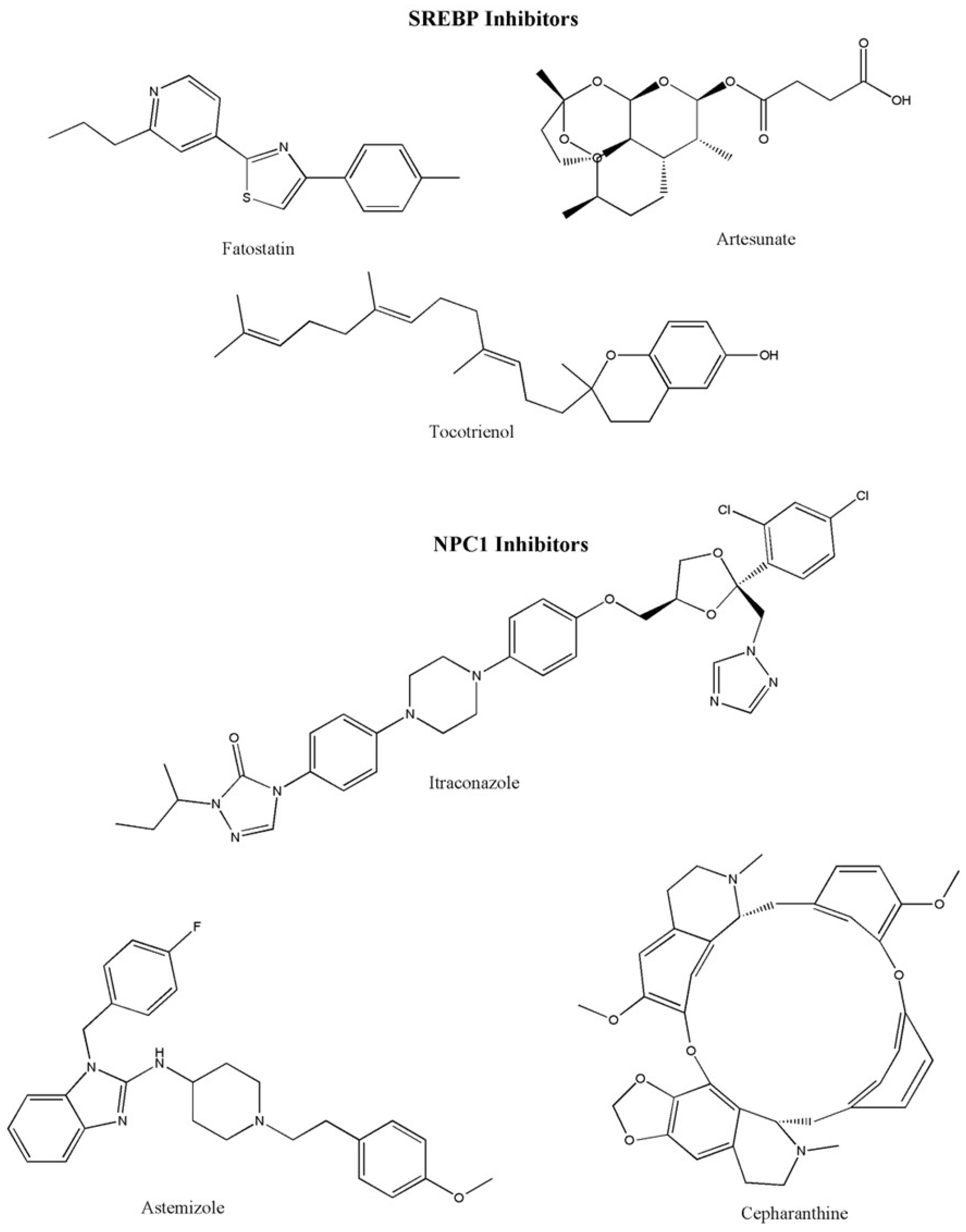


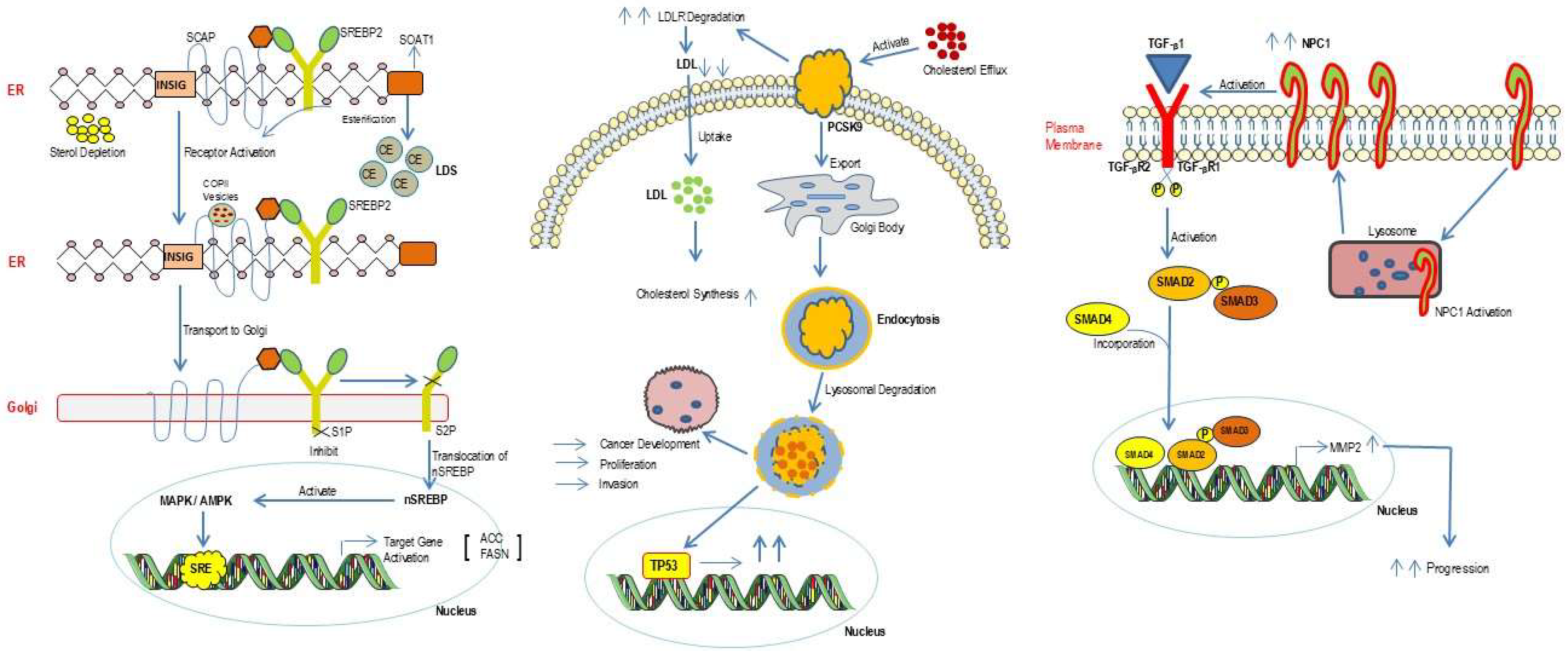

| Pathway | Cholesterol Role | Cancer Impact | Therapeutic Potential | Reference |
|---|---|---|---|---|
| Lipid Rafts | Organize membrane receptors | Enhances EGFR, HER2, and TCR signaling | Disruption impairs growth signaling | [47,48] |
| PI3K/Akt/mTOR | Raft stability and feedback to SREBP2 | Promotes survival and growth | Statins and SREBP2 inhibitors | [49,50] |
| Hh | Cholesterol binds SMO | Drives proliferation in Hh-dependent tumors | SMO inhibitors and cholesterol synthesis inhibitors | [51] |
| LXR | Modulates cholesterol efflux, immune genes | Suppresses or promotes tumors contextually | LXR agonists/antagonists | [52,53] |
| Strategy | Target | Example Agents | Mechanism | Associated Disease | Development Stage | Reference |
|---|---|---|---|---|---|---|
| Synthesis inhibition | HMGCR | Statins (simvastatin) | Blocks mevalonate pathway | Pancreatic Cancer | Clinical (mixed results) | [48] |
| Synthesis inhibition | SQLE | NB-598 and terbinafine | Inhibits downstream cholesterol synthesis | Not Reported | Preclinical/repurposing | [119] |
| Uptake inhibition | LDLR | MK-0616 | Reduces exogenous cholesterol acquisition | Hypercholesterolemia | Preclinical | [112] |
| Intracellular transport | NPC1 | Itraconazole and U18666A | Disrupts lysosomal cholesterol export | Breast Cancer | Preclinical | [86] |
| Esterification inhibition | ACAT1 | K-604 | Blocks cholesterol storage | Glioblastoma | Preclinical | [120] |
| Efflux enhancement | LXRs | GW3965 and RGX-104 | Induces ABCA1/ABCG1 and modulates immunity | Glioblastoma | Early clinical/preclinical | [53,121] |
| Nanocarrier delivery | Not reported | Lipid NPs and micelles | Exerts targeted delivery of cholesterol modulators | Breast Cancer | Experimental | [122] |
| Epigenetic/genetic targeting | SREBP2 and ACAT1 | CRISPR and siRNA | Disrupts key regulators of cholesterol homeostasis | Melanoma | Experimental | [80,123] |
| Dietary/microbiome approaches | Systemic cholesterol | Statins with probiotics | Modulates systemic and tumor cholesterol | Colorectal Cancer | Emerging concept | [124] |
Disclaimer/Publisher’s Note: The statements, opinions and data contained in all publications are solely those of the individual author(s) and contributor(s) and not of MDPI and/or the editor(s). MDPI and/or the editor(s) disclaim responsibility for any injury to people or property resulting from any ideas, methods, instructions or products referred to in the content. |
© 2026 by the authors. Licensee MDPI, Basel, Switzerland. This article is an open access article distributed under the terms and conditions of the Creative Commons Attribution (CC BY) license.
Share and Cite
Zhou, Y.; Sharma, V.; Li, X.; Singla, R.K.; Kumar, A.; Kyada, A.; Ballal, S.; Nathiya, D.; Koul, A.; Khalid, M.; et al. Targeting Pathways Implicated in Cholesterol Metabolism for Novel Cancer Therapy. Cancers 2026, 18, 428. https://doi.org/10.3390/cancers18030428
Zhou Y, Sharma V, Li X, Singla RK, Kumar A, Kyada A, Ballal S, Nathiya D, Koul A, Khalid M, et al. Targeting Pathways Implicated in Cholesterol Metabolism for Novel Cancer Therapy. Cancers. 2026; 18(3):428. https://doi.org/10.3390/cancers18030428
Chicago/Turabian StyleZhou, Yi, Vishakha Sharma, Xiaoyu Li, Rajeev K. Singla, Ankush Kumar, Ashishkumar Kyada, Suhas Ballal, Deepak Nathiya, Apurva Koul, Mohammad Khalid, and et al. 2026. "Targeting Pathways Implicated in Cholesterol Metabolism for Novel Cancer Therapy" Cancers 18, no. 3: 428. https://doi.org/10.3390/cancers18030428
APA StyleZhou, Y., Sharma, V., Li, X., Singla, R. K., Kumar, A., Kyada, A., Ballal, S., Nathiya, D., Koul, A., Khalid, M., Gulati, M., Arora, S., Behl, T., Kavalakatt, J., Shen, B., & Bishayee, A. (2026). Targeting Pathways Implicated in Cholesterol Metabolism for Novel Cancer Therapy. Cancers, 18(3), 428. https://doi.org/10.3390/cancers18030428