The Efficacy of Electronic Health Record-Based Artificial Intelligence Models for Early Detection of Pancreatic Cancer: A Systematic Review and Meta-Analysis
by
 , , , , and
George G. Makiev
1,2,* ,
,
Igor V. Samoylenko
1,
Valeria V. Nazarova
1,
Zahra R. Magomedova
1,
Alexey A. Tryakin
2 and
Tigran G. Gevorkyan
1 1
Predictive Modeling Department, Research Center for Artificial Intelligence in Healthcare, N.N. Blokhin National Medical Research Center of Oncology, Ministry of Health of Russia, 24 Kashirskoe Shosse, Moscow 115522, Russia
2
Department of Medical Oncology for Gastrointestinal Tumors, N.N. Blokhin National Medical Research Center of Oncology, Ministry of Health of Russia, 24 Kashirskoe Shosse, Moscow 115522, Russia
*
Author to whom correspondence should be addressed.
Cancers 2026, 18(2), 315; https://doi.org/10.3390/cancers18020315
Submission received: 23 December 2025
/
Revised: 14 January 2026
/
Accepted: 17 January 2026
/
Published: 20 January 2026
(This article belongs to the Topic Hepatobiliary and Pancreatic Diseases: Novel Strategies of Diagnosis and Treatments—Second Edition)
Simple Summary
Pancreatic cancer is often detected too late, leading to very low survival rates. Screening everyone is not practical due to the disease’s rarity and high costs. This study explores a new approach: using artificial intelligence (AI) to analyze patients’ existing electronic health records—like doctor’s visit notes and lab results—to identify those at high risk of pancreatic cancer long before symptoms appear. By systematically reviewing existing research, we aimed to determine how accurate these AI tools are. Our findings show they hold significant promise for early detection, which could allow doctors to monitor high-risk patients more closely and ultimately save lives by catching the cancer at a treatable stage. However, challenges such as the potential for false-positive results and the need for further validation in diverse clinical settings must be addressed before its widespread use in clinical practice.
Abstract
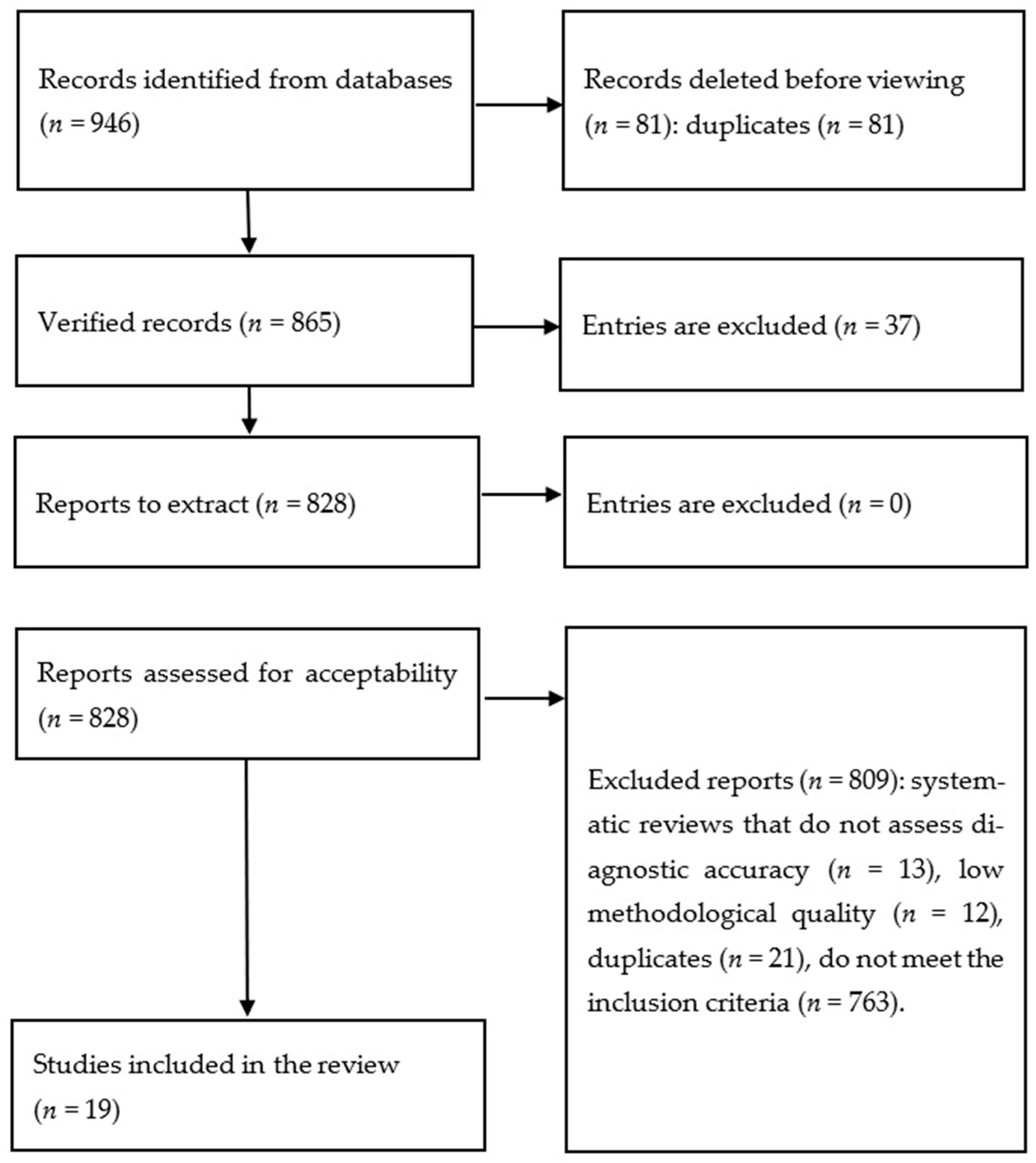
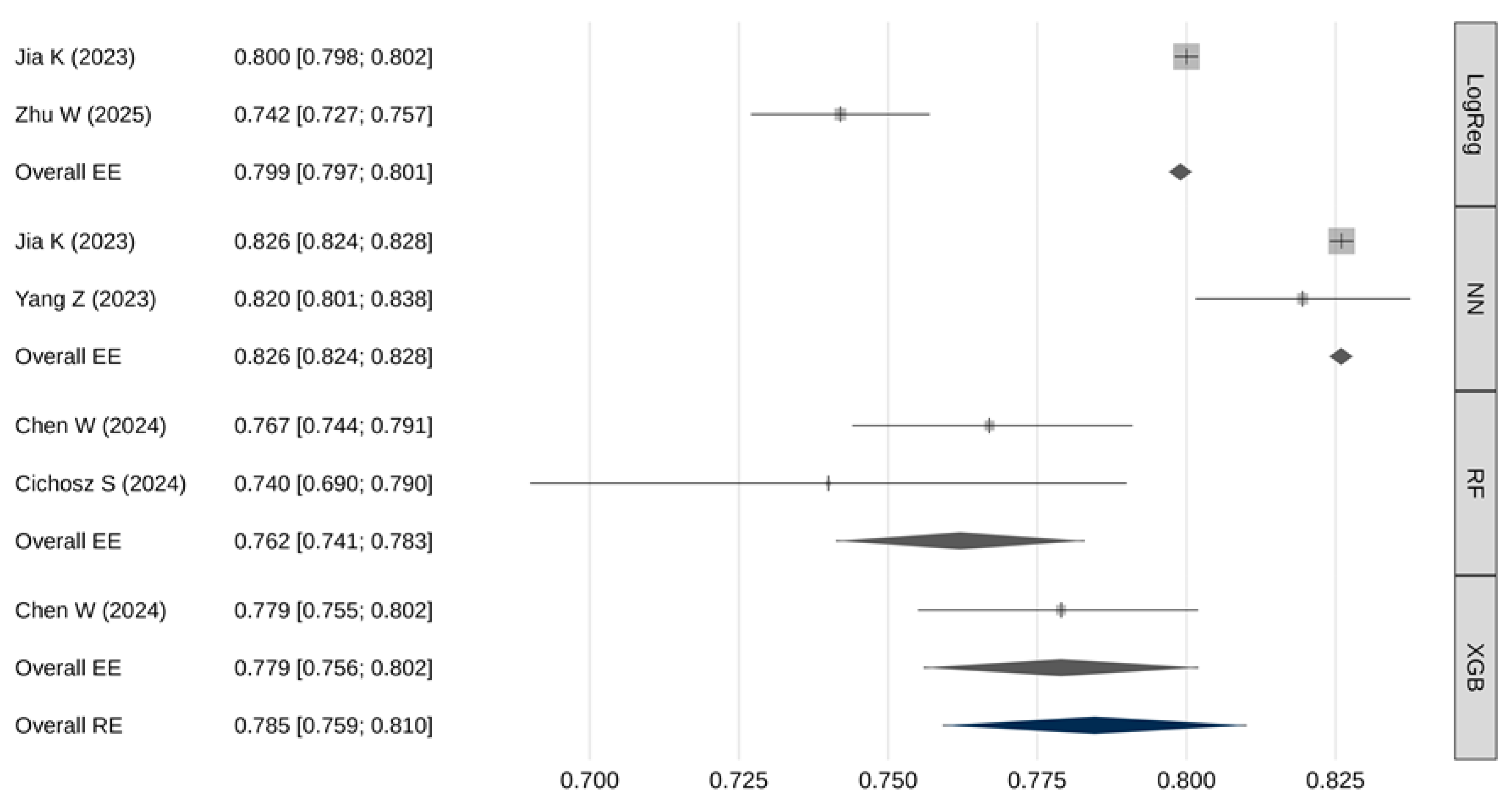
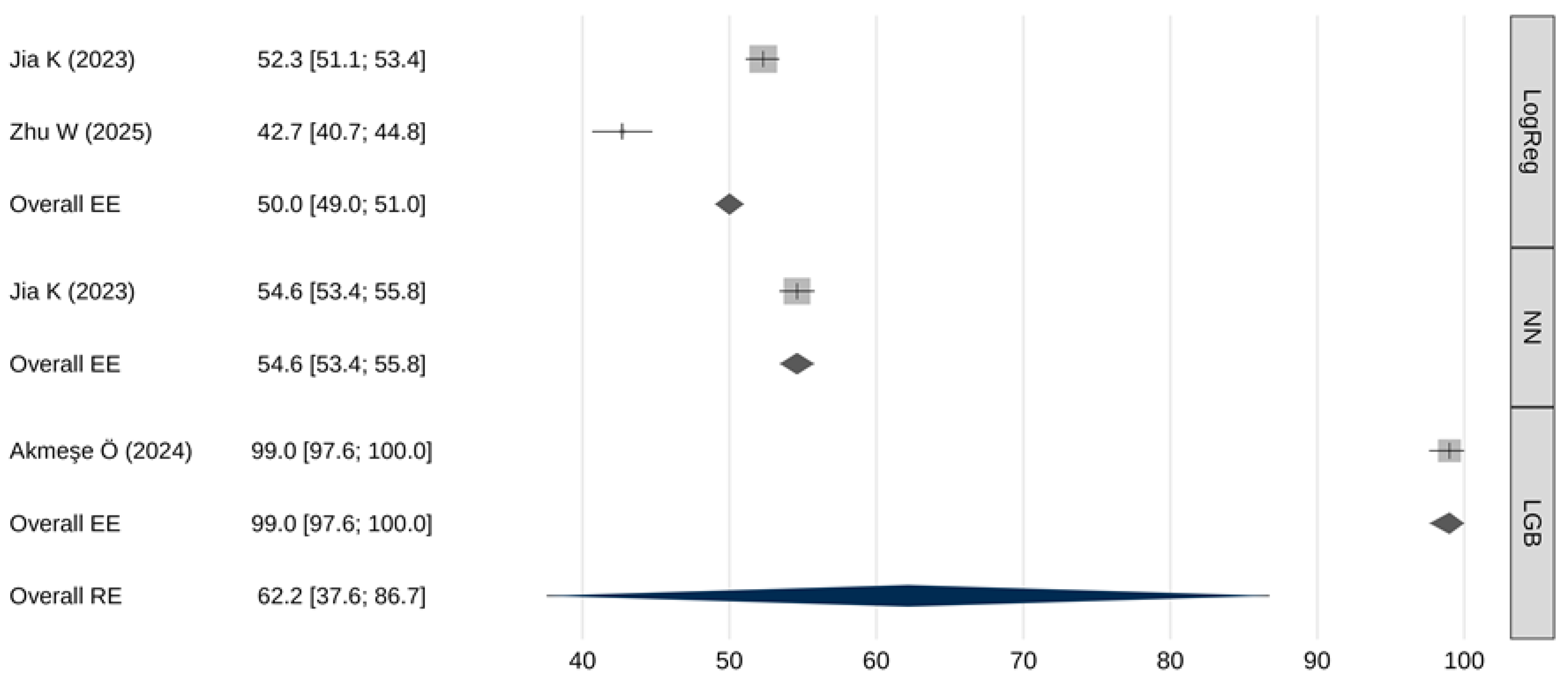
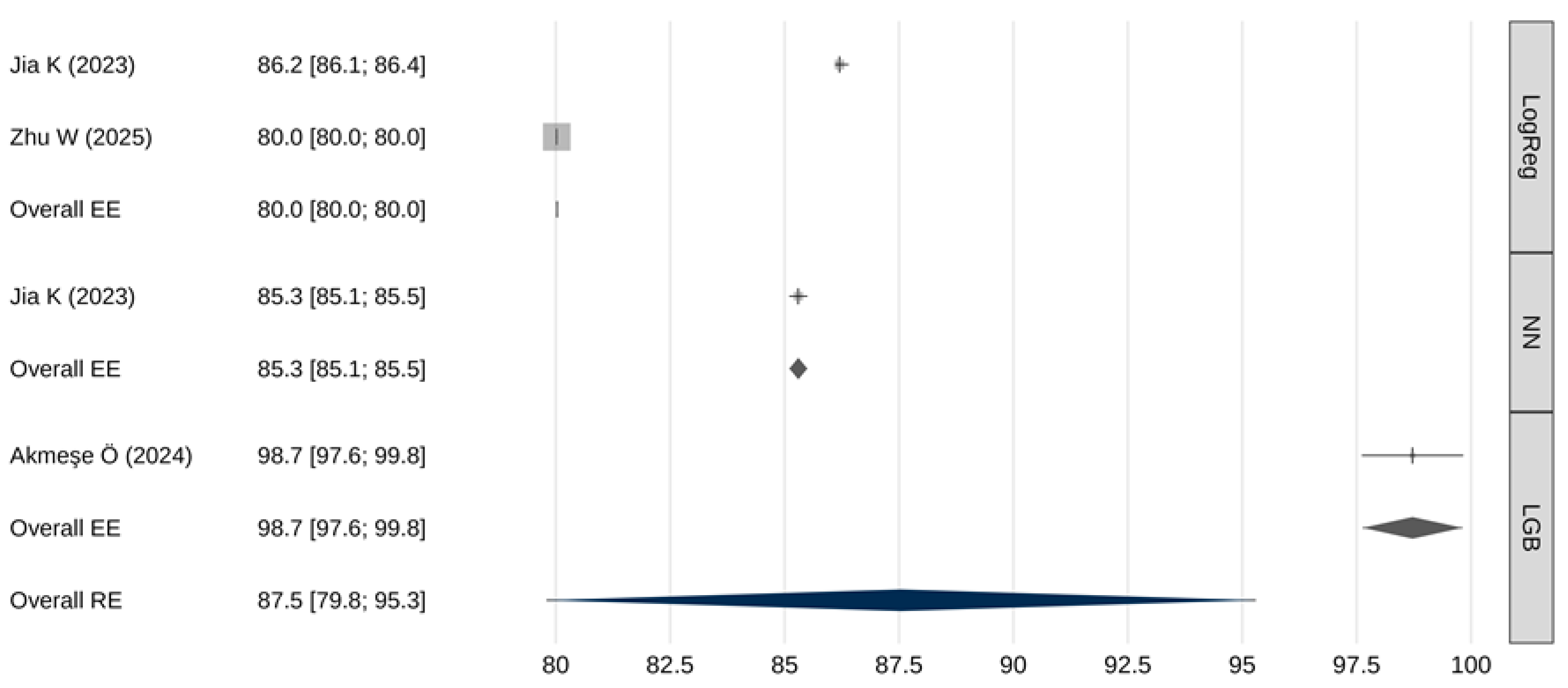
Background: The persistently low 5-year survival rate for pancreatic cancer (PC) underscores the critical need for early detection. However, population-wide screening remains impractical. Artificial Intelligence (AI) models using electronic health record (EHR) data offer a promising avenue for pre-symptomatic risk stratification. Objective: To systematically review and meta-analyze the performance of AI models for PC prediction based exclusively on structured EHR data. Methods: We systematically searched PubMed, MedRxiv, BioRxiv, and Google Scholar (2010–2025). Inclusion criteria encompassed studies using EHR-derived data (excluding imaging/genomics), applying AI for PC prediction, reporting AUC, and including a non-cancer cohort. Two reviewers independently extracted data. Random-effects meta-analysis was performed for AUC, sensitivity (Se), and specificity (Sp) using R software version 4.5.1. Heterogeneity was assessed using I2 statistics and publication bias was evaluated. Results: Of 946 screened records, 19 studies met the inclusion criteria. The pooled AUC across all models was 0.785 (95% CI: 0.759–0.810), indicating good overall discriminatory ability. Neural Network (NN) models demonstrated a statistically significantly higher pooled AUC (0.826) compared to Logistic Regression (LogReg, 0.799), Random Forests (RF, 0.762), and XGBoost (XGB, 0.779) (all p < 0.001). In analyses with sufficient data, models like Light Gradient Boosting (LGB) showed superior Se and Sp (99% and 98.7%, respectively) compared to NNs and LogReg, though based on limited studies. Meta-analysis of Se and Sp revealed extreme heterogeneity (I2 ≥ 99.9%), and the positive predictive values (PPVs) reported across studies were consistently low (often < 1%), reflecting the challenge of screening a low-prevalence disease. Conclusions: AI models using EHR data show significant promise for early PC detection, with NNs achieving the highest pooled AUC. However, high heterogeneity and typically low PPV highlight the need for standardized methodologies and a targeted risk-stratification approach rather than general population screening. Future prospective validation and integration into clinical decision-support systems are essential.