Affinity Maturation and Characterization of the Novel Monoclonal Antibody (mAb) PB-223 Targeting Cancer-Specific O-Glycans Terminating with α(2,6) Sialic Acids


Precision Biologics, Inc., 4922 Fairmont Ave., Suite 320, Bethesda, MD 20814, USA
*
Author to whom correspondence should be addressed.
Cancers 2026, 18(14), 2336; https://doi.org/10.3390/cancers18142336
Submission received: 17 May 2026
/
Revised: 9 July 2026
/
Accepted: 10 July 2026
/
Published: 20 July 2026
(This article belongs to the Section Cancer Drug Development)
Simple Summary
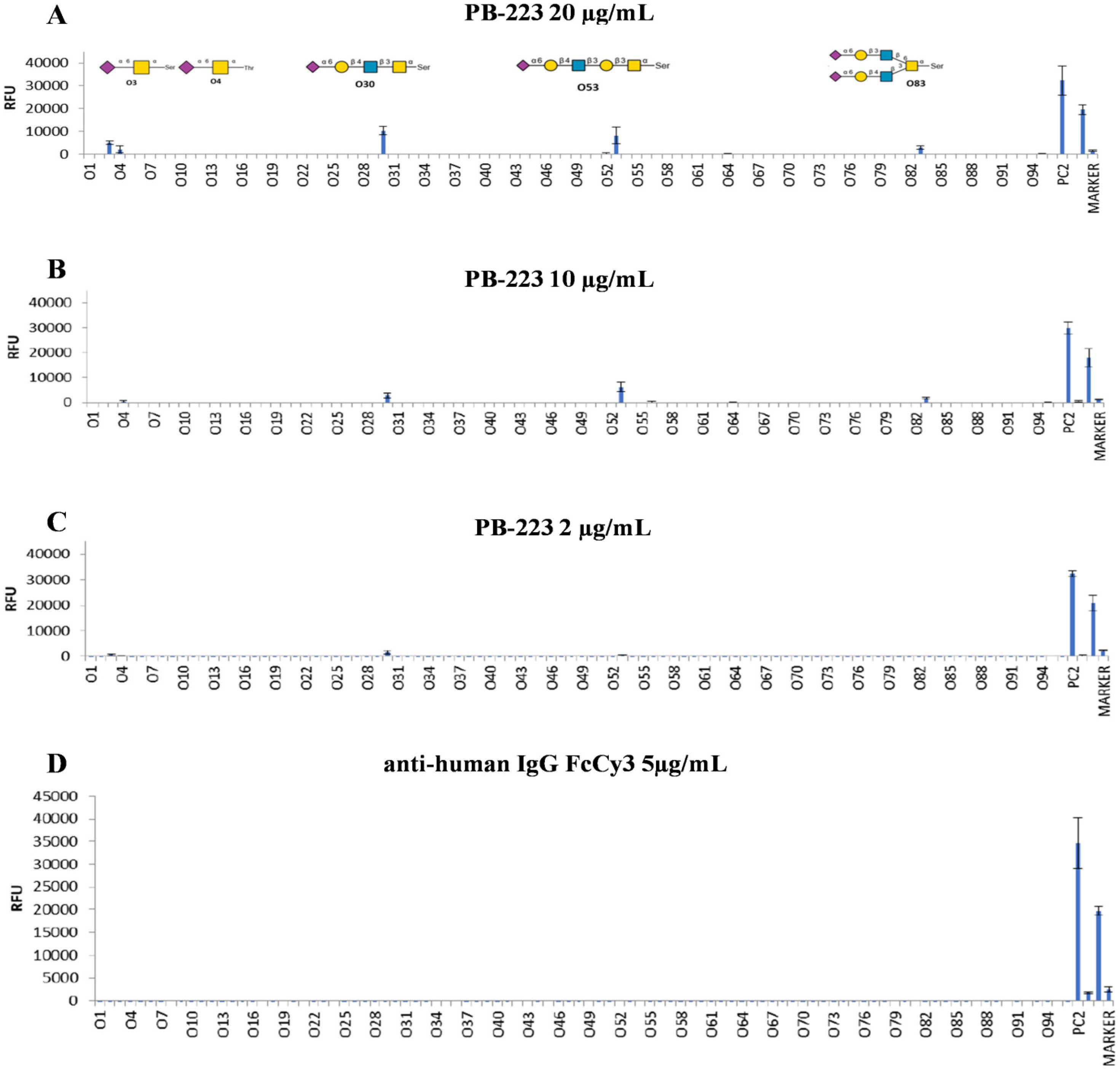
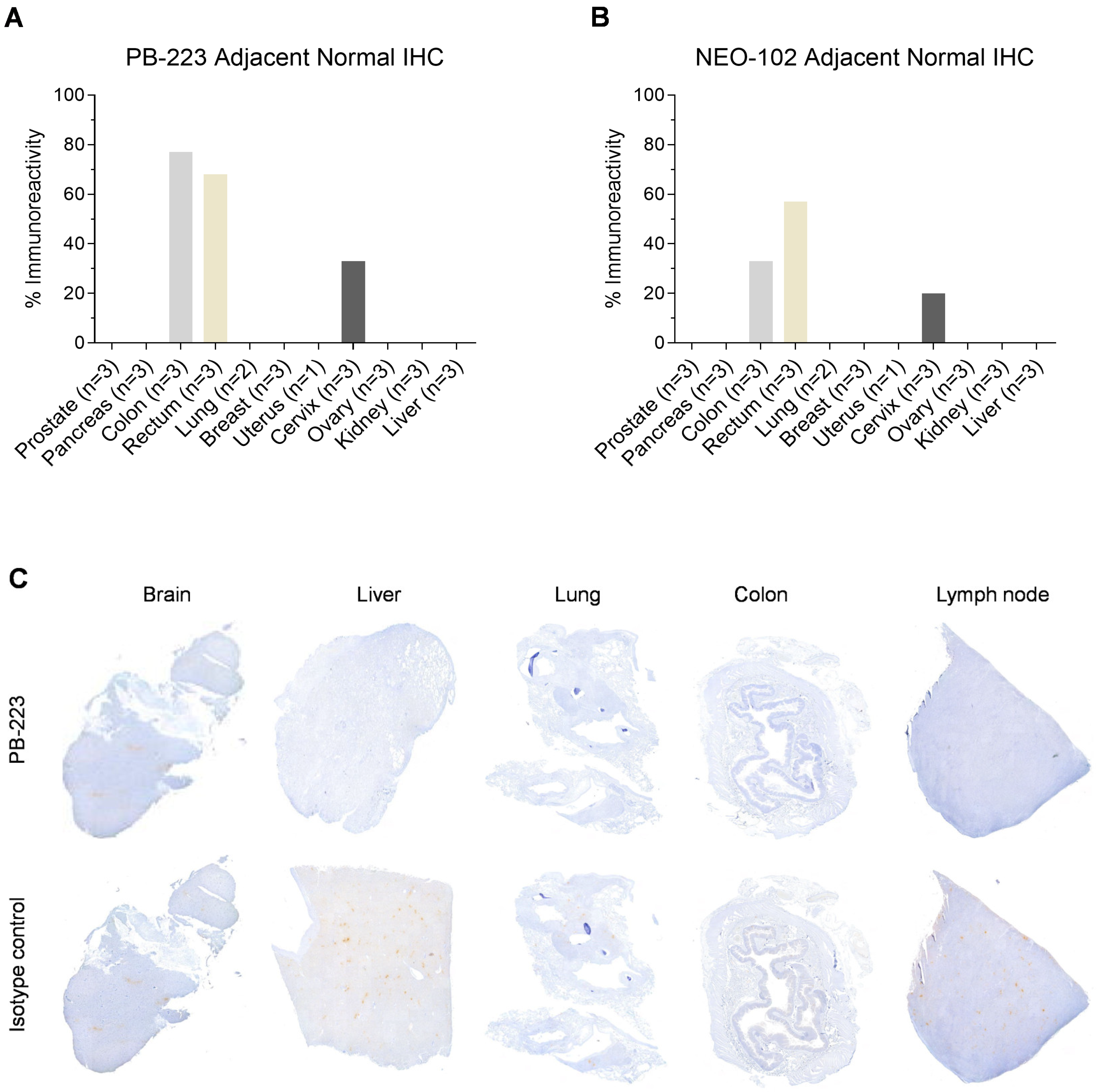
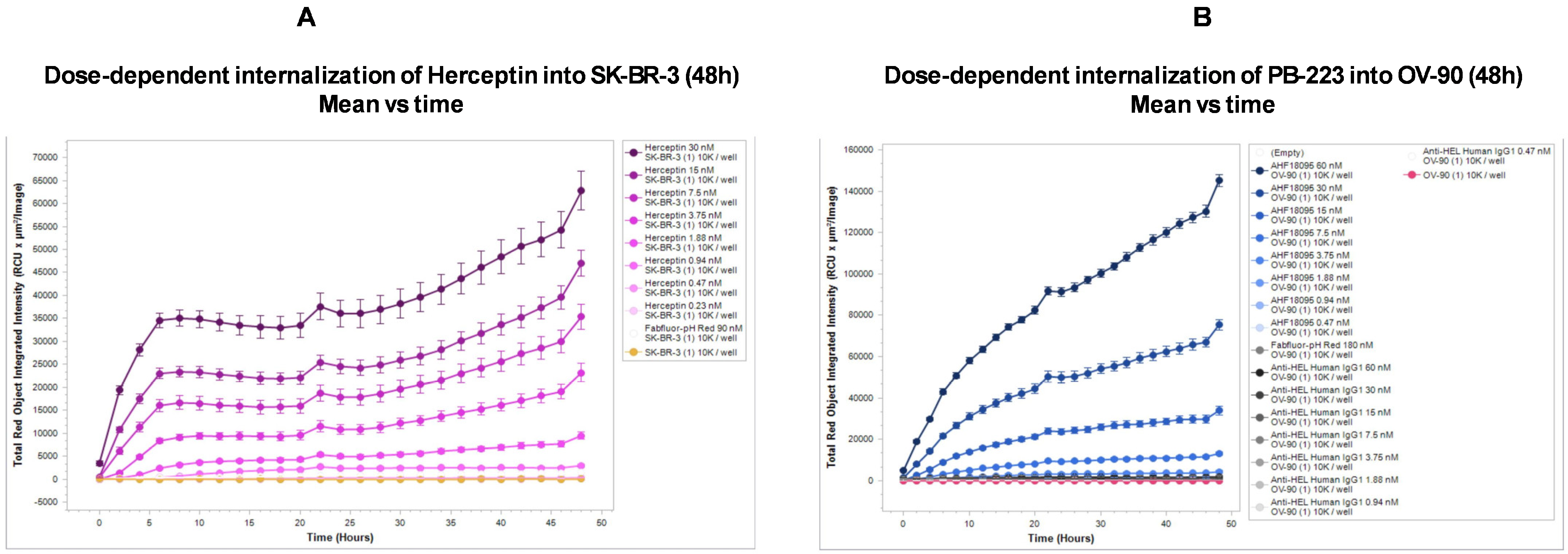
Strategies to improve the efficacy and safety of monoclonal antibodies (mAbs) as anticancer drugs include enhancing their affinity for their target antigen and developing mAbs with high specificity for targets expressed by cancer cells only. In this study we have generated a new mAb, named PB-223, by enhancing the affinity of the mAb NEO-102 for O-glycans attached to proteins, such as MUC5AC, specifically expressed by human cancers but not by healthy tissues. We showed that PB-223 binds to O-glycans terminating with α(2,6) sialic acids, including core 2 O-glycans and sTn glycans, expressed specifically by two human cancer cell lines tested in this study and that binds to a wide variety of human cancer tissues. PB-223 does not bind to healthy human tissues or to most normal human tissues adjacent to malignant tumors tested in this study. Furthermore, PB-223 can be internalized into a human cancer cell line expressing its target antigen. These findings provide a strong rationale to use PB-223 to build antibody-based therapeutics.
Abstract
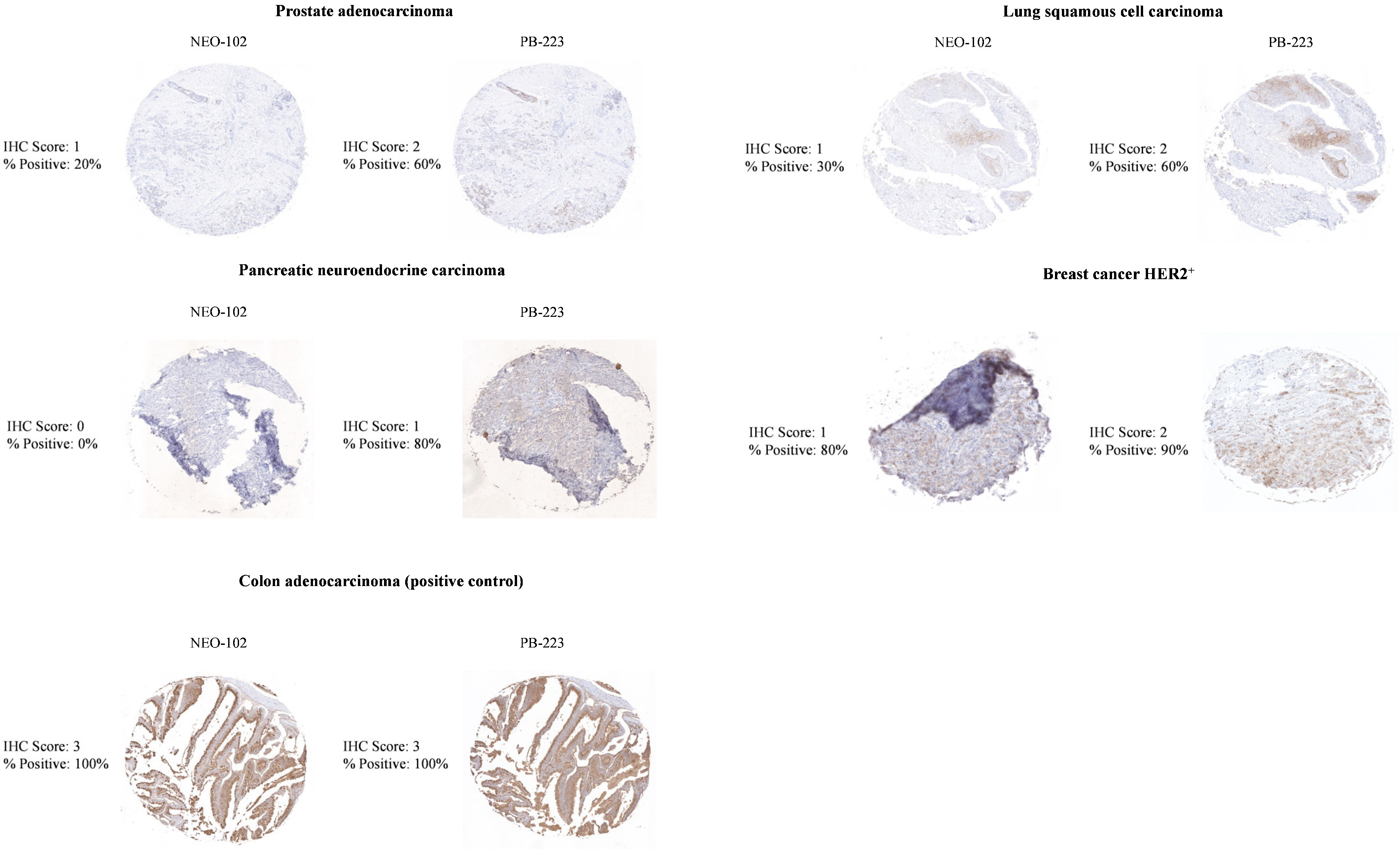
Background: Enhancing the binding affinity of monoclonal antibodies (mAbs) has the potential to improve their therapeutic efficacy. In this study, we generated a novel mAb, PB-223, through affinity maturation of the parental antibody NEO-102. NEO-102 (Ensituximab) is a chimeric human IgG1 mAb that targets a cancer-specific glycosylated variant of MUC5AC expressed on colorectal and pancreatic cancers while sparing healthy tissues. In a Phase 2 clinical study involving heavily pretreated patients with advanced, refractory colorectal cancer, NEO-102, as a monotherapy, exhibited modest efficacy. Methods: We engineered the VH and VL regions of NEO-102 through affinity maturation to enhance antigen binding while preserving target specificity. The optimized clone, PB-223, was evaluated for improved binding by Biacore T200, flow cytometry, and immunohistochemistry (IHC). The specific PB-223 target antigen was discovered using an O-glycan array. An internalization assay evaluated the ability of PB-223 to be internalized into human cancer cell lines expressing its target antigen. Results: Analysis performed with the Biacore T200 evaluation (version 3.2) software revealed that PB-223 exhibits a 4.55-fold lower equilibrium dissociation constant (KD) compared with NEO-102 towards recombinant human Bovine Submaxillary Mucin (BSM), a protein rich in O-glycans. PB-223 has enhanced binding to human cancer cell lines recognized by NEO-102 using flow cytometry. O-glycan array analysis identified O-glycans terminating with α(2,6) sialic acids, including core 2 O-glycans and sTn glycans, expressed by human cancer cell lines reactive with PB-223 in flow cytometry, as the specific binding epitope of PB-223. IHC analysis of human tumor tissues showed that PB-223 does not bind to healthy tissues tested in this study, and that demonstrates an increase in the number of cancer tissues recognized and in the IHC score compared to NEO-102. PB-223 is internalized into a human cancer cell line expressing its target antigen. Conclusions: PB-223 can potentially be used as a targeting moiety for antibody-based therapeutics, including antibody–drug conjugates (ADCs), bispecific antibodies, immune-engaging constructs, and radiopharmaceuticals, for the treatment of human cancers expressing O-glycans terminating with α(2,6) sialic acids, including core 2 O-glycans and sTn glycans.