


Simple Summary
Pancreatic neuroendocrine tumors are rare neoplasms with heterogeneous clinical behavior and variable treatment outcomes. Several therapeutic strategies have been reported, including surgery, systemic therapy, targeted agents, and peptide receptor radionuclide therapy. This study reviews published studies reporting survival outcomes in patients with pancreatic neuroendocrine tumors. Progression-related outcomes were extracted and analyzed using a meta-analytical approach to provide a quantitative overview of survival outcomes reported in the current literature.
Abstract
Background: Pancreatic neuroendocrine tumors (pNETs) represent a heterogeneous group of neoplasms characterized by variable biological behavior and clinical outcomes. Multiple therapeutic strategies have been investigated, including surgery, targeted therapies, peptide receptor radionuclide therapy, and systemic treatments. The present study aimed to summarize survival-related outcomes reported across studies investigating the management of pNETs. Methods: A systematic review of the literature was conducted including studies reporting clinical outcomes in patients with pancreatic neuroendocrine tumors. A total of 27 studies were included in the qualitative analysis. Survival-related outcomes, such as progression-free survival (PFS), recurrence-free survival (RFS), and recurrence rates, were extracted. Studies reporting quantitative survival values were included in the meta-analytical component. A random-effects model was applied, and a forest plot was generated to summarize the reported outcomes. Results: Reported survival outcomes varied substantially across studies. Median PFS values ranged from approximately 5.6 to 86.5 months, while several surgical series reported 5-year overall survival rates exceeding 90%. Recurrence rates following surgical resection ranged from approximately 12% to 26% in some cohorts. The pooled estimate derived from the meta-analytical model was 32.22 (95% CI: 15.65–48.80). Conclusions: The analysis summarizes survival-related outcomes reported in studies investigating pancreatic neuroendocrine tumors and provides a quantitative overview of the reported progression-related endpoints across the analyzed literature.
1. Introduction
Neuroendocrine tumors represent a heterogeneous group of neoplasms arising from neuroendocrine cells located throughout the body, particularly within the gastrointestinal tract, pancreas, and lungs [1]. These tumors are characterized by their ability to synthesize and secrete biologically active peptides and hormones, resulting in diverse clinical manifestations depending on the tumor’s functional status and the type of secreted hormone [2]. pNETs demonstrate substantial variability in biological behavior, ranging from slow-growing, indolent tumors to aggressive neoplasms with significant metastatic potential [3]. Insulinomas represent the most common functional pancreatic neuroendocrine tumors and arise from insulin-secreting β-cells located within the islets of Langerhans [4].
These tumors are typically small, well-differentiated neoplasms characterized by inappropriate insulin secretion, which leads to recurrent episodes of hypoglycemia [5]. Although most insulinomas are benign and solitary, a minority may exhibit malignant behavior with metastatic potential [6].
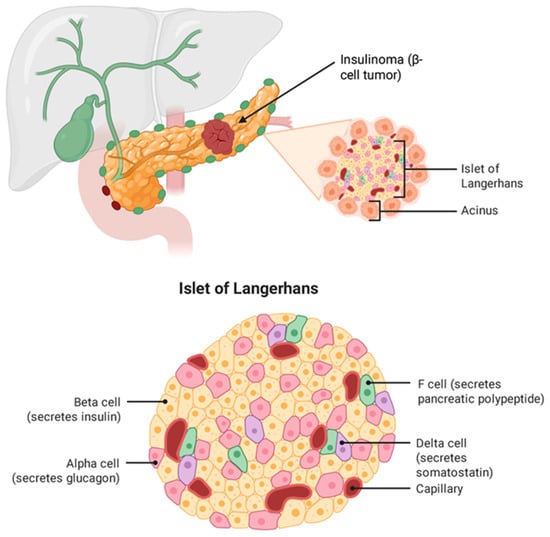
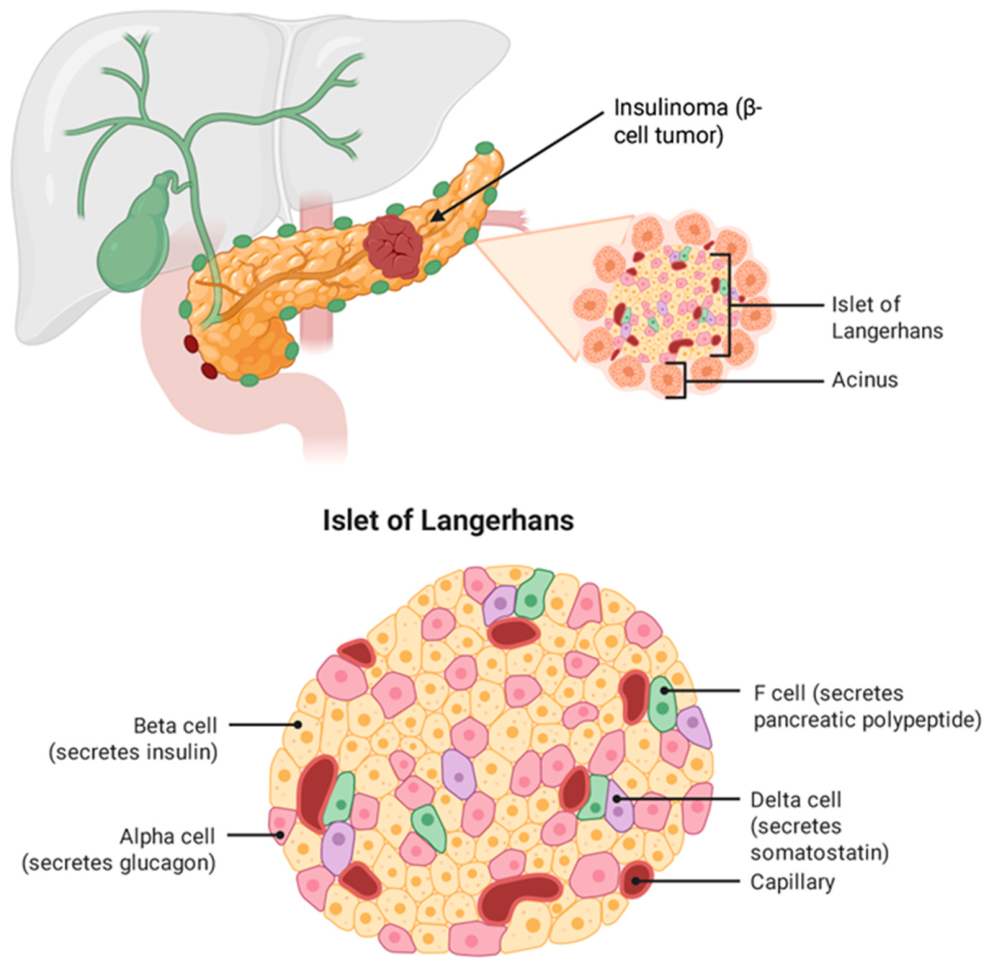
Figure 1 created with Biorender [7] is a schematic representation of the pancreas showing the localization of an insulinoma arising from pancreatic β-cells [8].
Figure 1.
Anatomical localization of insulinoma and cellular organization of the pancreatic islets. The upper panel illustrates the anatomical position of the tumor within the pancreas and the relationship between pancreatic acini and the islets of Langerhans. The lower panel depicts the cellular composition of the pancreatic islet, including β-cells (insulin secretion), α-cells (glucagon secretion), δ-cells (somatostatin secretion), and pancreatic polypeptide (F) cells, surrounded by a dense capillary network. Created in BioRender. Twakor, A. (2026) https://BioRender.com/0bgfitv, accessed on 11 April 2026. [7].
A descriptive analysis of the global epidemiological indicators of pancreatic tumors is shown in Table 1.
Table 1.
Descriptive statistics of global epidemiological indicators for pancreatic tumor incidence. Raw data were obtained from the International Agency for Research on Cancer [9] and are contained in Supplementary Material. Table created with IBM-SPSS version 30.0 [10].
The mean age-standardized rate (ASR World) was 4.3 cases per 100,000 population, with a median value of 3.8. The crude incidence rate demonstrated a higher mean value of 7.6 cases per 100,000, with a range reaching 37.6. The cumulative risk of developing insulinoma was 0.50.
We also performed a Spearman’s correlation analysis (Table 2) between ASR (World), crude rate, cumulative risk, and number of cases (N = 186).
Table 2.
Spearman correlation analysis of epidemiological indicators for insulinoma incidence. Table created with IBM-SPSS version 30.0 [10]. Raw data were obtained from the International Agency for Research on Cancer [9] and are contained in Supplementary Material S1.
The correlation coefficients for ASR (World) with crude rate and cumulative risk were ρ = 0.961 (p < 0.001) and 0.994 (p < 0.001), respectively, which are very strong positive correlations. The correlation coefficient between crude rate and cumulative risk was ρ = 0.954 (p < 0.001), which is a very strong positive correlation as well. Moderate correlations were noted for number of cases and ASR (World) (ρ = 0.520, p < 0.001), number of cases and crude rate (ρ = 0.540, p < 0.001), and number of cases and cumulative risk (ρ = 0.522, p < 0.001). All correlations were statistically significant at p < 0.01.
According to the 2010 World Health Organization’s (WHO, Geneva, Switzerland) Classification of Tumors of the Digestive System, pNETs are categorized into three histological grades based on mitotic activity and Ki-67 proliferative index. Grade 1 (G1) tumors are characterized by fewer than 2 mitoses per 10 high-power fields (HPF) or a Ki-67 index below 3%, whereas Grade 2 (G2) tumors demonstrate 2–20 mitoses per 10 HPF or a Ki-67 index ranging from 3% to 20% [11]. Grade 3 (G3) neoplasms exhibit more than 20 mitoses per 10 HPF or a Ki-67 index exceeding 20%. G1 and G2 tumors are generally considered well-differentiated neoplasms, while G3 tumors are classified as poorly differentiated high-grade neuroendocrine carcinomas, including both small-cell and large-cell neuroendocrine carcinoma subtypes [12]. This grading system was developed in response to accumulating evidence demonstrating a strong association between tumor proliferative activity and clinical outcomes [13].
The clinical presentation of NETs varies widely depending on tumor location, functional status, and tumor burden. Functional tumors may produce hormones responsible for characteristic endocrine syndromes, whereas non-functional tumors frequently remain clinically silent until they reach an advanced stage or metastasize [14]. Among patients with gastroenteropancreatic NETs, the liver represents the most common site of metastatic disease [15]. Diagnosis is typically established through a combination of biochemical markers, imaging techniques, and histopathological confirmation. Circulating biomarkers, such as chromogranin A, are commonly used in clinical practice for disease detection and monitoring [16]. Imaging modalities, including computed tomography, magnetic resonance imaging, and somatostatin receptor–based positron emission tomography, are widely employed for tumor localization, staging, and treatment planning [17].
Management of NETs is determined by tumor grade, stage, and functional status. Surgical resection remains the primary treatment modality for localized disease and is associated with improved survival outcomes in selected patients [18]. However, a substantial proportion of patients are diagnosed with unresectable or metastatic disease, necessitating systemic therapeutic approaches [19]. Available treatment strategies include somatostatin analogs, targeted therapies, chemotherapy, and peptide receptor radionuclide therapy (PRRT) [20]. Somatostatin analogs, such as lanreotide, are widely used to control hormone-related symptoms and to stabilize tumor growth in patients with well-differentiated NETs [21]. In addition, targeted therapeutic agents and combination treatment regimens have demonstrated activity in advanced pancreatic NETs and represent important options in progressive disease [22].
Despite advances in diagnostic and therapeutic strategies, the management of NETs remains complex because of their biological heterogeneity and variable clinical course. The relatively low incidence of these tumors and the diversity of their clinical presentation limit the availability of large randomized clinical trials and contribute to variability in reported outcomes across treatment modalities [23].
2. Materials and Methods
2.1. Study Design
This meta-analysis was conducted in accordance with the Preferred Reporting Items for Systematic Reviews and Meta-Analyses (PRISMA) guidelines [24]. The objective of the study was to evaluate the efficacy and safety of various treatment modalities for pancreatic neuroendocrine tumors, including surgery, chemotherapy, targeted therapies, and PRRT. The study protocol was prospectively registered in the International Prospective Register of Systematic Reviews (PROSPERO) under registration number CRD420261334158. [25].
2.2. Eligibility Criteria
Our examination included peer-reviewed randomized controlled trials (RCTs), cohort studies, and clinical trials.
Included studies were solely published in English and the search time frame was set between January 2021 to February 2026. We also manually searched the references to identify other potentially helpful articles missed by our search strategy.
Eligible studies were selected according to predefined inclusion and exclusion criteria established before the initiation of data extraction and analysis. Studies were considered eligible if they reported progression-related outcomes in patients with pancreatic neuroendocrine tumors and provided sufficient clinical or survival-related data for qualitative or quantitative assessment. Both prospective and retrospective observational studies, as well as randomized clinical trials, were considered eligible due to the limited availability of homogeneous large-scale studies addressing progression-related outcomes in pNETs.
However, the inclusion of studies with different methodological designs and heterogeneous patient populations may represent an important source of clinical and methodological heterogeneity. Variability in tumor grading, disease stage, metastatic burden, treatment modalities, and progression-related endpoint definitions may have influenced pooled effect estimates and limited direct comparability among studies. Although subgroup analyses and meta-regression were considered, the relatively limited number of studies with sufficiently homogeneous reporting reduced the statistical robustness of such analyses. Consequently, pooled analyses were interpreted cautiously, and the findings should primarily be considered exploratory and hypothesis-generating [26].
The literature search strategy was expanded to improve comprehensiveness and minimize the risk of incomplete study identification. In addition to PubMed [27], supplementary searches were conducted using the Cochrane Library [28] and Web of Science databases. ScienceDirect [29] was additionally used as a supplementary source for article retrieval and cross-referencing when applicable. The additional database screening did not identify studies that substantially altered the final study selection or pooled analyses. The overall search strategy was conducted according to predefined eligibility criteria and PRISMA recommendations to ensure methodological transparency and reproducibility.
2.3. Search Strategy
Boolean operators [30] were used to combine keywords, and filters were applied to limit results to human studies and publications in English:
pNETs: “pancreatic neuroendocrine tumors” OR “pNETs” OR “carcinoid” OR “gastroenteropancreatic neuroendocrine tumors” OR “neuroendocrine tumors.”
Treatment: “treatment” OR “therapy” OR “surgery” OR “chemotherapy” OR “targeted therapy” OR “radiotherapy.” The full list of citations is included in Supplementary Materials.
2.4. Study Selection
All studies were screened and selected according to predefined inclusion and exclusion criteria established before the initiation of data extraction and analysis. Eligible studies included original investigations reporting progression-related outcomes in patients with pancreatic neuroendocrine tumors, whereas studies lacking sufficient outcome data, non-English publications, conference abstracts without full text, duplicate reports, review articles, editorials, and case reports were excluded. The literature screening and eligibility-assessment process was conducted independently in order to minimize subjective selection and reduce the risk of selection bias. Any discrepancies identified during study selection were resolved through discussion and consensus.
The extracted information included study characteristics, such as authors, year of publication, study design, and sample size. Participant characteristics included age, sex, tumor type, and tumor grade. Intervention-related information included treatment type, duration, and follow-up period. Outcome data included primary and secondary outcomes, together with reported effect measures, such as hazard ratios or relative risks, and statistical significance when available.
The risk of bias for randomized controlled trials was evaluated using the Cochrane Risk of Bias Tool version 2 [31].
2.5. Software and Statistical Analysis
Statistical analyses were performed using SPSS software (version 29.0; IBM Corp., Armonk, NY, USA) [9]. Meta-analyses and forest plots were generated using the same software. All statistical tests were two-sided, and statistical significance was defined as a p-value < 0.05 [32]. The review was conducted and reported according to the PRISMA guidelines. The main findings are presented in the text and summarized in tables, while forest plots are used to display the results of the meta-analyses. Statistical heterogeneity among pooled studies was assessed using Cochran’s Q test and the I2 statistic. An I2 value greater than 50% was considered indicative of substantial heterogeneity. Due to the expected clinical and methodological variability among included studies, pooled analyses were performed using random-effects models.
2.6. PRISMA Framework
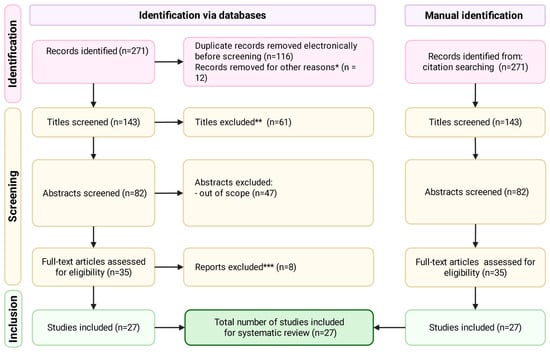
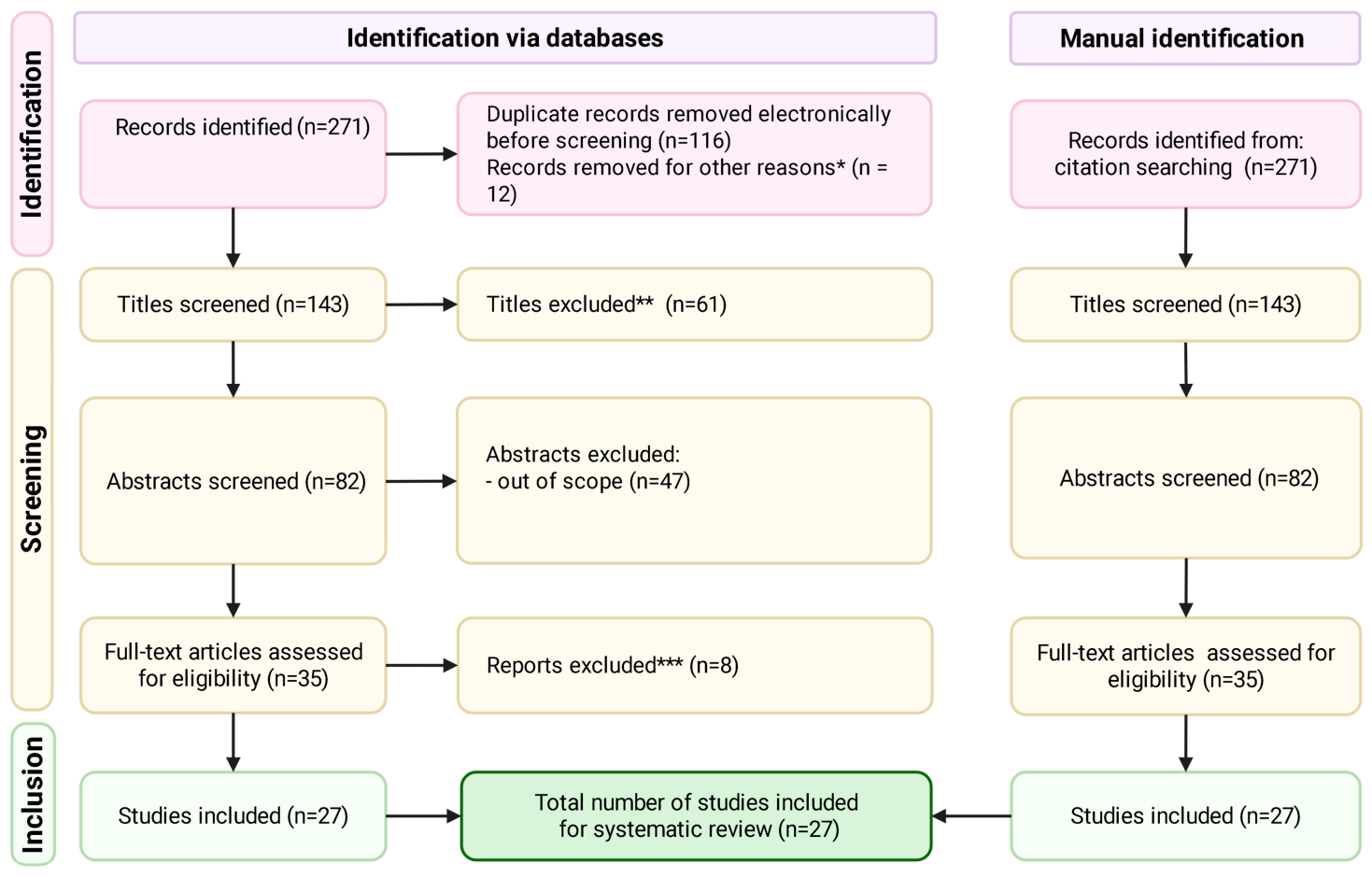
A total of 271 records were identified through database searching. In addition, 271 records were identified through manual citation searching. Prior to screening, 116 duplicate records were removed electronically, and 12 records were excluded for other reasons, leaving 143 records for title screening. During the title screening stage, 61 records were excluded because they did not meet the predefined inclusion criteria. The remaining 82 records proceeded to abstract screening, where 47 studies were excluded because they were outside the scope of the present research. Subsequently, 35 full-text articles were assessed for eligibility. After full-text evaluation, 8 reports were excluded due to failure to meet the inclusion criteria or insufficient relevant data. As a result, 27 studies were included in the final systematic review, as illustrated in the PRISMA flow diagram (Figure 2).
Figure 2.
PRISMA framework. Created in BioRender. Twakor, A. (2026) https://BioRender.com/7m3u6po. * Studies were not relevant to the present review/** Studies did not help provide an answer to the current research/*** Abstracts were not relevant for the research.
2.7. Risk of Bias Assessment
The methodological quality of the included observational studies was assessed using the Newcastle–Ottawa Scale (NOS). This validated tool evaluates studies across three domains: selection of study groups, comparability of cohorts, and adequacy of outcome assessment. Studies were assigned a maximum of nine points, with scores of 7–9 considered high quality, 5–6 considered moderate quality, and below 5 considered low quality. The quality assessment was performed independently for all eligible studies, and a summary of the NOS scores is included in the Supplementary Material.
3. Results
Pancreatic N.E.T.s
A total of 27 studies investigating the management and outcomes of pancreatic neuroendocrine tumors are included in Table 3, comprising randomized trials, prospective studies, and retrospective cohort analyses from multiple international centers [33,34,35,36,37,38,39,40,41,42,43,44,45,46,47,48,49,50,51,52,53,54,55,56,57,58,59].
Table 3.
Characteristics of selected studies.
Sample sizes varied widely across the included studies, ranging from small exploratory trials with only a few patients to large multicenter cohorts including more than 800 participants [43,46,52,59]. Most studies included adult patients with median ages between approximately 55 and 67 years and relatively balanced sex distributions. Tumors were predominantly located in the pancreas, although several investigations also included gastroenteropancreatic or extra-pancreatic NETs [35,36,45,50,54,57]. The evaluated therapeutic strategies were heterogeneous and comprised surgical resection, systemic targeted therapies, chemotherapy, PRRT, immunotherapy, and minimally invasive approaches. Addeo et al. compared minimally invasive with open distal pancreatectomy [33], Capdevila et al. evaluated sequential systemic therapies [34], and cabozantinib efficacy was assessed in randomized trials by Chan et al. and Strosberg et al. [35,57]. Other studies focused on surgical prognostic factors and treatment algorithms [46,55,59].
The included studies demonstrated considerable heterogeneity in treatment strategies and outcomes. Surgical resection remains the cornerstone of treatment for localized disease, with several cohorts reporting 5-year overall survival rates exceeding 90% [36,46,56]. Minimally invasive techniques showed comparable oncologic outcomes with reduced morbidity [33,38]. Prognostic factors such as lymph node involvement, tumor grade, and tumor size were consistently associated with recurrence and survival [55,59]. In advanced disease, targeted therapies such as everolimus and cabozantinib showed improved disease control [34,35,53], while newer approaches, including PRRT and immunotherapy, are being explored in smaller or early-phase studies [39,45,52].
Several investigations were retrospective multicenter cohort studies evaluating surgical outcomes and prognostic factors following pancreatic resection [33,36,37,38,40,46,47,49,55,56,58,59], whereas other studies consisted of prospective or randomized clinical trials investigating systemic therapies, targeted agents, immunotherapy, or peptide receptor radionuclide therapy (PRRT) [34,35,39,43,44,45,51,52,53,54,57]. Surgical interventions included minimally invasive distal pancreatectomy, pancreaticoduodenectomy, spleen-preserving resections, hepatic metastasectomy, and curative-intent resections with lymphadenectomy [33,36,38,40,46,47,55,56,58,59]. Systemic treatment strategies involved everolimus, streptozotocin plus 5-fluorouracil, cabozantinib, lanreotide, FOLFOX chemotherapy, entinostat, dual immune checkpoint blockade, and MAP-guided targeted therapies [34,35,42,43,44,50,52,53,54,57]. Additional studies evaluated novel or minimally invasive approaches, including neoadjuvant PRRT, dosimetry-guided radionuclide therapy, belzutifan therapy, and EUS-guided ethanol injection for small pNETs [39,45,48,51].
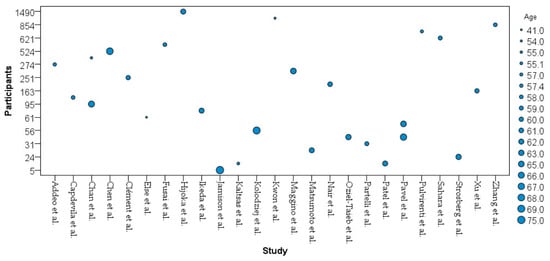
Figure 3 presents the number of participants and male patients reported in each included study.
Figure 3.
Distribution of study sample size and age across the included studies [33,34,35,36,37,38,39,40,41,42,43,44,45,46,47,48,49,50,51,52,53,54,55,56,57,58,59]. Created with SPSS version 30.0 [10]. Raw data are contained in Supplementary Materials.
Sample sizes ranged from 5 participants in Jamison et al. [43] to 1490 participants in Hijoka et al. [41]. Other large cohorts included Kwon et al. [46] (918 participants), Zhang et al. [59] (854), Pulvirenti et al. [55] (632), Sahara et al. [56] (621), Fusai et al. [40] (541), and Chen et al. [37] (524). Smaller studies included Kaltsas et al. [44] (19), Patel et al. [52] (19), Matsumoto et al. [48] (25), Partelli et al. [51] (31), and Oziel-Taieb et al. [50] (48). The number of male participants ranged from 4 in Jamison et al. [43] to 978 in Hijoka et al. [41], with other studies reporting between 10 and 486 male patients.
The Pearson’s correlation analysis (Table 4) showed a statistically significant positive correlation between the number of participants and PFS (r = 0.592, p = 0.026; N = 14).
Table 4.
Pearson’s correlation analysis between study sample size and PFS.
The correlation between participants and OS was not statistically significant (r = −0.054, p = 0.909; N = 7). Similarly, the correlation between PFS and OS was not statistically significant (r = 0.245, p = 0.640; N = 6). Correlations were calculated using data from 27 studies reporting participant numbers [33,34,35,36,37,38,39,40,41,42,43,44,45,46,47,48,49,50,51,52,53,54,55,56,57,58,59], 14 studies reporting PFS [33,34,35,36,38,40,41,42,44,48,50,53,54,57], and 7 studies reporting OS outcomes [33,34,35,42,48,50,58].
The Spearman’s correlation analysis in Table 5 demonstrates a statistically significant positive correlation between the number of participants and PFS (ρ = 0.744, p = 0.002; N = 14).
Table 5.
Spearman’s correlation analysis between study sample size, PFS, and OS.
The correlation between participants and OS was not statistically significant (ρ = 0.214, p = 0.645; N = 7). The correlation between PFS and OS was also not statistically significant (ρ = 0.600, p = 0.208; N = 6). Correlations were calculated using data from 27 studies reporting participant numbers [33,34,35,36,37,38,39,40,41,42,43,44,45,46,47,48,49,50,51,52,53,54,55,56,57,58,59], 14 studies reporting PFS [33,34,35,36,38,40,41,42,44,48,50,53,54,57], and 7 studies reporting OS outcomes [33,34,35,42,48,50,58].
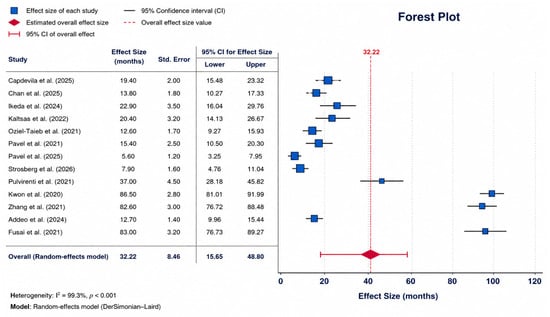
In Figure 4, each study is represented by a point estimate (effect size) and its corresponding 95% confidence interval derived from the reported standard error.
Figure 4.
Forest plot of pooled progression-related outcomes across included studies [33,34,35,40,42,44,46,50,53,54,55,57,59].
The individual effect size values ranged from 5.6 to 86.5, with corresponding 95% confidence intervals displayed for each study. The smallest effect size was reported in Pavel et al. (2025) [54], with a value of 5.6 (95% CI 3.3–7.9), while the largest effect size was reported in Kwon et al. [46], with a value of 86.5 (95% CI 81.0–92.0). Several studies reported values between approximately 12 and 23, including Capdevila et al. [34], Chan et al. [35], Ikeda et al. [42], Kaltsas et al. [44], Oziel-Taieb et al. [50], and Pavel et al. [53]. Higher values were reported in Pulvirenti et al. [55], Zhang et al. [59], and Fusai et al. [40]. Considerable heterogeneity was observed among included studies (I2 = 99.3%, p < 0.001), supporting the use of a random-effects model for pooled analyses.
Clinically, the pooled estimate of 32.22 (95% CI: 15.65–48.80) represents the average progression-related outcome across the included studies, calculated by combining the reported values using a random-effects meta-analytic model. In practical terms, this value reflects the overall central tendency of progression-related survival outcomes (PFS or RFS) reported in the analyzed cohorts of patients. The included studies evaluated a wide range of therapeutic approaches, including surgical resection, targeted therapies, chemotherapy, peptide receptor radionuclide therapy, immunotherapy, and minimally invasive interventions, which may have contributed to the broad dispersion of effect sizes observed in the forest plot. In addition, variability in follow-up duration, metastatic burden, and progression assessment criteria further limited direct comparability between studies. Therefore, a random-effects meta-analytical model was applied in order to account for both clinical and methodological heterogeneity among the included investigations.
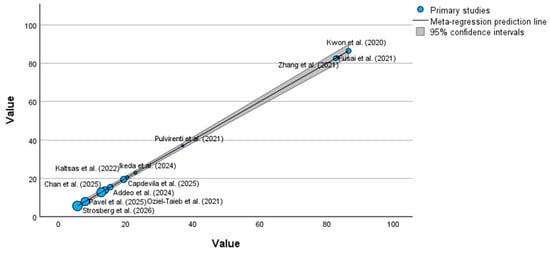
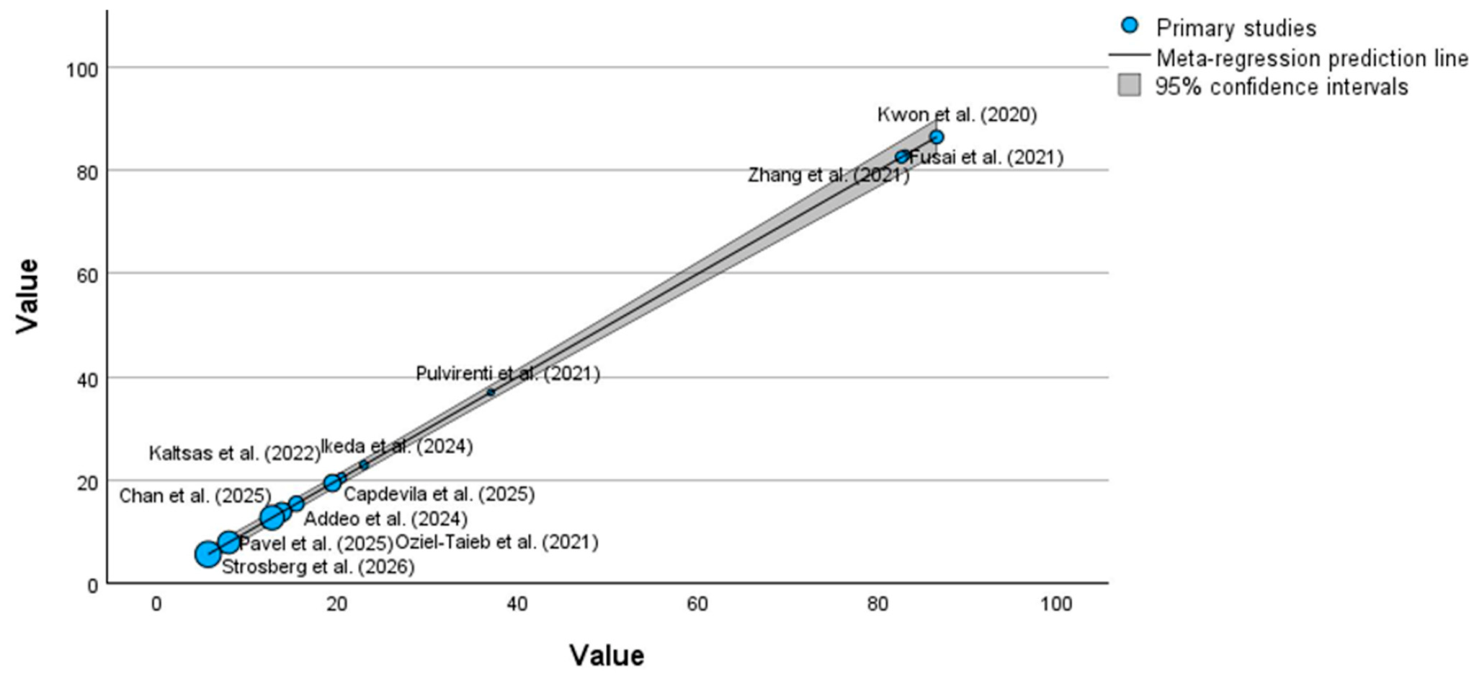
The meta-regression plot in Figure 5 illustrates the distribution of progression-related outcome values reported across the included studies.
Figure 5.
Meta-regression plot of progression-related outcomes across studies of pNETs [33,34,35,40,42,44,46,50,53,54,55,57,59].
The individual study values ranged from 5.6 to 86.5. The lowest values were observed in Strosberg et al. [57], Pavel et al. [54], and Chan et al. [35], where the reported values were below 15. Intermediate values of between approximately 15 and 25 were reported in Capdevila et al. [34], Oziel-Taieb et al. [50], Ikeda et al. [42], Kaltsas et al. [44], and Addeo et al. [33]. Higher values were observed in Pulvirenti et al. [55], while the largest values were reported in Kwon et al. 46], Zhang et al. [59], and Fusai et al. [40], where the values exceeded 80.
The analysis of the included studies demonstrated a wide distribution of progression-related outcomes reported in patients with pNETs. PFS values ranged from 5.6 to 86.5 months, with lower values observed in Pavel et al. [54], Strosberg et al. [57], and Chan et al. [35], while higher values were reported in Kwon et al. [46], Zhang et al. [59], and Fusai et al. [40]. The random-effects meta-analysis yielded a pooled estimate of 32.22 (95% CI: 15.65–48.80) for progression-related outcomes across the analyzed studies. Additionally, correlation analysis identified a significant positive association between the number of participants and reported PFS values (ρ = 0.744, p = 0.002), whereas no statistically significant correlations were observed between participant number and OS or between PFS and OS.
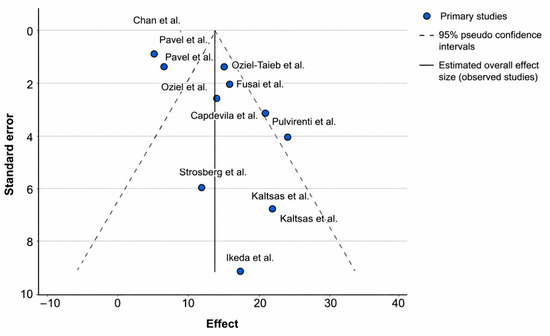
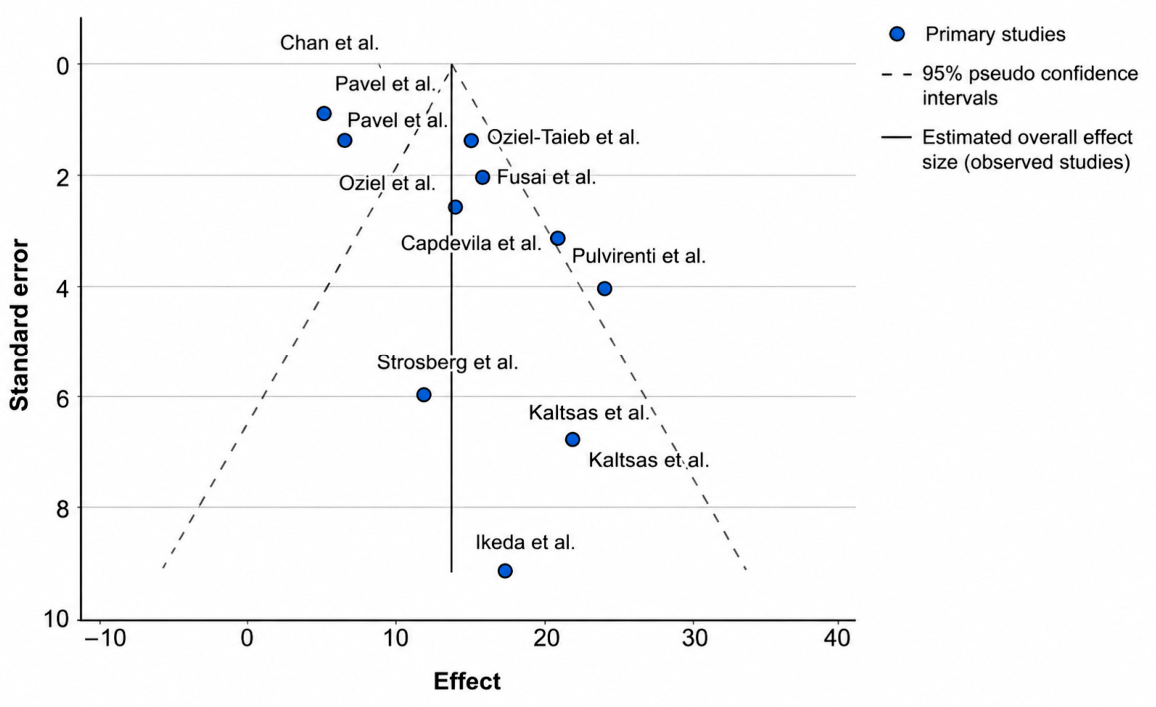
Figure 6 shows a mild asymmetry in the distribution of included studies around the estimated overall effect size.
Figure 6.
Funnel plot assessing publication bias among studies included in the meta-analysis [33,34,35,40,42,44,46,50,53,54,55,57,59].
Smaller studies with larger standard errors appeared more widely dispersed, whereas studies with lower standard errors clustered closer to the pooled estimate. This pattern may suggest the presence of small-study effects or potential publication bias; however, interpretation is limited by the relatively small number of included studies and the substantial methodological and clinical heterogeneity among studies, including differences in study design, treatment modalities, and reported progression-related outcomes.
4. Discussion
The results of the present analysis demonstrate a broad range of survival outcomes across studies evaluating therapies for pNETs. Similar variability in clinical outcomes has been reported in multiple previously published investigations. For instance, Kunz et al. reported in a randomized phase II trial that the combination of capecitabine and temozolomide significantly improved PFS compared with temozolomide monotherapy in patients with advanced pNETs, with a median PFS of 22.7 months versus 14.4 months, respectively (HR 0.58) [60].
The substantial heterogeneity observed across the included studies is likely multifactorial and reflects the intrinsic complexity of pancreatic neuroendocrine tumors as well as the variability in study methodology. Important potential sources of heterogeneity include differences in study design, as the analysis incorporated randomized controlled trials, prospective observational studies, and retrospective cohort analyses with variable levels of methodological rigor. Additional heterogeneity may arise from differences in patient populations, including variations in tumor grade (G1–G3), disease stage, metastatic burden, functional versus non-functional tumors, and prior treatment exposure. Considerable variability was also identified in therapeutic strategies, with studies evaluating surgical resection, chemotherapy, targeted therapies, peptide receptor radionuclide therapy, immunotherapy, and minimally invasive approaches. Furthermore, progression-related endpoints were not uniformly defined across studies, as some investigations reported progression-free survival while others reported recurrence-free survival or recurrence-related outcomes. Variability in follow-up duration, sample size, and treatment sequencing may have additionally contributed to differences in the magnitude and direction of reported estimates.
Similarly, Grande et al. reported meaningful clinical activity with targeted therapeutic approaches in patients with advanced pNETs [61]. Comparable observations were described by Kulke et al., who reported significant improvements in disease control with systemic therapies in advanced pNETs [62].
In addition, Kunz et al. demonstrated that biomarkers such as MGMT deficiency may be associated with improved response to temozolomide-based therapy [60].
Other studies included in the present comparison further emphasize the heterogeneity of therapeutic responses. Imam et al. reported variable treatment responses across different therapeutic strategies in patients with neuroendocrine tumors [63]. Similar patterns were described by Bolm et al. and Paik et al., who highlighted the importance of tumor biology and disease stage in determining clinical outcomes and survival trajectories in patients with neuroendocrine neoplasms [64,65].
Patients with advanced or metastatic disease frequently require multimodal therapeutic strategies integrating surgery, systemic therapies, targeted agents, liver-directed therapies, and peptide receptor radionuclide therapy. In this context, Citterio et al. [66] reported that multimodal treatment approaches were associated with prolonged survival and improved disease control in patients with advanced neuroendocrine tumors, emphasizing the importance of individualized therapeutic sequencing and multidisciplinary management in optimizing long-term outcomes. Our findings are consistent with these observations, as the studies included in the present meta-analysis demonstrated substantial variability in progression-free survival according to the therapeutic strategy employed. Patients undergoing combined or targeted therapeutic approaches generally demonstrated longer progression-related outcomes compared with those treated with single-modality systemic therapy alone.
Also, recent evidence from the meta-analysis by Armellini et al. [67] demonstrated high technical and clinical success rates for EUS-guided ablative therapies in small pNETs, with favorable safety profiles and low rates of severe adverse events. This evolving therapeutic trend, as several studies included in the present analysis highlighted, show the growing role of minimally invasive and multimodal approaches in improving progression-related outcomes while limiting treatment-related morbidity.
5. Limitations
The included studies evaluated a broad spectrum of therapeutic methodologies, including surgical resection, targeted therapies, chemotherapy, peptide receptor radionuclide therapy, immunotherapy, and minimally invasive interventions. This therapeutic variability reflects the complex and heterogeneous nature of pancreatic neuroendocrine tumors and represents an important source of clinical heterogeneity within the present analysis. In addition, substantial differences were identified in study design, patient populations, tumor grading, metastatic burden, treatment sequencing, and definitions of progression-related endpoints. These factors may limit the direct comparability of survival outcomes across studies and reduce the ability to establish a single consensus therapeutic conclusion. Therefore, the primary objective of the present study was not to determine the superiority of one treatment modality over another but rather to provide a comprehensive overview of progression-related outcomes reported in the contemporary literature on pancreatic neuroendocrine tumors. Consequently, the findings of this meta-analysis should be interpreted primarily as exploratory and descriptive, while highlighting the need for future large-scale prospective studies with more homogeneous patient populations and standardized outcome reporting.
Not all studies reported identical survival endpoints, as some reported PFS while others reported recurrence-free survival or other related outcomes, requiring the combination of these endpoints within the same analysis. In addition, the extracted data were derived from published studies rather than individual patient-level datasets.
Also, the substantial variability in tumor grading, staging distribution, and metastatic burden across the included studies may have influenced pooled effect estimates and contributed to methodological heterogeneity. Differences in the proportion of low-grade versus high-grade tumors, localized versus metastatic disease, and functional versus nonfunctional pNETs may significantly affect progression-related outcomes and limit the comparability of survival estimates between studies.
Finally, variations in follow-up duration and reporting formats across the included studies may influence the comparability of the reported survival values and response outcomes.
6. Conclusions
The present study analyzed survival outcomes reported across multiple studies investigating treatments for neuroendocrine tumors.
The forest plot analysis summarized the effect sizes reported across these studies using a random-effects model. Individual effect size values ranged from 5.6 to 86.5 across the included studies. The pooled estimate calculated using the random-effects model was 32.22, with a 95% confidence interval of 15.65–48.80. The graphical representation of the results showed the effect size for each study together with the corresponding confidence intervals and the pooled estimate.
The analysis incorporated survival-related outcomes reported across the included studies, including PFS, recurrence-free survival, and related survival endpoints. These outcomes were extracted from the reported results of each study and incorporated into the meta-analytical framework to allow a combined summary estimate. The results presented in the forest plot provide a quantitative summary of the survival outcomes reported in the included studies and illustrate the distribution of reported effect sizes across the analyzed literature.
Supplementary Materials
The following supporting information can be downloaded at: https://www.mdpi.com/article/10.3390/cancers18111705/s1.
Author Contributions
Conceptualization, A.-D.C., S.D., M.C., L.M., L.S.N.-C., A.-C.I.-P., R.A.N., C.A.C. and N.C.; methodology, A.-D.C., S.D., M.C., L.M., L.S.N.-C., A.-C.I.-P., R.A.N., C.A.C. and N.C.; software, A.-D.C., S.D., M.C., L.M., L.S.N.-C., A.-C.I.-P., R.A.N., C.A.C. and N.C.; validation, A.-D.C., S.D., M.C., L.M., L.S.N.-C., A.-C.I.-P., R.A.N., C.A.C. and N.C.; formal analysis, A.-D.C., S.D., M.C., L.M., L.S.N.-C., A.-C.I.-P., R.A.N., C.A.C. and N.C.; investigation, A.-D.C., S.D., M.C., L.M., L.S.N.-C., A.-C.I.-P., R.A.N., C.A.C. and N.C.; resources, A.-D.C., S.D., M.C., L.M., L.S.N.-C., A.-C.I.-P., R.A.N., C.A.C. and N.C.; data curation, A.-D.C., S.D., M.C., L.M., L.S.N.-C., A.-C.I.-P., R.A.N., C.A.C. and N.C.; writing—original draft preparation, A.-D.C., S.D., M.C., L.M., L.S.N.-C., A.-C.I.-P., R.A.N., C.A.C. and N.C.; writing—review and editing, A.-D.C., S.D., M.C., L.M., L.S.N.-C., A.-C.I.-P., R.A.N., C.A.C. and N.C.; visualization, A.-D.C., S.D., M.C., L.M., L.S.N.-C., A.-C.I.-P., R.A.N., C.A.C. and N.C.; supervision, A.-D.C., S.D., M.C., L.M., L.S.N.-C., A.-C.I.-P., R.A.N., C.A.C. and N.C.; project administration, A.-D.C., S.D., M.C., L.M., L.S.N.-C., A.-C.I.-P., R.A.N., C.A.C. and N.C.; funding acquisition, A.-D.C., S.D., M.C., L.M., L.S.N.-C., A.-C.I.-P., R.A.N., C.A.C. and N.C. All authors have read and agreed to the published version of the manuscript.
Funding
This research received no external funding.
Conflicts of Interest
The authors declare no conflicts of interest.
References
- Klöppel, G. Neuroendocrine neoplasms: Dichotomy, origin and classifications. Visc. Med. 2017, 33, 324–330. [Google Scholar] [CrossRef] [Scilit] [PubMed]
- Hofland, J.; de Herder, W.W. Gastrointestinal neuroendocrine tumors and the carcinoid syndrome. In Endotext; Feingold, K.R., Adler, R.A., Ahmed, S.F., Anawalt, B., Blackman, M.R., Chrousos, G., Corpas, E., de Herder, W.W., Dhatariya, K., Dungan, K., et al., Eds.; MDText.com, Inc.: South Dartmouth, MA, USA, 2023. [Google Scholar]
- Oronsky, B.; Ma, P.C.; Morgensztern, D.; Carter, C.A. Nothing but NET: A review of neuroendocrine tumors and carcinomas. Neoplasia 2017, 19, 991–1002. [Google Scholar] [CrossRef] [Scilit]
- Shin, J.J.; Gorden, P.; Libutti, S.K. Insulinoma: Pathophysiology, localization and management. Future Oncol. 2010, 6, 229–237. [Google Scholar] [CrossRef] [Scilit] [PubMed] [PubMed Central]
- Shafi, F.; bin Shabbir, M.U.; Tabassum, A.; JanJua, M.B.A.; Talpur, H.S. A diagnostic dilemma: Insulinoma presenting with normal insulin and c-peptide levels in a thin, lean female. Med. Rep. 2025, 15, 100395. [Google Scholar] [CrossRef] [Scilit]
- Oleinikov, K.; Gross, D.J.; Jacob, H.; Mazeh, H.; Grozinsky-Glasberg, S. Insulinoma. In Neuroendocrine Tumours; Yalcin, S., Öberg, K., Eds.; Springer: Cham, Switzerland, 2024. [Google Scholar] [CrossRef] [Scilit]
- BioRender. Scientific Image and Illustration Software. Available online: https://www.biorender.com/ (accessed on 11 March 2026).
- Gosain, R.; Ball, S.; Rana, N.; Groman, A.; Gage-Bouchard, E.; Dasari, A.; Mukherjee, S. Geographic and demographic features of neuroendocrine tumours in the United States of America: A population-based study. Cancer 2020, 126, 792–799. [Google Scholar] [CrossRef] [Scilit]
- Global Cancer Observatory. The International Agency for Research on Cancer (IARC). Available online: https://gco.iarc.fr/en (accessed on 11 March 2026).
- IBM SPSS Software. Available online: https://www.ibm.com/products/spss (accessed on 11 March 2026).
- Bravo-Ocaña, J.C.; López-Moreno, N.; Salazar-Cardona, E.D.; Mejía-Hurtado, A.F.; Gutiérrez-Aragón, V.; Gonzáles-Hurtado, M.; Satizabal-Mayor, L.A.; Lbasseauny-Morales, J.F.; Rojas-Rojas, N.; Rojas-Rodríguez, C.A. Gastroenteropancreatic neuroendocrine tumors: A retrospective study conducted in the Colombian Southwest. Rev. Gastroenterol. Méx. 2025, 90, 357–365. [Google Scholar] [CrossRef] [Scilit]
- Maharjan, C.K.; Ear, P.H.; Tran, C.G.; Howe, J.R.; Chandrasekharan, C.; Quelle, D.E. Pancreatic neuroendocrine tumors: Molecular mechanisms and therapeutic targets. Cancers 2021, 13, 5117. [Google Scholar] [CrossRef] [Scilit]
- Helderman, N.C.; Suerink, M.; Kilinç, G.; van den Berg, J.G.; Nielsen, M.; Tesselaar, M.E.T. Relation between WHO classification and location- and functionality-based classifications of neuroendocrine neoplasms of the digestive tract. Neuroendocrinology 2024, 114, 120–133. [Google Scholar] [CrossRef] [Scilit] [PubMed]
- Park, J.H.; Shin, S.J.; Jeon, N.; Lim, B.J. Clinicopathologic characteristics of neuroendocrine tumors with assessment by digital image analysis for Ki-67 index with a focus on the gastroenteropancreatic tract: A single-center study. Int. J. Clin. Exp. Pathol. 2023, 16, 225–234. [Google Scholar]
- Chan, C.S.; Laddha, S.V.; Lewis, P.W.; Koletsky, M.S.; Robzyk, K.; Da Silva, E.; Torres, P.J.; Untch, B.R.; Li, J.; Bose, P.; et al. ATRX, DAXX or MEN1 mutant pancreatic neuroendocrine tumors are a distinct alpha-cell signature subgroup. Nat. Commun. 2018, 9, 4158. [Google Scholar] [CrossRef] [Scilit] [PubMed]
- Metz, D.C.; Jensen, R.T. Gastrointestinal neuroendocrine tumors: Pancreatic endocrine tumors. Gastroenterology 2008, 135, 1469–1492. [Google Scholar] [CrossRef] [Scilit]
- Sulciner, M.L.; Clancy, T.E. Surgical management of pancreatic neuroendocrine tumors. Cancers 2023, 15, 2006. [Google Scholar] [CrossRef] [Scilit]
- Meng, Q.H.; Halfdanarson, T.R.; Bornhorst, J.A.; Jann, H.; Shaheen, S.; Shi, R.Z.; Schwabe, A.; Stade, K.; Halperin, D.M. Circulating chromogranin A as a surveillance biomarker in patients with carcinoids—The CASPAR study. Clin. Cancer Res. 2024, 30, 5559–5567. [Google Scholar] [CrossRef] [Scilit]
- Chiti, G.; Grazzini, G.; Cozzi, D.; Danti, G.; Matteuzzi, B.; Granata, V.; Pradella, S.; Recchia, L.; Brunese, L.; Miele, V. Imaging of pancreatic neuroendocrine neoplasms. Int. J. Environ. Res. Public Health 2021, 18, 8895. [Google Scholar] [CrossRef] [Scilit]
- Wu, Y.; Sun, R.; Ren, S.; Zengin, G.; Li, M. Neuronal Reshaping of the Tumor Microenvironment in Tumorigenesis and Metastasis: Bench to Clinic. Med. Adv. 2025, 3, 364–371. [Google Scholar] [CrossRef] [Scilit]
- Bundschuh, R.A.; Habacha, B.; Lütje, S.; Essler, M. Therapy of patients with neuroendocrine neoplasia—Evidence-based approaches and new horizons. J. Clin. Med. 2019, 8, 1474. [Google Scholar] [CrossRef] [Scilit]
- Spiliopoulou, P.; Kaur, P.; Hammett, T.; Di Conza, G.; Lahn, M. Targeting T regulatory (Treg) cells in immunotherapy-resistant cancers. Cancer Drug Resist. 2024, 7, 2. [Google Scholar] [CrossRef] [Scilit] [PubMed] [PubMed Central]
- Harrow, B.; Fagnani, F.; Nevoret, C.; Truong-Thanh, X.M.; de Zélicourt, M.; de Mestier, L. Patterns of use and clinical outcomes with long-acting somatostatin analogues for neuroendocrine tumors: A nationwide French retrospective cohort study in the real-life setting. Adv. Ther. 2022, 39, 1754–1771. [Google Scholar] [CrossRef] [Scilit] [PubMed]
- PRISMA. PRISMA Statement. Available online: https://www.prisma-statement.org/ (accessed on 11 March 2026).
- PROSPERO. Available online: https://www.crd.york.ac.uk/prospero/ (accessed on 11 March 2026).
- Suliman, I.L.; Tuta, L.-A.; Panculescu, F.G.; Alexandru, A.; Fasie, D.; Cimpineanu, B.; Cozaru, G.C.; Popescu, S.; Enache, F.-D.; Manac, I.; et al. Comparative Outcomes of Apixaban and Acenocoumarol in Advanced Chronic Kidney Disease and Atrial Fibrillation: A Retrospective Observational Study. J. Clin. Med. 2025, 14, 8860. [Google Scholar] [CrossRef] [Scilit] [PubMed]
- PubMed. Available online: https://pubmed.ncbi.nlm.nih.gov/ (accessed on 11 March 2026).
- Cochrane Library. Cochrane Reviews. Available online: https://www.cochranelibrary.com/ (accessed on 11 March 2026).
- Elsevier. ScienceDirect. Peer-Reviewed Literature. Available online: https://www.elsevier.com/products/sciencedirect (accessed on 11 March 2026).
- LibGuides: Education Library Resources: Advanced Searching with Boolean Operators. Available online: https://guides.lib.unc.edu/education-resources/boolean (accessed on 11 March 2026).
- Cochrane Bias. RoB 2: A Revised Cochrane Risk-of-Bias Tool for Randomized Trials. Available online: https://methods.cochrane.org/bias/resources/rob-2-revised-cochrane-risk-bias-tool-randomized-trials (accessed on 11 March 2026).
- Kwak, S. Are Only p-Values Less Than 0.05 Significant? A p-Value Greater Than 0.05 Is Also Significant! J. Lipid Atheroscler. 2023, 12, 89–95. [Google Scholar] [CrossRef] [Scilit] [PubMed] [PubMed Central]
- Addeo, P.; de Mathelin, P.; Doussot, A.; Durin, T.; Canali, G.; Marchese, U.; Sauvanet, A.; Dokmak, S.; Cherkaoui, Z.; Fuks, D.; et al. Minimally invasive versus open distal pancreatectomy for resectable pancreatic neuroendocrine tumors: A propensity score matched multicentric comparative French study. Surgery 2024, 176, 433–439. [Google Scholar] [CrossRef] [Scilit] [PubMed]
- Capdevila, J.; Tafuto, S.; Krogh, M.; Teulé, A.; Garcia-Carbonero, R.; Klümpen, H.J.; Cremer, B.; Sevilla, I.; Eriksson, B.; Tabaksblat, E.; et al. Streptozotocin plus 5-fluorouracil followed by everolimus or the reverse sequence in patients with advanced pancreatic neuroendocrine tumors (SEQTOR-GETNE phase III study): A randomized clinical trial. ESMO Open 2025, 10, 105922. [Google Scholar] [CrossRef] [Scilit] [PubMed] [PubMed Central]
- Chan, J.A.; Geyer, S.; Zemla, T.; Knopp, M.V.; Behr, S.; Pulsipher, S.; Ou, F.S.; Dueck, A.C.; Acoba, J.; Shergill, A.; et al. Phase 3 Trial of Cabozantinib to Treat Advanced Neuroendocrine Tumors. N. Engl. J. Med. 2025, 392, 653–665. [Google Scholar] [CrossRef] [Scilit] [PubMed] [PubMed Central]
- Chan, H.; Zhang, L.; Choti, M.A.; Kulke, M.; Yao, J.C.; Nakakura, E.K.; Bloomston, M.; Benson, A.B.; Shah, M.H.; Strosberg, J.R.; et al. Recurrence Patterns After Surgical Resection of Gastroenteropancreatic Neuroendocrine Tumors: Analysis from the National Comprehensive Cancer Network Oncology Outcomes Database. Pancreas 2021, 50, 506–512. [Google Scholar] [CrossRef] [Scilit] [PubMed] [PubMed Central]
- Chen, J.W.; Augustinus, S.A.; Bonsing, B.A.; Bouwense, S.A.W.; De Hingh, I.H.J.T.; Van Eijck, C.H.; Groot Koerkamp, B.; Hendriks, T.E.; Engelsman, A.F.; Besselink, M.G.; et al. Ideal outcome after pancreatic resection for neuroendocrine tumors: A nationwide study. HPB 2025, 27, 562–571. [Google Scholar] [CrossRef] [Scilit] [PubMed]
- Clément, E.; Addeo, P.; Sauvanet, A.; Turco, C.; Marchese, U.; Dokmak, S.; Laurent, C.; Ayav, A.; Turrini, O.; Sulpice, L.; et al. Benefit of splenectomy in distal pancreatectomy for neuroendocrine tumours: Multicentre retrospective study. BJS Open 2025, 9, zraf038. [Google Scholar] [CrossRef] [Scilit] [PubMed] [PubMed Central]
- Else, T.; Jonasch, E.; Iliopoulos, O.; Beckermann, K.E.; Narayan, V.; Maughan, B.L.; Oudard, S.; Maranchie, J.K.; Iversen, A.B.; Goldberg, C.M.; et al. Belzutifan for von Hippel-Lindau Disease: Pancreatic Lesion Population of the Phase 2 LITESPARK-004 Study. Clin. Cancer Res. 2024, 30, 1750–1757. [Google Scholar] [CrossRef] [Scilit] [PubMed] [PubMed Central]
- Fusai, G.K.; Tamburrino, D.; Partelli, S.; Lykoudis, P.; Pipan, P.; Di Salvo, F.; Beghdadi, N.; Dokmak, S.; Wiese, D.; Landoni, L.; et al. Portal vein resection during pancreaticoduodenectomy for pancreatic neuroendocrine tumors. An international multicenter comparative study. Surgery 2021, 169, 1093–1101. [Google Scholar] [CrossRef] [Scilit] [PubMed]
- Hijioka, S.; Yamashige, D.; Esaki, M.; Honda, G.; Higuchi, R.; Masui, T.; Shimizu, Y.; Ohtsuka, M.; Kumamoto, Y.; Katanuma, A.; et al. Factors Affecting Nonfunctioning Small Pancreatic Neuroendocrine Neoplasms and Proposed New Treatment Strategies. Clin. Gastroenterol. Hepatol. 2024, 22, 1416–1426.e5. [Google Scholar] [CrossRef] [Scilit] [PubMed]
- Ikeda, M.; Hijioka, S.; Ito, T.; Matsumoto, S.; Honma, Y.; Ueno, M.; Okano, N.; Aoki, T.; Furuse, J. Multicenter validation study of a treatment selection MAP for pancreatic neuroendocrine tumors. Jpn. J. Clin. Oncol. 2024, 54, 880–886. [Google Scholar] [CrossRef] [Scilit]
- Jamison, J.K.; Zhou, M.; Gelmann, E.P.; Luk, L.; Bates, S.E.; Califano, A.; Fojo, T. Entinostat in patients with relapsed or refractory abdominal neuroendocrine tumors. Oncologist 2024, 29, 817-e1213, Erratum in Oncologist 2024, 29, e1626. https://doi.org/10.1093/oncolo/oyae199. [Google Scholar] [CrossRef] [Scilit] [PubMed] [PubMed Central]
- Kaltsas, G.; Andreadis, C.; Kosmidis, P.; Mavroudis, D.; Pazaitou-Panayiotou, K.; Vaslamatzis, M.; Athanasiadis, I. A Real-World Multicenter Prospective Study of Everolimus in Pancreatic Neuroendocrine Tumors: The ‘PROTOR’ Study. Anticancer Res. 2022, 42, 1941–1948. [Google Scholar] [CrossRef] [Scilit] [PubMed]
- Kolodziej, M.; Opalinska, M.; Mikolajczak, R.; Hubalewska-Dydejczyk, A.; Dedecjus, M.; Kowalska, A.; Saracyn, M.; Garnuszek, P.; Cieszykowska, I.; Januszkiewicz-Caulier, J.; et al. Dosimetry-guided peptide receptor radionuclide therapy in neuroendocrine tumors: Interim safety analysis of the DUONEN trial. Front. Endocrinol. 2025, 16, 1716247. [Google Scholar] [CrossRef] [Scilit] [PubMed] [PubMed Central]
- Kwon, W.; Jang, J.Y.; Song, K.B.; Hwang, D.W.; Kim, S.C.; Heo, J.S.; Choi, D.W.; Hwang, H.K.; Kang, C.M.; Yoon, Y.S.; et al. Risk Factors for Recurrence in Pancreatic Neuroendocrine Tumor and Size as a Surrogate in Determining the Treatment Strategy: A Korean Nationwide Study. Neuroendocrinology 2021, 111, 794–804. [Google Scholar] [CrossRef] [Scilit] [PubMed]
- Maggino, L.; Schmidt, A.; Käding, A.; Westermark, S.; Ceppa, E.P.; Falconi, M.; Javed, A.A.; Landoni, L.; Pergolini, I.; Perinel, J.; et al. Reappraisal of a 2-Cm Cut-off Size for the Management of Cystic Pancreatic Neuroendocrine Neoplasms: A Multicenter International Study. Ann. Surg. 2021, 273, 973–981. [Google Scholar] [CrossRef] [Scilit] [PubMed]
- Matsumoto, K.; Kato, H.; Itoi, T.; Kitano, M.; Hara, K.; Kuwatani, M.; Takenaka, M.; Ashida, R.; Mukai, S.; Okuno, N.; et al. Efficacy and safety of endoscopic ultrasonography-guided ethanol injections of small pancreatic neuroendocrine neoplasms: A prospective multicenter study. Endoscopy 2025, 57, 321–329. [Google Scholar] [CrossRef] [Scilit] [PubMed] [PubMed Central]
- Nair, G.; Black, M.; Baer, K.; Welch, S.; Laidley, D.T.; Goodwin, R.; Leung, M.; Phillips, W.J.; Vickers, M.; Asmis, T.; et al. Treatment Patterns of Pancreatic Neuroendocrine Tumor (pNET) Patients at Two Canadian Cancer Centres. Curr. Oncol. 2025, 32, 86. [Google Scholar] [CrossRef] [Scilit] [PubMed] [PubMed Central]
- Oziel-Taieb, S.; Zemmour, C.; Raoul, J.L.; Mineur, L.; Poizat, F.; Charrier, N.; Piana, G.; Cavaglione, G.; Niccoli, P. Efficacy of FOLFOX Chemotherapy in Metastatic Enteropancreatic Neuroendocrine Tumors. Anticancer Res. 2021, 41, 2071–2078. [Google Scholar] [CrossRef] [Scilit] [PubMed]
- Partelli, S.; Landoni, L.; Bartolomei, M.; Zerbi, A.; Grana, C.M.; Boggi, U.; Butturini, G.; Casadei, R.; Salvia, R.; Falconi, M. Neoadjuvant 177Lu-DOTATATE for non-functioning pancreatic neuroendocrine tumours (NEOLUPANET): Multicentre phase II study. Br. J. Surg. 2024, 111, znae178. [Google Scholar] [CrossRef] [Scilit] [PubMed] [PubMed Central]
- Patel, S.P.; Fisher, J.; Chae, Y.K.; Soto, L.S.; Kasi, A.; Konda, B.; Walshauser, M.; Parra, E.; Zhang, J.; Duault, C.; et al. Phase II basket trial of Dual Anti-CTLA-4 and anti-PD-1 blockade in Rare Tumors (DART) SWOG S1609: Pancreatic neuroendocrine neoplasm (PNEN) cohort. J. Immunother. Cancer 2025, 13, e011760. [Google Scholar] [CrossRef] [Scilit] [PubMed] [PubMed Central]
- Pavel, M.; Lahner, H.; Hörsch, D.; Rinke, A.; Denecke, T.; Koch, A.; Regnault, B.; Helbig, D.; Hoffmanns, P.; Raderer, M. Combined Lanreotide Autogel and Temozolomide Treatment of Progressive Pancreatic and Intestinal Neuroendocrine Tumors: The Phase II SONNET Study. Oncologist 2024, 29, e643–e654. [Google Scholar] [CrossRef] [Scilit] [PubMed] [PubMed Central]
- Pavel, M.; Ćwikła, J.B.; Lombard-Bohas, C.; Borbath, I.; Shah, T.; Pape, U.F.; Capdevila, J.; Panzuto, F.; Truong Thanh, X.M.; Houchard, A.; et al. Efficacy and safety of high-dose lanreotide autogel in patients with progressive pancreatic or midgut neuroendocrine tumours: CLARINET FORTE phase 2 study results. Eur. J. Cancer 2021, 157, 403–414. [Google Scholar] [CrossRef] [Scilit] [PubMed]
- Pulvirenti, A.; Javed, A.A.; Landoni, L.; Jamieson, N.B.; Chou, J.F.; Miotto, M.; He, J.; Gonen, M.; Pea, A.; Tang, L.H.; et al. Multi-institutional Development and External Validation of a Nomogram to Predict Recurrence After Curative Resection of Pancreatic Neuroendocrine Tumors. Ann. Surg. 2021, 274, 1051–1057. [Google Scholar] [CrossRef] [Scilit] [PubMed] [PubMed Central]
- Sahara, K.; Tsilimigras, D.I.; Moro, A.; Mehta, R.; Dillhoff, M.; Heidsma, C.M.; Lopez-Aguiar, A.G.; Maithel, S.K.; Rocha, F.G.; Kanji, Z.; et al. Long-Term Outcomes after Spleen-Preserving Distal Pancreatectomy for Pancreatic Neuroendocrine Tumors: Results from the US Neuroendocrine Study Group. Neuroendocrinology 2021, 111, 129–138. [Google Scholar] [CrossRef] [Scilit] [PubMed] [PubMed Central]
- Strosberg, J.R.; Zemla, T.; Geyer, S.; Pulsipher, S.; Ou, F.S.; Behr, S.; Raj, N.; Vijayvergia, N.; Dasari, A.; O’Reilly, E.M.; et al. Cabozantinib for advanced grade 3 neuroendocrine tumors: Subgroup analysis of the phase 3 CABINET trial (Alliance A021602). Endocr.-Relat. Cancer 2026, 33, e250415. [Google Scholar] [CrossRef] [Scilit] [PubMed] [PubMed Central]
- Xu, Q.; Yin, B.; Han, X.; Ren, S.; Jiang, J.; Li, F.; Wijarnpreecha, K.; Wang, J.; Liao, Q.; Dai, M.; et al. Long-Term Outcomes of Surgical Treatment for Pancreatic Neuroendocrine Neoplasm with Synchronous Hepatic Metastasis: A Multicenter Retrospective Cohort Study. Pancreas 2025, 54, e179–e187. [Google Scholar] [CrossRef] [Scilit] [PubMed] [PubMed Central]
- Zhang, X.F.; Xue, F.; Dong, D.H.; Lopez-Aguiar, A.G.; Poultsides, G.; Makris, E.; Rocha, F.; Kanji, Z.; Weber, S.; Fisher, A.; et al. New Nodal Staging for Primary Pancreatic Neuroendocrine Tumors: A Multi-institutional and National Data Analysis. Ann. Surg. 2021, 274, e28–e35. [Google Scholar] [CrossRef] [Scilit] [PubMed] [PubMed Central]
- Kunz, P.L.; Graham, N.T.; Catalano, P.J.; Nimeiri, H.S.; Fisher, G.A.; Longacre, T.A.; Suarez, C.J.; Martin, B.A.; Yao, J.C.; Kulke, M.H.; et al. Randomized Study of Temozolomide or Temozolomide and Capecitabine in Patients with Advanced Pancreatic Neuroendocrine Tumors (ECOG-ACRIN E2211). J. Clin. Oncol. 2023, 41, 1359–1369. [Google Scholar] [CrossRef] [Scilit] [PubMed] [PubMed Central]
- Grande, E.; Rodriguez-Antona, C.; López, C.; Alonso-Gordoa, T.; Benavent, M.; Capdevila, J.; Teulé, A.; Custodio, A.; Sevilla, I.; Hernando, J.; et al. Sunitinib and Evofosfamide (TH-302) in Systemic Treatment-Naïve Patients with Grade 1/2 Metastatic Pancreatic Neuroendocrine Tumors: The GETNE-1408 Trial. Oncologist 2021, 26, 941–949. [Google Scholar] [CrossRef] [Scilit] [PubMed] [PubMed Central]
- Kulke, M.H.; Ou, F.S.; Niedzwiecki, D.; Huebner, L.; Kunz, P.; Kennecke, H.F.; Wolin, E.M.; Chan, J.A.; O’Reilly, E.M.; Meyerhardt, J.A.; et al. Everolimus with or without bevacizumab in advanced pNET: CALGB 80701 (Alliance). Endocr.-Relat. Cancer 2022, 29, 335–344. [Google Scholar] [CrossRef] [Scilit] [PubMed] [PubMed Central]
- Imam, R.; Chang, Q.; Black, M.; Yu, C.; Cao, W. CD47 expression and CD163+ macrophages correlated with prognosis of pancreatic neuroendocrine tumor. BMC Cancer 2021, 21, 320. [Google Scholar] [CrossRef] [Scilit] [PubMed] [PubMed Central]
- Bolm, L.; Nebbia, M.; Wei, A.C.; Zureikat, A.H.; Fernández-Del Castillo, C.; Zheng, J.; Pulvirenti, A.; Javed, A.A.; Sekigami, Y.; Petruch, N.; et al. Long-term Outcomes of Parenchyma-sparing and Oncologic Resections in Patients with Nonfunctional Pancreatic Neuroendocrine Tumors <3 cm in a Large Multicenter Cohort. Ann. Surg. 2022, 276, 522–531. [Google Scholar] [CrossRef] [Scilit] [PubMed] [PubMed Central]
- Paik, W.H.; Lee, H.S.; Lee, K.J.; Jang, S.I.; Lee, W.J.; Hwang, J.H.; Cho, C.M.; Park, C.H.; Han, J.; Woo, S.M.; et al. Malignant potential of small pancreatic neuroendocrine neoplasm and its risk factors: A multicenter nationwide study. Pancreatology 2021, 21, 208–214. [Google Scholar] [CrossRef] [Scilit] [PubMed]
- Citterio, D.; Pusceddu, S.; Facciorusso, A.; Coppa, J.; Milione, M.; Buzzoni, R.; Bongini, M.; deBraud, F.; Mazzaferro, V. Primary tumour resection may improve survival in functional well-differentiated neuroendocrine tumours metastatic to the liver. Eur. J. Surg. Oncol. 2017, 43, 380–387. [Google Scholar] [CrossRef] [Scilit] [PubMed]
- Armellini, E.; Facciorusso, A.; Crinò, S.F. Efficacy and Safety of Endoscopic Ultrasound-Guided Radiofrequency Ablation for Pancreatic Neuroendocrine Tumors: A Systematic Review and Metanalysis. Medicina 2023, 59, 359. [Google Scholar] [CrossRef] [Scilit] [PubMed] [PubMed Central]

Disclaimer/Publisher’s Note: The statements, opinions and data contained in all publications are solely those of the individual author(s) and contributor(s) and not of MDPI and/or the editor(s). MDPI and/or the editor(s) disclaim responsibility for any injury to people or property resulting from any ideas, methods, instructions or products referred to in the content. |
© 2026 by the authors. Licensee MDPI, Basel, Switzerland. This article is an open access article distributed under the terms and conditions of the Creative Commons Attribution (CC BY) license.