Synthesis and Biological Evaluation of a Caffeic Acid Phenethyl Ester Derivatives as Anti-Hepatocellular Carcinoma Agents via Inhibition of Mitochondrial Respiration and Disruption of Cellular Metabolism

 , , , , , ,
Simple Summary
Abstract
1. Introduction
2. Experimental Section
2.1. Chemistry Methods and Data
2.2. Biological Materials and Methods
2.2.1. Sources of Inhibitors, Compound, Supplements
2.2.2. Cell Line, Culture Procedures and Treatment
2.2.3. Animal Husbandry and Ethical Approval
2.2.4. Culture of H22 Mouse Ascites Tumor Cells and Establishment of Ectopic Tumor Models
2.2.5. Establishment of the Hepa1-6-Luc In Situ HCC Model and Fluorescent In Vivo Imaging
2.2.6. Colony Formation Assay
2.2.7. Scratch Assay
2.2.8. Western Blot
2.2.9. Cell Proliferation Assays
2.2.10. Preparation Methods for Drugs or Drug Compositions
2.2.11. Transcriptome Sequencing and Library Construction Methods
2.2.12. Non-Targeted Metabolomics Analysis
2.2.13. Targeted Metabolomics Analysis
2.2.14. Electron Microscopy Imaging
2.2.15. Mitochondrial Respiratory Complex (MRC) Activity Assay
2.2.16. RNA Isolation and Quantitative PCR (qPCR)
2.2.17. Detection of Various Biochemical Data Using Assay Kits
2.2.18. Fluorescent Imaging and Staining
2.2.19. Iron Staining
2.2.20. Mitochondrial Membrane Potential (MMP) Assay
2.2.21. Quantification of Intracellular Calcium Ion Levels
2.2.22. Cell Proliferation Assay
2.2.23. Reactive Oxygen Species (ROS) Detection
2.2.24. Immunofluorescent Staining
2.2.25. Drug Affinity Responsive Target Stability (DARTs)
2.2.26. Cellular Thermal Shift Assay (CETSA)
2.2.27. Molecular Docking
2.2.28. Molecular Dynamics (MD) Simulation
2.2.29. Statistical Analysis
3. Result
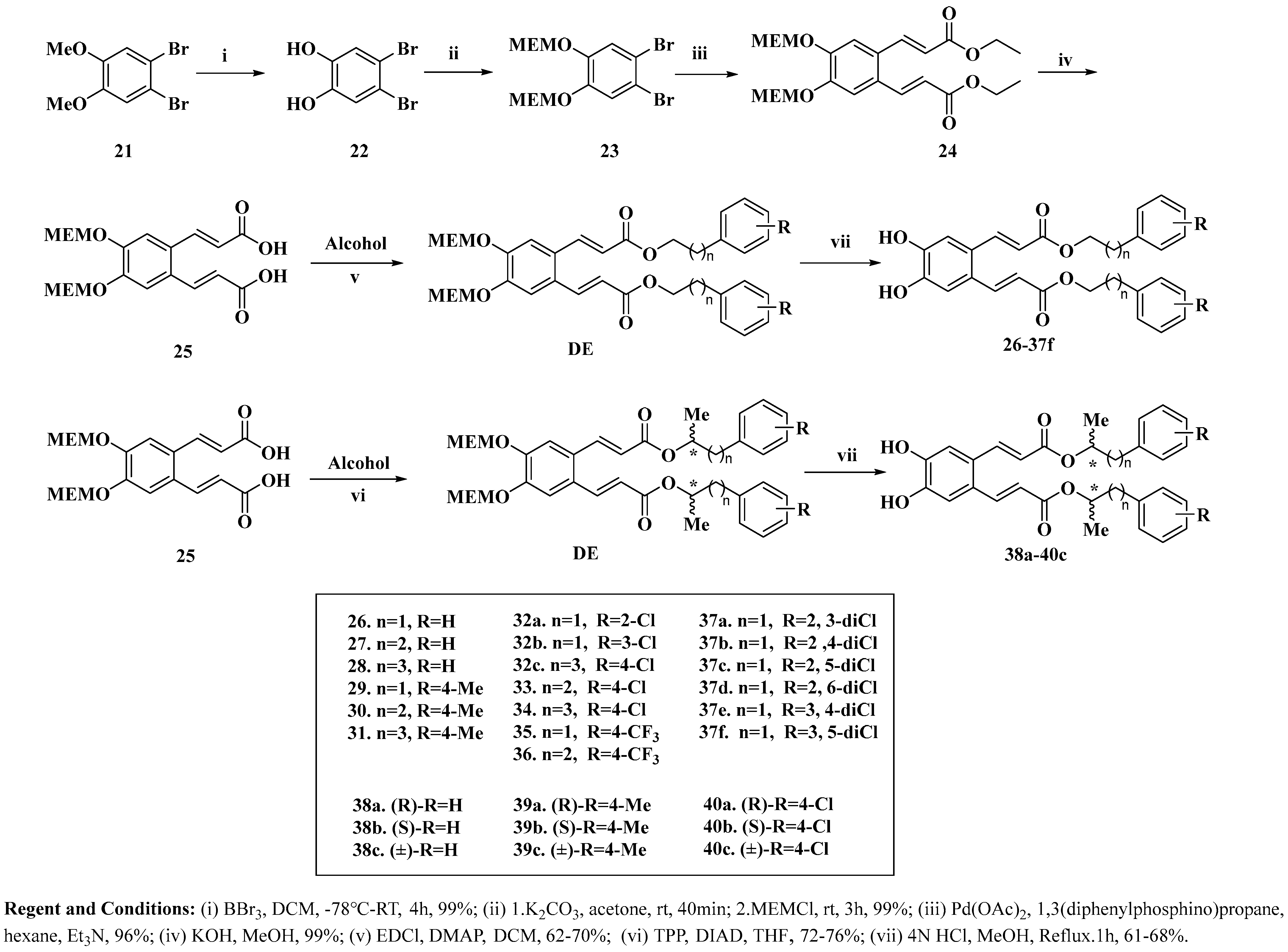
3.1. Chemistry
3.1.1. Synthesis of Compounds
3.1.2. General Synthesis Route (As Show as Scheme 4)

3.2. Biology
3.2.1. Evaluation of the Cytotoxic Activity of the Selected Compounds
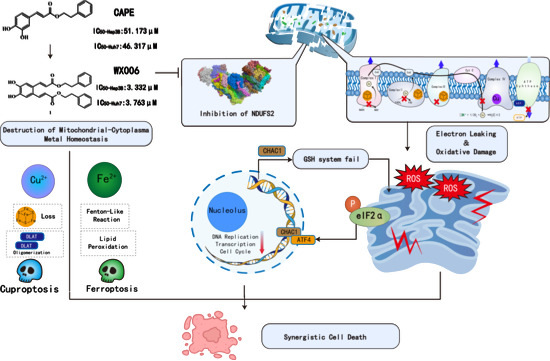
3.2.2. WX006 Suppresses HCC Cell Growth via Non-Apoptotic Mechanisms and Induces Ferroptosis Coupled with Cuproptosis, Effectively Impairing DNA Replication in HCC Cells
3.2.3. Transcriptome Sequencing Revealed That WX006 Induces UPR and ISR in HCC Cells
3.2.4. WX006 Activates ER Stress and UPR Through p-eIF2α-ATF4 Signaling
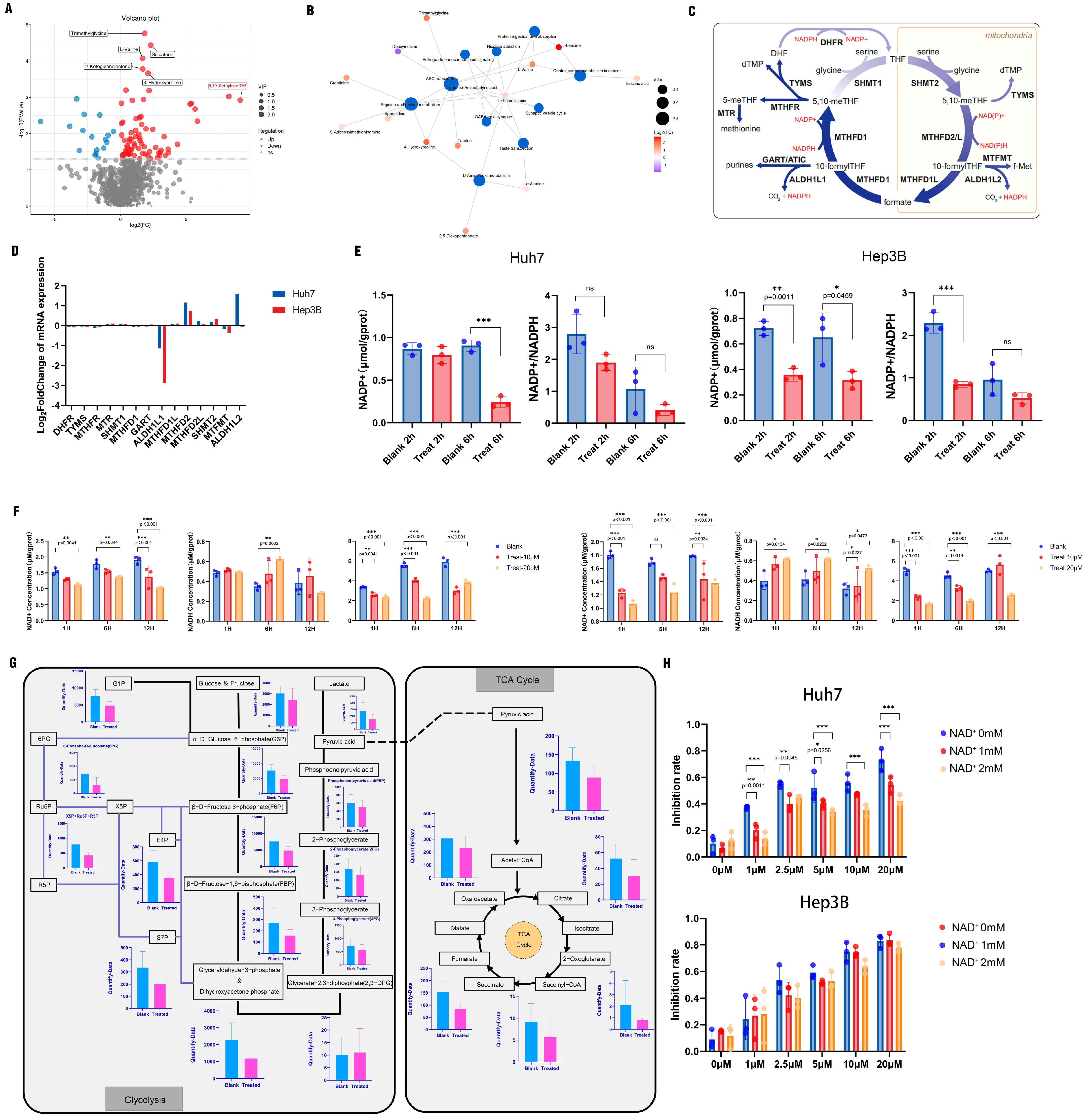
3.2.5. WX006 Depletes Intracellular NAD+ and NADP+ as Well as Disrupts One-Carbon Metabolism
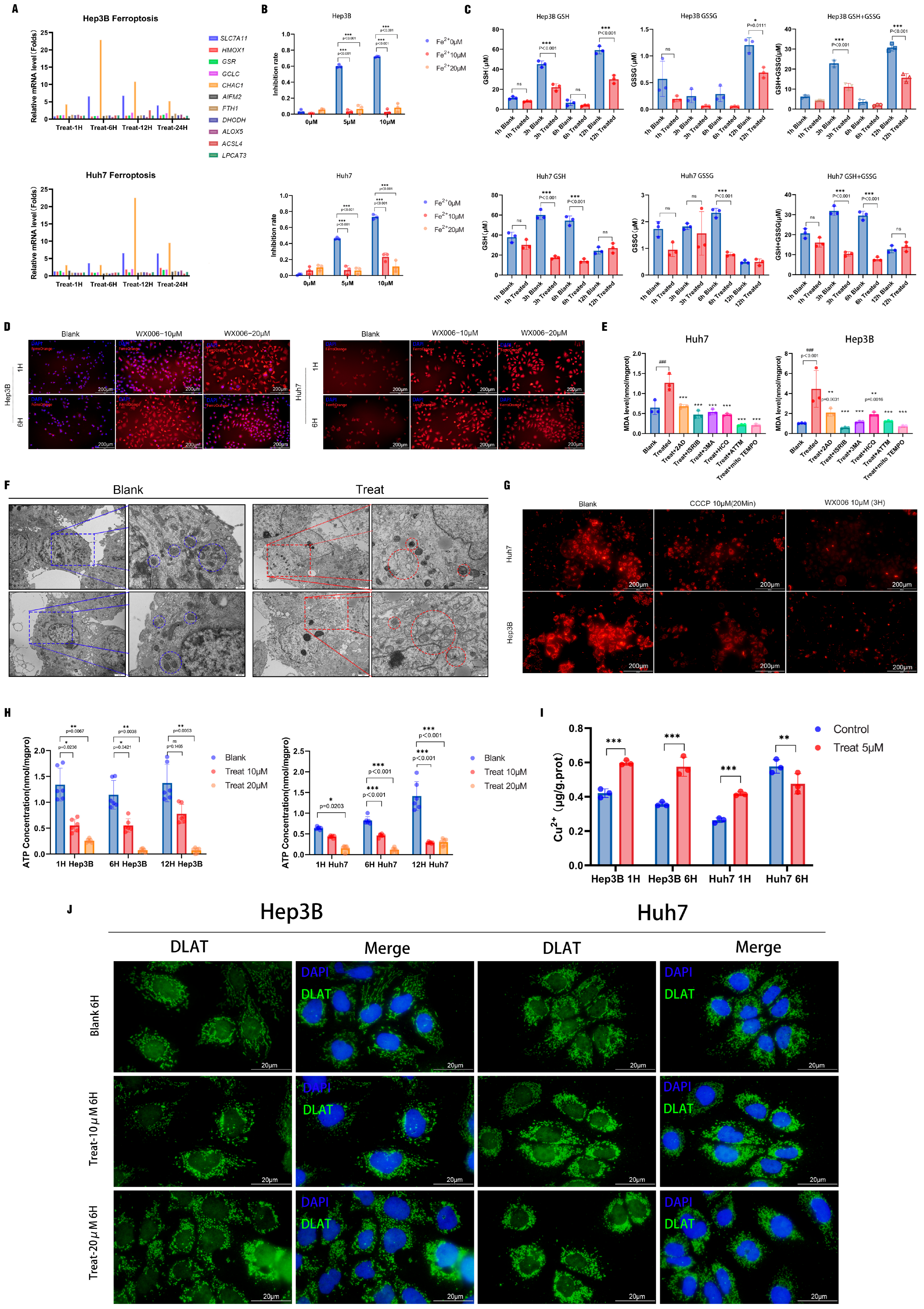
3.2.6. WX006 Induces Ferroptosis and Cuproptosis in HCC Cells
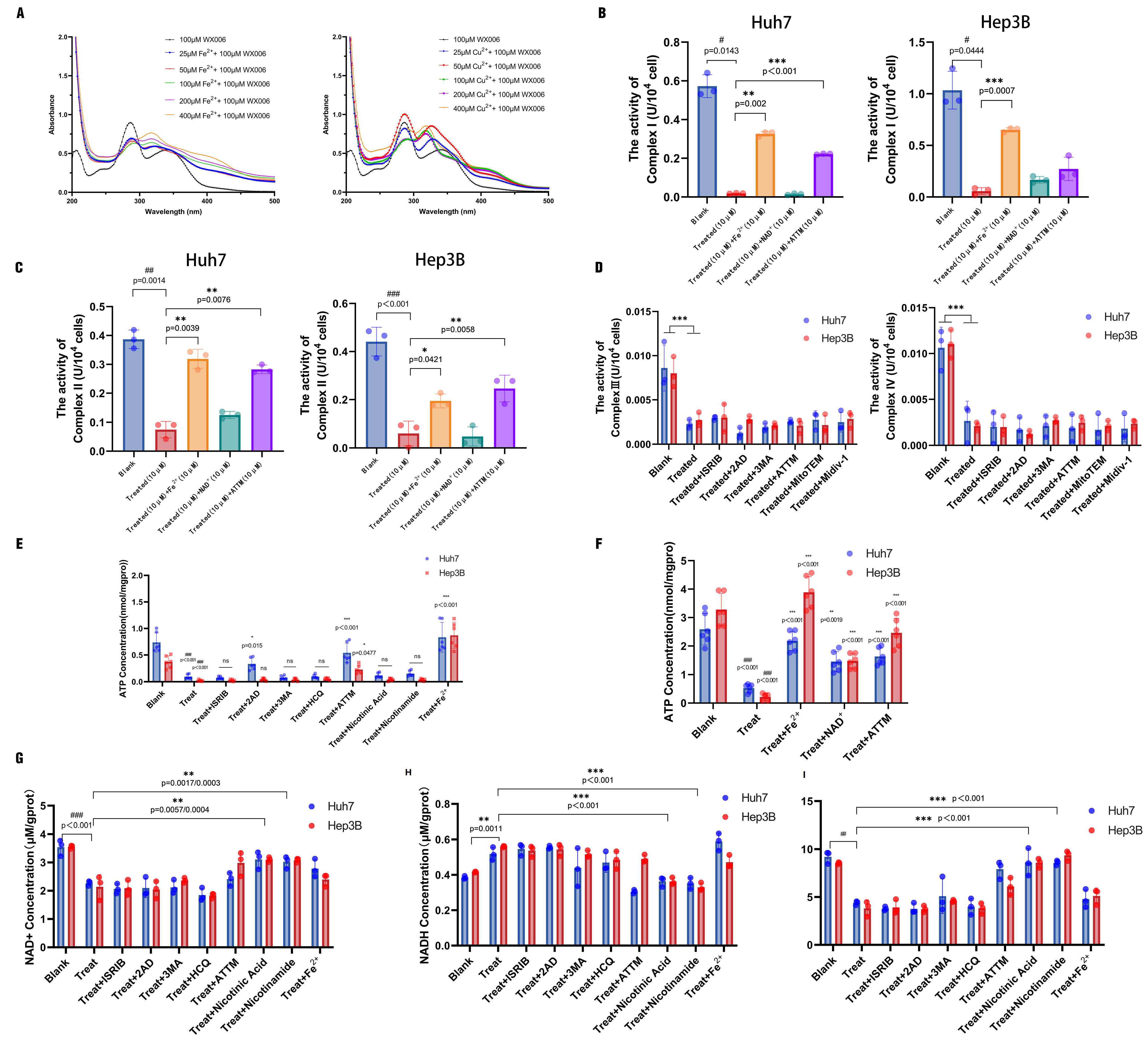
3.2.7. WX006 Disrupts Cellular Metal Homeostasis and NAD+ Metabolism in HCC Cells
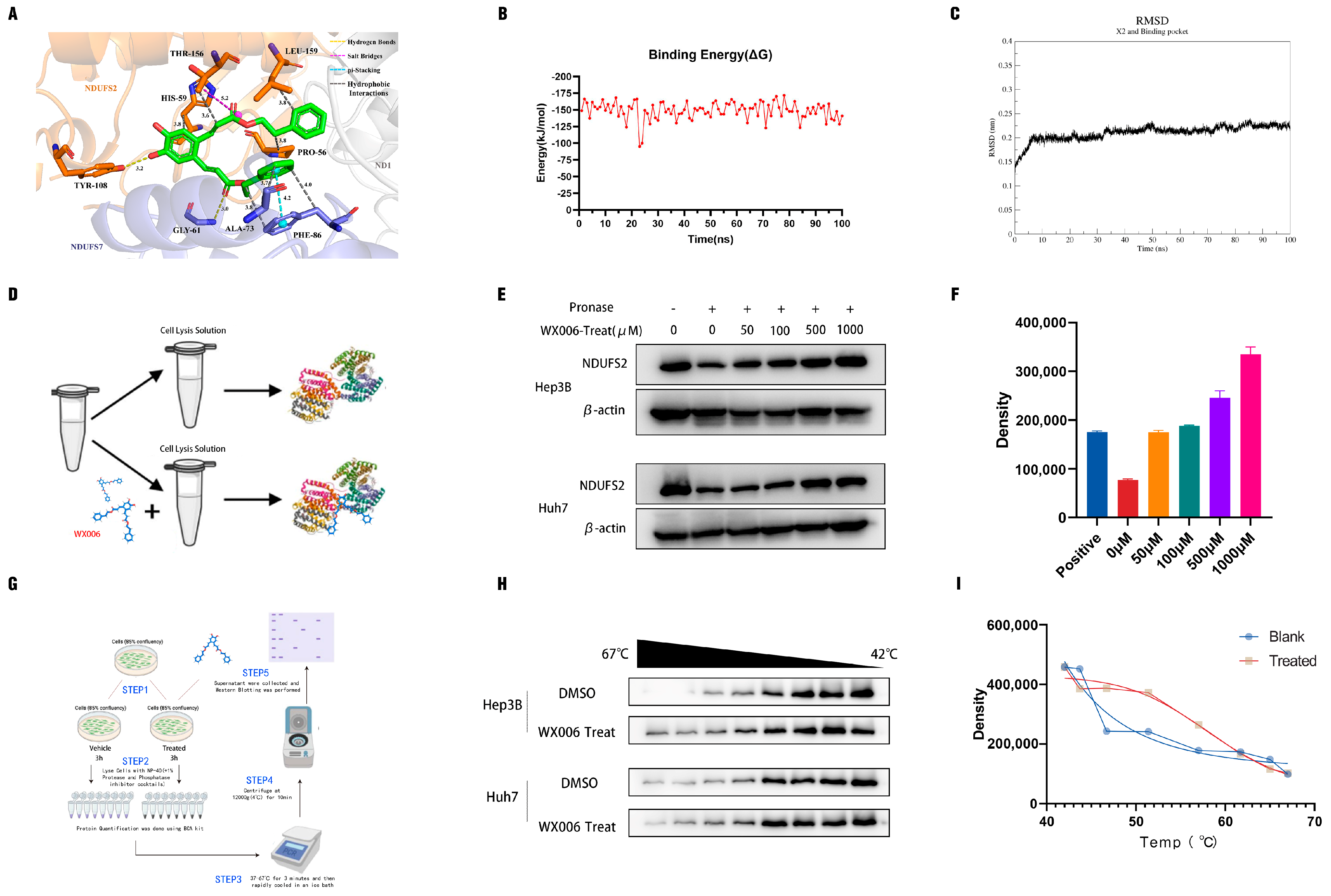
3.2.8. WX006 Disrupts HCC Cellular Metabolism Through Binding to the NDUFS2 Site
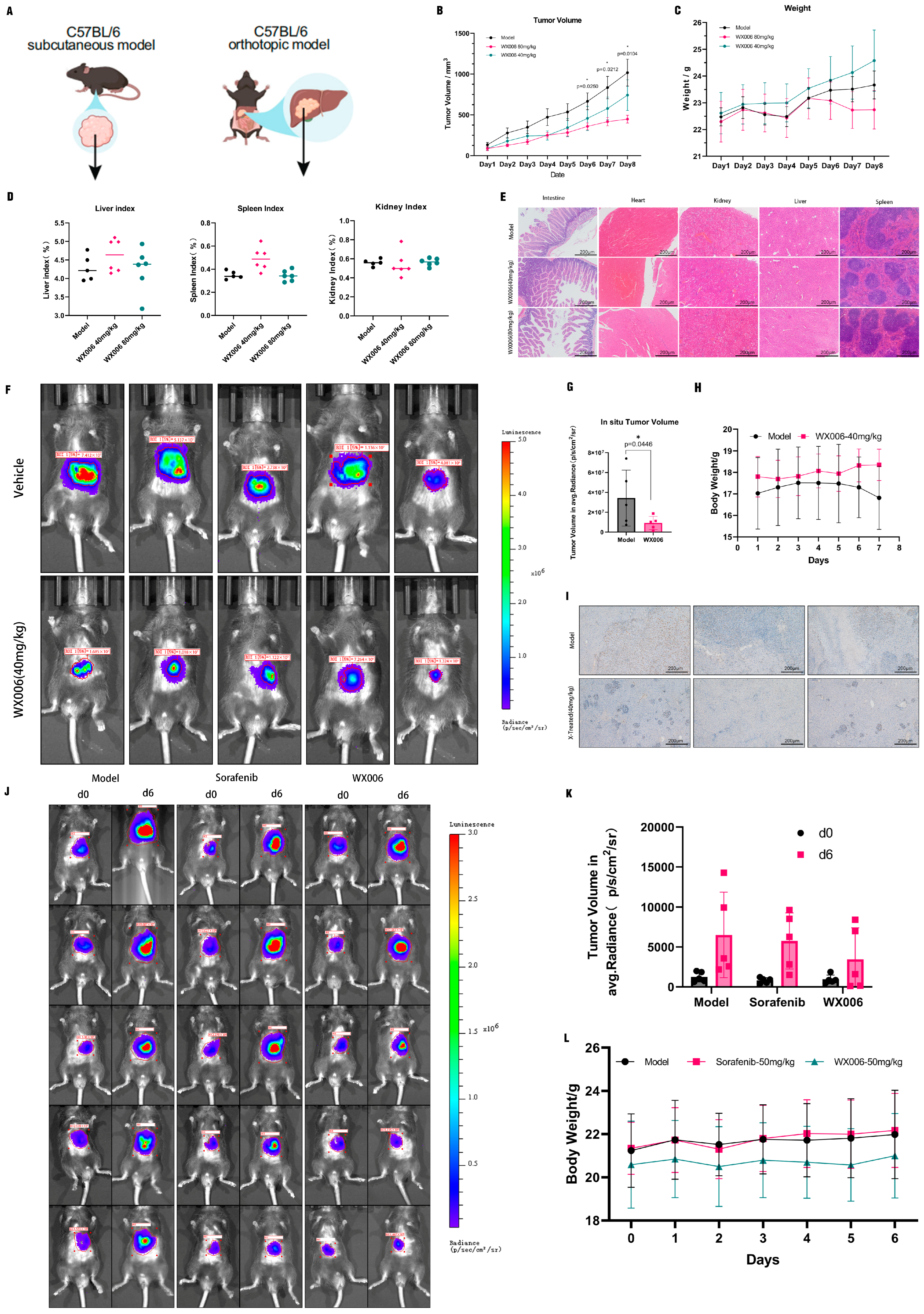
3.2.9. WX006 Demonstrates Safe and Effective Suppression of Hepatocellular Carcinoma (HCC) Growth In Vivo
4. Discussion
5. Conclusions
Supplementary Materials
Author Contributions
Funding
Institutional Review Board Statement
Informed Consent Statement
Data Availability Statement
Conflicts of Interest
References
- Siegel, R.L.; Giaquinto, A.N.; Jemal, A. Cancer statistics, 2024. CA Cancer J Clin 2024, 74, 12–49. [Google Scholar] [CrossRef] [PubMed]
- Llovet, J.M.; Kelley, R.K.; Villanueva, A.; Singal, A.G.; Pikarsky, E.; Roayaie, S.; Lencioni, R.; Koike, K.; Zucman-Rossi, J.; Finn, R.S. Hepatocellular carcinoma. Nat. Rev. Dis. Primers 2021, 7, 6. [Google Scholar] [CrossRef] [PubMed]
- Zheng, J.; Wang, S.; Xia, L.; Sun, Z.; Chan, K.M.; Bernards, R.; Qin, W.; Chen, J.; Xia, Q.; Jin, H. Hepatocellular carcinoma: Signaling pathways and therapeutic advances. Signal Transduct. Target. Ther. 2025, 10, 35. [Google Scholar] [CrossRef] [PubMed]
- Anstee, Q.M.; Reeves, H.L.; Kotsiliti, E.; Govaere, O.; Heikenwalder, M. From NASH to HCC: Current concepts and future challenges. Nat. Rev. Gastroenterol. Hepatol. 2019, 16, 411–428. [Google Scholar] [CrossRef]
- Reig, M.; Forner, A.; Rimola, J.; Ferrer-Fàbrega, J.; Burrel, M.; Garcia-Criado, Á.; Kelley, R.K.; Galle, P.R.; Mazzaferro, V.; Salem, R.; et al. BCLC strategy for prognosis prediction and treatment recommendation: The 2022 update. J. Hepatol. 2022, 76, 681–693. [Google Scholar] [CrossRef]
- Zimmerman, M.A.; Ghobrial, R.M.; Tong, M.J.; Hiatt, J.R.; Cameron, A.M.; Hong, J.; Busuttil, R.W. Recurrence of hepatocellular carcinoma following liver transplantation: A review of preoperative and postoperative prognostic indicators. Arch. Surg. 2008, 143, 182–188; discussion 188. [Google Scholar] [CrossRef]
- Huang, A.; Yang, X.R.; Chung, W.Y.; Dennison, A.R.; Zhou, J. Targeted therapy for hepatocellular carcinoma. Signal Transduct. Target. Ther. 2020, 5, 146. [Google Scholar] [CrossRef]
- Sperandio, R.C.; Pestana, R.C.; Miyamura, B.V.; Kaseb, A.O. Hepatocellular Carcinoma Immunotherapy. Annu. Rev. Med. 2022, 73, 267–278. [Google Scholar] [CrossRef]
- Llovet, J.M.; Castet, F.; Heikenwalder, M.; Maini, M.K.; Mazzaferro, V.; Pinato, D.J.; Pikarsky, E.; Zhu, A.X.; Finn, R.S. Immunotherapies for hepatocellular carcinoma. Nat. Rev. Clin. Oncol. 2022, 19, 151–172. [Google Scholar] [CrossRef]
- Tang, W.; Chen, Z.; Zhang, W.; Cheng, Y.; Zhang, B.; Wu, F.; Wang, Q.; Wang, S.; Rong, D.; Reiter, F.P.; et al. The mechanisms of sorafenib resistance in hepatocellular carcinoma: Theoretical basis and therapeutic aspects. Signal Transduct. Target. Ther. 2020, 5, 87. [Google Scholar] [CrossRef]
- Zhao, H.; Ling, Y.; He, J.; Dong, J.; Mo, Q.; Wang, Y.; Zhang, Y.; Yu, H.; Tang, C. Potential targets and therapeutics for cancer stem cell-based therapy against drug resistance in hepatocellular carcinoma. Drug Resist. Updat. 2024, 74, 101084. [Google Scholar] [CrossRef] [PubMed]
- Billingham, L.K.; Stoolman, J.S.; Vasan, K.; Rodriguez, A.E.; Poor, T.A.; Szibor, M.; Jacobs, H.T.; Reczek, C.R.; Rashidi, A.; Zhang, P.; et al. Mitochondrial electron transport chain is necessary for NLRP3 inflammasome activation. Nat. Immunol. 2022, 23, 692–704. [Google Scholar] [CrossRef] [PubMed]
- Dotsu, Y.; Muraoka, D.; Ogo, N.; Sonoda, Y.; Yasui, K.; Yamaguchi, H.; Yagita, H.; Mukae, H.; Asai, A.; Ikeda, H. Chemical augmentation of mitochondrial electron transport chains tunes T cell activation threshold in tumors. J. Immunother. Cancer 2022, 10, e003958. [Google Scholar] [CrossRef] [PubMed]
- Mapuskar, K.A.; Wen, H.; Holanda, D.G.; Rastogi, P.; Steinbach, E.; Han, R.; Coleman, M.C.; Attanasio, M.; Riley, D.P.; Spitz, D.R.; et al. Persistent increase in mitochondrial superoxide mediates cisplatin-induced chronic kidney disease. Redox Biol. 2019, 20, 98–106. [Google Scholar] [CrossRef]
- Letts, J.A.; Sazanov, L.A. Clarifying the supercomplex: The higher-order organization of the mitochondrial electron transport chain. Nat. Struct. Mol. Biol. 2017, 24, 800–808. [Google Scholar] [CrossRef]
- Guzy, R.D.; Hoyos, B.; Robin, E.; Chen, H.; Liu, L.; Mansfield, K.D.; Simon, M.C.; Hammerling, U.; Schumacker, P.T. Mitochondrial complex III is required for hypoxia-induced ROS production and cellular oxygen sensing. Cell Metab. 2005, 1, 401–408. [Google Scholar] [CrossRef]
- Frank, A.R.; Li, V.; Shelton, S.D.; Kim, J.; Stott, G.M.; Neckers, L.M.; Xie, Y.; Williams, N.S.; Mishra, P.; McFadden, D.G. Mitochondrial-Encoded Complex I Impairment Induces a Targetable Dependency on Aerobic Fermentation in Hürthle Cell Carcinoma of the Thyroid. Cancer Discov. 2023, 13, 1884–1903. [Google Scholar] [CrossRef]
- Tan, J.L.; Li, F.; Yeo, J.Z.; Yong, K.J.; Bassal, M.A.; Ng, G.H.; Lee, M.Y.; Leong, C.Y.; Tan, H.K.; Wu, C.S.; et al. New High-Throughput Screening Identifies Compounds That Reduce Viability Specifically in Liver Cancer Cells That Express High Levels of SALL4 by Inhibiting Oxidative Phosphorylation. Gastroenterology 2019, 157, 1615–1629.e17. [Google Scholar] [CrossRef]
- Zhang, X.; Tang, B.; Luo, J.; Yang, Y.; Weng, Q.; Fang, S.; Zhao, Z.; Tu, J.; Chen, M.; Ji, J. Cuproptosis, ferroptosis and PANoptosis in tumor immune microenvironment remodeling and immunotherapy: Culprits or new hope. Mol. Cancer 2024, 23, 255. [Google Scholar] [CrossRef]
- Zheng, J.; Conrad, M. Ferroptosis: When metabolism meets cell death. Physiol. Rev. 2025, 105, 651–706. [Google Scholar] [CrossRef]
- Liu, J.; Kang, R.; Tang, D. Adverse effects of ferroptotic therapy: Mechanisms and management. Trends Cancer 2024, 10, 417–429. [Google Scholar] [CrossRef] [PubMed]
- Xie, J.; Yang, Y.; Gao, Y.; He, J. Cuproptosis: Mechanisms and links with cancers. Mol. Cancer 2023, 22, 46. [Google Scholar] [CrossRef] [PubMed]
- Tang, D.; Kroemer, G.; Kang, R. Targeting cuproplasia and cuproptosis in cancer. Nat. Rev. Clin. Oncol. 2024, 21, 370–388. [Google Scholar] [CrossRef] [PubMed]
- Sun, J.; Esplugues, E.; Bort, A.; Cardelo, M.P.; Ruz-Maldonado, I.; Fernández-Tussy, P.; Wong, C.; Wang, H.; Ojima, I.; Kaczocha, M.; et al. Fatty acid binding protein 5 suppression attenuates obesity-induced hepatocellular carcinoma by promoting ferroptosis and intratumoral immune rewiring. Nat. Metab. 2024, 6, 741–763. [Google Scholar] [CrossRef]
- Xing, T.; Li, L.; Chen, Y.; Ju, G.; Li, G.; Zhu, X.; Ren, Y.; Zhao, J.; Cheng, Z.; Li, Y.; et al. Targeting the TCA cycle through cuproptosis confers synthetic lethality on ARID1A-deficient hepatocellular carcinoma. Cell Rep. Med. 2023, 4, 101264. [Google Scholar] [CrossRef]
- Tang, D.; Kroemer, G.; Kang, R. Ferroptosis in hepatocellular carcinoma: From bench to bedside. Hepatology 2024, 80, 721–739. [Google Scholar] [CrossRef]
- Li, J.; Li, Y.; Wang, D.; Liao, R.; Wu, Z. PLAG1 interacts with GPX4 to conquer vulnerability to sorafenib induced ferroptosis through a PVT1/miR-195-5p axis-dependent manner in hepatocellular carcinoma. J. Exp. Clin. Cancer Res. 2024, 43, 143. [Google Scholar] [CrossRef]
- Shao, N.; Yang, Y.; Hu, G.; Luo, Q.; Cheng, N.; Chen, J.; Huang, Y.; Zhang, H.; Luo, L.; Xiao, Z. Synergistic enhancement of low-dose radiation therapy via cuproptosis and metabolic reprogramming for radiosensitization in in situ hepatocellular carcinoma. J. Nanobiotechnol. 2024, 22, 772. [Google Scholar] [CrossRef]
- Bjørklund, G.; Storchylo, O.; Peana, M.; Hangan, T.; Lysiuk, R.; Lenchyk, L.; Koshovyi, O.; Antonyak, H.; Hudz, N.; Chirumbolo, S. Caffeic Acid Phenethyl Ester: A Potential Therapeutic Cancer Agent? Curr. Med. Chem. 2024, 31, 6760–6774. [Google Scholar] [CrossRef]
- Hidalgo, M.; Railef, B.; Rodríguez, V.; Navarro, C.; Rubio, V.; Meneses-Pacheco, J.; Soto-Alarcón, S.; Kreindl, C.; Añazco, C.; Zuñiga, L.; et al. The antioxidant property of CAPE depends on TRPV1 channel activation in microvascular endothelial cells. Redox Biol. 2025, 80, 103507. [Google Scholar] [CrossRef]
- Fırat, F.; Özgül, M.; Türköz Uluer, E.; Inan, S. Effects of caffeic acid phenethyl ester (CAPE) on angiogenesis, apoptosis and oxidatıve stress ın various cancer cell lines. Biotech. Histochem. 2019, 94, 491–497. [Google Scholar] [CrossRef] [PubMed]
- Stähli, A.; Maheen, C.U.; Strauss, F.J.; Eick, S.; Sculean, A.; Gruber, R. Caffeic acid phenethyl ester protects against oxidative stress and dampens inflammation via heme oxygenase 1. Int. J. Oral Sci. 2019, 11, 6. [Google Scholar] [CrossRef] [PubMed]
- Macías-Pérez, J.R.; Beltrán-Ramírez, O.; Vásquez-Garzón, V.R.; Salcido-Neyoy, M.E.; Martínez-Soriano, P.A.; Ruiz-Sánchez, M.B.; Angeles, E.; Villa-Treviño, S. The effect of caffeic acid phenethyl ester analogues in a modified resistant hepatocyte model. Anti-Cancer Drugs Drugs 2013, 24, 394–405. [Google Scholar] [CrossRef] [PubMed]
- Beltrán-Ramírez, O.; Alemán-Lazarini, L.; Salcido-Neyoy, M.; Hernández-García, S.; Fattel-Fazenda, S.; Arce-Popoca, E.; Arellanes-Robledo, J.; García-Román, R.; Vázquez-Vázquez, P.; Sierra-Santoyo, A.; et al. Evidence that the anticarcinogenic effect of caffeic acid phenethyl ester in the resistant hepatocyte model involves modifications of cytochrome P450. Toxicol. Sci. 2008, 104, 100–106. [Google Scholar] [CrossRef]
- Yu, S.H.; Kao, Y.T.; Wu, J.Y.; Huang, S.H.; Huang, S.T.; Lee, C.M.; Cheng, K.T.; Lin, C.M. Inhibition of AMPK-associated autophagy enhances caffeic acid phenethyl ester-induced cell death in C6 glioma cells. Planta Med. 2011, 77, 907–914. [Google Scholar] [CrossRef]
- Balkhi, H.M.; Gul, T.; Haq, E. Anti-Neoplastic and Calcium Modulatory Action of Caffeic Acid Phenethyl Ester and Dasatinib in C6 Glial Cells: A Therapeutic Perspective. CNS Neurol. Disord. Drug Targets 2016, 15, 54–63. [Google Scholar] [CrossRef]
- Pramanik, K.C.; Kudugunti, S.K.; Fofaria, N.M.; Moridani, M.Y.; Srivastava, S.K. Caffeic acid phenethyl ester suppresses melanoma tumor growth by inhibiting PI3K/AKT/XIAP pathway. Carcinogenesis 2013, 34, 2061–2070. [Google Scholar] [CrossRef]
- Kuo, L.K.; Fu, Y.K.; Yeh, C.C.; Lee, C.Y.; Chung, C.J.; Shih, L.J.; Lu, H.Y.; Chuu, C.P. Combined Treatment of Caffeic Acid Phenethyl Ester with Docetaxel Inhibits Survival of Non-small-cell Lung Cancer Cells via Suppression of c-MYC. Anticancer Drugs Res. 2024, 44, 4915–4928. [Google Scholar] [CrossRef]
- Giordano, C.; Kendler, J.; Sexl, M.; Kollman, S.; Varenicja, M.; Szabó, B.; Timelthaler, G.; Kirchhofer, D.; Hollóczki, O.; Turner, S.D.; et al. Anti-Cancer Potential of a new Derivative of Caffeic Acid Phenethyl Ester targeting the Centrosome. Redox Biol. 2025, 81, 103582. [Google Scholar] [CrossRef]
- Wang, L.C.; Chu, K.H.; Liang, Y.C.; Lin, Y.L.; Chiang, B.L. Caffeic acid phenethyl ester inhibits nuclear factor-kappaB and protein kinase B signalling pathways and induces caspase-3 expression in primary human CD4+ T cells. Clin. Exp. Immunol. 2010, 160, 223–232. [Google Scholar] [CrossRef]
- Li, W.; Yang, C.; Shi, Z.; Long, Q.; Cheng, Z.; He, S.; Dong, J.; Liu, T.; Wang, C. Caffeic Acid Phenethyl Ester Inhibits Ubiquitination and Degradation of p53 and Blocks Cervical Cancer Cell Growth. Curr. Mol. Med. 2023, 23, 960–970. [Google Scholar] [CrossRef] [PubMed]
- Fu, Y.K.; Wang, B.J.; Tseng, J.C.; Huang, S.H.; Lin, C.Y.; Kuo, Y.Y.; Hour, T.C.; Chuu, C.P. Combination treatment of docetaxel with caffeic acid phenethyl ester suppresses the survival and the proliferation of docetaxel-resistant prostate cancer cells via induction of apoptosis and metabolism interference. J. Biomed. Sci. 2022, 29, 16. [Google Scholar] [CrossRef] [PubMed]
- Anjaly, K.; Tiku, A.B. Caffeic acid phenethyl ester induces radiosensitization via inhibition of DNA damage repair in androgen-independent prostate cancer cells. Environ. Toxicol. 2022, 37, 995–1006. [Google Scholar] [CrossRef] [PubMed]
- Matsunaga, T.; Tsuchimura, S.; Azuma, N.; Endo, S.; Ichihara, K.; Ikari, A. Caffeic acid phenethyl ester potentiates gastric cancer cell sensitivity to doxorubicin and cisplatin by decreasing proteasome function. Anti-Cancer Drugs Drugs 2019, 30, 251–259. [Google Scholar] [CrossRef]
- Grunberger, D.; Banerjee, R.; Eisinger, K.; Oltz, E.M.; Efros, L.; Caldwell, M.; Estevez, V.; Nakanishi, K. Preferential cytotoxicity on tumor cells by caffeic acid phenethyl ester isolated from propolis. Experientia 1988, 44, 230–232. [Google Scholar] [CrossRef]
- Zhang, P.; Tang, Y.; Li, N.G.; Zhu, Y.; Duan, J.A. Bioactivity and chemical synthesis of caffeic acid phenethyl ester and its derivatives. Molecules 2014, 19, 16458–16476. [Google Scholar] [CrossRef]
- Sorrenti, V.; Raffaele, M.; Vanella, L.; Acquaviva, R.; Salerno, L.; Pittalà, V.; Intagliata, S.; Di Giacomo, C. Protective Effects of Caffeic Acid Phenethyl Ester (CAPE) and Novel Cape Analogue as Inducers of Heme Oxygenase-1 in Streptozotocin-Induced Type 1 Diabetic Rats. Int. J. Mol. Sci. 2019, 20, 2441. [Google Scholar] [CrossRef]
- Consoli, V.; Fallica, A.N.; Virzì, N.F.; Salerno, L.; Intagliata, S.; Sorrenti, V.; Greish, K.; Giuffrida, A.; Vanella, L.; Pittalà, V. Synthesis and In Vitro Evaluation of CAPE Derivatives as Ferroptosis Inducers in Triple Negative Breast Cancer. ACS Med. Chem. Lett. 2024, 15, 706–713. [Google Scholar] [CrossRef]
- Ning, X.; Guo, Y.; Ma, X.; Zhu, R.; Tian, C.; Zhang, Z.; Wang, X.; Ma, Z.; Liu, J. Design, synthesis and pharmacological evaluation of (E)-3,4-dihydroxy styryl sulfonamides derivatives as multifunctional neuroprotective agents against oxidative and inflammatory injury. Bioorganic Med. Chem. 2013, 21, 5589–5597. [Google Scholar] [CrossRef]
- Mei, Y.; Wang, Z.; Zhang, Y.; Wan, T.; Xue, J.; He, W.; Luo, Y.; Xu, Y.; Bai, X.; Wang, Q.; et al. FA-97, a New Synthetic Caffeic Acid Phenethyl Ester Derivative, Ameliorates DSS-Induced Colitis Against Oxidative Stress by Activating Nrf2/HO-1 Pathway. Front. Immunol. 2019, 10, 2969. [Google Scholar] [CrossRef]
- Beauregard, A.P.; Harquail, J.; Lassalle-Claux, G.; Belbraouet, M.; Jean-Francois, J.; Touaibia, M.; Robichaud, G.A. CAPE Analogs Induce Growth Arrest and Apoptosis in Breast Cancer Cells. Molecules 2015, 20, 12576–12589. [Google Scholar] [CrossRef]
- Budisan, L.; Gulei, D.; Jurj, A.; Braicu, C.; Zanoaga, O.; Cojocneanu, R.; Pop, L.; Raduly, L.; Barbat, A.; Moldovan, A.; et al. Inhibitory Effect of CAPE and Kaempferol in Colon Cancer Cell Lines-Possible Implications in New Therapeutic Strategies. Int. J. Mol. Sci. 2019, 20, 1199. [Google Scholar] [CrossRef] [PubMed]
- Lee, Y.T.; Don, M.J.; Hung, P.S.; Shen, Y.C.; Lo, Y.S.; Chang, K.W.; Chen, C.F.; Ho, L.K. Cytotoxicity of phenolic acid phenethyl esters on oral cancer cells. Cancer Lett. 2005, 223, 19–25. [Google Scholar] [CrossRef] [PubMed]
- Sucu, B.O.; Koc, E.B.; Savlug Ipek, O.; Mirat, A.; Almas, F.; Guzel, M.A.; Dogan, B.; Uludag, D.; Karakas, N.; Durdagi, S.; et al. Design and synthesis of novel caffeic acid phenethyl ester (CAPE) derivatives and their biological activity studies in glioblastoma multiforme (GBM) cancer cell lines. J. Mol. Graph. Model. 2022, 113, 108160. [Google Scholar] [CrossRef] [PubMed]
- Ducker, G.S.; Rabinowitz, J.D. One-Carbon Metabolism in Health and Disease. Cell Metab. 2017, 25, 27–42. [Google Scholar] [CrossRef]
- Faubert, B.; Solmonson, A.; DeBerardinis, R.J. Metabolic reprogramming and cancer progression. Science 2020, 368, eaaw5473. [Google Scholar] [CrossRef]
- Zhang, Y.; Xu, Y.; Lu, W.; Li, J.; Yu, S.; Brown, E.J.; Stanger, B.Z.; Rabinowitz, J.D.; Yang, X. G6PD-mediated increase in de novo NADP+ biosynthesis promotes antioxidant defense and tumor metastasis. Sci. Adv. 2022, 8, eabo0404. [Google Scholar] [CrossRef]
- Xiao, Y.; Yu, T.J.; Xu, Y.; Ding, R.; Wang, Y.P.; Jiang, Y.Z.; Shao, Z.M. Emerging therapies in cancer metabolism. Cell Metab. 2023, 35, 1283–1303. [Google Scholar] [CrossRef]
- Israël, M.; Schwartz, L. The metabolic advantage of tumor cells. Mol. Cancer 2011, 10, 70. [Google Scholar] [CrossRef]
- Lu, M.J.; Busquets, J.; Impedovo, V.; Wilson, C.N.; Chan, H.R.; Chang, Y.T.; Matsui, W.; Tiziani, S.; Cambronne, X.A. SLC25A51 decouples the mitochondrial NAD+/NADH ratio to control proliferation of AML cells. Cell Metab. 2024, 36, 808–821.e6. [Google Scholar] [CrossRef]
- Bartman, C.R.; Weilandt, D.R.; Shen, Y.; Lee, W.D.; Han, Y.; TeSlaa, T.; Jankowski, C.S.R.; Samarah, L.; Park, N.R.; da Silva-Diz, V.; et al. Slow TCA flux and ATP production in primary solid tumours but not metastases. Nature 2023, 614, 349–357. [Google Scholar] [CrossRef]
- Li, X.; Duan, Z.; Chen, X.; Pan, D.; Luo, Q.; Gu, L.; Xu, G.; Li, Y.; Zhang, H.; Gong, Q.; et al. Impairing Tumor Metabolic Plasticity via a Stable Metal-Phenolic-Based Polymeric Nanomedicine to Suppress Colorectal Cancer. Adv. Mater. 2023, 35, e2300548. [Google Scholar] [CrossRef] [PubMed]
- Cheff, D.M.; Huang, C.; Scholzen, K.C.; Gencheva, R.; Ronzetti, M.H.; Cheng, Q.; Hall, M.D.; Arnér, E.S.J. The ferroptosis inducing compounds RSL3 and ML162 are not direct inhibitors of GPX4 but of TXNRD1. Redox Biol. 2023, 62, 102703. [Google Scholar] [CrossRef] [PubMed]
- Mao, C.; Lei, G.; Horbath, A.; Wang, M.; Lu, Z.; Yan, Y.; Liu, X.; Kondiparthi, L.; Chen, X.; Cheng, J.; et al. Unraveling ETC complex I function in ferroptosis reveals a potential ferroptosis-inducing therapeutic strategy for LKB1-deficient cancers. Mol. Cell 2024, 84, 1964–1979.e6. [Google Scholar] [CrossRef] [PubMed]
- Gao, M.; Yi, J.; Zhu, J.; Minikes, A.M.; Monian, P.; Thompson, C.B.; Jiang, X. Role of Mitochondria in Ferroptosis. Mol. Cell 2019, 73, 354–363.e3. [Google Scholar] [CrossRef]
- Wang, W.J.; Ling, Y.Y.; Zhong, Y.M.; Li, Z.Y.; Tan, C.P.; Mao, Z.W. Ferroptosis-Enhanced Cancer Immunity by a Ferrocene-Appended Iridium(III) Diphosphine Complex. Angew. Chem. Int. Ed. Engl. 2022, 61, e202115247. [Google Scholar] [CrossRef]
- Zheng, P.; Zhou, C.; Lu, L.; Liu, B.; Ding, Y. Elesclomol: A copper ionophore targeting mitochondrial metabolism for cancer therapy. J. Exp. Clin. Cancer Res. 2022, 41, 271. [Google Scholar] [CrossRef]
- Gan, B. How erastin assassinates cells by ferroptosis revealed. Protein Cell 2023, 14, 84–86. [Google Scholar] [CrossRef]
- Shen, Q.H.; Yu, L.B.; Yao, S.M.; Li, Z.Y.; Zhang, Q.Q.; Wang, P.; Tan, C.P. Bioinspired Construction of Cu-Fe Bimetallic Multienzyme Mimetics as Co-Inducers of Cuproptosis and Ferroptosis. J. Med. Chem. 2025, 68, 16284–16298. [Google Scholar] [CrossRef]
- Liao, L.S.; Chen, Y.; Hou, C.; Liu, Y.H.; Su, G.F.; Liang, H.; Chen, Z.F. Potent Zinc(II)-Based Immunogenic Cell Death Inducer Triggered by ROS-Mediated ERS and Mitochondrial Ca2+ Overload. J. Med. Chem. 2023, 66, 10497–10509. [Google Scholar] [CrossRef]
- Yang, K.; Chen, Q.; Chen, J.; Geng, L.F.; Ma, M.X.; Gu, Y.Q.; Choudhary, M.I.; Liang, H.; Chen, Z.F. Copper(II) Complexes of Pyrazolopyrimidine Derivatives as Anticancer Agents with Enhanced Chemodynamic Therapy through Bimodal Apoptosis and Ferroptosis. J. Med. Chem. 2025, 68, 7137–7152. [Google Scholar] [CrossRef] [PubMed]
- Guo, X.; Tan, S.; Wang, T.; Sun, R.; Li, S.; Tian, P.; Li, M.; Wang, Y.; Zhang, Y.; Yan, Y.; et al. NAD + salvage governs mitochondrial metabolism, invigorating natural killer cell antitumor immunity. Hepatology 2023, 78, 468–485. [Google Scholar] [CrossRef] [PubMed]
- Garten, A.; Schuster, S.; Penke, M. Could NAMPT inhibition become a potential treatment option in hepatocellular carcinoma? Expert Rev. Anticancer Drugs Ther. 2017, 17, 289–291. [Google Scholar] [CrossRef] [PubMed]
- Pant, K.; Richard, S.; Peixoto, E.; Yin, J.; Seelig, D.M.; Carotenuto, P.; Salati, M.; Franco, B.; Roberts, L.R.; Gradilone, S.A. The NAMPT Inhibitor FK866 in Combination with Cisplatin Reduces Cholangiocarcinoma Cells Growth. Cells 2023, 12, 775. [Google Scholar] [CrossRef]
- Reyes-Castellanos, G.; Carrier, A. A novel anticancer pharmacological agent targeting mitochondrial complex I. Trends Pharmacol. Sci. 2022, 43, 706–708. [Google Scholar] [CrossRef]
- Masoud, R.; Reyes-Castellanos, G.; Lac, S.; Garcia, J.; Dou, S.; Shintu, L.; Abdel Hadi, N.; Gicquel, T.; El Kaoutari, A.; Diémé, B.; et al. Targeting Mitochondrial Complex I Overcomes Chemoresistance in High OXPHOS Pancreatic Cancer. Cell Rep. Med. 2020, 1, 100143. [Google Scholar] [CrossRef]
- Ron-Harel, N.; Santos, D.; Ghergurovich, J.M.; Sage, P.T.; Reddy, A.; Lovitch, S.B.; Dephoure, N.; Satterstrom, F.K.; Sheffer, M.; Spinelli, J.B.; et al. Mitochondrial Biogenesis and Proteome Remodeling Promote One-Carbon Metabolism for T Cell Activation. Cell Metab. 2016, 24, 104–117. [Google Scholar] [CrossRef]
- Sugiura, A.; Andrejeva, G.; Voss, K.; Heintzman, D.R.; Xu, X.; Madden, M.Z.; Ye, X.; Beier, K.L.; Chowdhury, N.U.; Wolf, M.M.; et al. MTHFD2 is a metabolic checkpoint controlling effector and regulatory T cell fate and function. Immunity 2022, 55, 65–81.e9. [Google Scholar] [CrossRef]
- Ducker, G.S.; Chen, L.; Morscher, R.J.; Ghergurovich, J.M.; Esposito, M.; Teng, X.; Kang, Y.; Rabinowitz, J.D. Reversal of Cytosolic One-Carbon Flux Compensates for Loss of the Mitochondrial Folate Pathway. Cell Metab. 2016, 23, 1140–1153. [Google Scholar] [CrossRef]
- Liu, Z.; Liu, S.; Liu, B.; Bian, Y.; Yuan, M.; Yang, C.; Meng, Q.; Chen, C.; Ma, P.; Lin, J. Fe(III)-Naphthazarin Metal-Phenolic Networks for Glutathione-Depleting Enhanced Ferroptosis-Apoptosis Combined Cancer Therapy. Small 2023, 19, e2207825. [Google Scholar] [CrossRef]
- Ren, D.; Cheng, Y.; Xu, W.; Qin, W.; Hao, T.; Wang, F.; Hu, Y.; Ma, L.; Zhang, C. Copper-Based Metal-Organic Framework Induces NO Generation for Synergistic Tumor Therapy and Antimetastasis Activity. Small 2023, 19, e2205772. [Google Scholar] [CrossRef]
- Chen, K.; Zhou, A.; Zhou, X.; He, J.; Xu, Y.; Ning, X. Cellular Trojan Horse initiates bimetallic Fe-Cu MOF-mediated synergistic cuproptosis and ferroptosis against malignancies. Sci. Adv. 2024, 10, eadk3201. [Google Scholar] [CrossRef]
- Yang, M.; Wu, X.; Hu, J.; Wang, Y.; Wang, Y.; Zhang, L.; Huang, W.; Wang, X.; Li, N.; Liao, L.; et al. COMMD10 inhibits HIF1α/CP loop to enhance ferroptosis and radiosensitivity by disrupting Cu-Fe balance in hepatocellular carcinoma. J. Hepatol. 2022, 76, 1138–1150. [Google Scholar] [CrossRef]



| Compounds | IC50 (μM) (48 h) | ||
|---|---|---|---|
| Number/Name | Structure | Hep3B | Huh7 |
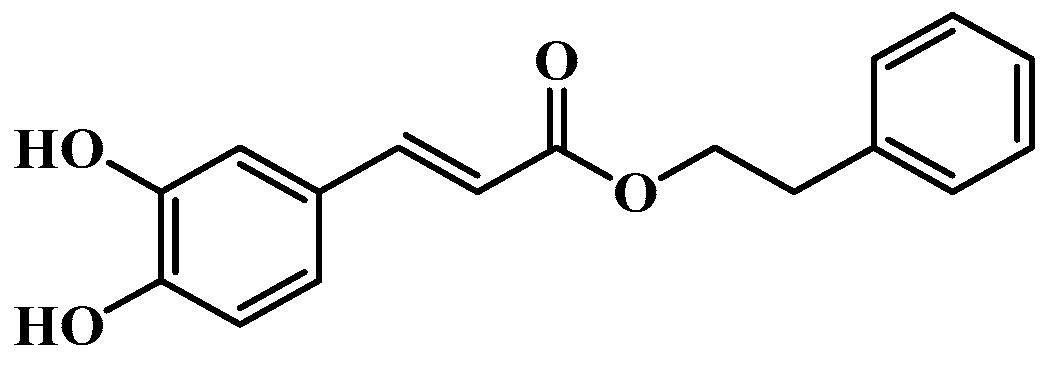
| CAPE |  | 51.173 ± 3.295 | 46.317 ± 12.685 |
| 26 (WX006) |  | 3.332 ± 0.195 | 3.763 ± 0.014 |
| 27 |  | 19.18 ± 3.690 | 23.797 ± 2.105 |
| 28 |  | 34.150 ± 3.064 | 19.207 ± 1.023 |
| 29 |  | 13.963 ± 1.528 | 12.597 ± 0.778 |
| 30 |  | 13.770 ± 1.289 | 15.18 ± 0.968 |
| 31 |  | 47.763 ± 0.169 | 52.163 ± 14.501 |
| 32a |  | 11.129 ± 4.258 | 6.613 ± 2.160 |
| 32b |  | 8.071 ± 0.749 | 7.828 ± 0.058 |
| 32c |  | 10.957 ± 2.836 | 9.550 ± 2.590 |
| 33 |  | 9.433 ± 2.768 | 12.72 ± 2.195 |
| 34 |  | 79.697 ± 0.641 | 22.363 ± 1.948 |
| 35 |  | 10.214 ± 0.210 | 10.838 ± 1.343 |
| 36 |  | 9.279 ± 1.830 | 9.916 ± 0.459 |
| 37a |  | 16.117 ± 2.618 | 16.123 ± 1.764 |
| 37b |  | 8.119 ± 0.136 | 9.711 ± 0.823 |
| 37c |  | 32.930 ± 7.416 | 9.109 ± 1.760 |
| 37d |  | 9.417 ± 1.234 | 8.343 ± 0.460 |
| 37e |  | 6.676 ± 2.252 | 7.121 ± 0.330 |
| 37f |  | 16.007 ± 1.412 | 17.783 ± 4.444 |
| 38a |  | 13.887 ± 1.193 | 12.188 ± 2.803 |
| 38b |  | 17.787 ± 2.751 | 12.080 ± 0.870 |
| 38c |  | 9.410 ± 0.268 | 9.239 ± 0.484 |
| 39a |  | 28.950 ± 3.401 | 22.810 ± 0.733 |
| 39b |  | 16.793 ± 0.398 | 8.099 ± 1.161 |
| 39c |  | 25.013 ± 5.150 | 7.920 ± 0.369 |
| 40a |  | 27.407 ± 1.374 | 7.540 ± 0.061 |
| 40b |  | 21.227 ± 3.683 | 20.313 ± 2.709 |
| 40c |  | 22.507 ± 4.124 | 7.633 ± 0.113 |
Disclaimer/Publisher’s Note: The statements, opinions and data contained in all publications are solely those of the individual author(s) and contributor(s) and not of MDPI and/or the editor(s). MDPI and/or the editor(s) disclaim responsibility for any injury to people or property resulting from any ideas, methods, instructions or products referred to in the content. |
© 2025 by the authors. Licensee MDPI, Basel, Switzerland. This article is an open access article distributed under the terms and conditions of the Creative Commons Attribution (CC BY) license.
Share and Cite
Dong, H.; Gao, Y.; Jiang, D.; Feng, C.; Gu, X.; Cai, X.; Liu, Y.; Zhang, G.; Wen, J.; Diao, W.; et al. Synthesis and Biological Evaluation of a Caffeic Acid Phenethyl Ester Derivatives as Anti-Hepatocellular Carcinoma Agents via Inhibition of Mitochondrial Respiration and Disruption of Cellular Metabolism. Cancers 2026, 18, 92. https://doi.org/10.3390/cancers18010092
Dong H, Gao Y, Jiang D, Feng C, Gu X, Cai X, Liu Y, Zhang G, Wen J, Diao W, et al. Synthesis and Biological Evaluation of a Caffeic Acid Phenethyl Ester Derivatives as Anti-Hepatocellular Carcinoma Agents via Inhibition of Mitochondrial Respiration and Disruption of Cellular Metabolism. Cancers. 2026; 18(1):92. https://doi.org/10.3390/cancers18010092
Chicago/Turabian StyleDong, Hao, Yuan Gao, Dongyue Jiang, Chenjie Feng, Xinyue Gu, Xiyunyi Cai, Yulin Liu, Guangyu Zhang, Jiacheng Wen, Weiwei Diao, and et al. 2026. "Synthesis and Biological Evaluation of a Caffeic Acid Phenethyl Ester Derivatives as Anti-Hepatocellular Carcinoma Agents via Inhibition of Mitochondrial Respiration and Disruption of Cellular Metabolism" Cancers 18, no. 1: 92. https://doi.org/10.3390/cancers18010092
APA StyleDong, H., Gao, Y., Jiang, D., Feng, C., Gu, X., Cai, X., Liu, Y., Zhang, G., Wen, J., Diao, W., Zhou, Y., Li, R., Xu, D., Xie, W., & Wu, L. (2026). Synthesis and Biological Evaluation of a Caffeic Acid Phenethyl Ester Derivatives as Anti-Hepatocellular Carcinoma Agents via Inhibition of Mitochondrial Respiration and Disruption of Cellular Metabolism. Cancers, 18(1), 92. https://doi.org/10.3390/cancers18010092