


Systematic Review

Associations Between Physical Activity, Fitness, Perceived Health, Chronic Disease and Mortality in Adult Survivors of Childhood and Young Adult Hodgkin’s Lymphoma: A Scoping Review

by
Andres Marmol-Perez
1,2,*,
Amy M. Berkman
2 and
Kirsten K. Ness
2,*
1
Department of Physical Education and Sports, Faculty of Sport Sciences, Sport and Health University Research Institute (iMUDS), University of Granada, 18012 Granada, Spain
2
Department of Epidemiology and Cancer Control, St. Jude Children’s Research Hospital, Memphis, TN 38105, USA
*
Authors to whom correspondence should be addressed.
Cancers 2025, 17(22), 3625; https://doi.org/10.3390/cancers17223625
Submission received: 8 October 2025 / Revised: 5 November 2025 / Accepted: 6 November 2025 / Published: 11 November 2025

Simple Summary

Adult survivors of childhood and young adult Hodgkin’s lymphoma (HL) remain at a higher risk than the general population for moderate to life-threatening chronic health conditions (CHCs) including cardiac, vascular, endocrine and pulmonary impairments. Regular physical activity (PA) can improve physical fitness, reducing the risk of severity for CHCs. However, it is unclear whether adult survivors of HL experience the same benefits from PA as their peers. A scoping review was conducted to describe the associations between PA, physical fitness, perceived health, chronic disease and mortality in this population. In comparison to the general population, adult survivors of HL reported lower PA levels, had lower physical fitness and were more likely to have abnormalities in body composition and perceived health, autonomic dysfunctions and a higher risk of chronic disease and mortality than controls. An exposure to thoracic and neck radiotherapy seemed to be consistently associated with poor fitness and body composition, physical inactivity and autonomic dysfunctions.

Abstract

Background/Objectives: Adult survivors of childhood and young adult Hodgkin’s lymphoma (HL) are at a higher risk than the general population for moderate to life-threatening chronic health conditions (CHCs) including cardiac, vascular, endocrine and pulmonary impairments. Regular physical activity (PA) can improve physical fitness, reducing the risk of severity for CHCs. However, it is unclear whether adult survivors of HL experience the same benefits from PA as their peers. This scoping review aims to describe the associations between PA, physical fitness, perceived health, chronic disease and mortality in adult survivors of HL. In addition, body composition, autonomic dysfunction and associated treatment-related risk factors were included. Methods: MEDLINE (via PubMed), Web of Science, CINAHL and Cochrane databases were searched for potential studies that involved PA or physical fitness and outcomes such as body composition, autonomic dysfunction, associated treatment-related risk factors, associated chronic disease/mortality or perceived health. Results: A total of 2886 records were retrieved. After screening, 20 studies were included for review. In comparison to the general population, adult survivors of HL reported lower PA levels and had lower physical fitness. In addition, survivors were more likely to have abnormalities in body composition (i.e., reduced bone mineral density) and perceived health, autonomic dysfunctions and a higher risk of chronic disease and mortality than controls. An exposure to thoracic and neck radiotherapy seemed to be consistently associated with poor fitness (i.e., reduced muscle strength, lower cardiopulmonary fitness) and body composition, physical inactivity and autonomic dysfunctions. Conclusions: Interventional studies are needed to determine the maximum effective doses of PA regarding frequency, intensity, time, type, volume and progression (exercise prescription principles) that best optimize cardiovascular adaptations and health benefits in adult survivors of HL.

1. Introduction

Advances in the diagnosis and treatment of childhood and young adult Hodgkin’s lymphoma (HL) have improved survival expectancy, with the 5-year survivorship rate exceeding 98% [1]. Unfortunately, the exposure to anticancer therapies, including radiation therapy (RT) and anthracyclines, places survivors of HL at a high risk of early onset health-related complications that increase mortality risk [2]. Survivors of HL are at a higher risk for moderate to life-threatening cardiac, vascular, endocrine and pulmonary chronic health conditions (CHCs) than their peers without a history of cancer [3].
Cardiovascular diseases are the leading non-cancer cause of death among survivors of HL [2] and are associated with exposure to thoracic and neck RT and anthracyclines [4]. After the age of 35, the incidence of coronary heart disease or congestive heart failure among adult survivors of HL treated during adolescence or early adulthood is 4- to 6-fold higher than is expected in the general population, corresponding to 857 excess cardiovascular events per 10,000 person-years [5]. The cumulative incidence of at least one grade 3–5 cardiovascular CHC by 50 years of age among survivors is 45.5% (95% Confidence Interval [CI]: 36.6–54.3), compared to 15.7% (95% CI: 7.0–24.4) in those without a history of cancer [6].
Adult survivors of HL also remain at risk of late endocrine disorders [7]. The Childhood Cancer Survivor Study (CCSS) reported that 13.3% of survivors of HL have at least one grade 3–5 endocrinopathy by the age of 35 years [7]. Those exposed to RT over 35 Gy were at the greatest risk for hyperthyroidism [8], and, when combined with chemotherapy, it increased female survivors’ risk for low ovarian reserves [9]. In addition, they often show impaired pulmonary function, including a lower forced expiratory volume, lower total lung capacity and lower carbon monoxide diffusion capacity than their peers [10]. Up to 10.1% of survivors of HL experience pulmonary dysfunction with moderate to severe symptoms by the age of 35 years [7].
Moreover, this population is also at particularly high risk for second neoplasms [11], with 9.4% of survivors of HL having at least one grade 3–5 subsequent malignant neoplasm by age 35 [7].
Adult survivors of HL often report experiencing a variety of distressing symptoms associated with treatment modalities. Among these symptoms, fatigue is particularly limiting, which includes diminished energy and mental capacity and an increased need to rest disproportionate to any recent change in physical activity (PA) [12]. This persistent fatigue, not relieved by rest, can severely impact quality of life (QoL) [13] and may impact PA level, though this relationship in young survivors of HL is complex and not fully understood [14].
Regular physical activity and the improvement of physical fitness have the capacity to reduce the risk for the early onset of CHCs in childhood cancer survivors [15]. PA is defined as any movement produced by skeletal muscles that increases energy expenditure, being not previously structured or planned [16]. Regularly meeting the minimum World Health Organization recommendations for aerobic PA, defined as ≥150 min/week of moderate activities or ≥75 min/week of vigorous activities or a combination thereof [16], is associated with lower cancer incidence [17,18,19] and recurrence [20] and a reduced mortality [17,19,20,21,22] in childhood cancer survivors. Physical fitness, which is a combination of performance in both the muscular and cardiopulmonary systems, defines one’s ability to carry out daily tasks without undue fatigue [23]. Physical fitness is considered a powerful marker of health in adulthood [24,25,26,27], and thus it is clinically relevant in follow-up care and surveillance protocols for adult survivors of HL.
Research examining the benefits of PA and physical fitness for CHCs and mortality in adult survivors of HL is needed. This scoping review aims to describe the associations between PA, physical fitness, chronic disease, mortality and perceived health (i.e., QoL and fatigue) in adult survivors of HL.

2. Materials and Methods

2.1. Search Strategy

A systematic search of published studies was carried out in MEDLINE (via PubMed), Web of Science, CINAHL and the Cochrane database of systematic reviews via OVID from inception to September 2025. The terms that we used in the search were the following: Hodgkin *, Non-hodgkin *, surviv *, body composition, lean, musc *, fat, bone, fitness, endurance, cardio *, pulmo *, strength *, “heart rate variability”, “heart rate”, “autonomic dysfunction *”, “autonomic function *”, “physical function *”, “physical capacity”, exercis *, “physical * activity”, “physical * active”, sedent *, inactiv *, fatigue, “quality of life”, quality-of-life, QOL, HRQOL, well-being and positivism (Supplementary Table S1). We also manually searched the reference lists of previous studies and retrieved potential eligible reports. The protocol was not prospectively registered in PROSPERO or any other systematic re-view registry. This review also conformed to the Preferred Reporting Items for Systematic Reviews and Meta-Analyses (PRISMA) guidelines (Supplementary Table S2).

2.2. Inclusion and Exclusion Criteria

Studies were eligible for inclusion in this review if they included adult survivors of HL (diagnosis at ≤39 years of age) and were cross-sectional, retrospective or prospective cohort designs. The exposure must have included either PA or fitness (i.e., muscle strength, cardiopulmonary fitness) and the outcomes included body composition, autonomic dysfunction, chronic disease/mortality, QoL or fatigue. Treatment-related risk factors for inadequate PA were also explored. We excluded studies that were not peer-reviewed, protocols and studies not written in English.

2.3. Screening Data Extraction

The total search retrieved 2886 records. After removing duplicates, 1567 studies remained for screening. One reviewer (AMP) initially screened the study titles and abstracts and reviewed the full texts to determine if the studies were finally eligible. Discrepancies were resolved by consensus with a second author (KKN). Finally, a narrative synthesis was conducted to summarize the included studies (Figure 1). The results from 20 primary research studies are discussed in this review.

2.4. Synthesis

Manuscripts were grouped by the examined outcomes including muscle strength, cardiopulmonary fitness, body composition, PA, autonomic dysfunction, associated treatment-related risk factors, associated chronic disease/mortality, QoL and fatigue. The following data were retrieved from the original reports: (1) first author; (2) country from which the data were collected; (3) year of publication; (4) sample characteristics (i.e., sex and race); (5) study design; (6) sample size; (7) age; (8) time from diagnosis/treatment completion; (9) measurements of the exposure and outcomes.

3. Results

3.1. Characteristics of the Included Studies

A total of 20 studies were included in this scoping review. Sixty percent (12/20) of the included studies focused on PA and/or fitness (i.e., muscle strength, cardiopulmonary fitness). The remaining studies reported outcomes including body composition, autonomic dysfunction, QoL and fatigue. Most studies were cross-sectional (19/20; 95%); one was longitudinal. Over half (11/20; 55%) of the studies were conducted in the United States, with three studies conducted in The Netherlands, two in Germany, two in Norway, one in Brazil and one in Turkey. A summary of the included studies is presented in Table 1.

3.2. Physical Activity

The evaluations of PA levels among adult survivors of HL show mixed results [28,29,30,31,39]. Wogksch et al. [39] and Williams et al. [28] observed that adult survivors of HL self-reported a similar compliance to PA guidelines as controls. In contrast, Oldervoll et al. [31] found that survivors self-reported that they were more physically active than the general population controls (48% vs. 25%). However, in this study, PA evaluation was limited to only one question. Conversely, De Lima et al. [29] showed similar PA levels reported by HL survivors vs. controls across different intensities (low: 17% [2/12] vs. 17% [6/36], medium: 25% [3/12] vs. 25% [9/36], high: 58% [7/12] vs. 58% [21/36]). Jones et al. [30] reported that the mean vigorous intensity exercise behavior was 6.1 + 6.3 MET-hours/week, with 35.9% (427/1187) of HL survivors reporting no vigorous intensity exercise behavior.

3.3. Fitness

Roper et al. [41] suggest that self-reported functional status improves to baseline six months after treatment completion. However, others report that muscle strength deficits are prevalent years later in adult survivors of HL [37,39,43]. Among the participants in the St. Jude Lifetime Cohort Study (SJLIFE) [39], adult female survivors of HL had lower knee extension (145.7 + 4.0 vs. 163.4 + 4.0 newton meters [Nm]/kilogram [kg]) and handgrip strength (29.8 + 0.5 vs. 32.2 + 0.5 Nm/kg) values compared to controls. In the same study, no muscle strength deficits nor muscular fatigue were found amongst survivors. However, close to 20% of male survivors had an excess impairment (compared to 6.7% expected in the general population) in muscular fatigue in comparison to age-, sex- and race-specific comparison group values (percentage of those with ≥1.5 SD). This proportion was less than 6.7% in female survivors. Van Leeuwen-Segarceanu et al. [43] reported neck muscle weakness in 31% (25/81) of adult survivors of HL. Similar findings are reported by Tacyildiz et al. [37] in CCSS, with 13% (6/46) of survivors self-reporting physical function limitations and 10% reporting difficulty in walking or extremity movements.
Deficits in cardiopulmonary fitness are reported amongst adult survivors of HL in multiple studies [33,35,36,37,39]. In a recent report by Wogksch et al. [39] both male and female adult survivors of HL enrolled in SJLIFE had a poor walking efficacy, indicated by less distance covered during the six-minute walk distance test (6MWT) (male: 604.4 + 7.9 vs. 637.7 + 7.5 m; female: 564.5 + 6.9 vs. 590.6 + 7.0 m) compared to controls. Similarly, Tacyildiz et al. [37] noted that 10% (5/50) of adult survivors of HL presented with impairments in walking, whereas no impairments were noted in a control group. Rizwan et al. [33] reported that, among adult survivors of HL evaluated for cardiopulmonary fitness via cardiopulmonary exercise testing (CPET), half (32/64) had poor cardiopulmonary fitness (relative peak VO2 peak < predicted 85%). Adam et al. [35] also noted impairments in cardiopulmonary fitness. Among adult survivors of HL who completed CPET, 19.6% (9/46) exercised for less than six minutes and 30.0% (13/43) had a decreased VO2 peak (identified as less than 20 mL/kg/m2). Furthermore, 39.5% (20/48) complained of shortness of breath, with 12.5% (6/48) reporting it as a significant problem.
In contrast, even in a study where 6/12 HL survivors had a reduced exercise tolerance, other measures of cardiopulmonary fitness, including maximal heart rate, respiratory rate, tidal volume, systemic arterial blood oxygen saturation, ventilatory equivalent for oxygen, cardiac output and stroke volume, were not impaired [36].

3.4. Body Composition

Evidence suggests that adult survivors of HL have a similar body composition, including lean and fat mass, compared to controls [39,46], yet may be at risk for a lower BMD [45,46]. For example, using Dual X-ray Absorbtiometry (DXA), Wogksch et al. [39] found similar mean body fat percentages among male (25.4 + 0.6 vs. 24.8 + 0.6%) and female (35.2 + 0.7 vs. 35.1 + 0.7%) survivors of HL and controls. However, nearly 20% of male survivors had an impaired body fat percentage in comparison to age-, sex- and race-specific comparison group values (≥1.5 SD). Similarly, in another study employing DXA among adult survivors of HL (N = 88), van Beek et al. did not find lean mass or BMD differences [46]. Kaste et al. [45], however, reported suboptimal BMD age- and sex-matched z-scores assessed with quantitative computed tomography in adult survivors of HL (<−1.5 Standard Deviation [SD] = 14.7%; <−2.0 SD = 7.3%). Male survivors were more likely than female survivors to have BMD z-scores < −1.5.

3.5. Autonomic Dysfunction

Autonomic dysregulation, identified as an abnormal resting heart rate (RHR) or delayed heart rate recovery (HRR) after an exercise bout [48], is prevalent in adult survivors of HL [32,33,39]. Wogksch et al. [39] found that male and female adult survivors of HL had a higher RHR than controls (male: 77.6 + 1.0 vs. 71.2 + 0.9 beats per minute [bpm]; female: 85.4 + 1.1 vs. 76.6 + 1.2 bpm), and Heemelaar et al. [32] also identified that 40% (30/75) of survivors had an elevated RHR (91 + 10 bpm). These data are supported in a study by Rizwan et al. [33], who showed that survivors with an abnormal (<85% predicted) VO2 peak had a higher RHR (92 vs. 82 bpm), lower peak HR (154 vs. 170 bpm) and slowed HRR when compared to those with a normal predicted VO2 peak (25% [8/32] vs. 3% [1/32]).

3.6. Associations of Treatment with Poor Fitness, Physical Inactivity, Body Composition and Autonomic Dysfunctions

A proportion of adult survivors of HL do not meet PA guidelines [29], do not have optimal physical fitness [33,43], do not have an ideal body composition [46] and can present with autonomic dysregulation [35,47], likely related to organ dysfunction after anticancer therapies. Van Leeuwen-Segarceanu et al. [43] showed that survivors treated with mantle field RT had a high prevalence of neck muscle weakness (83% [10/12]), abnormal neck flexor strength (67% [8/12]), abnormal neck extensor strength (33% [4/12]), abnormal shoulder abductor strength (67% [8/12]), abnormal elbow flexor strength (42% [5/12]) and abnormal antebrachial flexor strength (17% [2/12]). In addition, 100% of survivors irradiated more than 30 years ago had neck muscle weakness, whereas none had it after RT less than 10 years ago.
Rizwan et al. [33] identified a negative association between time since RT and the predicted VO2 peak, where the predicted VO2 peak was 13.2% lower for every 10 years of survival among survivors exposed to RT. Survivors with an abnormal (<85% predicted) VO2 peak were more likely to have undergone mantle and para-aortic RT (72% [23/32] vs. 41% [13/32]) and less likely to have undergone combination RT and anthracycline therapy (28% [9/32] vs. 53% [17/32]) than those with a normal predicted VO2 peak. Van Beek et al. [46] showed that female survivors of HL treated with combination chemotherapy adriamycin (doxorubicin), bleomycin, vinblastine and dacarbazine or epirubicin, bleomycin, vinblastine and dacarbazine had a higher body fat percentage (mean difference 5.4%; 95% CI: 2.12–8.65). In addition, those additionally treated with mechlorethamine, vincristine, procarbazine and prednisone had a lower total body BMD (mean difference 0.052 g/cm2; 95% CI: 0.09 to 0.02) than controls. No significant differences were found between the rest of the treatment categories and controls, neither in females nor in males.
Groarke et al. [47] reported a higher RHR (78 + 12 vs. 68 + 12 bpm), higher frequency of abnormal HR (31.9% vs. 9.3%) and lower rate–pressure product at peak exercise (25,065 + 5459 vs. 26,411 + 5794 mm of mercury [mmHg] × min) in HL survivors exposed to RT compared to controls. In the same study, a lower exercise duration was identified in those with an elevated RHR (9.2 + 2.9 min vs. 10.7 + 3.1 min) and in those with an abnormal RHR (8.3 + 3.1 min vs. 10.6 + 2.9 min). Moreover, an elevated RHR and abnormal HRR were associated with a 1.1 + 0.4 and a 1.0 + 0.4 reduction in METs achieved among survivors exposed to RT, respectively. Likewise, Adam et al. [35] observed that 57% (24/42) of survivors treated with thoracic RT had a reduced HR variability and 31% (13/42) had an increased HR (>90 bpm). Those also exposed to anthracyclines, in addition to thoracic RT, also had an increased average 24 h HR (94.8 vs. 84.7 bpm).

3.7. Associations of Fitness, Physical Activity and Autonomic Dysfunction with Chronic Disease and/or Mortality

Wogksch et al. [39] showed that adult survivors of HL with cardiovascular, neurologic or pulmonary chronic conditions had greater odds of having an impaired aerobic endurance compared to survivors without these chronic conditions. Rizwan et al. [33] also identified that survivors with an abnormal (<85% predicted) VO2 peak vs. normal predicted VO2 peak were more likely to have moderate to severe pulmonary disease patterns on spirometry (31% [10/32] vs. 0% [0/32]); most commonly, a pulmonary obstructive pattern was found (44% [14/32]). They were also more likely to have cardiovascular events (59% [19/32] vs. 16% [5/32]). In this study, the abnormal predicted VO2 peak was an independent predictor of future cardiovascular events (hazard ratio: 6.37; 95% CI: 2.06 to 19.80). After treadmill exercise testing, an abnormal HR, defined as a drop of 12 or 18 bpm in the first minute of active or passive recovery, was also associated with an age-adjusted increased risk for all-cause mortality, including cancer-related deaths, of 4.60 (95% CI: 1.62 to 13.02) among survivors over a median of 3 years of follow-up [47].
A report from CCSS found that the 10-year cumulative incidence of any cardiovascular event among HL survivors was 12.2% (145/1187) for those reporting 0 METs, 11.9% (141/1187) for those reporting 3–6 METs and 5.2% (62/1187) for those reporting >9 METs of PA [30]. Survivors meeting the national vigorous intensity exercise guidelines (>9 MET hours/week) had a lower incidence of any cardiovascular event, except incidences of serious arrhythmias [30]. Moreover, there was a strong inverse relationship between total vigorous intensity exercise (total MET hours/week) and the incidence of any cardiovascular event (Ptrend < 0.002) [30]. Meeting the vigorous intensity exercise guidelines was associated with an adjusted 51% decrease in the risk of any cardiovascular event in comparison with not meeting the guidelines [30]. The incidence of coronary artery disease events was also strongly inversely correlated with the total accumulation of MET hours/week (Ptrend < 0.005) [30]. Apart from heart failure events, in comparison with those reporting fewer than 9 MET hours/week, the authors found inverse relationships between meeting the national exercise guidelines (>9 MET hours/week) and the incidence of valve replacement, serious arrhythmia and cardiovascular-related mortality [30].

3.8. QoL and Fatigue

Survivors commonly report physical and mental factors that compromise QoL [49], which is a prognostic indicator independent of other “traditional” biomedical parameters [50]. Three reports [39,42] showed that adult survivors of HL were at risk of an impaired QoL. Specifically, using the Short-Form 36 quality-of-life instrument, physical QoL was found to be significantly lower than an adult national sample, whereas mental QoL was not different [35]. Physical QoL in those with an abnormally low VO2 peak (<20 mL/kg/m2) was significantly lower (47.4 vs. 54.1) than in those with a normal VO2 peak [35]. Each unit of increase in the VO2 peak was associated with an increase in the physical QoL increment of 0.60. Physical QoL was also inversely correlated with average daily HR and RHR, and an average HR greater than 90 bpm was associated with a decreased physical QoL. Williams et al. [28] described that higher PA levels were associated with a lower risk for poor general health-related QoL.
Fatigue is a distressing, persistent, subjective sense of physical, emotional and/or cognitive tiredness or exhaustion more often reported among adult survivors of HL compared to controls/siblings [29,34,35,38,40,42,43,44]. Oldervoll et al. [31] observed chronic fatigue in 30% (143/476) of adult survivors of HL, whereas Rach et al. [40] reported elevated fatigue in 17% (128/751) of survivors. Hjermstad et al. [44] observed in survivors vs. controls higher mean scores of self-reported physical (9.6 + 3.9 vs. 7.9 + 3.1), mental (5.0 + 1.8 vs. 4.3 + 1.4), total (14.6 + 5.1 vs. 12.2 + 3.9) and chronic fatigue (30% vs. 11%), using the Short-Form 36 quality-of-life instrument. Adams et al. [35] indicated that 67% (32/48) of adult survivors of HL reported feeling fatigued (35% [17/48] moderate to severe) and that lower VO2 peak values correlated with greater fatigue. Ng et al. [34] showed that 37% (185/506) of survivors had fatigue scores lower than members of the general population. In this study, a lower exercise frequency was associated with higher fatigue. Van Leeuwen-Segarceanu et al. [43] showed that 83.3% (10/12) of survivors treated with mantle field RT presented with fatigue in the neck muscles.

4. Discussion

The five-year survival following a diagnosis of HL is excellent. However, survivors remain at a high risk for chronic disease after treatment [2]. This review shows that adult survivors of HL have an increased risk for lower PA, poor physical fitness, low bone mineral density, autonomic dysregulation, fatigue and poor QoL compared to controls. These impairments are associated with treatment exposures and are related to chronic disease and mortality. Intervention studies are needed to determine if improving these impairments can decrease the premature risk of chronic health conditions in adult survivors of HL.

4.1. Possible Mechanisms for Impairments and Chronic Health Conditions in Adult Survivors of Childhood and Young Adult Hodgkin’s Lymphoma

The treatment for HL can damage the organ systems needed to support regular PA. An early exposure to RT likely stimulates reactive oxygen species and may result in an inflammatory response that alters pulmonary, cardiac, peripheral vascular and muscle structure and function [51]. Mediastinal RT is associated with pulmonary fibrosis, which limits lung expansion and gas exchange [52,53]; direct cardiotoxicity, which can reduce stroke volume and cardiac output, limiting oxygen delivery [54,55]; and vascular injury through coronary artery disease or vascular stiffening affecting blood flow [56]. Childhood cancer survivors treated with >30 Gy of chest RT perform poorly on cardiopulmonary exercise testing [48,57]. RT directly damages muscles and stimulates an excessive differentiation of fibroblasts into myofibroblasts. RT-exposed muscle is characterized by fibrosis as a result of increased collagen deposition, poor vascularity and scarring [58]. Mantle field RT can cause local muscle weakness [43] and impacts performance in cardiopulmonary exercise testing [33]. A suboptimal body composition may also influence PA participation [46]. During therapy, corticosteroid exposures stimulate appetite and can promote weight gain [59], while therapy-related fatigue promotes inactivity and muscle loss [60]. Post therapy, these habits are compounded by general population risk factors (i.e., unhealthy diet, lack of exercise, smoking) and genetic susceptibility [61].
For some HL survivors, PA may also be uncomfortable because of autonomic dysfunction [35,47]. Among adult survivors of childhood cancer, cardiac autonomic dysfunction is associated with exercise intolerance, suggesting that survivors have both a blunted autonomic response to and difficulty restoring parasympathetic tone after exercise [48,57]. Attenuated blood pressure, blunted heart rate responses and a delayed heart rate recovery in response to exercise testing are common in survivors treated with chest or neck RT [62], where sensitive structures including the vagus nerve and the carotid sinus may be exposed [47]. Reports of autonomic dysfunction among survivors exposed to anthracyclines are not as consistent. One small study from Adams et al. reported a higher average 24 h RHR in adult survivors of HL [35], while Groarke et al. found no significant associations between anthracycline exposure (by dose) and an elevated RHR or abnormal HRR after exercise [47]. Additional research is needed to understand the mechanisms of autonomic injury so that interventions can be developed to manage this impairment. With the introduction of emerging treatments such as checkpoint inhibitors, it will also be essential to carefully track how these therapies influence late effects. Given that many of the late effects have been linked to radiation, fewer side effects could be observed after a reduced exposure to radiation. Nevertheless, it remains uncertain what new late effects might appear as a result of these new therapies. This highlights the need to closely monitor patients receiving these emerging treatments.

4.2. Possible Mechanisms for PA, Fitness, Perceived Health, Chronic Disease Associated with Mortality in Adult Survivors of Childhood and Young Adult Hodgkin’s Lymphoma

Fitness impairments and inactivity can place adult survivors of HL at an increased risk for the early onset of chronic diseases [33,39], which altogether can ultimately lead to premature mortality [30,47] driven by multiple interconnected pathophysiological processes. Insufficient PA and reduced fitness levels reduce insulin sensitivity, foster chronic low-grade inflammation and impair endothelial and arterial wall function [63]. This can contribute to obesity and dyslipidemia—factors that collectively heighten cardiovascular disease risk and mortality [63]. Evidence from the CCSS shows that the cumulative all-cause mortality risk is significantly higher among those accumulating lower PA levels (11.7% among survivors engaging in 0 MET-h/week of exercise, compared with 8.6% for 3–6 MET-h/week, 7.4% for 9–12 MET-h/week and 8.0% for 15–21 MET-h/week) [30]. In contrast, PA can suppress systemic chronic proinflammatory/reactive oxygen species (ROS) through an increased expression of endogenous antioxidant enzyme machinery, in addition to improving traditional cardiovascular risk factors (i.e., abnormal lipids, hypertension and metabolic dysregulation) [64,65]. However, 50–80% of adolescent and young adult survivors of childhood cancer fail to meet current PA recommendations [66], which can predispose them to an increased risk of mortality. Consequently, future studies should focus on developing and sustaining effective PA interventions tailored to adult HL survivors, considering their unique treatment histories and potential physical limitations [67].

4.3. Interventions to Decrease the Risk of Premature Chronic Health Conditions and/or Mortality

Given that survivors of childhood and adolescent HL are at a high risk of cardiovascular disease and mortality [2,3], and that PA appears to influence this risk, interventions are needed to promote an active lifestyle. Multidisciplinary approaches are likely most effective [67], combining interventions such as aerobic training, resistance training, cognitive behavioral therapy, mind–body therapy and dietary plans. Pharmacological strategies to address underlying impairments could be synergistic.
Aerobic training is considered as any activity in which the body’s large muscles move in a rhythmic manner for a sustained period of time (i.e., walking, running, swimming, bicycling) [16]. Exercise interventions in adults without a cancer history are associated with a reduced risk of coronary heart disease, stroke, hypertension, diabetes, metabolic syndrome and mortality [68]. Aerobic training improves myocardial damage from ischemia/reperfusion injury [69], promotes left ventricular remodeling and imparts modest improvements in the ejection fraction in patients with congestive heart failure [70,71]. Aerobic training also improves diastolic function [72], enhances endothelium-dependent vasodilation [73,74], increases production of nitric oxide [75] and improves baroreflex function [76]. In adult survivors of lymphoma, Courneya et al. [77] randomized 122 participants (22 with HL) in a 12-week supervised cycling program, reporting significant gains in physical functioning, VO2 peak (+5.2 mL/kg/min, p < 0.001) and lean body mass. A secondary analysis showed that survivors who received aerobic training had a higher progression-free survival at 61 months (68.5%) compared to controls (59%) [78]. Aerobic training appears to be safe and may improve cardiorespiratory fitness while reducing cardiovascular disease risk in HL survivors.
Resistance training improves neuromuscular strength, power and muscle mass [79]. Muscle impairment predisposes HL survivors to the premature development of traditional cardiovascular risk factors such as hyperlipidemia, hypertension and type II diabetes [51]. Skeletal muscle is a major site for insulin-stimulated glucose uptake, and reduced muscle function and/or mass can lead to a decreased glucose utilization and increased insulin resistance, promoting type II diabetes [80]. Muscle weakness also correlates with impaired vascular function and increased arterial stiffness, which ultimately contribute to the pathogenesis of hypertension [80]. Muscle activity enhances the expression of enzymes such as lipoprotein lipase, which facilitates the breakdown and clearance of triglycerides [81]. There is limited data describing resistance training interventions in survivors of HL. However, evidence suggests that structured, progressive and supervised resistance training, preferably at a moderate to high intensity [30], can help to remediate physical function impairments, prevent chronic disease and ultimately reduce the risk for all-cause mortality in other cancer survivor populations [82].
Cognitive behavioral therapy is a patient-centered form of psychotherapy that focuses on the interconnection between thoughts, feelings and behaviors, and may help survivors identify and challenge distorted cognitions and develop healthier behavioral responses [83]. Mind–body interventions are practices that aim to improve physical health by harnessing the relationship between the mind and body [84]. These interventions may include techniques such as meditation, yoga and relaxation therapy, which are designed to reduce stress and enhance well-being [84]. While specific evidence supporting these interventions in HL survivors is lacking, cognitive behavioral therapy improves sleep hygiene [85], reduces proinflammatory cytokines (i.e., IL-6, TNF-α) and improves immune function in other cancer survivor populations. Mind–body interventions also reduce systemic inflammation [86].
Although data specific to HL survivors are lacking, an unhealthy diet is an established modifiable risk factor for obesity, cardiovascular disease burden and mortality risk [87], making dietary strategies a key component of multidisciplinary lifestyle interventions. Dietary plans including plant-based foods, healthy fatty acids and a moderate consumption of animal-based foods, sugar and salt have been linked with lower risks of diet-related cardiovascular disease in people with obesity, diabetes, hyperlipidemia and hypertension [88,89,90,91]. For example, in postmenopausal women with breast cancer receiving letrozole, a telephone-based weight loss intervention reduced body weight (−4.3 vs. −0.6 kg or −5.3% vs. −0.7% at 6 months; −3.1 vs. −0.3 kg or −3.6% vs. −0.4% at 24 months) and occurred consistently across strata (BMI from 24 to <30 vs. ≥30 kg/m2; prior vs. no prior adjuvant chemotherapy) [92]. Pharmaceutical strategies are available to support dietary interventions and promote weight loss, including glucagon-like peptide-1 (GLP-1) receptor agonists and glucose-dependent insulinotropic peptide and GLP-1 receptor co-agonists [93,94,95,96].
Given that both healthy and unhealthy behaviors tend to occur together rather than independently [97,98], strategies that target multiple aspects of lifestyle simultaneously may be the most effective approach among adult survivors of HL. This population presents unique deficits and limitations, and hence further research is necessary to determine the most effective strategies for managing these challenges.

5. Conclusions

Adult survivors of childhood and young adult HL who meet PA guidelines and/or are physically fit have improved markers of cardiovascular risk factors, mortality, fatigue and QoL compared to less active/fit survivors. Anticancer treatments are known to impact organ function, reducing physiologic reserves and associated exercise responses. Research is needed to determine if and which specific exercise interventions (assessing the most appropriate frequency, intensity, time, type, volume and progression of the exercise prescription) best contribute to cardiovascular adaptations and maximize health benefits in adult survivors of HL. However, this population should be encouraged to be as active as possible through adapted programs that address the particular physiological features of this population.

Supplementary Materials

The following supporting information can be downloaded at https://www.mdpi.com/article/10.3390/cancers17223625/s1. Table S1: Search terms used in databases. Table S2: PRISMA checklist.

Author Contributions

Concept/design: K.K.N.; data search: A.M.-P.; data screening and extraction: A.M.-P.; data interpretation: A.M.-P., A.M.B. and K.K.N.; first draft: A.M.-P.; critical revision, writing contribution and approval: A.M.-P., A.M.B. and K.K.N. All authors have read and agreed to the published version of the manuscript.

Funding

This research received no external funding.

Institutional Review Board Statement

Not applicable.

Informed Consent Statement

Not applicable.

Data Availability Statement

The data supporting the conclusions of this review can be made available by the authors.

Acknowledgments

We appreciate the involvement of the co-authors in the interpretation of data, revision and final approval.

Conflicts of Interest

The authors declare no conflicts of interest.

Abbreviations

The following abbreviations are used in this manuscript:
BpmBeats per minute
CRPC-reactive protein
CPETCardiopulmonary exercise testing
CCSSChildhood Cancer Survivor Study
CHCsChronic health conditions
CIConfidence Interval
DXADual X-ray Absorbtiometry
GLP-1Glucagon-like peptide-1
HLHodgkin’s lymphoma
IL-6Interleukin-6
KgKilogram
MmHgMillimeters of mercury
NmNewton meters
PAPhysical activity
QoLQuality of life
RTRadiation therapy
RHRResting heart rate
ROSReactive oxygen species
6MWTSix-minute walk distance test
SJLIFESt. Jude Lifetime Cohort Study
SDStandard Deviation
SDSSymptom distress scale
TNF-αTumor Necrosis Factor alpha

References

  1. Siegel, R.L.; Kratzer, T.B.; Giaquinto, A.N.; Sung, H.; Jemal, A. Cancer statistics, 2025. CA Cancer J. Clin. 2025, 75, 10–45. [Google Scholar] [CrossRef] [PubMed]
  2. Armstrong, G.T.; Liu, Q.; Yasui, Y.; Neglia, J.P.; Leisenring, W.; Robison, L.L.; Mertens, A.C. Late mortality among 5-year survivors of childhood cancer: A summary from the Childhood Cancer Survivor Study. J. Clin. Oncol. 2009, 27, 2328–2338. [Google Scholar] [CrossRef]
  3. Phillips, N.S.; Mulrooney, D.A.; Williams, A.M.; Liu, W.; Khan, R.B.; Ehrhardt, M.J.; Folse, T.; Krasin, M.; Srivastava, D.K.; Ness, K.K.; et al. Neurocognitive impairment associated with chronic morbidity in long-term survivors of Hodgkin Lymphoma. Blood Adv. 2023, 7, 7270–7278. [Google Scholar] [CrossRef]
  4. Mulrooney, D.A.; Armstrong, G.T.; Huang, S.; Ness, K.K.; Ehrhardt, M.J.; Joshi, V.M.; Plana, J.C.; Soliman, E.Z.; Green, D.M.; Srivastava, D.; et al. Cardiac Outcomes in Adult Survivors of Childhood Cancer Exposed to Cardiotoxic Therapy: A Cross-sectional Study. Ann. Intern. Med. 2016, 164, 93–101. [Google Scholar] [CrossRef]
  5. van Nimwegen, F.A.; Schaapveld, M.; Janus, C.P.; Krol, A.D.; Petersen, E.J.; Raemaekers, J.M.; Kok, W.E.; Aleman, B.M.; van Leeuwen, F.E. Cardiovascular disease after Hodgkin lymphoma treatment: 40-year disease risk. JAMA Intern. Med. 2015, 175, 1007–1017. [Google Scholar] [CrossRef] [PubMed]
  6. Bhakta, N.; Liu, Q.; Yeo, F.; Baassiri, M.; Ehrhardt, M.J.; Srivastava, D.K.; Metzger, M.L.; Krasin, M.J.; Ness, K.K.; Hudson, M.M.; et al. Cumulative burden of cardiovascular morbidity in paediatric, adolescent, and young adult survivors of Hodgkin’s lymphoma: An analysis from the St Jude Lifetime Cohort Study. Lancet Oncol. 2016, 17, 1325–1334. [Google Scholar] [CrossRef]
  7. Oeffinger, K.C.; Stratton, K.L.; Hudson, M.M.; Leisenring, W.M.; Henderson, T.O.; Howell, R.M.; Wolden, S.L.; Constine, L.S.; Diller, L.R.; Sklar, C.A.; et al. Impact of Risk-Adapted Therapy for Pediatric Hodgkin Lymphoma on Risk of Long-Term Morbidity: A Report from the Childhood Cancer Survivor Study. J. Clin. Oncol. 2021, 39, 2266–2275. [Google Scholar] [CrossRef] [PubMed]
  8. Sklar, C.; Whitton, J.; Mertens, A.; Stovall, M.; Green, D.; Marina, N.; Greffe, B.; Wolden, S.; Robison, L. Abnormalities of the thyroid in survivors of Hodgkin’s disease: Data from the Childhood Cancer Survivor Study. J. Clin. Endocrinol. Metab. 2000, 85, 3227–3232. [Google Scholar] [CrossRef]
  9. van Beek, R.D.; van den Heuvel-Eibrink, M.M.; Laven, J.S.; de Jong, F.H.; Themmen, A.P.; Hakvoort-Cammel, F.G.; van den Bos, C.; van den Berg, H.; Pieters, R.; de Muinck Keizer-Schrama, S.M. Anti-Mullerian hormone is a sensitive serum marker for gonadal function in women treated for Hodgkin’s lymphoma during childhood. J. Clin. Endocrinol. Metab. 2007, 92, 3869–3874. [Google Scholar] [CrossRef]
  10. Oguz, A.; Tayfun, T.; Citak, E.C.; Karadeniz, C.; Tatlicioglu, T.; Boyunaga, O.; Bora, H. Long-term pulmonary function in survivors of childhood Hodgkin disease and non-Hodgkin lymphoma. Pediatr. Blood Cancer 2007, 49, 699–703. [Google Scholar] [CrossRef]
  11. Omer, B.; Kadan-Lottick, N.S.; Roberts, K.B.; Wang, R.; Demsky, C.; Kupfer, G.M.; Cooper, D.; Seropian, S.; Ma, X. Patterns of subsequent malignancies after Hodgkin lymphoma in children and adults. Br. J. Haematol. 2012, 158, 615–625. [Google Scholar] [CrossRef]
  12. Mulrooney, D.A.; Ness, K.K.; Neglia, J.P.; Whitton, J.A.; Green, D.M.; Zeltzer, L.K.; Robison, L.L.; Mertens, A.C. Fatigue and sleep disturbance in adult survivors of childhood cancer: A report from the childhood cancer survivor study (CCSS). Sleep 2008, 31, 271–281. [Google Scholar] [CrossRef] [PubMed] [PubMed Central]
  13. Huang, I.C.; Brinkman, T.M.; Armstrong, G.T.; Leisenring, W.; Robison, L.L.; Krull, K.R. Emotional distress impacts quality of life evaluation: A report from the Childhood Cancer Survivor Study. J. Cancer Surviv. 2017, 11, 309–319. [Google Scholar] [CrossRef]
  14. Macpherson, C.F.; Hooke, M.C.; Friedman, D.L.; Campbell, K.; Withycombe, J.; Schwartz, C.L.; Kelly, K.; Meza, J. Exercise and Fatigue in Adolescent and Young Adult Survivors of Hodgkin Lymphoma: A Report from the Children’s Oncology Group. J. Adolesc. Young Adult Oncol. 2015, 4, 137–140. [Google Scholar] [CrossRef] [PubMed]
  15. Wogksch, M.D.; Goodenough, C.G.; Finch, E.R.; Partin, R.E.; Ness, K.K. Physical activity and fitness in childhood cancer survivors: A scoping review. Aging Cancer 2021, 2, 112–128. [Google Scholar] [CrossRef]
  16. Bull, F.C.; Al-Ansari, S.S.; Biddle, S.; Borodulin, K.; Buman, M.P.; Cardon, G.; Carty, C.; Chaput, J.P.; Chastin, S.; Chou, R.; et al. World Health Organization 2020 guidelines on physical activity and sedentary behaviour. Br. J. Sports Med. 2020, 54, 1451–1462. [Google Scholar] [CrossRef]
  17. Moore, S.C.; Lee, I.M.; Weiderpass, E.; Campbell, P.T.; Sampson, J.N.; Kitahara, C.M.; Keadle, S.K.; Arem, H.; Berrington de Gonzalez, A.; Hartge, P.; et al. Association of Leisure-Time Physical Activity with Risk of 26 Types of Cancer in 1.44 Million Adults. JAMA Intern. Med. 2016, 176, 816–825. [Google Scholar] [CrossRef]
  18. Matthews, C.E.; Moore, S.C.; Arem, H.; Cook, M.B.; Trabert, B.; Håkansson, N.; Larsson, S.C.; Wolk, A.; Gapstur, S.M.; Lynch, B.M.; et al. Amount and Intensity of Leisure-Time Physical Activity and Lower Cancer Risk. J. Clin. Oncol. 2020, 38, 686–697. [Google Scholar] [CrossRef]
  19. Ahmadi, M.N.; Clare, P.J.; Katzmarzyk, P.T.; Del Pozo Cruz, B.; Lee, I.M.; Stamatakis, E. Vigorous physical activity, incident heart disease, and cancer: How little is enough? Eur. Heart J. 2022, 43, 4801–4814. [Google Scholar] [CrossRef]
  20. Morishita, S.; Hamaue, Y.; Fukushima, T.; Tanaka, T.; Fu, J.B.; Nakano, J. Effect of Exercise on Mortality and Recurrence in Patients with Cancer: A Systematic Review and Meta-Analysis. Integr. Cancer Ther. 2020, 19, 1534735420917462. [Google Scholar] [CrossRef] [PubMed]
  21. Friedenreich, C.M.; Stone, C.R.; Cheung, W.Y.; Hayes, S.C. Physical Activity and Mortality in Cancer Survivors: A Systematic Review and Meta-Analysis. JNCI Cancer Spectr. 2019, 4, pkz080. [Google Scholar] [CrossRef]
  22. Arem, H.; Moore, S.C.; Patel, A.; Hartge, P.; Berrington de Gonzalez, A.; Visvanathan, K.; Campbell, P.T.; Freedman, M.; Weiderpass, E.; Adami, H.O.; et al. Leisure time physical activity and mortality: A detailed pooled analysis of the dose-response relationship. JAMA Intern. Med. 2015, 175, 959–967. [Google Scholar] [CrossRef]
  23. Liguori, G.; Feito, Y.; Fountaine, C.; Roy, B.A. ACSM’s Guidelines for Exercise Testing and Prescription 9th Ed. 2014. J. Can. Chiropr. Assoc. 2014, 58, 328. [Google Scholar]
  24. García-Hermoso, A.; Cavero-Redondo, I.; Ramírez-Vélez, R.; Ruiz, J.R.; Ortega, F.B.; Lee, D.C.; Martínez-Vizcaíno, V. Muscular Strength as a Predictor of All-Cause Mortality in an Apparently Healthy Population: A Systematic Review and Meta-Analysis of Data from Approximately 2 Million Men and Women. Arch. Phys. Med. Rehabil. 2018, 99, 2100–2113.e5. [Google Scholar] [CrossRef] [PubMed]
  25. Ezzatvar, Y.; Ramírez-Vélez, R.; Sáez de Asteasu, M.L.; Martínez-Velilla, N.; Zambom-Ferraresi, F.; Izquierdo, M.; García-Hermoso, A. Physical Function and All-Cause Mortality in Older Adults Diagnosed with Cancer: A Systematic Review and Meta-Analysis. J. Gerontol. A Biol. Sci. Med. Sci. 2021, 76, 1447–1453. [Google Scholar] [CrossRef] [PubMed]
  26. Ekblom-Bak, E.; Bojsen-Møller, E.; Wallin, P.; Paulsson, S.; Lindwall, M.; Rundqvist, H.; Bolam, K.A. Association Between Cardiorespiratory Fitness and Cancer Incidence and Cancer-Specific Mortality of Colon, Lung, and Prostate Cancer Among Swedish Men. JAMA Netw. Open 2023, 6, e2321102. [Google Scholar] [CrossRef]
  27. Christensen, R.A.G.; Knight, J.A.; Sutradhar, R.; Brooks, J.D. Association between estimated cardiorespiratory fitness and breast cancer: A prospective cohort study. Br. J. Sports Med. 2023, 57, 1238–1247. [Google Scholar] [CrossRef]
  28. Williams, A.M.; Mirzaei Salehabadi, S.; Xing, M.; Phillips, N.S.; Ehrhardt, M.J.; Howell, R.; Yasui, Y.; Oeffinger, K.C.; Gibson, T.; Chow, E.J.; et al. Modifiable risk factors for neurocognitive and psychosocial problems after Hodgkin lymphoma. Blood 2022, 139, 3073–3086. [Google Scholar] [CrossRef]
  29. de Lima, F.D.; Bottaro, M.; de Oliveira Valeriano, R.; Cruz, L.; Battaglini, C.L.; Vieira, C.A.; de Oliveira, R.J. Cancer-Related Fatigue and Muscle Quality in Hodgkin’s Lymphoma Survivors. Integr. Cancer Ther. 2018, 17, 299–305. [Google Scholar] [CrossRef]
  30. Jones, L.W.; Liu, Q.; Armstrong, G.T.; Ness, K.K.; Yasui, Y.; Devine, K.; Tonorezos, E.; Soares-Miranda, L.; Sklar, C.A.; Douglas, P.S.; et al. Exercise and risk of major cardiovascular events in adult survivors of childhood hodgkin lymphoma: A report from the childhood cancer survivor study. J. Clin. Oncol. 2014, 32, 3643–3650. [Google Scholar] [CrossRef] [PubMed]
  31. Oldervoll, L.M.; Loge, J.H.; Kaasa, S.; Lydersen, S.; Hjermstad, M.J.; Thorsen, L.; Holte, H., Jr.; Jacobsen, A.B.; Fosså, S.D. Physical activity in Hodgkin’s lymphoma survivors with and without chronic fatigue compared with the general population—A cross-sectional study. BMC Cancer 2007, 7, 210. [Google Scholar] [CrossRef]
  32. Heemelaar, J.C.; Krol, A.D.G.; Louwerens, M.; Beeres, S.L.M.A.; Holman, E.R.; Schalij, M.J.; Louisa Antoni, M. Elevated resting heart rate is a marker of subclinical left ventricular dysfunction in hodgkin lymphoma survivors. Int. J. Cardiol. Heart Vasc. 2021, 35, 100830. [Google Scholar] [CrossRef] [PubMed]
  33. Rizwan, R.; Gauvreau, K.; Vinograd, C.; Yamada, J.M.; Mangano, C.; Ng, A.K.; Alexander, M.E.; Chen, M.H. Vo2peak in Adult Survivors of Hodgkin Lymphoma: Rate of Decline, Sex Differences, and Cardiovascular Events. JACC CardioOncol. 2021, 3, 263–273. [Google Scholar] [CrossRef] [PubMed]
  34. Ng, A.K.; Li, S.; Recklitis, C.; Neuberg, D.; Chakrabarti, S.; Silver, B.; Diller, L. A comparison between long-term survivors of Hodgkin’s disease and their siblings on fatigue level and factors predicting for increased fatigue. Ann. Oncol. 2005, 16, 1949–1955. [Google Scholar] [CrossRef]
  35. Adams, M.J.; Lipsitz, S.R.; Colan, S.D.; Tarbell, N.J.; Treves, S.T.; Diller, L.; Greenbaum, N.; Mauch, P.; Lipshultz, S.E. Cardiovascular status in long-term survivors of Hodgkin’s disease treated with chest radiotherapy. J. Clin. Oncol. 2004, 22, 3139–3148. [Google Scholar] [CrossRef] [PubMed]
  36. Kadota, R.P.; Burgert, E.O., Jr.; Driscoll, D.J.; Evans, R.G.; Gilchrist, G.S. Cardiopulmonary function in long-term survivors of childhood Hodgkin’s lymphoma: A pilot study. Mayo Clin. Proc. 1988, 63, 362–367. [Google Scholar] [CrossRef]
  37. Tacyildiz, N.; Cakmak, H.M.; Unal, E.; Dincaslan, H.; Tanyıldız, G.; Özdemir, S.I.; Kartal, Ö.; Yılmaz, Y.; Yavuz, G.; Kuzu, I. Evaluation of late effects during a 21-year follow-up of pediatric Hodgkin lymphoma survivors: Experience of a pediatric cancer center in Turkey, as a developing country model. Indian J. Cancer 2024, 61, 282–289. [Google Scholar] [CrossRef]
  38. Stadtbaeumer, N.; Müller, H.; Goergen, H.; Kreissl, S.; Borchmann, P.; Mayer, A. The interplay between cancer-related fatigue and functional health in Hodgkin lymphoma survivors. Health Psychol. 2020, 39, 905–911. [Google Scholar] [CrossRef]
  39. Wogksch, M.D.; Howell, C.R.; Wilson, C.L.; Partin, R.E.; Ehrhardt, M.J.; Krull, K.R.; Brinkman, T.M.; Mulrooney, D.A.; Hudson, M.M.; Robison, L.L.; et al. Physical fitness in survivors of childhood Hodgkin lymphoma: A report from the St. Jude Lifetime Cohort. Pediatr. Blood Cancer 2019, 66, e27506. [Google Scholar] [CrossRef]
  40. Rach, A.M.; Crabtree, V.M.; Brinkman, T.M.; Zeltzer, L.; Marchak, J.G.; Srivastava, D.; Tynes, B.; Lai, J.S.; Robison, L.L.; Armstrong, G.T.; et al. Predictors of fatigue and poor sleep in adult survivors of childhood Hodgkin’s lymphoma: A report from the Childhood Cancer Survivor Study. J. Cancer Surviv. 2017, 11, 256–263. [Google Scholar] [CrossRef]
  41. Roper, K.; Cooley, M.E.; McDermott, K.; Fawcett, J. Health-related quality of life after treatment of Hodgkin lymphoma in young adults. Oncol. Nurs. Forum. 2013, 40, 349–360. [Google Scholar] [CrossRef]
  42. Calaminus, G.; Dörffel, W.; Baust, K.; Teske, C.; Riepenhausen, M.; Brämswig, J.; Flechtner, H.H.; Singer, S.; Hinz, A.; Schellong, G. Quality of life in long-term survivors following treatment for Hodgkin’s disease during childhood and adolescence in the German multicentre studies between 1978 and 2002. Support Care Cancer 2014, 22, 1519–1529. [Google Scholar] [CrossRef]
  43. van Leeuwen-Segarceanu, E.M.; Dorresteijn, L.D.; Pillen, S.; Biesma, D.H.; Vogels, O.J.; van Alfen, N. Progressive muscle atrophy and weakness after treatment by mantle field radiotherapy in Hodgkin lymphoma survivors. Int. J. Radiat. Oncol. Biol. Phys. 2012, 82, 612–618. [Google Scholar] [CrossRef]
  44. Hjermstad, M.J.; Oldervoll, L.; Fosså, S.D.; Holte, H.; Jacobsen, A.B.; Loge, J.H. Quality of life in long-term Hodgkin’s disease survivors with chronic fatigue. Eur. J. Cancer 2006, 42, 327–333. [Google Scholar] [CrossRef] [PubMed]
  45. Kaste, S.C.; Metzger, M.L.; Minhas, A.; Xiong, Z.; Rai, S.N.; Ness, K.K.; Hudson, M.M. Pediatric Hodgkin lymphoma survivors at negligible risk for significant bone mineral density deficits. Pediatr. Blood Cancer 2009, 52, 516–521. [Google Scholar] [CrossRef] [PubMed]
  46. van Beek, R.D.; van den Heuvel-Eibrink, M.M.; Hakvoort-Cammel, F.G.; van den Bos, C.; van der Pal, H.J.; Krenning, E.P.; de Rijke, Y.B.; Pieters, R.; de Muinck Keizer-Schrama, S.M. Bone mineral density, growth, and thyroid function in long-term survivors of pediatric Hodgkin’s lymphoma treated with chemotherapy only. J. Clin. Endocrinol. Metab. 2009, 94, 1904–1909. [Google Scholar] [CrossRef] [PubMed]
  47. Groarke, J.D.; Tanguturi, V.K.; Hainer, J.; Klein, J.; Moslehi, J.J.; Ng, A.; Forman, D.E.; Di Carli, M.F.; Nohria, A. Abnormal exercise response in long-term survivors of hodgkin lymphoma treated with thoracic irradiation: Evidence of cardiac autonomic dysfunction and impact on outcomes. J. Am. Coll. Cardiol. 2015, 65, 573–583. [Google Scholar] [CrossRef]
  48. Christoffersen, L.; Gibson, T.M.; Pui, C.H.; Joshi, V.; Partin, R.E.; Green, D.M.; Lanctot, J.Q.; Howell, C.R.; Mulrooney, D.A.; Armstrong, G.T.; et al. Cardiac autonomic dysfunction in survivors of childhood acute lymphoblastic leukemia: The St. Jude Lifetime Cohort Study. Pediatr. Blood Cancer 2020, 67, e28388. [Google Scholar] [CrossRef]
  49. Shrestha, A.; Martin, C.; Burton, M.; Walters, S.; Collins, K.; Wyld, L. Quality of life versus length of life considerations in cancer patients: A systematic literature review. Psychooncology 2019, 28, 1367–1380. [Google Scholar] [CrossRef]
  50. Ediebah, D.E.; Quinten, C.; Coens, C.; Ringash, J.; Dancey, J.; Zikos, E.; Gotay, C.; Brundage, M.; Tu, D.; Flechtner, H.H.; et al. Quality of life as a prognostic indicator of survival: A pooled analysis of individual patient data from canadian cancer trials group clinical trials. Cancer 2018, 124, 3409–3416. [Google Scholar] [CrossRef]
  51. Lipshultz, S.E.; Adams, M.J.; Colan, S.D.; Constine, L.S.; Herman, E.H.; Hsu, D.T.; Hudson, M.M.; Kremer, L.C.; Landy, D.C.; Miller, T.L.; et al. Long-term cardiovascular toxicity in children, adolescents, and young adults who receive cancer therapy: Pathophysiology, course, monitoring, management, prevention, and research directions: A scientific statement from the American Heart Association. Circulation 2013, 128, 1927–1995. [Google Scholar] [CrossRef]
  52. Giuranno, L.; Ient, J.; De Ruysscher, D.; Vooijs, M.A. Radiation-Induced Lung Injury (RILI). Front. Oncol. 2019, 9, 877. [Google Scholar] [CrossRef]
  53. Hanania, A.N.; Mainwaring, W.; Ghebre, Y.T.; Hanania, N.A.; Ludwig, M. Radiation-Induced Lung Injury: Assessment and Management. Chest 2019, 156, 150–162. [Google Scholar] [CrossRef]
  54. Ell, P.; Martin, J.M.; Cehic, D.A.; Ngo, D.T.M.; Sverdlov, A.L. Cardiotoxicity of Radiation Therapy: Mechanisms, Management, and Mitigation. Curr. Treat. Options Oncol. 2021, 22, 70. [Google Scholar] [CrossRef]
  55. Wei, T.; Cheng, Y. The cardiac toxicity of radiotherapy—A review of characteristics, mechanisms, diagnosis, and prevention. Int. J. Radiat. Biol. 2021, 97, 11333–11340. [Google Scholar] [CrossRef] [PubMed]
  56. Wijerathne, H.; Langston, J.C.; Yang, Q.; Sun, S.; Miyamoto, C.; Kilpatrick, L.E.; Kiani, M.F. Mechanisms of radiation-induced endothelium damage: Emerging models and technologies. Radiother. Oncol. 2021, 158, 21–32. [Google Scholar] [CrossRef]
  57. Ness, K.K.; Plana, J.C.; Joshi, V.M.; Luepker, R.V.; Durand, J.B.; Green, D.M.; Partin, R.E.; Santucci, A.K.; Howell, R.M.; Srivastava, D.K.; et al. Exercise Intolerance, Mortality, and Organ System Impairment in Adult Survivors of Childhood Cancer. J. Clin. Oncol. 2020, 38, 29–42. [Google Scholar] [CrossRef] [PubMed]
  58. Straub, J.M.; New, J.; Hamilton, C.D.; Lominska, C.; Shnayder, Y.; Thomas, S.M. Radiation-induced fibrosis: Mechanisms and implications for therapy. J. Cancer Res. Clin. Oncol. 2015, 141, 1985–1994. [Google Scholar] [CrossRef] [PubMed]
  59. Browne, E.K.; Zhou, Y.; Chemaitilly, W.; Panetta, J.C.; Ness, K.K.; Kaste, S.C.; Cheng, C.; Relling, M.V.; Pui, C.H.; Inaba, H. Changes in body mass index, height, and weight in children during and after therapy for acute lymphoblastic leukemia. Cancer 2018, 124, 4248–4259. [Google Scholar] [CrossRef]
  60. Ross, W.L.; Le, A.; Zheng, D.J.; Mitchell, H.R.; Rotatori, J.; Li, F.; Fahey, J.T.; Ness, K.K.; Kadan-Lottick, N.S. Physical activity barriers, preferences, and beliefs in childhood cancer patients. Support Care Cancer 2018, 26, 2177–2184. [Google Scholar] [CrossRef]
  61. Locke, A.E.; Kahali, B.; Berndt, S.I.; Justice, A.E.; Pers, T.H.; Day, F.R.; Powell, C.; Vedantam, S.; Buchkovich, M.L.; Yang, J.; et al. Genetic studies of body mass index yield new insights for obesity biology. Nature 2015, 518, 197–206. [Google Scholar] [CrossRef] [PubMed]
  62. Coumbe, B.G.T.; Groarke, J.D. Cardiovascular Autonomic Dysfunction in Patients with Cancer. Curr. Cardiol. Rep. 2018, 20, 69. [Google Scholar] [CrossRef]
  63. Booth, F.W.; Roberts, C.K.; Laye, M.J. Lack of exercise is a major cause of chronic diseases. Compr. Physiol. 2012, 2, 1143–1211. [Google Scholar] [CrossRef] [PubMed]
  64. Lee, I.M.; Shiroma, E.J.; Lobelo, F.; Puska, P.; Blair, S.N.; Katzmarzyk, P.T.; Lancet Physical Activity Series Working Group. Effect of physical inactivity on major non-communicable diseases worldwide: An analysis of burden of disease and life expectancy. Lancet 2012, 380, 219–229. [Google Scholar] [CrossRef]
  65. Kohl, H.W., 3rd; Craig, C.L.; Lambert, E.V.; Inoue, S.; Alkandari, J.R.; Leetongin, G.; Kahlmeier, S.; Lancet Physical Activity Series Working Group. The pandemic of physical inactivity: Global action for public health. Lancet 2012, 380, 294–305. [Google Scholar] [CrossRef]
  66. Zhang, F.F.; Saltzman, E.; Must, A.; Parsons, S.K. Do Childhood Cancer Survivors Meet the Diet and Physical Activity Guidelines? A Review of Guidelines and Literature. Int. J. Child Health Nutr. 2012, 1, 144–158. [Google Scholar] [CrossRef]
  67. Jess, L.; Bäck, M.; Jarfelt, M. Adult childhood cancer survivors’ perceptions of factors that influence their ability to be physically active. Support Care Cancer 2023, 31, 409. [Google Scholar] [CrossRef] [PubMed]
  68. Yu, A.F.; Jones, L.W. Modulation of cardiovascular toxicity in Hodgkin lymphoma: Potential role and mechanisms of aerobic training. Future Cardiol. 2015, 11, 441–452. [Google Scholar] [CrossRef]
  69. Gielen, S.; Schuler, G.; Adams, V. Cardiovascular effects of exercise training: Molecular mechanisms. Circulation 2010, 122, 1221–1238. [Google Scholar] [CrossRef]
  70. Hambrecht, R.; Gielen, S.; Linke, A.; Fiehn, E.; Yu, J.; Walther, C.; Schoene, N.; Schuler, G. Effects of exercise training on left ventricular function and peripheral resistance in patients with chronic heart failure: A randomized trial. JAMA 2000, 283, 3095–3101. [Google Scholar] [CrossRef]
  71. Giannuzzi, P.; Temporelli, P.L.; Corrà, U.; Tavazzi, L.; ELVD-CHF Study Group. Antiremodeling effect of long-term exercise training in patients with stable chronic heart failure: Results of the Exercise in Left Ventricular Dysfunction and Chronic Heart Failure (ELVD-CHF) Trial. Circulation 2003, 108, 554–559. [Google Scholar] [CrossRef]
  72. Arbab-Zadeh, A.; Dijk, E.; Prasad, A.; Fu, Q.; Torres, P.; Zhang, R.; Thomas, J.D.; Palmer, D.; Levine, B.D. Effect of aging and physical activity on left ventricular compliance. Circulation 2004, 110, 1799–1805. [Google Scholar] [CrossRef]
  73. Hambrecht, R.; Wolf, A.; Gielen, S.; Linke, A.; Hofer, J.; Erbs, S.; Schoene, N.; Schuler, G. Effect of exercise on coronary endothelial function in patients with coronary artery disease. N. Engl. J. Med. 2000, 342, 454–460. [Google Scholar] [CrossRef]
  74. Gokce, N.; Vita, J.A.; Bader, D.S.; Sherman, D.L.; Hunter, L.M.; Holbrook, M.; O’Malley, C.; Keaney, J.F., Jr.; Balady, G.J. Effect of exercise on upper and lower extremity endothelial function in patients with coronary artery disease. Am. J. Cardiol. 2002, 90, 124–127. [Google Scholar] [CrossRef] [PubMed]
  75. Hambrecht, R.; Adams, V.; Erbs, S.; Linke, A.; Kränkel, N.; Shu, Y.; Baither, Y.; Gielen, S.; Thiele, H.; Gummert, J.F.; et al. Regular physical activity improves endothelial function in patients with coronary artery disease by increasing phosphorylation of endothelial nitric oxide synthase. Circulation 2003, 107, 3152–3158. [Google Scholar] [CrossRef]
  76. Monahan, K.D.; Dinenno, F.A.; Tanaka, H.; Clevenger, C.M.; DeSouza, C.A.; Seals, D.R. Regular aerobic exercise modulates age-associated declines in cardiovagal baroreflex sensitivity in healthy men. J. Physiol. 2000, 529, 263–271. [Google Scholar] [CrossRef]
  77. Courneya, K.S.; Sellar, C.M.; Stevinson, C.; McNeely, M.L.; Peddle, C.J.; Friedenreich, C.M.; Tankel, K.; Basi, S.; Chua, N.; Mazurek, A.; et al. Randomized controlled trial of the effects of aerobic exercise on physical functioning and quality of life in lymphoma patients. J. Clin. Oncol. 2009, 27, 4605–4612. [Google Scholar] [CrossRef] [PubMed]
  78. Courneya, K.S.; Friedenreich, C.M.; Franco-Villalobos, C.; Crawford, J.J.; Chua, N.; Basi, S.; Norris, M.K.; Reiman, T. Effects of supervised exercise on progression-free survival in lymphoma patients: An exploratory follow-up of the HELP Trial. Cancer Causes Control. 2015, 26, 269–276. [Google Scholar] [CrossRef]
  79. Strasser, B.; Steindorf, K.; Wiskemann, J.; Ulrich, C.M. Impact of resistance training in cancer survivors: A meta-analysis. Med. Sci. Sports Exerc. 2013, 45, 2080–2090. [Google Scholar] [CrossRef]
  80. Jurca, R.; Lamonte, M.J.; Barlow, C.E.; Kampert, J.B.; Church, T.S.; Blair, S.N. Association of muscular strength with incidence of metabolic syndrome in men. Med. Sci. Sports Exerc. 2005, 37, 1849–1855. [Google Scholar] [CrossRef] [PubMed]
  81. Ruiz, J.R.; Castro-Piñero, J.; Artero, E.G.; Ortega, F.B.; Sjöström, M.; Suni, J.; Castillo, M.J. Predictive validity of health-related fitness in youth: A systematic review. Br. J. Sports Med. 2009, 43, 909–923. [Google Scholar] [CrossRef]
  82. Hardee, J.P.; Porter, R.R.; Sui, X.; Archer, E.; Lee, I.M.; Lavie, C.J.; Blair, S.N. The effect of resistance exercise on all-cause mortality in cancer survivors. Mayo Clin. Proc. 2014, 89, 1108–1115. [Google Scholar] [CrossRef]
  83. Hofmann, S.G.; Asnaani, A.; Vonk, I.J.; Sawyer, A.T.; Fang, A. The Efficacy of Cognitive Behavioral Therapy: A Review of Meta-analyses. Cognit Ther. Res. 2012, 36, 427–440. [Google Scholar] [CrossRef]
  84. Goyal, M.; Singh, S.; Sibinga, E.M.; Gould, N.F.; Rowland-Seymour, A.; Sharma, R.; Berger, Z.; Sleicher, D.; Maron, D.D.; Shihab, H.M.; et al. Meditation programs for psychological stress and well-being: A systematic review and meta-analysis. JAMA Intern. Med. 2014, 174, 357–368. [Google Scholar] [CrossRef]
  85. Roscoe, J.A.; Garland, S.N.; Heckler, C.E.; Perlis, M.L.; Peoples, A.R.; Shayne, M.; Savard, J.; Daniels, N.P.; Morrow, G.R. Randomized placebo-controlled trial of cognitive behavioral therapy and armodafinil for insomnia after cancer treatment. J. Clin. Oncol. 2015, 33, 165–171. [Google Scholar] [CrossRef] [PubMed]
  86. Bower, J.E.; Irwin, M.R. Mind-body therapies and control of inflammatory biology: A descriptive review. Brain Behav. Immun. 2016, 51, 1–11. [Google Scholar] [CrossRef] [PubMed]
  87. Mozaffarian, D. Dietary and Policy Priorities for Cardiovascular Disease, Diabetes, and Obesity: A Comprehensive Review. Circulation 2016, 133, 187–225. [Google Scholar] [CrossRef]
  88. Johns, D.J.; Lindroos, A.K.; Jebb, S.A.; Sjöström, L.; Carlsson, L.M.; Ambrosini, G.L. Dietary patterns, cardiometabolic risk factors, and the incidence of cardiovascular disease in severe obesity. Obesity 2015, 23, 1063–1070. [Google Scholar] [CrossRef] [PubMed]
  89. Hirahatake, K.M.; Jiang, L.; Wong, N.D.; Shikany, J.M.; Eaton, C.B.; Allison, M.A.; Martin, L.; Garcia, L.; Zaslavsky, O.; Odegaard, A.O. Diet Quality and Cardiovascular Disease Risk in Postmenopausal Women with Type 2 Diabetes Mellitus: The Women’s Health Initiative. J. Am. Heart Assoc. 2019, 8, e013249. [Google Scholar] [CrossRef]
  90. Buendia, J.R.; Li, Y.; Hu, F.B.; Cabral, H.J.; Bradlee, M.L.; Quatromoni, P.A.; Singer, M.R.; Curhan, G.C.; Moore, L.L. Regular Yogurt Intake and Risk of Cardiovascular Disease Among Hypertensive Adults. Am. J. Hypertens. 2018, 31, 557–565. [Google Scholar] [CrossRef]
  91. Barnes, T.L.; Crandell, J.L.; Bell, R.A.; Mayer-Davis, E.J.; Dabelea, D.; Liese, A.D. Change in DASH diet score and cardiovascular risk factors in youth with type 1 and type 2 diabetes mellitus: The SEARCH for Diabetes in Youth Study. Nutr. Diabetes 2013, 3, e91. [Google Scholar] [CrossRef]
  92. Goodwin, P.J.; Segal, R.J.; Vallis, M.; Ligibel, J.A.; Pond, G.R.; Robidoux, A.; Blackburn, G.L.; Findlay, B.; Gralow, J.R.; Mukherjee, S.; et al. Randomized trial of a telephone-based weight loss intervention in postmenopausal women with breast cancer receiving letrozole: The LISA trial. J. Clin. Oncol. 2014, 32, 2231–2239. [Google Scholar] [CrossRef]
  93. Wilding, J.P.H.; Batterham, R.L.; Calanna, S.; Davies, M.; Van Gaal, L.F.; Lingvay, I.; McGowan, B.M.; Rosenstock, J.; Tran, M.T.D.; Wadden, T.A.; et al. Once-Weekly Semaglutide in Adults with Overweight or Obesity. N. Engl. J. Med. 2021, 384, 989–1002. [Google Scholar] [CrossRef] [PubMed]
  94. Rodbard, H.W.; Dougherty, T.; Taddei-Allen, P. Efficacy of oral semaglutide: Overview of the PIONEER clinical trial program and implications for managed care. Am. J. Manag. Care 2020, 26, S335–S343. [Google Scholar] [CrossRef] [PubMed]
  95. Jastreboff, A.M.; Aronne, L.J.; Ahmad, N.N.; Wharton, S.; Connery, L.; Alves, B.; Kiyosue, A.; Zhang, S.; Liu, B.; Bunck, M.C.; et al. Tirzepatide Once Weekly for the Treatment of Obesity. N. Engl. J. Med. 2022, 387, 205–216. [Google Scholar] [CrossRef]
  96. Wadden, T.A.; Chao, A.M.; Machineni, S.; Kushner, R.; Ard, J.; Srivastava, G.; Halpern, B.; Zhang, S.; Chen, J.; Bunck, M.C.; et al. Tirzepatide after intensive lifestyle intervention in adults with overweight or obesity: The SURMOUNT-3 phase 3 trial. Nat. Med. 2023, 29, 2909–2918. [Google Scholar] [CrossRef]
  97. Butragueño, J.; Ruiz, J.R. Metabolic alliance: Pharmacotherapy and exercise management of obesity. Nat. Rev. Endocrinol. 2024, 20, 505–506. [Google Scholar] [CrossRef] [PubMed]
  98. Lown, E.A.; Hijiya, N.; Zhang, N.; Srivastava, D.K.; Leisenring, W.M.; Nathan, P.C.; Castellino, S.M.; Devine, K.A.; Dilley, K.; Krull, K.R.; et al. Patterns and predictors of clustered risky health behaviors among adult survivors of childhood cancer: A report from the Childhood Cancer Survivor Study. Cancer 2016, 122, 2747–2756. [Google Scholar] [CrossRef]
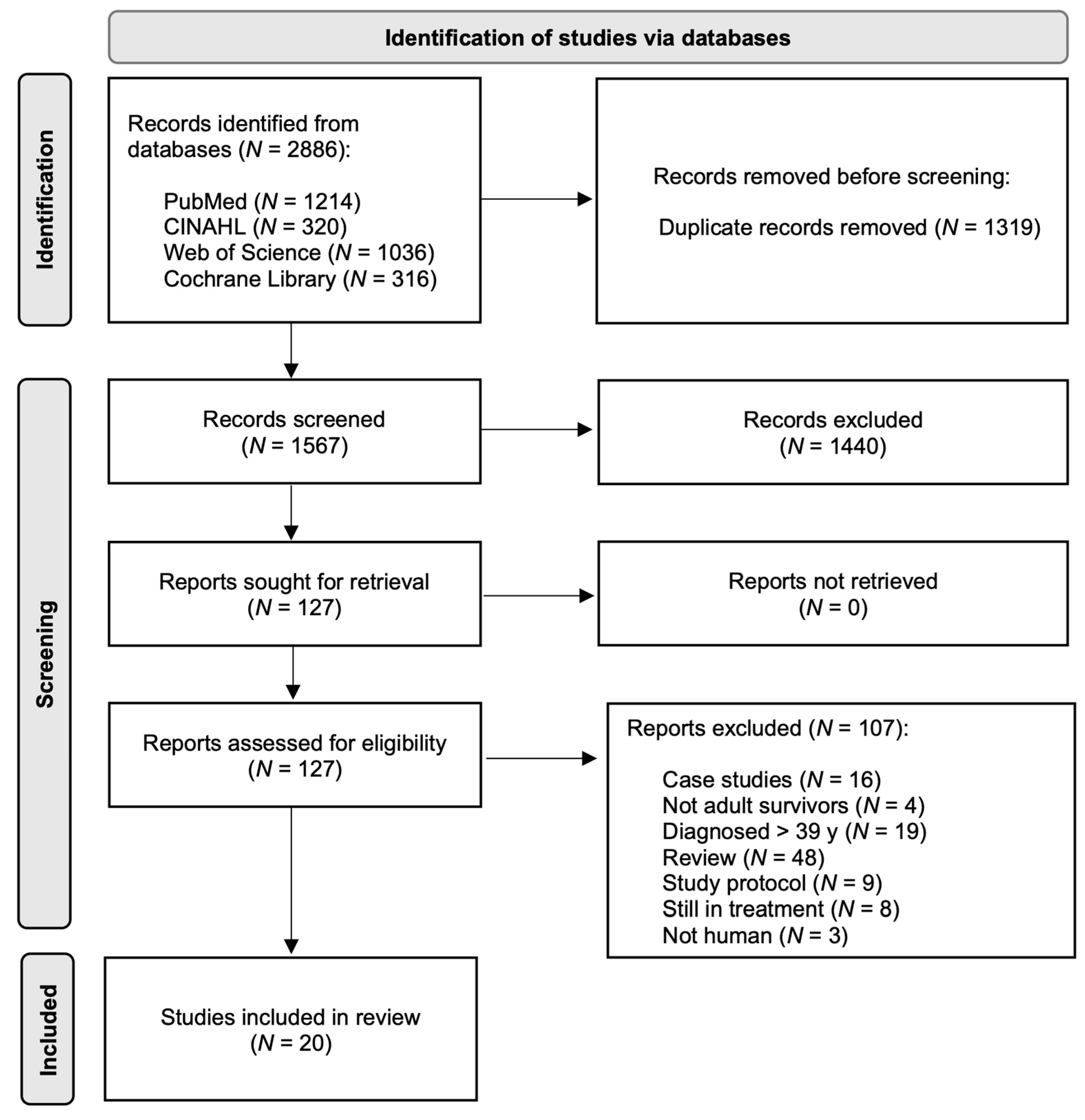
Figure 1. Manuscript selection flowchart.
Cancers 17 03625 g001
Table 1. Study characteristics.
Author
Country
PopulationAge at Evaluation
Time from Diagnosis/Treatment
Treatment ExposureOutcomes of Interest
Physical activity
Williams et al.,
2022 [28]
United States
N = 1760
47.9% male
91.8% white
37 (21–54)
23.15 (14.7, 34.3) median years from diagnosis
RT: 79.1%
Anthracycline: 43.4%
Cyclophosphamide: 59%
Methotrexate: 6.2%
Bleomycin: 35.8%
Corticosteroids: 58.1%
  • =PA guidelines compliance
  • PA was associated with lower risks in general QoL domains (RR: 0.64 [95% CI: 0.55–0.75])
  • ↑ RR of impairment in all QoL domains, except for pain
De Lima et al., 2018 [29]
Brazil
N = 512
41.7% male
25.0% white
32 ± 8
4.8 ± 3.54 mean years from diagnosis
NR
  • ↑ Fatigue among survivors than controls (14.0 ± 3.9 vs. 10.8 ± 3.4, p = 0.009)
  • =PA levels among survivors and controls
Jones et al., 2014 [30]
United States
N = 1187
50.5% male
85.3% white
42 (22–58)
16.7 (8.2–28.7) mean years from diagnosis
Any RT: 91.4%
Chest RT: 85.7%
Any chemo: 63%
Alkylating agent: 59.8%
Anthracycline: 20%
  • Mean vigorous intensity exercise behavior was 6.1 ± 6.3 METs hours/week−1
  • 36% of survivors reported no vigorous intensity exercise behavior
  • The cumulative incidence of any cardiovascular event (p < 0.001) was as follows:
12.2% at 10 years for survivors reporting 0 METs
11.9% for those reporting 3–6 METs
5.2% for those reporting >9 METs
  • Survivors meeting national vigorous intensity exercise guidelines (≥9 MET hours/week−1) had lower incidence of any cardiovascular event, except incidence of serious arrhythmias
  • There was a strong, graded inverse relationship between total vigorous intensity exercise (total MET hours/week−1) and incidence of any cardiovascular event (Ptrend = 0.002).
  • Compared to survivors reporting 0 MET hours/week:
Survivors with 3 to 6 MET hours/week showed adjusted rate ratio of 0.87 (95% CI, 0.56 to 1.34)
Survivors with 9 to 12 MET hours/week showed adjusted rate ratio of 0.45 (95% CI, 0.26 to 0.80)
Survivors with 15 to 21 MET hours/week showed adjusted rate ratio of 0.47 (95% CI, 0.23 to 0.95)
  • Adherence to guidelines for vigorous intensity exercise (i.e., >9 MET hours/week) was associated with an adjusted 51% decrease in the risk of any cardiovascular event in comparison with not meeting the guidelines (<9 MET hours/week) (p = 0.002)
  • There was a strong graded inverse relationship between total MET hours/week and incidence of coronary artery disease events (Ptrend = 0.005)
  • With the exception of heart failure events and compared with those reporting fewer than 9 MET hours/week−1, there were inverse relationships between meeting the national exercise guidelines (≥9 MET hours/week−1) and incidence valve replacement, serious arrhythmia and cardiovascular-related mortality
Oldervoll et al.,
2007 [31]
Norway
N = 476
56.0% male
46 (21–73)
17 ± 7.5 median years follow-up
RT: 27%
Chemo: 18%
Combined: 53%
  • ↑ Physically active than general population (48% vs. 25%, p < 0.0001)
  • 30% reported chronic fatigue
Fitness: cardiorespiratory
Heemelaar et al., 2021 [32]
The Netherlands
N = 75
41.3% male
46 ± 12
17.6 (12.4–25.8) mean years from treatment
RT: 100%
Chemo: 80%
  • 40% had elevated RHR (91 ± 10) defined as >80 bpm
  • =Baseline characteristics between patients with and without elevated RHR
Rizwan et al.,
2021 [33]
United States
N = 64
33.0% male
100.0% white
51 (26–71)
23 (11–51) median years from treatment
Mantle RT: 25%
Mantle and para-aortic RT: 55%
Mini-mantle RT: 1.6%
Mantle and cardiac RT: 6.3%
Anthracyclines: 41%
Surgery: 64%
  • 50% of survivors had abnormal predicted VO2 peak of <85%
  • Survivors exercised for a median of 7.6 METS, with a predicted VO2 peak of 26.4 cc/min/m2
  • ↓ Predicted VO2 peak by 13.2% every 10 years for survivors treated with RT (95% CI: −20.1% to −6.3%, p < 0.001)
  • Significantly negative association between predicted VO2 peak and time since RT (least squares mean = −7.0%, 95% CI: −11.7% to −2.4%, p = 0.003)
  • Survivors with abnormal (≤85%) predicted VO2 peak vs. normal predicted VO2 peak were as follows:
↑ Likely to have undergone mantle and para-aortic RT (73% vs. 41%; p = 0.009)
↓ Likely to have undergone combination RT and anthracycline therapy (28% vs. 53%; p = 0.042)
↑ RHR (92 vs. 82 bpm; p = 0.001)
↓ Peak HR (154 vs. 170 bpm; p < 0.001)
↑ Abnormal HRR (25% vs. 3%; p = 0.026)
↓ Lower FEV1 (median 2.16 L vs. 3.14 L; p < 0.001) and predicted FEV1 (median 82% vs. 95%; p = 0.001)
↑ Likely to have moderate to severe pulmonary disease patterns on spirometry (31% vs. 0%; p = 0.001), most commonly obstructive findings (14 of 32; 44%)
↑ Cardiovascular events (59% vs. 16%; p < 0.001)
After adjusting for hypertension and BMI, abnormal predicted VO2 peak was an independent predictor of future cardiovascular events (HR: 6.37; 95% CI: 2.06 to 19.80; p = 0.001)
Ng et al.,
2005 [34]
United States
N = 503
49.0% male
44 (16–82)
15 median years follow-up
RT: 61%
Chemo: 4%
Combined: 35%
  • 37% had fatigue scores worse than US general population (p = 0.01)
  • ↓ Exercise frequency was significantly associated with higher fatigue (p = 0.03)
Adams et al., 2004 [35]
United States
N = 48
48.0% male
94.7% white
31.9 (18.7–49.5)
14.3 (5.9–27.5) median years from diagnosis
RT: 100%
Chemo: 43.75%
Anthracycline: 8.33%
  • 19.6% exercised for less than 6 min in exercise stress test
  • 53.0% had an abnormality on their exercise stress test
  • 30.0% had a VO2 peak during exercise less than 20 mL/kg/m2
  • 39.5% complained of shortness of breath, but only 12.5% reported it as a significant problem
  • 27.0% had blunted blood pressure/HR response to exercise stress test
  • Anthracycline exposure had a higher average 24 h HR (94.8 vs. 84.7 bpm, p = 0.0079)
  • Physical QoL in those with abnormally low VO2 peak ≤20 mL/kg/m2) was 47.4, compared with 54.1 in those with a normal value (p = 0.011)
  • Each unit increase in VO2 peak was associated with physical QoL increment by 0.60 (p = 0.0002)
  • The physical QoL was inversely correlated with average daily HR and RHR (p = 0.002)
  • Average HR greater than 90 bpm was associated with a decreased physical QoL (p = 0.0012)
  • ↓ Physical QoL by three points compared to an adult national sample (p = 0.0085)
  • =Mental QoL compared to an adult national sample
  • VO2 peak was correlated with greater shortness of breath problems and fatigue (r = −0.353, p = 0.02)
  • 67% reported feeling fatigued (35% stating moderate to severe)
Kadota et al.,
1988 [36]
United States
N = 12
58.3% male
NR
9.8 mean years from treatment
RT: 100%
Chemo: 33.3%
  • 50% of survivors had reduced exercise tolerance, which was manifested by subnormal values for duration of exercise or maximal oxygen uptake
  • Maximal HR, systemic arterial blood pressure, respiratory rate, tidal volume, systemic arterial blood oxygen saturation, ventilatory equivalent for oxygen, cardiac output and stroke volume were normal in all survivors
Fitness: muscle strength
Tacyildiz et al.,
2024 [37]
Turkey
N = 50
66.0% male
21 ± 6
0–5 years from diagnosis: 25%
5–10 years from diagnosis: 26%
>10 years from diagnosis: 49%
RT: 100%
Chemo: 100%
  • ↓ Physical functioning in 14% of survivors
  • 11% of survivors recorded impairments in pulmonary function test, whereas no participants in the control group had such impairments
  • ↓ Difficulty in walking or extremity movements in 10% of survivors
Stadtbaeumer et al.,
2020 [38]
Germany
N = 3596
45.9% male
35 ± 11
NR
NR
  • ↑ Overall level of cancer-related fatigue is accompanied by ↓ overall level in each functional health domains
  • Earlier within-person deviations in cancer-related fatigue negatively predicted subsequent within-person deviations in all five functional health domains
Wogksch et al.,
2019 [39]
United States
N = 336
53.6% male
85.1% white
NR
28.1 ± 9.2 mean years from treatment
Any RT: 97.6%
Lung RT (>25 Gy): 64%
Chest RT (>25 Gy): 86%
Bleomycin: 25%
Alkylating agent: 68.5%
Doxorubicin: 64.3%
Dexamethasone: 2.7%
Prednisone: 55.7%
Vinblastine: 67.3%
Vincristine: 66.7%
  • ↓ Muscular strength only in females vs. controls (knee extension, 145.7 ± 4.0 vs. 163.4 ± 4.0 Nm/kg and handgrip strength, 29.8 ± 0.5 vs. 32.2 + 0.5 Nm/kg)
  • Male survivors had excess impairment (higher than 6.7% in the general population) in muscular fatigue (~20%)
  • ↓ 6MWT in males and females vs. controls (males: 604.4 ± 7.9 vs. 637.7 ± 7.5 m; female: 564.5 ± 6.9 vs. 590.6 ± 7.0 m)
  • ↑ RHR in males and females vs. controls (male: 77.6 ± 1.0 vs. 71.2 ± 0.9 bpm; female: 85.4 ± 1.1 vs. 76.6 ± 1.2 bpm)
  • ↑ Resting peripheral nervous system integrity scores in males and females vs. controls (adjusted mean difference in males: 1.4 [99% CI: 0.9, 2.1] and females: 1.7 [99% CI: 1.1, 2.4])
  • =PA guidelines compliance (odds ratio: 0.78, 99% CI: 0.56, 1.09)
  • 20% of male survivors had excess impaired body fat percentage (≥1.5 SD from the control mean)
  • Survivors with cardiovascular chronic conditions had greater odds of having impaired aerobic endurance (odds ratio: 2.36, 99% CI: 1.00, 5.61)
  • Survivors with a neurologic chronic condition had greater odds of having impaired aerobic endurance (odds ratio: 2.96, 99% CI: 1.28, 6.69), muscular strength (odds ratio: 2.94, 99% CI: 1.24, 6.96), balance (odds ratio: 2.56, 99% CI: 1.13, 5.79) and peripheral nervous system integrity (odds ratio: 2.23, 99% CI: 1.06, 4.69) compared to survivors without a neurologic chronic condition
  • Survivors with pulmonary chronic conditions had greater odds of impaired aerobic endurance (odds ratio: 2.78, 99% CI: 1.30, 5.94), compared to survivors without pulmonary chronic conditions
  • Survivors had a mean (SD) Physical QoL of 48.1 (11.2) and a mean Mental QoL of 46.8 (11.8)
Rach et al.,
2016 [40]
United States
N = 751
49.5% male
NR
NR
Chest RT (≥30 Gy): 59.3%
Anthracycline: 21%
Alkylating agents: 55.8%
Bleomycin: 19.6%
Vinca alkaloids and heavy metals: 55.7%
  • 17% of survivors reported elevated fatigue
Roper et al.,
2013 [41]
United States
N = 40
40.0% male
90.0% white
31 ± 6
NR
RT: 5%
Chemo: 59%
Combined: 36%
  • ↑ Functional status (SF-12) from end of treatment to 6 months (p < 0.001)
  • Physical distress (measured via symptom distress scale [SDS]) 13 item scale → includes pain, fatigue, outlook, breathing: lower mean scores at all timepoints vs. baseline (p ≤ 0.0001)
Calaminus et al., 2014 [42]
Germany
N = 725
45.9% male
NR
15.26 ± 5.89 mean years from diagnosis
RT (>30 Gy): 31.6%
Chemo (>6 cycles): 28.7%
  • ↓ QoL in all domains (physical, emotional, social, role and cognitive functioning and global)
  • ↑ Fatigue among survivors
Van Leeuwen-Segarceanu et al.,
2012 [43]
The Netherlands
N = 81
50.0% male
53 ± 10
NR
RT: 100%
Chemo: 50%
  • 31% had neck muscle weakness
  • Survivors were particularly disabled in the following activities:
Walking for more than 30 min
Swimming
Lifting the head while in a supine position,
Driving a car
Working on the computer
Reading
Lifting heavy bags
  • 100% of survivors irradiated more than 30 years ago had neck muscle weakness (4/4), whereas none (0/13) had it after RT less than 10 years ago
  • Among survivors treated with mantle field RT:
85.0% had neck muscle weakness
67.0% had abnormal neck flexors strength
33.0% had abnormal neck extensors strength
67.0% had abnormal shoulder abductor strength
42.0% had abnormal elbow flexors strength
17.0% had abnormal antebrachial flexors strength
83.8% presented fatigue in the neck muscles
Hjermstad et al., 2006 [44]
Norway
N = 475
56.0% male
100.0% white
46 ± 12
16.3 (4.4–36) median years median follow-up
RT: 31%
Chemo: 14%
Combined: 55%
  • ↑ Physical, mental, total and chronic fatigue among survivors (all p < 0.001)
  • ↑ Chronic fatigue three times higher than controls (p < 0.001)
Body composition
Kaste et al., 2009 [45]
United States
N = 109
50.5% male
85.3% white
NR
9.4 (5.1–13.0) median years from treatment
Lumbar spine RT: 29.3%
Procarbazine: 60.2%
Cyclophosphamide: 63.9%
Methotrexate (>150 mg/m2): 30.8%
Prednisone (>2000 mg/m2): 34.6%
  • ↓ BMD (<−1.5 SD = 14.7%; <−2.0 SD = 7.3%) compared to matched population for age and sex
  • All survivors with BMD Z-scores below −1.5 were white
  • Male survivors were more likely than female survivors to have BMD Z-scores <−1.5 (p < 0.04)
Van Beek et al.,
2009 [46]
The Netherlands
N = 88
63.6% male
27 (18–43)
15.5 (5.6–30.2) median years from treatment
RT: 19.8%
Chemo: 100%
  • =Total body lean mass (p > 0.05)
  • =BMD of the total body and BMD and BMAD of the lumbar spine were comparable to controls in all male survivors treated with chemotherapy only
  • ↓ Total body BMD of female survivors treated with combination chemotherapy adriamycin (doxorubicin), bleomycin, vinblastine and dacarbazine or epirubicin, bleomycin, vinblastine, dacarbazine with mechlorethamine, vincristine, procarbazine and prednisone (mean difference 0.052 g/cm2; 95% CI: 0.09 to 0.02, p = 0.006)
  • ↑ Total body fat (%) of female survivors treated with combination chemotherapy adriamycin (doxorubicin), bleomycin, vinblastine and dacarbazine or epirubicin, bleomycin, vinblastine, dacarbazine (mean difference 5.4% [95% CI: 2.12–8.65], p = 0.001)
Autonomic dysfunction
Groarke et al., 2015 [47]
United States
N = 263
46.0% male
50 ± 11
19 (12–26) mean years from treatment
RT: 100%
Adjuvant anthracycline: 46%
  • ↑ RHR in survivors exposed to RT compared to matched controls (78 ± 12 vs. 68 ± 12 bpm) (p < 0.0001)
  • ↑ Frequency of abnormal HR in survivors exposed to RT compared to matched controls (31.9% vs. 9.3%) (p < 0.0001)
  • ↓ Rate-pressure product at peak exercise among survivors exposed to RT compared to matched controls (25,065 ± 5459 vs. 26,411 ± 5794) (p = 0.002)
  • ↓ Exercise duration in survivors exposed to RT with elevated RHR (9.2 ± 2.9 min vs. 10.7 ± 3.1 min) and those with abnormal HRR (8.3 ± 3.1 min vs. 10.6 ± 2.9 min) (p < 0.0001)
  • Elevated RHR and abnormal HR recovery were associated with a 1.1 ± 0.3 min (p = 0.001) and a 1.0 ± 0.4 min (p = 0.006) reduction in exercise duration
  • ↑ RHR and abnormal HR recovery were associated with a 1.1 ± 0.4 (p = 0.002) and a 1.0 ± 0.4 (p = 0.007) reduction in METs achieved among survivors exposed to RT
  • Abnormal HRR was associated with increased all-cause mortality (age-adjusted hazard ratio: 4.60 [95% CI: 1.62 to 13.02])
All studies were cross-sectional, except for Roper et al. Abbreviations: 6MWT: six-minute walking test, BMAD: bone mineral apparent density, BMD: bone mineral density, BMI: body mass index, bpm: beats per minute, CI: Confidence Interval, Chemo: chemotherapy, FEV: forced expiratory volume, HL: Hodgkin’s lymphoma, HRR: heart rate recovery, MET: metabolic equivalent of task, Nm: newton meters, NR: not reported, PA: physical activity, QoL: quality of life, RH: heart rate, RHR: resting heart rate, RR: relative risk, RT: radiation, US: United States, VO2: volume of oxygen consumption.
Disclaimer/Publisher’s Note: The statements, opinions and data contained in all publications are solely those of the individual author(s) and contributor(s) and not of MDPI and/or the editor(s). MDPI and/or the editor(s) disclaim responsibility for any injury to people or property resulting from any ideas, methods, instructions or products referred to in the content.


