The Role of Long Non-Coding RNAs (lncRNAs) in Female Oriented Cancers
by
 , , , , and
Faiza Naz
1,† ,
,
Imran Tariq
1,2,*,† ,
,
Sajid Ali
2,3,
Ahmed Somaida
2 ,
,
Eduard Preis
2 and
and
Udo Bakowsky
2,*
1
Punjab University College of Pharmacy, Allama Iqbal Campus, University of the Punjab, Lahore 54000, Pakistan
2
Department of Pharmaceutics and Biopharmaceutics, University of Marburg, Robert-Koch-Str. 4, 35037 Marburg, Germany
3
Angström Laboratory, Department of Chemistry, Uppsala University, 75123 Uppsala, Sweden
*
Authors to whom correspondence should be addressed.
†
Authors contributed equally.
Cancers 2021, 13(23), 6102; https://doi.org/10.3390/cancers13236102
Submission received: 25 October 2021
/
Revised: 14 November 2021
/
Accepted: 30 November 2021
/
Published: 3 December 2021
(This article belongs to the Collection The Role of Non-coding RNA in Cancer)
Simple Summary
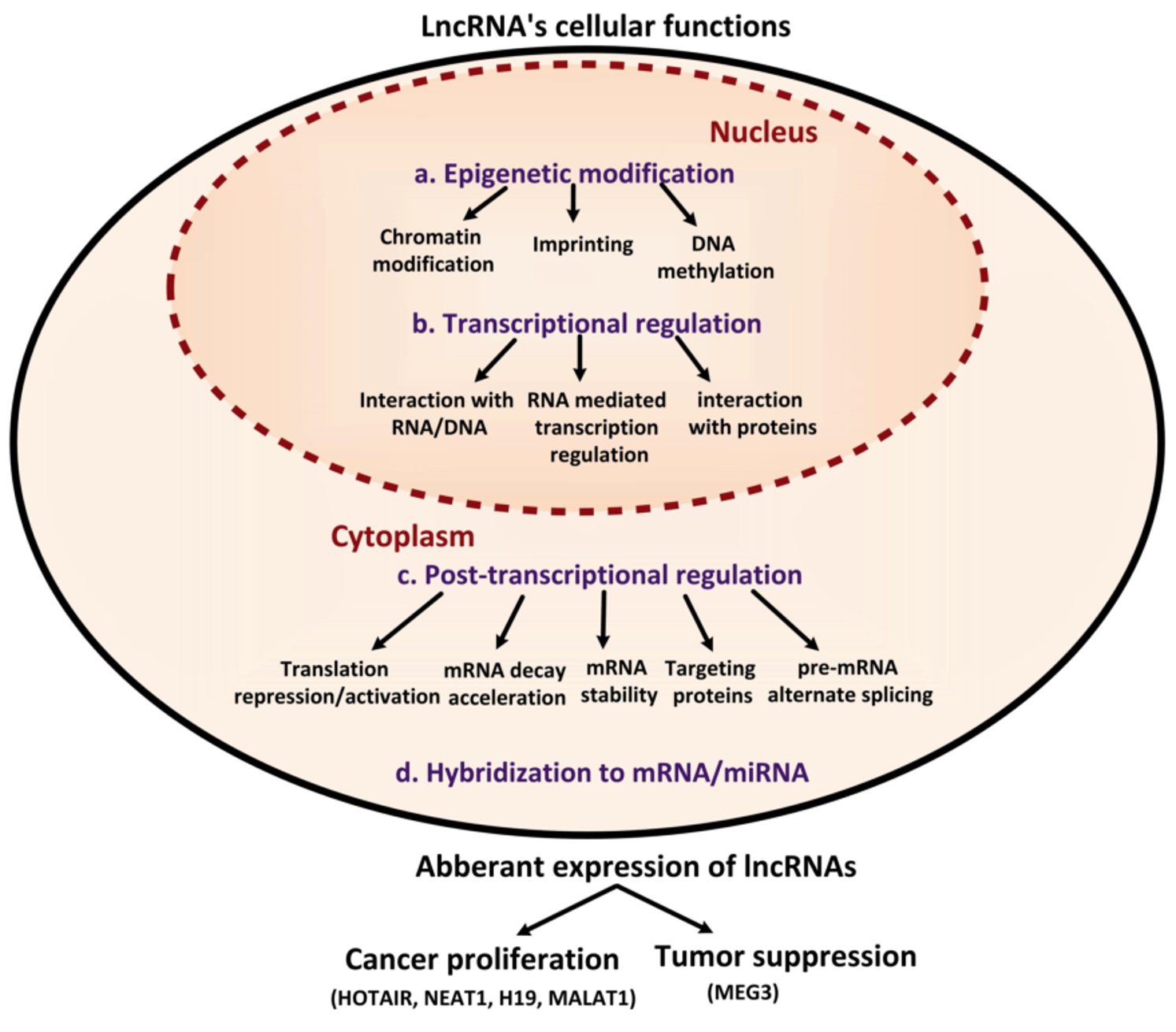
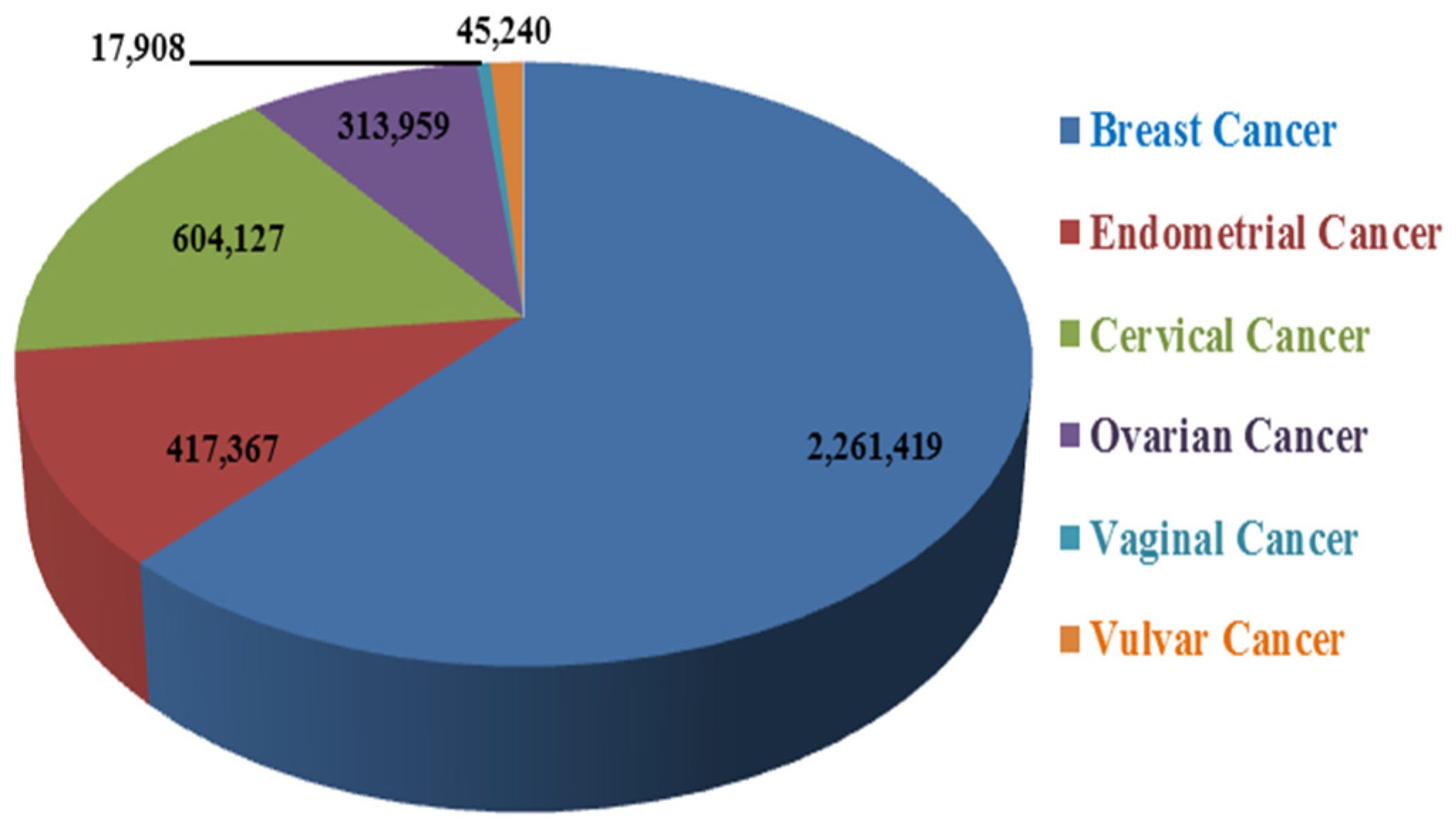
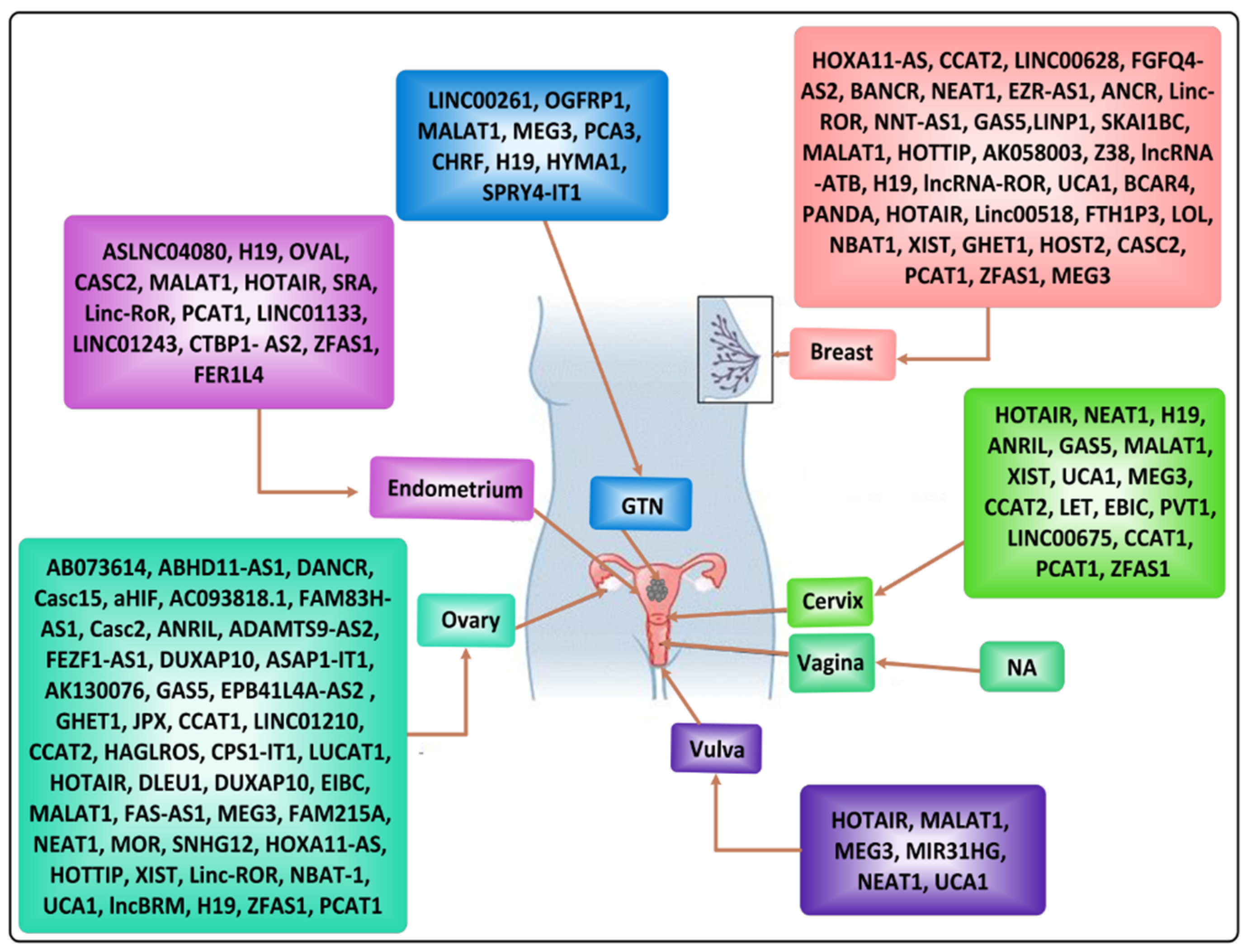
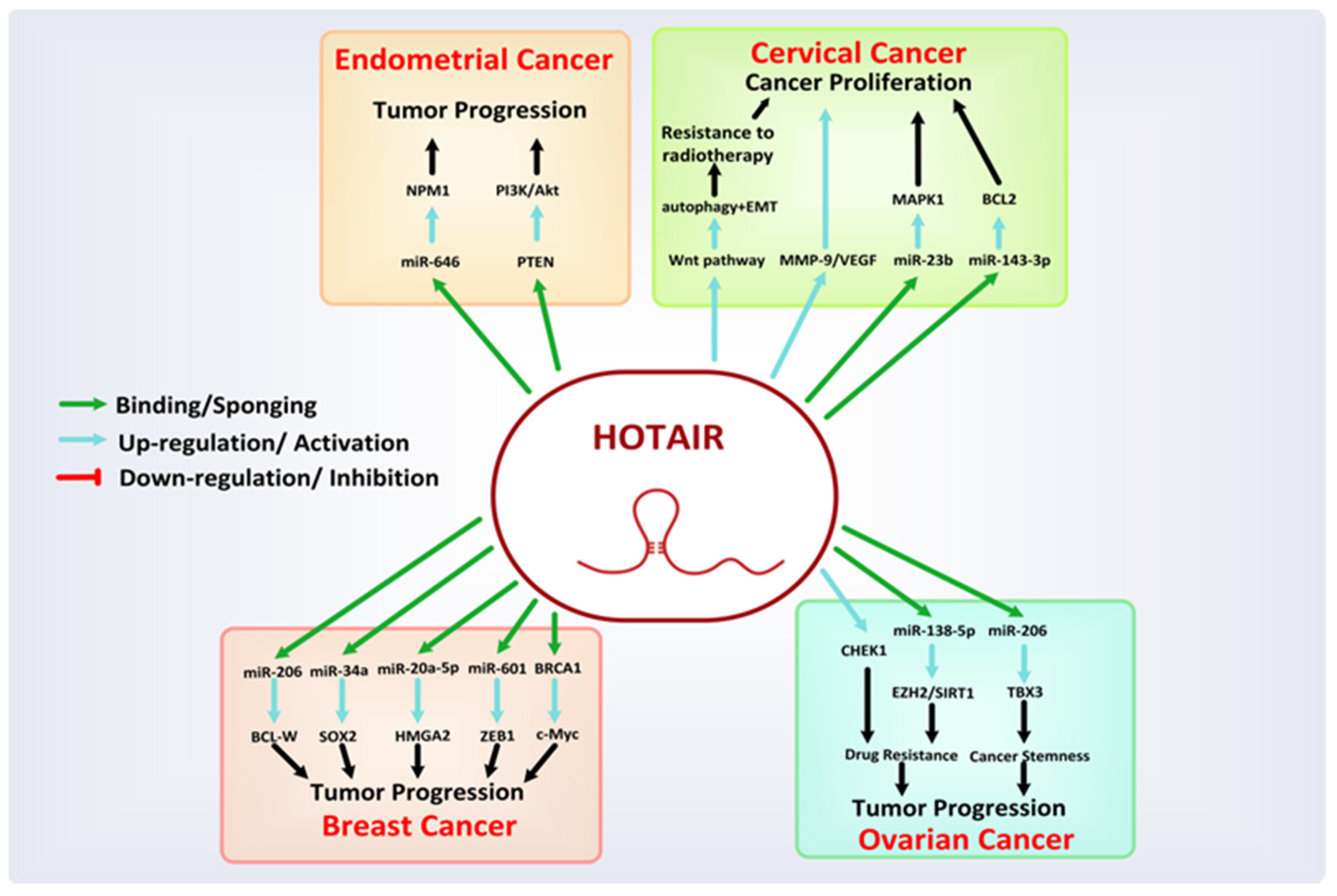
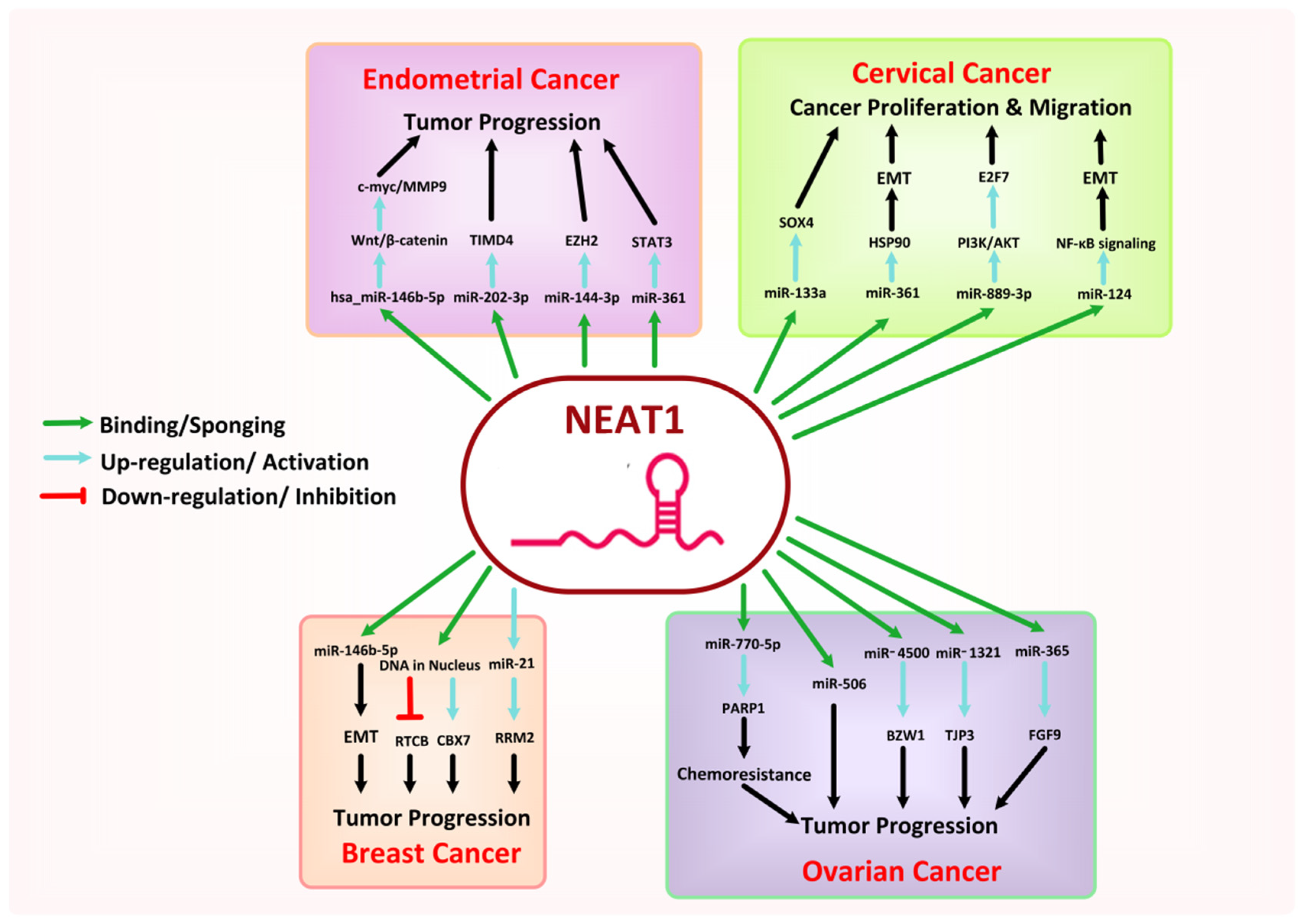
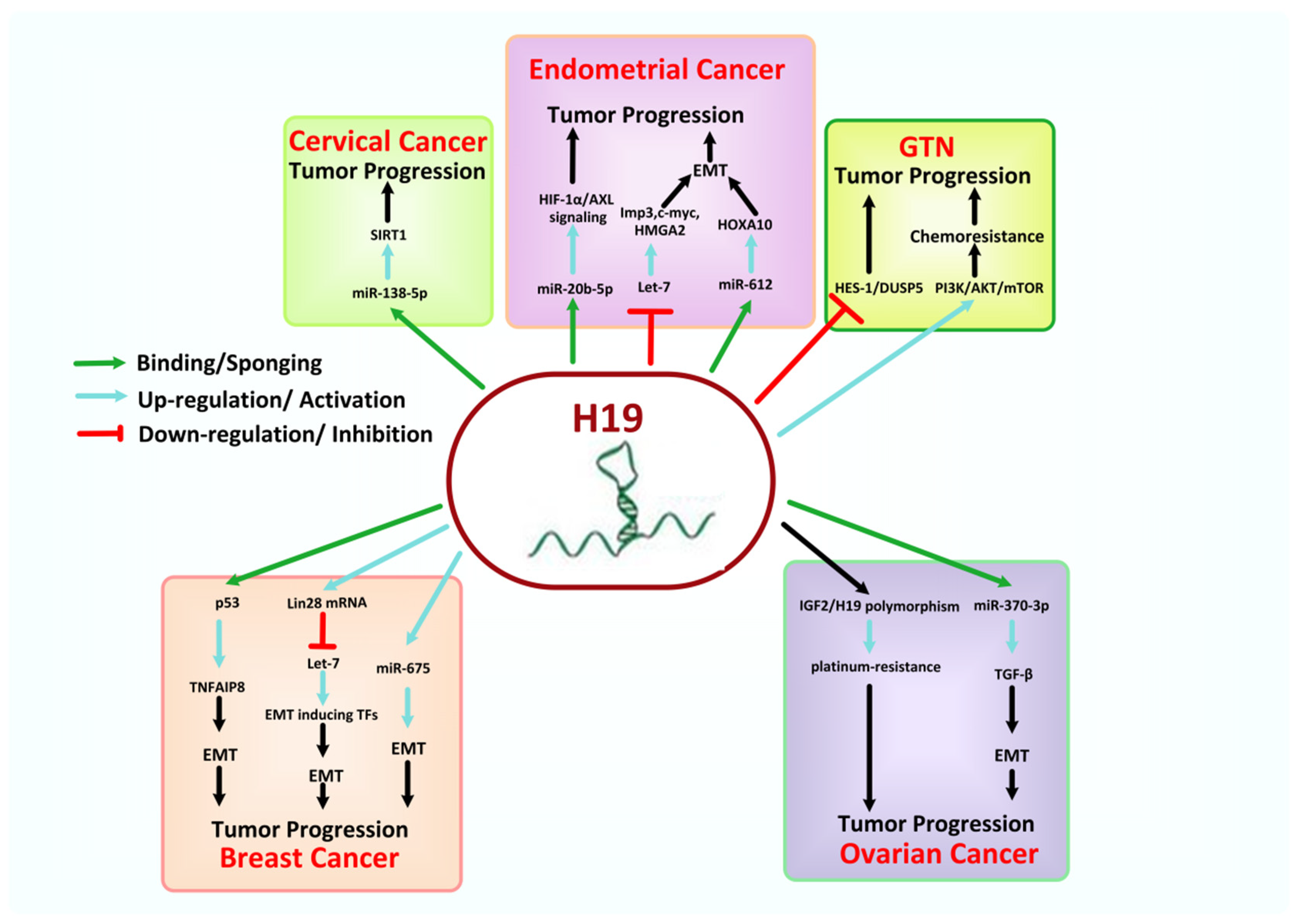
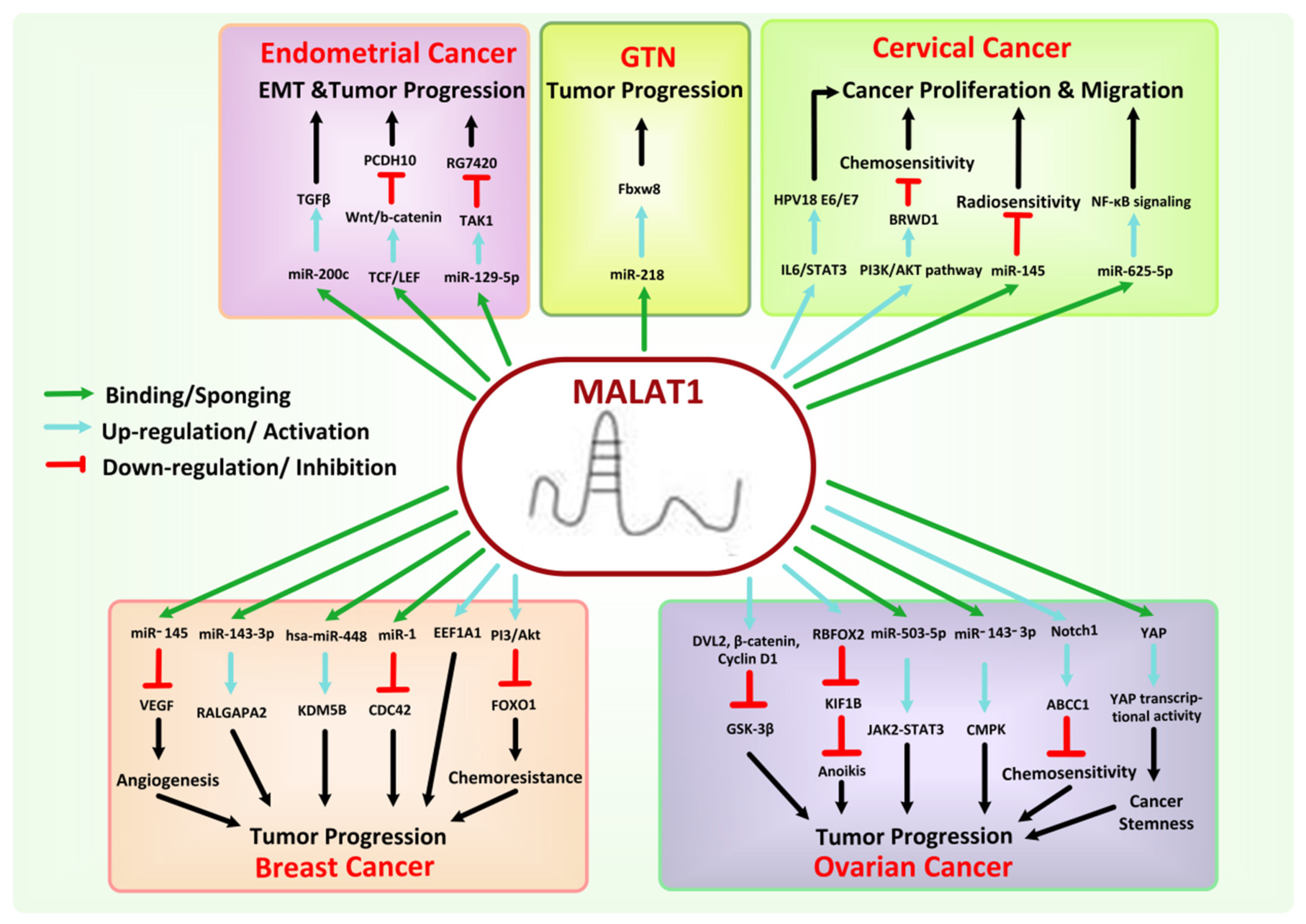
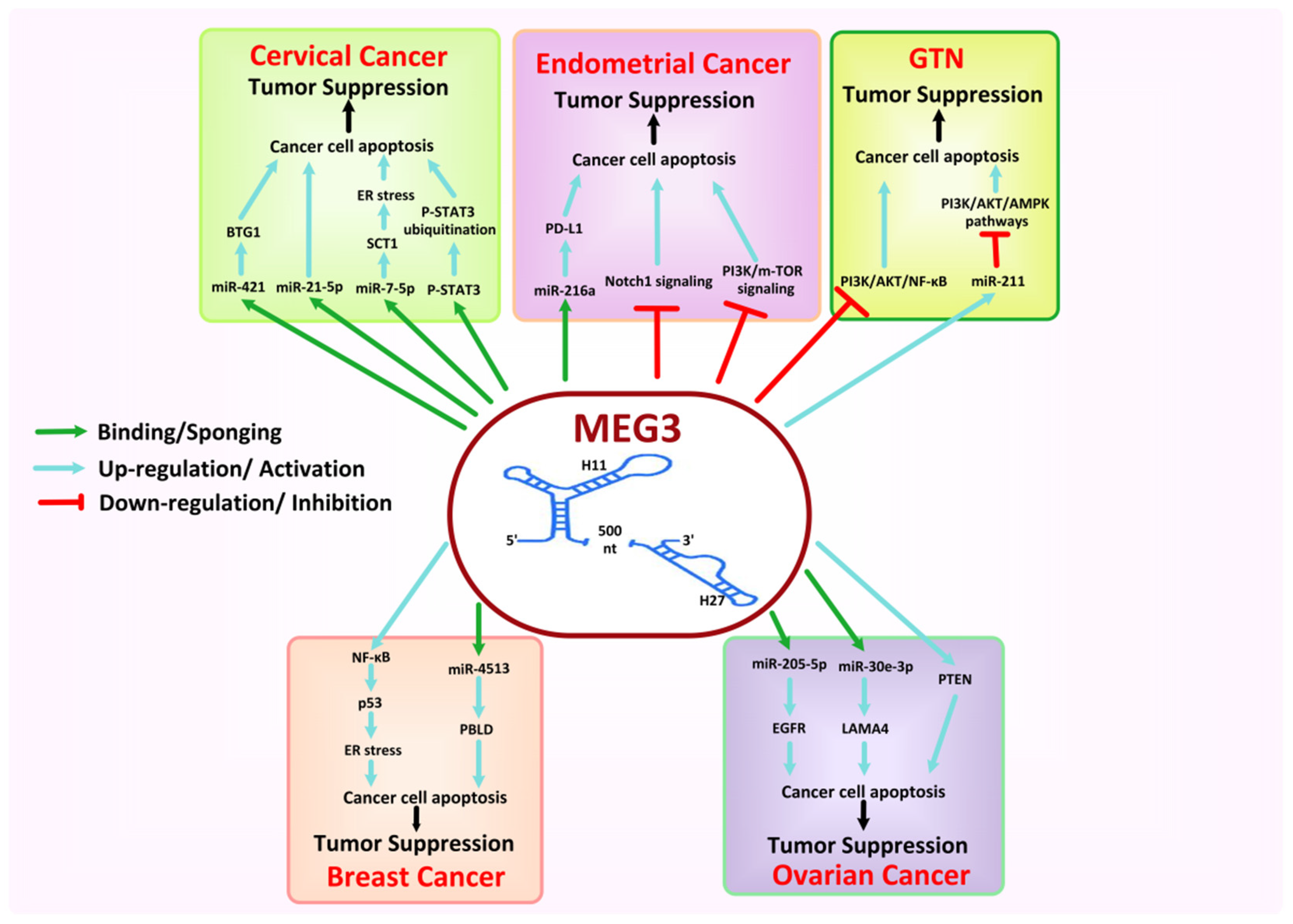
Breast and gynecological cancers, broadly termed as female-oriented cancers, are the primary cause of death among females in developed and developing countries. Tumor invasion and metastasis cause the aggressiveness of these cancer types. The occurrence and frequency of women’s cancers are associated with genetics, personal lifestyle, body shape, age, menopause status, history of exposure to carcinogens or viruses, and geographical habitat. Moreover, ncRNAs, especially lncRNAs, play an essential role in regulating cellular functions within such cancers. LncRNAs can play dual roles. They can either exert tumor-suppressive or oncogenic functions in women’s cancers. Accumulating evidence suggests that lncRNAs can be promising prognostic and diagnostic biomarkers and therapeutic targets in cancers. Thus, understanding the mechanism and role of lncRNAs might provide new opportunities for diagnosing and treating female-oriented cancers. In this review, we discuss the worldwide incidence of breast and gynecological cancers, including endometrial, cervical, ovarian, vaginal, vulvar cancers, and GTN among women. We further provide various perspectives on the association of some lncRNAs, i.e., HOTAIR, NEAT1, H19, MALAT1, and MEG3, in terms of invasion, proliferation, metastasis, apoptosis, and drug resistance of breast and gynecological cancers based on recent discoveries. Finally, we present insight and prospects into the potential of these lncRNAs for evaluating the prognosis, diagnosis, and treatment of such cancers.
Abstract
Recent advances in molecular biology have discovered the mysterious role of long non-coding RNAs (lncRNAs) as potential biomarkers for cancer diagnosis and targets for advanced cancer therapy. Studies have shown that lncRNAs take part in the incidence and development of cancers in humans. However, previously they were considered as mere RNA noise or transcription byproducts lacking any biological function. In this article, we present a summary of the progress on ascertaining the biological functions of five lncRNAs (HOTAIR, NEAT1, H19, MALAT1, and MEG3) in female-oriented cancers, including breast and gynecological cancers, with the perspective of carcinogenesis, cancer proliferation, and metastasis. We provide the current state of knowledge from the past five years of the literature to discuss the clinical importance of such lncRNAs as therapeutic targets or early diagnostic biomarkers. We reviewed the consequences, either oncogenic or tumor-suppressing features, of their aberrant expression in female-oriented cancers. We tried to explain the established mechanism by which they regulate cancer proliferation and metastasis by competing with miRNAs and other mechanisms involved via regulating genes and signaling pathways. In addition, we revealed the association between stated lncRNAs and chemo-resistance or radio-resistance and their potential clinical applications and future perspectives.
Keywords:
lncRNAs; breast cancer; gynecological cancers; HOTAIR; NEAT1; H19; MALAT1; MEG3