Automated Analysis of Proliferating Cells Spatial Organisation Predicts Prognosis in Lung Neuroendocrine Neoplasms
by
 , , , , , , , , , , , , , , , , , , and
Matteo Bulloni
1 ,
,
Giada Sandrini
1,
Irene Stacchiotti
1,
Massimo Barberis
2 ,
,
Fiorella Calabrese
3, 
Lina Carvalho
4,
Gabriella Fontanini
5,
Greta Alì
6, 
Francesco Fortarezza
6,
Paul Hofman
7 ,
,
Veronique Hofman
7,
Izidor Kern
8,
Eugenio Maiorano
9 ,
,
Roberta Maragliano
10,
Deborah Marchiori
10,
Jasna Metovic
11,
Mauro Papotti
11,
Federica Pezzuto
3,
Eleonora Pisa
2,
Myriam Remmelink
12,
Gabriella Serio
9,
Andrea Marzullo
9,
Senia Maria Rosaria Trabucco
9,
Antonio Pennella
13,
Angela De Palma
14 ,
,
Giuseppe Marulli
14, 
Ambrogio Fassina
15,
Valeria Maffeis
15,
Gabriella Nesi
16 ,
,
Salma Naheed
17,
Federico Rea
18,
Christian H. Ottensmeier
19,
Fausto Sessa
10,
Silvia Uccella
10,
Giuseppe Pelosi
20,21,† and
Linda Pattini
1,*,†add
Show full author list

1
Department of Electronics, Information and Bioengineering, Politecnico di Milano, 20133 Milan, Italy
2
Division of Pathology, IRCCS European Institute of Oncology, 20136 Milan, Italy
3
Pathology Unit, Department of Cardiac, Thoracic, Vascular Sciences, and Public Health, Medical School, University of Padua, 35122 Padua, Italy
4
Anatomical Pathology Unit-Hospitais da Universidade de Coimbra/Centro Hospitalar e Universitário de Coimbra-Portugal, Faculty of Medicine, University of Coimbra-Portugal, 3004-504 Coimbra, Portugal
5
Department of Surgical Pathology, Medical, Molecular and Critical Area, University of Pisa, 56126 Pisa, Italy
6
Operative Unit of Anatomic Pathology, Azienda Ospedaliero-Universitaria Pisana, 56126 Pisa, Italy
7
Laboratory of Clinical and Experimental Pathology, FHU OncoAge, Louis Pasteur Hospital BB-0033-00025, IRCAN, Université Côte d’Azur, 06100 Nice, France
8
Department of Pathology, University Clinic of Respiratory and Allergic Diseases Golnik, 4204 Golnik, Slovenia
9
Pathology Section, Department of Emergency and Organ Transplantation, University of Bari, 70121 Bari, Italy
10
Pathology Unit, Department of Medicine and Surgery, University of Insubria, 21100 Varese, Italy
11
Department of Oncology, University of Turin, 10124 Turin, Italy
12
Department of Pathology, Erasme Hospital, Université Libre de Bruxelles, 1050 Brussels, Belgium
13
Pathology Division, Department of Surgery, University of Foggia, 71122 Foggia, Italy
14
Thoracic Surgery Section, Department of Surgery and Organ Transplantation, University of Bari, 70121 Bari, Italy
15
Surgical Pathology & Cytopathology Unit, Department of Medicine (DIMED), University of Padova, Via Aristide Gabelli, 61, 35121 Padova, Italy
16
Department of Health Sciences, University of Florence, 50139 Florence, Italy
17
Cancer Sciences Unit, Faculty of Medicine, University of Southampton, Southampton SO17 1BJ, UK
18
Thoracic Surgery Unit, Department of Cardiac, Thoracic, Vascular Sciences, and Public Health, Medical School, University of Padua, 35122 Padua, Italy
19
Liverpool Head and Neck Centre, Department of Molecular & Clinical Cancer Medicine, Institute of Translational Medicine, University of Liverpool, Liverpool L1 8JX, UK
20
Department of Oncology and Hemato-Oncology, University of Milan, 20122 Milan, Italy
21
Inter-Hospital Pathology Division, IRCCS MultiMedica, 20138 Milan, Italy
*
Author to whom correspondence should be addressed.
†
Both authors contributed equally as senior authors.
Cancers 2021, 13(19), 4875; https://doi.org/10.3390/cancers13194875
Submission received: 24 June 2021
/
Revised: 9 August 2021
/
Accepted: 23 September 2021
/
Published: 29 September 2021
(This article belongs to the Special Issue Heterogeneity of Neuroendocrine Tumors: Impact on Biology and Response to Treatments)
Simple Summary
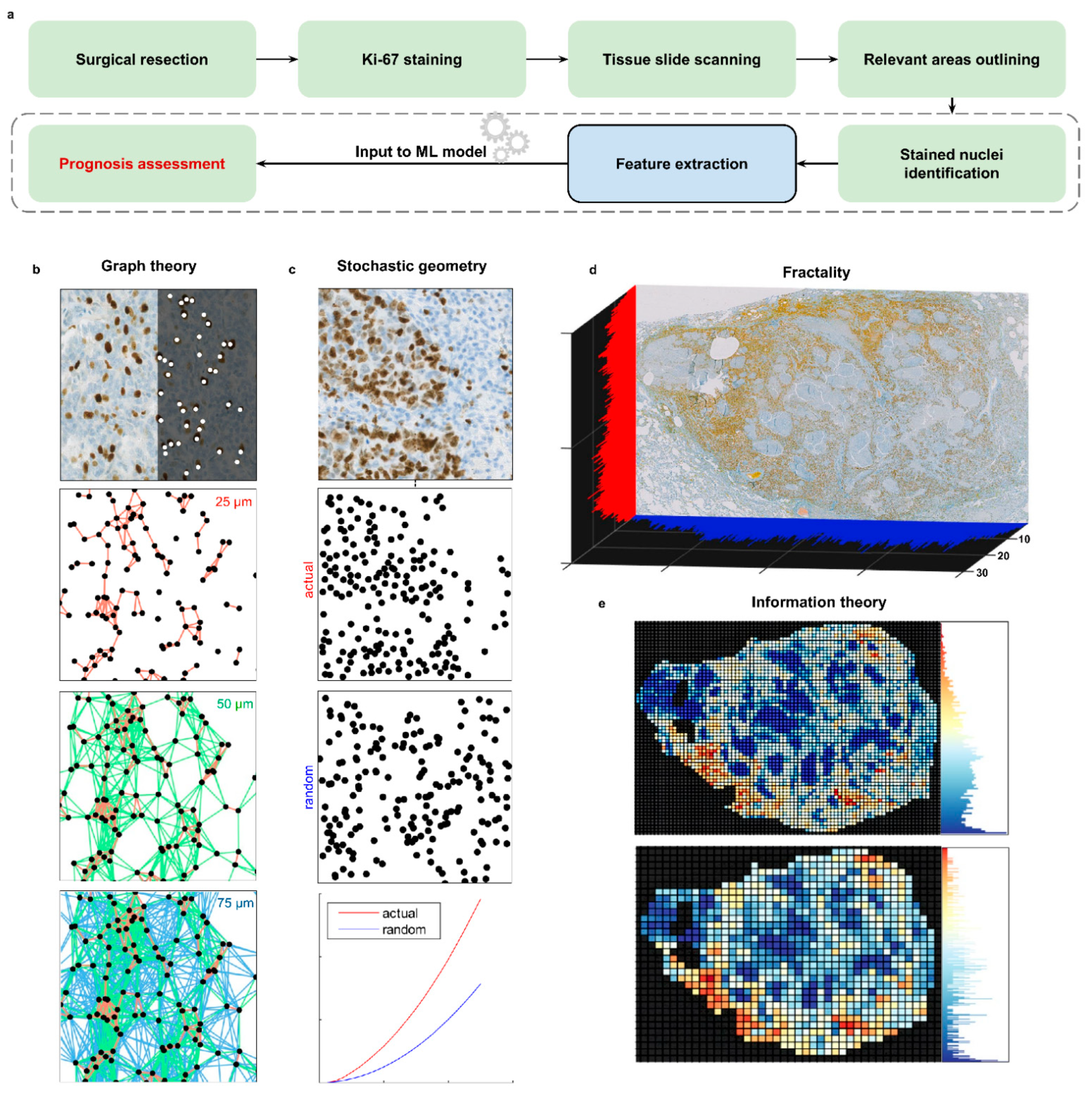
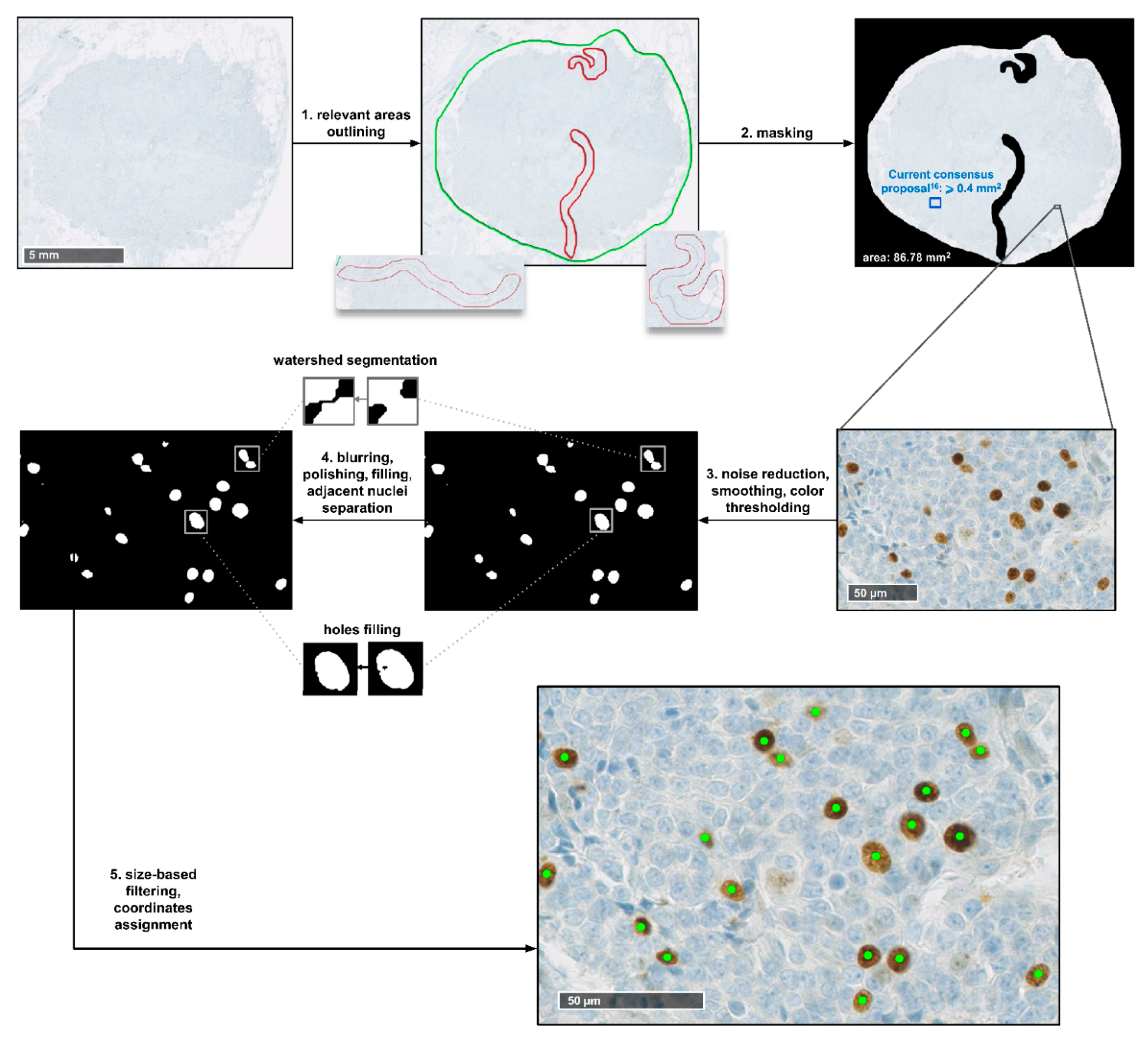
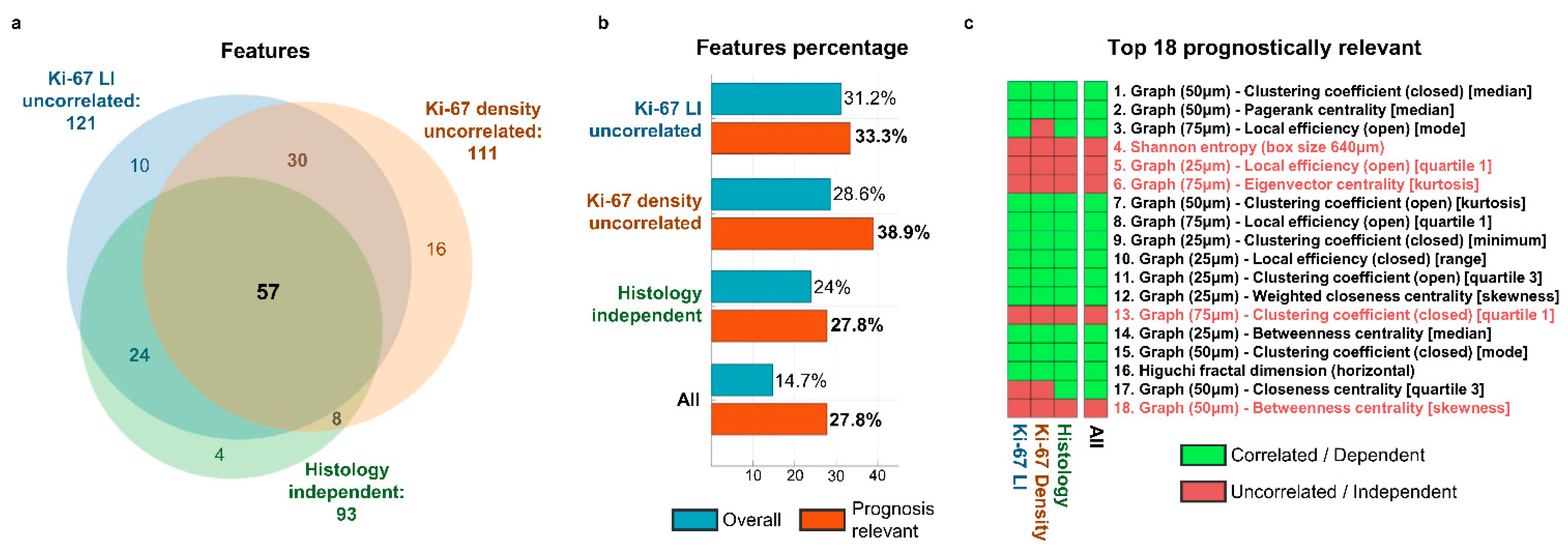
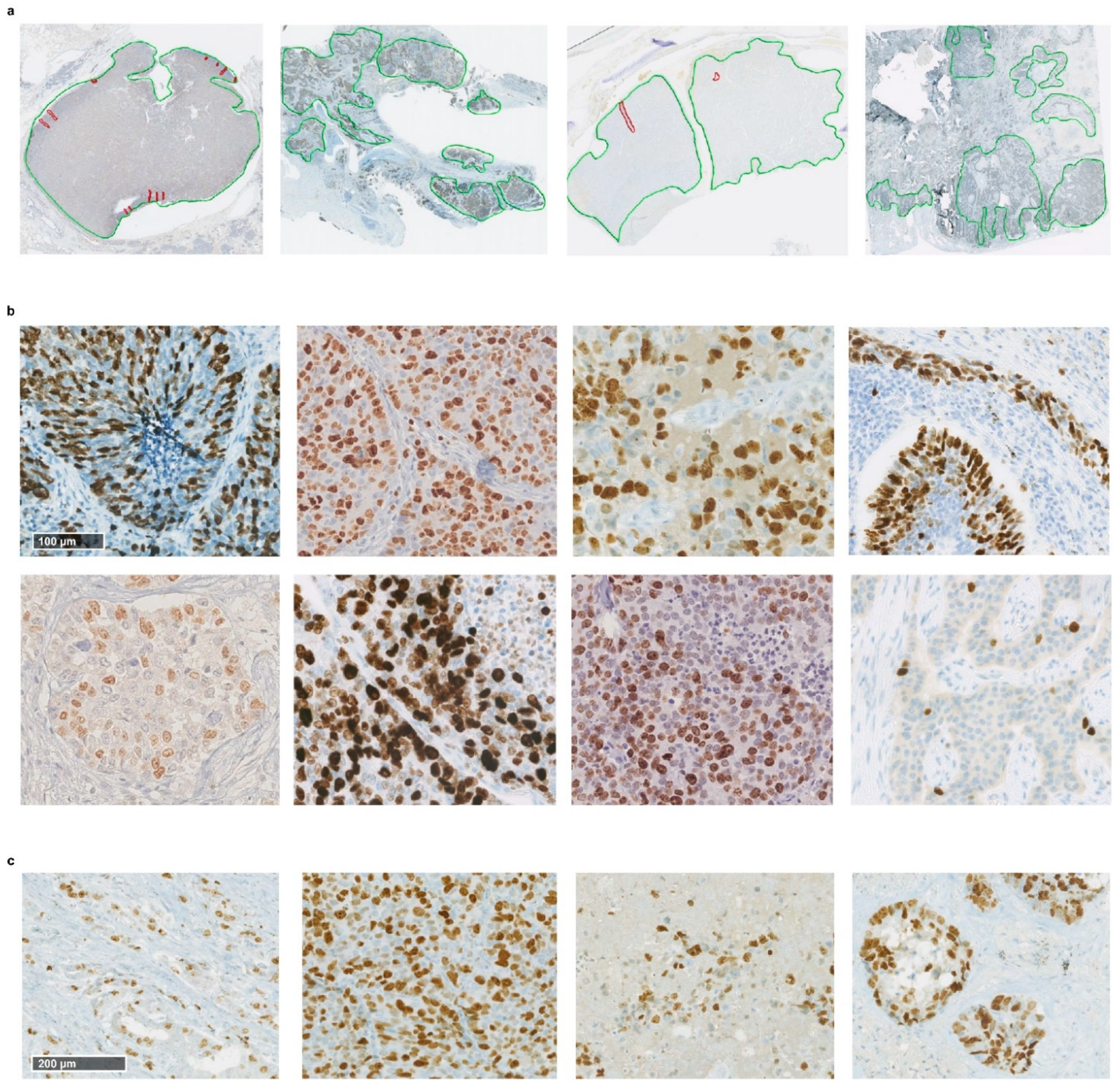
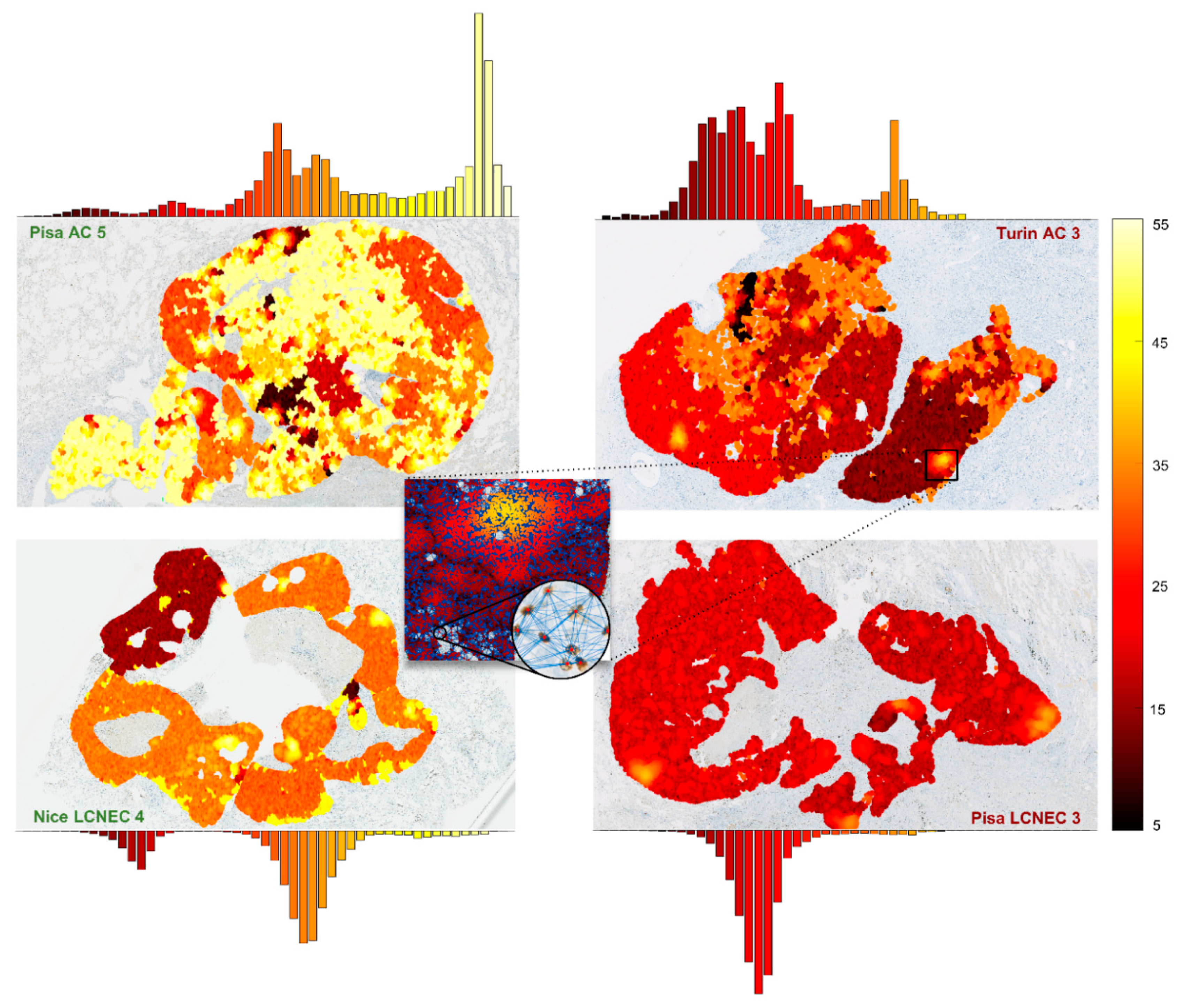
Lung neuroendocrine neoplasms (lung NENs) are categorised by morphology, defining a classification sometimes unable to reflect ultimate clinical outcome, particularly for the intermediate domains of adenocarcinomas and large-cell neuroendocrine carcinomas. Moreover, subjectivity and poor reproducibility characterise diagnosis and prognosis assessment of all NENs. The aim of this study was to design and evaluate an objective and reproducible approach to the grading of lung NENs, potentially extendable to other NENs, by exploring a completely new perspective of interpreting the well-recognised proliferation marker Ki-67. We designed an automated pipeline to harvest quantitative information from the spatial distribution of Ki-67-positive cells, analysing its heterogeneity in the entire extent of tumour tissue—which currently represents the main weakness of Ki-67—and employed machine learning techniques to predict prognosis based on this information. Demonstrating the efficacy of the proposed framework would hint at a possible path for the future of grading and classification of NENs.
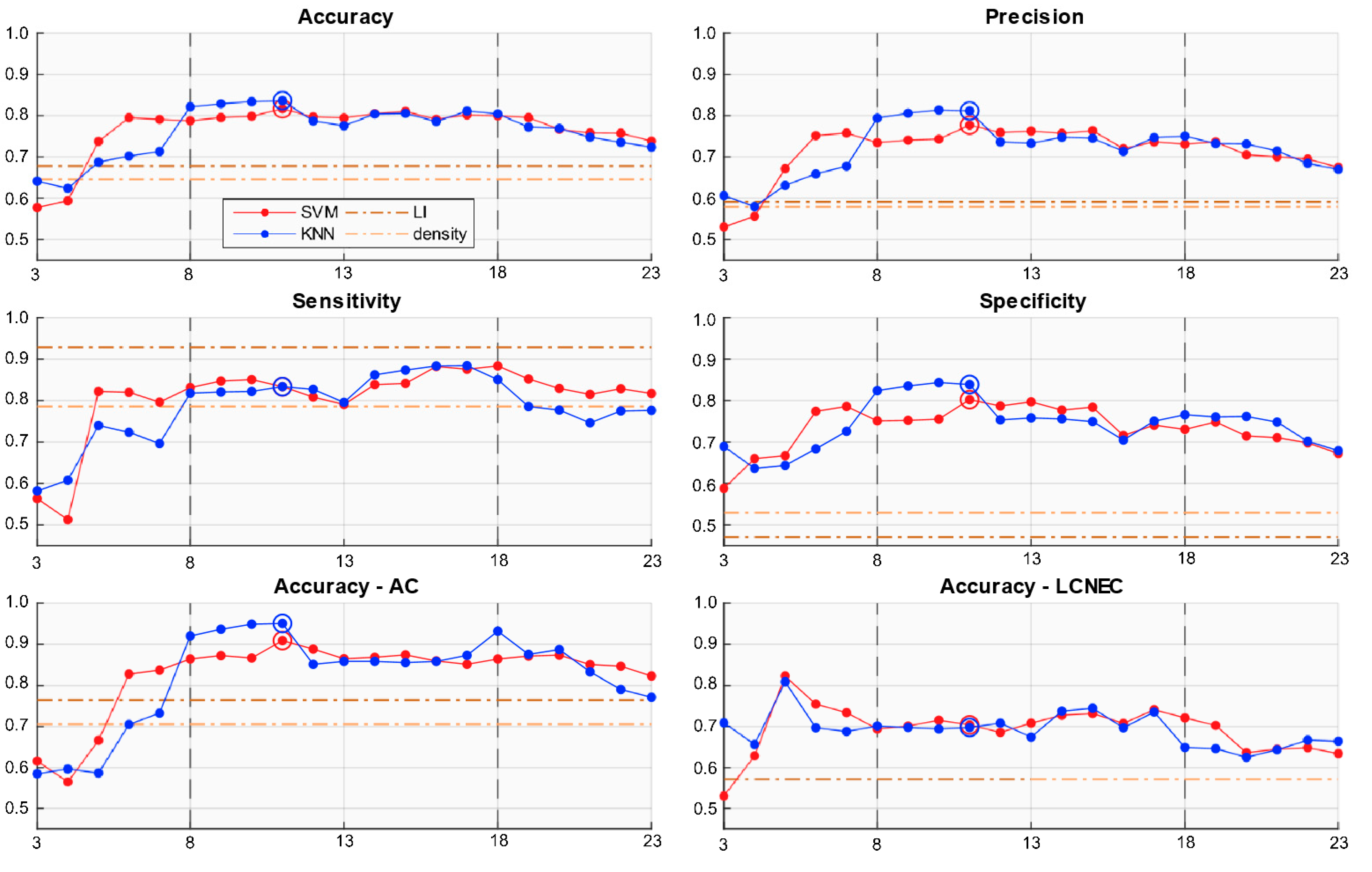
Abstract
Lung neuroendocrine neoplasms (lung NENs) are categorised by morphology, defining a classification sometimes unable to reflect ultimate clinical outcome. Subjectivity and poor reproducibility characterise diagnosis and prognosis assessment of all NENs. Here, we propose a machine learning framework for tumour prognosis assessment based on a quantitative, automated and repeatable evaluation of the spatial distribution of cells immunohistochemically positive for the proliferation marker Ki-67, performed on the entire extent of high-resolution whole slide images. Combining features from the fields of graph theory, fractality analysis, stochastic geometry and information theory, we describe the topology of replicating cells and predict prognosis in a histology-independent way. We demonstrate how our approach outperforms the well-recognised prognostic role of Ki-67 Labelling Index on a multi-centre dataset comprising the most controversial lung NENs. Moreover, we show that our system identifies arrangement patterns in the cells positive for Ki-67 that appear independently of tumour subtyping. Strikingly, the subset of these features whose presence is also independent of the value of the Labelling Index and the density of Ki-67-positive cells prove to be especially relevant in discerning prognostic classes. These findings disclose a possible path for the future of grading and classification of NENs.