The Landscape of Transmembrane Protein Family Members in Head and Neck Cancers: Their Biological Role and Diagnostic Utility
by
 , ,
, ,
Oliwia Koteluk
1,*,†, 
Antonina Bielicka
1,*,†,
Żaneta Lemańska
1,
Kacper Jóźwiak
1,
Weronika Klawiter
1, 
Andrzej Mackiewicz
1,2 ,
,
Urszula Kazimierczak
1 and
Tomasz Kolenda
1,2,3 1
Department of Cancer Immunology, Chair of Medical Biotechnology, Poznan University of Medical Sciences, 8 Rokietnicka Street, 60-806 Poznan, Poland
2
Department of Diagnostics and Cancer Immunology, Greater Poland Cancer Centre, 15 Garbary Street, 61-866 Poznan, Poland
3
Laboratory of Cancer Genetics, Greater Poland Cancer Centre, 15 Garbary Street, 61-866 Poznan, Poland
*
Authors to whom correspondence should be addressed.
†
These authors contributed equally.
Cancers 2021, 13(19), 4737; https://doi.org/10.3390/cancers13194737
Submission received: 19 August 2021
/
Revised: 16 September 2021
/
Accepted: 17 September 2021
/
Published: 22 September 2021
(This article belongs to the Special Issue Advances in Head and Neck Oncology)
Simple Summary
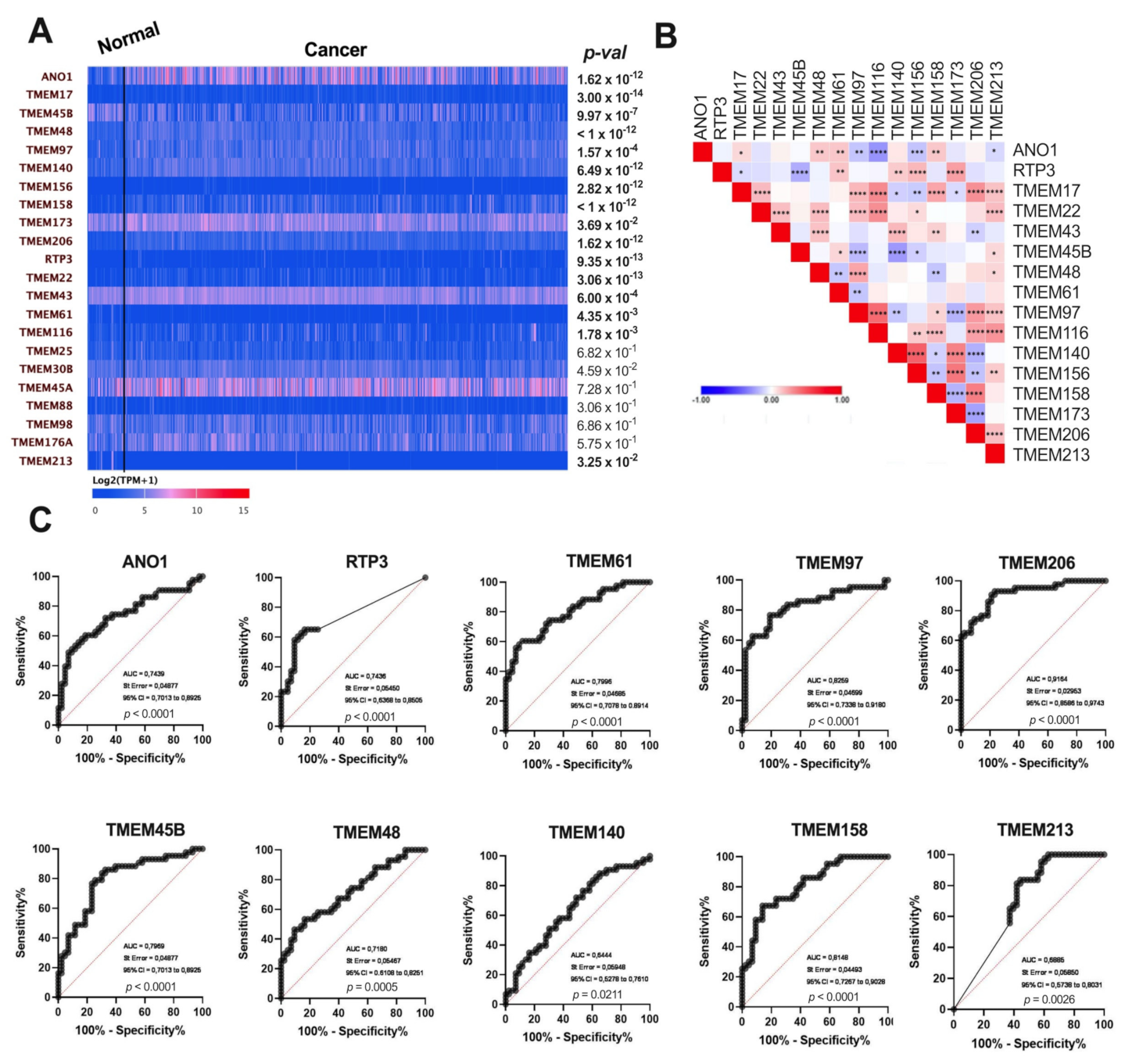
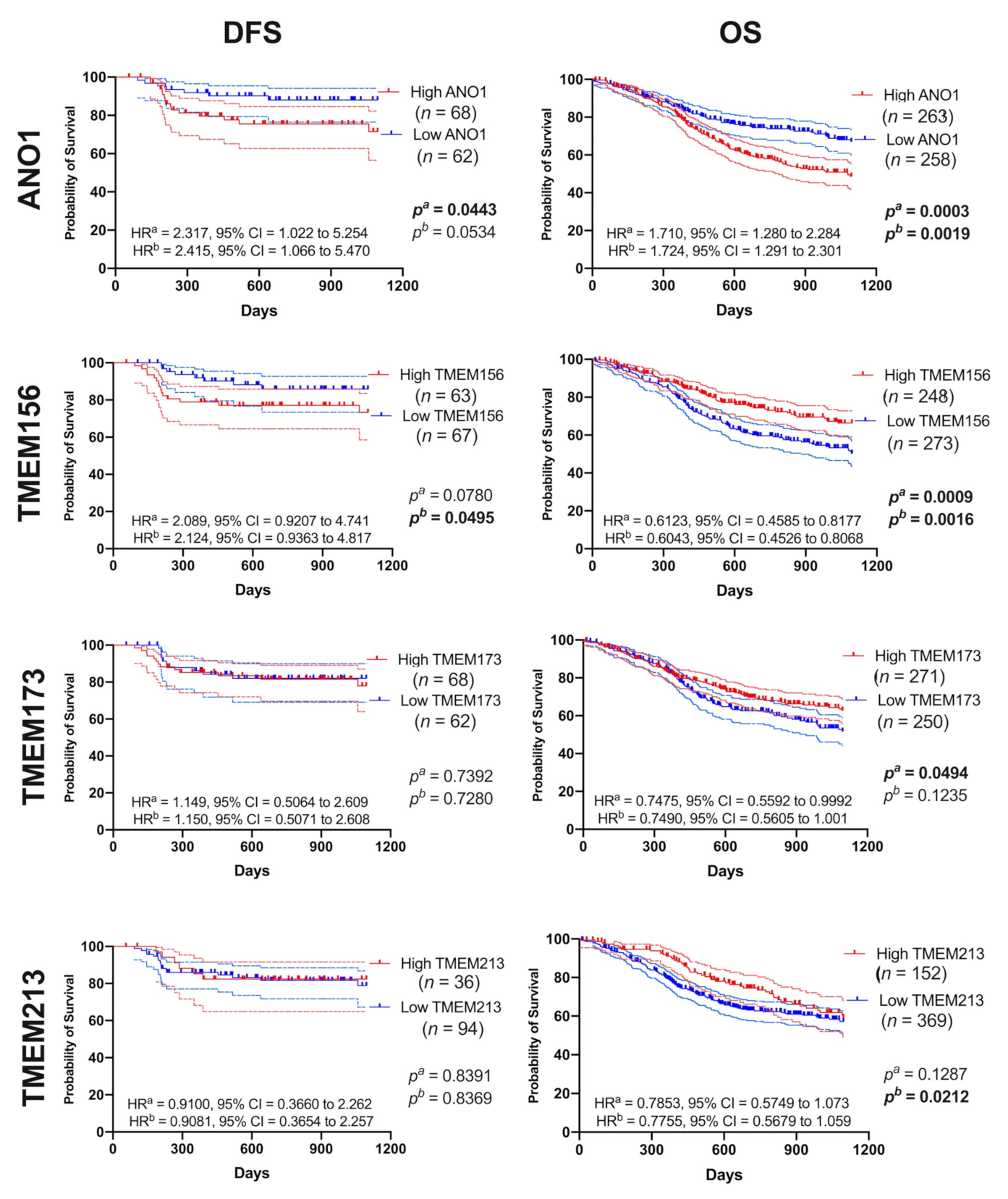
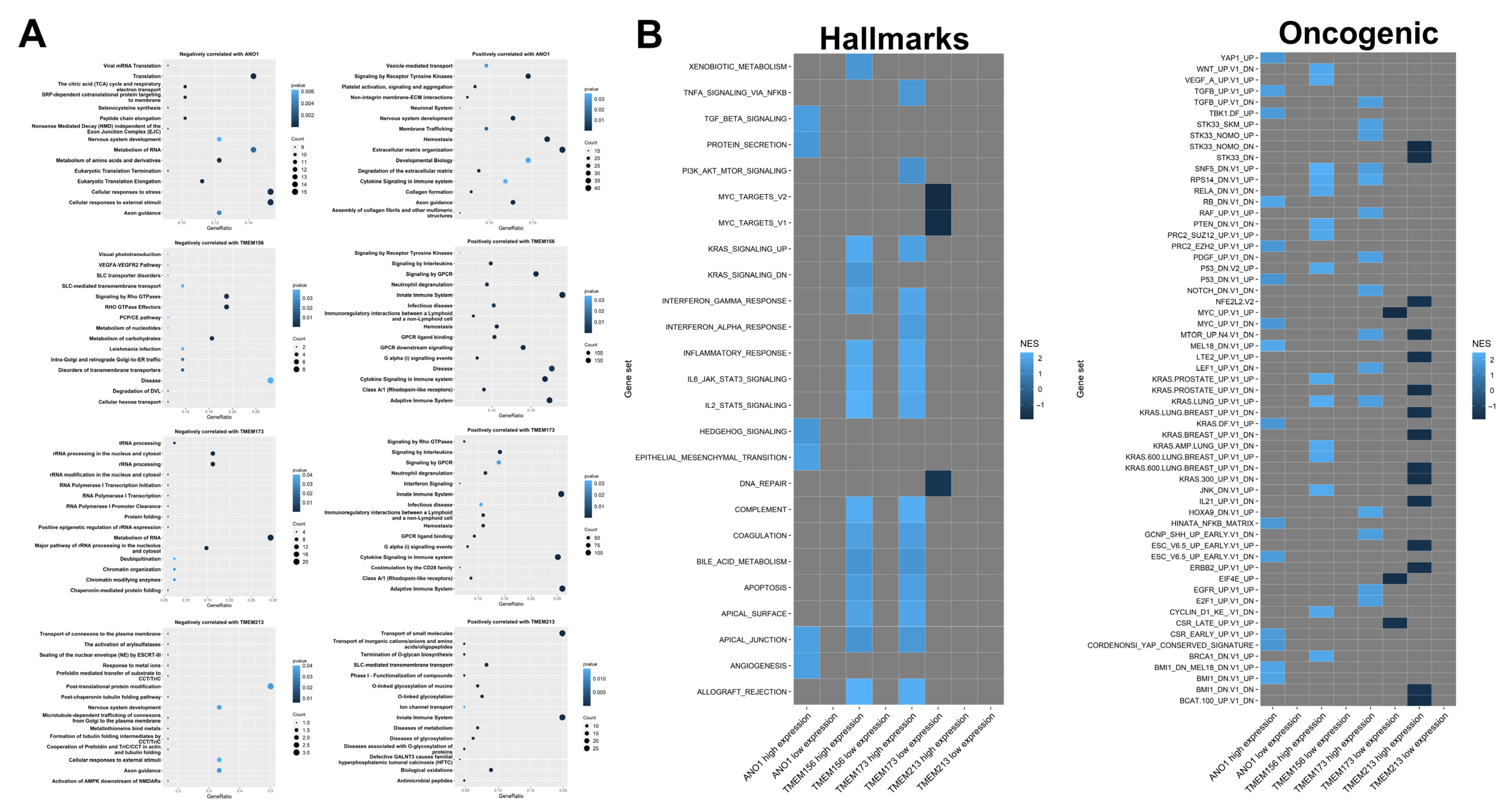
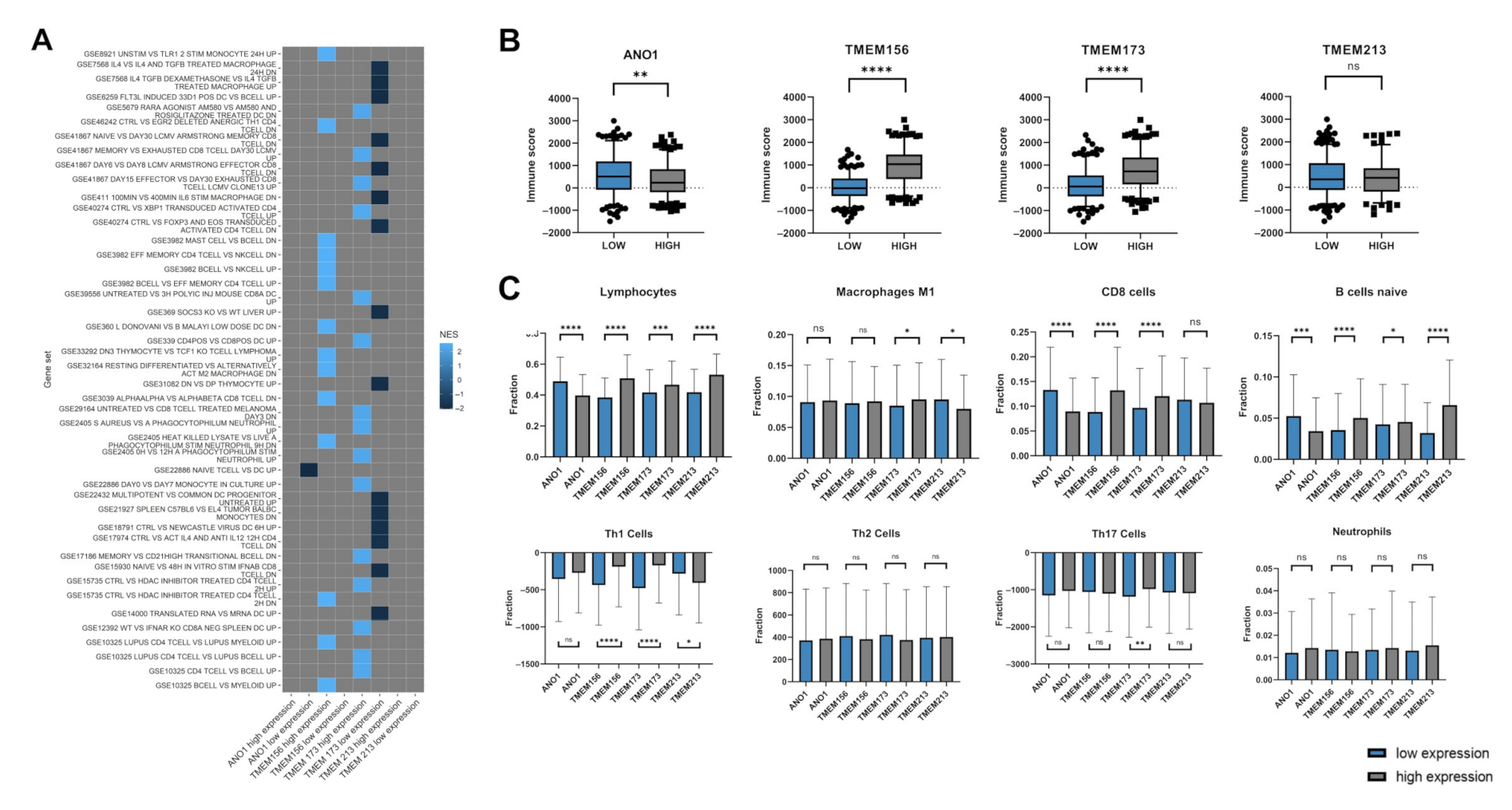
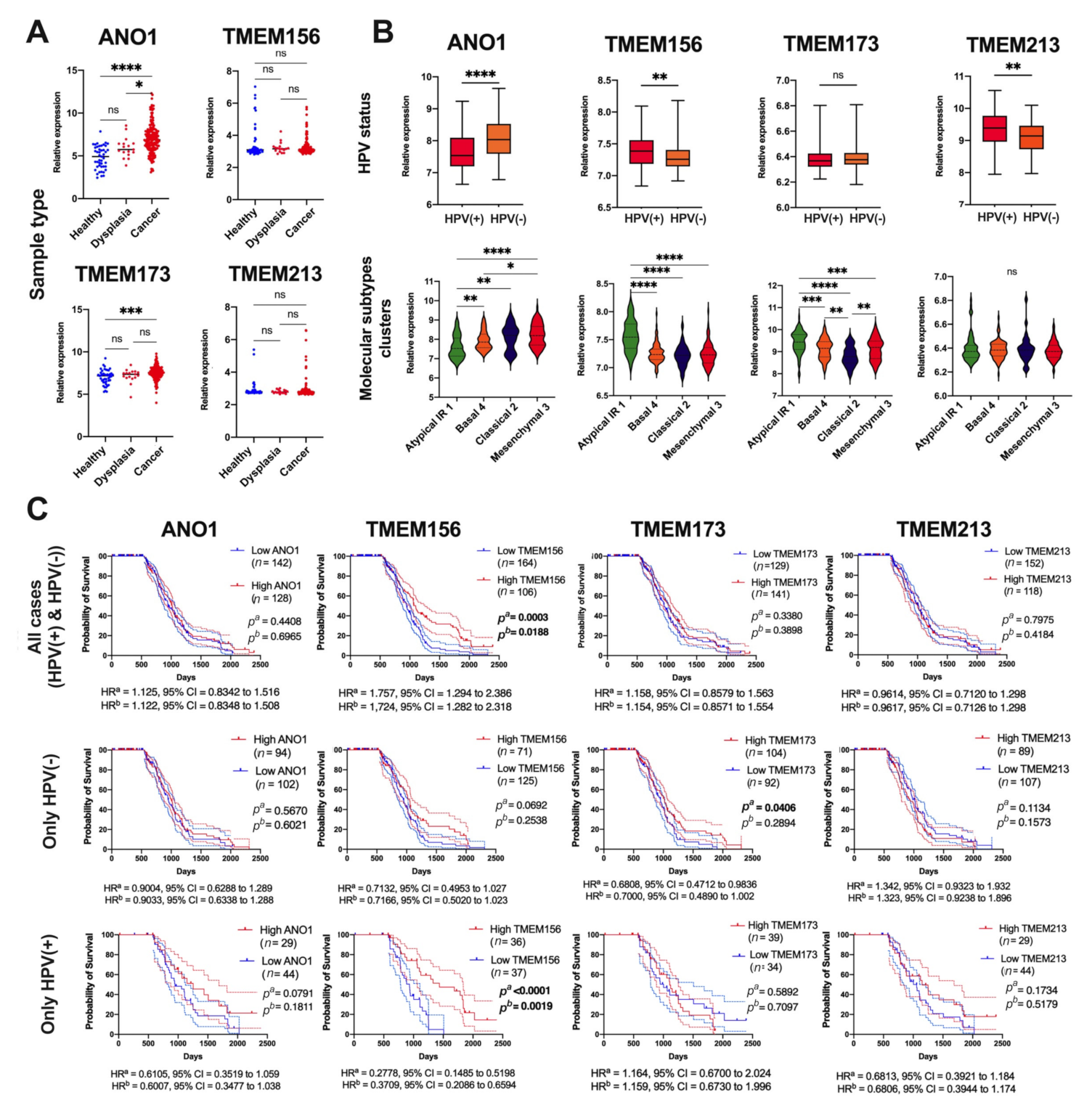
Transmembrane proteins (TMEM) are a large group of integral membrane proteins whose molecular and biological functions are not fully understood. It is known that some of them are involved in tumor formation and metastasis. Here, we performed a panel of TCGA data analyses to investigate the role of different TMEM genes in head and neck squamous cell carcinoma (HNSCC) and define their potential as biomarkers. Based on changes in the expression levels in HNSCC tumors, we selected four TMEM genes: ANO1, TMEM156, TMEM173, and TMEM213 and associated them with patient survival. We also demonstrated that the expression of those TMEMs highly correlates with the enrichment of genes involved in numerous biological processes, especially metastasis formation and immune response. Thus, we propose ANO1, TMEM156, TMEM173, and TMEM213 as new biomarkers and potential targets for personalized therapy of HNSCC.
Abstract
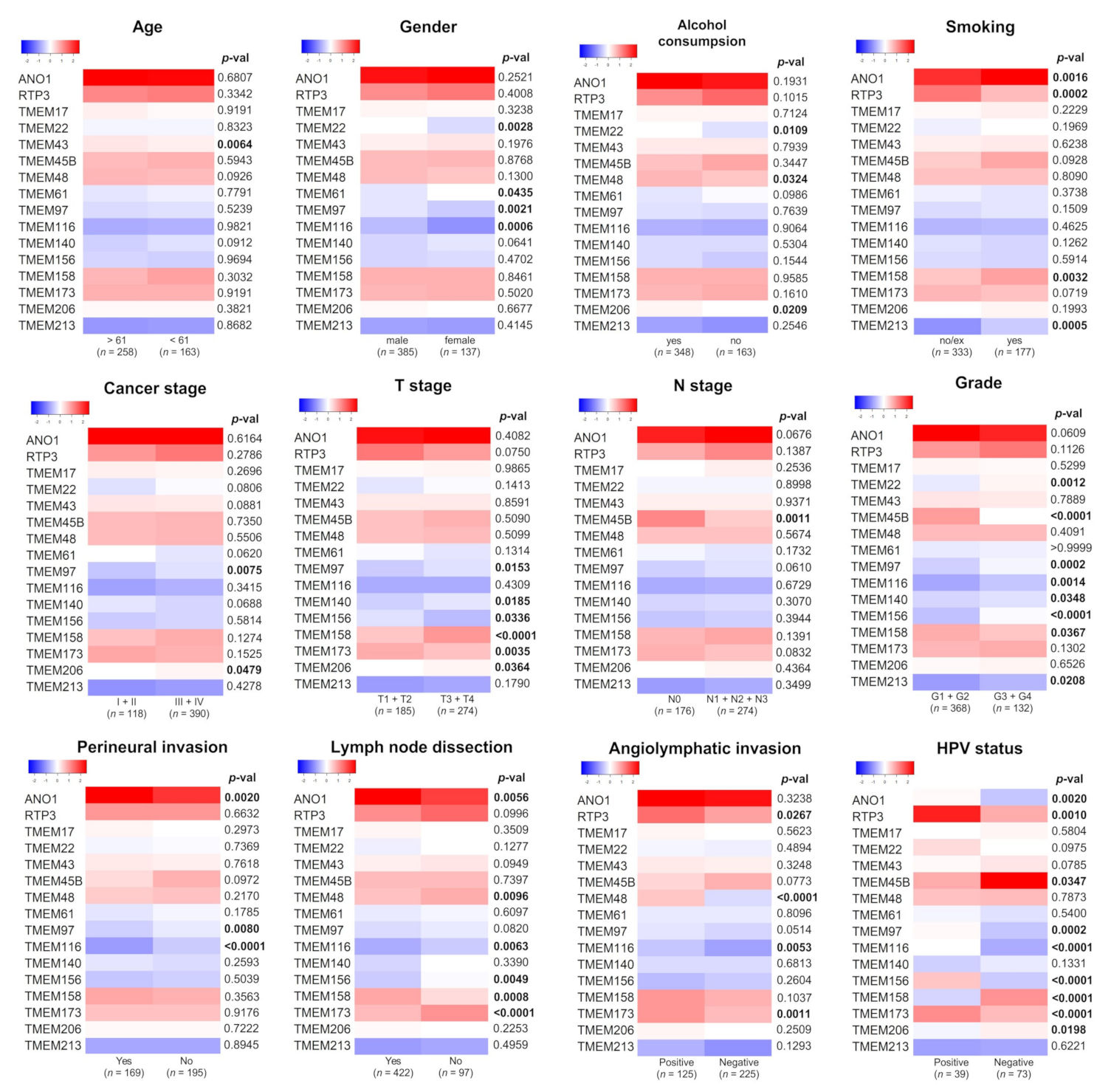
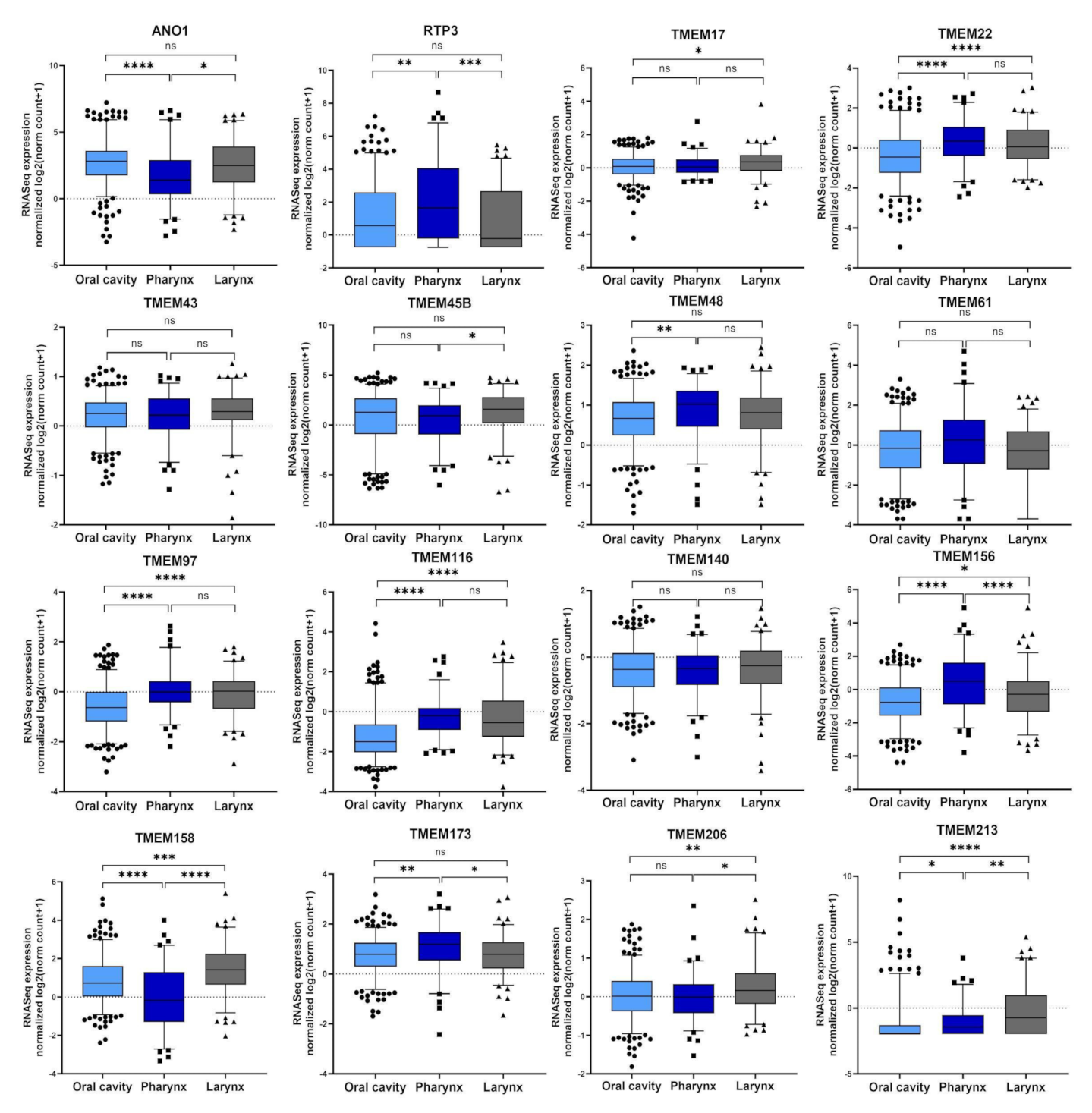
Background: Transmembrane proteins (TMEM) constitute a large family of proteins spanning the entirety of the lipid bilayer. However, there is still a lack of knowledge about their function or mechanism of action. In this study, we analyzed the expression of selected TMEM genes in patients with head and neck squamous cell carcinoma (HNSCC) to learn their role in tumor formation and metastasis. Materials and Methods: Using TCGA data, we analyzed the expression levels of different TMEMs in both normal and tumor samples and compared those two groups depending on clinical-pathological parameters. We selected four TMEMs whose expression was highly correlated with patient survival status and subjected them to further analysis. The pathway analysis using REACTOME and the gene set enrichment analysis (GSEA) were performed to evaluate the association of those TMEMs with genes involved in hallmarks of cancer as well as in oncogenic and immune-related pathways. In addition, the fractions of different immune cell subpopulations depending on TMEM expression were estimated in analyzed patients. The results for selected TMEMs were validated using GEO data. All analyses were performed using the R package, Statistica, and Graphpad Prism. Results: We demonstrated that 73% of the analyzed TMEMs were dysregulated in HNSCC and depended on tumor localization, smoking, alcohol consumption, or HPV infection. The expression levels of ANO1, TMEM156, TMEM173, and TMEM213 correlated with patient survival. The four TMEMs were also upregulated in HPV-positive patients. The elevated expression of those TMEMs correlated with the enrichment of genes involved in cancer-related processes, including immune response. Specifically, overexpression of TMEM156 and TMEM173 was associated with immune cell mobilization and better survival rates, while the elevated ANO1 expression was linked with metastasis formation and worse survival. Conclusions: In this work, we performed a panel of in silico analyses to discover the role of TMEMs in head and neck squamous cell carcinoma. We found that ANO1, TMEM156, TMEM173, and TMEM213 correlated with clinical status and immune responses in HNSCC patients, pointing them as biomarkers for a better prognosis and treatment. This is the first study describing such the role of TMEMs in HNSCC. Future clinical trials should confirm the potential of those genes as targets for personalized therapy of HNSCC.