Review

Optimizing Oncolytic Viral Design to Enhance Antitumor Efficacy: Progress and Challenges


Department of Surgery, City of Hope National Medical Center, Duarte, CA 91010, USA
*
Author to whom correspondence should be addressed.
Cancers 2020, 12(6), 1699; https://doi.org/10.3390/cancers12061699

Submission received: 31 May 2020 / Revised: 19 June 2020 / Accepted: 23 June 2020 / Published: 26 June 2020
(This article belongs to the Special Issue Oncolytic Virus Therapy Against Cancer)

Abstract

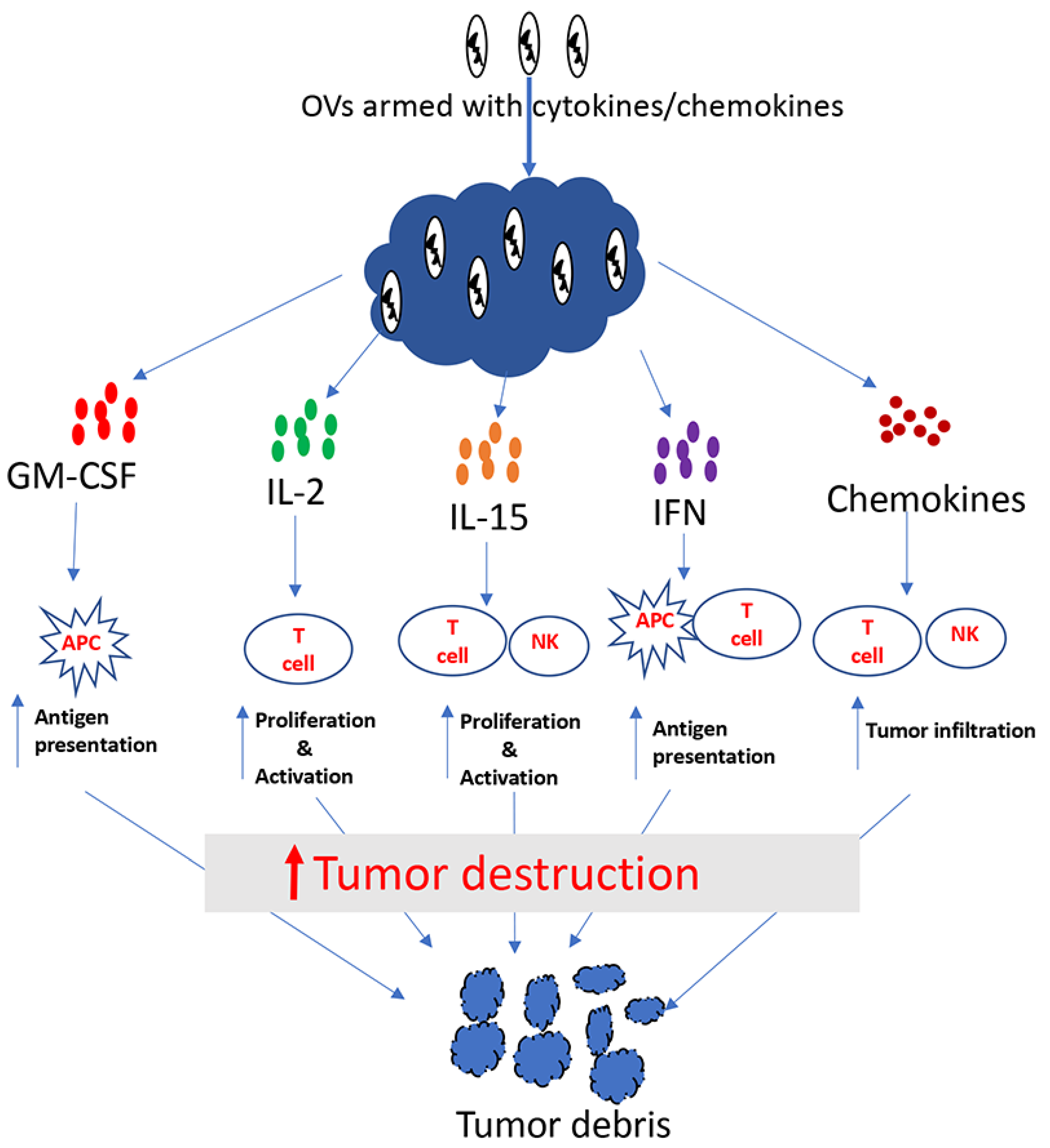
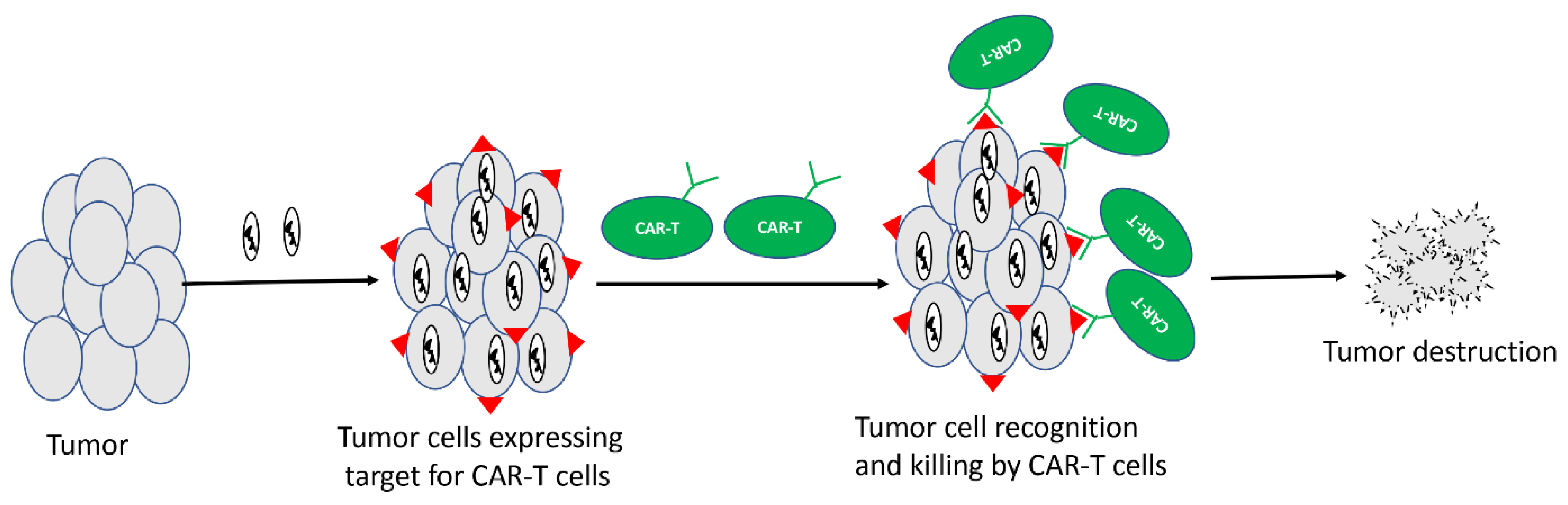
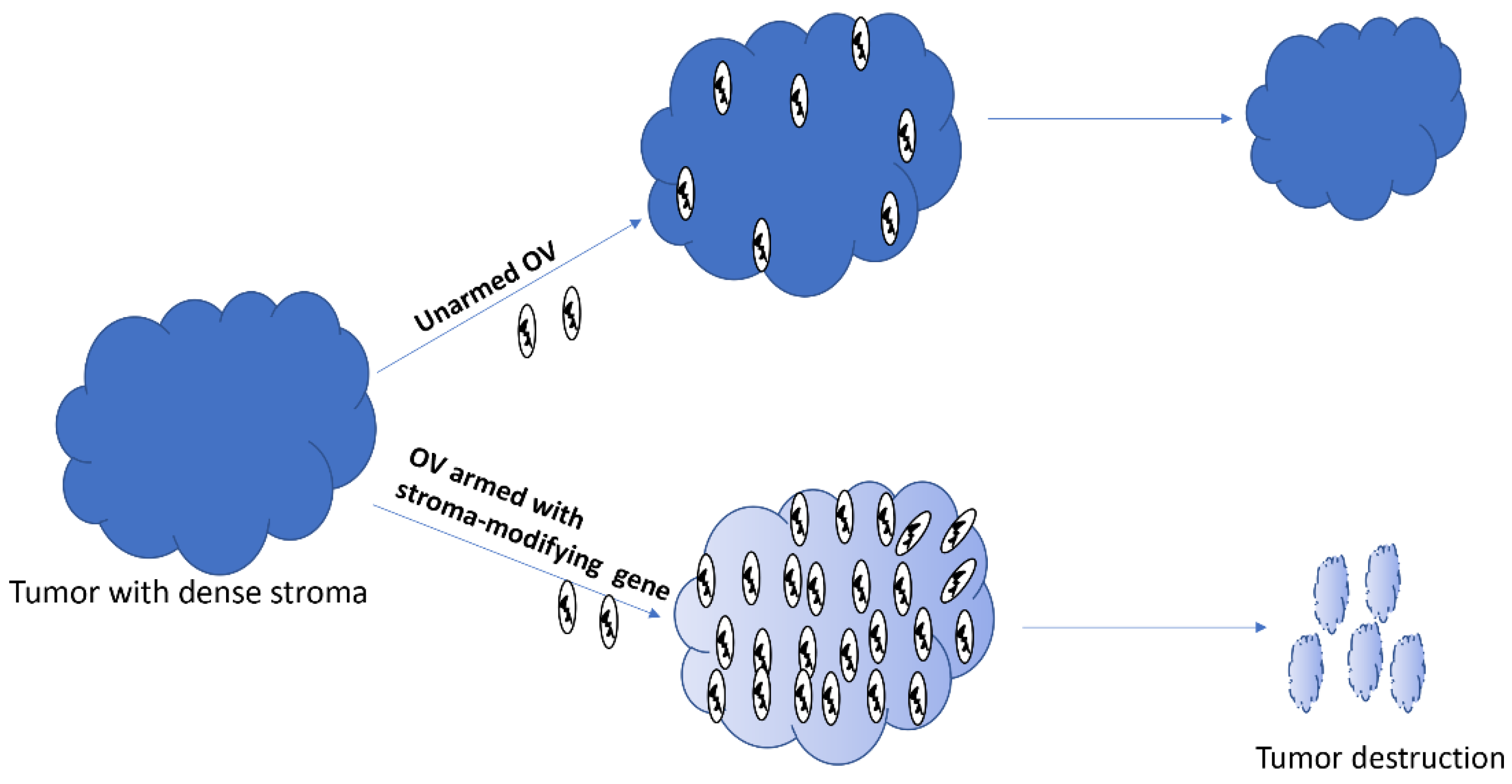
The field of oncolytic virotherapy has seen remarkable advancements in last two decades, leading to approval of the first oncolytic immuno-virotherapy, Talimogene Laherparepvec, for the treatment of melanoma. A plethora of preclinical and clinical studies have demonstrated excellent safety profiles of other oncolytic viruses. While oncolytic viruses show clinical promise in already immunogenic malignancies, response rates are inconsistent. Response rates are even less consistent in immunosuppressed tumor microenvironments like those found in liver, pancreas, and MSI-stable colon cancers. Therefore, the efficacy of oncolytic viruses needs to be improved for more oncolytic viruses to enter mainstream cancer therapy. One approach to increase the therapeutic efficacy of oncolytic viruses is to use them as primers for other immunotherapeutics. The amenability of oncolytic viruses to transgene-arming provides an immense opportunity for investigators to explore different ways of improving the outcome of oncolytic therapy. In this regard, genes encoding immunomodulatory proteins are the most commonly studied genes for arming oncolytic viruses. Other transgenes used to arm oncolytic viruses include those with the potential to favorably modulate tumor stroma, making it possible to image the virus distribution and increase its suitability for combination with other therapeutics. This review will detail the progress made in arming oncolytic viruses with a focus on immune-modulatory transgenes, and will discuss the challenges that need to be addressed for more armed oncolytic viruses to find widespread clinical use.
Keywords: oncolytic virus; transgene; arming; immunotherapy; Cytokines; CAR-T cells oncolytic virus; transgene; arming; immunotherapy; Cytokines; CAR-T cells