A Wearable Multi-Modal Measurement System with Self-Developed IMUs and Plantar Pressure Sensors for Real-Time Gait Recognition


 ,
,
Abstract
1. Introduction
- (1)
- A Coarse-to-Fine Hierarchical Framework Based on Multi-modal Fusion: A two-stage algorithm was constructed to efficiently decouple static/transitional states from dynamic gaits using plantar pressure features. This hierarchical routing fundamentally circumvented the zero-bias drift of IMUs in static postures and significantly reduced the overall computational burden for edge deployment.
- (2)
- Enhanced “Steady-Transition” Recognition for Continuous Real Gaits: Addressing the high misrecognition probability of transitional actions in existing isolated-gait solutions, we developed a lightweight Support Vector Machine (SVM) combined with a Finite State Machine (FSM). This logic ensured the physical continuity of action states, enabling highly robust tracking of continuous real-world transitional gaits, specifically sit-to-stand and stand-to-sit.
- (3)
- Improved Generalization via Ensemble Learning and Biomechanical Indicators: For complex dynamic gaits, the algorithm introduced an ensemble learning model based on a Soft Voting mechanism, fusing the strengths of a Dual-Branch Neural Network, Random Forest (RF), and Gradient Boosting Decision Trees (GBDTs). Additionally, the integration of domain-specific biomechanical indicators, such as Dual Support Period, Center of Pressure, and Range of Motion, significantly enhanced the model’s feature representation and cross-population generalization capabilities.
2. Materials and Methods
2.1. System Architecture and Hardware Design
2.1.1. System Overview
2.1.2. Sensor Nodes
2.2. Participants and Data Collection Protocol
2.2.1. Participants and Ethical Statement
2.2.2. Experimental Setup
2.2.3. Data Collection Protocol
2.2.4. Action Definitions
2.3. Data Pre-Processing
2.3.1. Inertial Data Kalman Filtering
2.3.2. Correction of Gimbal Lock in Euler Angle Systems Using an Unwrapping Algorithm
2.4. Feature Extraction
2.4.1. Feature Extraction from Plantar Pressure Sensors
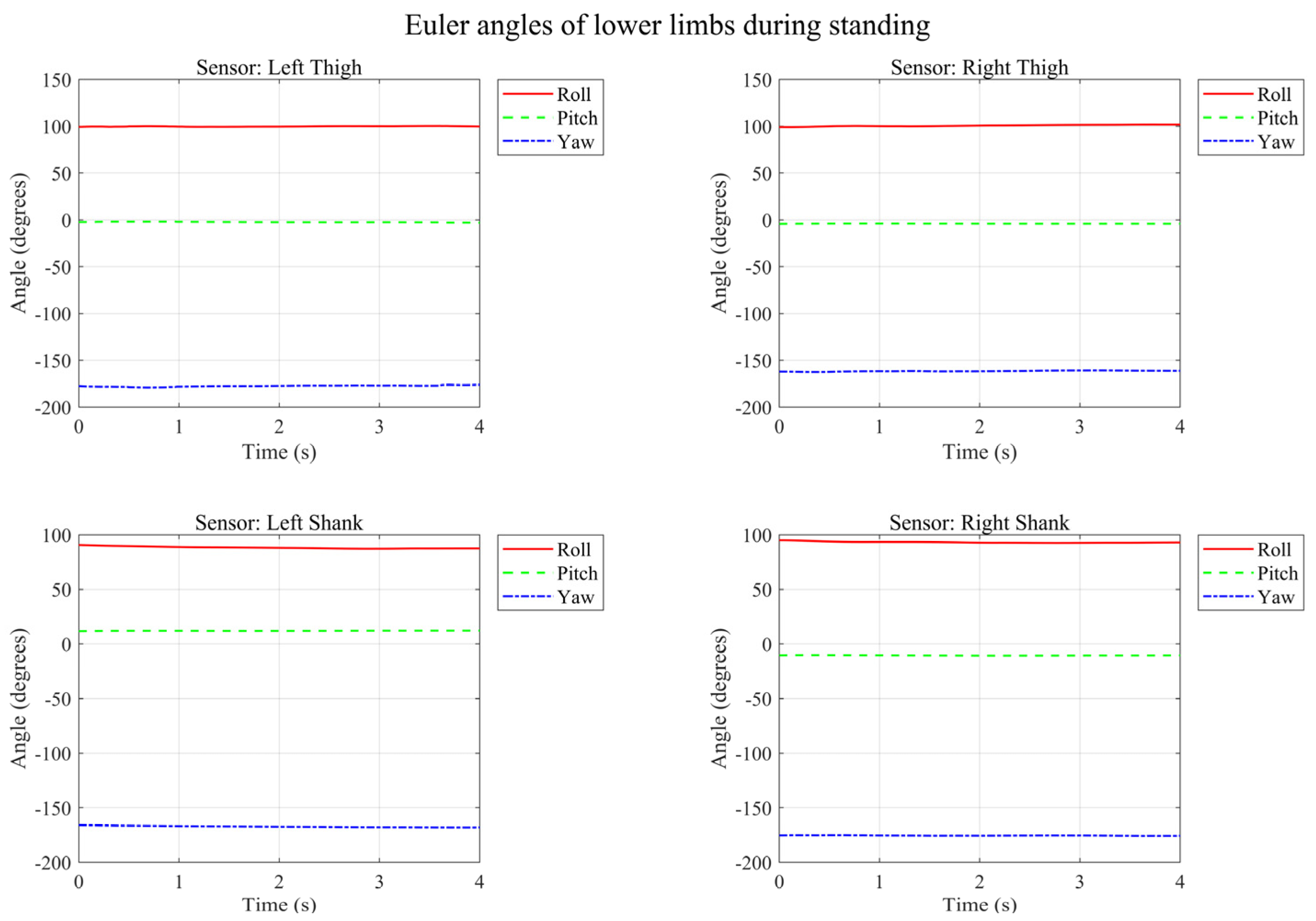
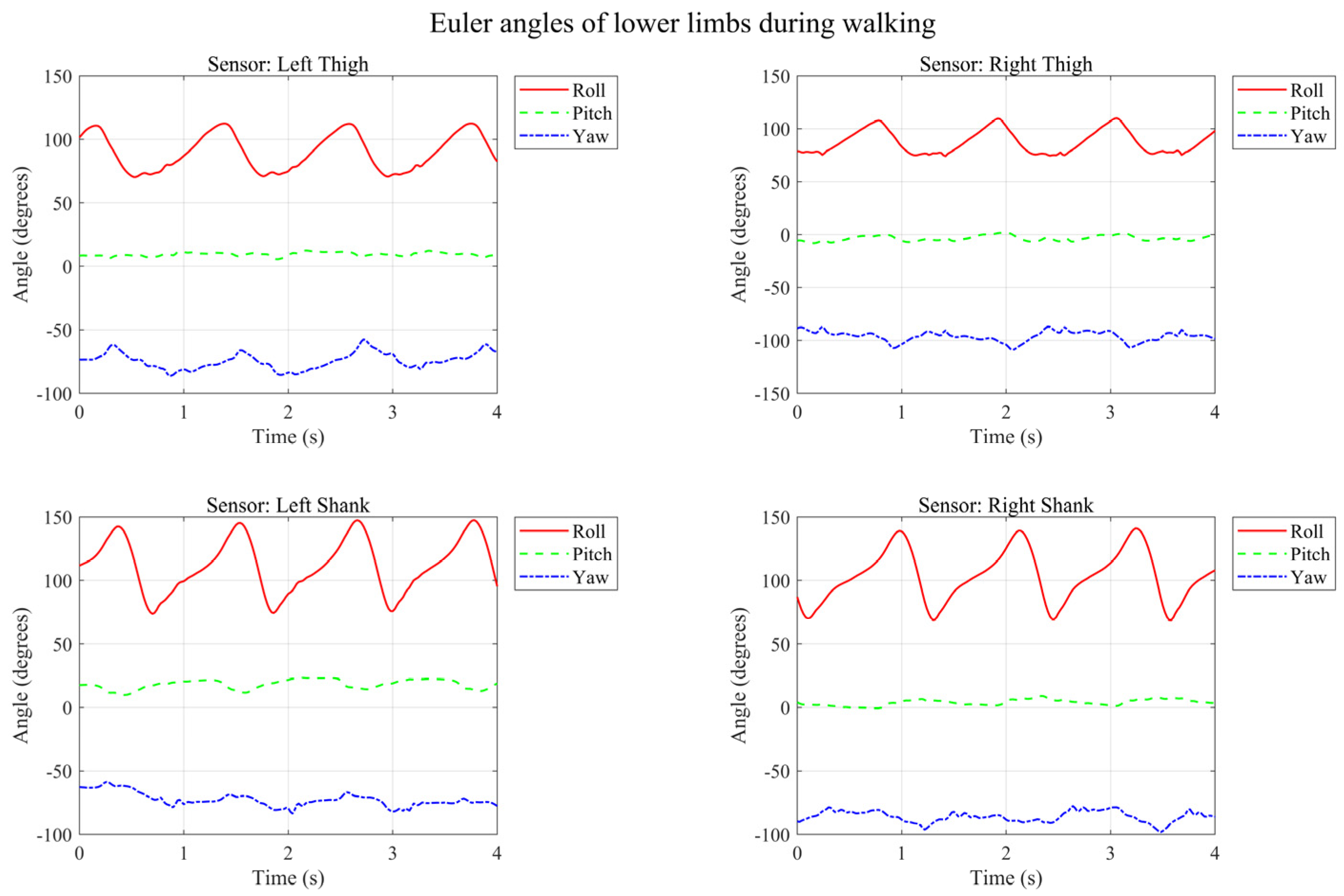
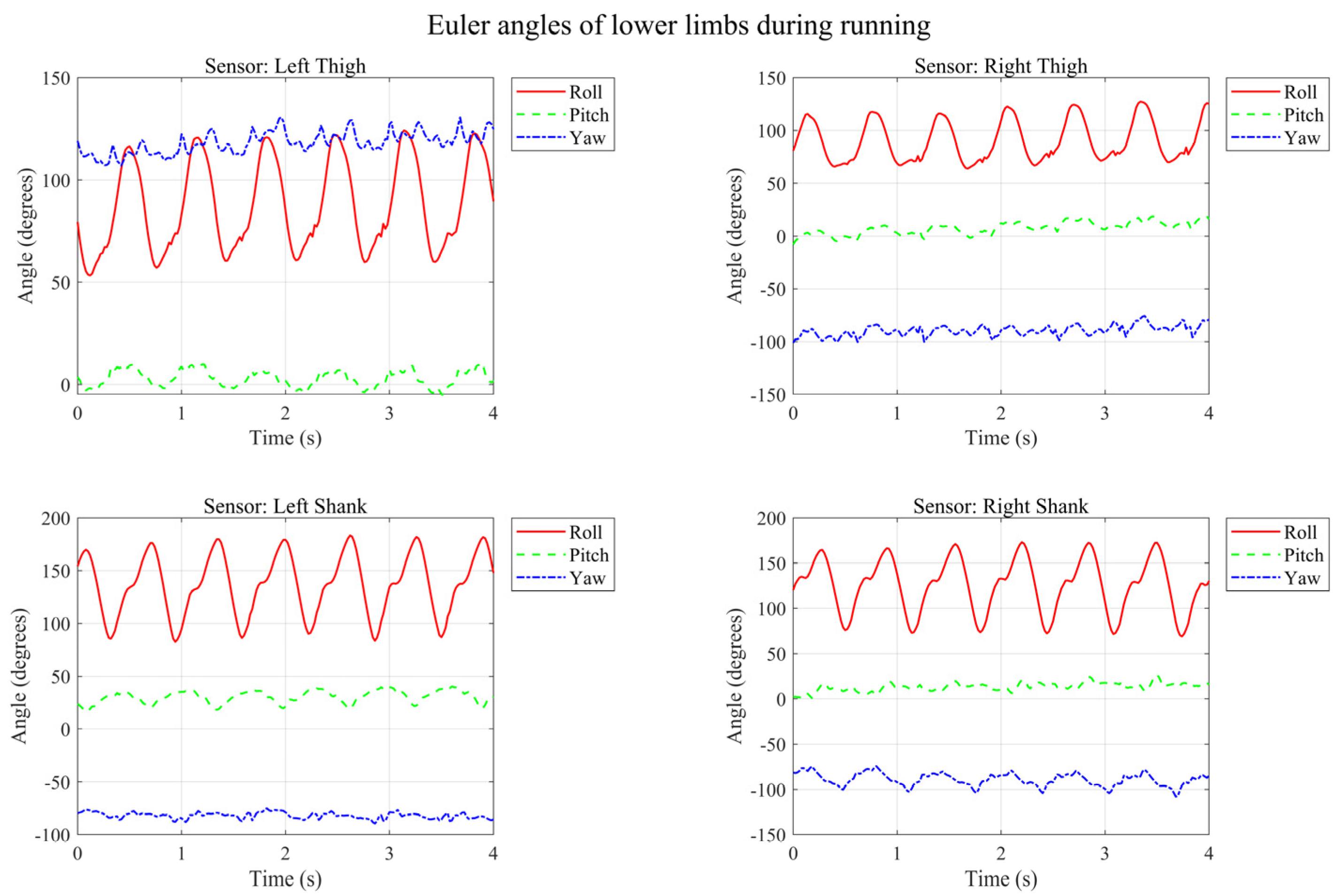
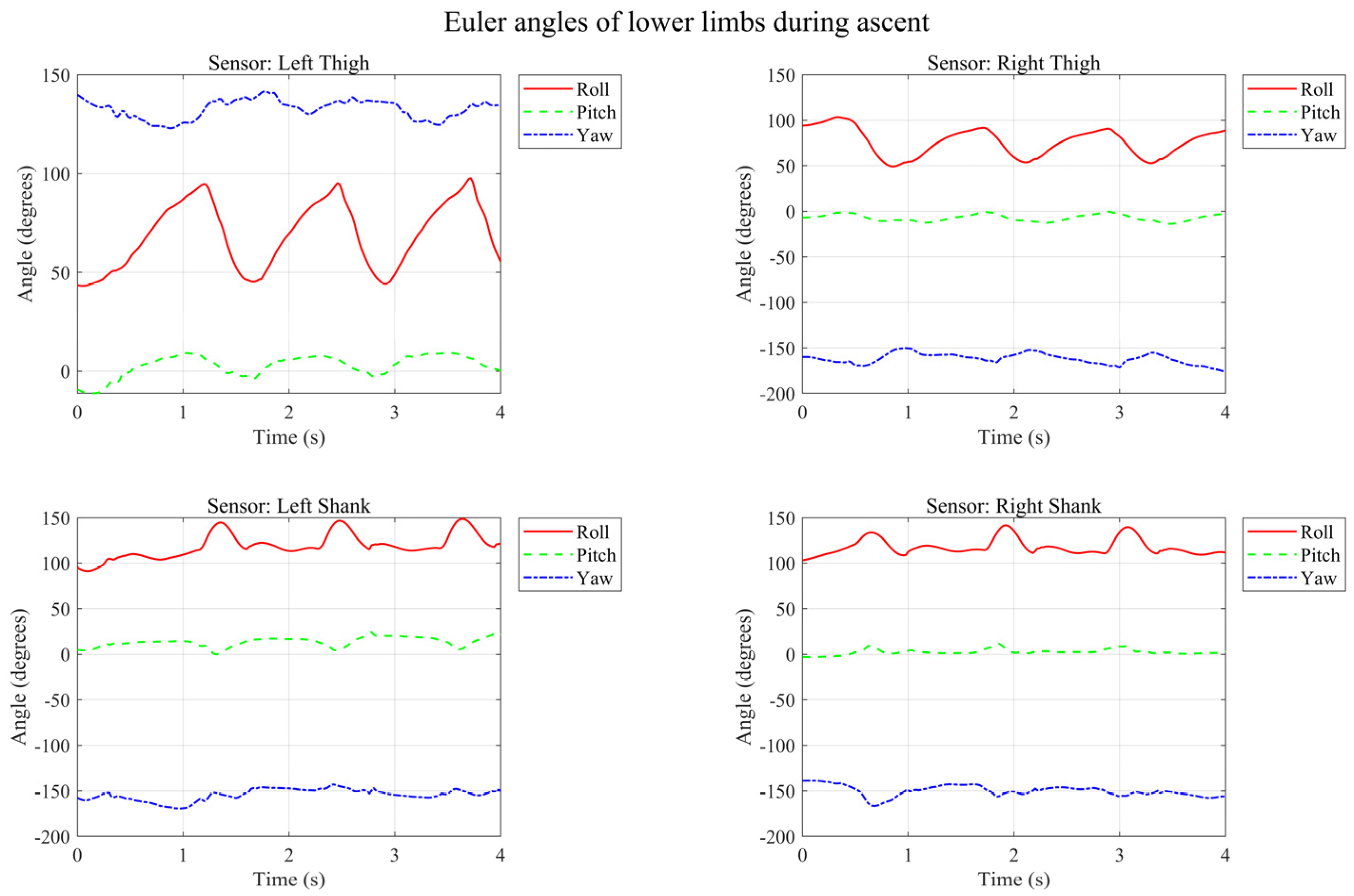
2.4.2. Feature Extraction from IMUs
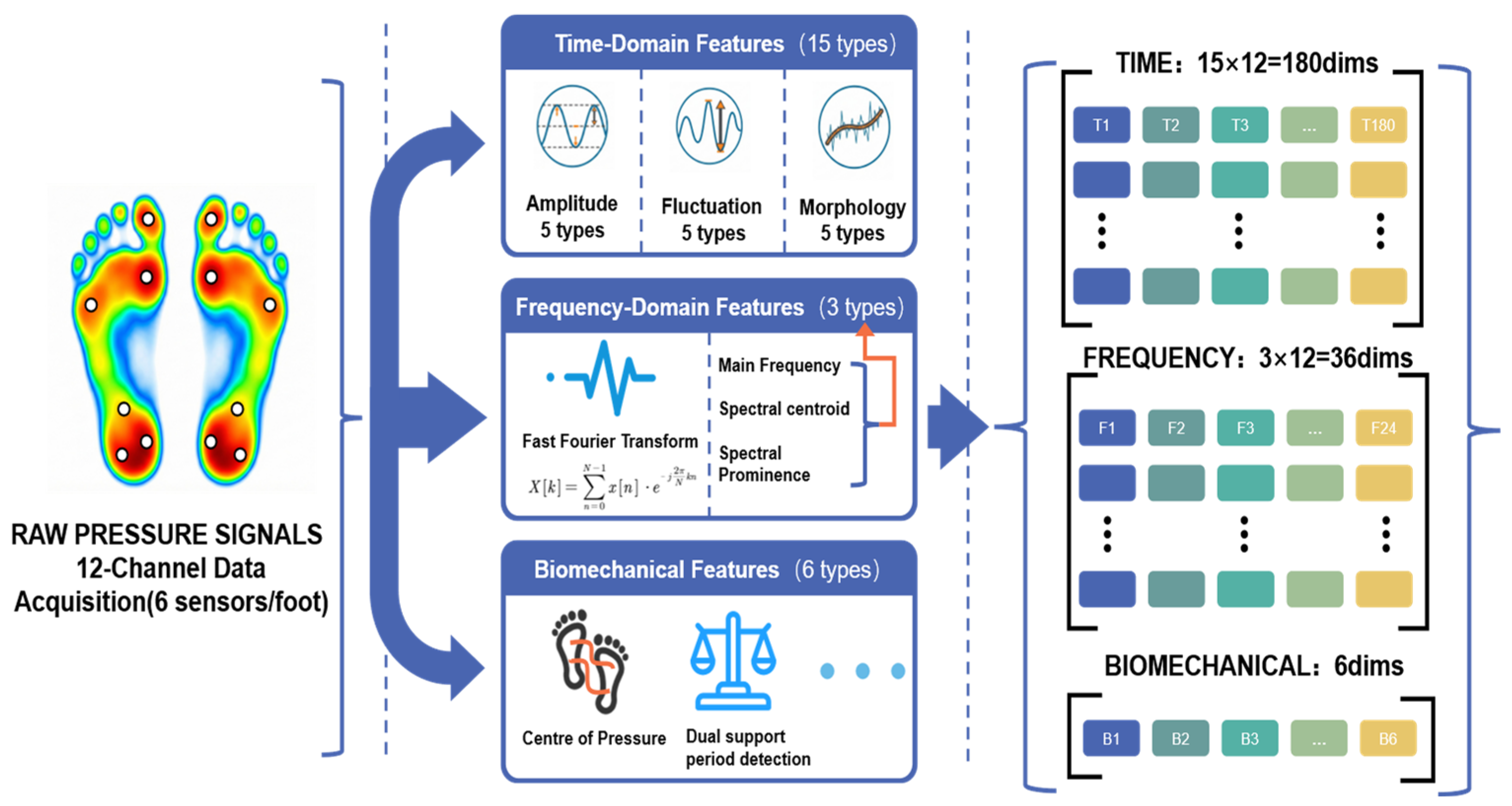
- Amplitude-based: Maximum, Minimum, Mean, Root Mean Square (RMS), and Absolute Mean.
- Fluctuation-based: Variance, Standard Deviation, Peak-to-Peak, and Interquartile Range (Q3–Q1).
- Morphology-based: Skewness, Kurtosis, and zero-crossing rate.
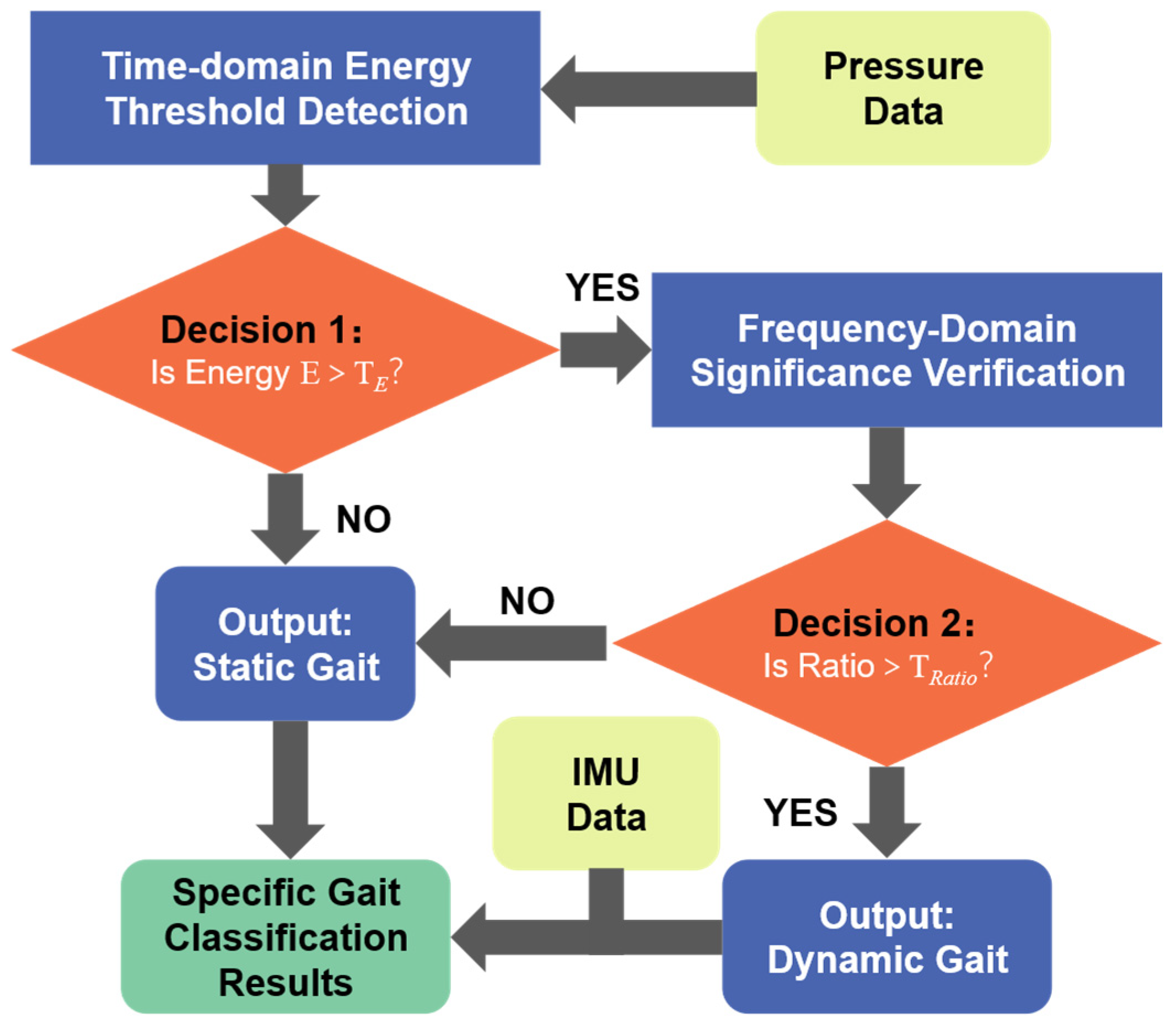
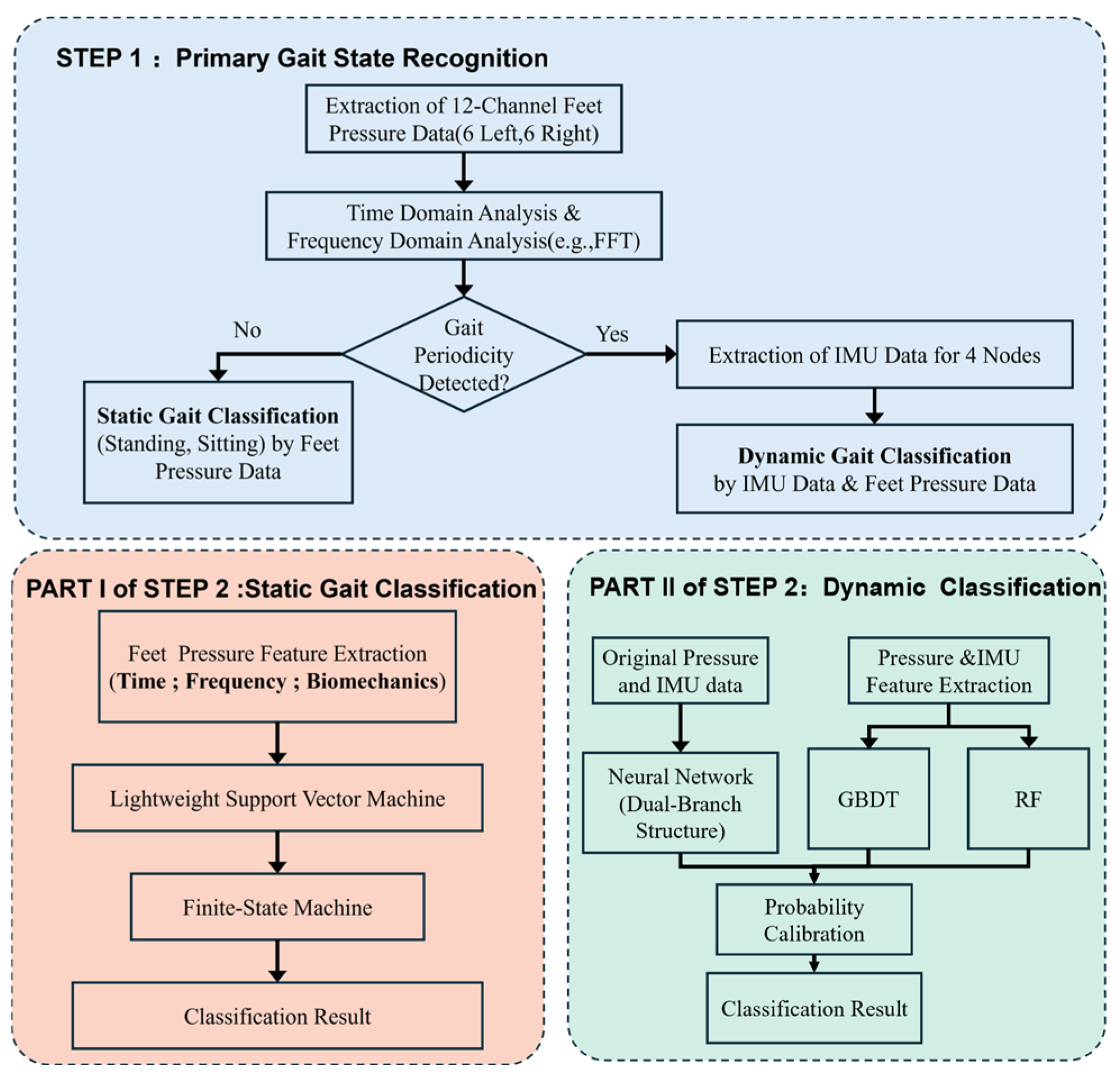
2.5. Hierarchical Recognition Framework
2.5.1. Overview of the Coarse-to-Fine Strategy
- If no periodicity is detected, the system determines that the subject is in a static or transitional state, activating the Static Gait Classification Branch.
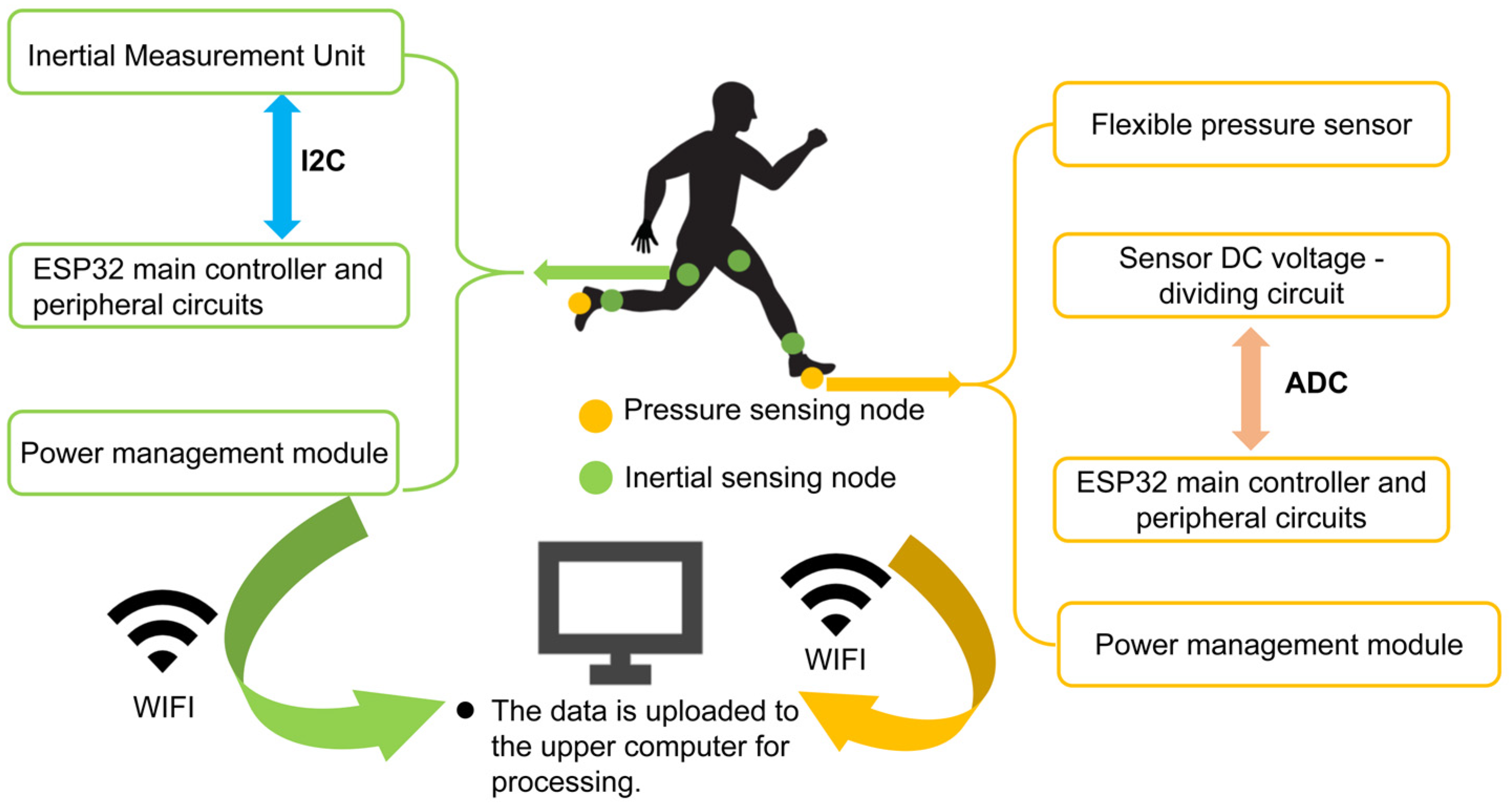
- If periodicity is detected, the system determines that the subject is performing dynamic motion like walking and running, activating the Dynamic Gait Classification Branch. At this point, the system synchronously retrieves data from the 4-node Inertial Measurement Unit (IMU) for fused analysis with the pressure data.
2.5.2. Stage 1: Primary Gait State Recognition
2.5.3. Stage 2: Advanced Pattern Classification
3. Results
3.1. Spatiotemporal Characteristics of Gait Signals
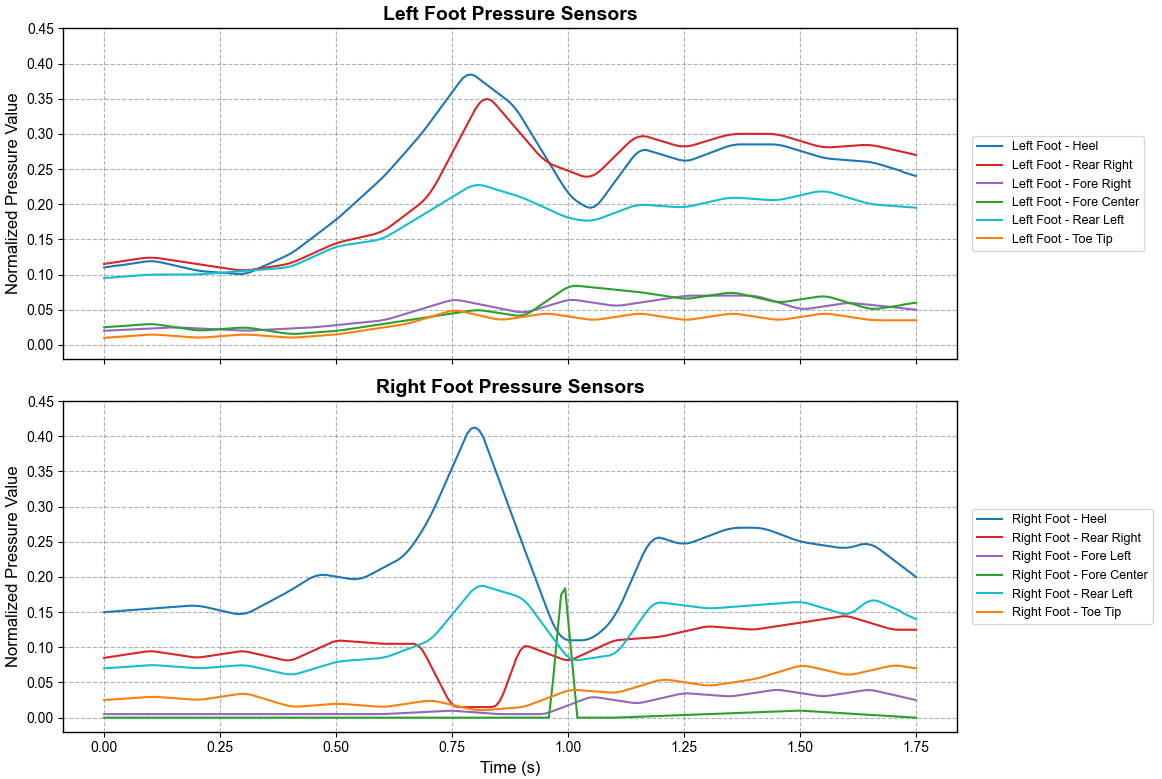
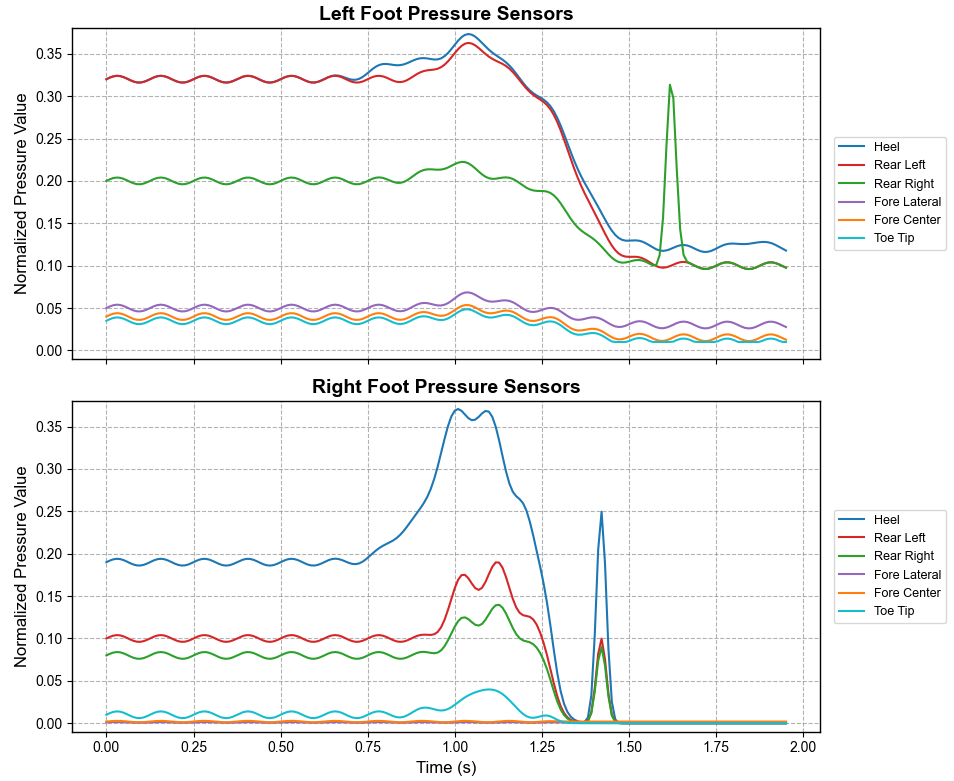
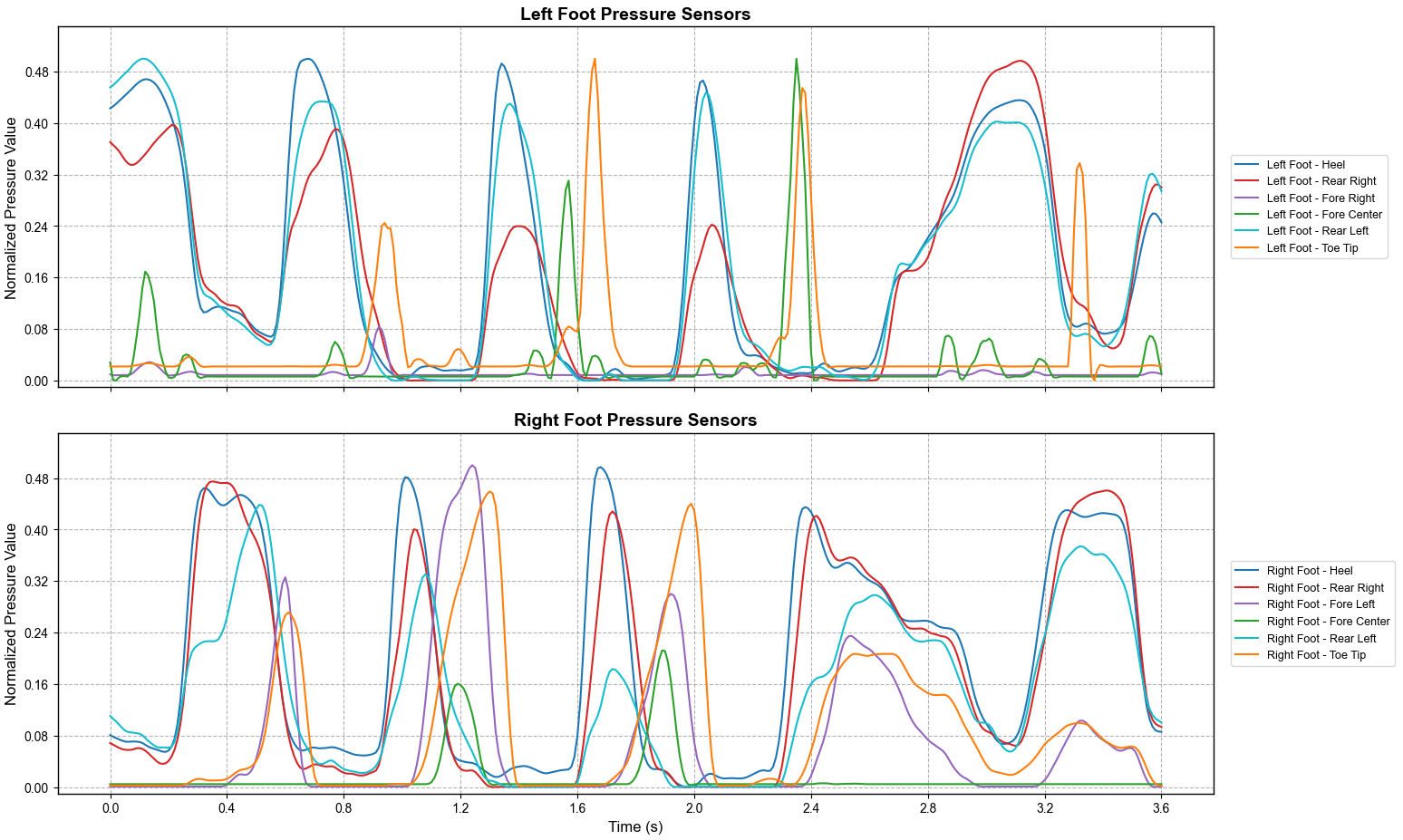
3.1.1. Pressure Data Analysis
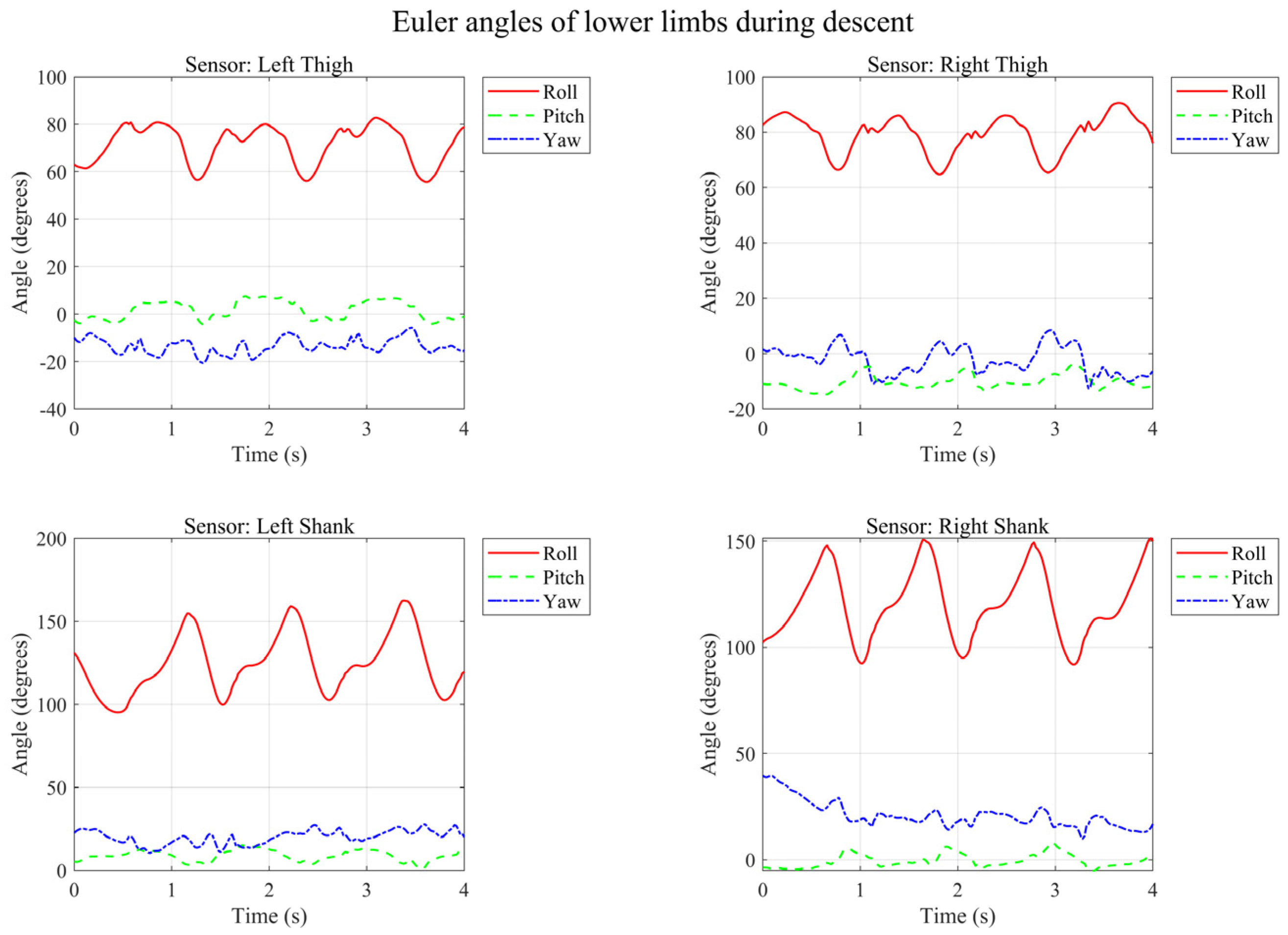
3.1.2. Inertial Data Analysis
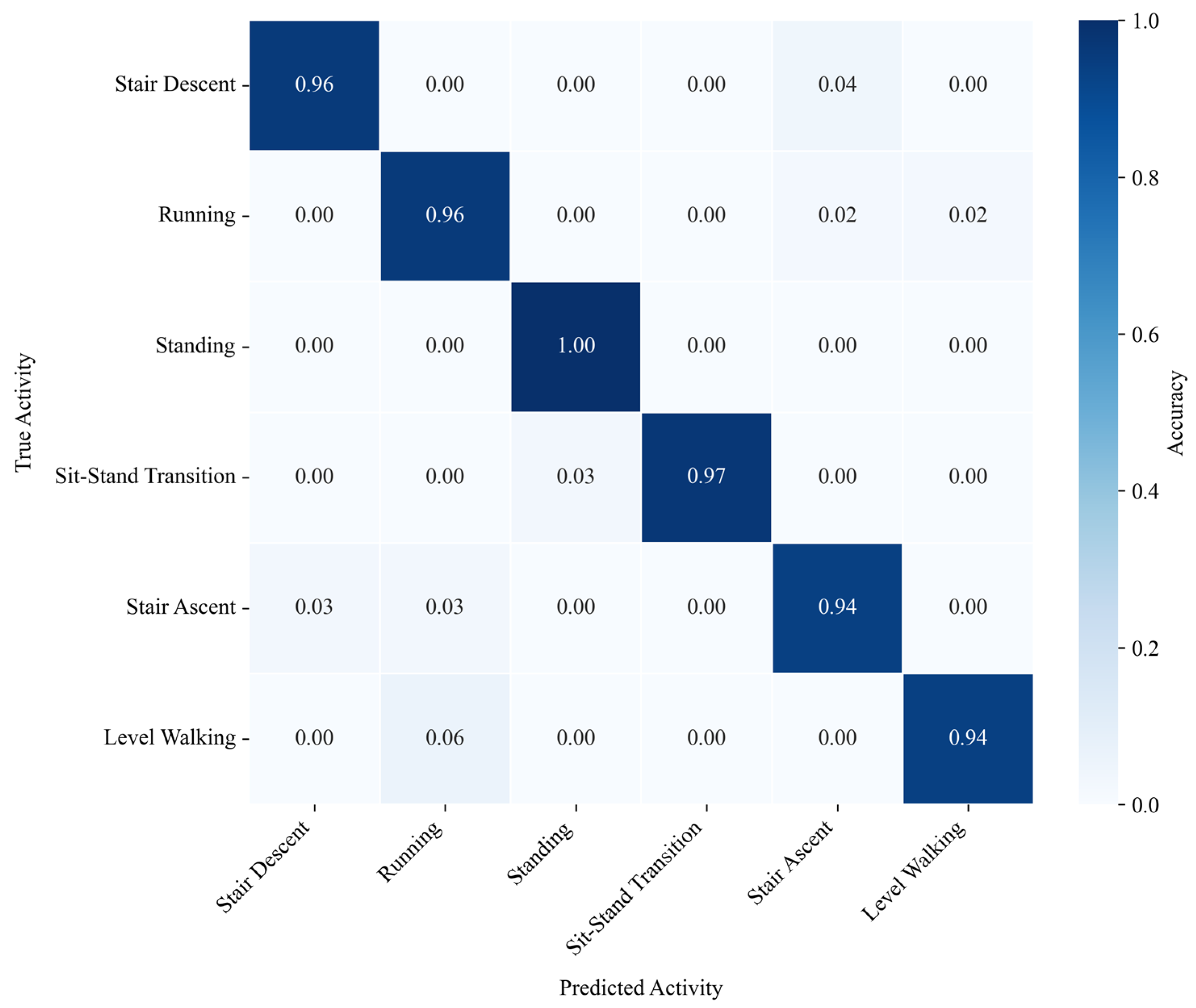
3.2. Overall Classification Performance
- Sit–Stand Transitions: The recognition rate reached 97%. The system accurately captured the Center of Gravity (COG) transfer process and eliminated physically impossible state mutations.
- Running vs. Walking: The introduction of Dual Support Period detection significantly enhanced the distinction between running and walking.
- Stair Ascent/Descent: Some confusion occurred at the turning points or the start/end phases of the stairs, as the limb swing amplitudes (Roll/Pitch angles) were relatively similar to level walking during these specific phases.
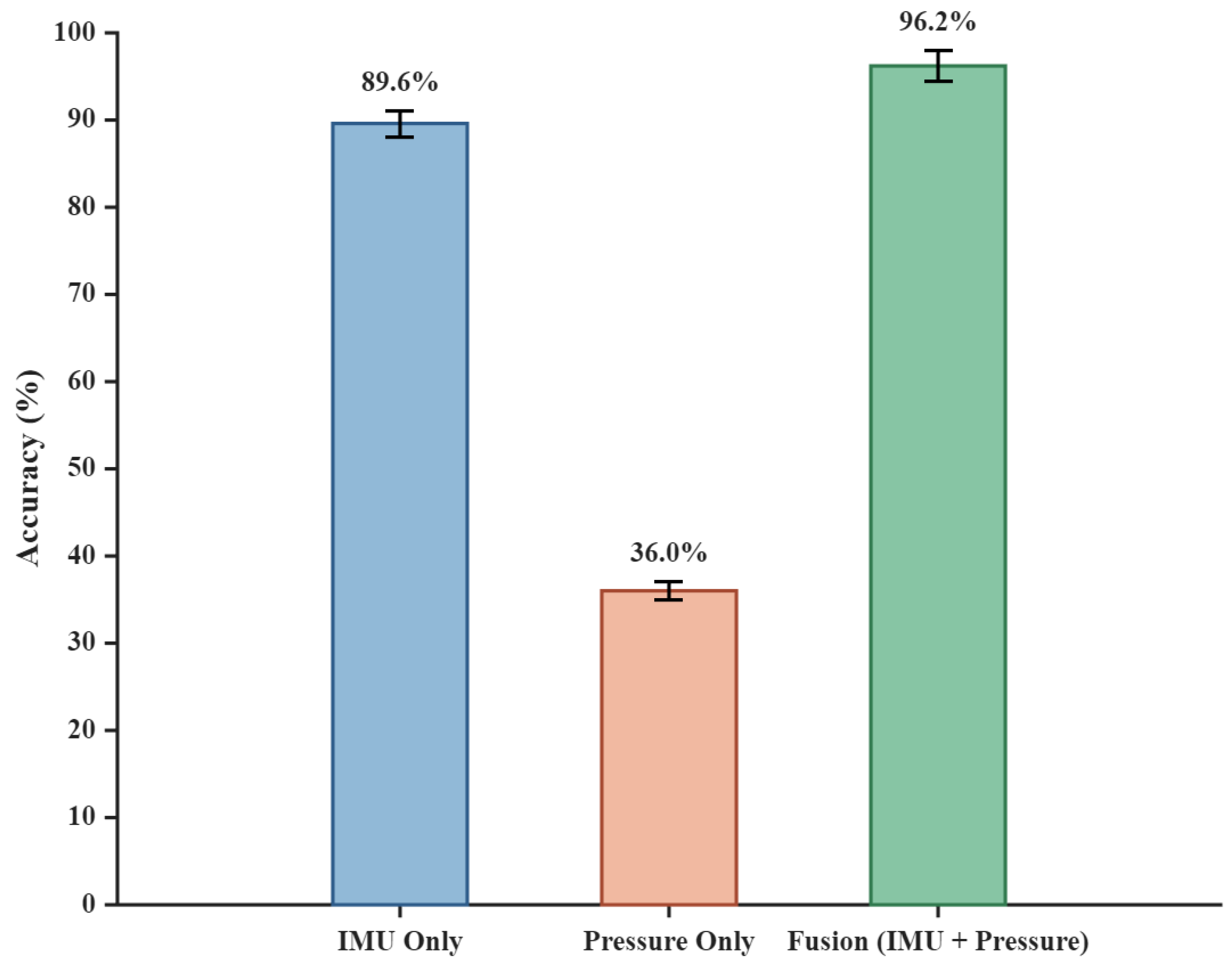
3.3. Ablation Study on Sensor Modalities
3.4. Impact of Dimensionality Reduction
4. Discussion
4.1. Research Summary
- In the primary stage, utilizing the Time-Domain Energy and Frequency-Domain Significance of plantar pressure signals, a dual-threshold mechanism efficiently decouples static postures from dynamic gaits. This effectively solves the misjudgment problem caused by zero-bias drift in traditional inertial algorithms during standstill and reduces the computational burden.
- In the advanced classification stage, for static and transitional actions, a lightweight SVM model combined with a Finite State Machine (FSM) is employed to ensure the physical continuity of action logic. For complex dynamic gaits (walking, running, stairs), an ensemble learning model based on a Soft Voting mechanism is proposed. Based on a 1.28 s sliding window, the algorithm constructs a high-dimensional feature vector (totaling 510 dimensions, including 222 pressure features and 288 IMU features). This model fuses a Dual-Branch Neural Network (extracting deep features) with Random Forest and GBDT (utilizing structured time-frequency features) and introduces biomechanical indicators such as Dual Support Period, Center of Pressure (COP), and Range of Motion (ROM).
4.2. Future Research Direction
Author Contributions
Funding
Institutional Review Board Statement
Informed Consent Statement
Data Availability Statement
Conflicts of Interest
References
- Sethi, D.; Bharti, S.; Prakash, C. A comprehensive survey on gait analysis: History, parameters, approaches, pose estimation, and future work. Artif. Intell. Med. 2022, 129, 102314. [Google Scholar] [CrossRef] [PubMed]
- Xie, J.; Zhao, H.; Cao, J.; Qu, Q.; Cao, H.; Liao, W.-H.; Lei, Y.; Guo, L. Wearable multisource quantitative gait analysis of Parkinson’s diseases. Comput. Biol. Med. 2023, 164, 107270. [Google Scholar] [CrossRef] [PubMed]
- Yashas, B.Y.; Santhosh, L.; Asha, K.N.; Potdar, V.; Shamanth, R.; Teja, G.K. Gait Based Behaviometric Identification Using CASIA-B Dataset and Gait Energy Images. In Proceedings of the 3rd IEEE International Conference on Knowledge Engineering and Communication Systems (ICKECS 2025), Bengaluru, India, 20–22 November 2025. [Google Scholar] [CrossRef]
- Qian, G.; Zhang, J.; Kidané, A. People Identification Using Gait via Floor Pressure Sensing and Analysis. In Lecture Notes in Computer Science (Including Subseries Lecture Notes in Artificial Intelligence and Lecture Notes in Bioinformatics); Springer: Berlin/Heidelberg, Germany, 2008; Volume 5279, pp. 83–98. [Google Scholar] [CrossRef]
- Chen, C.; Liu, D.; Wang, X.; Wang, C.; Wu, X. An Adaptive Gait Learning Strategy for Lower Limb Exoskeleton Robot. In Proceedings of the 2017 IEEE International Conference on Real-Time Computing and Robotics (RCAR), Okinawa, Japan, 1–5 July 2017; pp. 172–177. [Google Scholar] [CrossRef]
- Chen, Y.; Xue, Y. A Deep Learning Approach to Human Activity Recognition Based on Single Accelerometer. In Proceedings of the 2015 IEEE International Conference on Systems, Man, and Cybernetics, Hong Kong, China, 9–12 October 2015; pp. 1488–1492. [Google Scholar] [CrossRef]
- Zebin, T.; Scully, P.J.; Ozanyan, K.B. Human Activity Recognition with Inertial Sensors Using a Deep Learning Approach. In Proceedings of the IEEE Sensors Conference (ICSENS 2016), Orlando, FL, USA, 30 October–3 November 2016. [Google Scholar] [CrossRef]
- Bayat, A.; Pomplun, M.; Tran, D.A. A Study on Human Activity Recognition Using Accelerometer Data from Smartphones. Procedia Comput. Sci. 2014, 34, 450–457. [Google Scholar] [CrossRef]
- Liu, Y.; Liu, Y.; Song, Q.; Wu, D.; Jin, D. Gait Event Detection Based on Fuzzy Logic Model by Using IMU Signals of Lower Limbs. IEEE Sens. J. 2024, 24, 22685–22697. [Google Scholar] [CrossRef]
- Xia, C.; Sugiura, Y. Wearable Accelerometer Optimal Positions for Human Motion Recognition. In Proceedings of the 2020 IEEE 2nd Global Conference on Life Sciences and Technologies (LifeTech), Kyoto, Japan, 10–12 March 2020; pp. 19–20. [Google Scholar] [CrossRef]
- Andersson, R.; Bermejo-García, J.; Agujetas, R.; Cronhjort, M.; Chilo, J. Smartphone IMU Sensors for Human Identification through Hip Joint Angle Analysis. Sensors 2024, 24, 4769. [Google Scholar] [CrossRef] [PubMed]
- Muro-de-la-Herran, A.; Garcia-Zapirain, B.; Mendez-Zorrilla, A. Gait Analysis Methods: An Overview of Wearable and Non-Wearable Systems, Highlighting Clinical Applications. Sensors 2014, 14, 3362–3394. [Google Scholar] [CrossRef] [PubMed]
- Wang, J.; Dai, Y.; Kang, T.; Si, X. Research on Gait Recognition Based on Lower Limb EMG Signal. In Proceedings of the 2021 IEEE International Conference on Mechatronics and Automation (ICMA), Takamatsu, Japan, 16–19 August 2021; pp. 212–217. [Google Scholar]
- LaMont, J.G. Functional Anatomy of the Lower Limb. Clin. Plast. Surg. 1986, 13, 571–579. [Google Scholar] [CrossRef] [PubMed]
- Chen, B.; Wang, X.; Huang, Y.; Wei, K.; Wang, Q. A Foot-Wearable Interface for Locomotion Mode Recognition Based on Discrete Contact Force Distribution. Mechatronics 2015, 32, 12–21. [Google Scholar] [CrossRef]
- Wang, Q.; Guan, H.; Wang, C.; Lei, P.; Sheng, H.; Bi, H.; Hu, J.; Guo, C.; Mao, Y.; Yuan, J.; et al. A Wireless, Self-Powered Smart Insole for Gait Monitoring and Recognition via Nonlinear Synergistic Pressure Sensing. Sci. Adv. 2025, 11, eadu1598. [Google Scholar] [CrossRef] [PubMed]
- Cha, Y.; Song, K.; Shin, J.; Kim, D. Gait Analysis System Based on Slippers with Flexible Piezoelectric Sensors. In Proceedings of the 2018 IEEE International Conference on Robotics and Biomimetics (ROBIO), Kuala Lumpur, Malaysia, 12–15 December 2018; pp. 2479–2484. [Google Scholar]
- Young, A.J.; Hargrove, L.J. A Classification Method for User-Independent Intent Recognition for Transfemoral Amputees Using Powered Lower Limb Prostheses. IEEE Trans. Neural Syst. Rehabil. Eng. 2016, 24, 217–225. [Google Scholar] [CrossRef] [PubMed]
- Yunas, S.U.; Alharthi, A.; Ozanyan, K.B. Multi-Modality Sensor Fusion for Gait Classification Using Deep Learning. In Proceedings of the 2020 IEEE Sensors Applications Symposium (SAS), Kuala Lumpur, Malaysia, 9–11 March 2020; pp. 1–6. [Google Scholar] [CrossRef]
- Willems, T.M.; De Ridder, R.; Roosen, P. The effect of a long-distance run on plantar pressure distribution during running. Gait Posture 2012, 35, 405–409. [Google Scholar] [CrossRef] [PubMed]
- Liu, Z.; Yin, Z.; Jiang, Y.; Zheng, Q. Dielectric interface passivation of polyelectrolyte-gated organic field-effect transistors for ultrasensitive low-voltage pressure sensors in wearable applications. Mater. Today Electron. 2022, 1, 100001. [Google Scholar] [CrossRef]
- Han, Y.C.; Wong, K.I.; Murray, I. Gait Phase Detection for Normal and Abnormal Gaits Using IMU. IEEE Sens. J. 2019, 19, 3439–3448. [Google Scholar] [CrossRef]





| Gait Category | Label | Action Name | Definition and Constraints |
|---|---|---|---|
| Static and Transitional (Processed by Static Branch) | 1 | Standing | Subject stands still in a natural posture with arms at sides. |
| 2 | Sitting | Subject sits on a standard-height chair with feet flat on the ground. | |
| 3 | Sit-to-Stand | Subject rises from a sitting position to a fully standing state. | |
| 4 | Stand-to-Sit | Subject lowers from a standing state to a fully sitting position. | |
| Dynamic Gaits (Processed by Dynamic Branch) | 5 | Walking | Level walking in a straight line at a uniform speed (~5 km/h). |
| 6 | Running | Running in a straight line at a uniform speed (~10 km/h). | |
| 7 | Stair Ascent | Climbing stairs (step height ~15 cm) at a steady pace (~20 steps/min). | |
| 8 | Stair Descent | Descending stairs (step height ~15 cm) at a steady pace (~25 steps/min). |
| Gait Type | Level Walking | Running | Stair Ascent | Stair Descent |
|---|---|---|---|---|
| Cadence | 1.0 steps/s | >2.0 steps/s | 1.2–1.5 steps/s | 0.75 steps/s |
| Thigh Roll Amplitude | 100° | 100° | 60° | 30° |
| Shank Roll Amplitude | 100° | 100° | 70° | 70° |
| Pitch Activity | Low | Low | High | Lowest |
| Yaw Stability | Stable | Stable | Unstable | Stable after transition |
| Locomotion Strategy | Efficiency-oriented | Speed-oriented | Power-oriented | Safety-oriented |
| Subject | Accuracy (%) |
|---|---|
| A | 92.16 |
| B | 94.44 |
| C | 98.52 |
| D | 97.40 |
| E | 98.30 |
| F | 96.20 |
Disclaimer/Publisher’s Note: The statements, opinions and data contained in all publications are solely those of the individual author(s) and contributor(s) and not of MDPI and/or the editor(s). MDPI and/or the editor(s) disclaim responsibility for any injury to people or property resulting from any ideas, methods, instructions or products referred to in the content. |
© 2026 by the authors. Licensee MDPI, Basel, Switzerland. This article is an open access article distributed under the terms and conditions of the Creative Commons Attribution (CC BY) license.
Share and Cite
Li, X.; Gao, Y.; Chen, G.; Zhang, M.; Liao, J.; Wang, Z.; Sun, J. A Wearable Multi-Modal Measurement System with Self-Developed IMUs and Plantar Pressure Sensors for Real-Time Gait Recognition. Micromachines 2026, 17, 371. https://doi.org/10.3390/mi17030371
Li X, Gao Y, Chen G, Zhang M, Liao J, Wang Z, Sun J. A Wearable Multi-Modal Measurement System with Self-Developed IMUs and Plantar Pressure Sensors for Real-Time Gait Recognition. Micromachines. 2026; 17(3):371. https://doi.org/10.3390/mi17030371
Chicago/Turabian StyleLi, Xiuyu, Yunong Gao, Guanzhong Chen, Meiyan Zhang, Jingxiao Liao, Zhaoyun Wang, and Jinwei Sun. 2026. "A Wearable Multi-Modal Measurement System with Self-Developed IMUs and Plantar Pressure Sensors for Real-Time Gait Recognition" Micromachines 17, no. 3: 371. https://doi.org/10.3390/mi17030371
APA StyleLi, X., Gao, Y., Chen, G., Zhang, M., Liao, J., Wang, Z., & Sun, J. (2026). A Wearable Multi-Modal Measurement System with Self-Developed IMUs and Plantar Pressure Sensors for Real-Time Gait Recognition. Micromachines, 17(3), 371. https://doi.org/10.3390/mi17030371