Article

Physics-Informed Generative Adversarial Network for Synthesis of Nonuniform Antenna Arrays with Mutual Coupling


National Key Laboratory of Radar Detection and Sensing, Xidian University, Xi’an 710071, China
*
Author to whom correspondence should be addressed.
Micromachines 2026, 17(7), 788; https://doi.org/10.3390/mi17070788
Submission received: 6 June 2026 / Revised: 26 June 2026 / Accepted: 26 June 2026 / Published: 28 June 2026

Abstract

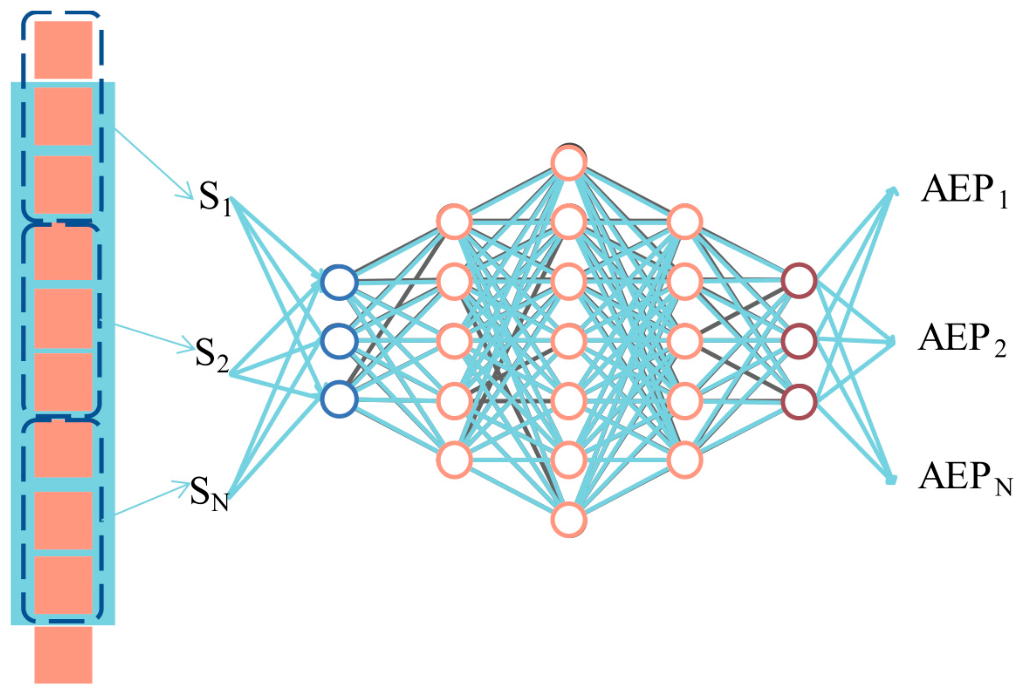
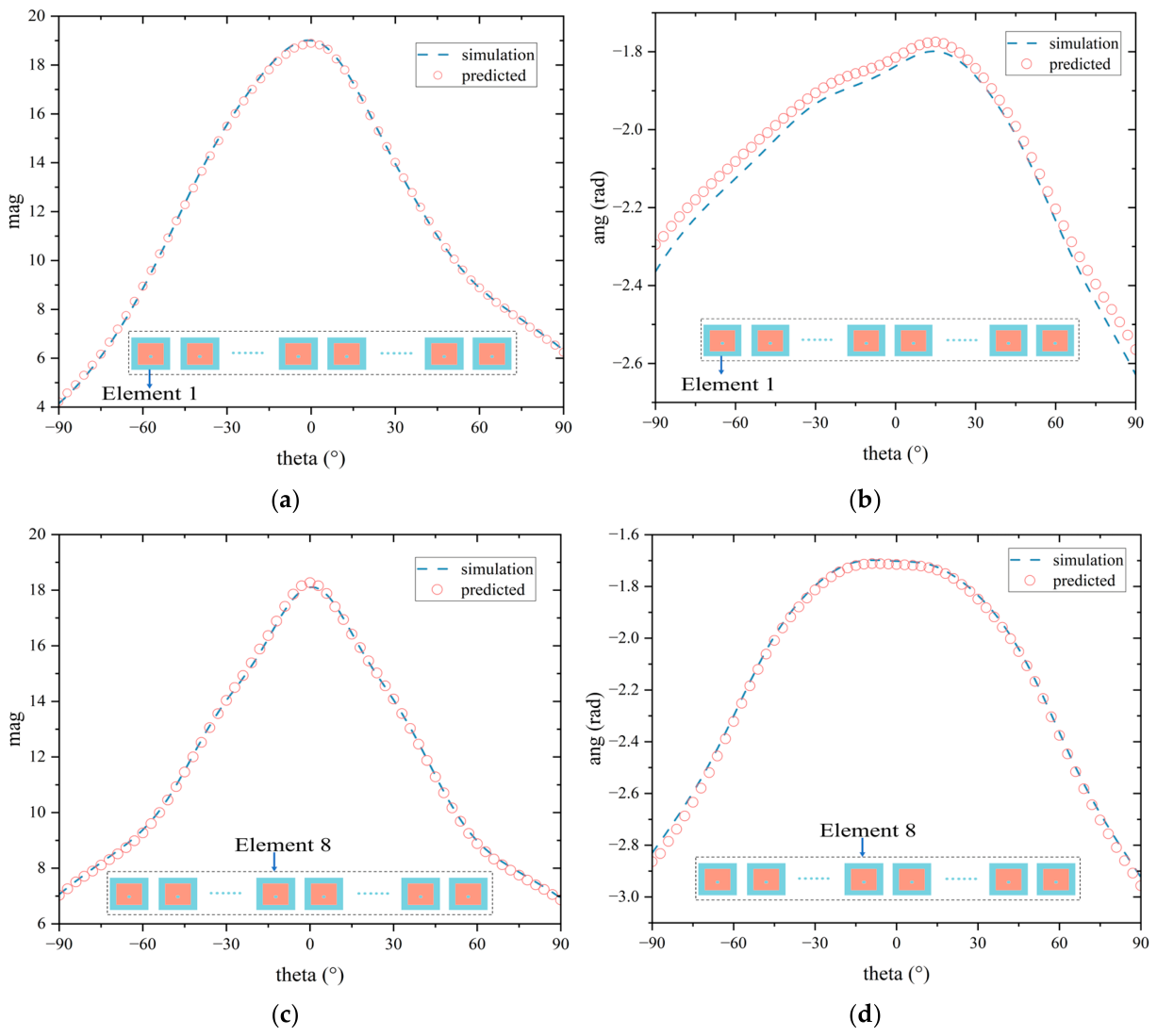
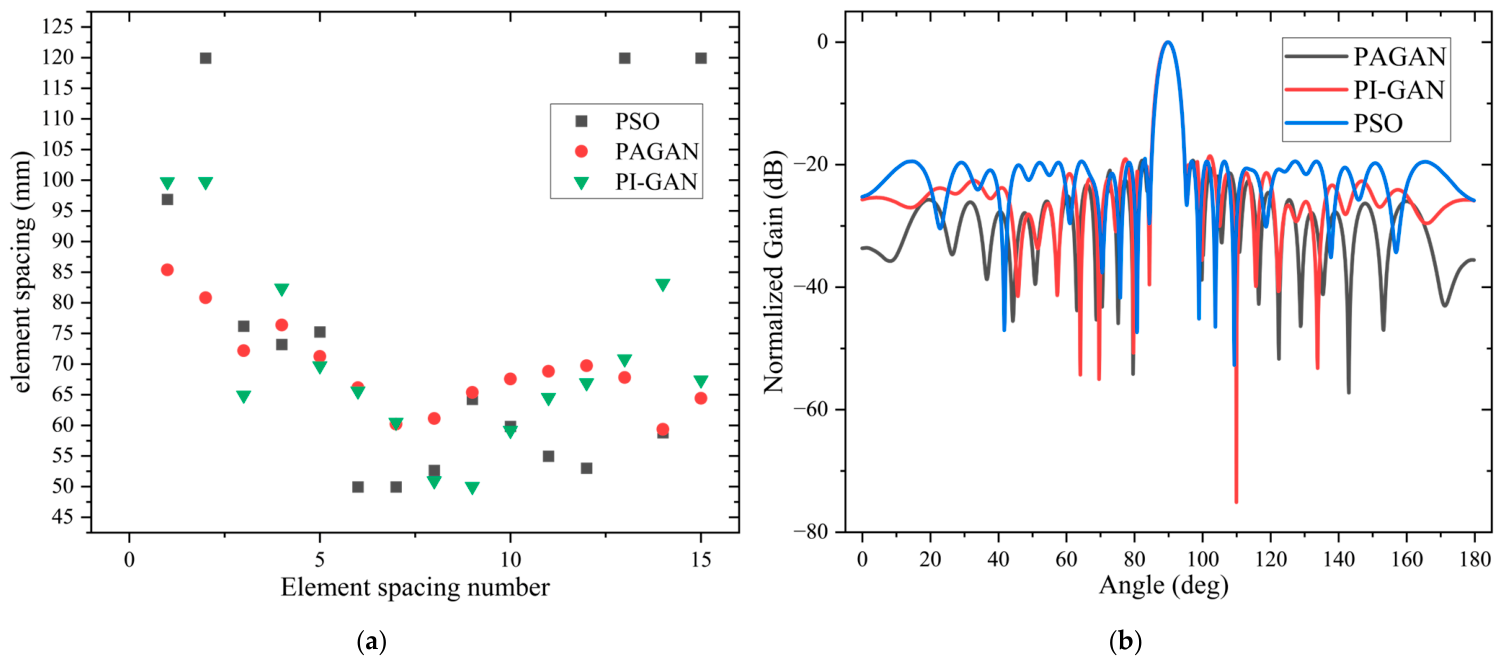
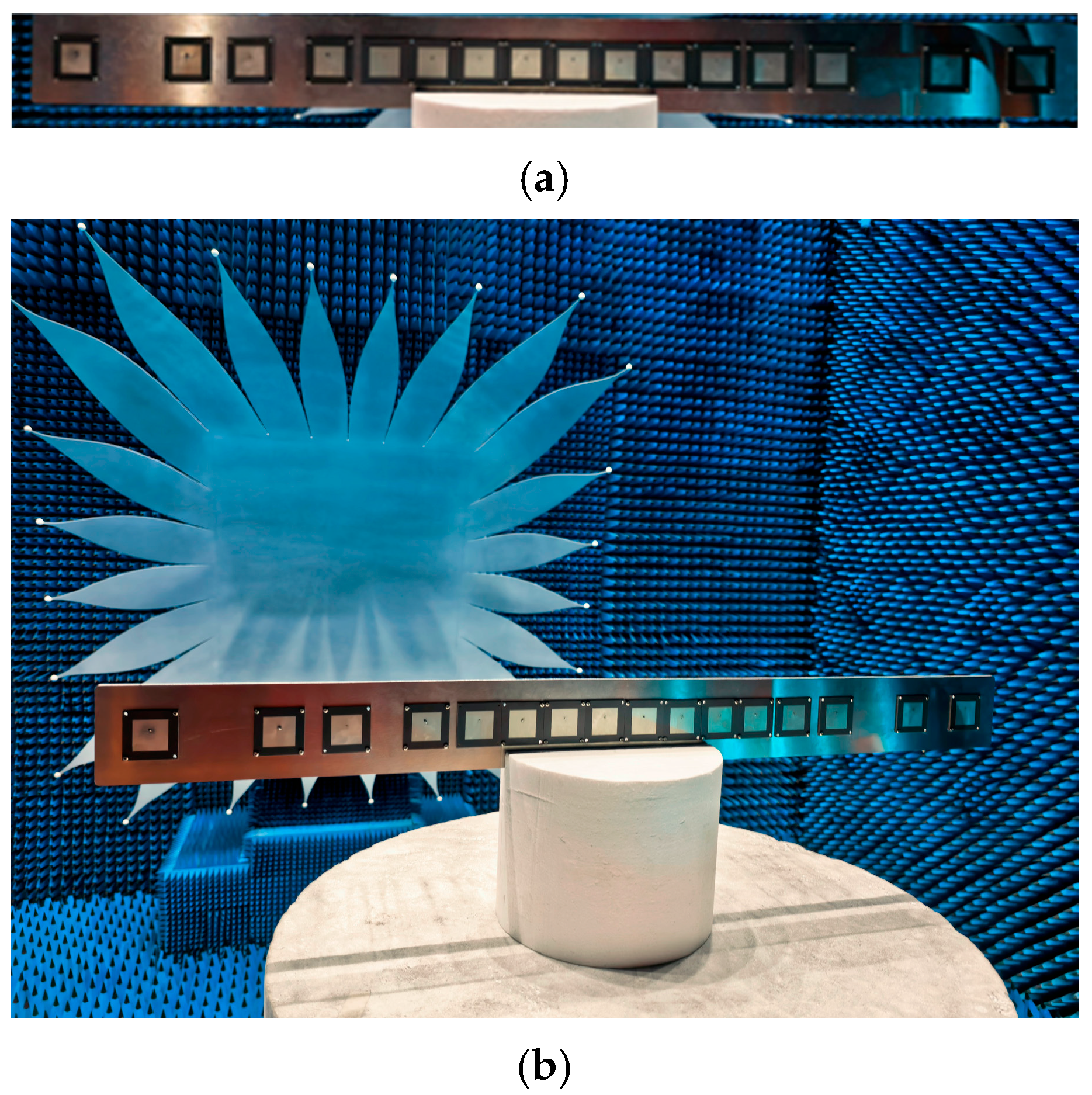
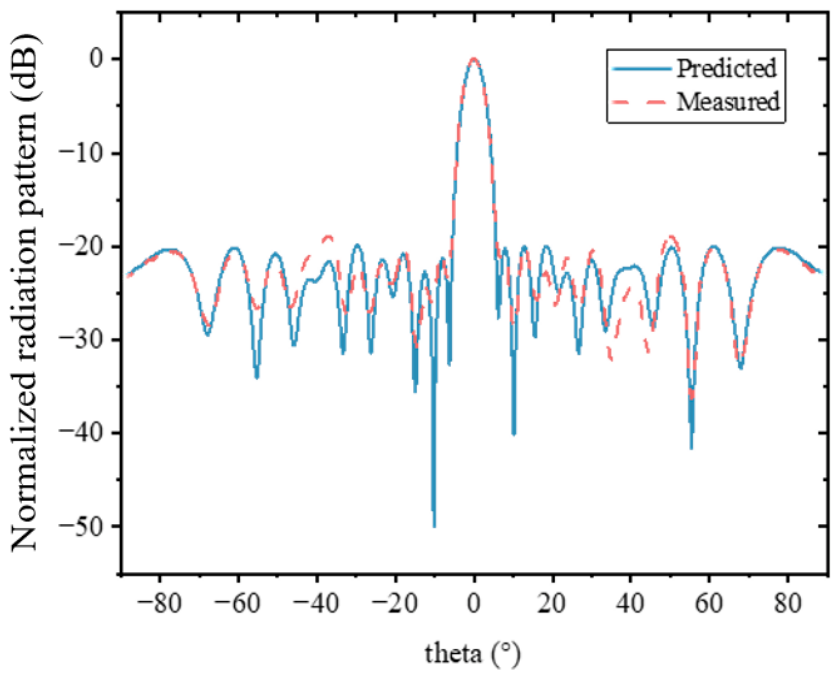
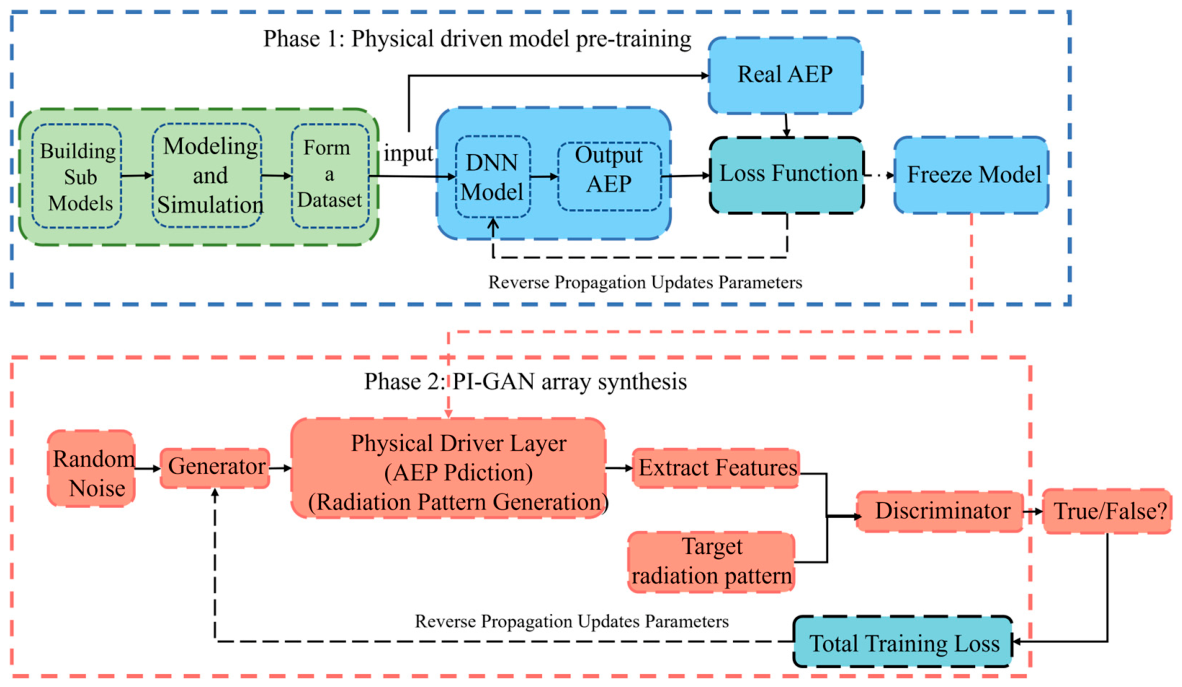
This work presents an unsupervised machine learning approach for the synthesis of nonuniform antenna arrays with consideration of mutual coupling effects. By integrating physical array synthesis formulas into the loss function, the physics-informed generative adversarial network (PI-GAN) is adopted to generate candidate designs of nonuniform antenna arrays. The generator produces the array geometric layouts and complex excitation distributions, and the discriminator assesses the fidelity of the radiation pattern relative to the design target by utilizing adversarial training with physics-driven pattern matching losses. With this proposed PI-GAN architecture, a deep neural network (DNN)-based active element pattern (AEP) surrogate model is embedded as a differentiable physics layer to accurately characterize the element mutual coupling, replacing time-consuming full-wave simulations. This end-to-end optimization paradigm enables an efficient global search over the non-convex solution space while ensuring physical consistency of the synthesized array. The method is validated on a 16-element linear array and a 300-element planar array, achieving lower peak sidelobe levels (PSLL), respectively. A prototype of the 16-element linear array is fabricated and measured, and the experimental results closely match the simulations, further validating the practical feasibility of the proposed PI-GAN synthesis framework.
Keywords: array synthesis; nonuniform array; mutual coupling; active element pattern (AEP); physics-informed neural network; generative adversarial network (GAN) array synthesis; nonuniform array; mutual coupling; active element pattern (AEP); physics-informed neural network; generative adversarial network (GAN)