1. Introduction
Breast cancer remains one of the most significant causes of cancer-related deaths among women globally, underscoring the critical need for effective early detection strategies to enhance survival rates and reduce treatment costs [
1]. Traditional screening methods such as mammography, ultrasound, and magnetic resonance imaging (MRI) are widely used; however, they are limited by issues related to sensitivity, specificity, and patient comfort [
2]. For instance, mammography, while effective in many cases, struggles to detect tumors in dense breast tissue, often leading to false positives or false negatives [
3] Additionally, MRI, although highly sensitive, is expensive, time-consuming, and not always accessible in low-resource settings [
4]. These limitations highlight the growing demand for innovative diagnostic approaches that provide higher accuracy, non-invasive procedures, and cost-effectiveness.
Recent advancements in imaging technologies, such as digital breast tomosynthesis (DBT) and contrast-enhanced mammography (CEM), have shown promise in addressing some of these challenges by improving tumor detection rates and reducing diagnostic errors [
5,
6]. However, these methods still rely on ionizing radiation or contrast agents, which may not be suitable for all patients. In this context, microwave imaging (MI) has emerged as a promising alternative due to its non-ionizing nature, cost-effectiveness, and ability to differentiate between healthy and malignant tissues based on their dielectric properties [
7,
8,
9]. Unlike traditional methods, MI is particularly effective in imaging dense breast tissue, where conventional techniques often fall short [
10].
Microwave sensing has become an increasingly promising method for medical imaging, particularly as a complement to traditional breast cancer screening techniques. This technology works by utilizing electromagnetic waves that interact with biological tissues, which have distinct dielectric properties. These properties enable the detection of anomalies, such as tumors, because malignant tissues typically have different dielectric characteristics compared to healthy tissues. Furthermore, microwave imaging is less sensitive to variations in tissue density, making it an especially useful tool for women with dense breast tissue. Tumor tissues in the breast have significantly higher dielectric constants and electrical conductivities in the microwave frequency range when compared to normal tissues [
7,
11,
12,
13].
Recent research has seen a shift from traditional microwave imaging to microwave detection methods in the field of breast cancer diagnosis. While microwave imaging focuses on creating detailed images of the breast tissue, microwave detection aims to identify the presence of tumors by analyzing the unique dielectric properties of malignant tissues. This shift is driven by the need for more accurate, non-invasive, and cost-effective screening methods, particularly for women with dense breast tissue, where conventional imaging techniques like mammography may face limitations. Microwave detection has shown promise due to its ability to detect changes in dielectric constant and electrical conductivity in tumors, which differ significantly from surrounding normal tissue. This approach provides an efficient means for early tumor detection, offering higher sensitivity and specificity, especially in dense breasts [
9,
11,
12,
14,
15,
16,
17,
18,
19].
The integration of artificial intelligence (AI) with microwave imaging has further enhanced its diagnostic potential. AI algorithms, particularly machine learning (ML) and deep learning (DL), can analyze complex microwave signals to improve image reconstruction, reduce noise, and enhance tumor localization [
20,
21]. These AI-driven approaches enable real-time analysis and decision making, making MI a viable tool for early and accurate breast cancer detection. Furthermore, numerical analysis of microwave sensors, combined with AI, allows for the optimization of sensor design and imaging protocols, ensuring higher precision and reliability in clinical applications [
22].
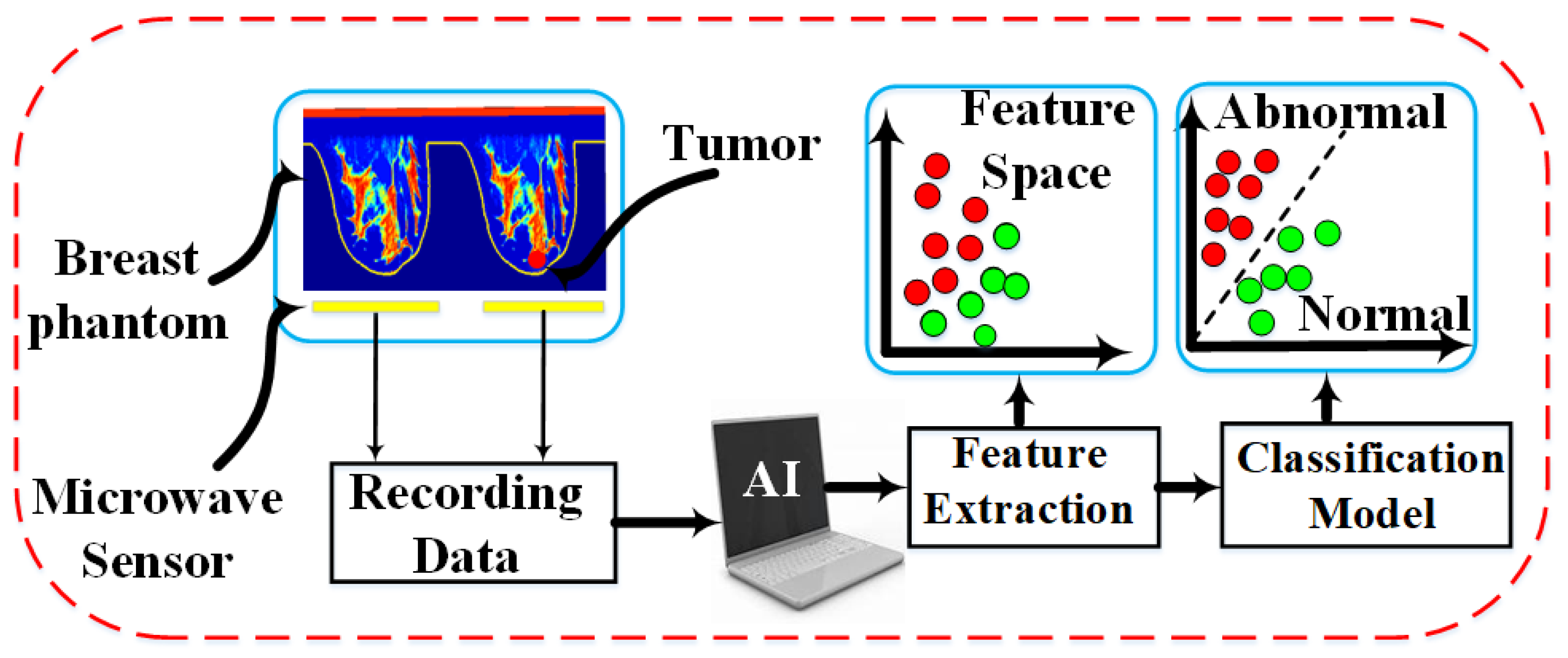
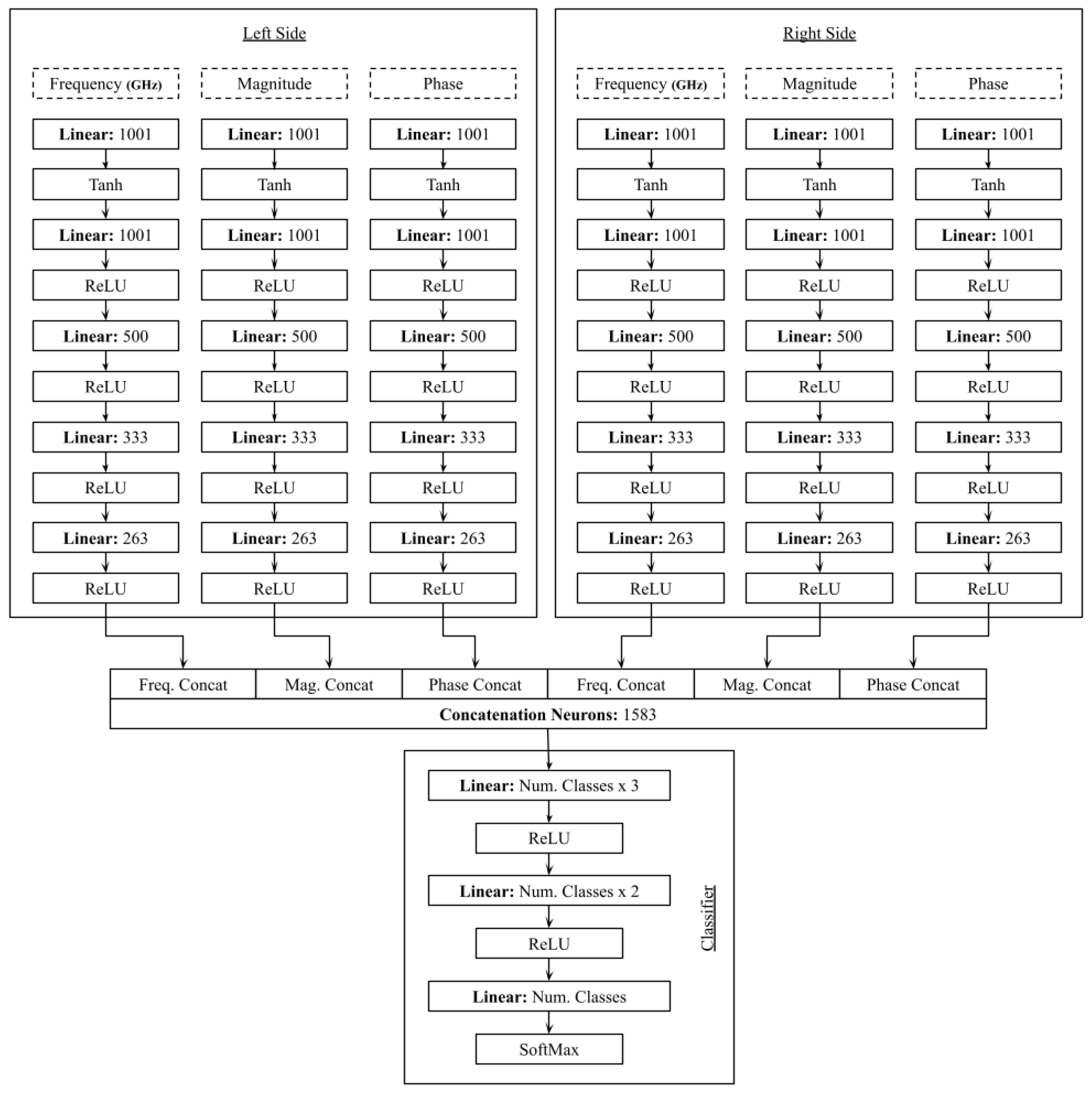
This paper presents a novel method for breast tumor detection by combining microwave sensors with artificial intelligence (AI) algorithms. The proposed metasurface sensor, composed of 64 unit cells and powered by a single port, is designed to enhance detection capabilities. This sensor system is integrated with an AI model aimed at improving diagnostic accuracy by effectively analyzing the data collected. The primary goal of this work is to advance breast cancer diagnostics by offering a non-invasive, efficient, and accessible solution for early tumor detection, ultimately leading to better clinical outcomes and enhanced patient care.
2. Metasurface Sensor Design and Modeling
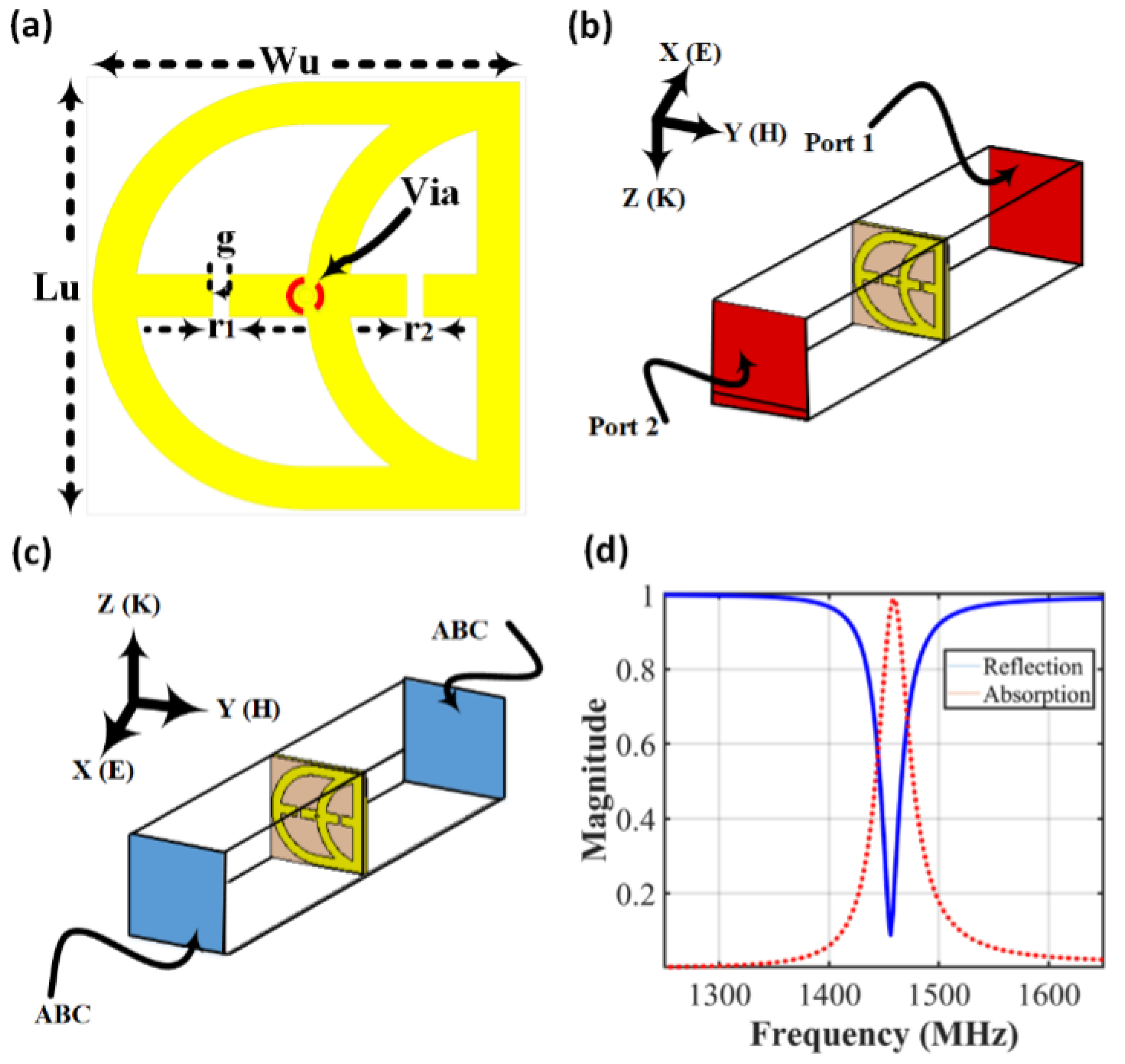
The unit cell of the proposed metasurface sensor features a compact and optimized design consisting of two cascaded half-loops with an embedded dipole that includes two central gaps. This structure is built on a Rogers RO3010 dielectric substrate, which has a thickness of
, a dielectric constant of
, and a loss tangent of
, supported by a reflector to improve the overall performance, as shown in
Figure 1. The unit cell, designed to operate at
, has the following dimensions:
,
,
,
,
, and a copper thickness of
µm. A shunt-fed port with an impedance of
connects the top and bottom layers via to via, enabling efficient signal transmission. The design was simulated and optimized using CST Microwave Studio, ensuring reliable performance for its intended application [
23]. The unit cell was intentionally designed to provide dual sensitivity to the primary electromagnetic contrasts between healthy and malignant breast tissues. The structure integrates an embedded dipole with central gaps and cascaded half-loop elements. The central gaps in the dipole act to concentrate the electric field, thereby enhancing sensitivity to variations in the effective dielectric constant of the surrounding tissue. In parallel, the cascaded half-loops increase the electromagnetic interaction volume with the adjacent medium, which improves sensitivity to conductivity-related losses. The combination of these complementary mechanisms enables the metasurface sensor to respond effectively to tumor-induced changes in both dielectric permittivity and conductivity, supporting reliable detection of breast tissue abnormalities.
The proposed near-field metasurface sensor comprises a periodic
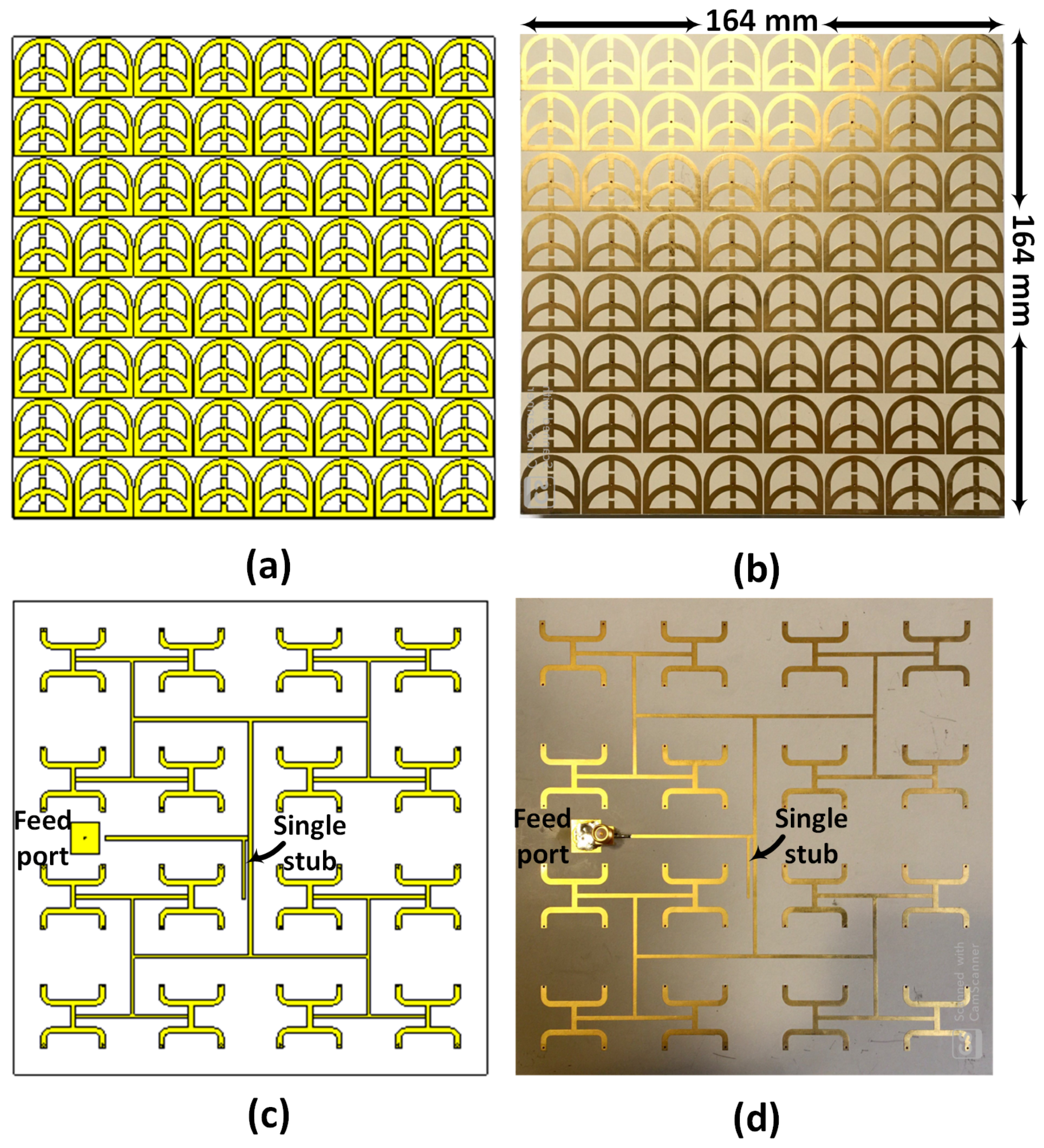
array of identical unit cells on a dielectric substrate. The sensor array was fabricated according to the proposed design, as shown in
Figure 2.
Figure 2a and
Figure 2b show the top-side view of the designed and fabricated sensor respectively.
Figure 2c,d, show the bottom-side view that contains the third layer, which excites the array via a corporate feed network with a single port that uniformly distributes power to all 64 elements. A shared ground plane on the second layer supports both the resonators and the corporate feed network. To match the coaxial
feed to the corporate network, a single-stub matching circuit is used.
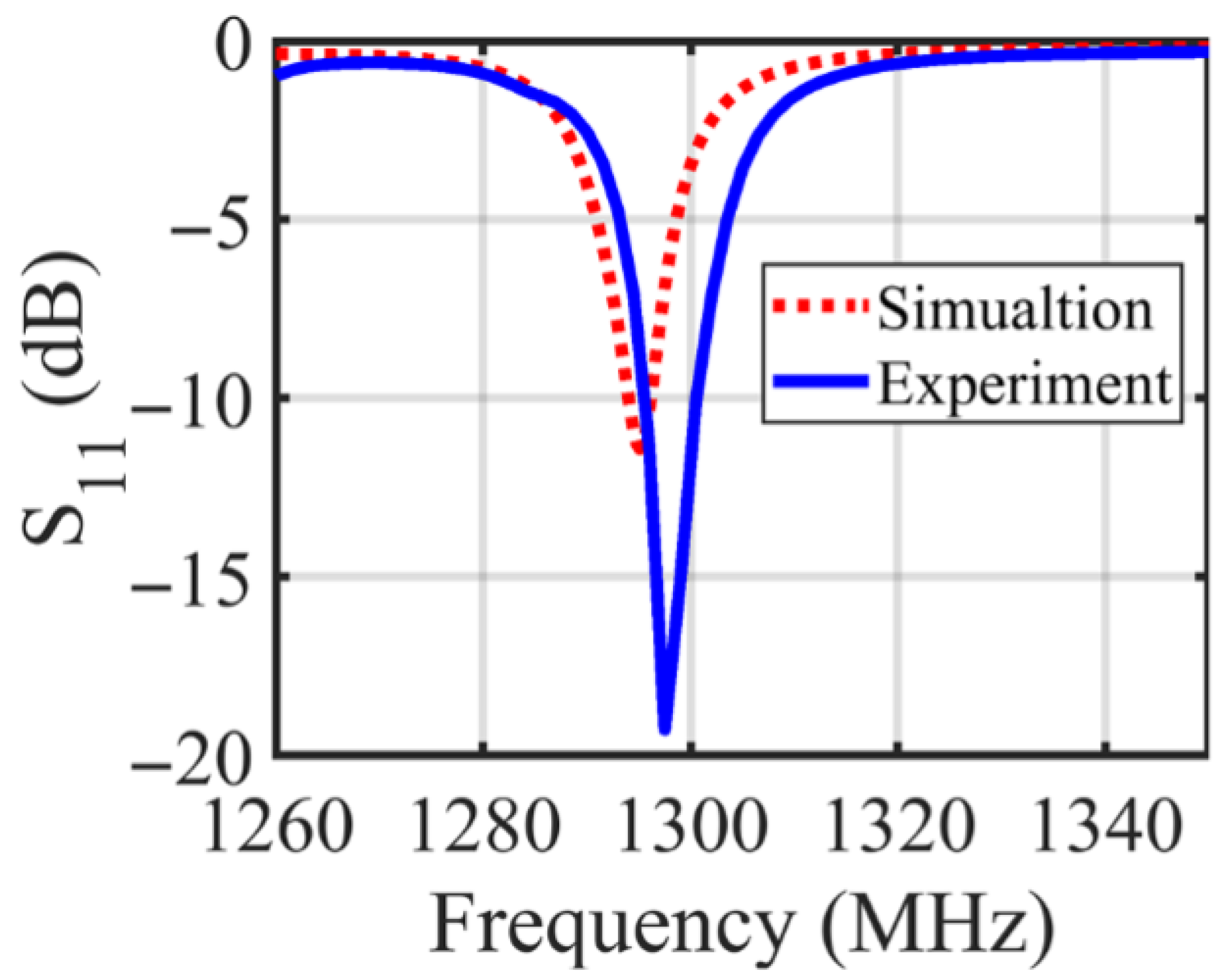
Figure 3 shows a comparison between the simulated and measured reflection coefficients (
) of the proposed sensor. The results show good agreement, with a slight frequency shift in the measured data.
3. Simulation Validation of the Metasurface Sensor Using Realistic Breast Phantoms
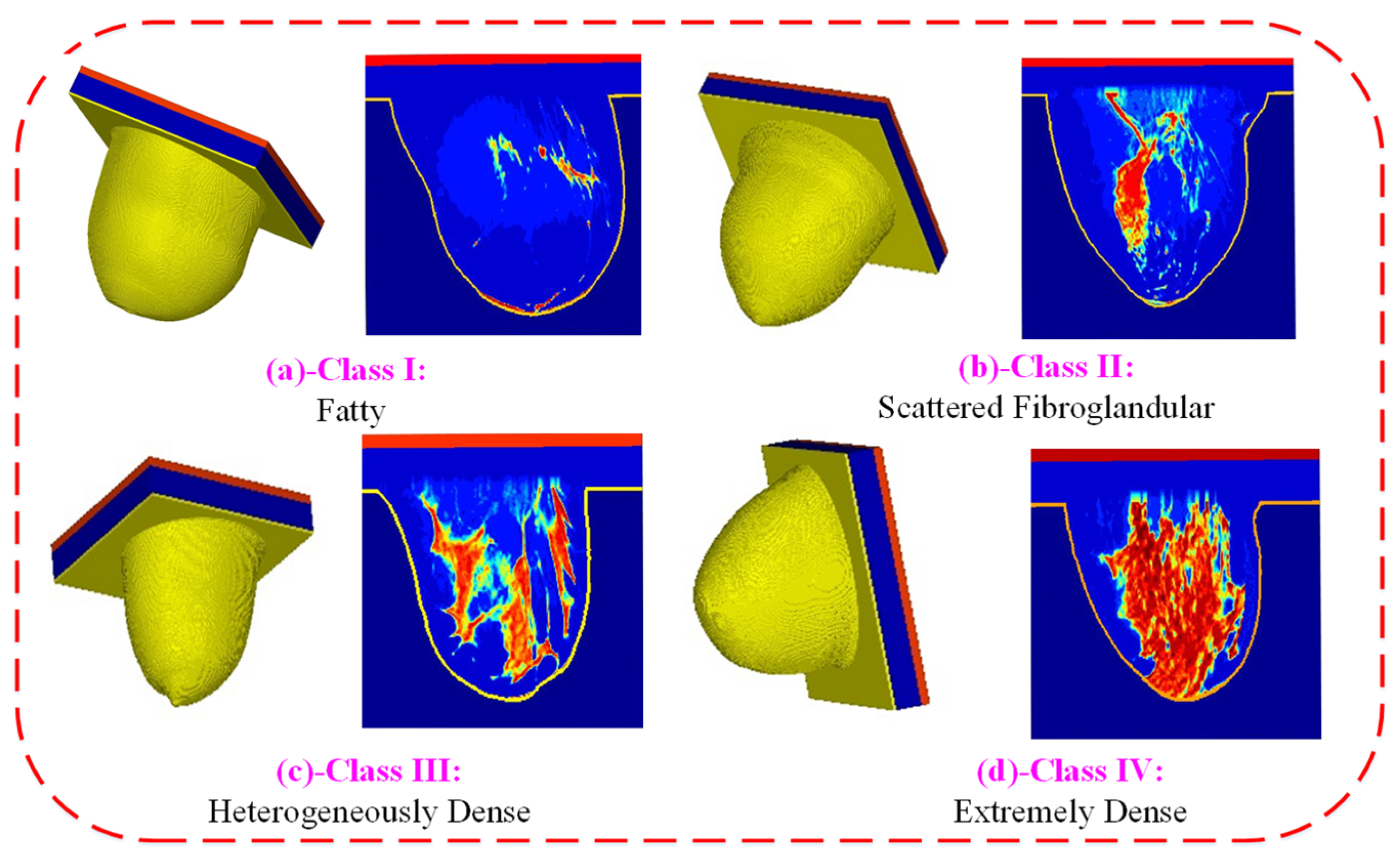
The sensor’s performance was evaluated using breast phantoms that emulate the four breast density categories defined by the American College of Radiology (ACR). These categories, detailed in
Figure 4 are: Class I (predominantly fatty), Class II (scattered fibroglandular), Class III (heterogeneously dense), and Class IV (extremely dense). By testing across this spectrum of tissue-mimicking compositions, we comprehensively assessed the sensor’s capability for abnormality detection.
This study utilized anatomically realistic 3D numerical breast phantoms, which were developed in CST Studio Suite [
23,
24] from breast MRI datasets obtained from the University of Wisconsin’s online repository. The models represent all four American College of Radiology density classes and were created in both normal and abnormal configurations, with the latter incorporating spherical tumors. The dielectric properties were assigned using a piecewise-linear mapping from T1-weighted MRI voxel intensity to the corresponding dielectric characteristics of breast tissues [
25,
26].
The phantom is a numerical 3D model, where the dielectric properties are derived from T1-weighted MRI images via a piecewise-linear mapping that links voxel intensity to tissue dielectric characteristics [
25,
26,
27]. According to the American College of Radiology (ACR), breast phantoms are classified into four categories based on the radiographic density of fibroglandular tissue: almost entirely fatty, scattered fibroglandular, heterogeneously dense, and very dense [
27,
28]. For this study, a heterogeneously dense breast phantom with ID: 062204 and ACR Class 3 was employed. The model has a spatial resolution of
mm
3, with
voxels, as illustrated in
Figure 4 After preprocessing the MRI data in MATLAB R2023b, the model includes both the breast volume information and tissue dielectric properties described using the single Cole–Cole model, which is expressed as:
where
is the frequency-dependant relative permittivity,
is the frequency-dependant dielectric losses,
is the angular frequency, and
is the free-space permittivity. The
,
,
, and
are the parameters of the single Cole–Cole model obtained from the clinical experimental data [
25].
The development of an
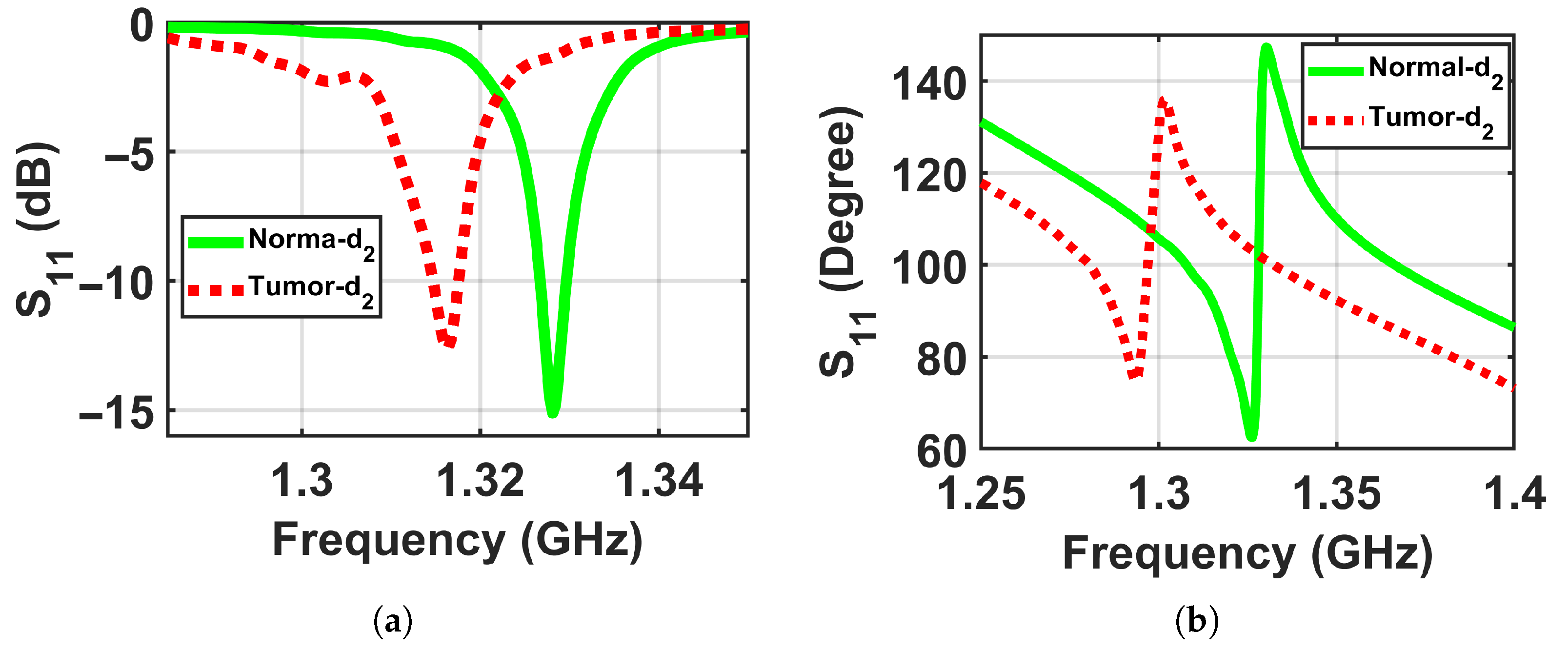
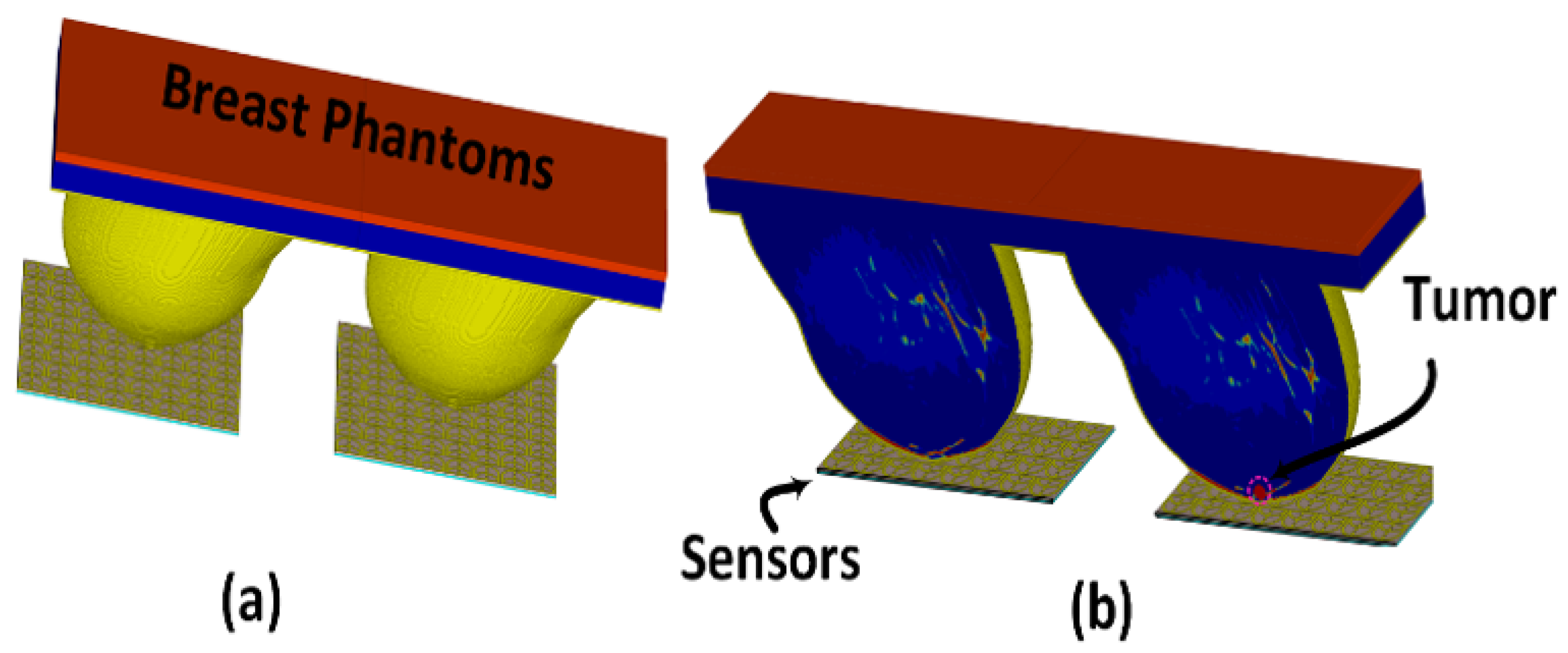
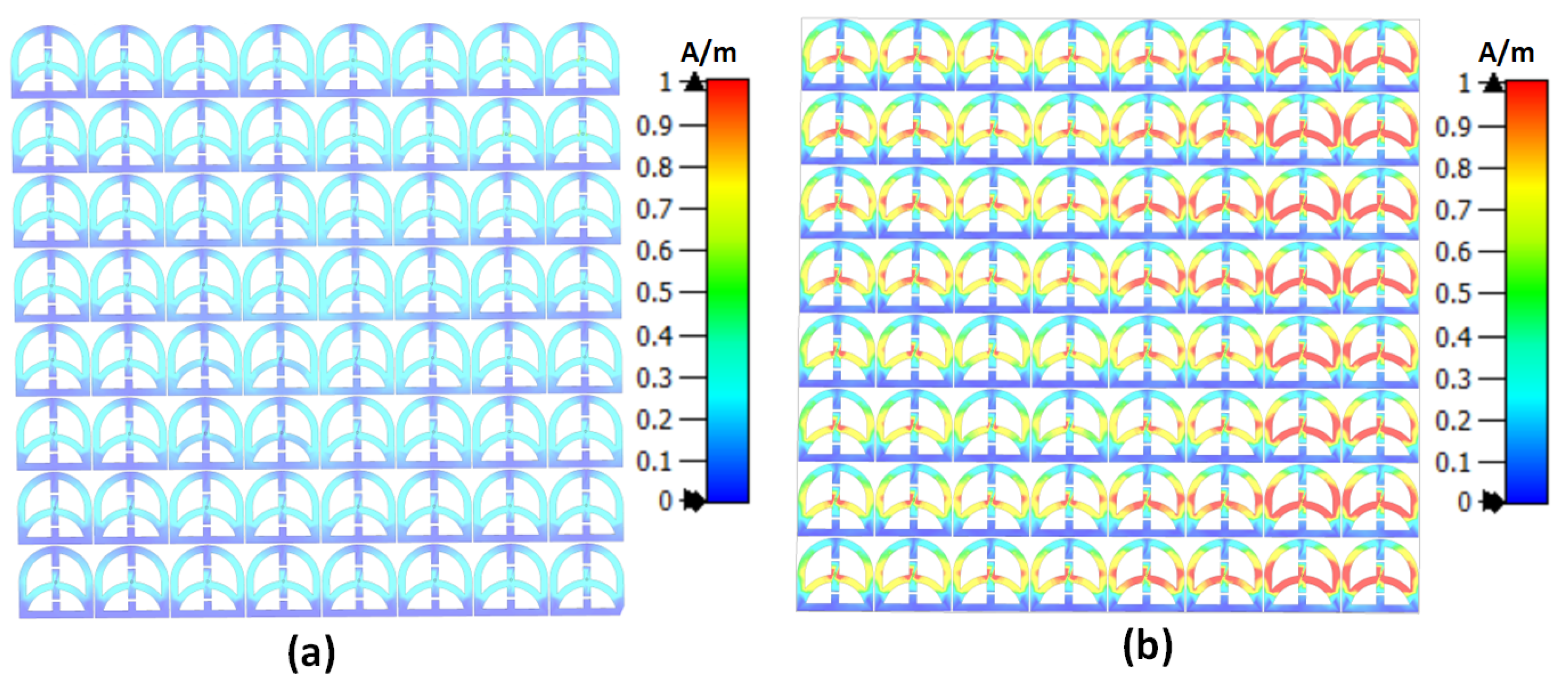
metasurface array significantly enhances the sensing area by providing nearly uniform sensitivity across the entire array, which is achieved through strong electromagnetic coupling between the sub-wavelength unit cells. In this context, the sensitivity area is defined as the region over which the sensor can effectively detect perturbations in its near-field distribution, which is manifested as variations in the magnitude and phase of the reflection coefficient S11 across frequency. This strong coupling increases the interaction between the metasurface and breast tissue, enabling the proposed sensor to detect breast abnormalities without any mechanical movement or scanning, as the array effectively covers the entire breast volume within the sensing region (near-field region). It is important to note that the metasurface elements are excited through a corporate feed network, which ensures uniform power distribution to all array elements. Consequently, the proposed sensor is sensitive not only to variations in the electromagnetic properties of the surrounding medium but also to the spatial location at which these variations occur. For example, the observed resonance frequency shift in the presence of a breast tumor, compared to a healthy case, can be attributed to modifications in the current distribution on the sensor when the breast is positioned within the near-field region of the sensor array, as illustrated in
Figure 5.
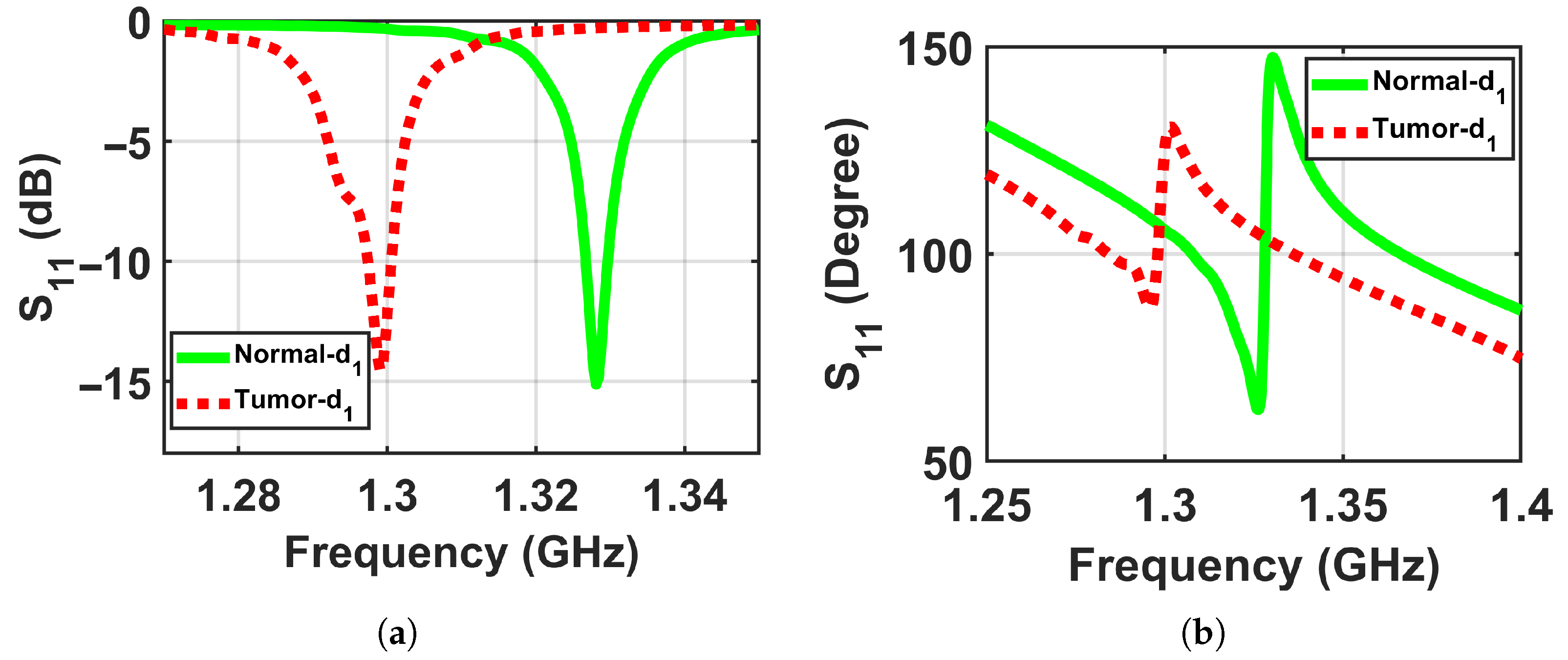
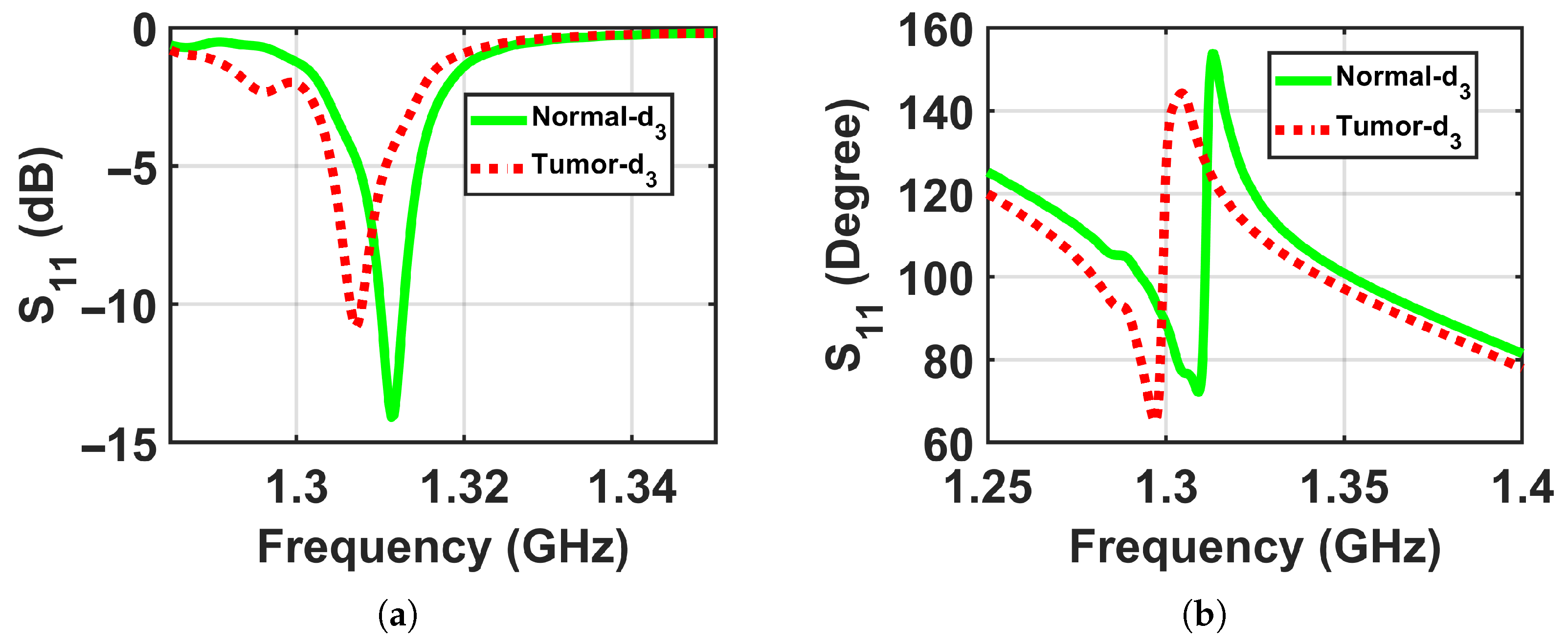
To validate the concept of near-field sensing concept of the proposed sensor, where the sensor sensitivity changes based on the distance between the sensor and the breast model, simulation tests were performed on two breast phantoms (normal and abnormal) at three distances off, which were labeled as d1, d2, and d3, where the closest location from the sensor was labeled d1 = 5 mm, the next one further away was labeled d2 = 10 mm, and the farthest was labeled d3 = 15 mm to ensure that the breast model was placed in the sensor’s near-field region and the sensor signals interacted with the entire breast tissues, as shown in
Figure 5. The metasurface sensor responses were recorded over a frequency range of both breast models, normal and abnormal, at these three standoff distances. The sensor’s scattering parameters (S11), including magnitudes and phases, were then recorded with a range of frequencies of these three distances off. The data obtained were used to determine whether a tumor was present or not by analyzing the changes in the sensor response (magnitude and phase) with and without the existence of a tumor, as shown in
Figure 6,
Figure 7 and
Figure 8.
The novelty of the proposed metasurface sensor stems from its collective electromagnetic behavior, where each sub-wavelength unit cell is strongly coupled to the entire array, such that a localized perturbation in a single cell modifies the global surface current distribution and, consequently, the overall input impedance of the sensor. This principle is clearly illustrated in
Figure 9a and
Figure 9b, which show the surface current distributions for a normal breast phantom and an abnormal phantom containing a 10 mm tumor, respectively. In the healthy case, the induced currents are uniformly distributed across the metasurface, whereas the presence of a tumor locally alters the dielectric loading, leading to pronounced current redistribution that propagates throughout the entire
array due to strong inter-element coupling that effects current perturbations that alters the array’s input impedance, leading to corresponding changes in the reflection coefficient S11. Owing to the presence of 64 coupled resonant elements, the metasurface sensor can exhibit a wide range of reflection coefficient variations associated with surface current changes across the entire array. From a metasurface physics perspective, this collective response ensures that even a small dielectric anomaly affects the effective impedance boundary condition of the array, resulting in a measurable shift in the reflection coefficient (S11). Unlike conventional single-resonator sensors, the proposed architecture exploits the impedance sensitivity of a coupled resonant surface, where localized dielectric changes are amplified into global electromagnetic signatures. This mechanism enables high sensitivity without mechanical scanning, as the metasurface intrinsically maps near-field perturbations into detectable reflection coefficient variations across frequency.
5. Results and Discussion
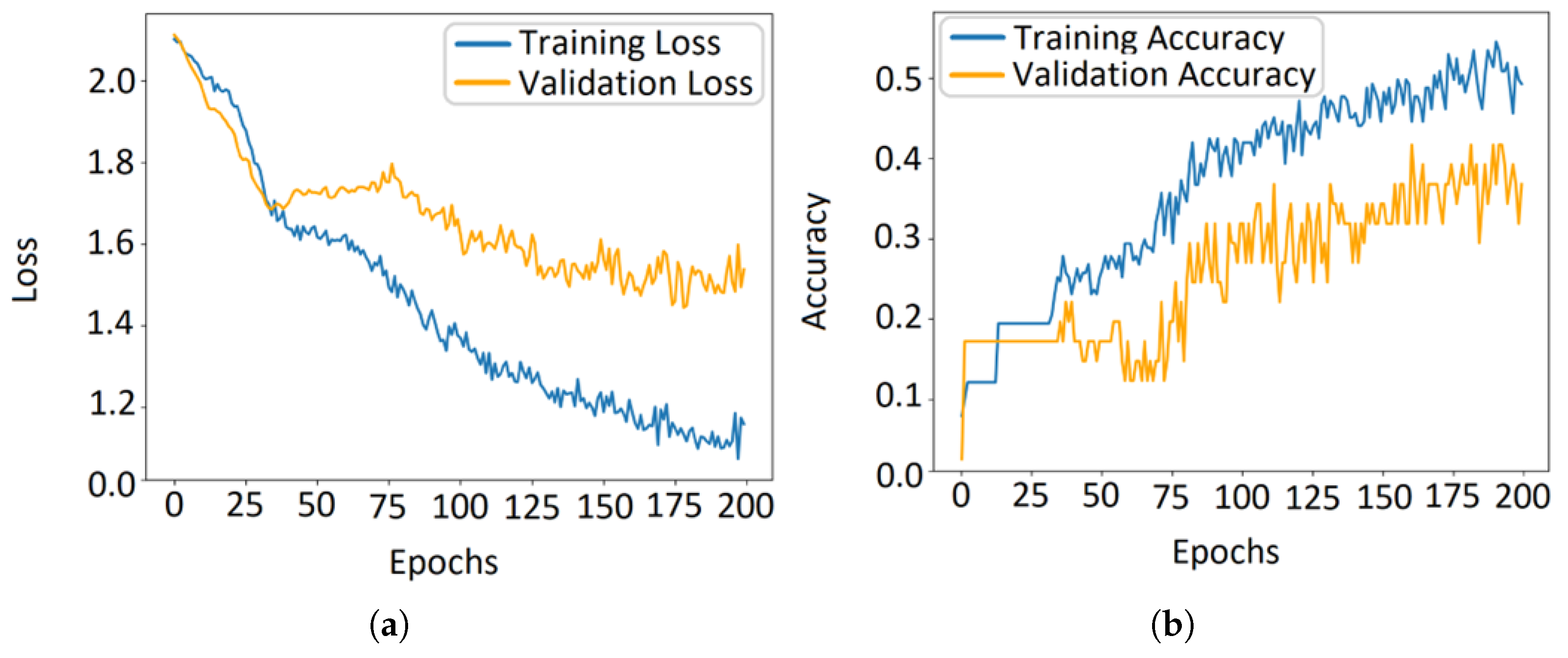
The influence of class combination and dataset composition on model convergence is shown in
Figure 12. The plots of training loss and accuracy reveal that the discriminability between Class 1, Class 2, Class 3, and Class 4 is not uniform; certain class pairs were learned more rapidly and accurately than others. Furthermore, the performance varied significantly between normal and abnormal phantom types and showed a direct correlation with the available sample size for each condition.
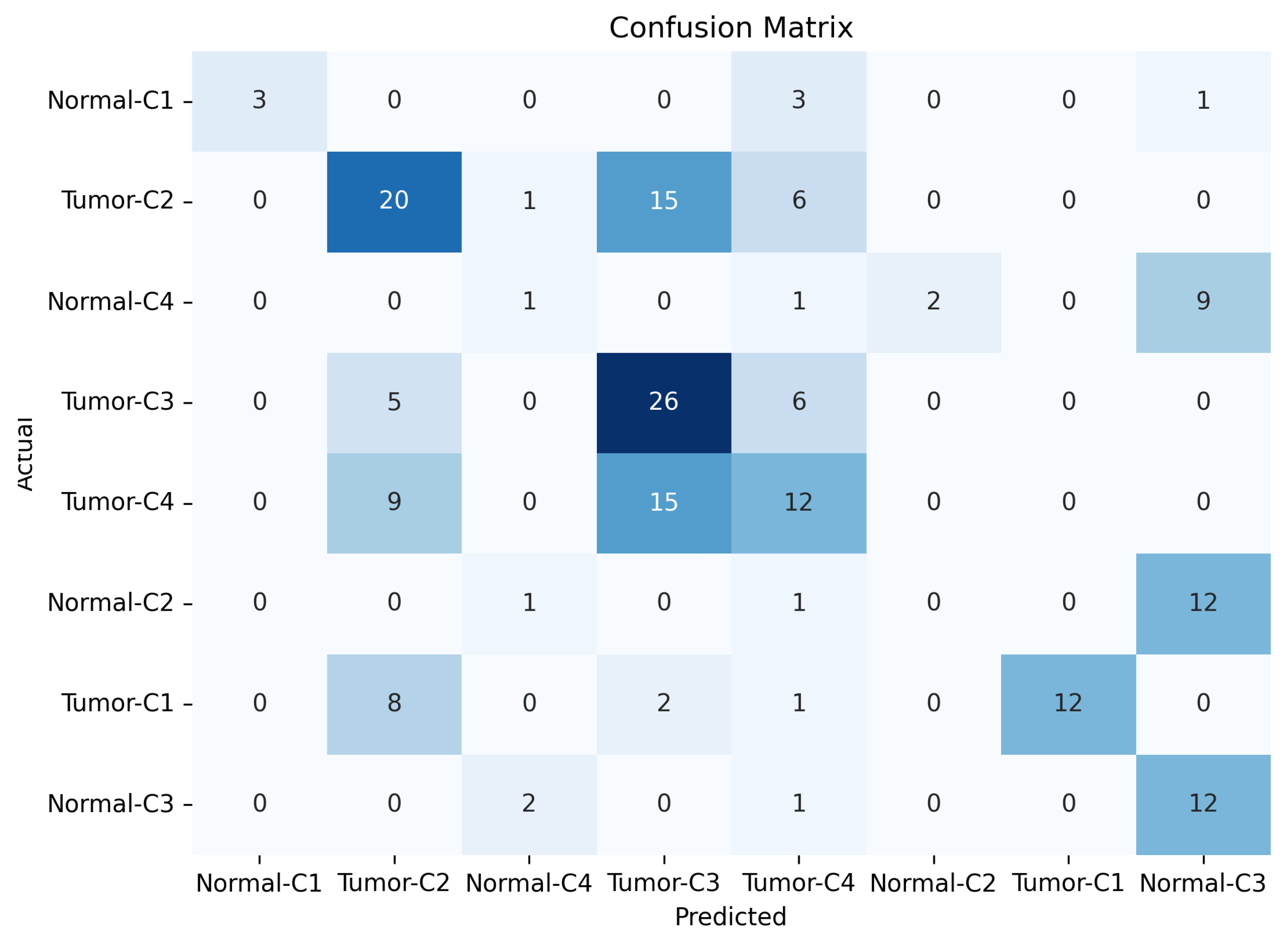
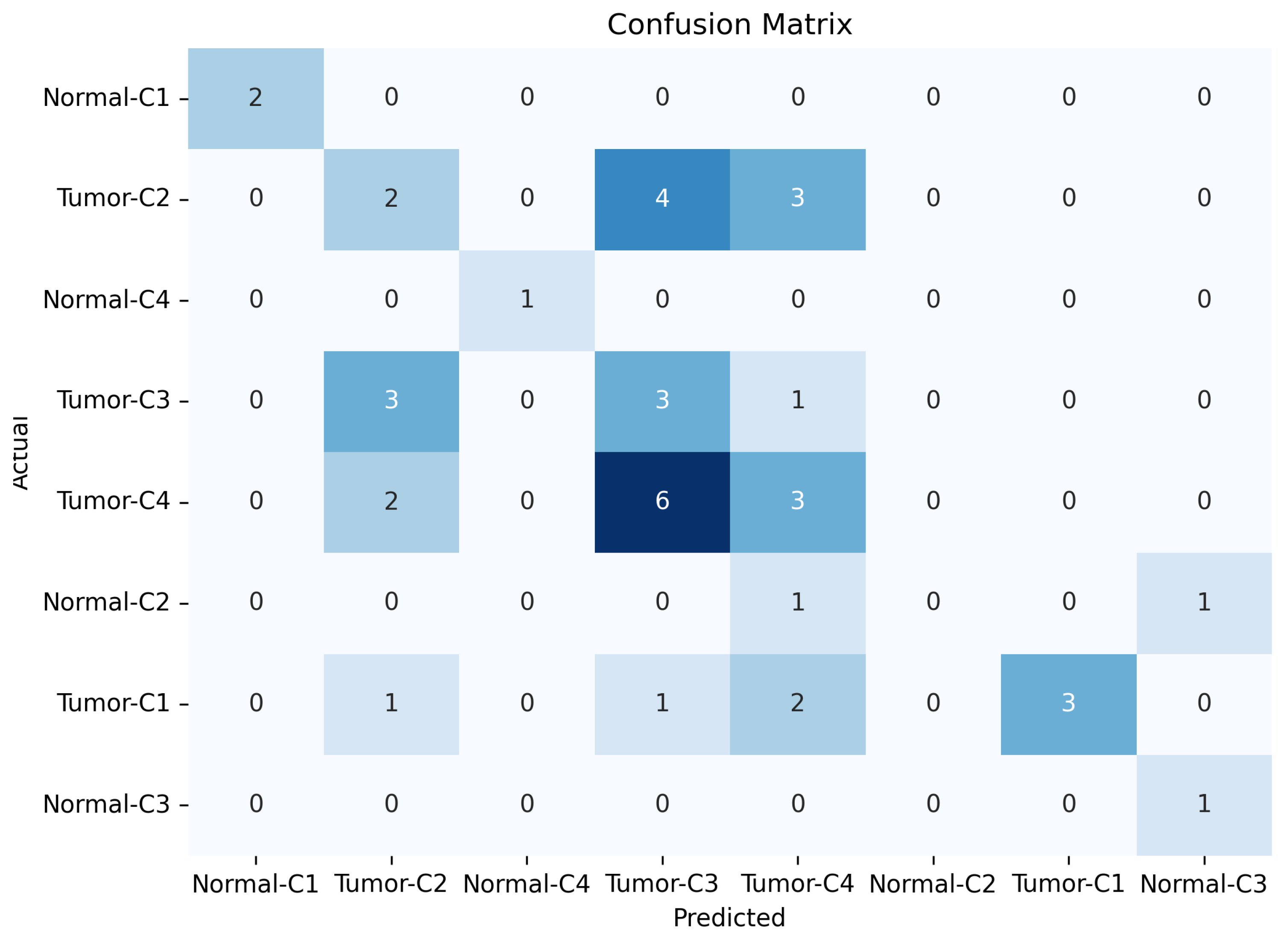
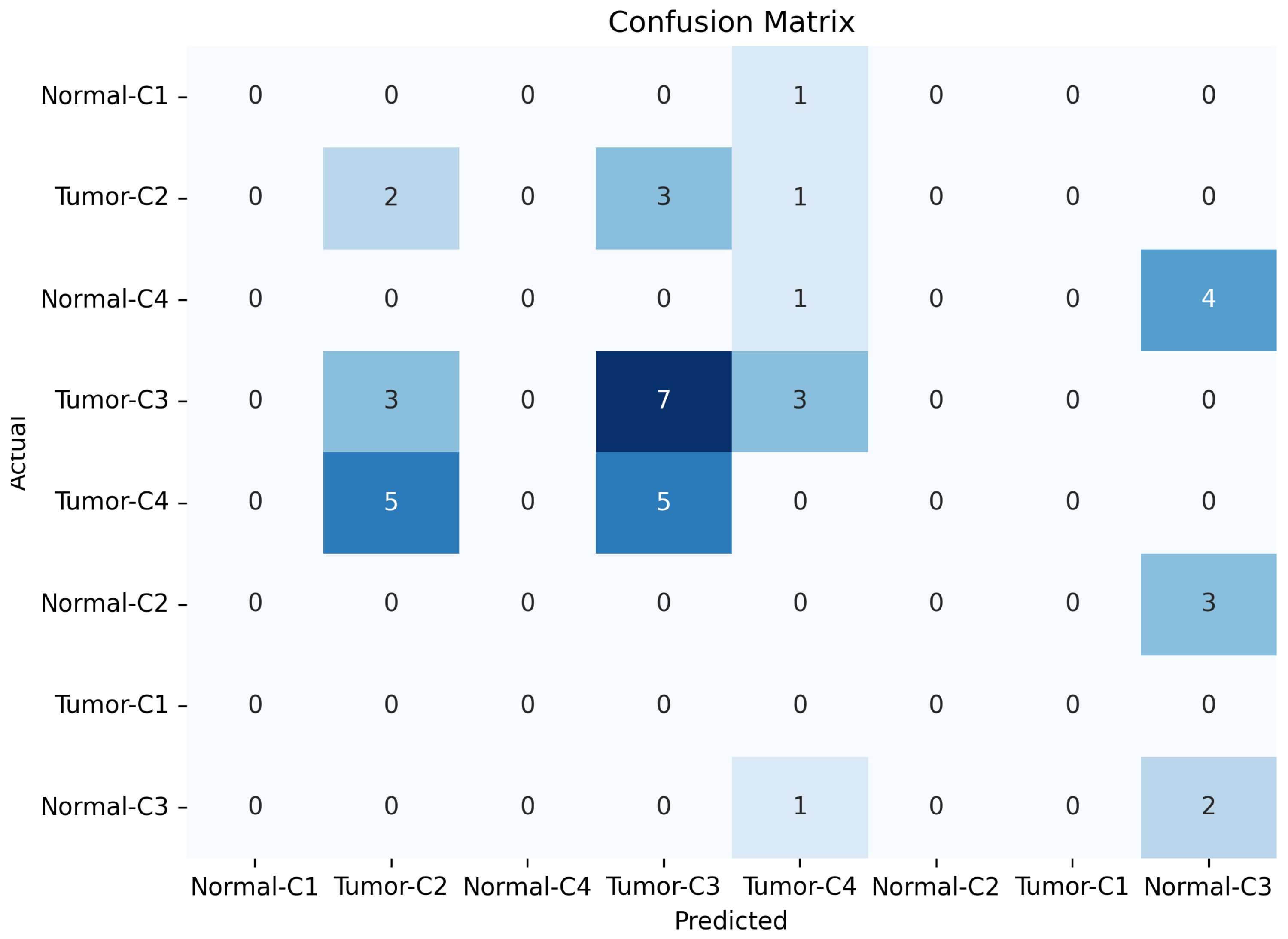
Figure 13,
Figure 14 and
Figure 15 show the training, validation, and testing confusion matrix for the same four-class combinations (Class 1, Class 2, Class 3, and Class 4) across both normal and abnormal breast phantoms. The matrices quantify classification performance and reveal specific patterns of inter-class confusion. In addition, each matrix provides a detailed view of the model’s classification performance, showing how accurately it distinguishes between individual classes. Each matrix also reveals specific misclassifications, highlighting the model’s strengths and weaknesses across different class combinations and phantom conditions. By examining these results, we can identify key opportunities to improve the model’s accuracy and robustness, especially for classes that are more challenging to distinguish.
Table 4 presents the performance metrics for the model classifying normal and tumor categories (Class 1, Class 2, Class 3, and Class 4) across three datasets: training, validation, and testing. The key performance metrics include loss, accuracy, average precision, average recall, and average F1-score. The model achieves its best performance on the training dataset, with an accuracy of 50.27%, an average precision of 0.517, average recall of 0.503, and an average F1-score of 0.490. However, there is evidence of overfitting, as seen in the significant drop in performance on the validation dataset, where the accuracy decreases to 37.5%, and both the precision and recall show a notable decline. On the testing dataset, the model’s performance further declines, with an accuracy of 26.83%, average precision of 0.253, recall of 0.389, and an F1-score of 0.301. These results highlight the model’s limitations and indicate that substantial improvements are needed to enhance its generalization capability and overall performance.
The model’s result across different class combinations show clear strengths, along with room for growth. It does very well with single classes, such as C1 and C2, where it reaches 99% accuracy on training, validation, and testing data, with perfect precision, recall, and F1-scores. C4 also performs strongly, with accuracy from 98% to 99% and solid metric scores, which points to the model’s reliability for simpler tasks.
To mitigate class imbalance while preserving physical realism, we adopted a conservative pairwise data organization strategy using existing, physically simulated breast phantoms within the same ACR density class. No S11 signals were altered or synthesized. This approach allowed more uniform exposure to bilateral comparison scenarios (Normal–Normal, Normal–Tumor, Tumor–Normal, Tumor–Tumor), which supports the intended operation of the asymmetry-based dual-branch architecture. The resulting paired samples are not statistically independent and do not represent the full range of true bilateral anatomical variability. Their role is limited to facilitating stable comparative learning during training and should not be interpreted as a replacement for additional simulations or clinical measurements.
For pairs of classes, like C1–C2 and C2–C3, the model holds up reasonably well, with accuracies of 71% and 65%. This suggests it can manage moderate challenges. As tasks get more complex, such as with C3 alone or all four classes together (C1–C2–C3–C4), the results vary and offer chances for betterment. The strong base from single-class work, and steady results across data types, gives a good starting point. With some adjustments, the model could handle tougher multi-class problems more effectively.
Looking at the model’s performance across class combinations reveals some key trends in the training, validation, and testing metrics. It excels with individual classes C1 and C2, hitting 99% accuracy across all data splits, with perfect precision, recall, and F1-scores. C4 follows closely, with 98% to 99% accuracy and high scores. But C3 performs much weaker, around 25% accuracy across splits.
For two-class pairs, the results differ. C2–C3 gives balanced outcomes, around 65% accuracy. C1–C2 reaches 71% in training but dips in validation. C2–C4 shows the lowest, at 48% in training and less in testing. With three or four classes, the performance generally drops. C1–C2–C3 holds 62% in training but falls in validation and testing. The full four-class set (C1–C2–C3–C4) gets 50% in training but only 26.83% in testing. Loss values rise with more classes, from a low of 0.00089 for singles to 1.5689 for all four. This pattern indicates that adding classes makes separation harder. Overall, while the model shines in simple classifications, it weakens with more classes, highlighting paths for refinement in multi-class settings.
The model demonstrates exceptional performance when trained on individual tissue classes C1 and C2, achieving 99% accuracy across training, validation, and testing splits, with perfect precision, recall, and F1-scores. Class C4 also exhibits strong and consistent performance, with accuracies ranging from 98% to 99% and similarly high evaluation metrics. In contrast, class C3 shows substantially weaker performance, with the accuracy remaining around 25% across all data splits, indicating increased intra-class variability and reduced separability of tumor-induced features for heterogeneously dense breast tissue. When combining two tissue classes, the classification performance varies noticeably depending on the class pairing. The C2–C3 combination yields the most balanced results, with accuracies of approximately 65%, suggesting partial feature overlap that remains moderately distinguishable. The C1–C2 pairing achieves 71% training accuracy but exhibits some degradation in validation performance, indicating limited generalization. The C2–C4 combination performs the poorest among the paired scenarios, with training accuracy decreasing to 48% and further degradation observed in the testing phase. As the classification task becomes more complex with the inclusion of three or more tissue classes, a general decline in performance is observed. The C1–C2–C3 combination maintains moderate training accuracy (approximately 62%) but suffers from significant reductions in validation and testing performance. The full four-class scenario (C1–C2–C3–C4) proves to be the most challenging, achieving only 50% training accuracy and exhibiting substantial inconsistency across validation and testing sets, with test accuracy dropping to 26.83%. This performance trend is further reflected in the loss values, which increase progressively with task complexity. The loss remains very low for single-class experiments (as low as 0.00089) but rises steadily as additional classes are introduced, reaching 1.5689 for the four-class configuration. This behavior highlights the increasing difficulty of learning discriminative features across heterogeneous breast tissue classes.
The multi-class breast density classification (C1–C4) exhibits a marked performance reduction, with accuracy approaching near-random levels, primarily due to strong dielectric overlap between adjacent density classes that results in highly similar S11 responses. This limits reliable separability using a compact model. Accordingly, the principal contribution of this work is binary tumor detection, where consistently high performance is achieved across individual density classes. The multi-class results are included to transparently highlight current limitations rather than to suggest clinical readiness. A hierarchical strategy—tumor detection followed by density classification using larger datasets and higher-capacity models—is a more suitable formulation and is identified as future work.
Overall, these results indicate that the proposed model is highly effective for tumor detection within individual breast tissue classes, where dielectric variability is limited. However, its performance degrades as inter-class heterogeneity increases, underscoring the need for further optimization to improve robustness in multi-class classification scenarios.
6. Experiment Validation
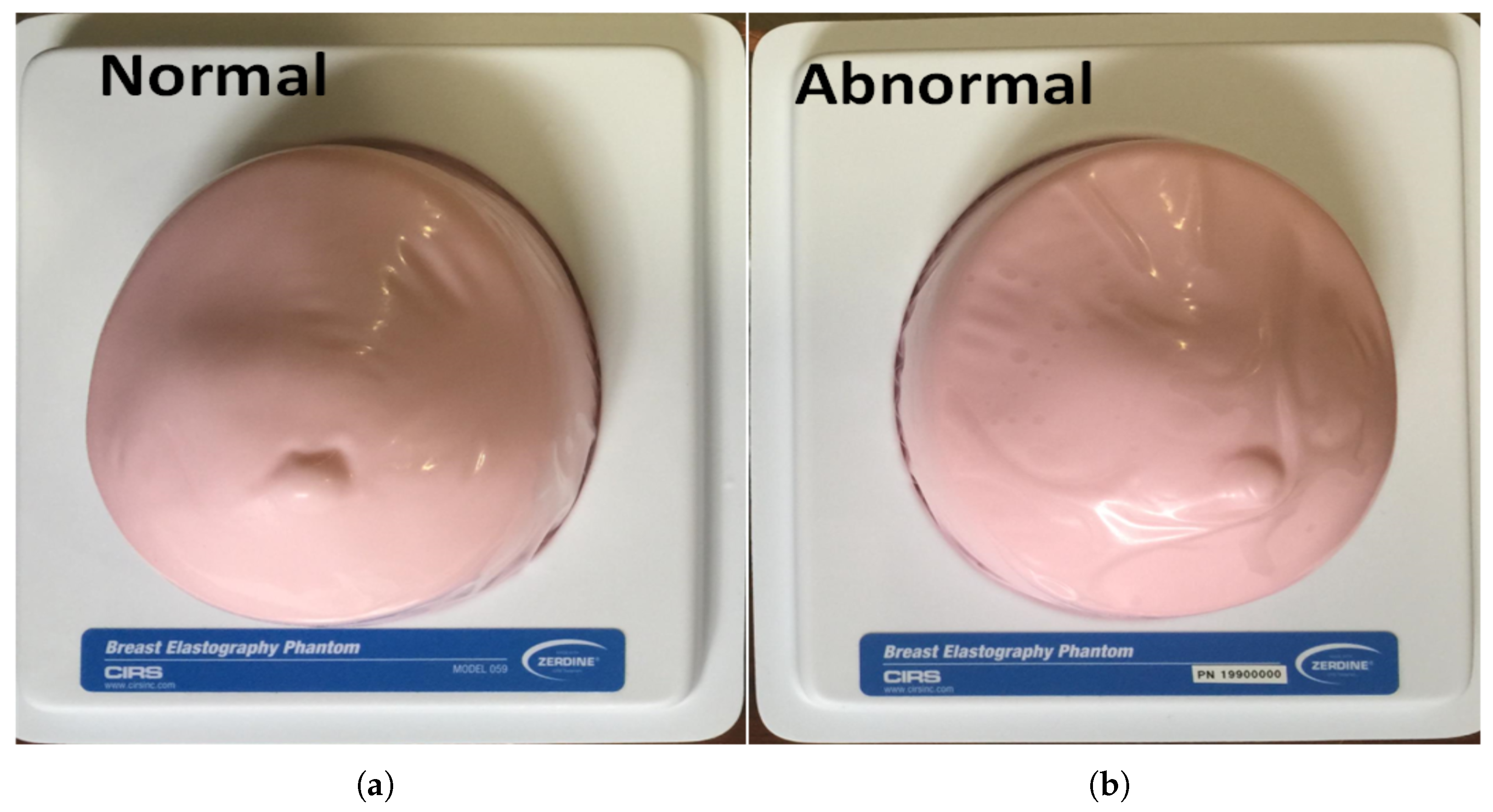
To validate the sensitivity of the proposed sensor for detecting breast tumors, the fabricated sensor was tested with two normal and abnormal fabricated breast phantoms, as shown in
Figure 16. Standard models of the breast elastography phantoms were used in this study, which were fabricated and designed by the CIRS company (Melbourne, FL, USA) [
29]. These phantoms are approximately 15 cm long × 12 cm wide × 7 cm high, with a volume of 600 cc. The abnormal phantom has a 10 mm tumor that is approximately three times harder than the background material and is positioned in the upper half top quarter of the phantom. The tumor has a higher concentration of water than the background gel, which should result in a different conductivity and a dielectric constant higher than normal tissues.
The custom breast phantoms were requested from the manufacturer for proof-of-concept testing of microwave detection. The phantom was designed to replicate heterogeneous breast tissue and include abnormal lesions for elastography and detection validation. In this phantom, the lesions contain a higher water concentration than the surrounding background gel, resulting in increased conductivity and relative permittivity in the microwave frequency range. This difference in water content serves as the primary source of contrast for microwave-based detection. The phantom comprises multiple tissue-equivalent layers, including skin, subcutaneous fat, bulk fat, and glandular/fibroglandular tissues, along with cystic and dense lesions embedded within the breast background. The skin layer is simulated using a patent-pending Z-Skin™ membrane, which protects the phantom from desiccation during repeated use.
The dielectric properties of the phantom materials are designed to match typical breast tissue characteristics in the microwave range (0.5–10 GHz). For example, skin and glandular layers exhibit higher relative permittivity (35–50) and conductivity (0.8–1.5 S/m), whereas adipose/fat layers have lower permittivity (5–15) and conductivity (0.01–0.1 S/m). The contrast in water content between lesions and background provides the electromagnetic distinction necessary for validating microwave detection techniques. By combining anatomical realism with appropriate dielectric properties, this phantom provides a robust platform for experimental proof-of-concept studies.
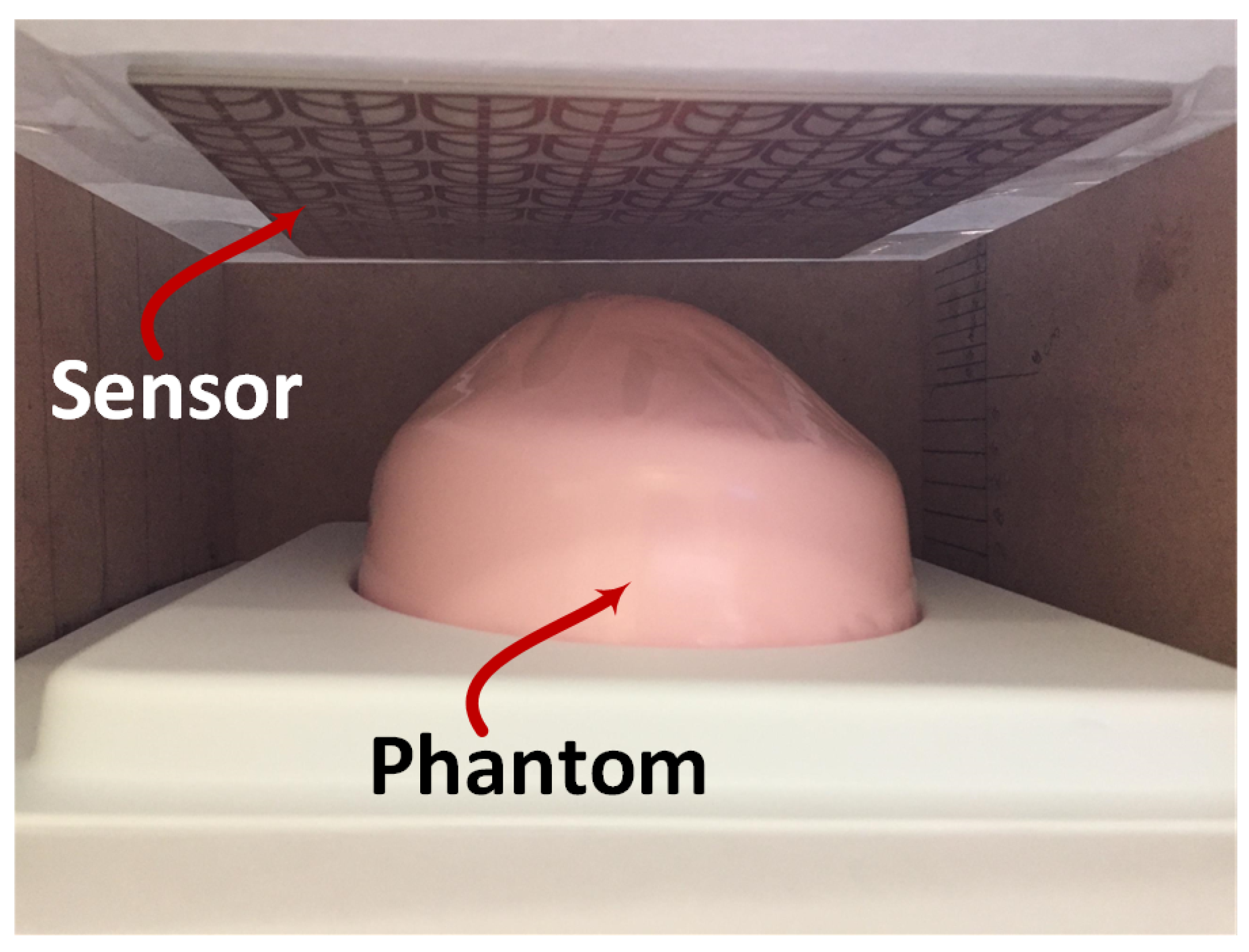
The experiment setup consisted of the fabricated sensor, a wooden box, a VNA, and breast phantoms, as shown in
Figure 17. The experiment procedure was as follows: The sensor was placed at the top of the wooden box, and the breast phantom was placed inside the box to facilitate easy movement or change between the normal and abnormal phantom, as well as to easily change the stand-off distances between the sensor and phantom.
Experimental validation in this study is intended as a preliminary proof of feasibility. Measurements were performed on two fabricated breast phantoms (normal and tumor-bearing) with a single tumor size (10 mm) and repeated at three sensor–phantom stand-off distances (5, 10, and 15 mm). The setup for testing different stand-off distances involved placing the breast phantom on foam support. For each distance, the breast phantom was positioned on a foam with a specific thickness matching the distance being tested, as illustrated in
Figure 17.
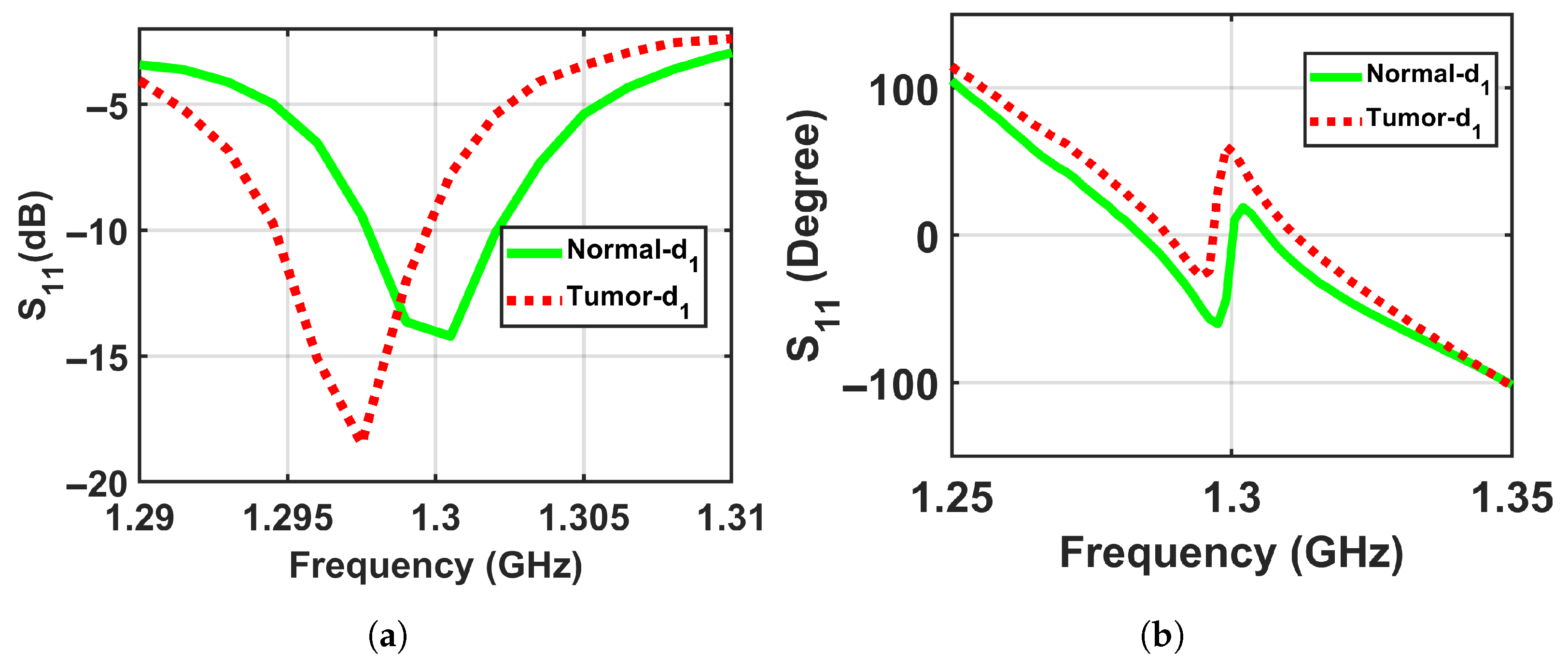
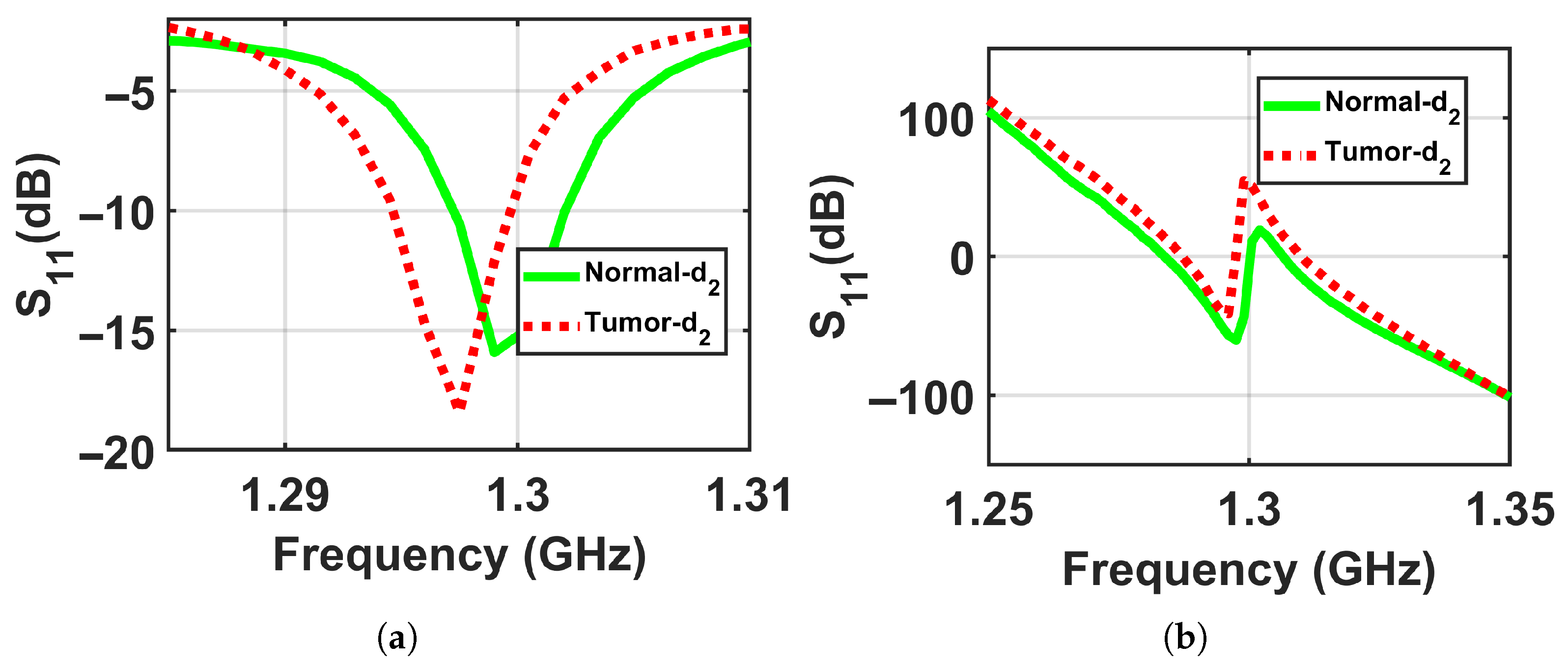
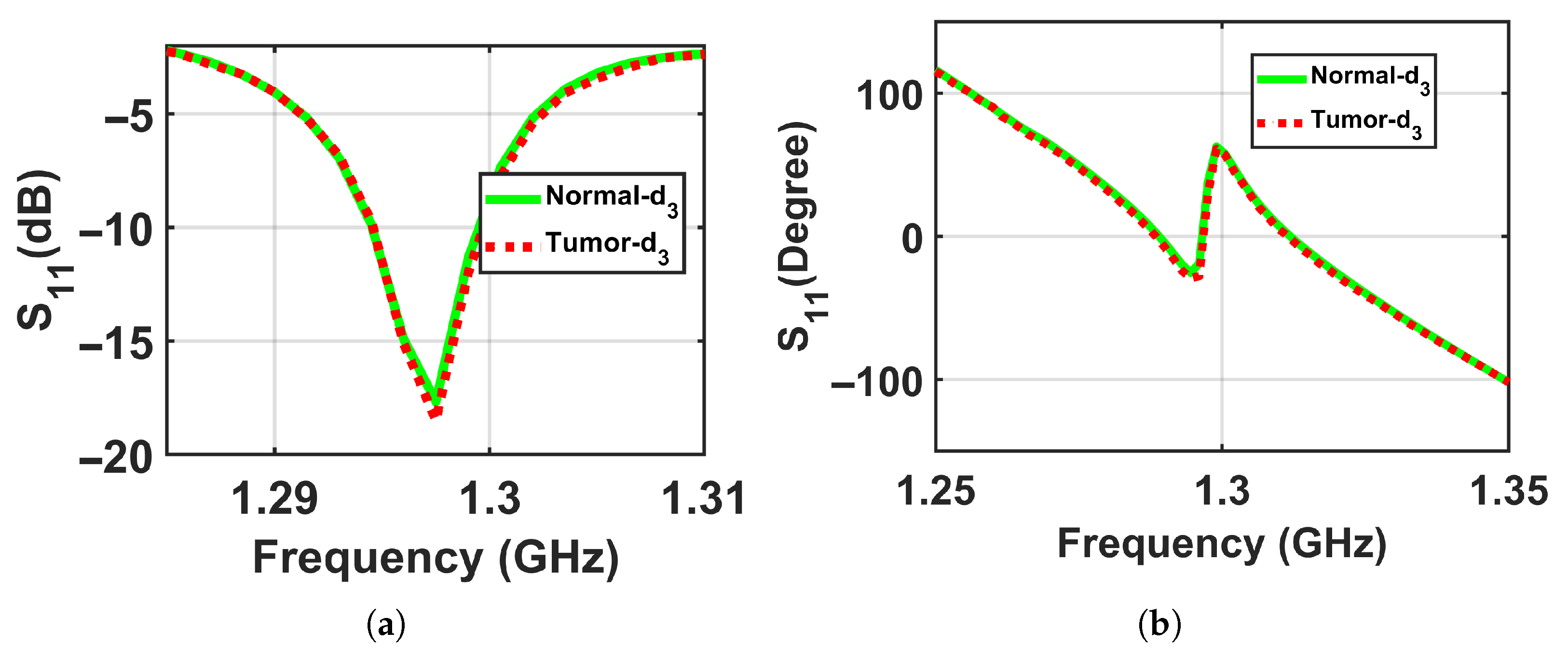
The results show detectable differences between normal and abnormal cases at shorter distances, with the contrast decreasing at the largest distance, which confirms the physical principle of the proposed sensor and its enhanced sensitivity in the near-field region, as shown in
Figure 18,
Figure 19 and
Figure 20 respectively.