Article

Effect of Coating Thickness on Abrasion and Cutting Performance of NCD-Coated Ball Endmills on Graphite Machining

1
Molding & Metal Forming R&D Department, Korea Institute of Industrial Technology, Bucheon 14441, Republic of Korea
2
Department of Ultra-Precision Machines and Systems, Korea Institute of Machinery & Material, Daejeon 34103, Republic of Korea
3
Department of Mechanical Engineering, The State University of New York, Korea (SUNY Korea), Incheon 21985, Republic of Korea
*
Author to whom correspondence should be addressed.
Micromachines 2023, 14(3), 664; https://doi.org/10.3390/mi14030664
Submission received: 2 March 2023 / Revised: 13 March 2023 / Accepted: 14 March 2023 / Published: 16 March 2023
(This article belongs to the Special Issue Advanced Manufacturing Technology and Systems, 2nd Edition)

Abstract

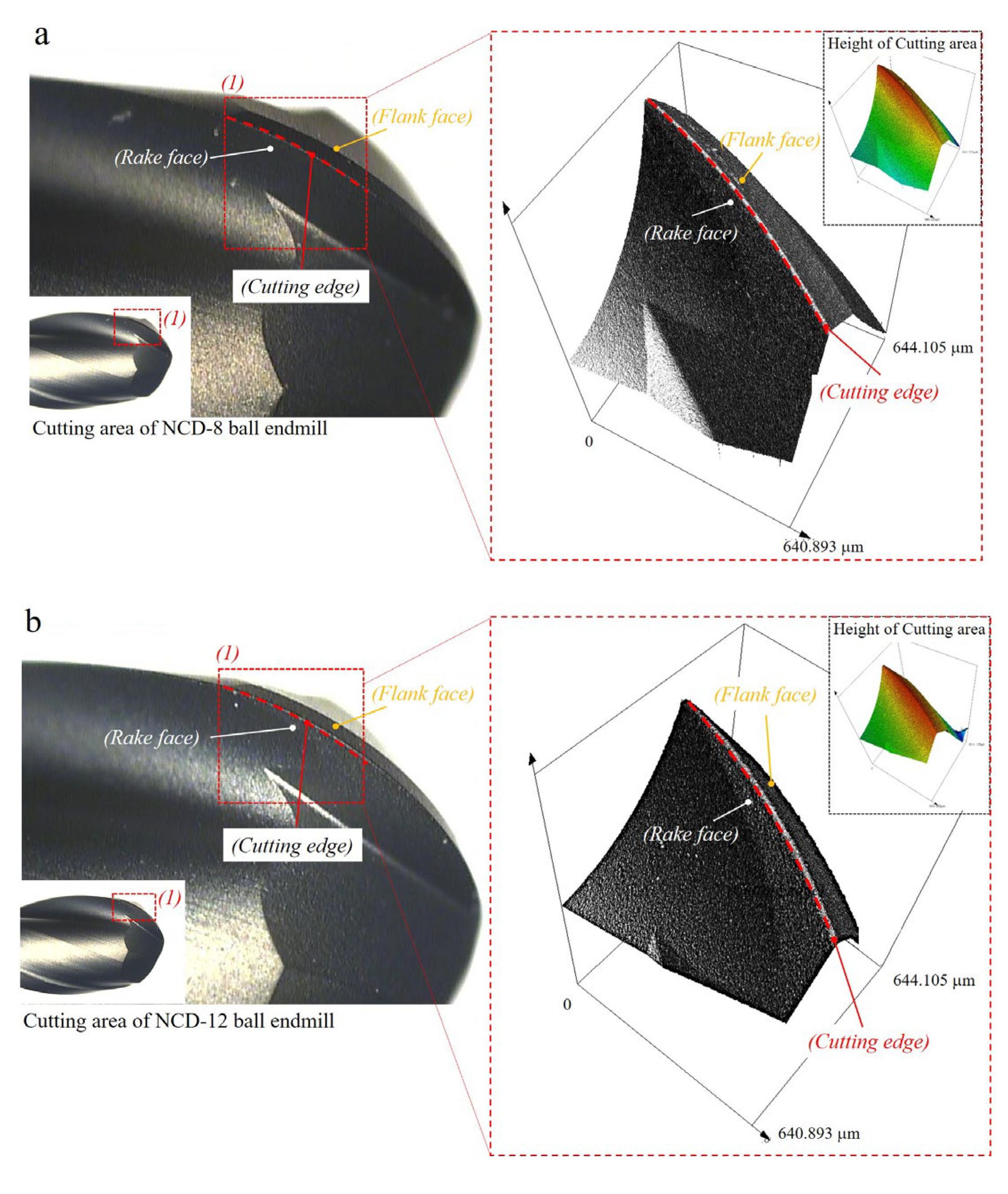
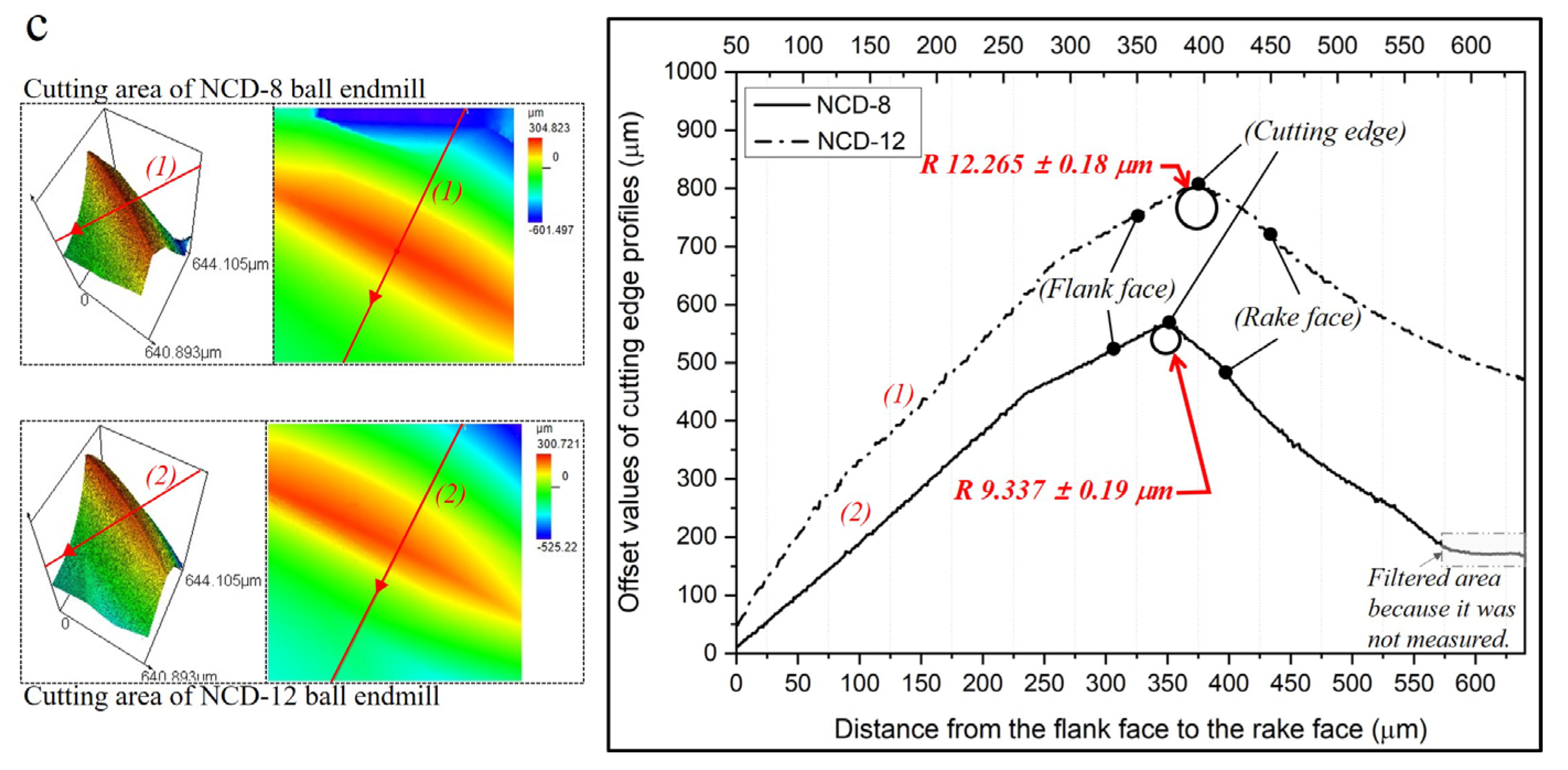
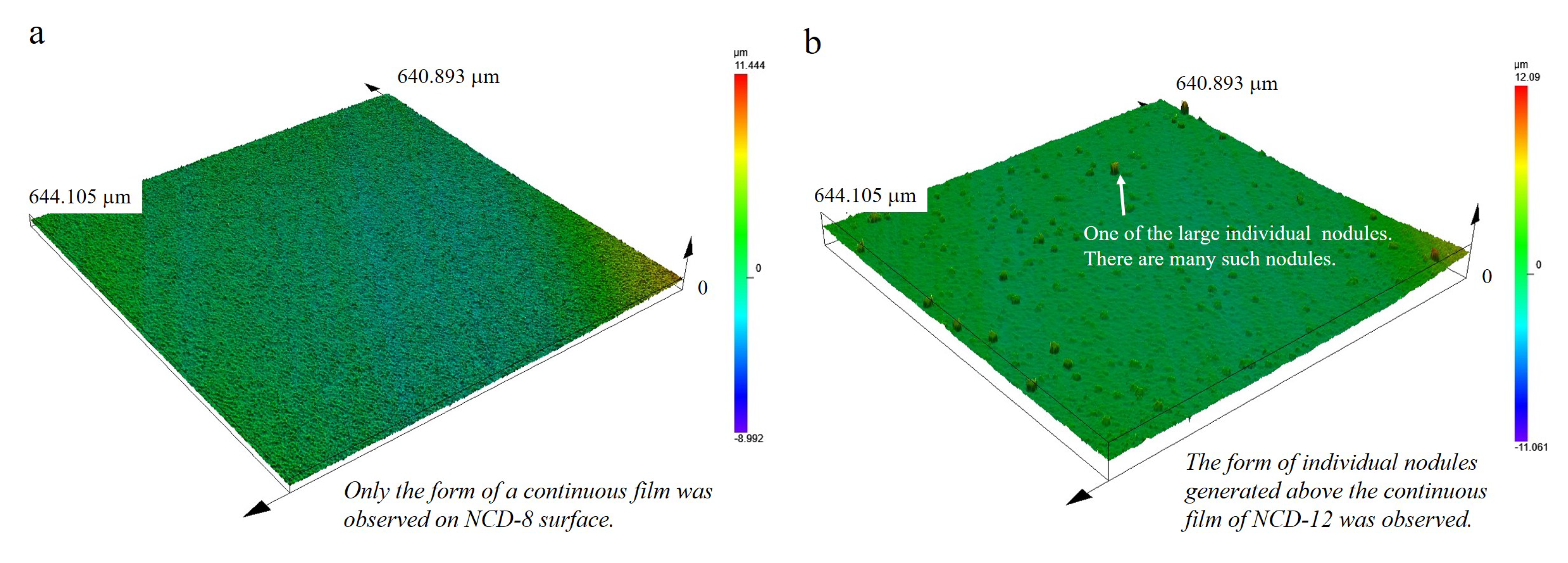
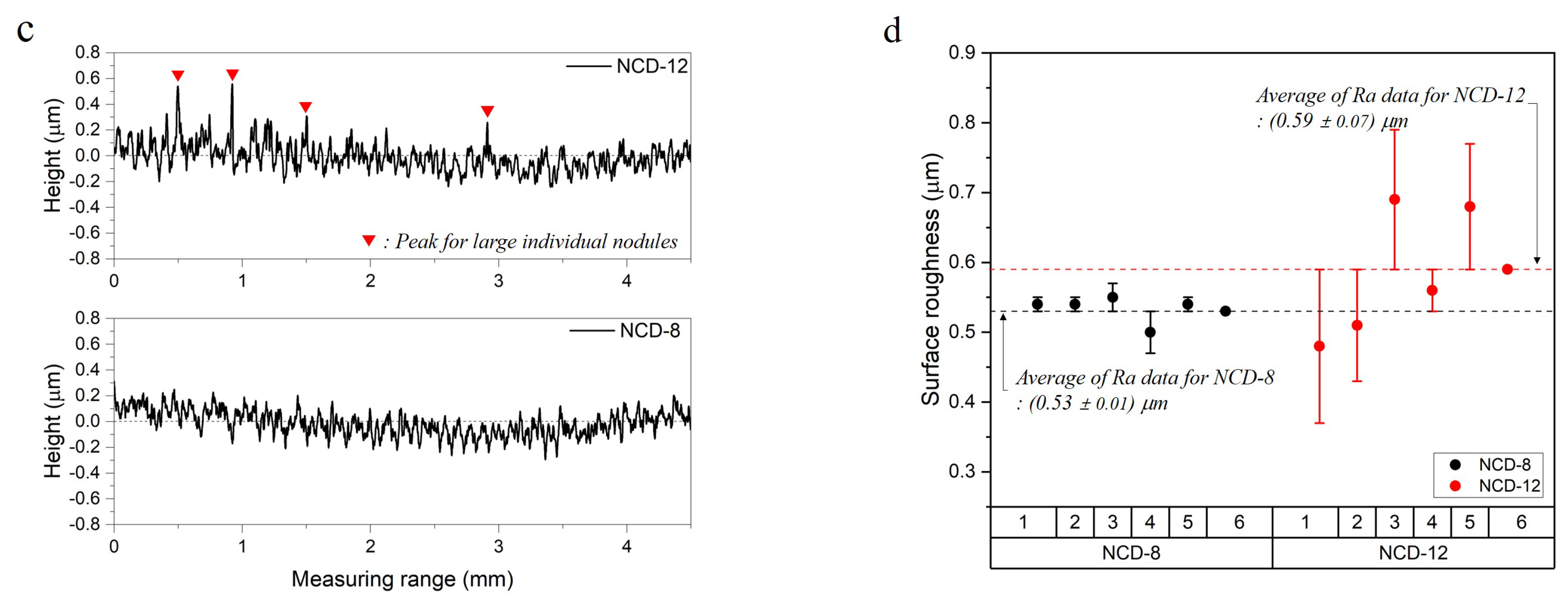
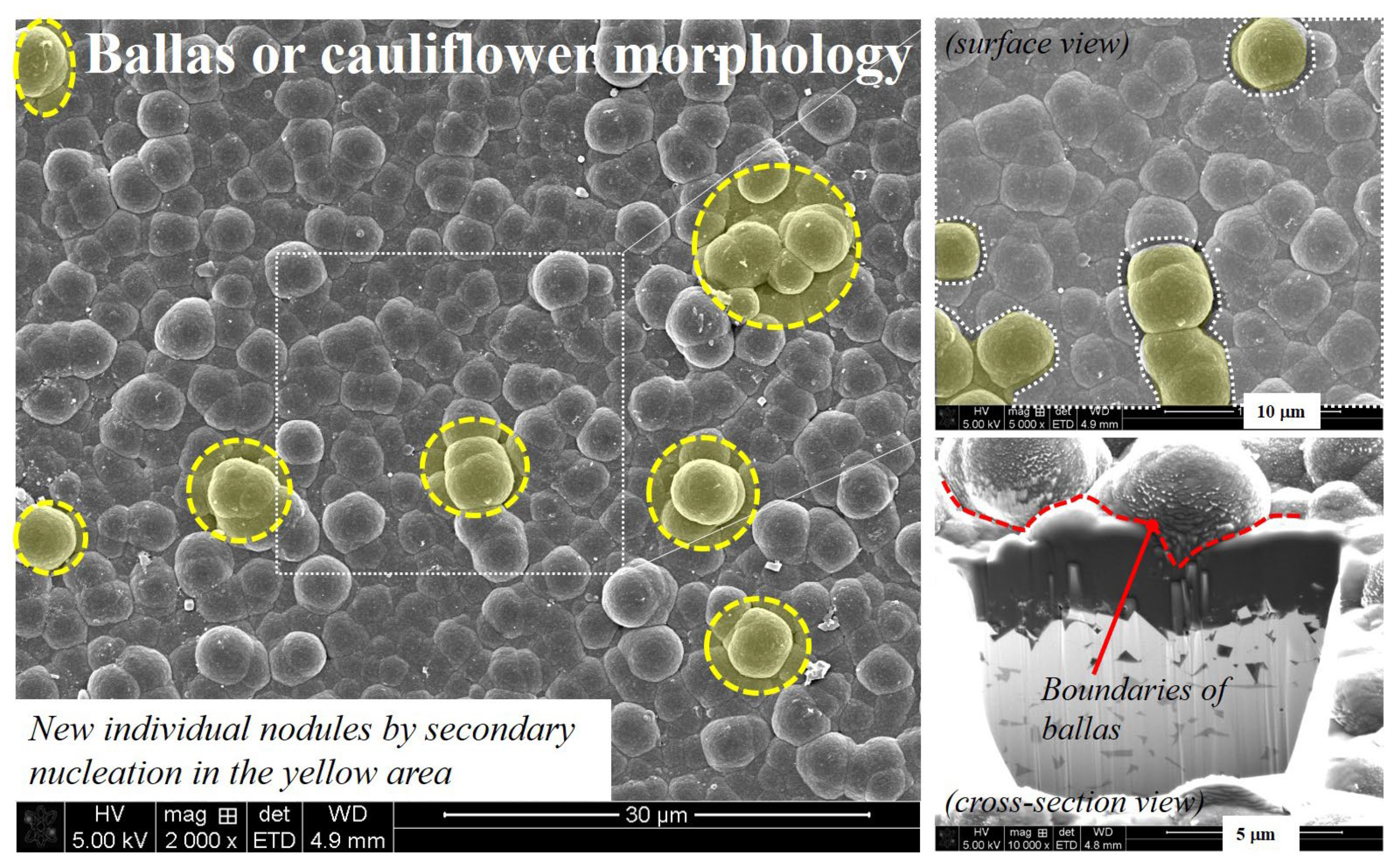
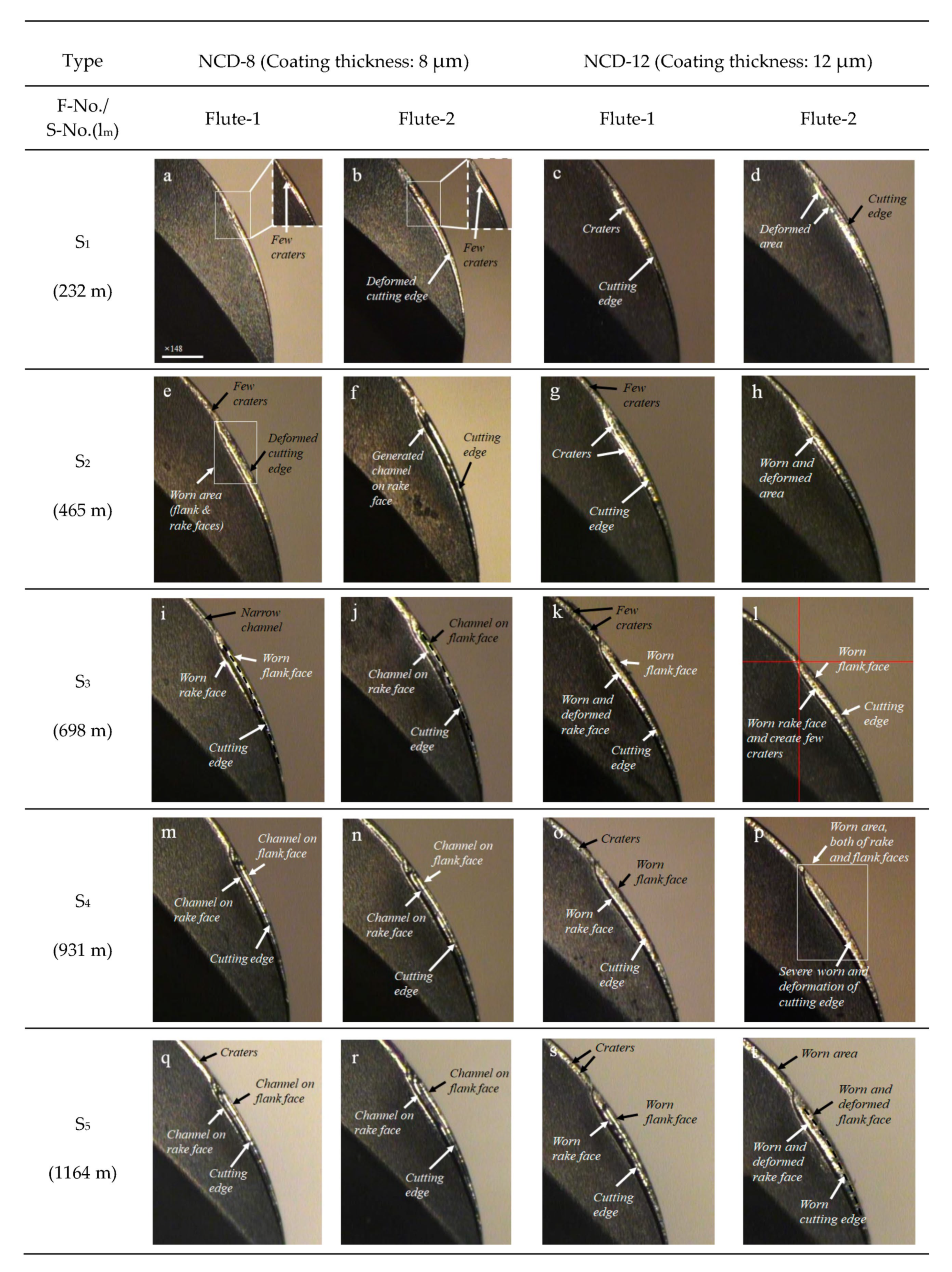
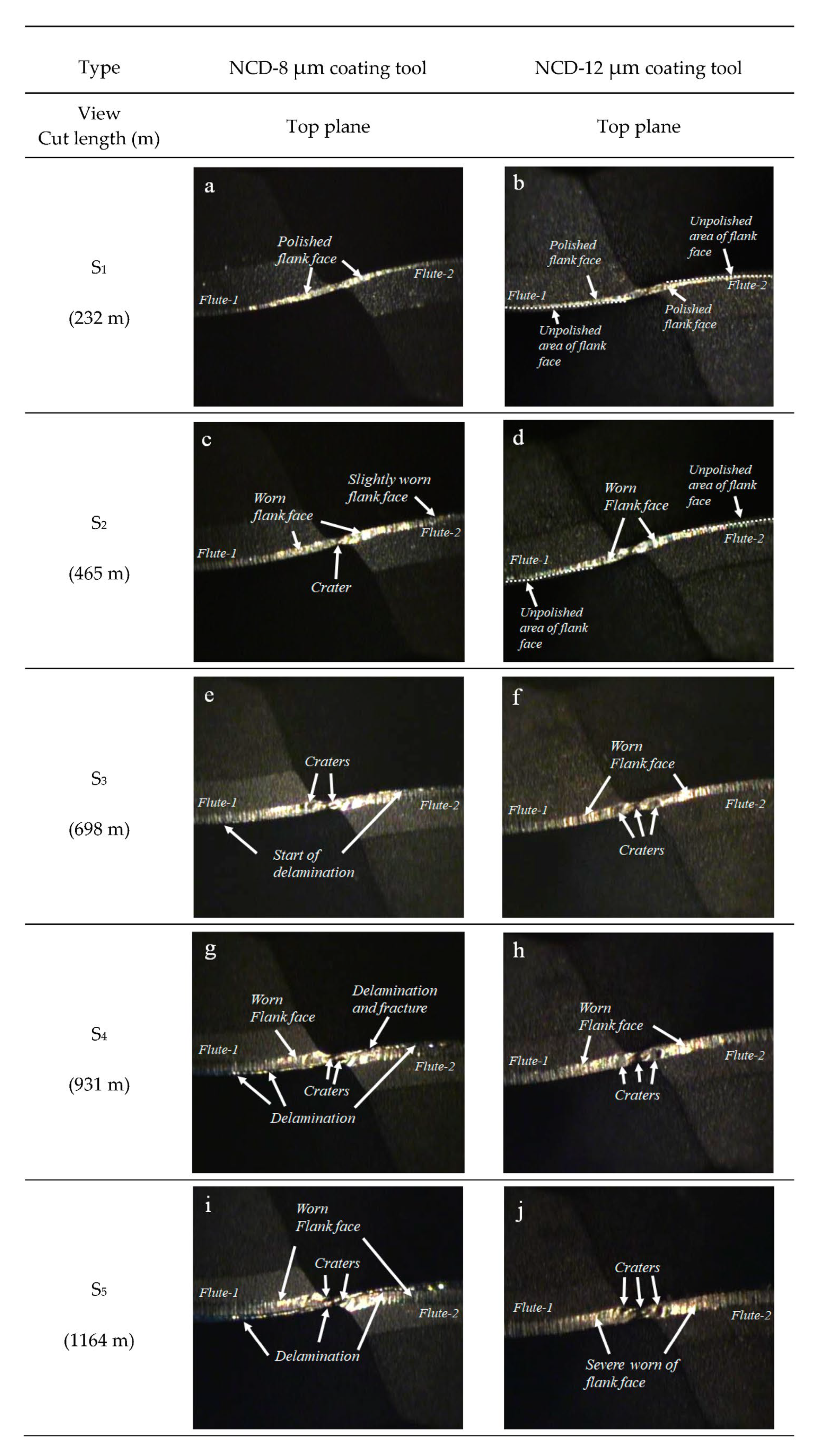
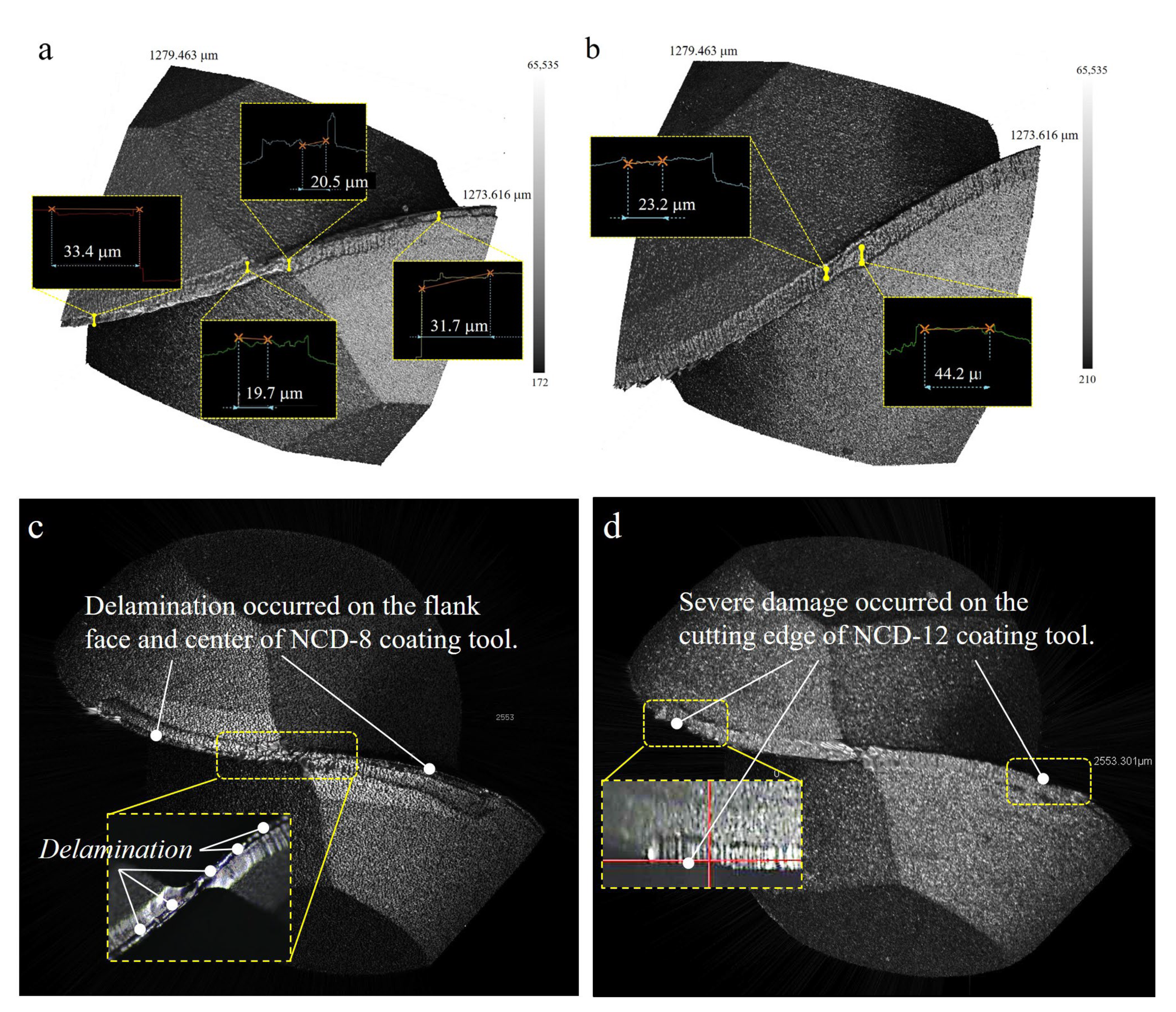
Nano-crystalline diamond (NCD) coating to improve the performance of cutting tools, as the coating thickness varies, the cutting performance and lifespan of the tool varies because the radius of its cutting edge and coating surface roughness are altered. Therefore, an in-depth analysis on the impact of the variations in coating thickness on the cutting tool abrasion and quality of machined surface is necessary. In this study, two NCD ball endmills were coated with 8 and 12 μm thicknesses, and the tool abrasion and roughness of the machined plane were observed after milling. Furthermore, the morphology of the coated surface and abrased cutting edge were observed using a 3D confocal microscope. Consequently, we observed that individual nodules were formed on the continuous aggregates as the coating thickness increased, which increased the coated surface roughness. The two damage modes of the aggregation determined the dominant abrasion that occurred on the cutting edges of both types of coating thicknesses. Delamination and crater wear caused a sharp increase in the roughness of the machined surface. In summary, the increase in coating thickness delayed the delamination of the coating but increased the roughness of the cutting edge, which reduced the machined surface roughness.
Keywords: nano-diamond coating; coating thickness; nano-aggregated structure; coating abrasion mechanism; machined surface roughness; graphite machining nano-diamond coating; coating thickness; nano-aggregated structure; coating abrasion mechanism; machined surface roughness; graphite machining