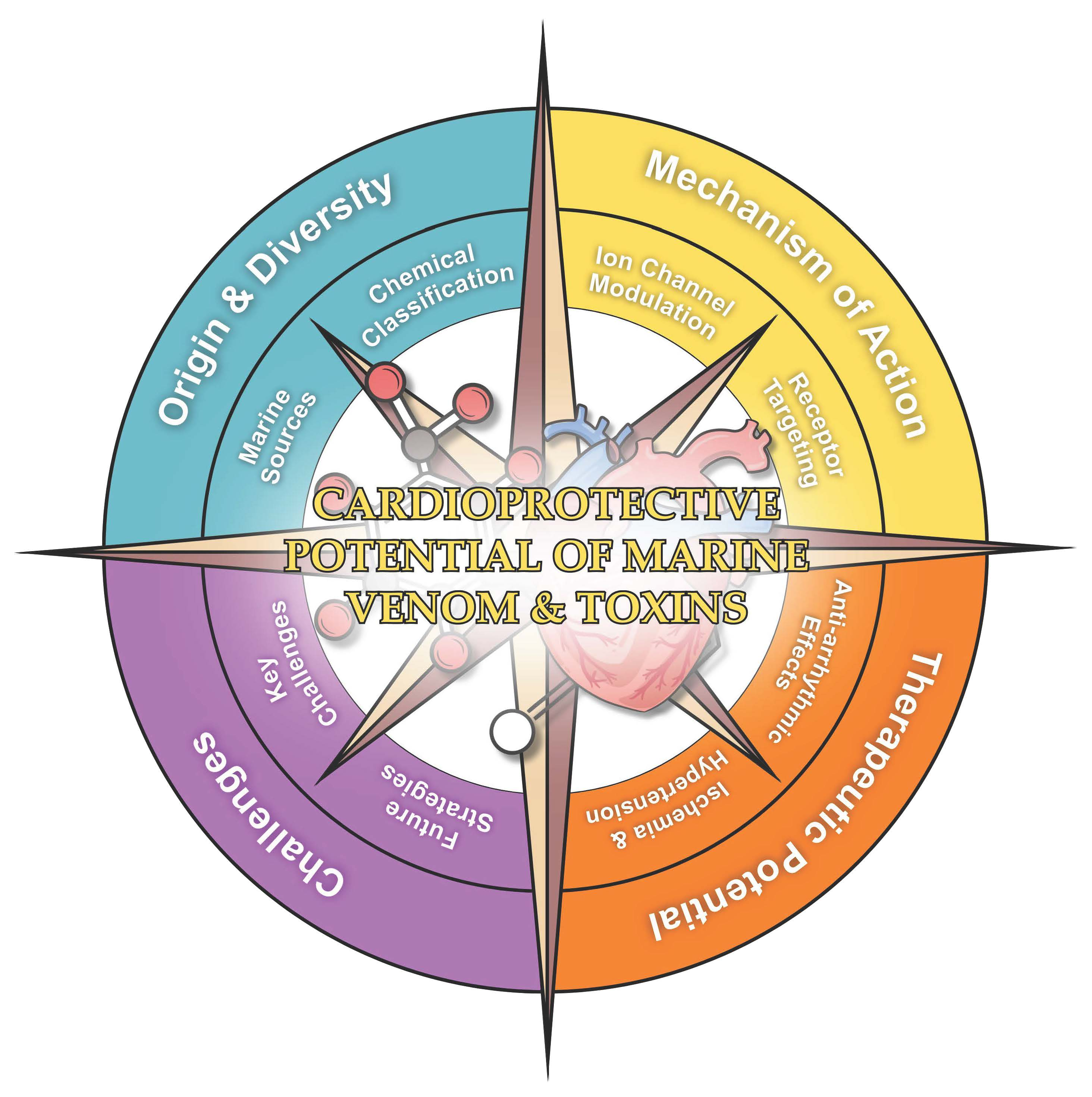
The Cardioprotective Potential of Marine Venom and Toxins


Abstract
1. Introduction
2. Methods
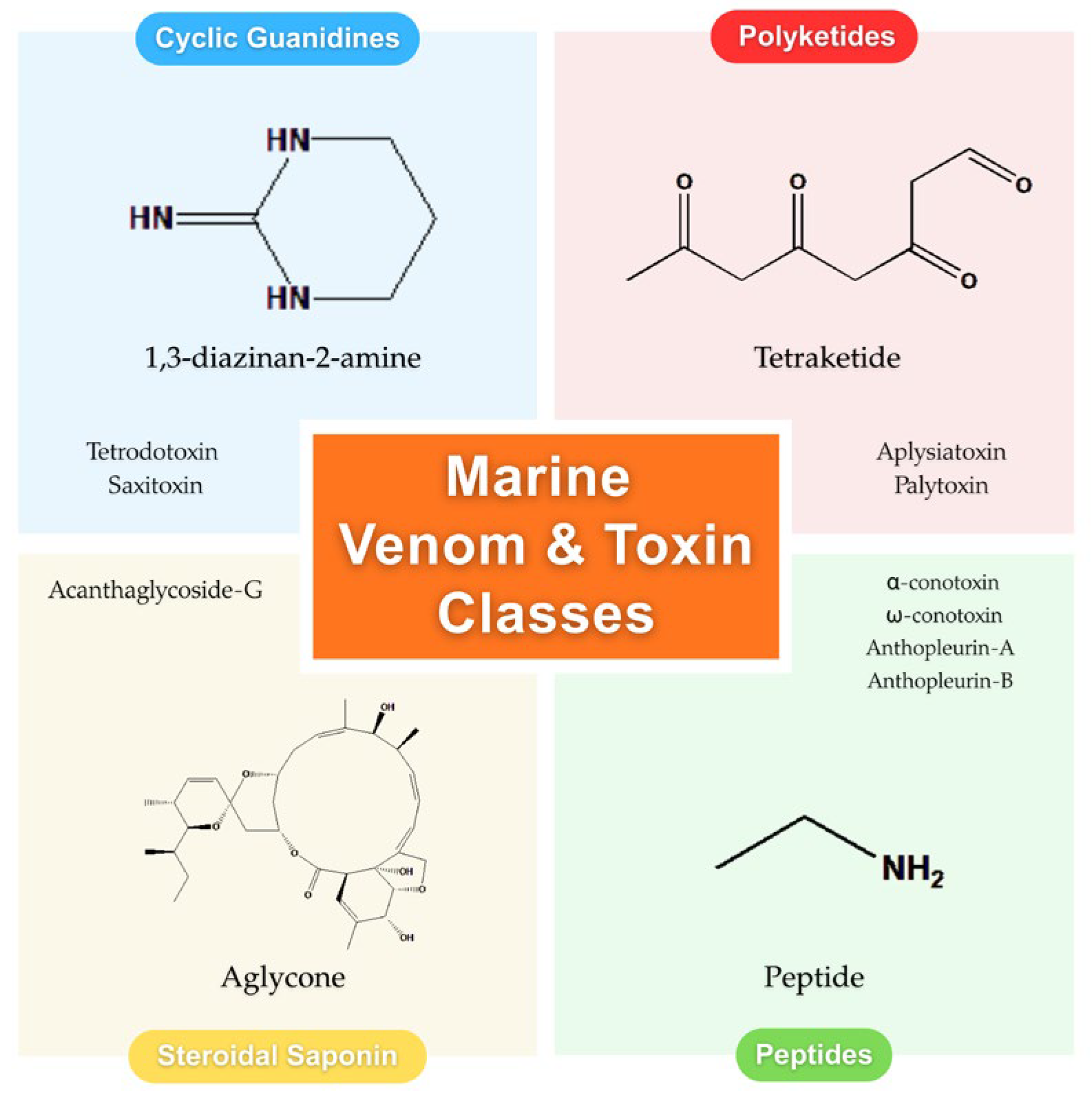
3. Marine Toxins and Venoms
4. Cardioprotective Mechanisms of Marine Toxin Compounds
4.1. Ion Channel Modulation
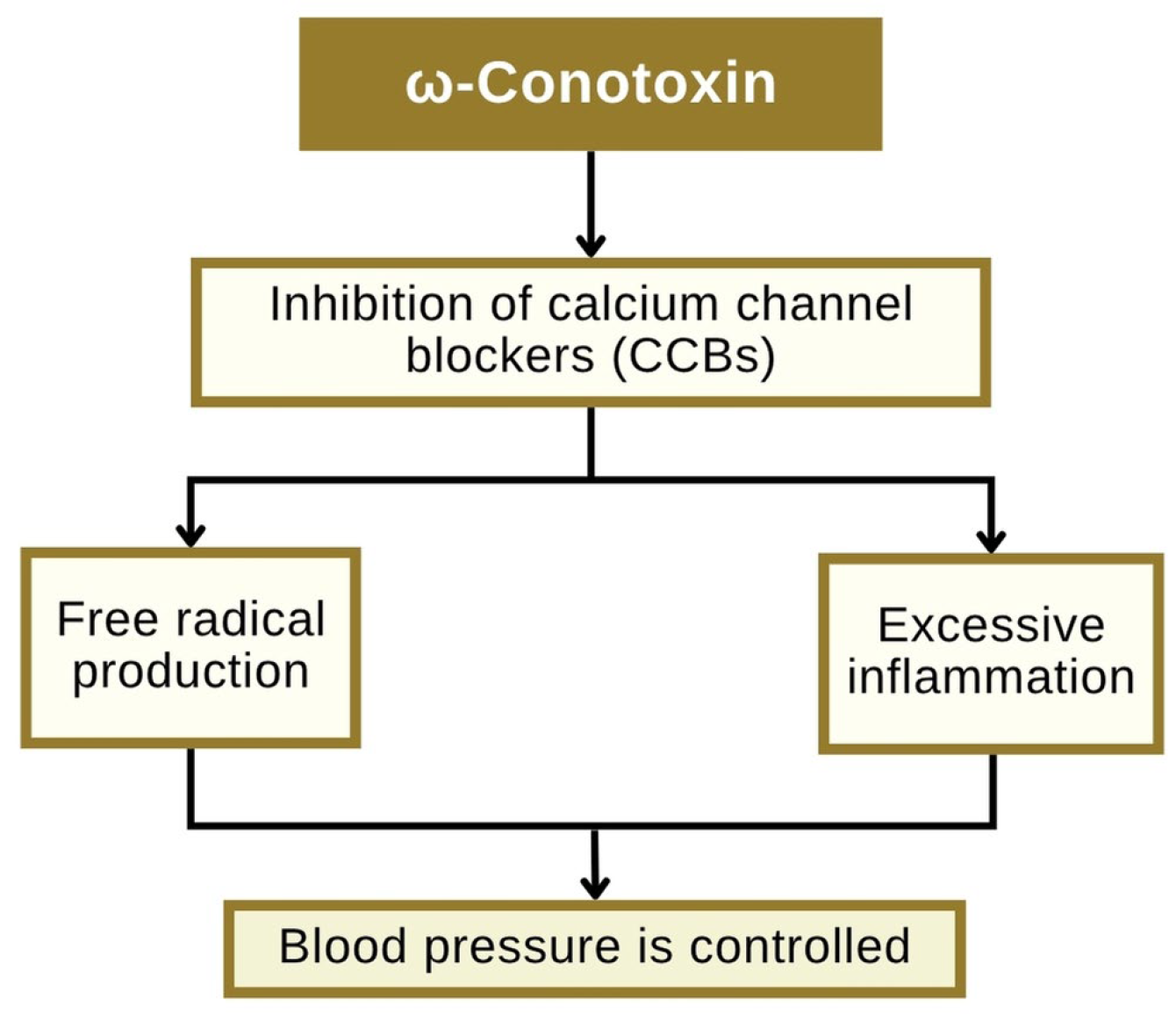
4.2. Inhibition of Calcium Channel Blockers (CCBs)
4.3. Inotropic Support
4.4. Reperfusion Therapy
5. Advances and Obstacles in Cardiovascular Drug Development
5.1. Development of Toxic Compounds as Cardiovascular Drugs
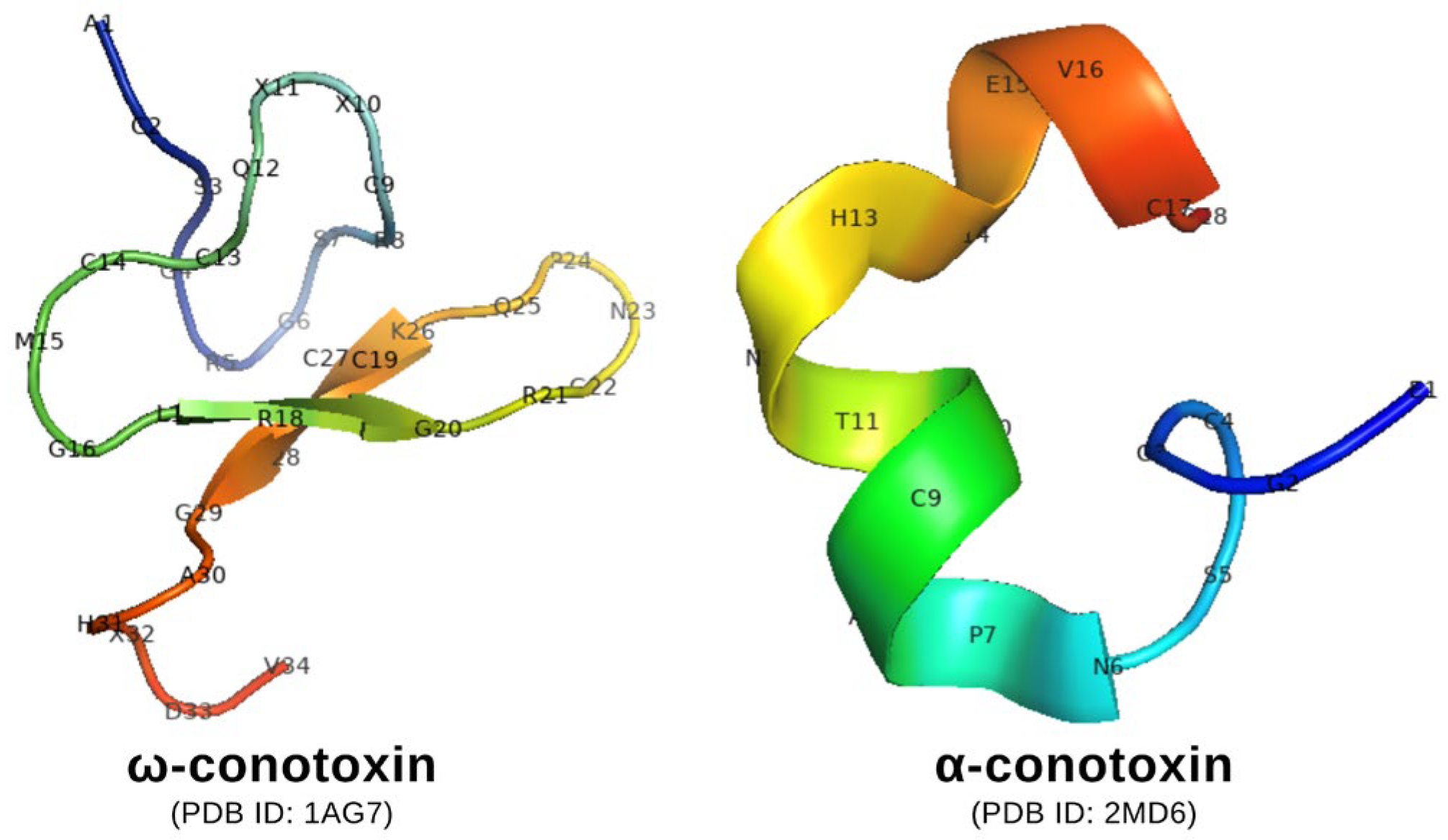
5.1.1. ω-Conotoxins
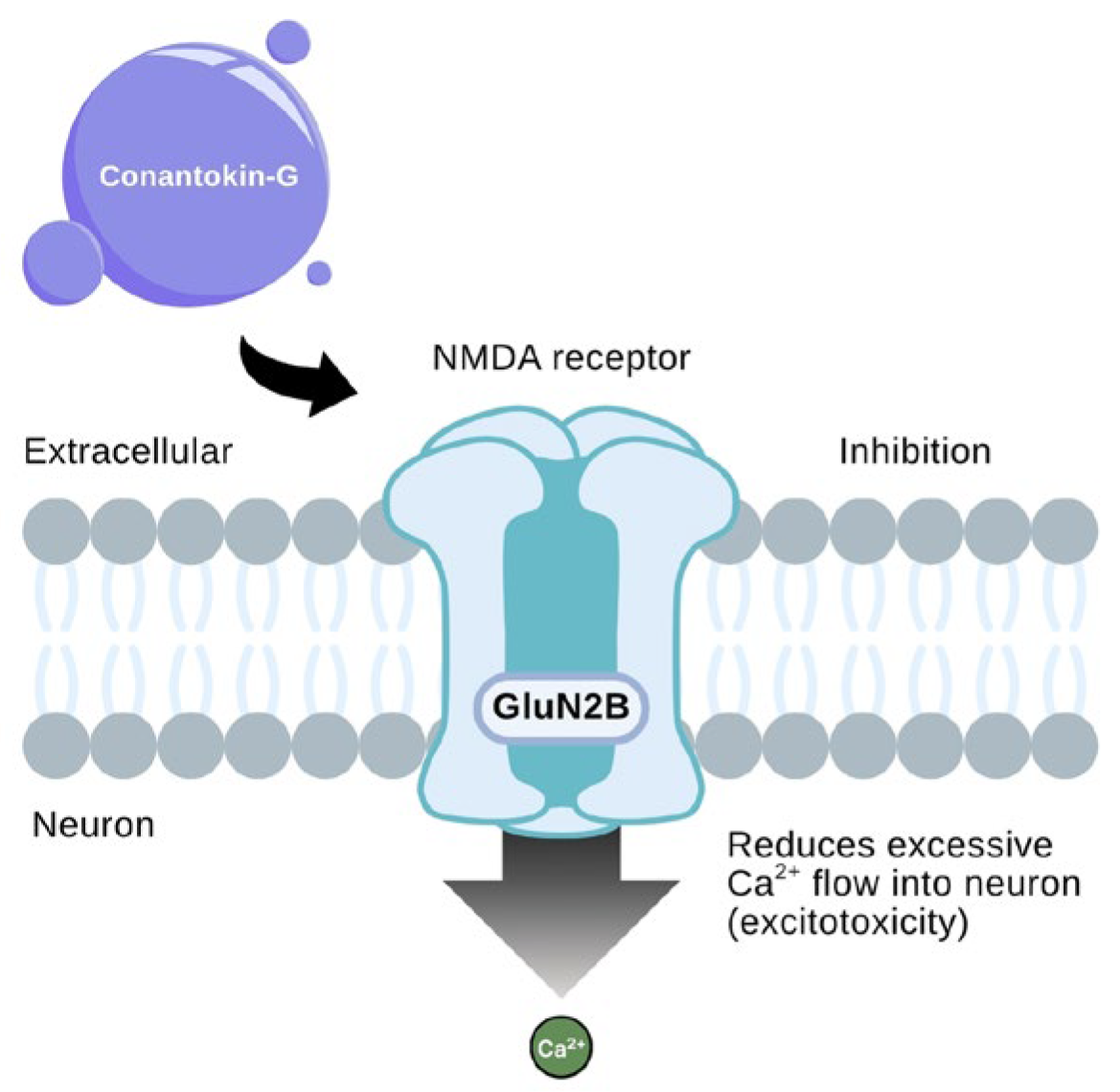
5.1.2. Conantokin-G
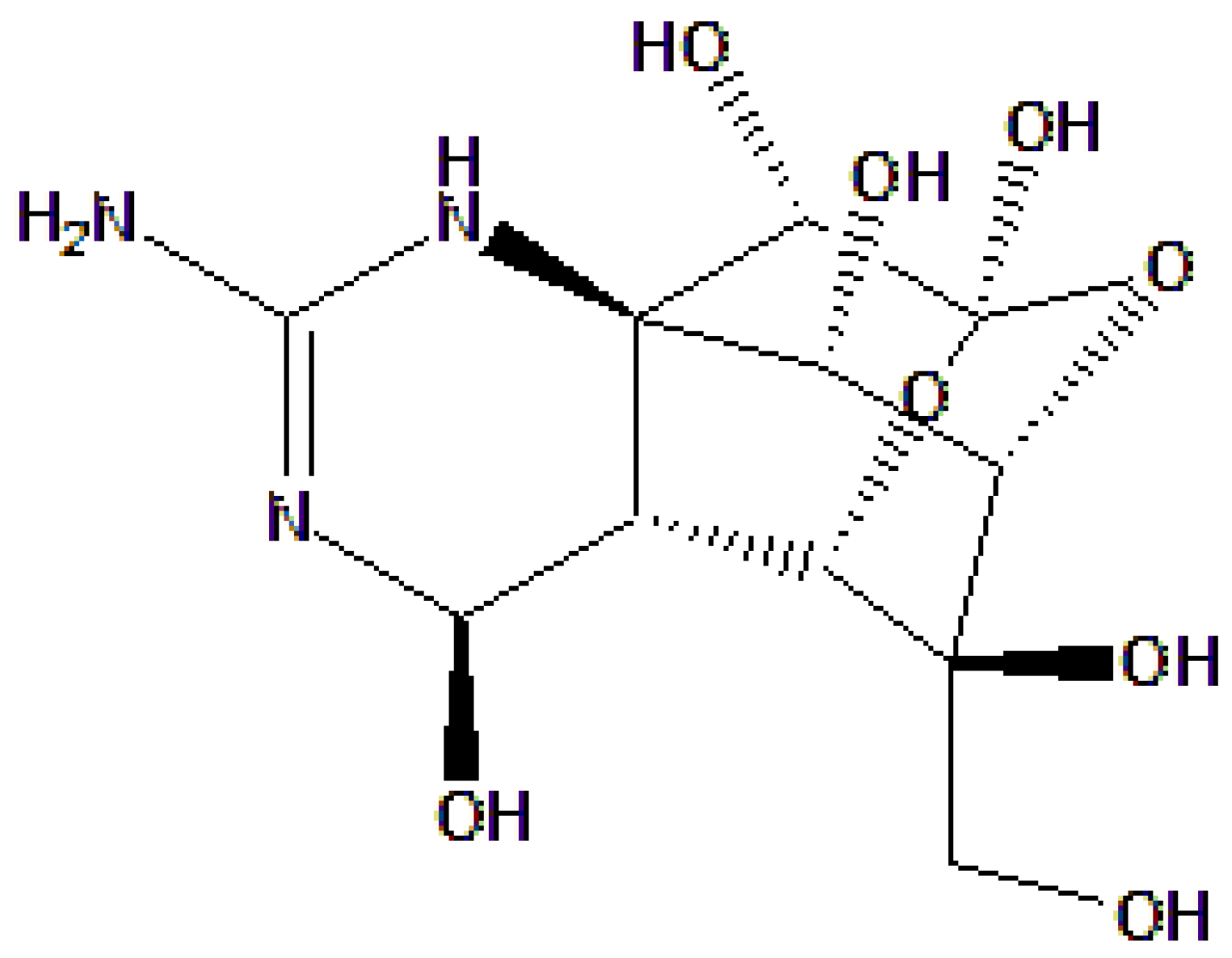
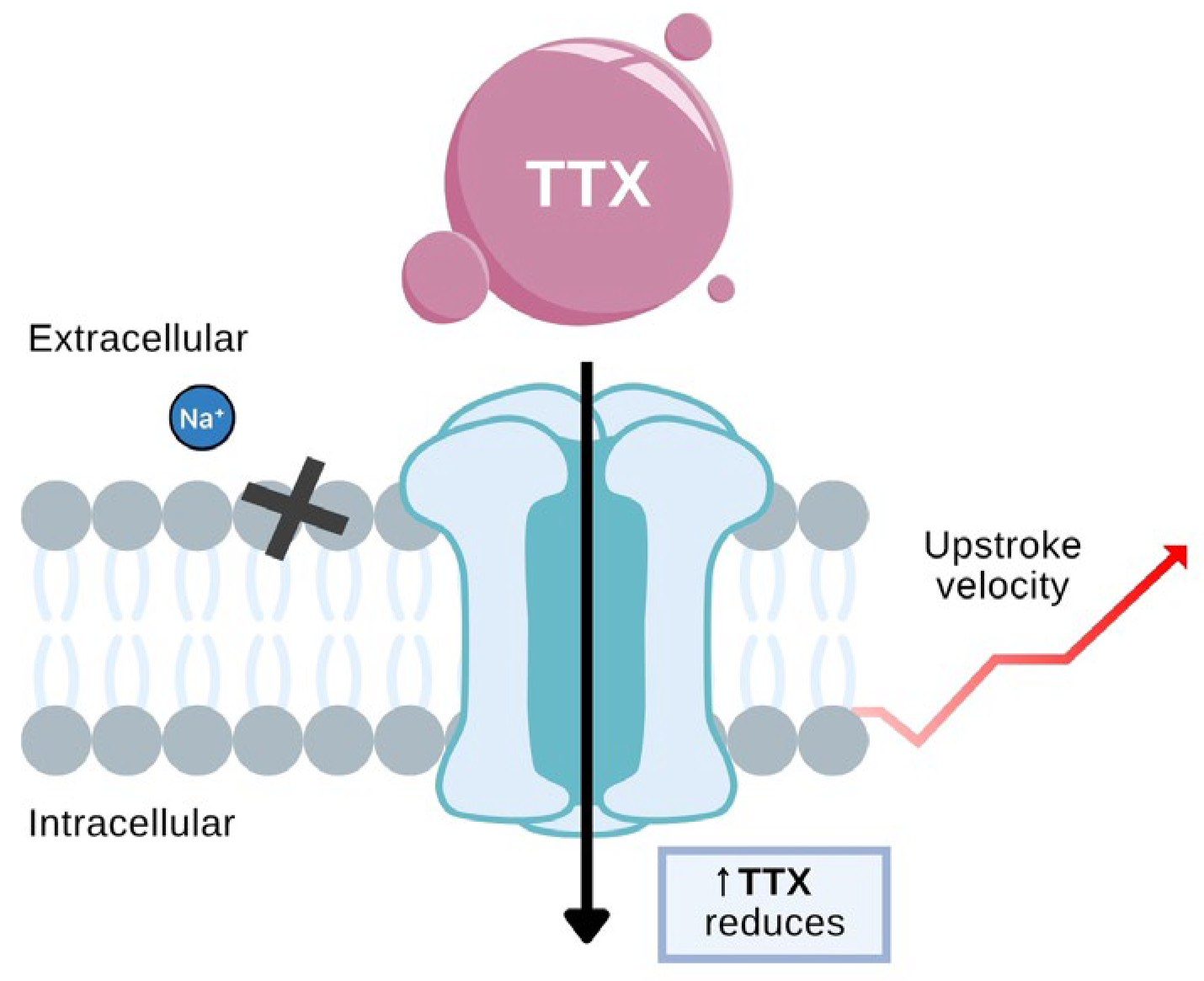
5.1.3. Tetrodotoxin (TTX)
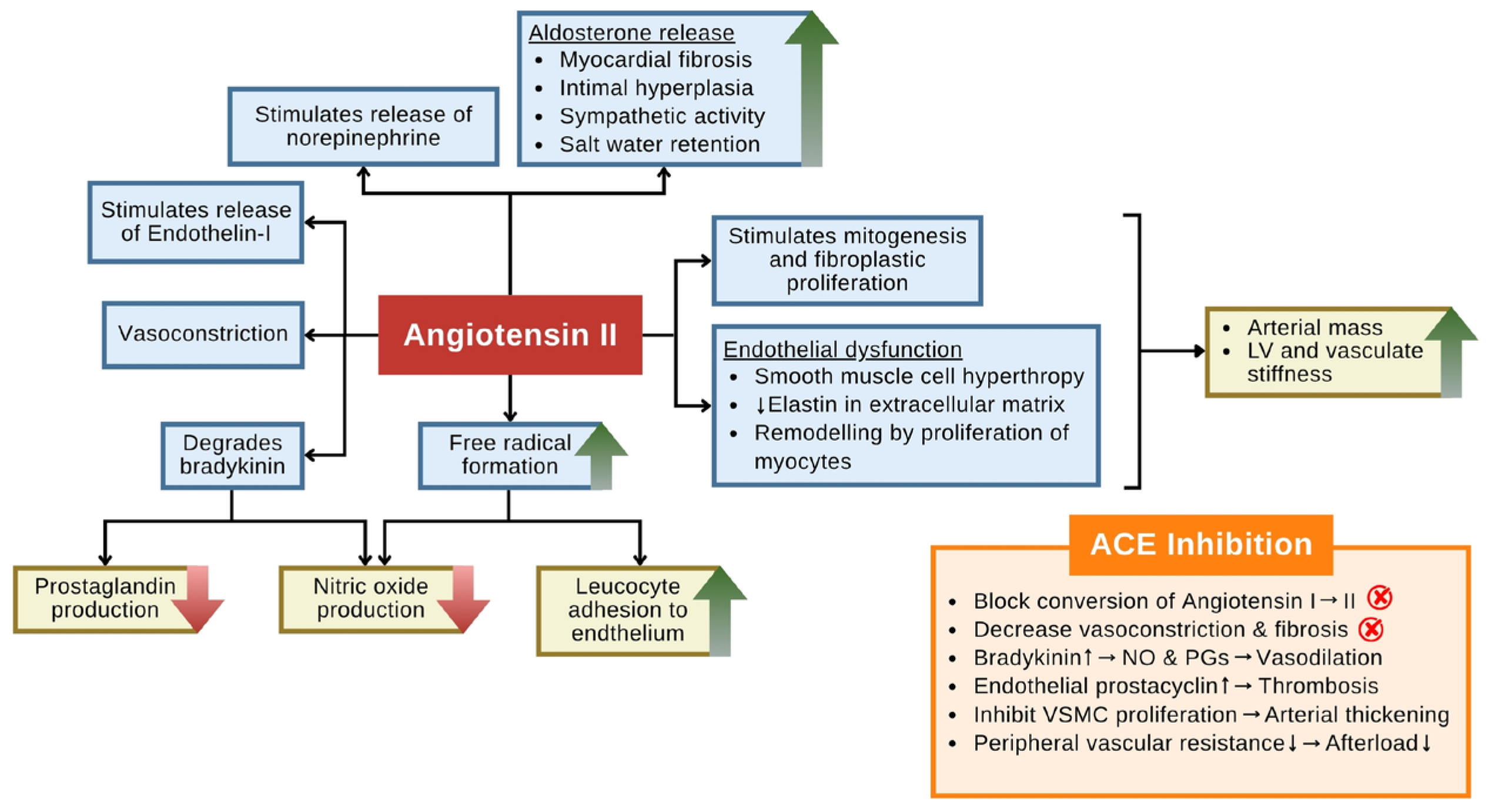
5.1.4. Bradykinin-Potentiating Peptides (BPPs)
5.2. Challenges in the Use of Toxins as Cardiovascular Drugs
6. Concluding Remark and Future Direction
Author Contributions
Funding
Institutional Review Board Statement
Informed Consent Statement
Data Availability Statement
Conflicts of Interest
Abbreviations
| CVD | Cardiovascular Disease |
| WHO | World Health Organization |
| ACE | Angiotensin-Converting Enzyme |
| CaV | Voltage-Gated Calcium Channel |
| NaV | Voltage-Gated Sodium Channel |
| ROS | Reactive Oxygen Species |
| PKC | Protein Kinase C |
| NMDA | N-Methyl-D-Aspartate |
| NMDAR | N-Methyl-D-Aspartate Receptor |
| NO | Nitric Oxide |
| ATPase | Adenosine Triphosphatase |
| FDA | Food and Drug Administration |
| CFDA | China Food and Drug Administration |
| IND | Investigational New Drug |
| RAAS | Renin-Angiotensin-Aldosterone System |
| SAR | Structure-Activity Relationship |
| BPP | Bradykinin-Potentiating Peptide |
| AMI | Acute Myocardial Infarction |
References
- Di Cesare, M.; Perel, P.; Taylor, S. The heart of the world. Glob. Heart 2024, 19, 11. [Google Scholar] [CrossRef]
- World Health Organization (WHO). Cardiovascular Diseases. 2025. Available online: https://www.who.int/health-topics/cardiovascular-diseases (accessed on 28 March 2025).
- Lababidi, H.; Salerno, P.R.; Wass, S.Y.; Shafiabadi, H.N.; Bourges-Sevenier, B.; Al-Kindi, S. The global burden of premature cardiovascular disease, 1990–2019. Int. J. Cardiol. Cardiovasc. Risk Prev. 2023, 19, 200212. [Google Scholar] [CrossRef]
- Rizk, T.; Blankstein, R. Not all heart attacks are created equal: Thinking differently about acute myocardial infarction the young. Methodist DeBakey Cardiovasc. J. 2021, 17, 60–67. [Google Scholar] [CrossRef] [PubMed]
- Singh, R.; Chandi, S.K.; Sran, S. Emerging therapeutic strategies in cardiovascular diseases. Cureus 2024, 16, 64388. [Google Scholar] [CrossRef]
- Nugraha, A.S.; Firli, L.N.; Rani, D.M. Indonesian marine and its medicinal contribution. Nat. Prod. Bioprospecting 2023, 13, 38. [Google Scholar] [CrossRef]
- Zhang, K.; Su, L.; Chen, Z.; Qiu, Y. An extensive assessment of exploitation indicators for multispecies fisheries in the South China Sea to inform more practical and precise management in China. Ecol. Indic. 2025, 173, 113363. [Google Scholar] [CrossRef]
- Zhang, J. Marine-derived compounds: A new horizon in cancer, renal, and metabolic disease therapeutics. Mar. Drugs 2025, 23, 283. [Google Scholar] [CrossRef]
- Chen, J.; Liu, X.; Yu, S. A novel ω-conotoxin Bu8 inhibiting N-type voltage-gated calcium channels displays potent analgesic activity. Acta Pharm. Sin. B 2021, 11, 2685–2693. [Google Scholar] [CrossRef] [PubMed]
- van Kesteren, C.; de Vooght, M.M.; López-Lázaro, L. Yondelis (trabectedin, ET-743): The development of an anticancer agent of marine origin. Anticancer Drugs 2003, 14, 487–502. [Google Scholar] [CrossRef] [PubMed]
- Cunha, S.A.; Pintado, M.E. Bioactive peptides derived from marine sources: Biological and functional properties. Trends Food Sci. Technol. 2022, 119, 348–370. [Google Scholar] [CrossRef]
- Gao, X.; Wang, H.; Chen, K.; Guo, Y.; Zhou, J.; Xie, W. Toxicological and pharmacological activities and potential medical applications of marine algal toxins. Int. J. Mol. Sci. 2024, 25, 9194. [Google Scholar] [CrossRef]
- Saeed, A.F.U.H.; Su, J.; Ouyang, S. Marine-derived drugs: Recent advances in cancer therapy and immune signaling. Biomed. Pharmacother. 2021, 134, 111091. [Google Scholar] [CrossRef]
- Layer, R.T.; Wagstaff, J.D.; White, H.S. Conantokins: Peptide antagonists of NMDA receptors. Curr. Med. Chem. 2004, 11, 3073–3084. [Google Scholar] [CrossRef] [PubMed]
- Stonik, V.; Stonik, I. Marine excitatory amino acids: Structure, properties, biosynthesis, and recent approaches to their syntheses. Molecules 2020, 25, 3049. [Google Scholar] [CrossRef]
- Vieira, A.C.; Martínez, J.M.; Pose, R.B.; Queijo, Á.A.; Posadas, N.A.; López, L.M. Dose-response and histopathological study, with special attention to the hypophysis, of the differential effects of domoic acid on rats and mice. Microsc. Res. Tech. 2015, 78, 396–403. [Google Scholar] [CrossRef]
- Moran, Y.; Gordon, D.; Gurevitz, M. Sea anemone toxins affecting voltage-gated sodium channels-molecular and evolutionary features. Toxicon 2009, 54, 1089–1101. [Google Scholar] [CrossRef] [PubMed]
- Habermann, E.; Beress, L. Iodine labelling of sea anemone toxin II, and binding to normal and denervated diaphragm. Naunyn-Schmiedeberg’s Arch. Pharmacol. 1979, 309, 165–170. [Google Scholar] [CrossRef]
- Fu, Y.; Li, C.; Dong, S.; Wu, Y.; Zhangsun, D.; Luo, S. Discovery methodology of novel conotoxins from Conus species. Mar. Drugs 2018, 16, 417. [Google Scholar] [CrossRef] [PubMed]
- Boente-Juncal, A.; Otero, P.; Rodríguez, I.; Camiña, M.; Rodriguez-Vieytes, M.; Vale, C.; Botana, L.M. Oral chronic toxicity of the safe tetrodotoxin dose proposed by the european food safety authority and its additive effect with saxitoxin. Toxins 2020, 12, 312. [Google Scholar] [CrossRef]
- Suarez-Isla, B.A. Saxitoxin and Other Paralytic Toxins: Toxicological Profile; Springer: Dordrecht, The Netherlands, 2016; pp. 23–41. [Google Scholar]
- Finch, S.C.; Boundy, M.J.; Harwood, D.T. The acute toxicity of tetrodotoxin and tetrodotoxin–saxitoxin mixtures to mice by various routes of administration. Toxins 2018, 10, 423. [Google Scholar] [CrossRef]
- Mi, W.; Liu, S. Tetrodotoxin and the state-of-the-art progress of its associated analytical methods. Front. Microbiol. 2024, 22, 1413741. [Google Scholar] [CrossRef]
- Bacchiocchi, S.; Siracusa, M.; Campacci, D. Cyclic imines (CIs) in mussels from North-Central Adriatic Sea: First evidence of Gymnodimine A in Italy. Toxins 2020, 12, 370. [Google Scholar] [CrossRef] [PubMed]
- European Food Safety Authority (EFSA). Panel on Contaminants in the Food Chain. Scientific opinion on marine biotoxins in shellfish—Cyclic imines (spirolides, gymnodimines, pinnatoxins and pteriatoxins). Eur. Food Saf. Auth. J. 2010, 8, 1628. [Google Scholar]
- Kilcoyne, J.; Burrell, S.; Nulty, C. Improved isolation procedures for okadaic acid group toxins from shellfish (Mytilus edulis) and microalgae (Prorocentrum lima). Mar. Drugs 2020, 18, 647. [Google Scholar] [CrossRef]
- Matias, W.G.; Traore, A.; Creppy, E.E. Variations in the distribution of okadaic acid in organs and biological fluids of mice related to diarrhoeic syndrome. Hum. Exp. Toxicol. 1999, 18, 345–350. [Google Scholar] [CrossRef]
- Loeffler, C.R.; Spielmeyer, A. Faster ciguatoxin extraction methods for toxicity screening. Sci. Rep. 2024, 14, 21715. [Google Scholar] [CrossRef]
- Raposo-García, S.; Boente-Juncal, A.; Rodriguez-Vieytes, M. In vivo subchronic effects of ciguatoxin-related compounds, reevaluation of their toxicity. Arch. Toxicol. 2022, 96, 2621–2638. [Google Scholar] [CrossRef]
- Aune, T.; Sorby, R.; Yasumoto, T.; Ramstad, H.; Landsverk, T. Comparison of oral and intraperitoneal toxicity of yessotoxin towards mice. Toxicon 2002, 40, 77–82. [Google Scholar] [CrossRef]
- Aune, T.; Aasen, J.A.; Miles, C.O.; Larsen, S. Effect of mouse strain and gender on LD50 of yessotoxin. Toxicon 2008, 52, 535–540. [Google Scholar] [CrossRef]
- Satake, M.; Ofuji, K.; Naoki, H.; James, K.J.; Furey, A.; McMahon, T.; Silke, J.; Yasumoto, T. Azaspiracid, a new marine toxin having unique spiro ring assemblies, isolated from Irish mussels, Mytilus edulis. J. Am. Chem. Soc. 1998, 120, 9967–9968. [Google Scholar] [CrossRef]
- Tebben, J.; Zurhelle, C.; Tubaro, A. Structure and toxicity of AZA-59, an azaspiracid shellfish poisoning toxin produced by Azadinium poporum (Dinophyceae). Harmful Algae 2023, 124, 102388. [Google Scholar] [CrossRef]
- Twiner, M.; Dechraoui Bottein, M.Y.; Wang, Z.; Mikulski, C.; Henry, M.; Pierce, R. Extraction and analysis of lipophilic brevetoxins from the red tide dinoflagellate Karenia brevis. Anal. Biochem. 2007, 369, 128–135. [Google Scholar] [CrossRef]
- Costas, C.; Louzao, M.C.; Raposo-García, S. Acute toxicology report of the emerging marine biotoxin Brevetoxin 3 in mice: Food safety implications. Food Chem. Toxicol. 2023, 182, 114178. [Google Scholar] [CrossRef]
- Butler, S.C.; Miles, C.O.; Karim, A.; Twiner, M.J. Inhibitory effects of pectenotoxins from marine algae on the polymerization of various actin isoforms. Toxicol. Vitr. 2012, 26, 493–499. [Google Scholar] [CrossRef] [PubMed]
- Miles, C.O.; Wilkins, A.L.; Munday, R. Isolation of pectenotoxin-2 from Dinophysis acuta and its conversion to pectenotoxin-2 seco acid, and preliminary assessment of their acute toxicities. Toxicon 2004, 43, 1–9. [Google Scholar] [CrossRef]
- Mazzeo, A.; Varra, M.; Tartaglione, L. Toward isolation of palytoxins: Liquid chromatography coupled to low- or high-resolution mass spectrometry for the study on the impact of drying techniques, solvents, and materials. Toxins 2021, 13, 650. [Google Scholar] [CrossRef] [PubMed]
- Riobó, P.; Paz, B.; Franco, J.M.; Vázquez, J.A.; Murado, M.A.; Cacho, E. Mouse bioassay for palytoxin. Specific symptoms and dose–response against dose–death time relationships. Food Chem. Toxicol. 2008, 46, 2639–2647. [Google Scholar] [CrossRef]
- Yan, X.; Ouyang, H.; Wang, W.; Liu, J.; Li, T.; Wu, B.; Yan, X.; He, S. Antimicrobial Terpenoids from South China Sea Soft Coral Lemnalia sp. Mar. Drugs 2021, 19, 294. [Google Scholar]
- Wen, M.; Fu, X.; Han, X.; Hu, X.; Dong, P.; Xu, J.; Xue, Y.; Wang, J.; Xue, C.; Wang, Y. Sea cucumber saponin echinoside A (EA) stimulates hepatic fatty acid β-oxidation and suppresses fatty acid biosynthesis coupling in a diurnal pattern. J. Nutr. Sci. Vitaminol. 2016, 62, 170–177. [Google Scholar] [CrossRef]
- Aminin, D.L.; Agafonova, I.G.; Kalinin, V.I. Immunomodulatory properties of frondoside A, a major triterpene glycoside from the north atlantic commercially harvested sea cucumber Cucumaria frondosa. J. Med. Food 2008, 11, 443–453. [Google Scholar] [CrossRef] [PubMed]
- Shangguan, F.; Ma, N.; Chen, Y.; Zheng, Y.; Ma, T.; An, J.; Lin, J.; Yang, H. Fucoxanthin suppresses pancreatic cancer progression by inducing bioenergetics metabolism crisis and promoting SLC31A1-mediated sensitivity to DDP. Int. J. Oncol. 2025, 66, 31. [Google Scholar] [CrossRef]
- Karthikeyan, A.; Joseph, A.; Nair, B.G. Promising bioactive compounds from the marine environment and their potential effects on various diseases. J. Genet. Eng. Biotechnol. 2022, 20, 14. [Google Scholar] [CrossRef] [PubMed]
- Patocka, J.; Gupta, R.C.; Wu, Q. Toxic potential of palytoxin. J. Huazhong Univ. Sci. Technol. 2015, 35, 773–780. [Google Scholar] [CrossRef] [PubMed]
- Kundu, P.; Thorat, S.A.; Kiran, A. Plant-derived triterpenoid saponins: Multifaceted roles and bioengineering prospects. Plant Cell Rep. 2025, 44, 172. [Google Scholar] [CrossRef]
- Kaas, Q.; Yu, R.; Jin, A.H.; Dutertre, S.; Craik, D.J. ConoServer: Updated content, knowledge, and discovery tools in the conopeptide database. Nucleic Acids Res. 2012, 40, 325–330. [Google Scholar] [CrossRef]
- Zhang, X.; Zong, J.; Chen, S.; Li, M.; Lu, Y.; Wang, R.; Xu, H. Accumulation and elimination of tetrodotoxin in the pufferfish Takifugu obscurus by dietary administration of the wild toxic gastropod Nassarius semiplicata. Toxins 2020, 12, 278. [Google Scholar] [CrossRef]
- Orfali, R.; Gamal El-Din, A.H.; Karthick, V.; Lamis, E.; Xiao, V.; Ramanishka, A.; Alwatban, A.; Alkhamees, O.; Alaseem, A.; Nam, Y.-W. Modulation of redox-sensitive cardiac ion channels. Antioxidants 2025, 14, 836. [Google Scholar] [CrossRef]
- Lee, C.H.; Ruben, P.C. Interaction between voltage-gated sodium channels and the neurotoxin, tetrodotoxin. Channels 2008, 2, 407–412. [Google Scholar] [CrossRef]
- Guo, Q.; Fu, J.; Yuan, L. Diversity analysis of sea anemone peptide toxins in different tissues of Heteractis crispa based on transcriptomics. Sci. Rep. 2024, 14, 7684. [Google Scholar] [CrossRef] [PubMed]
- Albar, R.A.; Smith, H.L.; Sanches, K.; Wai, D.C.C.; Naseem, M.U.; Szanto, T.G. Structure and functional studies of Avt1, a novel peptide from the sea anemone Aulactinia veratra. Biochim. Biophys. Acta (BBA) 2025, 1873, 141050. [Google Scholar] [CrossRef]
- Liao, Y.; Peng, C.; Zhu, Y.; Fu, J.; Ruan, Z.; Shi, Q. High conopeptide diversity in Conus striatus: Revealed by integration of two transcriptome sequencing platforms. Front. Mar. Sci. 2022, 9, 1060432. [Google Scholar] [CrossRef]
- Asakawa, M.; Matsumoto, T.; Umezaki, K.; Kaneko, K.; Yu, X.; Gomez-Delan, G.; Tomano, S.; Noguchi, T.; Ohtsuka, S. Toxicity and toxin composition of the Greater Blue-Ringed Octopus Hapalochlaena lunulata from Ishigaki Island, Okinawa Prefecture, Japan. Toxins 2019, 1, 245. [Google Scholar] [CrossRef]
- Tatsuno, R.; Miyata, Y.; Yoshikawa, H. Tetrodotoxin distribution in natural hybrids between the pufferfish species Takifugu rubripes and Takifugu porphyreus. Fish. Sci. 2019, 85, 237–245. [Google Scholar] [CrossRef]
- Kadota, N.; Narita, H.; Murakami, R.; Noguchi, T. The toxicity of starfishes, Astropecten genus, inhabiting the coast of Toyama Bay. Shokuhin Eiseigaku Zasshi 2008, 49, 422–427. [Google Scholar] [CrossRef] [PubMed]
- Vlasenko, A.E.; Magarlamov, T.Y. Tetrodotoxin and its analogues in Cephalothrix cf. simula (Nemertea: Palaeonemertea) from the Sea of Japan (Peter the Great Gulf): Intrabody distribution and secretions. Toxins 2020, 12, 745. [Google Scholar] [CrossRef]
- Liu, L.; Zeng, J.; Zhang, Z.; Wang, J.; Mei, W.; Wang, C. Changes in growth, morphology, and levels of digestive enzymes and growth-related hormones in early ontogeny of black scraper, Thamnaconus modestus. Front. Mar. Sci. 2024, 11, 1344844. [Google Scholar] [CrossRef]
- Norton, T.R.; Shibata, S.; Kashiwagi, M.; Bentley, J. Isolation and characterization of the cardiotonic polypeptide anthopleurin-A from the sea anemone Anthopleura xanthogrammica. J. Pharm. Sci. 1976, 65, 1368–1374. [Google Scholar] [CrossRef]
- Schulz, M.; Łoś, A.; Szabelak, A.; Strachecka, A. Inhalation poisoning with palytoxin from aquarium coral: Case description and safety advice. Arch. Ind. Hyg. Toxicol. 2019, 70, 14–17. [Google Scholar] [CrossRef] [PubMed]
- Ciminiello, P.; Dell’Aversano, C.; Fattorusso, E.; Forino, M.; Magno, G.S.; Tartaglione, L.; Grillo, C.; Melchiorre, N. The Genoa 2005 outbreak. Determination of putative palytoxin in Mediterranean Ostreopsis ovata by a new liquid chromatography tandem mass spectrometry method. Anal. Chem. 2006, 78, 6153–6159. [Google Scholar] [CrossRef] [PubMed]
- Hu, C.; Barnes, B.B.; Qi, L.; Corcoran, A.A. A harmful algal bloom of Karenia brevis in the Northeastern Gulf of Mexico as revealed by MODIS and VIIRS: A comparison. Sensors 2015, 15, 2873–2887. [Google Scholar] [CrossRef]
- Hayashi, M.A.; Camargo, A.C. The Bradykinin-potentiating peptides from venom gland and brain of Bothrops jararaca contain highly site specific inhibitors of the somatic angiotensin-converting enzyme. Toxicon 2005, 45, 1163–1170. [Google Scholar] [CrossRef]
- McCall, J.R.; Sausman, K.T.; Keeler, D.M.; Brown, A.P.; Turrise, S.L. Immune modulating brevetoxins: Monocyte cytotoxicity, apoptosis, and activation of M1/M2 response elements Is dependent on reactive groups. Marine Drugs 2022, 20, 233. [Google Scholar] [CrossRef]
- Ashida, Y.; Yanagita, R.C.; Takahashi, C.; Kawanami, Y.; Irie, K. Binding mode prediction of aplysiatoxin, a potent agonist of protein kinase C, through molecular simulation and structure-activity study on simplified analogs of the receptor-recognition domain. Bioorganic Med. Chem. 2016, 24, 4218–4227. [Google Scholar] [CrossRef]
- Zhang, H.H.; Zhang, X.K.; Si, R.R. Chemical and biological study of novel aplysiatoxin derivatives from the marine Cyanobacterium lyngbya sp. Toxins 2020, 12, 733. [Google Scholar] [CrossRef]
- Tidgewell, K.; Clark, B.R.; Gerwick, W.H. The Natural Products Chemistry of Cyanobacteria; Elsevier: Berkeley, CA, USA, 2010; pp. 141–188. [Google Scholar]
- Ha, D.T.; Kicha, A.A.; Kalinovsky, A.I.; Malyarenko, T.; Popov, R.S.; Malyarenko, O.S. Asterosaponins from the tropical starfish Acanthaster planci and their cytotoxic and anticancer activities in vitro. Nat. Prod. Res. 2019, 35, 548–555. [Google Scholar] [CrossRef] [PubMed]
- Wada, N.; Yuasa, H.; Kajitani, R. A ubiquitous subcuticular bacterial symbiont of a coral predator, the crown-of-thorns starfish, in the Indo-Pacific. Microbiome 2020, 8, 123. [Google Scholar] [CrossRef]
- Feng, Z.P.; Doering, C.J.; Winkfein, R.J.; Beedle, A.M.; Spafford, J.D.; Zamponi, G.W. Determinants of inhibition of transiently expressed voltage-gated calcium channels by ω-conotoxins GVIA and MVIIA. J. Biol. Chem. 2003, 27, 20171–20178. [Google Scholar] [CrossRef]
- Ohashi, N.; Uta, D.; Ohashi, M.; Hoshino, R.; Baba, H. Omega-conotoxin MVIIA reduces neuropathic pain after spinal cord injury by inhibiting N-type voltage-dependent calcium channels on spinal dorsal horn. Front. Neurosci. 2024, 18, 1366829. [Google Scholar] [CrossRef] [PubMed]
- Milne, T.J.; Abbenante, G.; Tyndall, J.D.; Halliday, J.; Lewis, R.J. Isolation and characterization of a cone snail protease with homology to CRISP proteins of the pathogenesis-related protein superfamily. J. Biol. Chem. 2003, 278, 31105–31110. [Google Scholar] [CrossRef] [PubMed]
- Duff, H.J.; Sheldon, R.S.; Cannon, N.J. Tetrodotoxin: Sodium channel specific anti-arrhythmic activity. Cardiovasc. Res. 1988, 22, 800–807. [Google Scholar] [CrossRef]
- Yamashita, M.Y.; Sugimoto, A.; Takai, A.; Yasumoto, T. Effects of specific modifications of several hydroxyls of tetrodotoxin on its affinity to rat brain membrane. J. Pharmacol. Exp. Ther. 1999, 289, 1688–1696. [Google Scholar] [CrossRef]
- Ma, T.; Cai, Z.; Xu, X. Calcium channel blockers increase the risk of aortic aneurysm and dissection. Nat. Commun 2025. [Google Scholar] [CrossRef] [PubMed]
- Konoki, K.; Baden, D.G.; Scheuer, T.; Catterall, W.A. Molecular determinants of brevetoxin binding to voltage-gated sodium channels. Toxins 2019, 11, 513. [Google Scholar] [CrossRef]
- Fuchs, F.D.; Whelton, P.K. High blood pressure and cardiovascular disease. Hypertension 2020, 75, 285–292. [Google Scholar] [CrossRef]
- Ma, J.; Li, Y.; Yang, X. Signaling pathways in vascular function and hypertension: Molecular mechanisms and therapeutic interventions. Signal Transduct. Target. Ther. 2023, 8, 168. [Google Scholar] [CrossRef]
- Adams, D.J.; Berecki, G. Mechanisms of conotoxin inhibition of N-type (Cav2.2) calcium channels. Biochim. Biophys. Acta (BBA) 2013, 1828, 1619–1628. [Google Scholar] [CrossRef]
- Schroeder, C.I.; Lewis, R.J. ω-Conotoxins GVIA, MVIIA and CVID: SAR and clinical potential. Mar. Drugs 2006, 4, 193–214. [Google Scholar] [CrossRef]
- Komori, T. Toxins from the starfish Acanthaster planci and Asterina pectinifera. Toxicon 1997, 35, 1537–1548. [Google Scholar] [CrossRef]
- Křen, V.; Martinkova, L. Glycosides in medicine: The role of glycosidic residue in biological activity. Curr. Med. Chem. 2001, 8, 1303–1328. [Google Scholar] [CrossRef] [PubMed]
- Kicha, A.A.; Ivanchina, N.V.; Huong, T.T.T.; Kalinovsky, A.I.; Dmitrenok, P.S.; Long, P.Q. Minor asterosaponin archasteroside C from the starfish Archaster typicus. Russ. Chem. Bull. 2010, 59, 2133–2136. [Google Scholar] [CrossRef]
- Bangash, M.N.; Kong, M.L.; Pearse, R.M. Use of inotropes and vasopressor agents in critically ill patients. Br. J. Pharmacol. 2012, 165, 2015–2033. [Google Scholar] [CrossRef]
- Carabello, B.A. The pathophysiology of afterload mismatch and ventricular hypertrophy. Struct. Heart 2021, 5, 446–456. [Google Scholar] [CrossRef]
- Habermann, E. Palytoxin acts through Na+, K+-ATPase. Toxicon 1989, 27, 1171–1187. [Google Scholar] [CrossRef] [PubMed]
- Buske, M.; Desch, S.; Heusch, G.; Rassaf, T.; Eitel, I.; Thiele, H.; Feistritzer, H.-J. Reperfusion injury: How can we reduce it by pre-, per-, and postconditioning. J. Clin. Med. 2024, 13, 159. [Google Scholar] [CrossRef]
- Tong, C.; Zhou, B. Cardioprotective strategies in myocardial ischemia-reperfusion injury: Implications for improving clinical translation. J. Mol. Cell. Cardiol. Plus 2025, 11, 100278. [Google Scholar] [CrossRef]
- Zimmer, T. Effects of tetrodotoxin on the mammalian cardiovascular system. Mar. Drugs 2010, 8, 741–762. [Google Scholar] [CrossRef]
- Checa, J.; Aran, J.M. Reactive oxygen species: Drivers of physiological and pathological processes. J. Inflamm. Res. 2020, 13, 1057–1073. [Google Scholar] [CrossRef] [PubMed]
- Hanaki, Y.; Shikata, Y.; Kikumori, M.; Okamura, M.; Dan, S.; Imoto, M. In vivo anti-cancer activity of 10-methyl-aplog-1, a simplified analog of aplysiatoxin, and its possible signaling pathway associated with G1 arrest. Biochem. Biophys. Res. Commun. 2023, 675, 19–25. [Google Scholar] [CrossRef]
- Hanaki, Y.; Kikumori, M.; Tokuda, H.; Okamura, M.; Dan, S.; Adachi, N.; Saito, N.; Yanagita, R.C.; Irie, K. Loss of the phenolic hydroxyl group and aromaticity from the side chain of anti-proliferative 10-methyl-aplog-1, a simplified analog of aplysiatoxin, enhances its tumor-promoting and proinflammatory activities. Molecules 2017, 22, 631. [Google Scholar] [CrossRef] [PubMed]
- Adams, D.J.; Callaghan, B.; Berecki, G. Analgesic conotoxins: Block and G protein-coupled receptor modulation of N-type (Ca(V) 2.2) calcium channels. Br. J. Pharmacol. 2012, 166, 486–500. [Google Scholar] [CrossRef]
- Chen, N.; Xu, S.; Zhang, Y.; Wang, F. Animal protein toxins: Origins and therapeutic applications. Biophys. Rep. 2018, 4, 233–242. [Google Scholar] [CrossRef] [PubMed]
- Messadi, E. Snake venom components as therapeutic drugs in ischemic heart disease. Biomolecules 2023, 13, 1539. [Google Scholar] [CrossRef]
- Camargo, A.C.; Ianzer, D.; Guerreiro, J.R.; Serrano, S.M. Bradykinin-potentiating peptides: Beyond captopril. Toxicon 2012, 59, 516–523. [Google Scholar] [CrossRef] [PubMed]
- Evangelista, I.L.; Martins, A.M.; Nascimento, N.R.; Havt, A.; Evangelista, J.S.; de Noroes, T.B.; Toyama, M.H.; Diz-Filho, E.B.; Toyama Dde, O.; Fonteles, M.C.; et al. Renal and cardiovascular effects of Bothrops marajoensis venom and phospholipase A2. Toxicon 2010, 55, 1061–1070. [Google Scholar] [CrossRef]
- Coutinho-Neto, A.; Caldeira, C.A.; Souza, G.H. ESI-MS/MS identification of a bradykinin-potentiating peptide from Amazon Bothrops atrox snake venom using a hybrid Qq-oaTOF mass spectrometer. Toxins 2013, 5, 327–335. [Google Scholar] [CrossRef]
- Marcil, J.; Walczak, J.S.; Guindon, J.; Ngoc, A.H.; Lu, S.; Beaulieu, P. Antinociceptive effects of tetrodotoxin (TTX) in Rodents. Br. J. Anaesth. 2006, 96, 761–768. [Google Scholar] [CrossRef]
- Fu, L.Y.; Li, Y.; Cheng, L. Effect of sea anemone toxin anthopleurin-Q on sodium current in guinea pig ventricular myocytes. Acta Pharmacol. Sin. 2001, 22, 1107–1112. [Google Scholar]
- Dias-Kadambi, B.L.; Drum, C.L.; Hanck, D.A.; Blumenthal, K.M. Leucine 18, a hydrophobic residue essential for high affinity binding of anthopleurin B to the voltage-sensitive sodium channel. J. Biol. Chem. 1996, 271, 9422–9428. [Google Scholar] [CrossRef]
- Gallagher, M.J.; Blumenthal, K.M. Cloning and expression of wild-type and mutant forms of the cardiotonic polypeptide anthopleurin B. J. Biol. Chem. 1992, 267, 13958–13963. [Google Scholar] [CrossRef]
- Yazawa, K.; Wang, J.W.; Hao, L.Y.; Onoue, Y.; Kameyama, M. Verrucotoxin, a stonefish venom, modulates calcium channel activity in guinea-pig ventricular myocytes. Br. J. Pharmacol. 2007, 151, 1198–1203. [Google Scholar] [CrossRef] [PubMed]
- Noda, M.; Muramatsu, I.; Fujiwara, M.; Ashida, K. Effects of goniopora toxin on bullfrog atrial muscle are frequency-dependent. Naunyn-Schmiedeberg’s Arch. Pharmacol. 1985, 330, 59–66. [Google Scholar] [CrossRef] [PubMed]
- Nishio, M.; Muramatsu, I.; Kigoshi, S.; Fujiwara, M. Effects of goniopora toxin on the action potential and membrane currents of guinea-pig single ventricular cells. Naunyn-Schmiedeberg’s Arch. Pharmacol. 1988, 337, 440–446. [Google Scholar] [CrossRef]
- Olivera, B.M.; Gray, W.R.; Zeikus, R.; McIntosh, J.M.; Varga, J.; Rivier, J.; de Santos, V.; Cruz, L.J. Peptide neurotoxins from fish-hunting cone snails. Science 1985, 230, 1338–1343. [Google Scholar] [CrossRef] [PubMed]
- Castro, J.; Harrington, A.M.; Garcia-Caraballo, S. α-Conotoxin Vc1.1 inhibits human dorsal root ganglion neuroexcitability and mouse colonic nociception via GABAB receptors. Gut 2017, 66, 1083–1094. [Google Scholar] [CrossRef] [PubMed]
- Jobling, P. ω-conotoxin GVIA sensitive calcium channels on preganglionic nerve terminals in mouse pelvic and celiac ganglia. Auton. Neurosci. Basic Clin. 2009, 146, 56–61. [Google Scholar] [CrossRef]
- Alex, A.B.; Baucum, A.J.; Wilcox, K.S. Effect of conantokin G on NMDA receptor-mediated spontaneous EPSCs in cultured cortical neurons. J. Neurophysiol. 2006, 96, 1084–1092. [Google Scholar] [CrossRef]
- Mody, I.; MacDonald, J.F. NMDA receptor-dependent excitotoxicity: The role of intracellular Ca2+ release. Trends Pharmacol. Sci. 1995, 16, 356–359. [Google Scholar] [CrossRef]
- Balsara, R.; Dang, A.; Donahue, D.L.; Snow, T.; Castellino, F.J. Conantokin-G attenuates detrimental effects of NMDAR hyperactivity in an ischemic rat model of stroke. PLoS ONE 2015, 10, 0122840. [Google Scholar] [CrossRef]
- Bucciarelli, G.M.; Lechner, M.; Fontes, A.; Kats, L.B.; Eisthen, H.L.; Shaffer, H.B. From poison to promise: The evolution of tetrodotoxin and its potential as a therapeutic. Toxins 2021, 13, 517. [Google Scholar] [CrossRef]
- Zhang, X.; Qiao, K.; Cui, R.; Xu, M.; Cai, S.; Huang, Q.; Liu, Z. Tetrodotoxin: The state-of-the-art progress in characterization, detection, biosynthesis, and transport enrichment. Mar. Drugs 2024, 22, 531. [Google Scholar] [CrossRef]
- Boente-Juncal, A.; Vale, C.; Cifuentes, M.; Otero, P.; Camiña, M.; Rodriguez-Vieytes, M.; Botana, L.M. Chronic in vivo effects of repeated exposure to low oral doses of tetrodotoxin: Preliminary evidence of nephrotoxicity and cardiotoxicity. Toxins 2019, 11, 96. [Google Scholar] [CrossRef] [PubMed]
- Nieto, F.R.; Cobos, E.J.; Tejada, M.A.; Sánchez-Fernández, C.; González-Cano, R.C.; Cendán, C.M. Tetrodotoxin (TTX) as a therapeutic agent for pain. Mar. Drugs 2012, 10, 281–305. [Google Scholar] [CrossRef]
- Murphey, L.; Vaughan, D.; Brown, N. Contribution of bradykinin to the cardioprotective effects of ACE inhibitors. Eur. Heart J. Suppl. 2003, 5, 37–41. [Google Scholar] [CrossRef]
- Taddei, S.; Bortolotto, L. Unraveling the pivotal role of bradykinin in ACE inhibitor activity. Am. J. Cardiovasc. Drugs 2016, 16, 309–321. [Google Scholar] [CrossRef]
- Zhou, Q.; Zhang, Y.; Shi, W. Angiotensin II induces vascular endothelial dysfunction by promoting lipid peroxidation-mediated ferroptosis via CD36. Biomolecules 2024, 14, 1456. [Google Scholar] [CrossRef]
- Borghi, C.; Rossi, F.; Force, S.T.; Force, S.I.F.T. Role of the renin-angiotensin-aldosterone system and its pharmacological inhibitors in cardiovascular diseases: Complex and critical issues. High Blood Press. Cardiovasc. Prev. 2015, 22, 429–444. [Google Scholar] [CrossRef]
- Zhao, Z.; Ukidve, A.; Kim, J.; Mitragotri, S. Targeting strategies for tissue-specific drug delivery. Cell 2020, 181, 151–167. [Google Scholar] [CrossRef]
- Chekan, J.R.; Fallon, T.R.; Moore, B.S. Biosynthesis of marine toxins. Curr. Opin. Chem. Biol. 2020, 59, 119–129. [Google Scholar] [CrossRef]
- Su, S.C.; Seo, J.; Pan, J.Q. Regulation of N-type voltage-gated calcium channels and presynaptic function by cyclin-dependent kinase 5. Neuron 2012, 75, 675–687. [Google Scholar] [CrossRef] [PubMed]
- Pelin, M.; Stocco, G.; Florio, C.; Sosa, S.; Tubaro, A. In vitro cell sensitivity to palytoxin correlates with high gene expression of the Na+/K+-ATPase β2 subunit isoform. Int. J. Mol. Sci. 2020, 21, 5833. [Google Scholar] [CrossRef]
- Raposo-Garcia, S.; Costas, C.; Louzao, M.C.; Vieytes, M.R.; Vale, C.; Botana, L.M. Synergistic effect of brevetoxin BTX-3 and ciguatoxin CTX3C in human voltage-gated Nav1.6 sodium channels. Chem. Res. Toxicol. 2023, 36, 1990–2000. [Google Scholar] [CrossRef] [PubMed]
- Kobayashi, T.; Yanagita, R.; Irie, K. Synthesis and biological activities of simplified aplysiatoxin analogs focused on the CH/π interaction. Bioorganic Med. Chem. Lett. 2020, 30, 127657. [Google Scholar] [CrossRef] [PubMed]
- Zhang, R.; Lu, Z.; Wang, D.; Yan, Z.; Sun, X.; Li, X.; Yin, X.; Li, K. Ecotoxicological hazards of sea star-derived asterosaponins: Mechanistic insights into embryotoxicity and cardiotoxicity in marine medaka. Ecotoxicol. Environ. Saf. 2025, 303, 118908. [Google Scholar] [CrossRef] [PubMed]



| Compound | Biochemical Class | Chemical Polarity | Lethal Dose (LD50) | References |
|---|---|---|---|---|
| Domoic Acid (DA) | Amino acid derivative | Hydrophilic | 2.5 mg/kg (i.p., rat) | [15,16] |
| ATX II | Protein | Hydrophilic | 25–50 ng/animal (i.c.v., mouse) | [17,18] |
| ω-Conotoxin | Peptide | Hydrophilic | 232 µg/kg (oral, mouse) | [19,20] |
| Saxitoxin (STX) | Alkaloid | Hydrophilic | 1 µg/kg (i.p., mouse) | [21,22] |
| Tetrodotoxin (TTX) | Alkaloid | Hydrophilic | 0.77 µg/kg (i.p., mouse) | [23,22] |
| Cyclic Imines (CI) | Alkaloid | Lipophilic | Not available | [24,25] |
| Okadaic Acid (OA) | Polyether | Lipophilic | 192 µg/kg (i.p., mouse) | [26,27] |
| Ciguatoxin (CTX) | Polyether | Lipophilic | P-CTX1B 0.32 µg/kg (i.p., mouse) | [28,29] |
| CTX3C 1.6 µg/kg (i.p., mouse) | ||||
| Yessotoxin (YTX) | Polyether | Lipophilic | 269–328 µg/kg (i.p., mouse) | [30,31] |
| Azaspiracid (AZA) | Polyether | Lipophilic | 74 µg/kg (i.p., mouse) | [32,33] |
| Brevetoxin | Polyether | Lipophilic | 875 µg/kg (i.p., mouse) | [34,35] |
| Pectenotoxin | Polyketide | Lipophilic | 219 µg/kg (i.p., mouse) | [36,37] |
| Palytoxin (PLTX) | Polyketide | Amphipathic | 0.31–1.5 µg/kg (i.p., mouse) | [38,39] |
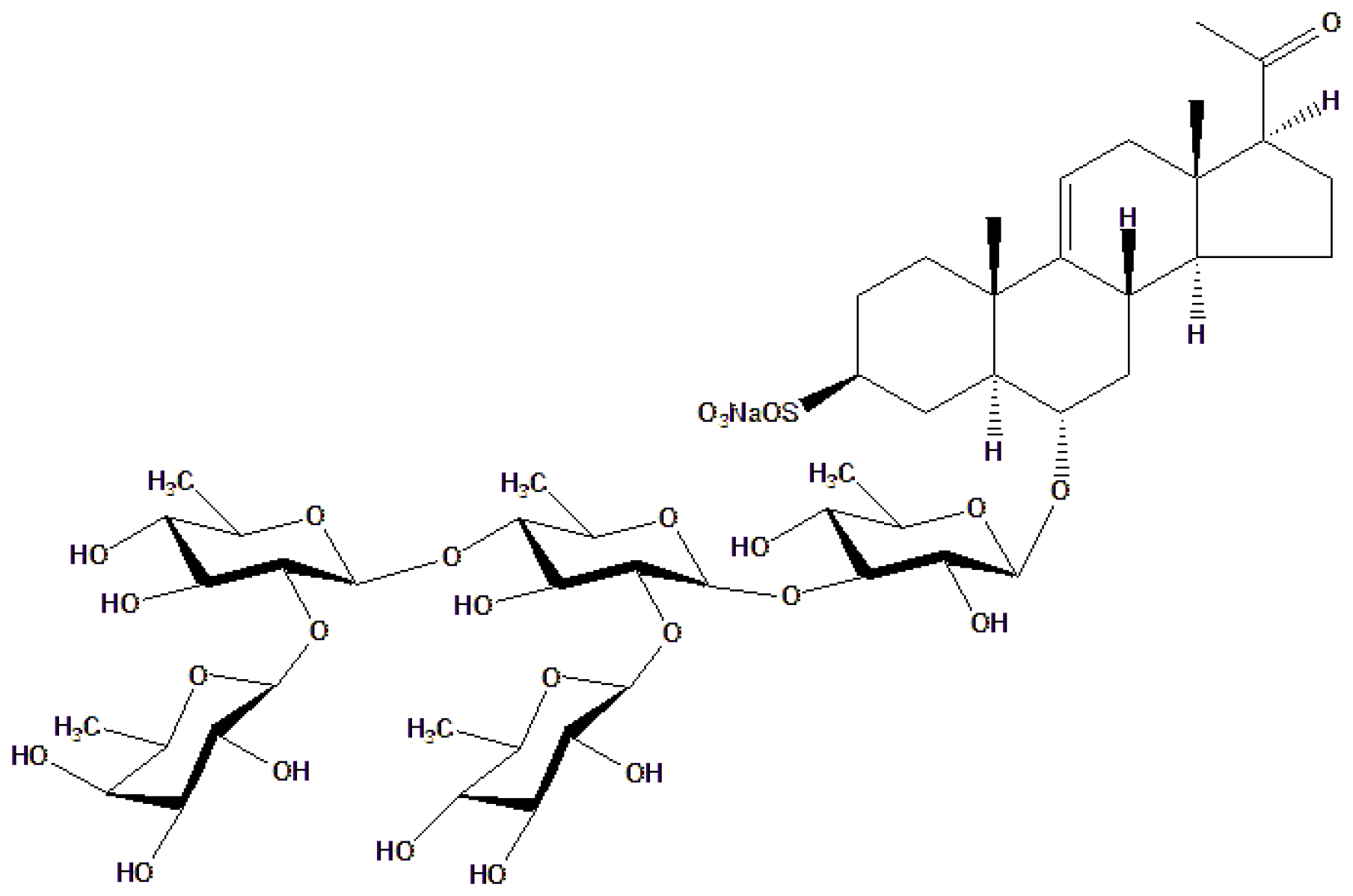
| Acanthaglycoside-G | Terpenoid | Amphipathic | Not available; toxicity only evaluated in vitro | [40] |
| Frondoside A | Saponin | Amphipathic | 9.9 mg/kg (i.p., mouse) | [41,42] |
| Compound | Source | Type | Distribution Region | Reference(s) |
|---|---|---|---|---|
| ω-conotoxin | Conus magus | Venom | Indo-Pacific (Philippines, Indonesia, PNG) | [52] |
| Proteins | Conus striatus | Venom | Indo-Pacific | [53] |
| Tetrodotoxin (TTX) | Hapalochlaena spp. | Toxin | Australia, Western Pacific, Japan | [54] |
| Alkaloid | Takifugu rubripes | Toxin | Northwest Pacific (China, Korea, Japan) | [55] |
| Alkaloid | Takifugu porphyreus | Hydrophilic | ||
| Alkaloid | Astropecten latespinosus | Toxin | Western Pacific (Japan coastal regions) | [56] |
| Polyether | Cephalothrix simula | Toxin | Northwest Pacific | [57] |
| Polyether | Thamnaconus modestus | Toxin | [58] | |
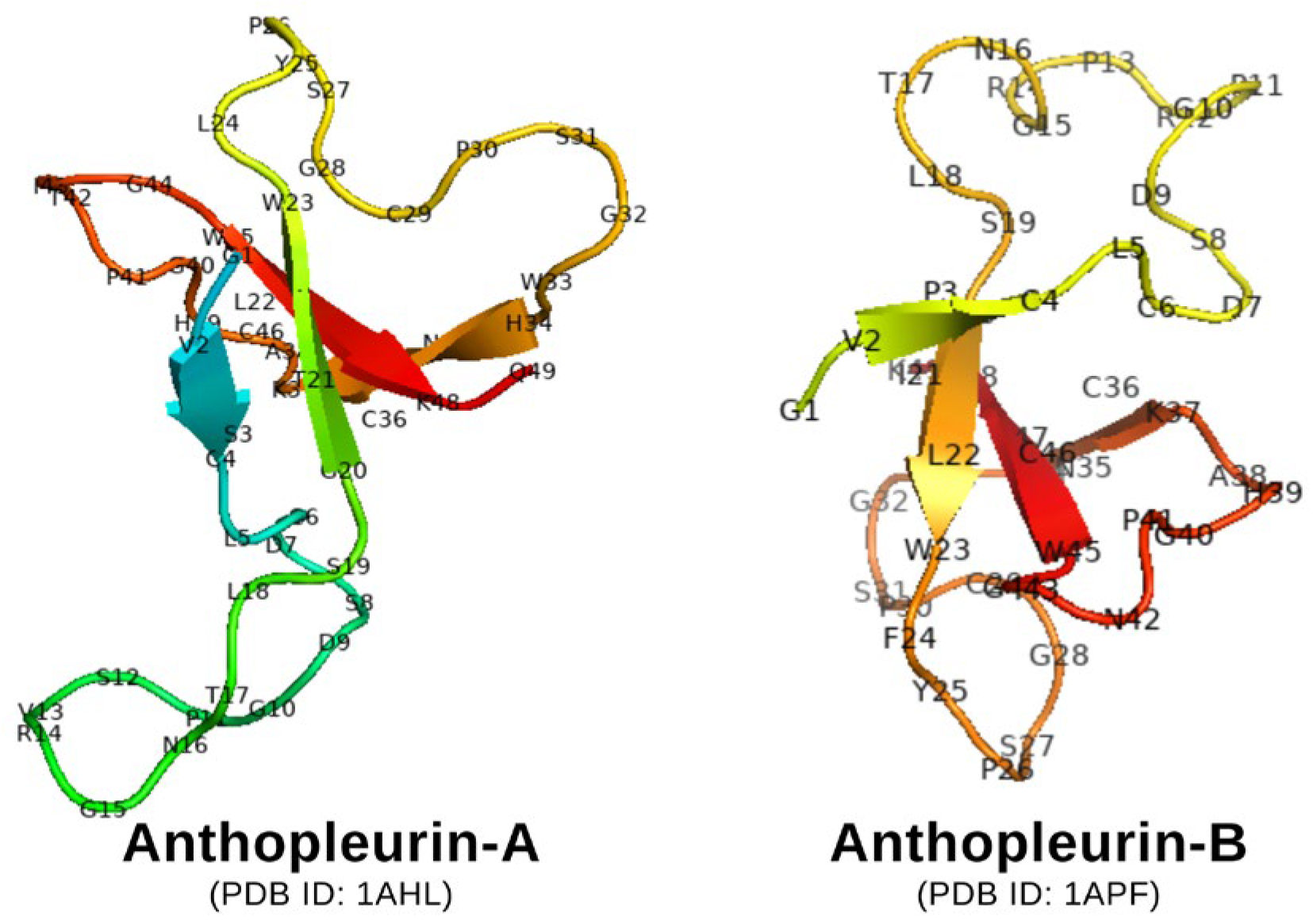
| Anthopleurin-A & B | Anthopleura spp. | Venom | Pacific and Atlantic coasts | [59] |
| Palytoxin (PLTXS) | Palythoa spp. | Toxin | Tropical Indo-Pacific, Hawaii, Red Sea | [60,61] |
| Brevetoxin | Karenia brevis | Toxin | Gulf of Mexico, Florida coast | [62,63,64] |
| Aplysiatoxin | Cyanobacterium lyngbya | Toxin | Indo-Pacific, Australia, Okinawa | [65,66] |
| Polyketide | Nostoc muscorum | Amphipathic | Indo-Pacific | [67] |
| Asterosaponin | Acanthaster planci | Toxin | [68,69] |
| Compound | Source | Indication | Mechanism | Status | Trade Name | Approving Body | Reference(s) |
|---|---|---|---|---|---|---|---|
| ω-conotoxins | Conus magus (marine) | Ischemic heart injury, neuropathic pain | N-type CaV2.2 channel blocker | Under study | Prialt® | FDA | [93] |
| Conantokin-G | Conus geographus (marine) | Ischemic stroke, epilepsy | NMDA receptor antagonist | Preclinical | - | - | [93] |
| Tetrodotoxin (TTX) | Takifugu spp. (marine) | Ventricular arrhythmias, cancer pain | NaV channel blocker | Preclinical | - | CFDA/IND (USA) | [93,99] |
| Acanthaglycoside G | Acanthaster planci (marine) | Heart failure (potential) | Na+/K+-ATPase modulator | Under study | - | - | [81] |
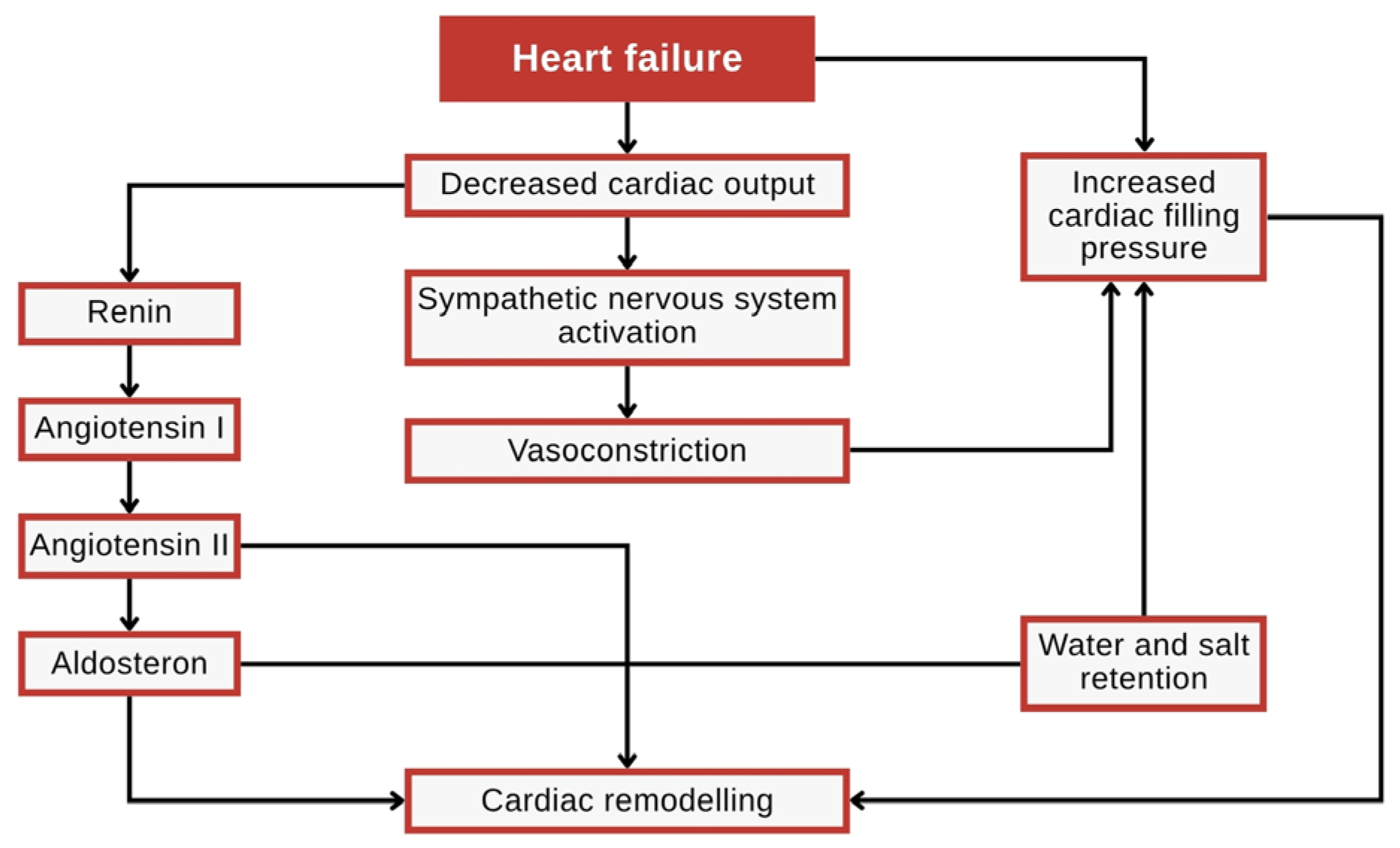
| Anthopleurin-A & B | Anthopleura spp. (marine) | Heart failure | NaV channel sensitizer | Preclinical | - | - | [100,101,102] |
| Verrucotoxin (VTX) | Synanceia verrucosa (marine) | Cardioprotective in ischemia models | Modulates CaV and KATP channels | Under study | - | - | [103] |
| Goniopora toxin (GPT) | Goniopora coral (marine) | Positive inotropy | Prolongs cardiac action potential (NaV inactivation) | Preclinical | - | - | [104,105] |
| Compound | Type | Limitation | Status | Explanation | Reference |
|---|---|---|---|---|---|
| Tetrodotoxin (TTX) | Toxin | High toxicity | Preclinical | TTX is highly toxic even in small doses, which makes it difficult to use therapeutically without modification or safe formulation. | [121] |
| ω-conotoxin | Venom | Target selectivity | Preclinical | It has specific effects on N-type calcium channels but can affect the nervous system and cause unwanted side effects. | [122] |
| Anthopleurin-A & B | Venom | Stability and formulation | Preclinical | This peptide can undergo rapid degradation in the body so it needs special formulation to extend its half-life. | [102] |
| Palytoxin (PLTX) | Toxin | Narrow therapeutic range | Preclinical | PLTX is one of the most toxic compounds in the world so its therapeutic use requires further research into safe doses. | [123] |
| Brevetoxin | Toxin | Risk of neurotoxicity | Under study | Despite its beneficial sodium channel modulating effects, brevetoxin may also cause neurological disorders in humans. | [124] |
| Aplysiatoxin | Toxin | Proinflammatory activity | Preclinical | Since inflammation accelerates atherosclerosis and exacerbates myocardial ischemia–reperfusion injury, structural simplification (e.g., Aplog-1) is required to eliminate these cardiotoxic side effects. | [125] |
| Asterosaponin | Toxin | Mechanism of action not fully understood | Under study | More research is needed on its pharmacological effects and potential toxicity before it can be developed into a drug. | [126] |
Disclaimer/Publisher’s Note: The statements, opinions and data contained in all publications are solely those of the individual author(s) and contributor(s) and not of MDPI and/or the editor(s). MDPI and/or the editor(s) disclaim responsibility for any injury to people or property resulting from any ideas, methods, instructions or products referred to in the content. |
© 2026 by the authors. Licensee MDPI, Basel, Switzerland. This article is an open access article distributed under the terms and conditions of the Creative Commons Attribution (CC BY) license.
Share and Cite
Siagian, V.H.M.; Nuwarda, R.F. The Cardioprotective Potential of Marine Venom and Toxins. Toxins 2026, 18, 63. https://doi.org/10.3390/toxins18020063
Siagian VHM, Nuwarda RF. The Cardioprotective Potential of Marine Venom and Toxins. Toxins. 2026; 18(2):63. https://doi.org/10.3390/toxins18020063
Chicago/Turabian StyleSiagian, Virginia Heaven Mariboto, and Rina Fajri Nuwarda. 2026. "The Cardioprotective Potential of Marine Venom and Toxins" Toxins 18, no. 2: 63. https://doi.org/10.3390/toxins18020063
APA StyleSiagian, V. H. M., & Nuwarda, R. F. (2026). The Cardioprotective Potential of Marine Venom and Toxins. Toxins, 18(2), 63. https://doi.org/10.3390/toxins18020063