Article

Toxicity Profile of eBAT, a Bispecific Ligand-Targeted Toxin Directed to EGFR and uPAR, in Mice and a Clinical Dog Model


by
Rose H. Dicovitsky
1,
Jill T. Schappa
1,2,3,
Ashley J. Schulte
1,2,4,
Haeree P. Lang
1,2,5,
Ellen Kuerbitz
1,
Sarah Roberts
1,
Taylor A. DePauw
1,2,4,6,
Mitzi Lewellen
1,2,4,
Amber L. Winter
2,7,
Kathy Stuebner
2,7,
Michelle Buettner
2,7,
Kelly Reid
2,7,
Kelly Bergsrud
2,7,
Sara Pracht
2,7,
Andrea Chehadeh
2,7,
Caitlin Feiock
1,2,7,
M. Gerard O’Sullivan
2,4,8,
Tim Carlson
8,
Alexandra R. Armstrong
1,
Danielle Meritet
9,
Michael S. Henson
1,2,4,
Brenda J. Weigel
2,4,10,
Jaime F. Modiano
1,2,4,11,12,13,14,
Antonella Borgatti
1,2,4,7,12 and
Daniel A. Vallera
2,4,15,*
add Show full author list remove Hide full author list
1
Department of Veterinary Clinical Sciences, College of Veterinary Medicine, University of Minnesota, St. Paul, MN 55108, USA
2
Animal Cancer Care and Research Program, University of Minnesota, St. Paul, MN 55108, USA
3
Experimental Surgical Services, Department of Surgery, Medical School, University of Minnesota, Minneapolis, MN 55455, USA
4
Masonic Cancer Center, University of Minnesota, Minneapolis, MN 55455, USA
5
Comparative Molecular Biosciences Graduate Program and DVM-PhD Dual Degree Program, College of Veterinary Medicine, University of Minnesota, St. Paul, MN 55108, USA
6
Microbiology, Immunology, and Cancer Biology Graduate Program, Medical School, University of Minnesota, Minneapolis, MN 55455, USA
7
Clinical Investigation Center, College of Veterinary Medicine, University of Minnesota, St. Paul, MN 55108, USA
8
Department of Veterinary Population Medicine, College of Veterinary Medicine, University of Minnesota, St. Paul, MN 55108, USA
9
Department of Population Health and Pathobiology, College of Veterinary Medicine, North Carolina State University, Raleigh, NC 27607, USA
10
Department of Pediatrics, Medical School, University of Minnesota, Minneapolis, MN 55455, USA
11
Department of Laboratory Medicine and Pathology, Medical School, University of Minnesota, Minneapolis, MN 55455, USA
12
Center for Immunology, University of Minnesota, Minneapolis, MN 55455, USA
13
Stem Cell Institute, University of Minnesota, Minneapolis, MN 55455, USA
14
Institute for Engineering in Medicine, University of Minnesota, Minneapolis, MN 55455, USA
15
Department of Radiation Oncology, Medical School, University of Minnesota, Minneapolis, MN 55455, USA
*
Author to whom correspondence should be addressed.
Toxins 2024, 16(9), 376; https://doi.org/10.3390/toxins16090376

Submission received: 25 April 2024 / Revised: 15 July 2024 / Accepted: 20 August 2024 / Published: 26 August 2024
(This article belongs to the Section Bacterial Toxins)

Abstract

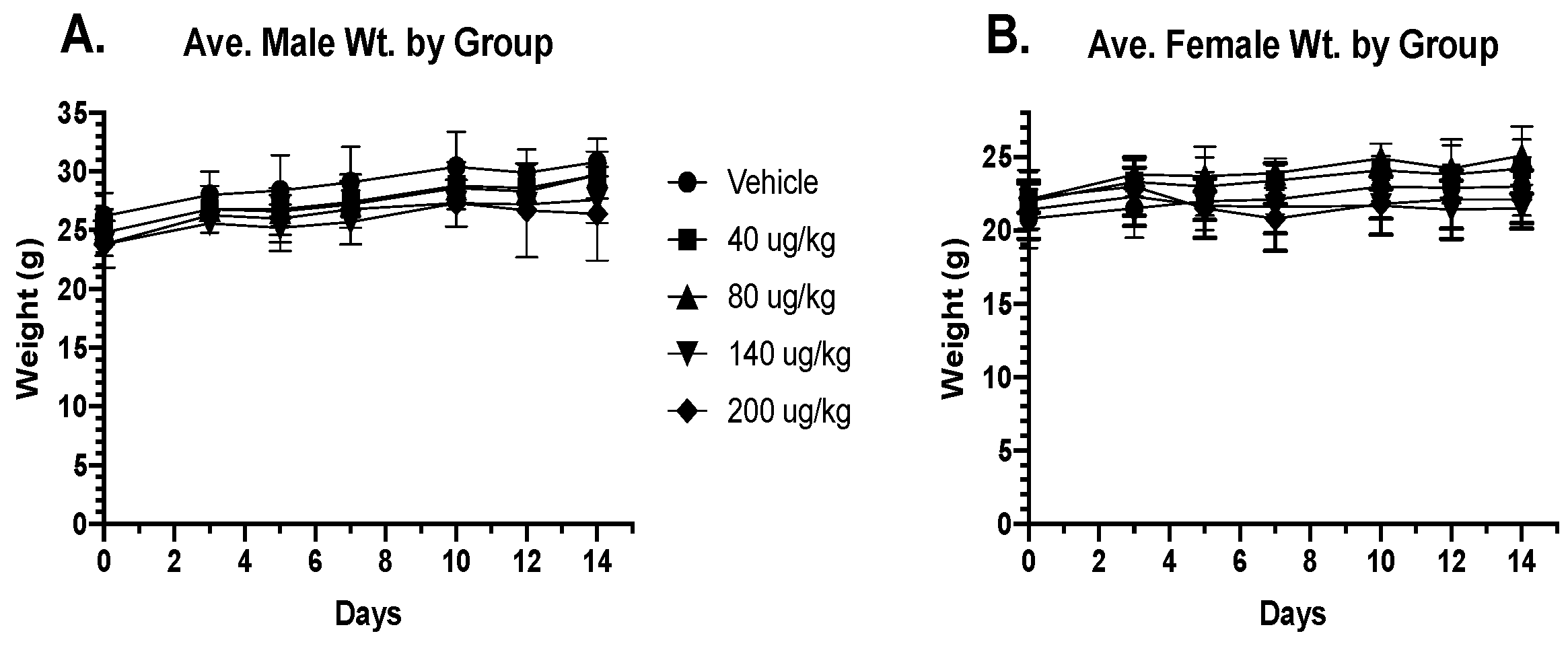
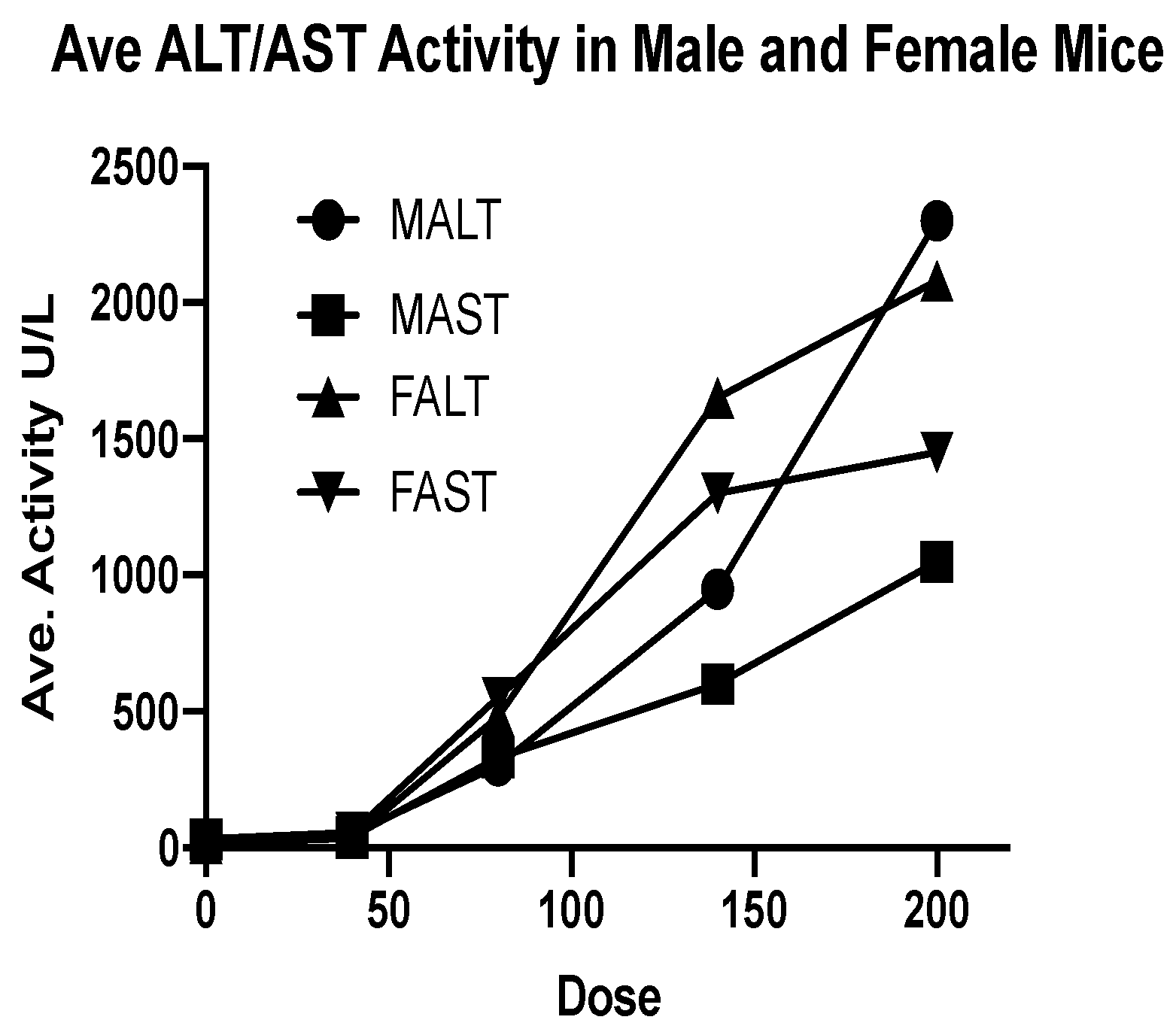
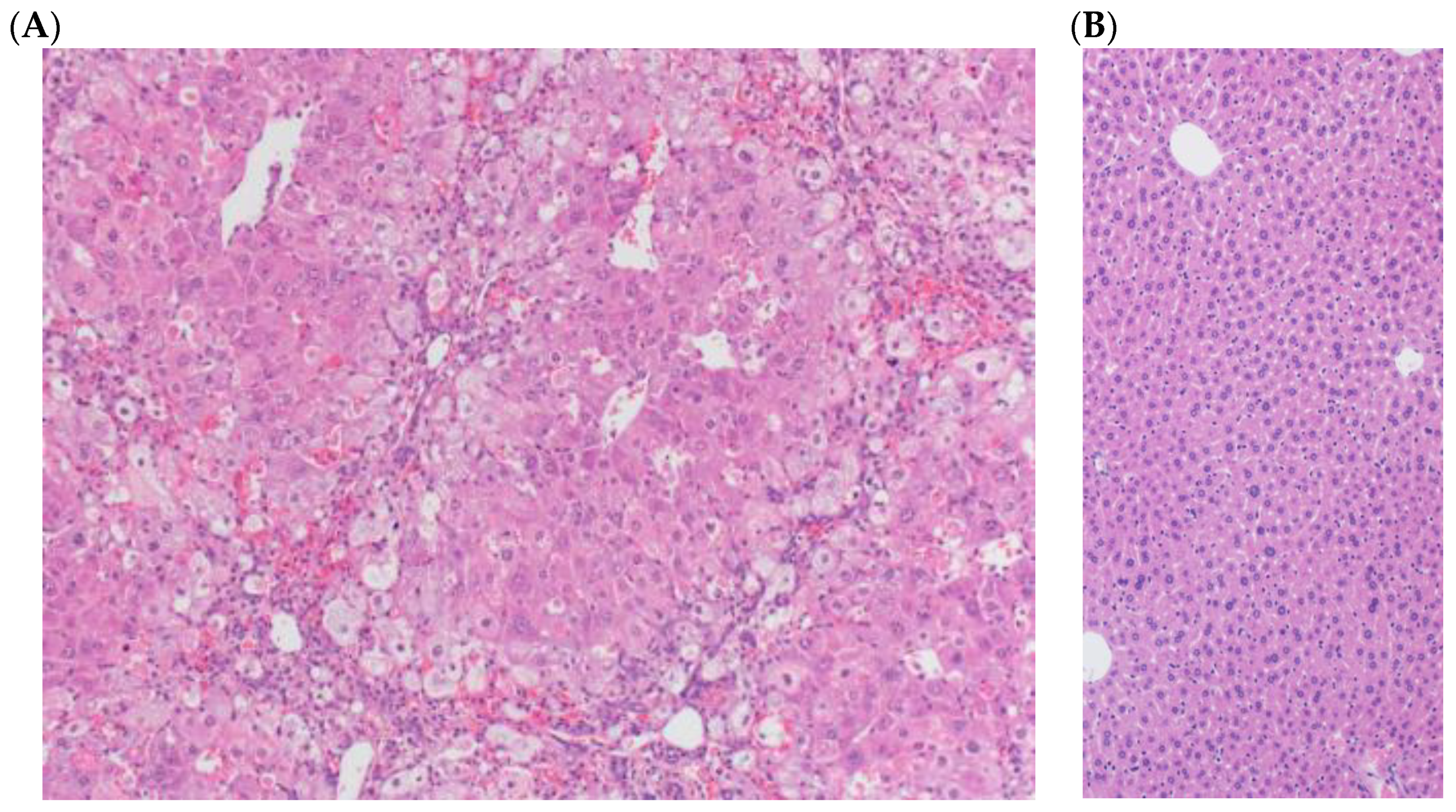
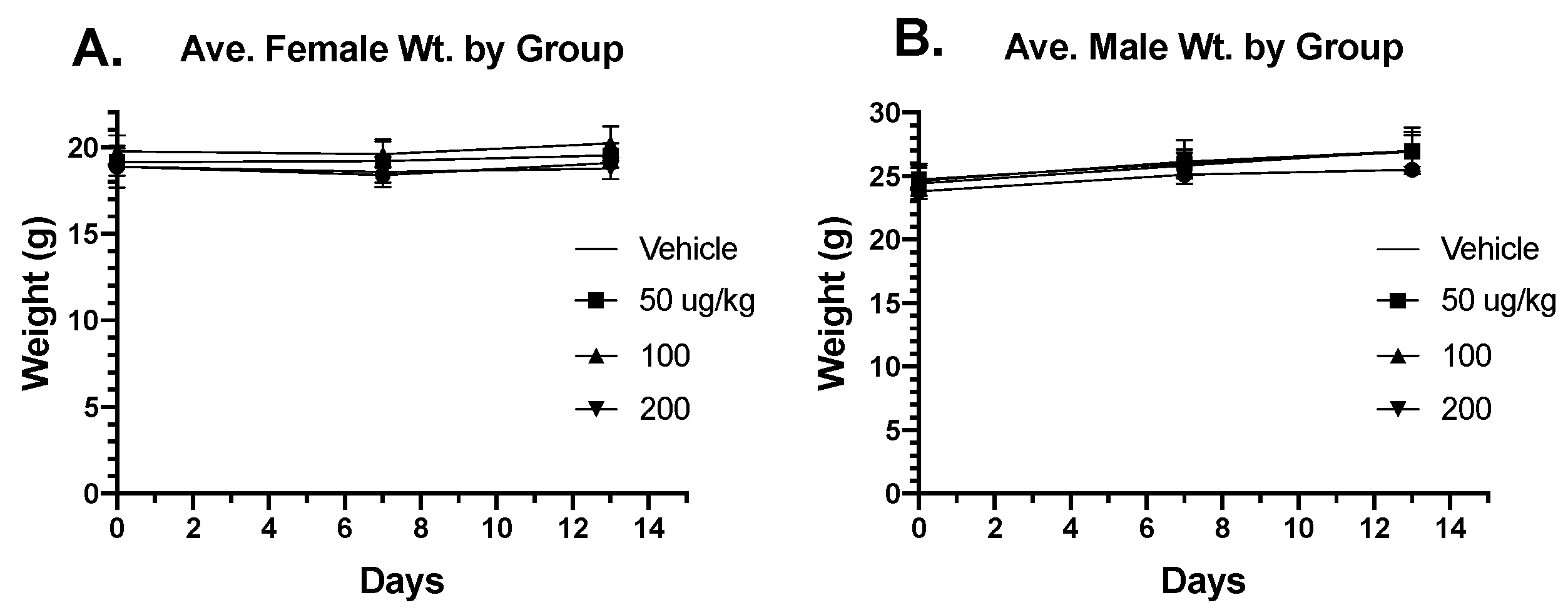
EGFR-targeted therapies are efficacious, but toxicity is common and can be severe. Urokinase type plasminogen activator receptor (uPAR)-targeted drugs are only emerging, so neither their efficacy nor toxicity is fully established. Recombinant eBAT was created by combining cytokines EGF and uPA on the same single-chain molecule with truncated Pseudomonas toxin. Its purpose was to simultaneously target tumors and their vasculature in the tumor microenvironment. In prior studies on mice and dogs, the drug proved efficacious. Here, we report the safety of eBAT in normal wildtype, uPAR knockout, and immunoreplete and immunodeficient tumor-bearing mice, as well as in dogs with spontaneous sarcoma that more closely mirror human cancer onset. In immunocompetent mice, tumor-bearing mice, uPAR knockout mice, and mice receiving species-optimized eBAT, toxicities were mild and self-limiting. Likewise, in dogs with life-threatening sarcoma given dosages found to be biologically active, eBAT was well tolerated. In mice receiving higher doses, eBAT was associated with dose-dependent evidence of liver injury, including portal biliary hyperplasia, oval cell proliferation, lymphoplasmacytic inflammation, periportal hepatocellular microvesicular change, hemorrhage, necrosis, and apoptosis. The results support continuing the clinical development of eBAT as a therapeutic agent for individuals with sarcoma and other cancers.
Keywords: targeted therapy; sarcoma; pharmacology; toxicity; immunotoxin targeted therapy; sarcoma; pharmacology; toxicity; immunotoxin