The Prickly Solution to Metabolic Syndrome: A Multitarget View on the Opuntia ficus-indica Fruit Phytocomplex


Abstract
1. Introduction
Literature Approach and Scope
2. Pathophysiology of Metabolic Syndrome
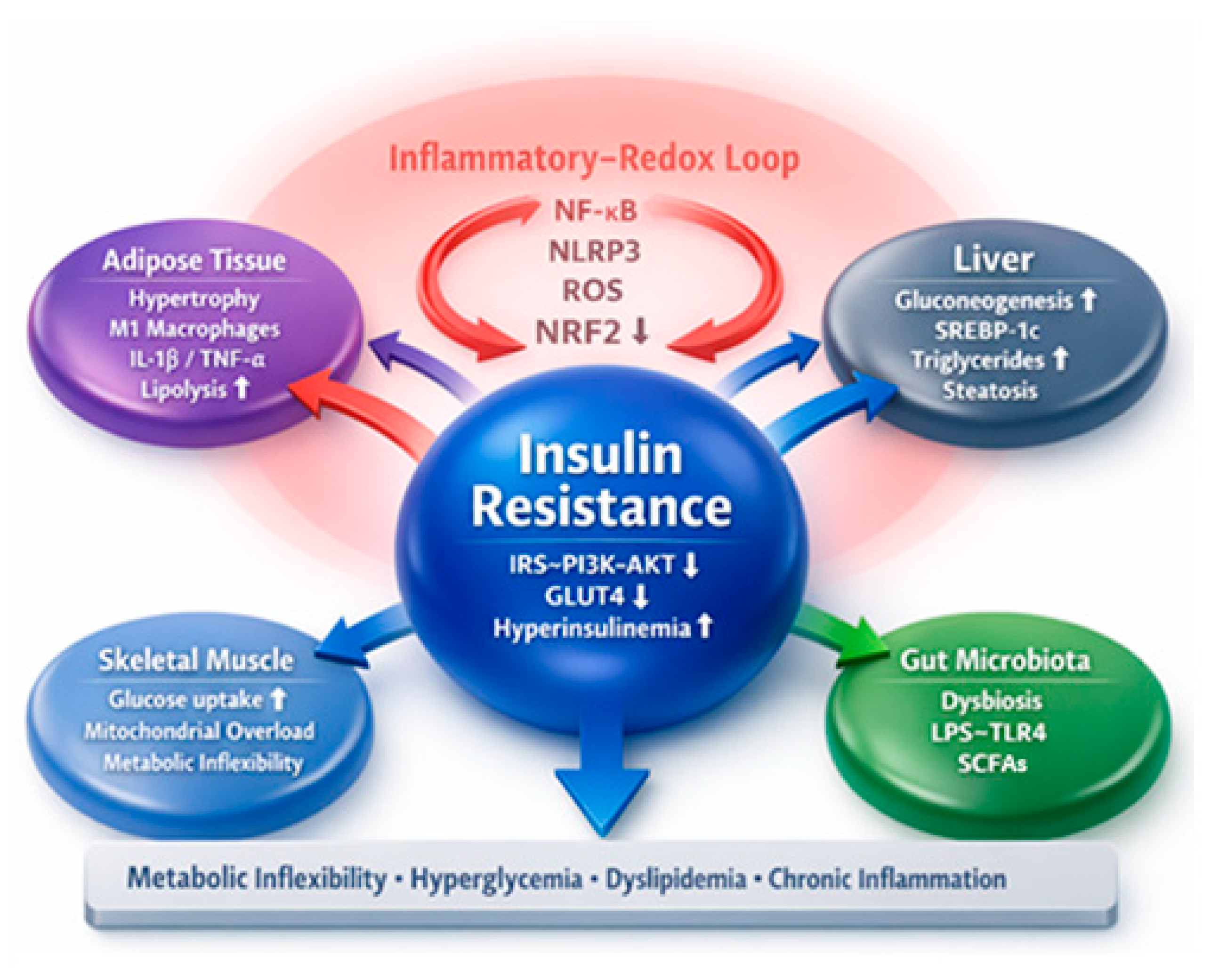
2.1. IR, Redox Imbalance, and Inflammatory Crosstalk
2.2. Hepatic and Adipose Tissue Dysfunction
2.3. Gut Microbiota and Metabolic Endotoxemia
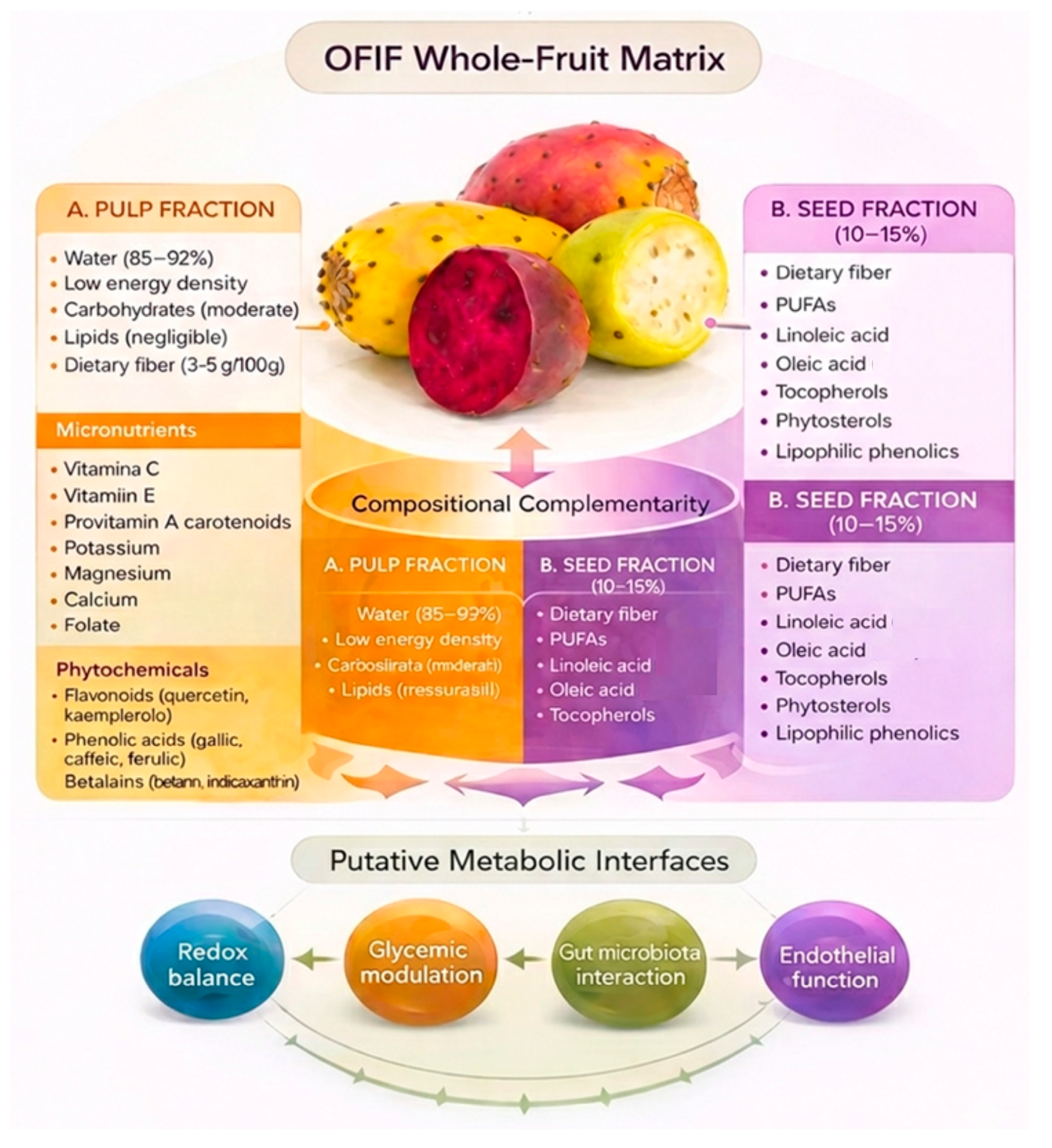
3. Phytochemical Composition and Nutritional Properties of OFIF
4. Polyphenols and Flavonoids from OFIF: Mechanistic Insights into Metabolic Syndrome Modulation
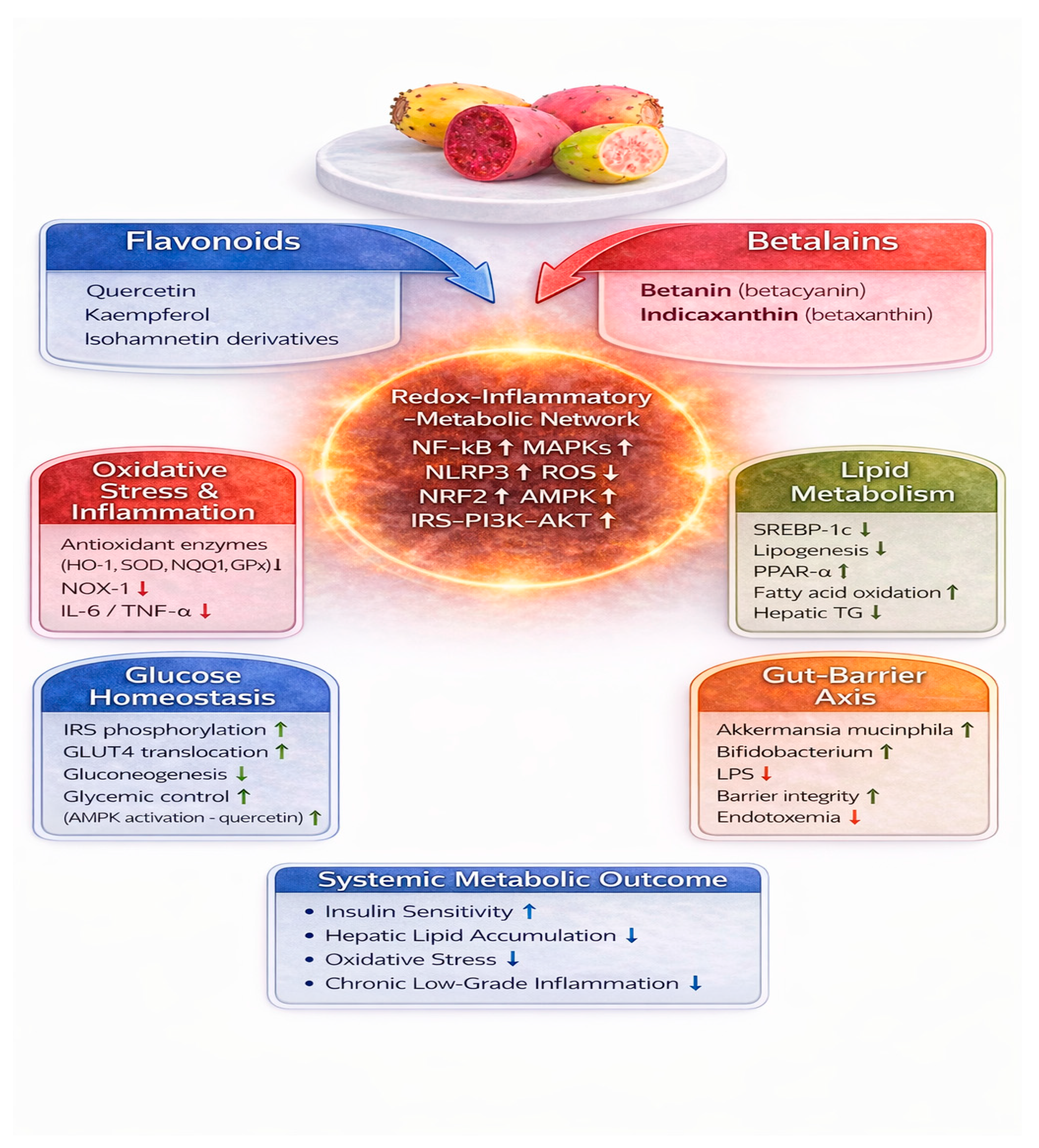
4.1. Modulation of Oxidative Stress and Inflammation
4.2. Effects on Glucose Metabolism and Insulin Sensitivity
4.3. Regulation of Lipid Metabolism
4.4. Gut Microbiota Interaction and Endotoxemia Control
5. Betalains from Opuntia ficus-indica: Mechanistic Insights into Metabolic Syndrome Modulation
5.1. Modulation of Inflammatory Signaling
5.2. Glucose Homeostasis and Redox Enzyme Restoration
5.3. Hepatic Lipid Metabolism and NAFLD
5.4. Endothelial Protection and Vascular Inflammation
5.5. Gut Microbiota Modulation
6. Carotenoids from Opuntia ficus-indica: Molecular Targets in Metabolic Syndrome
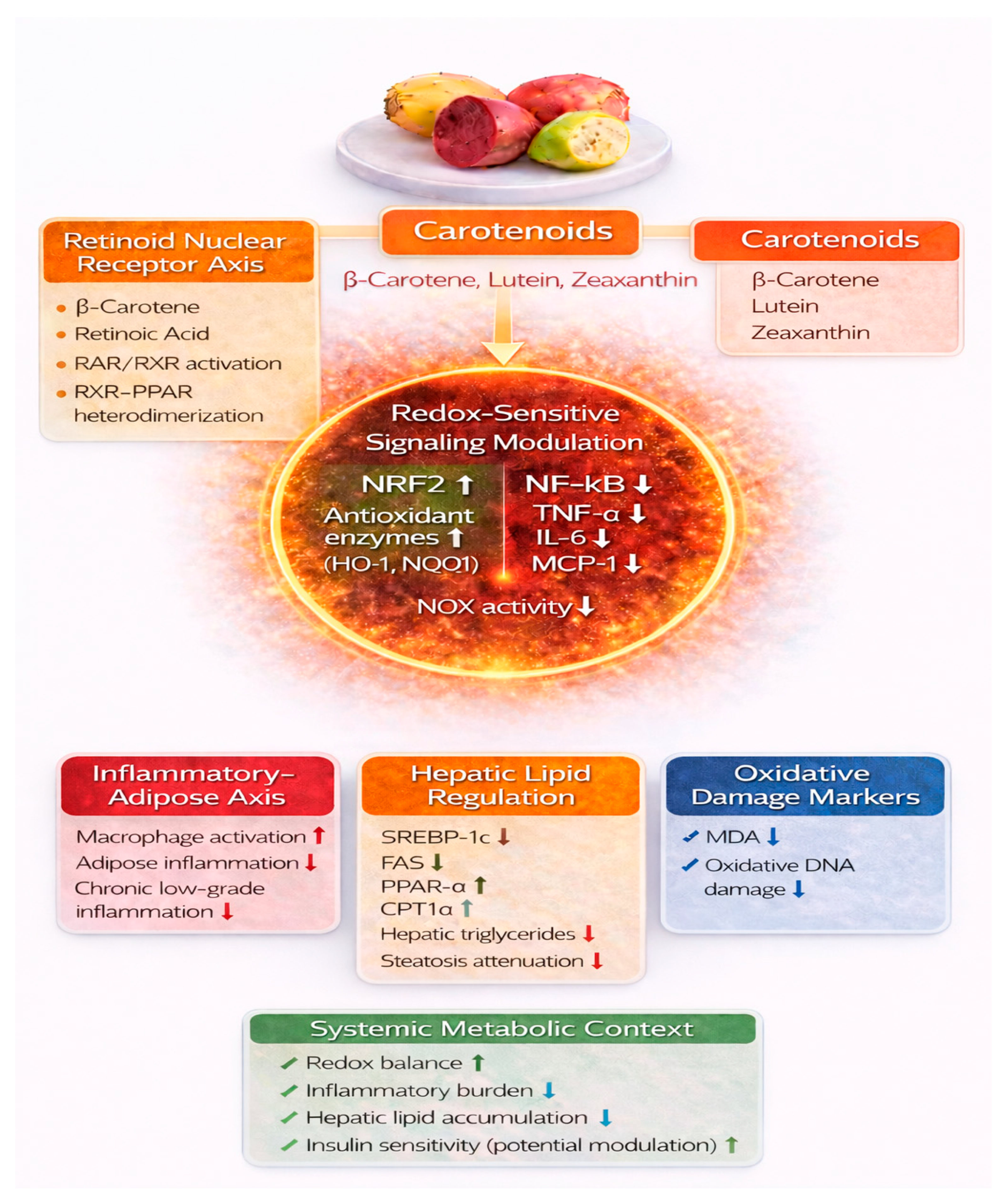
6.1. Modulation of Inflammatory Signaling
6.2. Regulation of Lipid Metabolism
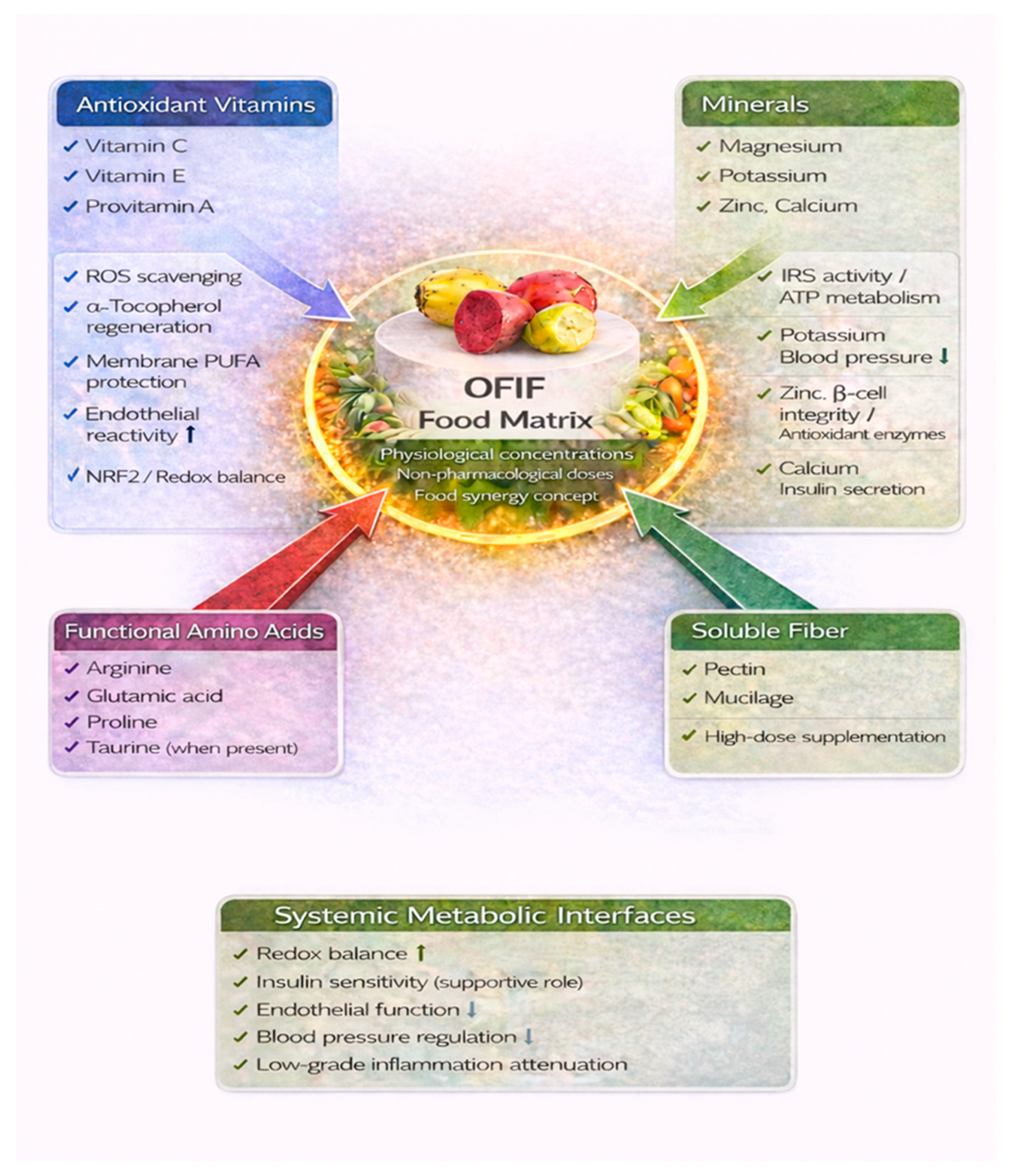
7. Effects of Vitamins and Minerals in Metabolic Syndrome
Mineral Contributions to Glycemic and Vascular Regulation
8. Functional Amino Acids and Soluble Fiber: Integrated Metabolic Modulation
9. Evidence from Animal and Human Studies on OFIF in Metabolic Syndrome
10. Safety Considerations and Potential Limitations
11. Conclusions and Future Directions
Author Contributions
Funding
Institutional Review Board Statement
Informed Consent Statement
Data Availability Statement
Acknowledgments
Conflicts of Interest
References
- Hamooya, B.M.; Siame, L.; Muchaili, L.; Masenga, S.K.; Kirabo, A. Metabolic syndrome: Epidemiology, mechanisms, and current therapeutic approaches. Front. Nutr. 2025, 12, 1661603. [Google Scholar] [CrossRef] [PubMed]
- Saeedi, P.; Petersohn, I.; Salpea, P.; Malanda, B.; Karuranga, S.; Unwin, N.; Colagiuri, S.; Guariguata, L.; Motala, A.A.; Ogurtsova, K.; et al. Global and regional diabetes prevalence estimates for 2019 and projections for 2030 and 2045: Results from the International Diabetes Federation Diabetes Atlas, 9th edition. Diabetes Res. Clin. Pract. 2019, 157, 107843. [Google Scholar] [CrossRef]
- Fahed, G.; Aoun, L.; Bou Zerdan, M.; Allam, S.; Bouferraa, Y.; Assi, H.I. Metabolic syndrome: Updates on pathophysiology and management in 2021. Int. J. Mol. Sci. 2022, 23, 786. [Google Scholar] [CrossRef] [PubMed]
- Choi, W.; Woo, G.H.; Kwon, T.H.; Jeon, J.H. Obesity-driven metabolic disorders: The interplay of inflammation and mitochondrial dysfunction. Int. J. Mol. Sci. 2025, 26, 9715. [Google Scholar] [CrossRef] [PubMed]
- Gao, W.; Guo, L.; Yang, Y.; Wang, Y.; Xia, S.; Gong, H.; Zhang, B.K.; Yan, M. Dissecting the crosstalk between Nrf2 and NF-κB response pathways in drug-induced toxicity. Front. Cell Dev. Biol. 2022, 9, 809952. [Google Scholar] [CrossRef]
- Di Majo, D.; Ricciardi, N.; Di Liberto, V.; Allegra, M.; Frinchi, M.; Urone, G.; Scordino, M.; Massaro, A.; Mudò, G.; Ferraro, G.; et al. The remarkable impact of Opuntia ficus-indica fruit administration on metabolic syndrome: Correlations between cognitive functions, oxidative stress and lipid dysmetabolism in the high-fat diet-fed rat model. Biomed. Pharmacother. 2024, 177, 117028. [Google Scholar] [CrossRef]
- Angulo-Bejarano, P.I.; Gómez-García, M.D.R.; Valverde, M.E.; Paredes-López, O. Nopal (Opuntia spp.) and its effects on metabolic syndrome: New insights for the use of a millenary plant. Curr. Pharm. Des. 2019, 25, 3457–3477. [Google Scholar] [CrossRef]
- Priest, C.; Tontonoz, P. Inter-organ cross-talk in metabolic syndrome. Nat. Metab. 2019, 1, 1177–1188. [Google Scholar] [CrossRef]
- Abdul-Ghani, M.A.; DeFronzo, R.A. Pathogenesis of insulin resistance in skeletal muscle. J. Biomed. Biotechnol. 2010, 2010, 476279. [Google Scholar] [CrossRef]
- Zatterale, F.; Longo, M.; Naderi, J.; Raciti, G.A.; Desiderio, A.; Miele, C.; Beguinot, F. Chronic adipose tissue inflammation linking obesity to insulin resistance and type 2 diabetes. Front. Physiol. 2020, 10, 1607. [Google Scholar] [CrossRef]
- Lumeng, C.N.; Bodzin, J.L.; Saltiel, A.R. Obesity induces a phenotypic switch in adipose tissue macrophage polarization. J. Clin. Investig. 2007, 117, 175–184. [Google Scholar] [CrossRef] [PubMed]
- Valle, M.S.; Russo, C.; Surdo, S.; Cambria, M.T.; Campanella, M.; Tuttobene, M.; Malaguarnera, L. Pathophysiological role of vitamin D deficiency in Down syndrome: Insights into metabolic dysfunction and sarcopenia. Int. J. Mol. Sci. 2025, 26, 10756. [Google Scholar] [CrossRef] [PubMed]
- Copps, K.D.; White, M.F. Regulation of insulin sensitivity by serine/threonine phosphorylation of insulin receptor substrate proteins. J. Clin. Investig. 2012, 122, 407–411. [Google Scholar] [CrossRef] [PubMed]
- Paik, S.; Kim, J.K.; Shin, H.J.; Park, E.J.; Kim, I.S.; Jo, E.K. Updated insights into the molecular networks for NLRP3 inflammasome activation. Cell. Mol. Immunol. 2025, 22, 563–596. [Google Scholar] [CrossRef]
- Samuel, V.T.; Shulman, G.I. The pathogenesis of insulin resistance: Integrating signaling pathways and substrate flux. J. Clin. Investig. 2016, 126, 12–22. [Google Scholar] [CrossRef]
- Santoleri, D.; Titchenell, P.M. Resolving the paradox of hepatic insulin resistance. Cell. Mol. Gastroenterol. Hepatol. 2019, 7, 447–456. [Google Scholar] [CrossRef]
- Legaki, A.I.; Moustakas, I.I.; Sikorska, M.; Papadopoulos, G.; Velliou, R.I.; Chatzigeorgiou, A. Hepatocyte mitochondrial dynamics and bioenergetics in obesity-related non-alcoholic fatty liver disease. Curr. Obes. Rep. 2022, 11, 126–143. [Google Scholar] [CrossRef]
- Zhou, Q.; Cen, P.; Chen, Z.; Jin, J. Roles of the Keap1/Nrf2 pathway and mitophagy in liver diseases. J. Zhejiang Univ. Sci. B 2025, 26, 972–994. [Google Scholar] [CrossRef]
- Garcia-Llorens, G.; El Ouardi, M.; Valls-Belles, V. Oxidative stress fundamentals: Unraveling the pathophysiological role of redox imbalance in non-communicable diseases. Appl. Sci. 2025, 15, 10191. [Google Scholar] [CrossRef]
- Xia, Y.; Zhai, X.; Qiu, Y.; Lu, X.; Jiao, Y. The Nrf2 in obesity: A friend or foe? Antioxidants 2022, 11, 2067. [Google Scholar] [CrossRef]
- Li, N.; Hao, L.; Li, S.; Deng, J.; Yu, F.; Zhang, J.; Nie, A.; Hu, X. The NRF-2/HO-1 signaling pathway: A promising therapeutic target for metabolic dysfunction-associated steatotic liver disease. J. Inflamm. Res. 2024, 17, 8061–8083. [Google Scholar] [CrossRef] [PubMed]
- Park, J.S.; Rustamov, N.; Roh, Y.S. The roles of NRF2-regulated oxidative stress and mitochondrial quality control in chronic liver diseases. Antioxidants 2023, 12, 1928. [Google Scholar] [CrossRef] [PubMed]
- Samuel, V.T.; Shulman, G.I. Mechanisms for insulin resistance: Common threads and missing links. Cell 2012, 148, 852–871. [Google Scholar] [CrossRef] [PubMed]
- Li, N.; Li, X.; Ding, Y.; Liu, X.; Diggle, K.; Kisseleva, T.; Brenner, D.A. SREBP regulation of lipid metabolism in liver disease, and therapeutic strategies. Biomedicines 2023, 11, 3280. [Google Scholar] [CrossRef]
- Lipke, K.; Kubis-Kubiak, A.; Piwowar, A. Molecular mechanism of lipotoxicity as an interesting aspect in the development of pathological states—Current view of knowledge. Cells 2022, 11, 844. [Google Scholar] [CrossRef]
- Tilg, H.; Ianiro, G.; Gasbarrini, A.; Adolph, T.E. Adipokines: Masterminds of metabolic inflammation. Nat. Rev. Immunol. 2025, 25, 250–265. [Google Scholar] [CrossRef]
- Azzu, V.; Vacca, M.; Virtue, S.; Allison, M.; Vidal-Puig, A. Adipose tissue-liver cross talk in the control of whole-body metabolism: Implications in nonalcoholic fatty liver disease. Gastroenterology 2020, 158, 1899–1912. [Google Scholar] [CrossRef]
- Cani, P.D.; Amar, J.; Iglesias, M.A.; Poggi, M.; Knauf, C.; Bastelica, D.; Neyrinck, A.M.; Fava, F.; Tuohy, K.M.; Chabo, C.; et al. Metabolic endotoxemia initiates obesity and insulin resistance. Diabetes 2007, 56, 1761–1772. [Google Scholar] [CrossRef]
- Agus, A.; Clément, K.; Sokol, H. Gut microbiota-derived metabolites as central regulators in metabolic disorders. Gut 2021, 70, 1174–1182. [Google Scholar] [CrossRef]
- De Cól, J.P.; de Lima, E.P.; Pompeu, F.M.; Cressoni Araújo, A.; de Alvares Goulart, R.; Bechara, M.D.; Laurindo, L.F.; Méndez-Sánchez, N.; Barbalho, S.M. Underlying mechanisms behind the brain–gut–liver axis and metabolic-associated fatty liver disease (MAFLD): An update. Int. J. Mol. Sci. 2024, 25, 3694. [Google Scholar] [CrossRef]
- El-Mostafa, K.; El Kharrassi, Y.; Badreddine, A.; Andreoletti, P.; Vamecq, J.; El Kebbaj, M.S.; Latruffe, N.; Lizard, G.; Nasser, B.; Cherkaoui-Malki, M. Nopal cactus (Opuntia ficus-indica) as a source of bioactive compounds for nutrition, health and disease. Molecules 2014, 19, 14879–14901. [Google Scholar] [CrossRef] [PubMed]
- Giraldo-Silva, L.; Ferreira, B.; Rosa, E.; Dias, A.C.P. Opuntia ficus-indica fruit: A systematic review of its phytochemicals and pharmacological activities. Plants 2023, 12, 543. [Google Scholar] [CrossRef] [PubMed]
- Msaddak, L.; Siala, R.; Fakhfakh, N.; Ayadi, M.A.; Nasri, M.; Zouari, N. Cladodes from prickly pear as a functional ingredient: Effect on fat retention, oxidative stability, nutritional and sensory properties of cookies. Int. J. Food Sci. Nutr. 2015, 66, 851–857. [Google Scholar] [CrossRef] [PubMed]
- Mena, P.; Tassotti, M.; Andreu, L.; Nuncio-Jáuregui, N.; Legua, P.; Del Rio, D.; Hernández, F. Phytochemical characterization of different prickly pear (Opuntia ficus-indica (L.) Mill.) cultivars and botanical parts: UHPLC-ESI-MSn metabolomics profiles and their chemometric analysis. Food Res. Int. 2018, 108, 301–308. [Google Scholar] [CrossRef]
- Stintzing, F.C.; Herbach, K.M.; Mosshammer, M.R.; Carle, R.; Yi, W.; Sellappan, S.; Akoh, C.C.; Bunch, R.; Felker, P. Color, betalain pattern, and antioxidant properties of cactus pear (Opuntia spp.) clones. J. Agric. Food Chem. 2005, 53, 442–451. [Google Scholar] [CrossRef]
- Tesoriere, L.; Fazzari, M.; Allegra, M.; Livrea, M.A. Biothiols, taurine, and lipid-soluble antioxidants in the edible pulp of Sicilian cactus pear (Opuntia ficus-indica) fruits and changes of bioactive juice components upon industrial processing. J. Agric. Food Chem. 2005, 53, 7851–7855. [Google Scholar] [CrossRef]
- Shoukat, R.; Cappai, M.; Pia, G.; Pilia, L. An updated review: Opuntia ficus indica (OFI) chemistry and its diverse applications. Appl. Sci. 2023, 13, 7724. [Google Scholar] [CrossRef]
- Abdnim, R.; Lafdil, F.Z.; Elrherabi, A.; El Fadili, M.; Kandsi, F.; Benayad, O.; Legssyer, A.; Ziyyat, A.; Mekhfi, H.; Bnouham, M. Fatty acids characterisation by GC-MS, antiglycation effect and protection of erythrocytes from oxidative damage induced by glycation of albumin of Opuntia ficus-indica (L.) Mill seed oil. J. Ethnopharmacol. 2024, 329, 118106. [Google Scholar] [CrossRef]
- Ramadan, M.F. Opuntia ficus-indica (L.) Mill. Bioactive ingredients and phyto-constituents. In Opuntia spp.: Chemistry, Bioactivity and Industrial Applications; Ramadan, M.F., Ayoub, T.E.M., Rohn, S., Eds.; Springer: Cham, Switzerland, 2021. [Google Scholar] [CrossRef]
- Ali, B.; Abderrahim, Z.; Hassane, M.; Marianne, S.; Marie-Laure, F.; Abdelkhaleq, L.; Mohammed, A.; Mohamed, B. Chemical composition of cactus pear seed oil: Phenolics identification and antioxidant activity. J. Pharmacopunct. 2022, 25, 121–129. [Google Scholar] [CrossRef]
- Stachelska, M.A.; Karpiński, P.; Kruszewski, B. A comprehensive review of biological properties of flavonoids and their role in the prevention of metabolic, cancer and neurodegenerative diseases. Appl. Sci. 2025, 15, 10840. [Google Scholar] [CrossRef]
- Jomova, K.; Alomar, S.Y.; Valko, R.; Liska, J.; Nepovimova, E.; Kuca, K.; Valko, M. Flavonoids and their role in oxidative stress, inflammation, and human diseases. Chem. Biol. Interact. 2025, 413, 111489. [Google Scholar] [CrossRef]
- Russo, C.; Valle, M.S.; D’Angeli, F.; Surdo, S.; Giunta, S.; Barbera, A.C.; Malaguarnera, L. Beneficial effects of Manilkara zapota-derived bioactive compounds in the epigenetic program of neurodevelopment. Nutrients 2024, 16, 2225. [Google Scholar] [CrossRef] [PubMed]
- Tesoriere, L.; Butera, D.; Pintaudi, A.M.; Allegra, M.; Livrea, M.A. Supplementation with cactus pear (Opuntia ficus-indica) fruit decreases oxidative stress in healthy humans: A comparative study with vitamin C. Am. J. Clin. Nutr. 2004, 80, 391–395. [Google Scholar] [CrossRef] [PubMed]
- Russo, B.; Picconi, F.; Malandrucco, I.; Frontoni, S. Flavonoids and insulin-resistance: From molecular evidences to clinical trials. Int. J. Mol. Sci. 2019, 20, 2061. [Google Scholar] [CrossRef] [PubMed]
- Kim, S.G.; Kim, J.R.; Choi, H.C. Quercetin-induced AMP-activated protein kinase activation attenuates vasoconstriction through LKB1–AMPK signaling pathway. J. Med. Food 2018, 21, 146–153. [Google Scholar] [CrossRef]
- Qin, Y.; Niu, K.; Zeng, Y.; Liu, P.; Yi, L.; Zhang, T.; Zhang, Q.Y.; Zhu, J.D.; Mi, M.T. Isoflavones for hypercholesterolaemia in adults. Cochrane Database Syst. Rev. 2013, 2013, CD009518. [Google Scholar] [CrossRef]
- Hu, H.; Weng, J.; Cui, C.; Tang, F.; Yu, M.; Zhou, Y.; Shao, F.; Zhu, Y. The hypolipidemic effect of hawthorn leaf flavonoids through modulating lipid metabolism and gut microbiota in hyperlipidemic rats. Evid. Based Complement. Alternat. Med. 2022, 2022, 3033311. [Google Scholar] [CrossRef]
- Rodríguez-Daza, M.C.; de Vos, W.M. Polyphenols as drivers of a homeostatic gut microecology and immuno-metabolic traits of Akkermansia muciniphila. Int. J. Mol. Sci. 2022, 24, 45. [Google Scholar] [CrossRef]
- Mezhibovsky, E.; Wu, Y.; Bawagan, F.G.; Tveter, K.M.; Szeto, S.; Roopchand, D. Impact of grape polyphenols on Akkermansia muciniphila and the gut barrier. AIMS Microbiol. 2022, 8, 544–565. [Google Scholar] [CrossRef]
- Rodríguez-Mena, A.; Ochoa-Martínez, L.A.; González-Herrera, S.M.; Rutiaga-Quiñones, O.M.; González-Laredo, R.F.; Olmedilla-Alonso, B. Natural pigments of plant origin: Classification, extraction and application in foods. Food Chem. 2023, 398, 133908. [Google Scholar] [CrossRef]
- Attanzio, A.; Restivo, I.; Tutone, M.; Tesoriere, L.; Allegra, M.; Livrea, M.A. Redox properties, bioactivity and health effects of indicaxanthin. Antioxidants 2022, 11, 2364. [Google Scholar] [CrossRef] [PubMed]
- Allegra, M.; Tutone, M.; Tesoriere, L.; Almerico, A.M.; Culletta, G.; Livrea, M.A.; Attanzio, A. Indicaxanthin, a multi-target natural compound from Opuntia ficus-indica fruit. Eur. J. Med. Chem. 2019, 179, 753–764. [Google Scholar] [CrossRef] [PubMed]
- Tesoriere, L.; Attanzio, A.; Allegra, M.; Gentile, C.; Livrea, M.A. Indicaxanthin inhibits NOX-1 activation and NF-κB-dependent inflammatory mediators. Br. J. Nutr. 2014, 111, 415–423. [Google Scholar] [CrossRef] [PubMed]
- Krajka-Kuźniak, V.; Paluszczak, J.; Szaefer, H.; Baer-Dubowska, W. Betanin induces Nrf2-mediated expression of detoxifying/antioxidant enzymes. Br. J. Nutr. 2013, 110, 2138–2149. [Google Scholar] [CrossRef]
- Terzo, S.; Attanzio, A.; Calvi, P.; Mulè, F.; Tesoriere, L.; Allegra, M.; Amato, A. Indicaxanthin from Opuntia ficus-indica fruit ameliorates glucose dysmetabolism in HFD-fed mice. Antioxidants 2021, 11, 80. [Google Scholar] [CrossRef]
- da Silva, D.V.T.; Pereira, A.D.; Boaventura, G.T.; Ribeiro, R.S.A.; Verícimo, M.A.; Carvalho-Pinto, C.E.; Baião, D.D.S.; Del Aguila, E.M.; Paschoalin, V.M.F. Short-term betanin intake reduces oxidative stress in Wistar rats. Nutrients 2019, 11, 1978. [Google Scholar] [CrossRef]
- Gentile, C.; Tesoriere, L.; Allegra, M.; Livrea, M.A.; D’Alessio, P. Antioxidant betalains from cactus pear inhibit endothelial ICAM-1 expression. Ann. New York Acad. Sci. 2004, 1028, 481–486. [Google Scholar] [CrossRef]
- Roopchand, D.E.; Carmody, R.N.; Kuhn, P.; Moskal, K.; Rojas-Silva, P.; Turnbaugh, P.J.; Raskin, I. Dietary polyphenols promote growth of Akkermansia muciniphila and attenuate HFD-induced metabolic syndrome. Diabetes 2015, 64, 2847–2858. [Google Scholar] [CrossRef]
- Shaheen, N.; Khursheed, W.; Gurung, B.; Wang, S. Akkermansia muciniphila: A key player in gut microbiota-based disease modulation. Microbiol. Res. 2025, 301, 128317. [Google Scholar] [CrossRef]
- Liu, R.H. Health-promoting components of fruits and vegetables in the diet. Adv. Nutr. 2013, 4, 384S–392S. [Google Scholar] [CrossRef]
- Tan, B.L.; Norhaizan, M.E. Carotenoids: How effective are they to prevent age-related diseases? Molecules 2019, 24, 1801. [Google Scholar] [CrossRef] [PubMed]
- Cocate, P.G.; Natali, A.J.; Alfenas, R.C.G.; de Oliveira, A.; dos Santos, E.C.; Hermsdorff, H.H.M. Carotenoid consumption is related to lower lipid oxidation and DNA damage in middle-aged men. Br. J. Nutr. 2015, 114, 257–264. [Google Scholar] [CrossRef] [PubMed]
- Ando, C.; Takahashi, N.; Hirai, S.; Nishimura, K.; Lin, S.; Uemura, T.; Goto, T.; Yu, R.; Nakagami, J.; Murakami, S.; et al. Luteolin suppresses adipocyte-dependent activation of macrophages by inhibiting JNK activation. FEBS Lett. 2009, 583, 3649–3654. [Google Scholar] [CrossRef] [PubMed]
- Murillo, A.G.; Hu, S.; Fernandez, M.L. Zeaxanthin: Metabolism, properties, and antioxidant protection. Antioxidants 2019, 8, 390. [Google Scholar] [CrossRef]
- Bohn, T.; Desmarchelier, C.; El, S.N.; Keijer, J.; van Schothorst, E.; Rühl, R.; Borel, P. β-Carotene in the human body: Metabolic bioactivation pathways. Proc. Nutr. Soc. 2019, 78, 68–87. [Google Scholar] [CrossRef]
- Balbuena, E.; Cheng, J.; Eroglu, A. Carotenoids in orange carrots mitigate non-alcoholic fatty liver disease progression. Front. Nutr. 2022, 9, 987103. [Google Scholar] [CrossRef]
- Evans, R.M.; Mangelsdorf, D.J. Nuclear receptors, RXR, and the big bang. Cell 2014, 157, 255–266. [Google Scholar] [CrossRef]
- Carr, A.C.; Frei, B. Toward a new recommended dietary allowance for vitamin C based on antioxidant and health effects in humans. Am. J. Clin. Nutr. 1999, 69, 1086–1107. [Google Scholar] [CrossRef]
- Traber, M.G.; Atkinson, J. Vitamin E, antioxidant and nothing more. Free Radic. Biol. Med. 2007, 43, 4–15. [Google Scholar] [CrossRef]
- Jin, S.; Kang, P.M. A systematic review on advances in management of oxidative stress-associated cardiovascular diseases. Antioxidants 2024, 13, 923. [Google Scholar] [CrossRef]
- Miller, E.R., III; Pastor-Barriuso, R.; Dalal, D.; Riemersma, R.A.; Appel, L.J.; Guallar, E. Meta-analysis: High-dosage vitamin E supplementation may increase all-cause mortality. Ann. Intern. Med. 2005, 142, 37–46. [Google Scholar] [CrossRef]
- Jacobs, D.R., Jr.; Gross, M.D.; Tapsell, L.C. Food synergy: An operational concept for understanding nutrition. Am. J. Clin. Nutr. 2009, 89, 1543S–1548S. [Google Scholar] [CrossRef] [PubMed]
- Silva, M.A.; Albuquerque, T.G.; Pereira, P.; Ramalho, R.; Vicente, F.; Oliveira, M.B.P.P.; Costa, H.S. Opuntia ficus-indica (L.) Mill.: A multi-benefit potential to be exploited. Molecules 2021, 26, 951. [Google Scholar] [CrossRef] [PubMed]
- Barbagallo, M.; Dominguez, L.J. Magnesium and type 2 diabetes. World J. Diabetes 2015, 6, 1152–1157. [Google Scholar] [CrossRef] [PubMed]
- Veronese, N.; Watutantrige-Fernando, S.; Luchini, C.; Solmi, M.; Sartore, G.; Sergi, G.; Manzato, E.; Barbagallo, M.; Maggi, S.; Stubbs, B. Effect of magnesium supplementation on glucose metabolism. Eur. J. Clin. Nutr. 2016, 70, 1354–1359. [Google Scholar] [CrossRef] [PubMed]
- Veronese, N.; Pizzol, D.; Smith, L.; Dominguez, L.J.; Barbagallo, M. Effect of magnesium supplementation on inflammatory parameters. Nutrients 2022, 14, 679. [Google Scholar] [CrossRef]
- Aburto, N.J.; Hanson, S.; Gutierrez, H.; Hooper, L.; Elliott, P.; Cappuccio, F.P. Effect of increased potassium intake on cardiovascular risk factors and disease: Systematic review and meta-analyses. BMJ 2013, 346, f1378. [Google Scholar] [CrossRef]
- Filippini, T.; Naska, A.; Kasdagli, M.I.; Torres, D.; Lopes, C.; Carvalho, C.; Moreira, P.; Malavolti, M.; Orsini, N.; Whelton, P.K.; et al. Potassium intake and blood pressure: A dose-response meta-analysis of randomized controlled trials. J. Am. Heart Assoc. 2020, 9, e015719. [Google Scholar] [CrossRef]
- Maret, W. Zinc in pancreatic islet biology, insulin sensitivity, and diabetes. Prev. Nutr. Food Sci. 2017, 22, 1–8. [Google Scholar] [CrossRef]
- Klec, C.; Ziomek, G.; Pichler, M.; Malli, R.; Graier, W.F. Calcium signaling in ß-cell physiology and pathology: A revisit. Int. J. Mol. Sci. 2019, 20, 6110. [Google Scholar] [CrossRef]
- Wang, L.; Xie, Z.; Wu, M.; Chen, Y.; Wang, X.; Li, X.; Liu, F. The role of taurine through endoplasmic reticulum in physiology and pathology. Biochem. Pharmacol. 2024, 226, 116386. [Google Scholar] [CrossRef]
- Wu, G.; Meininger, C.J.; McNeal, C.J.; Bazer, F.W.; Rhoads, J.M. Role of L-arginine in nitric oxide synthesis and health in humans. Adv. Exp. Med. Biol. 2021, 1332, 167–187. [Google Scholar] [CrossRef]
- Guan, Z.-W.; Yu, E.-Z.; Feng, Q. Soluble dietary fiber, one of the most important nutrients for the gut microbiota. Molecules 2021, 26, 6802. [Google Scholar] [CrossRef]
- Mukhopadhya, I.; Louis, P. Gut microbiota-derived short-chain fatty acids and their role in human health and disease. Nat. Rev. Microbiol. 2025, 23, 635–651. [Google Scholar] [CrossRef]
- Pérez-Torres, I.; Castrejón-Téllez, V.; Soto, M.E.; Rubio-Ruiz, M.E.; Manzano-Pech, L.; Guarner-Lans, V. Oxidative stress, plant natural antioxidants, and obesity. Int. J. Mol. Sci. 2021, 22, 1786. [Google Scholar] [CrossRef]



| Study Type | Model/Population | OFIF Preparation | Main Metabolic Outcomes | Molecular Targets/Pathways | Key References |
|---|---|---|---|---|---|
| Preclinical (in vivo) | HFD-induced metabolic dysfunction (rodents) | Whole-fruit extracts | ↓ Body weight gain; ↓ Visceral adiposity; ↓ Serum TG; ↓ Hepatic steatosis | SREBP-1c ↓; Lipogenic mediators ↓; Fatty acid oxidation ↑; Oxidative stress markers ↓ | [6,57] |
| Preclinical (betalain-enriched) | HFD rodent models | Betalain-rich fractions/purified indicaxanthin | Improved glycemic control; ↓ Intrahepatic lipid accumulation; ↓ MDA | NRF2 activation ↑; HO-1 ↑; NQO1 ↑; NF-κB ↓; NOX-1 ↓ | [52,55,56,57] |
| Preclinical (gut axis) | Diet-induced metabolic dysfunction | Whole-fruit extracts | Partial restoration of gut microbiota; ↓ Inflammation | SCFA-related pathways; Barrier integrity ↑; LPS signaling ↓ | [57] |
| Preclinical (lipid metabolism focus) | HFD models | Variable OFIF preparations | Attenuation of NAFLD features | PPAR-α ↑; CPT1α ↑ (suggested); SREBP-1c ↓ (inconsistent evidence) | [56,57] |
| Human (acute intervention) | Healthy volunteers | Fresh OFIF consumption | ↓ Lipid peroxidation; ↓ Oxidative biomarkers | Systemic redox modulation; indirect NRF2-related antioxidant activity (associative) | [36] |
| Human (pharmacokinetic) | Healthy subjects | Purified indicaxanthin | Demonstrated plasma bioavailability | Circulating intact indicaxanthin; supporting redox pathway interaction | [44] |
| Human (pilot metabolic studies) | Small cohorts | Betalain-rich cultivars | ↓ Oxidative biomarkers; variable inflammatory endpoints | NF-κB-related inflammatory modulation (indirect evidence) | [36] |
| Human (MetS-specific) | Established MetS | Limited controlled trials | Insufficient evidence for clinical efficacy | Target pathways hypothesized (NRF2, NF-κB, lipid regulators), not directly validated in vivo | [44] |
Disclaimer/Publisher’s Note: The statements, opinions and data contained in all publications are solely those of the individual author(s) and contributor(s) and not of MDPI and/or the editor(s). MDPI and/or the editor(s) disclaim responsibility for any injury to people or property resulting from any ideas, methods, instructions or products referred to in the content. |
© 2026 by the authors. Licensee MDPI, Basel, Switzerland. This article is an open access article distributed under the terms and conditions of the Creative Commons Attribution (CC BY) license.
Share and Cite
Russo, C.; Surdo, S.; Valle, M.S.; Malaguarnera, L. The Prickly Solution to Metabolic Syndrome: A Multitarget View on the Opuntia ficus-indica Fruit Phytocomplex. Nutrients 2026, 18, 1157. https://doi.org/10.3390/nu18071157
Russo C, Surdo S, Valle MS, Malaguarnera L. The Prickly Solution to Metabolic Syndrome: A Multitarget View on the Opuntia ficus-indica Fruit Phytocomplex. Nutrients. 2026; 18(7):1157. https://doi.org/10.3390/nu18071157
Chicago/Turabian StyleRusso, Cristina, Sofia Surdo, Maria Stella Valle, and Lucia Malaguarnera. 2026. "The Prickly Solution to Metabolic Syndrome: A Multitarget View on the Opuntia ficus-indica Fruit Phytocomplex" Nutrients 18, no. 7: 1157. https://doi.org/10.3390/nu18071157
APA StyleRusso, C., Surdo, S., Valle, M. S., & Malaguarnera, L. (2026). The Prickly Solution to Metabolic Syndrome: A Multitarget View on the Opuntia ficus-indica Fruit Phytocomplex. Nutrients, 18(7), 1157. https://doi.org/10.3390/nu18071157