


Abstract
The interaction between the gut microbiota and the skeletal system has evolved into a new research focus. Studies underscore the role of bioactive metabolites in sustaining systemic balance via the “gut microbiota–endocrine–skeleton” axis, where they modulate metabolic processes and organ morphology through intracellular signaling. A key bidirectional relationship exists with the gut: shifts in gut microbiota affect host metabolism and subsequent metabolite profiles, while these metabolites can, in turn, reshape the intestinal microenvironment. This review explores how short-chain fatty acids (SCFAs), estrogen, and vitamin D modulate osteoporosis via the gut–bone axis. It synthesizes evidence of their signaling pathways and metabolic roles, identifies research gaps from recent clinical studies, and evaluates gut microbiota-targeted therapeutic strategies for potential clinical translation.
1. Introduction
Emerging as an escalating global health challenge, osteoporosis compromises skeletal integrity in over 200 million individuals worldwide, imposing substantial socioeconomic burdens while significantly diminishing life quality [1]. This metabolic bone disorder manifests through progressive reductions in bone mineral density (BMD) and deterioration of trabecular architecture. Epidemiologically, this condition predominantly affects the elderly, with the highest prevalence in women over 55 and men over 65 [2]. Recent studies recognize diet and physical activity as key modifiable factors critically affecting bone mineral density in the elderly. This non-pharmacological strategy proves especially effective in countering postmenopausal osteoporosis resulting from reduced sex hormone levels [3]. Current evidence confirms that sex steroid hormones, notably estrogens and androgens, are central to osteoporosis pathogenesis, as demonstrated by well-established ovariectomized (OVX) and orchiectomized (ORX) murine models [4,5]. The clinical relevance is heightened in postmenopausal women, where estrogen-deficient osteoporosis accounts for most diagnosed cases [6]. Growing research now highlights gut microbiota changes linked to sex hormone deficiency, uncovering potential key mechanisms in osteoporosis progression.
As the most expansive and intricately organized microecosystem in human physiology, the gastrointestinal tract hosts an astonishing 1014 microorganisms [7], comprising bacteria, fungi, viruses, and archaea in a sophisticated symbiotic partnership with their host. This microbial consortium primarily consists of five major phyla: Firmicutes, Bacteroidetes, Actinobacteria, Proteobacteria, and Verrucomicrobia. The gut microbiota composition differs significantly between adults and infants, and both demonstrate an ability to regulate osteoporosis development [5,8,9]. This age-specific influence is further evidenced by the finding that transplanting microbiota from one age group to another preserves its distinct regulatory effects in the recipient [10]. Overall, the gut microbiome profoundly influences bone metabolism across all life stages, suggesting its potential for optimizing current osteoporosis treatments [11,12,13].
Recent studies show a complex two-way relationship between the gut and bones, called the “gut–bone axis.” Certain bioactive molecules can improve gut health, change the microbiome, affect bone mass, and alter gut permeability [14,15]. The microbiome is now a key target for bone health, and the gut–bone axis offers a promising way to prevent and treat osteoporosis [16,17]. However, most earlier reviews have largely focused on single metabolites or isolated mechanisms, lacking an integrated analysis of multi-signal networks—especially the synergistic interactions among SCFAs, estrogen, and vitamin D. To address this gap, this review is structured around three key mediators: SCFAs, estrogen, and vitamin D. It synthesizes recent evidence on their roles in the gut–bone axis, examining their associated signaling pathways, their impact on the gut microbiota, and relevant clinical evidence (Figure 1). This integrated approach clarifies their interactions within a triangular network connecting gut microbiota, endocrine signaling, and bone homeostasis. It examines these metabolites as receptor-mediated signaling molecules and explores their tripartite relationship in regulating the microbial ecosystem and maintaining skeletal integrity [18,19]. By synthesizing evidence from animal and clinical studies, this review elucidates key mechanisms in the gut-microbiota-bone pathway and proposes novel microbiome-targeted strategies. This work addresses critical evidence gaps and provides a foundation for advancing personalized osteoporosis management.
Figure 1.
Schematic diagram illustrating the proposed interactions among osteoporosis, gut microbiota, and bioactive compounds. The arrows highlight the specific categories of bioactive compounds reviewed herein. Created in BioRender. Liang, Xinping (2025), https://BioRender.com/o5x7yho (accessed on 2 June 2025).
2. Short-Chain Fatty Acids (SCFAs)
The role of SCFAs in the pathogenesis and therapeutic mechanisms of osteoporosis-related disorders has gained increasing recognition. Significant attention has been directed toward quantitative alterations in SCFA-producing microbiota during osteoporotic progression. Akinsuyi and Roesch reanalyzed five publicly available 16S rRNA partial sequence datasets, revealing decreased abundance of SCFA producers in the osteoporosis (OP) group compared to healthy controls (HC) [20]. Furthermore, compelling evidence suggests that Tenericutes, a bacterial phylum exhibiting strong correlation indices with SCFA synthesis pathways, is associated with reduced fracture risk [11]. These collective findings cement SCFAs’ pivotal role in orchestrating microbiome-osseous tissue crosstalk. Among SCFAs, propionate and butyrate emerge as particularly significant components. Propionic acid (PA) exerts dual anti-inflammatory and osteoprotective effects, showing clinical relevance in multiple sclerosis (MS) patients with concomitant OP. PA supplementation beneficially modulates serum β-CrossLaps and osteocalcin levels, manifesting as conspicuous reductions in bone resorption marker β-CrossLaps post-treatment [21]. Butyrate prevents postmenopausal and inflammation-related bone loss. It can inhibit the secretion of inflammatory cytokines and alter the number of Treg cells. Crucially, marrow-resident Tregs activate CD8+ T cells to secrete the osteogenic Wnt ligand Wnt10b, thereby initiating the Wnt/β-catenin signaling cascade that drives bone formation [22,23]. Enhanced butyrate production has been shown to upregulate tight junction protein expression [24] and improve intestinal barrier integrity and function, consequently ameliorating periodontal and other bone loss conditions [25]. These findings suggest that investigations into butyrate’s anti-osteoporotic mechanisms should consider both immune modulation and gut barrier enhancement. In addition, studies employing R26STAT3Cstopfl/fl CD4Cre murine osteoporosis models reveal that SCFAs retain inhibitory effects on osteoclast differentiation even at minimal serum concentrations, while simultaneously exerting direct impacts on bone marrow progenitor cells [26]. This phenomenon appears linked to SCFA-mediated metabolic reprogramming of osteoclasts through TRAF6 and NFATc1 downregulation, effectively suppressing osteoclastogenesis and bone resorption [27]. Collectively, these findings highlight the remarkable regulatory potential of SCFAs in both osteoblast and osteoclast formation/differentiation processes.
2.1. Endocrine Signaling Pathways Mediating SCFAs-Induced Osteoporosis Alleviation
As endogenous signaling molecules with bioactivity, SCFAs exert their anti-osteoporotic effects primarily through targeted receptor-ligand crosstalk. Within the intestinal milieu, SCFAs exhibit potent regulatory capacity by suppressing the synthesis of Receptor Activator of Nuclear Factor Kappa-B Ligand (RANKL) [28]. This inhibition proves critical, as RANKL-mediated osteoclastogenesis depends on its interaction with the RANK receptor to activate NF-κB signaling cascades. Studies further show that RANKL–RANK interaction triggers ubiquitination and degradation of the Pregnane X Receptor (PXR), diminishing the binding of residual PXR to P65 and thereby promoting osteoclast overactivation in estrogen-deficient conditions [20,29]. Moreover, moderate activation of NF-κB helps maintain intestinal epithelial barrier integrity [30]. The RANKL-RANK engagement alters gut conditions by stimulating mitogenic signaling in intestinal epithelial cells, leading to villus hypertrophy and luminal surface expansion [31]. Such gastrointestinal remodeling may synergistically optimize systemic mineral homeostasis, ultimately exerting indirect beneficial effects on skeletal metabolism.
At the same time, SCFAs engage in sophisticated molecular dialogues with G protein-coupled receptors (GPCRs), the predominant family of transmembrane signaling hubs, including key subtypes such as GPR41, GPR43, and GPR109A. This interaction activates signaling cascades that regulate immune functions, promotes osteoblast differentiation, and inhibits osteoclast formation [32]. A notable example is free fatty acid receptor 2 (FFAR2/GPR43), a SCFA-activated GPCR that helps coordinate metabolism and immune balance. Upon SCFA binding, GPR43 attenuates NF-κB signaling, reducing the production of lipopolysaccharide (LPS)-induced cytokines such as TNF-α and IFN-γ. This helps resolve inflammatory cascades and ultimately limits bone resorption [33,34,35]. Comparative studies in high-fat diet-induced obese (HIO) and non-obese (NO) mouse models showed that gut-derived SCFAs in NO mice dually enhance GPR43 signaling and inhibit histone deacetylase activity. This promotes regulatory T-cell (Treg) expansion and establishes an anti-osteoclastogenic microenvironment (Figure 2) [36].
Figure 2.
(a–g) Mechanism of short-chain fatty acids relieving osteoporosis. Created in BioRender. Liang, Xinping (2025), https://BioRender.com/rzrmiir (accessed on 2 June 2025).
One point worth clarifying is that SCFAs exhibit selective binding to GPR43 across different cell membranes. Current evidence indicates that butyrate mediates its effects indirectly—rather than engaging T-cell GPR43, it preferentially binds dendritic cell GPR43 through mechanisms independent of canonical GRP43 signaling [37]. Notably, recent studies highlight the therapeutic potential of targeting the SCFA–GPR41–p38 MAPK axis, which has shown promising effects against postmenopausal osteoporosis [38]. These findings underscore the importance of GPCR–SCFA interactions in advancing osteoporosis research and treatment.
It should be added that alternative mechanisms exist for SCFA-induced Treg cell expansion. Evidence indicates that the increase in Treg cell numbers following administration of SCFAs, such as butyrate, may also be attributed to enhanced de novo peripheral Treg differentiation [39]. This effect can be promoted by certain gut microbiota, such as Clostridium butyricum, which metabolizes acetate into butyrate [40,41]. However, some studies have observed different phenomena—despite elevated butyrate levels, Treg abundance did not increase significantly [42]. This suggests that the relationship between butyrate and Treg cells is not straightforward. A biphasic effect exists between butyrate and Treg cells: butyrate derived from Clostridium butyricum may establish a concentration gradient in the gut, reaching levels that locally suppress Treg function [43]. In contrast, Treg cells increased via probiotic pathways (e.g., Lactobacillus rhamnosus), together with SCFAs, can modulate WNT ligand expression, thereby activating the Wnt signaling pathway in osteoblasts to promote bone formation [44,45]. These findings provide important insights for developing interventions targeting osteoporosis (Table 1).
The dual role of butyrate suggests that the balance between SCFAs may regulate Treg cell dynamics. Butyrate has anti-inflammatory effects, while acetate enhances gut health and supports intestinal bone mineralization [46]. An optimal acetate-to-butyrate ratio seems essential. Since specific bacteria produce distinct SCFAs, microbial imbalances may lead to gut inflammation, though this hypothesis needs validation. Although SCFAs are key mediators in bone metabolism and current findings outline a framework for SCFA signaling, the translatability of animal model results to humans remains unclear.
In summary, SCFAs do not uniformly benefit osteoporosis. Treg cells, key mediators in this process, show a biphasic, concentration-dependent response to butyrate. The effect is further modulated by the gut microbiota composition and SCFA ratio, offering key insights into how microbial dysbiosis may lead to osteoporosis.
Table 1.
Mechanisms of bone protection by different SCFAs.
Research on the osteoprotective effects of SCFAs reveals a complex endocrine network that mediates their regulation of bone homeostasis. Parathyroid hormone (PTH), the principal calcium-phosphorus regulator secreted by parathyroid chief cells, classically stimulates osteoclastogenesis to enhance bone resorption. It demonstrates synergistic effects with SCFAs in regulatory T cell (Treg) expansion while increasing osteoblast population [23,53]. Insulin-like growth factor-1 (IGF-1), a polypeptide hormone produced by the liver under growth hormone stimulation, is essential for growth and metabolic regulation. The gut microbiota directly modulates IGF-1 secretion, as shown by a marked increase in serum IGF-1 levels in germ-free (GF) mice after microbial colonization at both 1 and 8 months [54]. Remarkably, in antibiotic-treated models, SCFA supplementation not only restored IGF-1 concentrations but also brought bone mineral density back to baseline [29]. This strongly suggests that microbiota-derived SCFAs are key mediators of gut microbiota-induced IGF-1 elevation [54]. Elevated IGF-1 levels, in turn, promote the differentiation of osteoblasts, osteoclasts, and chondrocytes.
Meanwhile, SCFAs like propionate and butyrate activate specific receptors (e.g., GPCRs) on enterochromaffin cells [55]. This upregulates the rate-limiting enzyme TPH1 and stimulates the biosynthesis of gut-derived serotonin [56,57]. While SCFAs directly inhibit osteoclast differentiation and resorption, gut-derived serotonin enhances osteoclast activity [58]. This indicates that the skeletal effects of SCFAs involve a complex balance of synergistic and antagonistic interactions with gut-derived factors (e.g., serotonin, IGF-1) and specific hormones, although the precise regulatory pathways require further elucidation. These findings highlight that SCFAs are not isolated actors but integral parts of a complex biological network. The gut microbiota-mediated regulation of osteoporosis involves intricate interactions among multiple biochemical components, each contributing to the dynamic balance of bone homeostasis.
The interaction between SCFAs and gut microbiota exhibits close correlation with calcium-dependent mechanisms. Through direct structural remodeling of intestinal villi and functional expansion of the gut epithelium’s absorptive surface, SCFAs enhance the absorption and transport of calcium [59]. Butyrate specifically up-regulates the expression of intracellular calcium transporters, bringing about increased intracellular calcium absorption [60]. Current mechanistic understanding primarily attributes this process to the promotion of calcium absorption channel synthesis in intestinal epithelial cells, particularly calbindin-D9k (CaBP) and transient receptor potential vanilloid 6 (TRPV6) [61]. Calcium intake facilitates the adhesion of calcium-responsive microbiota, which are key producers of acetate and propionate (e.g., Acinetobacter and Propionibacterium) to intestinal epithelial surfaces [62]. This increases their abundance and SCFA production. The resulting SCFAs acidify the lumen, lowering pH and thereby promoting calcium ionization, solubility, and bioavailability [63]. Therefore, the observed positive bone axis effects can be substantially attributed to incremental SCFA biosynthesis [64].
Currently, there is a lack of direct clinical evidence on how SCFAs alleviate osteoporosis via endocrine pathways. Most available studies are intervention-based and rely on biomarkers (e.g., bone resorption markers) as endpoints, which provides only indirect evidence [65]. However, observational data cannot establish causality. Furthermore, butyrate’s bidirectional effects indicate that more SCFAs is not always better. Individual gut microbiota variations also lead to inconsistent responses to probiotics or prebiotics. Critical parameters—such as the effective SCFA dosage, preferred delivery route, and treatment duration needed to activate protective pathways in humans—are still unknown.
In conclusion, SCFAs function as indispensable signaling mediators, dynamically regulating cellular transduction cascades through receptor-coupled mechanisms. Future investigations should focus on exploring the expression of intestinal receptors, such as GPCRs, particularly at the genomic level, to unravel underlying molecular mechanisms. Such exploration could pioneer novel therapeutic strategies for osteoporosis through targeted genetic interventions in SCFA-mediated pathways.
2.2. Factors Associated with Inflammation Affecting the Modulation of SCFAs in Osteoporosis
2.2.1. Probiotics, Prebiotics, and SCFAs Production
The abundance of SCFA-producing gut microbiota and their metabolite levels show strong positive correlations with increases in anti-inflammatory bacterial groups and immunoregulatory cytokines. This anti-inflammatory response constitutes a crucial mechanism through which SCFAs modulate osteoporosis. Various chemical and biological interventions targeting the skeletal system, including Tuna Bone Powder (TBP) [66], Gold Nanoparticles (GNPs) [67], and short-chain fructooligosaccharides (scFOS) [68], act by increasing SCFA levels and reducing inflammation to limit bone resorption.
Enrichment of anti-inflammatory and SCFAs-producing bacteria, along with elevated serum anti-inflammatory cytokines like IL-10, demonstrates considerable potential in countering osteoporosis through multiple biological pathways. Beyond SCFA production by anti-inflammatory bacteria, the enhanced colonic microbial metabolism stimulates the proliferation of fiber-fermenting obligate anaerobes that further amplify SCFAs generation [69]. The anti-inflammatory properties of SCFAs manifest through suppression of nuclear factor kappa-light-chain-enhancer of activated B cells (NF-κB), attenuating autoimmune inflammation [70]. Not only that, but oxidative stress represents another pathogenic contributor to osteoclast apoptosis. Multiple SCFAs derived from gut microbiota alleviate oxidative damage by stimulating antioxidant molecule production [71].
Additionally, the probiotic BL-99 can produce high levels of SCFAs by shaping the gut microbiota. It enriches Colidextribacter and upregulates goblet cell mucin MUC2, which strengthens the gut barrier and inhibits pro-inflammatory mediators. Therefore, appropriate probiotic intervention can be considered in the treatment of osteoporosis [72,73].
Emerging research suggests that SCFAs mitigate osteoporosis through two primary mechanisms. One is the direct anti-inflammatory improvement of the bone milieu, notably by elevating Tregs to suppress osteoclast formation and by restoring the RANKL/OPG balance, closely tying into osteoimmunology [28,74]. The other, examined in this review, operates through gut microbiota: SCFAs restore intestinal barrier integrity. Here, certain prebiotics and prebiotic-like compounds demonstrate significant potential. Puerarin counteracts osteoporosis by modulating gut microbiota, suppressing inflammation, and elevating SCFA levels to maintain intestinal homeostasis [75]. Fructooligosaccharide (FOS) or galactooligosaccharides (GOS) increase SCFA production, which reverses intestinal permeability and reduces inflammation, thereby protecting against HFD-induced osteopenia [76]. Similarly, Jian-Gu Granules restore gut microbiota diversity, enhance SCFA biosynthesis, and strengthen the colonic barrier, potentially via regulating the “Gut Microbiota-SCFAs-Treg/Th17 axis” [77].
In addition to SCFAs, other bioactive molecules like vitamin D and estrogen are involved in anti-inflammatory regulation against osteoporosis [65,78]. A healthy, SCFA-producing gut microbiota establishes an environment that enhances vitamin D absorption and estrogen metabolism. This environment, in turn, supports the complex immunomodulatory functions of vitamin D and estrogen, suggesting a potential anti-inflammatory synergy with SCFAs.
2.2.2. Dietary Intervention and Environmental Factors
Mice fed high-fiber diets serve as a standard model for studying SCFAs’ relationship with osteoporosis. However, some high-fat diet (HFD) experiments contradict prior findings. For example, one study showed no significant protective effect of high-fiber diets on periodontal bone mass; alveolar bone loss was even higher in the high-fiber group [79]. Subsequent analysis revealed strong enrichment of inflammation-linked gut microbiota [80]. However, severely restricting fiber intake is not advisable. Existing animal studies have observed that excessive fiber restriction may lead to low-grade inflammation and metabolic issues in mice, such as growth retardation. These effects are long-lasting and not fully reversible, even with a subsequent high-fiber diet [81,82]. Thus, future studies should include dose–response experiments to accurately evaluate fiber’s therapeutic effects on osteoporosis and determine optimal fiber intake levels.
The influence of environmental factors on SCFA dynamics demands heightened scientific attention. Comparative studies show that low-altitude populations exhibit strikingly higher levels of acetic acid, butyric acid, and total levels of seven SCFAs compared to populations residing at higher altitudes. It strongly implicates altitude-induced metabolic adaptations as potential contributors to diminished BMD and elevated osteoporosis susceptibility [83]. SCFA levels also exhibit temperature dependence, with cold stress altering hepatic expression of genes related to bile acid and SCFA metabolism in animal models. However, the clinical relevance of these findings to human osteoporosis remains unconfirmed, necessitating comprehensive human studies [84].
These findings suggest multi-faceted interventions—dietary, pharmacological, and lifestyle—for bone health restoration, requiring tailored approaches based on individual metabolism. Large-scale studies are needed to establish clinical relevance. Targeting the gut–bone axis effectively requires usage guidelines, microbiota monitoring, and treatment evaluation. Understanding the underlying mechanisms will improve precision and reduce side effects.
Notwithstanding significant advances, critical knowledge gaps persist in the study of dietary and environmental influences. Future research should focus on: (1) establishing tolerated doses and health-benefit thresholds for dietary fiber across diverse populations; (2) elucidating the mechanisms underlying the impact of high-altitude environments on SCFA metabolism; and (3) translating animal-based findings on the temperature dependence of SCFA levels into clinical evidence in humans.
2.3. Potential Approaches to Relieve Osteoporosis via SCFAs
Based on the established link between SCFAs and bone mineral density, this review outlines potential therapeutic strategies (see Table 2). Strategically modulating gut microbiota to influence SCFA biosynthesis allows for bone mass regulation by targeting osteogenic enzyme activity and osteoblast proliferation. This approach has emerged as a key osteoporosis intervention, where SCFAs’ antioxidant properties help maintain intestinal equilibrium.
Growing research focuses on SCFAs’ role in regulating calcium absorption, aiming to address osteoporosis via a controlled calcium–SCFA balance. Advanced biomaterial engineering enhances SCFA delivery and stability to boost therapeutic efficacy. Dietary intervention remains a cost-effective frontline approach, with numerous studies promoting high-fiber, plant-based polysaccharides to elevate SCFA levels. Future research should prioritize gut microbiota balance, offering novel perspectives for treating skeletal disorders.
Important knowledge gaps persist regarding: (1) optimal pre/probiotic doses; (2) long-term efficacy of SCFA interventions; and (3) mechanistic interactions between SCFAs, vitamin D, and estrogen. Although SCFAs—important gut microbiota metabolites—contribute to osteoporosis, their mechanism is primarily indirect via anti-inflammatory pathways, and robust clinical evidence is still lacking. Existing studies, which often evaluate probiotics as PMO adjuncts or track SCFA changes after intervention, are limited by uncontrolled confounders like diet and exercise [65,85].
Moving forward, research should investigate combination strategies—diet, probiotics, and advanced delivery systems—and personalize SCFA modulation based on individual microbiomes. This requires addressing the risks of SCFA over-supplementation, high interpersonal variability, and long-term adherence challenges.
Table 2.
Potential therapeutic strategies utilizing SCFAs for osteoporosis treatment.
3. Estrogen
3.1. The Role of Estrogen in Intestinal Metabolism
3.1.1. Lipid Metabolism
In investigating the role of SCFAs in osteoporosis, many researchers have noted that estrogen demonstrates significant metabolic correlations with the aforementioned SCFAs. Estrogen deficiency stands as one of the primary etiological factors underlying postmenopausal osteoporosis. Such deficiency leads to diminished populations of butyrate-producing gut microbiota, including Clostridium leptum, Clostridium coccoides, Faecalibacterium prausnitzii, and Roseburia [94,95], which manifests profound consequences in bone loss. Current mechanistic investigations suggest potential associations with transcriptional dysregulation (Figure 3).
Figure 3.
Estrogen mitigating osteoporosis via intestinal metabolism. Created in BioRender. Liang, Xinping (2025), https://BioRender.com/ynwhh8r (accessed on 2 June 2025).
Estrogen-deficient OVX mice display induced transcriptional dysregulation specifically linked to lipid metabolism [96]. This change suppresses certain carbohydrate pathways, increasing the breakdown of complex carbs into monosaccharides. These are then fermented by gut microbes to produce butyrate and other SCFAs [97]. It is a process attenuated under estrogen-deficient conditions. Concurrently, estrogen exerts regulatory control over the concentration of TRACP, a crucial biomarker of bone resorption that normally shows significant elevation post-ovariectomy. Notably, this investigation revealed a remarkable association between 2-hydroxybutyrate and TRACP levels [98]. These findings collectively demonstrate that estrogen-mediated regulation of SCFAs can be quantitatively reflected through such biomarker profiling. However, estradiol’s influence on gut microbes and SCFAs also depends on exposure time. Different treatment durations shift microbial communities along the gut, changing metabolite levels [99].
Through SCFA-producing bacteria, estrogen affects lipid metabolism and bone remodeling, which can be monitored using bone resorption markers. Still, estrogen’s impact on lipid pathways depends on multiple factors, including gut environment and exposure duration.
3.1.2. Amino Acid Metabolism
Studies show that estrogen (E2) regulates not only fatty acid metabolism, but also amino acid and bile acid metabolism [100]. For instance, butyrate metabolism generates leucine intermediates, with estrogen demonstrating the capacity to regulate intestinal morphology through leucine modulation via this pathway [75].
Furthermore, treatment with E2 (17β-estradiol), a predominant form of estrogen, has been shown to regulate multiple amino acids encompassing lysine, alanine, tryptophan, and asparagine [100]. Tryptophan, essential for protein synthesis and a precursor to many bioactive molecules, is involved in multiple metabolic pathways. Recent research indicates that tryptophan helps restore gut barrier integrity and reduce bone loss in ovariectomized mice, acting through the AHR pathway [101]. Beyond the classical AhR pathway, evidence suggests that the tryptophan metabolite indoleacetic acid promotes estrogen production via gut bacteria such as Bifidobacterium pseudolongum, supporting intestinal homeostasis [102]. This reaffirms the existence of positive feedback regulation and synergistic interactions between gut microbiota and biological signaling molecules.
Due to its regulatory role in amino acid pathways, estrogen’s protective effect on the intestinal barrier is further amplified. This helps reduce inflammatory infections in the gut and creates a relatively stable environment for the gut microbiota. As a result, this decreases disruptions to bone metabolism involving osteoblasts and osteoclasts.
3.1.3. Bile Acid Metabolism
Cholic acid, synthesized from hepatic cholesterol, constitutes one of the primary bile acids. It facilitates the digestion and absorption of fat-soluble vitamins, including vitamin D. In the gut, some cholic acid is converted by gut bacteria into secondary bile acids—including deoxycholic acid and lithocholic acid—which help regulate bone metabolism [12,103]. Ovariectomy paradoxically enhances cholic acid and lithocholic acid assimilation while accelerating deoxycholic acid depletion [100]. Recent studies identify lithocholic acid as a key metabolite in disuse-induced osteoporosis (DIO) mice, where bile acid metabolism becomes abnormally active [104]. Given the potent membrane-disruptive properties of bile acids against microbial communities, researchers propose that regulating dietary fat intake could effectively suppress bile acid synthesis. Generally speaking, bile acids impose substantial ecological pressure on gut microbiota, potentially destabilizing intestinal homeostasis [105].
Research indicates that bile acid metabolism’s impact on the gut–bone axis cannot be oversimplified. Studies confirm a robust link between the bile acid receptor TGR5 and gut microbiota depletion triggered by estrogen deficiency [106,107]. Intriguingly, microbiota depletion exerts divergent effects across life stages: During non-menopausal periods, it reduces bone mass [108], while antibiotic-induced depletion after menopause paradoxically increases bone mass and mineral content [109]. Though evidence for TGR5′s role in the former mechanism remains incomplete, this underscores the necessity of examining distinct life stages—particularly menopausal versus non-menopausal periods—in future GBA research. Crucially, menopause represents the most critical phase of bone loss in women. Prioritizing separate analysis of this stage, with comparisons to other periods, is imperative for advancing current studies.
It is noteworthy that long-term use of estrogen supplements may carry potential adverse effects. Prolonged estrogen administration increases cholesterol saturation in bile, suppresses the function of canalicular transporters, and elevates the risk of cholestasis and gallstone formation [110]. Additionally, it disrupts the gut microbiota composition, alters the ratio of primary to secondary bile acids, and reduces the production of beneficial short-chain fatty acids such as butyrate [106,111].
Bile acid metabolism is a key pathway mediating estrogen’s influence on bone mass. Given the dual role of estrogen in this process, further investigation into the dosage, timing, and duration of treatment is essential. These insights advance our understanding of the gut–bone axis.
3.1.4. Practical Therapeutic Implications and Clinical Relevance
Common environmental and dietary factors can significantly disrupt gut metabolism and estrogen signaling. For example, polycyclic aromatic hydrocarbons (PAHs), produced during fossil fuel combustion and food grilling, act as ligands for the aryl hydrocarbon receptor (AhR). These compounds interfere with amino acid metabolism, induce gut inflammation, alter gut microbiota, and impair estrogen receptor sensitivity [112,113]. Similarly, inhalable particulate matter (PM2.5/PM10) from air pollution can reduce gut microbial diversity and deplete beneficial bacteria that generate SCFAs [114,115].
Environmental endocrine-disrupting chemicals (EDCs), often called “environmental hormones,” are exogenous compounds that disrupt the normal function of the endocrine system in organisms. Studies have shown that EDCs such as zearalenone (ZEA), which binds to estrogen receptors, can modulate glucose homeostasis and lipid metabolism by altering the gut microbiota. This evidence highlights the important role of estrogenic pathways in metabolic regulation [116]. For metabolic disorders caused by gut dysbiosis, targeting estrogen receptors offers a promising therapeutic approach. For example, selenium nanoparticle supplementation has been found to protect estrogen receptor (ER) function, counteracting ZEA-induced gut microbiota imbalances and increasing the abundance of short-chain fatty acid-producing bacteria such as Alloprevotella and Muribaculaceae [117].
The impact of dietary supplementation on gut metabolism in estrogen-deficient individuals warrants further attention. While most previous studies have examined gut metabolism in conventional ovariectomized mouse models, recent work, though still limited in clinical evidence, has advanced our understanding. For instance, intake of fiber- and polyphenol-rich foods like black currants and dried plums has been shown to reshape the gut microbiota in postmenopausal women [118,119]. This remodeling promotes microbial fermentation of dietary fiber, boosts SCFA production, and ultimately benefits bone health.
It is also important to note that a high-fat diet, while stimulating the growth of β-glucuronidase-rich bacteria and enhancing estrogen reabsorption, can simultaneously alter bile acid metabolism and interfere with estrogen signaling [120,121]. Thus, high-fat diets are generally recommended to be restricted.
Prebiotics selectively promote the growth and activity of beneficial gut bacteria (e.g., Bifidobacterium, Lactobacillus) in postmenopausal women. They also modulate bile acid metabolism in individuals with bone loss, reducing pro-inflammatory secondary bile acids and thereby preserving intestinal barrier integrity [122,123]. Furthermore, bacterial fermentation of prebiotics like fructooligosaccharides (FOS) and inulin produces SCFAs, including propionate and butyrate [124].
Current clinical evidence is limited due to confounding factors like physical activity and environment. Most data come from OVX animal models, highlighting key constraints of preclinical systems: (1) Gut microbiota differ significantly between mice and humans at multiple taxonomic levels. Bacterial changes in mice may not occur or function the same way in humans. (2) Physiological and immune differences in the gastrointestinal tract affect the absorption and distribution of drugs, nutrients, and microbial metabolites. Thus, effective doses and metabolic pathways in mice may not translate directly to humans. (3) Surgically induced menopause in mice is acute, unlike the gradual estrogen decline in humans. This limits the model’s ability to replicate the chronic, complex pathophysiology of postmenopausal osteoporosis (PMO).
These limitations underscore the need for more representative preclinical models in future studies.
3.2. Research Progress on Estrogen–Gut Microbiota Interactions and Associated Limitations
The interplay between estrogen and gut microbiota has operated through a dynamic homeostatic equilibrium. Anna Clapp Organskia et al. demonstrated through conventional housing and gnotobiotic mouse models that transplantation of gut microbiomes from sex hormone-modified mice into germ-free recipients could disrupt hypothalamic–pituitary–gonadal (HPG) axis regulation [125]. A one-year randomized, double-blind, placebo-controlled trial further demonstrated that supplementing osteoporotic women with phytoestrogens, such as standardized 8-PN hop extract, can alter gut microbiota abundance and consequently increase total-body BMD [65]. These findings collectively establish a reciprocal regulatory dialogue between gut microbiota and estrogen, rather than unidirectional influence. It is characterized by complex yet stable interactions.
Estrogen’s role in substance metabolism manifests through its ability to drive critical microbial community changes associated with bile acid, amino acid, and fatty acid metabolism [100]. In fact, in OVX mice, this remodeling suppresses dominant microbial groups and enriches subdominant ones, significantly altering community structure. This is exemplified by a marked increase in the Firmicutes/Bacteroidetes ratio [126], with several key genera within these phyla showing correlations with serum biomarkers of bone homeostasis, particularly TNF-α and IL-17 [66]. Similarly, in postmenopausal osteoporotic women, estrogen deficiency leads to a depletion of bacteria involved in the tryptophan-indole pathway, such as the BMD-positive Bacteroides [127].
A mutual regulatory mechanism exists between estrogen and gut microbiota. Estrogen not only modulates microbial composition but also maintains the intestinal barrier integrity mediated by gut microbiota. As a key regulator of the intestinal barrier, estrogen enhances barrier function by upregulating tight junction proteins via estrogen receptor b signaling [128], or by increasing mucin gene expression to reinforce physical segregation between the host and microbiota [129]. Additionally, estrogen exerts indirect regulatory effects on the intestinal barrier via microbiota modulation [130]. For instance, gut microbes release metabolites such as short-chain fatty acids and bile acids into the gut lumen, which dynamically regulate barrier permeability [131]. Estrogen deficiency disrupts the equilibrium, amplifying intestinal permeability to microbial metabolites and compromising barrier selectivity [132].
In turn, intestinal flora can also regulate the secretion of estrogen. Recent scientific literature has introduced the concept of the ‘estrobolome’, a collection of microbial genetic elements that directly govern the biosynthesis and catabolism of sex steroids, including estrogen, through specialized metabolic networks [133]. This discovery provides compelling evidence for the regulatory capacity of gut microbiota in modulating systemic estrogen levels. A host of surveys have shown that the regulation is in connection with particular metabolic pathways. A recent study revealed that Lactobacillus plantarum FRT 4 can elevate estrogen levels by remodeling gut microbiota composition and function, thereby intervening in the FoxO/TLR4/NF-κB signaling pathway to exert antioxidant and anti-inflammatory effects [134]. However, these findings are currently limited to animal models and await validation in humans.
Accumulated clinical studies show that gut dysbiosis alters metabolic profiles, damages the intestinal mucosal barrier, and leads to L-glycosylpurine accumulation. By inhibiting AMPKα/MFF-driven mitochondrial fission, L-glycosylpurine disrupts mitochondrial homeostasis and ultimately suppresses estradiol production [135], revealing a novel perspective on postmenopausal osteoporosis.
Recent studies have increasingly investigated bone loss in perimenopausal and postmenopausal women. Marked by estrogen deficiency, these individuals exhibit more pronounced alterations in gut microbiota—such as α- and β-diversity and fungal composition—when compared to non-menopausal osteoporosis groups [136]. Moreover, changes in the abundance of specific bacterial taxa are significantly associated with vitamin K production by particular intestinal bacteria [137,138].
An assessment of trends over the past 30 years indicates that postmenopausal women are at a higher risk for bone loss and related fractures than premenopausal women [139]. Metagenomic analysis reveals that the gut microbiota of postmenopausal women converges toward a male-like profile, a shift associated with low estrogen and progesterone levels. In contrast, the gut microbiome of premenopausal women is enriched in genes for steroid biosynthesis and degradation, pathways significantly correlated with progesterone levels [140].
Prior to menopause, high and fluctuating estrogen levels are associated with a relatively stable and diverse gut microbiota [141]. In contrast, the onset of menopause and the subsequent sharp decline in estrogen disrupt this homeostasis, leading to substantial structural shifts and reduced microbial diversity [126]. Crucially, premenopause is characterized by a dynamic bidirectional balance: estrogen shapes the microbiota, which in turn modulates estrogen recycling via β-glucuronidase [142]. After menopause, however, diminished estrogen substrate and microbial imbalance jointly suppress β-glucuronidase activity, breaking this balance [120,138]. Consequently, gut microbiota structure and diversity differ significantly before and after menopause.
While hormone replacement therapy (HRT) has been a conventional approach for PMO, its clinical utility is constrained by breast carcinogenesis and cardiovascular risks [143,144]. Microbiota modulation may present a superior alternative to HRT, though more rigorous long-term clinical trials are imperative to minimize potential risks and validate therapeutic efficacy. Estrogen supplementation exhibits a plateau effect regarding bone health benefits: beyond a certain point, additional dosage provides no extra advantage. Identifying the optimal therapeutic dose is therefore essential.
Research exploring sex hormone-gut microbiota interactions, particularly in randomized clinical trials, reveals that participants frequently demonstrate some degree of vitamin D deficiency [145]. This deficiency may influence study outcomes, as estrogen supplementation exerts differential effects in vitamin D-insufficient versus sufficient individuals [65]. Consequently, a comprehensive vitamin D status evaluation is recommended before initiating estrogen therapy.
Although research on gut microbiota and estrogen continues to advance, many questions remain unresolved. First, due to inherent genetic heterogeneity among subjects, individual variations in microbiota can influence estrogen metabolism [146]. When addressing osteoporosis, the choice between microbiota-targeted interventions and HRT warrants careful consideration. Probiotic supplementation acts slowly, requires long-term use, and exhibits strain-specific and individually variable effects [147]. However, its reported side effects are generally mild and transient [148]. In contrast, HRT is more suitable for relieving moderate-to-severe menopausal symptoms—it acts rapidly but carries established risks [149]. These issues call for deeper investigation in future studies on osteoporosis.
3.3. ERα/β and Metabolite Receptor and Gut Microbiota Dysbiosis-Induced Osteoporosis
Estrogen deficiency-induced gut microbiota depletion contributes to osteoporosis development, with specific receptor-ligand interactions playing crucial roles. As established in previous research, gut microbiota alterations influence bile acid metabolism, particularly through modulation of bile acid receptor TGR5 [150]. TGR5 demonstrates dual protective mechanisms by suppressing osteoclast differentiation to prevent estrogen-dependent bone loss in mice, while its activation simultaneously enhances osteoblast formation [106].
Estrogen exerts its biological effects primarily through classical estrogen receptors ERα and ERβ. Intriguingly, although ERβ shows predominant expression in estrogen-sensitive tissues like bone [151], ERα retains substantial osteogenic potential through synergistic activation with the Wnt/β-catenin signaling pathway [152]. This suggests ERα’s potential involvement in postmenopausal osteoporosis pathogenesis. ERβ, which mainly exists in bone and other tissues, is capable of binding to estrogenic compounds, including isoflavones and equol, triggering the ERβ-induced cell signaling pathway. This ligand-receptor interaction causes changes in the expression of cellular enzymes (such as superoxide dismutase, catalase, etc.). Through these molecular mechanisms, ERβ mediates estrogen’s antioxidant effects, effectively mitigating oxidative stress-induced bone deterioration caused by reactive oxygen species and related cytotoxic agents [153,154]. It is worth noting that ERβ exhibits the remarkable capacity to modulate the gut microbial composition. This microbial restructuring effectively suppresses the pathogenesis of inflammatory bowel disease while concurrently emerging as a promising therapeutic strategy for mitigating osteoporosis progression [155].
Phytoestrogens are frequently employed in gut–bone axis research to mimic endogenous estrogen. However, their physiological outcomes differ from those of human estrogen in vivo. Soy isoflavones, for example, exhibit only 1/1000th the binding affinity for ER compared to endogenous estrogen. Critically, their reliance on gut microbiota for metabolic activation renders their effects heavily dependent on microbial composition. This dependence may mask functions of endogenous estrogen while overstating microbiota’s role. Thus, future studies should design more rigorously controlled experiments.
Beyond phytoestrogens, potential interventions targeting ERα/β or TGR5 are under investigation. Raloxifene is currently the only SERM approved for postmenopausal osteoporosis, acting as an estrogen agonist in bone to inhibit resorption and increase density [156]. Although no TGR5-targeting drugs have reached clinical use, certain agonists like betulinic acid derivative SH-479 have been shown to reduce bone loss in mice [157]. Additionally, TGR5 plays a key role in the anti-osteoporotic effects of other substances, such as the iridoid glycoside Specnuezhenide (SPN) and folic acid [107,158]. However, evidence for TGR5 agonists remains confined to animal models, warranting further exploration in human physiology.
Growing knowledge of estrogen receptors still leaves important questions unresolved. These include the undefined roles of ERα and ERβ in the gut, how gut microbiota diversity influences phytoestrogen metabolism, and the lack of systematic sex-based comparisons in animal studies of ERβ and TGR5. Current evidence is also centered on postmenopausal women, raising the question of whether results apply equally to men.
In brief, microbial metabolites like SCFAs and phytoestrogens act as key communicators between the gut and bone. Their activation of specific gut receptors—GPR41/GPR43 for SCFAs and ERβ for phytoestrogens—modulates immunity and gut barrier integrity, ultimately influencing bone metabolism. Despite growing insight into gut microbiota dynamics in postmenopausal osteoporosis, the precise mechanisms are not yet fully understood. Deeper molecular and pathway analyses will clarify this bidirectional interaction. Importantly, gut microbiota profiling may help define clinical subtypes of the disease, paving the way for improved future detection.
4. Vitamin D
As a nuclear transcription factor integral to bone metabolism, vitamin D exerts indispensable regulatory functions in skeletal health maintenance. The scientific community recognizes that vitamin D, through its bioactive metabolite 1,25-dihydroxyvitamin D3 (1,25(OH)2D), is instrumental in calcium homeostasis regulation and orchestrates anti-inflammatory mechanisms via the IL-33/ST2 axis, thereby profoundly influencing bone metabolism [159]. During investigations into the pathogenesis of postmenopausal osteoporosis, researchers have identified a novel pathway designated as “C. maltaromaticum/7-DHC/F. prausnitzii/Vitamin D3”. This pathway elucidates how estrogen stimulation selectively enriches Lactobacillus maltaromaticum populations within gut microbiota and facilitates vitamin D3 biosynthesis [160]. The interplay between vitamin D3 and gut microbiota has consequently garnered significant scientific attention. Recent empirical evidence has shown that vitamin d has relevance to maintaining intestinal mucosal barrier integrity, serving as a pivotal regulator in balancing intestinal homeostasis and osteoporosis development.
4.1. The Symphonic Interplay Between Vitamin D Signaling and Intestinal Mechanical Barrier Homeostasis
The intestinal mucosal barrier constitutes a tripartite system comprising: (1) a physical barrier formed by intestinal epithelial cells, (2) a chemical barrier involving vitamin D and related components, and (3) a biological barrier established by gut microbiota. Compromise of the frontline physical barrier, manifesting as villous atrophy or mucosal damage, impairs vitamin D bioavailability and calcium absorption, consequently causing vitamin D deficiency [161].
Conversely, vitamin D exerts reciprocal regulatory effects on intestinal mucosal integrity. Gubatan, J. et al. demonstrated that vitamin D/VDR signaling modulates the expression and functionality of tight junction proteins, particularly maintaining Occludin and E-cadherin protein levels while inhibiting enterocyte apoptosis [162,163]. Accordingly, VDR knockout or vitamin D-deficient models display disrupted tight junctions, increased gut permeability, and impaired barrier function. This breakdown in intestinal homeostasis promotes pathogenic bacterial colonization and enterotoxin release, creating a vicious cycle of barrier deterioration [164,165,166,167]. Furthermore, vitamin D indirectly affects tight junctions by modulating intestinal calcium uptake. Calcium is a key regulator of keratinocyte differentiation and cornification, involved in signaling pathways that control desmosome and tight junction formation [159].
Existing evidence illuminates the intricate interplay between vitamin D and the gut microbiota-bone axis through multifaceted anti-inflammatory pathways. Experimental models demonstrate that transgenic mice with VDR overexpression exhibit suppressed intestinal epithelial inflammation, while adequate vitamin D status correlates with marked attenuation of skeletal system inflammatory responses. This immunomodulatory effect appears mediated through enhanced secretion of antimicrobial peptides and immunoregulatory molecules, particularly interleukin-10 (IL-10) [159,167]. Additionally, VDR upregulates occludin in tight junctions, while vitamin D suppresses levels of claudin [168,169].
Notably, vitamin D contributes to anti-inflammation by promoting the growth of beneficial, SCFA-producing bacteria, including Bifidobacterium and Lactobacillus [170,171]. Beyond this, the vitamin D/VDR pathway enhances the expression of enzymes responsible for bile acid detoxification in the gut. This helps convert toxic bile acids like LCA into less toxic forms, thereby protecting the intestinal mucosa [172,173].
Collectively, these findings underscore that vitamin D supplementation holds dual therapeutic potential for fortifying intestinal barrier integrity and ameliorating osteoporotic progression.
While mechanistic evidence from mice is strong, human clinical data remain limited. Most trials focus on vitamin D’s effects on bone density and metabolism, rarely assessing gut barrier integrity directly via biomarkers. Furthermore, evidence for its gut barrier benefits relies largely on indirect observations, such as microbiota modulation and reduced systemic inflammation, effects which are highly variable.
Recent trials combining vitamin D with pro- and prebiotics improved bone markers in at-risk postmenopausal women, sometimes replacing medications [174]. More studies directly linking vitamin D to gut barrier function are needed, though they must account for population heterogeneity.
4.2. Interaction Between Vitamin D and Intestinal Microbiota
Beyond enhancing intestinal epithelial cell responsiveness, increased vitamin D may also regulate gut microbes that act as a biological barrier within the mucosal barrier. There was evidence that participants with optimal 25(OH)D concentrations exhibit significantly higher gut microbiota diversity compared to those with vitamin D insufficiency (p < 0.05) [175]. Vitamin D levels modulate both the abundance and metabolic properties of specific commensal species exhibiting vitamin D-dependent ecological niches, notably Bacteroides fragilis [176]. Intervention studies reveal vitamin D supplementation elevates bacterial abundance at both phylum and genus levels: Firmicutes, Bacteroidetes, and Actinobacteria at the phylum level; Faecalibacterium, Ruminococcaceae, Coprococcus, and Akkermansia at the genus level (Figure 4) [177,178].
Figure 4.
Mechanism of vitamin d affecting intestinal tract. Created in BioRender. Liang, Xinping (2025), https://BioRender.com/khvp6jb (accessed on 2 June 2025).
The balance between effector T cells (Th1/Th17) and regulatory T cells is key to how vitamin D shapes the gut microbiome [179]. Vitamin D can inhibit T cells from releasing IFN-γ and IL-17 and induce T cells in mucosal tissues to regulate intestinal microbes. Furthermore, vitamin D directly stimulates proliferation of beneficial bacteria while inhibiting pathogenic overgrowth, enhancing intestinal barrier function and attenuating subsequent immune hyperactivation [180]. High-dose vitamin D3 supplementation selectively diminishes opportunistic pathogens (Pseudomonas, Escherichia, and Shigella spp.), creating niche opportunities for commensal expansion and increased microbial diversity [181]. This microbiota remodeling directly upregulates colonic epithelial vitamin D receptor expression, establishing a VDR-mediated negative feedback loop that counteracts NF-κB activation induced by microbial components [182].
The role of anti-inflammatory factors in VDR and Treg activity is equally significant. TGF-β drives Treg differentiation, and VDR acts in concert with TGF-β signaling to promote immune tolerance [183,184]. Subsequently, VDR-driven Tregs increase IL-10 secretion [185]. Ultimately, VDR, Tregs, and anti-inflammatory cytokines work together to exert anti-inflammatory effects and preserve the intestinal environment.
Aside from the identified contributing factors, the potential relationship between intestinal mechanical barrier integrity and microbial colonization dynamics warrants further investigation. Specifically, whether structural features such as well-maintained tight junctions and reduced epithelial cell apoptosis create an accelerated colonization timeline and a favorable growth environment for gut microbiota proliferation remains inadequately supported by current evidence. It needs to be further verified.
Vitamin D and gut microbiota collectively make up a vast and intricately interconnected micro-ecosystem. A reciprocal relationship exists between vitamin D and microbial communities, with gut microbiota playing an indispensable role in modulating intestinal vitamin D metabolism and its systemic circulation. Bora SA et al. demonstrated that germ-free mice infected with pathogen C. rodentium exhibited impaired serum absorption of both 25-hydroxyvitamin D and 1,25-dihydroxyvitamin D [186]. Subsequent studies confirm that probiotics like Lactobacillus plantarum and Lactobacillus reuteri boost VDR protein expression [187], demonstrating that the gut microbiota regulates VDR despite not expressing it.
As previously discussed, lithocholic acid (LCA), a key gut bacterial metabolite derived from primary bile acids by 7α-dehydroxylase-expressing bacteria (e.g., Clostridium scindens), contributes to osteoporosis pathogenesis via host-microbiome interactions [188,189]. VDR is a key receptor for LCA [190], and gut microbes enhance vitamin D bioavailability through this bile acid [191]. Notably, vitamin D and bile acid metabolism are linked by a shared nuclear receptor network involving VDR, farnesoid X receptor (FXR), and pregnane X receptor (PXR) [192]. VDR and PXR both bind bile acids and vitamin D, whereas FXR activation regulates active vitamin D levels by controlling vitamin D hydroxylase activity, forming a bidirectional regulatory circuit [193,194]. Together, these receptors jointly regulate lipid absorption and microbial composition.
Consistent with the above findings, the dynamic interplay among vitamin D, its receptors, and butyrate-producing bacteria deserves further investigation. Butyrate enhances intestinal VDR expression and mitigates inflammatory responses, thereby reinforcing intestinal mucosal integrity [195]. Additionally, VDR’s regulatory effects on SCFAs have garnered significant attention. Experimental evidence indicates that males with higher 1,25(OH)2D levels and activation ratios demonstrate a greater abundance of butyrate-producing bacteria [196]. Vitamin D receptors have the capacity to modulate the production of SCFAs like butyrate through alterations in gut microbial homeostasis, subsequently initiating a cascade of regulatory effects on both gut microbiota and bone metabolism [197]. Illustrating this paradigm, vitamin D deficiency impairs Atg16L1-mediated autophagy in Paneth cells, causing a severe depletion of butyrate-producing bacteria [198]. This observation aligns with the established role of VDR in microbial regulation. Furthermore, associations between vitamin D and certain polyunsaturated fatty acids (e.g., dietary omega-3) have been reported [199], which may influence osteoporosis pathogenesis through direct or indirect modulation of the gut microbiota.
Beyond secondary bile acids and short-chain fatty acids, other microbial metabolites, including polyamines, also regulate vitamin D metabolism. As key compounds derived from gut microbiota, polyamines enhance VDR signaling by stabilizing the vitamin D receptor protein [200].
It is noticeable that some non-Asian studies have yielded contradictory findings. A recent Australian trial involving healthy participants aged 60–84 demonstrated no significant effect of vitamin D supplementation on the abundance of different bacterial genera (mean values: 3.51 vs. 3.52; p = 0.50) [201]. These discrepancies may arise from variations in study design and population demographics. Since factors like sex hormones and age influence both vitamin D metabolism and gut microbiota, overlooking these confounders can easily lead to incorrect conclusions [202,203].
The method of vitamin D supplementation is determined by the form administered. While 25(OH)D has little direct effect on the gut microbiota, its levels are crucial as it is the precursor to the active metabolite, 1,25(OH)2D. This hormonally active form potently regulates the composition and function of the gut microbiota.
The significant influence of diet and geography on gut microbiota must be acknowledged. Elucidating these complex interactions requires large-scale randomized controlled trials. Developing personalized interventions for populations with diverse geographic, lifestyle, and vitamin D status is crucial.
Through its effects on gut microbiota diversity, intestinal barrier integrity, and anti-inflammatory immune responses (e.g., Treg promotion and Th1/Th17 suppression), Vitamin D collectively establishes a microbiota-immune axis relevant to bone health. This pathway offers a potential strategy for preventing osteoporosis, though its efficacy depends on individual variation, vitamin D form, and environmental context, highlighting the need for personalized approaches.
4.3. Vitamin D-Driven Recombination of Intestinal Flora for Osteoporosis Treatment
The intricate synergy between vitamin D and gut microbiota opens new therapeutic horizons for osteoporosis management. Potential interventions range from direct vitamin D supplementation to indirect nutritional approaches such as omega-3-enriched dietary regimens to maintain gut microbial equilibrium. Ultraviolet (UV) phototherapy has emerged as another viable option. UVB exposure increases serum vitamin D levels and enhances microbial diversity. It also promotes the activation of intestinal immune cells, leading to beneficial microbial restructuring and improved skeletal metabolism through increased osteogenic signaling [204,205,206]. Vitamin D synthesis from sunlight varies with latitude and lifestyle. In high-latitude regions, insufficient UVB exposure reduces vitamin D production, potentially causing microbiota dysbiosis and diversity loss. In contrast, lower latitudes are associated with richer gut microbiota diversity. Likewise, frequent outdoor activity correlates with higher vitamin D levels, promoting a beneficial gut microbiota structure [207,208].
In osteoporosis management, vitamin D enriches beneficial gut bacteria, including butyrate producers [209]. This increases levels of metabolites like butyrate, which acts synergistically with an anti-inflammatory environment to directly promote osteoblast activity and inhibit osteoclast formation. Concurrently, these microbial metabolites (e.g., SCFAs) activate vitamin D receptor (VDR) gene transcription [78]. Together, these effects create a positive feedback loop that enhances bone formation and suppresses resorption, ultimately preventing osteoporosis.
Within the conceptual framework of the gut–bone axis, probiotics, prebiotics, and synbiotics have emerged as key microbiota-directed strategies. Evidence indicates that probiotics not only modulate vitamin D levels [210] but also, as exemplified by Lactobacillus rhamnosus GG (LGG), enhance vitamin D absorption to orchestrate bone metabolism [211]. Proposed mechanisms include correcting microbial dysbiosis, thereby improving vitamin D bioavailability [212]. While robust clinical evidence for synbiotics is still accumulating, their capacity to synergistically modulate both vitamin D physiology and the gut microbiome suggests they may outperform single interventions, holding substantial promise for future clinical translation.
Crucially, clinical observations caution against vitamin D over-supplementation, which paradoxically may disrupt microbial equilibrium [213]. However, these findings demand prudent interpretation rather than undue concern. Intriguingly, a randomized controlled trial documented that vitamin D supplementation specifically reduced Bacteroides abundance exclusively in subjects with baseline 25(OH)D ≥ 50 nmol/L (0.89-fold difference; 95% CI 0.81–0.98, p = 0.13) [201].
Variations in the vitamin D-microbiota axis related to age and sex are particularly significant. Older adults have more severe vitamin D deficiency and osteoporosis, largely due to age-related gut dysbiosis [214], which may compromise probiotic efficacy and require more intensive intervention. Sex is another key variable; vitamin D’s muscular benefits depend on sufficient testosterone and are modestly affected by estrogen decline [215], effects again linkable to sex hormones and gut microbiota.
Consequently, there is an urgent need for future studies to elucidate how these individual factors, especially age and sex, precisely modulate the vitamin D-gut microbiota interaction network. This knowledge is crucial to underpin the development of personalized gut–bone axis interventions tailored to individual patient profiles.
5. Conclusions and Prospects
Bioactive molecules are established key players in gut-mediated osteoporosis. Their levels are dynamically shaped by environmental and physiological factors such as temperature, inflammation, diet, and the gut microenvironment. These compounds offer substantial regulatory potential, making their bioavailability a promising target for intervention. The gut microbiota, a central link between systemic metabolism and bone integrity, interacts closely with these molecules [216]. Microbial metabolites like SCFAs and vitamins affect bone by modulating immune inflammation responses and critical signaling pathways such as RANKL/OPG. Thus, the crosstalk among bioactive molecules, gut microbiota, and bone health is a vital research frontier. Future strategies should target multi-pathway synergy—for example, SCFA-enhanced estrogen signaling or vitamin D-driven microbial modulation—to develop holistic therapies that integrate nutritional and hormonal regulation.
When investigating individual metabolic links to osteoporosis, research should account for sex and age differences. In females, estrogen is a well-established factor, whereas in males, SCFAs and vitamin D metabolism deserve further attention. Older adults also exhibit greater susceptibility to gut microbiota dysbiosis, partly tied to hormonal decline. These aspects warrant careful integration into future studies.
First, SCFA research remains predominantly confined to animal models, while limited clinical data hinder a precise understanding of their biological mechanisms in humans. In particular, the impact of SCFAs on human gut microbiota diversity and composition requires deeper investigation. Large-scale human cohort studies are urgently needed to comprehensively evaluate how demographics, dietary patterns, climate variations, and environmental factors collectively shape gut microbiota-derived metabolites like SCFAs.
Second, estrogen-containing HRT warrants cautious use in individuals with skeletal disorder risk due to elevated breast cancer and cardiovascular complications [143,217]. Furthermore, present investigations into PMO and gut microbiota relationships predominantly employ fecal samples as microbial proxies. This approach may obscure critical variations in microbial communities along different intestinal segments, potentially compromising the accuracy of estrogen’s documented impacts on gut microbiota composition [67]. At the same time, regarding vitamin D, it is crucial to emphasize the variability in gut microbiota abundance observed among populations from different regions, lifestyles, and degrees of vitamin D deficiency following supplementation [201]. This interplay between the biomolecules and intestinal flora represents a dynamic, evolving process rather than a static phenomenon. Studies show gut microbiota remain stable with short-term interventions. Long-term observation is needed for changes to emerge [65]. Long-term interventions trigger adaptive microbial shifts that reciprocally influence bioactive molecules, gradually establishing systemic equilibrium. However, current evidence fails to conclusively establish the temporal dynamics of this bidirectional interaction.
Fecal Microbiota Transplantation (FMT) is widely employed to investigate the gut microbiota’s role, particularly in osteoporosis research. However, microbial loss during FMT can compromise reliability, potentially yielding insignificant outcomes. Stabilizing allogeneic gut microbiota remains a key challenge in current FMT studies. Most mouse recipients rarely sustain homeostasis resembling the transplanted microbial community. Furthermore, FMT research often suffers from limited sample sizes and delayed dynamic monitoring. Optimizing transplantation through advanced measurement and delivery techniques to enhance recipient microbial stability is thus a crucial next step.
The symbiotic relationship between gut bacteria and viruses deserves significant attention. The gut microbiota, a broader ecosystem, encompasses bacteria and bacteriophages that collectively shape the intestinal environment, influencing skeletal health. These components may play synergistic roles in osteoporosis pathogenesis. Gut viruses modulate microbial communities by selectively lysing bacterial hosts, thereby altering the availability of pro- and anti-inflammatory bacterial metabolites critical to bone metabolism. These interactions operate through interdependent mechanisms [14]. Consequently, gut bacteria, viruses, and archaeal communities require comprehensive assessment—an oversight in many studies that neglects their interconnected relationships [218].
Clinical evidence for probiotics alleviating osteoporosis remains limited. Probiotics show no benefit against alveolar bone destruction in non-OVX or non-inflammatory rats [219]. Human trials also report disappointing BMD outcomes; only a few studies demonstrate efficacy in postmenopausal women, raising concerns about probiotic overuse in healthy populations [220]. Inconsistent results for PMO may stem from strain variations, intervention duration, age, or years post-menopause. Stricter trial criteria (e.g., limiting post-menopausal years) and extended interventions are needed [221], alongside optimized probiotic formulations and delivery methods.
Several limitations exist in current research. From a design standpoint, the effect of participant genetics on estrogen metabolism cannot be ruled out, confounding intervention outcomes. Moreover, most research focuses on bone density and turnover markers, while direct evidence linking vitamin D and SCFAs to gut barrier integrity—a more causal endpoint—remains scarce. From an outcomes perspective, clinical data are predominantly derived from postmenopausal women, with male patients underrepresented. Furthermore, for many potential osteoporosis therapies, the tolerable doses and health benefit thresholds are poorly defined, resulting in a lack of personalized recommendations for diverse populations.
Despite these challenges, bioactive metabolites are gaining attention in gut–bone axis research. These microbial compounds show therapeutic potential through two main routes: direct supplementation or indirect modulation via diet or light exposure (e.g., vitamin D synthesis). Both strategies offer promise in targeting osteoporosis through metabolic interventions. This shift is transforming treatment approaches and paving the way for personalized therapies. Emerging technologies are now helping to address existing limitations. For example, nanocoated probiotics and synbiotic microspheres enhance probiotic survival and sustained efficacy, while metagenomic relationship analysis enables precise identification of functional bacterial strains and their metabolites [222,223,224]. These advances provide powerful tools for further exploration of the gut–bone axis.
Author Contributions
X.L. plotted the figures and wrote the manuscript. L.W. reviewed/edited the manuscript before submission. All authors have read and agreed to the published version of the manuscript.
Funding
This research received no external funding.
Institutional Review Board Statement
Not applicable.
Informed Consent Statement
Not applicable.
Data Availability Statement
Data sharing is not applicable to this article as no new data were created or analyzed in this study.
Acknowledgments
All figures were created in BioRender. Liang, Xinping (2025).
Conflicts of Interest
The authors declare that they have no known competing financial interests or personal relationships that could have appeared to influence the work reported in this paper.
Abbreviations
| SCFAs | short-chain fatty acids |
| BMD | bone mineral density |
| OVX | ovariectomized |
| ORX | orchiectomized |
| OP | osteoporosis |
| HC | healthy controls |
| PA | propionic acid |
| MS | multiple sclerosis |
| RANKL | Receptor Activator of Nuclear Factor Kappa-B Ligand |
| PXR | Pregnane X Receptor |
| GPCRs | G protein-coupled receptors |
| FFAR2/GPR43 | free fatty acid receptor 2 |
| LPS | lipopolysaccharide |
| HIO | high-fat diet-induced obese |
| NO | non-obese |
| PTH | parathyroid hormone |
| IGF-1 | insulin-like growth factor-1 |
| GF | germ-free |
| CaBP | calbindin-D9k |
| TRPV6 | transient receptor potential vanilloid 6 |
| TBP | Tuna Bone Powder |
| GNPs | Gold Nanoparticles |
| scFOS | short-chain fructooligosaccharides |
| NF-κB | nuclear factor kappa-light-chain-enhancer of activated B cells |
| FOS | fructooligosaccharide |
| GOS | galactooligosaccharides |
| HFD | high-fat diet |
| DIO | disuse-induced osteoporotic |
| EDCs | endocrine-disrupting chemicals |
| ZEA | zearalenone |
| ER | estrogen receptor |
| HPG | hypothalamic–pituitary–gonadal |
| HRT | hormone replacement therapy |
| PMO | postmenopausal osteoporosis |
| IL-10 | interleukin-10 |
| LCA | lithocholic acid |
| VDR | vitamin D receptor |
| UV | ultraviolet |
| FMT | fecal microbiota transplantation |
References
- Lin, L.; Guo, Z.; He, E.; Long, X.; Wang, D.; Zhang, Y.; Guo, W.; Wei, Q.; He, W.; Wu, W.; et al. SIRT2 regulates extracellular vesicle-mediated liver-bone communication. Nat. Metab. 2023, 5, 821–841. [Google Scholar] [CrossRef] [Scilit]
- Compston, J.E.; McClung, M.R.; Leslie, W.D. Osteoporosis. Lancet 2019, 393, 364–376. [Google Scholar] [CrossRef] [Scilit]
- Vázquez-Lorente, H.; García-Gavilán, J.F.; Shyam, S.; Konieczna, J.; Martínez, J.A.; Martín-Sánchez, V.; Fitó, M.; Ruiz-Canela, M.; Paz-Graniel, I.; Curto, A.; et al. Mediterranean Diet, Physical Activity, and Bone Health in Older Adults: A Secondary Analysis of a Randomized Clinical Trial. JAMA Netw. Open 2025, 8, e253710. [Google Scholar] [CrossRef] [Scilit] [PubMed]
- Chen, Y.; Yang, C.; Deng, Z.; Xiang, T.; Tan, J.; Xu, J.; Sun, D.; Luo, F. Alterations of gut virome with close interaction in the progression of estrogen deficiency-induced osteoporosis. Gut Microbes 2024, 16, 2437250. [Google Scholar] [CrossRef] [Scilit] [PubMed]
- Zhang, W.; Xie, J.; Wang, Z.; Zhong, Y.; Liu, L.; Liu, J.; Zhang, W.; Pi, Y.; Tang, F.; Liu, Z.; et al. Androgen deficiency-induced loss of Lactobacillus salivarius extracellular vesicles is associated with the pathogenesis of osteoporosis. Microbiol. Res. 2025, 293, 128047. [Google Scholar] [CrossRef] [Scilit]
- Han, Y.X.; Mo, Y.Y.; Wu, H.X.; Iqbal, J.; Cai, J.M.; Li, L.; Bu, Y.H.; Xiao, F.; Jiang, H.L.; Wen, Y.; et al. Safety and efficacy of sequential treatments for postmenopausal osteoporosis: A network meta-analysis of randomised controlled trials. eClinicalMedicine 2024, 68, 102425. [Google Scholar] [CrossRef] [Scilit] [PubMed]
- Chevalier, C.; Kieser, S.; Çolakoğlu, M.; Hadadi, N.; Brun, J.; Rigo, D.; Suárez-Zamorano, N.; Spiljar, M.; Fabbiano, S.; Busse, B.; et al. Warmth Prevents Bone Loss Through the Gut Microbiota. Cell Metab. 2020, 32, 575–590.e577. [Google Scholar] [CrossRef] [Scilit]
- Xu, Q.; Li, D.; Chen, J.; Yang, J.; Yan, J.; Xia, Y.; Zhang, F.; Wang, X.; Cao, H. Crosstalk between the gut microbiota and postmenopausal osteoporosis: Mechanisms and applications. Int. Immunopharmacol. 2022, 110, 108998. [Google Scholar] [CrossRef] [Scilit]
- Zhang, Y.W.; Song, P.R.; Wang, S.C.; Liu, H.; Shi, Z.M.; Su, J.C. Diets intervene osteoporosis via gut-bone axis. Gut Microbes 2024, 16, 2295432. [Google Scholar] [CrossRef] [Scilit]
- Lawenius, L.; Cowardin, C.; Grahnemo, L.; Scheffler, J.M.; Horkeby, K.; Engdahl, C.; Wu, J.; Vandenput, L.; Koskela, A.; Tuukkanen, J.; et al. Transplantation of gut microbiota from old mice into young healthy mice reduces lean mass but not bone mass. Gut Microbes 2023, 15, 2236755. [Google Scholar] [CrossRef] [Scilit]
- Grahnemo, L.; Kambur, O.; Lahti, L.; Jousilahti, P.; Niiranen, T.; Knight, R.; Salomaa, V.; Havulinna, A.S.; Ohlsson, C. Associations between gut microbiota and incident fractures in the FINRISK cohort. NPJ Biofilms Microbiomes 2024, 10, 69. [Google Scholar] [CrossRef] [Scilit] [PubMed]
- Yu, C.; Sun, R.; Yang, W.; Gu, T.; Ying, X.; Ye, L.; Zheng, Y.; Fan, S.; Zeng, X.; Yao, S. Exercise ameliorates osteopenia in mice via intestinal microbial-mediated bile acid metabolism pathway. Theranostics 2025, 15, 1741–1759. [Google Scholar] [CrossRef] [Scilit]
- Wang, Z.; Zhang, W.; Liu, Z.; Huang, D.; Kang, H.; Wang, J.; Jiang, G.; Gao, A. Gut microbiota dysbiosis involved in decabromodiphenyl ether-induced bone homeostasis disorder through inflammaging. Environ. Pollut. 2025, 368, 125710. [Google Scholar] [CrossRef] [Scilit] [PubMed]
- Wu, K.C.; McCauley, K.E.; Lynch, S.V.; Nayak, R.R.; King, N.J.; Patel, S.; Kim, T.Y.; Condra, K.; Fadrosh, D.; Nguyen, D.; et al. Alteration in the gut microbiome is associated with changes in bone metabolism after laparoscopic sleeve gastrectomy. J. Bone Miner. Res. 2024, 39, 95–105. [Google Scholar] [CrossRef] [Scilit]
- Yang, Y.; Hong, Q.; Zhang, X.; Liu, Z. Rheumatoid arthritis and the intestinal microbiome: Probiotics as a potential therapy. Front. Immunol. 2024, 15, 1331486. [Google Scholar] [CrossRef] [Scilit]
- Lawenius, L.; Colldén, H.; Horkeby, K.; Wu, J.; Grahnemo, L.; Vandenput, L.; Ohlsson, C.; Sjögren, K. A probiotic mix partially protects against castration-induced bone loss in male mice. J. Endocrinol. 2022, 254, 91–101. [Google Scholar] [CrossRef] [Scilit] [PubMed]
- Lin, X.; Xiao, H.M.; Liu, H.M.; Lv, W.Q.; Greenbaum, J.; Gong, R.; Zhang, Q.; Chen, Y.C.; Peng, C.; Xu, X.J.; et al. Gut microbiota impacts bone via Bacteroides vulgatus-valeric acid-related pathways. Nat. Commun. 2023, 14, 6853. [Google Scholar] [CrossRef] [Scilit]
- Wang, D.; Cai, J.; Pei, Q.; Yan, Z.; Zhu, F.; Zhao, Z.; Liu, R.; Guo, X.; Sun, T.; Liu, J.; et al. Gut microbial alterations in arginine metabolism determine bone mechanical adaptation. Cell Metab. 2024, 36, 1252–1268.e1258. [Google Scholar] [CrossRef] [Scilit]
- Huang, S.; Chen, J.; Cui, Z.; Ma, K.; Wu, D.; Luo, J.; Li, F.; Xiong, W.; Rao, S.; Xiang, Q.; et al. Lachnospiraceae-derived butyrate mediates protection of high fermentable fiber against placental inflammation in gestational diabetes mellitus. Sci. Adv. 2023, 9, eadi7337. [Google Scholar] [CrossRef] [Scilit]
- Akinsuyi, O.S.; Roesch, L.F.W. Meta-Analysis Reveals Compositional and Functional Microbial Changes Associated with Osteoporosis. Microbiol. Spectr. 2023, 11, e0032223. [Google Scholar] [CrossRef] [Scilit]
- Duscha, A.; Hegelmaier, T.; Dürholz, K.; Desel, C.; Gold, R.; Zaiss, M.M.; Haghikia, A. Propionic acid beneficially modifies osteoporosis biomarkers in patients with multiple sclerosis. Ther. Adv. Neurol. Disord. 2022, 15, 17562864221103935. [Google Scholar] [CrossRef] [Scilit]
- Takahashi, D.; Hoshina, N.; Kabumoto, Y.; Maeda, Y.; Suzuki, A.; Tanabe, H.; Isobe, J.; Yamada, T.; Muroi, K.; Yanagisawa, Y.; et al. Microbiota-derived butyrate limits the autoimmune response by promoting the differentiation of follicular regulatory T cells. eBioMedicine 2020, 58, 102913. [Google Scholar] [CrossRef] [Scilit]
- Tyagi, A.M.; Yu, M.; Darby, T.M.; Vaccaro, C.; Li, J.Y.; Owens, J.A.; Hsu, E.; Adams, J.; Weitzmann, M.N.; Jones, R.M.; et al. The Microbial Metabolite Butyrate Stimulates Bone Formation via T Regulatory Cell-Mediated Regulation of WNT10B Expression. Immunity 2018, 49, 1116–1131.e1117. [Google Scholar] [CrossRef] [Scilit] [PubMed]
- Ma, X.; Fan, P.X.; Li, L.S.; Qiao, S.Y.; Zhang, G.L.; Li, D.F. Butyrate promotes the recovering of intestinal wound healing through its positive effect on the tight junctions. J. Anim. Sci. 2012, 90 (Suppl. 4), 266–268. [Google Scholar] [CrossRef] [Scilit] [PubMed]
- Jia, X.; Jia, L.; Mo, L.; Yuan, S.; Zheng, X.; He, J.; Chen, V.; Guo, Q.; Zheng, L.; Yuan, Q.; et al. Berberine Ameliorates Periodontal Bone Loss by Regulating Gut Microbiota. J. Dent. Res. 2019, 98, 107–116. [Google Scholar] [CrossRef] [Scilit]
- Yang, K.L.; Mullins, B.J.; Lejeune, A.; Ivanova, E.; Shin, J.; Bajwa, S.; Possemato, R.; Cadwell, K.; Scher, J.U.; Koralov, S.B. Mitigation of Osteoclast-Mediated Arthritic Bone Remodeling By Short Chain Fatty Acids. Arthritis Rheumatol. 2024, 76, 647–659. [Google Scholar] [CrossRef] [Scilit] [PubMed]
- Lucas, S.; Omata, Y.; Hofmann, J.; Böttcher, M.; Iljazovic, A.; Sarter, K.; Albrecht, O.; Schulz, O.; Krishnacoumar, B.; Krönke, G.; et al. Short-chain fatty acids regulate systemic bone mass and protect from pathological bone loss. Nat. Commun. 2018, 9, 55. [Google Scholar] [CrossRef] [Scilit]
- Kerezoudi, E.N.; Mitsou, E.K.; Gioti, K.; Terzi, E.; Avgousti, I.; Panagiotou, A.; Koutrotsios, G.; Zervakis, G.I.; Mountzouris, K.C.; Tenta, R.; et al. Fermentation of Pleurotus ostreatus and Ganoderma lucidum mushrooms and their extracts by the gut microbiota of healthy and osteopenic women: Potential prebiotic effect and impact of mushroom fermentation products on human osteoblasts. Food Funct. 2021, 12, 1529–1546. [Google Scholar] [CrossRef] [Scilit]
- Peng, R.; Song, C.; Gou, S.; Liu, H.; Kang, H.; Dong, Y.; Xu, Y.; Hu, P.; Cai, K.; Feng, Q.; et al. Gut Clostridium sporogenes-derived indole propionic acid suppresses osteoclast formation by activating pregnane X receptor. Pharmacol. Res. 2024, 202, 107121. [Google Scholar] [CrossRef] [Scilit]
- Zhou, L.; Zhu, L.; Wu, X.; Hu, S.; Zhang, S.; Ning, M.; Yu, J.; Chen, M. Decreased TMIGD1 aggravates colitis and intestinal barrier dysfunction via the BANF1-NF-κB pathway in Crohn’s disease. BMC Med. 2023, 21, 287. [Google Scholar] [CrossRef] [Scilit]
- Onji, M.; Sigl, V.; Lendl, T.; Novatchkova, M.; Ullate-Agote, A.; Andersson-Rolf, A.; Kozieradzki, I.; Koglgruber, R.; Pai, T.P.; Lichtscheidl, D.; et al. RANK drives structured intestinal epithelial expansion during pregnancy. Nature 2025, 637, 156–166. [Google Scholar] [CrossRef] [Scilit]
- Parada Venegas, D.; De la Fuente, M.K.; Landskron, G.; González, M.J.; Quera, R.; Dijkstra, G.; Harmsen, H.J.M.; Faber, K.N.; Hermoso, M.A. Short Chain Fatty Acids (SCFAs)-Mediated Gut Epithelial and Immune Regulation and Its Relevance for Inflammatory Bowel Diseases. Front. Immunol. 2019, 10, 277. [Google Scholar] [CrossRef] [Scilit]
- Nakajima, A.; Nakatani, A.; Hasegawa, S.; Irie, J.; Ozawa, K.; Tsujimoto, G.; Suganami, T.; Itoh, H.; Kimura, I. The short chain fatty acid receptor GPR43 regulates inflammatory signals in adipose tissue M2-type macrophages. PLoS ONE 2017, 12, e0179696. [Google Scholar] [CrossRef] [Scilit] [PubMed]
- Maslowski, K.M.; Vieira, A.T.; Ng, A.; Kranich, J.; Sierro, F.; Yu, D.; Schilter, H.C.; Rolph, M.S.; Mackay, F.; Artis, D.; et al. Regulation of inflammatory responses by gut microbiota and chemoattractant receptor GPR43. Nature 2009, 461, 1282–1286. [Google Scholar] [CrossRef] [Scilit]
- Li, Y.J.; Chen, X.; Kwan, T.K.; Loh, Y.W.; Singer, J.; Liu, Y.; Ma, J.; Tan, J.; Macia, L.; Mackay, C.R.; et al. Dietary Fiber Protects against Diabetic Nephropathy through Short-Chain Fatty Acid-Mediated Activation of G Protein-Coupled Receptors GPR43 and GPR109A. J. Am. Soc. Nephrol. 2020, 31, 1267–1281. [Google Scholar] [CrossRef] [Scilit] [PubMed]
- Song, W.; Sheng, Q.; Bai, Y.; Li, L.; Ning, X.; Liu, Y.; Song, C.; Wang, T.; Dong, X.; Luo, Y.; et al. Obesity, but not high-fat diet, is associated with bone loss that is reversed via CD4(+)CD25(+)Foxp3(+) Tregs-mediated gut microbiome of non-obese mice. NPJ Sci. Food 2023, 7, 14. [Google Scholar] [CrossRef] [Scilit]
- Li, J.Y.; Yu, M.; Pal, S.; Tyagi, A.M.; Dar, H.; Adams, J.; Weitzmann, M.N.; Jones, R.M.; Pacifici, R. Parathyroid hormone-dependent bone formation requires butyrate production by intestinal microbiota. J. Clin. Investig. 2020, 130, 1767–1781. [Google Scholar] [CrossRef] [Scilit] [PubMed]
- Song, C.; Yan, Q.; Ma, Y.; Li, P.; Yang, Y.; Wang, Y.; Li, W.; Wan, X.; Li, Y.; Zhu, R.; et al. Modified Zuo Gui Wan Ameliorates Ovariectomy-Induced Osteoporosis in Rats by Regulating the SCFA-GPR41-p38MAPK Signaling Pathway. Drug Des. Devel Ther. 2024, 18, 6359–6377. [Google Scholar] [CrossRef] [Scilit]
- Belkaid, Y.; Hand, T.W. Role of the microbiota in immunity and inflammation. Cell 2014, 157, 121–141. [Google Scholar] [CrossRef] [Scilit]
- Furusawa, Y.; Obata, Y.; Fukuda, S.; Endo, T.A.; Nakato, G.; Takahashi, D.; Nakanishi, Y.; Uetake, C.; Kato, K.; Kato, T.; et al. Commensal microbe-derived butyrate induces the differentiation of colonic regulatory T cells. Nature 2013, 504, 446–450. [Google Scholar] [CrossRef] [Scilit]
- Kespohl, M.; Vachharajani, N.; Luu, M.; Harb, H.; Pautz, S.; Wolff, S.; Sillner, N.; Walker, A.; Schmitt-Kopplin, P.; Boettger, T.; et al. The Microbial Metabolite Butyrate Induces Expression of Th1-Associated Factors in CD4(+) T Cells. Front. Immunol. 2017, 8, 1036. [Google Scholar] [CrossRef] [Scilit] [PubMed]
- Moon, J.; Lee, A.R.; Kim, H.; Jhun, J.; Lee, S.Y.; Choi, J.W.; Jeong, Y.; Park, M.S.; Ji, G.E.; Cho, M.L.; et al. Faecalibacterium prausnitzii alleviates inflammatory arthritis and regulates IL-17 production, short chain fatty acids, and the intestinal microbial flora in experimental mouse model for rheumatoid arthritis. Arthritis Res. Ther. 2023, 25, 130. [Google Scholar] [CrossRef] [Scilit]
- Shi, C.; Zhang, J.; Wang, H.; Chen, C.; Han, M.; Gao, L.; Tang, C.; Sun, P.; Zhao, X.; Guo, F.; et al. Trojan Horse Nanocapsule Enabled In Situ Modulation of the Phenotypic Conversion of Th17 Cells to Treg Cells for the Treatment of Multiple Sclerosis in Mice. Adv. Mater. 2023, 35, e2210262. [Google Scholar] [CrossRef] [Scilit]
- Arpaia, N.; Campbell, C.; Fan, X.; Dikiy, S.; van der Veeken, J.; deRoos, P.; Liu, H.; Cross, J.R.; Pfeffer, K.; Coffer, P.J.; et al. Metabolites produced by commensal bacteria promote peripheral regulatory T-cell generation. Nature 2013, 504, 451–455. [Google Scholar] [CrossRef] [Scilit] [PubMed]
- Chen, D.; Jin, D.; Huang, S.; Wu, J.; Xu, M.; Liu, T.; Dong, W.; Liu, X.; Wang, S.; Zhong, W.; et al. Clostridium butyricum, a butyrate-producing probiotic, inhibits intestinal tumor development through modulating Wnt signaling and gut microbiota. Cancer Lett. 2020, 469, 456–467. [Google Scholar] [CrossRef] [Scilit]
- Wu, Y.; Yang, Y.; Wang, L.; Chen, Y.; Han, X.; Sun, L.; Chen, H.; Chen, Q. Effect of Bifidobacterium on osteoclasts: TNF-α/NF-κB inflammatory signal pathway-mediated mechanism. Front. Endocrinol. 2023, 14, 1109296. [Google Scholar] [CrossRef] [Scilit]
- Docampo, M.D.; da Silva, M.B.; Lazrak, A.; Nichols, K.B.; Lieberman, S.R.; Slingerland, A.E.; Armijo, G.K.; Shono, Y.; Nguyen, C.; Monette, S.; et al. Alloreactive T cells deficient of the short-chain fatty acid receptor GPR109A induce less graft-versus-host disease. Blood 2022, 139, 2392–2405. [Google Scholar] [CrossRef] [Scilit]
- Trinidad, T.P.; Wolever, T.M.; Thompson, L.U. Effect of acetate and propionate on calcium absorption from the rectum and distal colon of humans. Am. J. Clin. Nutr. 1996, 63, 574–578. [Google Scholar] [CrossRef] [Scilit]
- Kimura, I.; Ichimura, A.; Ohue-Kitano, R.; Igarashi, M. Free Fatty Acid Receptors in Health and Disease. Physiol. Rev. 2020, 100, 171–210. [Google Scholar] [CrossRef] [Scilit] [PubMed]
- Ali, I.; Yang, M.; Wang, Y.; Yang, C.; Shafiq, M.; Wang, G.; Li, L. Sodium propionate protect the blood-milk barrier integrity, relieve lipopolysaccharide-induced inflammatory injury and cells apoptosis. Life Sci. 2021, 270, 119138. [Google Scholar] [CrossRef] [Scilit]
- Bai, Y.; Li, Y.; Marion, T.; Tong, Y.; Zaiss, M.M.; Tang, Z.; Zhang, Q.; Liu, Y.; Luo, Y. Resistant starch intake alleviates collagen-induced arthritis in mice by modulating gut microbiota and promoting concomitant propionate production. J. Autoimmun. 2021, 116, 102564. [Google Scholar] [CrossRef] [Scilit]
- Cao, Q.; Zhang, J.; Liu, H.; Wu, Q.; Chen, J.; Chen, G.Q. The mechanism of anti-osteoporosis effects of 3-hydroxybutyrate and derivatives under simulated microgravity. Biomaterials 2014, 35, 8273–8283. [Google Scholar] [CrossRef] [Scilit]
- Li, J.Y.; Adams, J.; Calvi, L.M.; Lane, T.F.; DiPaolo, R.; Weitzmann, M.N.; Pacifici, R. PTH expands short-term murine hemopoietic stem cells through T cells. Blood 2012, 120, 4352–4362. [Google Scholar] [CrossRef] [Scilit]
- Yan, J.; Herzog, J.W.; Tsang, K.; Brennan, C.A.; Bower, M.A.; Garrett, W.S.; Sartor, B.R.; Aliprantis, A.O.; Charles, J.F. Gut microbiota induce IGF-1 and promote bone formation and growth. Proc. Natl. Acad. Sci. USA 2016, 113, E7554–E7563. [Google Scholar] [CrossRef] [Scilit]
- Akiba, Y.; Inoue, T.; Kaji, I.; Higashiyama, M.; Narimatsu, K.; Iwamoto, K.; Watanabe, M.; Guth, P.H.; Engel, E.; Kuwahara, A.; et al. Short-chain fatty acid sensing in rat duodenum. J. Physiol. 2015, 593, 585–599. [Google Scholar] [CrossRef] [Scilit]
- Tatsuoka, M.; Osaki, Y.; Ohsaka, F.; Tsuruta, T.; Kadota, Y.; Tochio, T.; Hino, S.; Morita, T.; Sonoyama, K. Consumption of indigestible saccharides and administration of Bifidobacterium pseudolongum reduce mucosal serotonin in murine colonic mucosa. Br. J. Nutr. 2022, 127, 513–525. [Google Scholar] [CrossRef] [Scilit]
- Li, K.; Wei, W.; Xu, C.; Lian, X.; Bao, J.; Yang, S.; Wang, S.; Zhang, X.; Zheng, X.; Wang, Y.; et al. Prebiotic inulin alleviates anxiety and depression-like behavior in alcohol withdrawal mice by modulating the gut microbiota and 5-HT metabolism. Phytomedicine 2024, 135, 156181. [Google Scholar] [CrossRef] [Scilit] [PubMed]
- Sugisawa, E.; Takayama, Y.; Takemura, N.; Kondo, T.; Hatakeyama, S.; Kumagai, Y.; Sunagawa, M.; Tominaga, M.; Maruyama, K. RNA Sensing by Gut Piezo1 Is Essential for Systemic Serotonin Synthesis. Cell 2020, 182, 609–624.e21. [Google Scholar] [CrossRef] [Scilit] [PubMed]
- Hu, G.; Sun, X.; Hao, S.; Li, X.; Qian, M.; Dou, L.; Zhang, M.; Hou, P.; Su, L.; Zhao, L.; et al. Effect of sheep bone protein hydrolysate on promoting calcium absorption and enhancing bone quality in low-calcium diet fed rats. Food Chem. 2024, 446, 138763. [Google Scholar] [CrossRef] [Scilit]
- Whisner, C.M.; Castillo, L.F. Prebiotics, Bone and Mineral Metabolism. Calcif. Tissue Int. 2018, 102, 443–479. [Google Scholar] [CrossRef] [Scilit] [PubMed]
- Gao, H.; Zhou, Z. Effect of Xylo-Oligosaccharides Supplementation by Drinking Water on the Bone Properties and Related Calcium Transporters in Growing Mice. Nutrients 2020, 12, 3542. [Google Scholar] [CrossRef] [Scilit]
- Zárate, G.; Morata De Ambrosini, V.; Perez Chaia, A.; González, S. Some factors affecting the adherence of probiotic Propionibacterium acidipropionici CRL 1198 to intestinal epithelial cells. Can. J. Microbiol. 2002, 48, 449–457. [Google Scholar] [CrossRef] [Scilit]
- Bandali, E.; Wang, Y.; Lan, Y.; Rogers, M.A.; Shapses, S.A. The influence of dietary fat and intestinal pH on calcium bioaccessibility: An in vitro study. Food Funct. 2018, 9, 1809–1815. [Google Scholar] [CrossRef] [Scilit]
- He, W.; Xie, Z.; Thøgersen, R.; Rasmussen, M.K.; Zachariassen, L.F.; Jørgensen, N.R.; Nørgaard, J.V.; Andersen, H.J.; Nielsen, D.S.; Hansen, A.K.; et al. Effects of Calcium Source, Inulin, and Lactose on Gut-Bone Associations in an Ovarierectomized Rat Model. Mol. Nutr. Food Res. 2022, 66, e2100883. [Google Scholar] [CrossRef] [Scilit] [PubMed]
- Lecomte, M.; Tomassi, D.; Rizzoli, R.; Tenon, M.; Berton, T.; Harney, S.; Fança-Berthon, P. Effect of a Hop Extract Standardized in 8-Prenylnaringenin on Bone Health and Gut Microbiome in Postmenopausal Women with Osteopenia: A One-Year Randomized, Double-Blind, Placebo-Controlled Trial. Nutrients 2023, 15, 2688. [Google Scholar] [CrossRef] [Scilit] [PubMed]
- Li, J.; Yang, M.; Lu, C.; Han, J.; Tang, S.; Zhou, J.; Li, Y.; Ming, T.; Wang, Z.J.; Su, X. Tuna Bone Powder Alleviates Glucocorticoid-Induced Osteoporosis via Coregulation of the NF-κB and Wnt/β-Catenin Signaling Pathways and Modulation of Gut Microbiota Composition and Metabolism. Mol. Nutr. Food Res. 2020, 64, e1900861. [Google Scholar] [CrossRef] [Scilit] [PubMed]
- Deng, Z.; Yang, C.; Xiang, T.; Dou, C.; Sun, D.; Dai, Q.; Ling, Z.; Xu, J.; Luo, F.; Chen, Y. Gold nanoparticles exhibit anti-osteoarthritic effects via modulating interaction of the “microbiota-gut-joint” axis. J. Nanobiotechnol. 2024, 22, 157. [Google Scholar] [CrossRef] [Scilit]
- Porwal, K.; Pal, S.; Kulkarni, C.; Singh, P.; Sharma, S.; Singh, P.; Prajapati, G.; Gayen, J.R.; Ampapathi, R.S.; Mullick, A.; et al. A prebiotic, short-chain fructo-oligosaccharides promotes peak bone mass and maintains bone mass in ovariectomized rats by an osteogenic mechanism. Biomed. Pharmacother. 2020, 129, 110448. [Google Scholar] [CrossRef] [Scilit]
- Litvak, Y.; Byndloss, M.X.; Bäumler, A.J. Colonocyte metabolism shapes the gut microbiota. Science 2018, 362, eaat9076. [Google Scholar] [CrossRef] [Scilit]
- Nan, X.; Zhao, W.; Liu, W.H.; Li, Y.; Li, N.; Hong, Y.; Cui, J.; Shang, X.; Feng, H.; Hung, W.L.; et al. Bifidobacterium animalis subsp. lactis BL-99 ameliorates colitis-related lung injury in mice by modulating short-chain fatty acid production and inflammatory monocytes/macrophages. Food Funct. 2023, 14, 1099–1112. [Google Scholar] [CrossRef] [Scilit]
- Park, J.S.; Lee, E.J.; Lee, J.C.; Kim, W.K.; Kim, H.S. Anti-inflammatory effects of short chain fatty acids in IFN-gamma-stimulated RAW 264.7 murine macrophage cells: Involvement of NF-kappaB and ERK signaling pathways. Int. Immunopharmacol. 2007, 7, 70–77. [Google Scholar] [CrossRef] [Scilit]
- Zhang, J.; Liang, X.; Tian, X.; Zhao, M.; Mu, Y.; Yi, H.; Zhang, Z.; Zhang, L. Bifidobacterium improves oestrogen-deficiency-induced osteoporosis in mice by modulating intestinal immunity. Food Funct. 2024, 15, 1840–1851. [Google Scholar] [CrossRef]
- Liu, P.; Wang, Y.; Yang, G.; Zhang, Q.; Meng, L.; Xin, Y.; Jiang, X. The role of short-chain fatty acids in intestinal barrier function, inflammation, oxidative stress, and colonic carcinogenesis. Pharmacol. Res. 2021, 165, 105420. [Google Scholar] [CrossRef] [Scilit] [PubMed]
- Yang, W.; Zhang, Y.; Xu, Y.; Diao, J.; Zheng, S.; Yuan, C. Gut Microbial Metabolite Butyrate Regulates Treg/Th17 Cell Balance to Alleviate Diabetic Periodontitis. J. Clin. Periodontol. 2025. [Google Scholar] [CrossRef] [Scilit] [PubMed]
- Li, B.; Liu, M.; Wang, Y.; Gong, S.; Yao, W.; Li, W.; Gao, H.; Wei, M. Puerarin improves the bone micro-environment to inhibit OVX-induced osteoporosis via modulating SCFAs released by the gut microbiota and repairing intestinal mucosal integrity. Biomed. Pharmacother. 2020, 132, 110923. [Google Scholar] [CrossRef] [Scilit] [PubMed]
- Zhang, Z.; Lin, T.; Meng, Y.; Hu, M.; Shu, L.; Jiang, H.; Gao, R.; Ma, J.; Wang, C.; Zhou, X. FOS/GOS attenuates high-fat diet induced bone loss via reversing microbiota dysbiosis, high intestinal permeability and systemic inflammation in mice. Metabolism 2021, 119, 154767. [Google Scholar] [CrossRef] [Scilit]
- Sun, P.; Zhang, C.; Huang, Y.; Yang, J.; Zhou, F.; Zeng, J.; Lin, Y. Jiangu granule ameliorated OVX rats bone loss by modulating gut microbiota-SCFAs-Treg/Th17 axis. Biomed. Pharmacother. 2022, 150, 112975. [Google Scholar] [CrossRef] [Scilit]
- Moreno-Torres, M.; Guzmán, C.; Petrov, P.D.; Jover, R. Valproate and Short-Chain Fatty Acids Activate Transcription of the Human Vitamin D Receptor Gene through a Proximal GC-Rich DNA Region Containing Two Putative Sp1 Binding Sites. Nutrients 2022, 14, 2673. [Google Scholar] [CrossRef] [Scilit]
- Jayasinghe, T.; Jenkins, J.; Medara, N.; Choowong, P.; Dharmarathne, G.; Kong, F.; Cho, H.; Kim, S.H.; Zhang, Y.; Franco-Duarte, R.; et al. Dietary Fibre Modulates Body Composition, Blood Glucose, Inflammation, Microbiome, and Metabolome in a Murine Model of Periodontitis. Nutrients 2025, 17, 1146. [Google Scholar] [CrossRef] [Scilit]
- Wilde, S.; Johnson, A.F.; LaRock, C.N. Playing With Fire: Proinflammatory Virulence Mechanisms of Group A Streptococcus. Front. Cell Infect. Microbiol. 2021, 11, 704099. [Google Scholar] [CrossRef] [Scilit]
- Tran, H.Q.; Bretin, A.; Adeshirlarijaney, A.; Yeoh, B.S.; Vijay-Kumar, M.; Zou, J.; Denning, T.L.; Chassaing, B.; Gewirtz, A.T. “Western Diet”-Induced Adipose Inflammation Requires a Complex Gut Microbiota. Cell Mol. Gastroenterol. Hepatol. 2020, 9, 313–333. [Google Scholar] [CrossRef] [Scilit] [PubMed]
- Zou, J.; Ngo, V.L.; Wang, Y.; Wang, Y.; Gewirtz, A.T. Maternal fiber deprivation alters microbiota in offspring, resulting in low-grade inflammation and predisposition to obesity. Cell Host Microbe 2023, 31, 45–57.e47. [Google Scholar] [CrossRef] [Scilit]
- Zuo, H.; Zheng, T.; Wu, K.; Yang, T.; Wang, L.; Nima, Q.; Bai, H.; Dong, K.; Fan, Z.; Huang, S.; et al. High-altitude exposure decreases bone mineral density and its relationship with gut microbiota: Results from the China multi-ethnic cohort (CMEC) study. Environ. Res. 2022, 215, 114206. [Google Scholar] [CrossRef] [Scilit] [PubMed]
- Zhang, Y.; Sun, L.; Zhu, R.; Zhang, S.; Liu, S.; Wang, Y.; Wu, Y.; Xing, S.; Liao, X.; Mi, J. Porcine gut microbiota in mediating host metabolic adaptation to cold stress. NPJ Biofilms Microbiomes 2022, 8, 18. [Google Scholar] [CrossRef] [Scilit]
- Zhao, F.; Guo, Z.; Kwok, L.Y.; Zhao, Z.; Wang, K.; Li, Y.; Sun, Z.; Zhao, J.; Zhang, H. Bifidobacterium lactis Probio-M8 improves bone metabolism in patients with postmenopausal osteoporosis, possibly by modulating the gut microbiota. Eur. J. Nutr. 2023, 62, 965–976. [Google Scholar] [CrossRef] [Scilit]
- Zhang, J.; Huang, Y.; Bai, N.; Sun, Y.; Li, K.; Ruan, H.; Yan, B.; Hu, J.; Zhang, N.; Zhang, H.; et al. Spirulina platensis components mitigate bone density loss induced by simulated microgravity: A mechanistic insight. Food Chem. 2025, 463, 141361. [Google Scholar] [CrossRef] [Scilit]
- Skibiński, S.; Czechowska, J.P.; Cichoń, E.; Seta, M.; Gondek, A.; Cudnoch-Jędrzejewska, A.; Ślósarczyk, A.; Guzik, M.; Zima, A. Study on βTCP/P(3HB) Scaffolds-Physicochemical Properties and Biological Performance in Low Oxygen Concentration. Int. J. Mol. Sci. 2022, 23, 11587. [Google Scholar] [CrossRef] [Scilit]
- Yu, T.; Bai, R.; Wang, Z.; Qin, Y.; Wang, J.; Wei, Y.; Zhao, R.; Nie, G.; Han, B. Colon-targeted engineered postbiotics nanoparticles alleviate osteoporosis through the gut-bone axis. Nat. Commun. 2024, 15, 10893. [Google Scholar] [CrossRef] [Scilit]
- Qiao, M.; Xue, T.; Zhu, Y.; Yang, J.; Hu, J. Polysaccharides from Cistanche deserticola mitigate inflammatory bowel disease via modulating intestinal microbiota and SRC/EGFR/PI3K/AKT signaling pathways. Int. J. Biol. Macromol. 2025, 308, 142452. [Google Scholar] [CrossRef] [Scilit]
- Li, Z.X.; Zhuo, J.L.; Yang, N.; Gao, M.B.; Qu, Z.H.; Han, T. Effect of Lycium barbarum polysaccharide on osteoblast proliferation and differentiation in postmenopausal osteoporosis. Int. J. Biol. Macromol. 2024, 271, 132415. [Google Scholar] [CrossRef] [Scilit] [PubMed]
- Wu, Z.; Huang, S.; Li, T.; Li, N.; Han, D.; Zhang, B.; Xu, Z.Z.; Zhang, S.; Pang, J.; Wang, S.; et al. Gut microbiota from green tea polyphenol-dosed mice improves intestinal epithelial homeostasis and ameliorates experimental colitis. Microbiome 2021, 9, 184. [Google Scholar] [CrossRef] [Scilit]
- Mokra, D.; Joskova, M.; Mokry, J. Therapeutic Effects of Green Tea Polyphenol (‒)-Epigallocatechin-3-Gallate (EGCG) in Relation to Molecular Pathways Controlling Inflammation, Oxidative Stress, and Apoptosis. Int. J. Mol. Sci. 2022, 24, 340. [Google Scholar] [CrossRef] [Scilit]
- Seethaler, B.; Nguyen, N.K.; Basrai, M.; Kiechle, M.; Walter, J.; Delzenne, N.M.; Bischoff, S.C. Short-chain fatty acids are key mediators of the favorable effects of the Mediterranean diet on intestinal barrier integrity: Data from the randomized controlled LIBRE trial. Am. J. Clin. Nutr. 2022, 116, 928–942. [Google Scholar] [CrossRef] [Scilit]
- Jia, X.; Yang, R.; Li, J.; Zhao, L.; Zhou, X.; Xu, X. Gut-Bone Axis: A Non-Negligible Contributor to Periodontitis. Front. Cell Infect. Microbiol. 2021, 11, 752708. [Google Scholar] [CrossRef] [Scilit] [PubMed]
- Yang, X.; Chang, T.; Yuan, Q.; Wei, W.; Wang, P.; Song, X.; Yuan, H. Changes in the composition of gut and vaginal microbiota in patients with postmenopausal osteoporosis. Front. Immunol. 2022, 13, 930244. [Google Scholar] [CrossRef] [Scilit] [PubMed]
- Lu, L.; Li, J.; Liu, L.; Wang, C.; Xie, Y.; Yu, X.; Tian, L. Grape seed extract prevents oestrogen deficiency-induced bone loss by modulating the gut microbiota and metabolites. Microb. Biotechnol. 2024, 17, e14485. [Google Scholar] [CrossRef] [Scilit] [PubMed]
- Szczuko, M.; Kikut, J.; Maciejewska, D.; Kulpa, D.; Celewicz, Z.; Ziętek, M. The Associations of SCFA with Anthropometric Parameters and Carbohydrate Metabolism in Pregnant Women. Int. J. Mol. Sci. 2020, 21, 9212. [Google Scholar] [CrossRef] [Scilit]
- Yu, Z.; Huang, J.; Zhou, Z. Icariin protects against cage layer osteoporosis by intervening in steroid biosynthesis and glycerophospholipid metabolism. Anim. Dis. 2021, 1, 1. [Google Scholar] [CrossRef] [Scilit]
- Clapp Organski, A.; Reddivari, A.; Reddivari, L.; Brubaker, D.K.; Fuller, K.N.Z.; Thyfault, J.P.; Cross, T.L. Oral Contraceptives Induce Time- and Intestinal Segment-Dependent Shifts in the Gut Microbiota. Nutrients 2025, 17, 2591. [Google Scholar] [CrossRef] [Scilit]
- Wang, S.; Wang, S.; Wang, X.; Xu, Y.; Zhang, X.; Han, Y.; Yan, H.; Liu, L.; Wang, L.; Ye, H.; et al. Effects of Icariin on Modulating Gut Microbiota and Regulating Metabolite Alterations to Prevent Bone Loss in Ovariectomized Rat Model. Front. Endocrinol. 2022, 13, 874849. [Google Scholar] [CrossRef] [Scilit]
- Chen, C.; Cao, Z.; Lei, H.; Zhang, C.; Wu, M.; Huang, S.; Li, X.; Xie, D.; Liu, M.; Zhang, L.; et al. Microbial Tryptophan Metabolites Ameliorate Ovariectomy-Induced Bone Loss by Repairing Intestinal AhR-Mediated Gut-Bone Signaling Pathway. Adv. Sci. 2024, 11, e2404545. [Google Scholar] [CrossRef] [Scilit]
- Li, M.; Han, X.; Sun, L.; Liu, X.; Zhang, W.; Hao, J. Indole-3-acetic acid alleviates DSS-induced colitis by promoting the production of R-equol from Bifidobacterium pseudolongum. Gut Microbes 2024, 16, 2329147. [Google Scholar] [CrossRef] [Scilit]
- Zhao, Y.X.; Song, Y.W.; Zhang, L.; Zheng, F.J.; Wang, X.M.; Zhuang, X.H.; Wu, F.; Liu, J. Association between bile acid metabolism and bone mineral density in postmenopausal women. Clinics 2020, 75, e1486. [Google Scholar] [CrossRef] [Scilit]
- Qiao, X.; Zhang, K.; Li, X.; Lv, Z.; Wei, W.; Zhou, R.; Yan, L.; Pan, Y.; Yang, S.; Sun, X.; et al. Gut microbiota and fecal metabolic signatures in rat models of disuse-induced osteoporosis. Front. Cell Infect. Microbiol. 2022, 12, 1018897. [Google Scholar] [CrossRef] [Scilit]
- Schoeler, M.; Ellero-Simatos, S.; Birkner, T.; Mayneris-Perxachs, J.; Olsson, L.; Brolin, H.; Loeber, U.; Kraft, J.D.; Polizzi, A.; Martí-Navas, M.; et al. The interplay between dietary fatty acids and gut microbiota influences host metabolism and hepatic steatosis. Nat. Commun. 2023, 14, 5329. [Google Scholar] [CrossRef] [Scilit] [PubMed]
- Guan, Z.; Xuanqi, Z.; Zhu, J.; Yuan, W.; Jia, J.; Zhang, C.; Sun, T.; Leng, H.; Jiang, C.; Xu, Y.; et al. Estrogen deficiency induces bone loss through the gut microbiota. Pharmacol. Res. 2023, 196, 106930. [Google Scholar] [CrossRef] [Scilit] [PubMed]
- Deng, X.; Lin, B.; Xiao, W.; Wang, F.; Xu, P.; Wang, N. Specnuezhenide Alleviates Senile Osteoporosis by Activating TGR5/FXR Signaling in Bone Marrow Mesenchymal Stem Cells and RANKL-Induced Osteoclasts. Drug Des. Devel Ther. 2025, 19, 1595–1608. [Google Scholar] [CrossRef] [Scilit]
- Hathaway-Schrader, J.D.; Steinkamp, H.M.; Chavez, M.B.; Poulides, N.A.; Kirkpatrick, J.E.; Chew, M.E.; Huang, E.; Alekseyenko, A.V.; Aguirre, J.I.; Novince, C.M. Antibiotic Perturbation of Gut Microbiota Dysregulates Osteoimmune Cross Talk in Postpubertal Skeletal Development. Am. J. Pathol. 2019, 189, 370–390. [Google Scholar] [CrossRef] [Scilit]
- Guan, Z.; Jia, J.; Zhang, C.; Sun, T.; Zhang, W.; Yuan, W.; Leng, H.; Song, C. Gut microbiome dysbiosis alleviates the progression of osteoarthritis in mice. Clin. Sci. 2020, 134, 3159–3174. [Google Scholar] [CrossRef] [Scilit] [PubMed]
- Medeot, A.C.; Boaglio, A.C.; Salas, G.; Maidagan, P.M.; Miszczuk, G.S.; Barosso, I.R.; Sánchez Pozzi, E.J.; Crocenzi, F.A.; Roma, M.G. Tauroursodeoxycholate prevents estradiol 17β-d-glucuronide-induced cholestasis and endocytosis of canalicular transporters by switching off pro-cholestatic signaling pathways. Life Sci. 2024, 352, 122839. [Google Scholar] [CrossRef] [Scilit]
- Perino, A.; Schoonjans, K. Metabolic Messengers: Bile acids. Nat. Metab. 2022, 4, 416–423. [Google Scholar] [CrossRef] [Scilit] [PubMed]
- Zhou, M.; Fan, Y.; Xu, L.; Yu, Z.; Wang, S.; Xu, H.; Zhang, J.; Zhang, L.; Liu, W.; Wu, L.; et al. Microbiome and tryptophan metabolomics analysis in adolescent depression: Roles of the gut microbiota in the regulation of tryptophan-derived neurotransmitters and behaviors in human and mice. Microbiome 2023, 11, 145. [Google Scholar] [CrossRef] [Scilit]
- Van de Wiele, T.; Vanhaecke, L.; Boeckaert, C.; Peru, K.; Headley, J.; Verstraete, W.; Siciliano, S. Human colon microbiota transform polycyclic aromatic hydrocarbons to estrogenic metabolites. Environ. Health Perspect. 2005, 113, 6–10. [Google Scholar] [CrossRef] [Scilit]
- Zhao, L.; Fang, J.; Tang, S.; Deng, F.; Liu, X.; Shen, Y.; Liu, Y.; Kong, F.; Du, Y.; Cui, L.; et al. PM2.5 and Serum Metabolome and Insulin Resistance, Potential Mediation by the Gut Microbiome: A Population-Based Panel Study of Older Adults in China. Environ. Health Perspect. 2022, 130, 27007. [Google Scholar] [CrossRef] [Scilit]
- Zhang, Y.; Li, M.; Pu, Z.; Chi, X.; Yang, J. Multi-omics data reveals the disturbance of glycerophospholipid metabolism and linoleic acid metabolism caused by disordered gut microbiota in PM2.5 gastrointestinal exposed rats. Ecotoxicol. Environ. Saf. 2023, 262, 115182. [Google Scholar] [CrossRef] [Scilit]
- Han, X.; Huangfu, B.; Xu, T.; Huang, K.; He, X. Zearalenone exacerbates lipid metabolism disorders by promoting liver lipid droplet formation and disrupting gut microbiota. Ecotoxicol. Environ. Saf. 2025, 289, 117664. [Google Scholar] [CrossRef] [Scilit] [PubMed]
- Qiao, L.; Chang, J.; Yang, G.; Deng, T.; Liu, P.; Wang, J.; Xu, C. Prophylactic supplementation with selenium nanoparticles protects against foodborne toxin zearalenone-induced intestinal barrier dysfunction. Ecotoxicol. Environ. Saf. 2024, 284, 116914. [Google Scholar] [CrossRef] [Scilit] [PubMed]
- Nosal, B.M.; Thornton, S.N.; Darooghegi Mofrad, M.; Sakaki, J.R.; Mahoney, K.J.; Macdonald, Z.; Daddi, L.; Tran, T.D.B.; Weinstock, G.; Zhou, Y.; et al. Blackcurrants shape gut microbiota profile and reduce risk of postmenopausal osteoporosis via the gut-bone axis: Evidence from a pilot randomized controlled trial. J. Nutr. Biochem. 2024, 133, 109701. [Google Scholar] [CrossRef] [Scilit] [PubMed]
- Damani, J.J.; De Souza, M.J.; VanEvery, H.L.; Strock, N.C.A.; Rogers, C.J. The Role of Prunes in Modulating Inflammatory Pathways to Improve Bone Health in Postmenopausal Women. Adv. Nutr. 2022, 13, 1476–1492. [Google Scholar] [CrossRef] [Scilit]
- Cross, T.L.; Simpson, A.M.R.; Lin, C.Y.; Hottmann, N.M.; Bhatt, A.P.; Pellock, S.J.; Nelson, E.R.; Loman, B.R.; Wallig, M.A.; Vivas, E.I.; et al. Gut microbiome responds to alteration in female sex hormone status and exacerbates metabolic dysfunction. Gut Microbes 2024, 16, 2295429. [Google Scholar] [CrossRef] [Scilit]
- Gao, J.; Mao, K.; Wang, X.; Mi, S.; Fu, M.; Li, X.; Xiao, J.; Simal-Gandara, J.; Sang, Y. Tibet Kefir Milk Regulated Metabolic Changes Induced by High-Fat Diet via Amino Acids, Bile Acids, and Equol Metabolism in Human-Microbiota-Associated Rats. J. Agric. Food Chem. 2021, 69, 6720–6732. [Google Scholar] [CrossRef] [Scilit]
- Singh, V.; Park, Y.J.; Lee, G.; Unno, T.; Shin, J.H. Dietary regulations for microbiota dysbiosis among post-menopausal women with type 2 diabetes. Crit. Rev. Food Sci. Nutr. 2023, 63, 9961–9976. [Google Scholar] [CrossRef] [Scilit] [PubMed]
- Zhang, C.; Zhang, Q.; Zhang, X.; Du, S.; Zhang, Y.; Wang, X.; Liu, Y.; Fang, B.; Chen, J.; Liu, R.; et al. Effects of synbiotics surpass probiotics alone in improving type 2 diabetes mellitus: A randomized, double-blind, placebo-controlled trial. Clin. Nutr. 2025, 44, 248–258. [Google Scholar] [CrossRef] [Scilit] [PubMed]
- Hall, D.A.; Voigt, R.M.; Cantu-Jungles, T.M.; Hamaker, B.; Engen, P.A.; Shaikh, M.; Raeisi, S.; Green, S.J.; Naqib, A.; Forsyth, C.B.; et al. An open label, non-randomized study assessing a prebiotic fiber intervention in a small cohort of Parkinson’s disease participants. Nat. Commun. 2023, 14, 926. [Google Scholar] [CrossRef] [Scilit] [PubMed]
- Organski, A.C.; Rajwa, B.; Reddivari, A.; Jorgensen, J.S.; Cross, T.L. Gut microbiome-driven regulation of sex hormone homeostasis: A potential neuroendocrine connection. Gut Microbes 2025, 17, 2476562. [Google Scholar] [CrossRef] [Scilit]
- Guo, M.; Liu, H.; Yu, Y.; Zhu, X.; Xie, H.; Wei, C.; Mei, C.; Shi, Y.; Zhou, N.; Qin, K.; et al. Lactobacillus rhamnosus GG ameliorates osteoporosis in ovariectomized rats by regulating the Th17/Treg balance and gut microbiota structure. Gut Microbes 2023, 15, 2190304. [Google Scholar] [CrossRef] [Scilit]
- Yan, L.; Wang, X.; Yu, T.; Qi, Z.; Li, H.; Nan, H.; Wang, K.; Luo, D.; Hua, F.; Wang, W. Characteristics of the gut microbiota and serum metabolites in postmenopausal women with reduced bone mineral density. Front. Cell Infect. Microbiol. 2024, 14, 1367325. [Google Scholar] [CrossRef] [Scilit]
- Song, C.H.; Kim, N.; Sohn, S.H.; Lee, S.M.; Nam, R.H.; Na, H.Y.; Lee, D.H.; Surh, Y.J. Effects of 17β-Estradiol on Colonic Permeability and Inflammation in an Azoxymethane/Dextran Sulfate Sodium-Induced Colitis Mouse Model. Gut Liver 2018, 12, 682–693. [Google Scholar] [CrossRef] [Scilit]
- Lee, J.; Peesh, P.; Quaicoe, V.; Tan, C.; Banerjee, A.; Mooz, P.; Ganesh, B.P.; Petrosino, J.; Bryan, R.M., Jr.; McCullough, L.D.; et al. Estradiol mediates colonic epithelial protection in aged mice after stroke and is associated with shifts in the gut microbiome. Gut Microbes 2023, 15, 2271629. [Google Scholar] [CrossRef] [Scilit]
- Jia, L.; Tu, Y.; Jia, X.; Du, Q.; Zheng, X.; Yuan, Q.; Zheng, L.; Zhou, X.; Xu, X. Probiotics ameliorate alveolar bone loss by regulating gut microbiota. Cell Prolif. 2021, 54, e13075. [Google Scholar] [CrossRef] [Scilit]
- Tu, M.Y.; Han, K.Y.; Chang, G.R.; Lai, G.D.; Chang, K.Y.; Chen, C.F.; Lai, J.C.; Lai, C.Y.; Chen, H.L.; Chen, C.M. Kefir Peptides Prevent Estrogen Deficiency-Induced Bone Loss and Modulate the Structure of the Gut Microbiota in Ovariectomized Mice. Nutrients 2020, 12, 3432. [Google Scholar] [CrossRef] [Scilit] [PubMed]
- Li, J.Y.; Chassaing, B.; Tyagi, A.M.; Vaccaro, C.; Luo, T.; Adams, J.; Darby, T.M.; Weitzmann, M.N.; Mulle, J.G.; Gewirtz, A.T.; et al. Sex steroid deficiency-associated bone loss is microbiota dependent and prevented by probiotics. J. Clin. Investig. 2016, 126, 2049–2063. [Google Scholar] [CrossRef] [Scilit]
- Aguilera, M.; Gálvez-Ontiveros, Y.; Rivas, A. Endobolome, a New Concept for Determining the Influence of Microbiota Disrupting Chemicals (MDC) in Relation to Specific Endocrine Pathogenesis. Front. Microbiol. 2020, 11, 578007. [Google Scholar] [CrossRef] [Scilit]
- Li, D.; Meng, K.; Liu, G.; Wen, Z.; Han, Y.; Liu, W.; Xu, X.; Song, L.; Cai, H.; Yang, P. Lactiplantibacillus plantarum FRT4 protects against fatty liver hemorrhage syndrome: Regulating gut microbiota and FoxO/TLR-4/NF-κB signaling pathway in laying hens. Microbiome 2025, 13, 88. [Google Scholar] [CrossRef] [Scilit]
- Wen, J.; Feng, Y.; Xue, L.; Yuan, S.; Chen, Q.; Luo, A.; Wang, S.; Zhang, J. High-fat diet-induced L-saccharopine accumulation inhibits estradiol synthesis and damages oocyte quality by disturbing mitochondrial homeostasis. Gut Microbes 2024, 16, 2412381. [Google Scholar] [CrossRef] [Scilit]
- Wang, H.; Liu, J.; Wu, Z.; Zhao, Y.; Cao, M.; Shi, B.; Chen, B.; Chen, N.; Guo, H.; Li, N.; et al. Gut microbiota signatures and fecal metabolites in postmenopausal women with osteoporosis. Gut Pathog. 2023, 15, 33. [Google Scholar] [CrossRef] [Scilit] [PubMed]
- Ozaki, D.; Kubota, R.; Maeno, T.; Abdelhakim, M.; Hitosugi, N. Association between gut microbiota, bone metabolism, and fracture risk in postmenopausal Japanese women. Osteoporos. Int. 2021, 32, 145–156. [Google Scholar] [CrossRef] [Scilit] [PubMed]
- Peters, B.A.; Lin, J.; Qi, Q.; Usyk, M.; Isasi, C.R.; Mossavar-Rahmani, Y.; Derby, C.A.; Santoro, N.; Perreira, K.M.; Daviglus, M.L.; et al. Menopause Is Associated with an Altered Gut Microbiome and Estrobolome, with Implications for Adverse Cardiometabolic Risk in the Hispanic Community Health Study/Study of Latinos. mSystems 2022, 7, e0027322. [Google Scholar] [CrossRef] [Scilit]
- Wang, H.; Zhao, Y.; Liu, Q.; Jiang, Z.; Zhou, H.; Wang, Q. Global burden of low bone mineral density related fractures in pre- and post-menopausal women from 1990 to 2021, with projections to 2050. Osteoporos. Int. 2025, 36, 1593–1605. [Google Scholar] [CrossRef] [Scilit]
- Mayneris-Perxachs, J.; Arnoriaga-Rodríguez, M.; Luque-Córdoba, D.; Priego-Capote, F.; Pérez-Brocal, V.; Moya, A.; Burokas, A.; Maldonado, R.; Fernández-Real, J.M. Gut microbiota steroid sexual dimorphism and its impact on gonadal steroids: Influences of obesity and menopausal status. Microbiome 2020, 8, 136. [Google Scholar] [CrossRef] [Scilit]
- Zhu, J.; Liao, M.; Yao, Z.; Liang, W.; Li, Q.; Liu, J.; Yang, H.; Ji, Y.; Wei, W.; Tan, A.; et al. Breast cancer in postmenopausal women is associated with an altered gut metagenome. Microbiome 2018, 6, 136. [Google Scholar] [CrossRef] [Scilit]
- Hu, S.; Ding, Q.; Zhang, W.; Kang, M.; Ma, J.; Zhao, L. Gut microbial beta-glucuronidase: A vital regulator in female estrogen metabolism. Gut Microbes 2023, 15, 2236749. [Google Scholar] [CrossRef] [Scilit]
- Kim, J.; Munster, P.N. Estrogens and breast cancer. Ann. Oncol. 2025, 36, 134–148. [Google Scholar] [CrossRef] [Scilit]
- Teede, H.J. Hormone replacement therapy and the prevention of cardiovascular disease. Hum. Reprod. Update 2002, 8, 201–215. [Google Scholar] [CrossRef] [Scilit]
- Wang, Y.; Gao, X.; Lv, J.; Zeng, Y.; Li, Q.; Wang, L.; Zhang, Y.; Gao, W.; Wang, J. Gut Microbiome Signature Are Correlated With Bone Mineral Density Alterations in the Chinese Elders. Front. Cell Infect. Microbiol. 2022, 12, 827575. [Google Scholar] [CrossRef] [Scilit]
- Pérez-Prieto, I.; Vargas, E.; Salas-Espejo, E.; Lüll, K.; Canha-Gouveia, A.; Pérez, L.A.; Fontes, J.; Salumets, A.; Andreson, R.; Aasmets, O.; et al. Gut microbiome in endometriosis: A cohort study on 1000 individuals. BMC Med. 2024, 22, 294. [Google Scholar] [CrossRef] [Scilit]
- Ausenda, F.; Barbera, E.; Cotti, E.; Romeo, E.; Natto, Z.S.; Valente, N.A. Clinical, microbiological and immunological short, medium and long-term effects of different strains of probiotics as an adjunct to non-surgical periodontal therapy in patients with periodontitis. Systematic review with meta-analysis. Jpn. Dent. Sci. Rev. 2023, 59, 62–103. [Google Scholar] [CrossRef] [Scilit]
- Merenstein, D.; Pot, B.; Leyer, G.; Ouwehand, A.C.; Preidis, G.A.; Elkins, C.A.; Hill, C.; Lewis, Z.T.; Shane, A.L.; Zmora, N.; et al. Emerging issues in probiotic safety: 2023 perspectives. Gut Microbes 2023, 15, 2185034. [Google Scholar] [CrossRef] [Scilit] [PubMed]
- Saleh, S.; Trujillo, S.; Ghoneim, S.; Thomas, C.; Fass, R. Effect of Hormonal Replacement Therapy on Gastroesophageal Reflux Disease and its Complications in Postmenopausal Women. Clin. Gastroenterol. Hepatol. 2023, 21, 549–551.e543. [Google Scholar] [CrossRef] [Scilit] [PubMed]
- Jia, W.; Xie, G.; Jia, W. Bile acid-microbiota crosstalk in gastrointestinal inflammation and carcinogenesis. Nat. Rev. Gastroenterol. Hepatol. 2018, 15, 111–128. [Google Scholar] [CrossRef] [Scilit] [PubMed]
- Setchell, K.D.R. The history and basic science development of soy isoflavones. Menopause 2017, 24, 1338–1350. [Google Scholar] [CrossRef] [Scilit] [PubMed]
- Wei, Q.; Zhang, J.; Hong, G.; Chen, Z.; Deng, W.; He, W.; Chen, M.H. Icariin promotes osteogenic differentiation of rat bone marrow stromal cells by activating the ERα-Wnt/β-catenin signaling pathway. Biomed. Pharmacother. 2016, 84, 931–939. [Google Scholar] [CrossRef] [Scilit]
- Yang, Z.; Zhao, Y.; Yao, Y.; Li, J.; Wang, W.; Wu, X. Equol Induces Mitochondria-Dependent Apoptosis in Human Gastric Cancer Cells via the Sustained Activation of ERK1/2 Pathway. Mol. Cells 2016, 39, 742–749. [Google Scholar] [CrossRef] [Scilit] [PubMed]
- Alfa, H.H.; Arroo, R.R. Over 3 decades of research on dietary flavonoid antioxidants and cancer prevention: What have we achieved? Phytochem. Rev. 2019, 18, 989–1004. [Google Scholar] [CrossRef] [Scilit]
- Ma, Y.; Liu, T.; Li, X.; Kong, A.; Xiao, R.; Xie, R.; Gao, J.; Wang, Z.; Cai, Y.; Zou, J.; et al. Estrogen receptor β deficiency impairs gut microbiota: A possible mechanism of IBD-induced anxiety-like behavior. Microbiome 2022, 10, 160. [Google Scholar] [CrossRef] [Scilit] [PubMed]
- Shogry, F.F.; Hayes, K.N.; Kim, S.; Burden, A.M.; Tadrous, M.; Aggarwal, S.; Cadarette, S.M. The rise and fall of raloxifene use for osteoporosis, 1999–2022. Osteoporos. Int. 2025, 36, 1277–1286. [Google Scholar] [CrossRef] [Scilit]
- Li, Z.; Huang, J.; Wang, F.; Li, W.; Wu, X.; Zhao, C.; Zhao, J.; Wei, H.; Wu, Z.; Qian, M.; et al. Dual Targeting of Bile Acid Receptor-1 (TGR5) and Farnesoid X Receptor (FXR) Prevents Estrogen-Dependent Bone Loss in Mice. J. Bone Miner. Res. 2019, 34, 765–776. [Google Scholar] [CrossRef] [Scilit]
- Zhang, Y.; Wei, J.; Feng, X.; Lin, Q.; Deng, J.; Yuan, Y.; Li, M.; Zhai, B.; Chen, J. Folic acid supplementation prevents high body fat-induced bone loss through TGR5 signaling pathways. Food Funct. 2024, 15, 4193–4206. [Google Scholar] [CrossRef] [Scilit]
- De Martinis, M.; Ginaldi, L.; Sirufo, M.M.; Bassino, E.M.; De Pietro, F.; Pioggia, G.; Gangemi, S. IL-33/Vitamin D Crosstalk in Psoriasis-Associated Osteoporosis. Front. Immunol. 2020, 11, 604055. [Google Scholar] [CrossRef] [Scilit]
- Li, Q.; Chan, H.; Liu, W.X.; Liu, C.A.; Zhou, Y.; Huang, D.; Wang, X.; Li, X.; Xie, C.; Liu, W.Y.; et al. Carnobacterium maltaromaticum boosts intestinal vitamin D production to suppress colorectal cancer in female mice. Cancer Cell 2023, 41, 1450–1465.e1458. [Google Scholar] [CrossRef] [Scilit]
- Lungaro, L.; Manza, F.; Costanzini, A.; Barbalinardo, M.; Gentili, D.; Caputo, F.; Guarino, M.; Zoli, G.; Volta, U.; De Giorgio, R.; et al. Osteoporosis and Celiac Disease: Updates and Hidden Pitfalls. Nutrients 2023, 15, 1089. [Google Scholar] [CrossRef] [Scilit]
- Wang, H.; Gong, W.; Gao, J.; Cheng, W.; Hu, Y.; Hu, C. Effects of vitamin D deficiency on chronic alcoholic liver injury. Free Radic. Biol. Med. 2024, 224, 220–231. [Google Scholar] [CrossRef] [Scilit]
- Gubatan, J.; Moss, A.C. Vitamin D in inflammatory bowel disease: More than just a supplement. Curr. Opin. Gastroenterol. 2018, 34, 217–225. [Google Scholar] [CrossRef] [Scilit]
- Zhang, J.; Xia, Y.; Sun, J. Breast and gut microbiome in health and cancer. Genes. Dis. 2021, 8, 581–589. [Google Scholar] [CrossRef] [Scilit]
- Zeng, M.Y.; Inohara, N.; Nuñez, G. Mechanisms of inflammation-driven bacterial dysbiosis in the gut. Mucosal Immunol. 2017, 10, 18–26. [Google Scholar] [CrossRef] [Scilit]
- Zhang, Y.G.; Lu, R.; Xia, Y.; Zhou, D.; Petrof, E.; Claud, E.C.; Sun, J. Lack of Vitamin D Receptor Leads to Hyperfunction of Claudin-2 in Intestinal Inflammatory Responses. Inflamm. Bowel Dis. 2019, 25, 97–110. [Google Scholar] [CrossRef] [Scilit] [PubMed]
- Pagnini, C.; Picchianti-Diamanti, A.; Bruzzese, V.; Lorenzetti, R.; Luchetti, M.M.; Martin, L.S.M.; Pica, R.; Scolieri, P.; Scribano, M.L.; Zampaletta, C.; et al. Vitamin D Signaling in Gastro-Rheumatology: From Immuno-Modulation to Potential Clinical Applications. Int. J. Mol. Sci. 2021, 22, 2456. [Google Scholar] [CrossRef] [Scilit]
- Otero, R.; Ishizawa, M.; Numoto, N.; Ikura, T.; Ito, N.; Tokiwa, H.; Mouriño, A.; Makishima, M.; Yamada, S. 25 S-Adamantyl-23-yne-26,27-dinor-1α,25-dihydroxyvitamin D(3): Synthesis, Tissue Selective Biological Activities, and X-ray Crystal Structural Analysis of Its Vitamin D Receptor Complex. J. Med. Chem. 2018, 61, 6658–6673. [Google Scholar] [CrossRef] [Scilit]
- Wang, B.; Qian, J.Y.; Tang, T.T.; Lin, L.L.; Yu, N.; Guo, H.L.; Ni, W.J.; Lv, L.L.; Wen, Y.; Li, Z.L.; et al. VDR/Atg3 Axis Regulates Slit Diaphragm to Tight Junction Transition via p62-Mediated Autophagy Pathway in Diabetic Nephropathy. Diabetes 2021, 70, 2639–2651. [Google Scholar] [CrossRef] [Scilit] [PubMed]
- Cruchet Muñoz, S.; Verbeke Palma, S.; Lera Marqués, L.; Espinosa Pizarro, M.N.; Malig Mechasqui, J.; Sorensen, K. Effects of Bifidobacterium longum 35624 in Children and Adolescents with Irritable Bowel Syndrome. Nutrients 2024, 16, 1967. [Google Scholar] [CrossRef] [Scilit]
- Forsgård, R.A.; Rode, J.; Lobenius-Palmér, K.; Kamm, A.; Patil, S.; Tacken, M.G.J.; Lentjes, M.A.H.; Axelsson, J.; Grompone, G.; Montgomery, S.; et al. Limosilactobacillus reuteri DSM 17938 supplementation and SARS-CoV-2 specific antibody response in healthy adults: A randomized, triple-blinded, placebo-controlled trial. Gut Microbes 2023, 15, 2229938. [Google Scholar] [CrossRef] [Scilit]
- Lin, H.R.; Xu, F.; Chen, D.; Xie, K.; Yang, Y.; Hu, W.; Li, B.Y.; Jiang, Z.; Liang, Y.; Tang, X.Y.; et al. The gut microbiota-bile acid axis mediates the beneficial associations between plasma vitamin D and metabolic syndrome in Chinese adults: A prospective study. Clin. Nutr. 2023, 42, 887–898. [Google Scholar] [CrossRef] [Scilit]
- Nehring, J.A.; Zierold, C.; DeLuca, H.F. Lithocholic acid can carry out in vivo functions of vitamin D. Proc. Natl. Acad. Sci. USA 2007, 104, 10006–10009. [Google Scholar] [CrossRef] [Scilit]
- Morato-Martínez, M.; López-Plaza, B.; Santurino, C.; Palma-Milla, S.; Gómez-Candela, C. A Dairy Product to Reconstitute Enriched with Bioactive Nutrients Stops Bone Loss in High-Risk Menopausal Women without Pharmacological Treatment. Nutrients 2020, 12, 2203. [Google Scholar] [CrossRef] [Scilit] [PubMed]
- Boughanem, H.; Ruiz-Limón, P.; Pilo, J.; Lisbona-Montañez, J.M.; Tinahones, F.J.; Moreno Indias, I.; Macías-González, M. Linking serum vitamin D levels with gut microbiota after 1-year lifestyle intervention with Mediterranean diet in patients with obesity and metabolic syndrome: A nested cross-sectional and prospective study. Gut Microbes 2023, 15, 2249150. [Google Scholar] [CrossRef] [Scilit] [PubMed]
- Giampazolias, E.; Pereira da Costa, M.; Lam, K.C.; Lim, K.H.J.; Cardoso, A.; Piot, C.; Chakravarty, P.; Blasche, S.; Patel, S.; Biram, A.; et al. Vitamin D regulates microbiome-dependent cancer immunity. Science 2024, 384, 428–437. [Google Scholar] [CrossRef] [Scilit]
- Bellerba, F.; Muzio, V.; Gnagnarella, P.; Facciotti, F.; Chiocca, S.; Bossi, P.; Cortinovis, D.; Chiaradonna, F.; Serrano, D.; Raimondi, S.; et al. The Association between Vitamin D and Gut Microbiota: A Systematic Review of Human Studies. Nutrients 2021, 13, 3378. [Google Scholar] [CrossRef] [Scilit]
- Tangestani, H.; Boroujeni, H.K.; Djafarian, K.; Emamat, H.; Shab-Bidar, S. Vitamin D and The Gut Microbiota: A Narrative Literature Review. Clin. Nutr. Res. 2021, 10, 181–191. [Google Scholar] [CrossRef] [Scilit] [PubMed]
- Basak, S.; Hridayanka, K.S.N.; Duttaroy, A.K. Bioactives and their roles in bone metabolism of osteoarthritis: Evidence and mechanisms on gut-bone axis. Front. Immunol. 2023, 14, 1323233. [Google Scholar] [CrossRef] [Scilit]
- Wang, J.; Mei, L.; Hao, Y.; Xu, Y.; Yang, Q.; Dai, Z.; Yang, Y.; Wu, Z.; Ji, Y. Contemporary Perspectives on the Role of Vitamin D in Enhancing Gut Health and Its Implications for Preventing and Managing Intestinal Diseases. Nutrients 2024, 16, 2352. [Google Scholar] [CrossRef] [Scilit]
- Bashir, M.; Prietl, B.; Tauschmann, M.; Mautner, S.I.; Kump, P.K.; Treiber, G.; Wurm, P.; Gorkiewicz, G.; Högenauer, C.; Pieber, T.R. Effects of high doses of vitamin D3 on mucosa-associated gut microbiome vary between regions of the human gastrointestinal tract. Eur. J. Nutr. 2016, 55, 1479–1489. [Google Scholar] [CrossRef] [Scilit] [PubMed]
- Waterhouse, M.; Hope, B.; Krause, L.; Morrison, M.; Protani, M.M.; Zakrzewski, M.; Neale, R.E. Vitamin D and the gut microbiome: A systematic review of in vivo studies. Eur. J. Nutr. 2019, 58, 2895–2910. [Google Scholar] [CrossRef] [Scilit]
- Vijayendra Chary, A.; Hemalatha, R.; Seshacharyulu, M.; Vasudeva Murali, M.; Jayaprakash, D.; Dinesh Kumar, B. Vitamin D deficiency in pregnant women impairs regulatory T cell function. J. Steroid Biochem. Mol. Biol. 2015, 147, 48–55. [Google Scholar] [CrossRef] [Scilit]
- Bastyte, D.; Tamasauskiene, L.; Stakaitiene, I.; Briede, K.; Ugenskiene, R.; Valiukeviciene, S.; Gradauskiene, B. Relation of T Cell Profile with Vitamin D Receptor and Vitamin D-Binding Protein Gene Polymorphisms in Atopy. Int. J. Mol. Sci. 2024, 25, 9021. [Google Scholar] [CrossRef] [Scilit]
- Martens, P.J.; Centelles-Lodeiro, J.; Ellis, D.; Cook, D.P.; Sassi, G.; Verlinden, L.; Verstuyf, A.; Raes, J.; Mathieu, C.; Gysemans, C. High Serum Vitamin D Concentrations, Induced via Diet, Trigger Immune and Intestinal Microbiota Alterations Leading to Type 1 Diabetes Protection in NOD Mice. Front. Immunol. 2022, 13, 902678. [Google Scholar] [CrossRef] [Scilit] [PubMed]
- Bora, S.A.; Kennett, M.J.; Smith, P.B.; Patterson, A.D.; Cantorna, M.T. Regulation of vitamin D metabolism following disruption of the microbiota using broad spectrum antibiotics. J. Nutr. Biochem. 2018, 56, 65–73. [Google Scholar] [CrossRef] [Scilit]
- Wu, S.; Yoon, S.; Zhang, Y.G.; Lu, R.; Xia, Y.; Wan, J.; Petrof, E.O.; Claud, E.C.; Chen, D.; Sun, J. Vitamin D receptor pathway is required for probiotic protection in colitis. Am. J. Physiol. Gastrointest. Liver Physiol. 2015, 309, G341–G349. [Google Scholar] [CrossRef] [Scilit]
- Wei, M.; Huang, F.; Zhao, L.; Zhang, Y.; Yang, W.; Wang, S.; Li, M.; Han, X.; Ge, K.; Qu, C.; et al. A dysregulated bile acid-gut microbiota axis contributes to obesity susceptibility. eBioMedicine 2020, 55, 102766. [Google Scholar] [CrossRef] [Scilit]
- Xie, X.; Huang, R.; Zhang, W.; Zhang, R. Cofactor-dependence alteration of 7β-hydroxysteroid dehydrogenase: Enhancing one-pot synthesis efficiency of chenodeoxycholic acid to ursodeoxycholic acid through cofactor self-recycling. Int. J. Biol. Macromol. 2024, 280, 136328. [Google Scholar] [CrossRef] [Scilit] [PubMed]
- Kwan, M.; Alegre, M.L. Tiny heroes: Microbiota-modified bile acid metabolites protect against drug-induced gut damage. Am. J. Transplant. 2024, 24, 1105–1107. [Google Scholar] [CrossRef] [Scilit]
- Ishizawa, M.; Akagi, D.; Makishima, M. Lithocholic Acid Is a Vitamin D Receptor Ligand That Acts Preferentially in the Ileum. Int. J. Mol. Sci. 2018, 19, 1975. [Google Scholar] [CrossRef] [Scilit]
- Fang, Y.; Qin, M.; Zheng, Q.; Wang, K.; Han, X.; Yang, Q.; Sang, X.; Cao, G. Role of Bile Acid Receptors in the Development and Function of Diabetic Nephropathy. Kidney Int. Rep. 2024, 9, 3116–3133. [Google Scholar] [CrossRef] [Scilit]
- Li, N.; Ma, P.; Li, Y.; Shang, X.; Nan, X.; Shi, L.; Han, X.; Liu, J.; Hong, Y.; Li, Q.; et al. Gut microbiota-derived 12-ketolithocholic acid suppresses the IL-17A secretion from colonic group 3 innate lymphoid cells to prevent the acute exacerbation of ulcerative colitis. Gut Microbes 2023, 15, 2290315. [Google Scholar] [CrossRef] [Scilit]
- Dou, J.Y.; Cui, Z.Y.; Xuan, M.Y.; Gao, C.; Li, Z.X.; Lian, L.H.; Cui, H.Z.; Nan, J.X.; Wu, Y.L. Diallyl disulfide, the bioactive component of Allium species, ameliorates pulmonary fibrosis by mediating the crosstalk of farnesoid X receptor and yes-associated protein 1 signaling pathway. Phytother. Res. 2024, 38, 4009–4021. [Google Scholar] [CrossRef] [Scilit] [PubMed]
- Wang, T.T.; Dabbas, B.; Laperriere, D.; Bitton, A.J.; Soualhine, H.; Tavera-Mendoza, L.E.; Dionne, S.; Servant, M.J.; Bitton, A.; Seidman, E.G.; et al. Direct and indirect induction by 1,25-dihydroxyvitamin D3 of the NOD2/CARD15-defensin beta2 innate immune pathway defective in Crohn disease. J. Biol. Chem. 2010, 285, 2227–2231. [Google Scholar] [CrossRef] [Scilit]
- Thomas, R.L.; Jiang, L.; Adams, J.S.; Xu, Z.Z.; Shen, J.; Janssen, S.; Ackermann, G.; Vanderschueren, D.; Pauwels, S.; Knight, R.; et al. Vitamin D metabolites and the gut microbiome in older men. Nat. Commun. 2020, 11, 5997. [Google Scholar] [CrossRef] [Scilit] [PubMed]
- Kanhere, M.; Chassaing, B.; Gewirtz, A.T.; Tangpricha, V. Role of vitamin D on gut microbiota in cystic fibrosis. J. Steroid Biochem. Mol. Biol. 2018, 175, 82–87. [Google Scholar] [CrossRef] [Scilit] [PubMed]
- Lin, L.; Zhang, K.; Xiong, Q.; Zhang, J.; Cai, B.; Huang, Z.; Yang, B.; Wei, B.; Chen, J.; Niu, Q. Gut microbiota in pre-clinical rheumatoid arthritis: From pathogenesis to preventing progression. J. Autoimmun. 2023, 141, 103001. [Google Scholar] [CrossRef] [Scilit]
- Hahn, J.; Cook, N.R.; Alexander, E.K.; Friedman, S.; Walter, J.; Bubes, V.; Kotler, G.; Lee, I.M.; Manson, J.E.; Costenbader, K.H. Vitamin D and marine omega 3 fatty acid supplementation and incident autoimmune disease: VITAL randomized controlled trial. BMJ 2022, 376, e066452. [Google Scholar] [CrossRef] [Scilit]
- Maeda, Y.; Rachez, C.; Hawel, L., 3rd; Byus, C.V.; Freedman, L.P.; Sladek, F.M. Polyamines modulate the interaction between nuclear receptors and vitamin D receptor-interacting protein 205. Mol. Endocrinol. 2002, 16, 1502–1510. [Google Scholar] [CrossRef]
- Pham, H.; Waterhouse, M.; Rahman, S.; Baxter, C.; Duarte Romero, B.; McLeod, D.S.A.; Ebeling, P.R.; English, D.R.; Hartel, G.; O’Connell, R.L.; et al. The effect of vitamin D supplementation on the gut microbiome in older Australians-Results from analyses of the D-Health Trial. Gut Microbes 2023, 15, 2221429. [Google Scholar] [CrossRef] [Scilit] [PubMed]
- Midttun, M.; Overgaard, K.; Zerahn, B.; Pedersen, M.; Rashid, A.; Østergren, P.B.; Paulin, T.K.; Pødenphanth, T.W.; Karlsson, L.K.; Rosendahl, E.; et al. Beneficial effects of exercise, testosterone, vitamin D, calcium and protein in older men-A randomized clinical trial. J. Cachexia Sarcopenia Muscle 2024, 15, 1451–1462. [Google Scholar] [CrossRef] [Scilit]
- Arnqvist, H.J.; Leanderson, P.; Spångeus, A. Vitamin D status in longstanding type 1 diabetes and controls. Association with upper extremity impairments. Ups. J. Med. Sci. 2023, 128, e9888. [Google Scholar] [CrossRef] [Scilit]
- Bosman, E.S.; Albert, A.Y.; Lui, H.; Dutz, J.P.; Vallance, B.A. Skin Exposure to Narrow Band Ultraviolet (UVB) Light Modulates the Human Intestinal Microbiome. Front. Microbiol. 2019, 10, 2410. [Google Scholar] [CrossRef] [Scilit]
- Lu, Y.; Yang, J.; Dong, C.; Fu, Y.; Liu, H. Gut microbiome-mediated changes in bone metabolism upon infrared light exposure in rats. J. Photochem. Photobiol. B 2021, 217, 112156. [Google Scholar] [CrossRef] [Scilit] [PubMed]
- Bikle, D.D. Vitamin D metabolism, mechanism of action, and clinical applications. Chem. Biol. 2014, 21, 319–329. [Google Scholar] [CrossRef] [Scilit]
- Carlberg, C.; Raczyk, M.; Zawrotna, N. Vitamin D: A master example of nutrigenomics. Redox Biol. 2023, 62, 102695. [Google Scholar] [CrossRef] [Scilit]
- Vitkova, M.; Diouf, I.; Malpas, C.; Horakova, D.; Kubala Havrdova, E.; Patti, F.; Ozakbas, S.; Izquierdo, G.; Eichau, S.; Shaygannejad, V.; et al. Association of Latitude and Exposure to Ultraviolet B Radiation With Severity of Multiple Sclerosis: An International Registry Study. Neurology 2022, 98, e2401–e2412. [Google Scholar] [CrossRef] [Scilit]
- Gomes, S.; Teixeira-Guedes, C.; Silva, E.; Baltazar, F.; Preto, A. Colon microbiota modulation by dairy-derived diet: New strategy for prevention and treatment of colorectal cancer. Food Funct. 2022, 13, 9183–9194. [Google Scholar] [CrossRef] [Scilit] [PubMed]
- Rakab, M.S.; Rateb, R.M.; Maamoun, A.; Radwan, N.; Shubietah, A.; Manasrah, A.; Rajab, I.; Scichilone, G.; Tussing-Humphreys, L.; Mahmoud, A.M. Impact of Probiotic/Synbiotic Supplementation on Post-Bariatric Surgery Anthropometric and Cardiometabolic Outcomes: An Updated Systematic Review and Meta-Analysis of Randomized Controlled Trials. Nutrients 2025, 17, 2193. [Google Scholar] [CrossRef] [Scilit]
- Cheng, J.; Zhai, J.; Zhong, W.; Zhao, J.; Zhou, L.; Wang, B. Lactobacillus rhamnosus GG Promotes Intestinal Vitamin D Absorption by Upregulating Vitamin D Transporters in Senile Osteoporosis. Calcif. Tissue Int. 2022, 111, 162–170. [Google Scholar] [CrossRef] [Scilit]
- Wu, J.; Zhou, T.; Shen, H.; Jiang, Y.; Yang, Q.; Su, S.; Wu, L.; Fan, X.; Gao, M.; Wu, Y.; et al. Mixed probiotics modulated gut microbiota to improve spermatogenesis in bisphenol A-exposed male mice. Ecotoxicol. Environ. Saf. 2024, 270, 115922. [Google Scholar] [CrossRef] [Scilit]
- Ghaly, S.; Kaakoush, N.O.; Lloyd, F.; McGonigle, T.; Mok, D.; Baird, A.; Klopcic, B.; Gordon, L.; Gorman, S.; Forest, C.; et al. High Dose Vitamin D supplementation alters faecal microbiome and predisposes mice to more severe colitis. Sci. Rep. 2018, 8, 11511. [Google Scholar] [CrossRef] [Scilit]
- Ma, J.; Liu, Z.; Gao, X.; Bao, Y.; Hong, Y.; He, X.; Zhu, W.; Li, Y.; Huang, W.; Zheng, N.; et al. Gut microbiota remodeling improves natural aging-related disorders through Akkermansia muciniphila and its derived acetic acid. Pharmacol. Res. 2023, 189, 106687. [Google Scholar] [CrossRef] [Scilit]
- Yang, A.; Lv, Q.; Han, Z.; Dai, S.; Li, Y.; Hao, M.; Yu, R.; Zhu, J.; Yang, C.; Shi, Z.; et al. The Effects of Vitamin D on Muscle Strength Are Influenced by Testosterone Levels. J. Cachexia Sarcopenia Muscle 2025, 16, e13733. [Google Scholar] [CrossRef] [Scilit]
- Li, B.; Wang, Y.; Gong, S.; Yao, W.; Gao, H.; Liu, M.; Wei, M. Puerarin improves OVX-induced osteoporosis by regulating phospholipid metabolism and biosynthesis of unsaturated fatty acids based on serum metabolomics. Phytomedicine 2022, 102, 154198. [Google Scholar] [CrossRef] [Scilit]
- Teede, H.J. The menopause and HRT. Hormone replacement therapy, cardiovascular and cerebrovascular disease. Best. Pract. Res. Clin. Endocrinol. Metab. 2003, 17, 73–90. [Google Scholar] [CrossRef] [Scilit]
- Wu, K.C.; Cao, S.; Weaver, C.M.; King, N.J.; Patel, S.; Kingman, H.; Sellmeyer, D.E.; McCauley, K.; Li, D.; Lynch, S.V.; et al. Prebiotic to Improve Calcium Absorption in Postmenopausal Women After Gastric Bypass: A Randomized Controlled Trial. J. Clin. Endocrinol. Metab. 2022, 107, 1053–1064. [Google Scholar] [CrossRef] [Scilit]
- Collins, F.L.; Irwin, R.; Bierhalter, H.; Schepper, J.; Britton, R.A.; Parameswaran, N.; McCabe, L.R. Lactobacillus reuteri 6475 Increases Bone Density in Intact Females Only under an Inflammatory Setting. PLoS ONE 2016, 11, e0153180. [Google Scholar] [CrossRef] [Scilit]
- Bunyavanich, S. Food allergy: Could the gut microbiota hold the key? Nat. Rev. Gastroenterol. Hepatol. 2019, 16, 201–202. [Google Scholar] [CrossRef] [Scilit]
- Resciniti, S.M.; Biesiekierski, J.R.; Ghasem-Zadeh, A.; Moschonis, G. The Effectiveness of a Lactobacilli-Based Probiotic Food Supplement on Bone Mineral Density and Bone Metabolism in Australian Early Postmenopausal Women: Protocol for a Double-Blind Randomized Placebo-Controlled Trial. Nutrients 2024, 16, 1150. [Google Scholar] [CrossRef] [Scilit] [PubMed]
- Chen, Z.; Liu, H.; Chen, Y.; Tang, Y.; Tang, Y.; Sarmento, B.; He, C.; Cai, Z.; Cui, W. Self-Replenishable Metabolically Augmented Synbiotic Microspheres Remodel Gut-Bone Homeostasis. Adv. Mater. 2025, 37, e2500746. [Google Scholar] [CrossRef] [Scilit]
- Li, Z.; Deng, X.; Qiu, C.; Wang, Z.; Tang, F.; Pi, Y.; He, Z.; Zheng, C.; Luo, J. Orally administered degradable nanoarmor-assisted probiotics for remodeling the gut microenvironment and treating osteoporosis. J. Nanobiotechnol. 2025, 23, 660. [Google Scholar] [CrossRef] [Scilit] [PubMed]
- Li, Y.; Shi, Z.; Zhang, X.; Ren, H.; Ji, H.; Yang, F.; Fu, Z.; Kong, X.; Cheng, X.; Li, J.; et al. Metagenomic analysis revealing links between age, gut microbiota and bone loss in Chinese adults. NPJ Metab. Health Dis. 2025, 3, 18. [Google Scholar] [CrossRef] [Scilit] [PubMed]
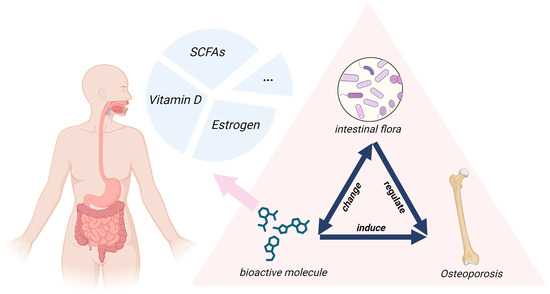
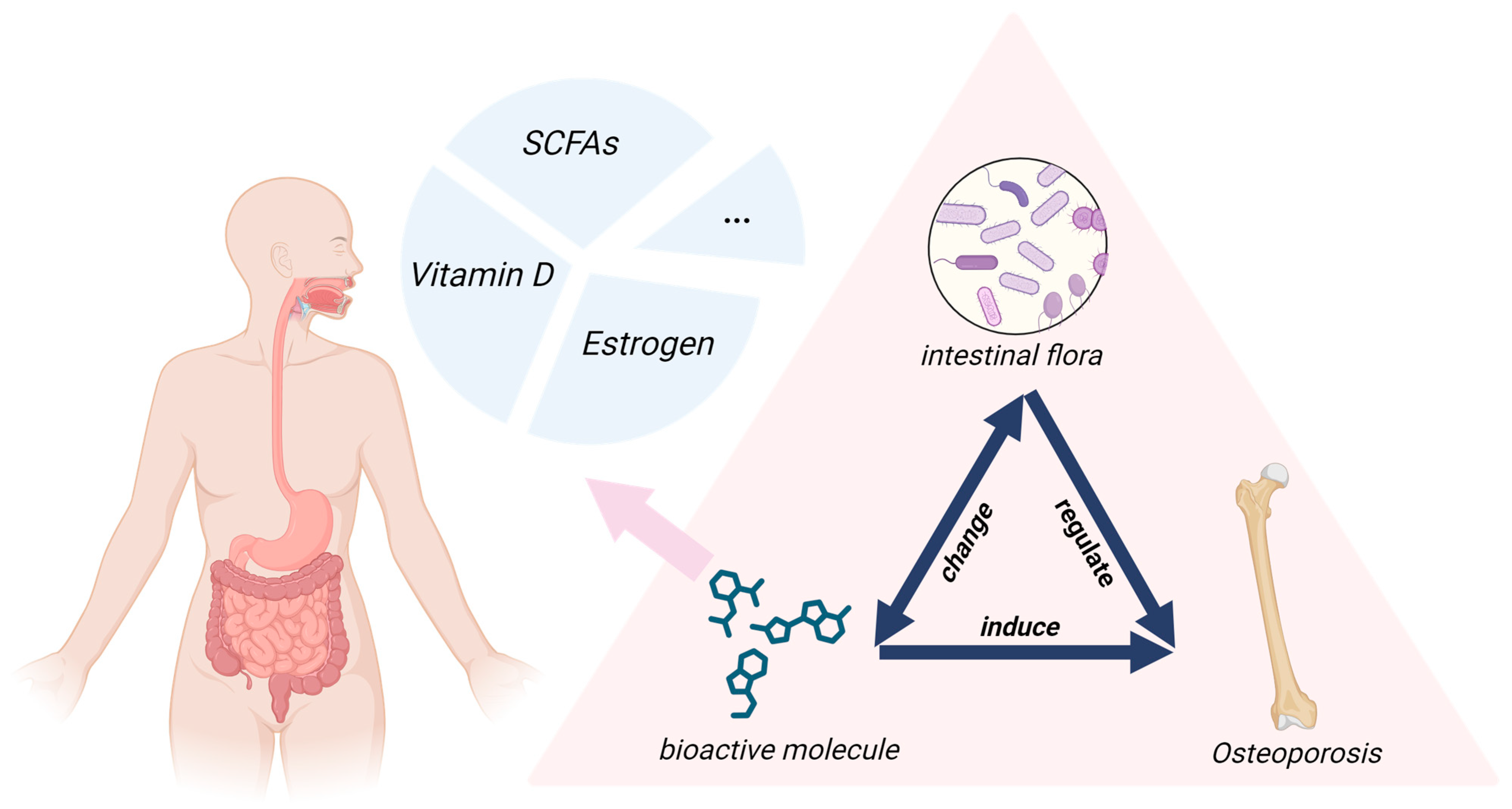
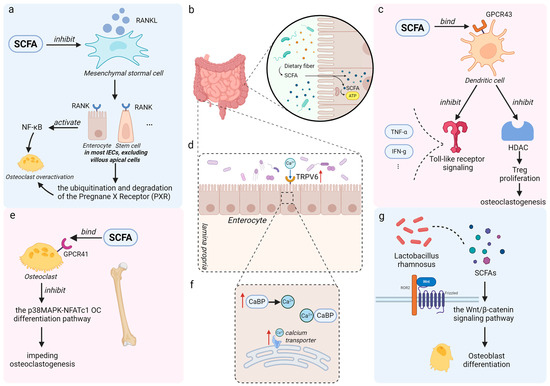
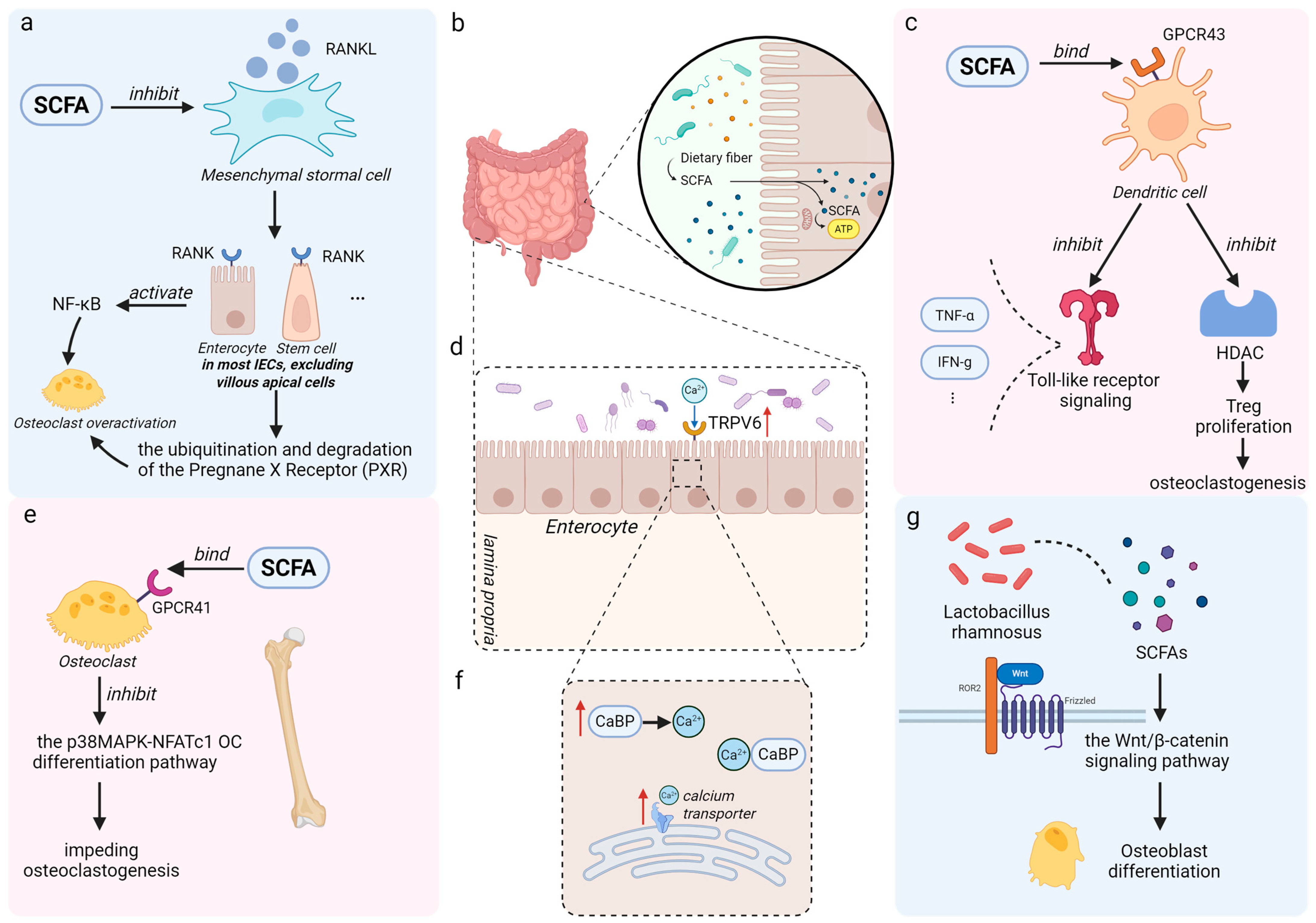
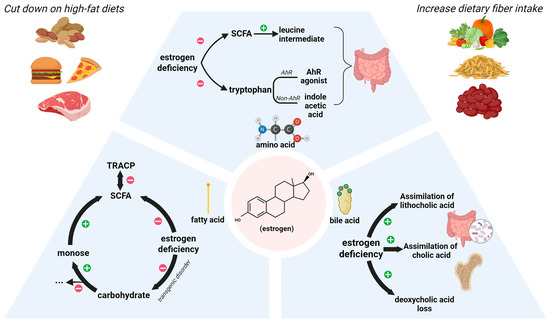
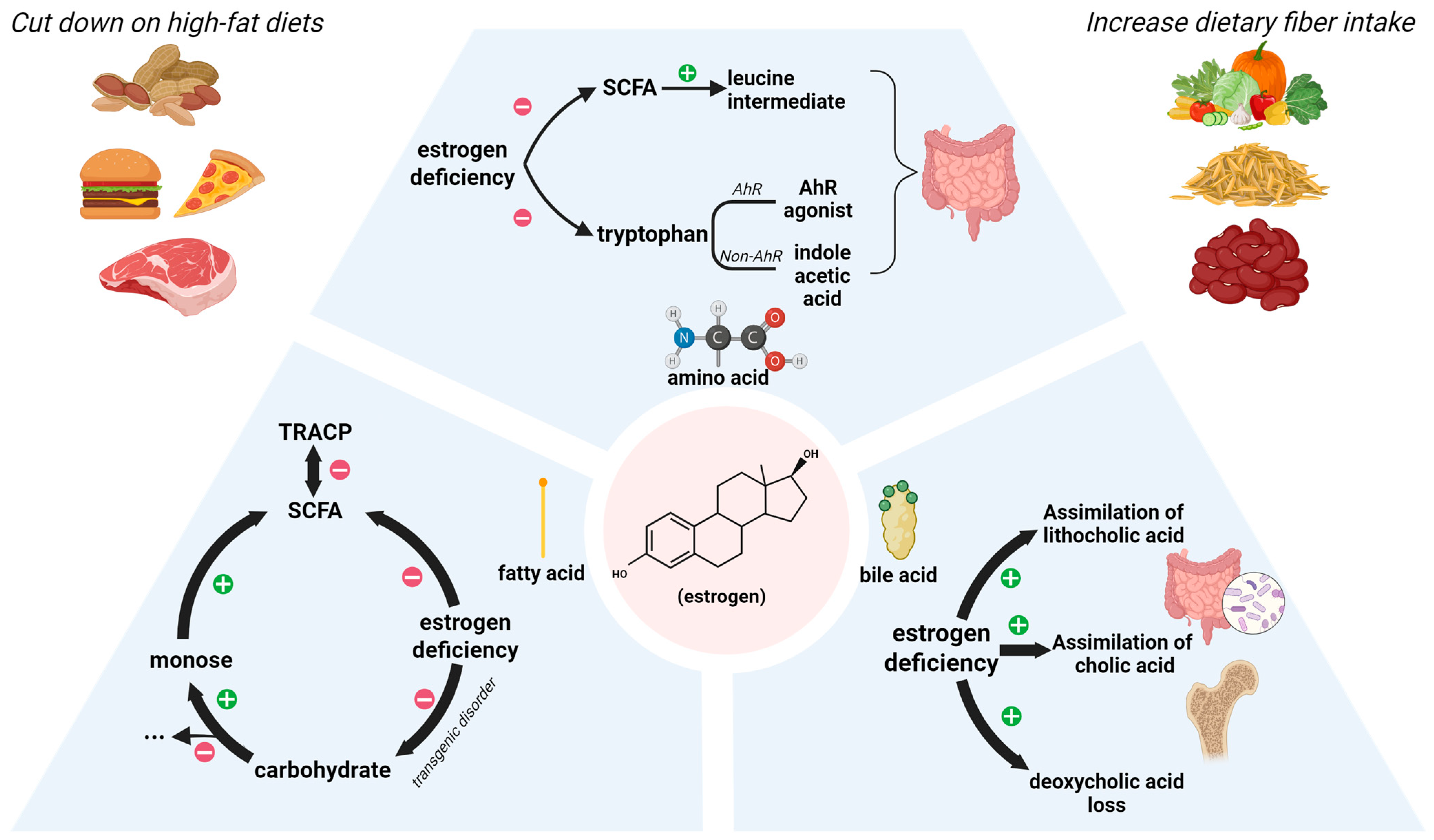
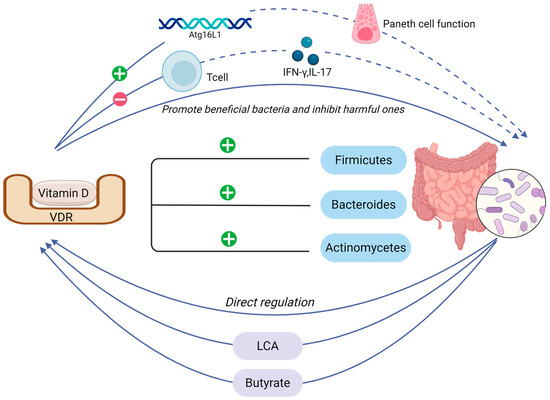
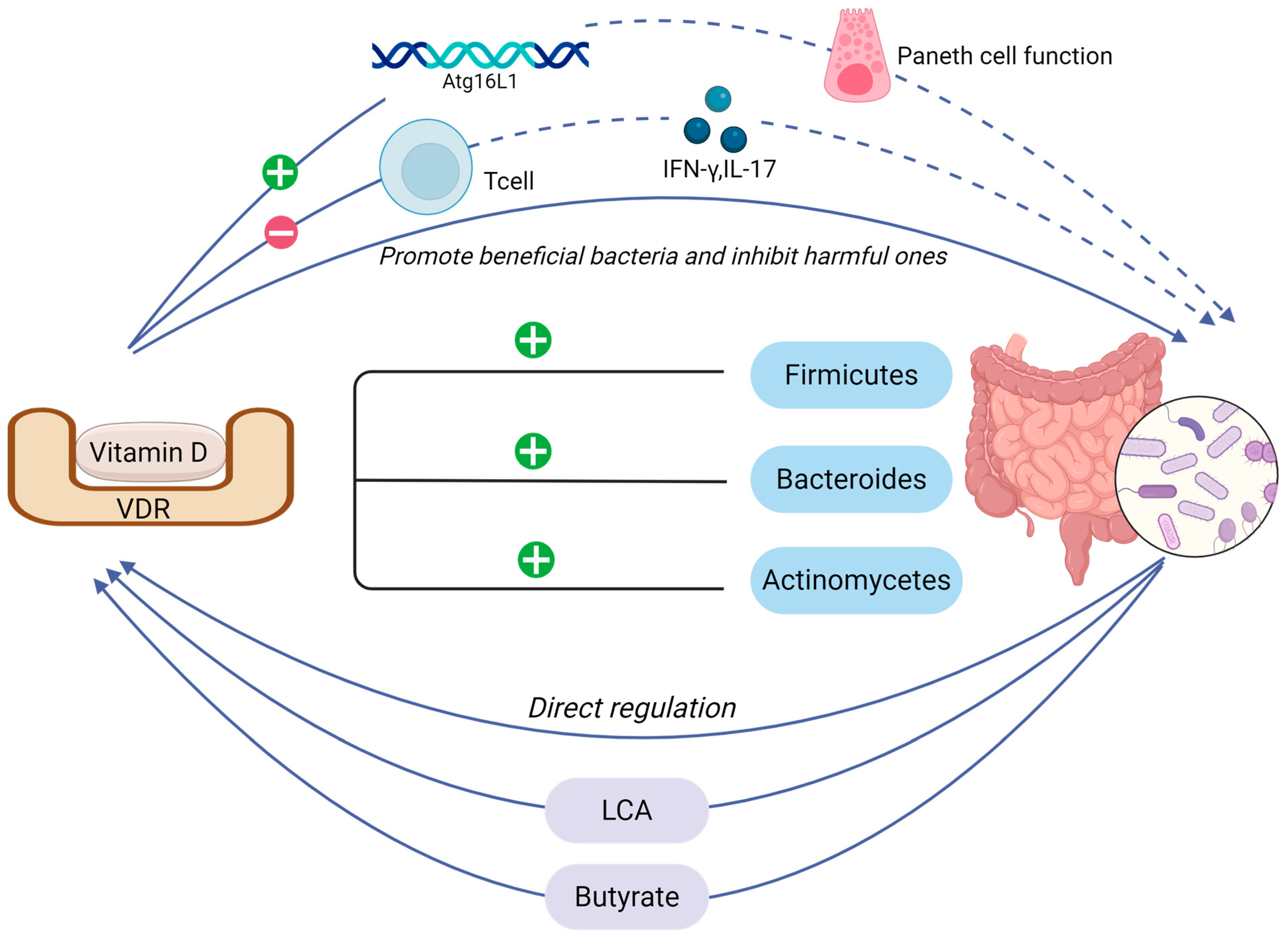
Disclaimer/Publisher’s Note: The statements, opinions and data contained in all publications are solely those of the individual author(s) and contributor(s) and not of MDPI and/or the editor(s). MDPI and/or the editor(s) disclaim responsibility for any injury to people or property resulting from any ideas, methods, instructions or products referred to in the content. |
© 2025 by the authors. Licensee MDPI, Basel, Switzerland. This article is an open access article distributed under the terms and conditions of the Creative Commons Attribution (CC BY) license (https://creativecommons.org/licenses/by/4.0/).