Article

Using Oral Microbiota Data to Design a Short Sucrose Intake Index
1
Department of Odontology/Cariology, Umeå University, SE 901 87 Umeå, Sweden
2
Department of Odontology/Pedodontics, Umeå University, SE 901 87 Umeå, Sweden
3
Medical Research Council Integrative Epidemiology Unit, Department of Population Health Sciences, Bristol Medical School, University of Bristol, Bristol BS8 2BN, UK
4
Bristol Dental School, University of Bristol, Bristol BS1 2LY, UK
*
Author to whom correspondence should be addressed.
Nutrients 2021, 13(5), 1400; https://doi.org/10.3390/nu13051400
Submission received: 29 March 2021 / Revised: 16 April 2021 / Accepted: 17 April 2021 / Published: 21 April 2021
(This article belongs to the Section Nutrition and Public Health)

Abstract

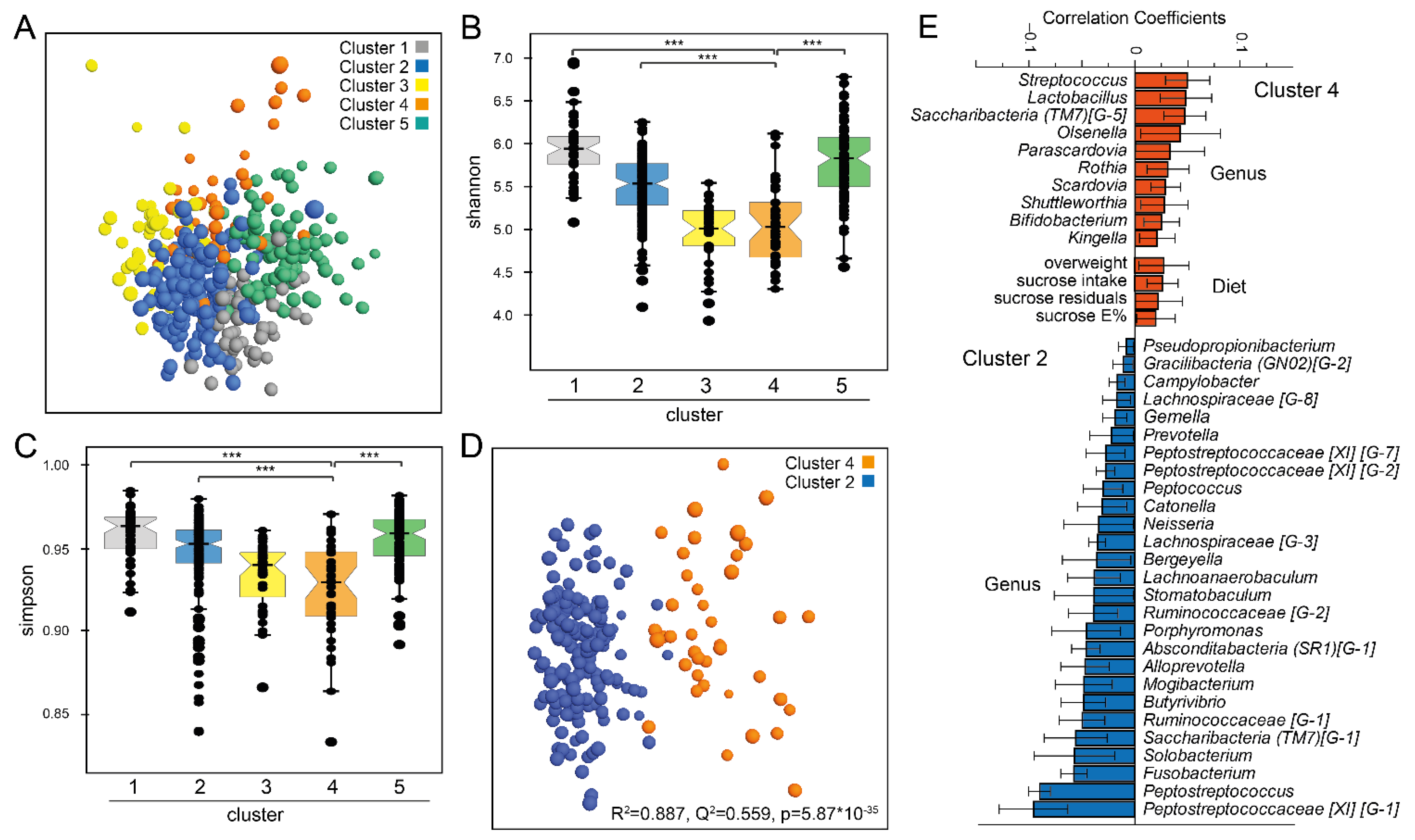
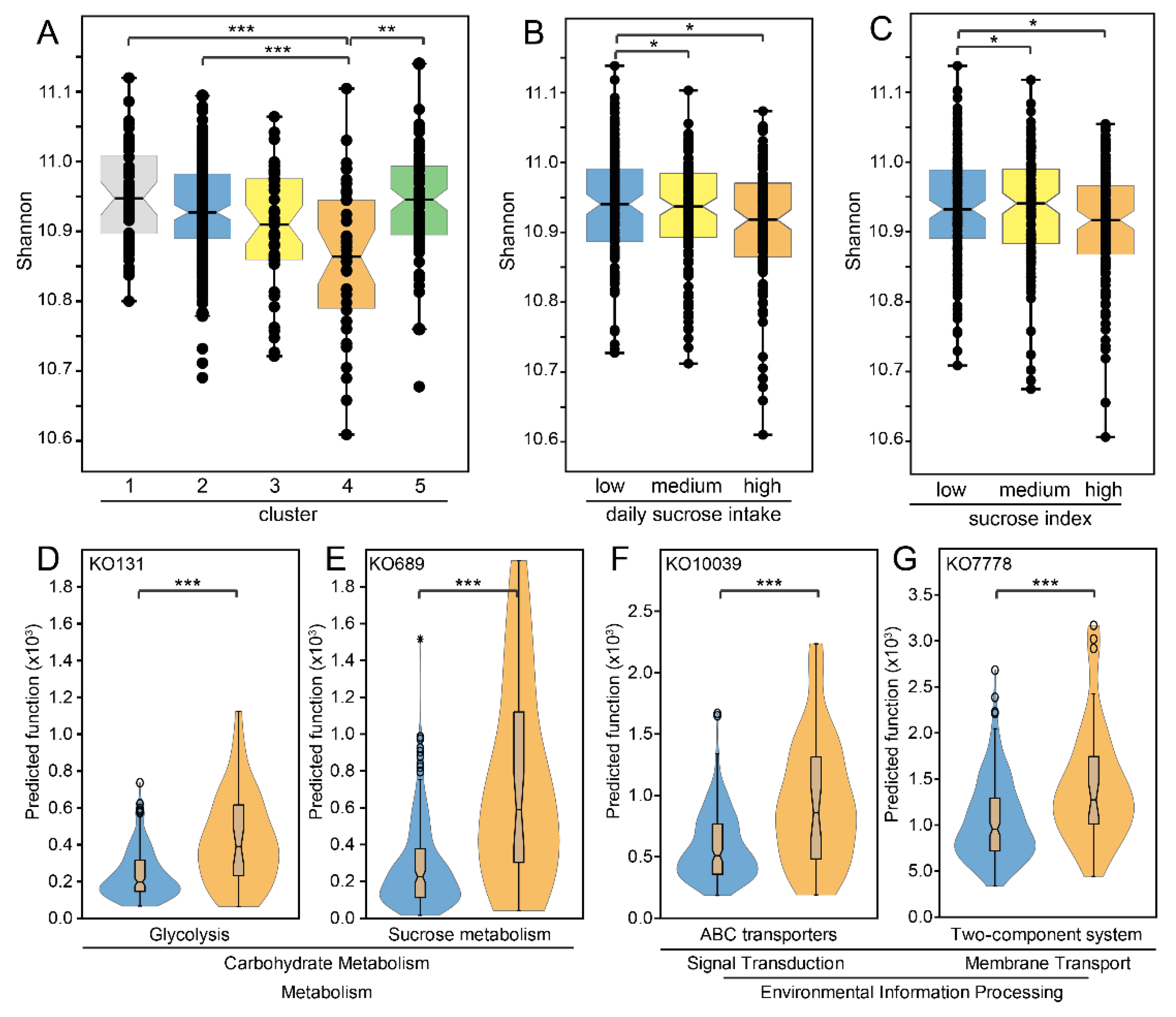
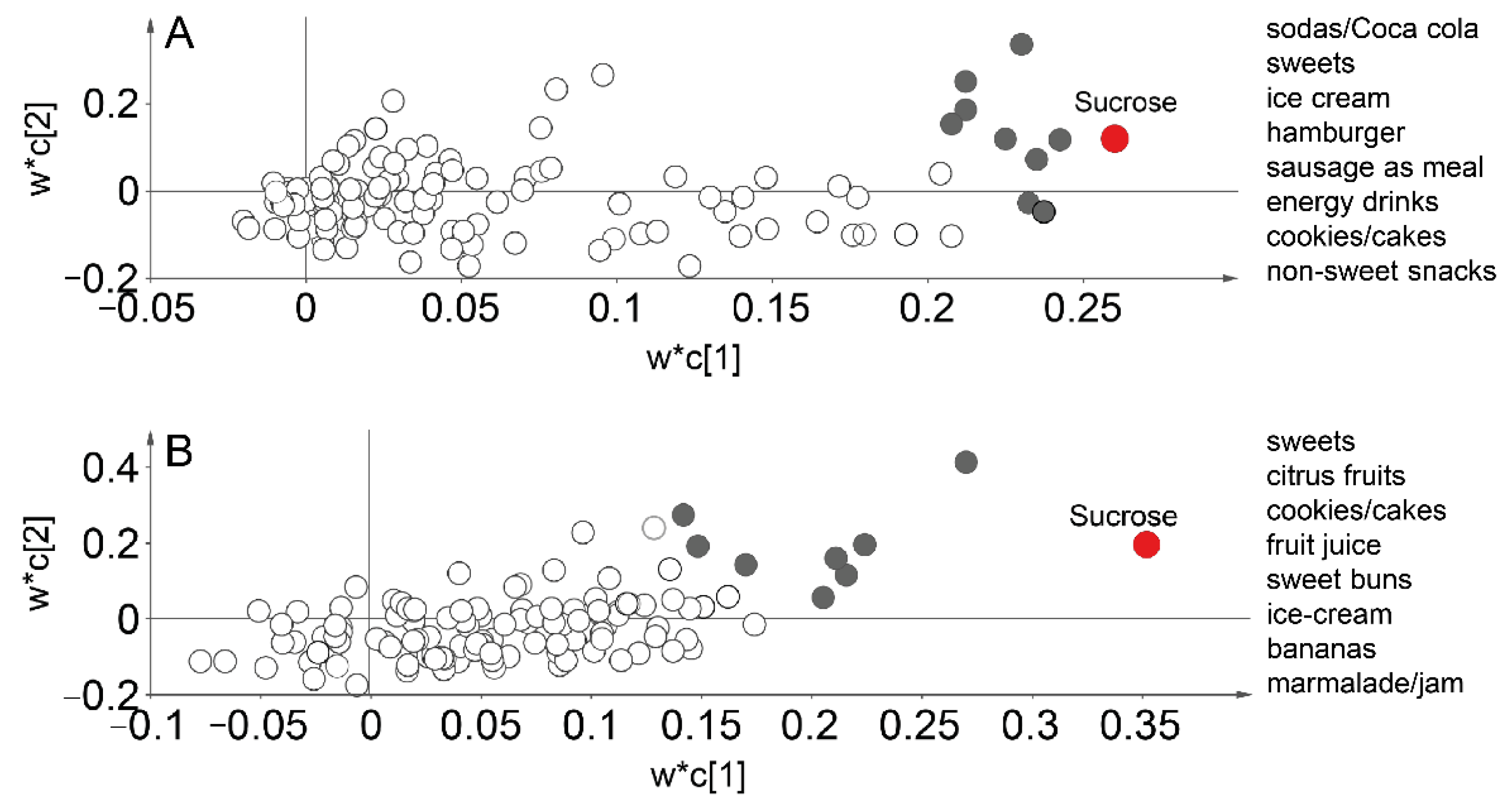
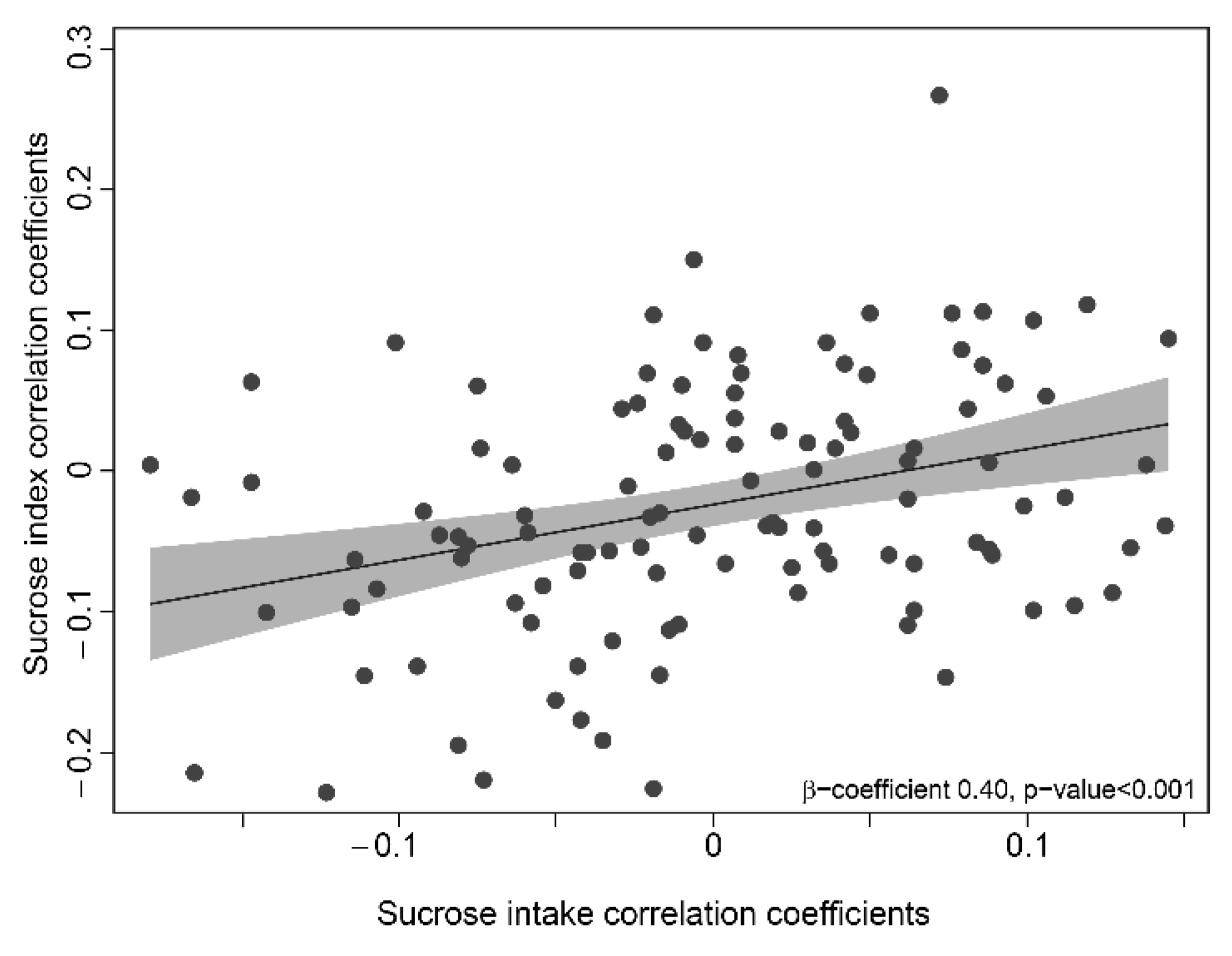
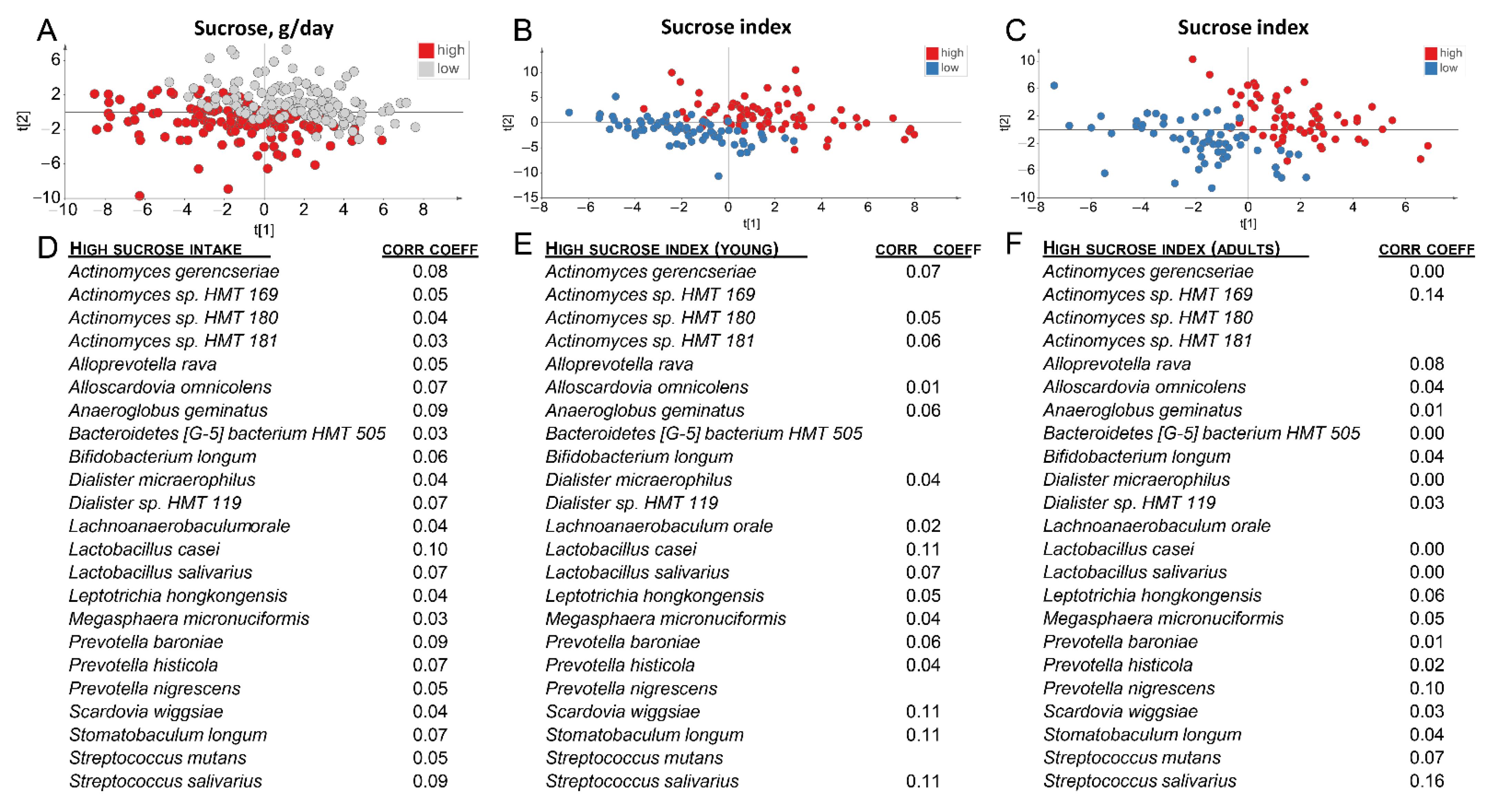
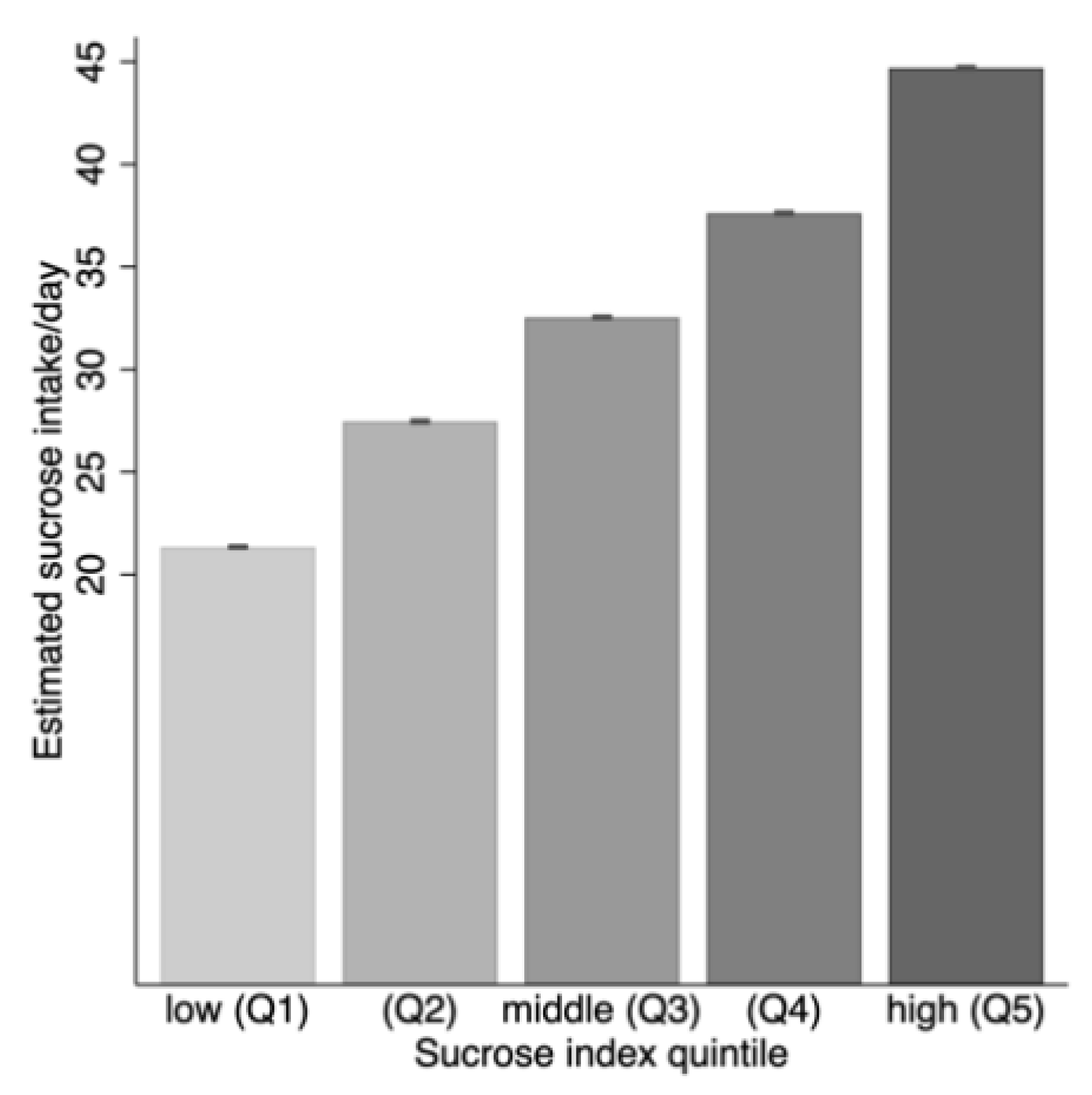
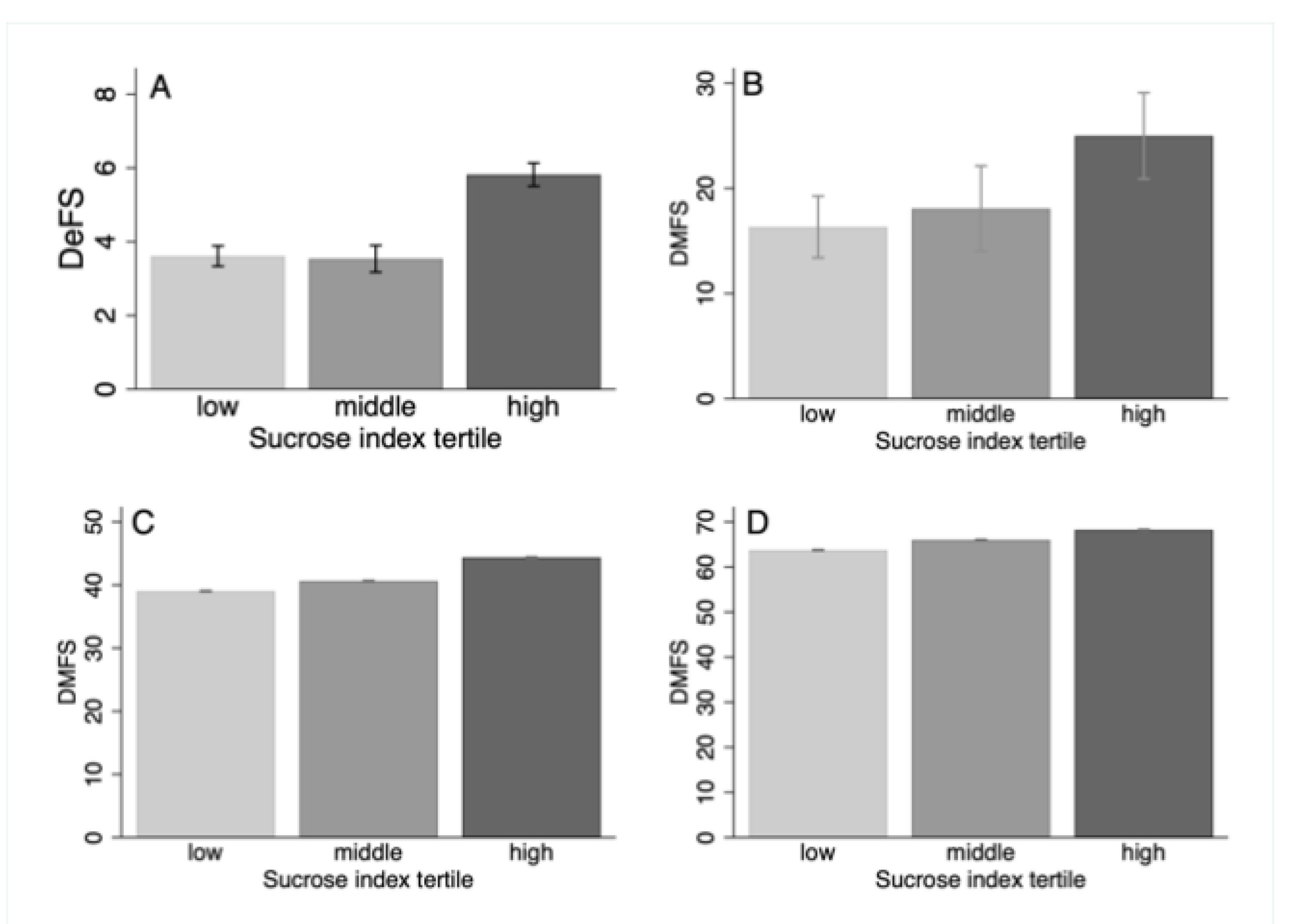
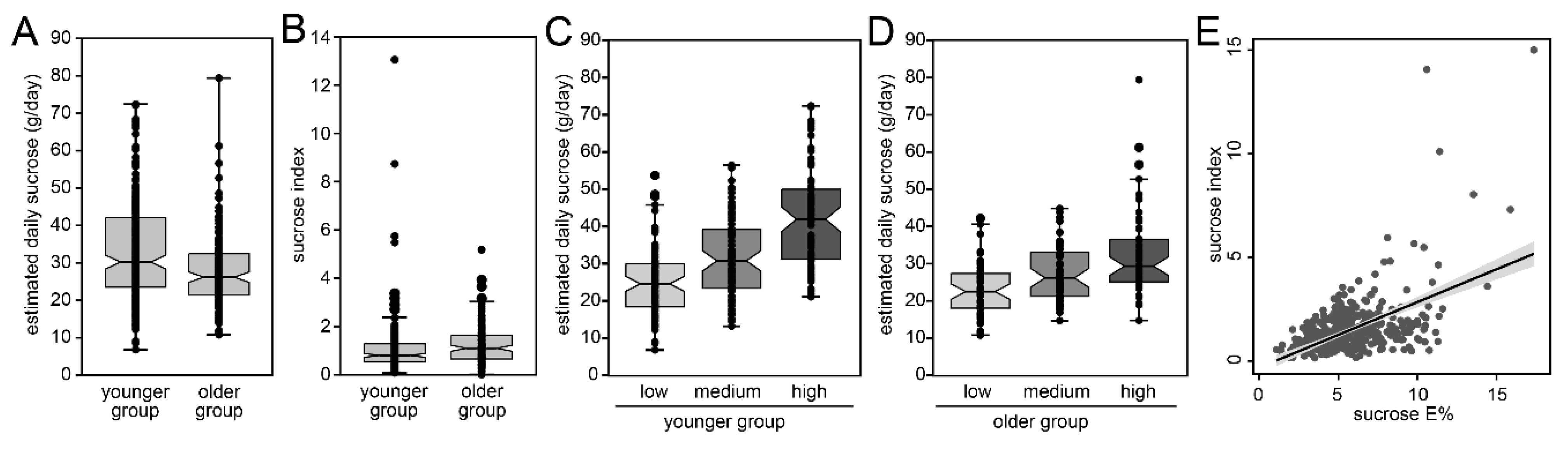
Excessive sucrose consumption is associated with numerous health problems, including dental caries, and is considered to play a critical role in shaping the human microbiota. Here, we aimed to confirm the association between sucrose exposure and oral microbiota profile, develop a short food-based index capturing variation among sucrose consumers and validate it against oral microbiota and dental caries in a derivation cohort with 16- to 79-year-old participants (n = 427). Intake and food preferences were recorded by questionnaires and saliva microbiota by 16S rDNA sequencing. Taxonomic similarities clustered participants into five clusters, where one stood out with highest sucrose intake and predicted sugar related metabolic pathways but lowest species diversity in the microbiota. Multivariate modelling of food intake and preferences revealed foods suitable for a sucrose index. This, similarly to sucrose intake, was related to bacterial pattern and caries status. The validity of the sucrose index was replicated in the population-based Gene-Lifestyle Interactions in Dental Endpoints (GLIDE, n = 105,520 Swedish adults) cohort. This suggested that the index captured clinically relevant variation in sucrose intake and that FFQ derived information may be suitable for screening of sucrose intake in the clinic and epidemiological studies, although adjustments to local consumption habits are needed.
Keywords: sucrose; sucrose index; saliva microbiota; caries sucrose; sucrose index; saliva microbiota; caries