


Highlights
What are the main findings?
- Deep learning substantially improves shallow-water bathymetry inversion compared with traditional empirical approaches, but performance is strongly constrained by water clarity, bottom types, sensor characteristics, and training-label quality.
- The dominant bottlenecks are limited in situ depth labels and domain shift across regions, sensors, and turbidity, highlighting the need for better generalization strategies and uncertainty-aware inversion.
What are the implications of the main findings?
- Future progress will likely rely on standardized benchmark datasets and the adoption of self-supervised learning and physics-informed constraints to improve robustness and portability.
- The synthesis provides actionable guidance for selecting sensors, designing training datasets, and choosing model architectures for operational bathymetry inversion in coastal and inland waters.
Abstract
High-precision inversion of shallow-water depth is crucial to marine resource development, ecological protection, and national defense security. Traditional acoustic detection, LiDAR, and empirical models are limited by high cost, low efficiency, or water quality dependence, struggling to meet people’s growing demand for shallow-water depth. With the rapid development of theories and technologies such as remote sensing information, computer science, and artificial intelligence, bathymetric inversion based on remote sensing images and deep learning models has become a research hotspot. In this study, journal articles and conference papers were searched in the Web of Science (WOS) and Google Scholar databases using keywords such as “remote sensing image”, “bathymetry”, and “deep learning model”. The publication time of the papers ranges from January 2021 to September 2025. A total of 309 relevant studies were retrieved and, after screening and quality control, 132 core studies were finally selected as the research objects for this review. These studies were classified according to deep learning models, including CNN, U-Net, MLP, and RNN. The study analyzed and summarized the characteristics of different deep learning models in bathymetric inversion, as well as their data source selection, inversion accuracy, and limitations. Additionally, the future development trends were discussed in combination with the latest research results.
1. Introduction
Submarine topography forms the fundamental structural framework of the marine environment, governing key ocean dynamic processes such as currents and tides, shaping ecosystem distribution, and regulating the exchange of matter and energy. The Exclusive Economic Zone (EEZ), defined by the United Nations Convention on the Law of the Sea (UNCLOS), extends up to 200 nautical miles from the baseline of the territorial sea [1]. Within these zones, coastal states exercise sovereign rights for exploration, exploitation, and environmental management [1]. Therefore, bathymetric detection in coastal waters, around islands, and coral reefs is of great significance to national economic development and national defense [2].
Due to the intrinsic complexity of marine environments and the limitations of existing surveying technologies, our understanding of fine-scale seabed morphology—such as microtopographic undulations, trench orientations, and continental slope gradients—remains incomplete. Conventional approaches, including shipborne echo sounding and airborne bathymetric LiDAR (ABL), are constrained by high operational costs, limited efficiency, and reduced accessibility in shallow or nearshore waters, making large-scale, high-resolution mapping challenging. Although Satellite-Derived Bathymetry (SDB) enables rapid and wide-area retrieval of shallow-water depths, optical-based SDB methods are highly dependent on water clarity, and traditional empirical inversion models often exhibit limited accuracy and generalization capability.
The emergence and rapid advancement of deep learning have introduced a promising paradigm for SDB. However, several challenges persist, including the limited availability of high-quality in situ training data, uncertainty in the contribution and interpretability of spectral bands, and restricted cross-scene generalization capability. This review systematically analyzes the recent literature on bathymetric inversion based on remote sensing imagery and deep learning models, synthesizes the characteristics and performance of different model architectures, and discusses current limitations as well as future research directions.
1.1. Literature Survey
To comprehensively collect studies on deep learning-based “remote sensing bathymetry inversion,” we used Web of Science and Google Scholar as the primary databases. The search strategy combined controlled subject terms with free-text keywords and employed Boolean operators (“AND”, “OR”). Subject terms were remote sensing imagery and bathymetry inversion. Free-text keywords included: deep learning OR neural network OR CNN OR U-Net OR Transformer; bathymetry OR water depth OR depth inversion OR seafloor mapping; remote sensing OR satellite imagery OR Sentinel-2 OR Landsat. We prioritized journal articles and conference papers to ensure academic quality and novelty; reviews, books, and dissertations were consulted only as supplementary references. To minimize omissions, we applied a snowballing procedure by tracing relevant studies from the reference lists of retrieved papers. In total, 309 records were identified; after careful screening, 132 core papers were retained for this review.
Research on SDB has experienced rapid growth in recent years, with a marked increase in annual publications (Figure 1), indicating sustained scientific interest and expanding research activity in this field.
Figure 1.
Statistics of the number of published papers from 2001 to 2025.
To capture the most recent advances in the context of rapidly evolving deep learning techniques, this review focused on studies published between 2021 and 2025. The initial comprehensive retrieval identified 540 publications. After refining the query to only include studies explicitly employing deep learning methodologies, 309 records were retained. Subsequent duplicate removal and multi-stage screening—based on predefined inclusion and exclusion criteria—resulted in 132 core studies selected for in-depth analysis. The detailed literature screening and selection process is illustrated in Figure 2.
Figure 2.
PRISMA-style flow diagram illustrating the literature search and screening process adopted in this review.
Keyword-based co-occurrence analysis highlights the hot topics in shallow-water bathymetry research over the past five years (Figure 3). As shown, “remote sensing” emerges as the central node, closely linked with “machine learning” and “deep learning,” and broadly connected to “neural networks” and “algorithm,” indicating that algorithms and network models are key enablers for integrating remote sensing with intelligent techniques.
Figure 3.
Keyword co-occurrence graph. The different colored lines represent automatically generated cluster relationships in the co-occurrence network.
Evolution of Deep Learning-Based SDB Before 2021
The development of deep learning techniques has accelerated rapidly since approximately 2018, marking a transformative phase in many remote sensing applications. The application of deep learning to SDB also began to emerge during this period. Between 2018 and 2021, deep learning-based SDB research was still in its early exploratory stage.
During this initial phase, most studies adopted relatively simple neural network architectures, such as multilayer perceptrons (MLP), support vector machines (SVM), and random forests (RF), often adapted from traditional machine learning frameworks. Around 2020, convolutional neural networks (CNNs) began to be applied more systematically to optical bathymetry, enabling spatial feature extraction and improving depth estimation accuracy. However, large-scale generalization studies and model standardization were still limited.
The launch of ICESat-2 in 2018 further stimulated the development of data-driven SDB methods by providing freely accessible photon-counting LiDAR data, which enabled active–passive data fusion strategies. Nevertheless, advanced architectures such as Transformers, physics-informed neural networks, and domain adaptation frameworks had not yet been widely introduced into SDB applications during this early stage [2].
Overall, the period from 2018 to 2021 can be regarded as the foundational stage of deep learning-based SDB, characterized by exploratory model adaptation and limited methodological diversity. In contrast, from 2021 onward, a substantial number of novel architectures and methodological improvements were proposed, including physics-informed learning, multimodal data fusion, lightweight model design, and cross-region generalization strategies.
Therefore, this review focuses on 2021–2025, when deep learning-based SDB entered a rapid development phase characterized by physics-informed learning, domain adaptation, and multimodal fusion.
1.2. Article Structure
Section 1 introduces the research background of SDB and outlines the evolution of deep learning in this domain. It includes a review of the recent literature trends and clarifies the objectives and scope of this study. The structure of the paper is also presented at the end of this section.
Section 2 reviews conventional bathymetric measurement techniques and inversion principles. It first summarizes traditional bathymetric methods, then introduces satellite-derived bathymetry approaches and their theoretical foundations. Practical integration challenges and commonly used data sources are also discussed.
Section 3 focuses on deep learning-based water depth inversion methods. The literature is categorized according to model architectures, and the methodological characteristics, input features, and application performance of different deep learning frameworks are systematically analyzed and compared.
Section 4 provides an overall synthesis of the reviewed studies. It summarizes the current development status of deep learning in SDB and discusses future research directions, including physics–data synergy, uncertainty quantification, inland water bathymetry, low-data regimes and transfer learning, and computational efficiency considerations.
2. Bathymetry Measurement and Inversion Methods
2.1. Traditional Bathymetry Measurement Methods
Conventional methods for bathymetry measurement mainly include acoustic detection, LiDAR, and gravity-based inversion [3,4]. Acoustic detection typically relies on instruments such as single-beam and multibeam echo sounders, as well as side-scan sonar [5]. These sensors must be mounted on a platform to enable mobile mapping, and obtaining 3D coordinates of depth soundings further requires advanced navigation for precise positioning [6,7]. These requirements make acoustic surveys expensive, and—being constrained by the carrying platform and the survey environment—the efficiency of acoustic bathymetry is relatively low. That said, acoustic methods offer high accuracy and are therefore preferred for small-area, high-precision bathymetric surveys. With the emergence of unmanned surface vessels (USVs) and autonomous underwater vehicles (AUVs), acoustic bathymetry continues to play an important role [8,9].
LiDAR has pronounced advantages for integrated land–sea mapping and has been widely applied in coastal hydrological studies. Bathymetric LiDAR systems operate at the green wavelength of 532 nm [10,11]. Because green light can penetrate the water surface, it enables depth measurements in shallow reservoirs, rivers, and coastal waters—typically down to about three Secchi depths [12]. Airborne LiDAR bathymetry (ALB) provides high measurement accuracy and efficiency, but point distribution is uneven due to flight-line constraints. Spaceborne LiDAR bathymetry, such as the ATLAS system aboard ICESat-2, shows clear promise for large-area depth retrieval in nearshore waters, yet its technological maturity and measurement accuracy still lag behind airborne systems [13,14]. At present, due to strong attenuation of laser energy in the water column, neither spaceborne nor airborne LiDAR can penetrate deeper waters; thus, depth sounding in the deep sea (often >50 m) still relies on acoustic remote-sensing methods [15,16,17,18].
Gravity-derived bathymetry (GDB) is an efficient means of obtaining large-area depth information [19]. Recent gravity anomaly products inverted from satellite altimetry have achieved a grid spacing of 1′ × 1′ with an accuracy of about 3–5 mGal [20,21,22]. Although this level of accuracy still cannot match other inversion methods, the uniformly distributed coverage and insensitivity to deep water and turbidity are advantages that are difficult for other techniques to attain [23]. Satellite altimetry can rapidly acquire global mean sea surface (MSS) heights; by applying appropriate inversion methods, high-accuracy, high-resolution marine gravity can be derived, enabling the construction of global seafloor topography models [24]. The launch of the Surface Water and Ocean Topography (SWOT) satellite on 16 December 2022 has significantly improved the accuracy and resolution of altimetric observations. Studies indicate that just one year of SWOT data can provide more detailed information than three decades of satellite-altimetry–derived marine gravity [25].
At present, mainstream global bathymetric/topographic products, such as the ETOPO (Earth topography) series [26], the DTU (Technical University of Denmark) series [27], the GEBCO (general bathymetric charts of the oceans) series [28], the SRTM (Shuttle Radar Topography Mission) series [29], and the SIO topo series [30]—are all derived from gravity-based inversion [31,32].
2.2. Satellite-Derived Bathymetry (SDB)
Beyond traditional Bathymetry Measurement methods, various remote sensing data, such as hyperspectral/multispectral imagery and synthetic aperture radar, SAR. Have been used to retrieve shallow-water depth [33]. SAR offers broader coverage in shallow waters and can provide indirect depth information in certain regions; however, its practical application is constrained by stringent requirements on spatial resolution and on the morphology and texture signatures of seabed topography, surface waves, fronts, sea-surface winds, and weather conditions [34].
Synthetic Aperture Radar (SAR)-derived bathymetry is not a direct measurement of water depth, but rather an indirect method that infers underwater topography by analyzing the propagation characteristics of waves (e.g., wavelength, direction, refraction) in SAR imagery, based on the interaction mechanism between surface wave fields and underwater topography. Its physical basis primarily relies on wave dispersion relationships and shallow-water wave deformation theory: when underwater topography varies, the propagation characteristics of surface waves are modulated, and these modulation features can be identified through backscatter intensity or interferometric phase information in SAR imagery.
Deciphering shallow-water depth by the analysis of multispectral and hyperspectral satellite images, called SDB, has become a topic of intense interest, not only owing to the rapid advances in machine learning and computer vision in recent years, but also because SDB offers high efficiency and low cost [35].
SDB requires high water transparency so that solar radiation can penetrate the surface, reach the seabed, and the reflected signal can be captured by satellite sensors [36,37]. In optical remote sensing, seawater exhibits markedly different absorption across wavelengths: red bands are strongly absorbed and thus fail to penetrate deeper waters, whereas blue–green bands penetrate better in shallow areas but their signal attenuates nonlinearly with increasing depth [38]. In imagery, this manifests as pronounced seabed-texture features in shallow waters due to bottom reflectance, while deeper waters appear dark owing to near-total absorption. Because water depth is strongly correlated with reflectance in the blue–green bands, these bands are commonly used as the core predictors for depth retrieval [39].
Commercial satellite-derived bathymetry is limited to shallow waters (approximately 0–20 m in clear water and 0–5 m in turbid water), yet high-accuracy bathymetry within this range is precisely what many human activities urgently require [40]. Mohammad et al. [41]. investigated how various seafloor–suspended particulates affect depth retrieval and quantified errors in SDB predictions driven by different optically active substances (OAS), with the goal of developing more robust predictive models for practical SDB applications.
Traditional empirical SDB models, such as those of Lyzenga [42] and Stumpf [43], establish statistical relationships from a limited number of spectral bands. While they are computationally efficient and broadly applicable, their reliance on a few bands restricts the exploitation of the richer information in multispectral data, creating a ceiling on retrieval accuracy. In contrast, hyperspectral and multispectral imagery capture subtle variations in water reflectance across continuous or discrete wavelengths [5]. By integrating full-spectrum information within physics-informed models, these approaches can overcome the approximations inherent in traditional methods and enable more accurate quantitative depth retrieval [4,12,44]. Figure 4 shows the typical deep learning-based process for extracting bathymetry from remote sensing images.
Figure 4.
Workflow of deriving water depth from remote sensing imagery using deep learning models, from remote sensing data to final bathymetric output.
2.3. Practical Integration Challenges in Multi-Source SDB
Regarding data sources and multimodal fusion, hyperspectral satellites such as PRISMA and EnMAP provide hundreds of narrow spectral bands, enabling finer discrimination of water types and benthic classes. Emerging sensing paradigms, including quantum sensing, may further enhance ultra-sensitive seabed detection in the future. In parallel, new satellite constellations and AI-enabled autonomous underwater vehicles hold potential for near-real-time bathymetric updating. Combined with advanced deep learning and data-fusion techniques, these developments suggest the feasibility of producing high-resolution global seafloor maps, even in optically complex or remote regions [45].
Despite these advances, the practical integration of multi-source observations remains technically demanding. Spatial and temporal inconsistencies between active and passive measurements frequently introduce systematic bias. Differences in acquisition time, tidal stage variability, sediment transport dynamics, and disparities in spatial resolution (such as photon-level LiDAR versus 10 m multispectral imagery) can result in depth misalignment and label noise. Mitigation requires tidal normalization, rigorous geometric co-registration, temporal window filtering, and resolution harmonization strategies to ensure physical and spatial consistency [44,46].
Radiometric discrepancies across sensors further complicate fusion workflows. Variations in spectral response functions, atmospheric correction pipelines, bidirectional reflectance distribution function (BRDF) effects, and sensor aging distort the reflectance–depth relationship and weaken cross-platform transferability. Stabilizing spectral-depth mappings, therefore, depends on cross-sensor harmonization frameworks, physics-based reflectance normalization, and domain adaptation techniques that explicitly reduce distribution gaps.
Incomplete and heterogeneous data streams also challenge fusion-based SDB. Optical imagery is frequently affected by cloud cover, sun-glint contamination, and turbidity-induced attenuation; ICESat-2 provides sparse track-based samples; airborne LiDAR coverage is geographically limited. Fusion models must therefore accommodate missing inputs and variable data quality. Mask-aware network architectures, attention-based adaptive weighting, and confidence-guided learning strategies offer practical pathways to enhance robustness under such conditions.
When multi-source datasets are integrated without explicit error modeling, uncertainty and bias may accumulate. Vertical inaccuracies in LiDAR measurements, datum inconsistencies, and co-registration errors can propagate through the learning pipeline and degrade inversion stability. This underscores the importance of uncertainty-aware fusion frameworks, probabilistic weighting schemes, and explicit error-budget modeling to support reliable operational deployment.
Addressing these integration constraints is essential for transitioning deep learning-based SDB from controlled experimental settings toward scalable, transferable, and operational bathymetric mapping systems.
2.4. Data Sources
From satellite imagery, the clarity of bathymetric texture in shallow waters can be assessed to preliminarily judge whether optical remote sensing is suitable for depth measurement [12,47]. When such depth-related textures are sufficiently distinct, depth retrieval can provide water-depth estimates of acceptable accuracy over very large, previously unmapped areas within a short time, making it valuable for filling gaps in bathymetric coverage.
ICESat-2 (Ice, Cloud, and Land Elevation Satellite-2), launched by NASA in 2018, carries the advanced ATLAS (Advanced Topographic Laser Altimeter System) lidar, which acquires photon-counting point clouds with centimeter-level precision [46,48,49]. Its operating principle is to record the round-trip travel time of laser pulses from the satellite to the surface (including water and, where detectable, the seafloor) to derive precise topography and water-depth information. Compared with traditional sonar sounding, ICESat-2 offers broader coverage, lower cost, and better temporal continuity; in particular, it provides valuable data support for bathymetry inversion in nearshore and reef-fringed shallow waters.
ICESat-2 data products ATL03 (photon counting) and ATL12 (coastal bathymetry and waves) are widely used. Studies typically pair these datasets with multispectral satellite imagery (e.g., Sentinel-2, Landsat-8, PlanetScope), using the sparse yet highly accurate depth points from ICESat-2 as training or validation data to enhance model reliability and accuracy [50,51,52]. In recent years, deep learning approaches leveraging ICESat-2 have achieved notable results across diverse settings—such as coral reefs, atolls, and inland lakes—attaining meter-level and even sub-meter retrieval accuracy [53,54,55,56].
ATL03 has been extensively employed as “measured” water-depth observations in the literature. With global coverage to ~88° in latitude and longitude and an approximate 91-day repeat cycle, ICESat-2 enables repeated measurements of the same waters at different times, facilitating comparative validation of bathymetric estimates [57]. This capability is of great significance for long-term studies of depth changes within a given water body.
In satellite-based bathymetry, a range of multispectral imagery has been widely used. The Sentinel-2 twin constellation provides 13 spectral bands, a wide 290 km swath, and a 5-day equatorial revisit; its 10 m blue, green, and red bands are particularly critical, and their native resolution can be enhanced via super-resolution methods such as MTSR-GAN. Landsat-8 offers medium-resolution imagery across 11 bands (15–100 m); the added coastal/aerosol band (Band 1) is especially valuable for nearshore studies, and USGS Level-1 data can be readily converted to top-of-atmosphere reflectance [58,59,60,61]. China’s Gaofen series (e.g., GF-1 and GF-2) provides higher spatial resolution (1–2 m panchromatic; 4–8 m multispectral), complementing the detail missing from open international datasets [62]. In addition, commercial satellites such as WorldView-2, PlanetScope, QuickBird, and Pleiades-1 deliver sub-meter ultra-high-resolution imagery and serve as important data sources for fine-scale seafloor mapping, albeit at higher cost [63]. Collectively, these multi-source, multi-resolution datasets support bathymetry inversion across diverse spatial scales and accuracy requirements.
Image noise can degrade the accuracy of bathymetry inversion, including contamination from clouds, surface waves, and sun-glint effects. Consequently, in cloudy, rainy, and large-scale mapping areas, obtaining gap-free and accurate depth maps is essential; image quality can be improved through multi-source fusion [64]. Such compositing may involve multi-temporal stacking of the same sensor’s acquisitions or fusion across different sensors, combined with cloud-removal and denoising methods to generate cleaner base imagery for SDB [65,66,67].
3. Deep Learning-Based Water Depth Inversion
In recent years, the rapid progress of deep learning has markedly advanced the intelligent automation of remote-sensing-based SDB [68]. By automatically extracting spectral, spatial, and temporal features from multispectral imagery, deep learning models overcome long-standing bottlenecks of empirical and physics-based approaches—heavy reliance on expert heuristics, difficult parameterization, and limited applicability—thereby driving a shift from empirical curve-fitting to data-driven intelligent learning [5].
Advanced architectures—such as convolutional neural networks (CNNs), Transformers, U-Net, recurrent neural networks (RNNs), and multilayer perceptrons (MLPs)—have demonstrated excellent performance in retrieving bathymetry from multispectral satellite imagery [69]. By employing innovative feature-engineering strategies, these methods extract physically meaningful parameters from multispectral bands and learn nonlinear mappings between these features and in situ depths, thereby enabling accurate depth prediction in previously unsurveyed areas [70,71].
3.1. Water Depth Inversion Based on CNN Models
Convolutional neural networks (CNNs) are a class of deep neural networks particularly well-suited for image data analysis. Through components such as convolutional, pooling, and fully connected layers, CNNs can automatically extract hierarchical spatial features and have been widely applied to tasks including image classification and object detection. In addition to CNN-based architectures, Transformer-based models have demonstrated strong capability in modeling long-range dependencies across spectral bands and temporal dimensions in SDB, thereby improving depth retrieval performance [72]. With the rapid advancement of deep learning techniques, both CNN- and Transformer-based models have significantly enhanced the accuracy of bathymetric inversion from high-resolution optical imagery. A keyword-based literature survey indicates that a substantial body of research has been developed around these two representative architectural paradigms. Figure 5 illustrates a typical CNN framework for water depth inversion, in which remote sensing imagery is processed through convolutional and pooling operations to extract spatial features, followed by fully connected layers.
Figure 5.
Architecture of the CNN model.
A lightweight CNN retains only a single convolutional layer, uses small neighborhood sub-images as input, and adopts a simple BatchNorm + ReLU + linear regression output design [73], substantially reducing network depth and parameter complexity. Unlike empirical or analytical SDB models that must be re-tuned for specific regions or sensors, this CNN-based regression framework shows better cross-region and cross-sensor transferability and explicitly exploits short-range spatial autocorrelation between a center pixel and its neighbors that pixel-wise schemes ignore. To better exploit neighborhood contextual information and shallow-water optical physics, a physics-informed convolutional neural network (PI-CNN) [74] extends standard multi-band inputs by incorporating dual-band radiative-transfer band-ratio terms (SWDRTT) and the diffuse attenuation coefficient. By embedding physically meaningful features into the learning framework, the model achieves more accurate and physically consistent bathymetric estimates compared with purely data-driven CNN approaches. Building on conventional CNNs, a physics-guided DSPEB framework replaces a plain architecture with a compact ResNet-20 applied to 40 × 40 Sentinel-2 patches and enriched with wave-kinematics or water-color priors, with its wave-kinematics variant W-DSPEB [75] outperforming traditional physics-based baselines in turbid coastal waters where color-based inversion is constrained.
Spatial priors are further incorporated in CNN-SLI [76] by appending latitude and longitude as additional channels to the multispectral inputs, enabling learning of spatially explicit patterns and improving depth-retrieval accuracy. A physics-assisted convolutional architecture (PACNN) [77] augments conventional local-window inputs with a physical-feature layer built from log-domain spectral grids of band-pair combinations. By explicitly encoding the exponential attenuation described by radiative-transfer theory into the input representation, PACNN mitigates the tendency of purely data-driven models to ignore physical constraints and enables physics–data fusion for bathymetry using multi-temporal ICESat-2 altimetry and Sentinel-2 MSI imagery. To reduce cross-environment performance variability characteristic of conventional ML, a Bayesian-optimization routine is embedded within a deep learning workflow to automatically tune key hyperparameters of a CNN–BiLSTM [78] architecture, demonstrating the advantages of hybrid deep learning over traditional ML baselines.
Although CNNs can learn spatial hierarchies from satellite imagery, successive convolutions, pooling, and striding tend to blur high-frequency structure as depth increases, eroding local cues that are critical for bathymetry estimation. To counter this loss, stacked hourglass networks (SHNs) [79] aggregate multi-scale context via repeated encoder–decoder stages—often with skip connections—and, owing to their parameter efficiency, are well suited to very-high-resolution UAV imagery. To offset modality-specific limitations, a multimodal pipeline [80] fuses structure-from-motion (SfM) photogrammetry with multispectral data: SfM is susceptible to larger reconstruction errors over smooth or highly repetitive textures and thus benefits from spectral compensation, though mixed benthic substrates can still induce spectral confusion. Extending beyond optics, a CNN-based inversion framework [81] jointly ingests deflection of the vertical (DoV), gravity anomalies, and the vertical gravity gradient (VGG), demonstrating the standalone utility of DoV and reducing reliance on any single signal; however, performance remains contingent on high-resolution satellite altimetry and generalization is limited. To reduce the sensitivity of empirical models to water-quality variability, the Reflectance Transformation–CNN (RT-CNN) framework [82] couples a radiative-transfer module with CNNs to learn nonlinear mappings between depth and reflectance across the visible, NIR, and SWIR bands. The framework was specifically developed and validated in an inland river system, where high sediment loads and strong hydrodynamic variability exacerbate optical complexity; nevertheless, multi-temporal fusion can introduce additional uncertainty [83]. When only two to four optical bands are available for shallow-water inversion, the “same spectral profile but different depth” (SSPBDD) [84] non-uniqueness can arise, degrading accuracy; mitigation involves enriching the input vector with additional bands or engineered indices/ratios that encode bottom type, water constituents, and depth-sensitive features, optionally complemented by ancillary priors or physics-informed constraints.
Originally designed for natural language processing, the Transformer addresses recurrent-network sequence bottlenecks through multi-head self-attention and feed-forward MLP blocks [85]. Its subsequent adaptation to computer vision yielded the Vision Transformer (ViT) [86] family and related variants. In remote-sensing bathymetry, a ViT-based architecture (BathyFormer) [87] dispenses with convolutions and leverages global self-attention to capture complex multispectral signatures and long-range spatial dependencies, thereby modeling the nonlinear relationship between the aquatic light field and water depth more effectively. Extending this line, a Bathymetry Transformer [88] integrates large-scale active and passive remote-sensing observations to produce accurate depth estimates without in situ surveys, maintaining a balanced trade-off between higher bathymetric accuracy and finer spatial resolution.
A frequency-aware texture-matching Transformer (FTT) [89] for digital bathymetric model (DBM) super-resolution integrates global feature extraction with high-frequency detail preservation and an explicit texture-matching module. While effective at refining existing DBMs, performance depends on the quality of medium-resolution baseline data, and the computational burden constrains rapid, wide-area deployment. Leveraging the Transformer’s multi-feature fusion paradigm, a UAV multispectral imagery and DSM terrain information integration framework [90] achieved high-accuracy shallow-water inversion around Lazarus Island, Singapore. By jointly encoding spectral cues and geomorphometric priors, the method mitigates turbidity- and substrate-induced spectral-depth ambiguities; however, accuracy is sensitive to UAV and DSM fidelity, and cross-regional applications typically require recalibration.
To address the limitations of conventional CNNs in capturing long-range semantics in remote-sensing imagery, two persistent challenges remain. First, the intrinsically local receptive field of convolutional operations hinders the modeling of dependencies among distant semantic concepts. Second, although Transformer-based variants extend global context through spatiotemporal self-attention, they can still be highly susceptible to non-semantic variations—such as illumination changes, atmospheric effects, turbidity fluctuations, and sensor noise. These factors may induce recognition errors and, through over-smoothing, degrade fine-scale structures, resulting in incomplete boundary delineation and distorted object geometries [91].
3.2. Water Depth Inversion Based on U-Net Models
U-Net and its variants are widely used in bathymetry: thanks to the encoder–decoder structure and skip connections, they capture multi-scale spectral and spatial features and excel at pixel-level prediction. Building on this framework, researchers have extended applications across multiple data sources, including optical remote sensing, airborne LiDAR, and SfM–MVS-derived DSMs [92,93]. Figure 6 presents the U-Net architecture used for water depth inversion, comprising an encoder–decoder structure, where the arrows at the top denote the skip connections between corresponding layers.
Figure 6.
Architecture of the U-net model.
Nicolas et al. were the first to apply the U-Net architecture to very high resolution multispectral satellite imagery for shallow-water bathymetry, fusing airborne LiDAR ground truth (1 m) to enable end-to-end depth regression [94]. Agrafiotis et al. introduced MagicBathyNet, the first open-source, multimodal remote-sensing benchmark dataset for shallow-water bathymetry and substrate classification [95]. Systematic evaluations show that U-Net-based deep learning models can effectively recover water depth from high-resolution aerial imagery, but satellite imagery still faces challenges in accuracy and in classifying fine-scale substrate types. Compared with a standard U-Net trained from scratch in each region, their approach uses a lightweight U-Net backbone with data-efficient cross-region transfer learning and fine-tuning on only 15 samples in a new target area—allowing the model to maintain high bathymetric accuracy in previously unseen coastal zones. BathyNet [96] replaces the semantic-segmentation head of a classical U-Net with pixel-wise depth regression and fuses multispectral imagery with LiDAR bathymetry, achieving centimeter-level precision in shallow lakes and demonstrating robustness in turbid waters and across heterogeneous substrates. Based on U-Net, Swin-BathyUNet [97] incorporates Swin-Transformer self- and cross-attention to capture long-range spatial dependencies and complex spectral–geometric structure, reducing depth RMSE by approximately 24–35% relative to a baseline U-Net. Beyond passive optics, LiDAR waveforms can be rendered as images and processed with a U-Net augmented by a spatial-convolution (SCNN) module to segment water-surface and seabed signal points [98]. A linear-approximation preprocessing step further normalizes water-quality-driven scattering differences, reducing the need for model retuning across water types.
Other studies enhance U-Net with Transformer modules (Trans-UNet) [99] to construct seafloor-topography models and improve depth prediction; although validated mainly in deeper waters by leveraging gravity and geological constraints, this line of work suggests new avenues for shallow-water SDB. To reduce dependence on extensive in situ soundings when transferring models to new regions, Anagnostopoulos et al. employed a lightweight U-Net and systematically evaluated three strategies—direct inference [100], local training, and transfer learning—quantifying, for the first time, the lower bound on target-domain training samples needed for stable inversion. This study enhances U-Net-based SDB by introducing a data-efficient domain-adaptation strategy.
In sum, U-Net-based approaches perform strongly in shallow waters and with high-resolution imagery, substantially improving bathymetry accuracy and showing good adaptability across sensors and data sources. Their main limitations include degraded accuracy in deeper waters, sensitivity to input data quality, and limited cross-regional generalization. Future directions include integrating attention mechanisms, refining loss functions, and fusing multi-source data to further enhance model robustness and generality.
3.3. Water Depth Inversion Based on MLP Models
A multilayer perceptron (MLP) is a neural network composed of multiple fully connected layers and is suitable for tasks such as classification and regression. Using a feedforward architecture, it can learn complex nonlinear mappings [101]. In bathymetry inversion, MLPs are often combined with other feature extractors and used as the final regression or classification head to predict water depth. Figure 7 illustrates the MLP architecture for water depth inversion.
Figure 7.
Architecture of the MLP mode.
As a prototypical feedforward neural network capable of learning complex nonlinear relationships, the multilayer perceptron (MLP) has seen extensive use in satellite-based bathymetry. In recent years, numerous studies have examined its suitability and proposed improvements. At Andover Reef in the South China Sea, a systematic assessment under sparse in situ coverage evaluated multiple learners and found that MLP achieved the lowest error, while SVM was more robust in small-sample regimes but slightly less accurate overall [33]. These results indicate that modern machine-learning approaches outperform traditional empirical SDB models, yet performance still degrades in deeper waters and cross-regional transfer remains limited. Using WorldView-2 imagery with single-beam soundings, a comparative analysis showed Random Forest surpassing MLP; under complex hydrodynamics and limited sample density, MLP predictions tended to be more dispersed and less stable [102].
To improve MLP performance, the Adjacent Pixels MLP (APMLP) [103] was proposed. This method incorporates neighborhood information by forming a small region (SR) from the target pixel and its eight neighbors, assuming homogeneous depth, and learns a “multi-input–single-output” mapping to mitigate the influence of benthic substrate and inherent optical properties on surface reflectance. However, the assumption of uniform depth can break down in low-resolution imagery or near shorelines, and errors in deeper waters still exceed 2 m. To address the non-uniqueness of the spectrum depth relationship under heterogeneous substrates and complex conditions, Wang et al. introduced an MLP approach that fuses spectral and spatial features [104], demonstrating the effectiveness of spatial cues in heterogeneous settings, albeit with constraints from band availability and training-sample distribution. He et al. combined WorldView-2 imagery and UAV data with machine-learning models to monitor pre- and post-earthquake depth changes in Jiuzhaigou Spark Lake [105]. MLP substantially outperformed empirical models for extreme-event monitoring but exhibited larger errors in very shallow waters and limited cross-regional generalization. A hybrid physics–color framework, termed H-DSPEB [106], integrates physically derived wave-kinematics features with spectral color information for bathymetric inversion. Compared with a standard multilayer perceptron (MLP) that directly maps spectral inputs to water depth, the H-DSPEB model improves the baseline architecture by employing the MLP as a multi-input fusion head. Specifically, the fusion module aggregates high-level features extracted from two pretrained CNN sumodels W-DSPEB and C-DSPEB, thereby enabling complementary integration of wave-kinematics and color cues for more robust and physically informed depth estimation. Performance, however, depends strongly on acquisition date, sea state, and local training, and fusion weights can be biased toward color cues; future work should emphasize automated date selection, enhanced domain transfer, and stronger physics-informed regularization.
Çelik et al. compared MLP and SVM using Sentinel-2A imagery across different coastline types [107]. MLP achieved the highest accuracy along engineered shorelines and parts of rocky coasts, whereas SVM was more stable on sandy beaches and in complex environments. The results indicate that different classifiers have environment-specific strengths, but both remain susceptible to shadows and suspended matter, limiting generalization; Hu et al. proposed an active–passive fusion approach to bathymetry using ICESat-2 and Sentinel-2 [57] and systematically compared models including MLP, SVM, and others. MLP delivered the best overall accuracy and stability, while SVR excelled at fitting complex nonlinear relationships but was sensitive to data distributions.
An MLP-based inversion scheme for GF-3 SAR wave spectra demonstrates the feasibility of SAR-driven spectrum inversion and associated depth estimation [108], though accuracy is constrained by sparse in situ calibration and complex hydrodynamics. A hybrid physics–data assimilation pipeline couples the Parker gravity model with three-dimensional variational assimilation (3DVAR) to optimize gravity-field parameters and generate an initial bathymetric surface; residual discrepancies against echo soundings are then learned with an MLP, reducing systematic bias and compensating for limitations of the physical model [109].
3.4. Water Depth Inversion Based on RNN Models
Recurrent neural networks (RNNs) retain prior information through their recursive hidden states, allowing them to capture dependencies in time series [110]. Although seldom used alone for bathymetry inversion, they can be combined with other models to process remote-sensing imagery with temporal characteristics. Figure 8 illustrates the architecture of the model for water depth inversion. The lower part shows the internal structures of LSTM and GRU, two commonly used architectures for sequence prediction.
Figure 8.
Architecture of the LSTM/GRU-based model for water depth inversion: (A) internal structure of an LSTM unit; (B) internal structure of a GRU.
In coastal bathymetry, conventional deep learning models often rely on spectral cues while neglecting physical mechanisms, limiting accuracy in complex waters. Xie et al. proposed a physics-informed recurrent neural network (PI-RNN) that fuses spectral information from high-resolution satellite imagery with a radiative-transfer model [111], markedly improving interpretability and robustness. Their innovation injects RT-derived feature terms into the network and employs a seven-layer LSTM to capture along-track spatial dependencies. Compared with a conventional LSTM that ingests all spectral bands sequentially, recent work has proposed a band-optimized bidirectional LSTM (BoBiLSTM) [112], which combines a BiLSTM architecture with a band-selection module that retains only the most informative bands and band ratios, thereby improving bathymetry accuracy, reducing overfitting, and enabling deeper-range retrieval. A bidirectional LSTM with band optimization (BoBiLSTM) jointly selects informative spectral bands and learns bidirectional sequences, delivering high-accuracy shallow-water depth retrieval with a compact model footprint, although its practical deployment is still constrained by data acquisition costs, environmental nonstationarity, and limited cross-domain generalization. An LSTM-based reconstruction of ICESat-2 depth signals uses active–passive fusion to repair aerosol-induced losses, yielding RMSE reductions of about 0.5–0.9 m across multiple reef islands [113]. Compared with a conventional single-layer LSTM that ingests only spectral sequences, the proposed active–passive fusion LSTM model stacks three LSTM layers and augments multispectral visible-band inputs with three Stumpf-style log-ratio features, yielding stronger sequence modeling capacity and physics-informed reconstruction of ICESat-2 bathymetric signals missing under aerosol cover. To improve inversion in highly turbid waters where optical reflectance underperforms, an LSTM sand-wave bathymetry approach leverages time-series multi-angle sun-glint (SSR) data applied over the Taiwan Bank [114]. It enables large-area prediction of sand-wave morphology, showing that LSTMs model periodic links between seabed topography and sea-surface roughness, although accuracy degrades near wave crests and some in situ calibration remains necessary.
A unified inversion framework for compound (shallow–deep) environments based on a gated recurrent unit (GRU) [115] architecture models bathymetric mechanisms via a piecewise strategy, enabling deep-water depth retrieval from remote-sensing imagery within a single scheme. This model simplifies the gating structure to reduce parameters and training overhead, while more effectively modeling spectral-sequence dependencies to unify shallow- and deep-water inversion within a single network. The approach, however, remains chiefly data-driven and does not explicitly couple hydrodynamic governing equations with optical radiative-transfer physics, limiting interpretability. To enhance physical consistency, graph convolutional networks (GCNs) [116] and time-series predictors were combined with a physics-based distributed hydrologic–hydrodynamic model (DHHDM), yielding hybrid GCN–LSTM (GCNL) and GCN–GRU (GCNG) networks, trained on observations together with DHHDM outputs. These hybrids produced water-level forecasts that outperformed conventional LSTM/GRU baselines.
To overcome the accuracy–efficiency limits of few-band inputs across large extents and multi-sensor mosaics, a band-weighted, self-attention–augmented BiGRU [117] architecture jointly learns spectral importance and recurrent dependencies, increasing precision and throughput for large-area shallow-water bathymetry. A multivariate hybrid framework (CNN–BiGRU) [118] organizes environmental variables—water depth, sea-surface temperature, wind stress, and pressure—into a space–time grid for SDB, optical or SAR bands can substitute for wind-stress and SST while retaining the depth grid as a prior for inversion. A BOA–CNN–BiLSTM [119] pipeline applies Bayesian optimization to automatically select hyperparameters, improving efficiency and stability. Sentinel-2 multispectral imagery is fused with ICESat-2 lidar bathymetry, alongside spectral ratios, log-ratios, and spatial-position features, to realize complementary multi-source integration.
3.5. Water Depth Inversion Based on Other Deep Learning Models
In recent years, multi-scale feature fusion has become a key avenue for improving the generalization of satellite-derived bathymetry models. Conventional deep learning approaches face a trade-off between computational complexity and receptive field when applied to high-resolution multispectral imagery: enlarging the input context strengthens spatial feature extraction but markedly increases computation, thereby constraining efficiency and transferability. To address this, Qin et al. proposed a Multi-scale Spatial Resolution Fusion Model (MuSRFM) designed to maintain high utilization of spatial information while reducing computational cost [120], thereby enhancing cross-region generalization and stability; their results underscore the potential of multi-scale spatial fusion for improving model generalizability in bathymetry. Likewise, to remedy the common neglect of spatial correlation among neighboring pixels, Li et al. introduced a Multi-scale Spatial-Aware Network (MSAN) that jointly accounts for spectral features and neighborhood structure [121]. MSAN incorporates a multi-scale feature extraction (MFE) module and a convolutional block attention module (CBAM), and employs skip connections for feature reuse. Experiments verified the importance of spatial correlation for shallow-water depth retrieval, while indicating room for improvement over heterogeneous substrates and in multi-source data fusion.
Beyond band-ratio features, satellite-derived bathymetry can exploit inherent oceanographic and optical constraints to link imagery with depth. An inverse physics-informed neural network (iPINN) [122] embeds wave-mechanics priors into a fully connected model using remote-sensing observables (wavenumber and significant wave height). By reconstructing the wave field and enforcing the nonlinear dispersion relation together with the wave-energy balance as soft constraints, iPINN estimates nearshore bathymetry for alongshore-uniform barred beaches with known wavenumber, avoiding reliance on linearized approximations. To mitigate the black-box behavior, weak physical consistency, and poor cross-regional transfer common to many deep learning SDB models, HybridBathNe [123] integrates radiative-transfer theory directly into the network design, achieving tighter physics–data coupling and improving interpretability and generalization.
Most current studies focus on data-driven approaches that combine various gravity datasets for bathymetric inversion, without fully exploring model capacity or clarifying the relationship between gravity and depth. An Attention Residual Physics-Enhanced Neural Network (ARPENN) [21] integrates attention mechanisms, residual modules, and physics-based constraints to embed physical priors more effectively, improving the use of shipborne measurements where available and mitigating divergence in regions lacking such data. A field-free satellite-derived bathymetry scheme leverages a scale-invariance assumption by fusing Landsat-8 with ultra-high-resolution RGB imagery from Google Earth Pro, coupled with a maximum detectable depth (MDD) model and an error-correction coefficient, without in situ soundings, and it delivers ultra-high-resolution bathymetric maps across multiple regions [15].
A systematic assessment of super-resolution (SR) for SDB in polar shallow seas addressed the spatial-resolution bottleneck of optical imagery: Landsat-8 scenes enhanced with SRGAN and subsequently inverted with XGBoost yielded clear accuracy gains [124]. Building on richer feature design, an XGBoost-CID framework fuses spectral, water-color, and spatial cues via a Comprehensive Information Dataset; inputs include the Forel–Ule Index (FUI) and polar-coordinate variables (radius, angle). SHAP analysis indicates spectral features dominate, with FUI and spatial terms providing auxiliary improvements [125]. To curb over-reliance on spectral signals in complex waters, MDCGP-XGBoost [126] introduces constraints based on minimum distance to shoreline and geographic attributes, markedly improving depth retrieval in deeper waters and over heterogeneous substrates.
Many studies have shown that inherent optical properties (IOPs) [127] are promising auxiliary factors for improving SDB accuracy. Because IOP values vary markedly with depth, they establish a strong correlation between the spatial distribution of water quality and bathymetry. A multi-source GAN framework (MSGAN) [128] fuses multispectral bands with in situ measurements and builds a graph adjacency matrix to mine deep-water probing features. To overcome the low accuracy and instability of empirical or purely physics-based methods in turbid, substrate-heterogeneous, sun-glint–affected harbor shallows, a physics-guided deep learning method that integrates the Updated Quasi-Analytical Algorithm (UQAA) with a convolutional neural network (CNN), jointly leveraging spectral, spatial, and water-quality cues to deliver high-precision bathymetry in complex ports [129]. In a related vein, an Updated Quasi-Analytical Algorithm (UQAA) is used to retrieve water-quality parameters that modulate depth, and a convolutional neural network (CNN) then automatically extracts seafloor-morphology features from satellite imagery, thereby improving the accuracy and applicability of satellite-derived bathymetry across diverse environmental settings [47].
Wan et al. proposed a shallow-water bathymetry method based on a Deep Belief Network with data perturbation (DBN-DP) [130]. The model employs a deep architecture that combines two-layer Restricted Boltzmann Machine (RBM) pretraining with BP fine-tuning to enhance spectral feature extraction, yielding results that markedly outperform traditional empirical approaches and shallow networks. Saeidi et al. integrated morphological spatial features with ensemble machine learning and SHAP-based interpretability [131], demonstrating that meter-level shallow-water depth can be achieved in nearshore port areas using Sentinel-2 data. Aziz et al. implemented Gradient Tree Boost (GTB) and Random Forest (RF) regressors on Google Earth Engine with feature stacking and hyperparameter tuning [132], showing that turbidity and water depth are the dominant sources of error. These findings offer transferable feature priors and error diagnostics for subsequent deep learning models: explicitly modeling turbidity and multi-temporal information within the architecture—and integrating physical constraints or active–passive data fusion—holds promise for more robust generalization in complex optical environments such as estuaries.
4. Conclusions
4.1. Summary of Deep Learning-Based SDB Inversion Approaches
Artificial intelligence is becoming indispensable across industry and daily life, and a core competency for researchers. Applying deep learning to underwater topography inversion (bathymetric mapping) is poised to become a major trend in water-depth studies. Compared with alternative approaches, satellite/remote-sensing-based bathymetry offers a favorable balance of cost, efficiency, and accuracy. In recent years, rapid advances in deep learning for SDB have produced a stream of effective models and methods: convolutional neural networks (CNNs) and the U-Net family excel at multi-scale feature extraction and high-resolution, pixel-level depth mapping; multilayer perceptrons (MLPs) and support vector machines (SVMs) remain strong baselines under small-sample conditions and in shallow-water regimes; recurrent neural networks (RNNs)—especially LSTM and BiGRU—demonstrate strong capacity to model multitemporal dynamics in variable water bodies; and Transformer architectures, through self-attention, enhance large-area spatial consistency and cross-domain generalization. Table 1 lists representative deep learning models used for SDB and highlights the distinctive features and limitations of each. Based on a systematic review of relevant studies from the past five years, this paper identifies the following future directions for satellite-derived bathymetry:
Table 1.
Comparative summary of representative SDB models: research highlights and limitations.
Although previous sections categorize deep learning approaches by architectural families (CNN, U-Net, MLP, RNN, and Transformers), a direct quantitative comparison across studies is necessary to clarify their relative performance and practical trade-offs. To address this limitation, Table 2 summarizes representative models under consistent reporting criteria, including sensor type, study environment, depth range, accuracy metrics (RMSE and R2), generalization capability, and computational characteristics. Due to variations in datasets and evaluation protocols across studies, absolute performance values should be interpreted cautiously. Nevertheless, the table provides a structured benchmark for identifying methodological trends and trade-offs in practical SDB applications.
Table 2.
Quantitative comparison of representative deep learning models for SDB.
It should be noted that although RMSE values are reported in meters (m) for consistency, direct comparison of absolute accuracy across studies should be interpreted with caution. The reported performance metrics are influenced by differences in study regions, water optical conditions, depth ranges, sensor characteristics, training sample sizes, and validation strategies. Because the datasets, environmental settings, and experimental designs vary substantially among studies, absolute RMSE values do not necessarily reflect intrinsic model superiority. Therefore, the quantitative comparison table is intended to provide a structured overview of methodological characteristics and reported performance levels rather than to rank models solely based on numerical accuracy.
4.2. Future Directions Toward Robust and Operational SDB
Future progress in SDB must move beyond incremental architectural improvements toward reliability-aware, physically consistent, and operationally deployable frameworks. Several interrelated directions deserve priority.
4.2.1. Physics Data Synergy and Environment-Aware Modeling
Most empirical SDB models built on multispectral imagery assume a one-to-one mapping between reflectance and depth. In practice, this relationship is frequently many-to-one because both benthic substrates and water-column inherent optical properties (IOPs) modulate the signal. The spatial and temporal variability of IOPs—particularly absorption coefficients and volume scattering functions—remains a fundamental source of uncertainty that constrains cross-scene transferability.
Physics-informed SDB methods can be broadly categorized into four main groups based on how physical knowledge is incorporated into the learning framework.
- (1)
- Radiative-transfer-embedded models integrate optical attenuation theory (e.g., Beer–Lambert law and inherent optical properties) into network inputs or loss functions. Representative models such as PI-CNN and PI-RNN enhance physical consistency and improve performance in clear shallow waters. However, their applicability decreases in highly turbid environments where optical attenuation becomes dominant.
- (2)
- Hydrodynamic-constrained models incorporate temporal information such as tidal dynamics and wave-induced variability using recurrent architectures (e.g., GRU or LSTM). These approaches are particularly useful in dynamically changing coastal environments but require time-series data and are computationally intensive.
- (3)
- Wave-mechanics-based approaches, primarily applied to SAR imagery, rely on linear wave dispersion relationships to infer depth from surface wave modulation. While effective in certain shallow coastal zones, their applicability is limited by sea-state conditions and the presence of detectable wave patterns.
- (4)
- Physics-guided hybrid networks combine deep learning with auxiliary physical data (e.g., ICESat-2 lidar, Kd estimates, DSMs) without explicitly embedding analytical equations. Transformer-based and multimodal fusion models fall into this category and demonstrate strong generalization capability across multiple sites, though at a higher computational cost.
Across water environments, radiative-transfer models perform best in optically clear waters, hydrodynamic models show potential in estuarine systems, and hybrid models offer the most balanced performance in heterogeneous coastal settings.
4.2.2. Uncertainty Quantification and Reliability-Aware Inversion
Despite substantial improvements in conventional accuracy metrics (e.g., RMSE and R2), most deep learning-based SDB models remain deterministic and provide only point estimates of water depth without explicit quantification of predictive uncertainty. In operational bathymetric applications, such as navigation safety, coastal hazard monitoring, and ecological assessments, model reliability and uncertainty awareness are as critical as predictive accuracy itself.
Uncertainty in SDB can be broadly categorized into epistemic and aleatoric components. Epistemic uncertainty arises from limited training data, model misspecification, and cross-scene or cross-sensor domain shifts and is particularly prominent when models are transferred to unseen geographic regions or optical environments. Aleatoric uncertainty, in contrast, is inherent in the observations and stems from turbidity variability, atmospheric correction residuals, benthic substrate heterogeneity, water-surface roughness, and sensor noise. Current uncertainty quantification (UQ) strategies in deep learning mainly include Bayesian neural networks (BNNs), Monte Carlo (MC) dropout, and deep ensembles. BNNs approximate a posterior distribution over network weights—often through variational inference or Bayesian last-layer formulations—allowing predictive mean and variance to be estimated. MC dropout provides a computationally efficient alternative by activating dropout during inference and performing multiple stochastic forward passes to approximate epistemic uncertainty. Deep ensembles train multiple models with different initializations or data subsets and aggregate their outputs, frequently yielding robust uncertainty estimates under domain shift. More recent alternatives, such as evidential regression and quantile-based prediction frameworks, attempt to directly model predictive distributions without repeated sampling.
However, in shallow-water bathymetric inversion, these approaches face intrinsic limitations. Optical depth saturation in highly turbid or optically deep waters results in severe signal attenuation, leading to irreducible information loss. In such cases, UQ methods can indicate low confidence but cannot compensate for missing physical information. Furthermore, uncertainty estimates may become miscalibrated when models are applied across sensors, seasons, or atmospheric conditions, particularly if distribution shifts are not explicitly modeled. Spatial autocorrelation in bathymetry also challenges pixel-wise independent uncertainty assumptions, potentially producing speckled or spatially inconsistent uncertainty maps.
Future SDB systems should therefore integrate calibration-aware evaluation metrics (e.g., reliability diagrams and coverage probability), explicitly distinguish epistemic and aleatoric components, and propagate pixel-level uncertainty through multi-source fusion pipelines. Moving toward uncertainty-aware inversion frameworks will be essential for building robust and operational bathymetric mapping systems.
4.2.3. Inland Water Bathymetry: Challenges and Model Adaptation
While most deep learning-based SDB studies focus on open-ocean and coastal shallow waters, inland water bodies—including rivers, lakes, and reservoirs—represent a distinct and comparatively underexplored application domain. Compared with marine environments, inland systems are typically characterized by higher suspended sediment concentrations, frequent algal blooms, aquatic vegetation interference, narrow channel morphology, complex shorelines, and stronger hydrodynamic and seasonal variability. These factors substantially increase optical heterogeneity and spatial nonstationarity, posing challenges for models originally developed under clearer and more homogeneous coastal conditions.
In inland waters, the reflectance–depth relationship is often further complicated by turbidity-induced signal attenuation and vegetation-induced spectral contamination. High sediment loads weaken bottom reflectance and may lead to depth saturation even in relatively shallow areas. Aquatic macrophytes and riparian vegetation introduce additional spectral mixing, increasing the risk of misinterpreting vegetation signals as bathymetric variation. Moreover, long river systems frequently exhibit pronounced upstream–downstream gradients in sediment transport, flow velocity, and substrate composition, making globally trained models less effective without regional adaptation.
Adapting deep learning models for inland SDB, therefore, requires both feature-level and architectural modifications. At the input level, incorporating water-quality indicators (e.g., turbidity proxies, chlorophyll-related indices) alongside multispectral reflectance can help disentangle water-column effects from bottom signals. Multi-task frameworks that jointly estimate depth and auxiliary variables, such as water quality or bottom-type probability, can improve physical consistency. In vegetation-rich environments, segmentation-assisted or hybrid classification–regression architectures may be necessary to decouple submerged vegetation from true bathymetric features. From a structural perspective, models should account for spatial nonstationarity and channel-specific geometry. Reach-wise or region-adaptive modeling strategies may outperform single global models in long rivers. Attention-based or Transformer architectures can better capture long-range dependencies along narrow channel corridors. Multi-temporal fusion and time-series modeling are particularly important in inland waters, where seasonal hydrological fluctuations and anthropogenic regulation (e.g., dam operations) significantly alter optical conditions. In addition, inland SDB demands stronger observability screening and uncertainty handling. In highly turbid or vegetation-covered zones, depth information may be physically unrecoverable from optical imagery alone. Models should therefore incorporate depth-observability assessment, uncertainty-aware outputs, and quality flags to avoid overconfident predictions in information-deficient regions.
Despite growing interest, systematic evaluation of deep learning-based SDB in inland waters remains limited. Most benchmarks and validation datasets are concentrated in coastal or reef environments, and standardized inland bathymetric datasets are scarce. Cross-regional transferability between marine and inland contexts is rarely assessed, and dedicated evaluation protocols for sediment-rich or vegetation-dominated waters are lacking. Addressing these gaps will be essential for extending SDB from predominantly marine applications to comprehensive inland water-resource monitoring and management systems.
4.2.4. Low-Data Regimes, Transfer Learning, and Self-Supervision
Scarcity of in situ depth labels remains one of the most persistent bottlenecks in SDB. Collecting high-quality bathymetric ground truth is costly and logistically constrained, particularly in remote or environmentally sensitive coastal regions. Large-capacity architectures such as CNNs and Transformers, while powerful, are highly data-dependent and prone to overfitting when trained on limited samples. As a result, models that perform well in a single study site often degrade significantly when transferred to new geographic regions, seasons, or sensors.
To address low-data constraints, several State-of-the-Art strategies have emerged. Few-shot learning aims to adapt pretrained models to new regions using only a small number of labeled samples. In SDB, this typically involves training a backbone network on a source region with abundant labels, then fine-tuning either the final regression layers or a subset of parameters using sparse target-domain depth samples. Meta-learning frameworks, which optimize for rapid adaptation across tasks, also show promise for improving cross-regional generalization under minimal supervision.
Domain adaptation techniques seek to reduce distribution gaps between source and target domains. In SDB applications, domain shifts commonly arise from differences in water optical properties, atmospheric correction pipelines, bottom types, or sensor spectral response functions. Feature-level alignment methods (e.g., adversarial domain adaptation, correlation alignment, or contrastive feature matching) attempt to learn domain-invariant representations, while input-level approaches employ radiometric normalization or style transfer to harmonize imagery across sensors. Such strategies are particularly relevant for cross-sensor scenarios (e.g., Sentinel-2 to Landsat or commercial satellites), where spectral response mismatches can destabilize learned depth–reflectance mappings.
Self-supervised pre-training has recently gained attention as a powerful means of leveraging large volumes of unlabeled remote-sensing imagery. Pretext tasks—such as masked band reconstruction, contrastive representation learning, or cross-modal consistency between optical and LiDAR observations—enable models to learn generalizable spectral–spatial representations before supervised depth regression. Empirical evidence suggests that pretraining on large multi-regional datasets followed by lightweight fine-tuning in a target area improves robustness under sparse labeling conditions and enhances transferability across both regions and sensors.
Despite these advances, challenges remain. Few-shot models may still struggle when the target region exhibits optical regimes absent from the source data. Domain adaptation techniques often assume partial distribution overlap and may fail under extreme turbidity or substrate variability. Self-supervised representations, while transferable, may not fully capture depth-sensitive physical cues unless explicitly constrained by radiative-transfer priors. Moreover, systematic benchmarks evaluating transfer performance across cross-regional and cross-sensor scenarios remain limited, making it difficult to quantify robustness gains objectively. Future research should prioritize standardized evaluation protocols for transfer learning in SDB, explicitly distinguishing cross-region (same sensor, different environment) and cross-sensor (different platforms or spectral characteristics) scenarios. Integrating physics-informed constraints with transfer-learning pipelines may further stabilize adaptation under severe domain shifts. Developing data-efficient and generalizable learning frameworks will be essential for scaling SDB to global coastal and inland water systems where labeled depth data are inherently sparse.
4.2.5. Computational Efficiency and Edge Deployment
While high-capacity deep learning models—such as Transformer-based or physics-informed architectures—often achieve superior inversion accuracy, operational SDB increasingly requires real-time or near-real-time inference in UAV- or USV-based mapping scenarios. In such applications, computational efficiency becomes a critical design constraint rather than a secondary consideration.
Recent research has increasingly focused on lightweight SDB architectures to balance predictive performance with deployment feasibility. Compact encoder–decoder CNNs, such as lightweight U-Net variants with reduced channel width and network depth, as well as simplified convolutional backbones, have demonstrated competitive accuracy while substantially reducing memory consumption and inference time. Compared with full-capacity Transformer models, whose self-attention mechanisms exhibit quadratic computational complexity with respect to spatial resolution, lightweight CNN-based architectures provide more favorable scalability and computational efficiency. Consequently, they are better suited for deployment on embedded GPU platforms commonly integrated into unmanned aerial vehicle (UAV) systems. Beyond traditional accuracy metrics such as RMSE, practical deployment requires systematic evaluation of inference latency, throughput, and energy efficiency. For example, operational bathymetric mapping may be constrained by processing speed, GPU memory usage, and onboard power consumption. Transformer-based architectures, although highly expressive, generally incur higher computational overhead and memory demand than compact CNN models. Therefore, model assessment for real-world SDB applications should incorporate latency benchmarks, memory requirements, and energy consumption, alongside predictive accuracy, to enable fair comparison across architectures.
These considerations are particularly critical in UAV- and USV-based deployments, where onboard computational resources are tightly constrained by battery capacity and hardware limitations. High computational loads may reduce flight endurance or mission duration due to increased energy consumption. In offshore or inland environments lacking stable communication infrastructure, fully offline inference capability is often required, further emphasizing the need for efficient models. Model compression strategies—including pruning, quantization, knowledge distillation, and lightweight backbone design—thus play a central role in enabling edge deployment. Hybrid cloud–edge processing frameworks may also provide practical solutions whereby preliminary inference is conducted onboard and refined processing is performed post-mission. Computational constraints become even more pronounced in inland water environments, such as lakes, rivers, and reservoirs, where bathymetric mapping often relies on small UAV platforms or autonomous surface vessels with limited onboard computing power. Compared with open-ocean or clear coastal waters, inland water SDB faces additional challenges, including high suspended sediment concentrations, algal blooms, aquatic vegetation interference, narrow channel geometries, and complex shoreline morphology. These factors lead to highly heterogeneous optical conditions and stronger spatial nonstationarity, potentially degrading the robustness of models trained primarily on coastal datasets.
Adapting deep learning models for inland water bathymetry, therefore, requires both architectural and methodological adjustments. Spectral features alone may be insufficient under high turbidity; integrating spatial texture descriptors, water-quality indicators, or physics-informed constraints can improve robustness. Segmentation-assisted inversion may help decouple bottom reflectance from macrophyte signals in vegetation-covered zones. In narrow rivers and reservoirs, incorporating geometric or shoreline-aware priors can enhance stability. Multi-temporal fusion is often necessary to mitigate transient turbidity and seasonal variability. From a deployment perspective, inland scenarios favor lightweight, adaptive models capable of efficient on-site inference, dynamic model selection, and region-specific fine-tuning.
Despite increasing interest in lightweight and deployable architectures, systematic benchmarks evaluating inference latency, memory footprint, and energy efficiency for SDB models remain scarce. Most studies prioritize predictive accuracy in coastal or reef environments, with limited attention to real-time operational constraints. Future research should therefore establish standardized evaluation protocols that jointly assess accuracy and computational efficiency, develop edge-oriented model variants, and explicitly differentiate inland and coastal deployment contexts. Bridging this gap is essential for transitioning SDB from predominantly research-oriented applications toward scalable, real-world water-resource monitoring systems.
In summary, the next generation of SDB frameworks should transition from purely data-driven accuracy optimization toward physics-informed, uncertainty-aware, data-efficient, and computationally scalable systems. Such integration will enable robust cross-environment generalization and accelerate the transition from experimental demonstrations to operational bathymetric services.
Author Contributions
Conceptualization, Y.S. and H.F.; methodology, D.L.; investigation, D.L.; resources, D.L.; data curation, D.L.; writing—original draft preparation, D.L.; writing—review and editing, Y.S.; supervision, Y.S. and H.F. All authors have read and agreed to the published version of the manuscript.
Funding
This work was supported in part by the High-level Scientific Research Foundation of Nanjing Forestry University under Grant 163050254.
Data Availability Statement
No new data were created or analyzed in this study. Data sharing is not applicable to this article.
Conflicts of Interest
The authors declare no conflicts of interest.
References
- United Nations. United Nations Convention on the Law of the Sea. Available online: https://www.un.org/depts/los/convention_agreements/texts/unclos/unclos_e.pdf (accessed on 19 February 2026).
- Ashphaq, M.; Srivastava, P.K.; Mitra, D. Review of near-shore satellite derived bathymetry: Classification and account of five decades of coastal bathymetry research. J. Ocean Eng. Sci. 2021, 6, 340–359. [Google Scholar] [CrossRef] [Scilit]
- Wang, Y.; He, X.; Bai, Y.; Wang, D.; Zhu, Q.; Gong, F.; Yang, D.; Li, T. Satellite retrieval of benthic reflectance by combining lidar and passive high-resolution imagery: Case-I water. Remote Sens. Environ. 2022, 272, 112955. [Google Scholar] [CrossRef] [Scilit]
- Uzakara, H.; Demir, N.; Karakış, S. Satellite-based bathymetry supported by extracted coastlines. PFG—J. Photogramm. Remote Sens. Geoinf. Sci. 2024, 92, 317–334. [Google Scholar] [CrossRef] [Scilit]
- Liu, Y.; Deng, R.; Qin, Y.; Cao, B.; Liang, Y.; Liu, Y.; Tian, J.; Wang, S. Rapid estimation of bathymetry from multispectral imagery without in situ bathymetry data. Appl. Opt. 2019, 58, 7538–7551. [Google Scholar] [CrossRef] [Scilit]
- Zheng, Y.; Yan, J.; Meng, J.; Liang, M. A Small-Sample Target Detection Method of Side-Scan Sonar Based on CycleGAN and Improved YOLOv8. Appl. Sci. 2025, 15, 2396. [Google Scholar] [CrossRef] [Scilit]
- McCormack, B.; Borrelli, M. Shallow water object detection, classification, and localization via phase-measured, bathymetry-mode backscatter. Remote Sens. 2023, 15, 1685. [Google Scholar] [CrossRef] [Scilit]
- Tang, Y.; Wang, L.; Jin, S.; Zhao, J.; Huang, C.; Yu, Y. AUV-based side-scan sonar real-time method for underwater-target detection. J. Mar. Sci. Eng. 2023, 11, 690. [Google Scholar] [CrossRef] [Scilit]
- Pratomo, D.; Saputro, I. Comparative analysis of singlebeam and multibeam echosounder bathymetric data. In Proceedings of the IOP Conference Series: Materials Science and Engineering, Online, 9–12 October 2021; p. 012015. [Google Scholar]
- Zhao, Y.; Yu, X.; Hu, B.; Chen, R. A Multi-Source Convolutional Neural Network for Lidar Bathymetry Data Classification. Mar. Geod. 2022, 45, 232–250. [Google Scholar] [CrossRef] [Scilit]
- Szafarczyk, A.; Toś, C. The use of green laser in LiDAR bathymetry: State of the art and recent advancements. Sensors 2022, 23, 292. [Google Scholar] [CrossRef] [Scilit] [PubMed]
- Chu, S.; Xu, R.; Zhang, X.; Cheng, J.; Li, J.; Hu, Q.; Ye, L.; Qu, Z. Analysis of the shallow water bathymetric accuracy of ICESat-2 in combination with marine environmental factors. Mar. Geod. 2025, 48, 604–627. [Google Scholar] [CrossRef] [Scilit]
- Yang, F.; Li, S.; Qi, C.; Su, D.; Wang, X.H.; Zhang, M. Satellite-derived bathymetry in Case II coastal waters during tidal ebb and flow without in-situ data: A case study around Jiaozhou Bay, Yellow Sea. Int. J. Remote Sens. 2025, 46, 5214–5237. [Google Scholar] [CrossRef] [Scilit]
- Chen, Y.; Wu, L.; Qian, Y.; Le, Y.; Yang, Y.; Zhang, D.; Zhou, L.; Guo, H.; Wang, L. A novel strategy of full-waveform light detection and ranging bathymetry based on spatial gram angle difference field conversion and deep-learning network architecture. Remote Sens. Environ. 2025, 318, 114615. [Google Scholar] [CrossRef] [Scilit]
- Liu, Y.; Tang, S.; Deng, R.; Huang, Y.; Ye, H.; Xu, Z.; Zeng, K. Mapping ultrahigh-spatial-resolution bathymetry for a wide range of coastal optically shallow waters without in situ bathymetric data. IEEE Trans. Geosci. Remote Sens. 2023, 61, 4207716. [Google Scholar] [CrossRef] [Scilit]
- Yang, J.; Ma, Y.; Zheng, H.; Gu, Y.; Zhou, H.; Li, S. Analysis and correction of water forward-scattering-induced bathymetric bias for spaceborne photon-counting LiDAR. Remote Sens. 2023, 15, 931. [Google Scholar] [CrossRef] [Scilit]
- He, J.; Zhang, S.; Feng, W.; Cui, X.; Zhong, M. A sliding window-based coastal bathymetric method for ICESat-2 photon-counting LiDAR data with variable photon density. Remote Sens. Environ. 2025, 318, 114614. [Google Scholar] [CrossRef] [Scilit]
- Cao, B.; Wang, J.; Hu, Y.; Lv, Y.; Yang, X.; Gong, H.; Li, G.; Lu, X. ICESAT-2 shallow bathymetric mapping based on a size and direction adaptive filtering algorithm. IEEE J. Sel. Top. Appl. Earth Obs. Remote Sens. 2023, 16, 6279–6295. [Google Scholar] [CrossRef] [Scilit]
- Sun, Y.; Zheng, W.; Li, Z.; Zhou, Z.; Zhou, X. Improving the accuracy of seafloor topography inversion based on a variable density and topography constraint combined modification method. J. Mar. Sci. Eng. 2023, 11, 853. [Google Scholar] [CrossRef] [Scilit]
- Guo, H.; Wan, X.; Wang, H. Validation of just-released SWOT L2 KaRIn beta prevalidated data based on restore the marine gravity field and its application. IEEE J. Sel. Top. Appl. Earth Obs. Remote Sens. 2024, 17, 7878–7887. [Google Scholar] [CrossRef] [Scilit]
- Zhao, F.; Xu, Y.; Zheng, N.; Tu, Z.; Yang, F. ARPENN: An improved deep convolutional neural network for bathymetry inversion with integrated physical constraints. Geophys. J. Int. 2025, 241, 891–900. [Google Scholar] [CrossRef] [Scilit]
- Annan, R.F.; Wan, X. Refined bathymetric prediction based on feature extraction of gravity field signals: BATHY-FE. J. Geophys. Res. Mach. Learn. Comput. 2024, 1, e2024JH000205. [Google Scholar] [CrossRef] [Scilit]
- Wu, Y.; Jia, D.; Li, Y.; He, X.; Andersen, O.B.; Luo, Z.; Si, X. Refinement of marine gravity anomaly over shallow waters by using satellite-derived bathymetry. IEEE Trans. Geosci. Remote Sens. 2024, 62, 4206317. [Google Scholar] [CrossRef] [Scilit]
- Zhu, F.; Guo, J.; Zhang, H.; Huang, L.; Sun, H.; Liu, X. SDUST2020MGCR: A global marine gravity change rate model determined from multi-satellite altimeter data. Earth Syst. Sci. Data Discuss. 2023, 2023, 2281–2296. [Google Scholar]
- Yu, Y.; Sandwell, D.T.; Dibarboure, G. Abyssal marine tectonics from the SWOT mission. Science 2024, 386, 1251–1256. [Google Scholar] [CrossRef] [Scilit] [PubMed]
- Abdallah, M.; Abd El Ghany, R.; Rabah, M.; Zaki, A. Comparison of recently released satellite altimetric gravity models with shipborne gravity over the Red Sea. Egypt. J. Remote Sens. Space Sci. 2022, 25, 579–592. [Google Scholar] [CrossRef] [Scilit]
- Andersen, O.; Knudsen, P.; Stenseng, L. A new DTU18 MSS mean sea surface–Improvement from SAR altimetry. In Proceedings of the 25 Years of Progress in Radar Altimetry Symposium, Ponta Delgada, Portugal, 24–29 September 2018. [Google Scholar]
- Weatherall, P.; Marks, K.M.; Jakobsson, M.; Schmitt, T.; Tani, S.; Arndt, J.E.; Rovere, M.; Chayes, D.; Ferrini, V.; Wigley, R. A new digital bathymetric model of the world’s oceans. Earth Space Sci. 2015, 2, 331–345. [Google Scholar] [CrossRef] [Scilit]
- Tozer, B.; Sandwell, D.T.; Smith, W.H.; Olson, C.; Beale, J.R.; Wessel, P. Global bathymetry and topography at 15 arc sec: SRTM15+. Earth Space Sci. 2019, 6, 1847–1864. [Google Scholar] [CrossRef] [Scilit]
- Jiang, X.; Guo, J.; Lin, M.; Sun, H.; Jiang, T. Enhanced gravity-geologic method to predict bathymetry by considering non-linear effects of surrounding seafloor topography. Geophys. J. Int. 2024, 239, 754–767. [Google Scholar] [CrossRef] [Scilit]
- Zaki, A.; Bashir, B.; Alsalman, A.; Elsaka, B.; Abdallah, M.; El-Ashquer, M. Evaluating the Accuracy of Global Bathymetric Models in the Red Sea Using Shipborne Bathymetry. J. Indian Soc. Remote Sens. 2025, 53, 277–291. [Google Scholar] [CrossRef] [Scilit]
- Ruijie, H.; Xiaoyun, W.; Xiaohong, S.; Yongjun, J.; Xing, W. Research status and analysis of seafloor topography survey and model development. Rev. Geophys. Planet. Phys. 2022, 53, 172–186. [Google Scholar]
- Cheng, J.; Cheng, L.; Chu, S.; Li, J.; Hu, Q.; Ye, L.; Wang, Z.; Chen, H. A comprehensive evaluation of machine learning and classical approaches for spaceborne active-passive fusion bathymetry of coral reefs. ISPRS Int. J. Geo-Inf. 2023, 12, 381. [Google Scholar] [CrossRef] [Scilit]
- Suhadha, A.G.; Umbara, R.P.; Melati, D.N.; Arifianti, Y.; Trisnafiah, S.; Hadivanto, A.L.; Habibie, M.I. Comparative Analysis of PSI and SBAS InSAR in Landslide Monitoring: Influence of Topography and Precipitation Dynamics. In Proceedings of the 2024 IEEE International Conference on Aerospace Electronics and Remote Sensing Technology (ICARES), Yogyakarta, Indonesia, 8–9 November 2024; pp. 1–6. [Google Scholar]
- Wang, L.; Liu, H.; Su, H.; Wang, J. Bathymetry retrieval from optical images with spatially distributed support vector machines. GIScience Remote Sens. 2019, 56, 323–337. [Google Scholar] [CrossRef] [Scilit]
- Liu, Y.; Zhao, J.; Deng, R.; Liang, Y.; Gao, Y.; Chen, Q.; Xiong, L.; Liu, Y.; Tang, Y.; Tang, D. A downscaled bathymetric mapping approach combining multitemporal Landsat-8 and high spatial resolution imagery: Demonstrations from clear to turbid waters. ISPRS J. Photogramm. Remote Sens. 2021, 180, 65–81. [Google Scholar] [CrossRef] [Scilit]
- Chen, H.; Cheng, L.; Zhang, K. Bathymetry-guided multi-source remote sensing image domain adaptive coral reef benthic habitat classification. GIScience Remote Sens. 2025, 62, 2471193. [Google Scholar] [CrossRef] [Scilit]
- Almar, R.; Bergsma, E.W.; Thoumyre, G.; Solange, L.-C.; Loyer, S.; Artigues, S.; Salles, G.; Garlan, T.; Lifermann, A. Satellite-derived bathymetry from correlation of Sentinel-2 spectral bands to derive wave kinematics: Qualification of Sentinel-2 S2Shores estimates with hydrographic standards. Coast. Eng. 2024, 189, 104458. [Google Scholar] [CrossRef] [Scilit]
- Cesbron, G.; Melet, A.; Almar, R.; Lifermann, A.; Tullot, D.; Crosnier, L. Pan-European Satellite-derived coastal bathymetry—Review, user needs and future services. Front. Mar. Sci. 2021, 8, 740830. [Google Scholar] [CrossRef] [Scilit]
- Janowski, Ł.; Tęgowski, J.; Montereale-Gavazzi, G. Editorial: Seafloor mapping using underwater remote sensing approaches. Front. Earth Sci. 2023, 11, 1306202. [Google Scholar] [CrossRef] [Scilit]
- Ashphaq, M.; Srivastava, P.K.; Mitra, D. Preliminary examination of influence of Chlorophyll, Total Suspended Material, and Turbidity on Satellite Derived-Bathymetry estimation in coastal turbid water. Reg. Stud. Mar. Sci. 2023, 62, 102920. [Google Scholar] [CrossRef] [Scilit]
- Lyzenga, D.R.; Malinas, N.P.; Tanis, F.J. Multispectral bathymetry using a simple physically based algorithm. IEEE Trans. Geosci. Remote Sens. 2006, 44, 2251–2259. [Google Scholar] [CrossRef] [Scilit]
- Stumpf, R.P.; Holderied, K.; Sinclair, M. Determination of water depth with high-resolution satellite imagery over variable bottom types. Limnol. Oceanogr. 2003, 48, 547–556. [Google Scholar] [CrossRef] [Scilit]
- Mandlburger, G. A review of active and passive optical methods in hydrography. Int. Hydrogr. Rev. 2022, 28, 8–52. [Google Scholar] [CrossRef] [Scilit]
- Garlan, T.; Almar, R.; Bergsma, E.W.J. Challenges and Opportunities in Predicting Future Beach Evolution: A Review of Processes, Remote Sensing, and Modeling Approaches. Remote Sens. 2025, 17, 3360. [Google Scholar]
- Xie, C.; Chen, P.; Zhang, Z.; Pan, D. Satellite-derived bathymetry combined with Sentinel-2 and ICESat-2 datasets using machine learning. Front. Earth Sci. 2023, 11, 1111817. [Google Scholar] [CrossRef] [Scilit]
- Liu, Z.; Liu, H.; Ma, Y.; Ma, X.; Yang, J.; Jiang, Y.; Li, S. Exploring the most effective information for satellite-derived bathymetry models in different water qualities. Remote Sens. 2024, 16, 2371. [Google Scholar] [CrossRef] [Scilit]
- Yang, F.; Qi, C.; Su, D.; Ma, Y.; He, Y.; Wang, X.H.; Liu, J. Modeling and analyzing water column forward scattering effect on airborne LiDAR bathymetry. IEEE J. Ocean. Eng. 2023, 48, 1373–1388. [Google Scholar] [CrossRef] [Scilit]
- Zhong, J.; Sun, J.; Lai, Z. ICESat-2 and multispectral images based coral reefs geomorphic zone mapping using a deep learning approach. IEEE J. Sel. Top. Appl. Earth Obs. Remote Sens. 2024, 17, 6085–6098. [Google Scholar] [CrossRef] [Scilit]
- Babbel, B.J.; Parrish, C.E.; Magruder, L.A. ICESat-2 elevation retrievals in support of satellite-derived bathymetry for global science applications. Geophys. Res. Lett. 2021, 48, e2020GL090629. [Google Scholar] [CrossRef] [Scilit]
- Albright, A.; Glennie, C. Nearshore bathymetry from fusion of Sentinel-2 and ICESat-2 observations. IEEE Geosci. Remote Sens. Lett. 2020, 18, 900–904. [Google Scholar] [CrossRef] [Scilit]
- Zhang, D.; Chen, Y.; Le, Y.; Dong, Y.; Dai, G.; Wang, L. Refraction and coordinate correction with the JONSWAP model for ICESat-2 bathymetry. ISPRS J. Photogramm. Remote Sens. 2022, 186, 285–300. [Google Scholar] [CrossRef] [Scilit]
- Parrish, C.E.; Magruder, L.; Herzfeld, U.; Thomas, N.; Markel, J.; Jasinski, M.; Imahori, G.; Herrmann, J.; Trantow, T.; Borsa, A. ICESat-2 bathymetry: Advances in methods and science. In Proceedings of the OCEANS 2022, Hampton Roads, VA, USA, 17–20 October 2022; pp. 1–6. [Google Scholar]
- Li, Y.; Yang, M.; Bian, T.; Wu, H. MTSR-GAN: Achieving 2.5 m resolution from 10 m Sentinel-2 images with a novel super-resolution GAN framework. Int. J. Remote Sens. 2025, 46, 5303–5327. [Google Scholar] [CrossRef] [Scilit]
- Zhong, J.; Liu, X.; Shen, X.; Jiang, L. A robust algorithm for photon denoising and bathymetric estimation based on ICESat-2 data. Remote Sens. 2023, 15, 2051. [Google Scholar] [CrossRef] [Scilit]
- Xu, N.; Wang, L.; Zhang, H.-S.; Tang, S.; Mo, F.; Ma, X. Machine learning based estimation of coastal bathymetry from ICESat-2 and Sentinel-2 data. IEEE J. Sel. Top. Appl. Earth Obs. Remote Sens. 2023, 17, 1748–1755. [Google Scholar] [CrossRef] [Scilit]
- Hu, Q.; Cheng, L.; Chu, S.; Cheng, J.; Xu, Y. Water depth extraction of ICESat-2 and application to bathymetric inversion. Chin. J. Geophys. 2024, 67, 997–1012. [Google Scholar]
- Pacheco, A.; Horta, J.; Loureiro, C.; Ferreira, Ó. Retrieval of nearshore bathymetry from Landsat 8 images: A tool for coastal monitoring in shallow waters. Remote Sens. Environ. 2015, 159, 102–116. [Google Scholar]
- Mokhtar, K.; Chuah, L.F.; Abdullah, M.A.; Oloruntobi, O.; Ruslan, S.M.M.; Albasher, G.; Ali, A.; Akhtar, M.S. Assessing coastal bathymetry and climate change impacts on coastal ecosystems using Landsat 8 and Sentinel-2 satellite imagery. Environ. Res. 2023, 239, 117314. [Google Scholar] [CrossRef] [Scilit]
- Patel, A.; Katiyar, S.; Prasad, V. Bathymetric mapping for shallow water using landsat 8 via artificial neural network technique. In Recent Trends in Civil Engineering: Select Proceedings of ICRTICE 2019; Springer: Berlin/Heidelberg, Germany, 2020; pp. 717–733. [Google Scholar]
- Clerc, S.; Van Malle, M.N.; Massera, S.; Quang, C.; Chambrelan, A.; Guyot, F.; Pessiot, L.; Iannone, R.; Boccia, V. Copernicus SENTINEL-2 geometric calibration status. In Proceedings of the 2021 IEEE International Geoscience and Remote Sensing Symposium IGARSS, Brussels, Belgium, 12–16 July 2021; pp. 8170–8172. [Google Scholar]
- Lu, T.; Yu, Y.; Wang, L.; Chen, W.; Ji, C.; Tang, X.; Shao, C. Effect of atmospheric corrections on shallow sea bathymetric mapping using gaofen-2 imagery: A case study in Lingyang Reef, South China Sea. Mar. Geod. 2024, 47, 59–82. [Google Scholar]
- Kulbacki, A.; Lubczonek, J.; Zaniewicz, G. Acquisition of Bathymetry for Inland Shallow and Ultra-Shallow Water Bodies Using PlanetScope Satellite Imagery. Remote Sens. 2024, 16, 3165. [Google Scholar]
- Duan, Z.; Chu, S.; Cheng, L.; Ji, C.; Li, M.; Shen, W. Satellite-derived bathymetry using Landsat-8 and Sentinel-2A images: Assessment of atmospheric correction algorithms and depth derivation models in shallow waters. Opt. Express 2022, 30, 3238–3261. [Google Scholar]
- Duan, Z.; Cheng, L.; Mao, Q.; Song, Y.; Zhou, X.; Li, M.; Gong, J. MIWC: A Multi-temporal image weighted composition method for satellite-derived bathymetry in shallow waters. ISPRS J. Photogramm. Remote Sens. 2024, 218, 430–445. [Google Scholar]
- Lowell, K.; Rzhanov, Y. Global and local magnitude and spatial pattern of uncertainty from geographically adaptive empirical and machine learning satellite-derived bathymetry models. GIScience Remote Sens. 2024, 61, 2297549. [Google Scholar]
- Darbaghshahi, F.N.; Mohammadi, M.R.; Soryani, M. Cloud removal in remote sensing images using generative adversarial networks and SAR-to-optical image translation. IEEE Trans. Geosci. Remote Sens. 2021, 60, 4105309. [Google Scholar]
- Caballero, I.; Stumpf, R.P. Confronting turbidity, the major challenge for satellite-derived coastal bathymetry. Sci. Total Environ. 2023, 870, 161898. [Google Scholar]
- Zhang, M.; Yang, F.; Wang, R.; Qi, C. High-precision water depth inversion in nearshore waters with SAR and machine learning. IEEE Geosci. Remote Sens. Lett. 2024, 21, 4003505. [Google Scholar] [CrossRef] [Scilit]
- Yang, H.; Ju, J.; Guo, H.; Qiao, B.; Nie, B.; Zhu, L. Bathymetric inversion and mapping of two shallow lakes using Sentinel-2 imagery and bathymetry data in the central Tibetan Plateau. IEEE J. Sel. Top. Appl. Earth Obs. Remote Sens. 2022, 15, 4279–4296. [Google Scholar] [CrossRef] [Scilit]
- Zhong, J.; Sun, J.; Lai, Z.; Song, Y. Nearshore Bathymetry from ICESat-2 LiDAR and Sentinel-2 Imagery Datasets Using Deep Learning Approach. Remote Sens. 2022, 14, 4229. [Google Scholar] [CrossRef] [Scilit]
- Wu, X.; Hong, D.; Chanussot, J. Convolutional neural networks for multimodal remote sensing data classification. IEEE Trans. Geosci. Remote Sens. 2021, 60, 5517010. [Google Scholar] [CrossRef] [Scilit]
- Ai, B.; Wen, Z.; Wang, Z.; Wang, R.; Su, D.; Li, C.; Yang, F. Convolutional neural network to retrieve water depth in marine shallow water area from remote sensing images. IEEE J. Sel. Top. Appl. Earth Obs. Remote Sens. 2020, 13, 2888–2898. [Google Scholar] [CrossRef] [Scilit]
- Xie, C.; Chen, P.; Zhang, S.; Huang, H. Nearshore Bathymetry from ICESat-2 LiDAR and Sentinel-2 Imagery Datasets Using Physics-Informed CNN. Remote Sens. 2024, 16, 511. [Google Scholar] [CrossRef] [Scilit]
- Najar, M.A.; Benshila, R.; Bennioui, Y.E.; Thoumyre, G.; Almar, R.; Bergsma, E.W.J.; Delvit, J.-M.; Wilson, D.G. Coastal Bathymetry Estimation from Sentinel-2 Satellite Imagery: Comparing Deep Learning and Physics-Based Approaches. Remote Sens. 2022, 14, 1196. [Google Scholar] [CrossRef] [Scilit]
- He, C.; Jiang, Q.; Tao, G.; Zhang, Z. A Convolutional Neural Network with Spatial Location Integration for Nearshore Water Depth Inversion. Sensors 2023, 23, 8493. [Google Scholar] [CrossRef] [Scilit]
- Feng, Y.; Xu, H.; Jiang, J.; Liu, H.; Zheng, J. ICIF-Net: Intra-scale cross-interaction and inter-scale feature fusion network for bitemporal remote sensing images change detection. IEEE Trans. Geosci. Remote Sens. 2022, 60, 4410213. [Google Scholar] [CrossRef] [Scilit]
- Cheng, J.; Chu, S.; Cheng, L. Advancing Shallow Water Bathymetry Estimation in Coral Reef Areas via Stacking Ensemble Machine Learning Approach. IEEE J. Sel. Top. Appl. Earth Obs. Remote Sens. 2025, 18, 12511–12530. [Google Scholar] [CrossRef] [Scilit]
- Agrafiotis, P.; Karantzalos, K.; Georgopoulos, A. Seafloor-invariant caustics removal from underwater imagery. IEEE J. Ocean. Eng. 2023, 48, 1300–1321. [Google Scholar] [CrossRef] [Scilit]
- Alevizos, E.; Nicodemou, V.C.; Makris, A.; Oikonomidis, I.; Roussos, A.; Alexakis, D.D. Integration of Photogrammetric and Spectral Techniques for Advanced Drone-Based Bathymetry Retrieval Using a Deep Learning Approach. Remote Sens. 2022, 14, 4160. [Google Scholar] [CrossRef] [Scilit]
- Annan, R.F.; Wan, X. Recovering bathymetry of the Gulf of Guinea using altimetry-derived gravity field products combined via convolutional neural network. Surv. Geophys. 2022, 43, 1541–1561. [Google Scholar] [CrossRef] [Scilit]
- Chan, T.O.; Zhang, S.; Xia, L.; Luo, M.; Wu, J.; Awange, J. A novel reflectance transformation and convolutional neural network framework for generating bathymetric data for long rivers: A case study on the Bei River in South China. Int. J. Appl. Earth Obs. Geoinf. 2024, 127, 103682. [Google Scholar]
- Jia, Y.; Liu, Q.; Song, C.; Xiao, Z.; Dai, Q.; Jin, S.; Savi, P. Fusing SAR image and CYGNSS data for monitoring river water level changes by machine learning. Remote Sens. Environ. 2025, 329, 114927. [Google Scholar]
- Huang, E.; Chen, B.; Luo, K.; Chen, S. Effect of the One-to-Many Relationship between the Depth and Spectral Profile on Shallow Water Depth Inversion Based on Sentinel-2 Data. Remote Sens. 2024, 16, 1759. [Google Scholar]
- Vaswani, A.; Shazeer, N.; Parmar, N.; Uszkoreit, J.; Jones, L.; Gomez, A.N.; Kaiser, Ł.; Polosukhin, I. Attention is all you need. Adv. Neural Inf. Process. Syst. 2017, 30, 5998–6008. [Google Scholar]
- Dosovitskiy, A. An image is worth 16x16 words: Transformers for image recognition at scale. arXiv 2020, arXiv:2010.11929. [Google Scholar]
- Lv, Z.; Herman, J.; Brewer, E.; Nunez, K.; Runfola, D. BathyFormer: A Transformer-Based Deep Learning Method to Map Nearshore Bathymetry with High-Resolution Multispectral Satellite Imagery. Remote Sens. 2025, 17, 1195. [Google Scholar] [CrossRef] [Scilit]
- Zhou, Y.; Mao, Z.; Mao, Z.; Zhang, X.; Zhang, L.; Huang, H. Benthic Mapping of Coral Reef Areas at Varied Water Depths Using Integrated Active and Passive Remote Sensing Data and Novel Visual Transformer Models. IEEE Trans. Geosci. Remote Sens. 2024, 62, 4211415. [Google Scholar] [CrossRef] [Scilit]
- Xiao, P.; Wu, J.; Wang, Y. FTT: A Frequency-Aware Texture Matching Transformer for Digital Bathymetry Model Super-Resolution. J. Mar. Sci. Eng. 2025, 13, 1365. [Google Scholar] [CrossRef] [Scilit]
- Zhou, M.; Lee, A.C.; Alip, A.E.; Dieu, H.T.; Leong, Y.L.; Ooi, S.K. Robust Bathymetric Mapping in Shallow Waters: A Digital Surface Model-Integrated Machine Learning Approach Using UAV-Based Multispectral Imagery. Remote Sens. 2025, 17, 3066. [Google Scholar] [CrossRef] [Scilit]
- Wang, W.; Zhang, F.; Shi, J.; Zhao, Q.; Liu, C.; Tan, M.L.; Kung, H.-T.; Gao, G.; Li, G. Calculation of BOSTEN lake water storage based on multiple source remote sensing imagery. IEEE Trans. Geosci. Remote Sens. 2023, 62, 5100511. [Google Scholar] [CrossRef] [Scilit]
- Kalybekova, A. A Review of Advancements and Applications of Satellite-Derived Bathymetry. Eng. Sci. 2025, 35, 1541. [Google Scholar] [CrossRef] [Scilit]
- Sun, S.; Chen, Y.; Mu, L.; Le, Y.; Zhao, H. Improving Shallow Water Bathymetry Inversion through Nonlinear Transformation and Deep Convolutional Neural Networks. Remote Sens. 2023, 15, 4247. [Google Scholar] [CrossRef] [Scilit]
- Nicolas, K.M.; Drumetz, L.; Lefèvre, S.; Tiede, D.; Bajjouk, T.; Burnel, J.-C. Deep learning–based bathymetry mapping from multispectral satellite data around europa island. In Proceedings of the International Conference European Spatial Data for Coastal and Marine Remote Sensing EUCOMARE 2022, Saint Malo, France, 17–19 May 2022; Springer: Berlin/Heidelberg, Germany, 2022; pp. 97–111. [Google Scholar]
- Agrafiotis, P.; Janowski, Ł.; Skarlatos, D.; Demir, B. MAGICBATHYNET: A multimodal remote sensing dataset for bathymetry prediction and pixel-based classification in shallow waters. In Proceedings of the IGARSS 2024—2024 IEEE International Geoscience and Remote Sensing Symposium, Athens, Greece, 7–12 July 2024; pp. 249–253. [Google Scholar]
- Mandlburger, G.; Kölle, M.; Nübel, H.; Soergel, U. BathyNet: A Deep Neural Network for Water Depth Mapping from Multispectral Aerial Images. PFG—J. Photogramm. Remote Sens. Geoinf. Sci. 2021, 89, 71–89. [Google Scholar] [CrossRef] [Scilit]
- Agrafiotis, P.; Demir, B. Deep learning-based bathymetry retrieval without in-situ depths using remote sensing imagery and SfM-MVS DSMs with data gaps. ISPRS J. Photogramm. Remote Sens. 2025, 225, 341–361. [Google Scholar] [CrossRef] [Scilit]
- Huang, Y.; He, Y.; Zhu, X.; Xu, G. Deep Learning Method Suitable for Airborne Laser Bathymetry of Different Water Qualities. Chin. J. Lasers 2025, 52, 0110003–0110007. [Google Scholar]
- Zhou, S.; Liao, B.; Zhu, F.; Li, Y.; Li, J.; Guo, J.; Sun, H. Trans-UNet Network for Predicting Bathymetry in South China Sea from Gravity and Geological Data. IEEE J. Sel. Top. Appl. Earth Obs. Remote Sens. 2025, 18, 16123–16133. [Google Scholar] [CrossRef] [Scilit]
- Anagnostopoulos, C.G.; Papaioannou, V.; Vlachos, K.; Moumtzidou, A.; Gialampoukidis, I.; Vrochidis, S.; Kompatsiaris, I. Sentinel-2 Satellite-Derived Bathymetry with Data-Efficient Domain Adaptation. J. Mar. Sci. Eng. 2025, 13, 1374. [Google Scholar] [CrossRef] [Scilit]
- Taud, H.; Mas, J.-F. Multilayer perceptron (MLP). In Geomatic Approaches for Modeling Land Change Scenarios; Springer: Berlin/Heidelberg, Germany, 2017; pp. 451–455. [Google Scholar]
- Çelik, O.İ.; Büyüksalih, G.; Gazioğlu, C. Improving the accuracy of satellite-derived bathymetry using multi-layer perceptron and random forest regression methods: A case study of Tavşan Island. J. Mar. Sci. Eng. 2023, 11, 2090. [Google Scholar] [CrossRef] [Scilit]
- Zhu, J.; Qin, J.; Yin, F.; Ren, Z.; Qi, J.; Zhang, J.; Wang, R. An APMLP Deep Learning Model for Bathymetry Retrieval Using Adjacent Pixels. IEEE J. Sel. Top. Appl. Earth Obs. Remote Sens. 2022, 15, 235–246. [Google Scholar] [CrossRef] [Scilit]
- Wang, Y.; Zhou, X.; Li, C.; Chen, Y.; Yang, L. Bathymetry Model Based on Spectral and Spatial Multifeatures of Remote Sensing Image. IEEE Geosci. Remote Sens. Lett. 2020, 17, 37–41. [Google Scholar] [CrossRef] [Scilit]
- He, J.; Zhang, S.; Feng, W.; Lin, J. Quantifying earthquake-induced bathymetric changes in a tufa lake using high-resolution remote sensing data. Int. J. Appl. Earth Obs. Geoinf. 2024, 127, 103680. [Google Scholar] [CrossRef] [Scilit]
- Al Najar, M.; El Bennioui, Y.; Thoumyre, G.; Almar, R.; Bergsma, E.W.J.; Benshila, R.; Delvit, J.M.; Wilson, D.G. A Combined Color and Wave-Based Approach To Satellite Derived Bathymetry Using Deep Learning. Int. Arch. Photogramm. Remote Sens. Spat. Inf. Sci. 2022, XLIII-B3-2022, 9–16. [Google Scholar] [CrossRef] [Scilit]
- Çelik, O.İ.; Gazioğlu, C. Coast type based accuracy assessment for coastline extraction from satellite image with machine learning classifiers. Egypt. J. Remote Sens. Space Sci. 2022, 25, 289–299. [Google Scholar] [CrossRef] [Scilit]
- Hao, M.; Shao, W.; Hu, Y.; Migliaccio, M.; Jiang, X. Nearshore topography retrieval based on wave spectrum inverted from Gaofen-3 image. Geo-Spat. Inf. Sci. 2025, 1–14. [Google Scholar] [CrossRef] [Scilit]
- Mohammad, M.A.; Jazireeyan, I.; Pirooznia, M. Improving the modeling of bathymetry in the Persian Gulf and the Oman Sea using data assimilation of geodetic observation data. Earth Sci. Inform. 2025, 18, 16. [Google Scholar] [CrossRef] [Scilit]
- Shiri, F.M.; Perumal, T.; Mustapha, N.; Mohamed, R. A comprehensive overview and comparative analysis on deep learning models: CNN, RNN, LSTM, GRU. arXiv 2023, arXiv:2305.17473. [Google Scholar] [CrossRef] [Scilit]
- Xie, C.; Zhang, S.; Zhang, Z.; Chen, P.; Pan, D. Enhancing coastal bathymetric mapping with physics-informed recurrent neural networks synergizing Gaofen satellite imagery and ICESat-2 lidar data: A case in the South China Sea. Ecol. Inform. 2025, 87, 103121. [Google Scholar] [CrossRef] [Scilit]
- Xi, X.; Chen, M.; Wang, Y.; Yang, H. Band-optimized bidirectional LSTM deep learning model for bathymetry inversion. Remote Sens. 2023, 15, 3472. [Google Scholar] [CrossRef] [Scilit]
- Leng, Z.; Zhang, J.; Ma, Y.; Zhang, J. ICESat-2 Bathymetric Signal Reconstruction Method Based on a Deep Learning Model with Active–Passive Data Fusion. Remote Sens. 2023, 15, 460. [Google Scholar] [CrossRef] [Scilit]
- Zhao, Y.; Zhao, L.; Zhang, H.; Fu, B. LSTM-Based Remote Sensing Inversion of Largescale Sand Wave Topography of the Taiwan Banks. Remote Sens. 2021, 13, 3313. [Google Scholar] [CrossRef] [Scilit]
- Leng, Z.; Zhang, J.; Ma, Y.; Zhang, J. Underwater Topography Inversion in Liaodong Shoal Based on GRU Deep Learning Model. Remote Sens. 2020, 12, 4068. [Google Scholar] [CrossRef] [Scilit]
- Zhang, S.; Zhang, D.; Huang, G.; Wan, J.; Yan, K.; Jiang, D.; Xia, B.; Zhao, Z.; Liu, R. A novel framework for multi-step water level predicting by spatial–temporal deep learning models based on integrated physical models. J. Hydrol. 2025, 661, 133683. [Google Scholar] [CrossRef] [Scilit]
- Xi, X.; Guo, G.; Gu, J. Band Weight-Optimized BiGRU Model for Large-Area Bathymetry Inversion Using Satellite Images. J. Mar. Sci. Eng. 2025, 13, 246. [Google Scholar] [CrossRef] [Scilit]
- Thet, P.; Tao, A.; Lv, T.; Zheng, J. Wave Height Forecasting in the Bay of Bengal Using Multivariate Hybrid Deep Learning Models. J. Mar. Sci. Eng. 2025, 13, 1412. [Google Scholar] [CrossRef] [Scilit]
- Zhu, W.; Huang, Y.; Cao, T.; Zhang, X.; Xie, Q.; Luan, K.; Shen, W.; Zou, Z. Satellite-Derived Bathymetry Combined With Sentinel-2 and ICESat-2 Datasets Using Deep Learning. IEEE J. Sel. Top. Appl. Earth Obs. Remote Sens. 2025, 18, 18376–18390. [Google Scholar] [CrossRef] [Scilit]
- Qin, X.; Wu, Z.; Luo, X.; Shang, J.; Zhao, D.; Zhou, J.; Cui, J.; Wan, H.; Xu, G. MuSRFM: Multiple scale resolution fusion based precise and robust satellite derived bathymetry model for island nearshore shallow water regions using sentinel-2 multi-spectral imagery. ISPRS J. Photogramm. Remote Sens. 2024, 218, 150–169. [Google Scholar] [CrossRef] [Scilit]
- Li, Z.; Zheng, G. Multi-scale Spatial Aware Neural Network Based on Neighboring Information for Inversion of Shallow Water Depth. J. Indian Soc. Remote Sens. 2025, 53, 2253–2265. [Google Scholar] [CrossRef] [Scilit]
- Chen, Q.; Wang, N.; Chen, Z. Simultaneous mapping of nearshore bathymetry and waves based on physics-informed deep learning. Coast. Eng. 2023, 183, 104337. [Google Scholar] [CrossRef] [Scilit]
- Qian, S.; Chen, Y.; Wang, W.; Zhang, G.; Li, L.; Hao, Z.; Wang, Y. Physics-guided deep neural networks for bathymetric mapping using Sentinel-2 multi-spectral imagery. Front. Mar. Sci. 2025, 12, 1636124. [Google Scholar] [CrossRef] [Scilit]
- Gülher, E.; Pala, İ.; Alganci, U. Assessing the contribution of super-resolution in satellite derived bathymetry in the Antarctic. Estuar. Coast. Shelf Sci. 2024, 310, 109007. [Google Scholar] [CrossRef] [Scilit]
- Ye, M.; Yang, C.; Zhang, X.; Li, S.; Peng, X.; Li, Y.; Chen, T. Shallow Water Bathymetry Inversion Based on Machine Learning Using ICESat-2 and Sentinel-2 Data. Remote Sens. 2024, 16, 4603. [Google Scholar] [CrossRef] [Scilit]
- Zhu, W.; Cao, T.; Luan, K.; Liu, S.; Liu, Z.; Xu, Y.; Huang, Y. A Refined Machine Learning Method for Coastal Bathymetry Retrieval Using Minimum Distance From Coastline and Geographical Features. IEEE J. Sel. Top. Appl. Earth Obs. Remote Sens. 2024, 17, 20012–20025. [Google Scholar] [CrossRef] [Scilit]
- Caballero, I.; Stumpf, R.P.; Meredith, A. Preliminary assessment of turbidity and chlorophyll impact on bathymetry derived from Sentinel-2A and Sentinel-3A satellites in South Florida. Remote Sens. 2019, 11, 645. [Google Scholar] [CrossRef] [Scilit]
- Zhao, Y.; Fang, S.; Wu, Z.; Wu, S.; Chen, H.; Song, C.; Mao, Z.; Shen, W. A novel spatial graph attention networks for satellite-derived bathymetry in coastal and island waters. J. Environ. Manag. 2025, 380, 125034. [Google Scholar] [CrossRef] [Scilit]
- Shen, W.; Chen, M.; Wu, Z.; Wang, J. Shallow-Water Bathymetry Retrieval Based on an Improved Deep Learning Method Using GF-6 Multispectral Imagery in Nanshan Port Waters. IEEE J. Sel. Top. Appl. Earth Obs. Remote Sens. 2023, 16, 8550–8562. [Google Scholar] [CrossRef] [Scilit]
- Wan, J.; Ma, Y. Shallow water bathymetry mapping of Xinji Island based on multispectral satellite image using deep learning. J. Indian Soc. Remote Sens. 2021, 49, 2019–2032. [Google Scholar] [CrossRef] [Scilit]
- Saeidi, V.; Seydi, S.T.; Kalantar, B.; Ueda, N.; Tajfirooz, B.; Shabani, F. Water depth estimation from Sentinel-2 imagery using advanced machine learning methods and explainable artificial intelligence. Geomat. Nat. Hazards Risk 2023, 14, 2225691. [Google Scholar] [CrossRef] [Scilit]
- Aziz, H.; Yulianto, F.; Wibowo, M.; Perdana, D.H.F.; Nurwijayanti, A.; Fachrudin, I. Application of Sentinel-2 Imagery and Machine Learning for Predicting Coastal Bathymetry in the Cisadane Estuary, Indonesia. J. Indian Soc. Remote Sens. 2025, 54, 61–83. [Google Scholar] [CrossRef] [Scilit]
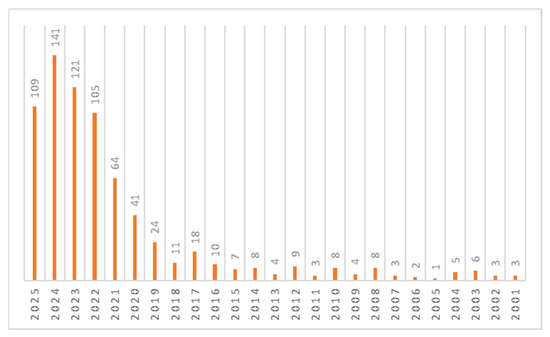
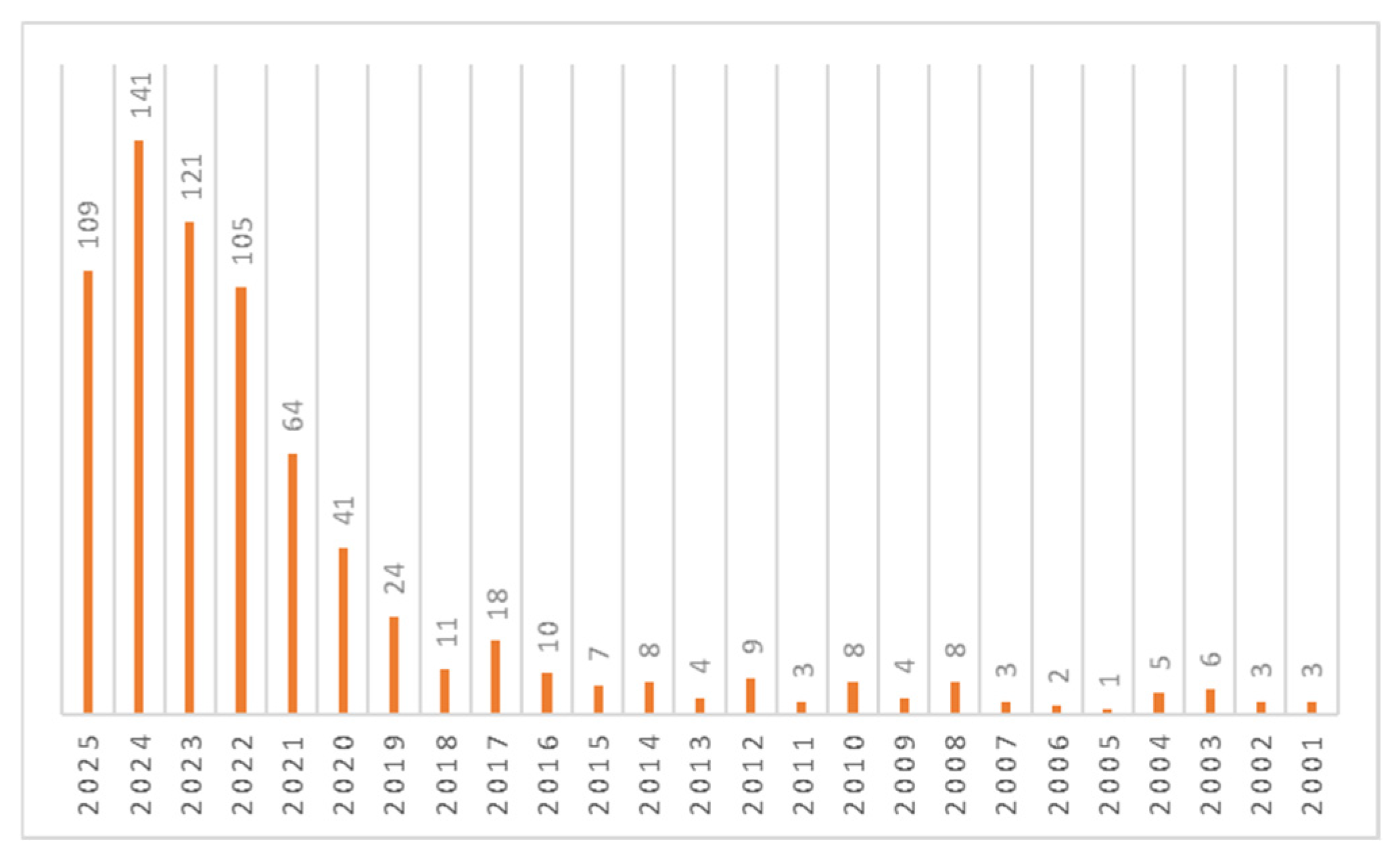
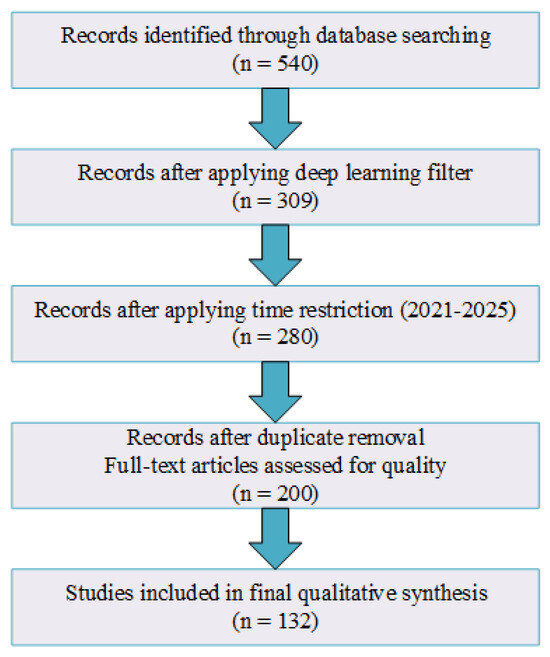
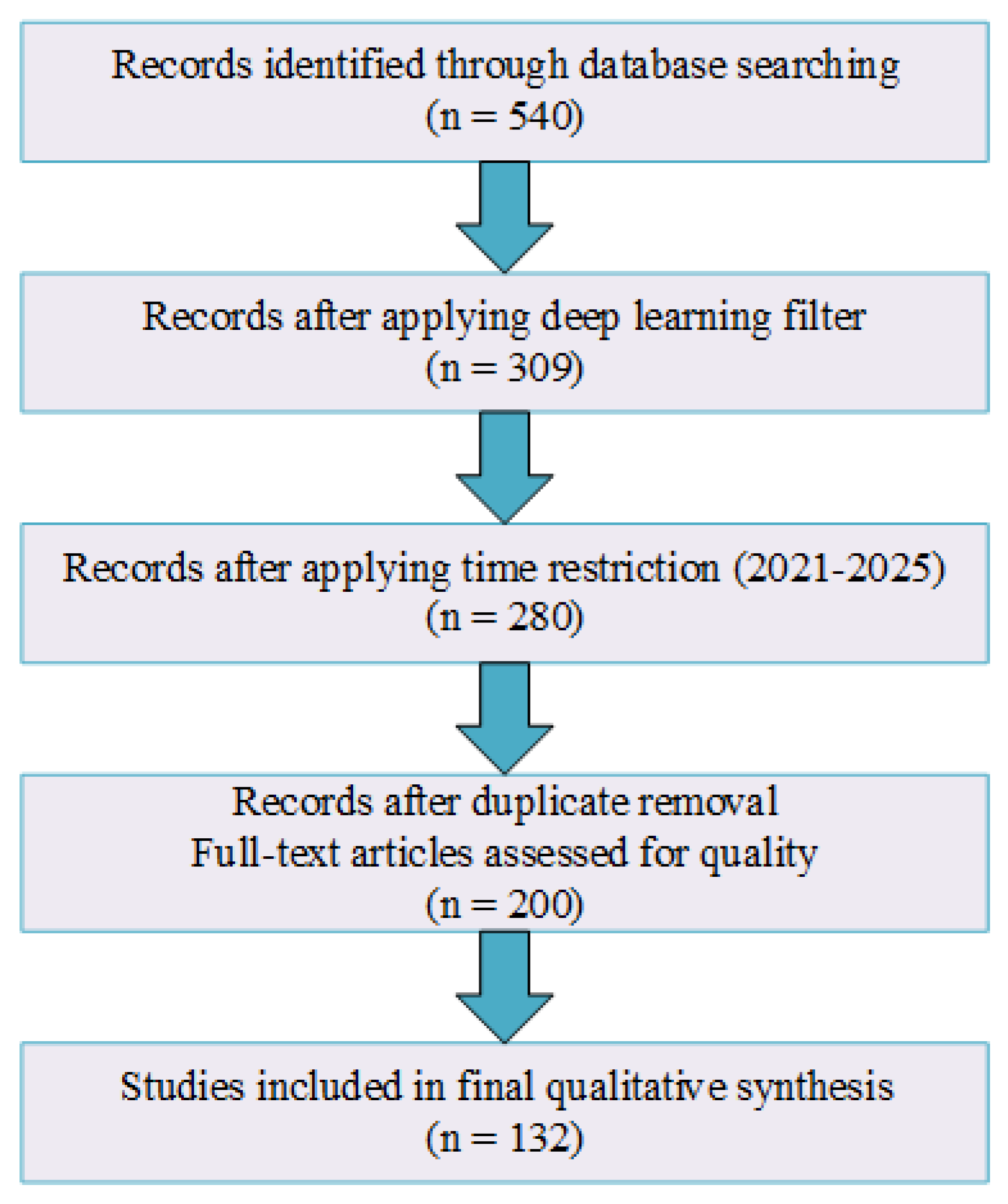
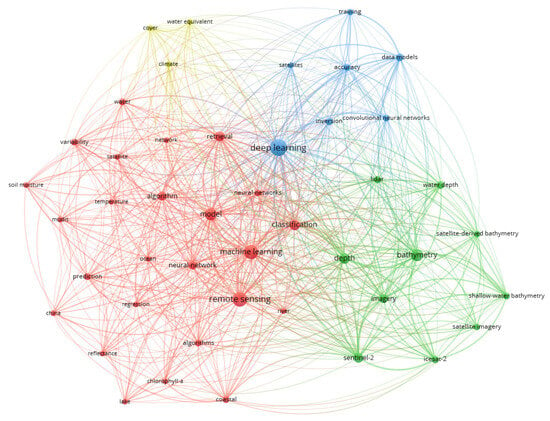
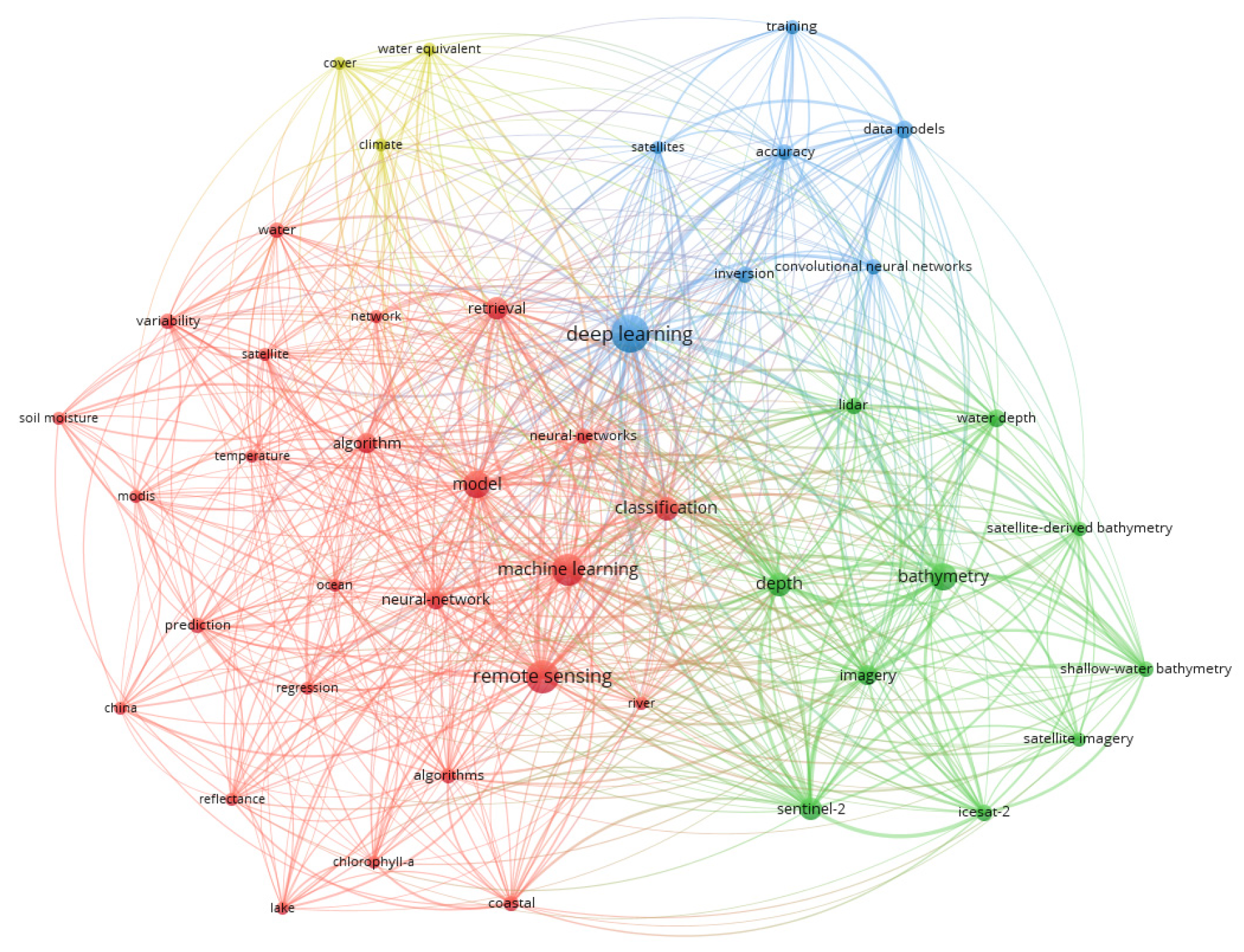
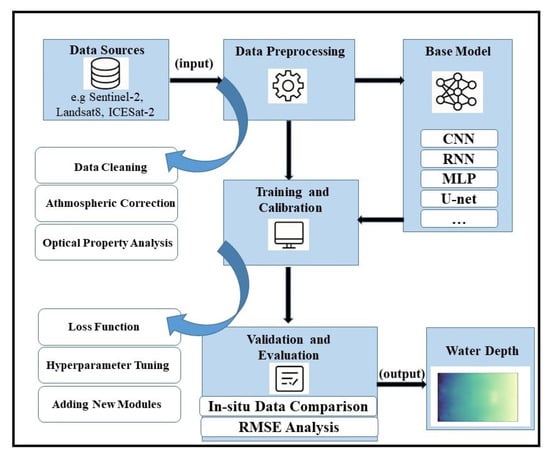
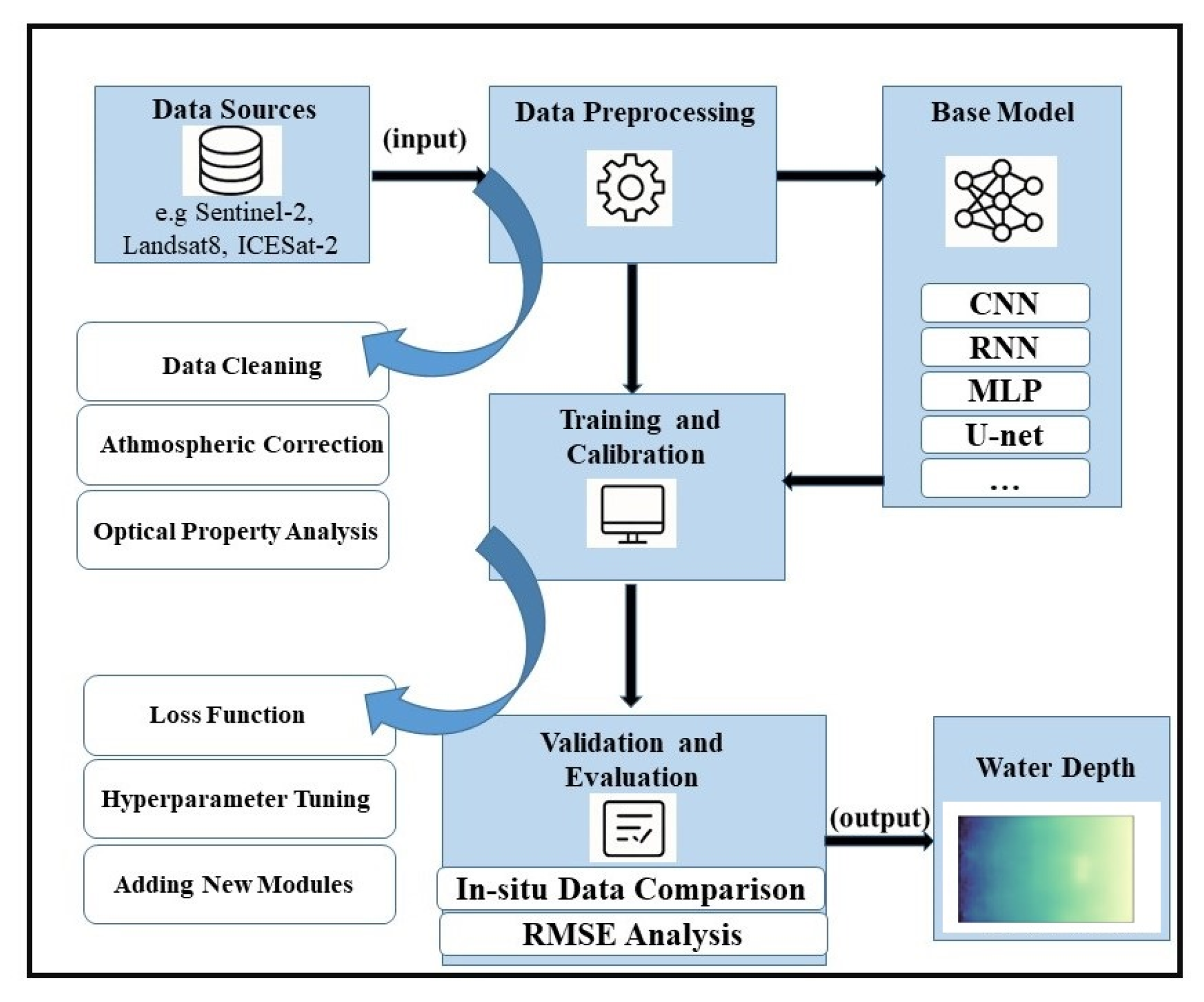
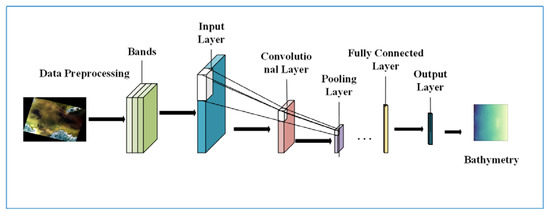
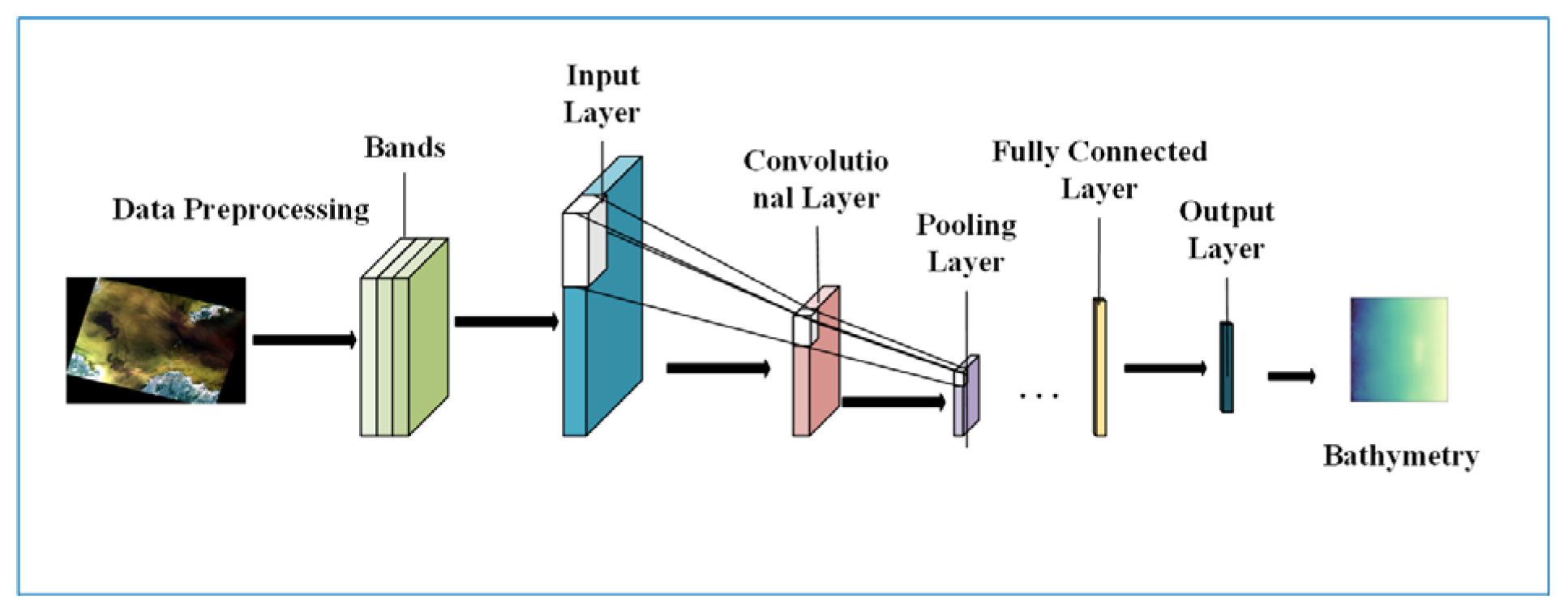
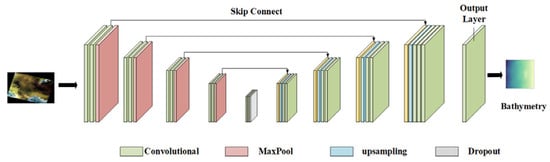
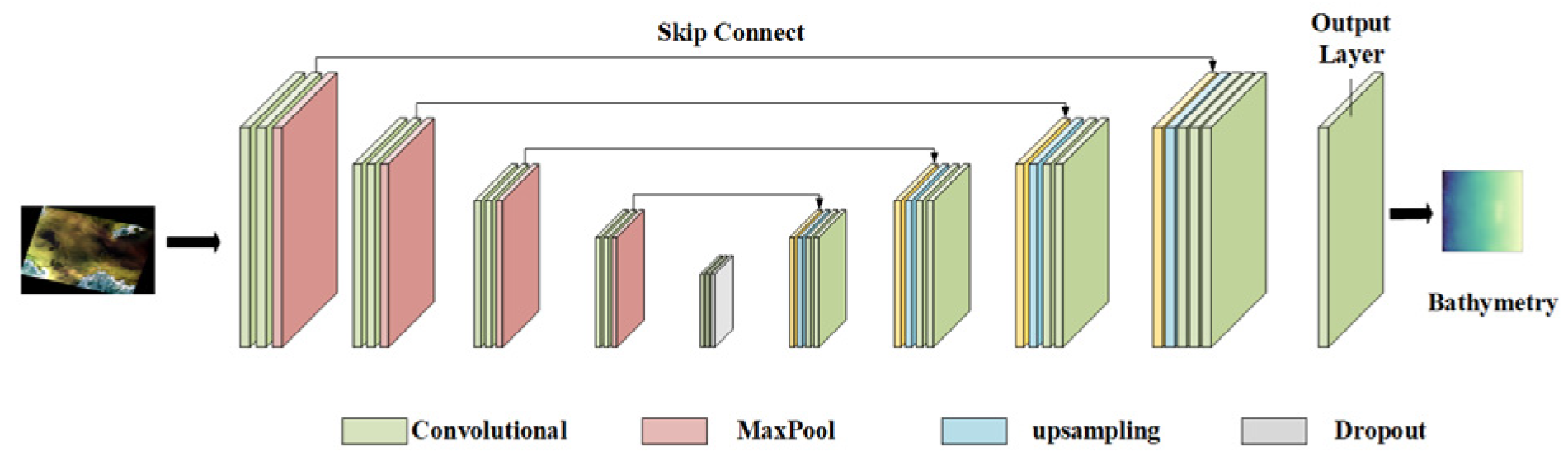
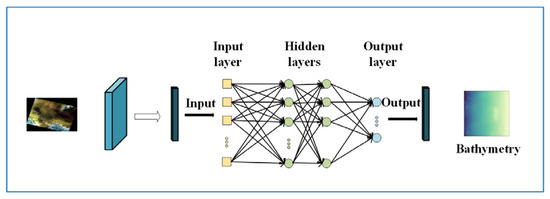
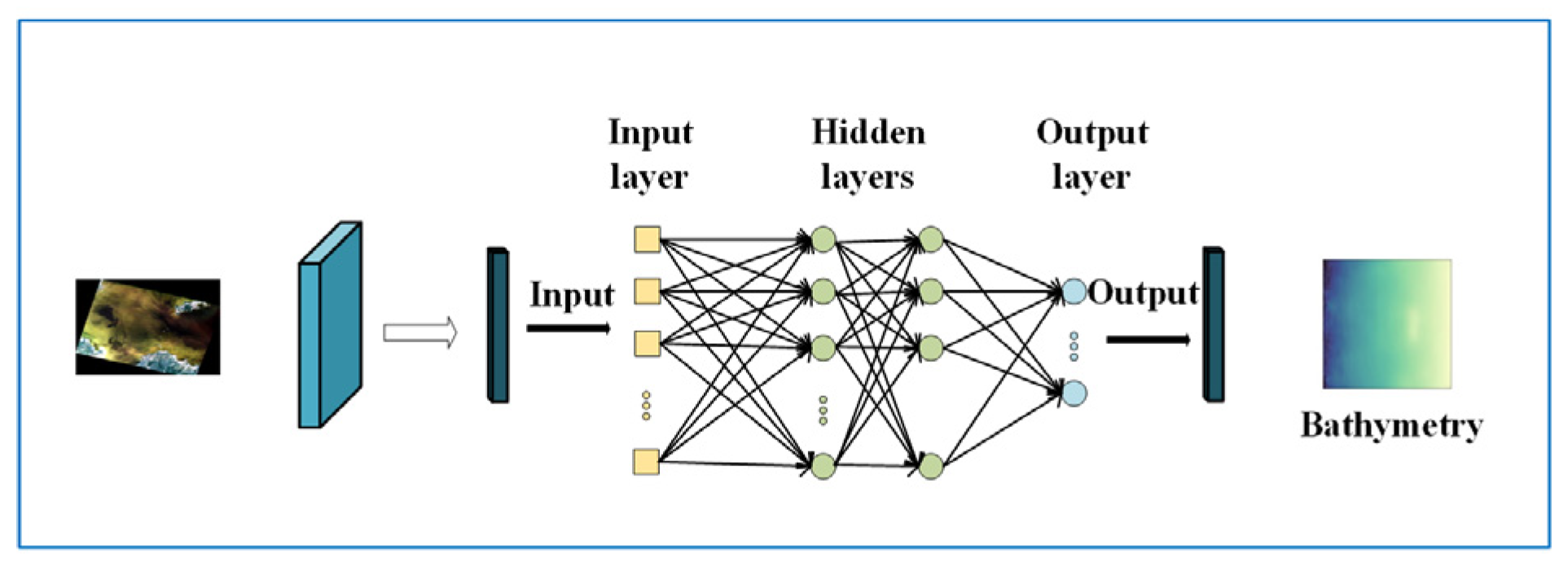
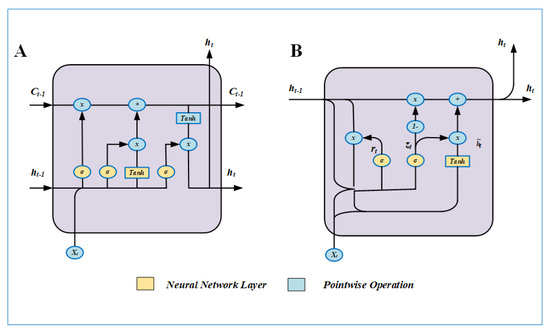
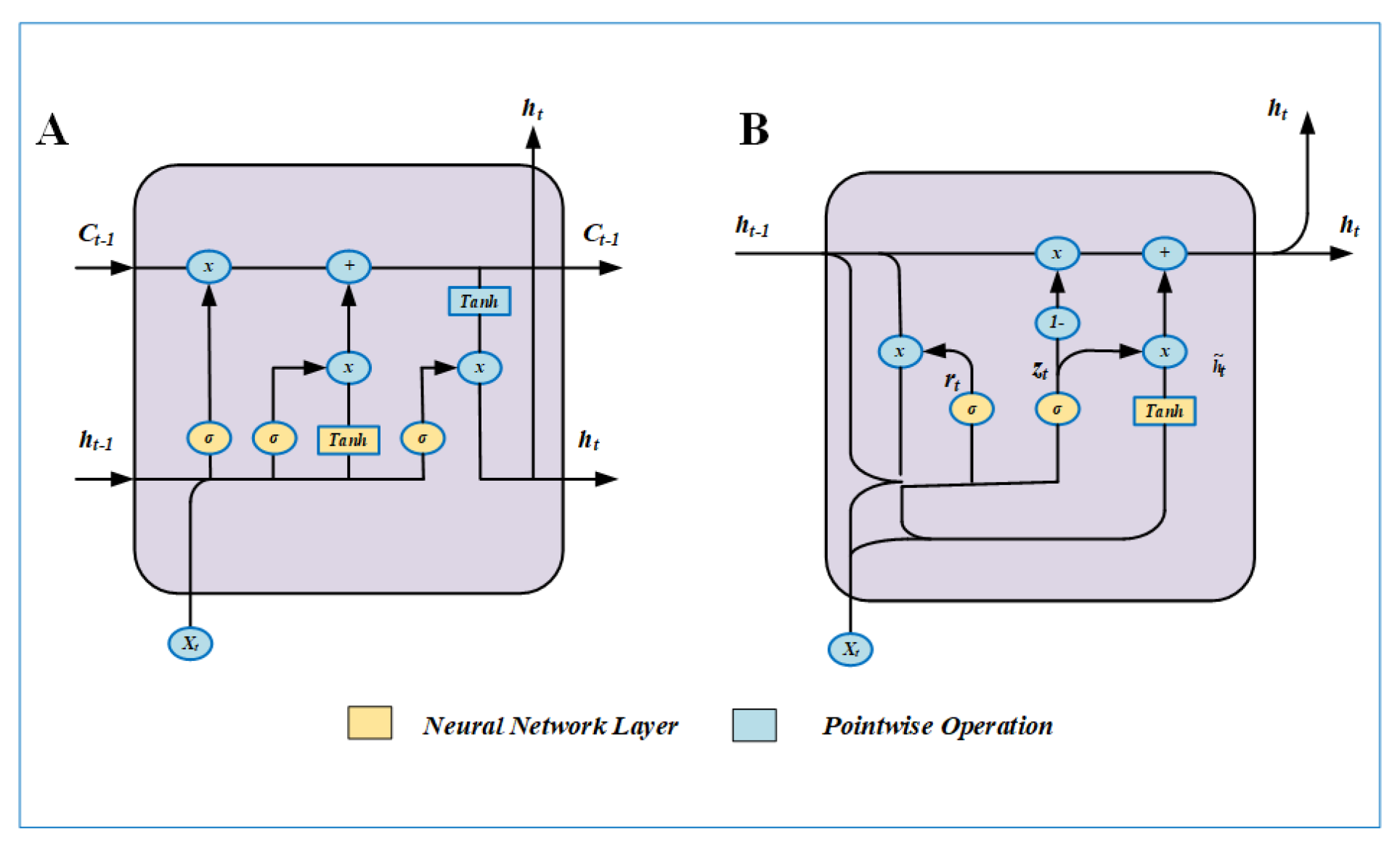

Disclaimer/Publisher’s Note: The statements, opinions and data contained in all publications are solely those of the individual author(s) and contributor(s) and not of MDPI and/or the editor(s). MDPI and/or the editor(s) disclaim responsibility for any injury to people or property resulting from any ideas, methods, instructions or products referred to in the content. |
© 2026 by the authors. Licensee MDPI, Basel, Switzerland. This article is an open access article distributed under the terms and conditions of the Creative Commons Attribution (CC BY) license.