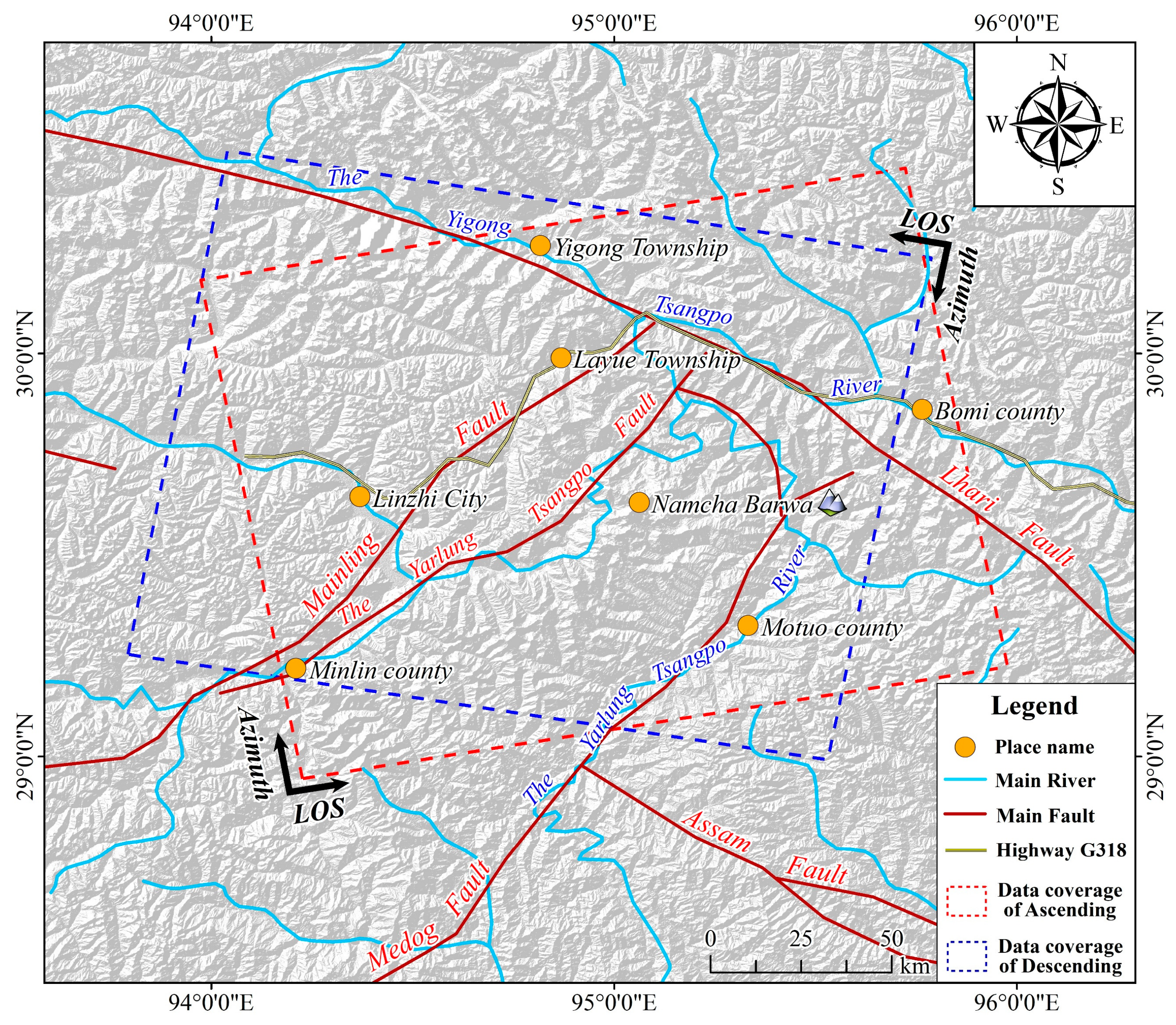
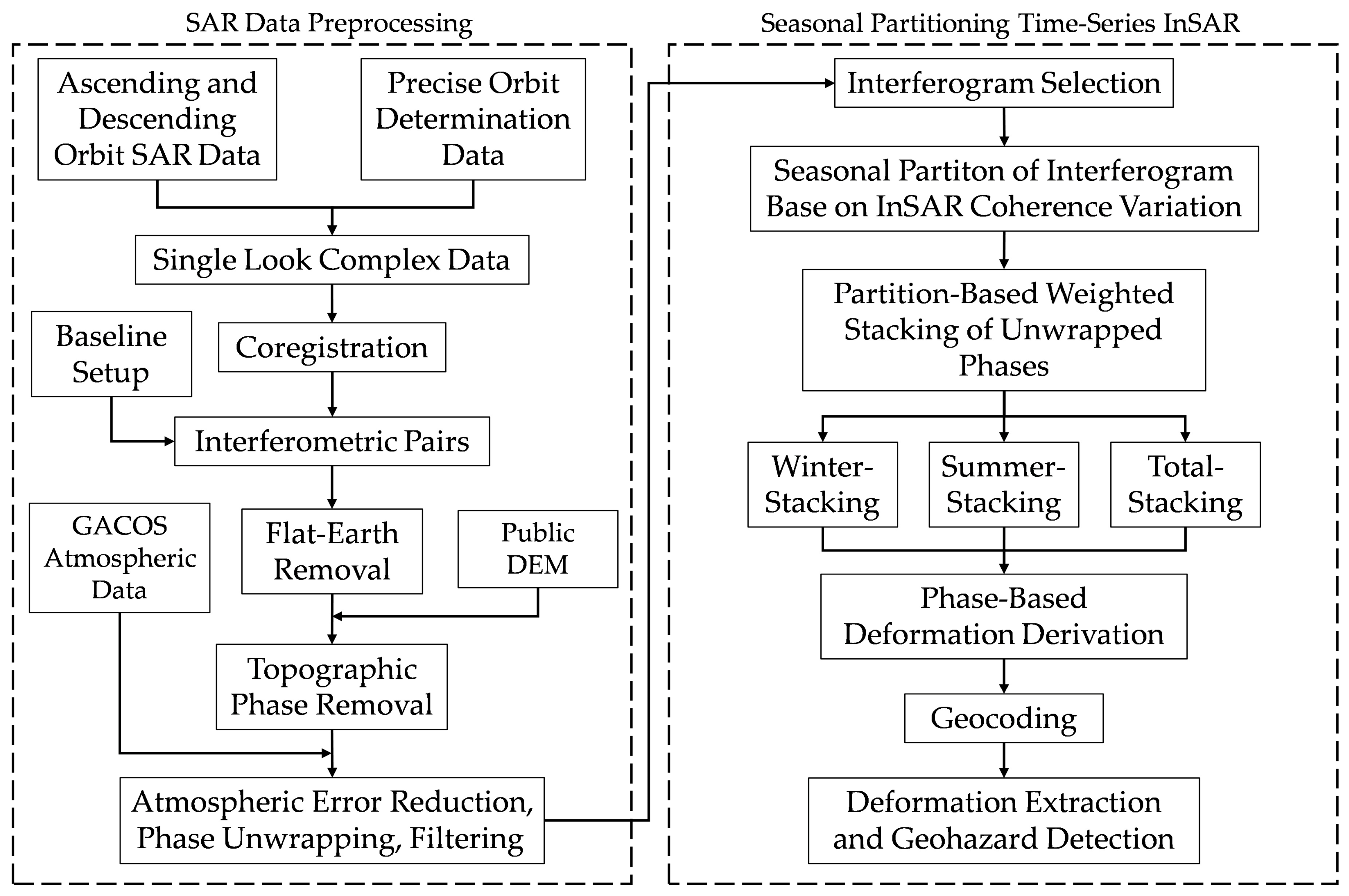
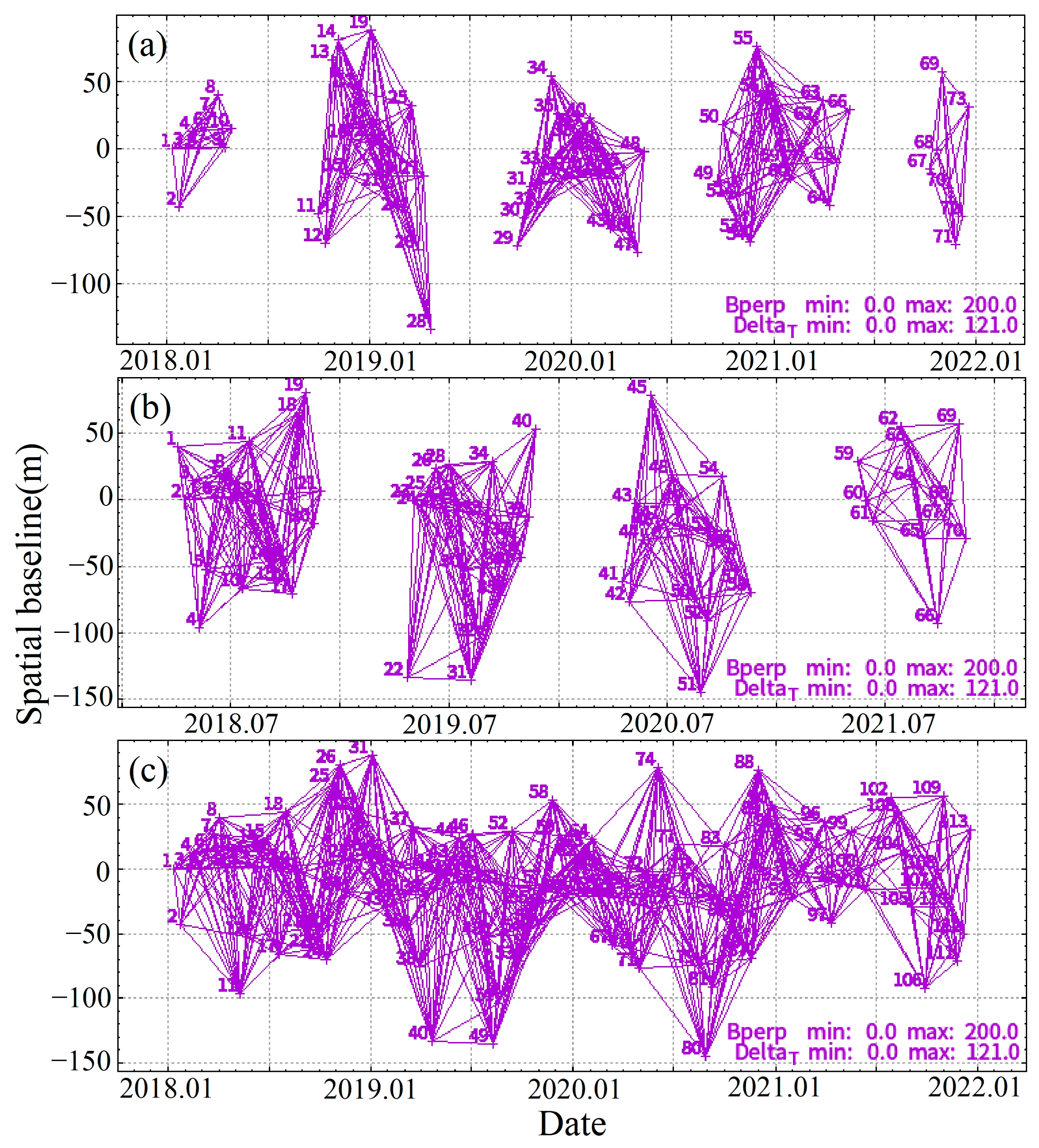
To acquire InSAR interferometric pairs with enhanced deformation signals, this study first performed full interferometric processing on the SAR image dataset using a 120-day temporal baseline (
Figure 3). For the ascending track data, a total of 1012 interferometric pairs were generated, from which 113 pairs with low coherence or severe atmospheric noise were excluded. Interferograms were classified by acquisition date into winter (Jan, Feb, Mar), summer (Jul, Aug, Sep, Oct), and transition season (Apr–Jun, Nov–Dec). Transition-season pairs were then quantitatively assigned to the winter or summer group based on a zone-based coherence comparison criterion detailed in
Section 4.1. After this assignment, the remaining pairs were stratified into 423 winter pairs and 476 summer pairs. Similarly, for the descending track data, 895 interferometric pairs were initially generated, with 143 pairs removed due to significant errors, and the remaining pairs were classified into 411 winter pairs and 341 summer pairs based on coherence. Subsequently, Stacking-InSAR processing was applied separately to the full dataset, winter subset, and summer subset for both ascending and descending tracks to extract landslide deformation information (
Figure 2).
4.1. InSAR Coherence Characteristics in Cold Mountain Regions
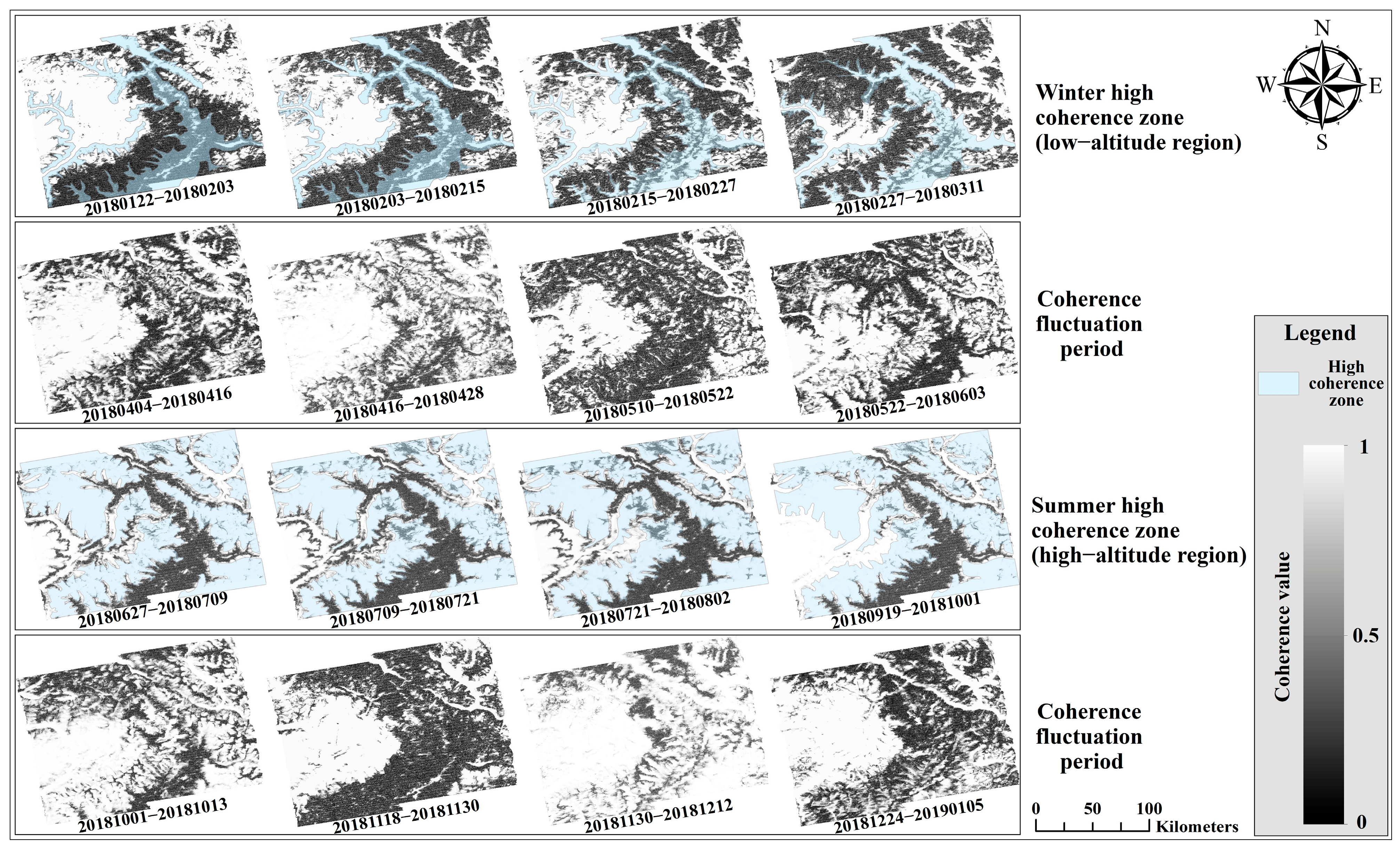
InSAR coherence directly influences the retrieval of time-series deformation and the detection of potential hazards. This study first conducted a comparative analysis and seasonal stratification of regional InSAR coherence based on filtered coherence coefficient maps generated from consecutive 12-day Sentinel-1 interferograms, which were used to characterize seasonal coherence patterns across the study area (
Figure 4).
Using the coherence characteristics of the study area (
Figure 4), regions with coherence > 0.75 were classified as high-coherence zones, while those with coherence < 0.35 were designated as low-coherence zones. The high-coherence threshold was derived as follows. Using the 2018 winter coherence map, we delineated the valley-floor area (riverbanks and adjacent low-elevation terrain) based on optical satellite imagery, and computed the mean coherence within this zone (~0.72). Similarly, the 2018 summer coherence map was used to delineate the high-altitude region (above 4000 m a.s.l.) where snow-free bedrock and sparse vegetation maintain good coherence; the mean coherence in that zone was ~0.78. A single representative high-coherence threshold of 0.75 was then obtained by averaging the two seasonal means, rounding slightly for operational simplicity. The low-coherence threshold of 0.35 was defined as the average coherence of the remaining area after excluding both the perennial high-coherence zone and the seasonal high-coherence zones identified above. While these values are derived from the 2018 dataset, the temporal consistency of the seasonal coherence pattern (see
Figure 4) justifies their application to the full 2018–2021 period. All subsequent analyses use 0.75 and 0.35 as the high- and low-coherence boundaries, respectively, including the mask applied in the deformation maps.
Analysis of
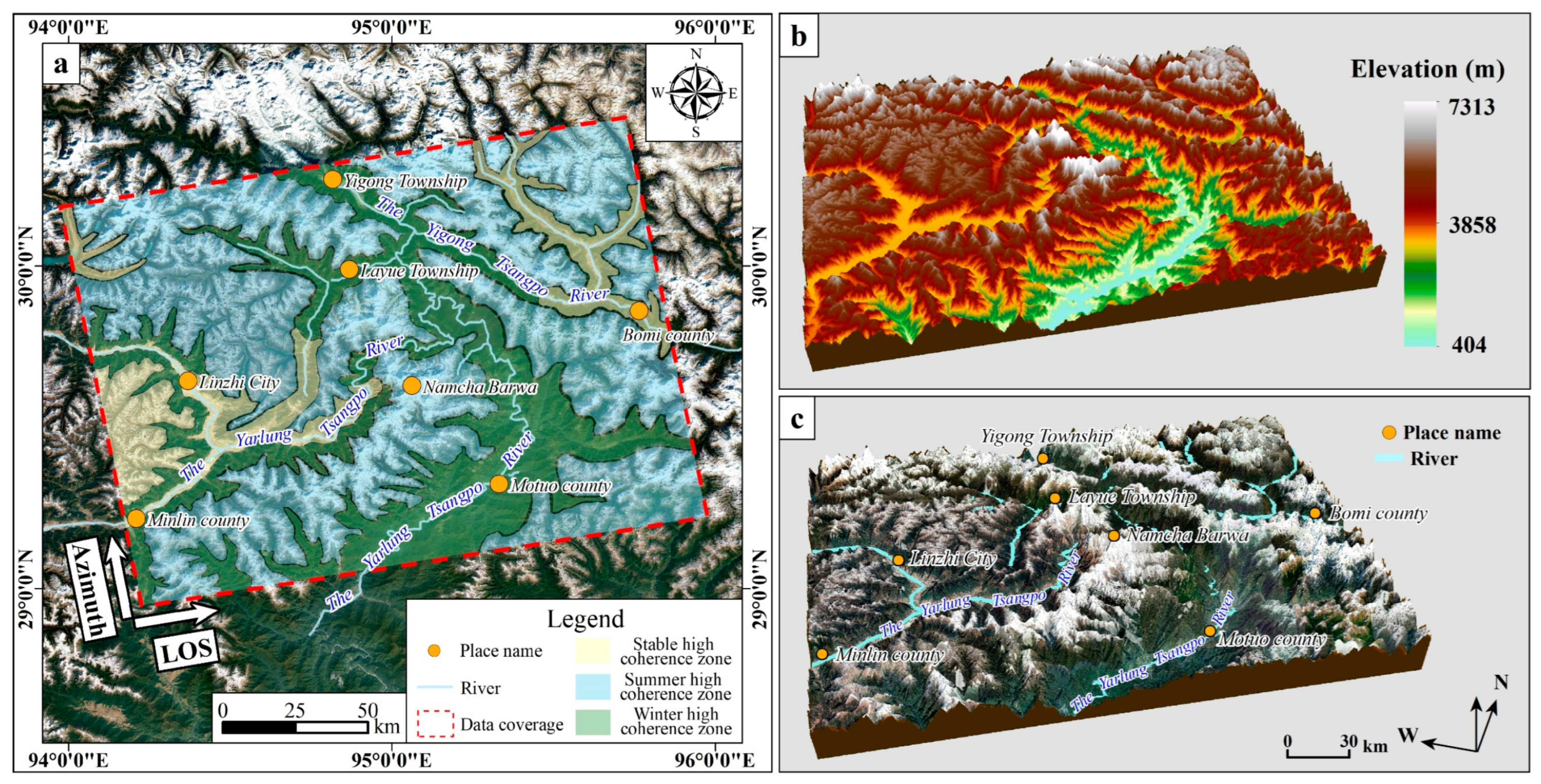
Figure 4 reveals that the half-moon-shaped region on the western side of the study area exhibits a wide-valley geomorphology. Time-series InSAR coherence analysis indicates that this region is only affected by snow and ice cover from February to March each year, resulting in reduced coherence for some interferometric pairs. However, over 93% of the pairs maintain high coherence throughout the year, leading to its classification as a perennial high-coherence zone (
Figure 5). As the river flows along the Yarlung Tsangpo River into the “thumb-shaped” meander around Namcha Barwa Peak [
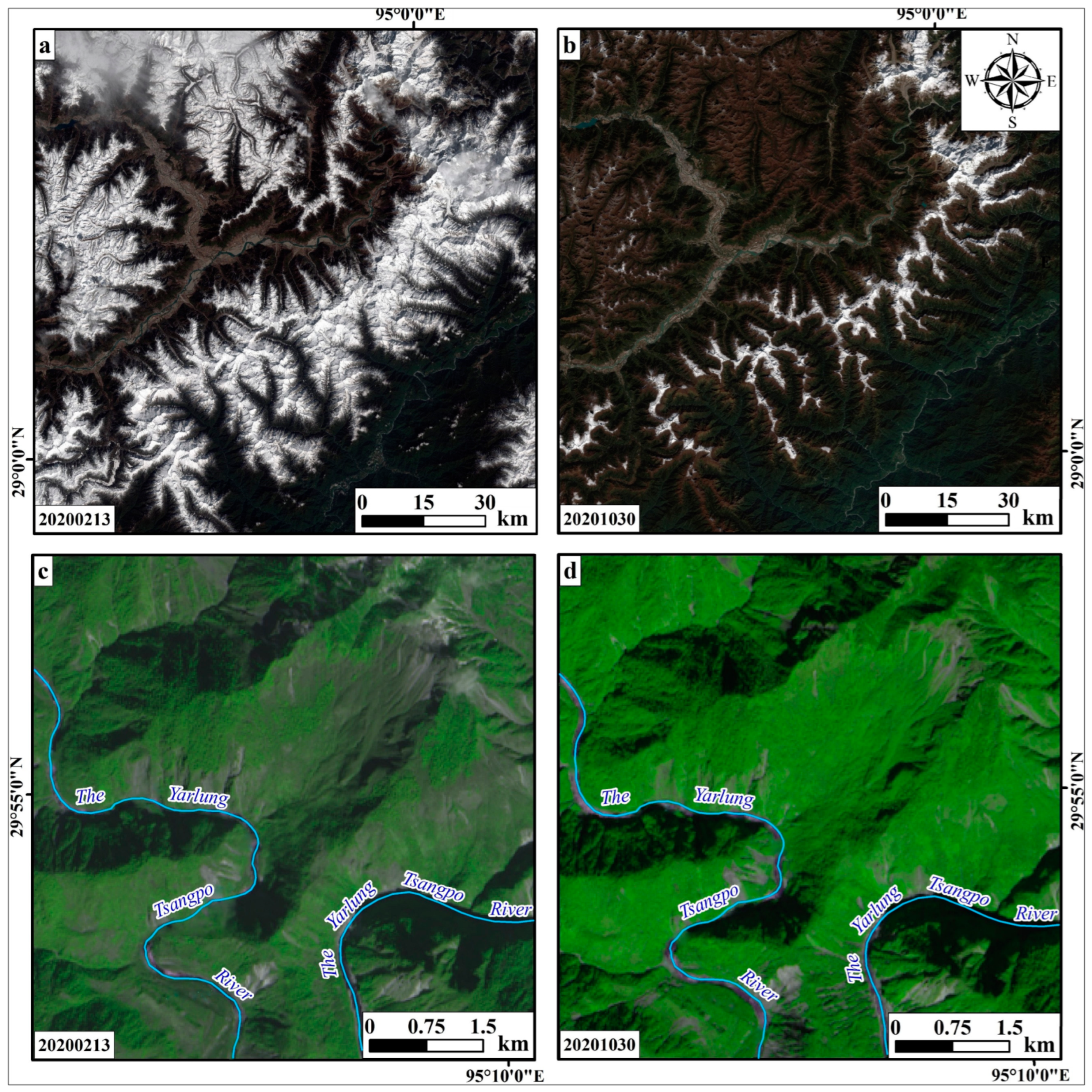
20], InSAR coherence begins to exhibit seasonal variations. From January to April, the deep valleys within the eastern Himalayan tectonic syntaxis maintain high coherence, while high-altitude regions show poor coherence (
Figure 4). Starting around May, snow and ice melt in high-altitude areas significantly improves coherence, whereas dense vegetation in low-altitude valleys leads to a notable decline in coherence. This results in a spatial migration of high-coherence zones from low-altitude to high-altitude regions.
Based on the above analysis and integrated with regional topography and geomorphology (
Figure 5b,c), the high-coherence zones in this region can be delineated as shown in
Figure 5a. These include: (1) the perennial high-coherence zone, which maintains relatively high InSAR coherence year-round; (2) the winter high-coherence zone, primarily corresponding to low-altitude areas along river valleys; and (3) the summer high-coherence zone, associated with high-altitude regions.
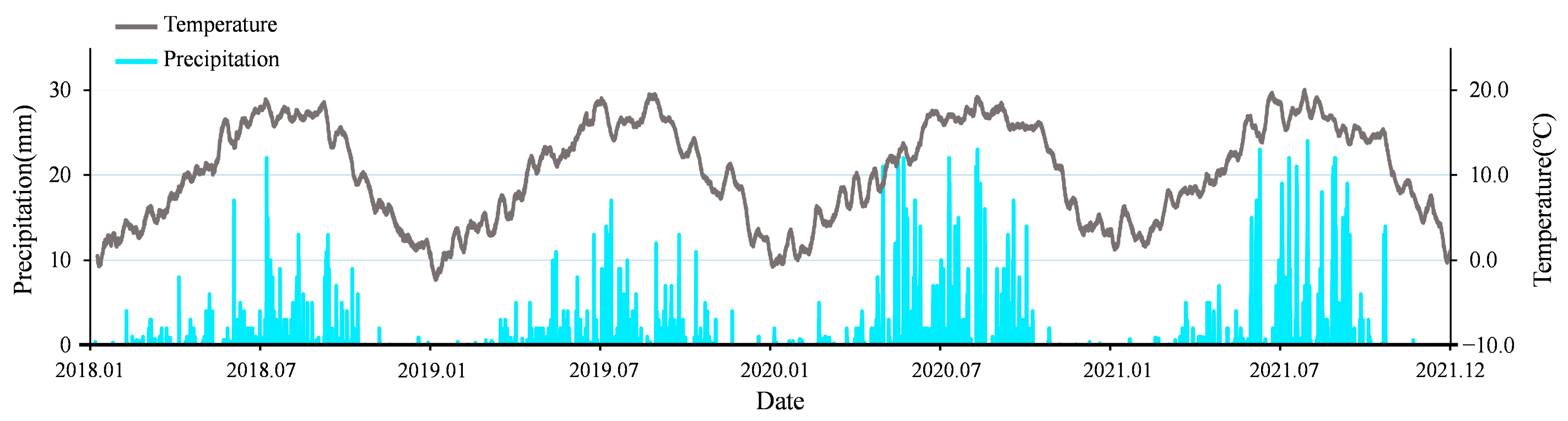
Further analysis of regional meteorological data (
Figure 6) reveals that the average temperature in the eastern Himalayan tectonic syntaxis from January to April is below 5 °C, with high-altitude regions (above 4500 m) experiencing even lower averages of −4 °C or less. During this period, precipitation primarily occurs as snow and ice, and historical optical remote sensing imagery confirms that high-altitude areas are predominantly snow-covered from January to April [
20,
28], leading to unstable radar scattering properties and poor InSAR coherence. In contrast, low-altitude valleys exhibit relatively sparse vegetation during winter (
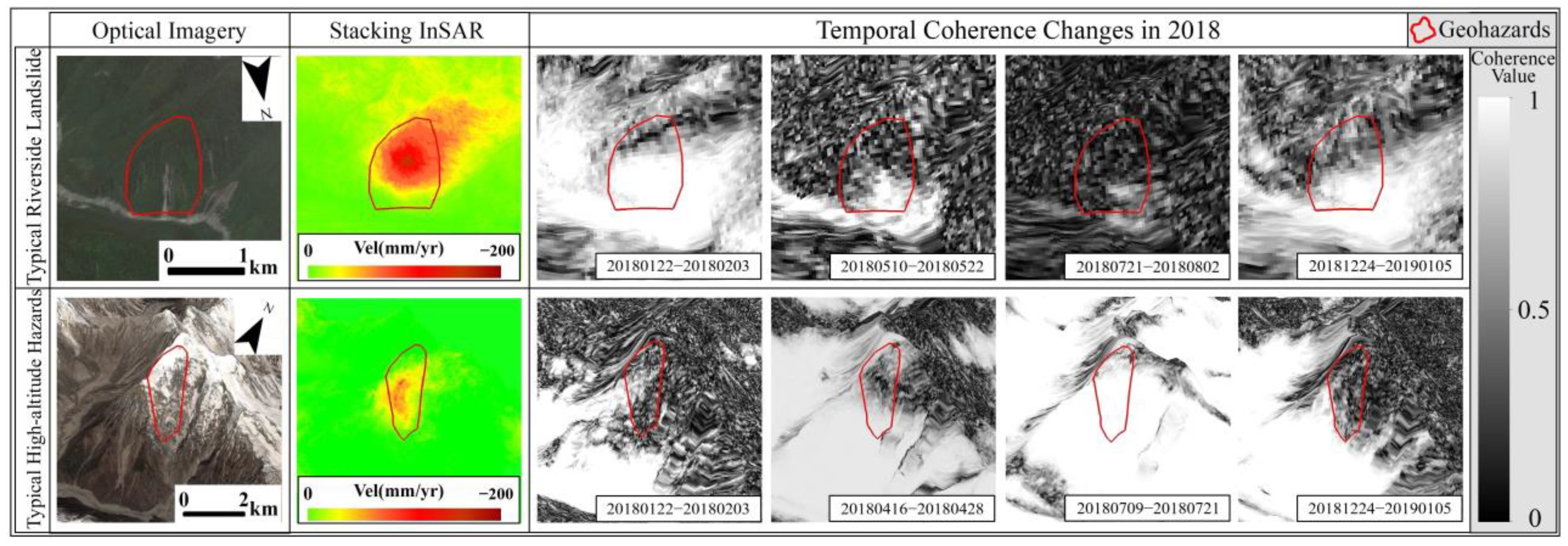
Figure 7), enabling better coherence maintenance (
Figure 8) and facilitating the identification of landslides and collapses along riverbanks.
Starting in May, regional temperatures rise above 10 °C, causing snow and ice melt in high-altitude areas, which transition to bare rock and soil (
Figure 7). This allows effective InSAR coherence maintenance (
Figure 8), enhancing the detection of high-altitude concealed hazards. However, in low-altitude valleys, the combination of snowmelt recharge, increased precipitation, and rising temperatures leads to a rapid increase in vegetation density (
Figure 7), significantly reducing InSAR coherence. This phenomenon persists until October, marking the onset of the next coherence transition phase.
Notably, during the transitional period between winter and summer, coherence fluctuations occur due to rapid and irregular changes in surface features (
Figure 4). Interferometric pairs with excessively low coherence (mean coherence < 0.35 in both the winter and summer high-coherence zones) are excluded. The remaining transition-season pairs are quantitatively assigned to the winter or summer dataset as follows: for each pair, the mean coherence within the winter high-coherence zone (
win) and within the summer high-coherence zone (
sum), as delineated in
Figure 5a, is computed. If
win ≥
sum, the pair is assigned to the winter dataset; otherwise, it is assigned to the summer dataset.
The above analysis demonstrates that high-altitude regions within the eastern Himalayan tectonic syntaxis exhibit better InSAR coherence during summer, facilitating the identification of high-altitude concealed hazards. Conversely, valley regions maintain superior InSAR coherence during the winter, enabling more accurate interpretation of landslides and collapses along riverbanks.
4.2. Seasonal Partitioned Stacking-InSAR Processing in the Eastern Himalayan Tectonic Syntaxis
Based on the InSAR coherence characteristics and the two-stage baseline strategy described in
Section 3.1, this study first selects the default 60-day temporal baseline interferometric pairs for both ascending and descending tracks, which constitute the primary dataset with generally high coherence. The complementary long-temporal-baseline pairs (60–120 days) are considered separately in
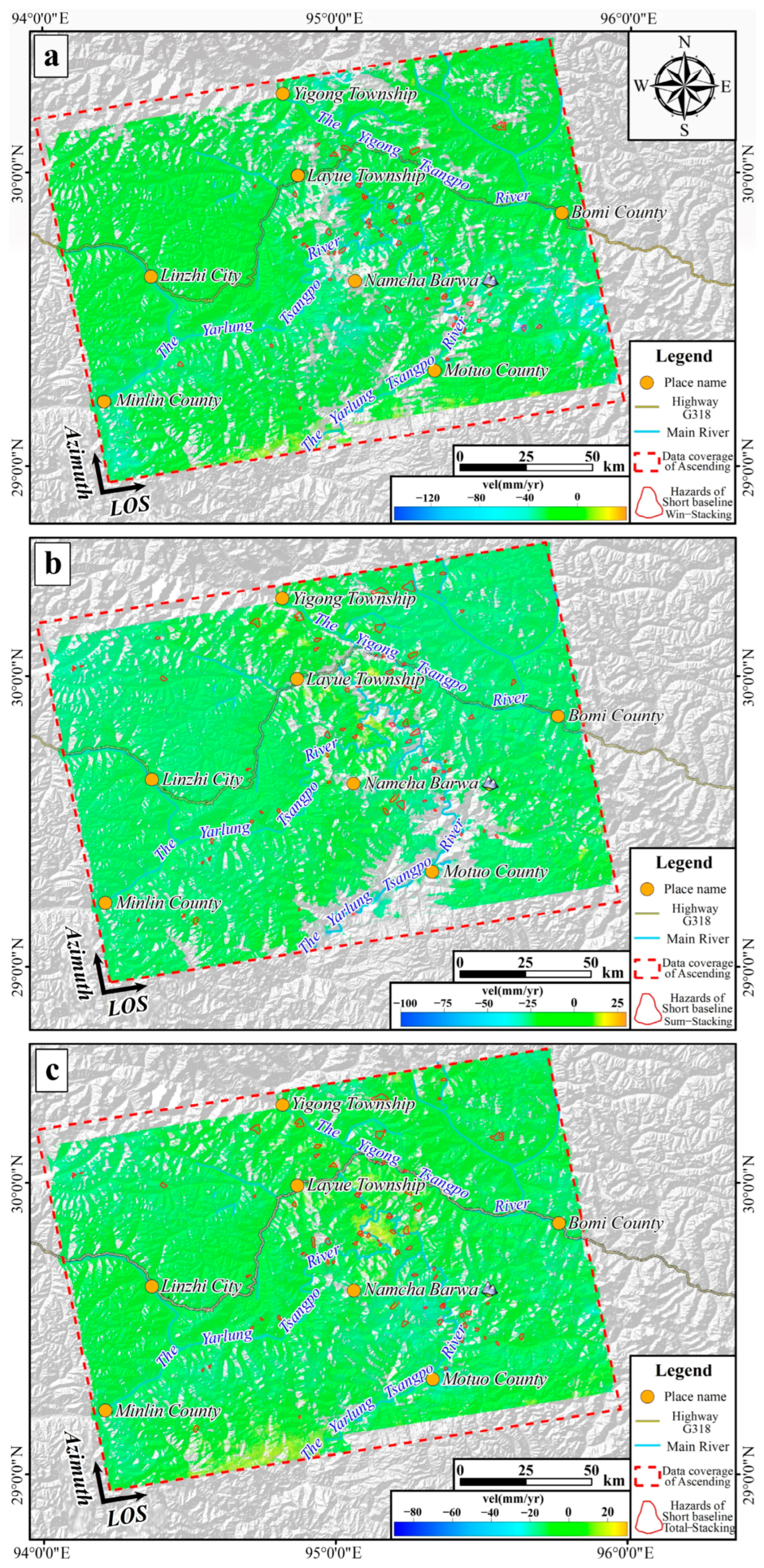
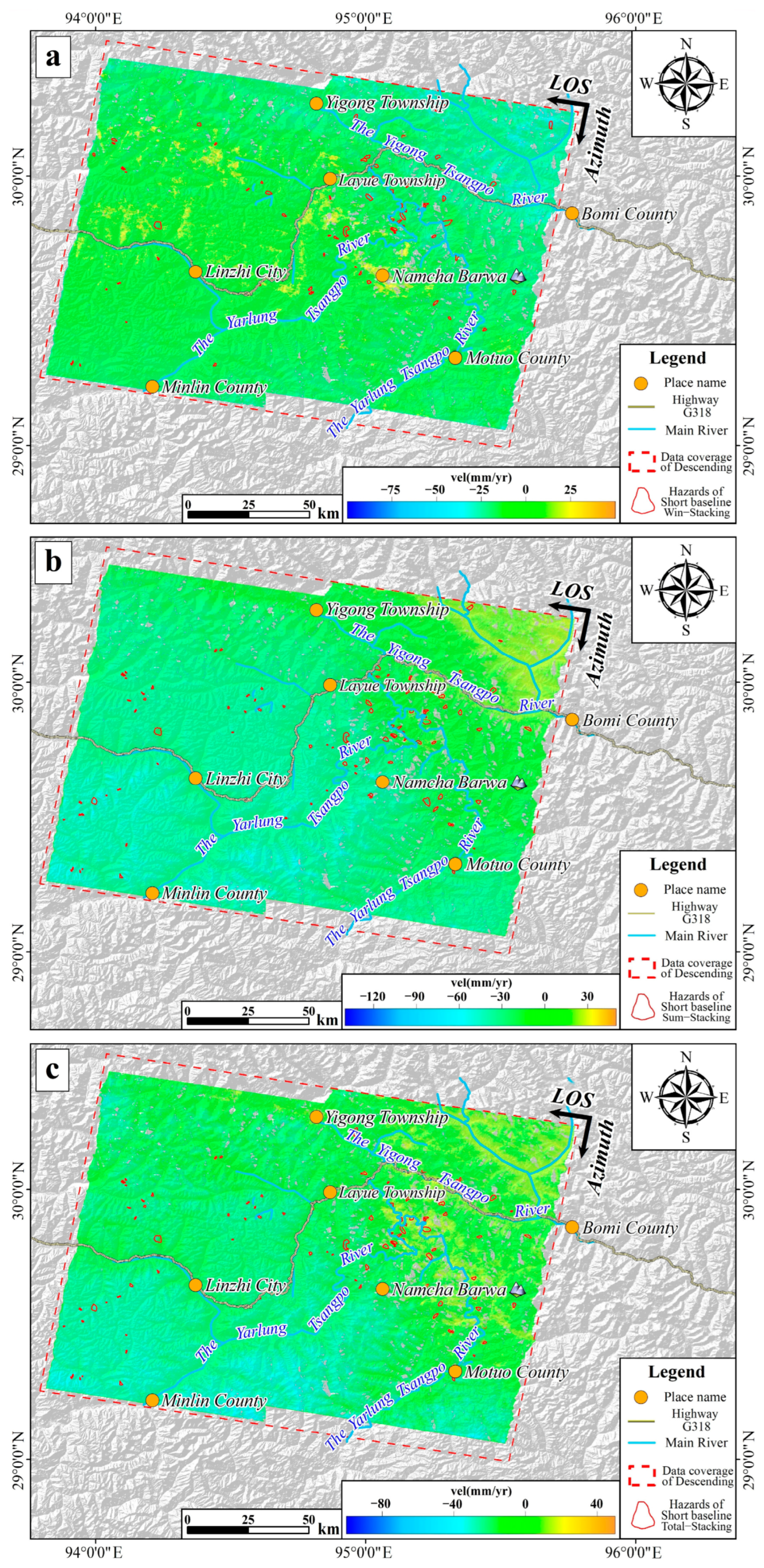
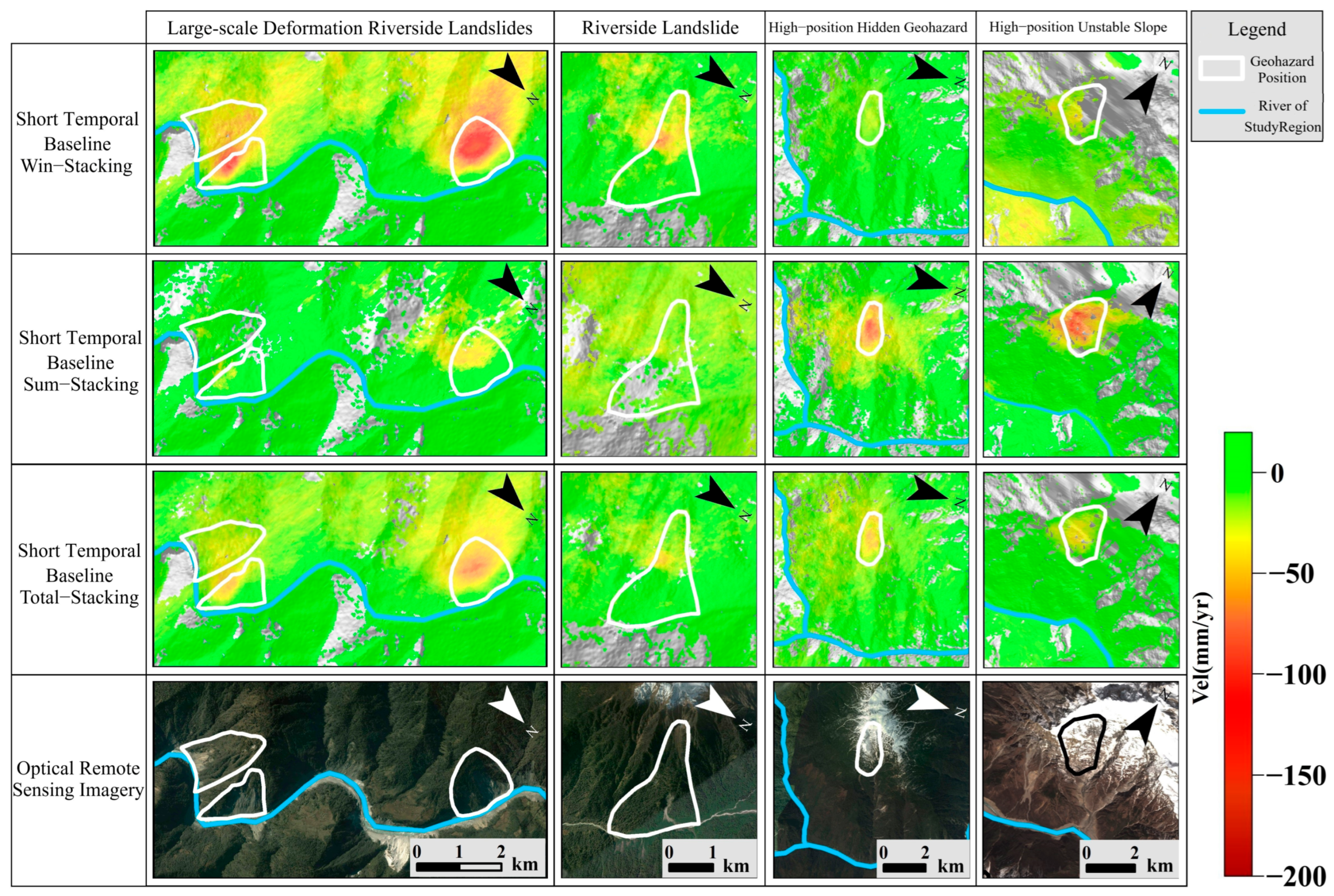
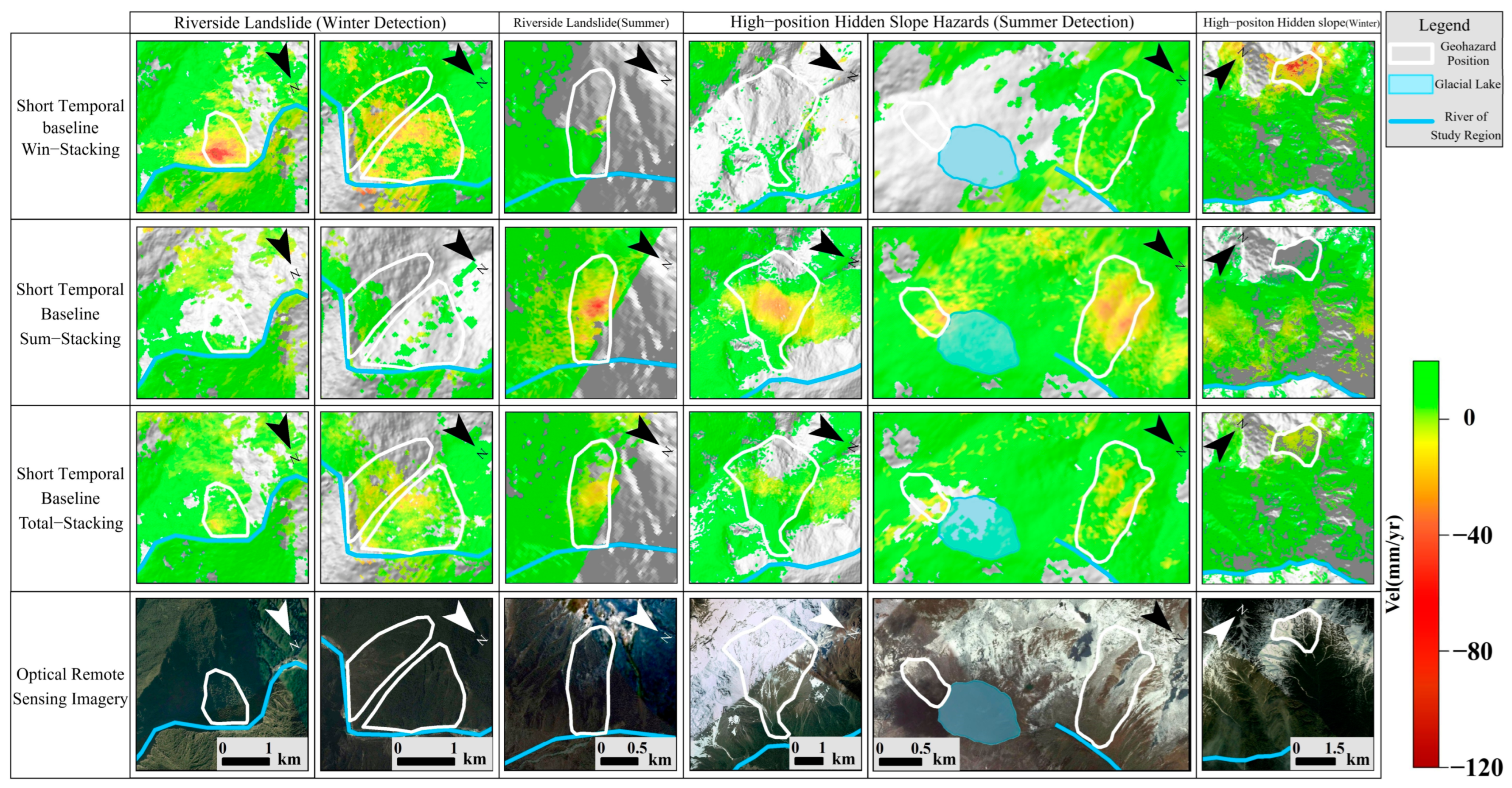
Section 4.3. Using the seasonal Stacking-InSAR method, deformation calculations were performed under winter (Win), summer (Sum), and full-interferometric (Total) conditions (
Figure 9 and
Figure 10). In the figures, colors represent the magnitude of displacement, with blue indicating movement away from the satellite and red indicating movement toward the satellite. Masked areas correspond to topographic shadows and layover regions caused by radar side-looking geometry, as well as low-coherence zones (average coherence < 0.35).
Analysis of the ascending track results revealed that the short-temporal-baseline Win-Stacking method detected an annual deformation rate range of −130 to 25 mm/year, identifying 55 potential hazards (including 18 high-altitude concealed unstable slopes and 37 riverside landslides), while the short-temporal-baseline Sum-Stacking method showed a deformation rate range of −95 to 20 mm/year, detecting 78 hazards (comprising 43 high-altitude concealed unstable slopes and 35 riverside landslides), and the short-temporal-baseline Total-Stacking method yielded a deformation rate range of −90 to 23 mm/year, identifying 81 hazards (including 37 high-altitude concealed unstable slopes and 44 riverside landslides) (
Figure 9).
Similarly, for the descending track, the short-temporal-baseline Win-Stacking method exhibited an annual deformation rate range of −98 to 27 mm/year, identifying 77 hazards (including 36 high-altitude concealed unstable slopes and 41 riverside landslides), the short-temporal-baseline Sum-Stacking method showed a deformation rate range of −125 to 30 mm/year, detecting 100 hazards (comprising 66 high-altitude concealed unstable slopes and 34 riverside landslides), and the short-temporal-baseline Total-Stacking method revealed a deformation rate range of −85 to 23 mm/year, identifying 103 hazards (including 63 high-altitude concealed unstable slopes and 40 riverside landslides) (
Figure 10).
4.3. Stacking-InSAR Optimization with Long-Temporal-Baseline Interferometric Pairs
Due to the high density of geohazards in the study area, slow-creeping deformations in developing unstable slopes may exhibit subtle displacement signals over short temporal baselines, potentially leading to the omission of small-magnitude movements when relying solely on short-temporal-baseline interferometric pairs. To further enhance the detectability of slow-creeping slopes, this study incorporated long-temporal-baseline interferometric pairs (60–120 days) on top of the short-temporal-baseline dataset. It should be noted that the primary benefit of including long-temporal-baseline pairs is improving the signal clarity and boundary delineation of already-detected hazards, rather than substantially increasing the total number of identified hazards. Only long-temporal-baseline pairs with sufficient coherence were selected for the seasonal Stacking-InSAR processing.
The selection threshold for long-temporal-baseline pairs was determined quantitatively as follows. Using the 2018 long-temporal-baseline interferograms (60–120 days), we computed the mean coherence within the winter high-coherence zone (river valleys) for winter-season pairs, and within the summer high-coherence zone (high-altitude bare rock) for summer-season pairs. The average of these mean values across all long-temporal-baseline pairs was 0.64. Accordingly, a long-temporal-baseline interferogram was accepted for Stacking-InSAR processing only when its average coherence inside the corresponding seasonal high-coherence zone exceeded 0.64. This criterion ensures that the incorporated long-temporal-baseline pairs maintain acceptable signal quality while providing the extended temporal sensitivity needed to capture slow-creeping deformation signals.
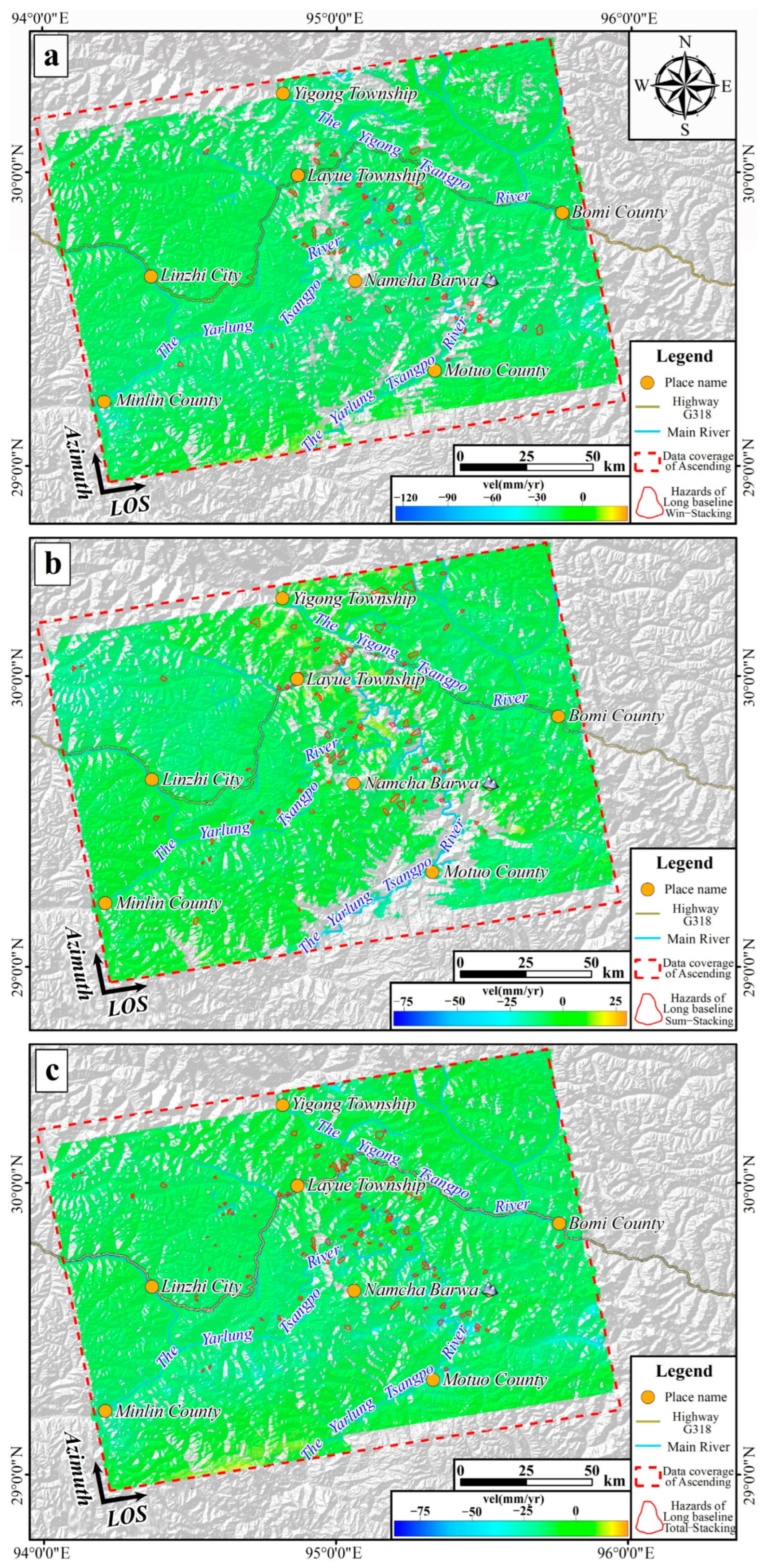
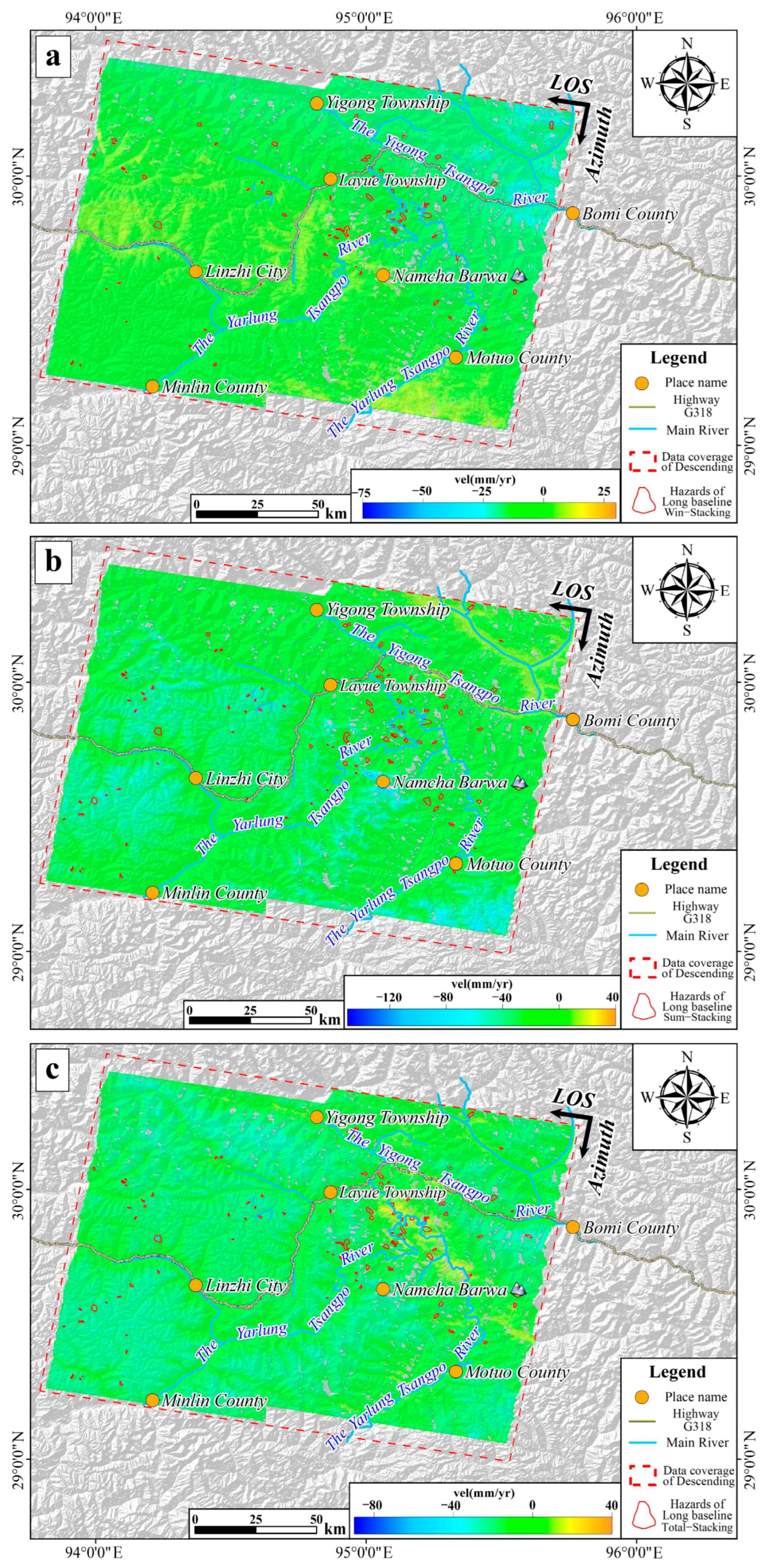
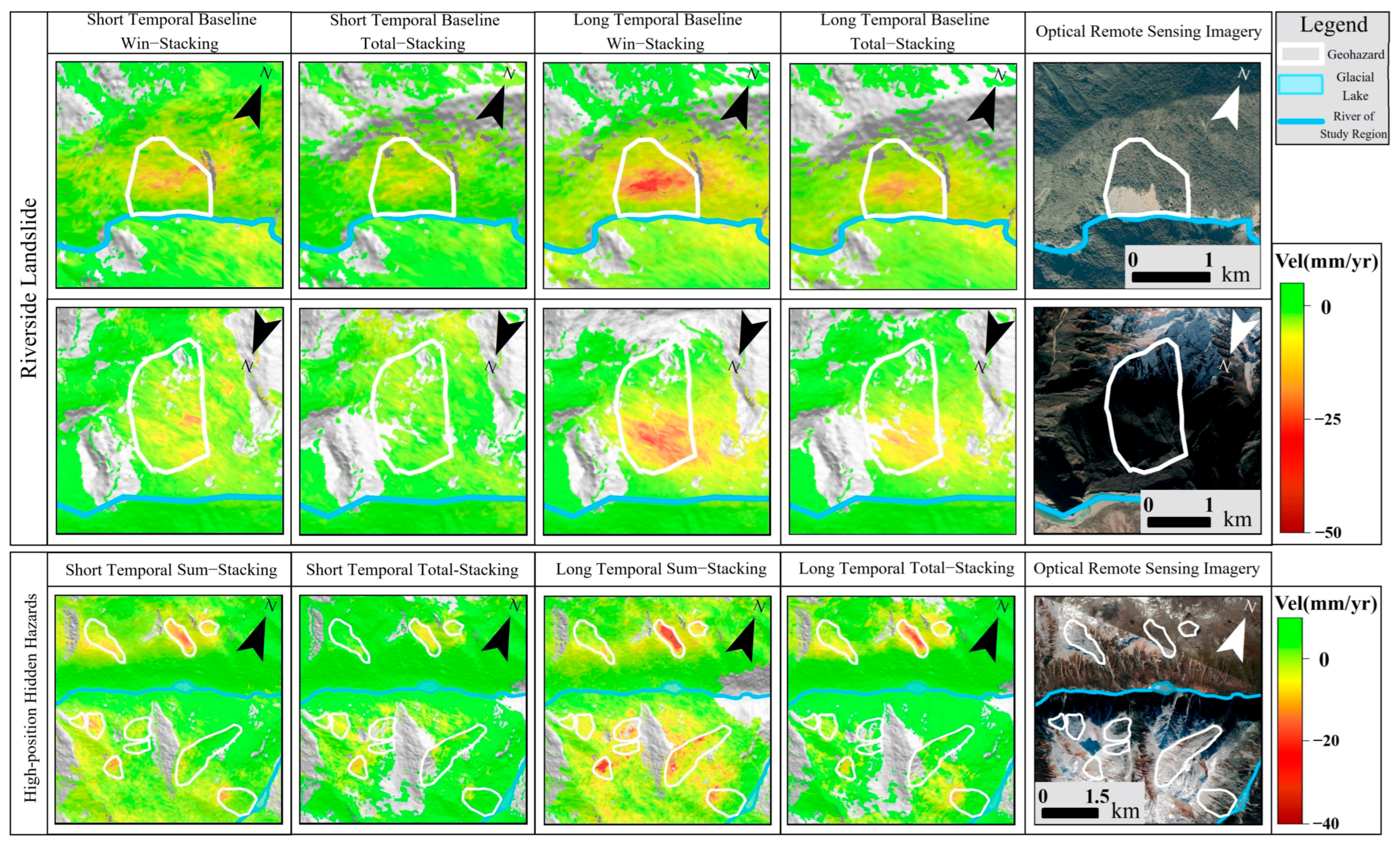
This approach yielded Win-, Sum-, and Total-Stacking-InSAR deformation datasets incorporating long-temporal-baseline pairs (
Figure 11 and
Figure 12).
Figure 11 illustrates the ascending track deformation results after incorporating long-temporal-baseline interferometric pairs with sufficient coherence. The Win-Stacking results revealed an annual deformation rate range of −123 to 25 mm/year, identifying 59 potential hazards, including 19 high-altitude concealed unstable slopes and 40 riverside landslides. The Sum-Stacking results showed a deformation rate range of −70 to 21 mm/year, detecting 82 hazards, comprising 45 high-altitude concealed unstable slopes and 37 riverside landslides. The Total-Stacking results exhibited a deformation rate range of −67 to 29 mm/year, identifying 90 hazards, including 42 high-altitude concealed unstable slopes and 48 riverside landslides.
Similarly, the descending track results demonstrated that the Win-Stacking method yielded an annual deformation rate range of −75 to 25 mm/year, identifying 80 potential hazards, including 38 high-altitude concealed unstable slopes and 42 riverside landslides. The Sum-Stacking results exhibited a deformation rate range of −135 to 29 mm/year, detecting 102 hazards, comprising 67 high-altitude concealed unstable slopes and 35 riverside landslides. The Total-Stacking results revealed a deformation rate range of −80 to 31 mm/year, identifying 112 hazards, including 67 high-altitude concealed unstable slopes and 45 riverside landslides (
Figure 12).





 ,
,