You are currently viewing a new version of our website. To view the old version click .
Remote Sensing
  • This is an early access version, the complete PDF, HTML, and XML versions will be available soon.
  • Article
  • Open Access

30 November 2025

Characterizing the Surface Grain Size Distribution in a Gravel-Bed River Using UAV Optical Imagery and SfM Photogrammetry


,
and
Department of Hydraulic and Ocean Engineering, National Cheng Kung University, Tainan 701, Taiwan
*
Author to whom correspondence should be addressed.
Remote Sens.2025, 17(23), 3890;https://doi.org/10.3390/rs17233890 
(registering DOI)
This article belongs to the Section Remote Sensing in Geology, Geomorphology and Hydrology

Abstract

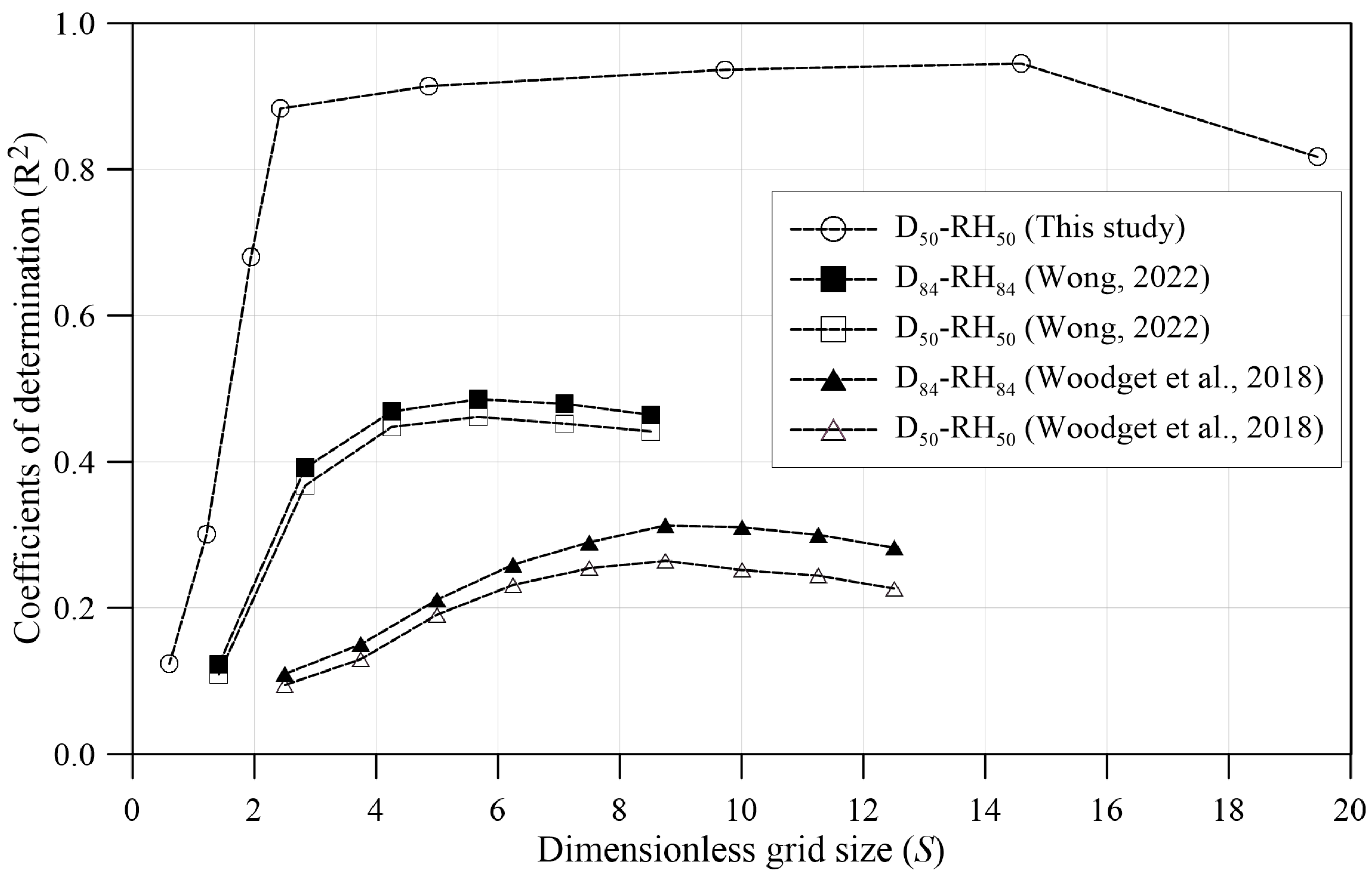
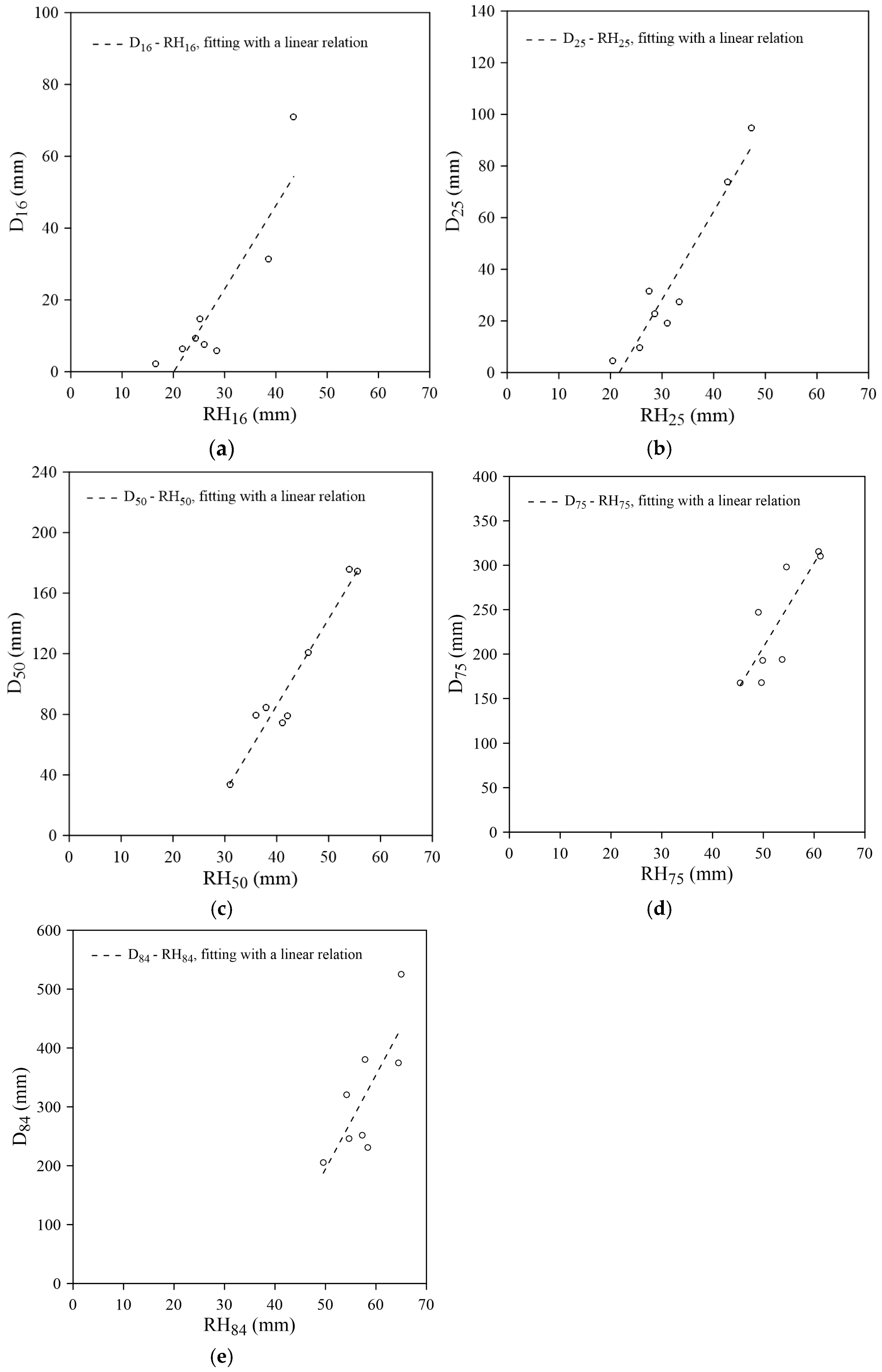
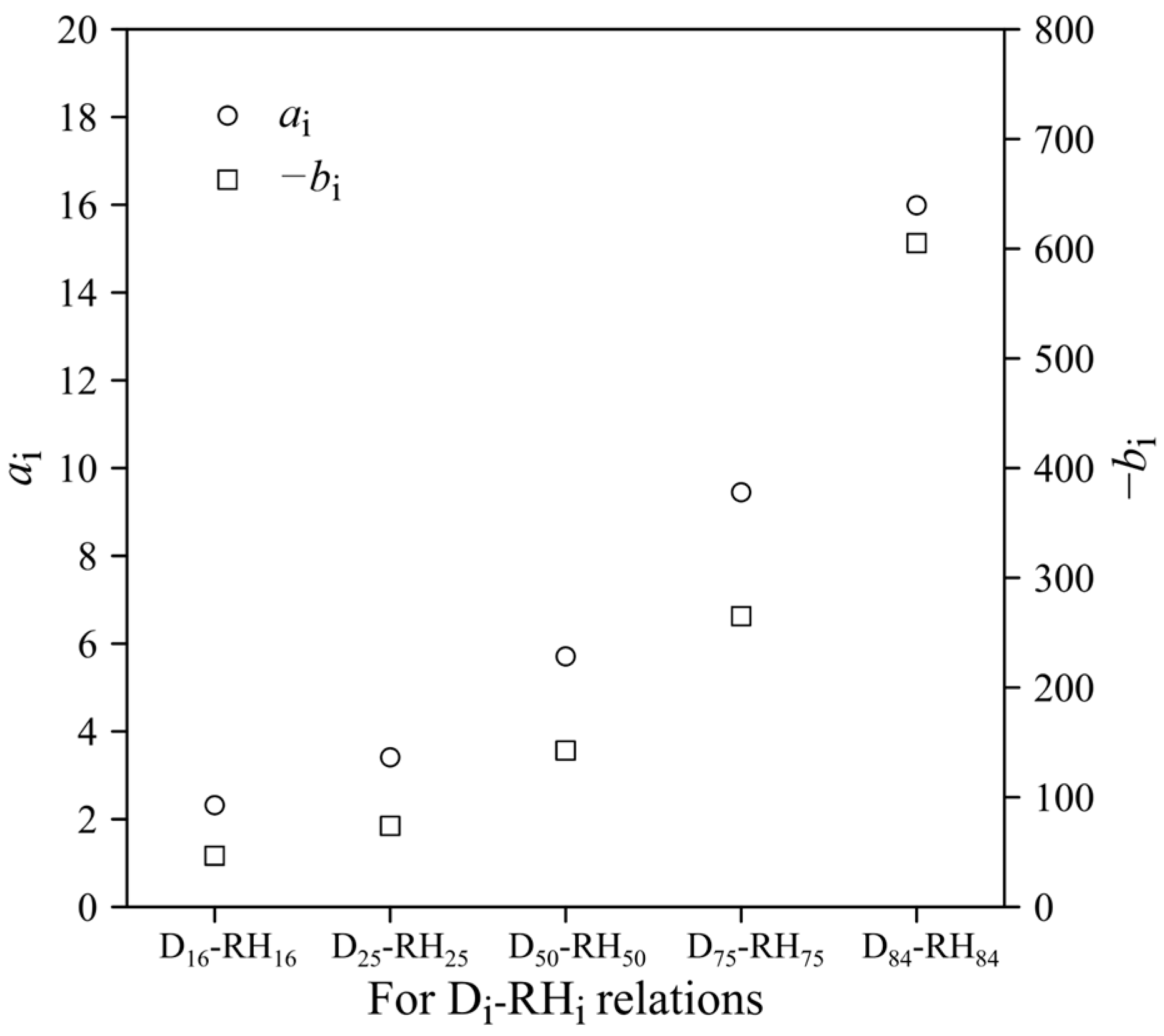
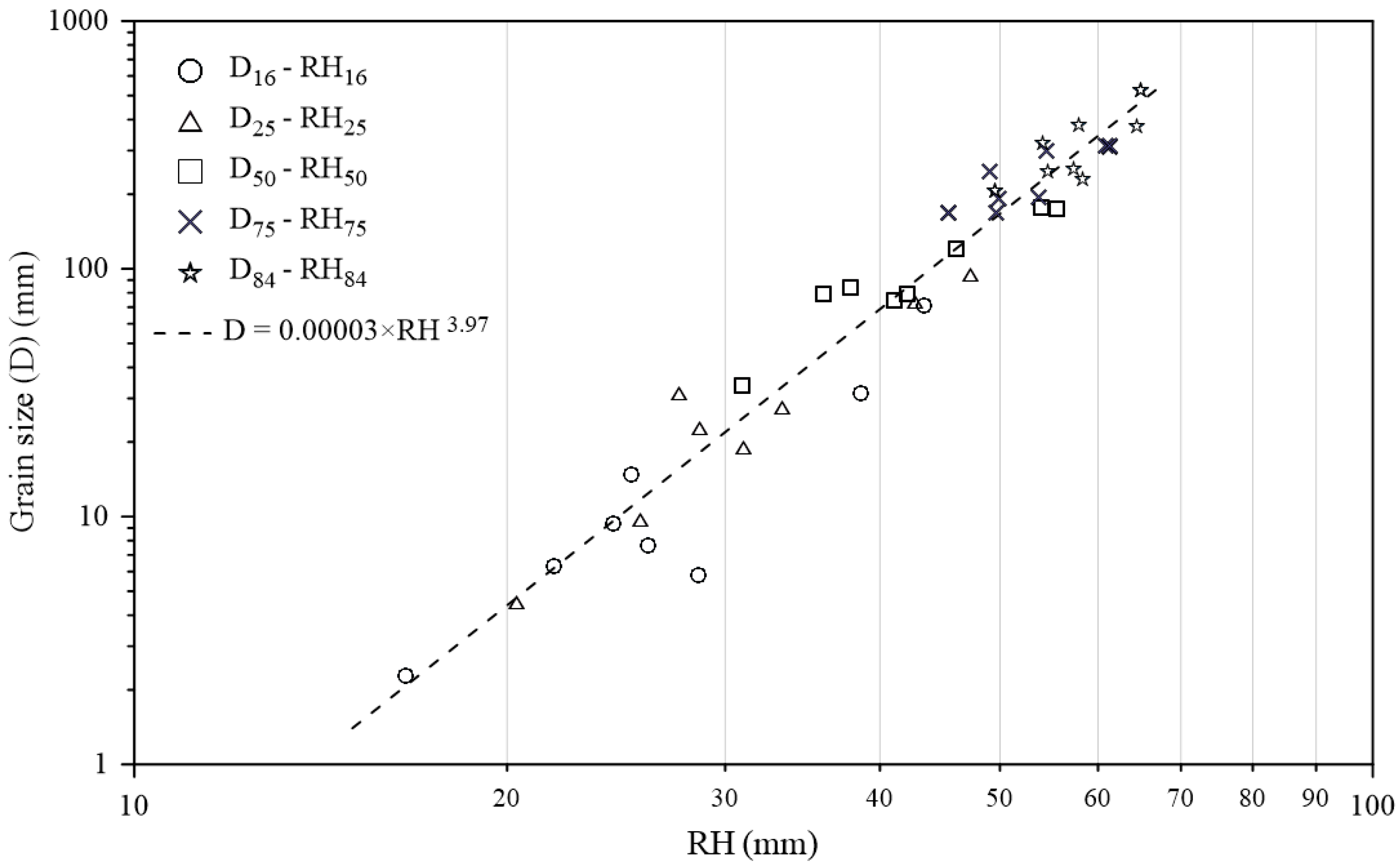
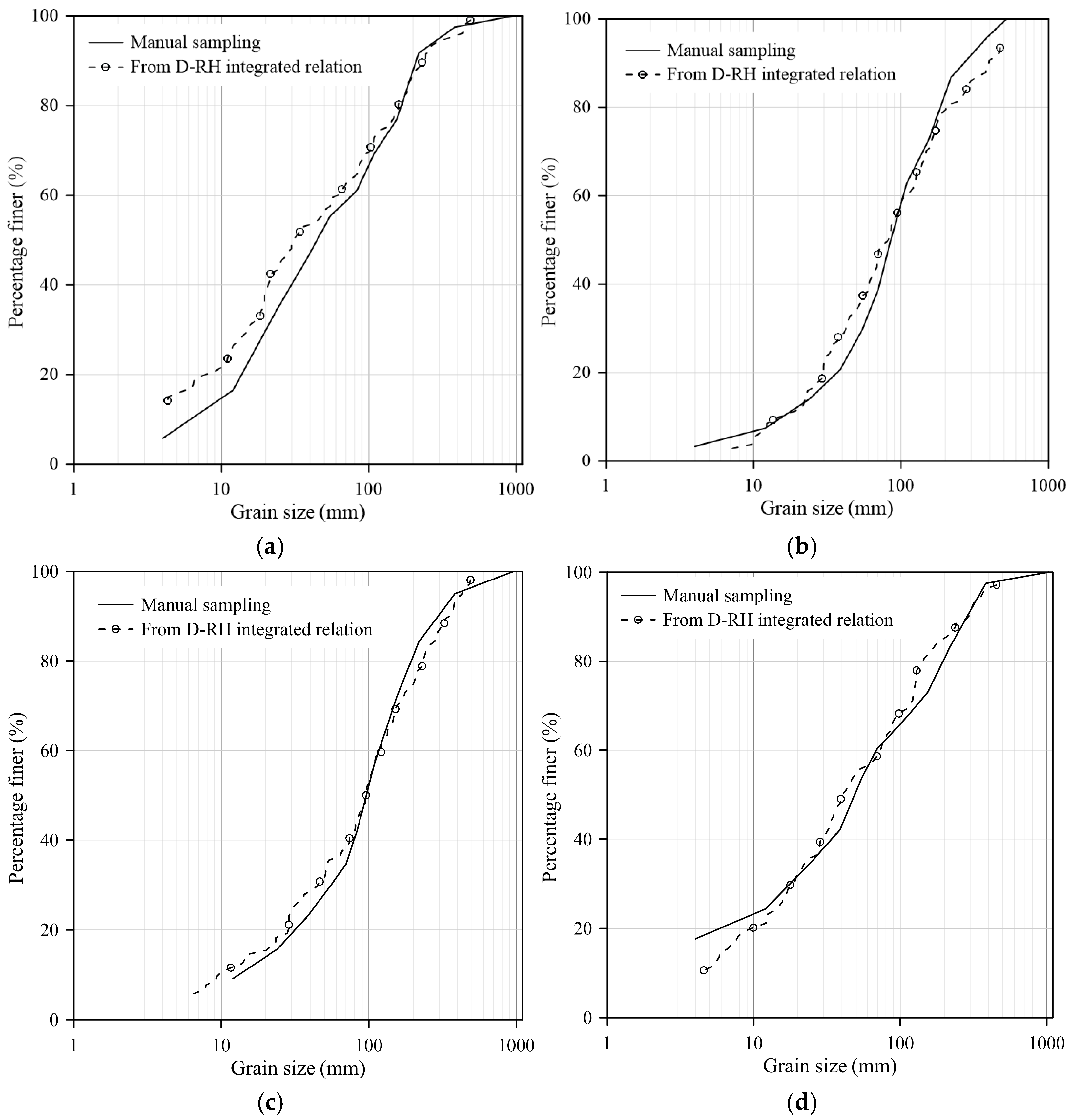
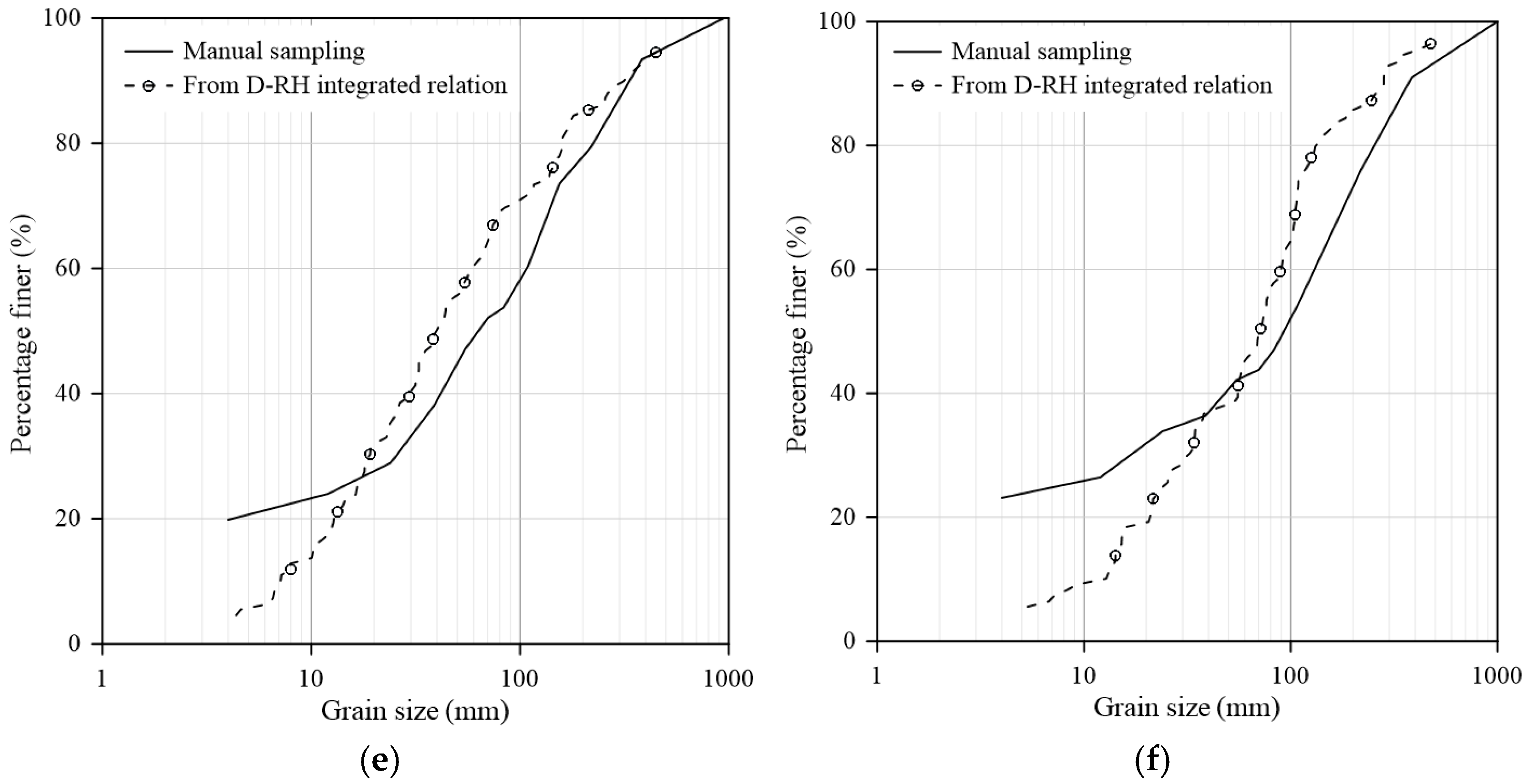
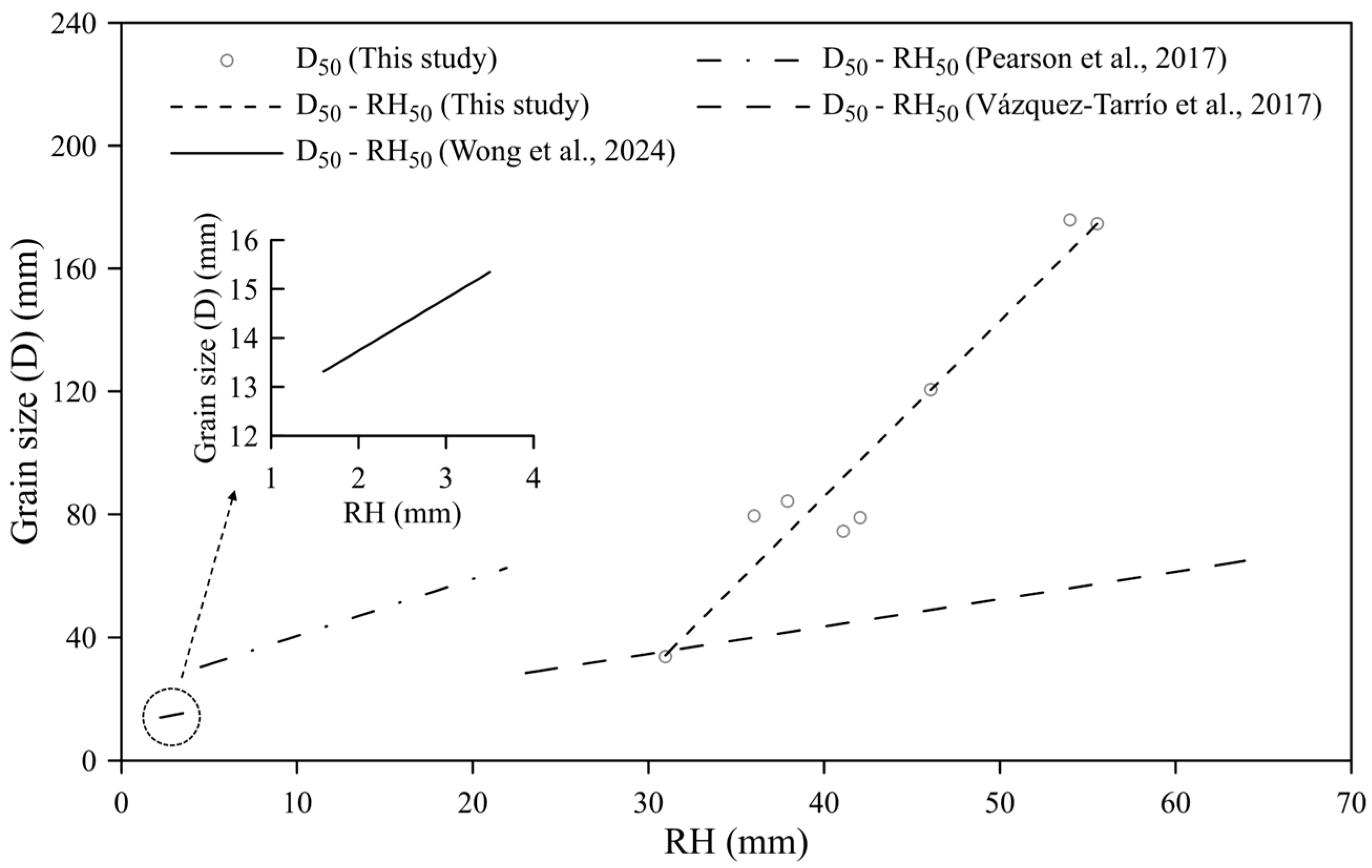
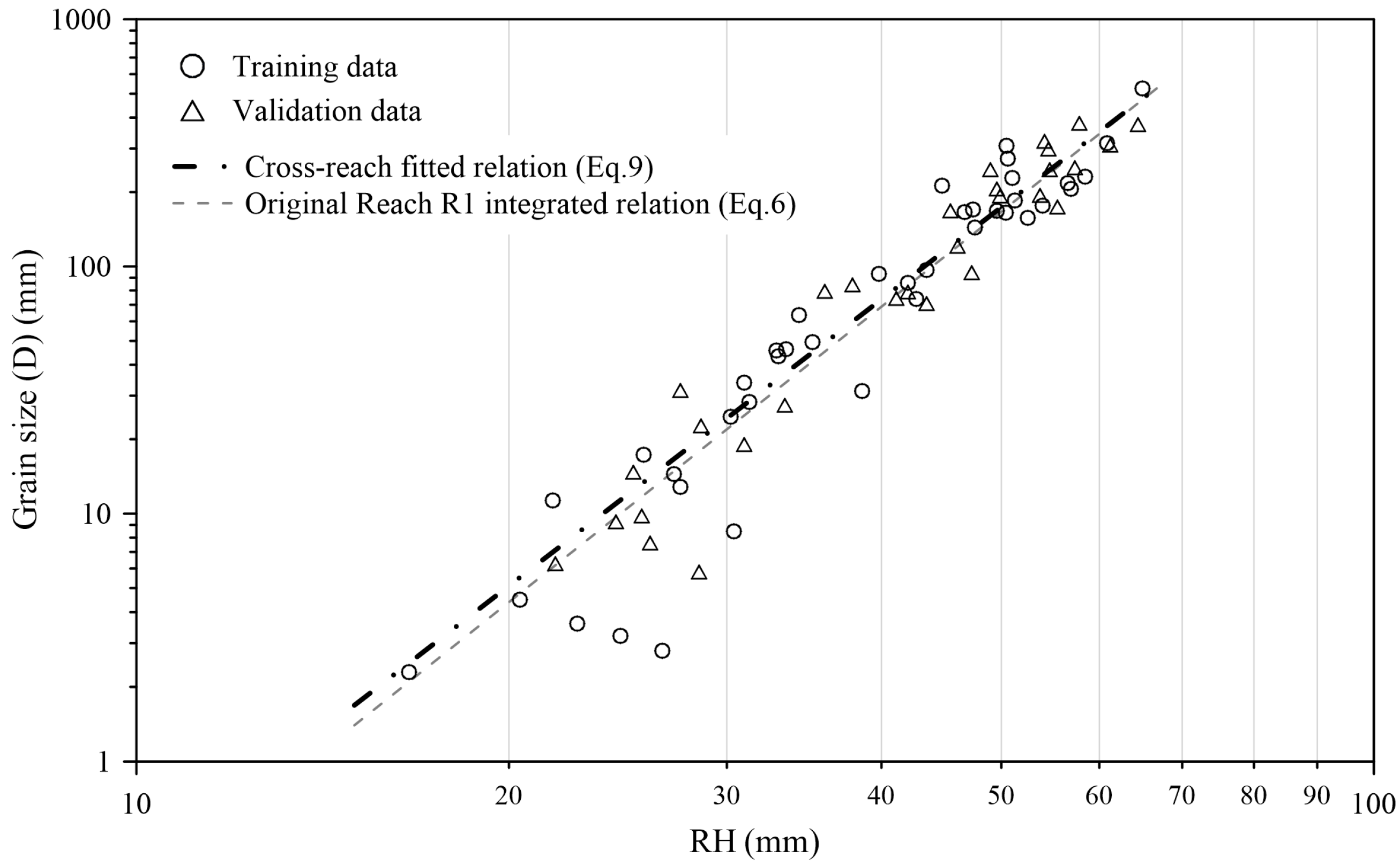
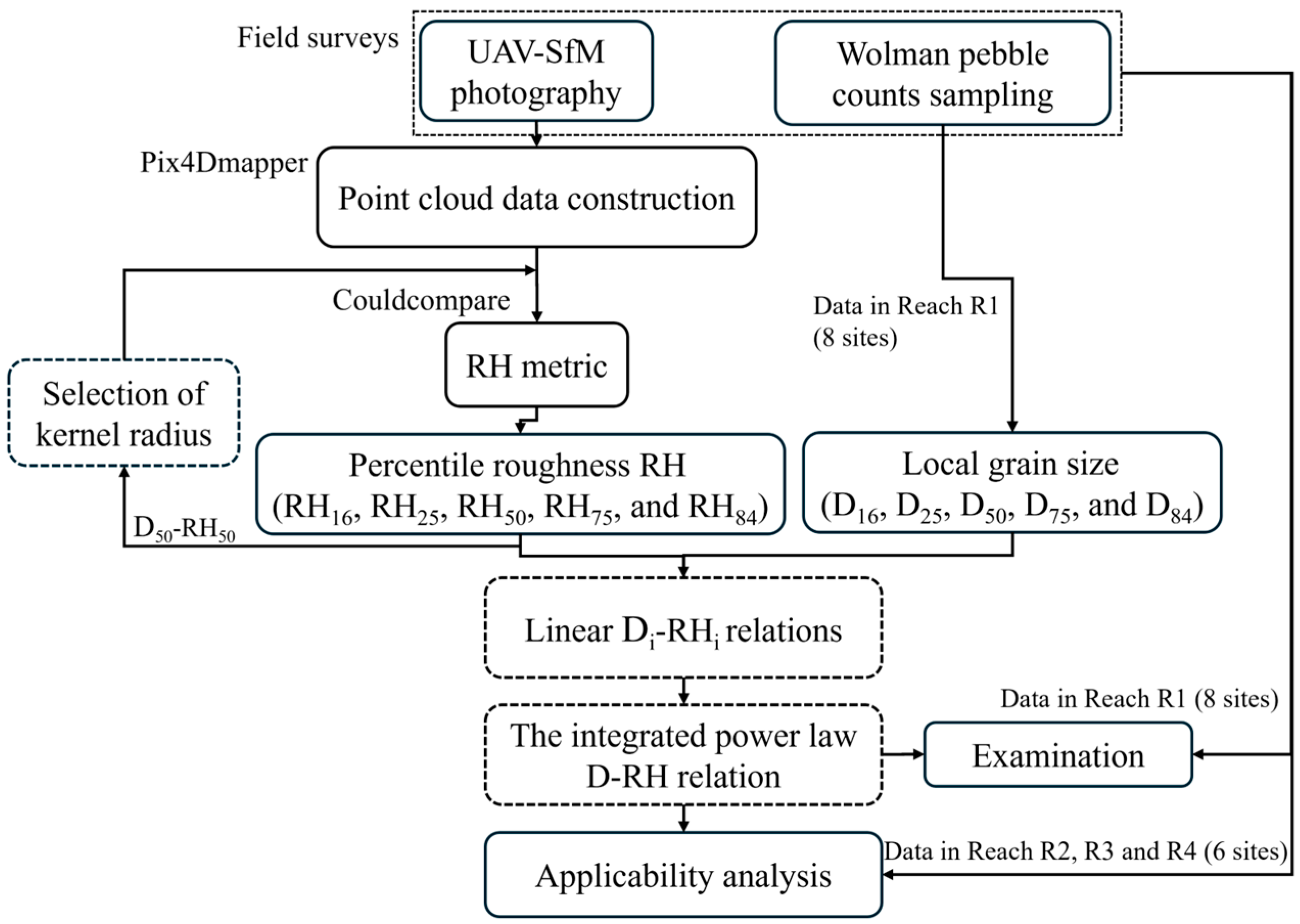
Understanding the sediment grain size distribution in riverbeds is essential for analyzing sediment transport, riverbed morphology, and ecological habitats. Previous studies have shown that riverbed grain size can be inferred from surface roughness using linear relations between manually sampled grain sizes and percentile roughness derived from point-cloud data. However, these relations are often established within narrow grain-size ranges, causing regression coefficients to vary across percentiles and limiting their applicability to broader grain-size variability. This study conducted field investigations and UAV (Unmanned Aerial Vehicle) surveys to examine grain size–roughness relations across four coarse-grained mountainous river reaches in Taiwan, characterized by a wide grain-size distribution (D16–D84: 2.3–525 mm). High-resolution 3D point clouds were generated using UAV-SfM (Structure-from-Motion) techniques for roughness metric computation. Linear relations between grain size Di (i = 16, 25, 50, 75, and 84) and their corresponding percentile roughness RHi were developed and evaluated. Results indicate that Di-RHi relations exhibit moderate to strong correlations (R2 = 0.60–0.94), and the regression slope increases exponentially with grain size. To address cross-percentile variability, an integrated power-law relation was proposed by pooling all paired Di-RHi data from Reach R1, yielding a single, continuous reach-scale grain size–roughness correlation. Applicability tests using data from the remaining three reaches show that the integrated relation performs better for coarser grains (D50–D84) than for finer grains. Future work incorporating more sampling sites across diverse river types will help further refine the integrated relation and improve its cross-reach applicability.

Article Metrics

Citations

Article Access Statistics

Multiple requests from the same IP address are counted as one view.